33 Office Supplies and How They Were Invented
Most desk drawers hold a small museum of accidents, patent disputes, and problems solved by people who were simply annoyed. The stapler, the sticky note, and the humble rubber band all arrived with a backstory, and some of those stories are stranger than the objects themselves.
The inventors involved were clockmakers, secretaries, chemists, and insurance salesmen. Few of them set out to change the workplace, and several were barely paid for it.
Paper and the Han Court Official
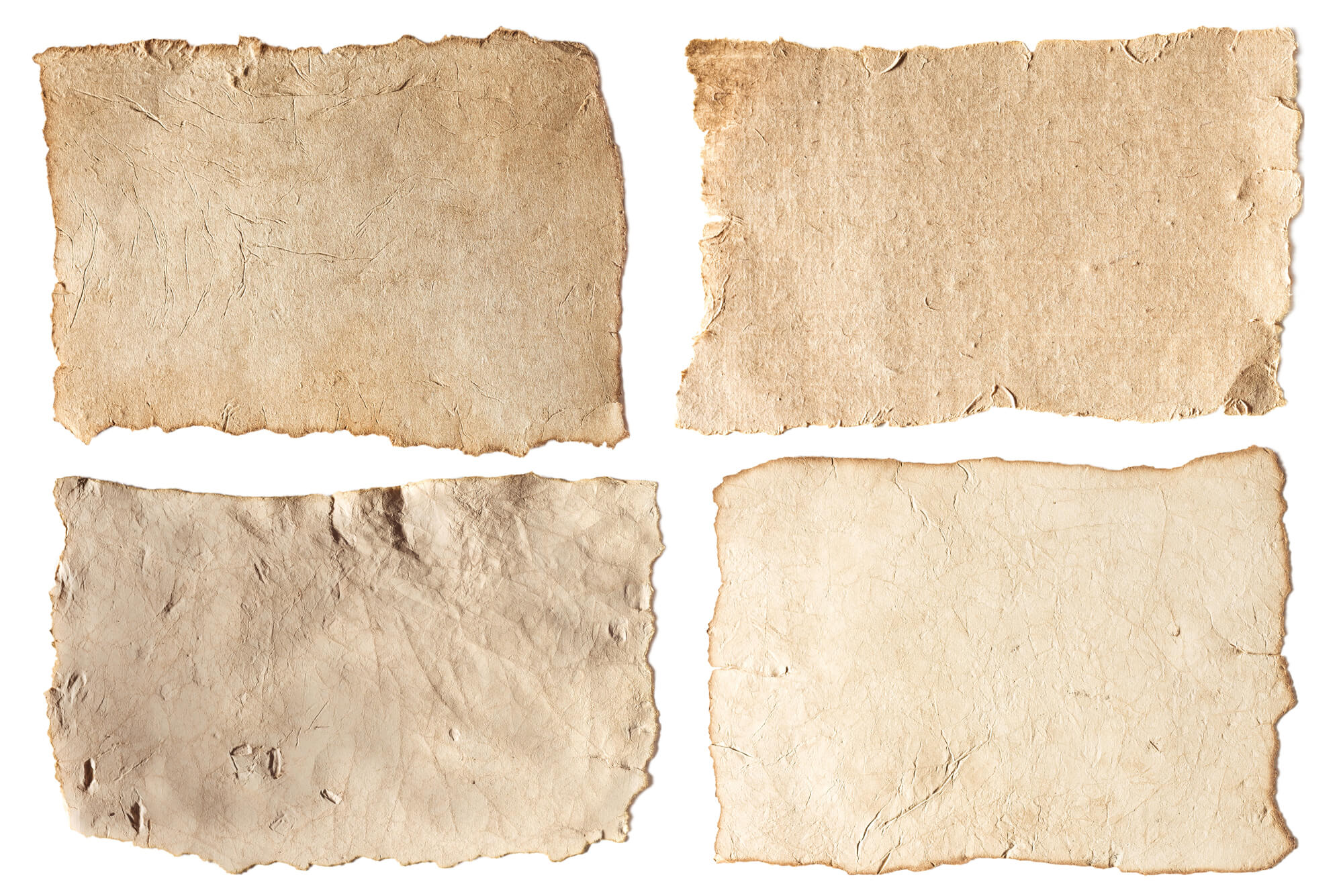
Paper is traditionally credited to Cai Lun, an official in the imperial court of China’s Eastern Han dynasty, who presented his process around the year 105. He worked from ordinary scraps such as tree bark, hemp waste, and old rags.
Earlier paper-like sheets had been found in China, but his method made production practical at scale, and the material eventually crossed continents.
The Paper Clip and a Norwegian Resistance Symbol

An American named Samuel Fay patented a wire fastener in 1867 that was meant mainly for attaching tickets to fabric, though he noted it could hold papers too. The familiar double-oval design, known as the Gem, appeared in Britain in the 1890s.
During the German occupation of Norway in World War II, citizens wore paper clips on their lapels as a quiet sign of unity and resistance.
The Stapler and a Motion Picture Pioneer
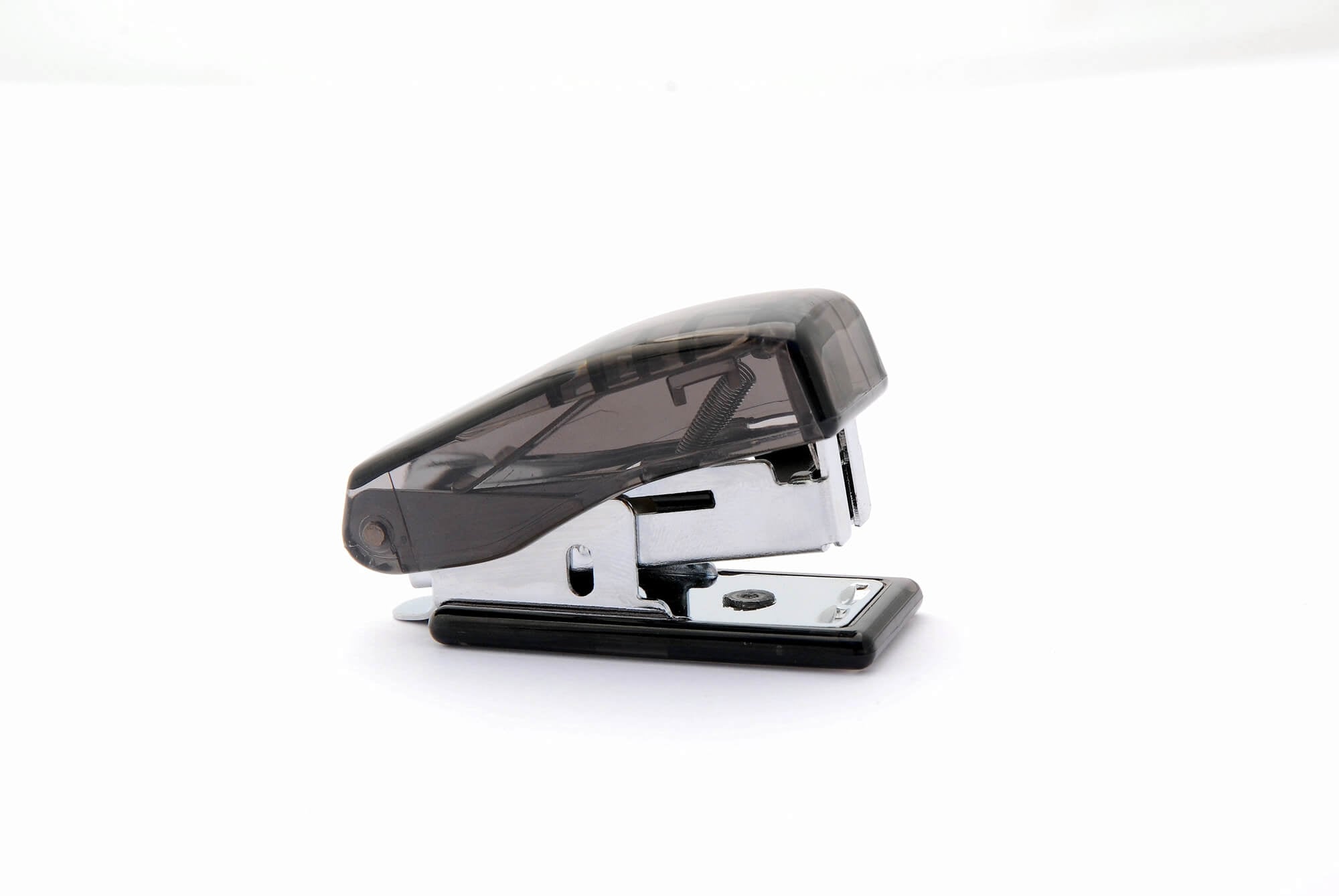
Henry Heyl of Philadelphia received a patent in 1877 for a machine that drove staples through paper and folded the ends flat in one motion. The same inventor had demonstrated an early projector for moving images, the Phasmatrope, in 1870.
Staplers then became a desk fixture, and the office has been short one every Monday since.
Post-it Notes and a Glue That Failed

Spencer Silver, a chemist at 3M, created a weak, reusable adhesive in 1968 while chasing a much stronger one. Years later, in 1974, colleague Art Fry grew tired of bookmarks slipping out of his choir hymnal and realized the weak glue was the solution.
The product reached national markets in 1980, and the canary yellow color came from the scrap paper available in the lab next door.
Scotch Tape and Clear Cellophane

Richard Drew, a 3M engineer, developed a clear cellophane tape in 1930 after earlier masking tape work. Its timing was lucky, because the Great Depression pushed households to mend things rather than replace them.
Moisture-proof cellophane was the key, since earlier packaging tapes tended to cloud or fail when stored in damp conditions.
Masking Tape and the Stingy Painters

Drew developed masking tape in 1925 after watching auto body painters struggle to keep the edges clean on two-tone cars. His first version had adhesive only along the edges, and it kept falling off.
A frustrated painter complained about the stingy adhesive, and the nickname Scotch stuck as the brand name.
The Tape Dispenser With a Built-In Blade
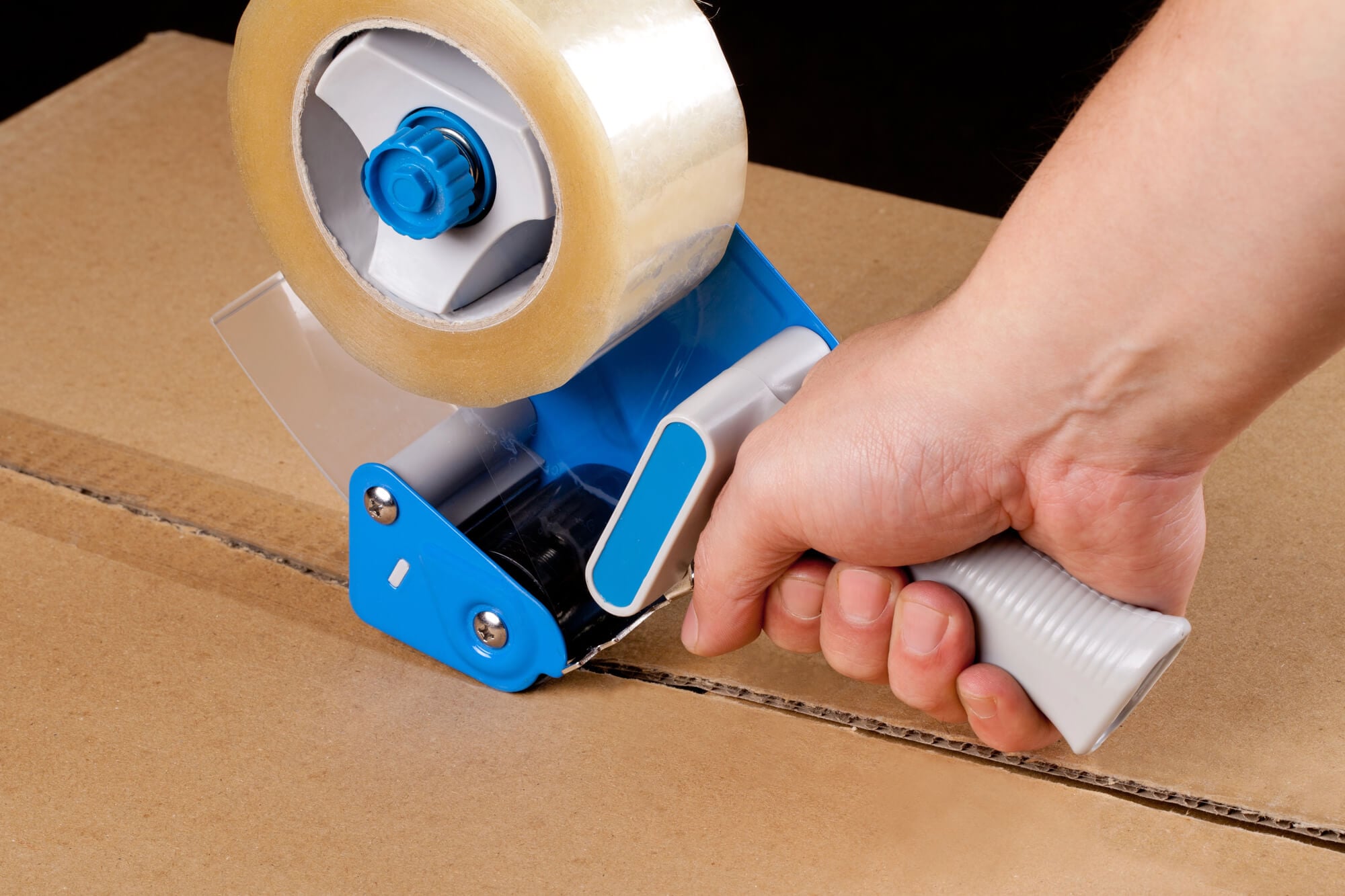
John Borden, a 3M employee, developed the first tape dispenser with a built-in cutting blade in 1932. Before that, users had to tear tape by hand or reach for scissors, which often left a stringy mess.
The weighted base that keeps modern dispensers from sliding around the desk descends directly from his design.
Correction Fluid From a Kitchen Blender
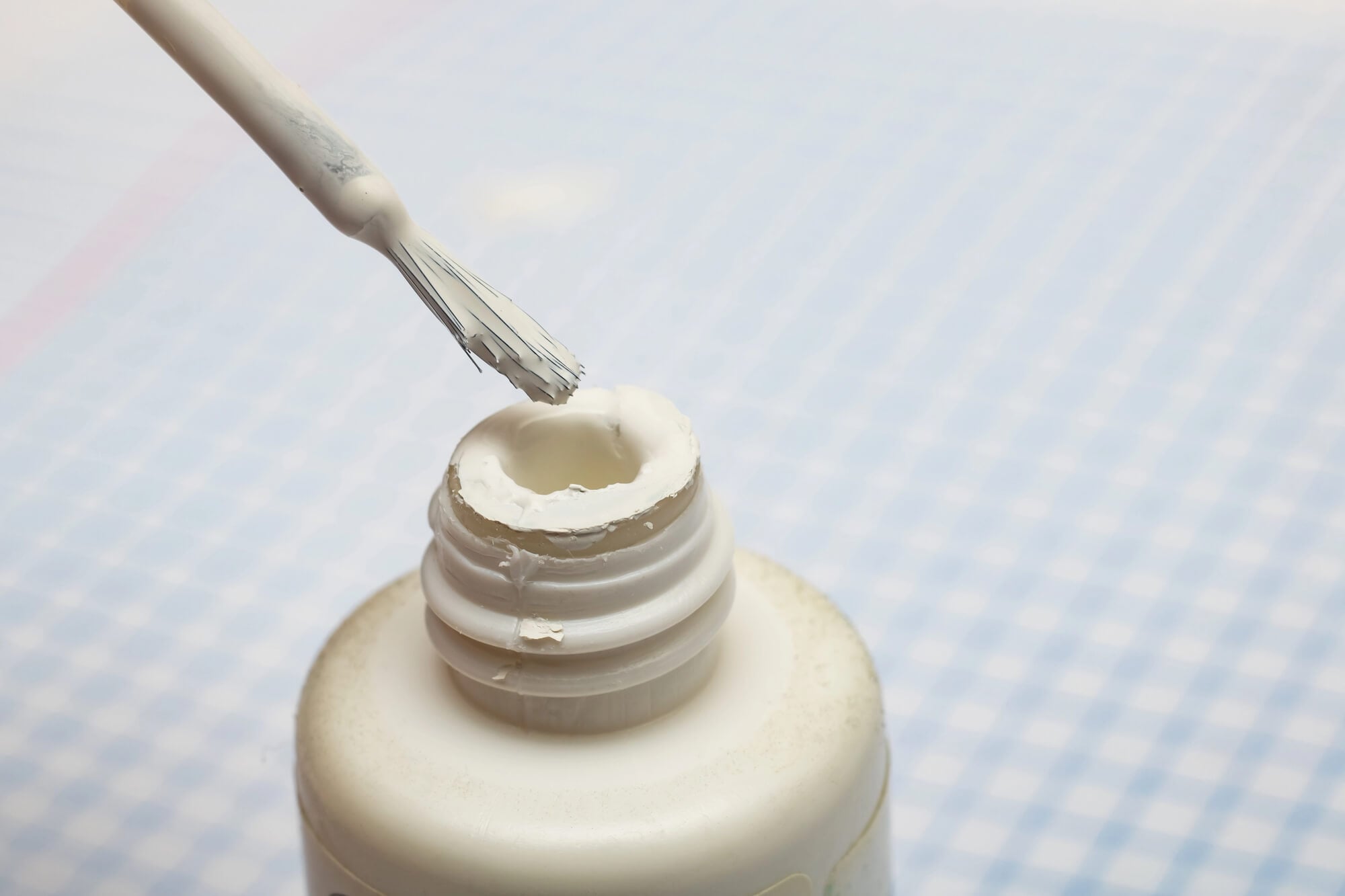
Bette Nesmith Graham, a secretary in Dallas, mixed white tempera paint in her kitchen blender in the 1950s to cover typing errors. She first sold it as Mistake Out, and it later became Liquid Paper.
In 1979 she sold the company to Gillette for $47.5 million, and her son Michael Nesmith went on to join the band the Monkees.
The Rubber Band and a London Patent
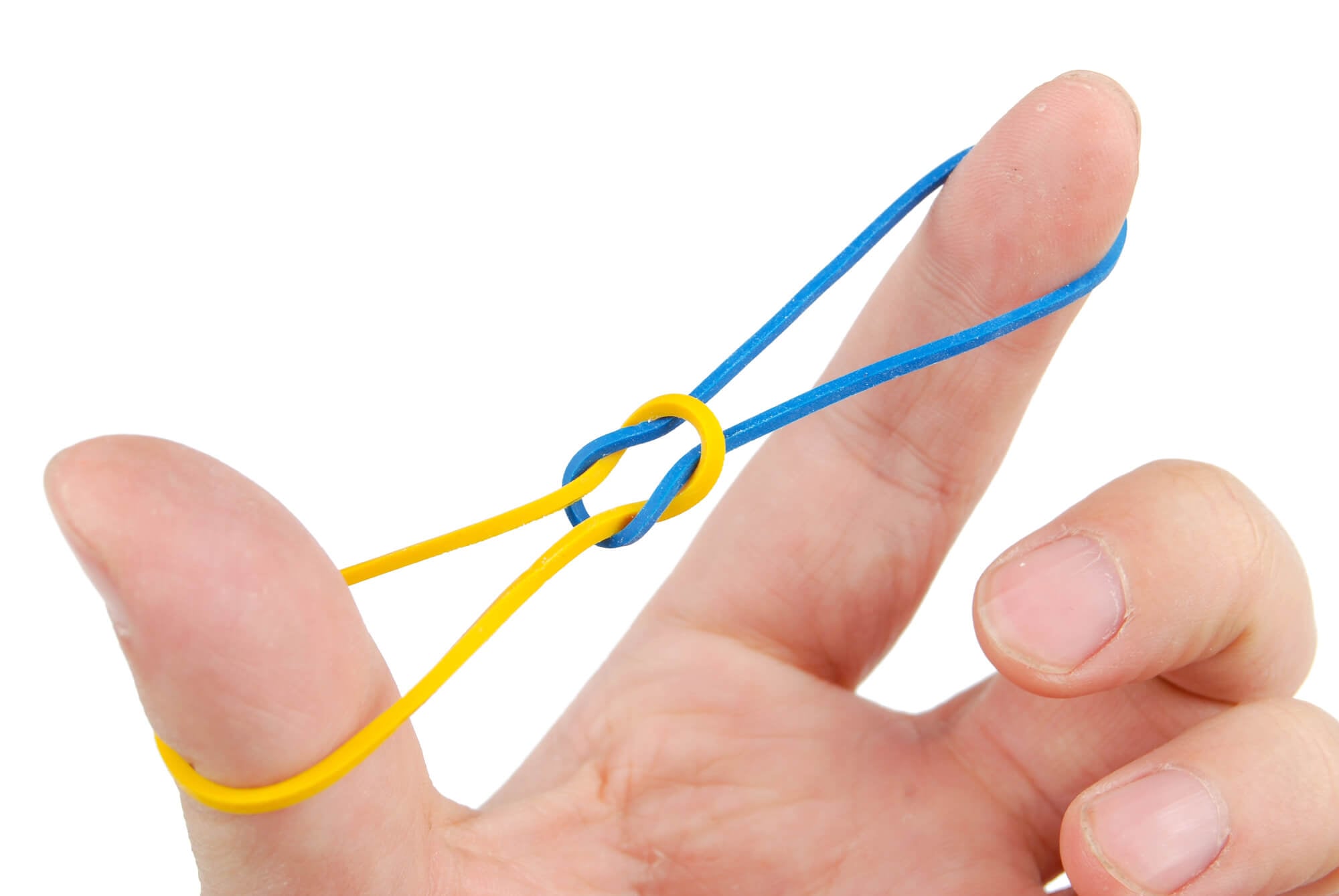
Stephen Perry patented the rubber band in London on March 17, 1845. He worked for a rubber manufacturer, and his bands were intended to hold papers and envelopes together.
Natural rubber of the era turned brittle in cold and sticky in heat, so the early versions were far less dependable than the bands that now live in kitchen drawers.
The Pencil With an Eraser Attached
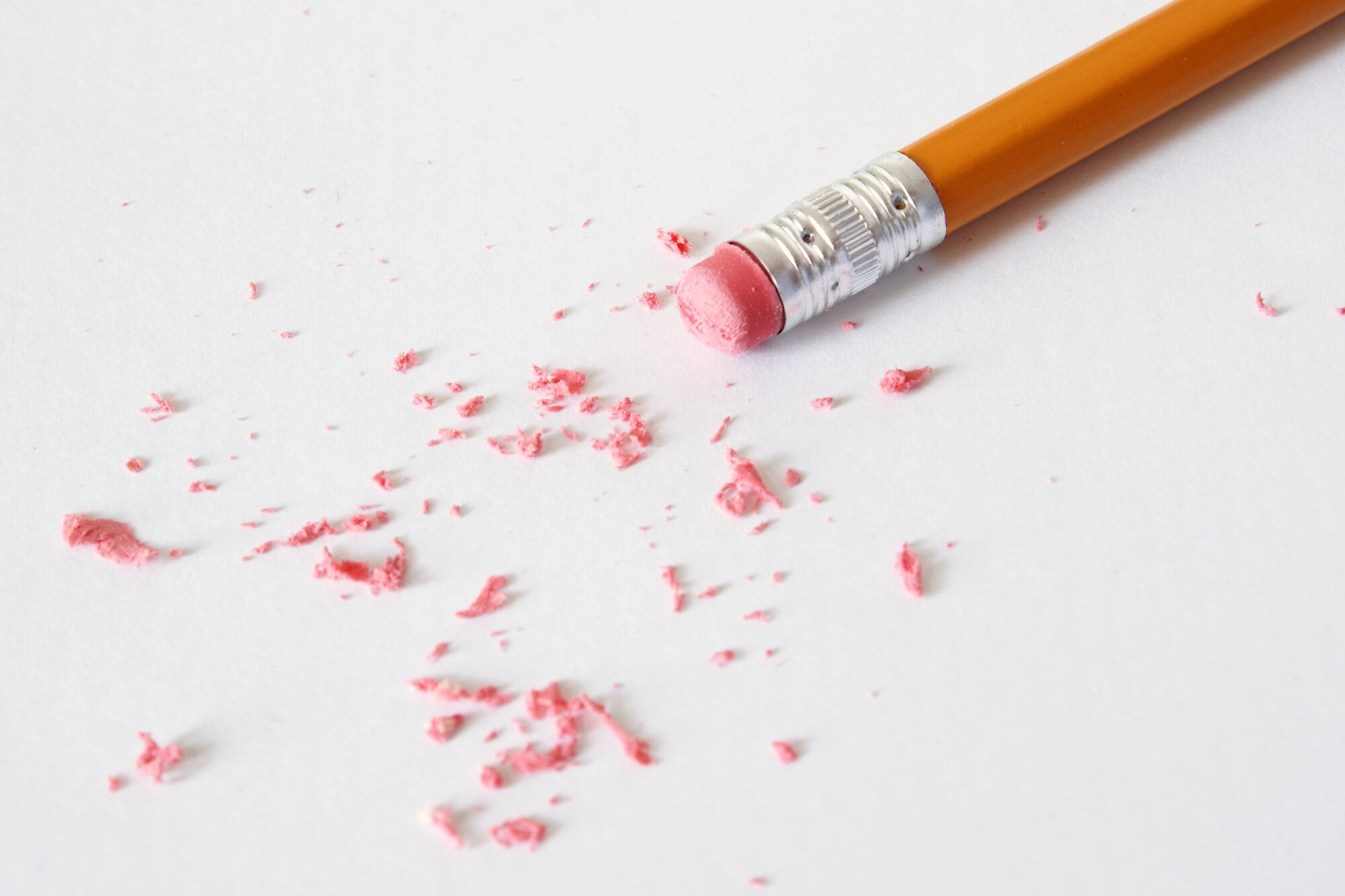
Hymen Lipman of Philadelphia patented a pencil with an eraser fixed to one end on March 30, 1858. He sold the patent for a large sum, but it was later invalidated in court, which ruled that joining two existing tools was not a true invention.
The ruling meant any manufacturer could copy the design freely, and nearly all of them did.
The Rubber Eraser and the Name It Left Behind
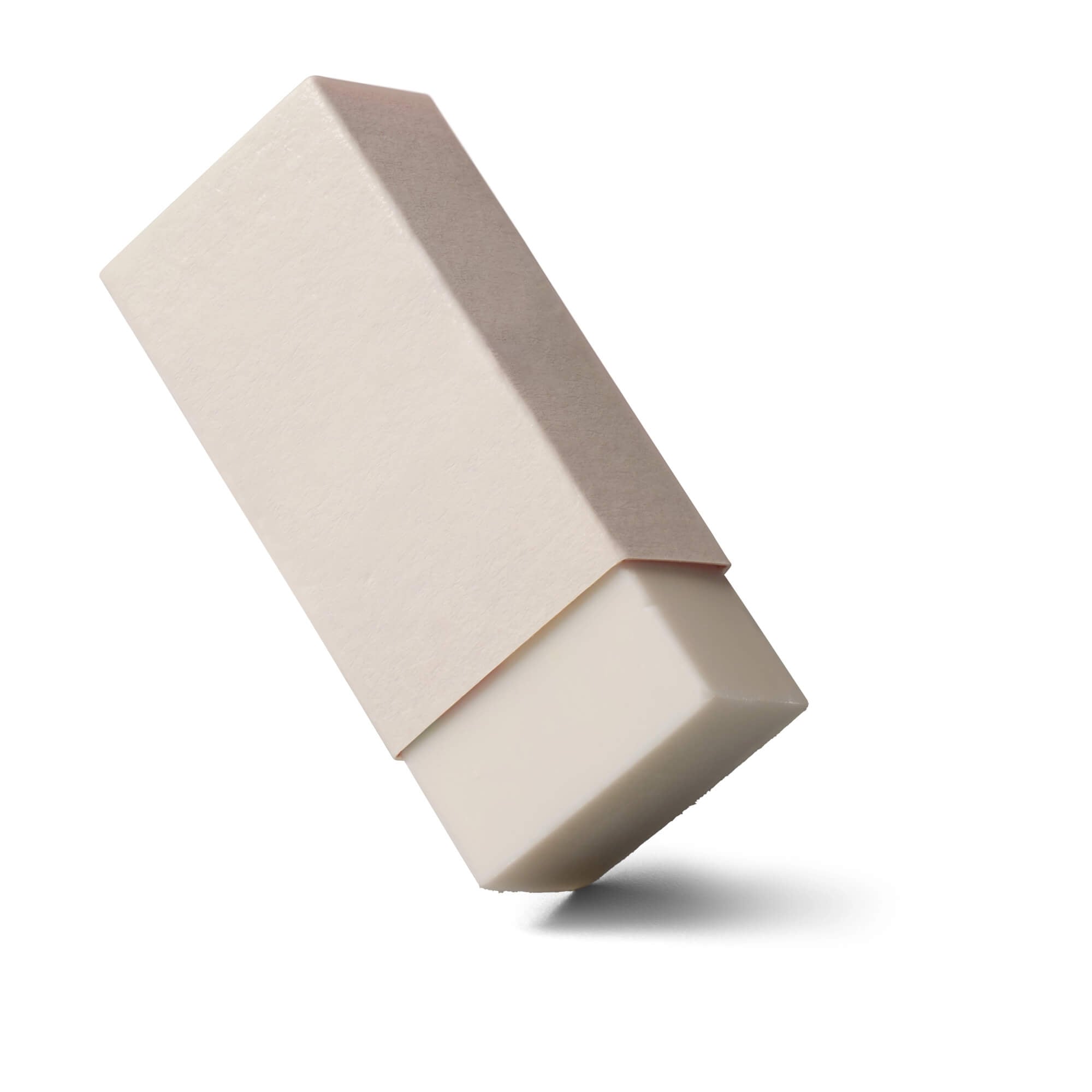
In 1770, English engineer Edward Nairne began selling small cubes of natural rubber as a replacement for the bread normally used to lift pencil marks. The rubber worked far better.
The material was already known to rub out marks, which is why erasers are still called rubbers in much of Britain.
The Fountain Pen and a Ruined Contract
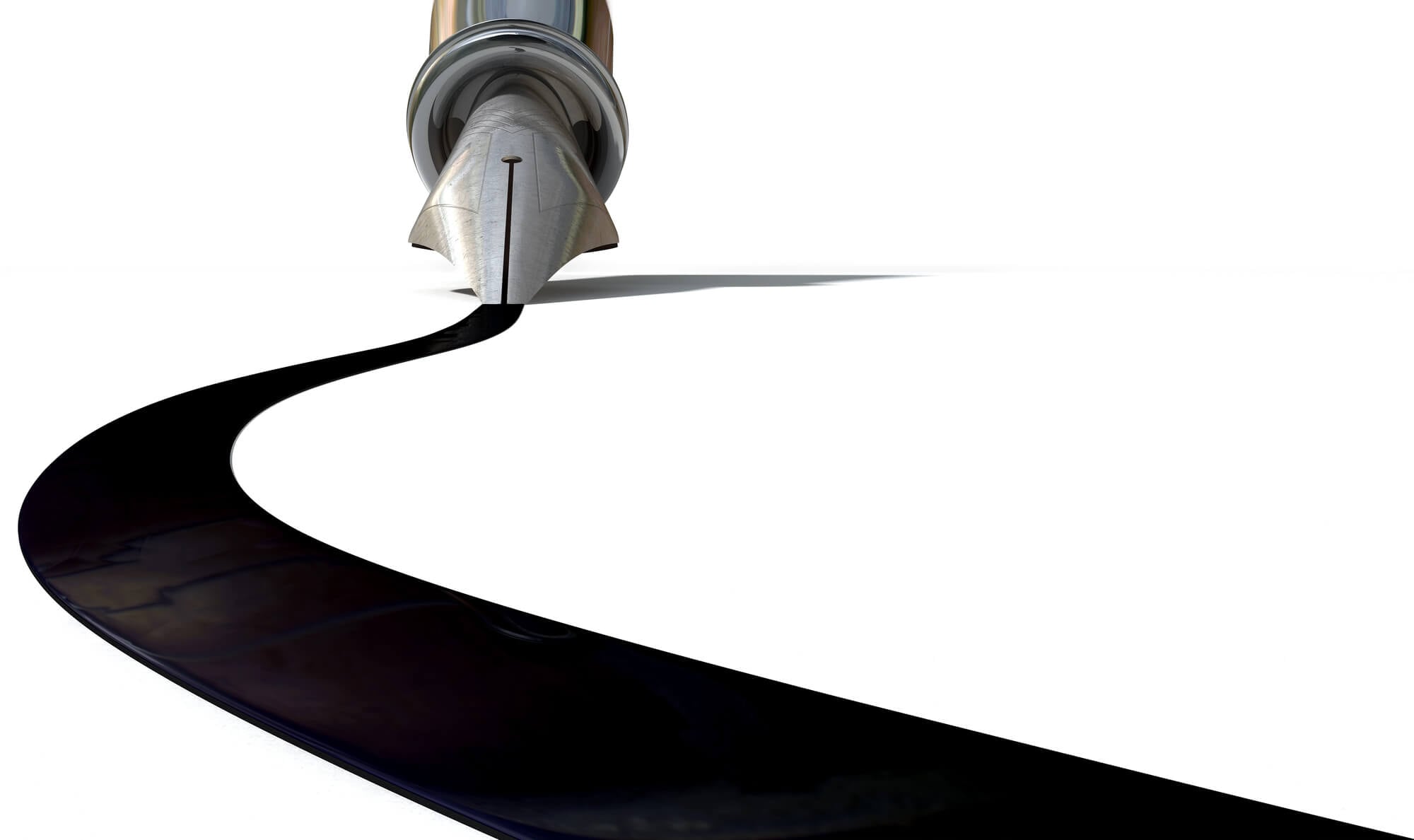
Lewis Waterman, a New York insurance broker, patented a pen in 1884 that used capillary action to deliver ink steadily. The design avoided blotting by letting air enter as ink flowed out, a principle that still governs the best fountain pens.
The Typewriter and the QWERTY Layout
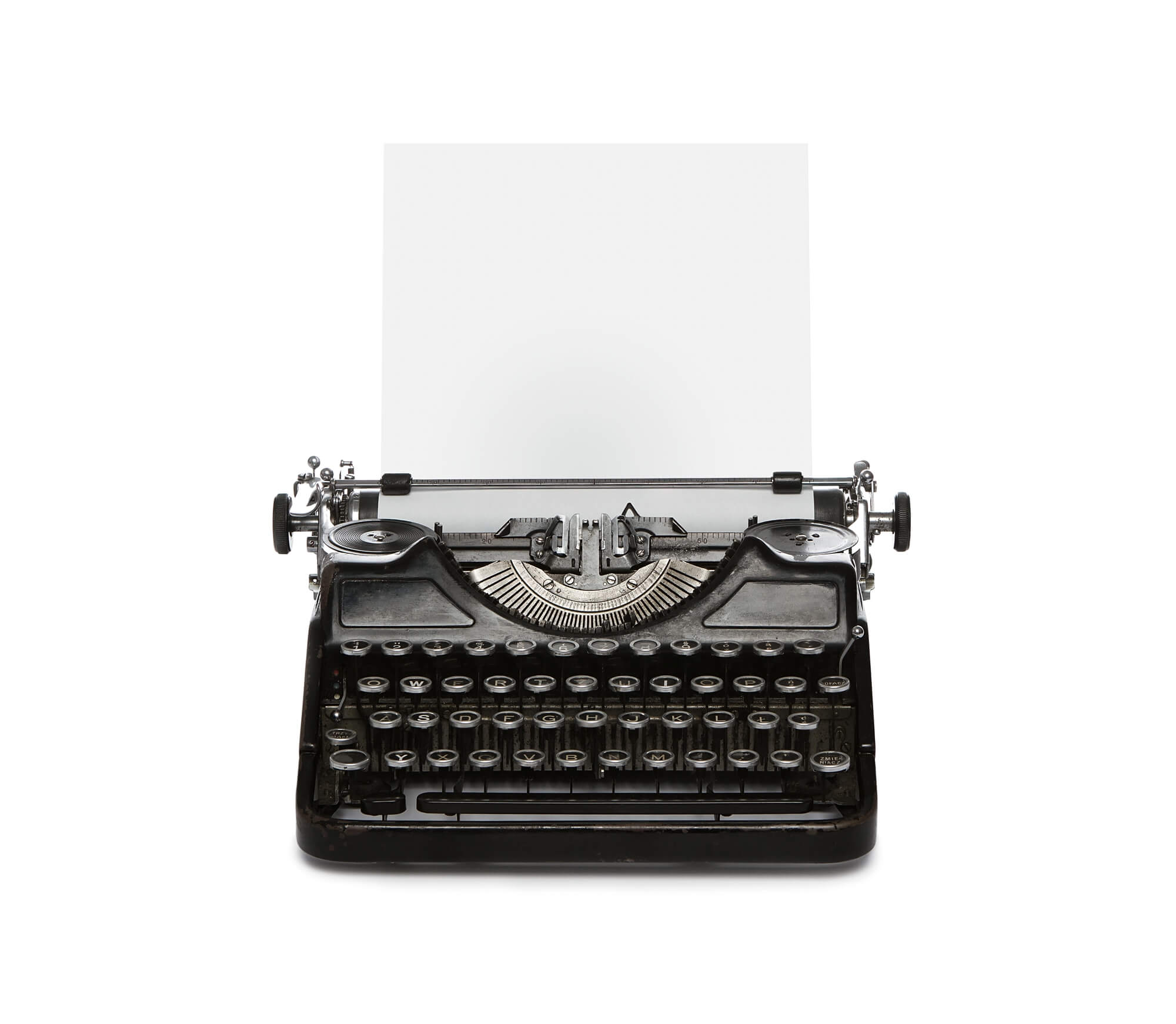
A Milwaukee newspaper editor and inventor built early typewriters with his partners in the late 1860s. The Remington company began manufacturing his design in 1873.
The QWERTY keyboard layout that came with it has outlasted every challenger for a century and a half.
Carbon Paper and a Writing Aid for the Blind
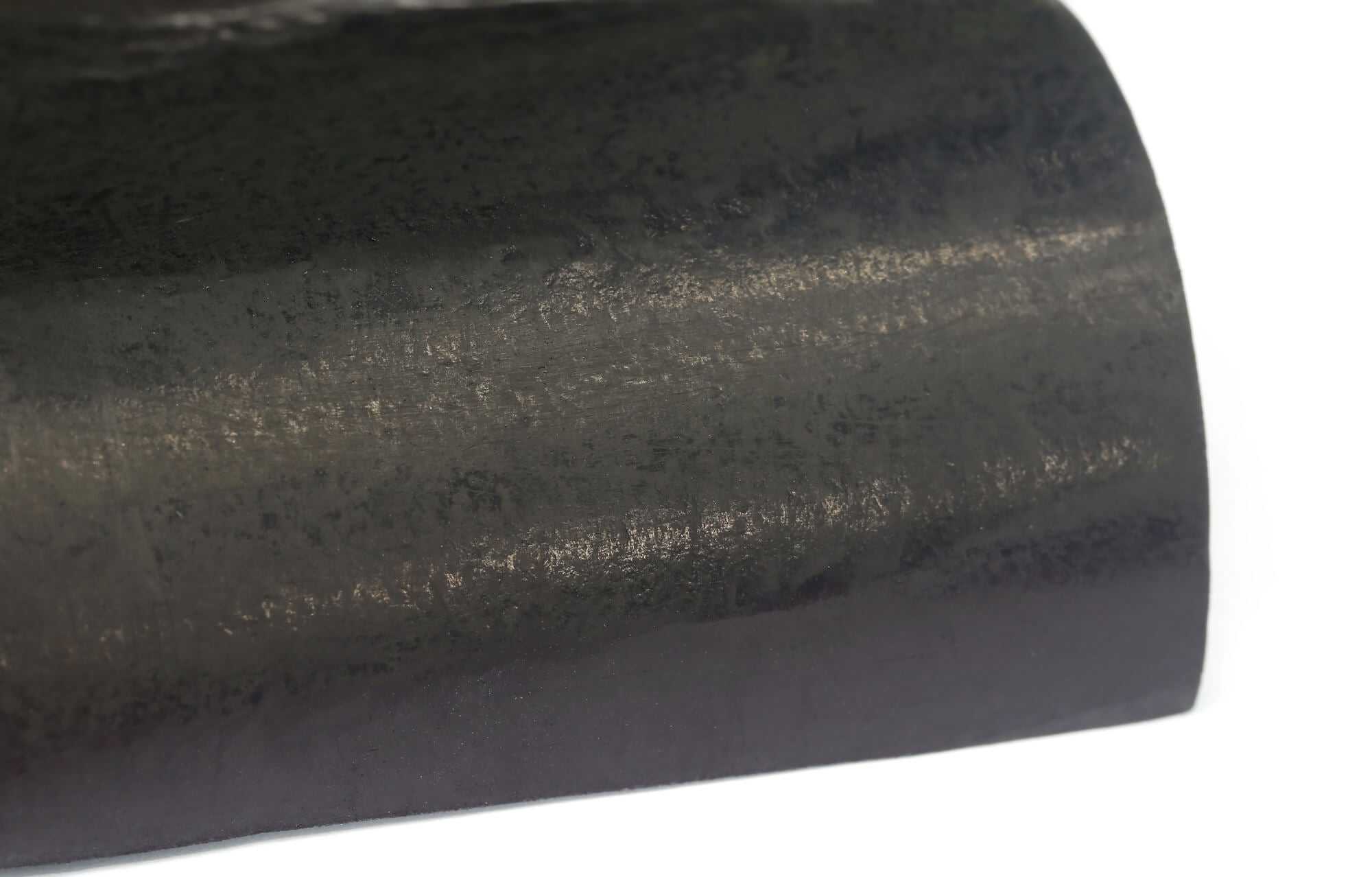
Ralph Wedgwood, an English inventor, patented carbon paper in 1806 as part of a device he called a stylographic writer. It was designed to help blind people write, using a stylus to press ink from a coated sheet onto the page beneath.
Offices later adopted it to make duplicate copies, and it served that purpose for well over a century.
The Photocopier and a Patent Attorney
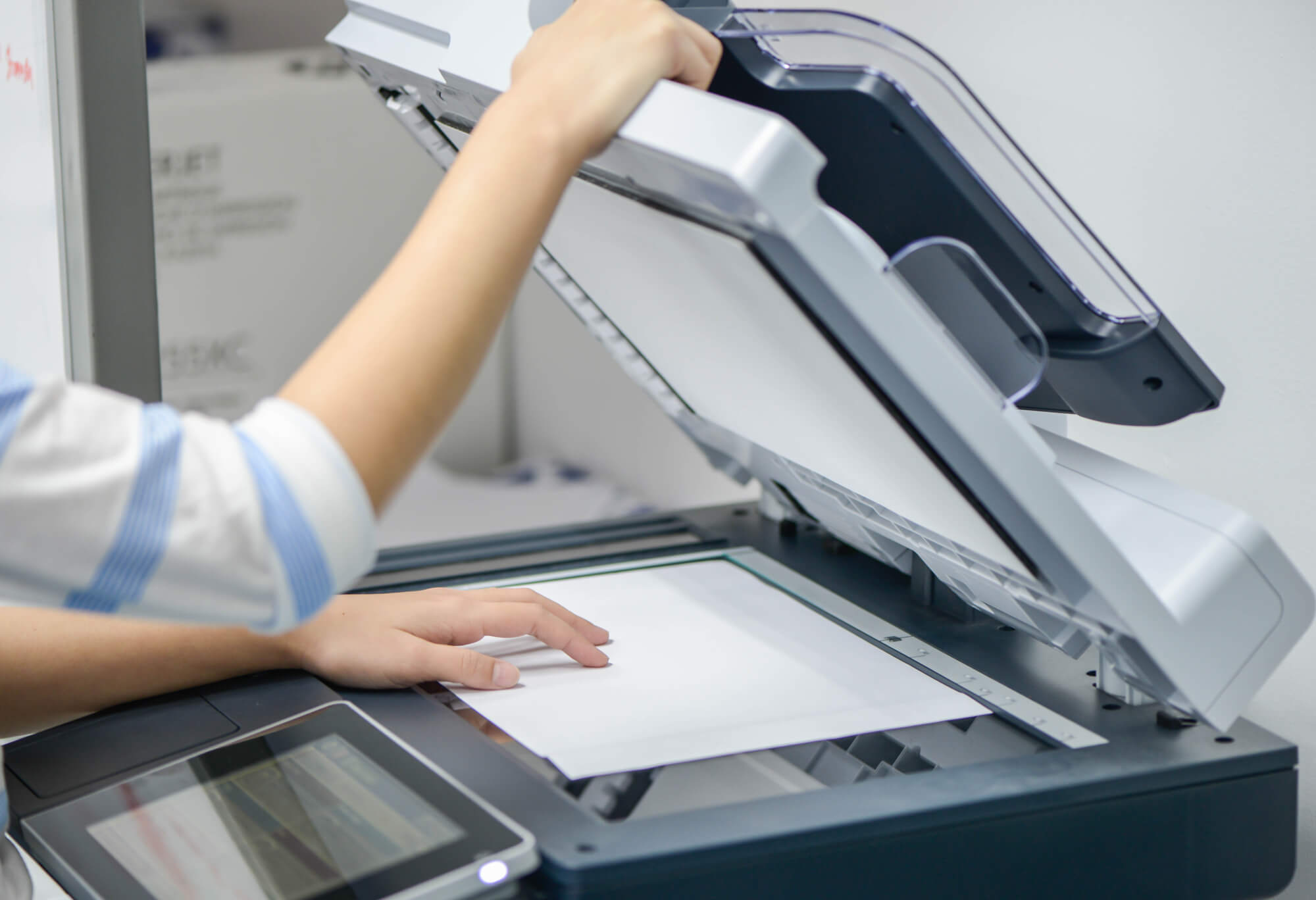
Chester Carlson, a patent attorney who was tired of copying documents by hand, produced the first xerographic image in Astoria, Queens, on October 22, 1938. The image read “10-22-38 Astoria,” and his assistant Otto Kornei made it using static electricity and powder.
Dozens of companies turned him down before the Xerox 914 reached offices in 1959.
The Rolodex and a Rotating Card File
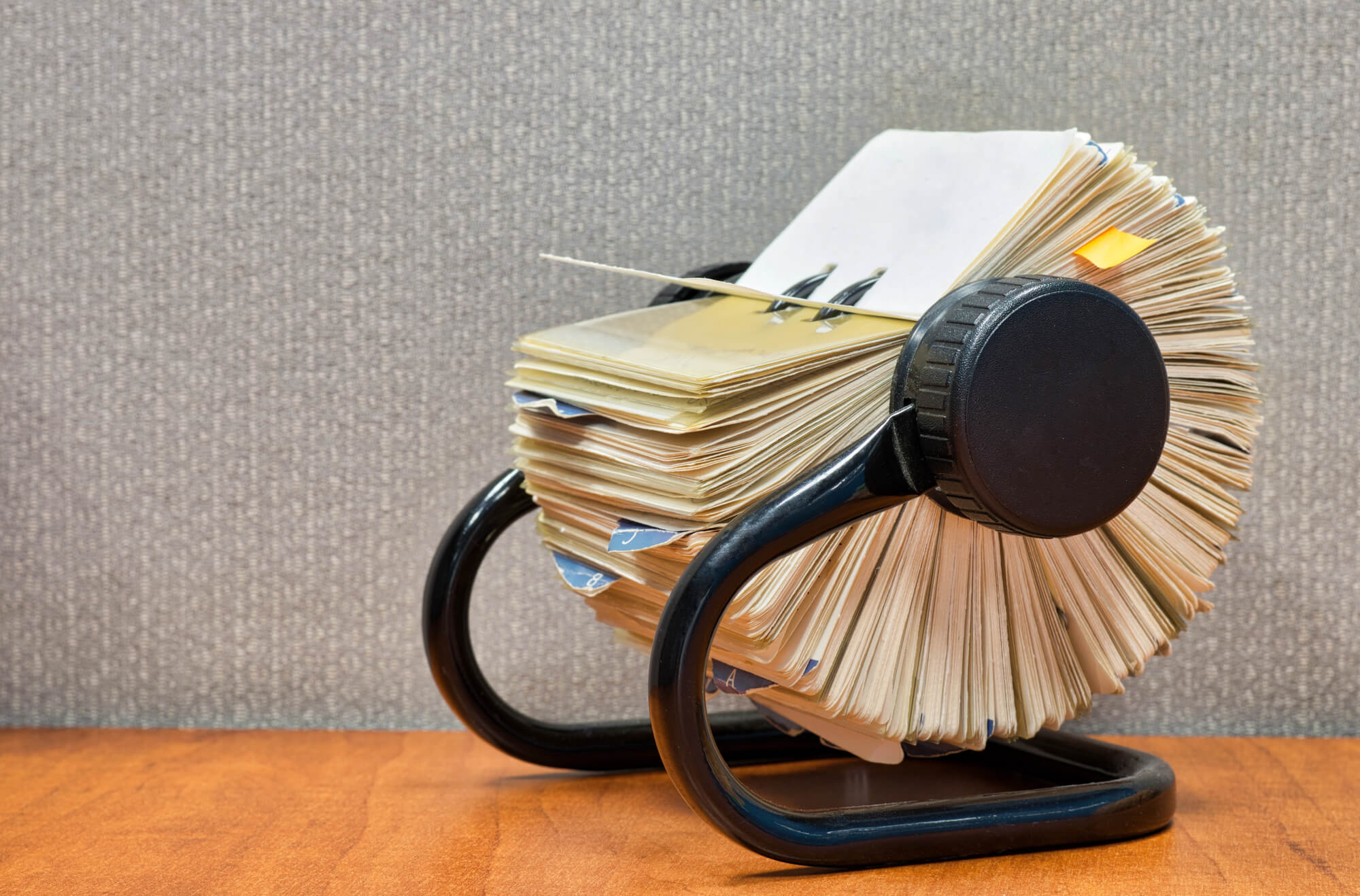
Arnold Neustadter, who ran a company called Zephyr American, introduced the Rolodex in 1956. Danish-born designer Hildaur Neilsen helped shape the original rotary file, and the name came from combining rolling and index.
For decades, the thickness of a person’s Rolodex served as a rough measure of professional connections.
The Binder Clip and a Washington Patent
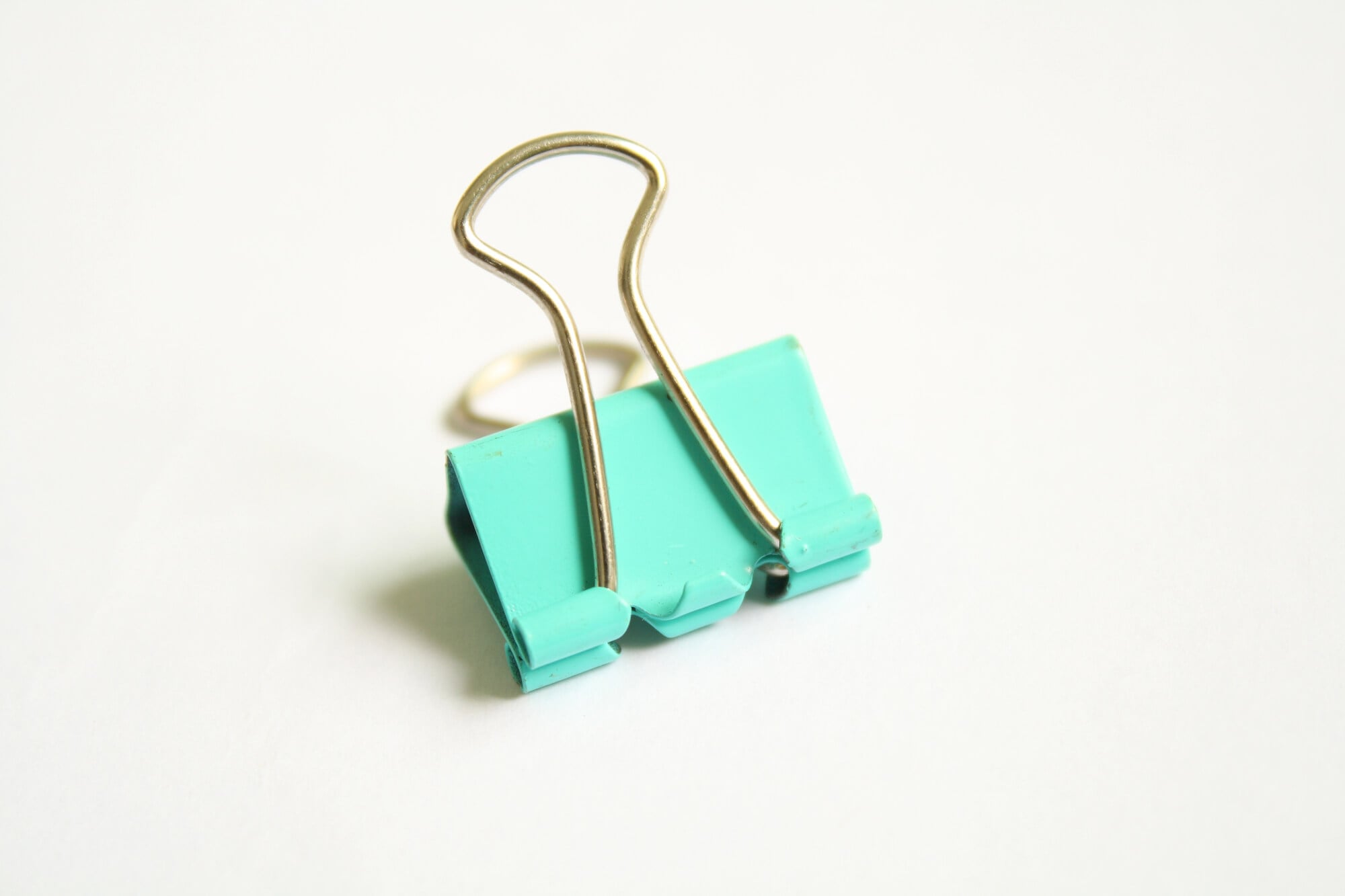
Louis Baltzley patented a spring-steel clip in Washington, D.C., in 1910, giving offices a way to hold thick stacks together without damaging the paper. Its two folding wire handles lock the clip in place or fold down flat once the clamp is set.
The design has barely changed in more than a century, which is rare for anything made of bent metal.
The Push Pin From a Philadelphia Inventor
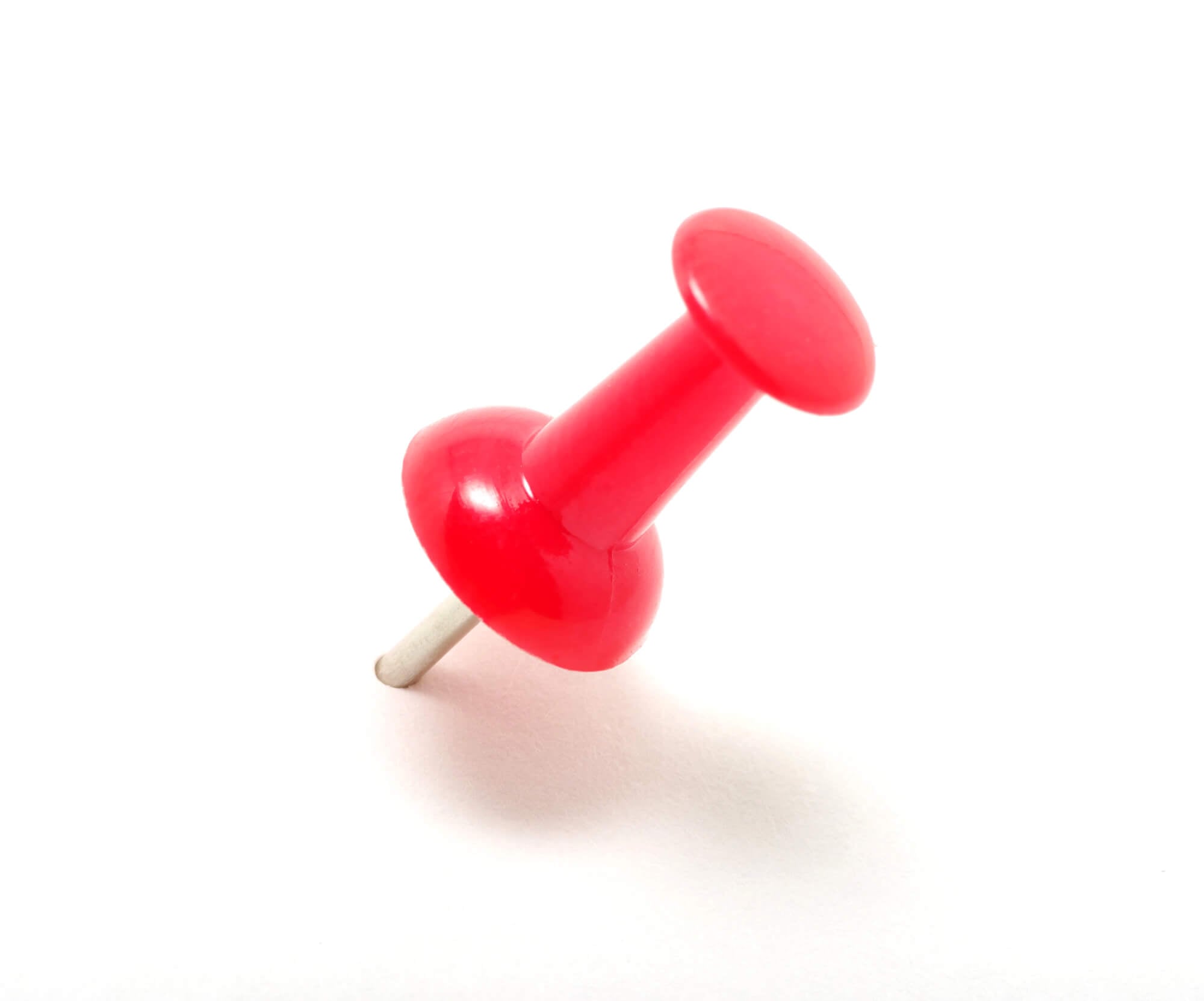
Edwin Moore of Philadelphia patented the push pin in 1900 and founded the Moore Push-Pin Company to sell it. His design placed a sharp steel point in a glass or metal head, so users could press it into a wall without sore fingers.
The company grew to supply schools and offices across the country, and the product remains a bulletin board staple.
The Window Envelope for Busy Offices
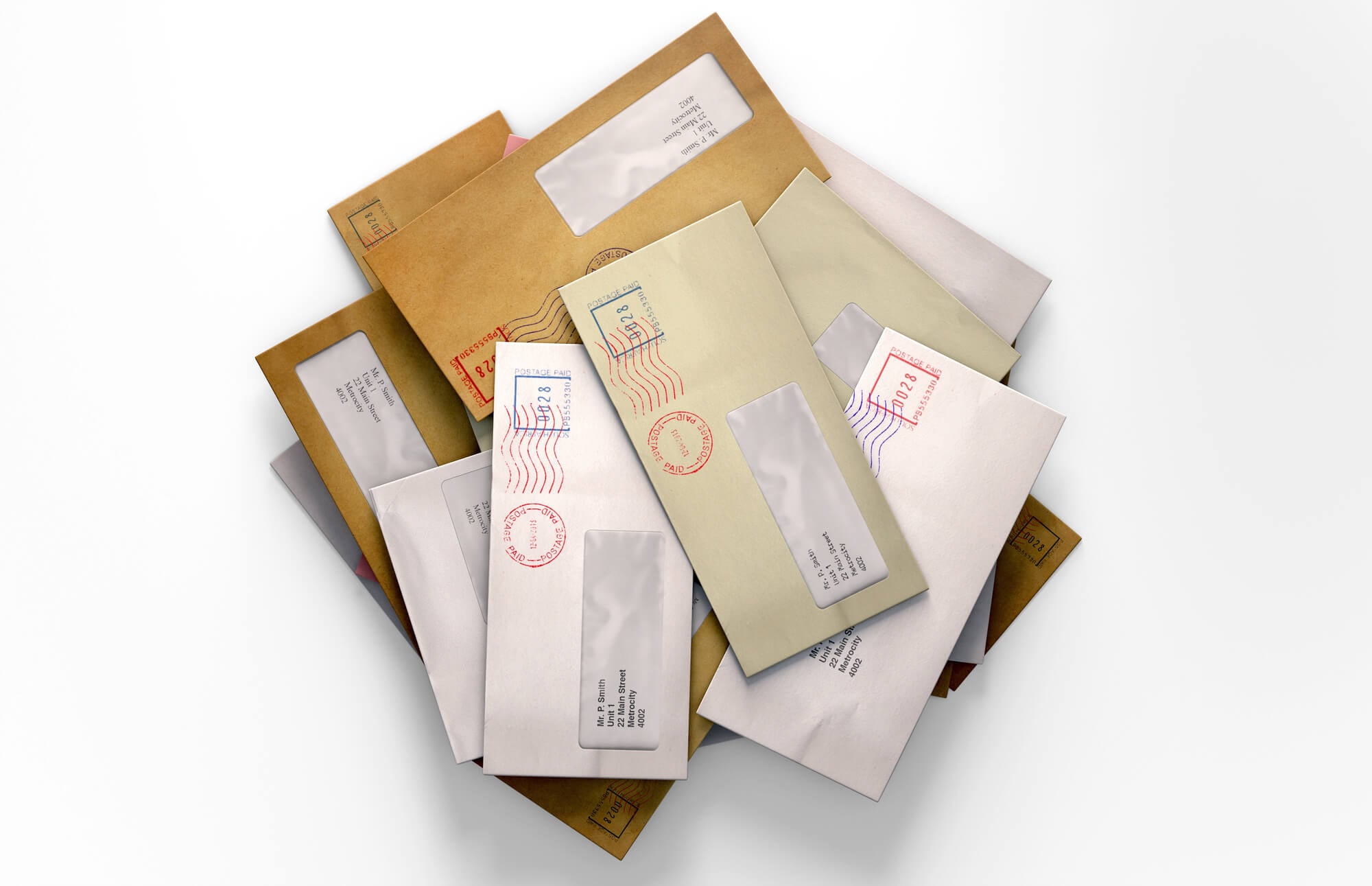
Americus Callahan of Chicago patented the windowed envelope in 1902. His idea was that a clerk could read an address printed on the letter inside, which saved the effort of typing it twice.
The clear panel was originally a thin transparent material, and the design later became standard for billing departments around the world.
The Modern Pencil and a Wartime Shortage
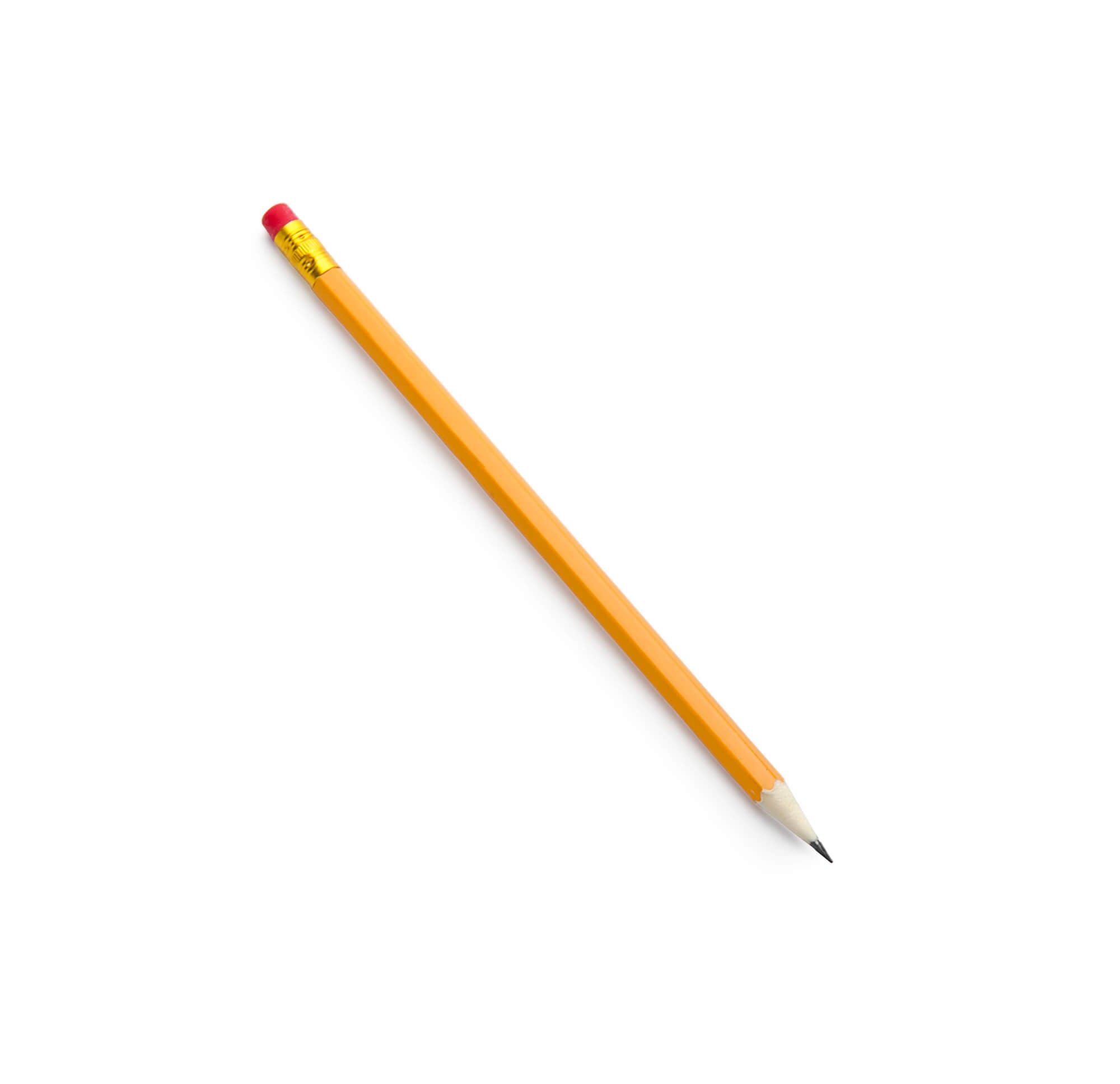
Nicolas-Jacques Conté, a French engineer and inventor, developed the modern pencil in 1795. A naval blockade had cut France off from English graphite, so he mixed powdered graphite with clay and baked the mixture in a kiln.
Varying the ratio of clay to graphite made it possible to control how hard or soft a pencil writes, a system still used today.
The Mechanical Pencil and a Silversmith
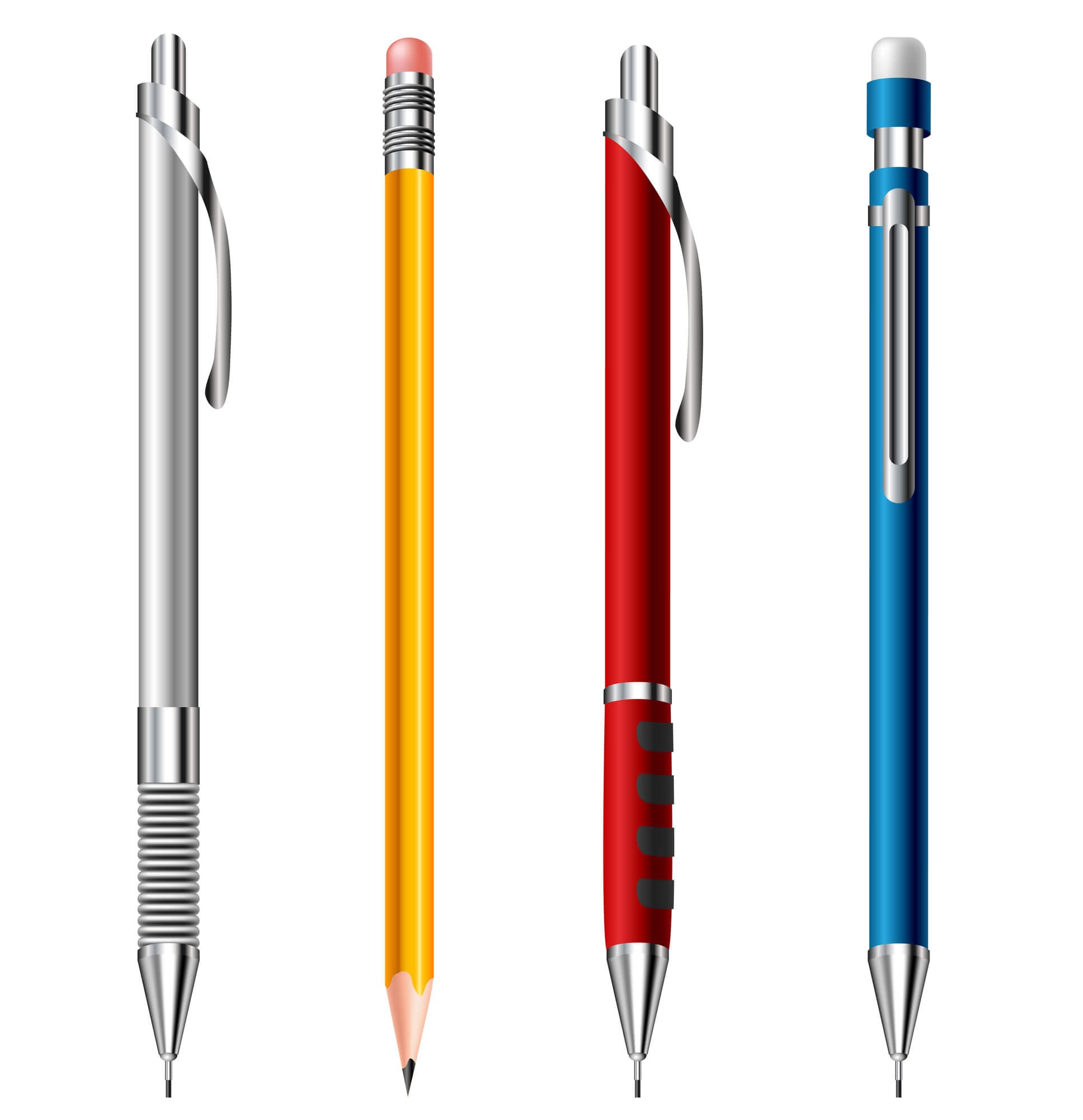
Sampson Mordan and John Isaac Hawkins patented an ever-pointed pencil in England in 1822. Mordan, a silversmith, turned it into a commercial product and produced elegant versions in silver.
The mechanism advanced a lead as the pencil was used, which eliminated the need for a knife and made it popular with clerks and travelers.
The Pencil Sharpener From a French Mathematician
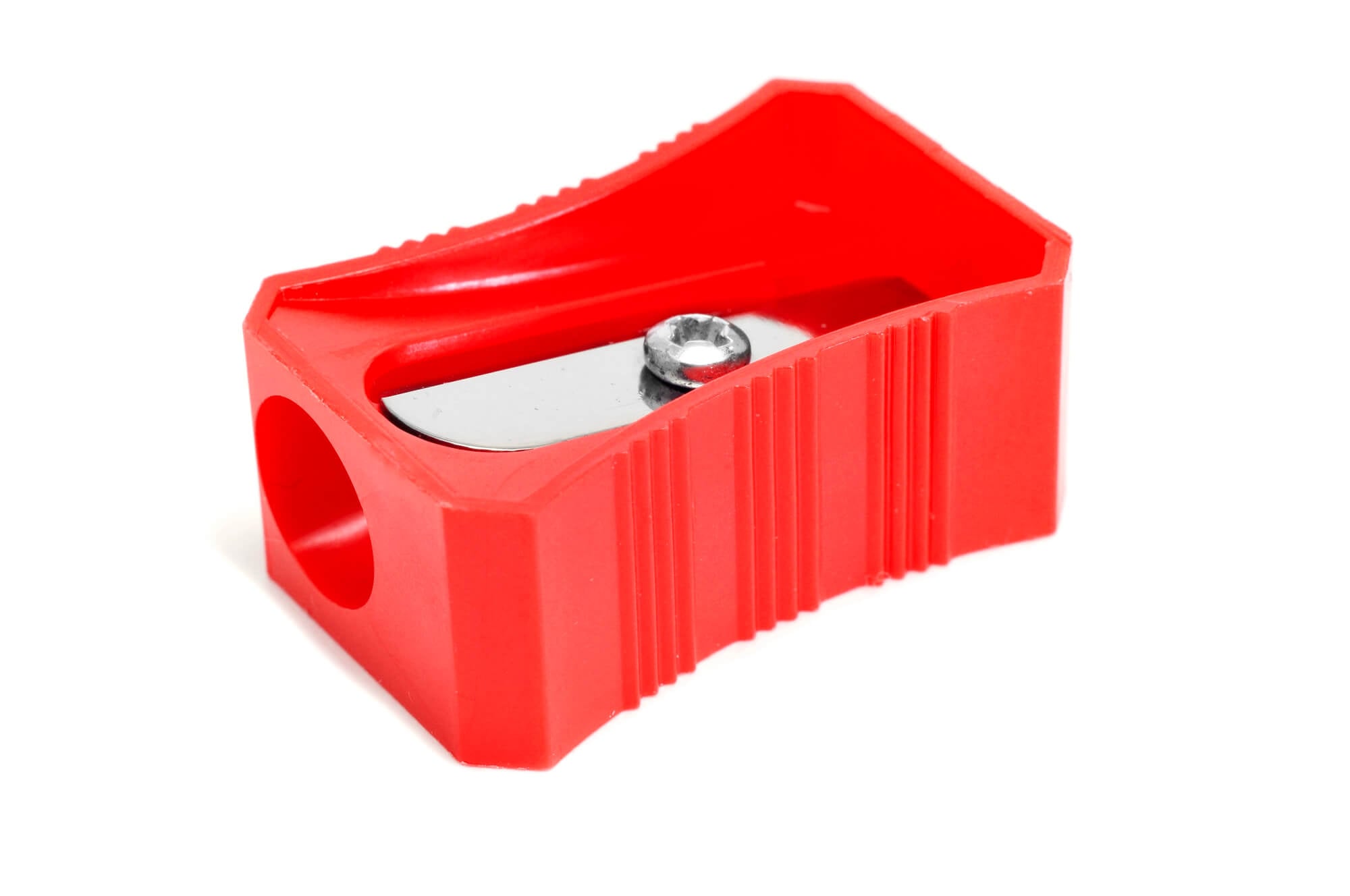
Bernard Lassimone, a French mathematician, applied for a patent on a pencil sharpener in Paris in 1828. His device was a small tool built to shave wood and shape the graphite without the mess of a penknife.
The familiar wedge-shaped model with a hand-turned crank came later, as schools and offices demanded something faster.
The Glue Stick and a Lipstick Tube
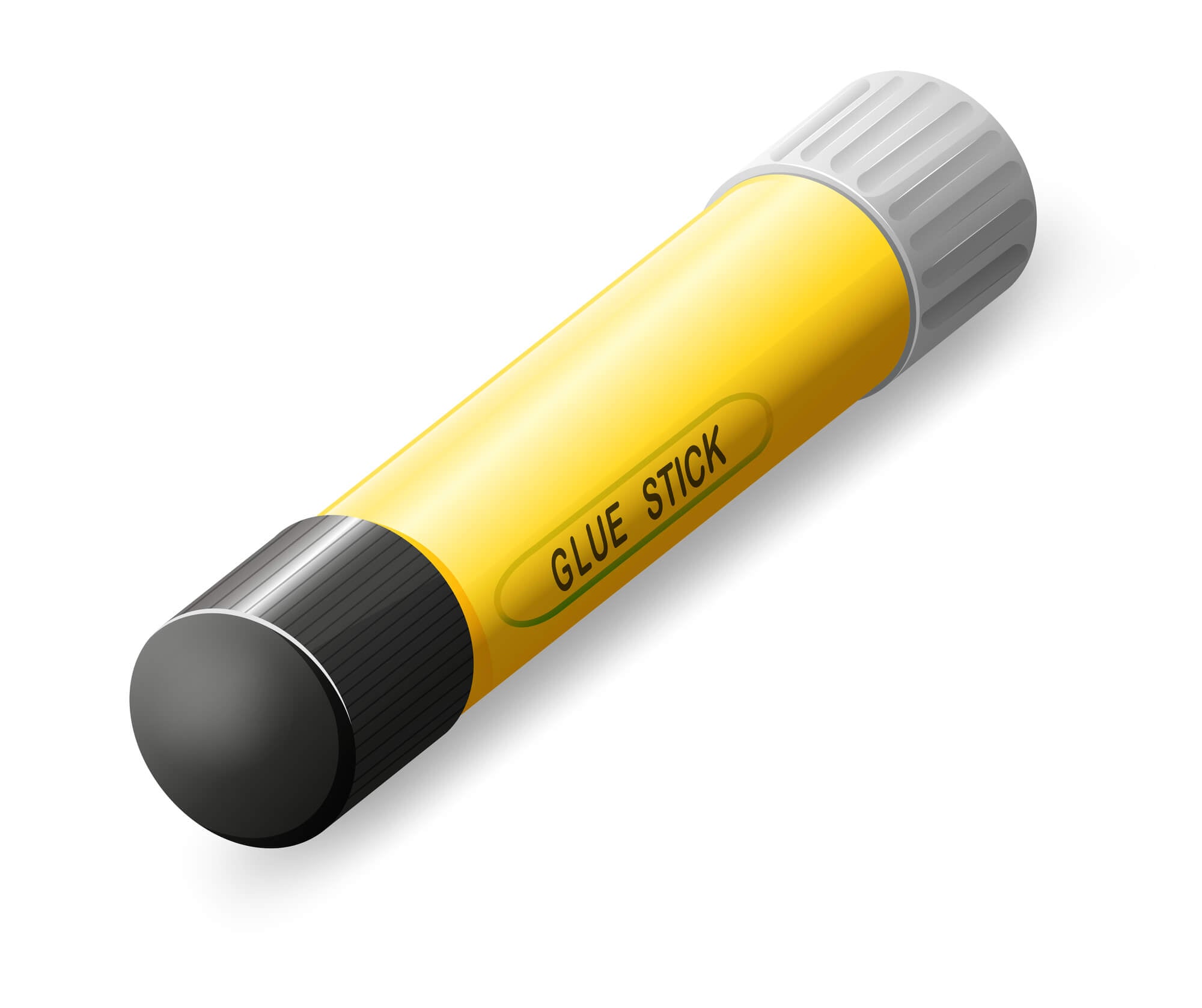
Wolfgang Dierichs, a German chemist at Henkel, got the idea for the glue stick while watching a woman twist up a tube of lipstick. The company launched the product as Pritt in 1969.
Applying paste from a solid stick meant no brushes, no spills, and no sticky fingers, and the twist-up tube has hardly changed since.
The Adding Machine and a Bank Clerk
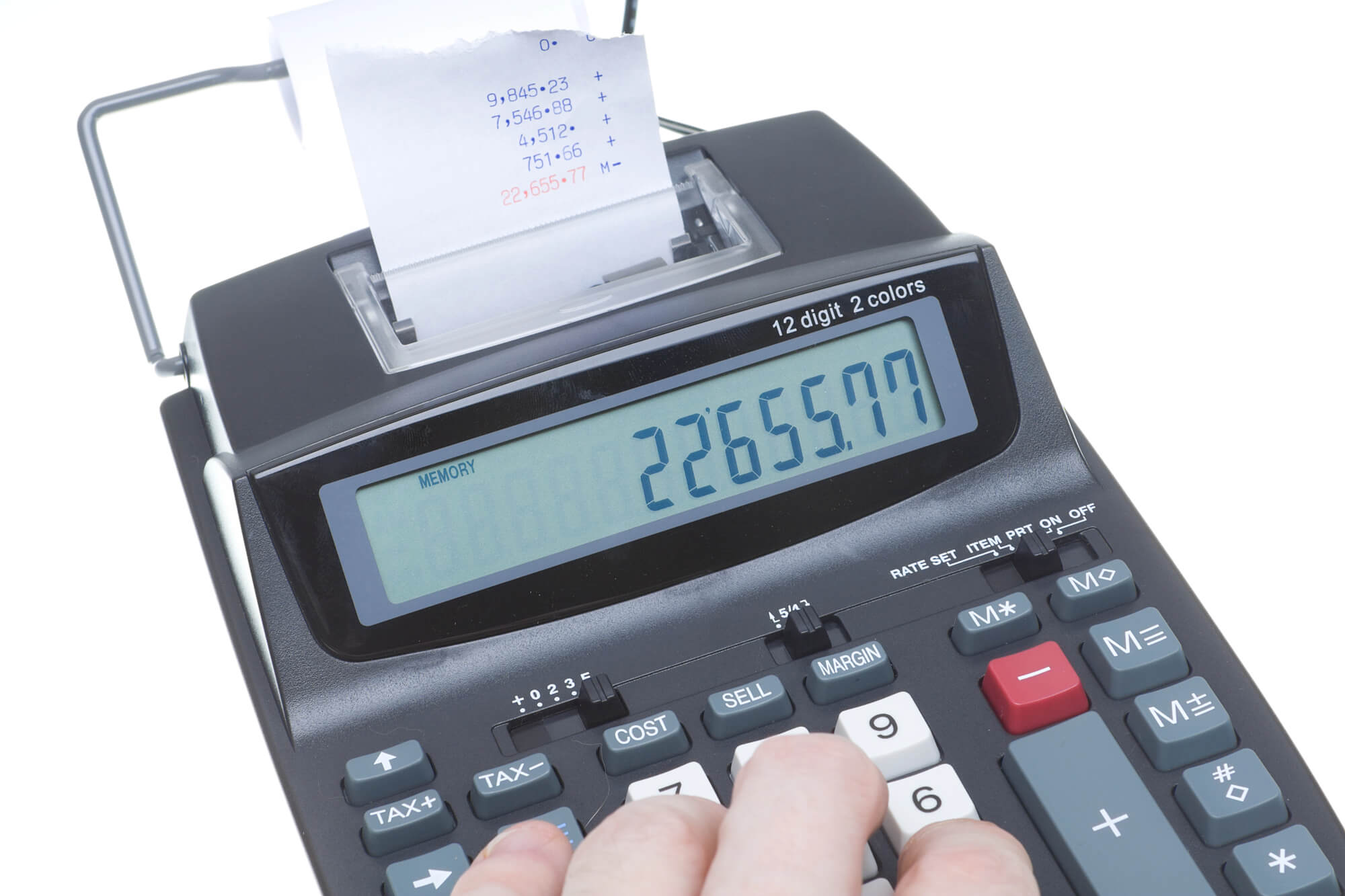
William Seward Burroughs, a bank clerk in St. Louis, spent his workdays adding long columns of figures by hand and wanted a faster method. He patented a practical adding machine in 1888 and helped found the American Arithmometer Company.
His grandson, the Beat Generation writer William S. Burroughs, carried the family name into a very different line of work.
The Ring Binder From a German Inventor
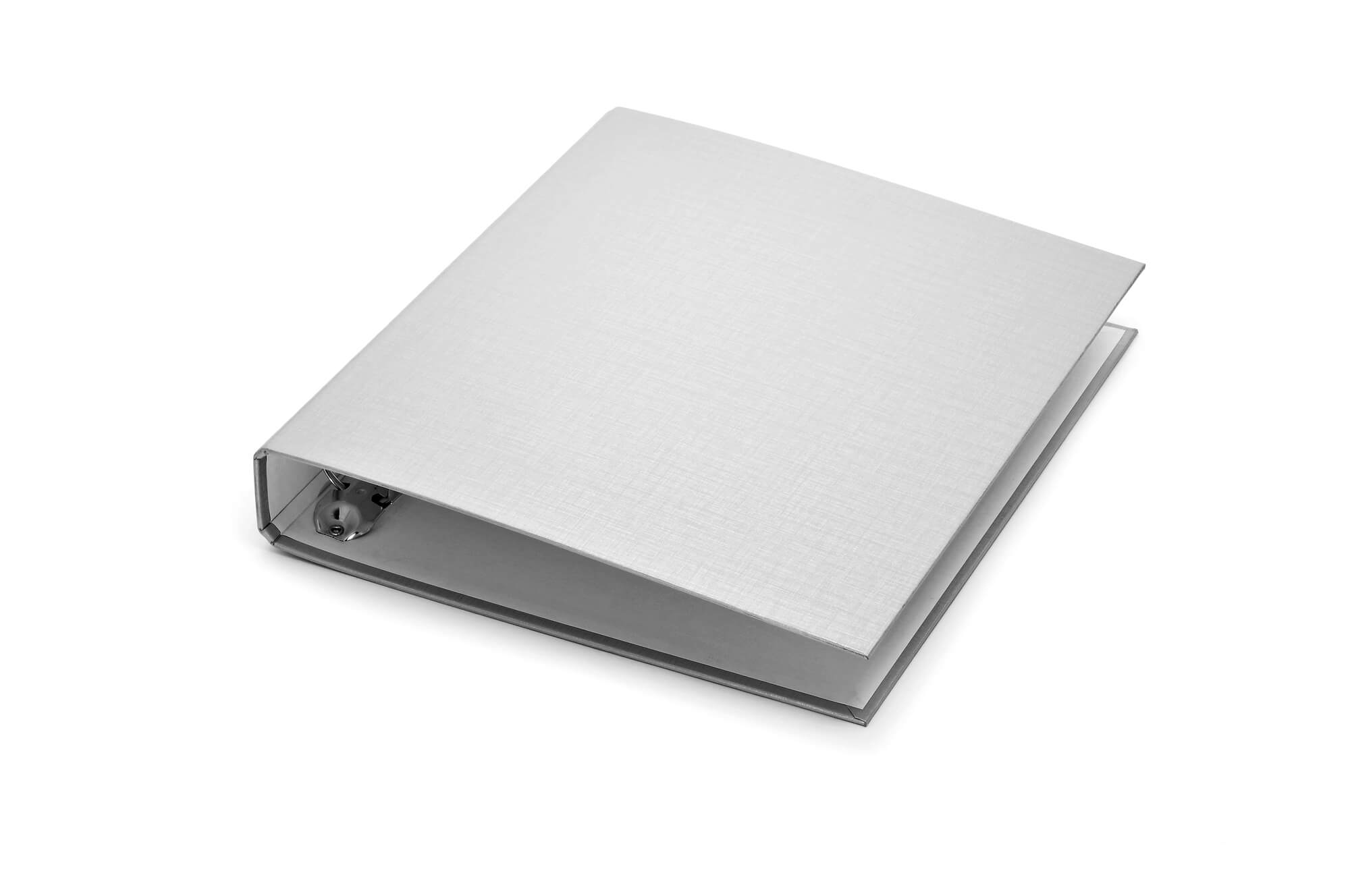
Friedrich Soennecken, a German stationery maker, introduced a ring binder in Bonn in 1886. A few years later, Louis Leitz refined the idea with the lever arch file in 1896, which let users add or remove pages without taking the binder apart.
Both designs are still sold, and many offices still depend on them.
The Paper Shredder and an Anti-Nazi Pamphleteer
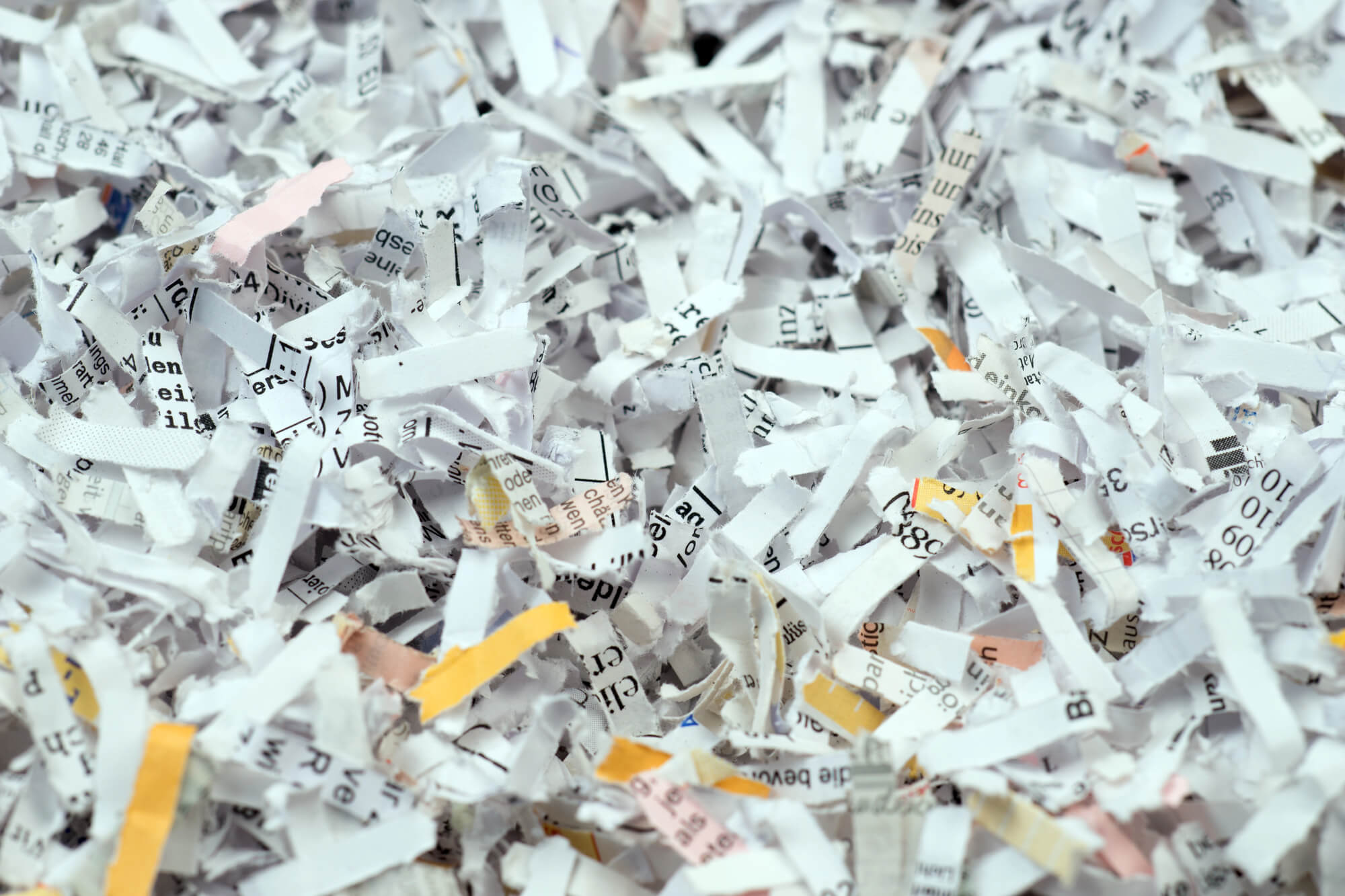
Adolf Ehinger, a German inventor, built a paper shredder in 1935 after he discovered that authorities were interested in the anti-Nazi leaflets he was handling. He patented the device, and it eventually became a standard tool for destroying confidential records.
The Legal Pad and Paper Mill Scraps

Thomas Holley of Holyoke, Massachusetts, began gathering leftover sheets from local paper mills around 1888. He stitched the scraps into inexpensive pads and sold them to businesses.
The pad later gained a margin line at the request of a judge, and the yellow color is still associated with lawyers.
The Fax Machine That Predates the Telephone
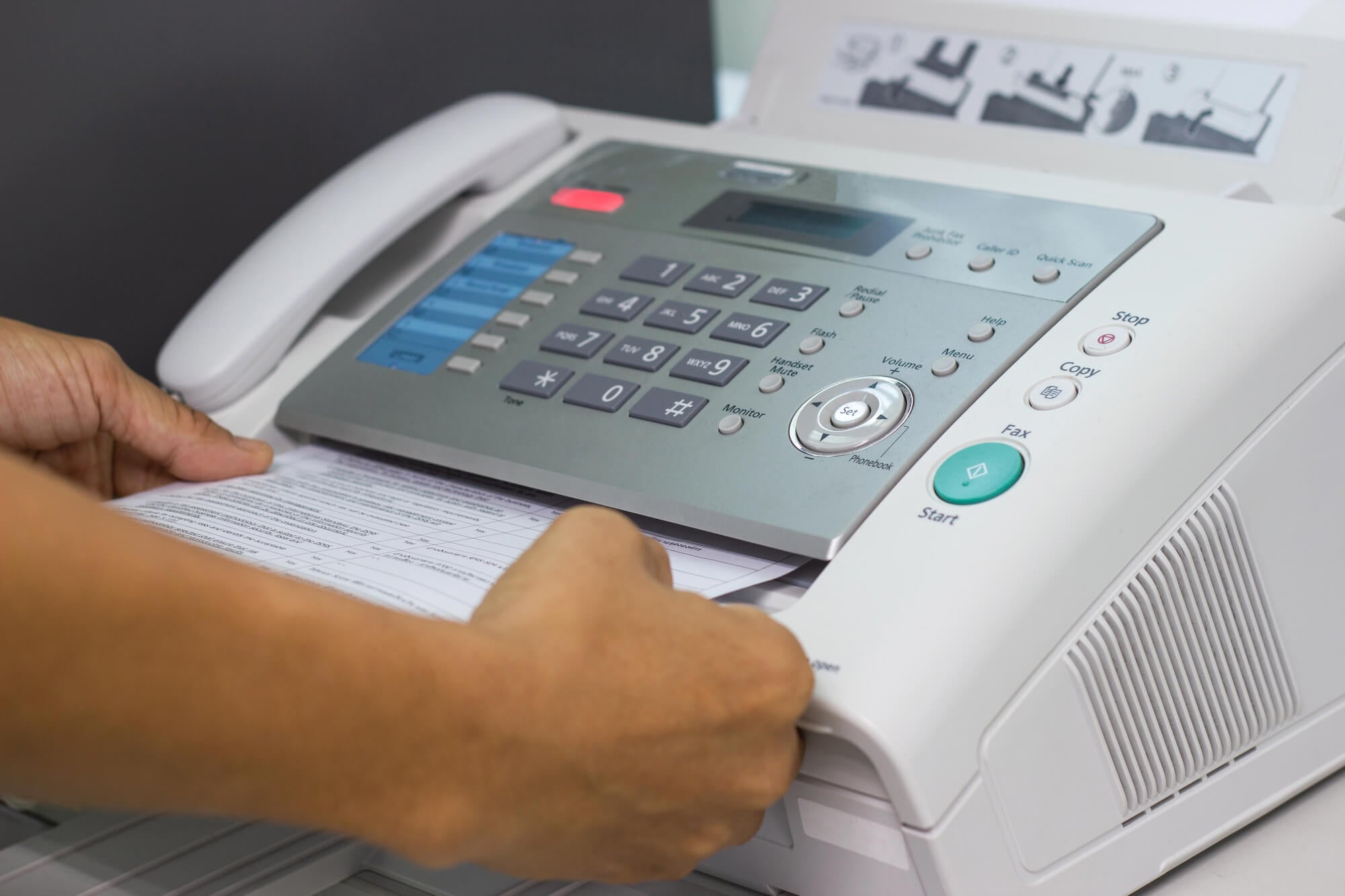
Alexander Bain, a Scottish clockmaker, patented a device in 1843 that used a swinging pendulum to scan an image and reproduce it across a wire. The idea is widely considered the earliest ancestor of the fax machine.
That was more than three decades before Alexander Graham Bell patented the telephone in 1876.
The Time Clock and a Jeweler From Auburn

Willard Bundy, a jeweler in Auburn, New York, invented a mechanical time recorder in 1888 to track when workers arrived and left. His brother Harlow helped form the Bundy Manufacturing Company in 1889.
The business later merged into the Computing-Tabulating-Recording Company, which became IBM, so a jeweler’s invention is part of that company’s early lineage.
The Vertical Filing Cabinet and the Library Bureau

Melvil Dewey, the creator of the Dewey Decimal System, helped popularize the vertical file through his Library Bureau in the 1890s. Papers had previously been folded, tied in bundles, and stacked on shelves.
Standing them upright in labeled folders made retrieval faster, and the system soon filled offices across America.
The Sharpie and the Permanent Marker
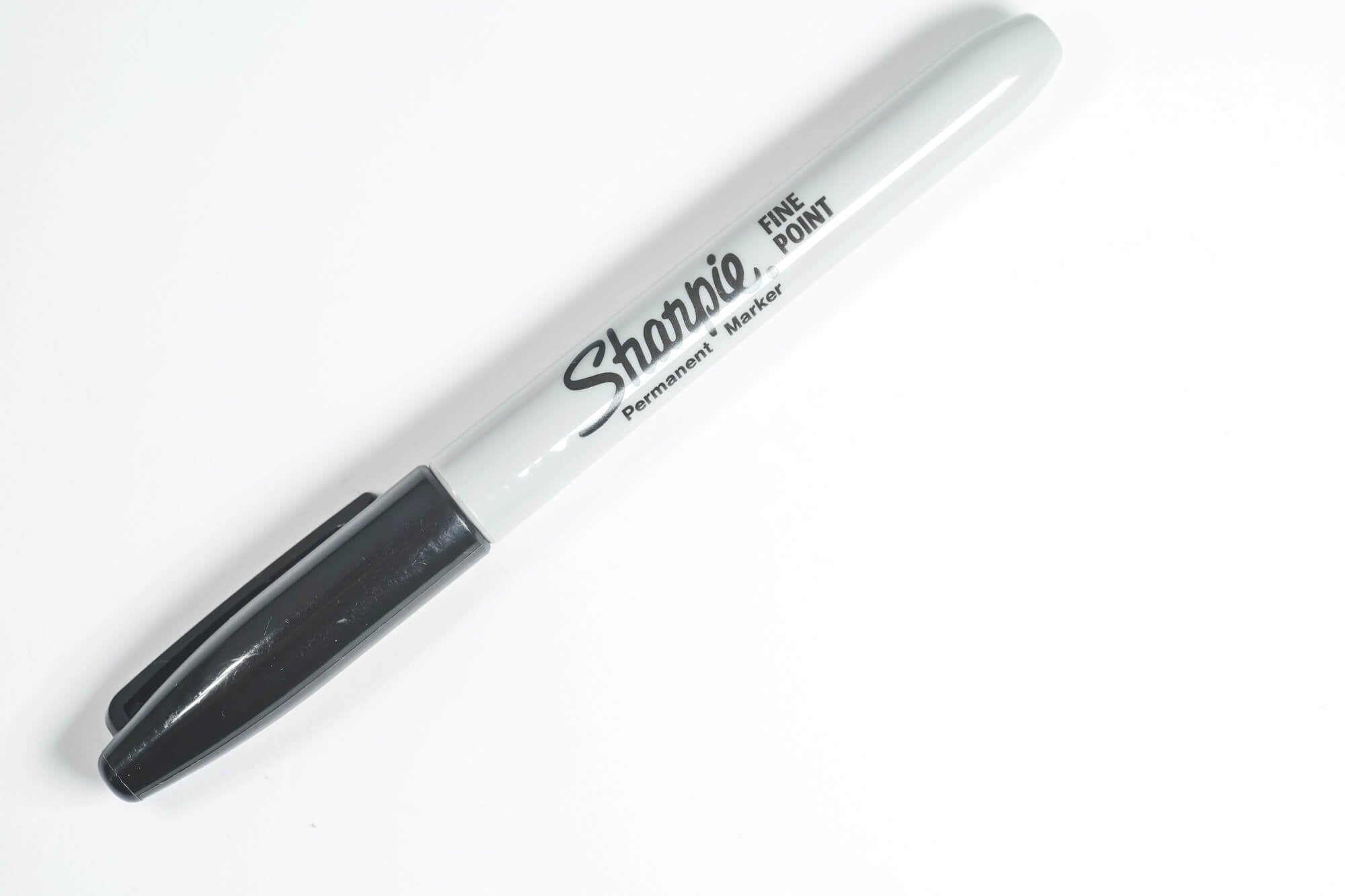
Sanford introduced the Sharpie in 1964 as the first permanent marker of its kind. Its fine tip and quick-drying ink were designed to write on almost any surface.
It was marketed for offices and warehouses first, and it later became a favorite of artists, athletes, and autograph seekers.
The Highlighter and a Cambridge Ink Company
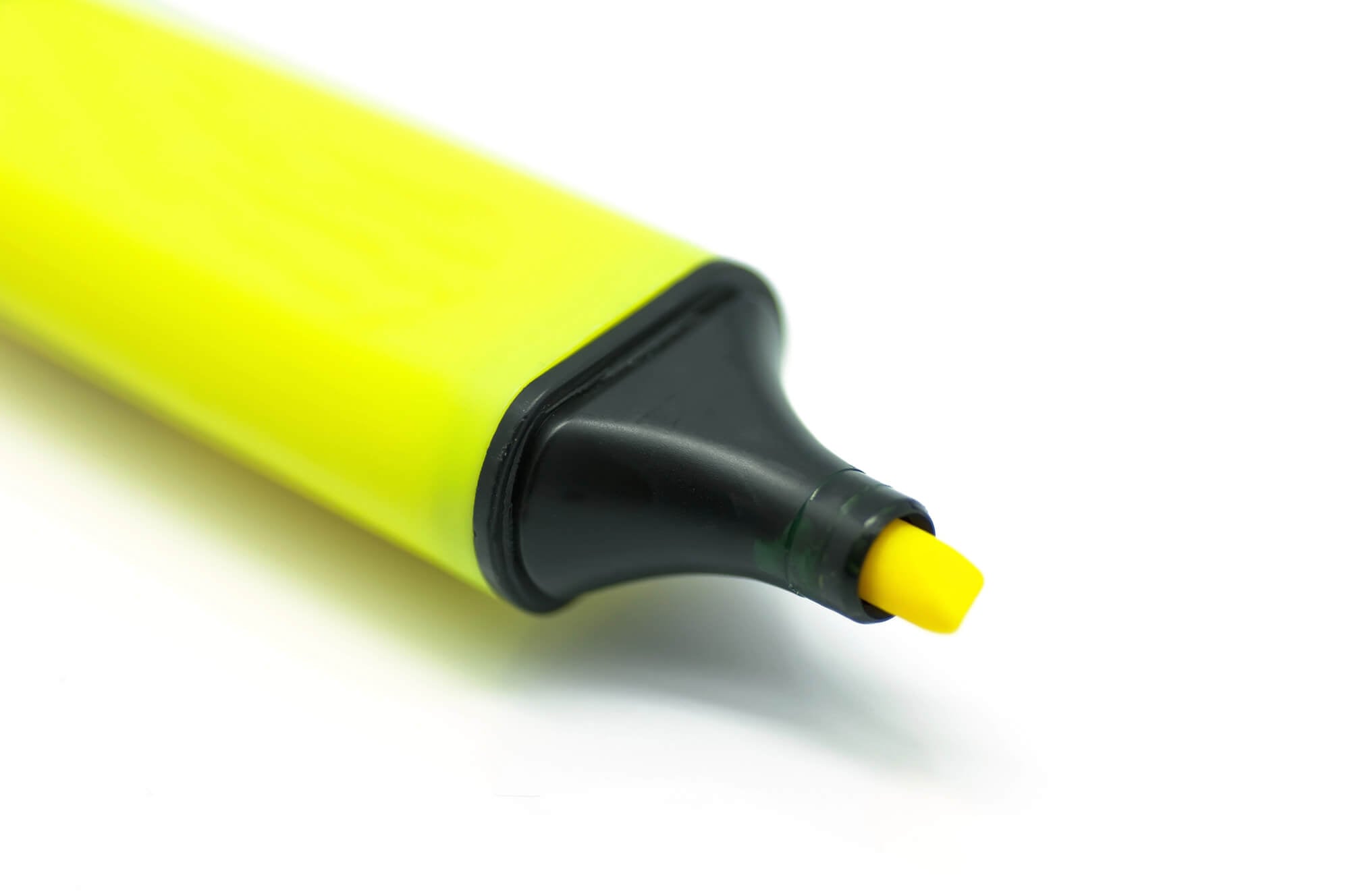
Carter’s Ink Company of Cambridge, Massachusetts, introduced the Hi-Liter in 1963. The fluorescent ink and chisel tip let readers mark passages without obscuring the words underneath.
It grew popular with students and editors, and yellow remains the default shade for marking text.
The Felt-Tip Pen and Tokyo Stationery
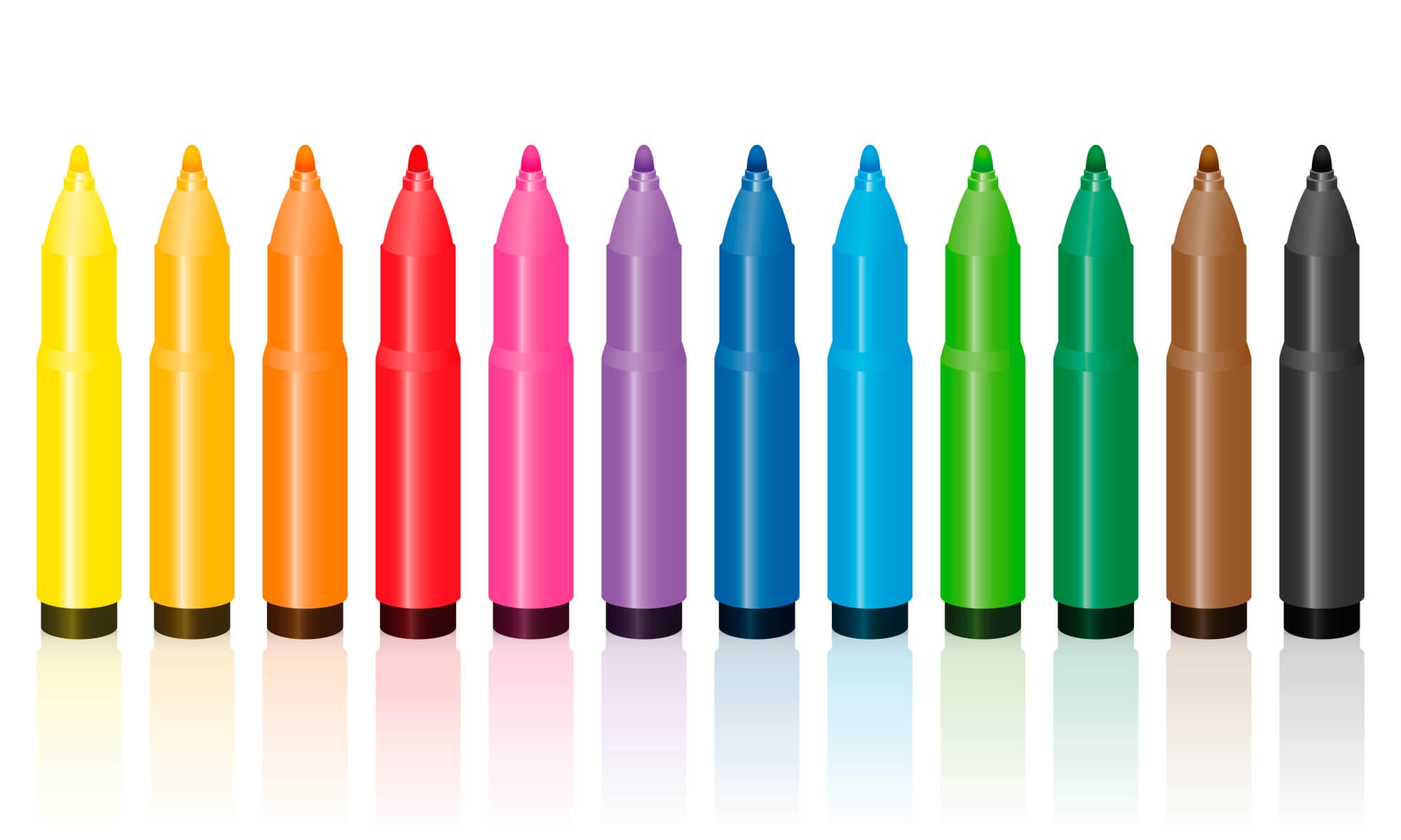
Yukio Horie of the Tokyo Stationery Company, later known as Pentel, developed the felt-tip pen in 1962. His design used a fibrous nib to draw ink from a reservoir, producing a bold line with little pressure.
The pen offered a lighter alternative to traditional dip pens and fountain pens, and it spread rapidly through offices and classrooms.
The Small Problems That Built the Modern Office

Look across the list and a pattern appears: nearly every invention began as a complaint. A leaking pen, a fumbled address, a mistake on a typed page, a hymnal bookmark that kept falling out.
Solving that single irritation usually mattered more than any grand plan.
The credit, meanwhile, rarely landed where it belonged. Patents were challenged, companies changed hands, and some inventors never saw the fortunes that followed.
Yet the objects survive in drawers around the world, quietly doing their jobs.
More from Go2Tutors!

- 27 Silver Dollars and Half Dollars Worth Keeping
- 28 Restaurant Menu Items Nobody Orders Anymore
- 17 Places Built in Seemingly Impossible Spots
- 27 Vintage Rings Worth More Than They Look
- 25 Restricted Sites Tourists Can’t Enter
Like Go2Tutors’s content? Follow us on MSN.