16 Educational Methods Later Proven Wrong
Education has always been about trying to figure out the best ways to help people learn, but like a lot of fields, it’s had plenty of mistakes along the way. What looked brilliant back in the day often seems pretty ridiculous now, and some methods that everyone thought were amazing have been completely torn apart by research.
It’s pretty wild how sure educators used to be about techniques that we know now can actually mess up learning. Here is a list of 16 educational methods that turned out to be completely wrong.
Phrenology-Based Learning
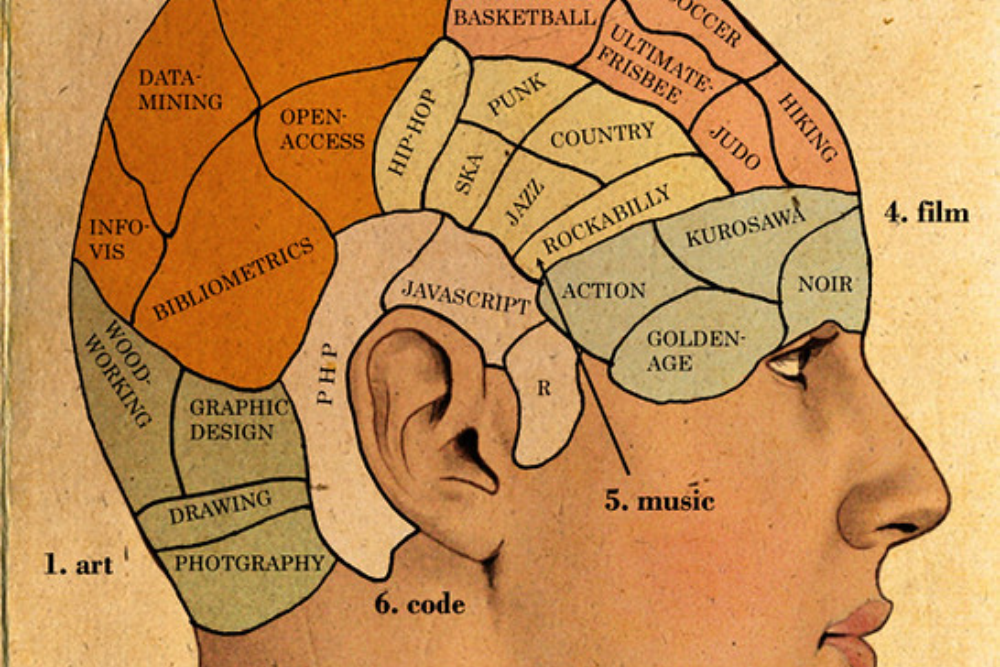
Back in the 1800s, teachers really thought they could figure out how smart a kid was just by feeling around their head for bumps. This weird science thing called phrenology claimed that different parts of your skull showed whether you were good at math or art or whatever.
Teachers would literally feel students’ heads and then decide what they should study based on the shape, which is pretty crazy when you think about it.
Bloodletting for Mental Clarity

Way back in medieval times and the early Renaissance, some educators actually thought that making students cry a little would help them focus better and remember stuff. They figured that getting rid of ‘extra’ blood would balance out the body and make perfect conditions for learning.
Kids who seemed tired or couldn’t pay attention might get leeches put on them or small cuts made to supposedly make their brains work better.
Left-Brain Right-Brain Teaching

For decades, teachers built whole lesson plans around this idea that students were either ‘left-brained’ people who were good at logic, or ‘right-brained’ people who were creative types. Schools made special programs trying to match these supposed learning styles, giving some kids more math and science while others got mostly arts and creative stuff.
What we know now from brain science is that this whole thing was bogus — both sides of your brain work together all the time, and people don’t really have one side that’s stronger for learning.
Learning Styles Theory
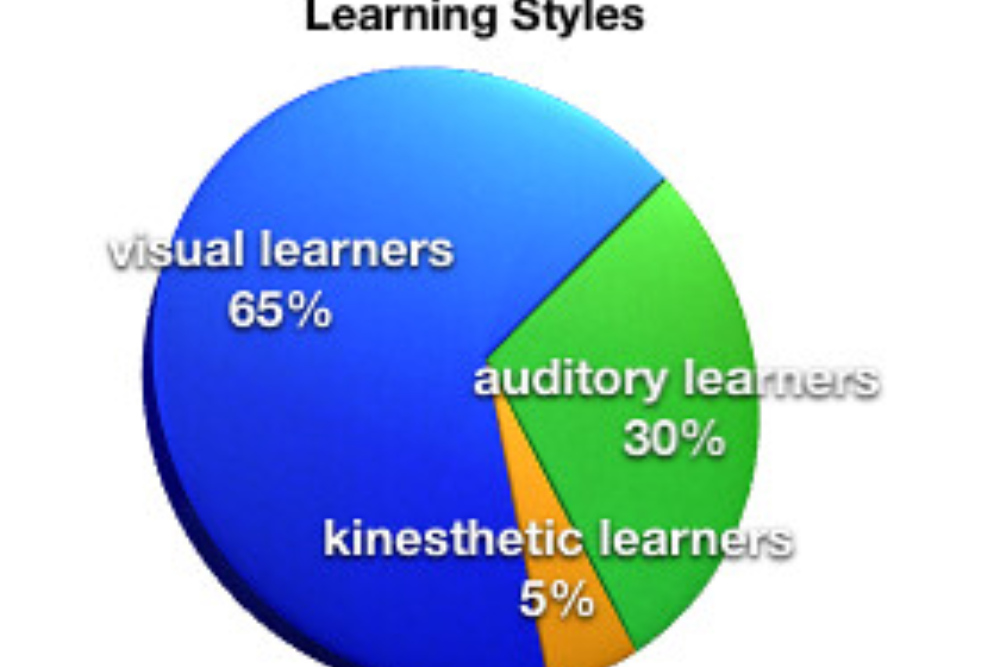
Millions of kids got put into boxes as ‘visual,’ ‘auditory,’ or ‘kinesthetic’ learners, and teachers changed how they taught to match. This made sense to everyone — obviously some people learn better by seeing things, others by hearing, and others by moving around and doing stuff.
But tons of research has found absolutely no proof that matching teaching to these supposed learning styles actually helps anyone learn better, and the whole theory has been completely debunked.
Corporal Punishment for Focus

For hundreds of years, teachers believed that hitting kids would help them pay attention better and remember their lessons. The thinking was that being scared and in pain would make stronger memories and get kids to behave.
What we understand now is that learning through punishment actually creates stress that makes it harder for your brain to form memories and think clearly, plus it messes kids up psychologically.
Intelligence Quotient Tracking

Schools used to sort kids into completely different educational paths based only on how they did on early IQ tests, thinking that how smart you were never changed. Kids who got labeled as ‘low IQ’ got dumbed-down classes with teachers who didn’t expect much, while ‘high IQ’ kids got the good stuff.
Research has shown since then that intelligence is way more flexible than those old tests suggested, and when you don’t expect much from kids, they usually live down to those expectations.
Rote Memorization as Primary Learning

Old-school education was all about memorizing facts, dates, and formulas by saying them over and over until they stuck, treating memory like it was the most important part of being smart. Kids would spend hours reciting times tables, historical dates, and poems without having any clue what they actually meant.
Memory definitely matters for learning, but we know now that understanding patterns, making connections between ideas, and actually using what you know matters way more for really learning something.
Single Learning Modality Focus

Lots of schools thought kids learned best when information came through just one of their senses at a time, trying to avoid ‘confusing’ them with too much input. Teachers would give lessons that were all talking, or all pictures, thinking this made clearer paths for learning.
Modern research on education shows that when you engage multiple senses at the same time, it actually makes learning and memory way stronger.
Fixed Mindset Praise
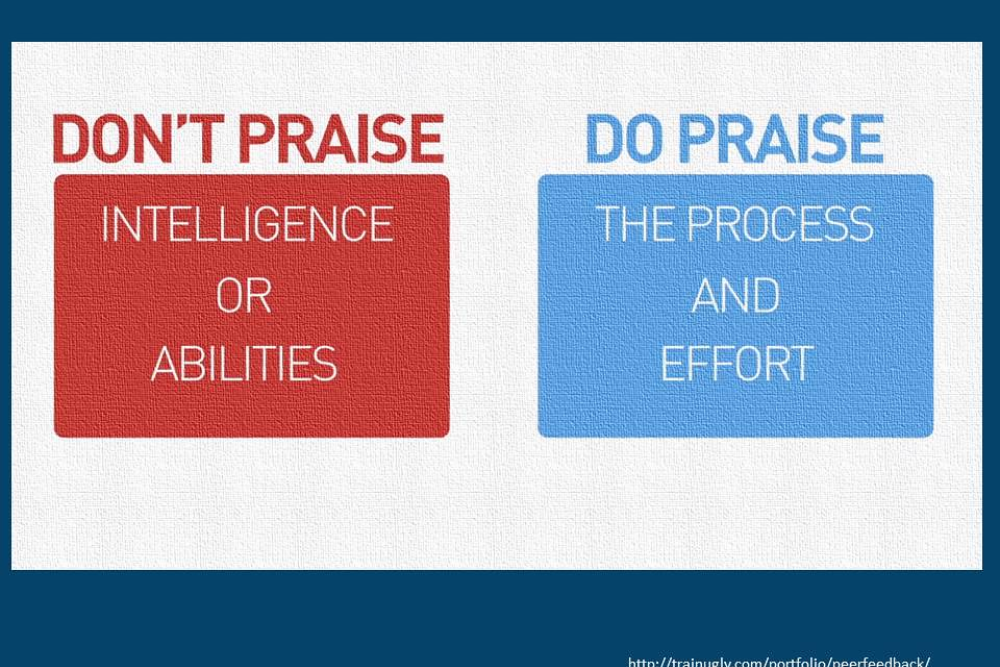
Teachers got trained to praise kids by saying stuff like ‘You’re so smart!’ or ‘You’re just naturally good at math!’ thinking this would make them feel confident and want to work harder. This kind of praise seemed really positive and encouraging, focusing on what the kid was naturally good at.
Research by people like Carol Dweck has shown that praising kids for being smart instead of working hard actually hurts their learning by making them scared to fail and less willing to try challenging things.
Phonics-Only Reading Instruction

For a long time, some teachers thought kids should learn to read only through phonics — sounding out letters and combinations without using any other methods. This approach ignored things like context clues, sight words, and trying to understand meaning, focusing purely on matching sounds to symbols.
We understand now that good reading instruction needs a mix of approaches that combines phonics with understanding strategies, building vocabulary, and getting fluent at reading.
Age-Based Grade Levels as Rigid Standards

Schools came up with strict age-based grades assuming that all kids the same age should learn the exact same skills at the exact same speed. A seven-year-old was supposed to be in second grade no matter how they were developing individually, and anything different from this was seen as a problem.
What we know about how kids develop shows that children grow and learn at completely different rates, and forcing rigid age-based expectations can actually hurt both kids who are ahead and kids who need more time.
Competitive Learning Environments

Lots of teachers thought that making students compete against each other constantly would push everyone to work harder and do better. Classrooms had public ranking systems, honor rolls that left most kids out, and grading systems that made sure some students always failed.
Research has proven that too much competition actually makes kids less motivated on their own, more anxious, and can hurt their self-esteem and friendships with other kids.
Lecture-Only Teaching Methods
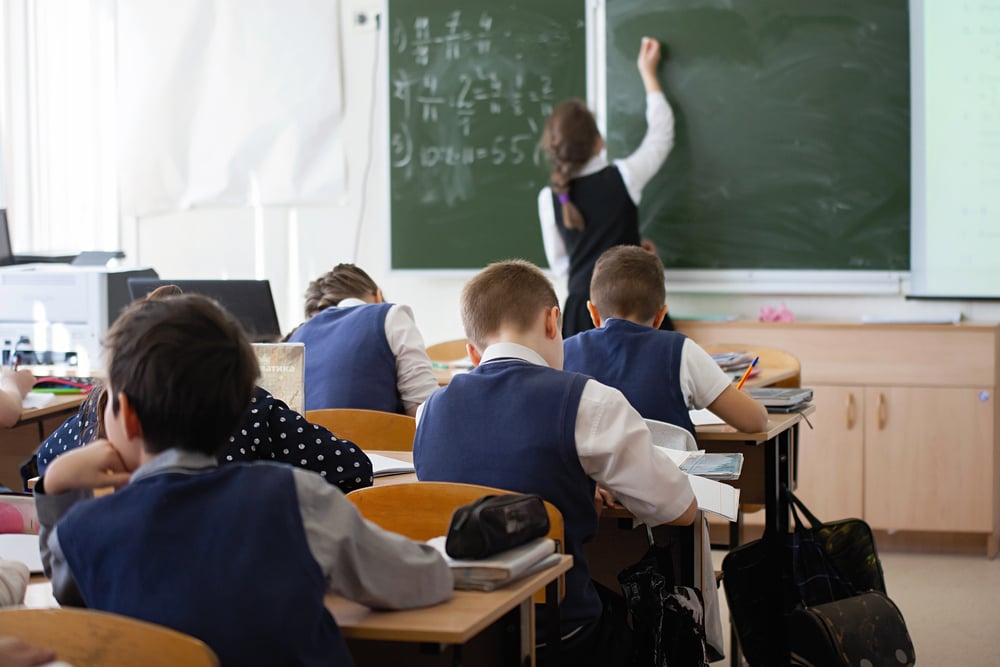
Traditional education was almost entirely teachers talking while students sat there listening and taking notes, with everyone thinking this was the best way to get information across. The idea was that students would just soak up information by hearing it explained clearly and in order.
Educational research has shown that active learning, talking things through, and actually doing things work way better than just sitting and listening for remembering and understanding stuff.
Separate Education for Different Genders

Schools used to think boys and girls learned so differently that they needed completely separate schools and different subjects. Girls got pushed toward home economics type stuff while boys focused on math and science, with everyone assuming that gender decided what you’d naturally be good at.
Modern research shows that differences between how boys and girls learn are tiny and mostly come from society, and that separating them often just reinforces bad stereotypes.
Penmanship as Intelligence Indicator

Teachers used to think that beautiful handwriting showed intelligence, self-control, and good character, spending huge amounts of time on handwriting practice. Kids with messy handwriting got judged as lazy or not as smart, while kids with pretty writing were seen as better students.
We know now that how neat your handwriting is has nothing to do with how smart you are or how well you can learn, and focusing too much on penmanship can actually get in the way of learning to write well.
Silent Classrooms for Optimal Learning

Many schools made students stay completely quiet during learning time, thinking that any talking or interaction would distract them from concentrating and absorbing information. Students had to work silently at their desks without working together or talking about ideas with each other.
Educational research has shown since then that discussion, working with peers, and collaborative learning often help understanding and memory way more than working alone in silence.
The Learning Never Stops

Looking back at these methods that didn’t work reminds us that education, just like medicine or science, gets better through trying things and learning from mistakes. What seems obviously wrong now was often supported by teachers who really thought they were helping kids learn better.
The big difference today is that we have much better ways to test educational methods before using them everywhere. As we keep learning more about how the brain works, the ‘best practices’ we use today will probably look pretty outdated to future teachers, and that’s exactly how things should work.
More from Go2Tutors!

- The Romanov Crown Jewels and Their Tragic Fate
- 13 Historical Mysteries That Science Still Can’t Solve
- Famous Hoaxes That Fooled the World for Years
- 15 Child Stars with Tragic Adult Lives
- 16 Famous Jewelry Pieces in History
Like Go2Tutors’s content? Follow us on MSN.



