13 Most Controversial Book Bans in History
Books have the strange ability to shake entire societies. Sometimes they make people uncomfortable with facts they’d prefer to ignore, sometimes they question authority, and sometimes they offend religious sensibilities. Governments, places of worship, and even educational institutions have attempted to silence writers throughout history by outlawing their writings. Ironically, books that are banned tend to become more well-known than they otherwise would have been.
Some books have provoked outrage that goes far beyond literary criticism, whether they are contemporary novels that address difficult social issues or ancient texts that questioned religious doctrine. The top 13 most contentious book bans in history are listed here.
The Satanic Verses by Salman Rushdie

Not only was Rushdie’s 1988 book banned, but he was also given the death penalty. Following widespread protests throughout the Muslim world over Rushdie’s depiction of Islamic themes, the Ayatollah Khomeini issued a fatwa demanding his murder.
The book was instantly banned in nations ranging from South Africa to India. While translators were attacked and bookstores were firebombed, Rushdie remained in hiding for years.
The dispute transformed a piece of literature into a global event that continues to be discussed today.
Mein Kampf by Adolf Hitler
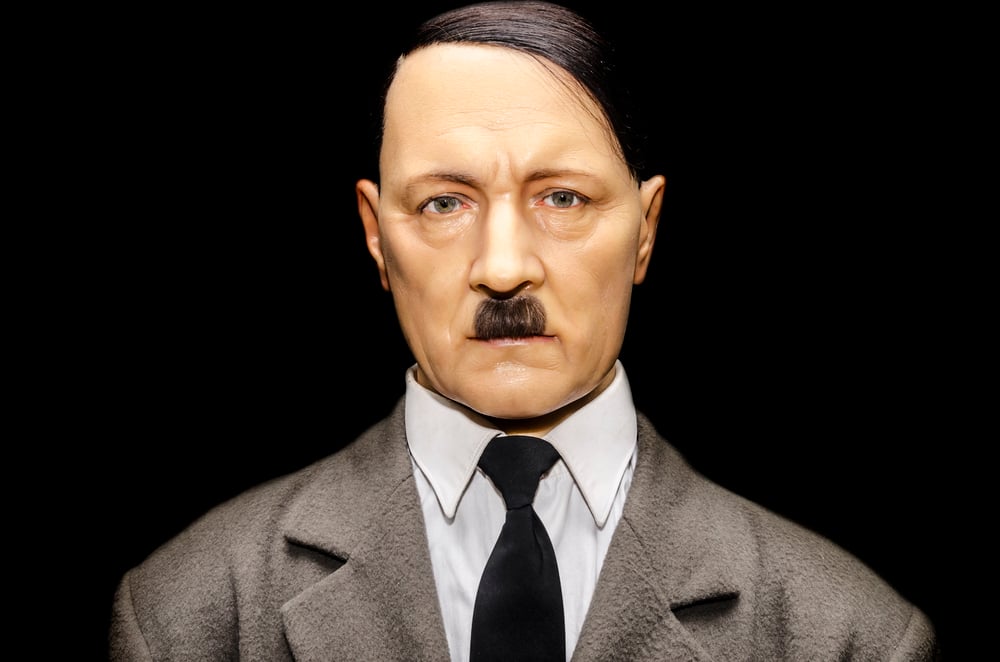
Hitler’s manifesto presents a unique challenge for modern societies. Many countries banned it outright after World War II, viewing it as dangerous propaganda that helped enable the Holocaust.
Germany kept it under tight copyright control for decades, preventing republication. The book’s ban sparked debates about whether suppressing hate speech actually works or just drives it underground.
When Germany’s copyright expired in 2016, the country faced tough decisions about how to handle this toxic piece of history.
Like Go2Tutors’s content? Follow us on MSN.
The Adventures of Huckleberry Finn by Mark Twain
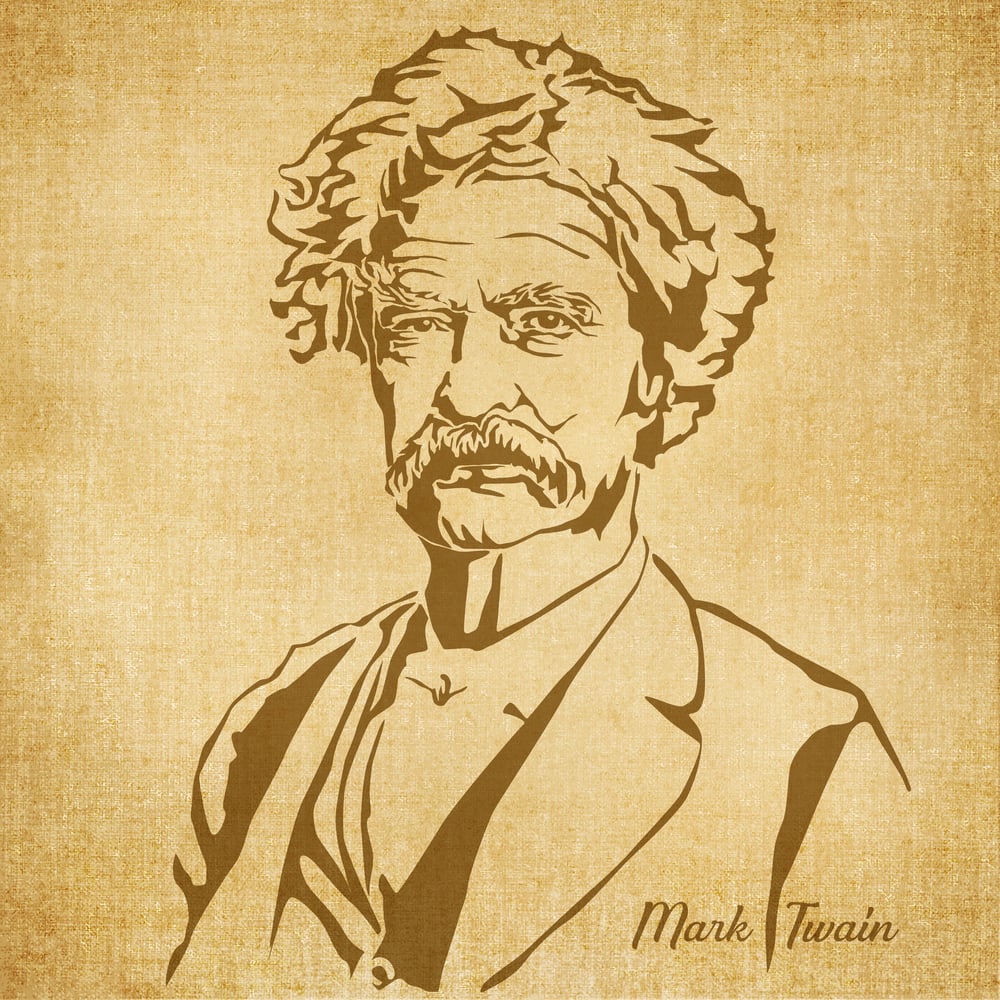
Twain’s masterpiece has been banned more times than almost any other American classic. The book faced censorship immediately after publication in 1885 for its irreverent tone and criticism of society.
Modern bans focus on its frequent use of racial slurs, making it one of the most challenged books in American schools. The irony is that Twain wrote the novel as an anti-racism statement, but its language makes many readers uncomfortable regardless of its intentions.
Lady Chatterley’s Lover by D.H. Lawrence
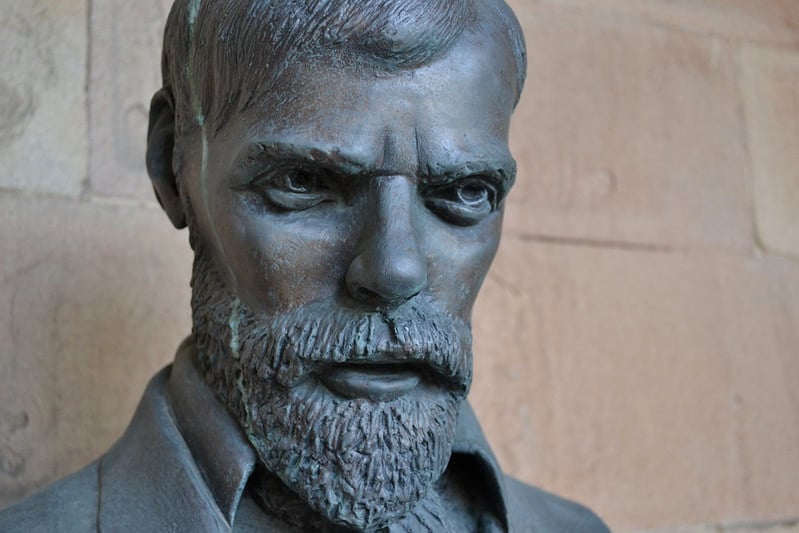
Lawrence’s 1928 novel was banned in Britain for over 30 years because of its explicit content and frank discussions of physical relationships. The book couldn’t be published in its original form until 1960, when Penguin Books fought a famous obscenity trial.
The case became a cultural watershed moment, with literary experts defending the book’s artistic merit against prosecutors who called it pornographic. The trial’s outcome helped reshape how societies think about censorship and artistic freedom.
Ulysses by James Joyce
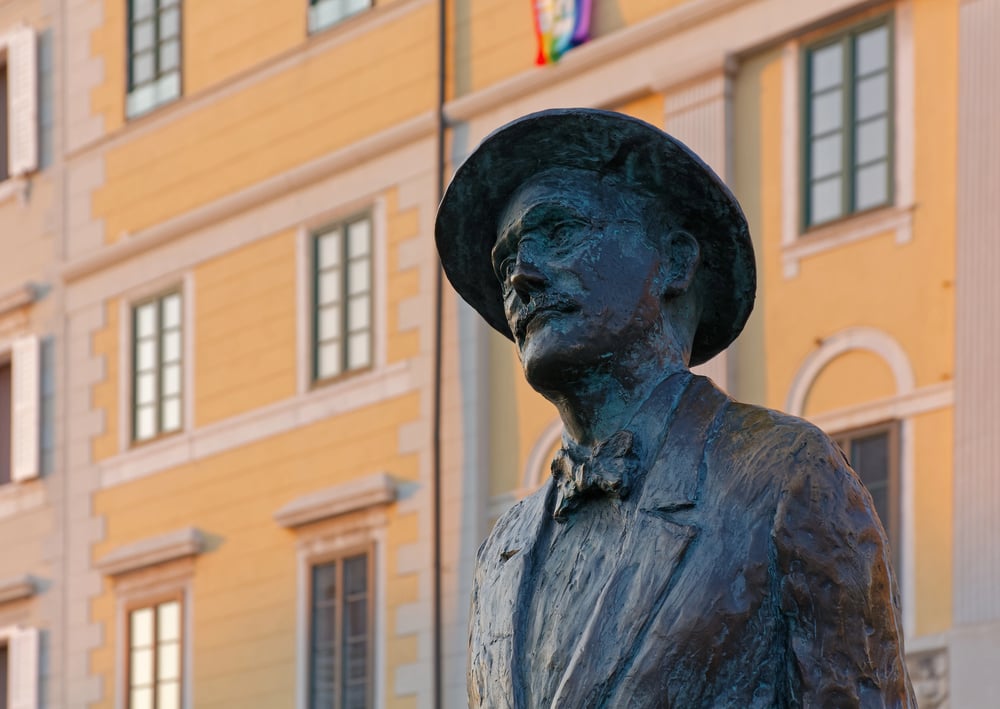
Joyce’s modernist masterpiece was banned in the United States for over a decade due to its stream-of-consciousness style and frank treatment of human thoughts. Customs officials seized copies, and the book could only be obtained through underground channels.
The 1933 court case that lifted the ban became a landmark decision for literary freedom. Judge John Woolsey’s ruling recognized that books should be judged as complete works rather than isolated passages.
Like Go2Tutors’s content? Follow us on MSN.
The Anarchist Cookbook by William Powell
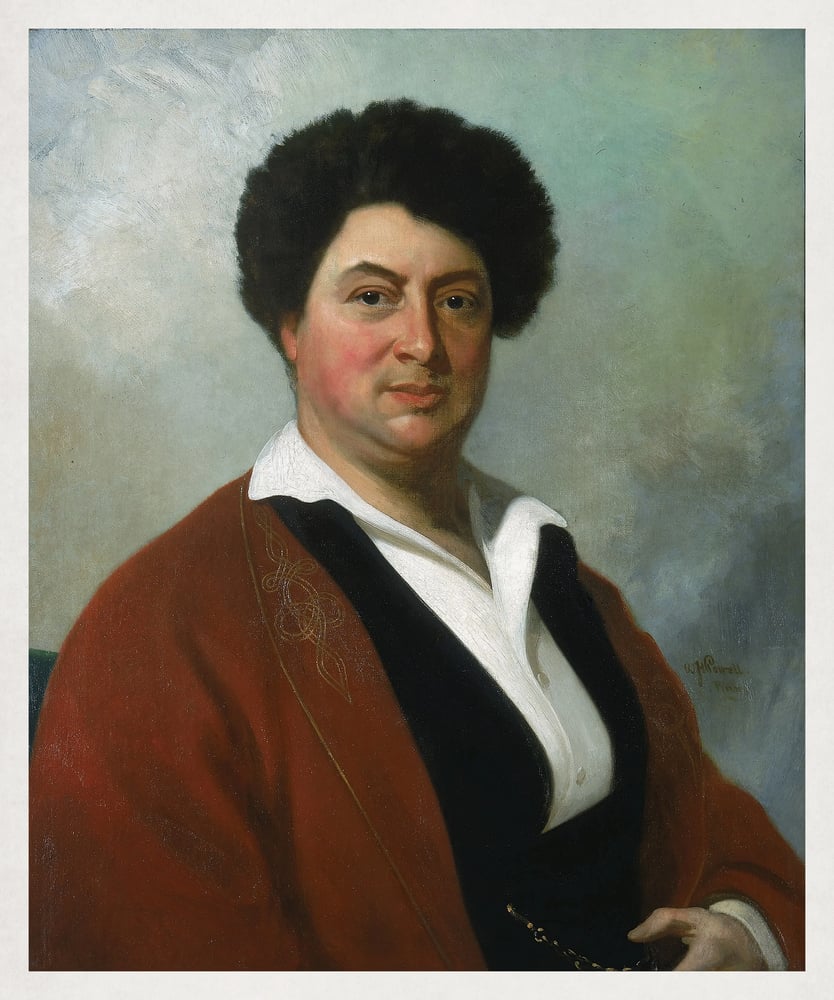
Powell’s 1971 manual for making explosives and weapons has been banned in multiple countries for obvious safety reasons. The book provides detailed instructions for creating destructive devices, making it a target for law enforcement agencies worldwide.
Powell himself later disavowed the work, saying he wrote it as a teenager and regretted its publication. The book’s availability on the internet has made physical bans largely ineffective, highlighting how digital technology complicates censorship efforts.
Fahrenheit 451 by Ray Bradbury
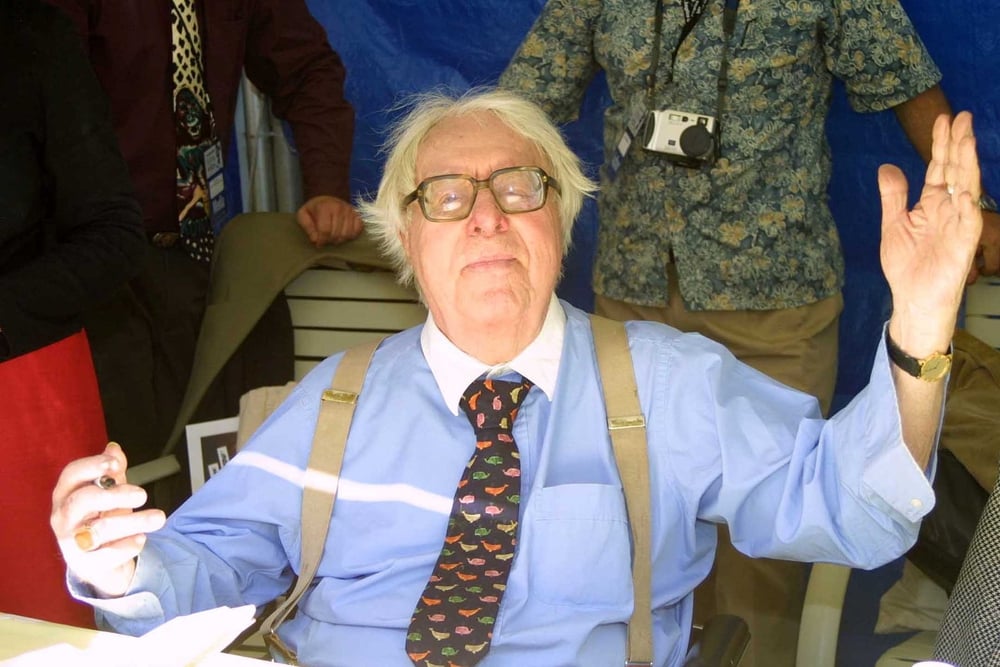
The ultimate irony here is that a book about book burning has itself been banned multiple times. Bradbury’s dystopian novel criticizes censorship and the suppression of ideas, yet schools have removed it from curricula for various reasons.
Some objected to its language, others to its portrayal of religion or government. The bans prove Bradbury’s point about how easily societies can slip into suppressing uncomfortable ideas.
The Catcher in the Rye by J.D. Salinger
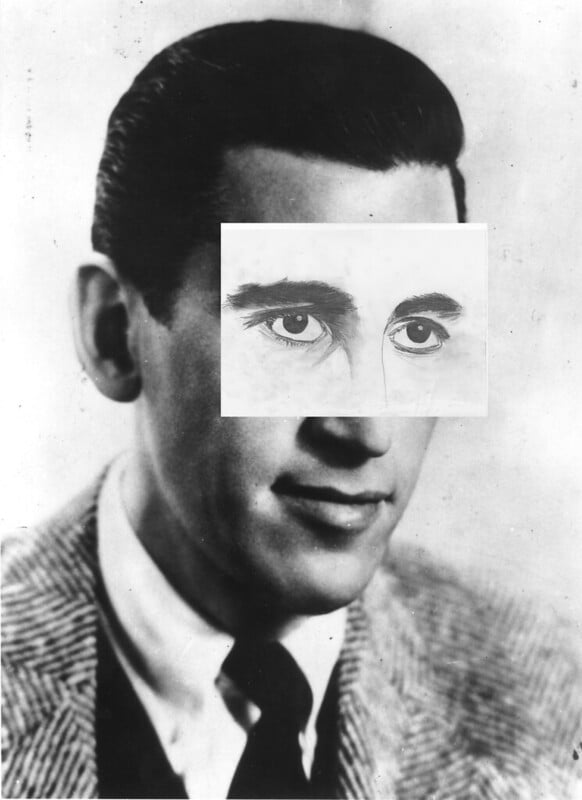
Salinger’s coming-of-age novel has been challenged in American schools for decades. Critics object to its language, themes, and protagonist’s cynical worldview.
The book’s association with several high-profile crimes, including John Lennon’s murder, intensified calls for its removal from libraries. Despite the controversy, it remains one of the most taught books in American literature classes, showing how educational value can trump moral objections.
Like Go2Tutors’s content? Follow us on MSN.
Brave New World by Aldous Huxley
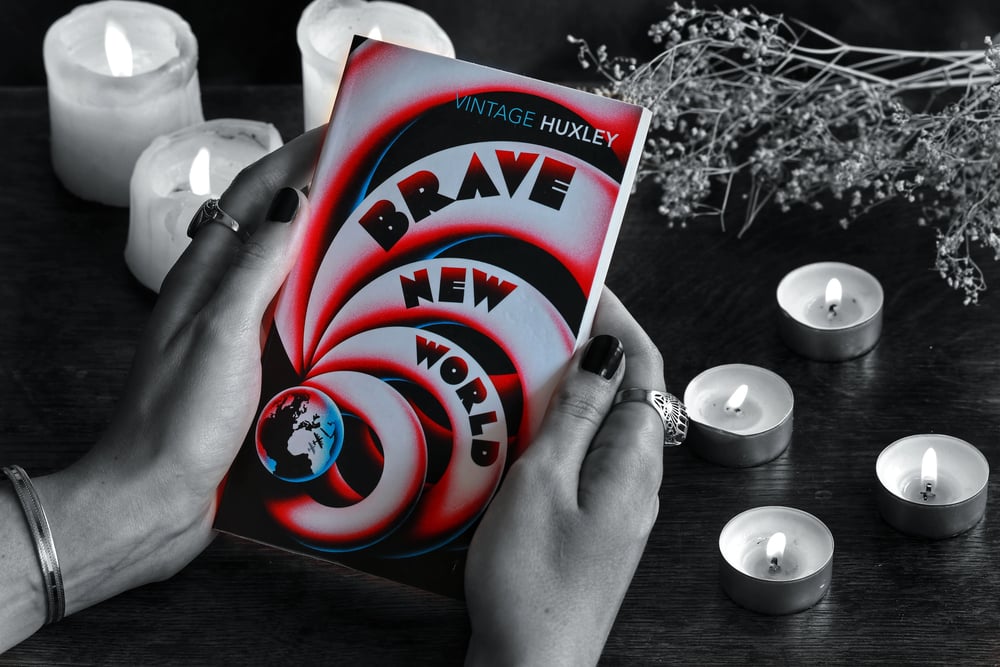
Huxley’s dystopian vision of the future has been banned for wildly different reasons across the political spectrum. Some countries banned it for its criticism of totalitarian control, while others objected to its portrayal of a society without traditional moral values.
The book’s exploration of genetic engineering, mind control, and social conditioning made it threatening to various ideological systems. Its continued relevance in discussions about technology and society keeps it controversial.
To Kill a Mockingbird by Harper Lee
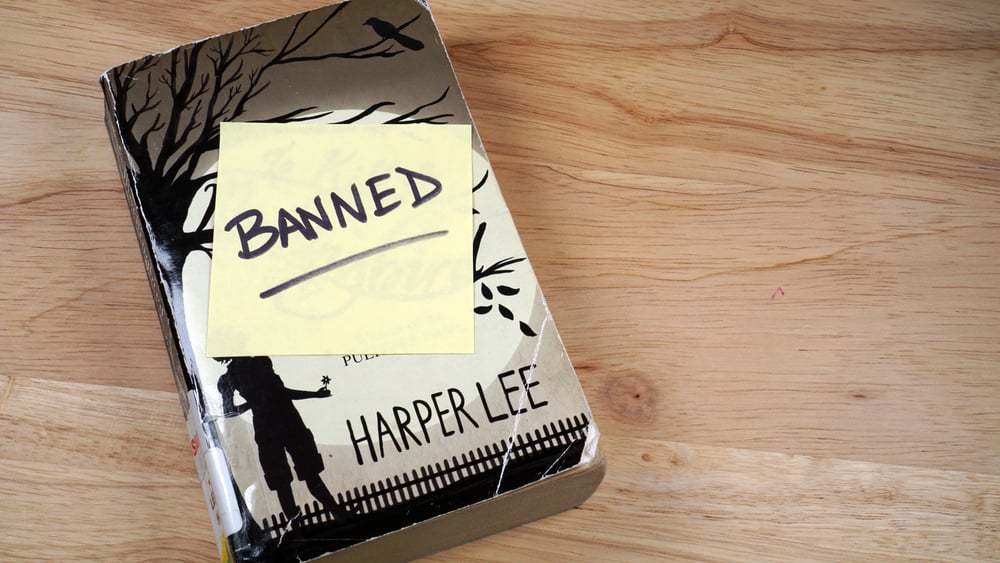
Lee’s Pulitzer Prize-winning novel faces modern censorship challenges despite its anti-racism message. Schools have removed it from curricula due to its use of racial slurs and its portrayal of the American South.
Critics argue that the book’s white savior narrative and simplified treatment of complex racial issues make it inappropriate for contemporary students. The debates highlight how books can become controversial for reasons their authors never anticipated.
The Grapes of Wrath by John Steinbeck
Steinbeck’s Depression-era novel was banned in multiple states for its sympathetic portrayal of migrant workers and criticism of capitalism. Oklahoma banned it for depicting the state’s residents as backward and poor.
California’s agricultural interests tried to suppress it because it exposed their treatment of workers. The book’s political message made it dangerous to powerful interests who preferred to keep labor conditions hidden from public view.
Like Go2Tutors’s content? Follow us on MSN.
Lolita by Vladimir Nabokov
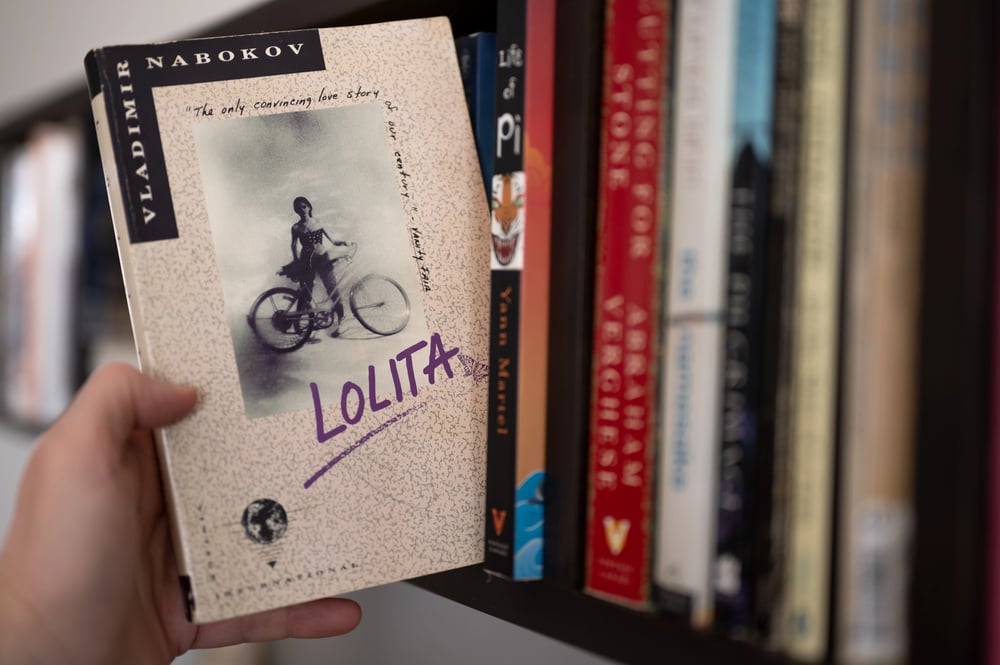
Nabokov’s controversial novel about an adult man’s obsession with a young girl has been banned in multiple countries since its 1955 publication. The book’s subject matter makes it inherently controversial, though literary scholars praise its artistry and psychological complexity.
Publishers initially refused to touch it, and several countries banned it outright. The novel raises uncomfortable questions about the relationship between artistic merit and moral content.
1984 by George Orwell
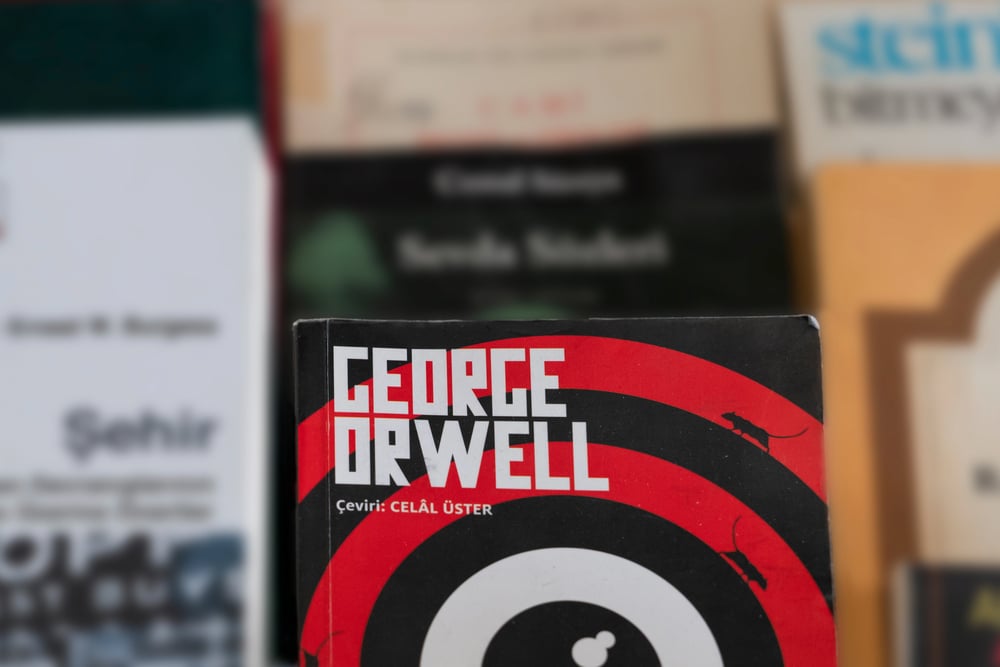
Orwell’s dystopian masterpiece has been banned by governments that saw themselves reflected in its portrayal of totalitarian control. The Soviet Union banned it for obvious reasons, but so did other countries that didn’t appreciate its criticism of surveillance states and thought control.
The book’s concepts of ‘Big Brother’ and ‘doublethink’ became part of everyday language, showing how powerful ideas can survive even when authorities try to suppress them.
Ideas That Refuse to Die
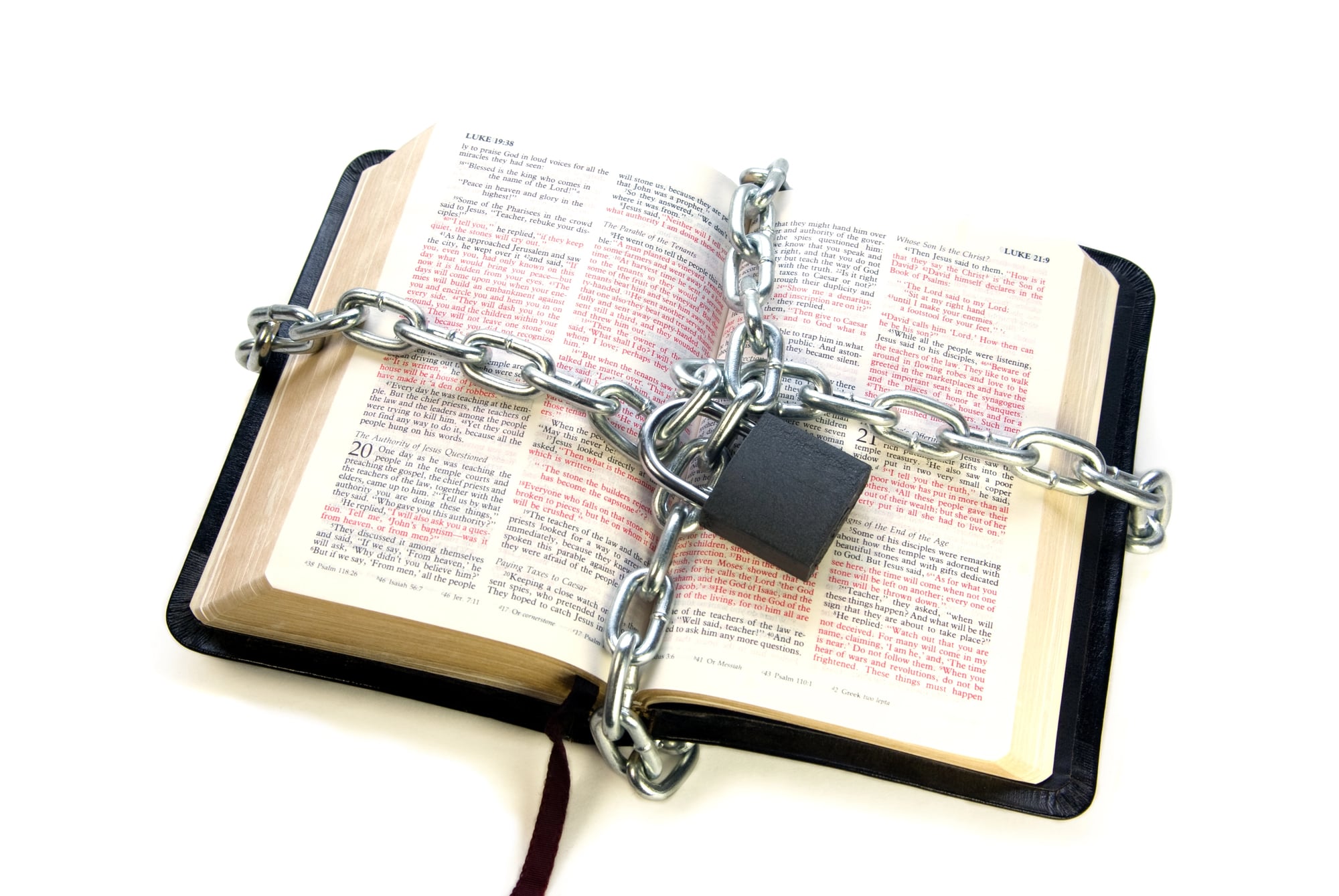
Something intriguing about human nature and power dynamics is revealed by these book bans. For centuries, authorities have attempted to control ideas through the control of books, but the most influential works are frequently the ones that are banned.
Traditional censorship is all but impossible thanks to the internet, but discussions about what should be taught in schools and what should be sold in bookstores still go on. These disputes serve as a reminder that books are more than just amusement; they are tools in the continuous struggle to change how societies view themselves and their ideals.
More from Go2Tutors!

- 16 Historical Figures Who Were Nothing Like You Think
- 12 Things Sold in the 80s That Are Now Illegal
- 15 VHS Tapes That Could Be Worth Thousands
- 17 Historical “What Ifs” That Would Have Changed Everything
- 18 TV Shows That Vanished Without a Finale
Like Go2Tutors’s content? Follow us on MSN.