27 Vintage Stamps Still Sitting in Albums That Philatelists Would Pay Top Dollar For
Most people think that dusty stamp collection gathering cobwebs in the attic is worthless. They’re usually right — but not always.
Hidden among those common commemoratives and everyday definitives might be something that could pay for a vacation, a car, or even a house down payment. The difference between a dollar stamp and a thousand-dollar stamp often comes down to tiny details that only collectors notice: a missing color, an inverted center, or simply being printed in the wrong year.
These aren’t the famous rarities that make headlines when they sell for millions. Those are locked away in museums or private collections.
These are the overlooked gems that still turn up in inherited albums, estate sales, and forgotten shoeboxes — stamps that look ordinary until someone who knows what they’re looking for takes a closer look.
1918 Inverted Jenny
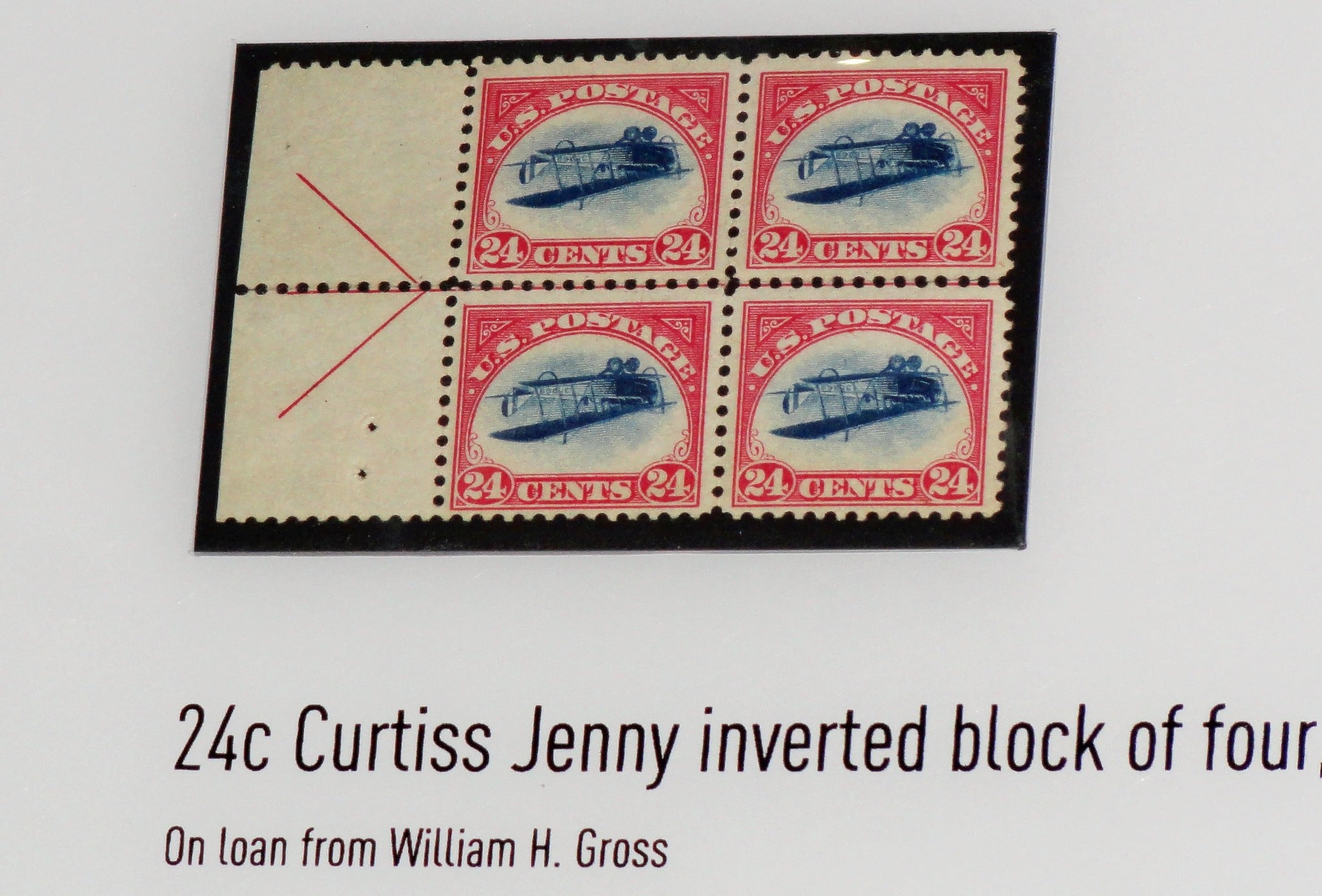
The most famous error stamp in American history shows an upside-down airplane. Only one sheet of 100 was ever sold before the mistake was caught.
Each stamp is worth millions now, but here’s what most people don’t know: the post office destroyed thousands of other airmail stamps from the same printing run that had different errors. Some of those might have survived in collections that were never properly examined.
1856 British Guiana One-Cent Magenta
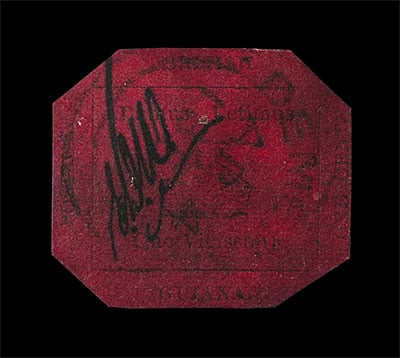
This ugly little stamp holds the record for the most expensive stamp ever sold. It’s the only known copy of a provisional issue printed when the colony ran out of regular stamps.
The thing is, other British colonies had similar shortages and printed similar provisionals around the same time. Not all of them have been accounted for.
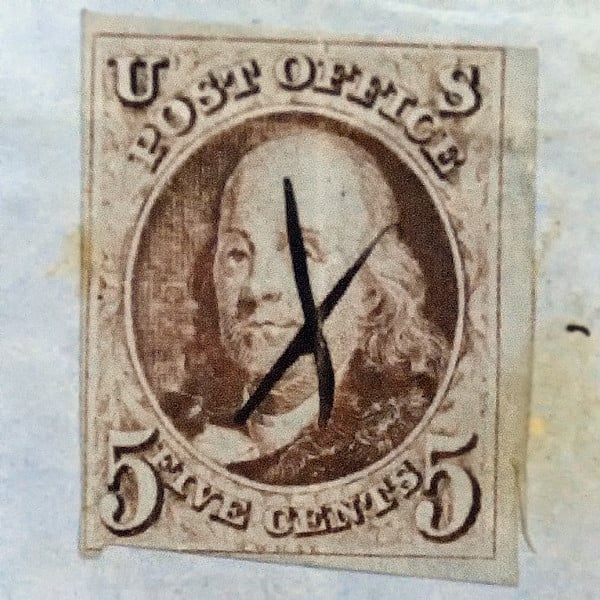
1847 Benjamin Franklin Five-Cent
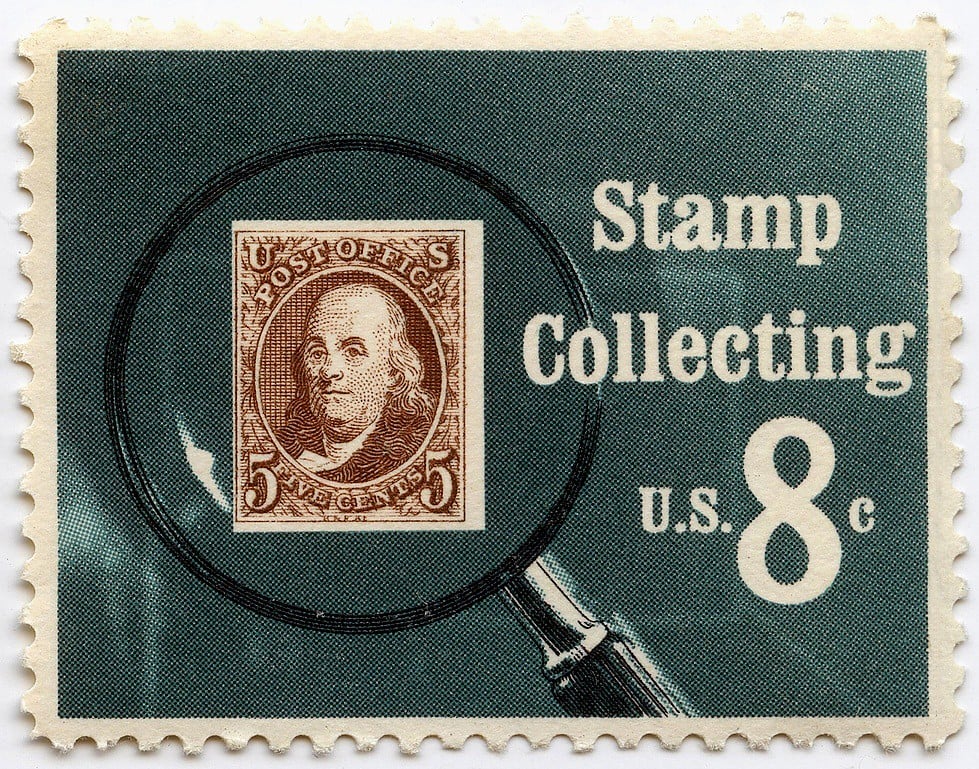
America’s first postage stamp seems common enough — until you realize that most of the surviving copies are damaged, heavily cancelled, or have been repaired so many times they barely qualify as collectible. A clean, uncancelled copy with good margins can bring six figures.
And they still turn up, usually in collections that have been sitting untouched since the 1940s.
Z Grill from 1868
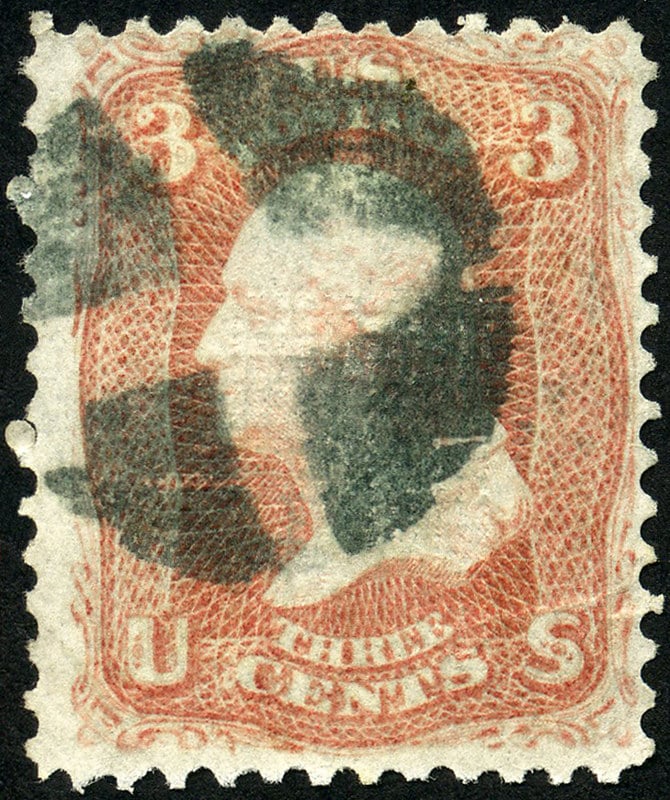
The Z Grill gets its name from the pattern of tiny square indentations pressed into the paper — a security feature that was supposed to make stamps harder to reuse. The Z Grill variation was used for only a few days before being abandoned, which means (and this is where it gets interesting, because most collectors assume all the valuable stamps have already been found) that there are probably examples sitting in collections where the owner has no idea what those little square marks mean, assuming they’re just paper texture or aging, when in reality those barely visible indentations represent the difference between a common stamp worth a few dollars and a rarity worth enough to buy a house.
Most stamp albums don’t even mention grills in their descriptions. So people inherit collections, flip through them, see what looks like ordinary 19th-century stamps, and never bother to check with a magnifying glass.
1918 24-Cent Airmail Error
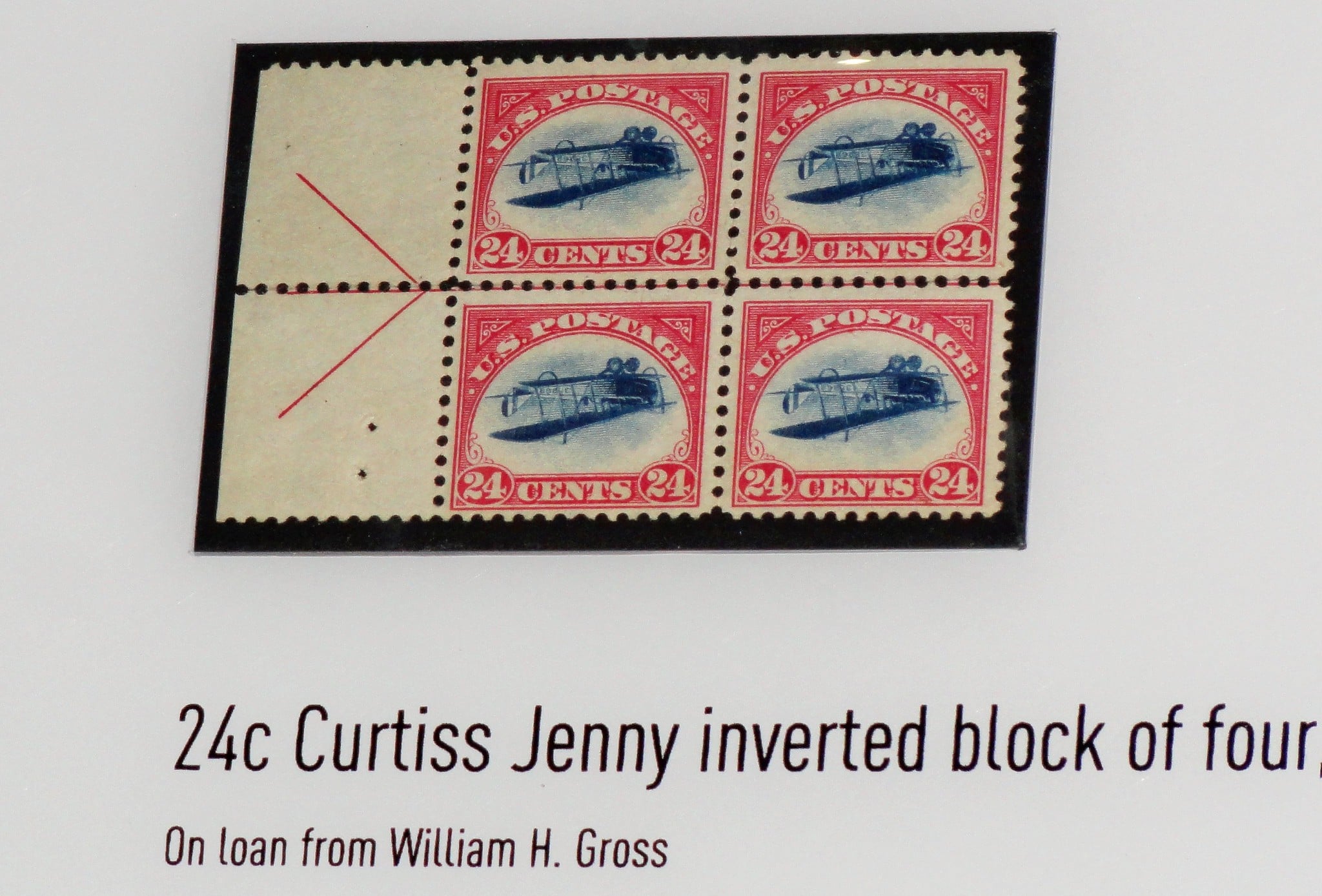
The airmail series from 1918 contains multiple errors beyond the famous Inverted Jenny. Some stamps were printed with the wrong perforations, others with color shifts that make the airplane nearly invisible.
These errors fly under the radar because they look like printing flaws rather than valuable mistakes.
1893 Columbian Two-Dollar
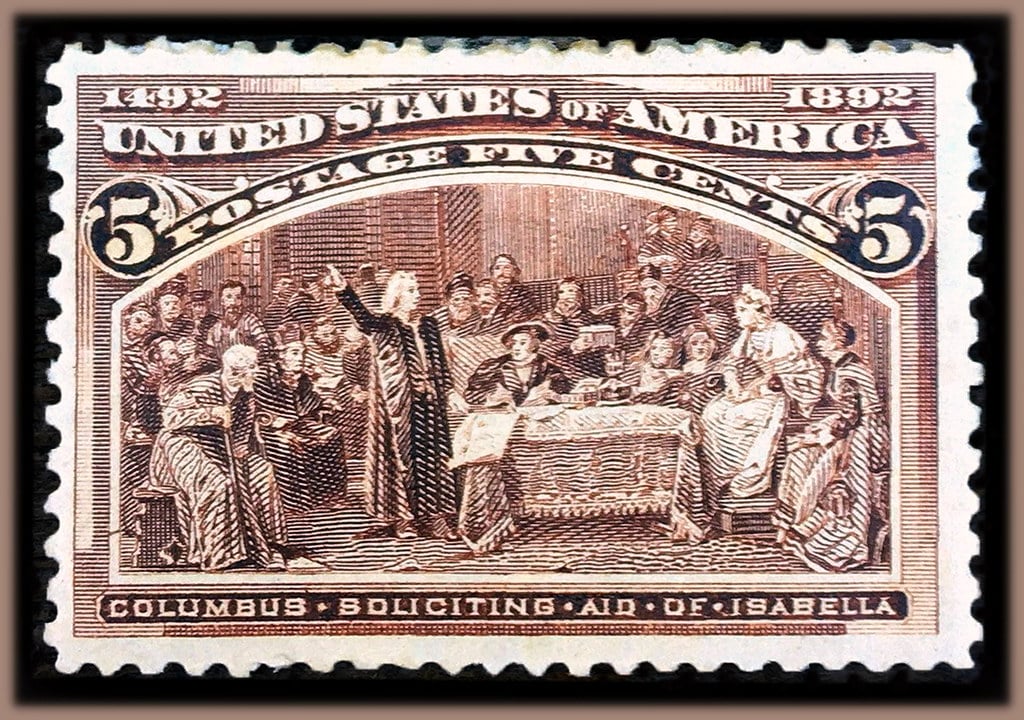
This stamp is like a beautiful painting that nobody wants to hang on their wall — too pretty to throw away, too expensive-looking to seem valuable. The Columbian Exposition series was the first commemorative set issued by the United States, and the high-value stamps in the series were expensive even when they were new.
Most people couldn’t afford them, which means relatively few were sold. Even fewer survived in good condition.
The irony is that these stamps look so ornate and official that people often assume they’re reproductions or poster stamps rather than actual postage. They get overlooked precisely because they look too impressive to be real.
British Penny Black
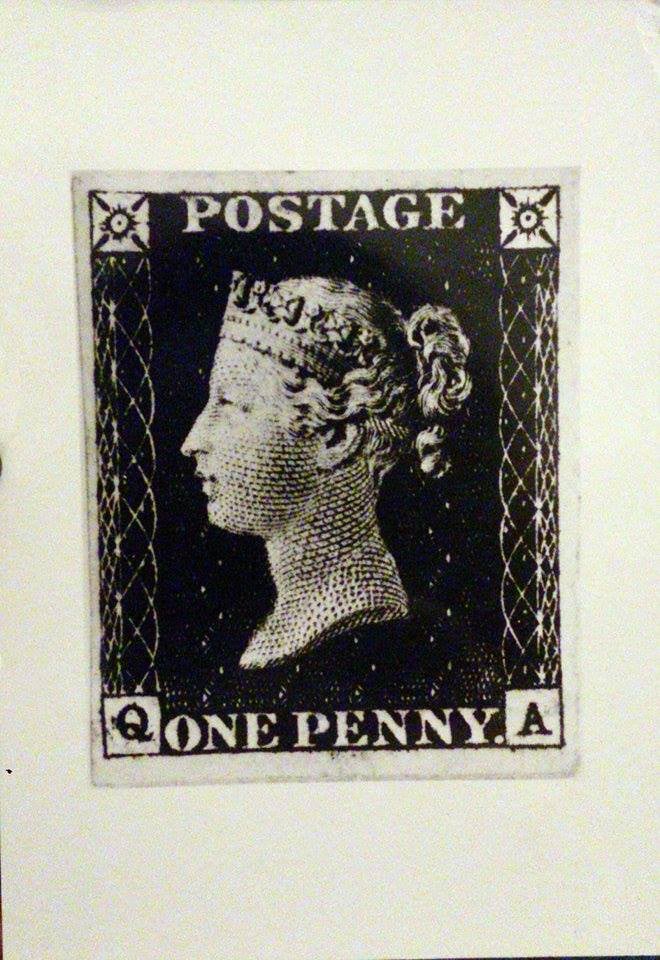
Everyone knows the Penny Black was the world’s first adhesive postage stamp. What they don’t know is that condition matters more than age.
A damaged Penny Black is worth maybe fifty dollars. A perfect one brings thousands.
The problem is that most Penny Blacks were used, cancelled, and handled roughly. Finding one in mint condition is like finding a 1840s newspaper that was never unfolded.
1901 Pan-American Inverts
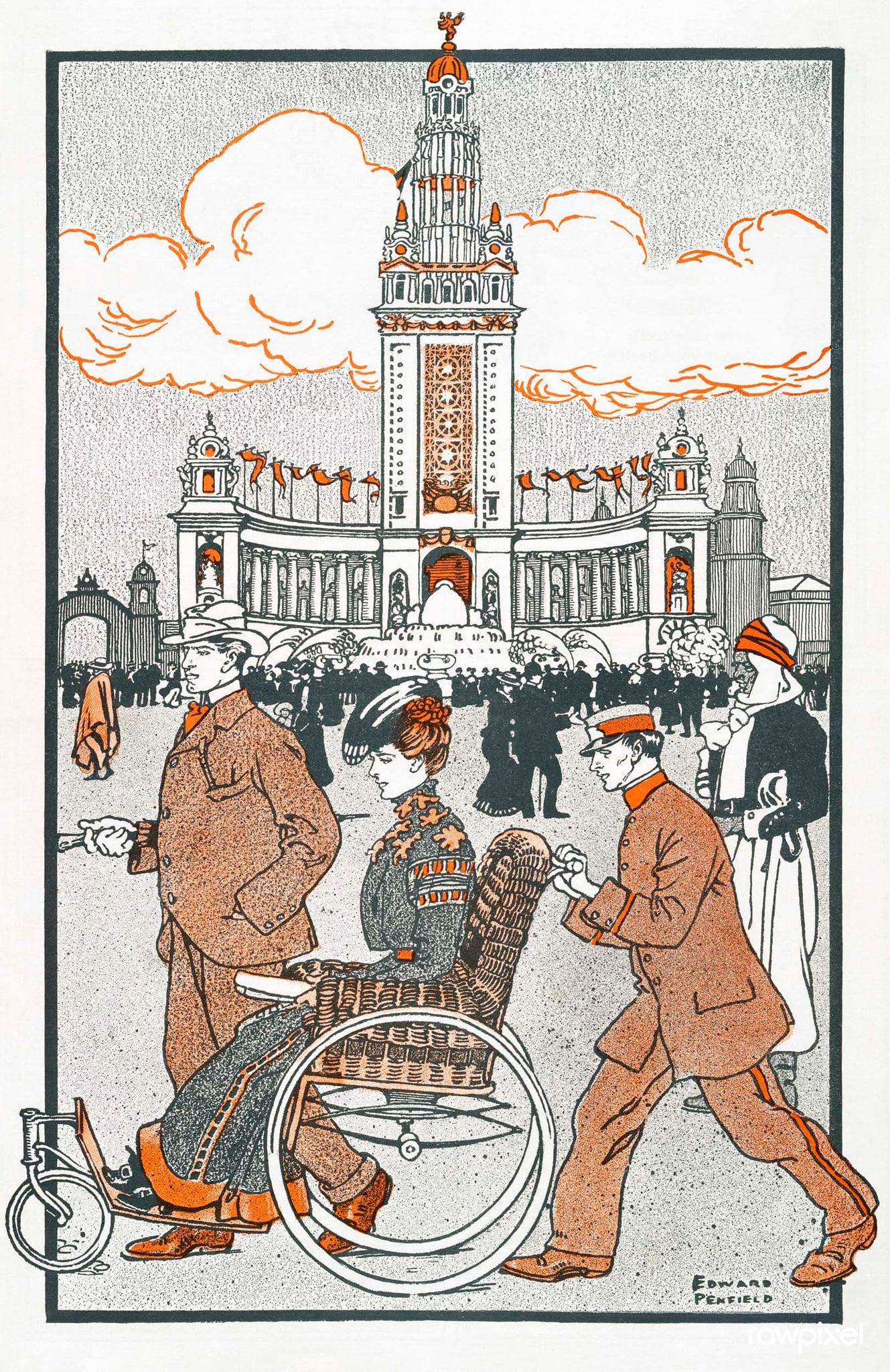
The Pan-American Exposition stamps were printed in two colors, which created multiple opportunities for the sheets to be fed through the press upside down. Several denominations exist with inverted centers, but they’re scarce enough that many collectors have never seen one.
They look normal unless you know what the correct version is supposed to look like. And here’s the thing: these stamps were saved by collectors even when they were new, but those early collectors didn’t always know they had errors.
They just thought the centers looked different.
1869 Pictorial Issues
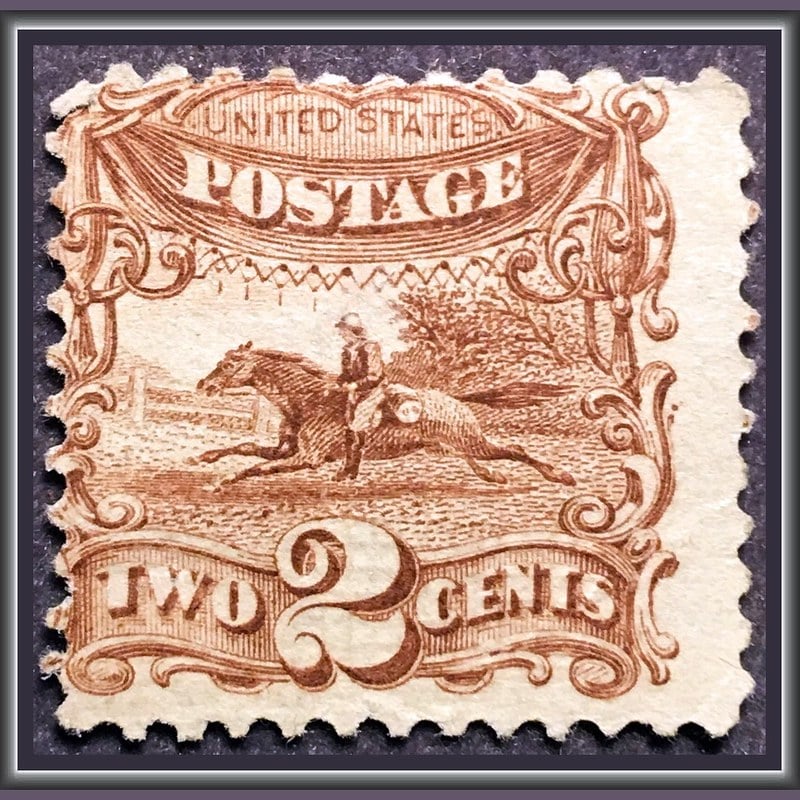
The 1869 series was so unpopular when it was issued that it was withdrawn after less than a year. People complained that the stamps were too dark, too small, and too confusing.
The post office listened and went back to boring presidential portraits. Those complaints mean that relatively few 1869 stamps were printed and even fewer were saved.
Today, any stamp from this series in decent condition brings serious money.
Confederate States General Issues
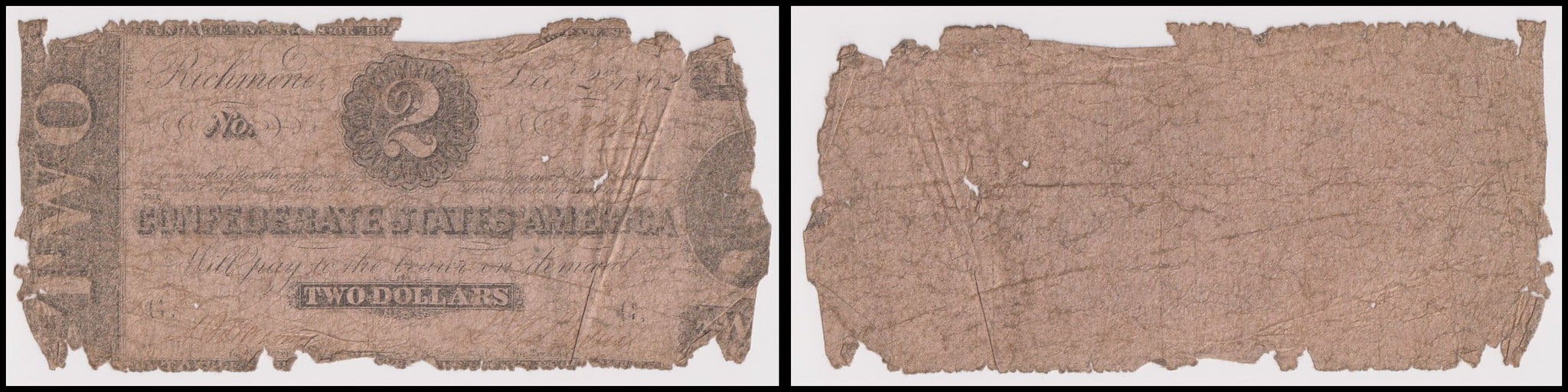
Confederate stamps occupy this strange space between American and foreign philately — they’re part of U.S. postal history, but they were issued by a government that no longer exists (which creates a peculiar kind of scarcity, because when a country disappears, it stops printing stamps, obviously, but it also stops caring about preserving examples of its postal system).
Most of the Confederate postal records were destroyed during the war or lost in its aftermath. So determining exactly which stamps are rare and which are common requires detective work that most casual collectors never bother with.
And because Confederate stamps were often printed on whatever paper was available, including wallpaper and newsprint, they’re frequently mistaken for curiosities rather than valuable collectibles. They look improvised because they were improvised.
That improvised quality makes them valuable now, but it also makes them easy to dismiss as worthless.
1893 Two-Cent Columbian Error
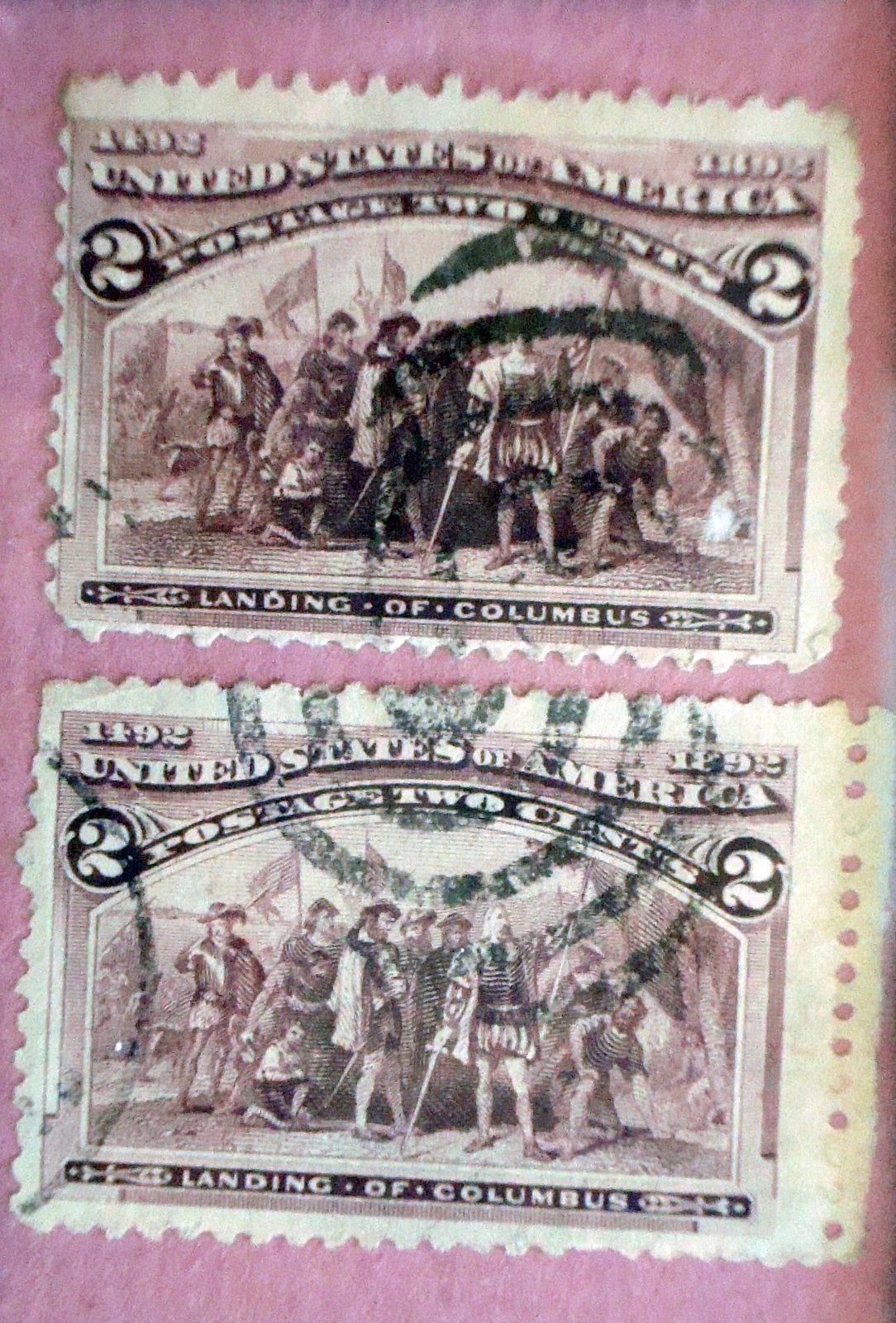
The two-cent Columbian was printed in massive quantities, making it one of the most common stamps in American history. But printing that many stamps created more opportunities for errors.
Broken plates, color shifts, and paper folds created varieties that look almost identical to the common version. The difference might be a tiny white spot where the plate cracked or a slight color variation that only becomes obvious when you compare stamps side by side.
1930 Graf Zeppelin Set
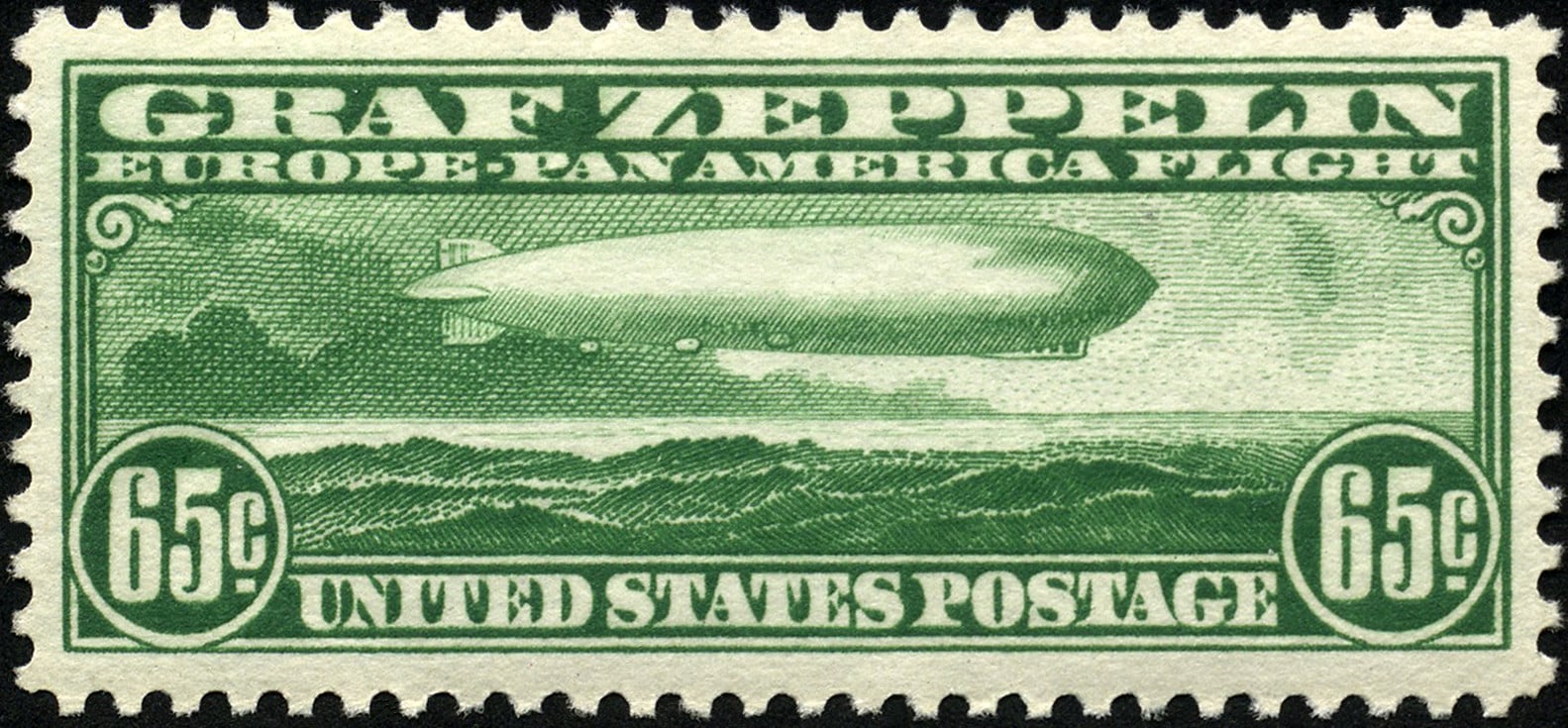
These stamps were issued to pay for mail carried on the Graf Zeppelin’s transatlantic flights. They were expensive when they were new — the top value cost more than most people made in a week.
The post office printed them in limited quantities and destroyed the unsold remainder. They look like aviation memorabilia rather than postage stamps, which means they often end up in aviation collections rather than stamp collections.
Hawaii Missionaries
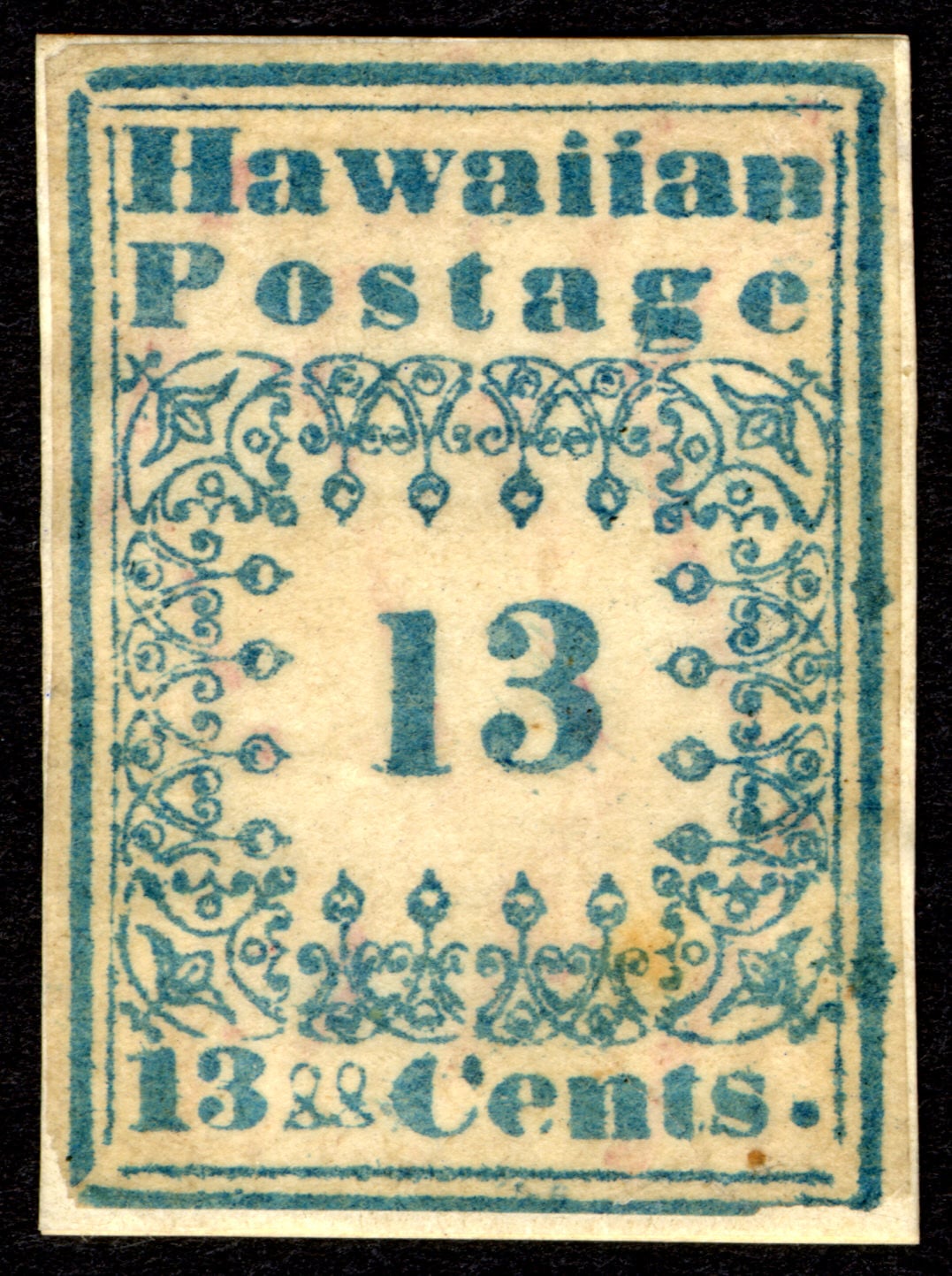
Hawaii’s first stamps were printed on thin, fragile paper that was meant to be used immediately and thrown away. The fact that any survived at all feels accidental.
They were called “Missionaries” because the first examples found by collectors came from correspondence sent by missionaries working in Hawaii. These stamps represent a postal system that existed for only a few decades before Hawaii became U.S. territory.
They’re pieces of a country that no longer exists.
1851 Twelve-Cent Washington
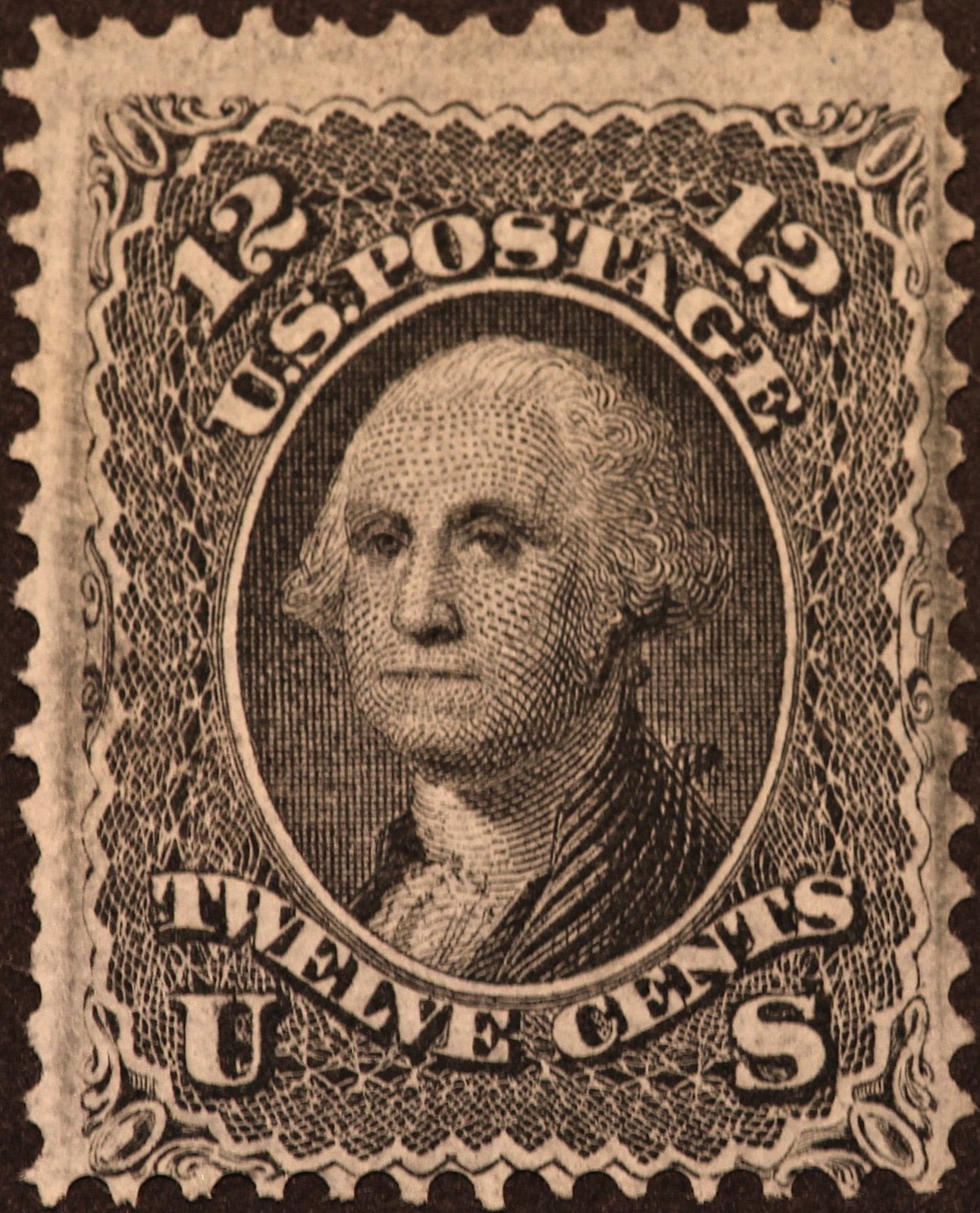
This stamp represents everything that makes 19th-century American philately frustrating and expensive. The twelve-cent rate was used primarily for transcontinental mail, which means these stamps were usually postmarked heavily and handled roughly during their long journey.
Finding one without damage requires luck. Finding one that was never used requires a miracle.
The stamps that survived in good condition were usually saved by collectors who understood their significance, but not all of those early collections have been discovered and catalogued. Some are still sitting in family estates, waiting for someone who knows what they’re looking at.
1912 One-Dollar Parcel Post
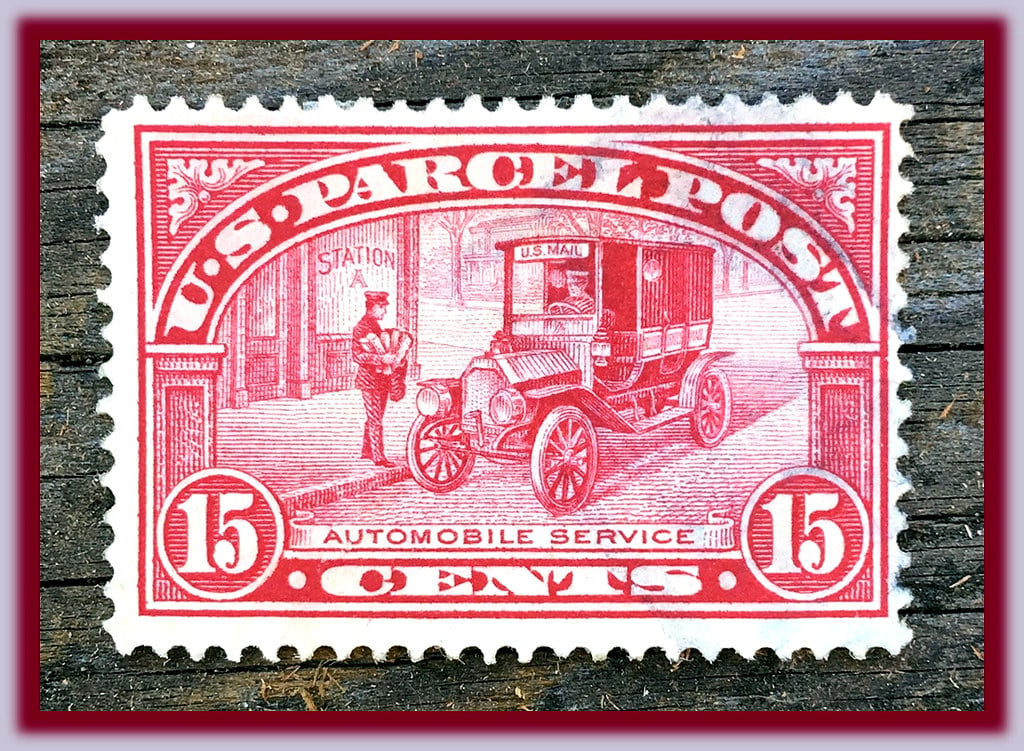
Parcel post stamps were issued for exactly one year before the postal service decided they were unnecessary and went back to using regular stamps for package mail (a decision that created instant scarcity, though nobody realized it at the time).
The high-value parcel post stamps were used primarily by businesses shipping expensive packages, which means they were usually cancelled with heavy, messy postmarks that obliterate much of the design. Clean examples are scarce not because few were printed, but because few were used carefully.
And since parcel post stamps were larger than regular stamps, they didn’t fit properly in most stamp albums. So they were often stored separately and sometimes forgotten entirely.
There are probably parcel post stamps sitting in manila envelopes and old cig boxes in attics across the country.
1869 Fifteen-Cent Landing of Columbus
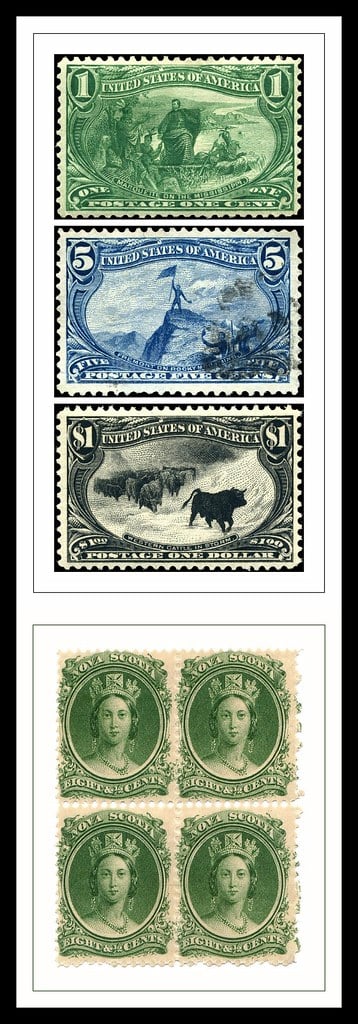
This stamp shows Columbus landing in the New World, but the image is so dark and detailed that it’s almost impossible to make out what’s happening unless you know what you’re looking at. The stamp was unpopular when it was new because people couldn’t tell what the picture was supposed to be.
That unpopularity means fewer were saved by contemporary collectors. Most of the surviving examples show heavy postal use.
Canadian Twelve-Pence Black
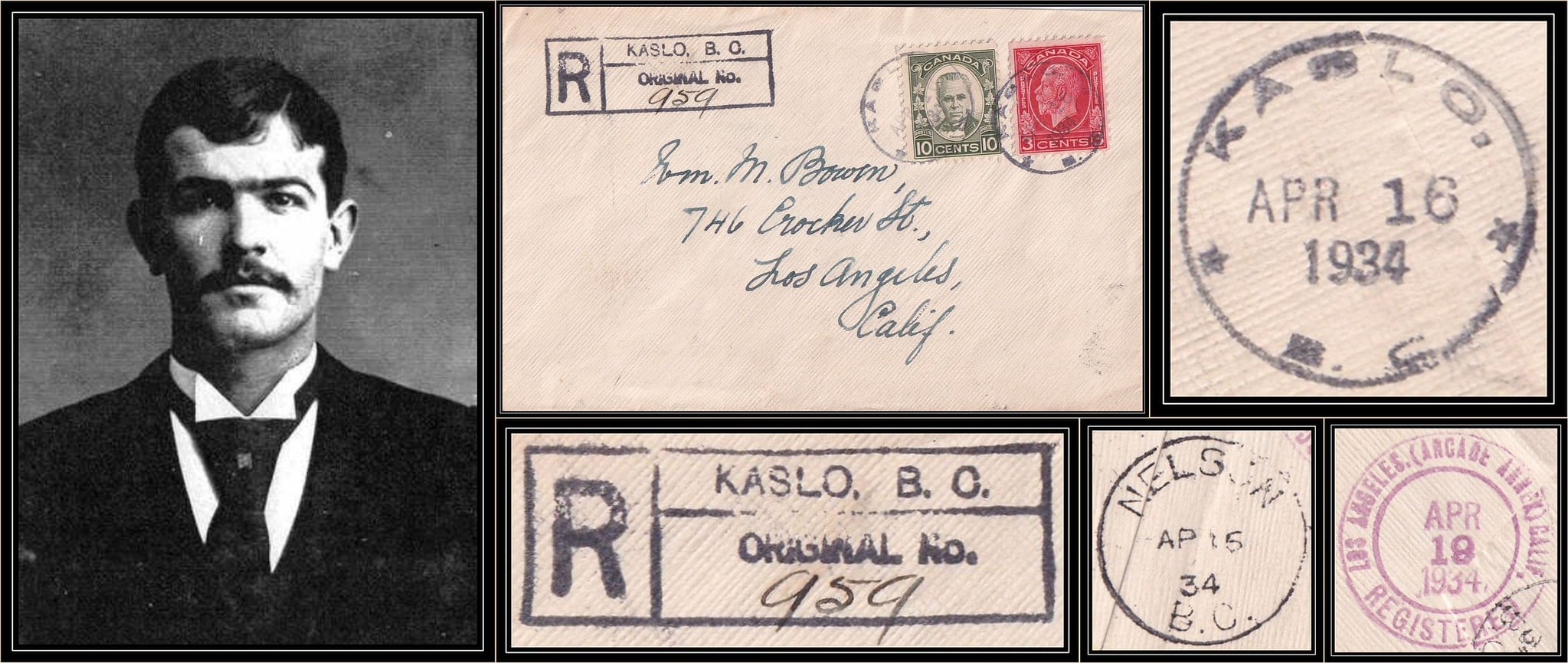
Canada’s first stamps in 1851 included denominations in various values. The Twelve-Pence Black was printed on handmade paper and based on designs influenced by the British Penny Black, though it was not Canada’s first adhesive stamp—that distinction belongs to the 3-Pence Beaver issued the same year.
The paper was thick and expensive, which limited the print run. Most copies were used for postal purposes and discarded.
The few that survive in mint condition represent some of the most expensive items in Canadian philately. They look deceptively simple for something worth tens of thousands of dollars.
1930 Two-Cent Graf Zeppelin
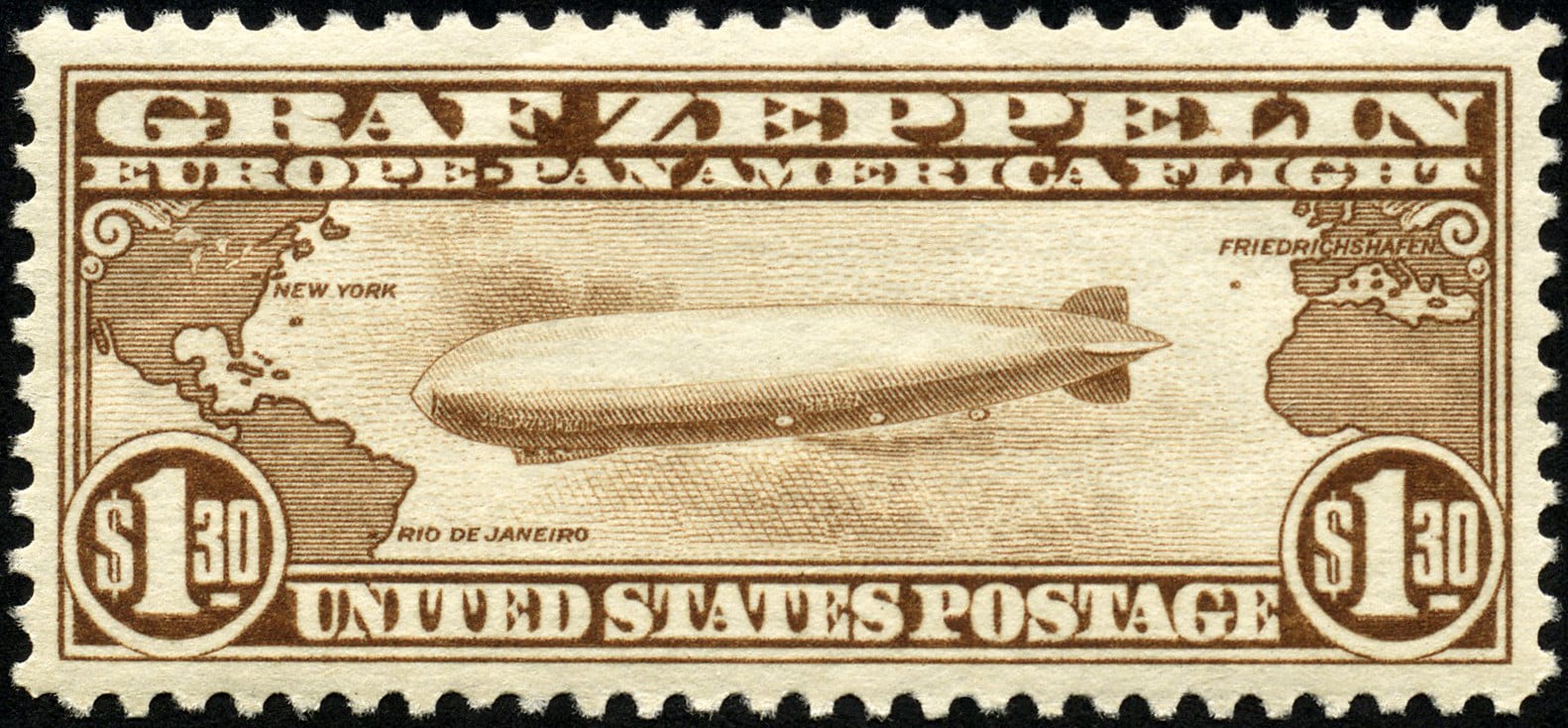
People focus on the expensive stamps in the Graf Zeppelin set and overlook the two-cent value, assuming it must be common because of its low denomination. Wrong assumption.
The entire set was printed in limited quantities and sold only during a short window. The two-cent stamp is just as scarce as its more expensive siblings, but it flies under the radar because collectors expect rare stamps to have high face values.
Dag Hammarskjöld Invert

In 1962, the post office discovered that some sheets of the Dag Hammarskjöld commemorative had been printed with the yellow background inverted. Instead of destroying the errors and pretending nothing happened (which was the traditional approach), they decided to print more inverted copies deliberately so collectors couldn’t profit from the mistake.
This decision created two different types of inverts: the original errors and the intentional reprints. The difference between them is subtle but significant.
The original errors are valuable; the reprints are common. Most people can’t tell them apart.
1861 Ninety-Cent Washington
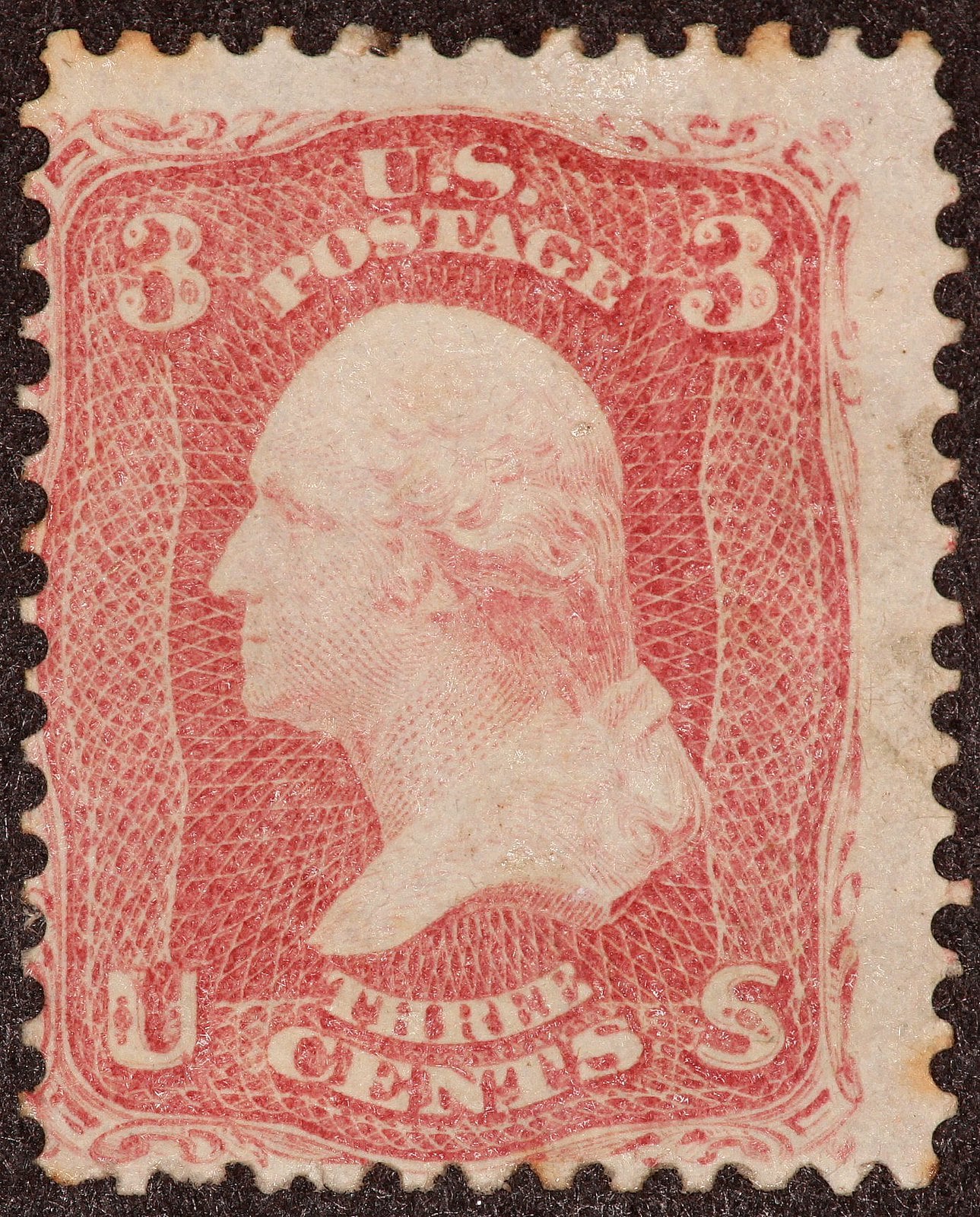
The ninety-cent rate was used for heavy international mail and multiple-ounce domestic letters. Since most letters weighed less than half an ounce, the ninety-cent stamp was used infrequently.
It was expensive when it was new and became more expensive as time passed. Most of the surviving copies show evidence of postal use because people didn’t buy ninety-cent stamps as souvenirs.
They bought them when they needed them and used them immediately.
1893 Four-Dollar Columbian
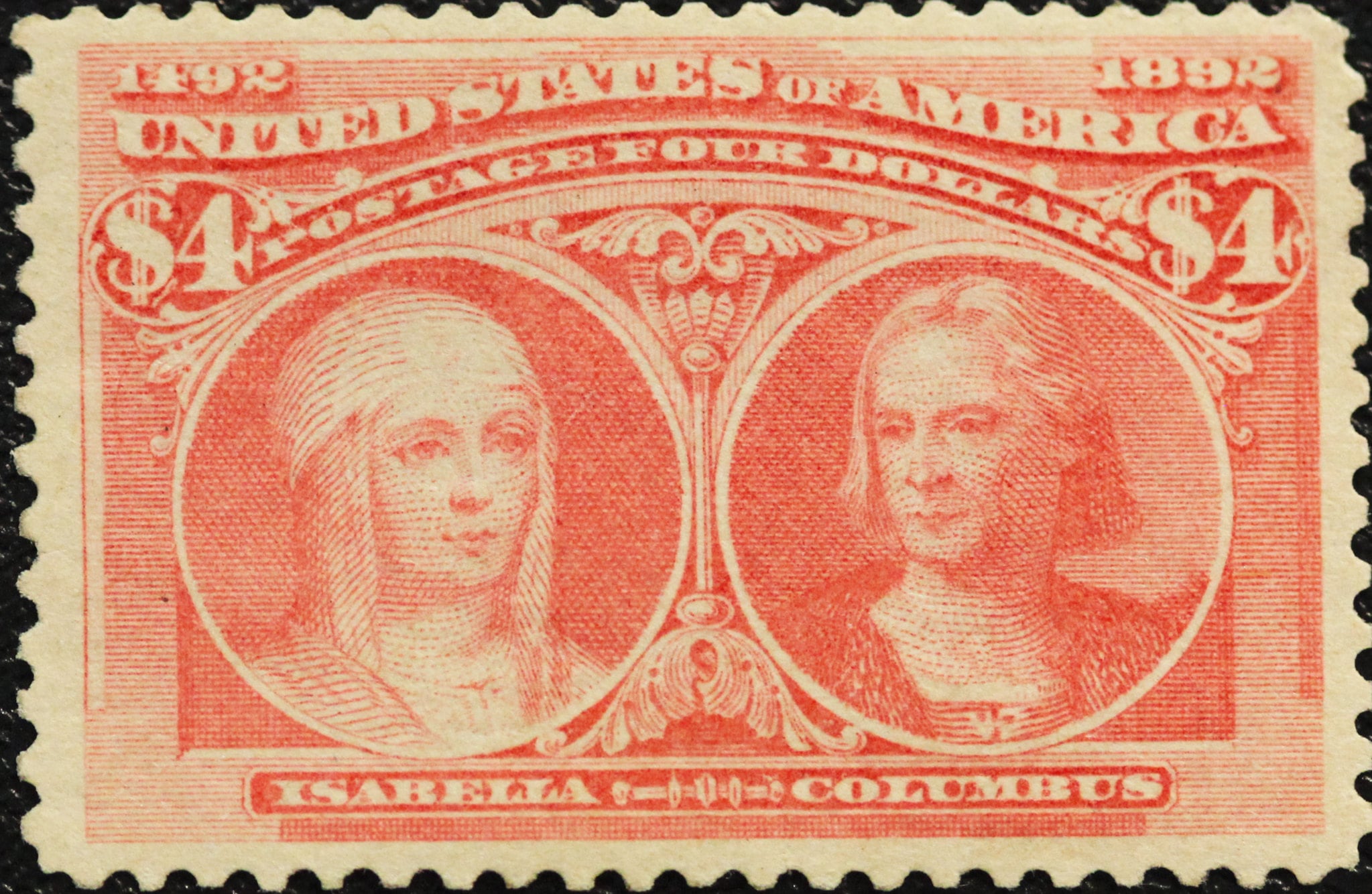
This stamp cost four dollars when the average worker made ten dollars a week. It was purchased primarily by stamp collectors and wealthy individuals who needed to pay high postage rates on valuable packages.
The combination of high cost and limited usage means that most surviving examples are in good condition — if you can find them. The stamp is large, beautifully engraved, and impressive enough that people who inherit collections often assume it’s a reproduction.
1901 Four-Cent Pan-American
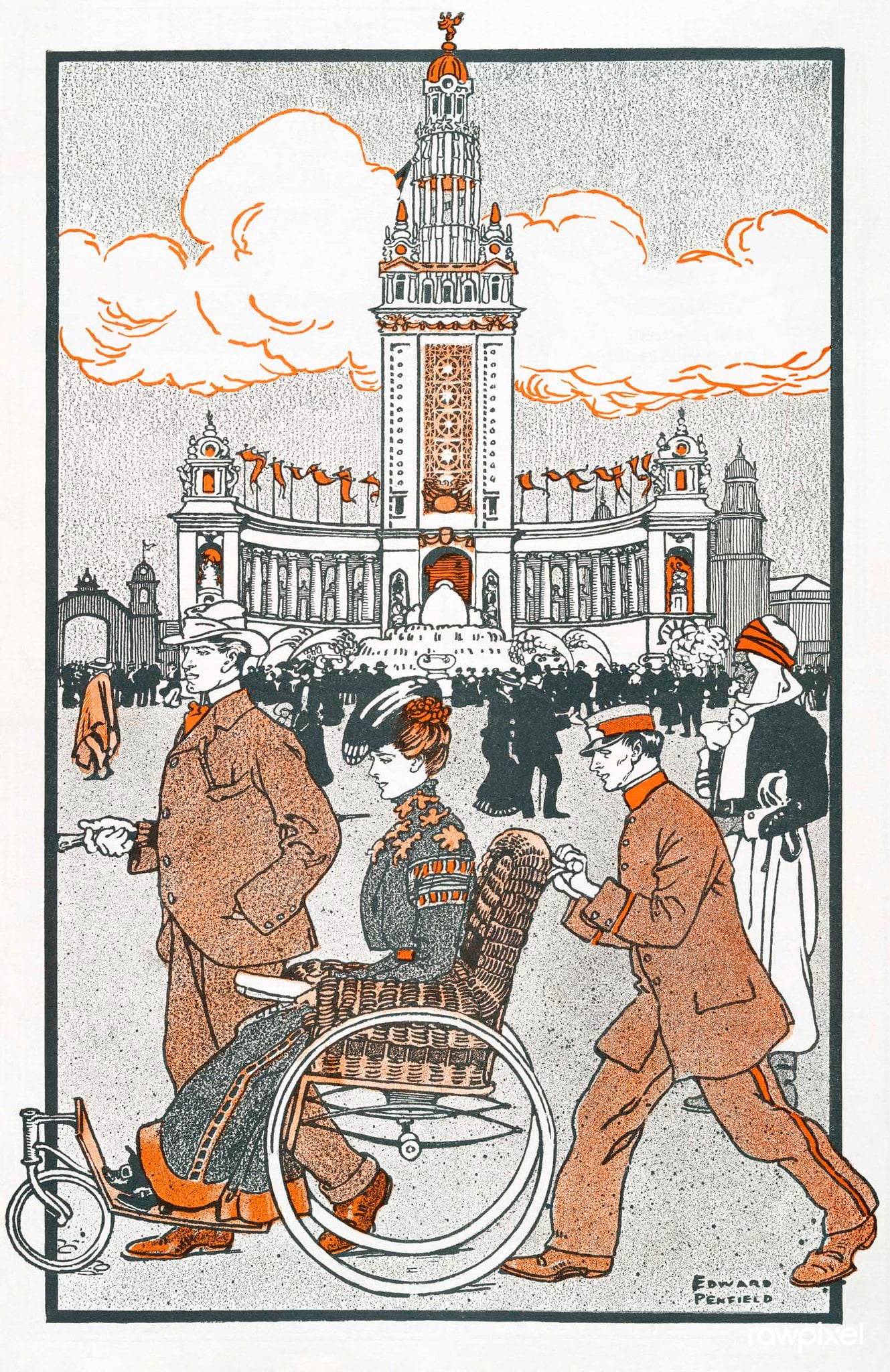
The Pan-American series featured the first bicolor commemorative stamps issued by the United States. Printing in two colors doubled the chances for errors and created registration problems that resulted in subtle varieties.
Some stamps have the central vignette slightly off-center, others have color variations that are barely noticeable unless you’re looking for them. These minor varieties can be worth significantly more than normal copies.
Alexandria Blue Boy
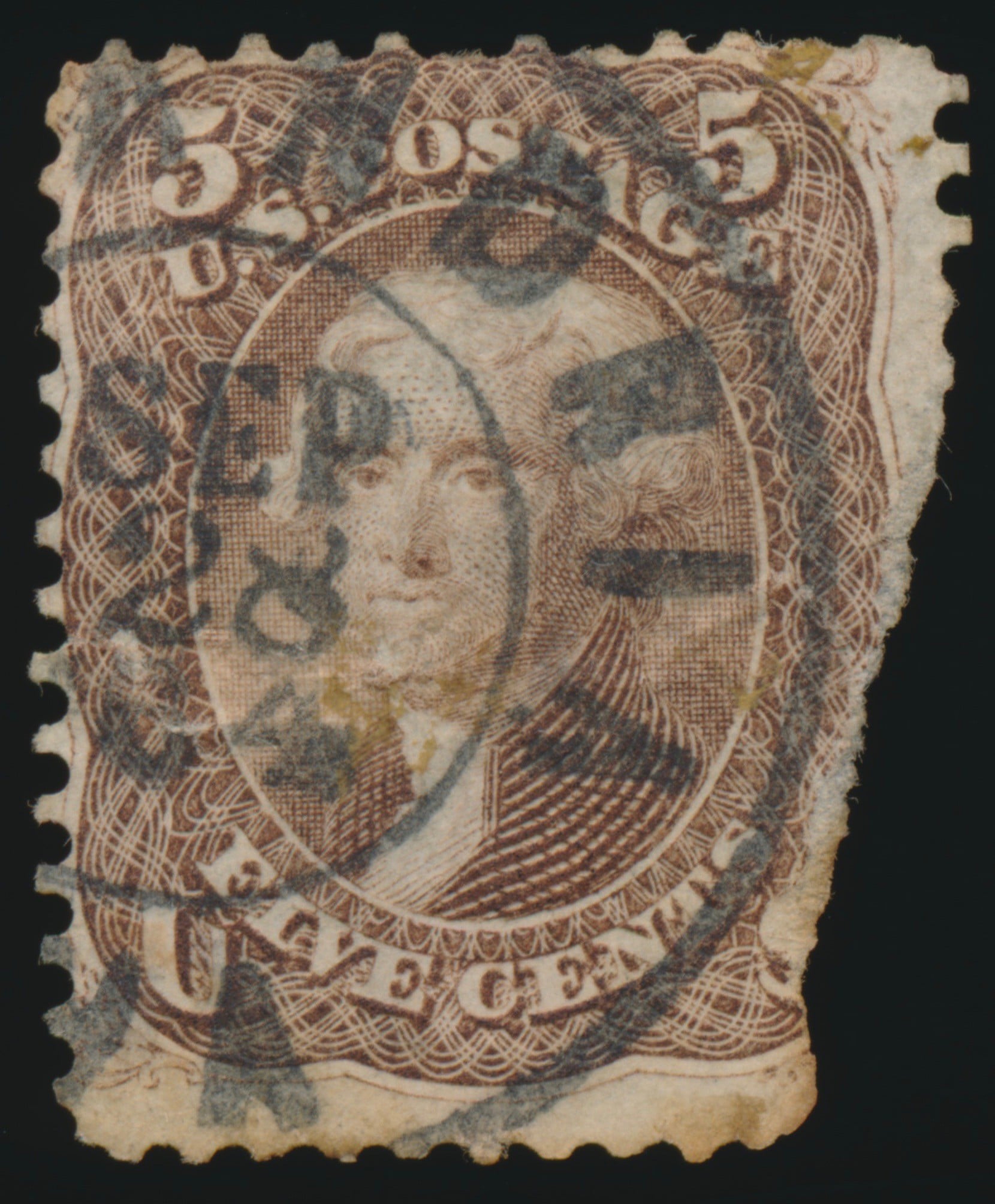
This stamp was issued by the postmaster of Alexandria, Virginia, before the federal government took control of the postal system. It’s called the “Blue Boy” because of its color and because it shows a running figure that early collectors thought looked like a boy.
Local postmaster stamps are scarce because they were used only in specific cities for short periods. Most were thrown away after use because nobody thought they would become collectible.
1918 Five-Dollar Benjamin Franklin
The highest denomination in the 1918 series was used primarily for registered mail and expensive packages. Five dollars was serious money in 1918 — enough to buy a week’s groceries.
Most people never handled these stamps, let alone saved them. The few that survive in mint condition represent some of the most expensive items in 20th-century American philately.
They look almost too large and impressive to be real stamps.
1847 Ten-Cent George Washington
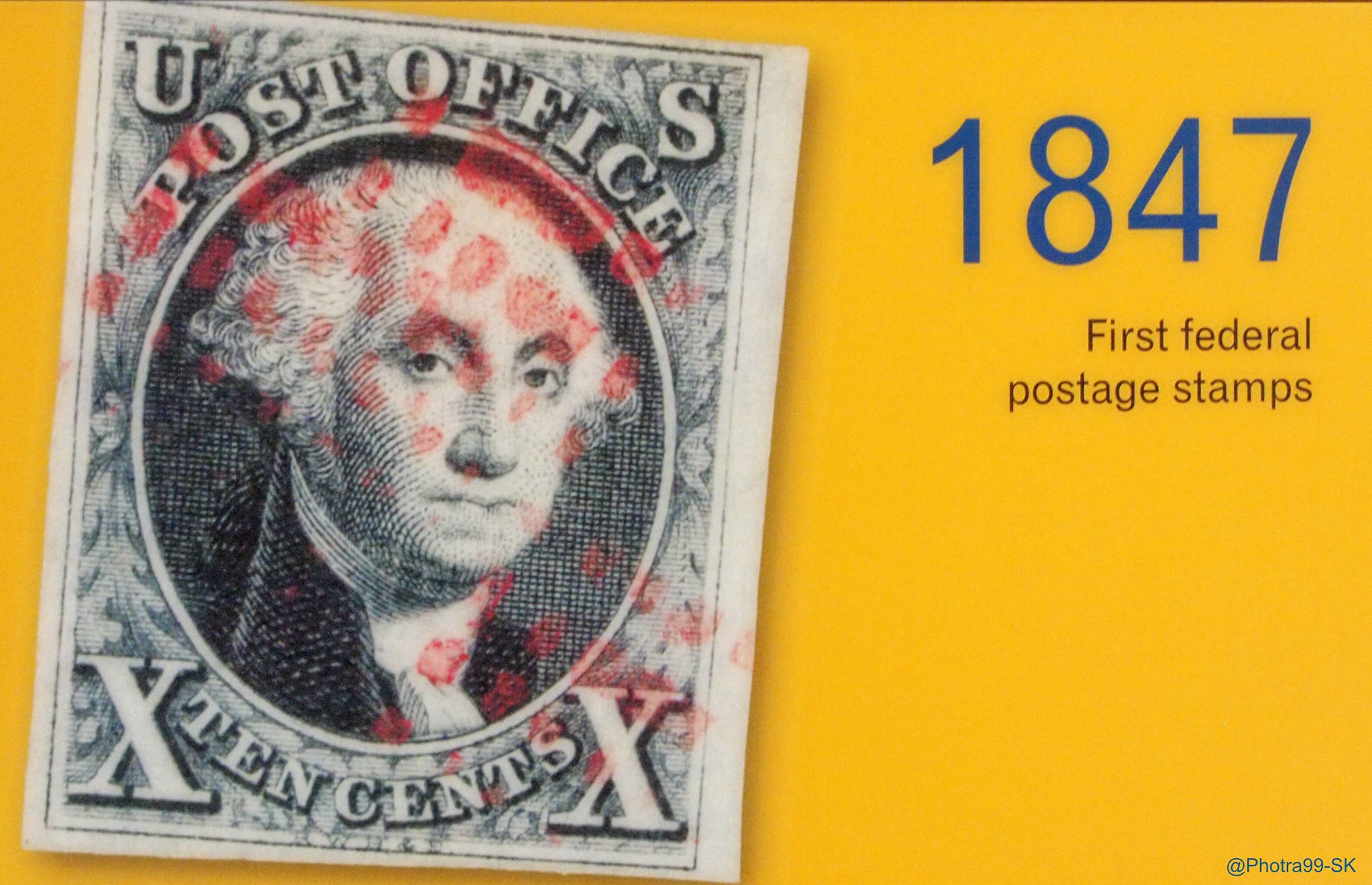
America’s second stamp is overshadowed by the fame of the five-cent Franklin, but it’s actually scarcer in top condition. The ten-cent rate was used for long-distance mail, which meant these stamps were usually postmarked heavily and handled roughly.
Clean examples with good margins and light cancellations are genuinely rare. Most collectors focus on the Franklin and overlook the Washington, which means bargains still turn up occasionally.
1869 Two-Cent Post Horse and Rider
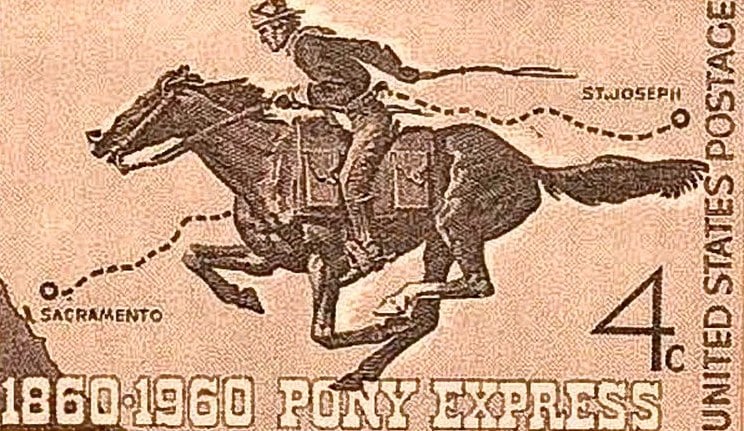
This stamp shows a post rider on horseback, but the image is so small and dark that it’s hard to make out the details. The 1869 pictorial series was criticized for being too dark when it was new, and this stamp exemplifies the problem.
It was printed in brown ink on white paper, which should have provided good contrast, but the engraving was so fine that the details got lost. Most people can’t tell what the picture is supposed to show without a magnifying glass.
Pony Express Stamps
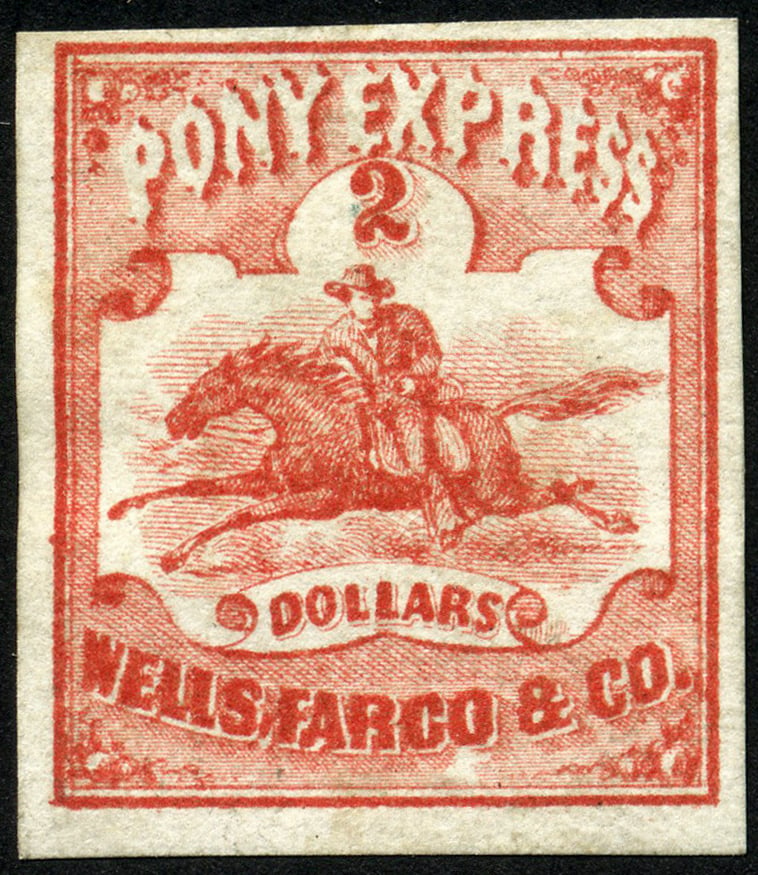
These weren’t official government stamps but rather labels issued by the private company that ran the Pony Express mail service. They’re scarce because the Pony Express operated for only 18 months before being put out of business by the transcontinental telegraph.
Most Pony Express mail was thrown away after being delivered, which means examples of these stamps usually survive only when they were saved by collectors who recognized their historical significance.
1893 One-Dollar Columbian
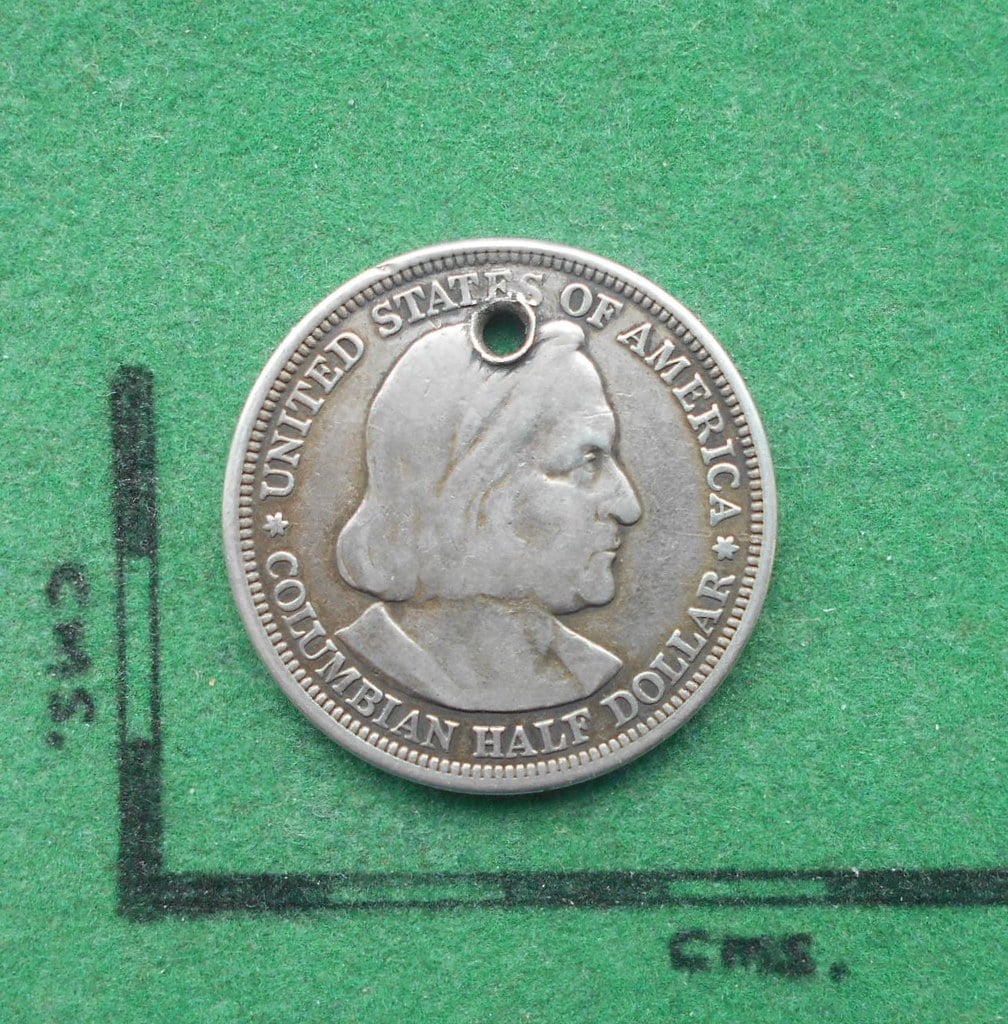
The one-dollar Columbian shows Isabella pledging her jewels to finance Columbus’s voyage. It’s a dramatic scene rendered in beautiful detail, but the stamp was expensive when it was new and remains expensive today.
Most surviving examples are in good condition because people who could afford to buy one-dollar stamps in 1893 were usually careful with their possessions. The stamp is large enough and impressive enough that it’s often mistaken for a souvenir or poster stamp rather than actual postage.
1901 Ten-Cent Pan-American
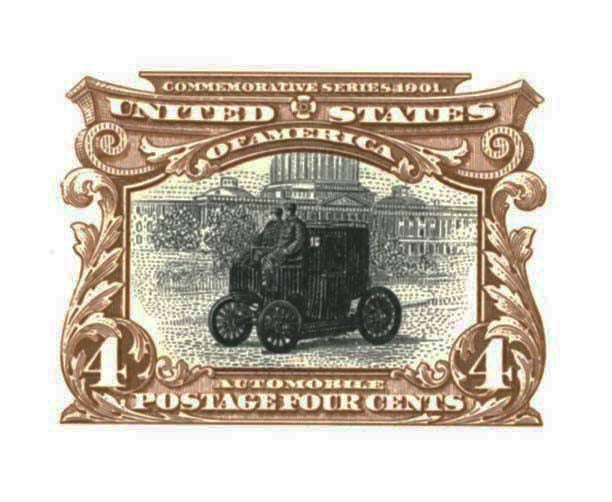
The highest value in the Pan-American series shows an ocean liner that was considered the height of modern technology in 1901. The stamp was expensive when it was new and was purchased primarily by collectors and people who needed to pay high postage rates.
Most copies were saved rather than used, which means mint examples are more common than used ones — an unusual situation in stamp collecting, where used stamps are typically more common than unused ones.
Treasures in Plain Sight

The stamps sitting in those old albums aren’t just pieces of paper — they’re artifacts from postal systems that no longer exist, printing technologies that have been abandoned, and economies where a few cents meant something different than it does today.
The valuable ones hide in plain sight because they look ordinary until someone who understands their significance takes a second look. That second look might be worth taking, especially if the album has been sitting untouched for decades.
Sometimes the most valuable things are the ones nobody thinks to examine closely.
More from Go2Tutors!

- The Romanov Crown Jewels and Their Tragic Fate
- 13 Historical Mysteries That Science Still Can’t Solve
- Famous Hoaxes That Fooled the World for Years
- 15 Child Stars with Tragic Adult Lives
- 16 Famous Jewelry Pieces in History
Like Go2Tutors’s content? Follow us on MSN.