20 Old Sports Equipment Collectors Buy for Display
Old sporting goods look better on a wall than most art. Hand-stitched leather, hickory shafts, and brass fittings carry the marks of the people who used them, and decorators and collectors both pay for that history.
Condition sets the price in this field. Cracked leather, warped wood, replaced parts, and refinished surfaces can cut a value sharply, while original finishes and period markings bring the highest offers.
Hickory-Shafted Golf Clubs
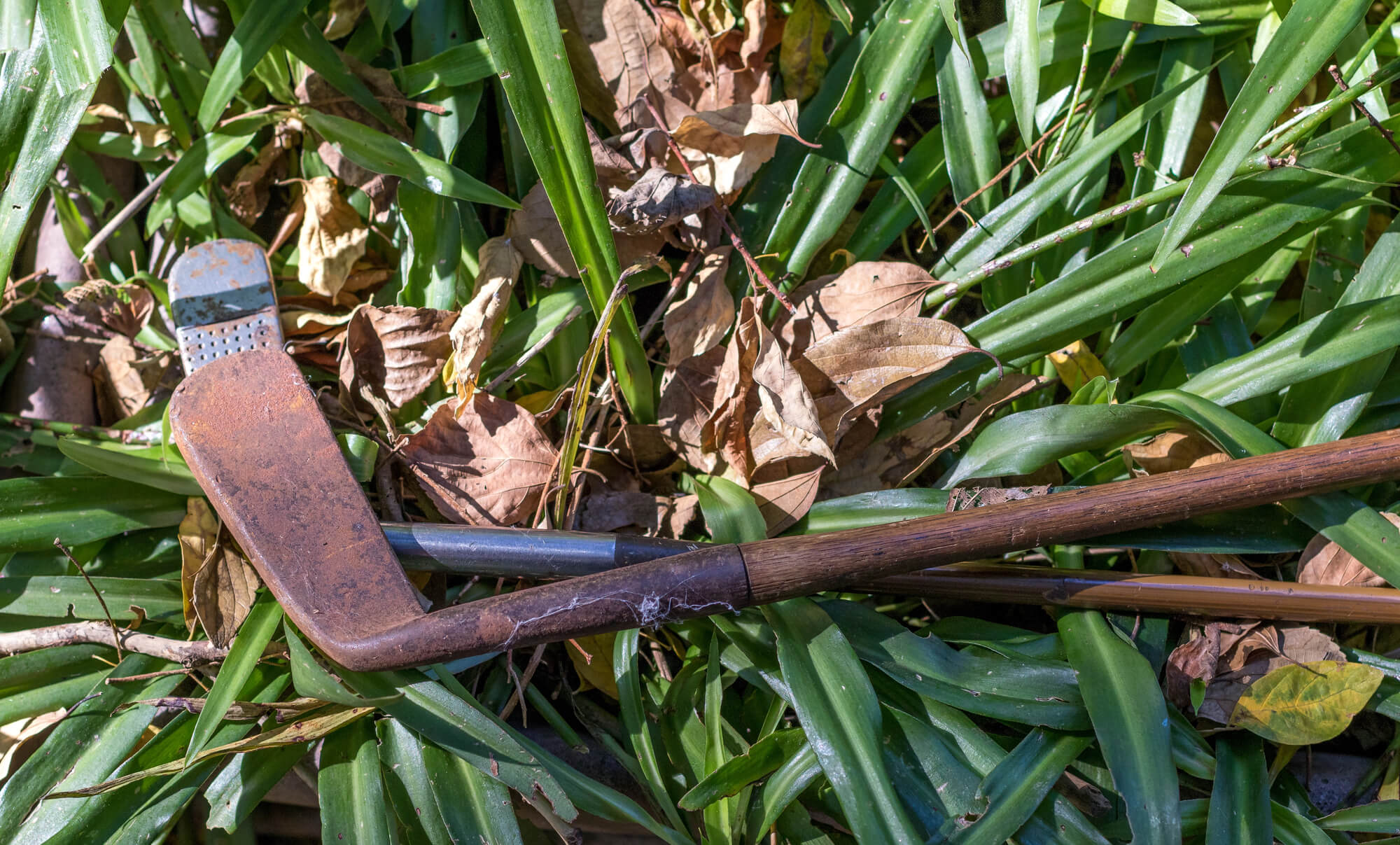
Before steel shafts were approved for competition in the United States in the 1920s, golfers swung clubs with hickory shafts and forged heads, many with names like mashie and niblick. Collectors display them in leather bags or crossed on a wall. Cracked shafts, loose heads, and replaced grips lower values, while intact original finishes bring the best prices.
Wooden Tennis Rackets
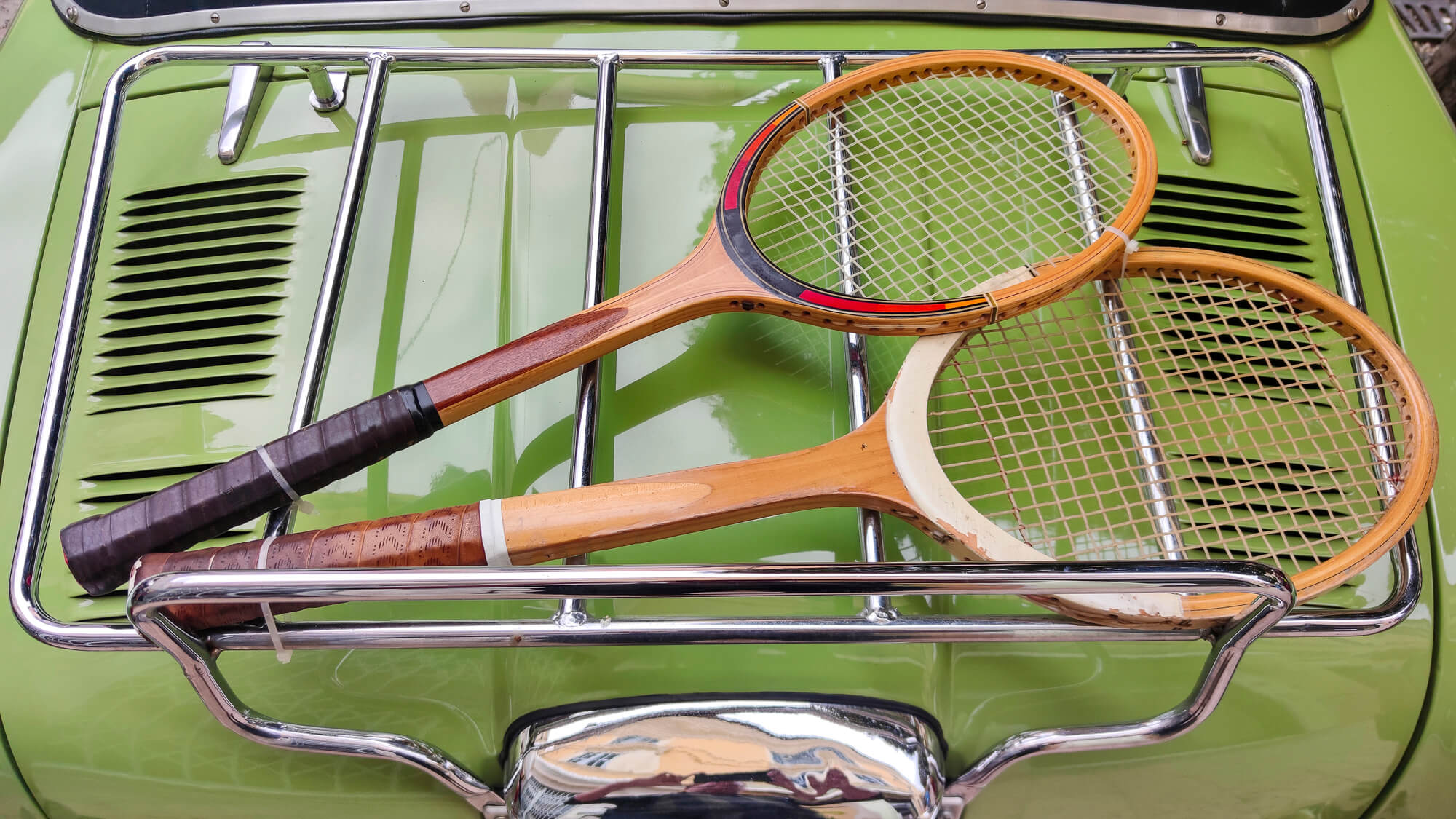
Wooden rackets with laminated frames and gut strings dominated the sport until metal frames took over in the 1970s. Their wide, slender shapes and old maker’s decals look good in wall racks. Warped frames, broken strings, and lifted decals reduce values, and rackets with period press frames are worth more than those without.
Leather Catcher’s Mitts
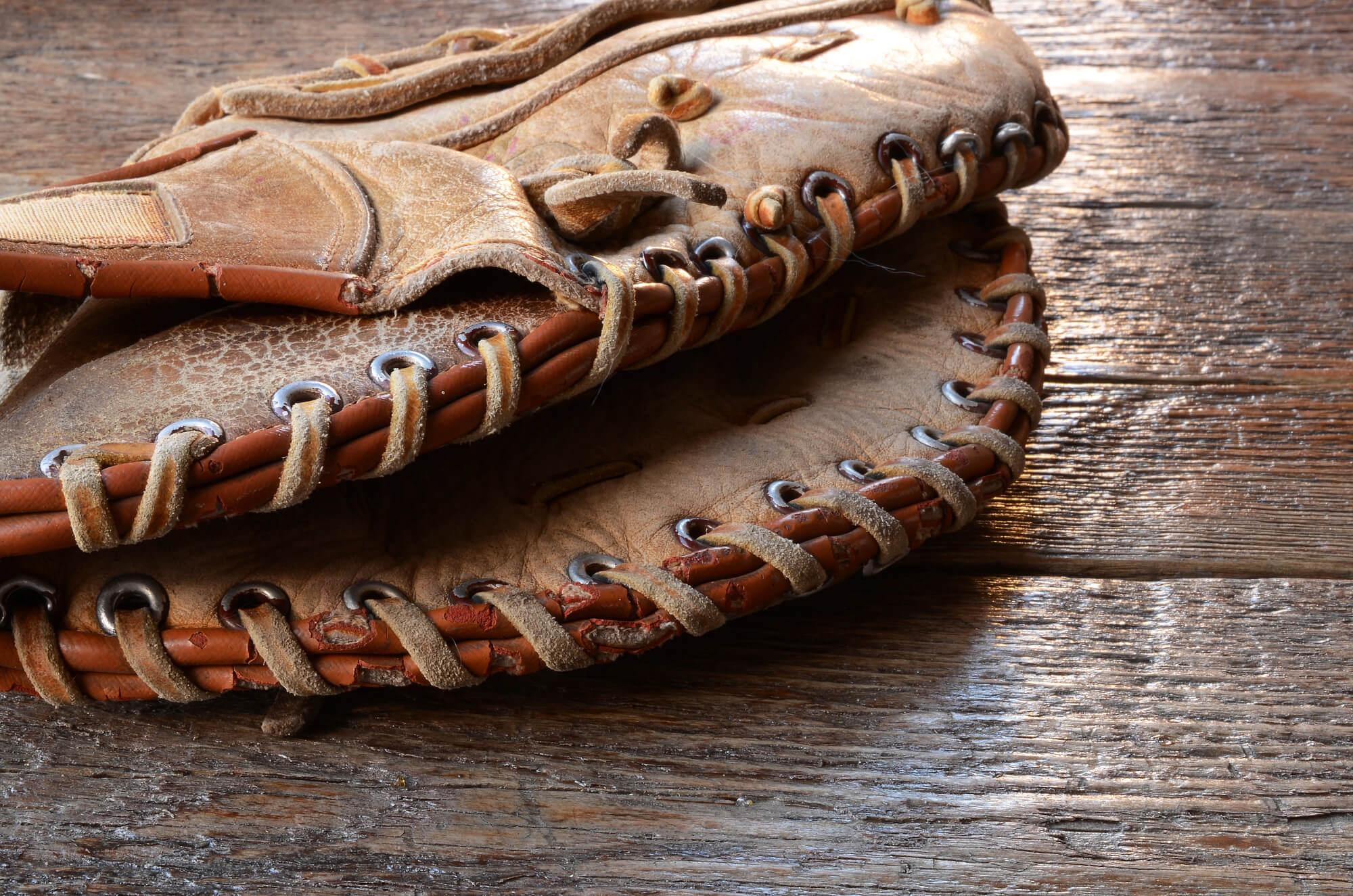
Early catcher’s mitts were small, thinly padded gloves of stitched leather, which look almost unusable by modern standards. The brand stampings and signatures on the pockets are what collectors chase. Dry-rotted leather, torn lacing, and missing padding are the usual problems, and a glove with a well-preserved player endorsement is worth considerably more.
Louisville Slugger Bats
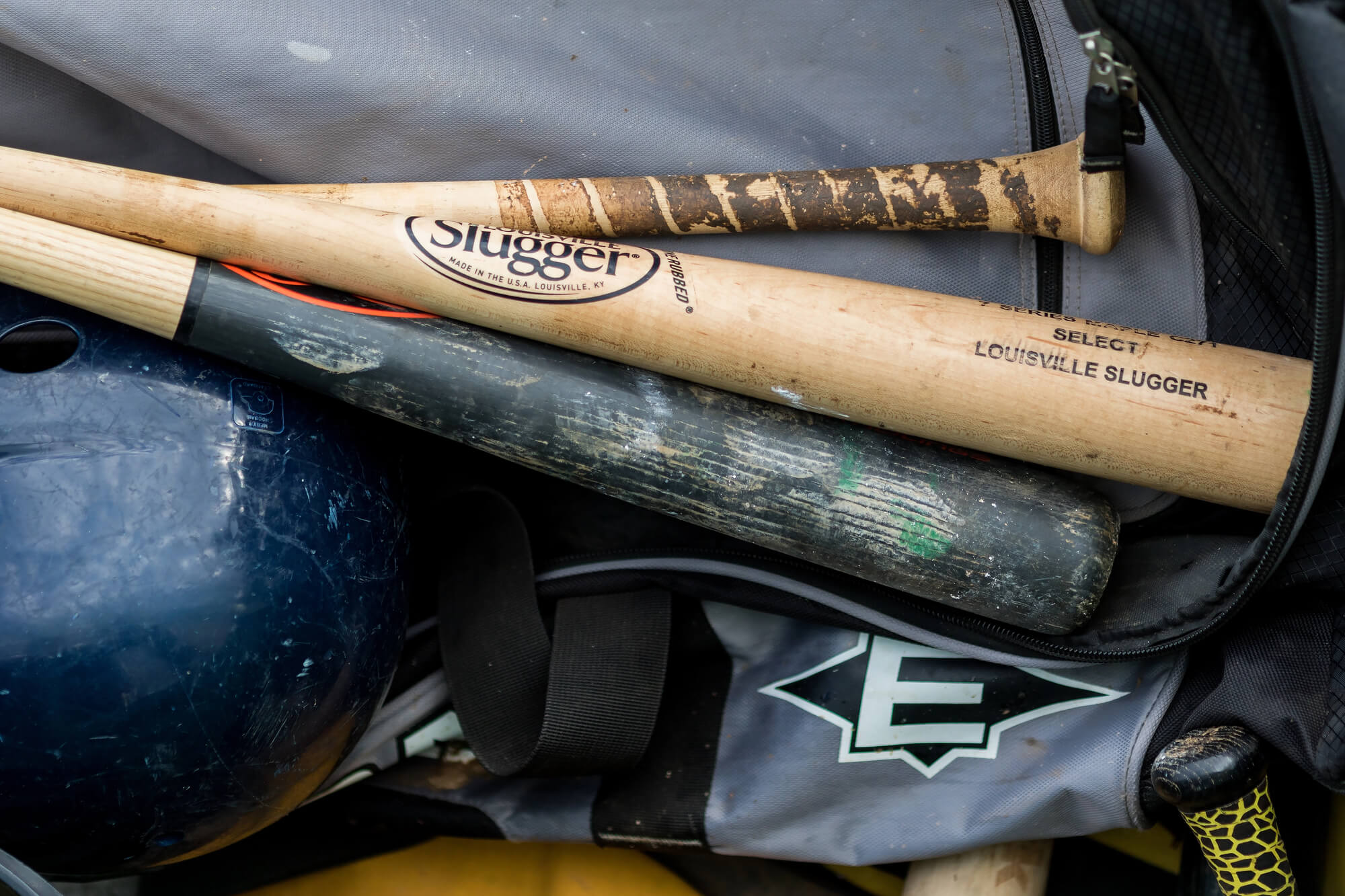
Hillerich & Bradsby made Louisville Slugger bats, and according to company lore, the first was turned in 1884 for the player Pete Browning. Bats with stamped signatures and clear branding are the ones collectors want. Cracks, chips, and refinishing reduce the value, while bats showing honest game use are often worth more than pristine ones.
Early Hockey Goalie Masks

Jacques Plante wore a fiberglass mask in an NHL game on November 1, 1959, and goalies slowly adopted the practice after that. Early masks, many hand-molded and hand-painted, are prized for their crude shapes and individual designs. Cracked fiberglass and replaced straps lower values, and an original paint job is a major plus.
Wooden Hockey Sticks
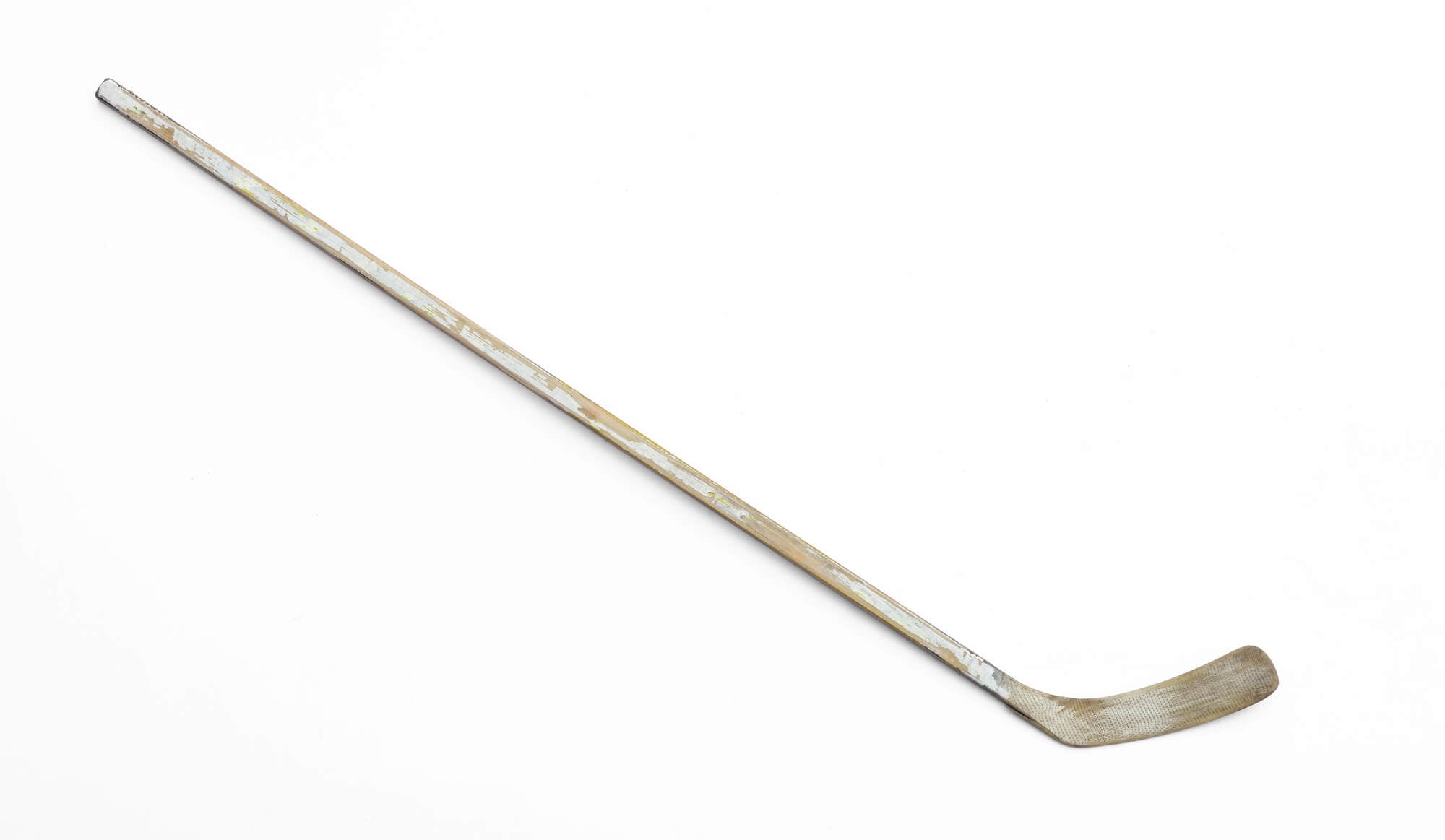
Straight-bladed wooden hockey sticks, taped at the blade and cut from ash or similar hardwood, were the standard before composite sticks arrived. Collectors favor sticks with original tape and maker marks. Warps, deep cracks, and later repairs reduce prices.
Wooden Skis
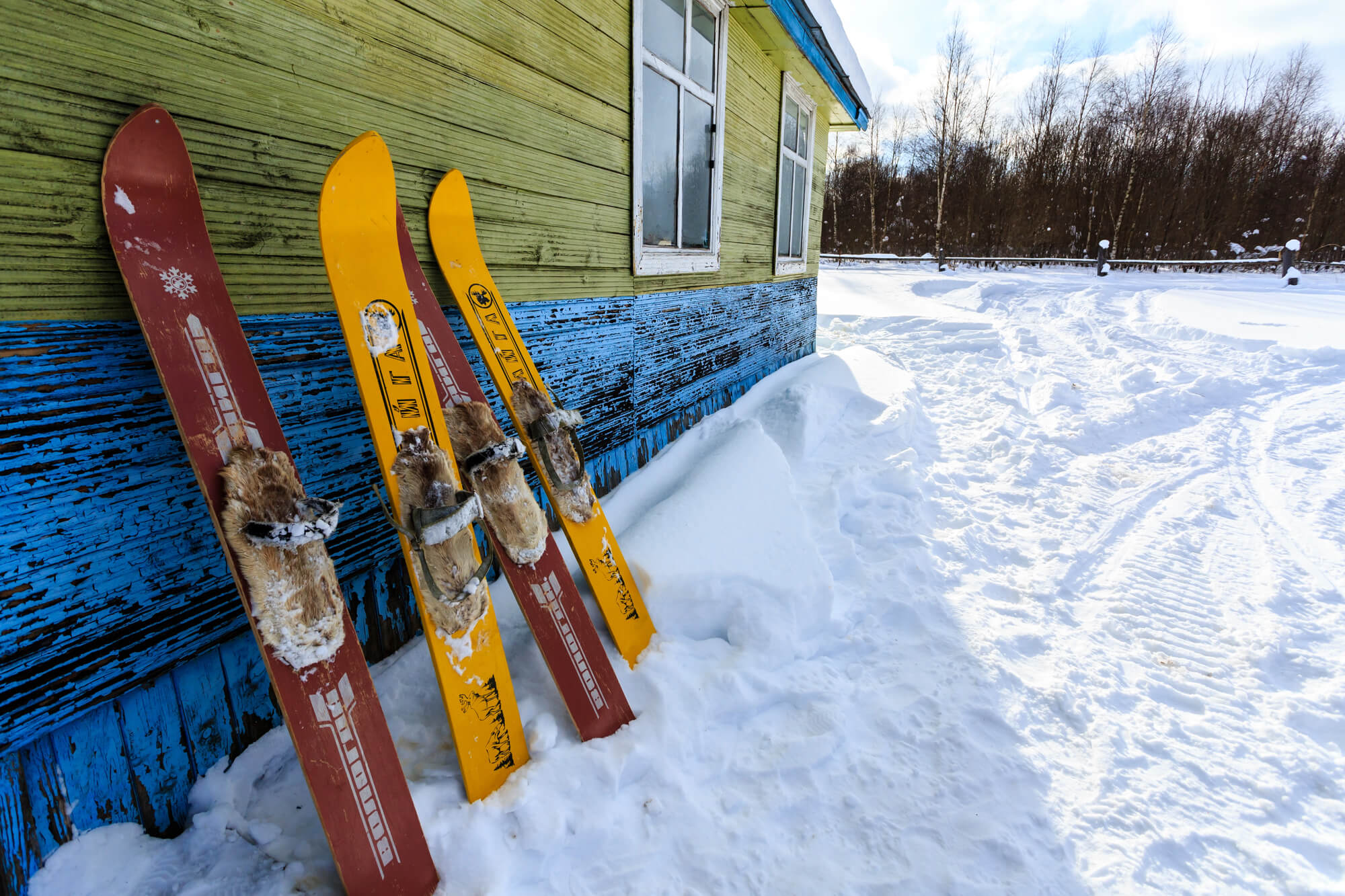
Long, slim skis of hickory or ash, often with leather bindings and bamboo poles, decorate lodges and ski shops around the world. Their curved tips and painted finishes are the draw. Delamination, broken tips, and missing bindings affect the price, and matched pairs sell better than singles.
Speed Skates and Early Ice Skates
Steel blades riveted to leather boots gave early skaters a fast glide, and hand-cut metal blades are pleasing to look at. Collectors seek pairs with matching boots and intact lacing. Rust pitting on the blades and cracked leather uppers lower values.
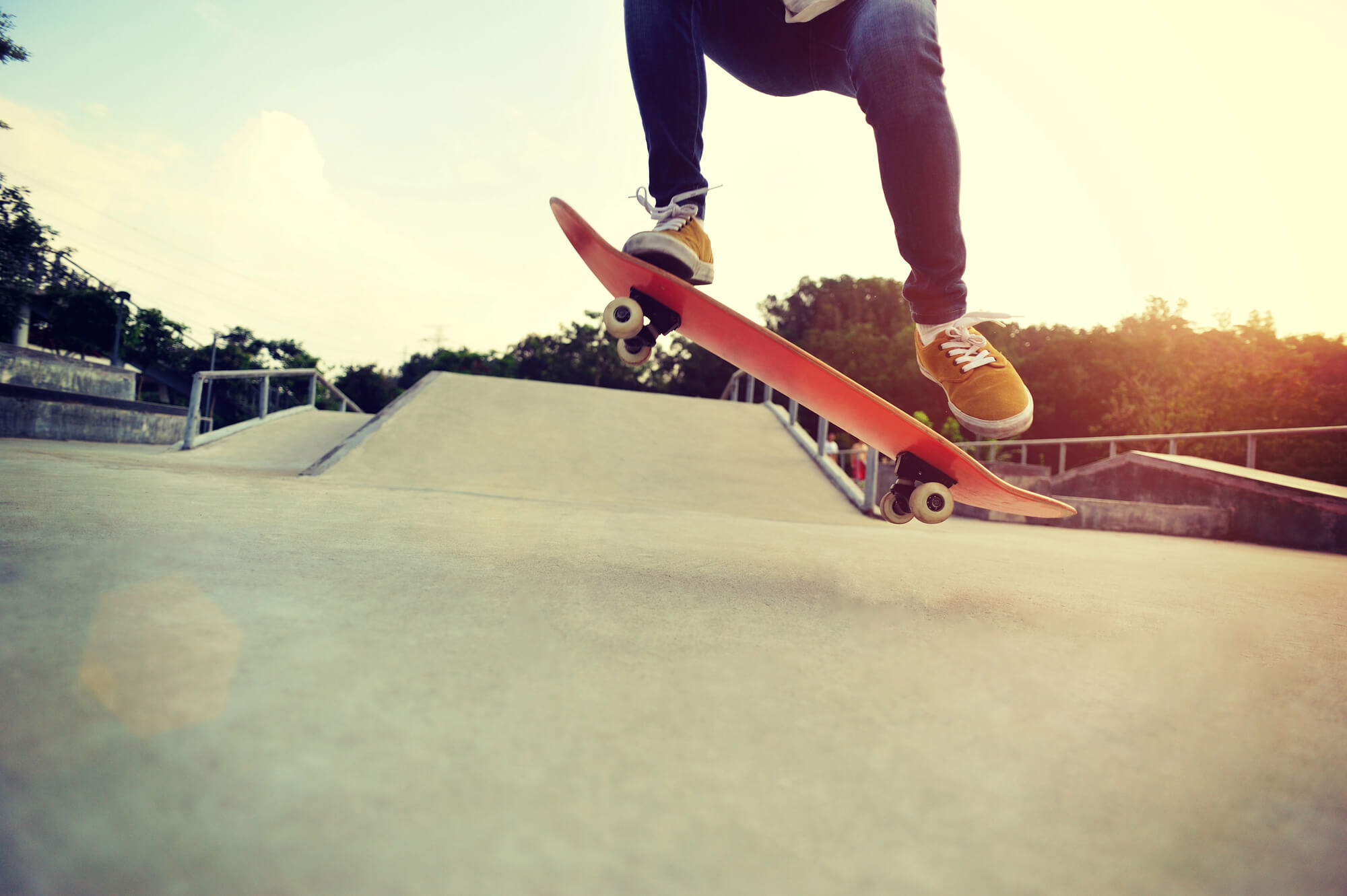
Clamp-On Roller Skates
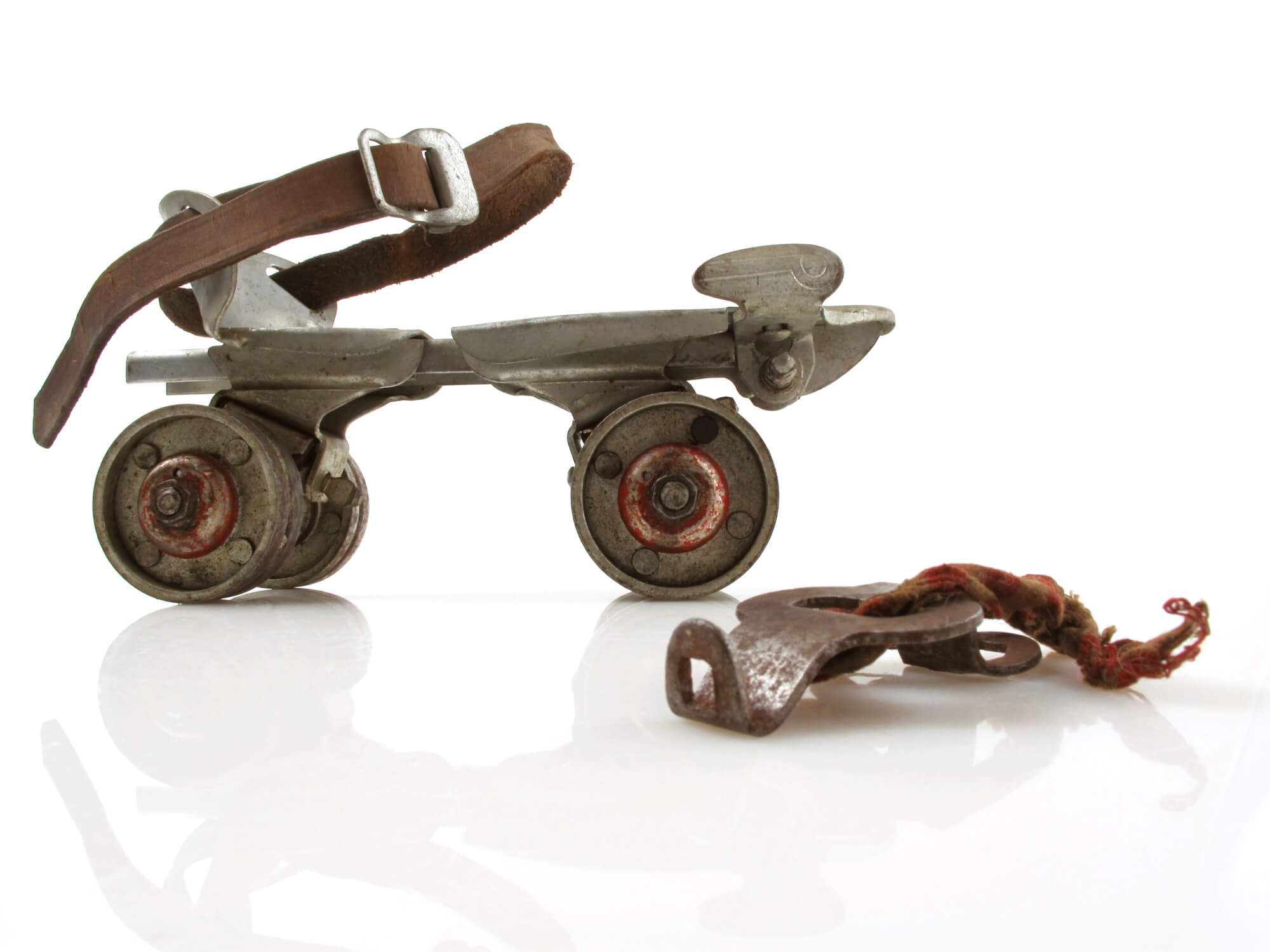
Before skates came attached to boots, roller skates strapped on over street shoes with an adjustable clamp and a key to tighten it. Metal wheels and leather straps make them a favorite for rustic displays. Seized wheels and snapped straps lower the price, and a complete pair with its original key is worth more.
Indian Clubs
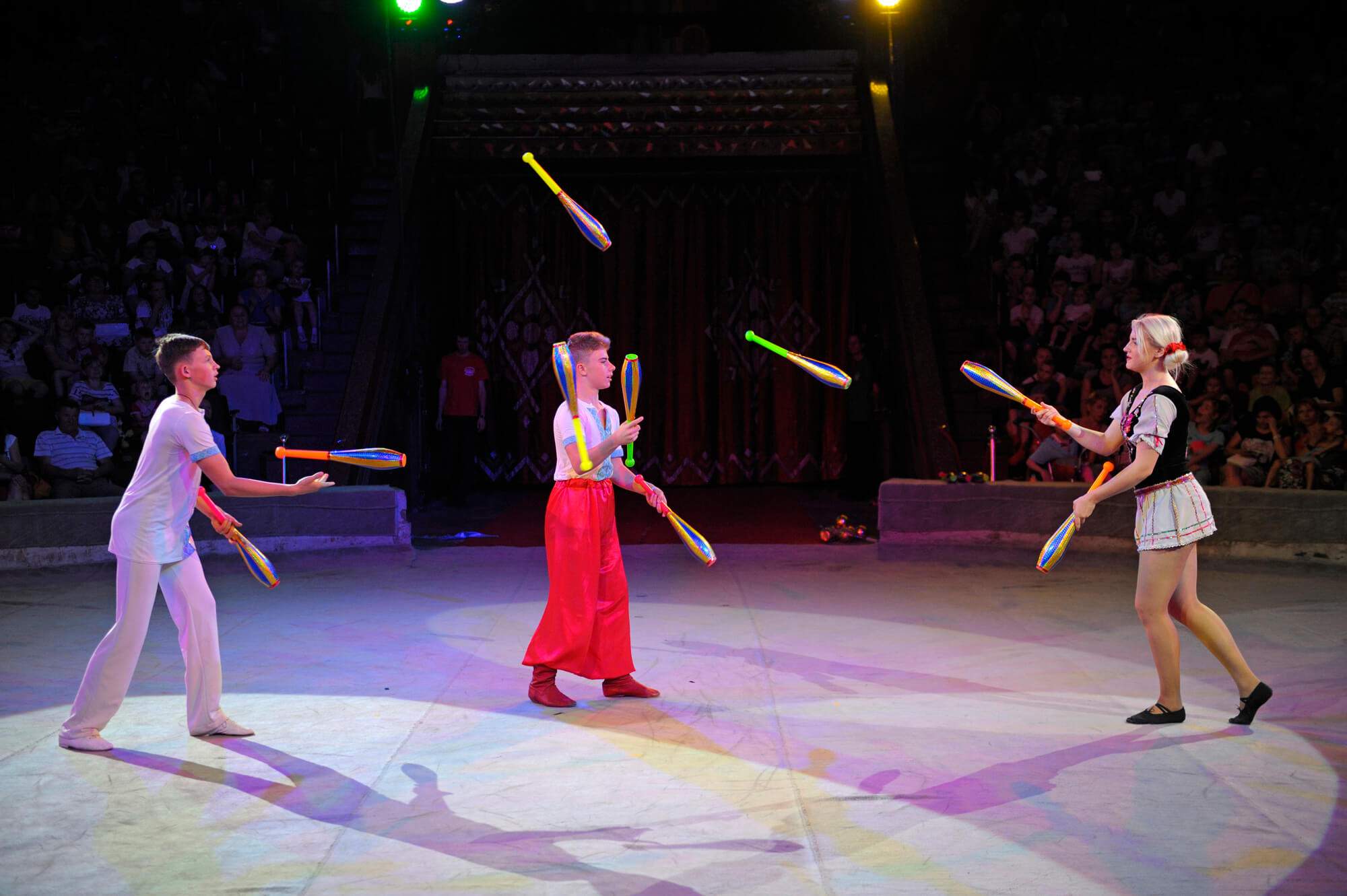
Wooden Indian clubs were swung for exercise in the nineteenth century and early twentieth century, and gymnasiums kept them in matched pairs. The bowling-pin shape and lathe-turned finishes make them popular as decor. Cracks, chips, and mismatched weights lower the price.
Leather Boxing Gloves
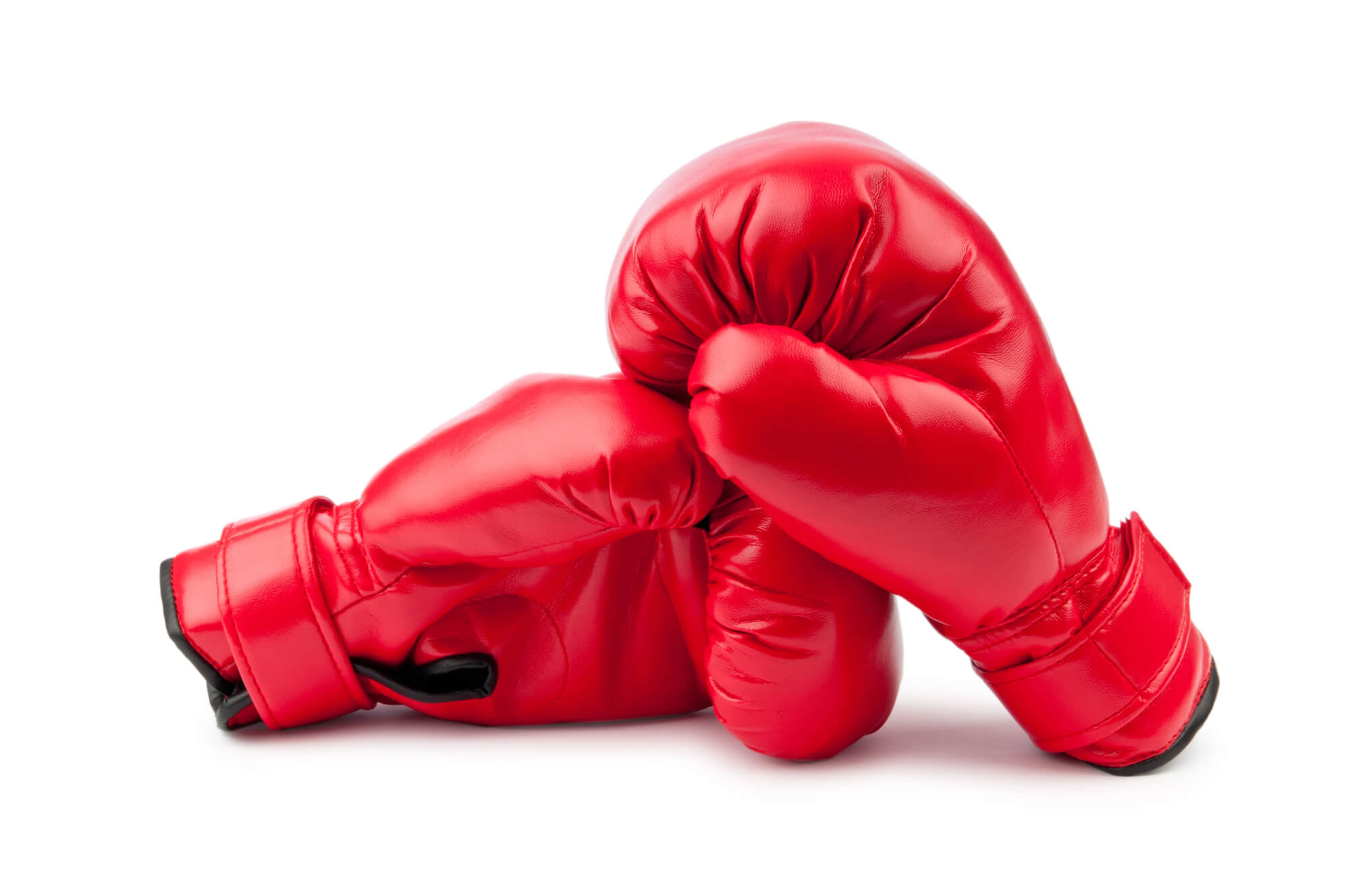
Boxing gloves from the early twentieth century were laced instead of fastened with Velcro and packed with horsehair. The leather often cracks, but collectors still prize gloves with maker stamps from Everlast or Spalding. Hardened padding and split seams cut values.
Cricket Bats
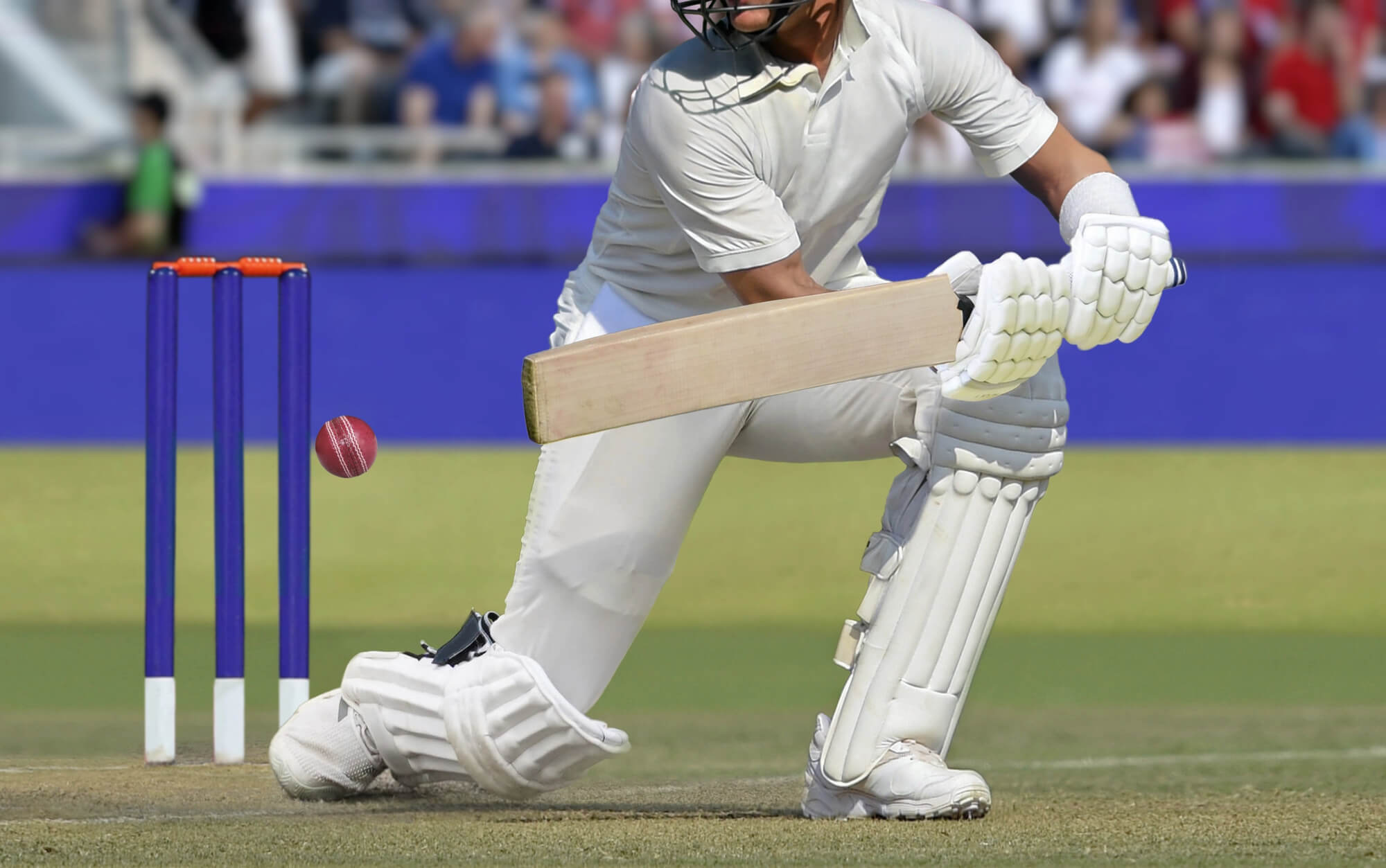
Willow cricket bats with oiled blades and cane handles are collected for their craftsmanship and for the signatures that cover them. Players and teams from decades past leave their marks in ink on the blade. Cracks in the blade, split handles, and faded signatures all reduce a price.
Vintage Fishing Reels
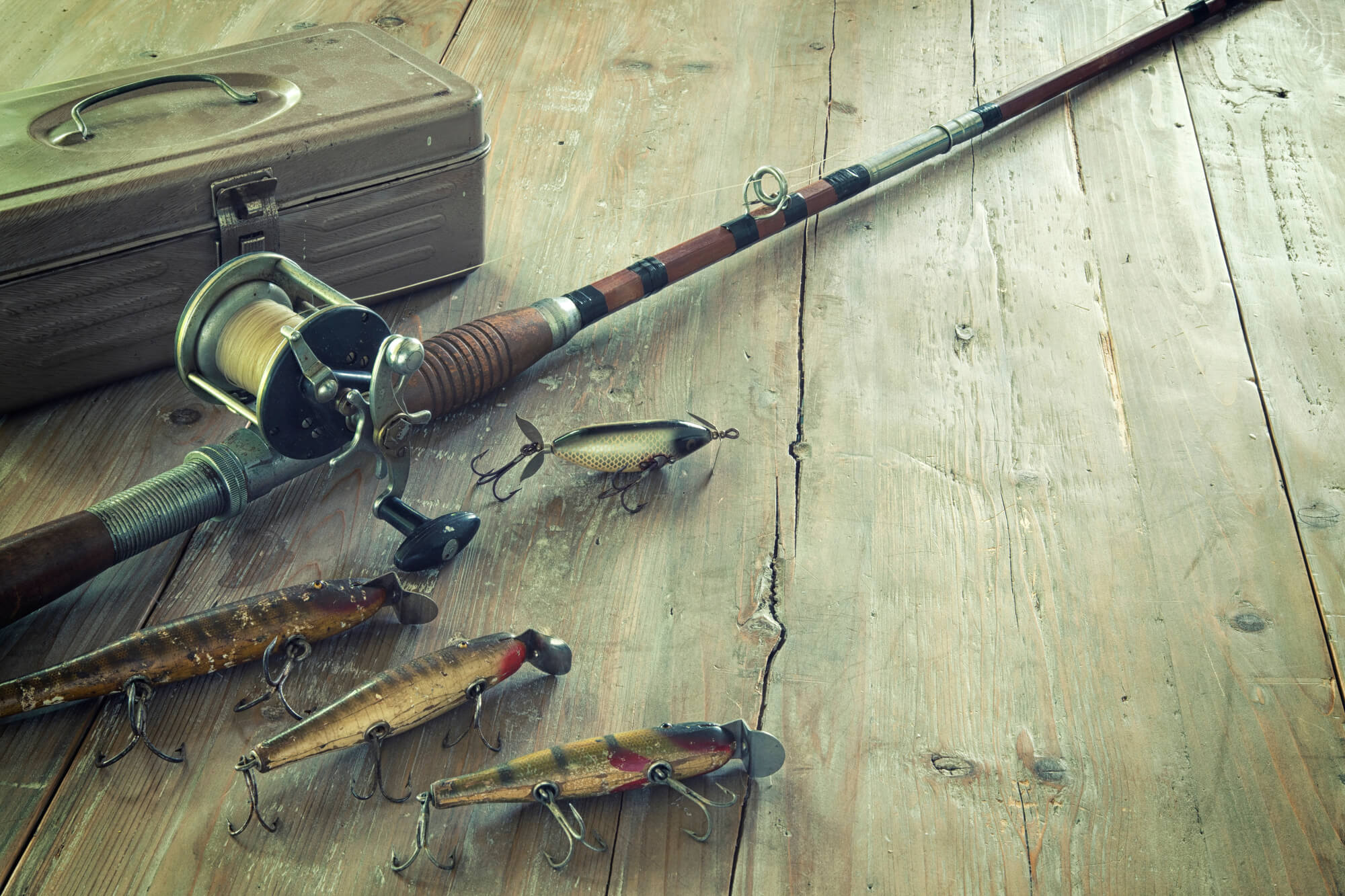
Brass and nickel-silver reels from makers such as Hardy of England wind with a smooth click, and their machined parts are admired by engineers and anglers alike. Collectors want reels with working drags and original finish. Pitting, bent handles, and replaced parts lower values.
Archery Bows
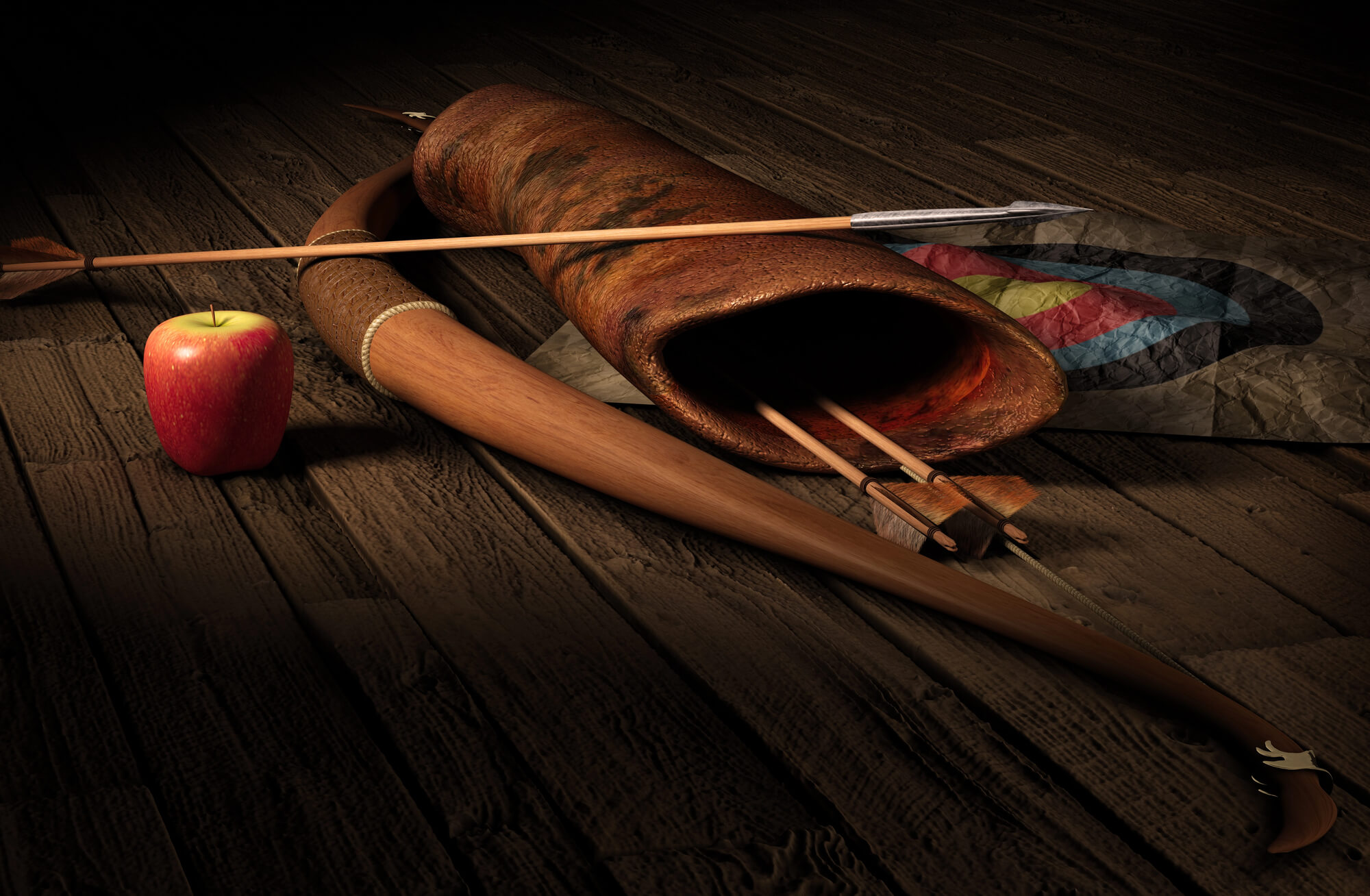
Hand-carved wooden longbows and early recurves hang well on wall mounts and carry the character of a bowyer’s hand. Collectors look for bows with original grips and visible maker marks. Cracked limbs, replaced string loops, and heavy refinishing affect value.
Croquet Sets
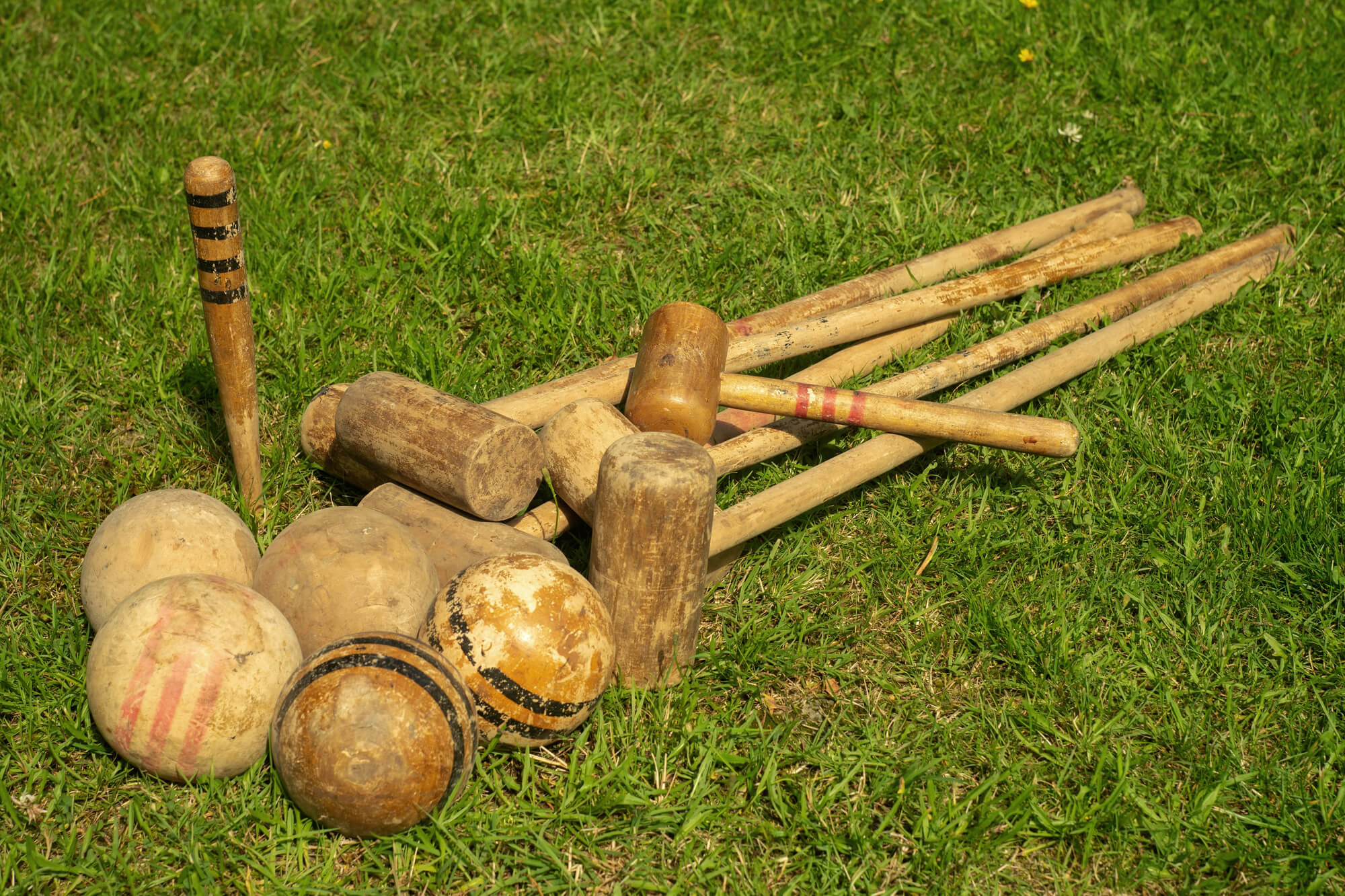
Wooden mallets, striped wooden spheres in a rack, and painted wickets once came in a boxed set for lawn parties. Complete sets with their original boxes are worth the most. Cracked mallet heads and faded paint reduce a price.
Lacrosse Sticks
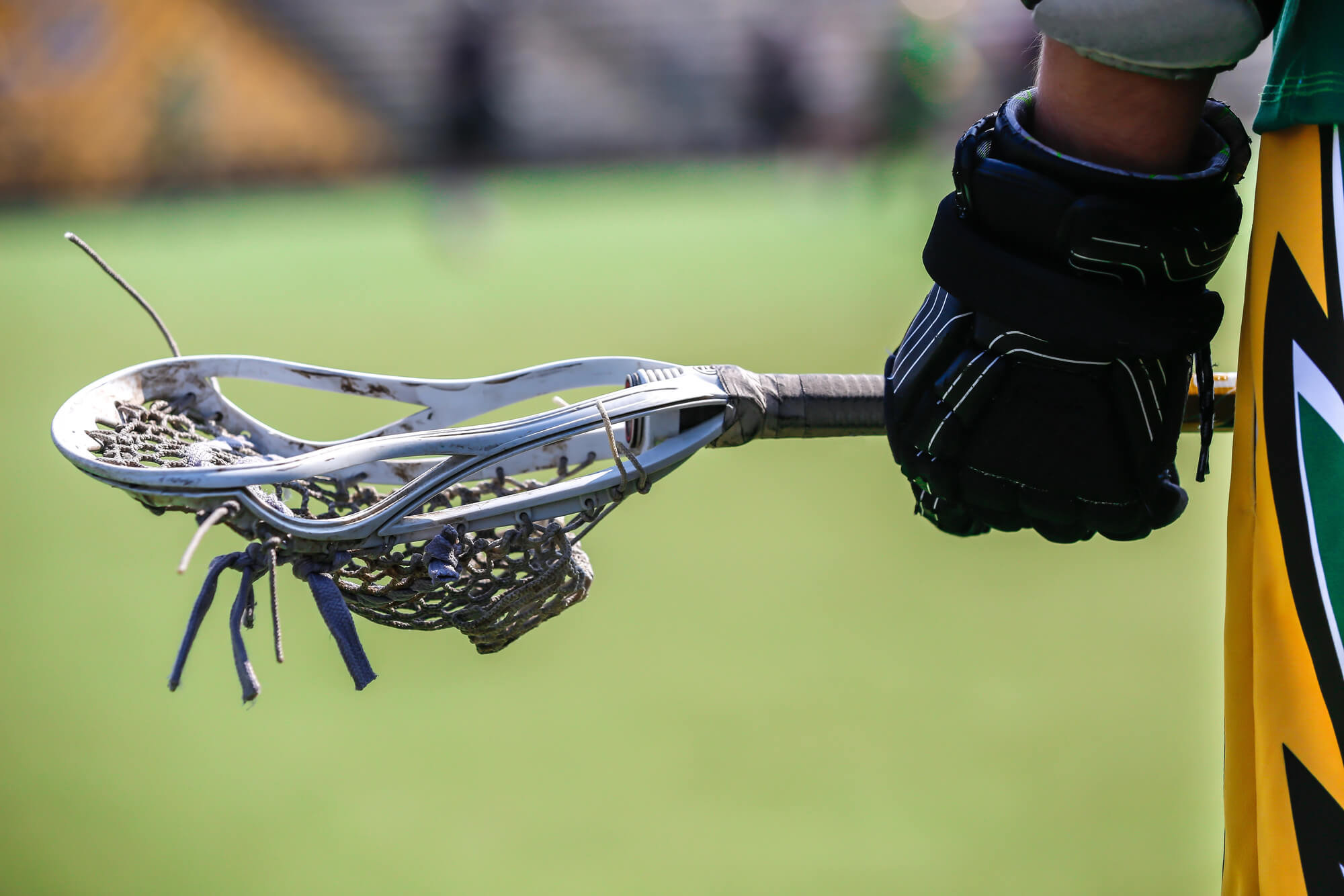
Early lacrosse sticks used a gut-strung pocket and a bent wooden shaft, a design adapted from Native American sticks. The sticks are scarce in clean condition because gut strings dry out and snap. A stick with its original netting and a smooth, uncracked shaft is a treasure.
Wooden Snowshoes
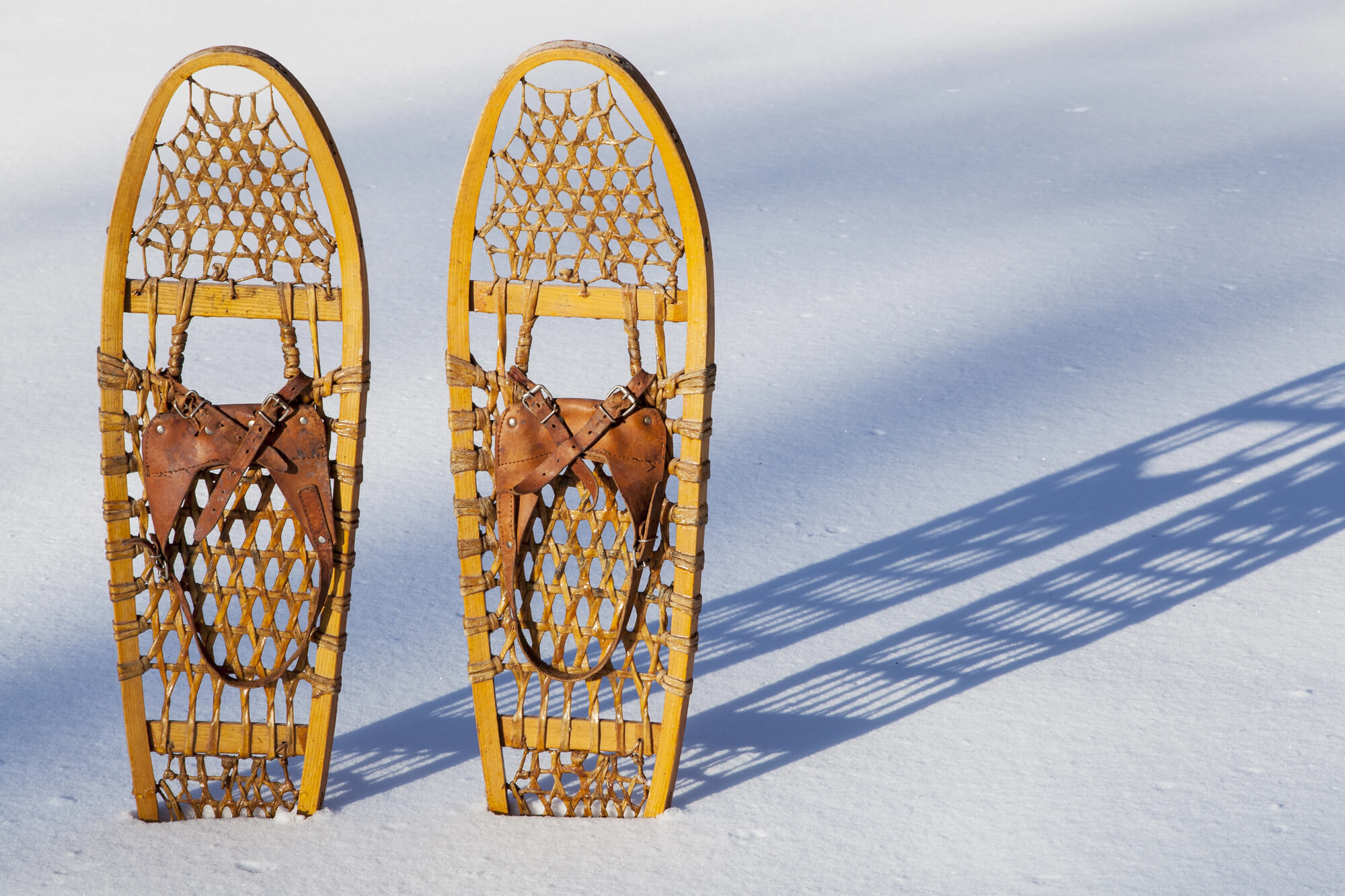
Ash frames laced with rawhide webbing carry hikers across deep snow, and old pairs are a classic display piece for cabins and lodges. Collectors look for pairs that match in size and retain their original webbing. Broken frames and chewed rawhide lower values.
Highwheel Bicycles
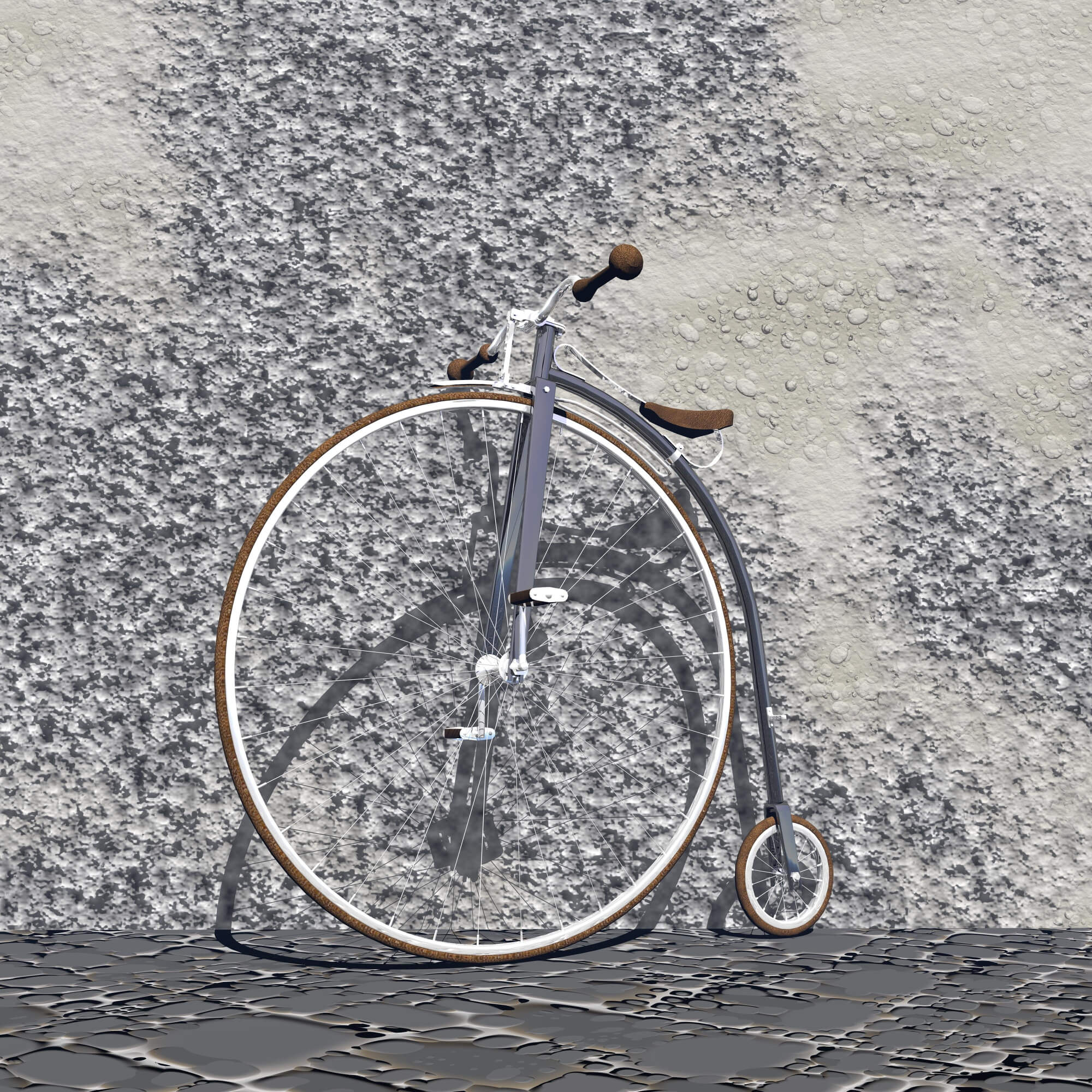
The high-wheeler, with its enormous front wheel and tiny rear wheel, was common in the 1870s and 1880s. Original examples are rare and fragile, and reproductions muddy the market. A bicycle with period parts and uncracked rims is worth far more than one assembled from pieces.
Early Table Tennis Paddles
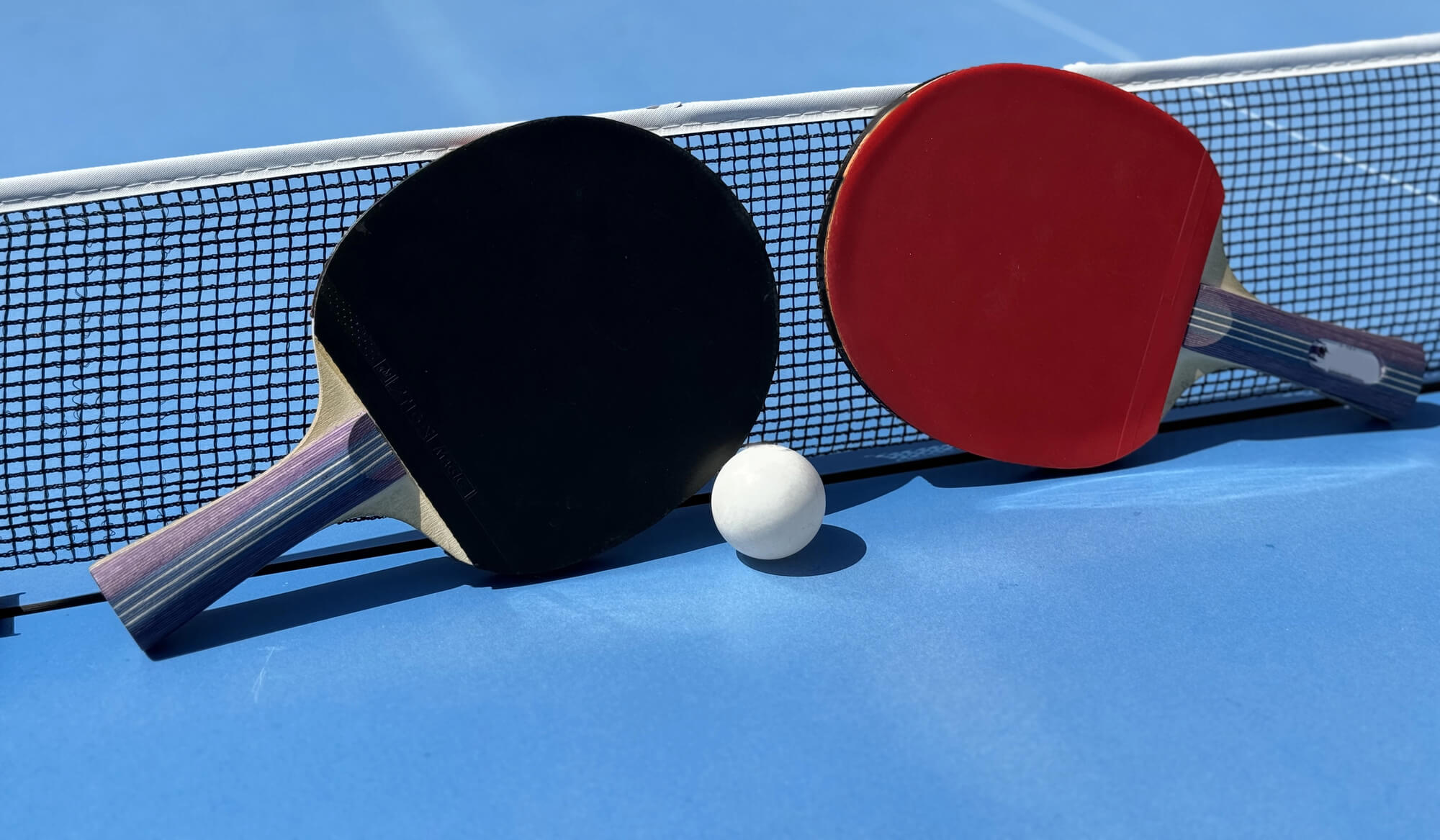
Wooden paddles from the early twentieth century were covered with bare wood, cork, or sandpaper surfaces, long before sponge rubber took over. Collectors want complete sets in their original boxes. Warped blades and worn surfaces lower the price.
Wooden Surfboards
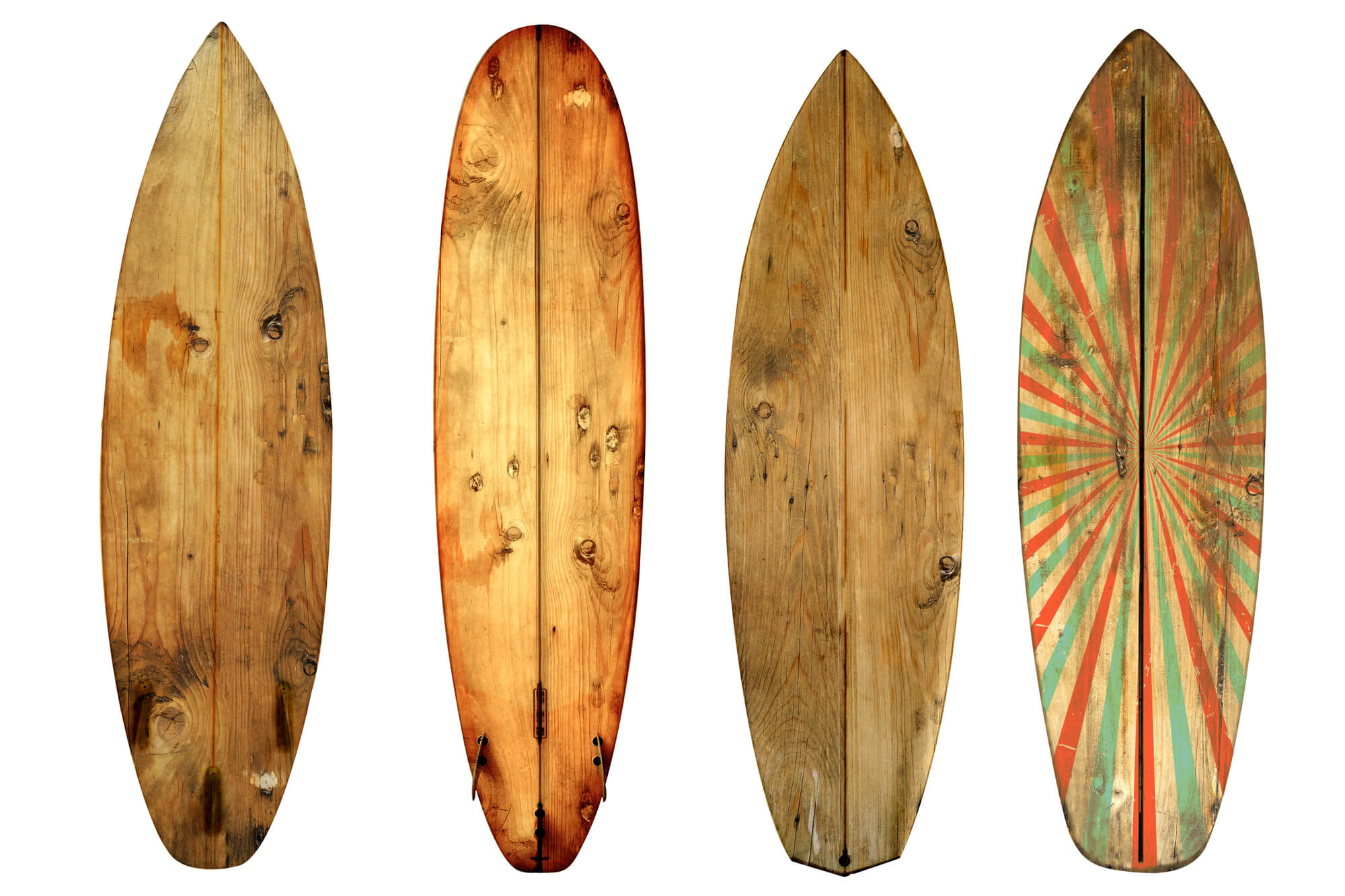
Long boards cut from solid redwood or balsa were the only option before foam and fiberglass reached the surf in the 1940s and 1950s. Early boards, some of which weighed well over a hundred pounds, are valued for their shape and history. Water damage, rot, and replaced fins cut values, and a board with a documented owner is worth considerably more.
Why Old Gear Looks Better on the Wall
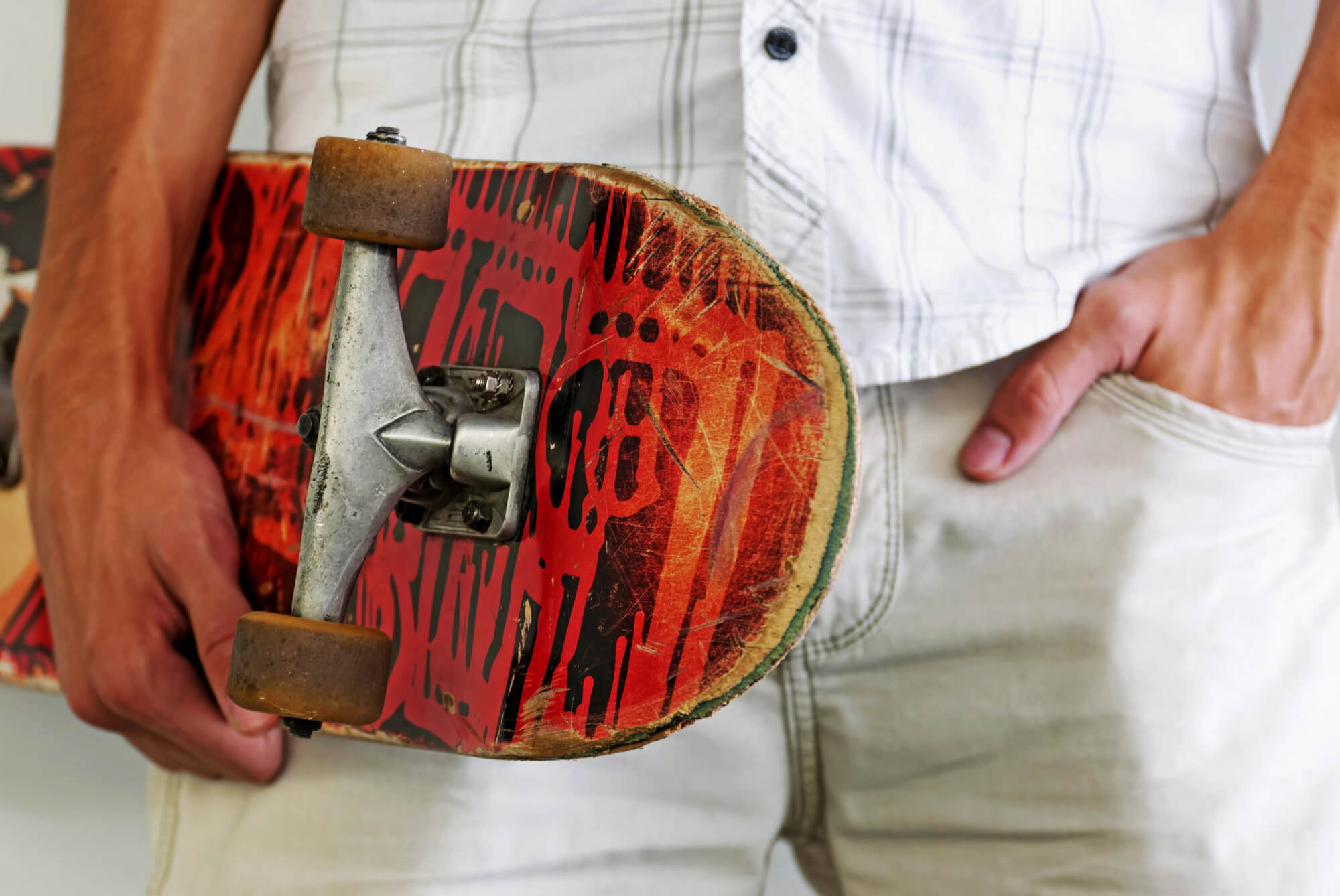
Old equipment survives because it was well made and because someone was reluctant to throw it out. Hand-stitched seams, turned wood, and forged metal show the work of people who did not have foam or carbon fiber to rely on.
On a wall, the objects lose their purpose and gain a story. A cracked mitt or a scuffed stick does not need to perform anymore, and its damage becomes the most valuable part of the display.
More from Go2Tutors!

- 27 Silver Dollars and Half Dollars Worth Keeping
- 28 Restaurant Menu Items Nobody Orders Anymore
- 17 Places Built in Seemingly Impossible Spots
- 27 Vintage Rings Worth More Than They Look
- 25 Restricted Sites Tourists Can’t Enter
Like Go2Tutors’s content? Follow us on MSN.