18 Childhood Rainy Day Activities Before Video Games
Before consoles and tablets, a gray afternoon meant a trip to the closet shelf, where a few well-worn boxes held the whole day. Rain was not a problem to be solved. It was an invitation to spend hours with a toy that did one thing and did it well.
Many of those boxes came from surprisingly odd origins, including shipyard accidents, hospital wards, and cleaning supplies. Here are the indoor favorites that filled the hours, and the stories behind them.
The Slinky Walked Off a Shelf and Into History
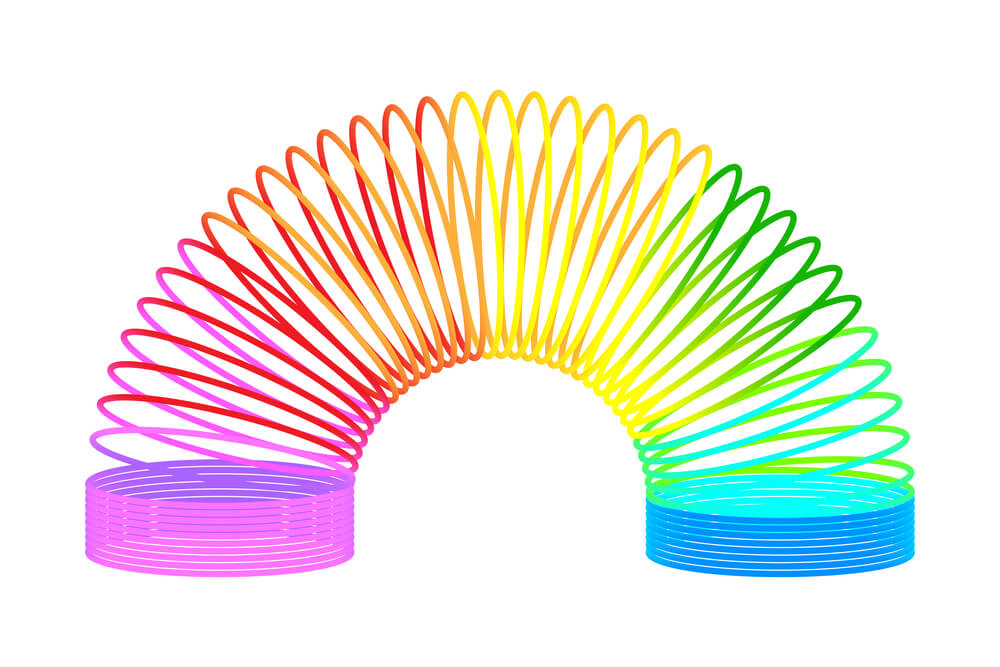
Naval engineer Richard James was testing tension springs for ship equipment in 1943 when one fell off a shelf and stepped itself across the floor. His wife, Betty, picked the name Slinky from the dictionary.
The toy debuted at Gimbels department store in Philadelphia in 1945, priced at one dollar. Stairs became the favorite rainy day stage, though a Slinky on a hallway carpet rarely got far.
The Etch A Sketch Came From a French Electrician
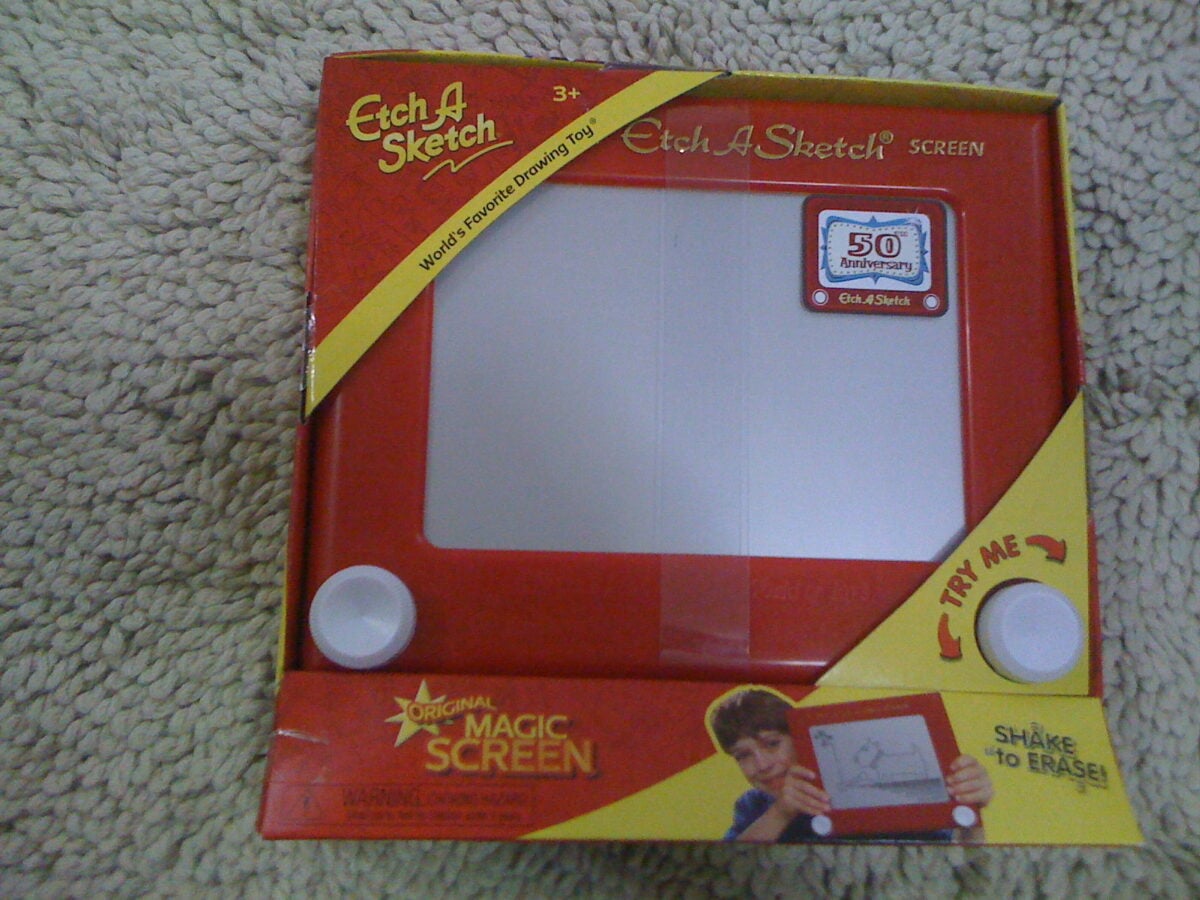
French electrician André Cassagnes noticed that lines he scratched on a translucent decal showed up on the aluminum powder behind it. He turned the discovery into a drawing toy originally called L’Écran Magique.
The Ohio Art Company brought it to American stores in 1960 as the Etch A Sketch. Two knobs, one continuous line, and a shake to erase everything made it the humbling tool of every would-be artist.
Play-Doh Started Life as a Wall Cleaner
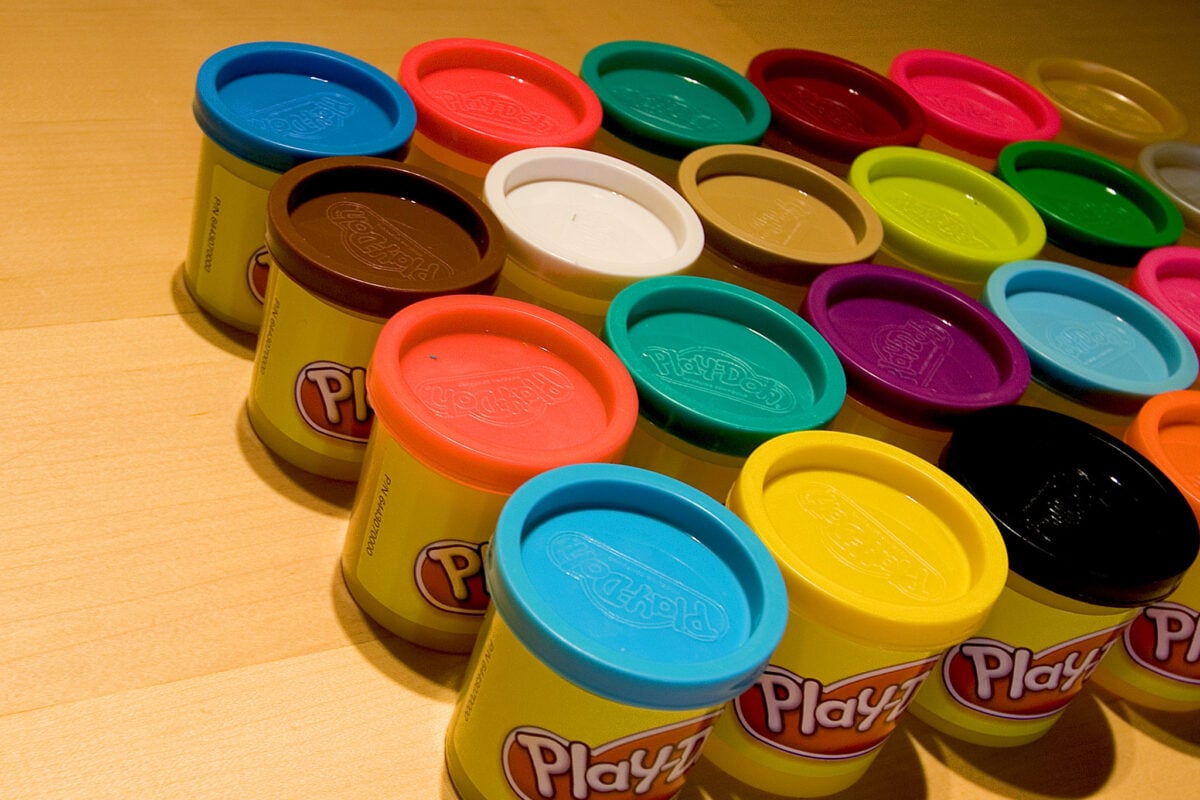
Kutol Products of Cincinnati originally sold the soft compound as a putty for rubbing soot off wallpaper in coal-heated homes. As natural gas replaced coal, demand fell, and a nursery school teacher discovered that children loved modeling with it.
Joseph McVicker helped reinvent the product as a toy in the mid-1950s. That salty, flour-scented smell, familiar to millions of kitchen tables, traces straight back to its cleaning past.
Lincoln Logs Were Inspired by a Tokyo Hotel
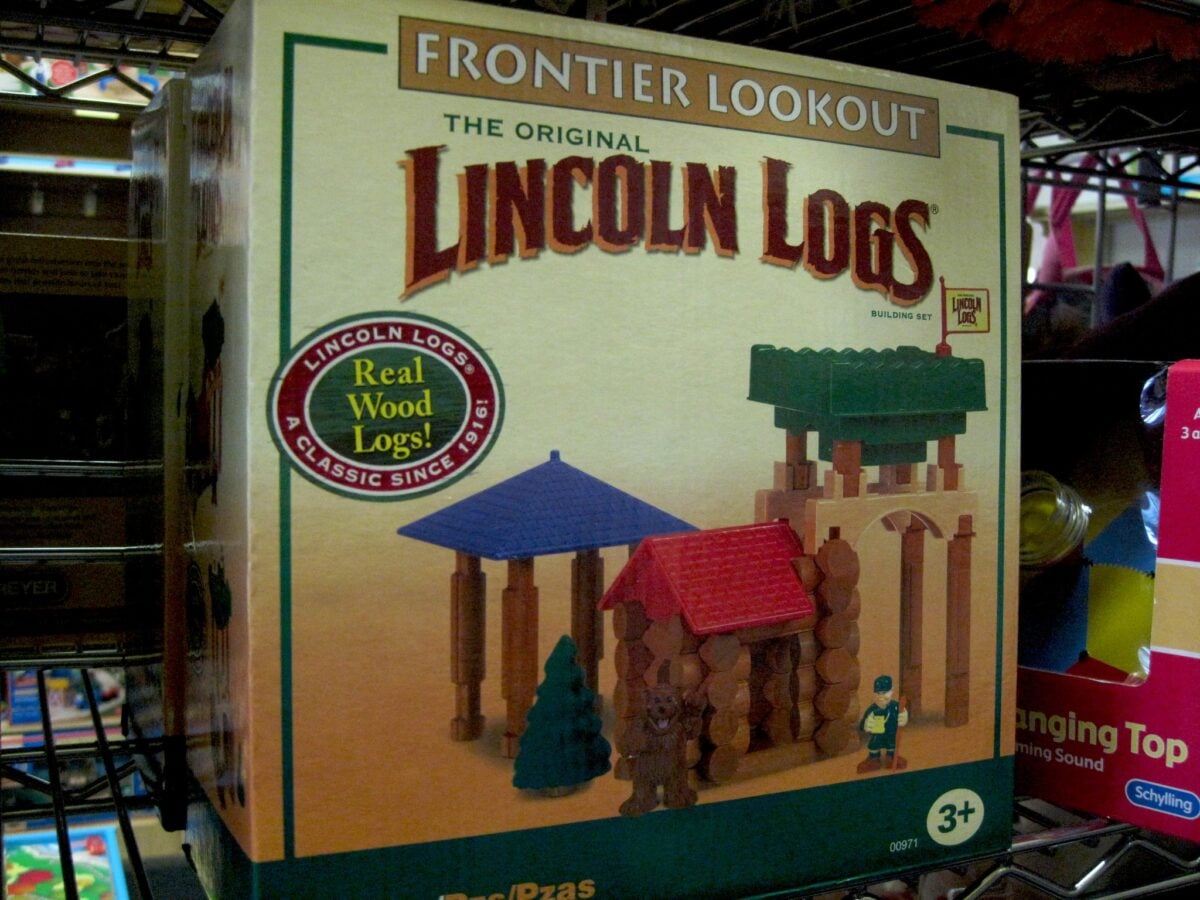
John Lloyd Wright, son of architect Frank Lloyd Wright, patented Lincoln Logs in 1916. He had been in Japan helping his father with the Imperial Hotel in Tokyo, a building designed to withstand earthquakes.
Its interlocking construction gave him the idea for notched miniature timbers that stay put without glue. Generations of children have since built cabins that the family dog could demolish in one pass.
Candy Land Was Invented for Children Recovering From Polio
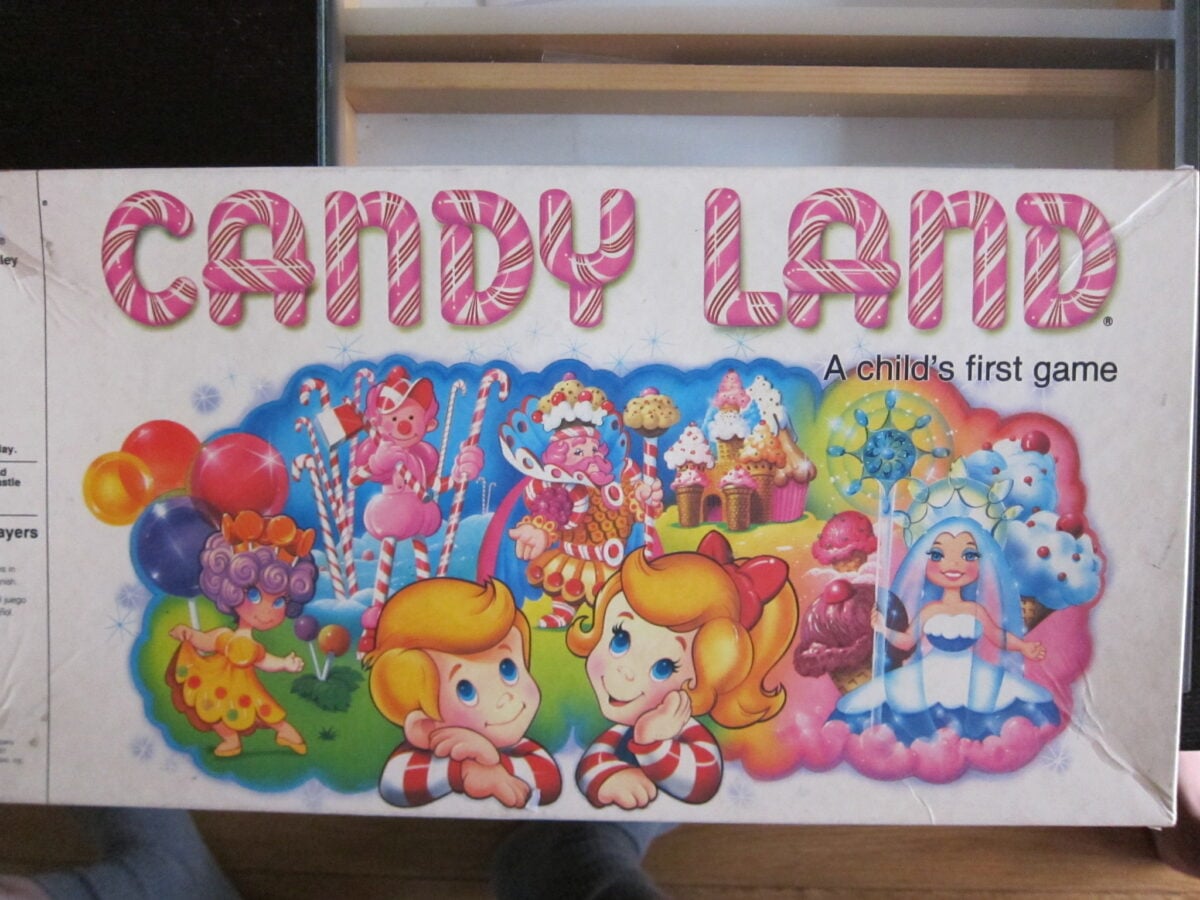
Eleanor Abbott, a retired San Diego schoolteacher, designed the game while recovering from polio herself. She created it to entertain children stuck in hospital wards during the epidemic.
Milton Bradley published it in 1949. Because the game relies on color cards instead of reading or counting, even the youngest player in the room could take part on equal footing.
Mr. Potato Head Began as a Kit for Real Vegetables
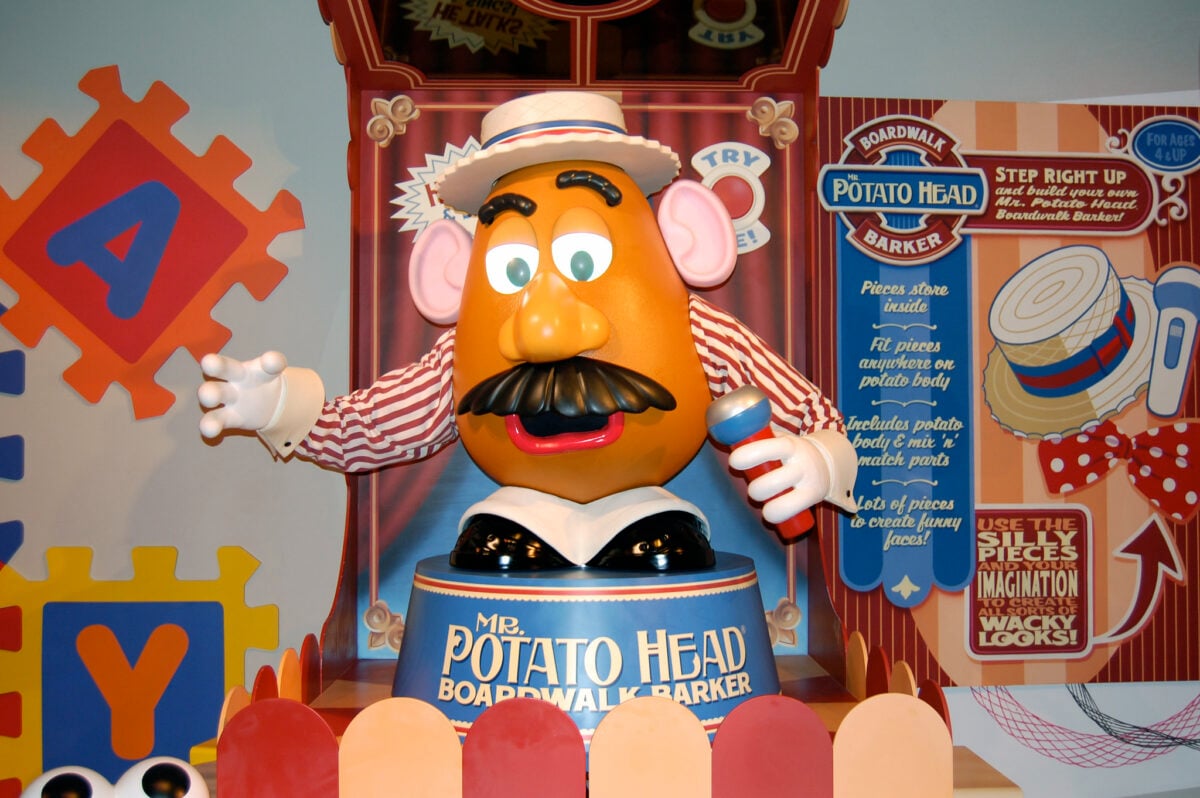
When Mr. Potato Head reached stores in 1952, it arrived as a set of plastic eyes, ears, noses, and mustaches meant to be pushed into an actual potato. It became the first toy ever advertised on television.
A plastic body arrived in the 1960s, ending the problem of sprouting, shriveling spuds on the toy shelf. Parents may have appreciated that change more than their children did.
View-Master Reels Debuted at the 1939 World’s Fair
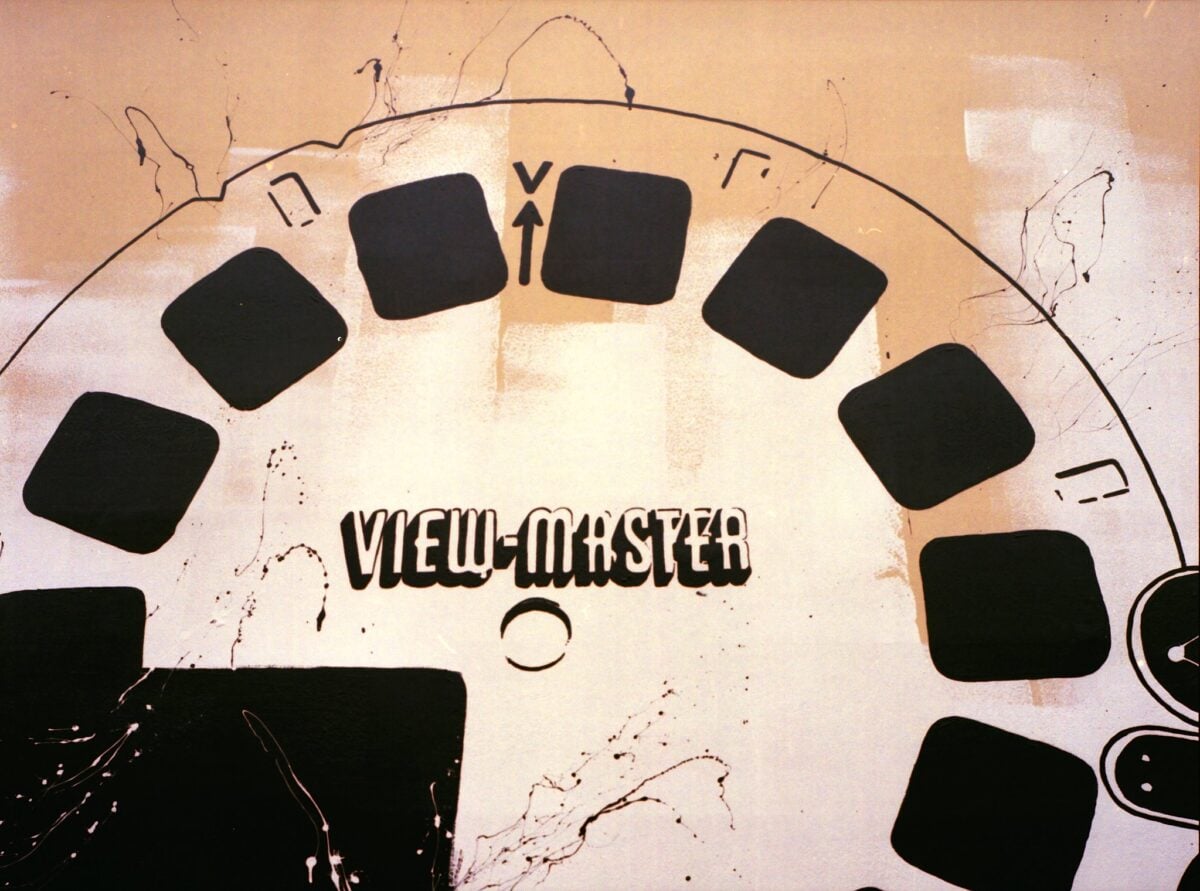
Piano maker William Gruber teamed up with Harold Graves of the Sawyer’s photo company in Portland, Oregon, to develop a stereoscopic viewer that used circular cardboard reels. It was introduced at the 1939 New York World’s Fair.
The 3-D images of scenic wonders let children tour national parks without leaving the sofa. Each click of the lever advanced the reel to a new scene.
Spirograph Turned Geometry Into Art
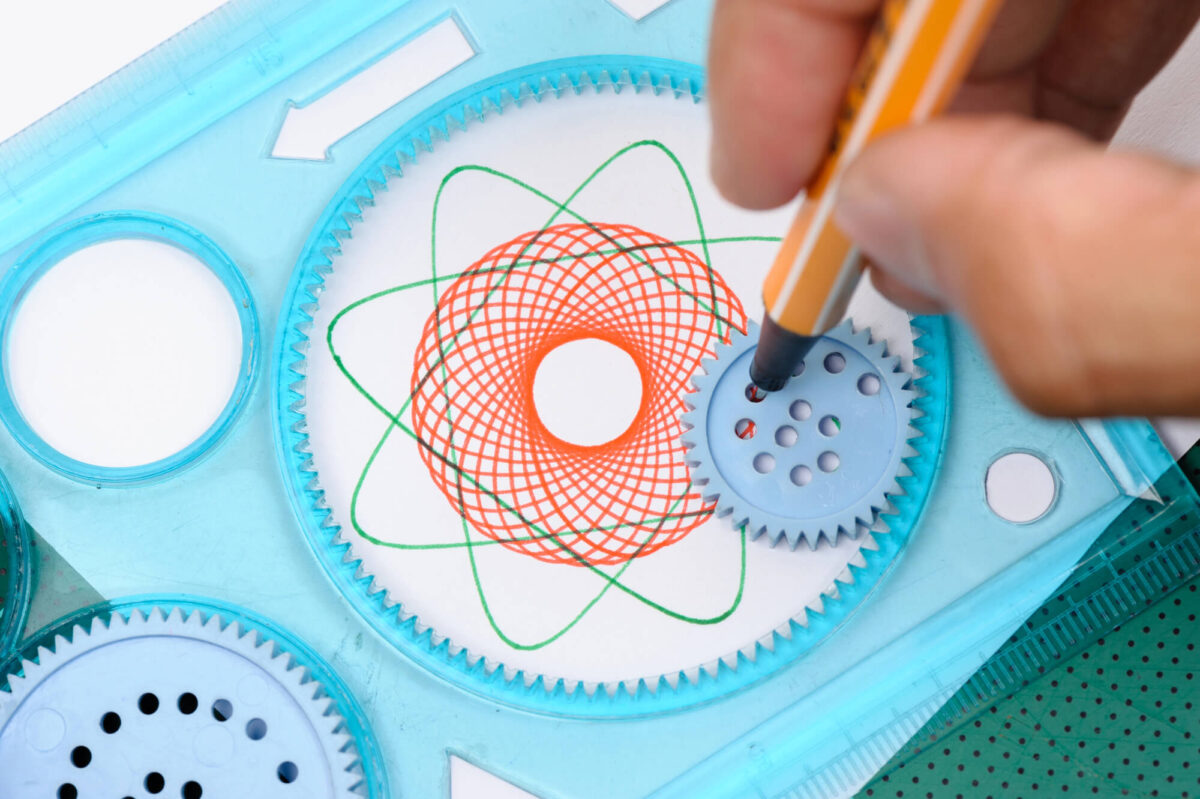
British engineer Denys Fisher developed the Spirograph, a set of toothed plastic gears and rings that guide a pen through looping patterns. It was shown at the 1965 Nuremberg Toy Fair and then sold in the United States by Kenner.
The designs follow the mathematics of curves called hypotrochoids and epitrochoids. Few children knew that while drawing, which was part of the charm.
Tinkertoy Was Born From Watching Children Play With Sticks
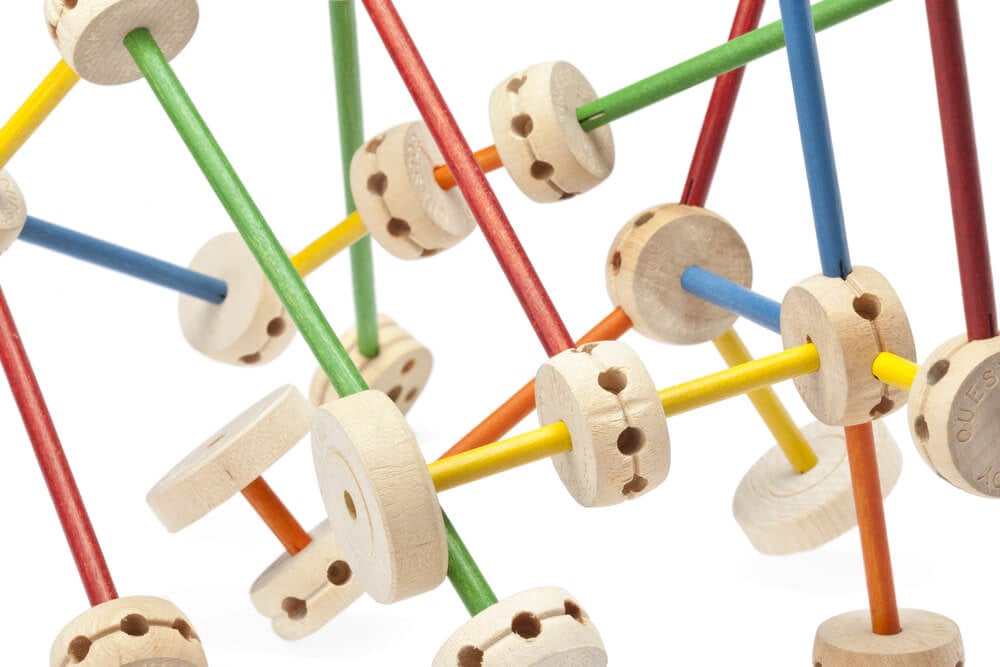
Charles Pajeau, a stonemason in Evanston, Illinois, noticed children playing with sticks and empty thread spools. In 1914 he turned the idea into a construction toy of wooden rods and round connectors.
The set let a child build wheels, windmills, and towers that could be taken apart and rebuilt the next day. Few toys have asked for so little and delivered so much.
Cluedo Came to Life During the Dark Years of World War II
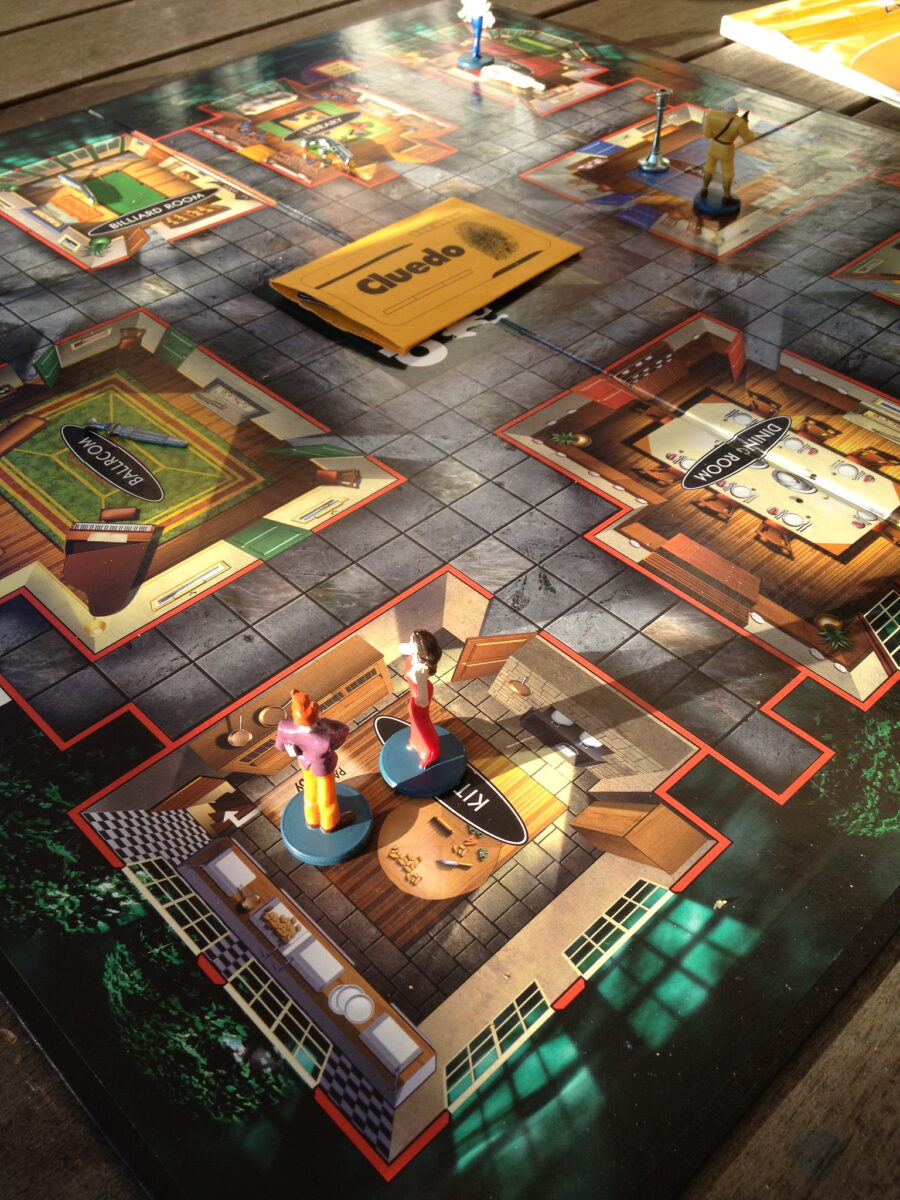
Anthony Pratt, a musician from Birmingham, England, conceived the murder-mystery game during the Second World War. The name blends clue with Ludo, a classic board game whose name comes from the Latin word for play.
Waddingtons launched it in Britain in 1949, and Parker Brothers sold it in North America as Clue. Children who lost interest in the board could still spend an hour accusing one another of crimes in the conservatory.
Monopoly Had a Predecessor That Preached the Opposite Message
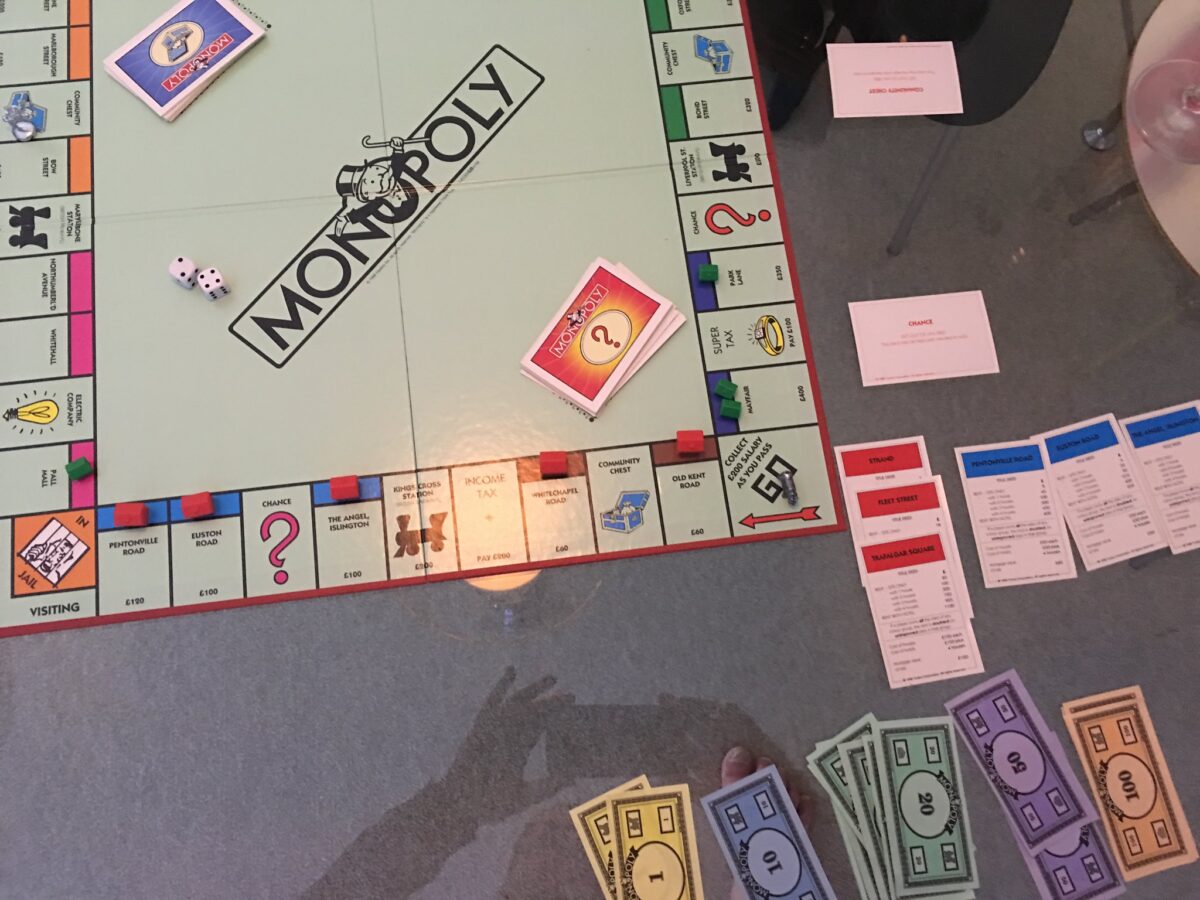
Lizzie Magie patented The Landlord’s Game in 1904 to illustrate how land monopolies harm tenants. Parker Brothers published a version based on Charles Darrow’s adaptation in 1935 and later bought Magie’s patent for five hundred dollars.
The game that became a symbol of capitalism started as a critique of it. Rainy day matches have been known to outlast the weather and several friendships.
Scrabble Was Built on Letter Counts From the New York Times
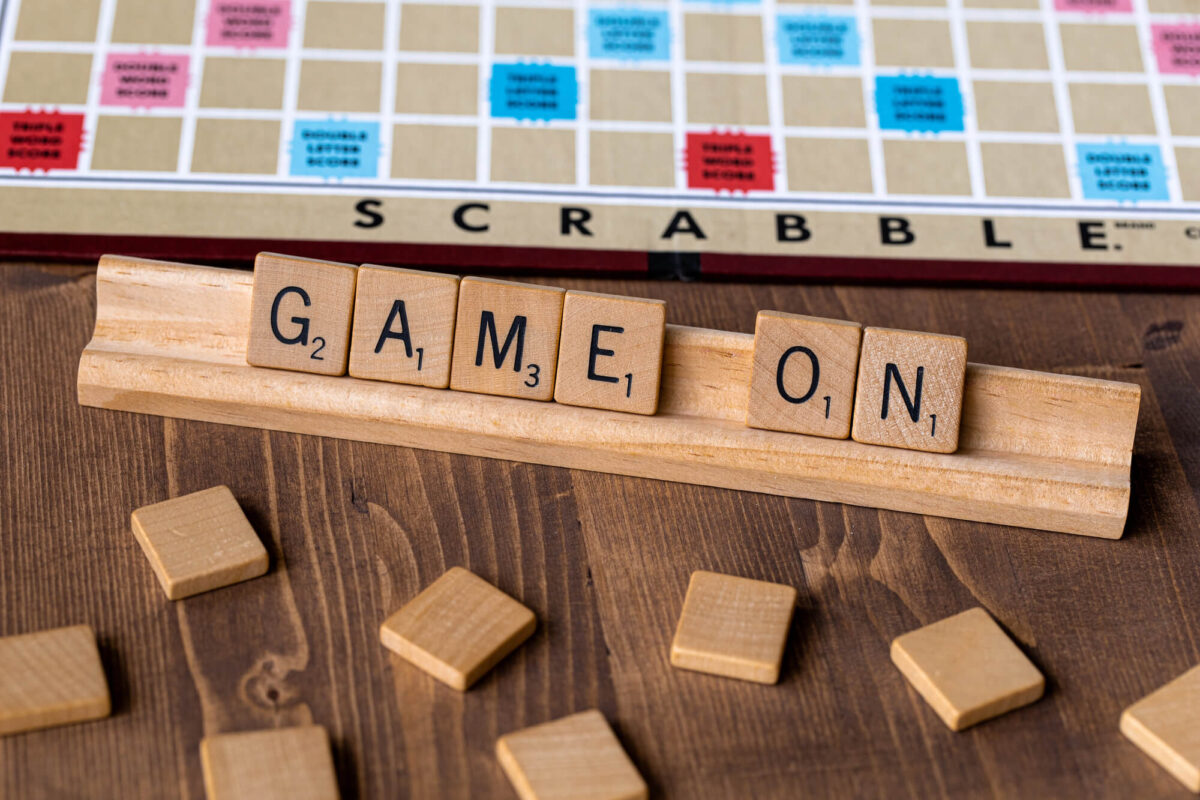
Unemployed architect Alfred Butts invented the word game during the Great Depression, first calling it Lexiko and then Criss-Crosses. He worked out how many of each letter to include by counting letters on the front pages of The New York Times.
James Brunot refined the design and renamed it Scrabble in 1948. The tile values still reflect how common each letter was in print.
Jigsaw Puzzles Started as Geography Lessons

London engraver and mapmaker John Spilsbury mounted maps on thin wood around 1760 and cut along the borders of countries. He sold the dissected maps as a way to teach geography to children.
Only later did puzzle makers switch to scenic pictures. A card table covered in edge pieces has been a rainy day fixture ever since.
Crayola Crayons Began With Eight Colors for a Nickel
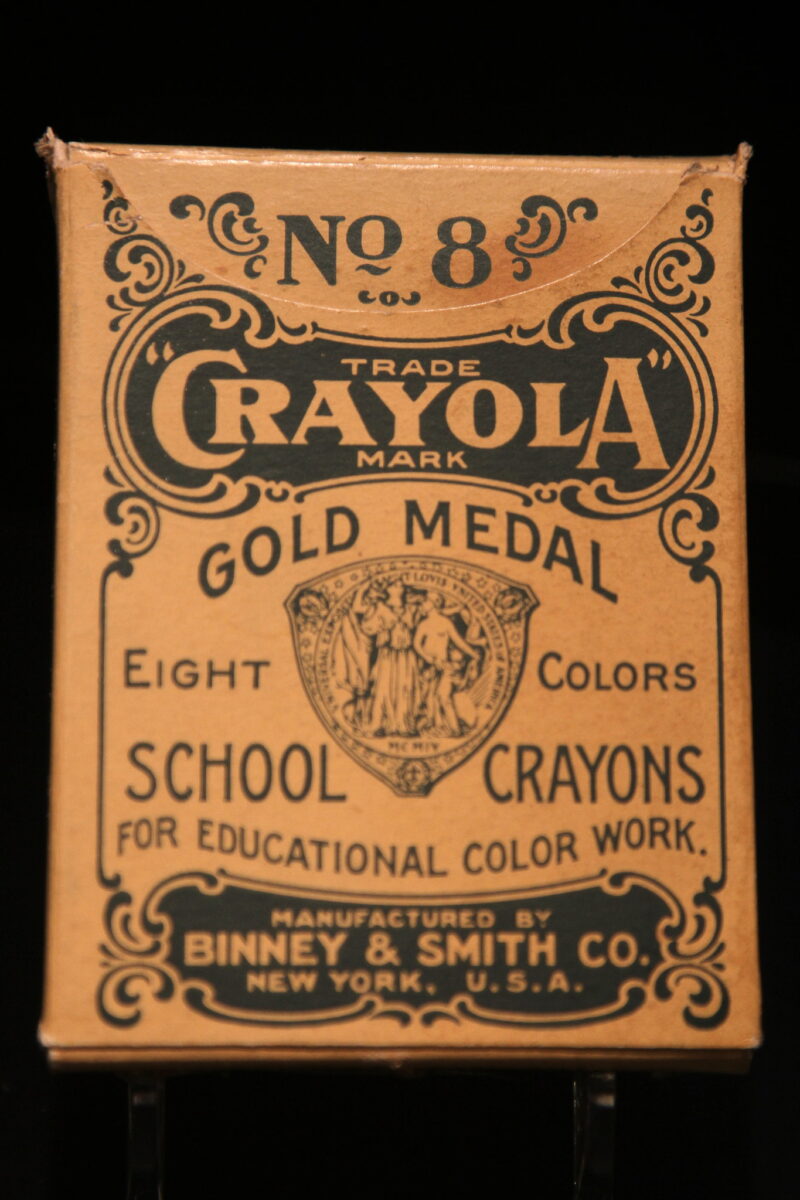
Binney and Smith introduced Crayola crayons in 1903 in a box of eight priced at five cents. The name came from Alice Binney, wife of co-founder Edwin Binney, who combined the French word craie for chalk with oleaginous, meaning oily.
A fresh box with a sharp point on every crayon was the best part of any coloring day. The built-in sharpener on the larger boxes remained a source of delight, and some trouble.
The Erector Set Came From an Olympic Gold Medalist
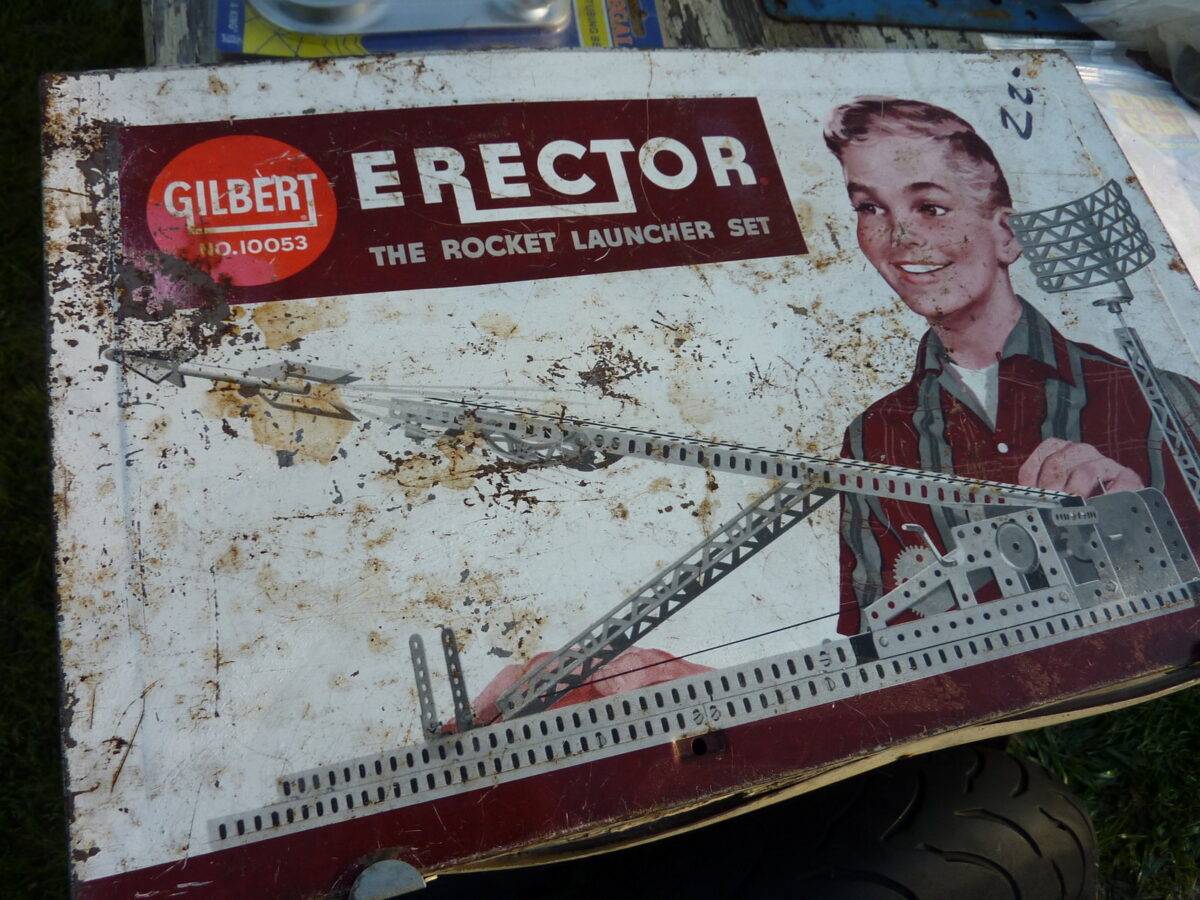
Alfred Carlton Gilbert won the pole vault at the 1908 Olympics in London before he began selling construction sets. He introduced the Erector Set in 1913, with metal girders, nuts, bolts, and later small electric motors.
Children built bridges, cranes, and Ferris wheels with a screwdriver and patience. Complete vintage sets in their original boxes are collectible, and their value depends heavily on condition and completeness.
Yahtzee Grew Out of a Game Played on a Yacht
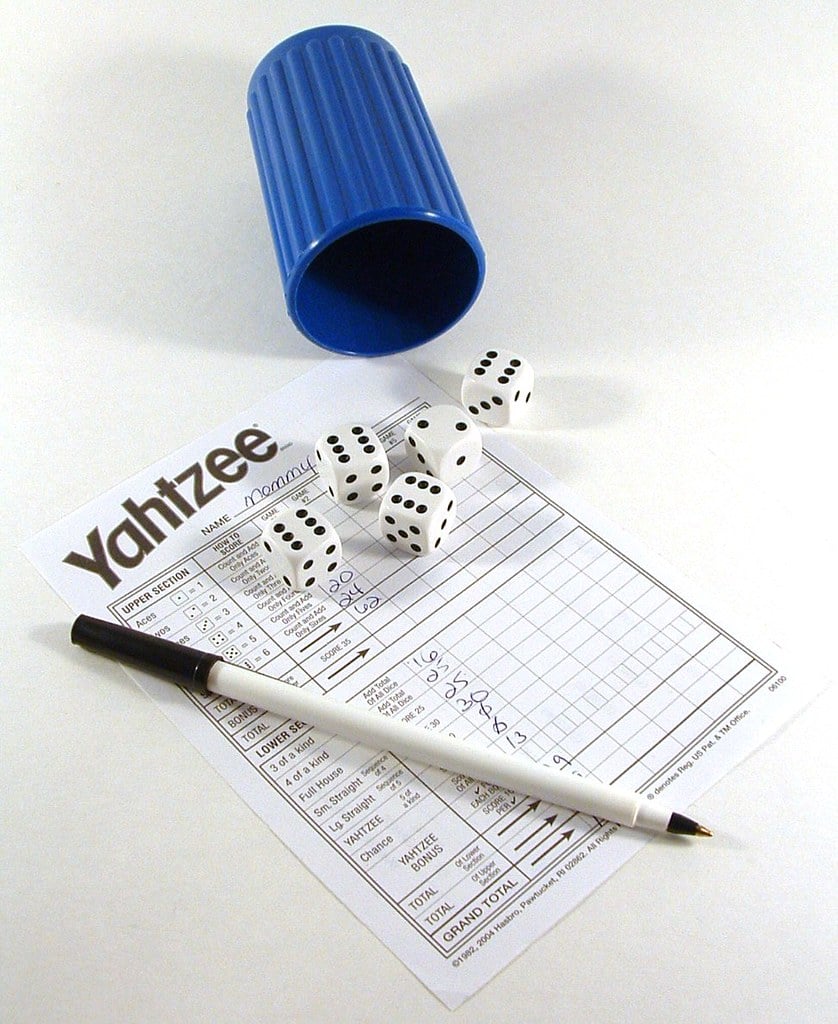
Edwin S. Lowe acquired the rights in the 1950s to a dice game from a Canadian couple who played it aboard their yacht. They called it the Yacht Game, and Lowe renamed it Yahtzee and began selling it in 1956.
Five dice, a cup, and a score pad were enough to fill an afternoon. Rolling five of a kind on the first throw is rare, which only makes the cheering louder.
Twister Became a Hit After a Late-Night TV Appearance
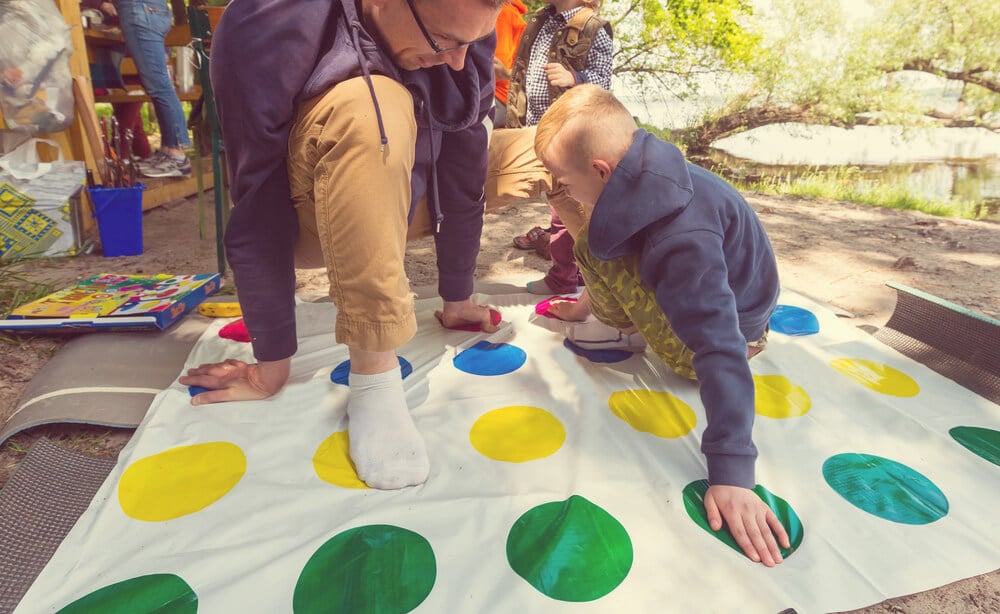
Milton Bradley released Twister in 1966 with a plastic mat and a spinner. Some retailers resisted stocking it at first, but sales took off after Johnny Carson played it with actress Eva Gabor on The Tonight Show.
The game turned the living room floor into a puzzle that players solved with their limbs. A rainy day party with it tended to end in a heap of laughter.
Lite-Brite Made a Tiny Light Show in a Box
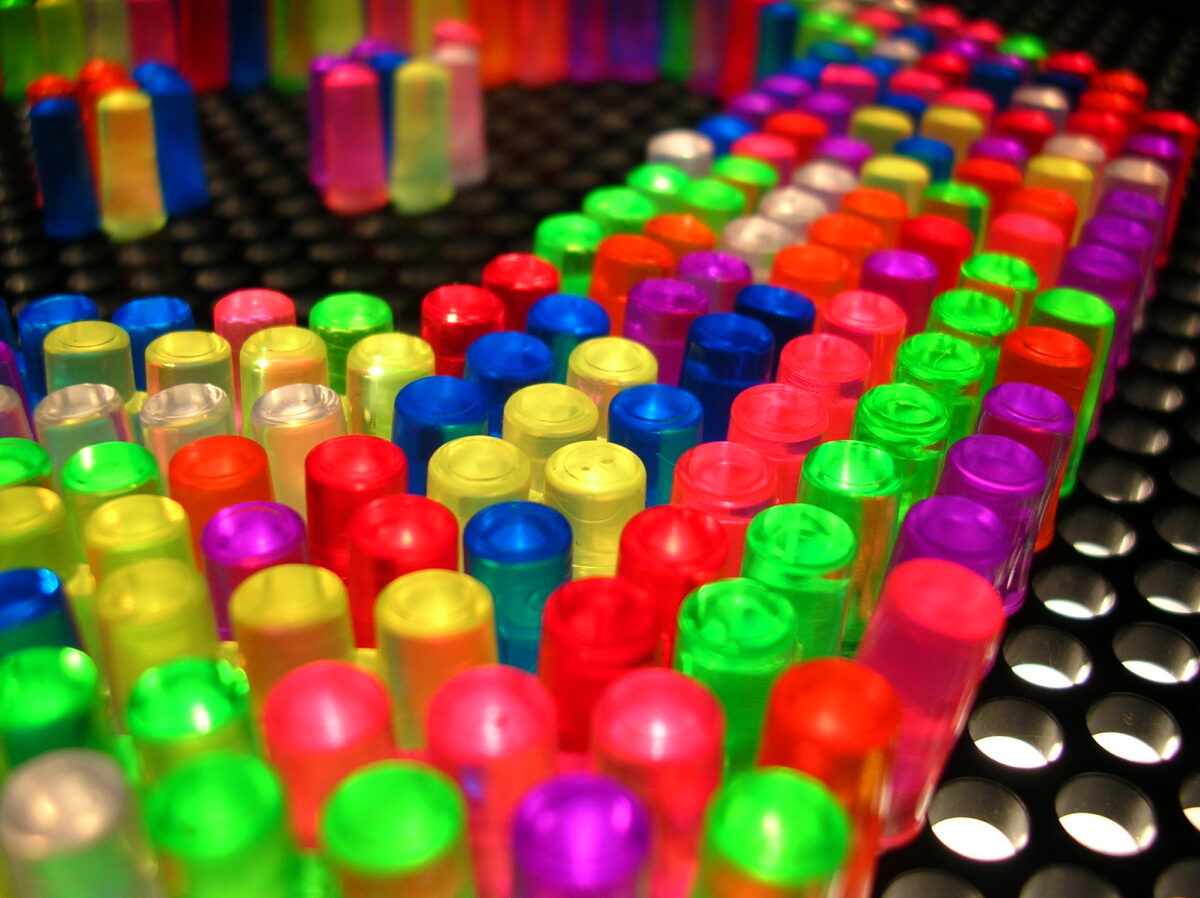
Hasbro launched Lite-Brite in 1967, offering a glowing panel and colored translucent pegs. Children pushed the pegs through black paper sheets printed with outlines to create glowing pictures in a dim room.
Rainy days were ideal, since a bright room dulled the effect. Missing pegs from the box remained the toy’s perennial puzzle.
What a Gray Afternoon Used to Teach

Almost every toy on this list asked something of the child in return. A Slinky needed a staircase, a jigsaw needed patience, and a Tinkertoy tower needed a plan before it fell.
Many came from inventors solving different problems entirely, such as teaching geography or comforting patients, and children quickly found better uses. The toys worked because they left room for the child to decide what happened next.
None of them told a child what to do next. Nothing flashed, scored, or demanded attention.
Boredom was the starting condition, and the toy was only a tool for getting past it. That quiet, self-directed play is what many adults remember most about rainy days, and the sound of rain on the window is part of the memory.
More from Go2Tutors!

- 27 Silver Dollars and Half Dollars Worth Keeping
- 28 Restaurant Menu Items Nobody Orders Anymore
- 17 Places Built in Seemingly Impossible Spots
- 27 Vintage Rings Worth More Than They Look
- 25 Restricted Sites Tourists Can’t Enter
Like Go2Tutors’s content? Follow us on MSN.