30 Fashion Trends Once Considered Scandalous
Every era draws a line around what a body may wear in public, and every era watches someone cross it in the wrong hat, hemline, or pair of pants. The outrage that followed was rarely quiet. It produced arrests, proposed laws, sermons, and in at least one case a riot.
What hangs unnoticed in a closet today once got people turned away from restaurants, fined by town councils, and denounced in print. The documented reactions are often stranger than the clothes that caused them.
Bloomers Made Their Wearers Targets of Ridicule in 1851
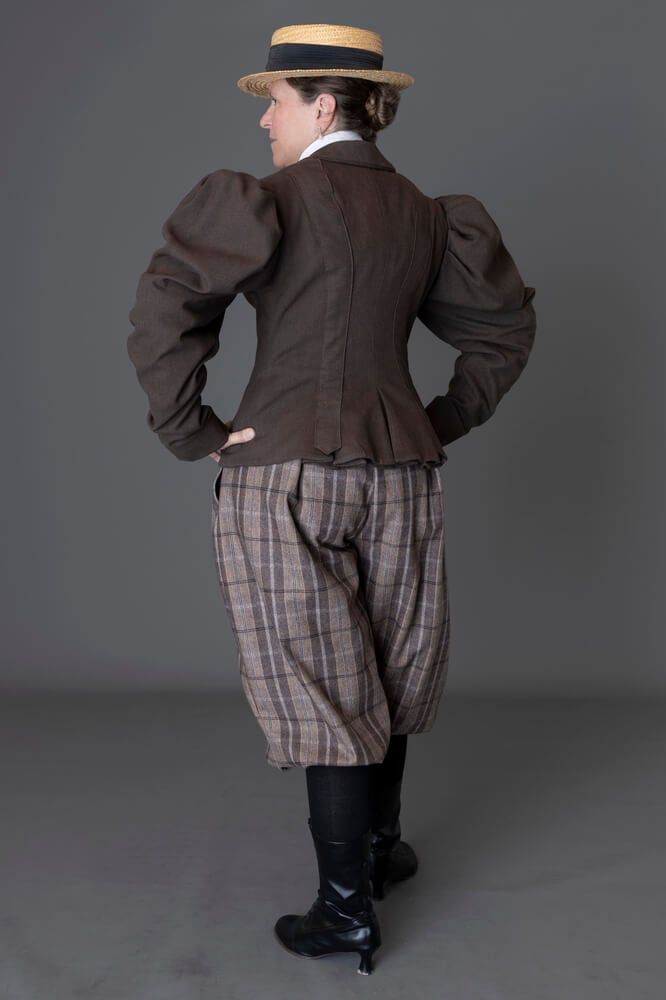
Elizabeth Smith Miller wore loose trousers gathered at the ankle beneath a knee-length skirt in 1851, and her cousin Elizabeth Cady Stanton soon followed. Amelia Bloomer of Seneca Falls, New York, promoted the outfit in her newspaper The Lily, and the press pinned her name on it for good.
Street crowds jeered and editors printed cartoons, and many reformers abandoned the costume within a few years because the mockery was drowning out their political message.
Paris Required Police Permission for Women to Wear Trousers
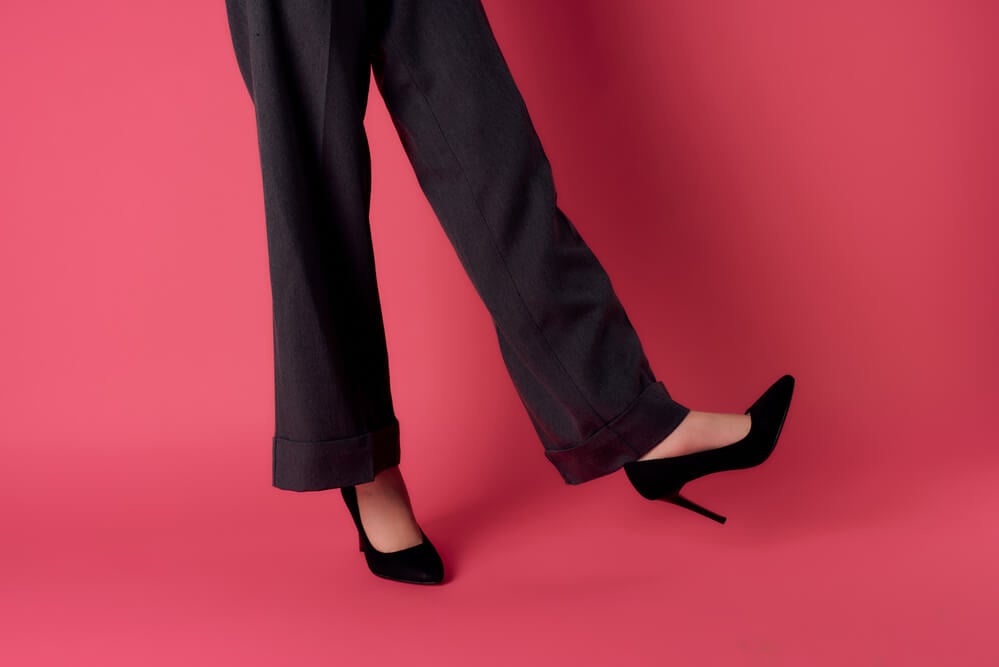
A Paris police ordinance dated November 7, 1800, required any woman who wished to dress as a man to apply to the authorities for a permit. Exceptions were added later for women on horseback or holding the handlebars of a bicycle.
The rule lingered in the legal code for more than two centuries and was not formally struck from the books until 2013, when women’s rights minister Najat Vallaud-Belkacem declared it obsolete.
Annette Kellerman Was Arrested for a One-Piece Swimsuit in 1907
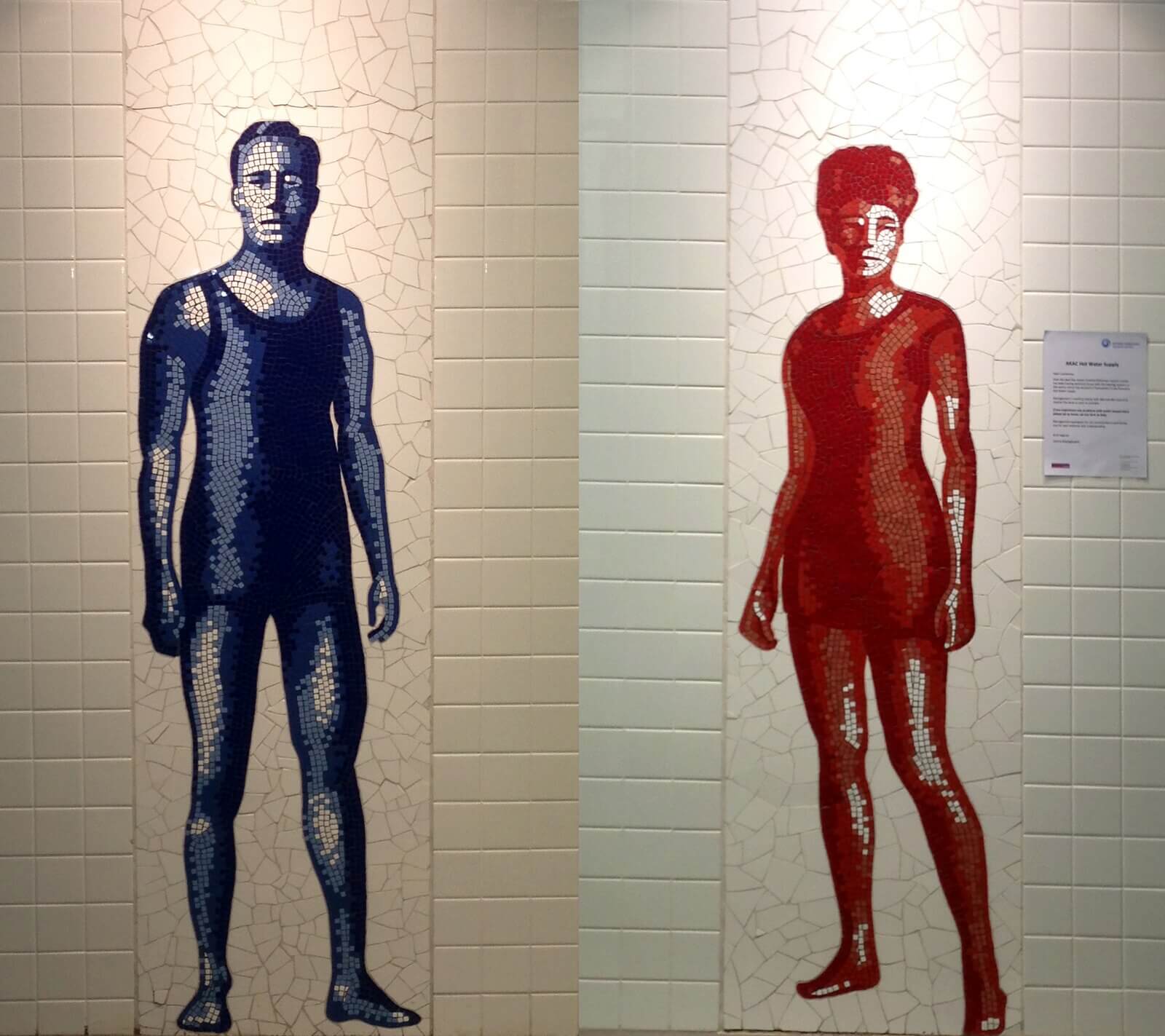
Australian swimmer Annette Kellerman was arrested on Revere Beach near Boston in 1907 for wearing a fitted one-piece suit that ended above the knee. American women of the day typically bathed in heavy wool dresses, bloomers, and stockings, which made real swimming difficult.
Kellerman argued the old costumes were impractical, and she went on to sell her own line of swimwear and appear in silent films. The arrest did more for her career than for the censors.
The Swimwear Debuted in Paris in 1946 and Was Condemned as Sinful
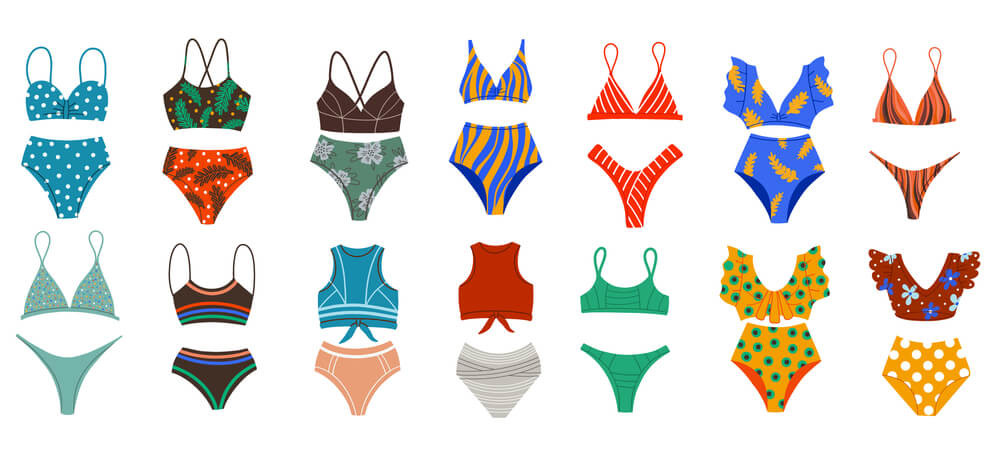
Louis Réard, a Frenchman who ran an intimate wear business, unveiled his two-piece suit on July 5, 1946, at the Piscine Molitor in Paris. No professional model would wear it, so he hired Micheline Bernardini, a dancer at the Casino de Paris.
He named it after Atoll, where the United States had just carried out nuclear tests, hoping for a comparable blast. Spain, Italy, and Portugal restricted it on their beaches, and the Vatican called it sinful.
Flapper Hemlines Inspired Bills to Fine and Jail Women
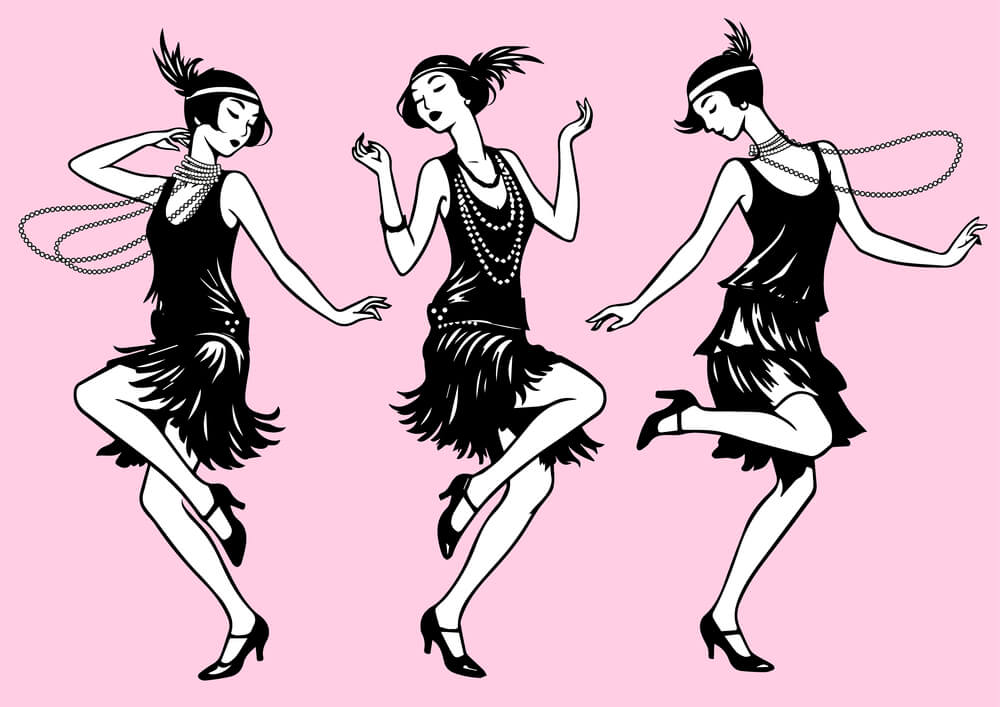
In 1921, a bill in the Utah legislature proposed fines and jail time for women whose skirts ended more than three inches above the ankle. Lawmakers in Virginia and Ohio entertained similar dress-code bills aimed at hemlines and necklines.
None of them became law, and by the mid-1920s hems had risen to the knee anyway. Legislators had tried to hold back a fashion that was already moving faster than their calendars.
Suzanne Lenglen Shocked Wimbledon With a Calf-Length Dress in 1919

French champion Suzanne Lenglen arrived at Wimbledon in 1919 wearing a calf-length dress with short sleeves, far lighter than the long skirts and layers English players usually wore. Spectators and the press were surprised by the bare forearms and the freedom of movement.
She won the final over seven-time champion Dorothea Lambert Chambers, 10-8, 4-6, 9-7. Her outfits kept changing the sport’s expectations for women’s clothing through the 1920s.
Gussie Moran’s Lace-Trimmed Tennis Outfit Scandalized Wimbledon in 1949

American Gertrude “Gussie” Moran stepped onto the courts at Wimbledon in 1949 in a short dress designed by Ted Tinling, with lace-trimmed panties that flashed with every stride. Photographers crowded around her, and the press christened her Gorgeous Gussie.
Wimbledon officials were so offended that Tinling, who had worked as a liaison for the players, was effectively shut out of the event for more than three decades. He did not return until 1982.
A Tuxedo Suit for Women Got Nan Kempner Turned Away in New York in 1968

Yves Saint Laurent introduced his tuxedo suit for women in 1966, and it quickly became a symbol of daring elegance. In 1968, socialite Nan Kempner was refused entry to Manhattan’s Le Côte Basque because she wore the trousers version, since many New York restaurants expected women to wear skirts.
She solved the problem by removing the trousers and wearing the long jacket as a mini dress. The story has been retold in fashion circles ever since.
Women Senators Wore Pants on the Senate Floor in 1993
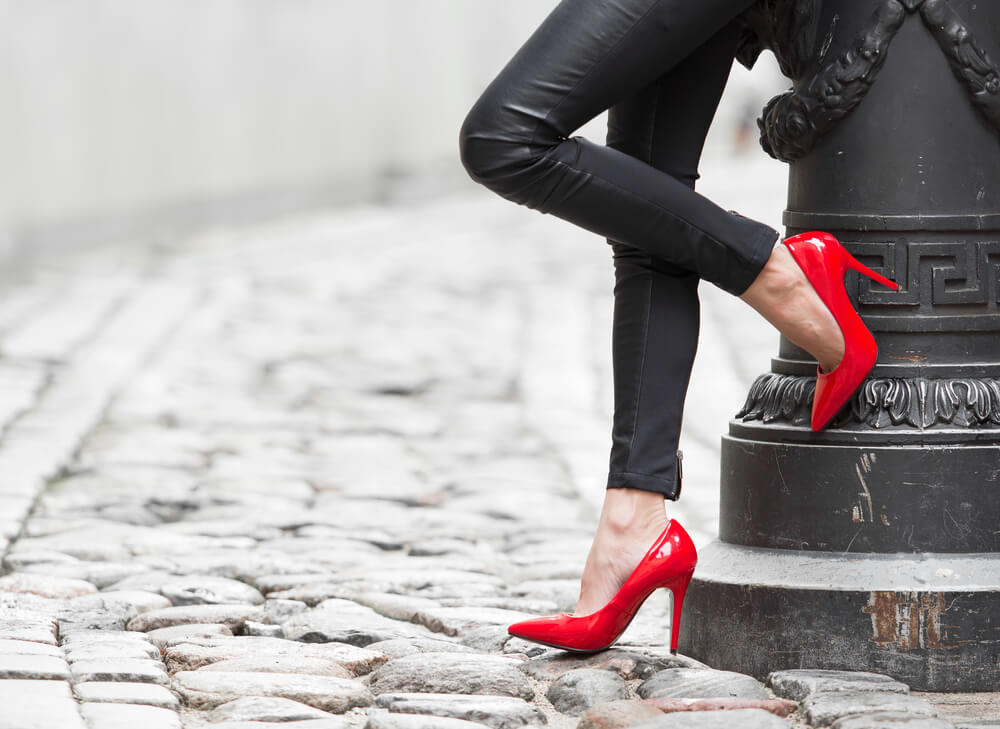
For most of the twentieth century, an unwritten dress code kept women in skirts or dresses on the floor of the United States Senate. In September 1993, Senators Barbara Mikulski and Carol Moseley Braun walked onto the floor wearing pants in open defiance of that custom.
The Senate’s sergeant at arms, Martha Pope, then relaxed the rule to allow women to wear trousers, provided they were in proper suits. The change came in an era when women held only a handful of Senate seats.
Dr. Mary Edwards Walker Was Arrested for Dressing in Trousers
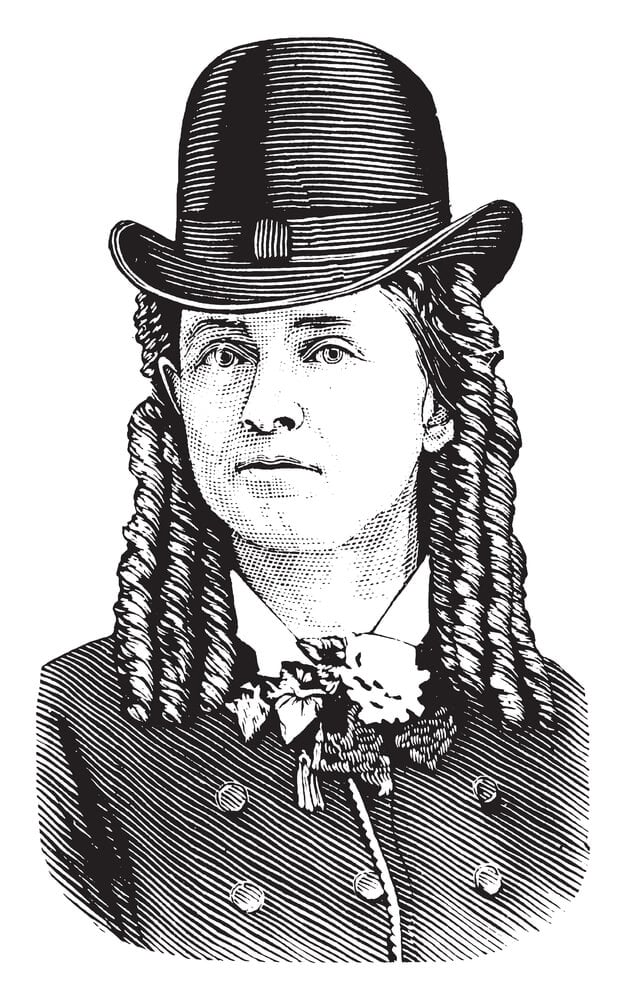
Mary Edwards Walker served as a Union Army surgeon during the Civil War and received the Medal of Honor in 1865. She wore trousers and a man’s frock coat, and she was arrested on more than one occasion for dressing as a man.
Walker insisted she was simply dressing herself, not impersonating anyone. Congress rescinded her medal in 1917, and President Jimmy Carter restored it in 1977, and she remains the only woman to receive it.
Lady Harberton Sued an Innkeeper Over Her Cycling Costume
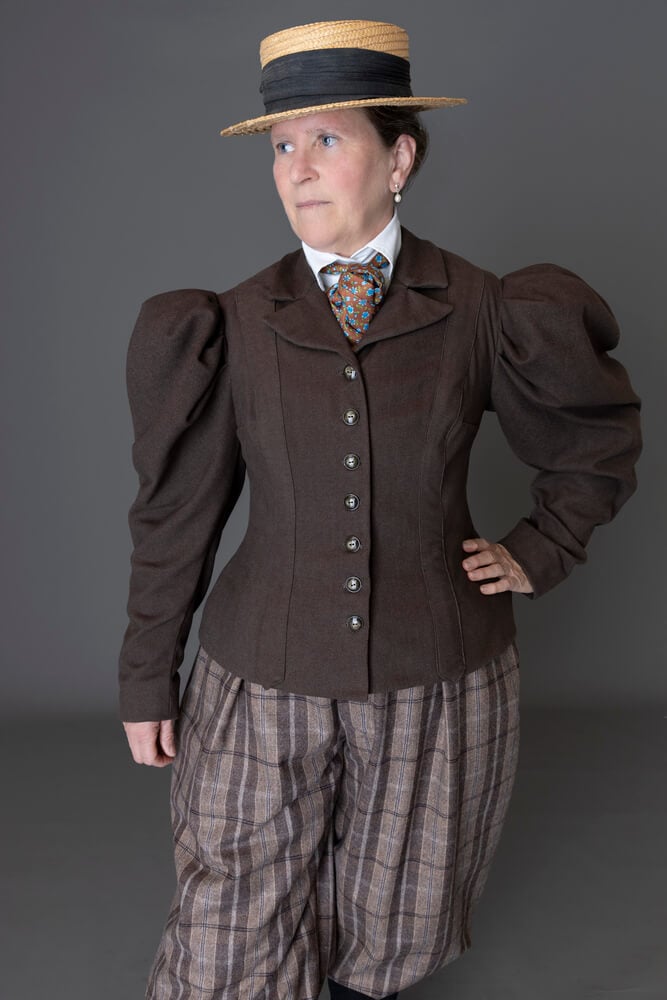
Florence, Viscountess Harberton, helped found the Rational Dress Society in London in 1881, campaigning against the restrictive corsets and heavy skirts of the period. In 1898, she was refused service in the coffee room of the Hautboy Hotel in Ockham, Surrey, because she arrived in cycling bloomers.
She sued the landlady in 1899, and the court sided with the innkeeper. The case became a national talking point about where women could go in practical clothing.
Pointed Shoes Grew So Long That Edward IV Limited Them by Law
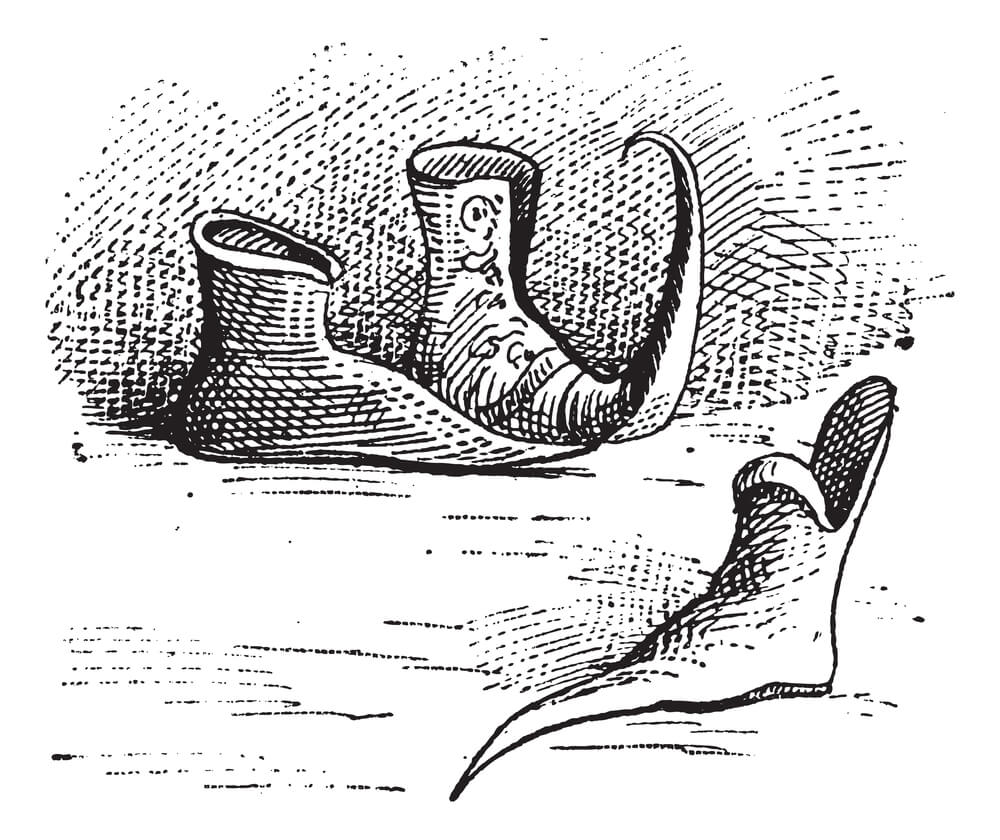
Fashionable men of the late Middle Ages wore poulaines, shoes with toes that extended well beyond the foot and were stuffed to hold their shape. In 1463, England’s Edward IV forbade anyone below the rank of lord from wearing toes longer than two inches.
Researchers who studied medieval skeletons in Cambridge have linked the fashion to a rise in bunions. The law was meant to preserve class distinctions, but it also happened to protect a few feet.
Venetian Chopines Lifted Women More Than a Foot Off the Ground
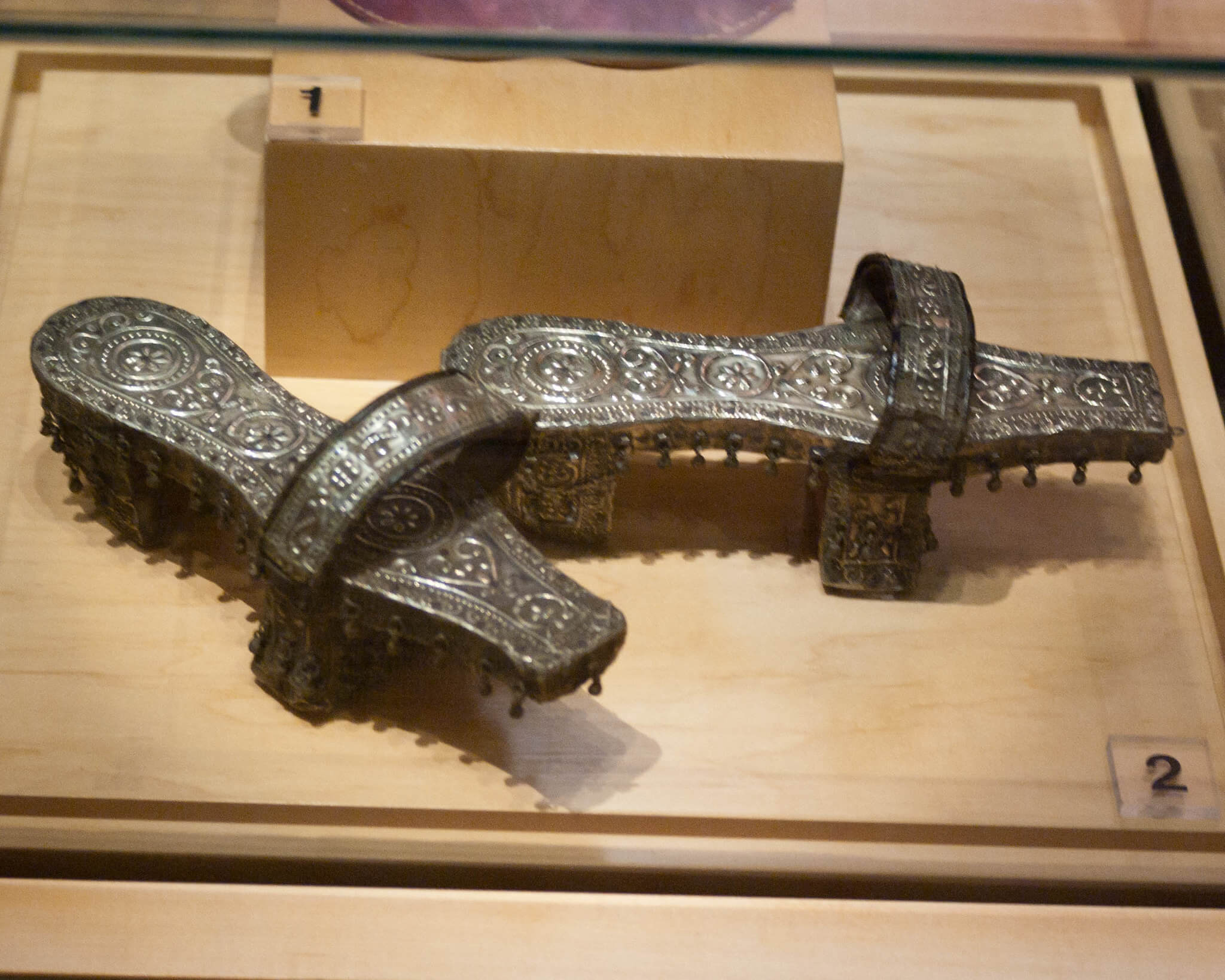
Chopines were platform shoes worn in Venice and elsewhere in Europe from the fifteenth century, and the tallest raised the wearer well over a foot. Servants often steadied the women who wore them, and the gowns that covered them took extra yards of cloth.
Critics saw the height as a flaunting of wealth. Shakespeare gave the shoes a place in Hamlet, where the prince tells a boy actor that he is nearer to heaven by the altitude of a chopine.
Madame X’s Fallen Strap Shocked the Paris Salon in 1884
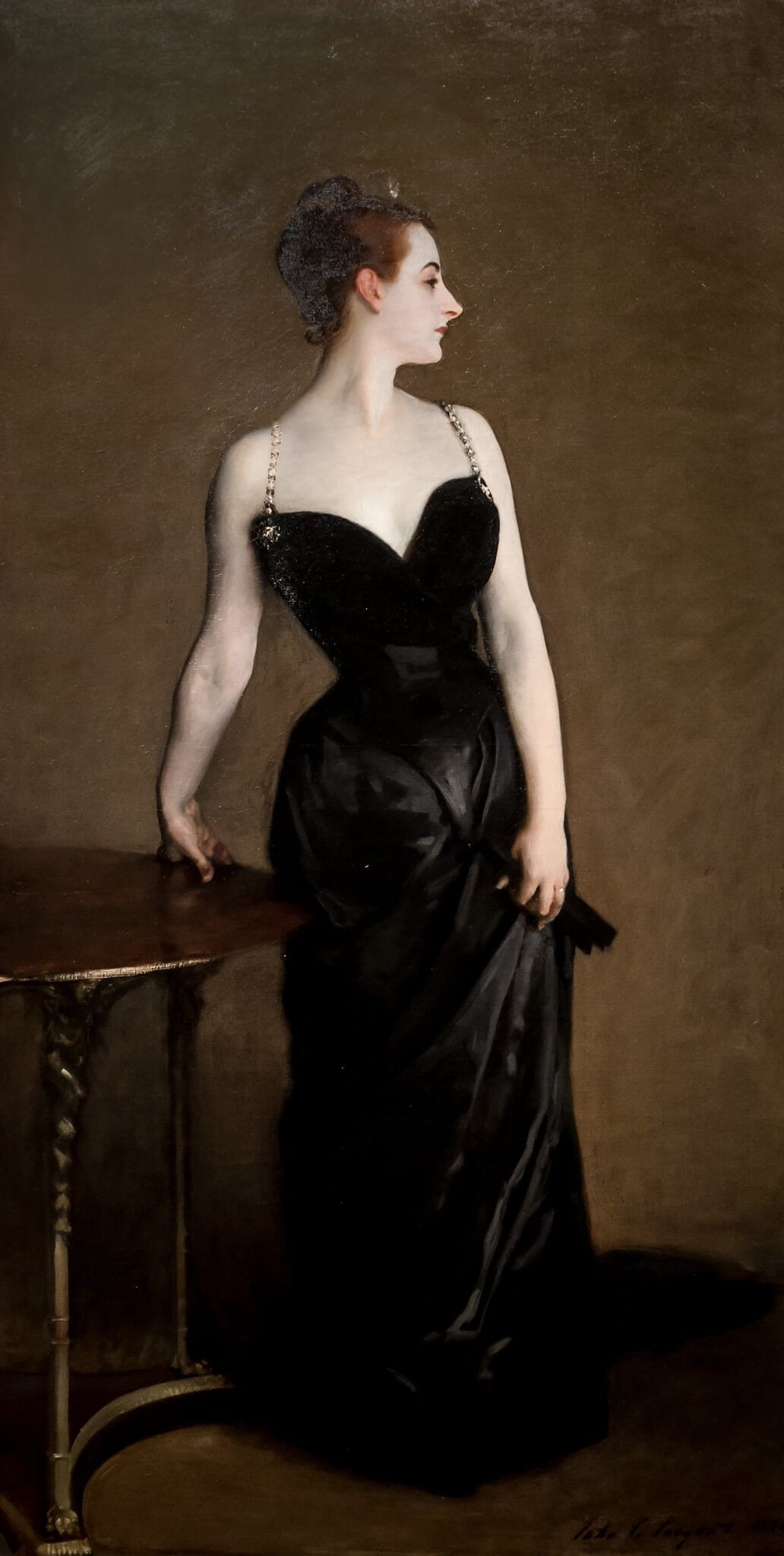
John Singer Sargent painted the American-born Parisian socialite Virginie Gautreau and showed the portrait at the Paris Salon of 1884. Critics were scandalized by the black gown, the pale powdered skin, and above all the jeweled strap slipping off her right shoulder.
Sargent repainted the strap into place, but the damage was done, and he soon moved to London. He sold the portrait to the Metropolitan Museum of Art in 1916.
Britain Banned Highland Dress After Culloden
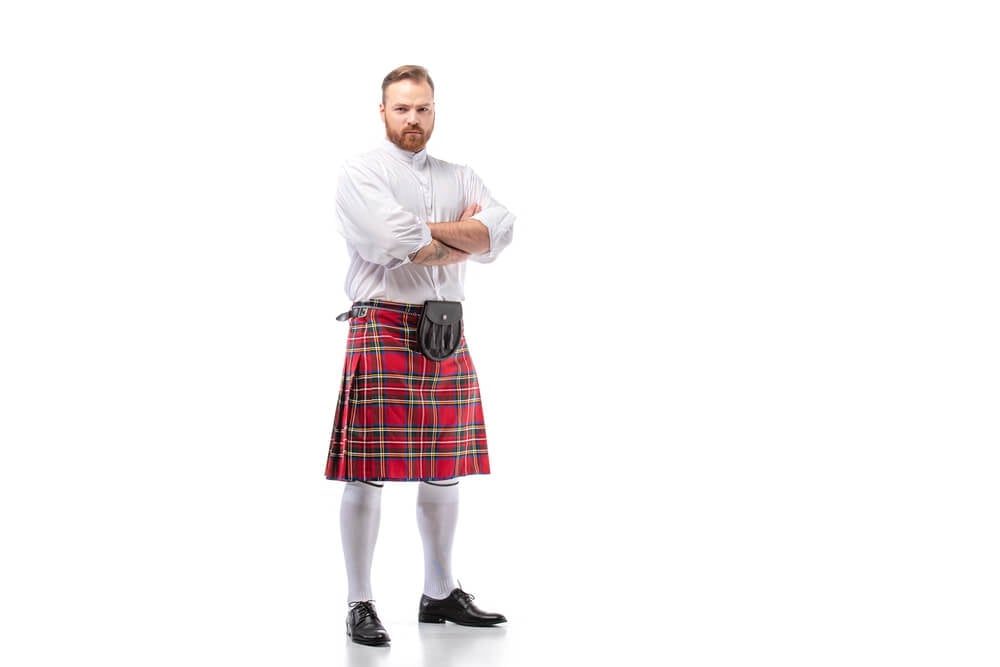
After the Jacobite defeat at Culloden in April 1746, Parliament passed the Dress Act, which outlawed kilts, plaids, and other traditional Highland clothing. The penalty for a first offense was six months in prison, and a second offense could bring transportation to the colonies for seven years.
The ban was meant to break clan loyalties by erasing their visual symbols. Parliament repealed it in 1782, by which time a generation had grown up without the dress.
Zoot Suits Triggered Violence in Los Angeles in 1943

Zoot suits had high-waisted, wide-legged trousers and long jackets with broad shoulders, and they were popular among Black, Mexican American, and Filipino youths in the early 1940s. After the War Production Board limited fabric use in March 1942, critics condemned the suits as wasteful and unpatriotic.
In June 1943, sailors on leave attacked young Mexican Americans in Los Angeles and stripped them of their suits in what became known as the Zoot Suit Riots. Police arrested many of the victims.
Dior’s New Look Drew an Organized Protest in 1947
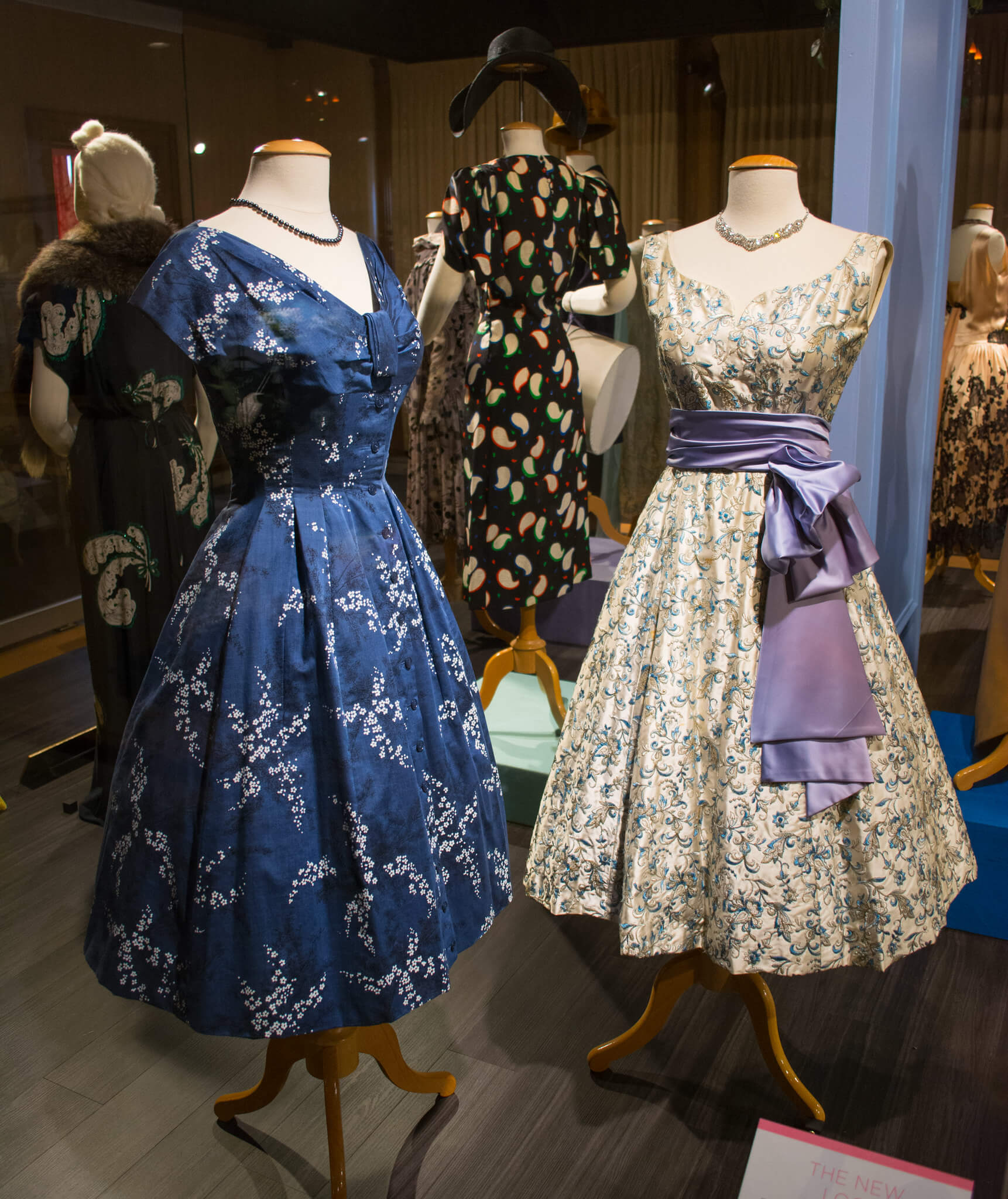
Christian Dior showed his first collection on February 12, 1947, with sloping shoulders, cinched waists, and skirts that fell to mid-calf. Carmel Snow of Harper’s Bazaar named it the New Look.
After years of wartime fabric rationing, many women found the sudden yardage extravagant, and groups in the United States formed the Little Below the Knee Club to resist the longer hemlines. Their slogan asked for hems just below the knee, not at the calf.
Wristwatches Were Dismissed as Unmanly Until the Trenches

Through the nineteenth century, a gentleman checked the time with a pocket watch, and a watch strapped to the wrist was considered women’s jewelry. Cartier made the Santos in 1904 for the Brazilian aviator Alberto Santos-Dumont, who wanted to read the time without taking his hands off the controls.
Many men still mocked the wristwatch as effeminate. The First World War changed the verdict, because soldiers in the trenches needed their hands free.
Blue Jeans Were Banned From Schools in the 1950s

Levi Strauss and Jacob Davis patented riveted work pants on May 20, 1873, and for decades jeans were clothing for miners and ranch hands. Films such as The Wild One in 1953 and Rebel Without a Cause in 1955 tied denim to juvenile delinquency.
James Dean’s death on September 30, 1955, just before Rebel premiered, only deepened the association. Schools across the United States wrote jeans bans into their dress codes.
The Beatles’ Mop-Top Cut Alarmed Parents in 1964
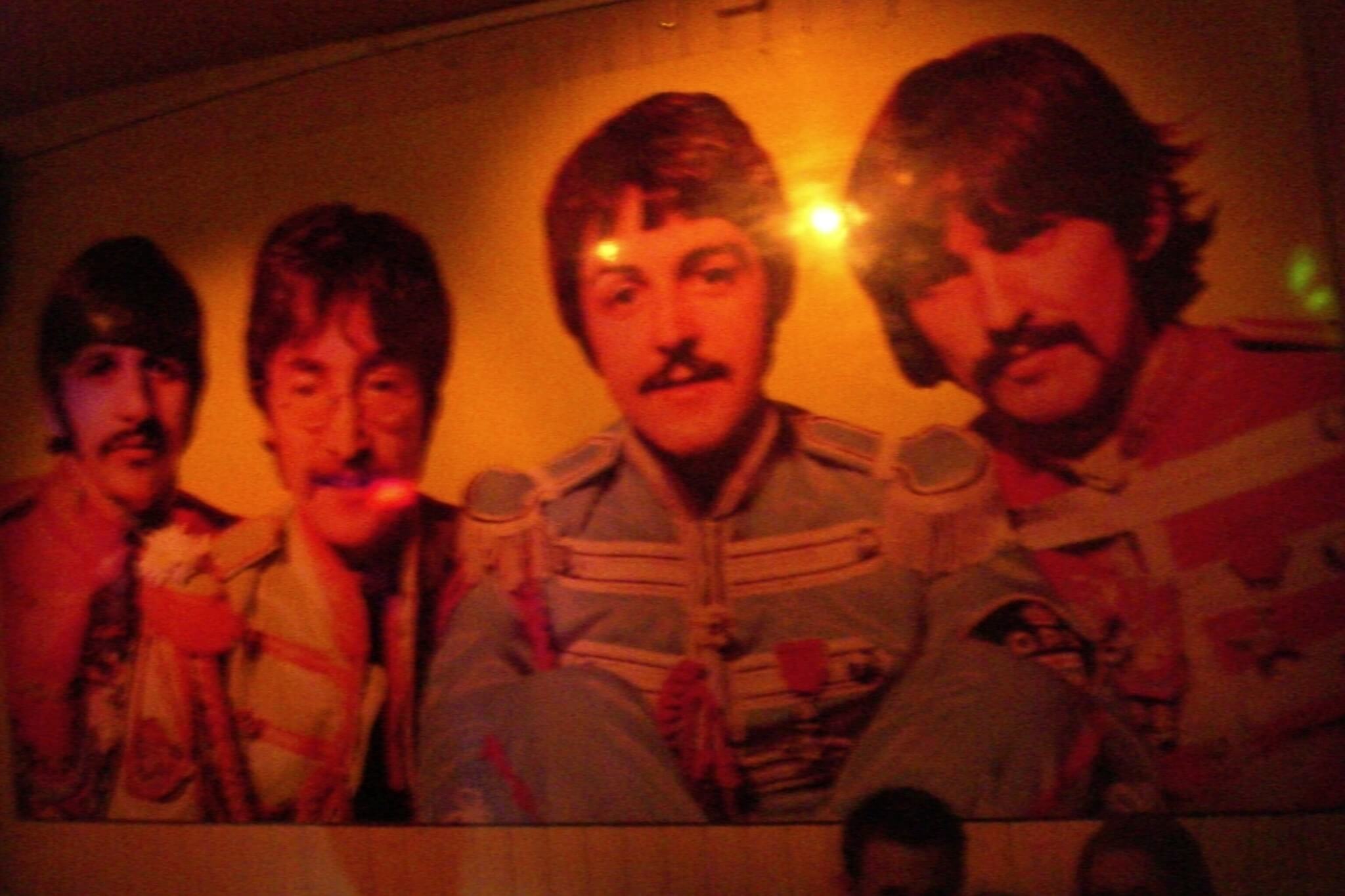
The Beatles appeared on The Ed Sullivan Show on February 9, 1964, in front of an estimated 73 million viewers. Their hair covered their foreheads and ears, which many adults saw as sloppy and rebellious.
Schools sent boys home or suspended them for copying the style, and novelty Beatle wigs appeared in stores within weeks. The haircut seems tame now, but it opened a long argument about boys’ hair that raged through the decade.
Bobbed Hair Cost Some Women Their Reputations in the 1920s

Dancer Irene Castle cut her hair short in 1914 and set off a trend that exploded in the 1920s. Preachers cited the New Testament line that a woman’s long hair is her glory, and some employers and relatives disapproved of the new cut.
Barbershops, which had served only men, began catering to women to meet the demand. By the end of the decade, the bob had become so common that the outrage over it had mostly evaporated.
Sagging Pants Became a Jailable Offense in Delcambre, Louisiana
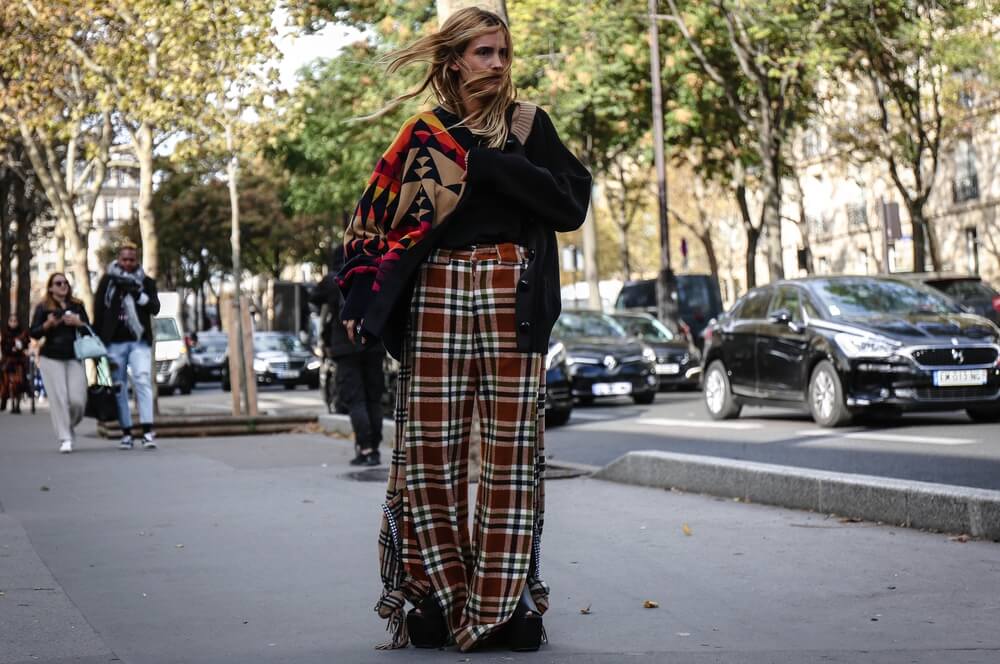
In June 2007, the town council of Delcambre, Louisiana, passed an ordinance banning the public exposure of underwear. Violators faced a fine of up to $500, and repeat offenders could face up to six months in jail.
The measure drew national attention, as well as questions about whether it could be enforced fairly. Other municipalities have since passed their own versions, which shows how seriously some governments take the waistband.
The Harem Skirt Drew Mobs to a Paris Racecourse in 1911

Couturier Paul Poiret introduced loose, trouser-like skirts inspired by Eastern dress in the years before the First World War, and Paris fashion embraced a version known as the jupe-culotte. In March 1911, women who wore the style at the Auteuil racecourse were met by jeering crowds and had to be escorted away.
Preachers and newspaper columnists condemned the look as immodest. It faded within a couple of years, but the idea of women in divided skirts never fully went away.
The T-Shirt Struggled to Escape Underwear Territory

The United States Navy began issuing crew-neck undershirts in 1913, and for decades the T-shirt was strictly underwear. Marlon Brando’s tight white T-shirt in the film A Streetcar Named Desire in 1951 and his leather-clad turn in The Wild One in 1953 changed the garment’s image.
Parents and educators objected to it as street wear, and many schools wrote bans into their dress codes. The shirt eventually became the most common garment in the Western world.
A 1770 Bill Would Have Treated Makeup Like Witchcraft
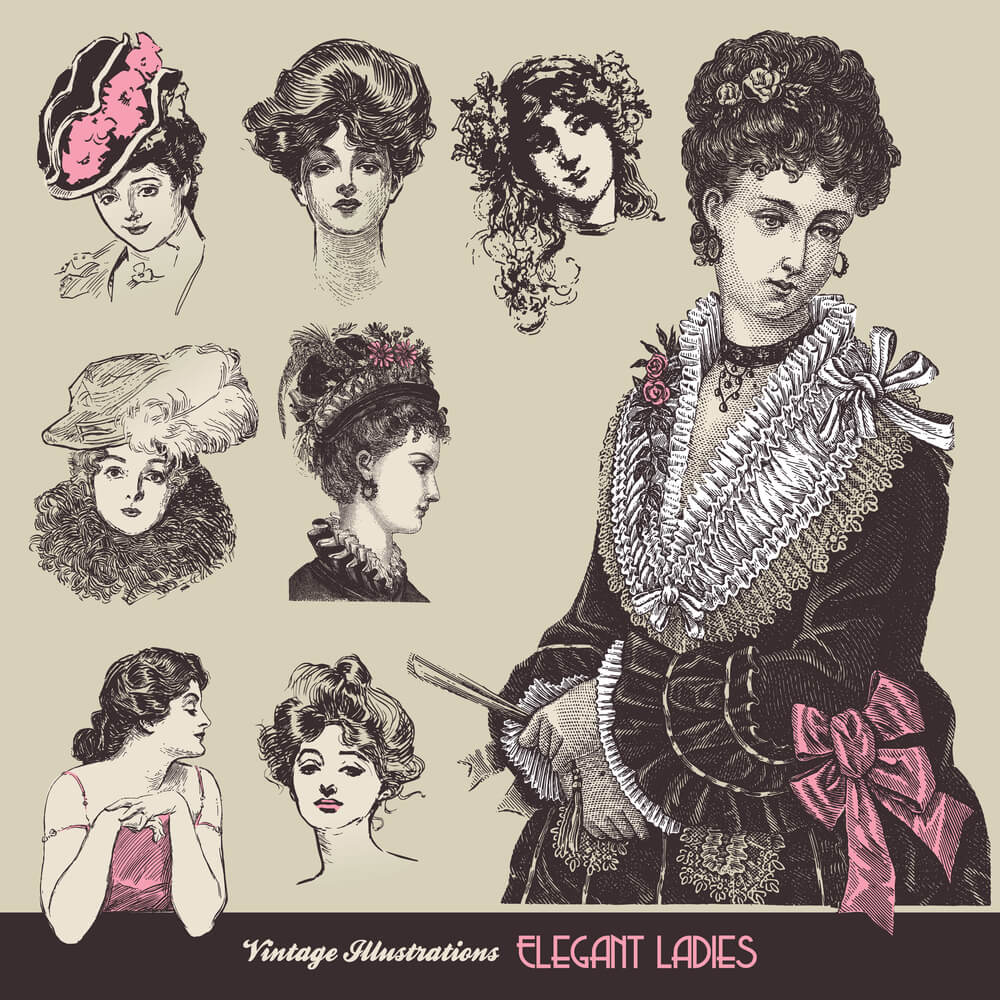
In 1770, a bill introduced in the British Parliament proposed that women who lured men into marriage with scents, paints, cosmetic washes, artificial teeth, or false hair be punished under the laws against witchcraft. The marriage would be annulled as well.
A century later, Queen Victoria publicly declared makeup vulgar, which kept it associated with actresses for decades. The mood did not fully shift until the 1910s and 1920s.
Jean Shrimpton’s Hemline Stopped Flemington in 1965
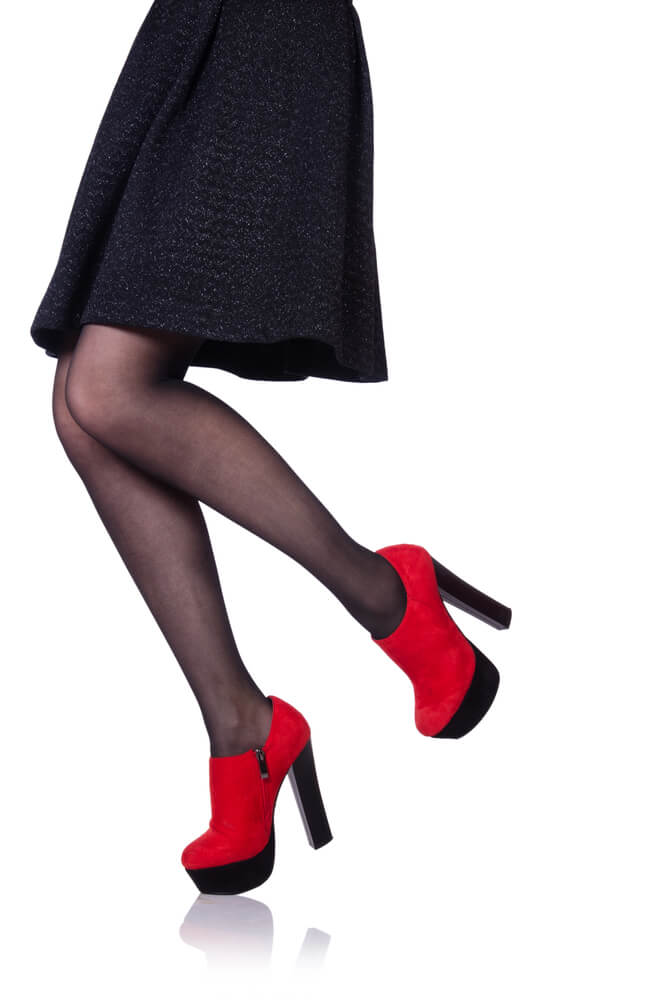
On October 30, 1965, the British model Jean Shrimpton attended Derby Day at Flemington Racecourse in Melbourne in a white shift dress by designer Colin Rolfe. The hem sat about four inches above her knee, and she wore no hat, gloves, or stockings, all of which were expected at the races.
She was in Australia as a guest of the fiber company DuPont. The reaction in the press was so intense that the dress became a landmark of the miniskirt era.
Malawi Banned Trousers and Short Skirts for Women Under Banda
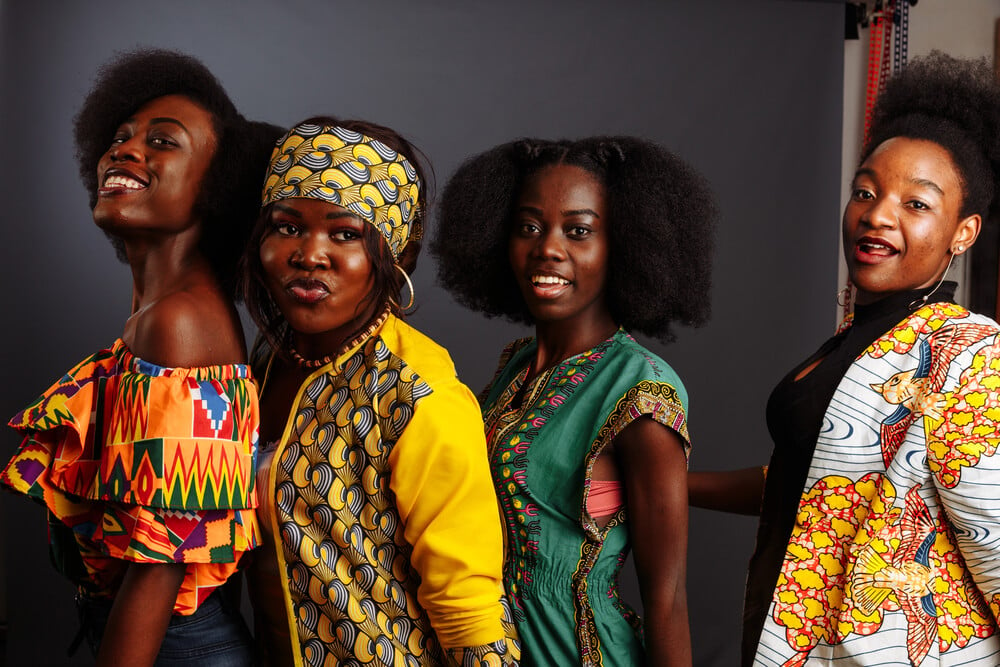
Hastings Banda ruled Malawi from 1964 until 1994, and his government enforced a strict dress code. Women were barred from wearing trousers or short skirts in public, and men were barred from wearing long hair.
The rules were part of a wider effort to impose what the government called moral standards. They ended with Banda’s rule after the multiparty elections of 1994.
Marlene Dietrich Wore a Tailcoat and Kissed a Woman in Morocco

In her first American film, Morocco, released in 1930 and directed by Josef von Sternberg, Marlene Dietrich performed in a cabaret wearing white tie, a top hat, and a tailcoat. During the number she kissed a woman in the audience on the lips.
Audiences and critics noticed, and Dietrich earned an Academy Award nomination for the role. Her taste for tailored menswear became a signature that outlasted the movie.
Starched Ruffs Drew Fury From Philip Stubbes in 1583
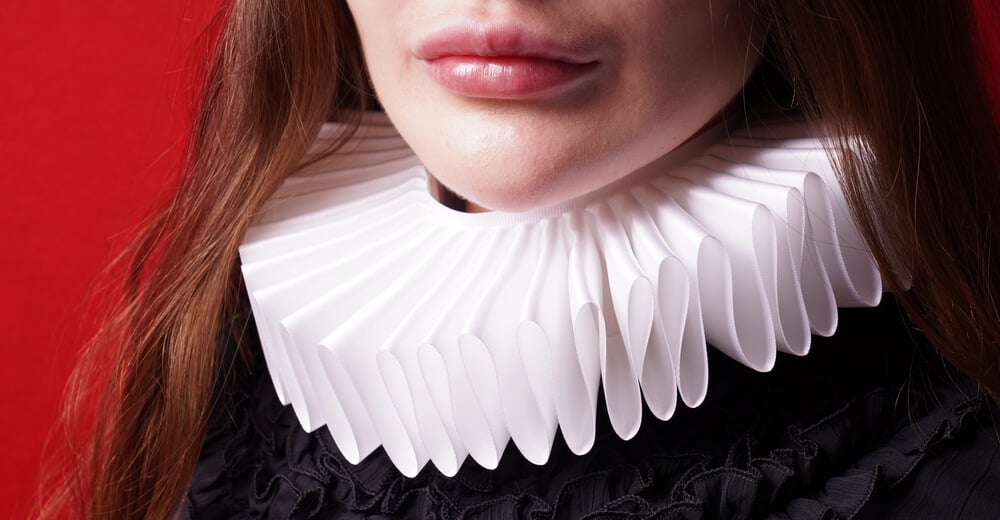
Starched ruffs reached England from the Low Countries in the 1560s and grew to enormous size at the Elizabethan court. In 1583, the Puritan pamphleteer Philip Stubbes published The Anatomie of Abuses, which attacked extravagant dress and called starch the devil’s liquor.
Authorities tried to limit the size of ruffs, but fashionable courtiers ignored them. The ruff stayed in style well into the next century.
Macaroni Men Became a Byword for Excess in 1770s London
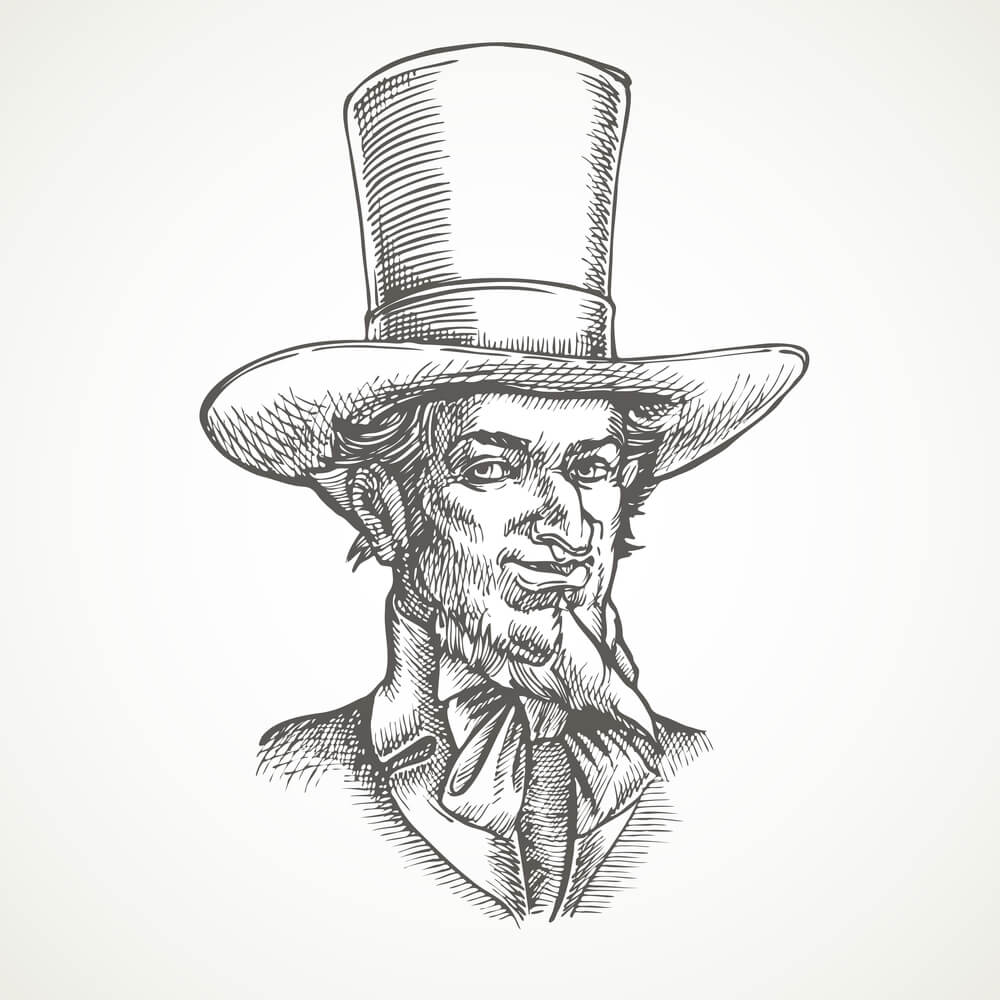
The Macaroni Club of the 1760s took its name from Italian food that young English gentlemen had encountered on the Grand Tour. Its members wore towering powdered wigs topped with tiny hats, along with tight, brightly colored clothing.
Satirists filled London print shops with caricatures of the look in the 1770s, and the term macaroni became shorthand for a foppish man. The song Yankee Doodle borrowed the insult when it mocked a man who stuck a feather in his cap.
When the Outrage Outlived the Offense
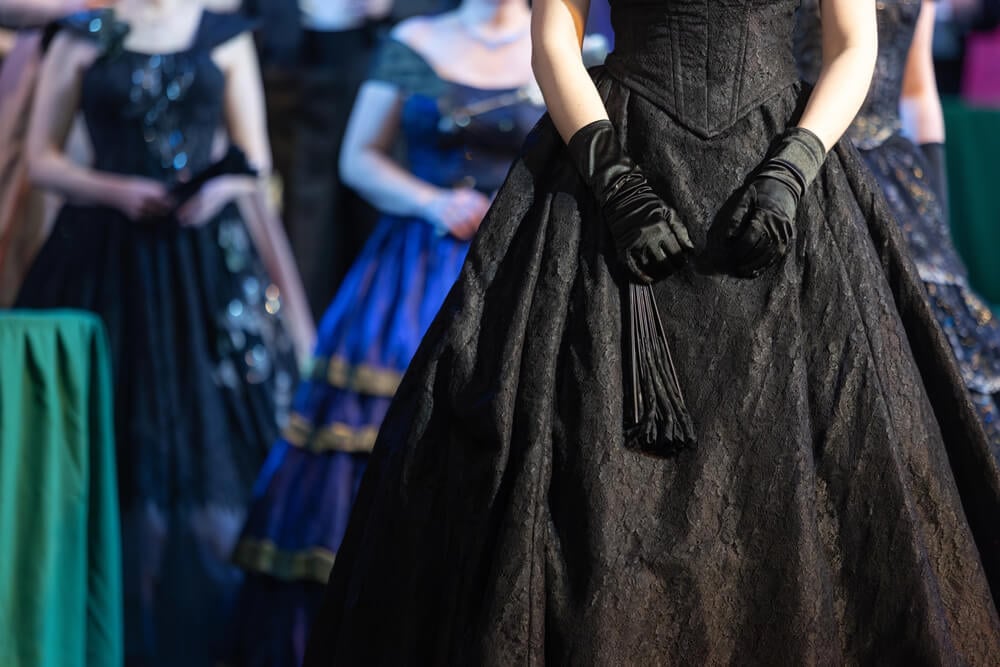
Looking across these cases, a pattern emerges: the objection was almost never about the garment itself. Trousers, hemlines, haircuts, and swimwear were stand-ins for larger anxieties about class, gender, race, youth, and who gets to decide what is proper.
The Dress Act of 1746 targeted Highland loyalty, not wool, and the zoot suit riots were about far more than fabric. Those anxieties also faded faster than the laws written to contain them.
Bans were repealed, permits were forgotten, and today’s trouser-wearing senators and jeans-wearing students work in a world that treats these fights as quaint. That is worth remembering the next time a new look prompts a stern editorial, because the current verdict on style has a way of reversing within a generation.
More from Go2Tutors!

- 27 Silver Dollars and Half Dollars Worth Keeping
- 28 Restaurant Menu Items Nobody Orders Anymore
- 17 Places Built in Seemingly Impossible Spots
- 27 Vintage Rings Worth More Than They Look
- 25 Restricted Sites Tourists Can’t Enter
Like Go2Tutors’s content? Follow us on MSN.