Things Families Rented Before Streaming Arrived
Before a single subscription unlocked every movie at once, a movie night meant leaving the house. Families drove to a store, argued in the aisles, and returned things on time or paid for the delay.
Movies were only part of it. Phones, televisions, carpet cleaners, and even audiobooks passed through living rooms on a rental basis, and the habit shaped how households thought about owning versus borrowing.
VHS Movies From Blockbuster
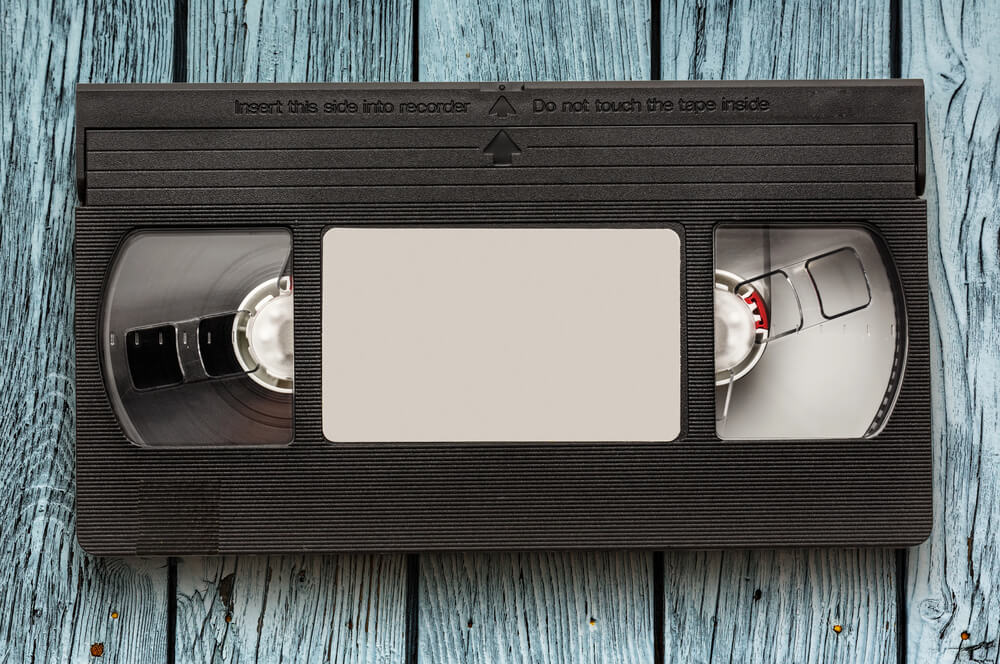
The first Blockbuster opened in Dallas on October 19, 1985, with 8,000 VHS tapes and 2,000 Betamax tapes on its shelves. By 2004 the chain had grown to 9,094 stores, enough to turn the Friday-night argument over which movie to pick into a national ritual.
The last corporate-owned stores closed in January 2014, leaving a single franchised location in Bend, Oregon.
Movies From Hollywood Video

Mark Wattles built Hollywood Video out of a 500-square-foot Portland shop stocked with 300 films. The chain grew into Blockbuster’s largest direct competitor, until Movie Gallery bought it in April 2005.
Hollywood’s last US store closed on July 31, 2010.
Betamax Tapes at a Midwestern Chain
Family Video opened in 1978 in Springfield, Illinois, under the name Video Movie Club, and rented Betamax tapes before moving on to VHS and then DVDs. At its peak it ran 800 locations, and it kept going after Blockbuster’s company-owned stores and Hollywood Video had closed, helped by owning much of the real estate under its stores.
The last day for rentals was January 6, 2021, with about 250 stores remaining.
A VCR Borrowed for the Weekend
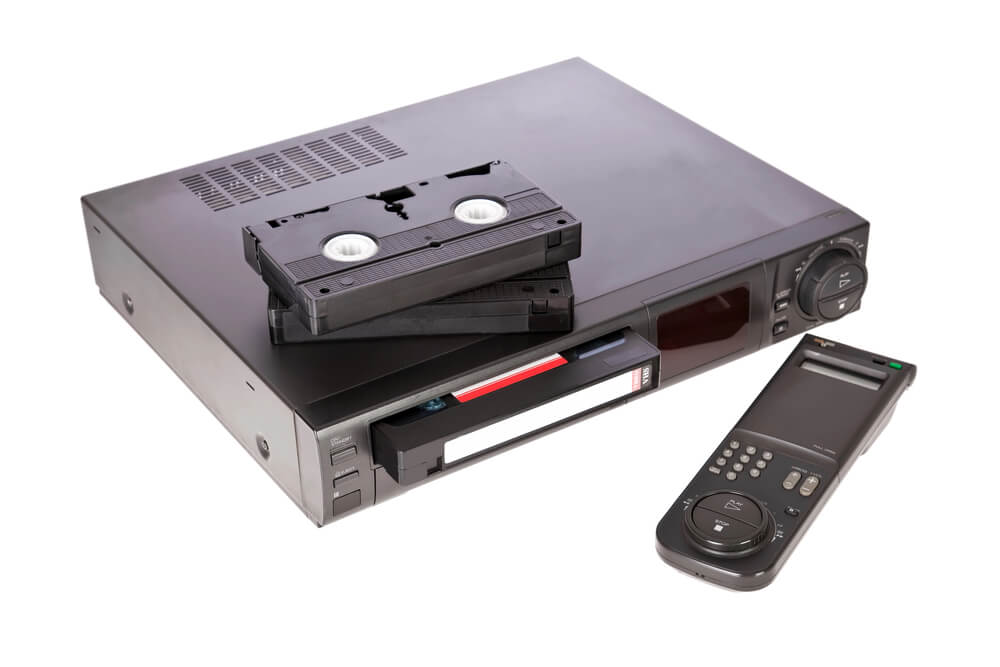
In the early 1980s a VCR was expensive enough that many families rented one along with the tapes. Rental machines usually played prerecorded tapes only, with no option to record from television, and hardly any came with a remote control, so a viewer had to walk to the machine to pause or stop a movie.
By the mid-1980s rental outlets were so widespread that cheaper rentals pushed more customers to buy their own players.
Video Games by the Weekend

Game rentals began in the early 1980s in some metro areas during the Atari 2600 era, then took off with the Nintendo Entertainment System. In 1989 Nintendo sued Blockbuster over copied game manuals, and Nintendo ultimately lost, which cleared the way for game rentals to continue.
A decade later the Nintendo 64 dominated the weekly rental charts, with GoldenEye 007 in first place on one of them.
Rental-Only Cartridges for the Nintendo 64

Blockbuster carried Nintendo 64 games that could not be bought anywhere else. Stunt Racer 64, from Boss Game Studios, is remembered as one of the better Blockbuster exclusives, and Interplay’s ClayFighter: Sculptor’s Cut arrived in 1998 as another.
Complete copies of the claymation brawler have sold for thousands of dollars, though the price depends heavily on condition, and a missing box or damaged label can cut the value sharply.
On-Demand Sega Games

While Nintendo fought game rentals, Sega worked closely with Blockbuster instead. One result was Game Factory, a rental system built around producing game cartridges on demand rather than keeping every title on the shelf.
The experiment shows how much the rental counter was treated as a place to try new ideas about how games could be delivered.
Netflix Red Envelopes
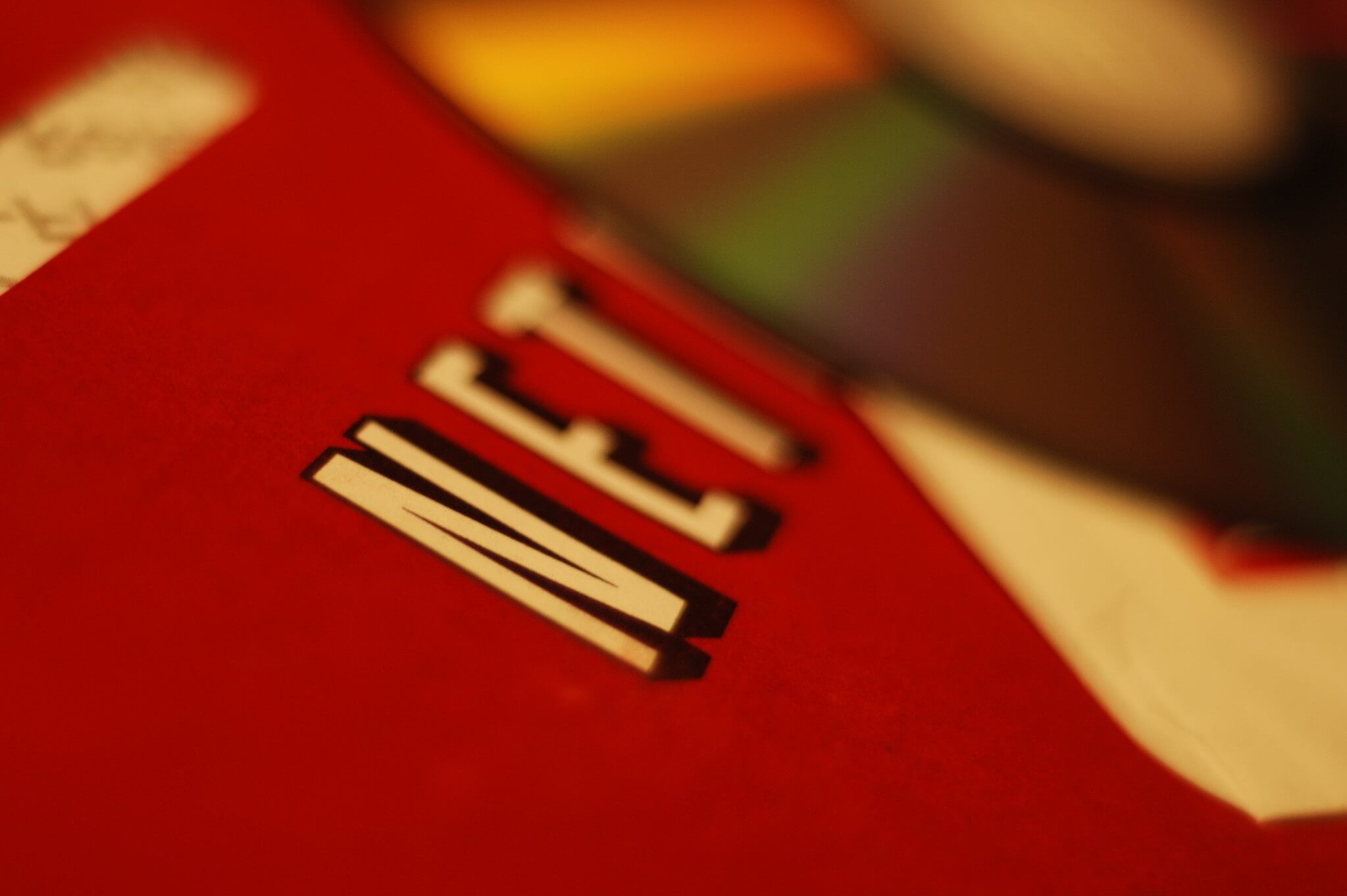
Netflix shipped its first DVD, Beetlejuice, in 1998, and mailed its last on September 29, 2023, after sending 5.2 billion movies to more than 40 million customers. Postal workers reportedly called the steady flow of red mailers the red waterfall.
The company stopped charging for any discs left unreturned after that final shipping date.
Redbox Kiosks
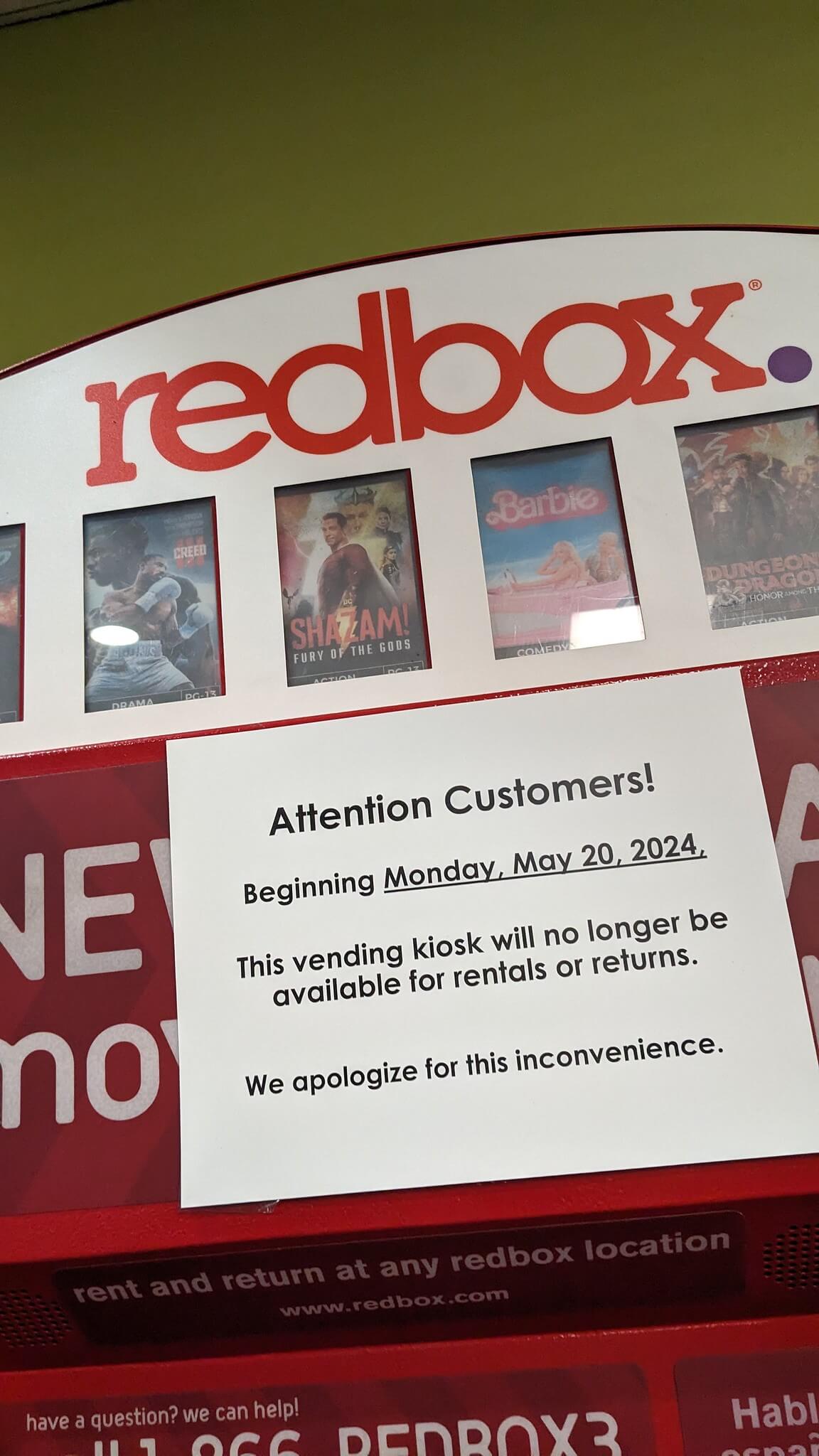
Redbox launched in 2002 and peaked in 2013 with about 43,000 kiosks and $1.97 billion in revenue. The bright red machines sat outside grocery and drug stores, so a movie rental could be added to a milk run.
The service shut down in July 2024, when parent company Chicken Soup for the Soul Entertainment moved to Chapter 7 liquidation and roughly 24,000 kiosks closed.
Home Telephones From the Phone Company
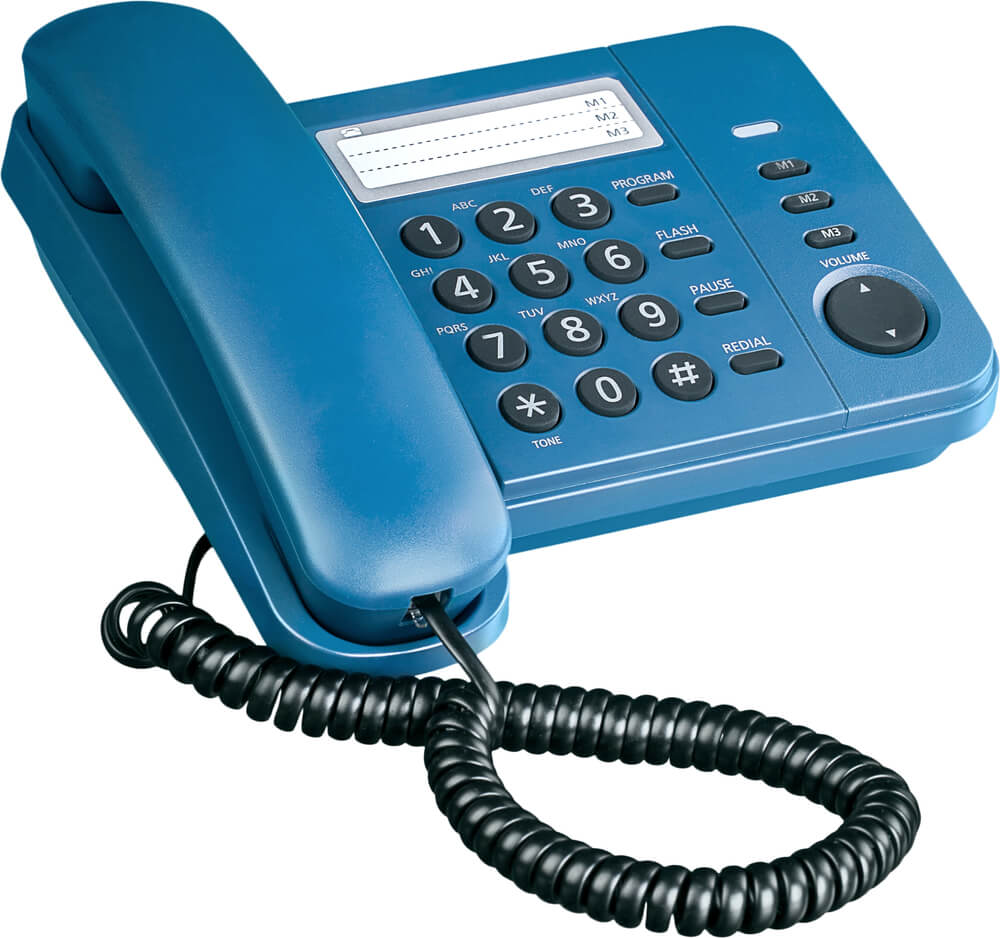
Before the Bell System breakup took effect in 1984, about 55 million consumers leased their telephones. After the breakup the leased equipment became the property of AT&T, and more than 5 million customers kept leasing their phones anyway.
A New Jersey woman featured in a 2004 news report kept leasing her rotary phone until a friend finally noticed the small monthly fee on her bill.
Television Sets in Britain

Renting a television was a normal household arrangement in Britain, and Radio Rentals, founded in 1930, became the largest television rental group in the country. By 1968 it had 1.6 million subscribers, the same year Thorn Electrical Industries acquired it.
The company later added videorecorders to the list of things it would rent.
Radio Sets in Brighton
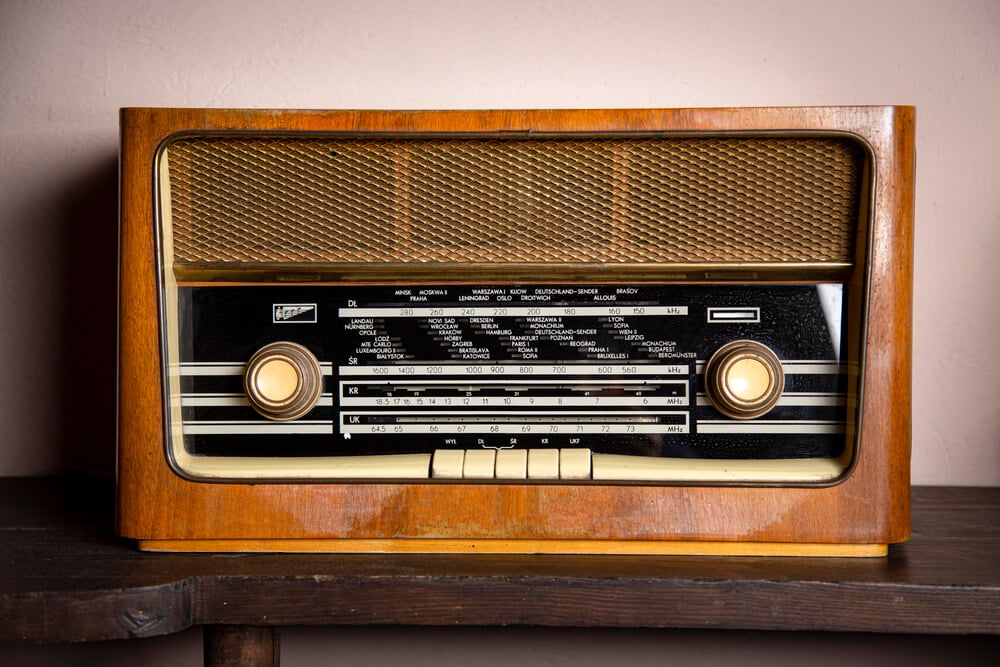
Percy Perring-Thoms, a radio dealer in Brighton, founded Radio Rentals in 1930 to rent out radio sets, and the first year’s turnover came to just £780. By 1936 it was a public company with about 50,000 rental customers.
By its silver jubilee in 1955 it counted more than 280,000 radio subscribers.
Telephone Answering Equipment
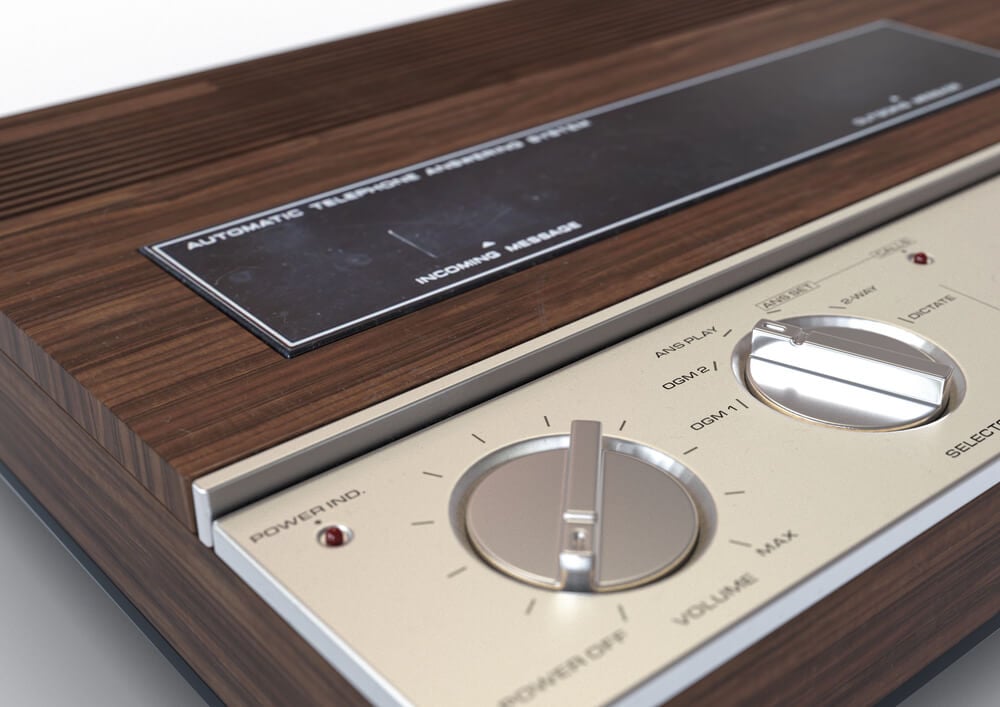
In 1962 Radio Rentals acquired Recordacall, a company that rented telephone answering equipment. That same year the group picked up the Baird Television brand, and in October it acquired the Dawes Radio Group.
The purchase shows how far the rental model reached beyond the living room and into the hallway table.
Carpet Cleaners From the Grocery Store
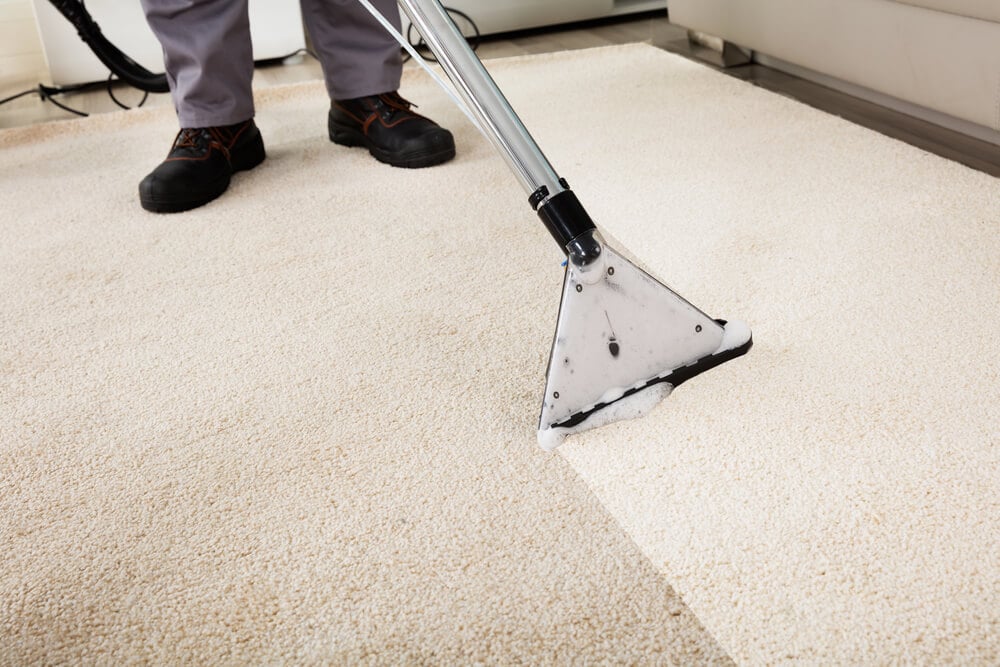
Rug Doctor was founded in 1972 in Fresno, California, by a professional carpet cleaner named Roger Kent. The machines soon turned up in grocery and hardware stores, and they are now available at roughly 35,000 retail locations.
A 24-hour rental is listed at $39.99 at many of them, though pricing varies by location.
Audiobooks From Cracker Barrel

Cracker Barrel launched its Books-on-Audio program around 1990, letting travelers buy an audiobook and return it to any location for credit, minus a fee. By 2002 the chain had 457 locations, which turned a highway restaurant into something close to a lending library for long drives.
Libraries and truck stops sold audiobooks too, but the drop-off-anywhere return was the feature that made it work like a rental.
Rent-to-Own Televisions
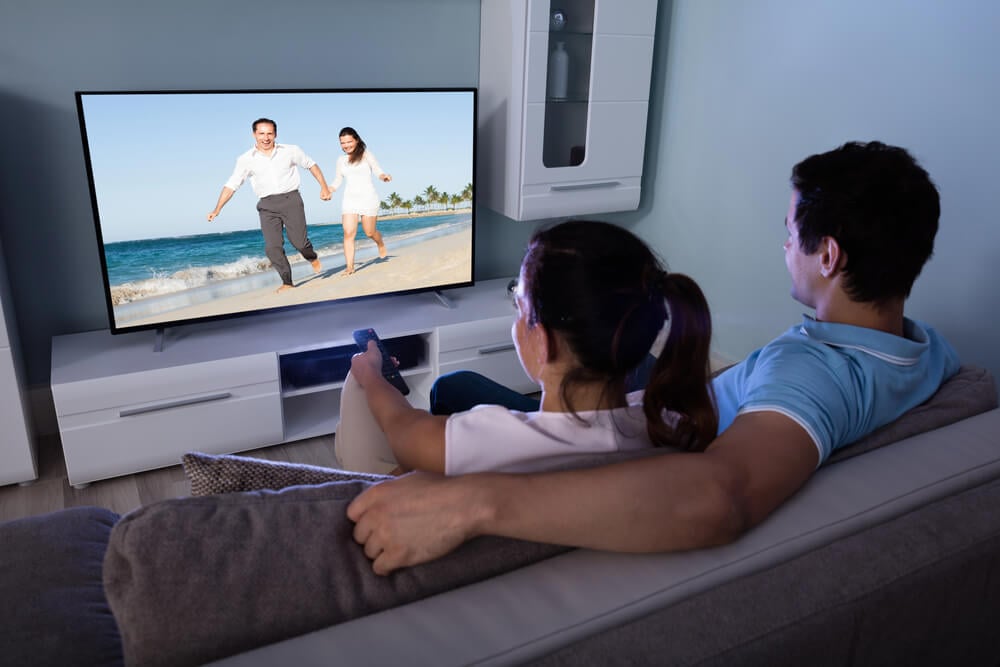
Ernie Talley opened Mr. T’s TV Rental in Tulsa, Oklahoma, in 1960, which Rent-A-Center’s company history describes as the first rent-to-own store. The idea was to rent merchandise with the option to own it, so a family could take a set home without paying the full price upfront.
The company that became Rent-A-Center came together much later, when Renters Choice acquired the Rent-A-Center chain in 1998 and took its name.
TV and VCR Combinations
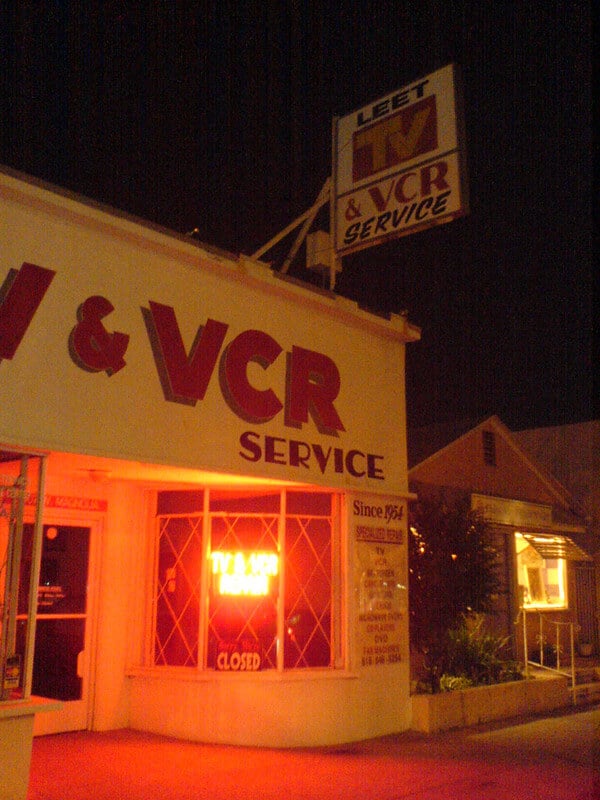
A 1995 trade-magazine advertisement from the rental division of Thomson Consumer Electronics and GE listed a 13-inch KitchenVision TV/VCR combination and a 19-inch TV/VCR combination among the sets made for rental dealers. The kitchen-sized model was aimed at a corner of the house that used to have only a radio.
Combination units were a natural fit for renting, since one delivery and one monthly payment covered both machines.
Camcorders for Family Events
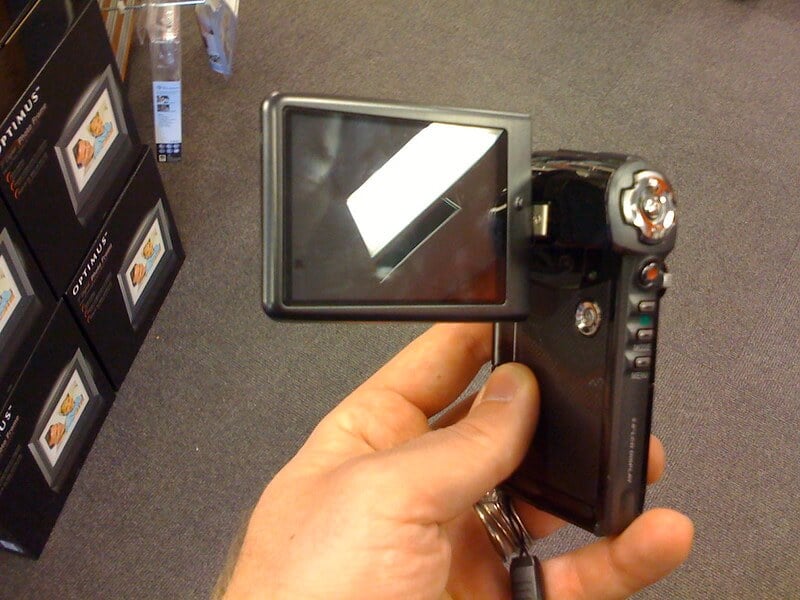
The same 1995 rental-division advertisement included a full-size VHS camcorder, listed alongside a 4-head hi-fi stereo VCR and a 46-inch projection television. For rental dealers, a camcorder was one more piece of home-video equipment that families might want without buying.
The rest of the lineup shows how many pieces of the home-video setup were available to rent rather than own.
Army Surplus Chairs
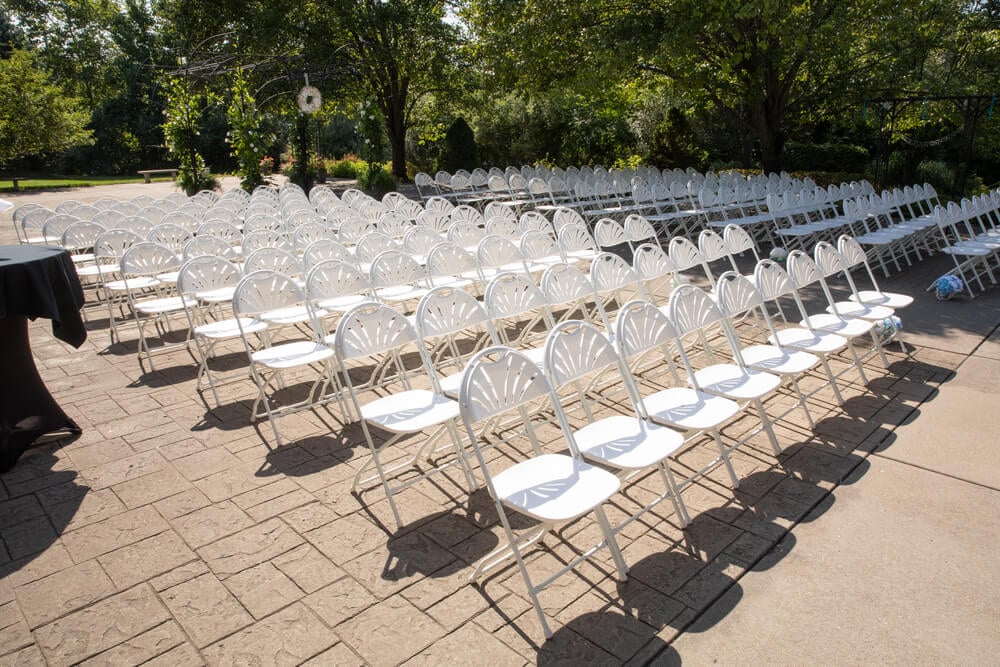
Charles Loudermilk Sr. began renting out Army surplus chairs in 1955 and later founded Aaron Rents. By 1987 the company, after a long history in ordinary rentals, was moving into rental-purchase in a big way, according to a rent-to-own trade magazine of that year.
A rental business that began with folding seating grew into one of the better-known names in furniture and electronics rentals.
Jewelry on a Rental Plan

A 1987 issue of Progressive Rentals, a rent-to-own trade magazine, ran a feature asking whether jewelry would work for rent-to-own and noted that some dealers were already trying it. The same publication was full of listings for televisions and video recorders, which made rented jewelry look like an odd neighbor.
It is a reminder that dealers were willing to test almost anything that families might pay for over time.
The Habit of Giving Things Back
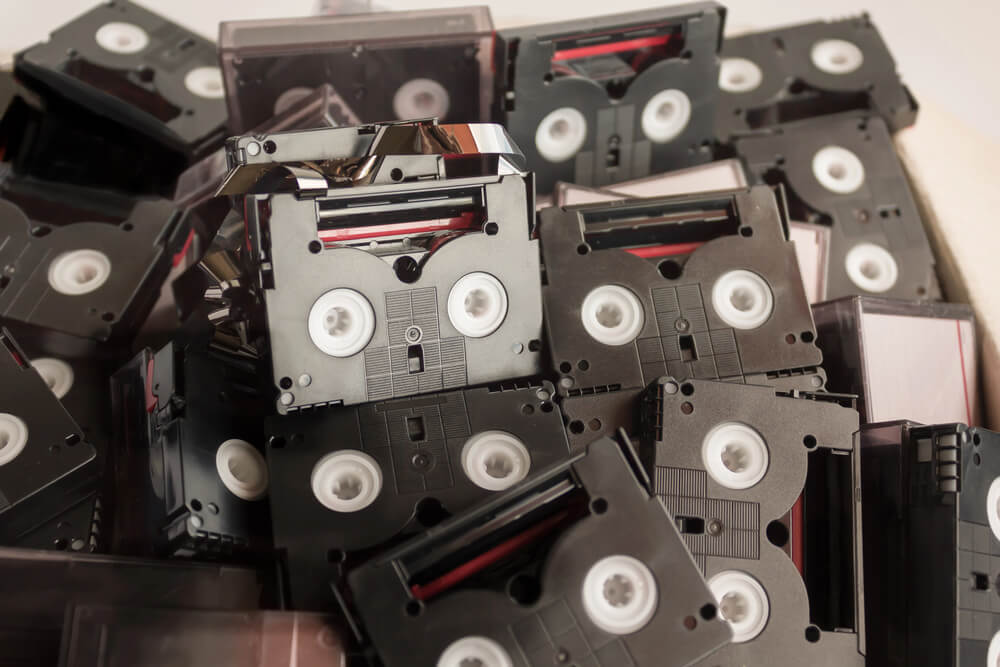
Every item here came with a return date, a monthly fee, or a drop-off counter. That structure forced small decisions: pick one movie or two, buy the set or keep paying, return the cleaner before the 24 hours ran out.
Households learned to treat access as something to schedule.
The rental economy did not vanish so much as move onto screens. Subscriptions now do what rent-to-own dealers and phone companies once did, collecting small regular payments for things that never become the customer’s.
What disappeared is the trip, and with it the small ritual of choosing together.
More from Go2Tutors!

- 27 Silver Dollars and Half Dollars Worth Keeping
- 28 Restaurant Menu Items Nobody Orders Anymore
- 17 Places Built in Seemingly Impossible Spots
- 27 Vintage Rings Worth More Than They Look
- 25 Restricted Sites Tourists Can’t Enter
Like Go2Tutors’s content? Follow us on MSN.