28 Old Phone Habits Younger People Never Knew
Today’s phone travels from room to room, stores every number, and never needs to be hung up. Earlier generations lived with a landline fixed to the wall, a cord that reached only so far, and a set of habits that nobody had to teach because every household followed them.
Those rules disappeared quietly, one gadget at a time. The habits below belonged to a world where a telephone was a household fixture rather than a personal device.
Some were practical, some were polite, and a few were just a way of getting through the day.
Waiting for the Rotary Dial to Return
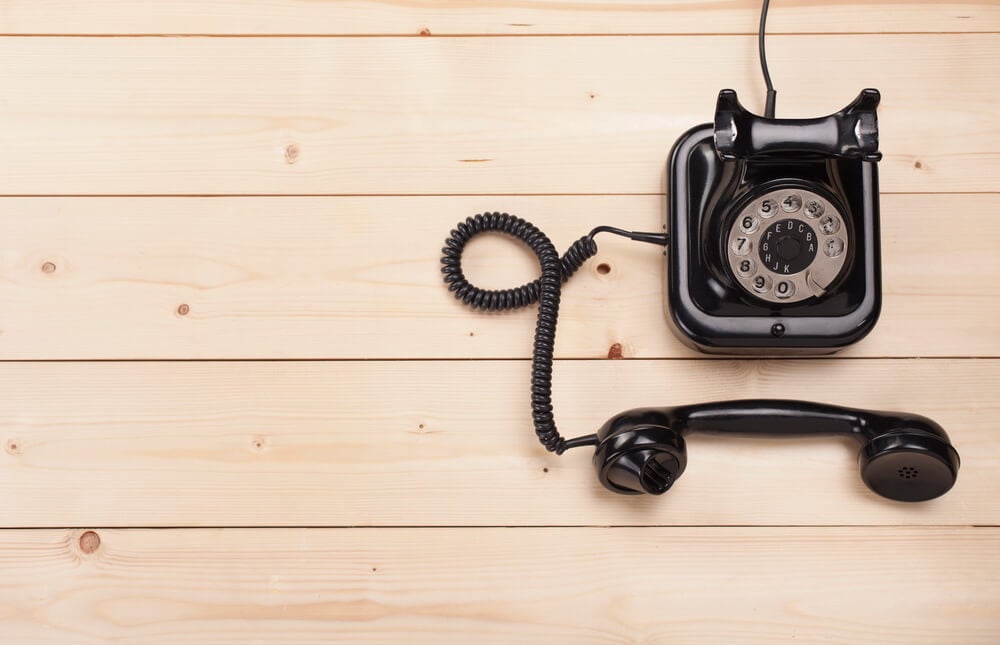
Dialing a rotary phone meant sliding a finger into a numbered opening, pulling the wheel to a stop, and letting go. The dial spun back by itself, and callers could not enter the next digit until it finished.
A number heavy on zeros and nines took noticeably longer than one made of ones and twos.
Asking the Operator to Place the Call
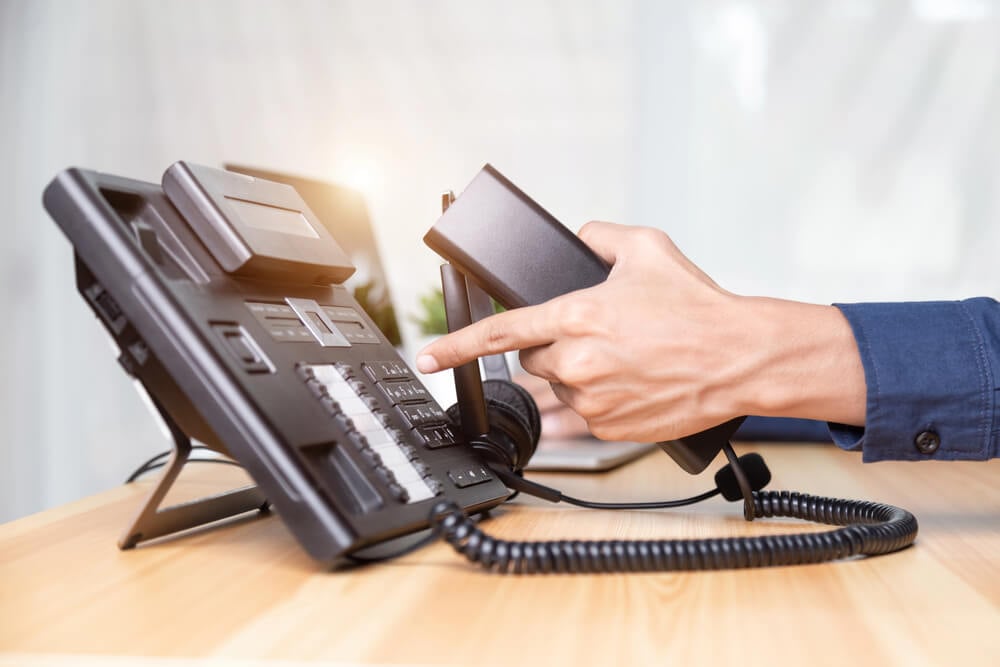
For much of the early telephone era, callers lifted the receiver and asked an operator to connect them. Direct dialing of long-distance calls began on November 10, 1951, when the mayor of Englewood, New Jersey, reached the mayor of Alameda, California.
Until local dialing reached each town, the voice on the line was often the only way through.
Phone Numbers That Began With Letters
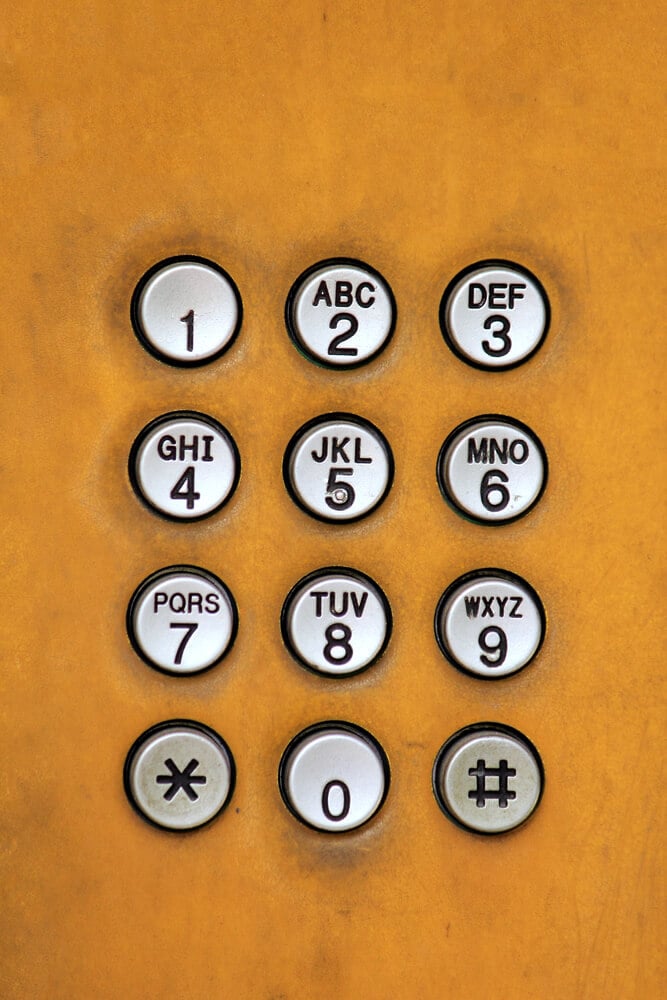
Local numbers once opened with the first two letters of an exchange name, followed by five digits. In the New Jersey towns that tested direct dialing in 1951, residents dialed ENglewood 3, ENglewood 4, or TEaneck 7 before the rest of the number.
The letters sat on the dial next to the digits, and people memorized the names as easily as the numbers.
Four-Digit Numbers in Small Towns
Many towns once had local numbers with only four, five, or six digits. A caller in a small community might reach a neighbor by dialing the last four digits alone.
The shorter numbers disappeared as the system added area codes and universal seven-digit dialing.
Sharing the Line With the Neighbors
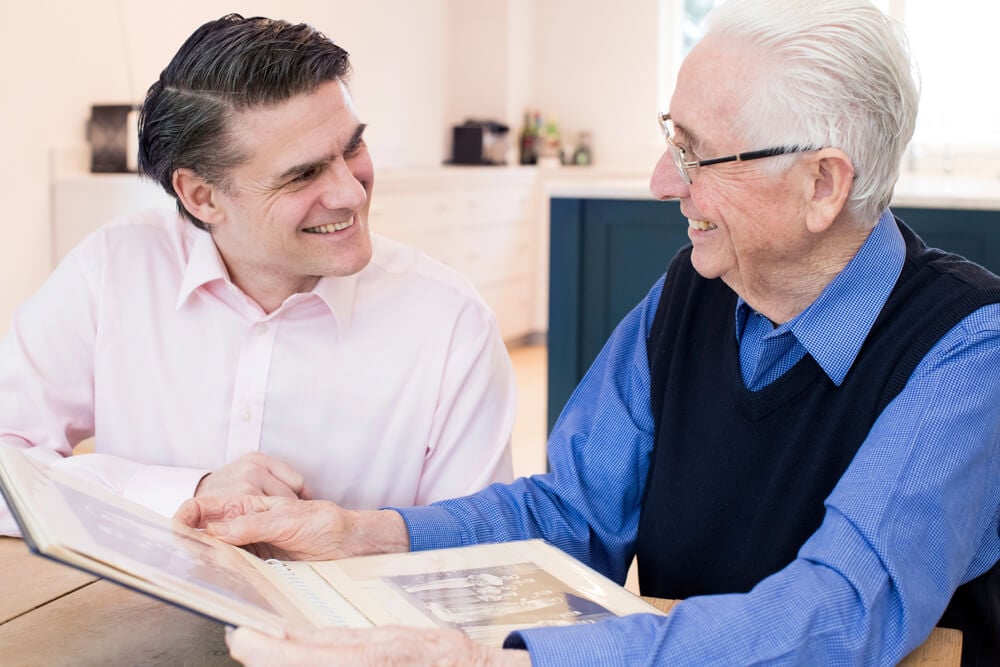
Party lines put several households on a single circuit, and each household had its own pattern of rings. A call meant for one family could be heard by the others, and picking up the receiver to listen in was a familiar temptation.
Polite households learned to wait their turn when a neighbor was already on the line.
Memorizing Every Number You Called

Without a contact list, people carried the numbers of friends, family, and favorite businesses in their heads. A child learned a home number and a parent’s workplace number as a safety measure.
A phone number was a piece of personal knowledge in the same category as a birthday or an address.
Hearing the Busy Signal and Trying Again

A busy signal meant the line was in use, and callers had no way to leave a message. The only option was to hang up and try again in a few minutes.
Teenagers developed an eerie sense of how long a friend’s phone call was likely to last.
Stretching the Cord Around the Corner

Long coiled cords allowed callers to carry the receiver into another room, and sometimes into a closet for privacy. A cord pulled around a corner sat in the doorway, tripping anyone who passed.
The tangled mess of curls was a permanent feature of family kitchens.
The One Family Phone in the Hall
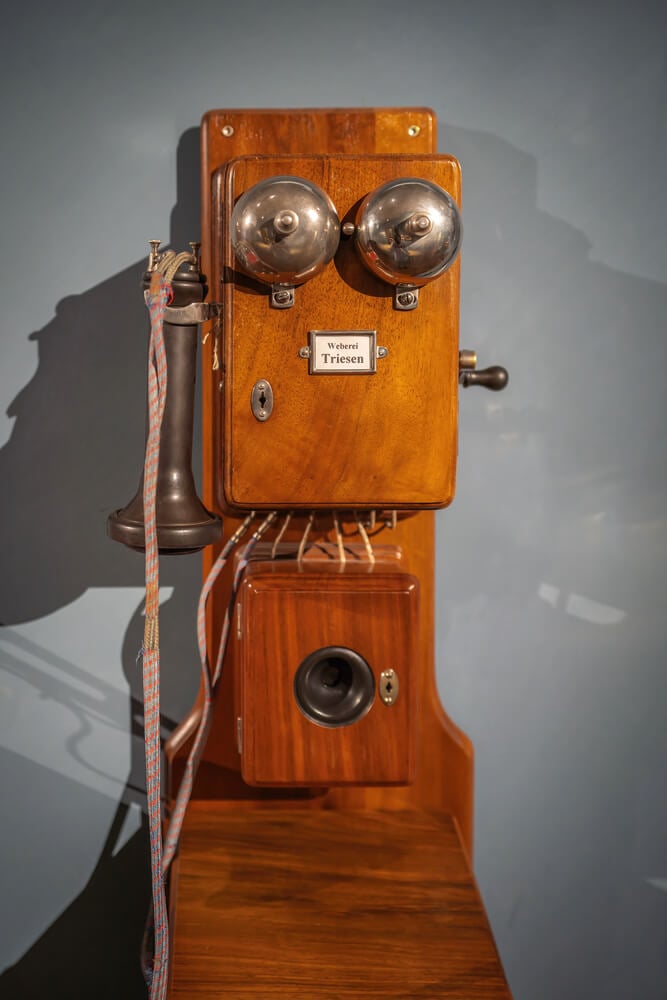
In many households a single telephone sat in a hallway or kitchen where everyone could hear. Calls were short because the line had to be shared, and a long conversation drew complaints from parents.
A teenager’s best chance at privacy was a corner and a lowered voice.
Lessons in Telephone Etiquette
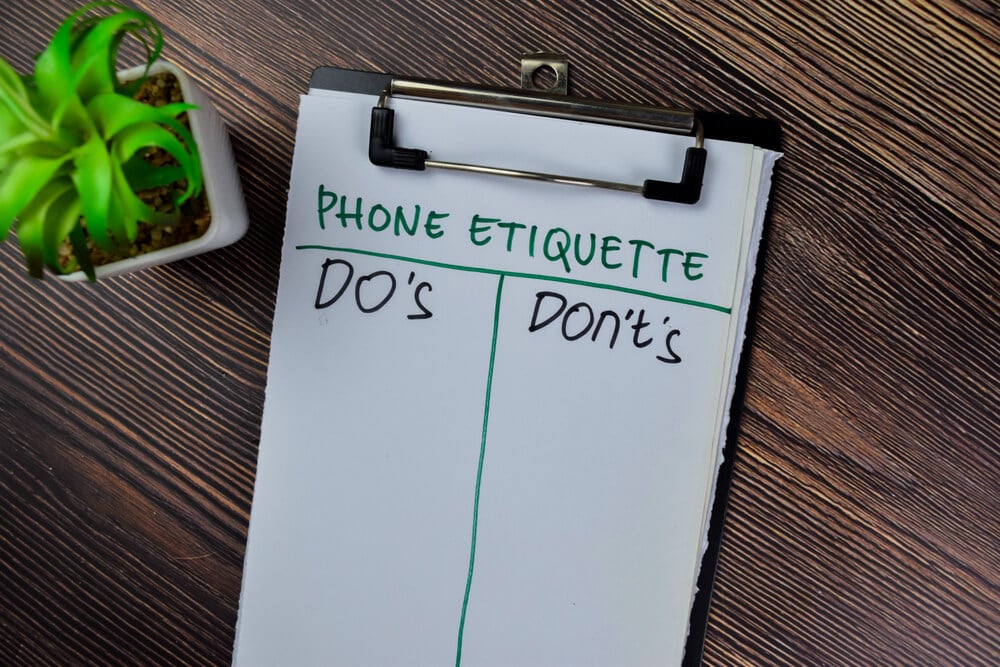
The telephone companies published guides explaining how to talk on the telephone, including a 1950 guide from the Bell Telephone Company of Pennsylvania. The booklets told customers how to answer, how to speak clearly, and how to treat the person on the other end.
A polite hello and a clear goodbye were taught, not assumed.
The Event of a Long-Distance Call
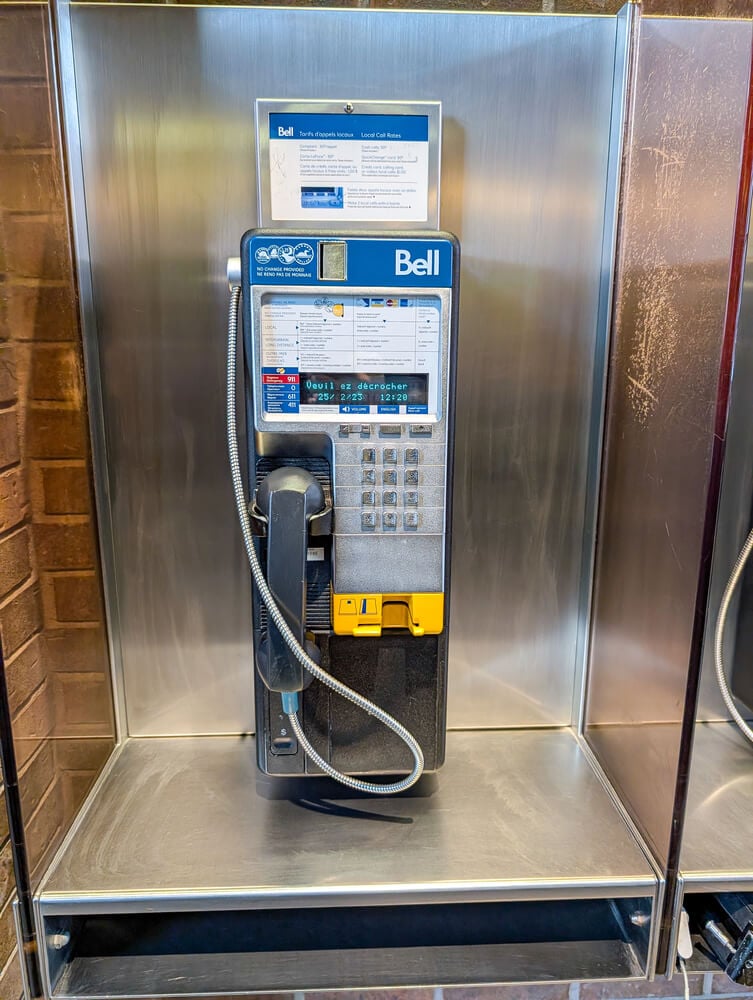
Long-distance calls once cost enough that families watched the clock. The first three minutes were priced at one rate, and each additional minute added up quickly.
Relatives rehearsed what they wanted to say, and the call was often an occasion rather than a casual chat.
Calling Collect to Send a Message

Callers who wanted the other party to pay asked an operator for a collect call. The operator asked the recipient whether to accept the charges, and a person could refuse.
The arrangement turned the bill around, which made it a favorite of students and travelers short on cash.
Carrying Coins for the Pay Phone
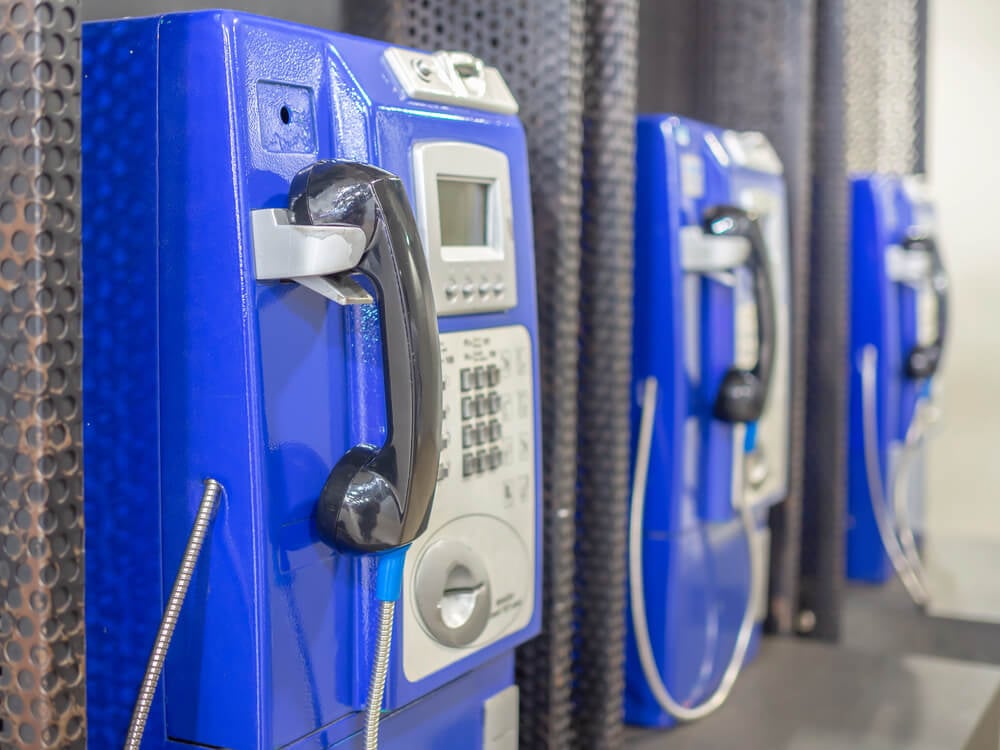
Pay phones demanded coins, and anyone who expected to use one carried a pocketful of change. A local call once cost only a dime, and a caller who ran short heard an operator or recording asking for more money.
The sound of a coin dropping into the slot told the caller that the connection had begun.
Dialing 411 for a Number

Callers who did not know a number dialed directory assistance and asked an operator to look it up. The operator searched a collection of listings and read the answer aloud, sometimes after a pause.
People wrote the result on the nearest scrap of paper before it vanished.
Calling for the Time and Temperature

Many cities offered a recorded number that announced the current time and sometimes the temperature. Callers dialed it to set a clock or check the weather before a trip.
The recorded voice repeated the same format every few seconds, around the clock.
Booking a Wake-Up Call
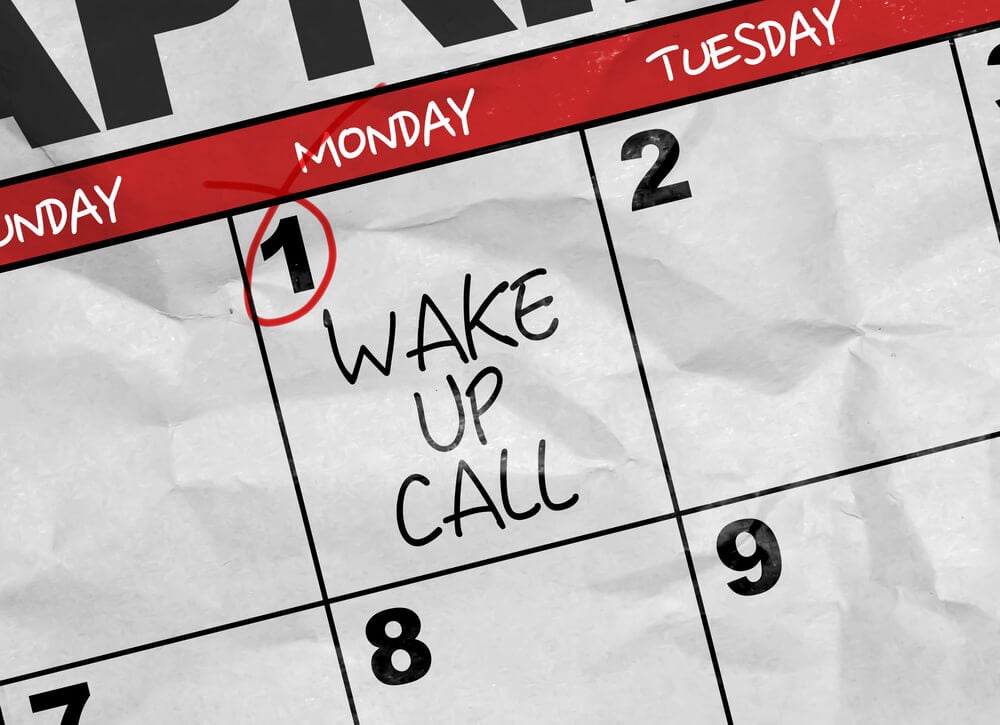
Hotels and operators offered wake-up calls, and guests arranged for a phone to ring at a set time. The caller on the other end was a person or a recording.
It was a primitive alarm that depended on someone remembering to dial.
Leaving a Message on Cassette
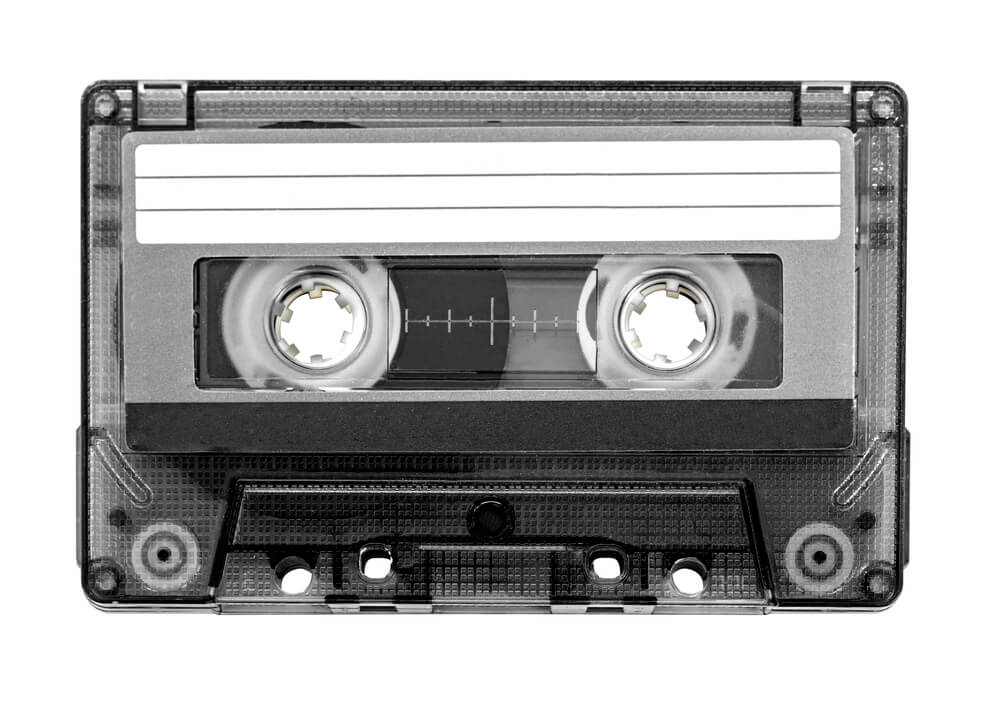
Answering machines recorded callers on small cassette tapes, and the beep told the caller when to talk. A blinking light or a counter showed that someone had left a message.
Families played the tape on return and sometimes kept a recording of a good message for years.
Writing Messages on the Notepad by the Phone
A pad and pen sat next to the phone in most households, because no one had a way to save a message digitally. Family members wrote down who called, the number, and a time.
A stack of such notes on the counter was the day’s missed-call log.
Listening in on the Extension
Many homes had extension phones in more than one room, and anyone could lift a receiver and join a conversation. Parents and siblings sometimes listened in without announcing themselves.
A faint click or a breath on the line was a signal that someone had joined.
The Howl of an Off-the-Hook Phone
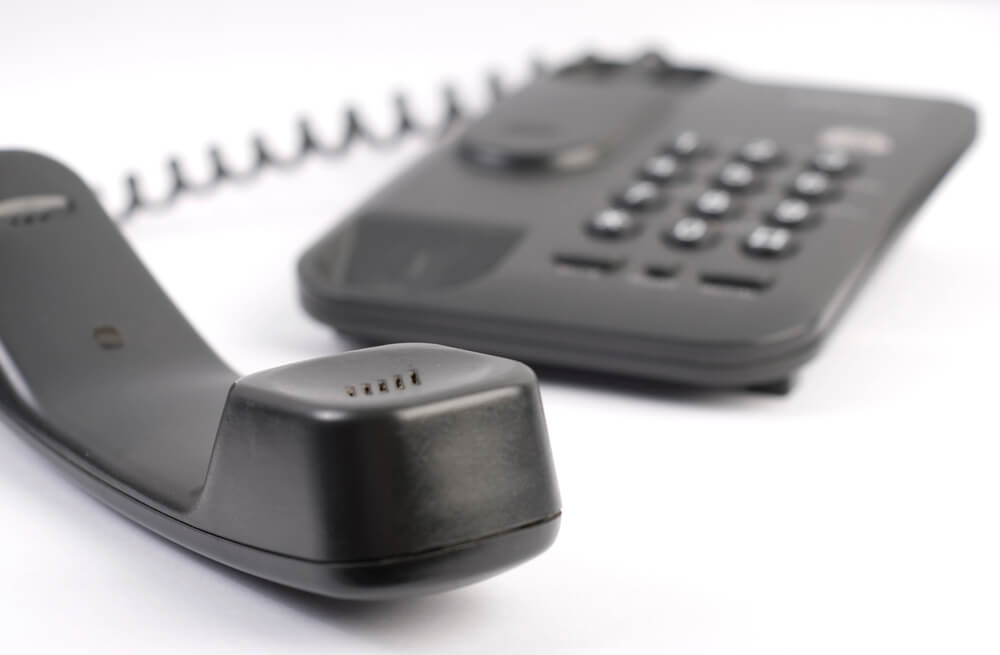
A receiver left off its cradle produced a loud, insistent tone after a while. Some people left a phone off the hook deliberately to avoid calls during a nap or a meal.
The sound told everyone in the house that someone had forgotten to hang up.
Calling the Radio Station to Request a Song

Listeners phoned local stations to ask for a song, and the lines were often busy. The disc jockey might answer, read a dedication, and play the record.
A busy signal meant that other listeners had the same idea.
Renting the Phone From the Phone Company

Before the breakup of the Bell System in 1984, most customers leased their telephones instead of owning them. The equipment belonged to the telephone company, and a monthly fee covered both the service and the device.
A household that wanted a second phone in another room paid extra.
Paying Extra for Touch-Tone
The Bell System introduced Touch-Tone service on November 18, 1963, in Carnegie and Greensburg, Pennsylvania. It was sold as a premium service that cost an extra $1.50 a month over regular dial service.
By the end of 1976, 70 percent of Bell System lines could provide Touch-Tone, but only 30 percent of those had it installed.
Slamming the Receiver Down

A heavy plastic handset made a satisfying crash when it landed in its cradle. Angry callers ended an argument by slamming the receiver, and the sound traveled down the line.
A tap on a glass screen offers nothing comparable to that kind of punctuation.
Dialing a Recorded Joke or Prayer

Many cities offered recorded lines that played a joke, a prayer, or a sports score when a caller dialed the number. Children called them for entertainment, and adults called for comfort or news.
The messages changed daily, which gave callers a reason to try again tomorrow.
Ducking Into a Phone Booth
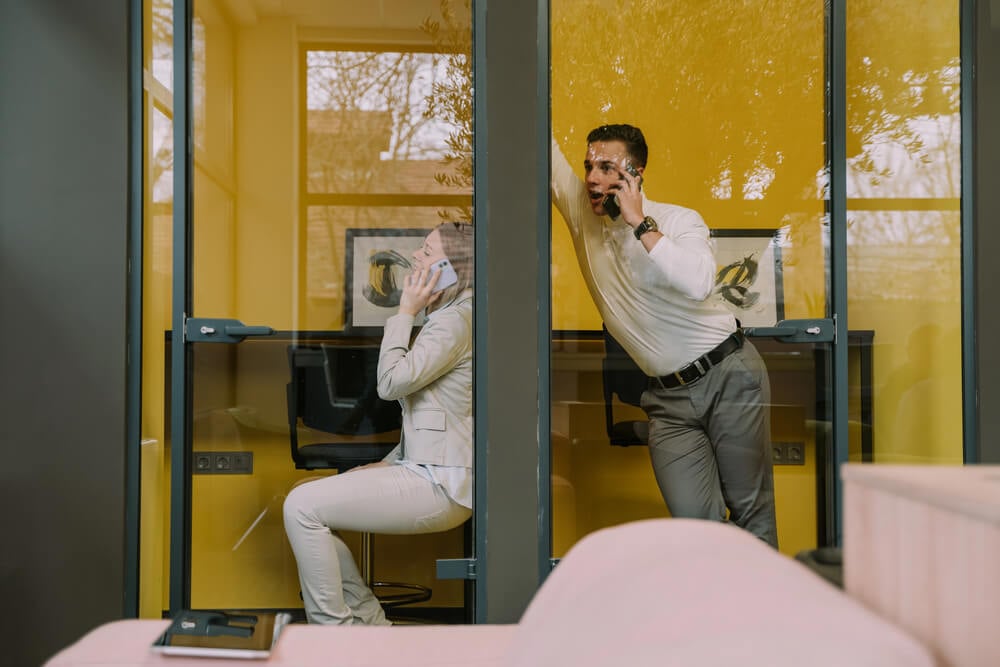
Public phone booths offered a closed door, a seat, and a little quiet on a busy street. A caller could drop in a coin and talk without competing with traffic.
The booths became so common that people stopped noticing them until they disappeared.
Writing a Number on Your Hand
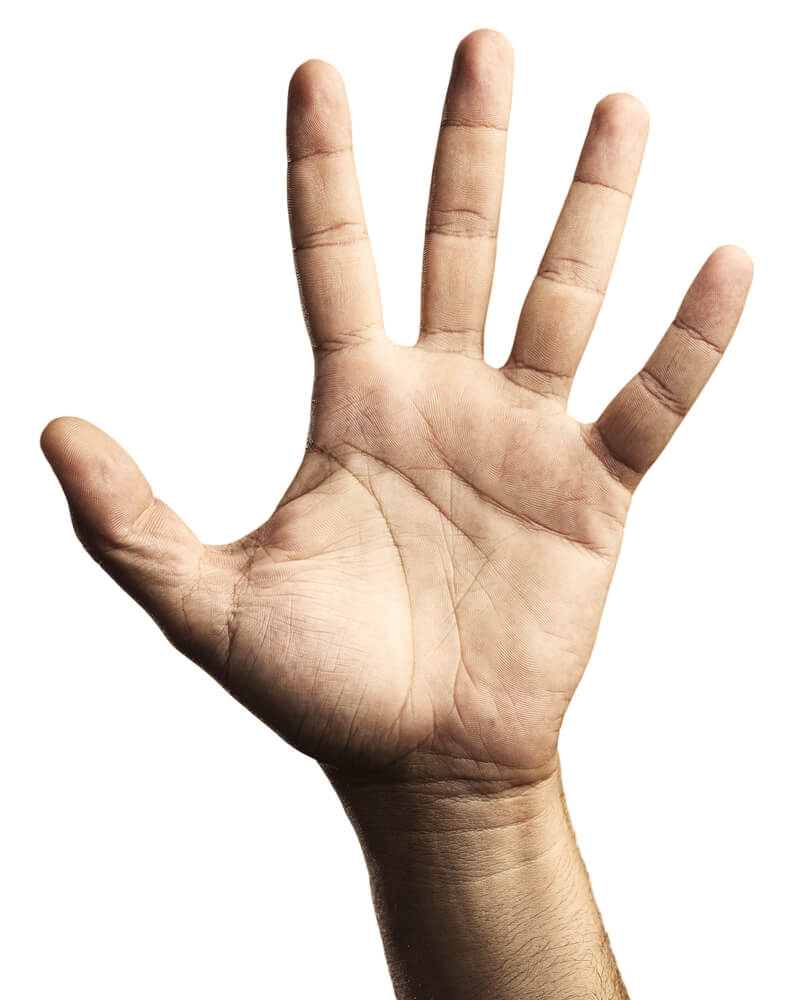
Someone handed over a number with no pen in reach, and the nearest surface was a hand or a matchbook cover. People scribbled digits on skin, napkins, and the back of an envelope.
The number survived only until the next hand wash.
Asking Who Was Home

Callers dialed a house and asked for a specific person by name, since the phone belonged to the household rather than an individual. A parent might answer and take a message or call a child to the phone.
The routine meant every caller was introduced to the family first.
The Tether and the Cord
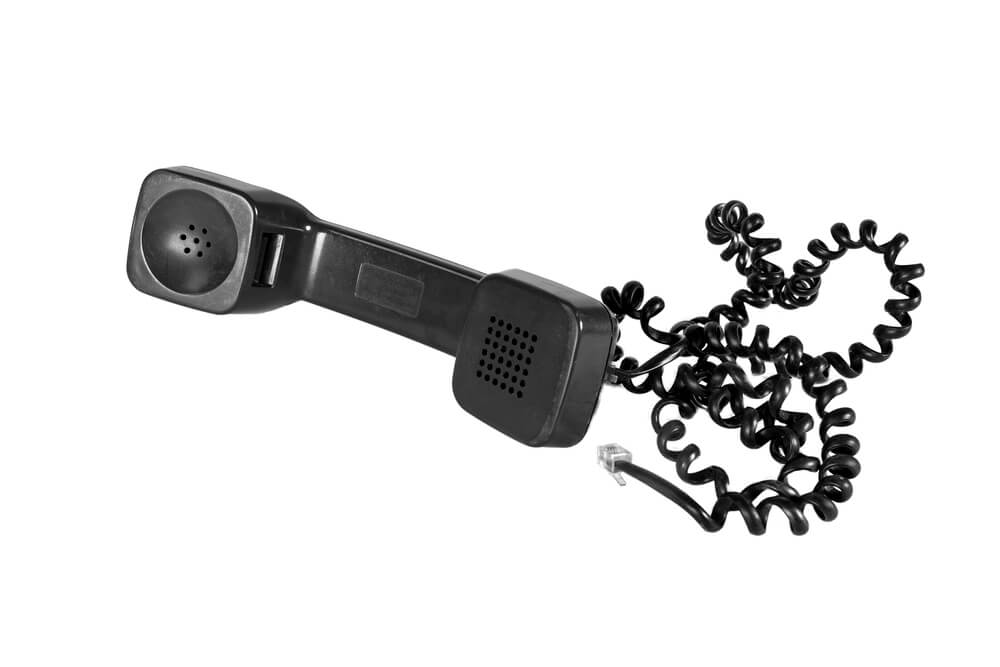
A landline kept people physically in one place, tied to a cord and a hallway. That limit shaped the rhythm of family life, from the dinner hour to the hour of the late-night call.
The habits of the era were not nostalgia but practical responses to the way the machine was built.
Younger people grew up with a phone that follows them everywhere, and they treat the old rituals as quaint. The older generation learned a different set of skills: patience, memory, and a willingness to let a call wait.
Both groups are talking to the same people, in very different ways.
More from Go2Tutors!

- 27 Silver Dollars and Half Dollars Worth Keeping
- 28 Restaurant Menu Items Nobody Orders Anymore
- 17 Places Built in Seemingly Impossible Spots
- 27 Vintage Rings Worth More Than They Look
- 25 Restricted Sites Tourists Can’t Enter
Like Go2Tutors’s content? Follow us on MSN.