Rare Minerals Worth More Than Gold
Gold has always been seen as the ultimate treasure. People have fought wars over it, built empires with it, and dreamed of finding it buried in their backyard. But while gold sits pretty at around $2,000 per ounce, there are minerals on our planet that make gold look like pocket change.
These rare treasures come from deep within Earth’s crust, formed through millions of years of incredible pressure and heat. Some are so rare that only a handful exist anywhere in the world. Let’s explore the minerals that make gold collectors look twice.
Jadeite

Imperial jadeite stands as the king of expensive minerals. Jadeite can sell for up to $3 million per carat, making it more valuable than almost any other substance on Earth.
This brilliant green stone comes mainly from Myanmar, where it’s been treasured for centuries. The finest pieces have an almost glass-like transparency with a pure, vivid green color.
Burmese Jadeite boasts a pure green hue and strong Feng Shui energy, believed to attract wealth, peace, and good fortune. Only the most perfect specimens reach those mind-bending prices.
Pink diamond

Pink diamonds are nature’s rarest colored gems. Pink Diamond can reach $1.19 million per carat, putting them in a league of their own.
These diamonds get their color from a rare crystal structure change that happens during formation. Australia’s Argyle mine produced most of the world’s pink diamonds before closing in 2020, making existing stones even more precious.
The deeper and more vivid the pink color, the higher the price climbs.
Red diamond

Red diamonds are even rarer than their pink cousins. Red Diamond can cost $1 million per carat for high-quality stones.
Fewer than 30 true red diamonds are known to exist worldwide. The Moussaieff Red, weighing just over 5 carats, sold for millions and became famous as one of the world’s most expensive gems.
These diamonds get their red color from the same crystal defects that create pink diamonds, but the effect is much more intense.
Emerald

High-quality emeralds can rival diamonds in price. Emerald can reach $305,000 per carat for the finest specimens.
Colombian emeralds are considered the best in the world, known for their vivid green color and clarity. These gems form in very specific geological conditions, requiring the right combination of beryllium, aluminum, and chromium.
Most emeralds have visible inclusions, making flawless stones incredibly valuable.
Taaffeite
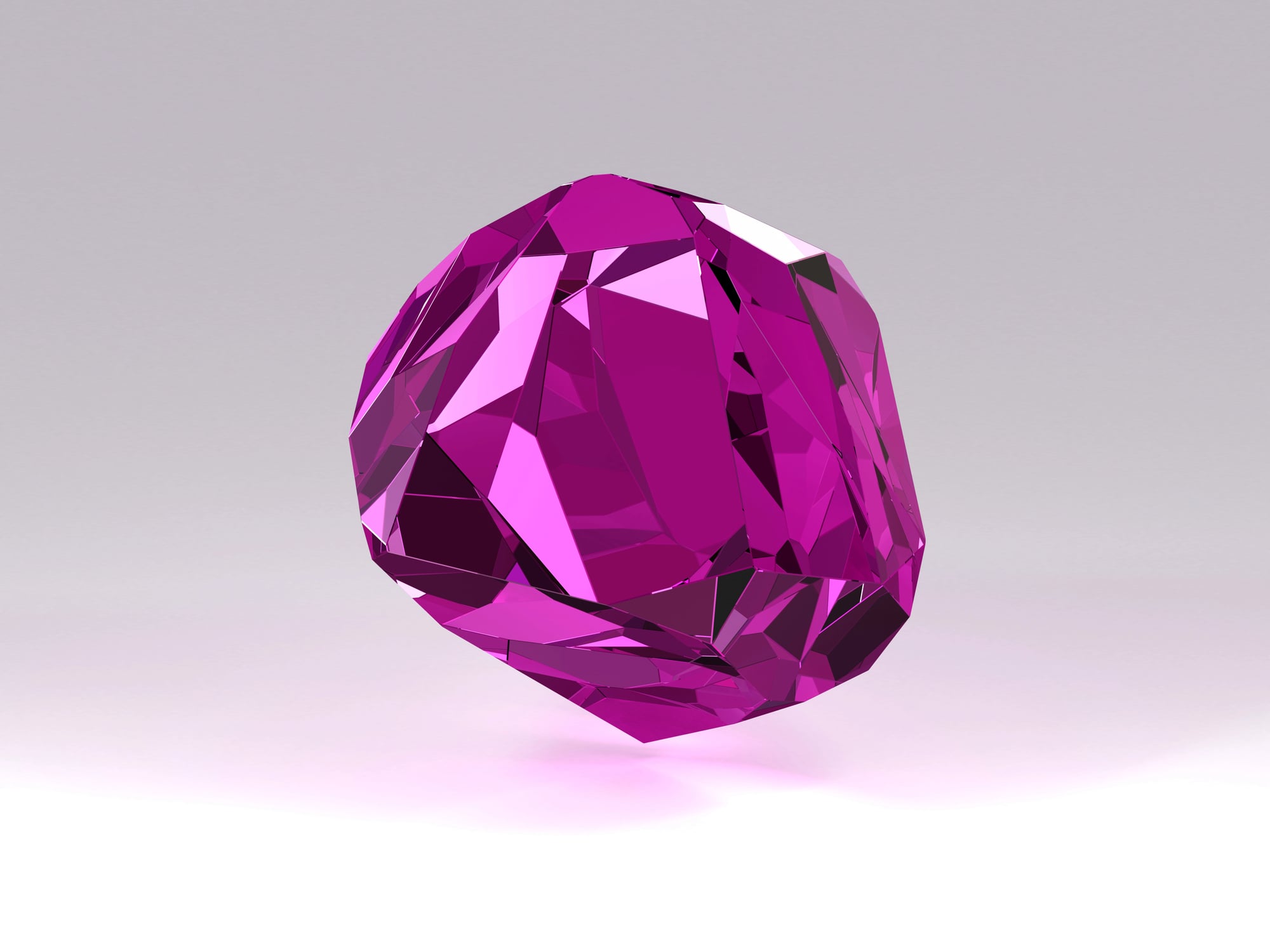
This lavender-colored gem is one of the mineral world’s best-kept secrets. Taaffeite averages €30,249, priced at $35,000 per carat.
The stone was first discovered by accident when a gemologist found it mixed in with other gems. Taaffeite ranges in color from green, pink, lilac, blue, violet, red to colorless.
Most specimens come from Sri Lanka and Tanzania, where they’re found in alluvial deposits washed down from mountain regions.
Grandidierite
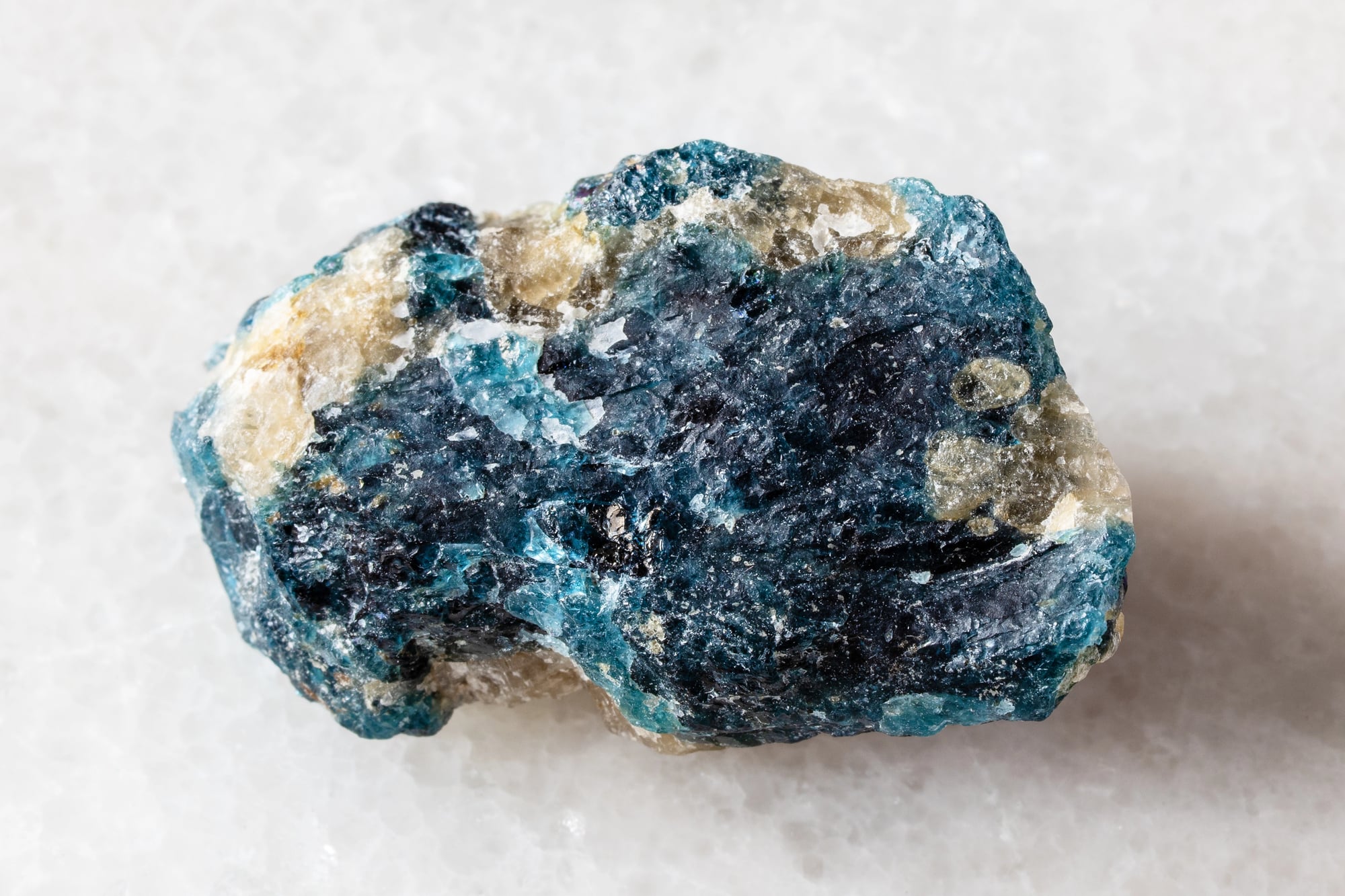
This blue-green mineral from Madagascar has captivated collectors worldwide. Grandidierite can cost $20,000 per carat for quality pieces.
The stone was named after a French explorer who first described minerals from Madagascar. Its beautiful blue-green color comes from iron impurities in the crystal structure.
Most grandidierite is too cloudy for gem use, making transparent pieces extremely valuable.
Rhodium

This silvery-white metal belongs to the platinum group and often costs more than gold. Rhodium is much more valuable than gold, part of the platinum group of metals, with the name coming from the Greek rhodon, meaning rose, for the rosy color of rhodium compounds.
It’s used mainly in catalytic converters for gasoline engines and in jewelry as a plating material. South Africa produces most of the world’s rhodium, making supply very limited.
Osmium

One of Earth’s rarest and densest elements, osmium has a unique place in the precious metals market. Osmium is one of the planet’s rarest elements, which is why it commands such a high price.
Its price hovers around $400 per troy ounce, and it’s been that way since the start of the 1990s, but that’s not the real price tag. The metal is incredibly difficult to work with because it’s so hard and brittle.
Most osmium comes as a byproduct of platinum mining.
Iridium

This platinum group metal is incredibly rare and valuable. Iridium is typically grouped with platinum and known as platinum-group metals, and these elements are rare on earth, but abundant in the rest of the universe.
Iridium is used in high-temperature applications and specialized electronics. The metal is so rare that most people will never see a pure sample.
Its name comes from the Latin word for rainbow, referring to the colorful compounds it forms.
Palladium

Currently one of the most expensive precious metals, palladium has seen dramatic price increases. Palladium is the most expensive of the four major precious metals – gold, silver, platinum, and palladium.
The metal is crucial for gasoline engine catalytic converters, and most of the world’s supply comes from just two countries: Russia and South Africa. This limited supply has pushed prices higher than gold in recent years.
Poudretteite

Discovered in Canada, this pale pink mineral is incredibly rare. Only a few localities worldwide produce gem-quality specimens.
The mineral forms in very specific geological conditions that rarely occur together. Most crystals are small and heavily included, making clear gems almost impossible to find.
When perfect specimens surface, collectors pay premium prices.
Black opal

While regular opal is relatively common, black opal from Lightning Ridge, Australia, commands incredible prices. The dark body color makes the play of colors more vivid and striking.
These opals form in ancient seabed sediments under very specific conditions. The best specimens show brilliant flashes of every color imaginable against a dark background.
Large, high-quality black opals can sell for more per carat than diamonds.
When rarity meets reality

These incredible minerals remind us that Earth holds treasures far more valuable than gold. The rarity of a mineral is determined by various factors, including the specific geological conditions required for its formation, the limited geographic regions where it can be found, and the difficulty in extracting and processing it.
While gold will always have its place in human culture, these rare gems and metals represent the ultimate in natural treasure. Most people will never own these minerals, but knowing they exist makes our planet seem even more amazing.
The next time someone mentions striking gold, you’ll know there are far more valuable treasures waiting to be discovered.
More from Go2Tutors!

- The Romanov Crown Jewels and Their Tragic Fate
- 13 Historical Mysteries That Science Still Can’t Solve
- Famous Hoaxes That Fooled the World for Years
- 15 Child Stars with Tragic Adult Lives
- 16 Famous Jewelry Pieces in History
Like Go2Tutors’s content? Follow us on MSN.



