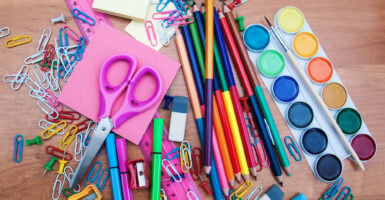
29 Old School Supplies Adults Now Collect
A pencil box from third grade can now sit in a glass case. Grown buyers who once carried these items to class are paying real money to get them back, and a surprising amount of the market runs on sealed packaging and unfaded colors.
Condition drives nearly every price below. Sun fading, dented corners, missing parts, and writing inside covers all pull values down, while unused stock with its original wrapper commands the most.
Mead Trapper Keeper
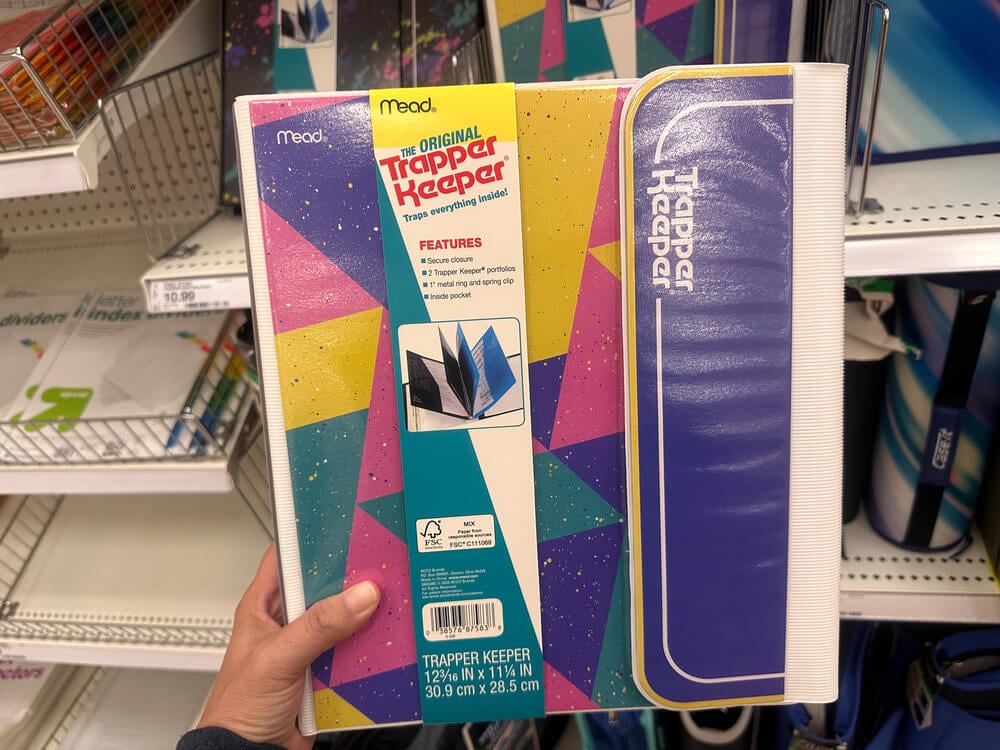
Introduced by Mead in the late 1970s, the Trapper Keeper held loose pages inside a folder that sealed shut with a hook-and-loop strap. Its covers of racing cars, rainbows, and geometric patterns became a status symbol on school buses.
Copies with an intact strap, unfaded cover art, and no ink inside fetch the best prices, and a sealed one is the real prize.
Lisa Frank Folders
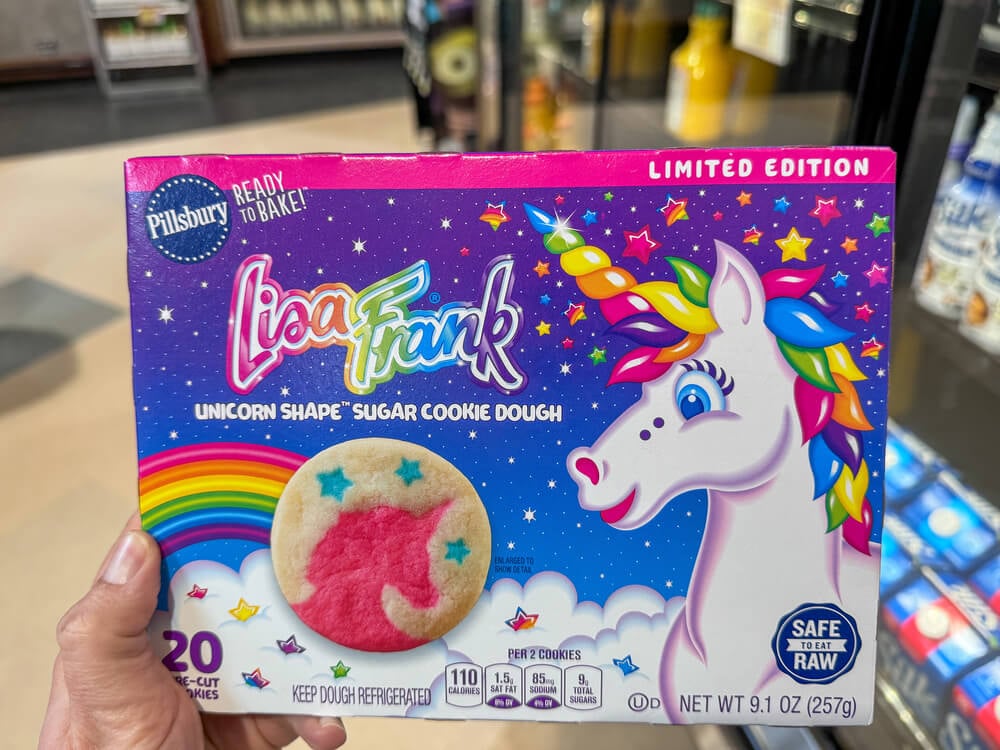
Lisa Frank, a company founded in Tucson, Arizona, covered school folders in neon rainbows, leaping dolphins, and unicorns during the 1980s and 1990s. The designs were printed on thin card, so creased corners and cracked pockets are common.
Unused folders still in their store packaging are the ones that bring serious money.
Crayola 64-Count Box With Built-In Sharpener
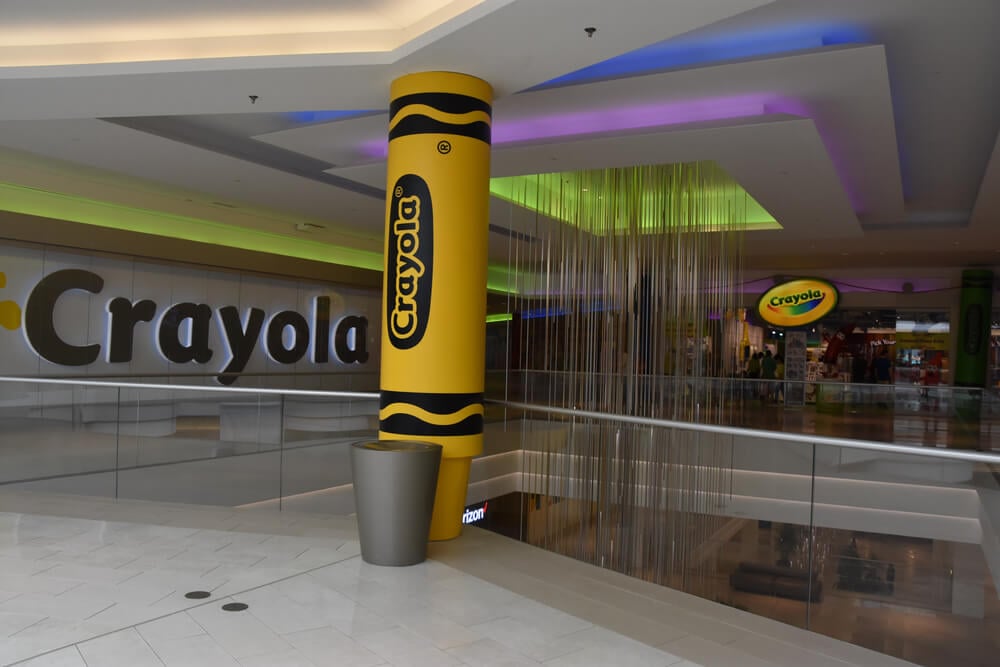
Crayola added a built-in sharpener to its 64-crayon box in 1958, and the tiered box became the classroom status symbol for decades. Collectors look for early boxes with the original crayon order and the sharpener unblocked by wax.
A box with crayons that are still sharp and unbroken is far more desirable than a worn one with melted stubs.
Aladdin Hopalong Cassidy Lunch Box
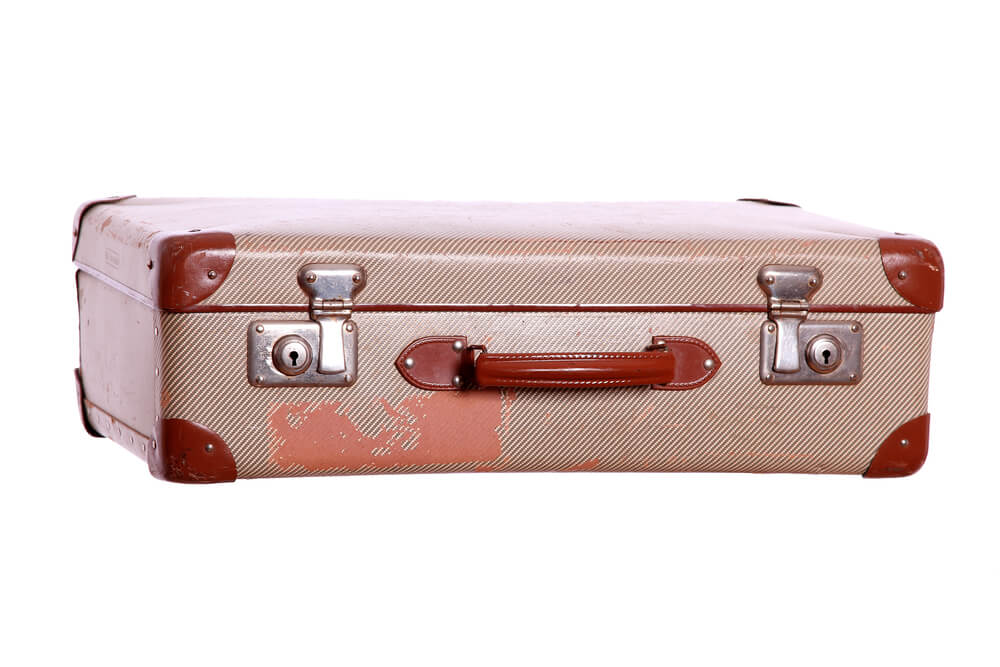
Aladdin Industries released a lunch box in 1950 decorated with the cowboy hero Hopalong Cassidy, and it is widely credited as the first lunch box built around a licensed character. Hundreds of thousands were sold in its first year, which launched a long run of metal boxes tied to television shows.
Rust, scratches, and a missing handle all slash the value, while a clean box with its matching bottle can bring several times more.
Metal Lunch Box With Matching Thermos
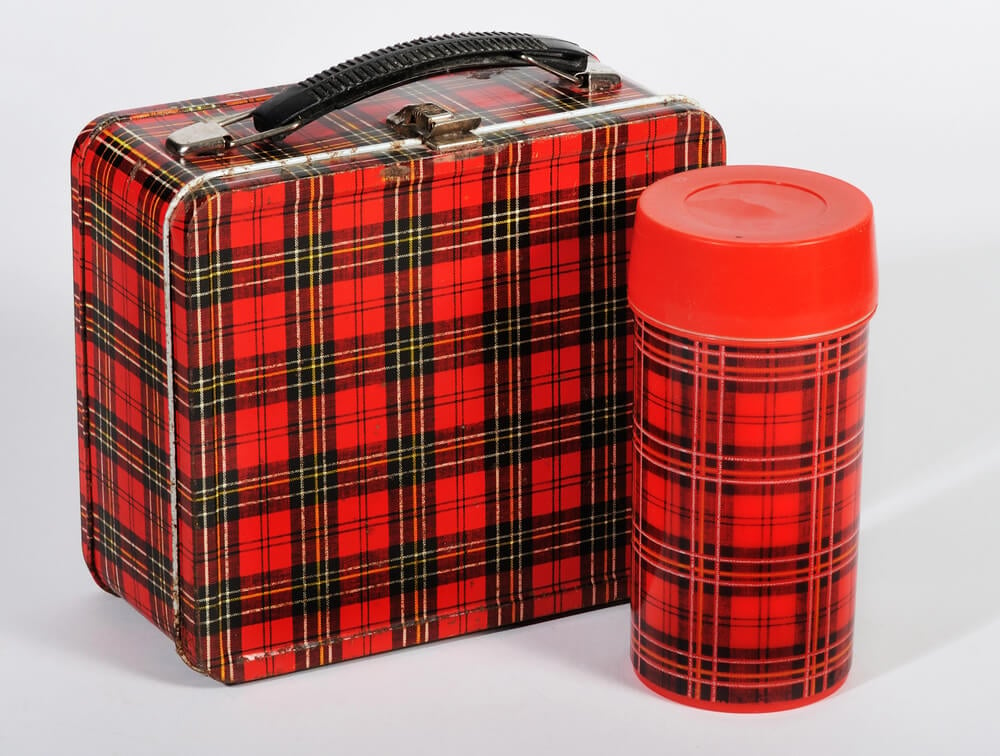
A lunch box without its original vacuum bottle is only half a collectible. Metal boxes from the 1950s through the 1970s were sold with a bottle bearing the same artwork, and the bottles were easy to break or lose.
Collectors pay a premium for pairs where the glass liner is intact and the cap seals properly.
Vintage Pencil Boxes With Sliding Lids
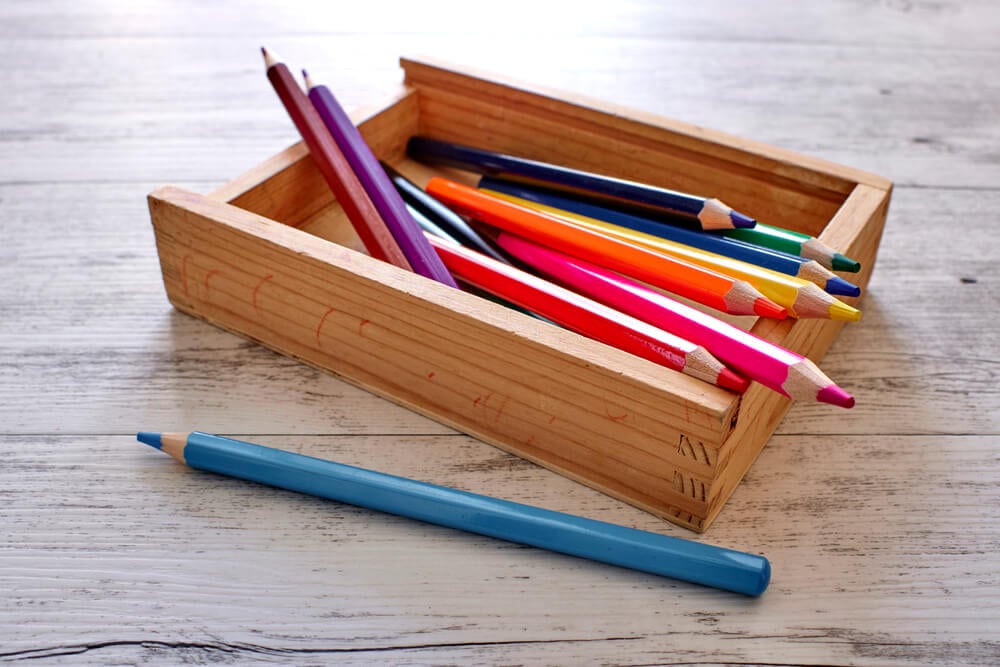
Cardboard and vinyl pencil boxes with sliding lids and snap tops lived inside school desks for generations. Most were thrown away when the school year ended, so surviving copies without splits or crushed corners are scarce.
Boxes with their original trays and printed designs still sharp are the most sought after.
Marbled Composition Notebook

The black-and-white marbled cover and the stitched, sewn binding of the composition book have barely changed in a century. Vintage examples with unused pages and uncracked spines appeal to collectors who want to display authentic period stationery.
Yellowed, brittle pages are a sign of age, but loose or missing signatures cut the price.
Pee-Chee Folders
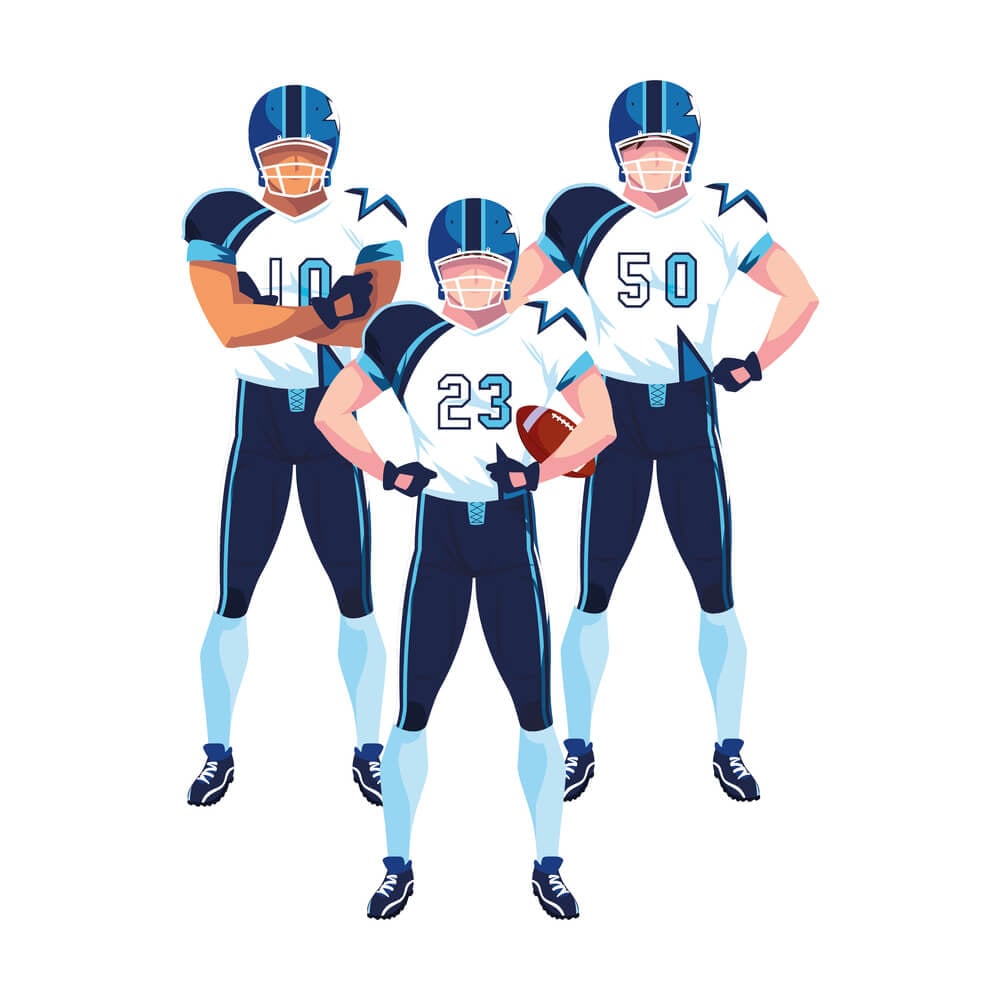
The Pee-Chee folder, with its plain yellow-tan cover and illustrations of athletes in action, was a staple of American school desks for much of the twentieth century. The thin card wore out quickly, which is why clean copies are uncommon.
Unused folders without ink doodles or tape stains are the ones that command a premium.
Eberhard Faber Pink Pearl Eraser
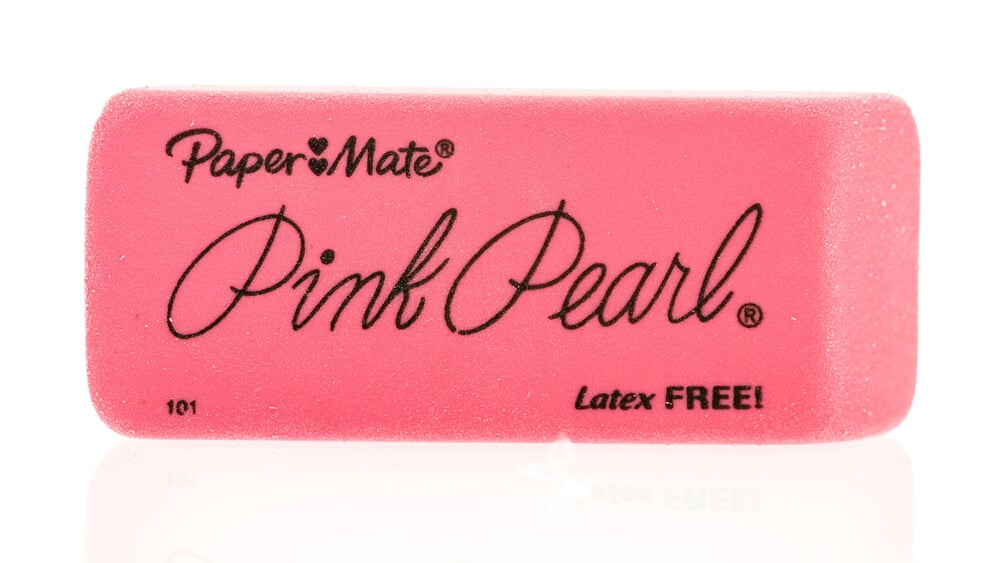
The Pink Pearl eraser, made by Eberhard Faber, was a wedge-shaped staple in school pencil cases for generations. Old erasers harden and crack with age, so a collector wants a boxed example that still has its original softness.
Sealed boxes or full-count display cards bring the highest prices.
Dixon Ticonderoga Pencils
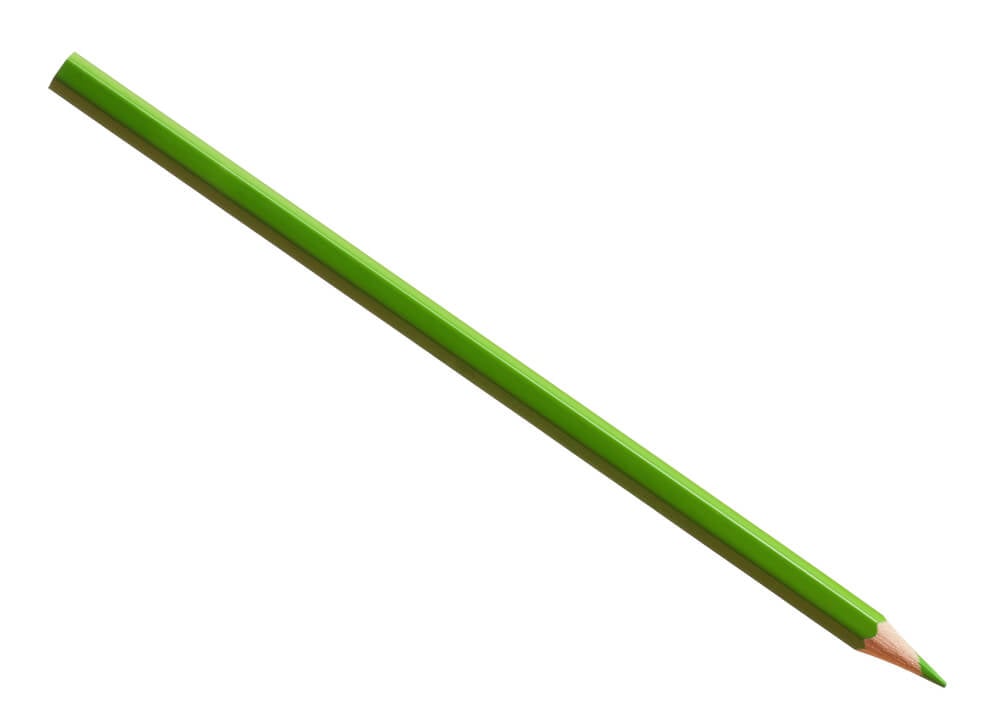
Dixon’s Ticonderoga pencil, painted in its familiar yellow with a green band, has been a classroom fixture since the early twentieth century. Collectors seek vintage boxes with period typography and unsharpened pencils inside.
A cardboard box that has not been crushed or water stained matters as much as the pencils themselves.
Big Chief Writing Tablets
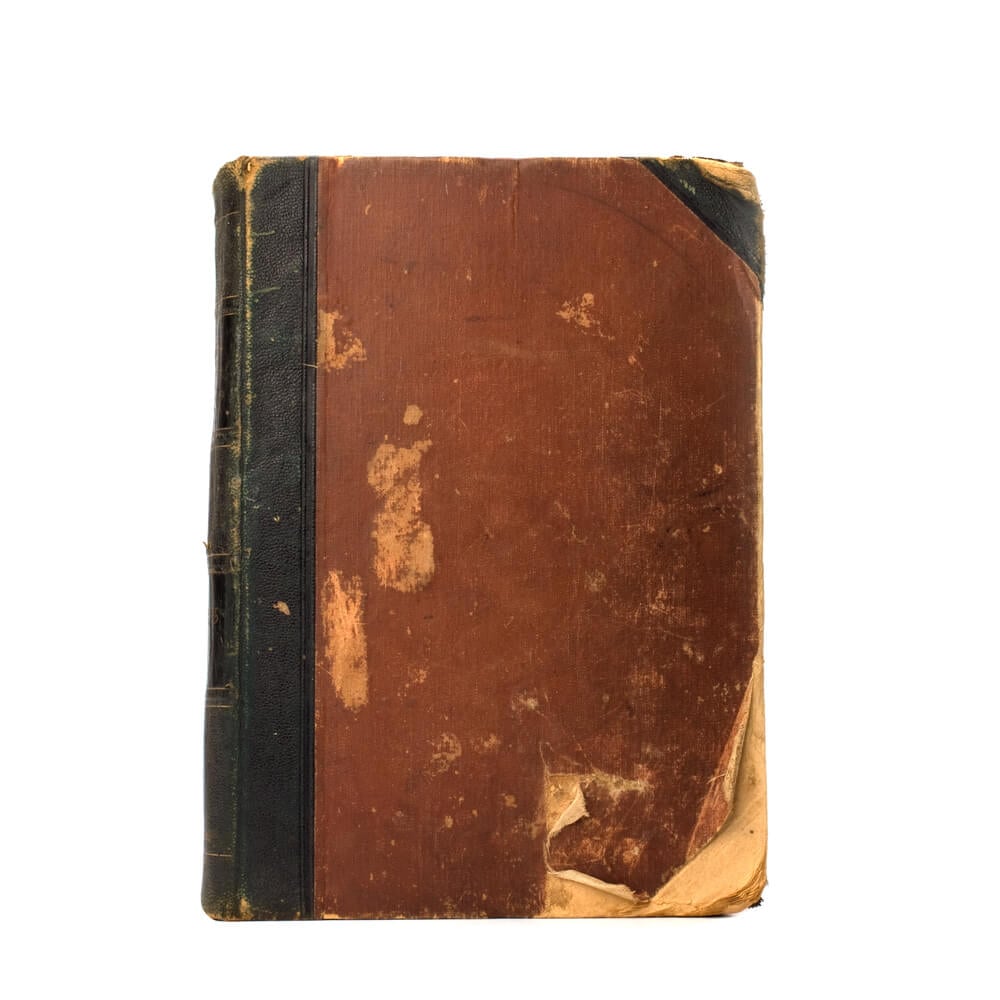
The Big Chief tablet, with its thick, rough paper and illustrated cover, was the first writing pad for generations of beginning writers. The paper is coarse and acidic, so unused pads often arrive yellowed and brittle.
Examples with intact covers and clean backing boards are worth a premium.
Esterbrook Fountain Pens
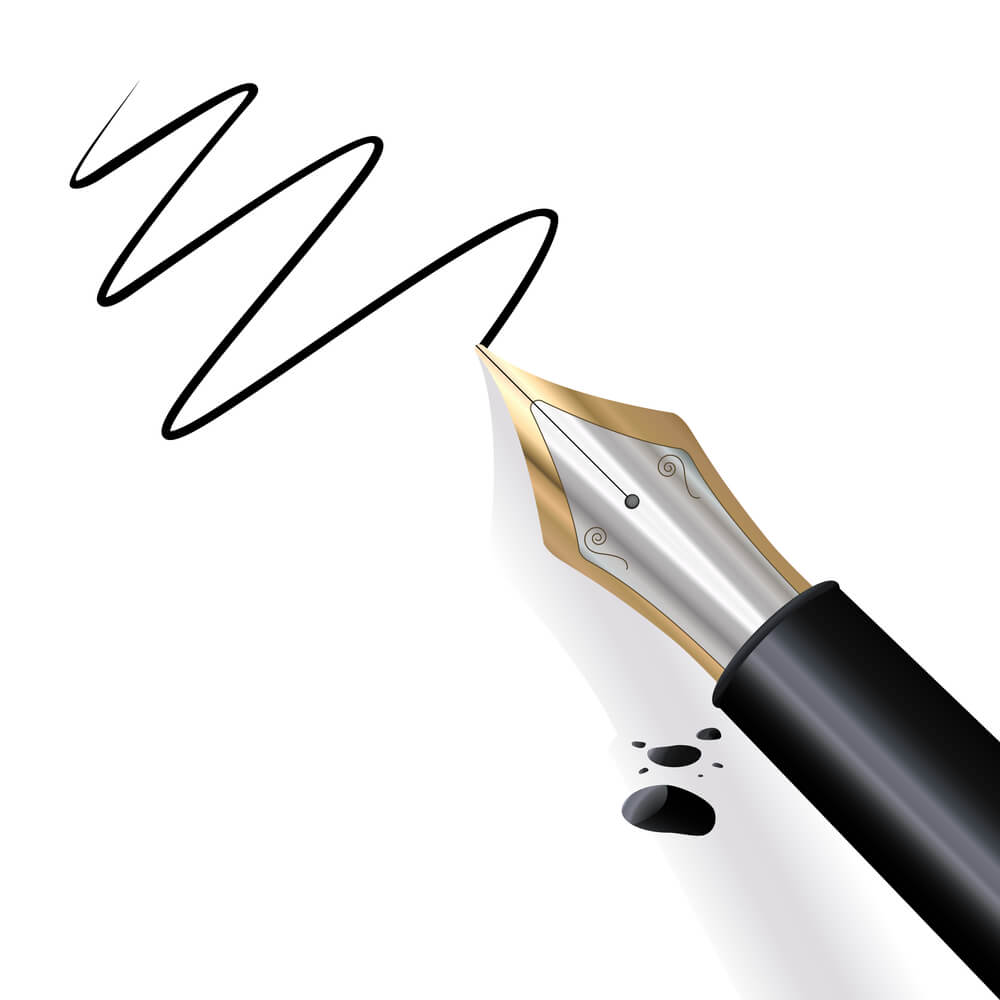
Esterbrook sold a line of steel-nibbed fountain pens with interchangeable nibs, which made them cheap enough for students and easy to repair. The pens came in a range of colors, and collectors chase rarer shades and matching pencils.
A pen with a cracked barrel, bent nib, or dried-out sac loses much of its appeal.
Parker 51 Fountain Pen
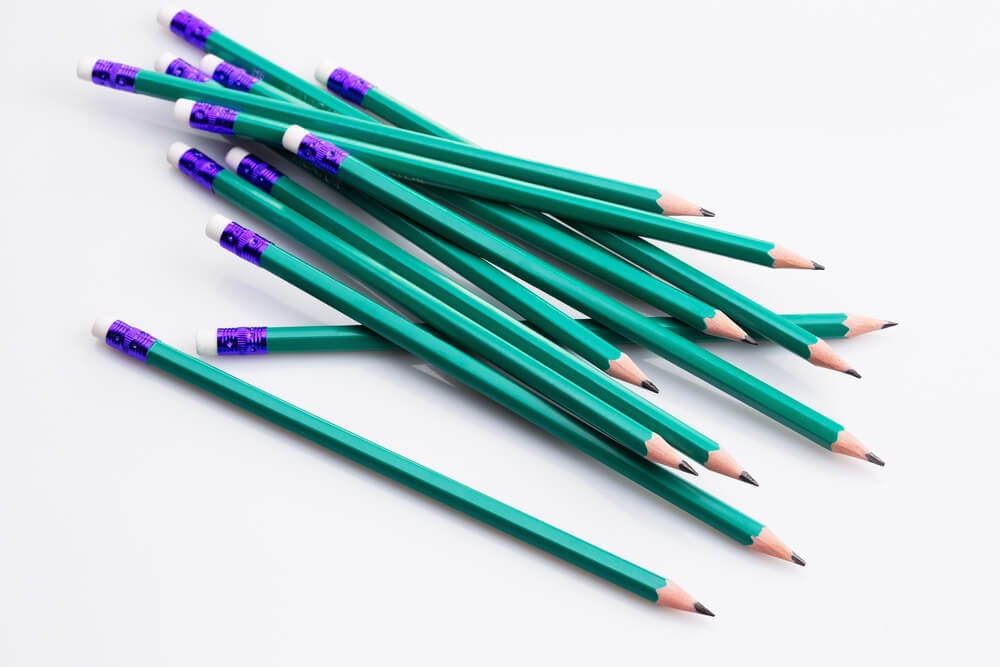
Parker introduced the 51 in 1941, and its hooded nib and streamlined barrel made it one of the most recognized pens of the century. Students received them as graduation gifts, and many still survive in drawers.
Pens with working fill systems and unbent, undamaged hoods are the most valuable.
Keuffel & Esser Slide Rules
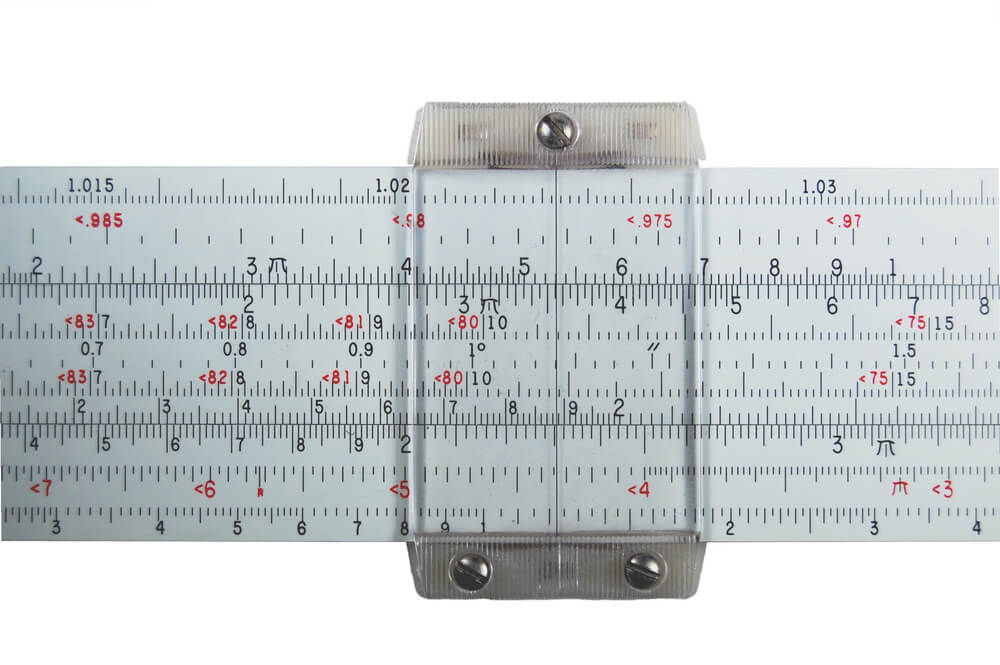
Before pocket calculators, students in math and engineering courses worked out problems on a slide rule. Keuffel & Esser, a New York maker, produced well-regarded models in wood and later plastic.
Complete rules with original leather cases and unwarped sliders are worth the most, and cracked cursors are an easy way to lose value.
Tin Geometry Sets
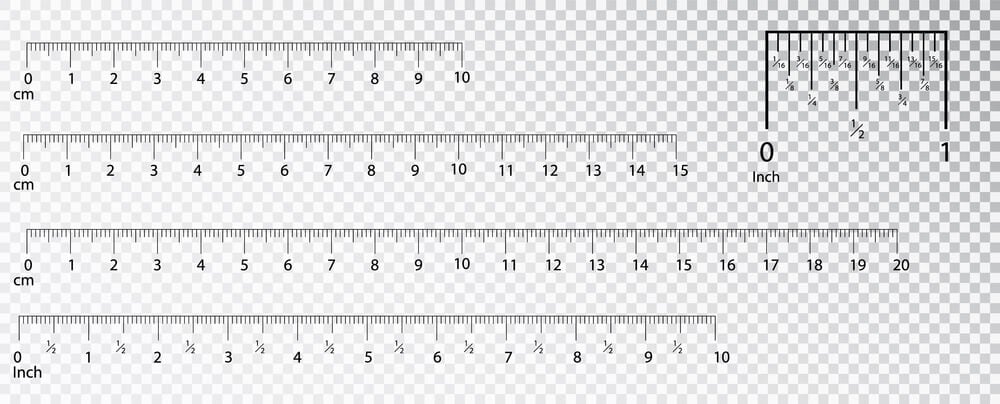
Compass, divider, protractor, and set squares came packed in a flat metal tin for decades of school geometry lessons. The tins often lost pieces, so a complete set with the original points and pencil adapter is a find.
Rust on the instruments and dented hinges lower the value.
Slates and Slate Pencils
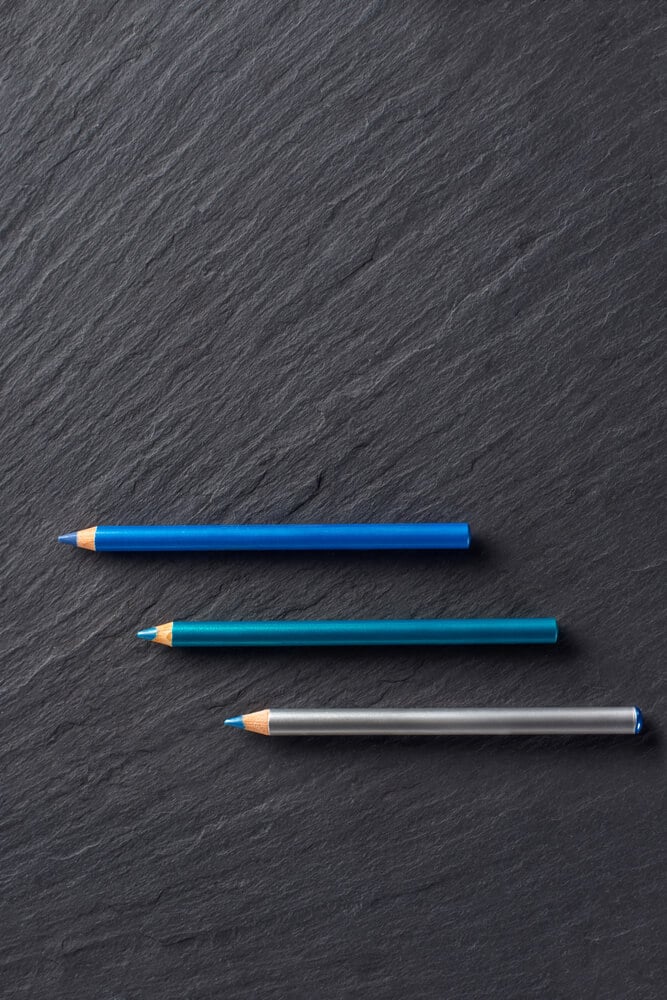
Before paper was cheap, schoolchildren worked on framed slates with slate pencils, wiping them clean with a rag. Surviving slates in good frames appeal to people who collect one-room schoolhouse items.
Chips along the edges and cracked slate surfaces affect pricing most.
Cast-Iron Crank Pencil Sharpeners
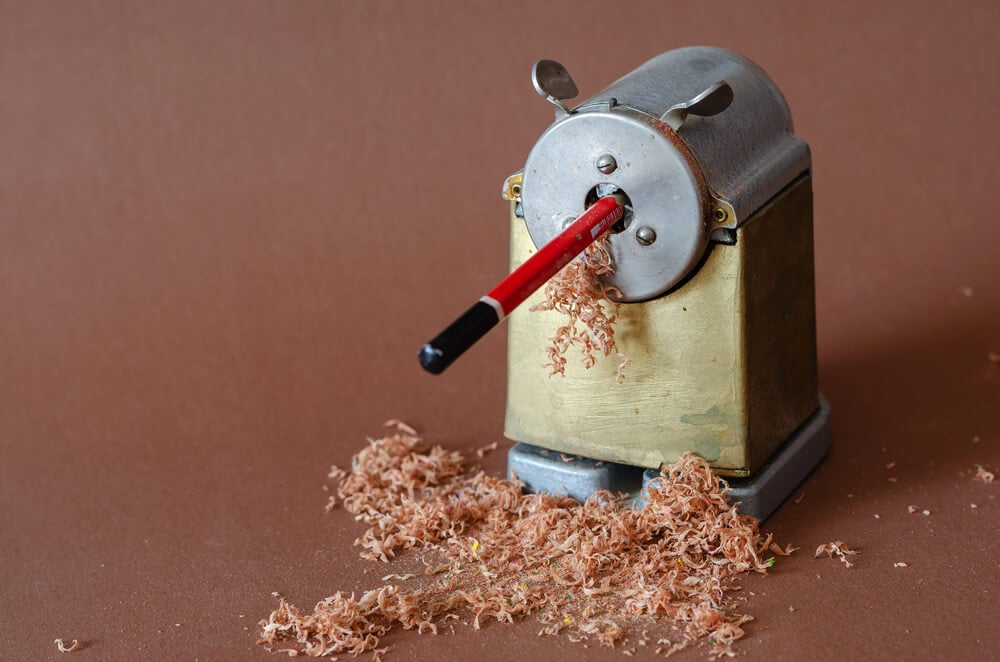
Hand-cranked sharpeners clamped to desks and bolted to classroom walls were standard in schools for generations. Their steel cutters have lasted well, and collectors like examples that still turn smoothly and hold a point.
Rust-seized cranks and missing shavings drawers cut the price.
Classroom Globes

Spinning globes on wooden or metal stands showed a world that no longer exists, with borders and country names that changed after the Second World War and again after 1991. Collectors pay the most for globes with clean paper gores and original stands.
Water stains, cracks, and lifting seams are the common problems.
Pull-Down Wall Maps

Rolled maps hung above the chalkboard and descended with a tug on a cord. Collectors prize them because the paper maps document borders and place names that changed.
Torn edges, water damage, and cracked backing cloth are the main condition issues.
Brass School Hand Bells
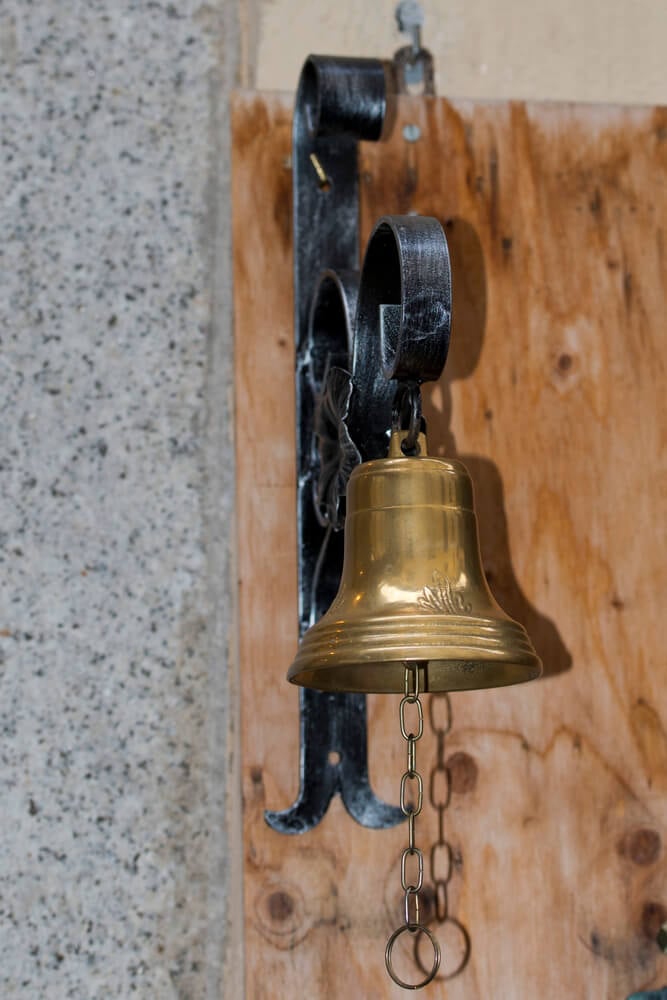
Teachers once summoned students from recess by ringing a brass hand bell with a wooden handle. Many survive from the early twentieth century and are used as decorative pieces.
A bell with a clear tone and an undamaged clapper is worth more than a dented or cracked one.
Ink Bottles and Inkwell Desk Fittings
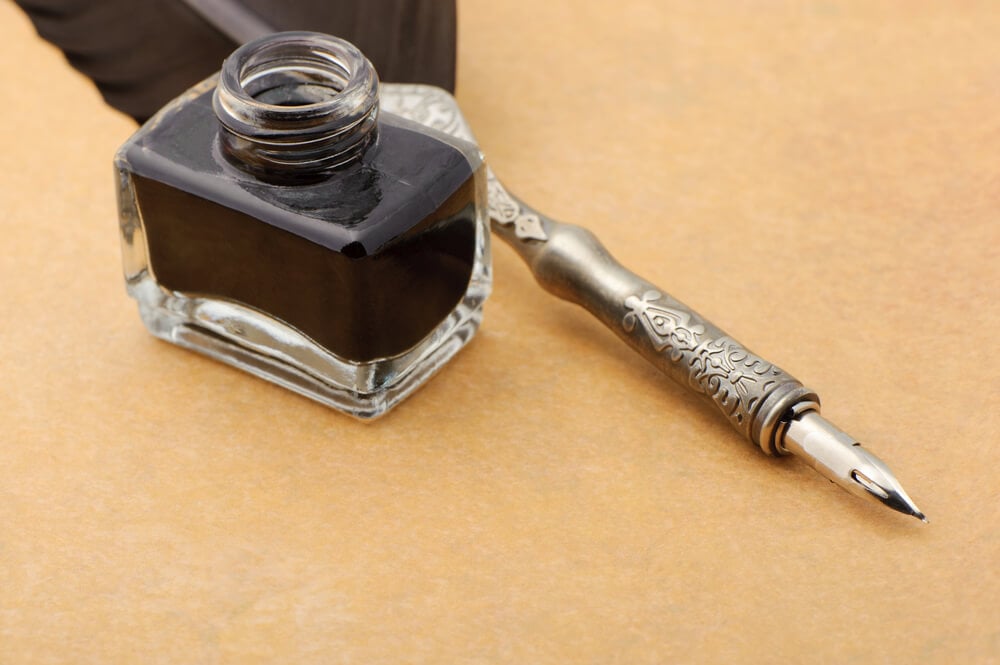
Early school desks had a porcelain or glass inkwell set into the top, and students dipped pens into bottles from makers such as Carter’s Ink. The small glass bottles survive in large numbers, but ones with original labels and caps are not common.
Chips, cracked glass, and missing labels pull prices down.
Palmer Method Penmanship Workbooks
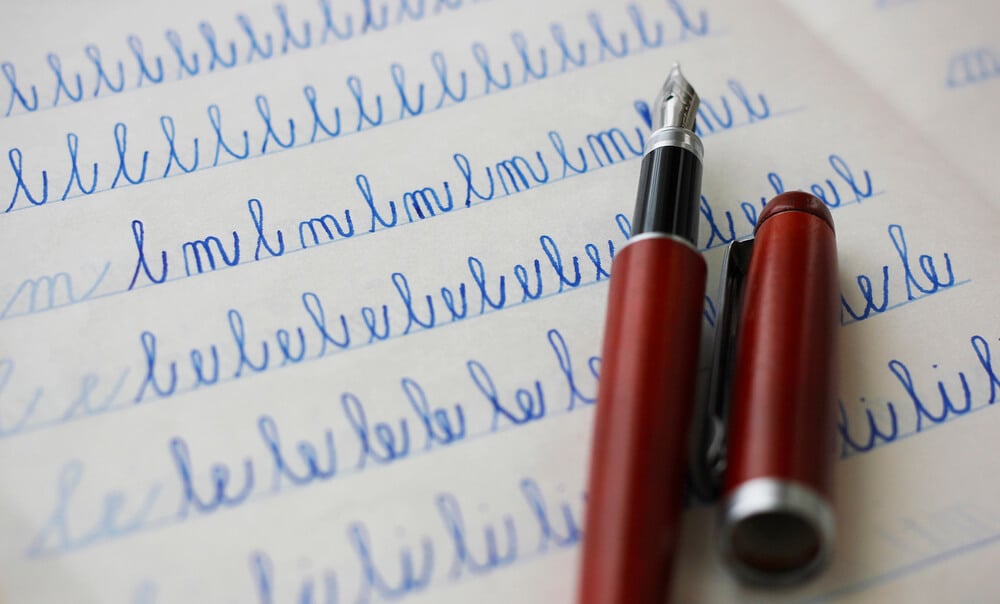
Austin Palmer’s handwriting system dominated American classrooms in the early twentieth century, with students drilling ovals and push-pull motions across lined paper. The workbooks and wall charts that taught it are collected as artifacts of a vanished subject.
Unused books with clean covers are scarce, and writing inside the pages reduces the value.
My Weekly Reader
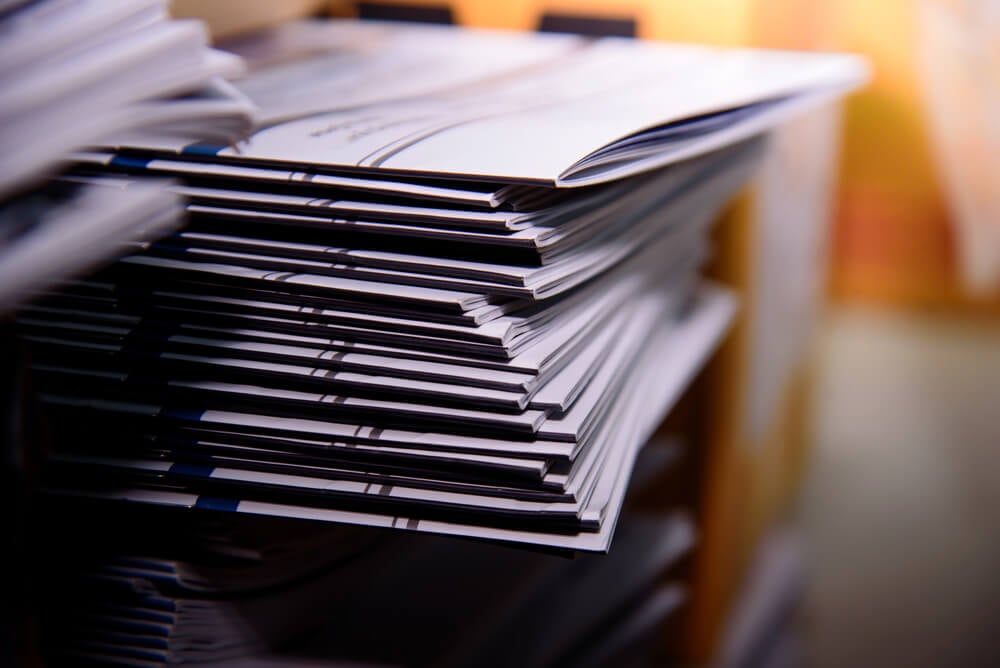
Weekly Reader was a classroom newspaper delivered to schoolchildren for most of the twentieth century. Issues from key moments, such as moon landings and presidential elections, attract collectors who want a child-sized version of the headlines.
Intact issues without tears, tape, or name labels are worth more.
Elmer’s Glue-All
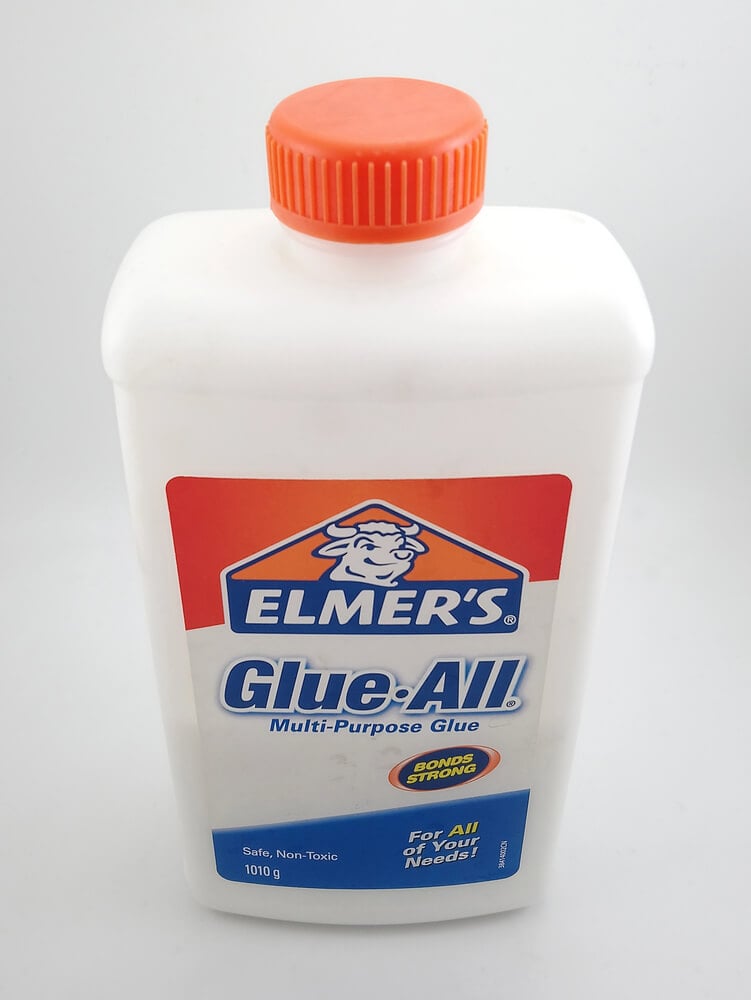
Borden introduced Elmer’s Glue-All in 1947, and the bottle with its orange cap became a fixture of art tables. Old bottles dry out and crystallize, so a collector wants a sealed bottle with an intact label.
Examples from the earliest years with the original cow-head branding are the prize.
Cuisenaire Rods

Georges Cuisenaire, a Belgian schoolteacher, developed color-coded wooden rods of different lengths to teach arithmetic. Schools in many countries adopted them in the 1950s and 1960s.
Complete sets in their original wooden boxes are the most valuable, and faded or chipped rods lower the price.
JanSport Backpacks
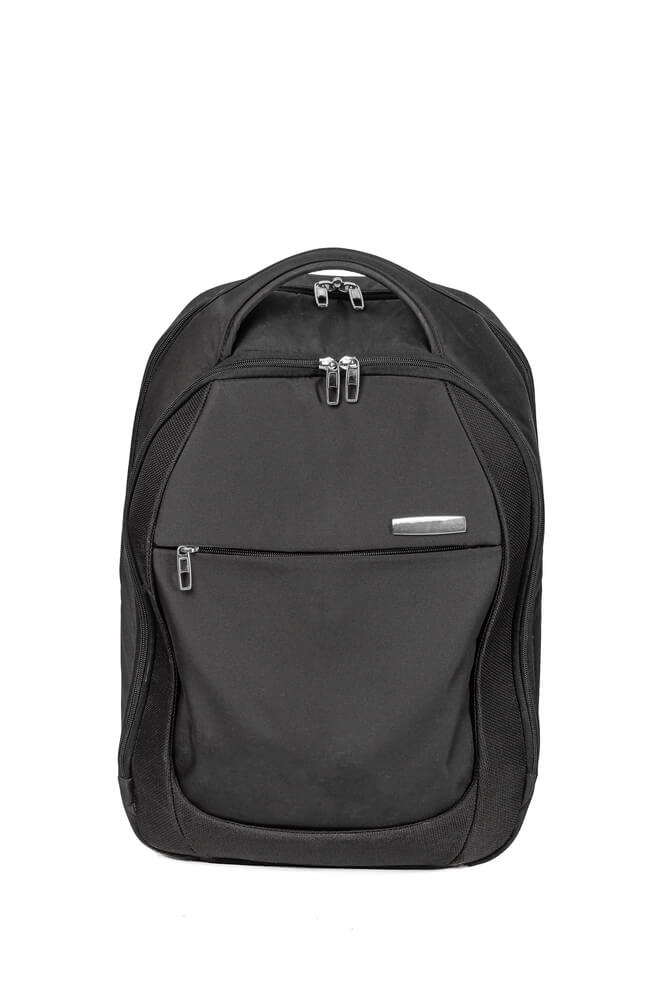
JanSport began in Seattle in 1967 and became closely tied to teenage school life with its simple canvas and nylon packs. Collectors look for early models with period tags, leather bottoms, and original colors.
Frayed straps and broken zippers are the usual flaws.
Swingline Tot 50 Stapler
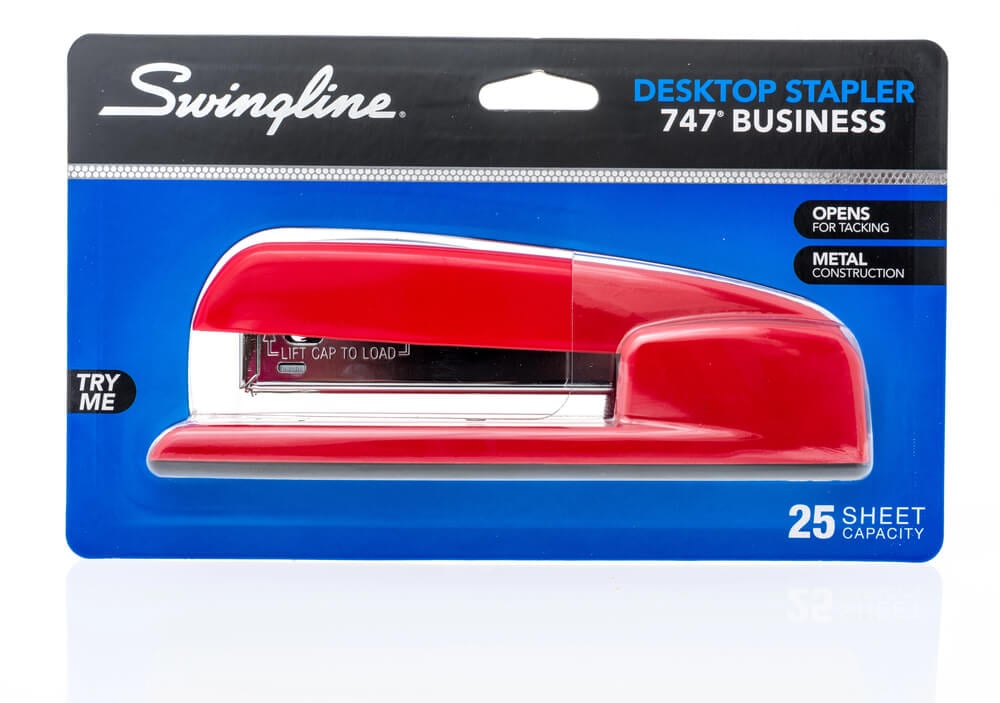
Swingline’s tiny Tot 50 stapler was introduced in 1947 and has been a desk companion for students and clerks alike. Its small size and bright finish make it a favorite among desk-accessory collectors.
Original boxes and unused examples are rare, and rust at the hinge cuts the price.
Mr. Sketch Scented Markers
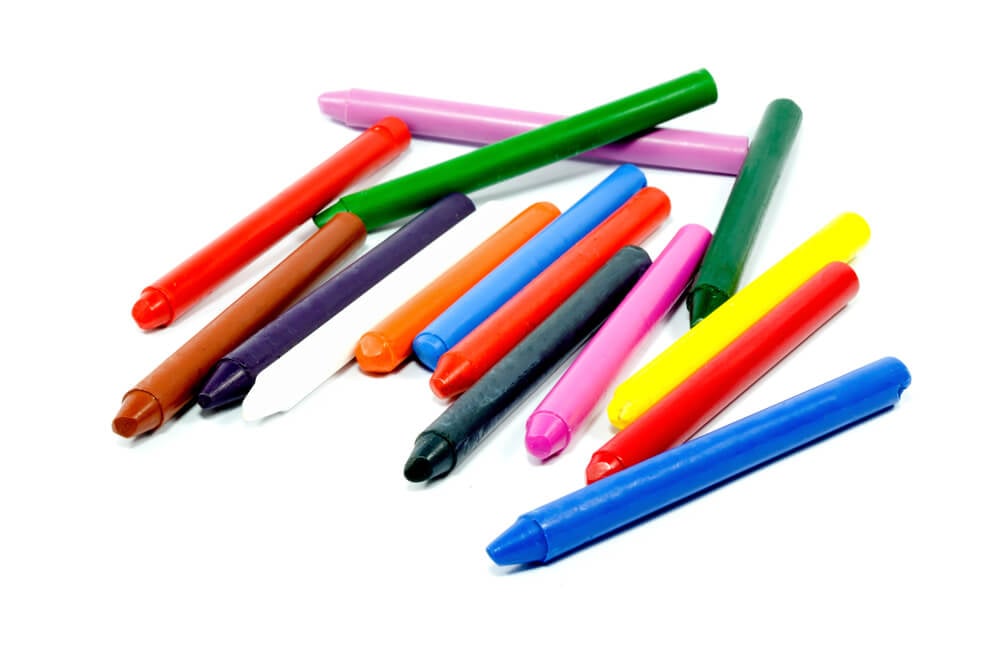
Sanford introduced the Mr. Sketch line of scented markers in 1965, each flavor tied to a distinct smell. Vintage sets have dried out, which makes sealed packages the only way to find examples with their original tips intact.
Faded packaging and missing markers are the chief price reducers.
Felt Chalkboard Erasers
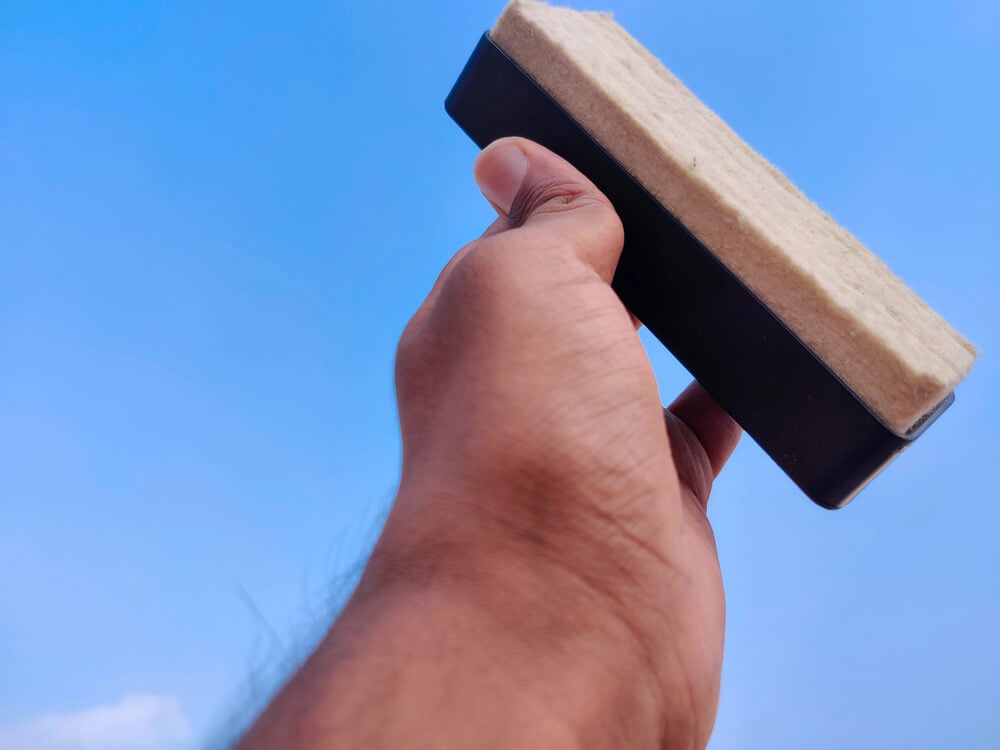
The wood-backed felt eraser was the tool that made classroom monitors popular. Old erasers are clogged with chalk dust, but collectors accept that, provided the felt is intact and the wood is not cracked.
Examples with stamped brand names are more valuable than plain ones.
The Afterlife of the Pencil Case
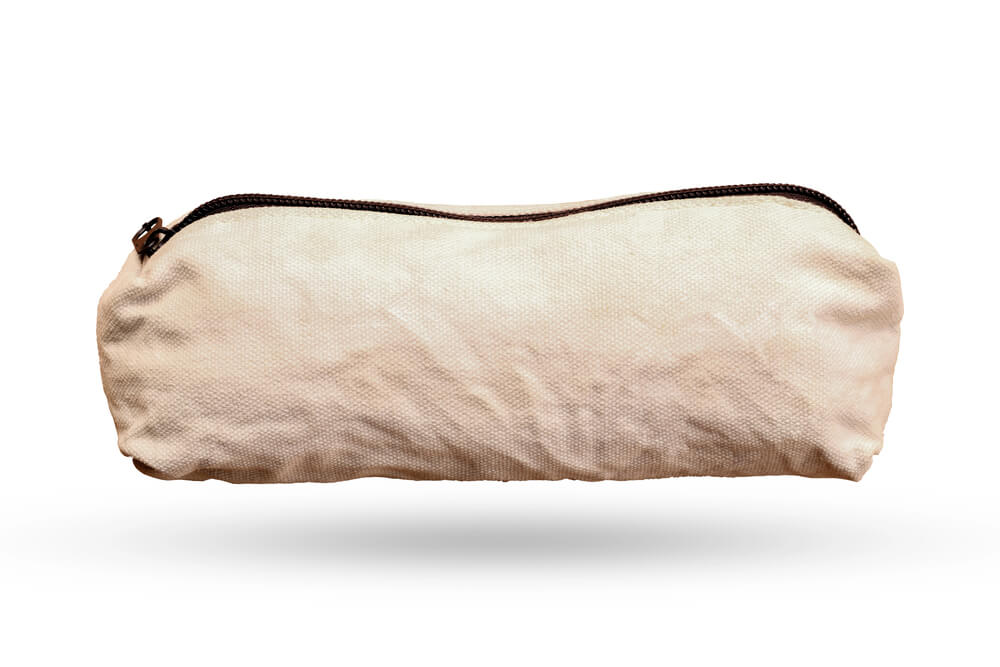
Adults collect these things for reasons that go beyond nostalgia. School supplies were the first objects many people chose for themselves, and the designs captured the taste of their decade in a way that few other household goods did.
Because they were made to be used up and thrown away, survivors are rarer than their fame suggests. A sealed folder or an unused box of crayons carries a quiet record of the afternoon it was never opened.
More from Go2Tutors!

- 27 Silver Dollars and Half Dollars Worth Keeping
- 28 Restaurant Menu Items Nobody Orders Anymore
- 17 Places Built in Seemingly Impossible Spots
- 27 Vintage Rings Worth More Than They Look
- 25 Restricted Sites Tourists Can’t Enter
Like Go2Tutors’s content? Follow us on MSN.