17 International Treaties That Nobody Follows
International treaties are supposed to be the backbone of global cooperation—solemn agreements between nations to work together on everything from peace to environmental protection. In practice, these documents often end up being more like expensive suggestions that countries ignore whenever it becomes inconvenient or costly to comply.
With over 250,000 international treaties on the books, you’d think the world would be running pretty smoothly by now, but many of these agreements exist mainly on paper while real-world violations continue unchecked. Here is a list of 17 international treaties that nobody follows.
Geneva Conventions
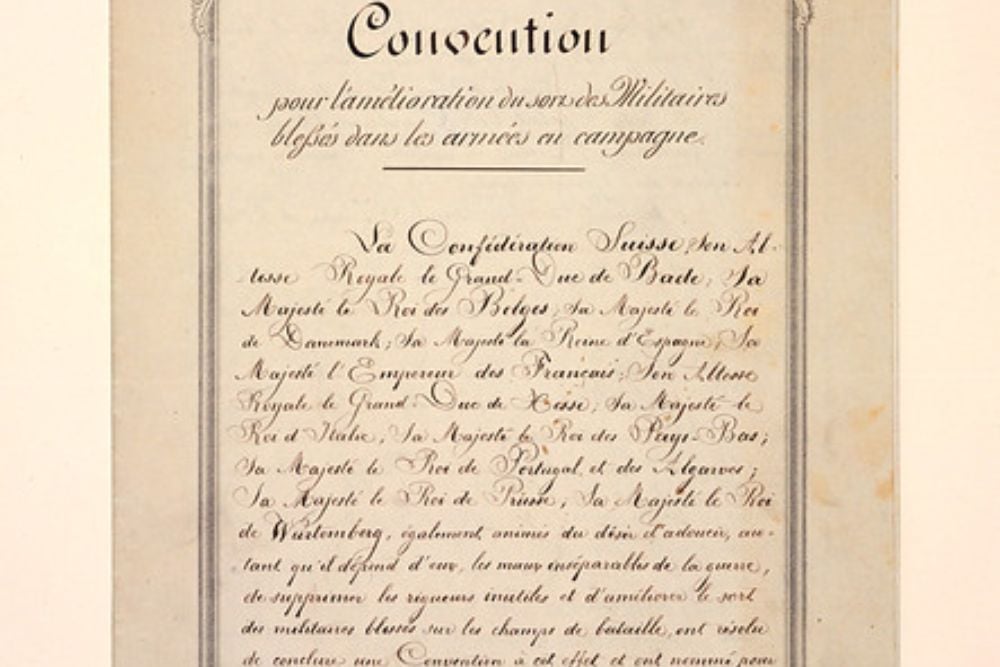
Despite being nearly universally ratified, these fundamental rules of war are routinely violated in conflicts around the world. From targeting civilians to mistreating prisoners, the protections these conventions promise exist more in theory than in practice when nations decide military objectives outweigh legal obligations.
Nuclear Non-Proliferation Treaty

North Korea withdrew from the NPT and tested multiple nuclear devices, while other countries have skirted the edges of compliance for decades. The treaty was supposed to prevent the spread of nuclear weapons, but countries keep finding ways around its restrictions when national security concerns arise.
Paris Climate Agreement
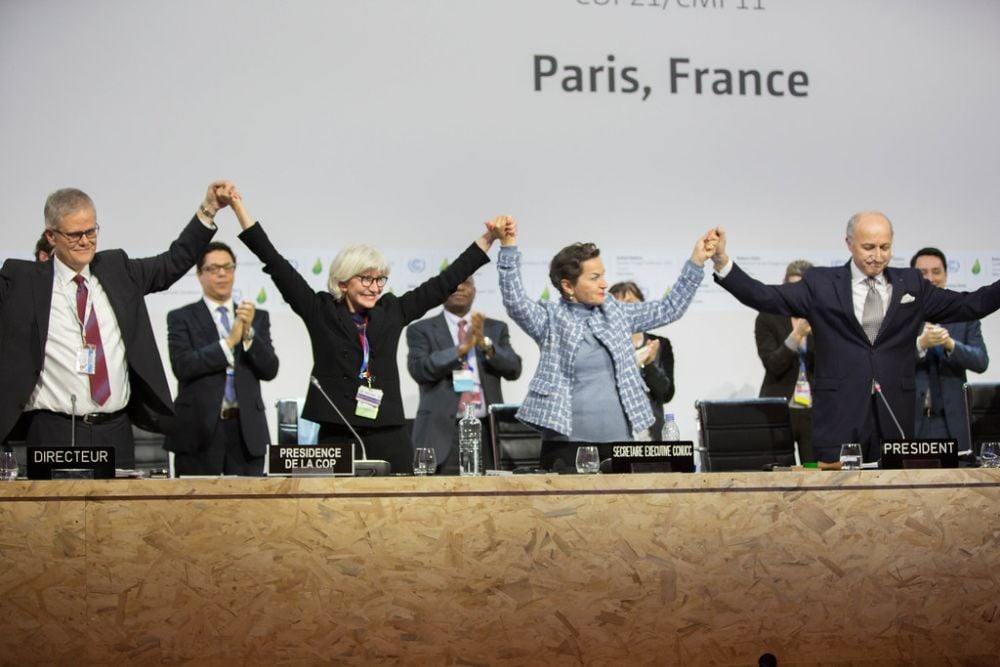
Despite intensified diplomacy through the Paris Agreement, countries agreed to reduce greenhouse gas emissions, but the amount of carbon dioxide in the atmosphere keeps rising. Most countries miss their emission targets while continuing to approve new fossil fuel projects that directly contradict their climate commitments.
Kyoto Protocol

This earlier climate treaty suffered from the same problems as its successor, with major emitters either refusing to participate or simply ignoring their obligations. The protocol became largely symbolic as countries prioritized economic growth over environmental protection.
Convention Against Torture
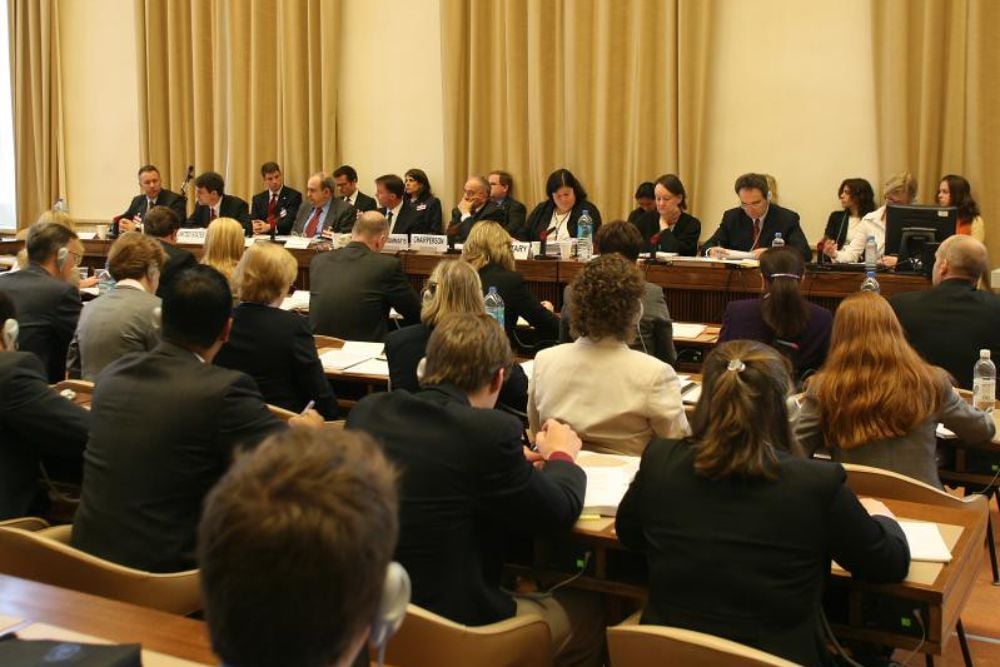
Nearly every country in the world has signed this treaty, yet torture remains widespread in government facilities across the globe. Countries routinely find ways to redefine their practices or simply deny violations while continuing the same behaviors the treaty explicitly prohibits.
International Criminal Court Statute

Many powerful nations refuse to recognize the court’s jurisdiction, and those that do often fail to cooperate with investigations or arrest warrants. The court struggles to enforce its decisions when countries simply ignore summons or refuse to extradite suspects.
Chemical Weapons Convention

Despite overwhelming international support, chemical weapons continue to appear in conflicts worldwide. Countries either deny their use, blame non-state actors, or claim their actions fall under exceptions to the treaty’s broad prohibitions.
Biological Weapons Convention
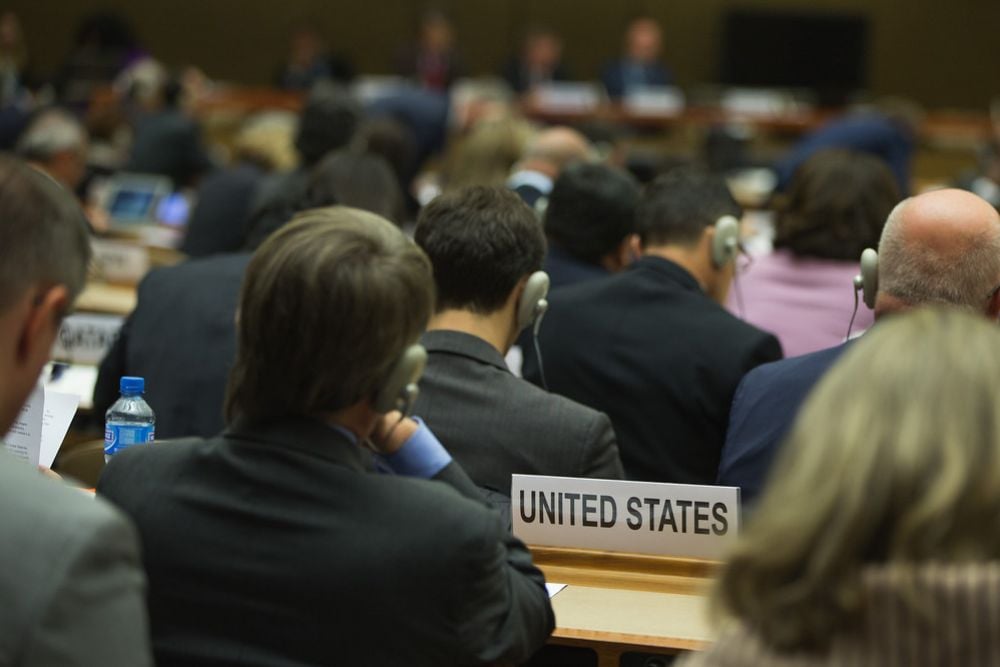
This treaty bans the development and stockpiling of biological weapons, but enforcement is nearly impossible due to the dual-use nature of biological research. Countries can easily maintain programs under the guise of defensive research while skirting the treaty’s intent.
Convention on the Rights of the Child
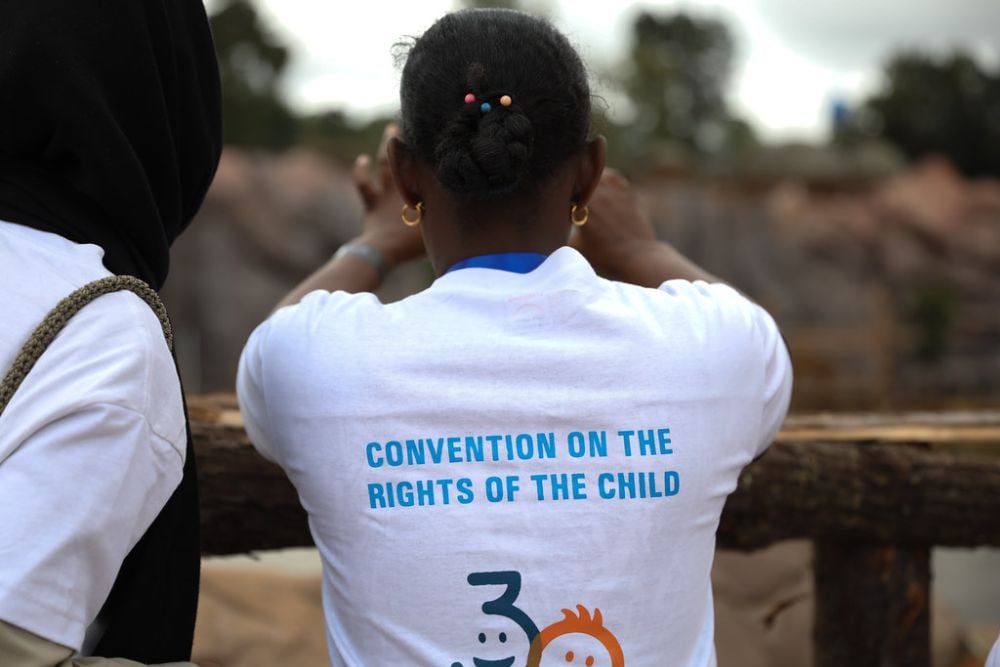
While widely ratified, this treaty is routinely ignored when it comes to child labor, military recruitment of minors, and access to education. Countries that have signed continue to allow practices that directly violate the protections the convention promises.
Arms Trade Treaty
Adopted in 2013, this treaty was meant to regulate the global arms trade and prevent weapons from reaching war zones or human rights abusers. In practice, major arms exporters either didn’t sign or don’t follow it. Loopholes and weak enforcement mean weapons still flow freely into conflicts the treaty was designed to stop.
International Covenant on Civil and Political Rights
This treaty guarantees fundamental freedoms like speech, assembly, and fair trials, yet signatory countries regularly suppress dissent and deny basic rights to their citizens. The monitoring mechanisms have little power beyond issuing strongly worded criticisms.
Convention on the Elimination of Discrimination Against Women

Despite widespread ratification, gender discrimination remains entrenched in legal systems and social practices worldwide. Countries often enter reservations that effectively nullify the treaty’s protections or simply ignore enforcement recommendations.
International Labour Organization Conventions
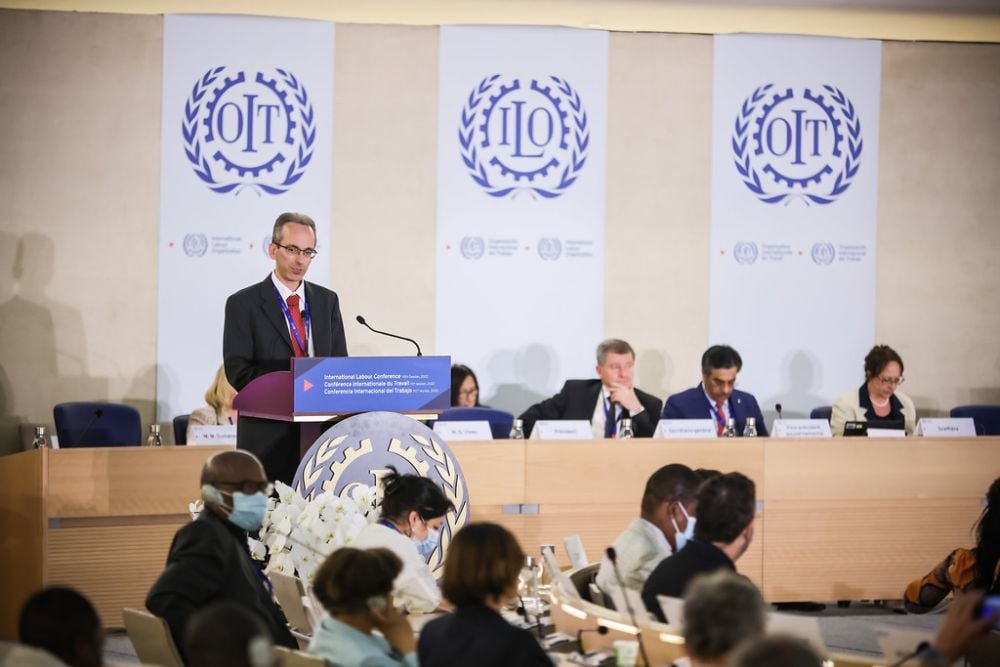
These treaties cover everything from child labor to workplace safety, but violations are commonplace even among countries that have ratified them. Economic pressures and weak enforcement mechanisms mean labor protections exist more on paper than in practice.
Montreal Protocol on Ozone Depletion

While often cited as a success story, the protocol faces ongoing challenges with illegal production and smuggling of banned substances. Some countries continue to produce ozone-depleting chemicals while claiming they’ve phased them out.
Convention on International Trade in Endangered Species

CITES is supposed to protect endangered species from exploitation, but the illegal wildlife trade continues to thrive. Countries struggle to enforce the treaty’s provisions while corruption and weak penalties make violations profitable.
UN Convention on the Law of the Sea

Territorial disputes and freedom of navigation issues regularly lead to violations of this comprehensive maritime treaty. Countries interpret its provisions selectively, following rules when convenient and ignoring them when strategic interests are at stake.
Comprehensive Test Ban Treaty

This treaty prohibits nuclear testing, but several nuclear powers have refused to ratify it, and others conduct tests that push the boundaries of what’s technically permitted. The treaty remains in limbo while nuclear weapons development continues.
The Paper Promise Problem
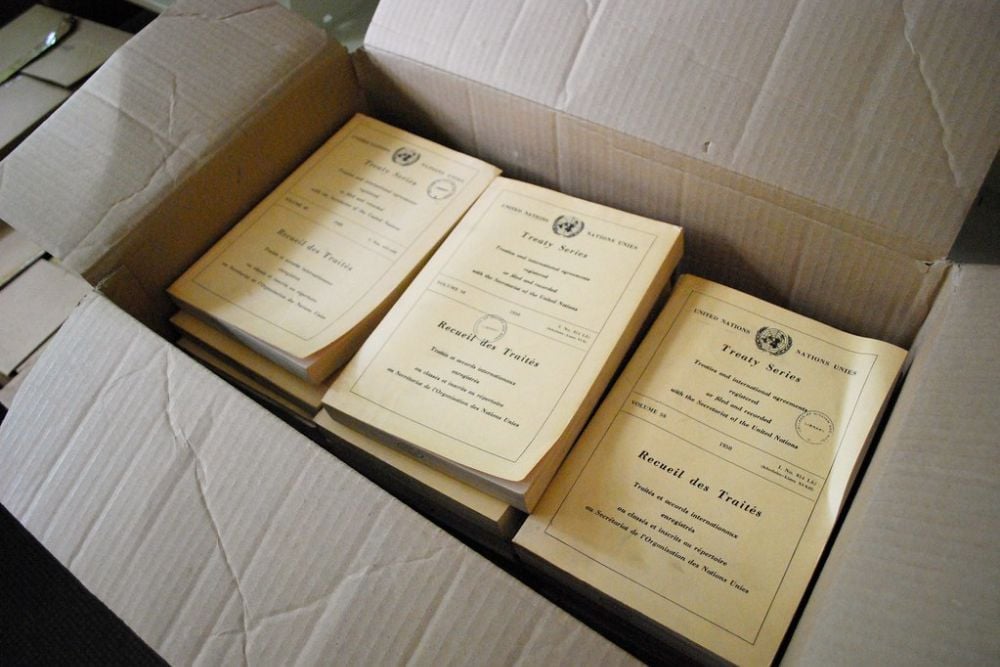
These treaty violations reveal a fundamental flaw in how international law operates—it depends entirely on countries voluntarily following rules that often conflict with their immediate interests. States failing to adhere to their international obligations undermine the rule of law, creating a system where agreements become meaningless when they matter most.
The reality is that treaties work best when countries don’t really need them, and fail precisely when their protections become crucial. Until there’s a way to enforce international law that goes beyond diplomatic pressure and economic sanctions, many of these agreements will remain expensive exercises in wishful thinking rather than effective tools for global cooperation.
More from Go2Tutors!

- The Romanov Crown Jewels and Their Tragic Fate
- 13 Historical Mysteries That Science Still Can’t Solve
- Famous Hoaxes That Fooled the World for Years
- 15 Child Stars with Tragic Adult Lives
- 16 Famous Jewelry Pieces in History
Like Go2Tutors’s content? Follow us on MSN.



