27 Before-And-After Photos Of Famous City Squares
Stand in a great square long enough and it begins to feel permanent, as if it simply arrived that way. Old photographs say otherwise. Cattle markets, barracks, parking lots, and battlefields sit underneath the cafe tables.
The squares below have been rebuilt, renamed, expanded, closed to traffic, or raised from rubble. Each one looks very different from its earlier self, and the reasons are rarely dull.
Tiananmen Square Grew Into One of the Largest Public Squares
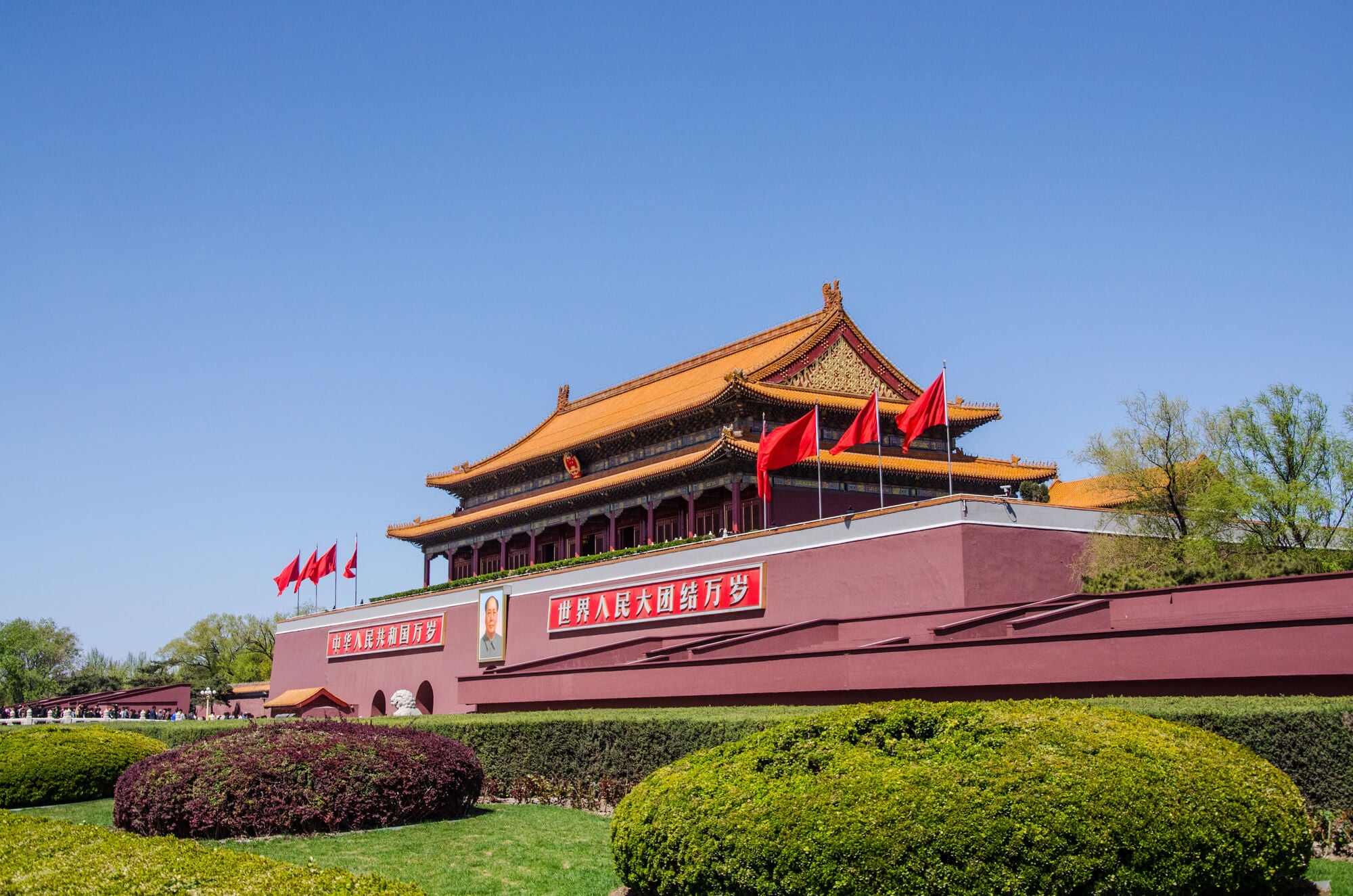
Before 1958, Tiananmen Square was a modest, walled-in forecourt in front of the Gate of Heavenly Peace, hemmed in by Imperial City structures. Between 1958 and 1959, those buildings were cleared, and the space grew to roughly 440,000 square meters.
The Great Hall of the People and the National Museum rose along its sides in about ten months. The result is a plaza built to hold crowds on a scale the imperial gate never imagined.
Red Square Got Its Cathedral Back
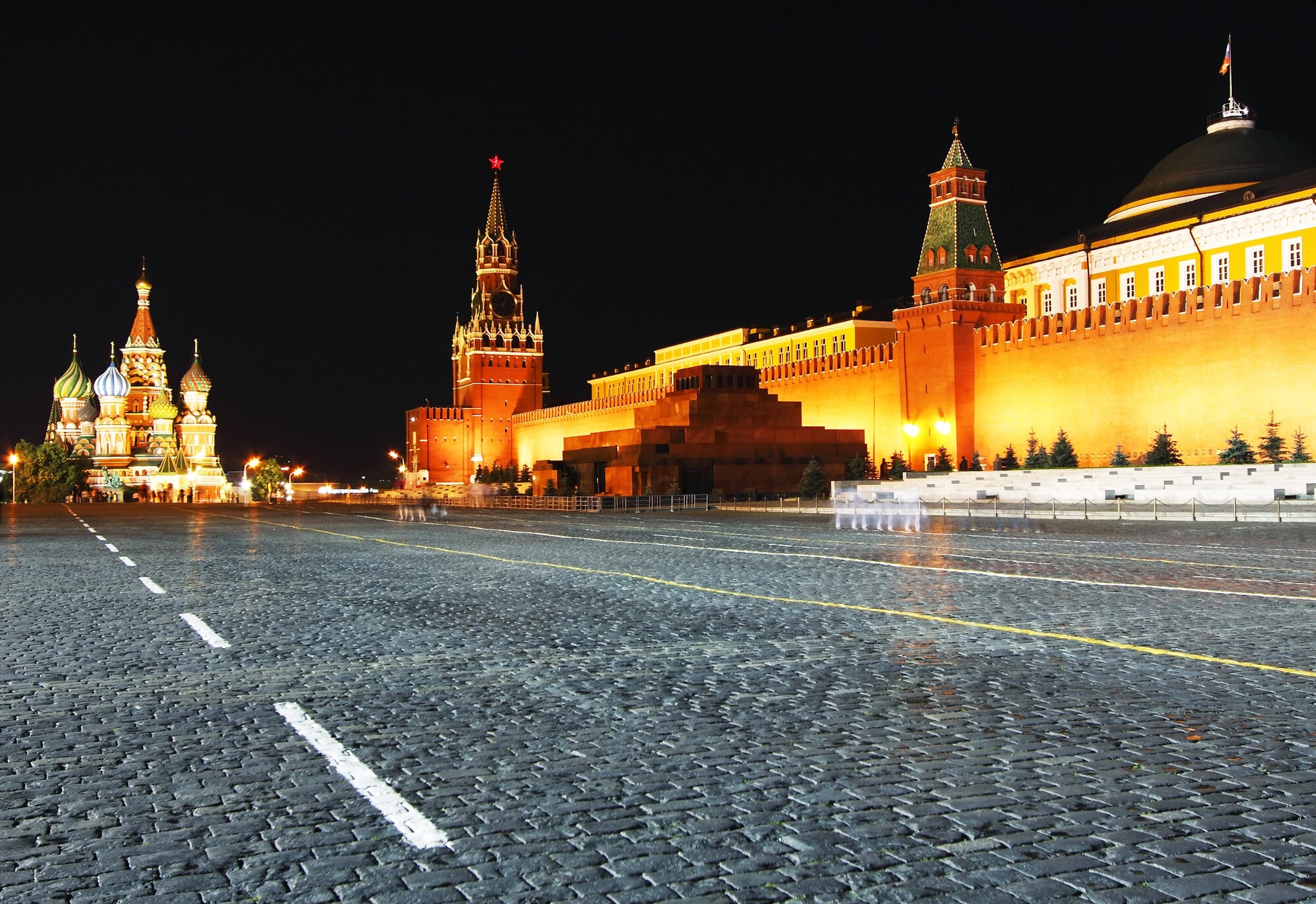
Old photographs of Red Square show the red-and-white Kazan Cathedral standing at the northern end, near the Resurrection Gate. The Soviet government demolished it in 1936, and the space stayed open for decades.
A reconstruction was built in the early 1990s, finished in 1993, working from surviving measurements and drawings. Visitors who assume the cathedral is centuries old are half right, since the design dates to the 1600s but the stonework is only a few decades old.
Times Square Used to Be Called Longacre Square
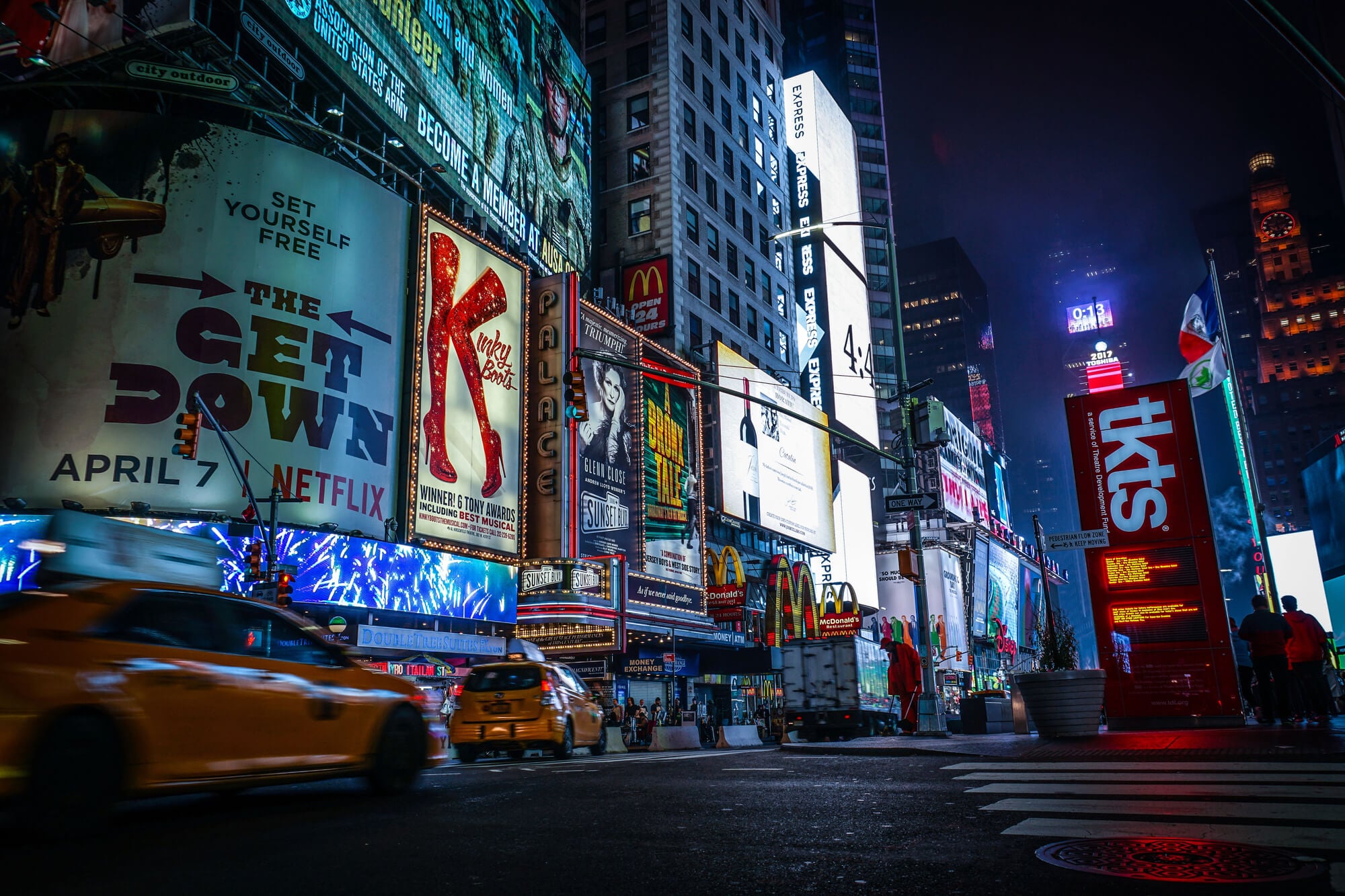
Until 1904, the junction of Broadway and Seventh Avenue was known as Longacre Square, a district of carriage makers and horse dealers. It was renamed Times Square after The New York Times moved into its new tower on the site.
A century later, in 2009, the city closed Broadway to cars between 42nd and 47th Streets as a trial. Pedestrians now outnumber vehicles in a place once named for a carriage trade.
Trafalgar Square Lost Its Traffic Lanes
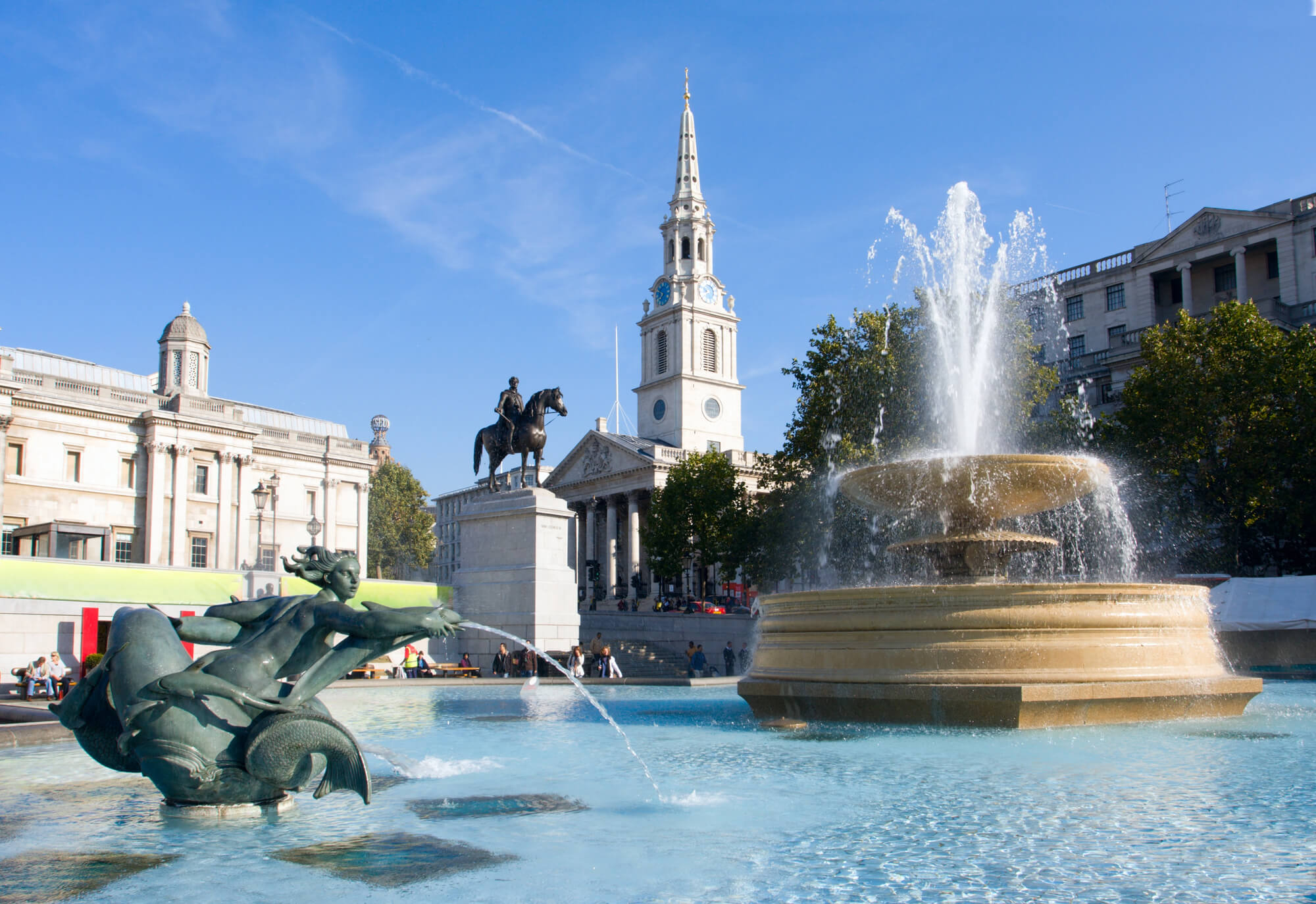
For most of the twentieth century, Trafalgar Square was effectively a large roundabout, with cars circling Nelson’s Column, which was completed in 1843 on the site of the old Royal Mews. In 2003, the road along the north side in front of the National Gallery was closed.
It became a broad stone terrace linked to the main square by a wide flight of steps.
Place de la Concorde Traded a King for an Obelisk
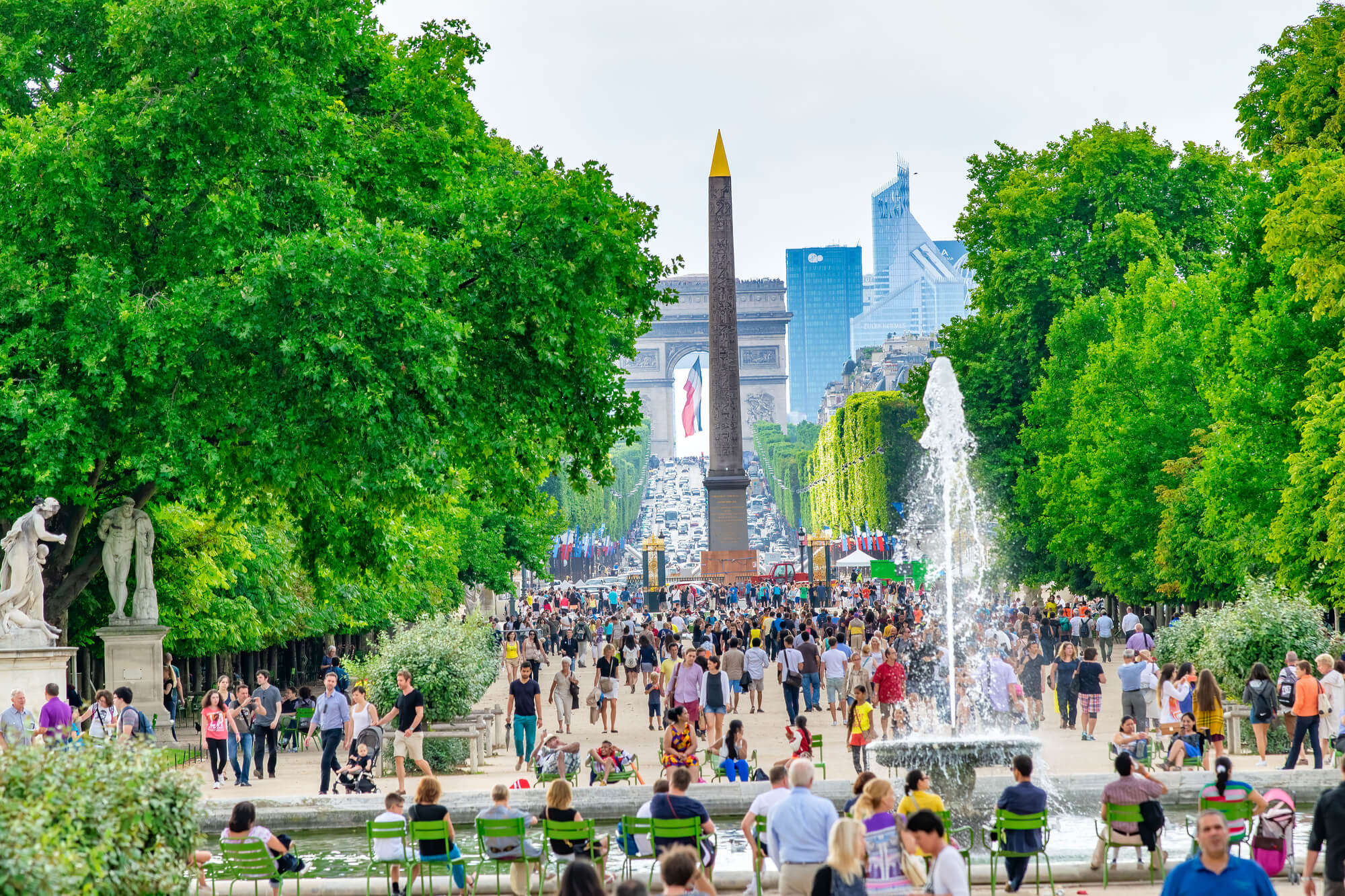
The square was designed in the 1750s as Place Louis XV, built around a statue of that king. During the Revolution, the statue was torn down, the square was renamed, and a guillotine was installed there, where Louis XVI was executed in 1793.
The center now holds the Luxor Obelisk, a 3,000-year-old monument from Egypt that was raised there in 1836. It is a far less politically awkward centerpiece than a monarch.
Piazza San Marco Rebuilt Its Bell Tower Exactly
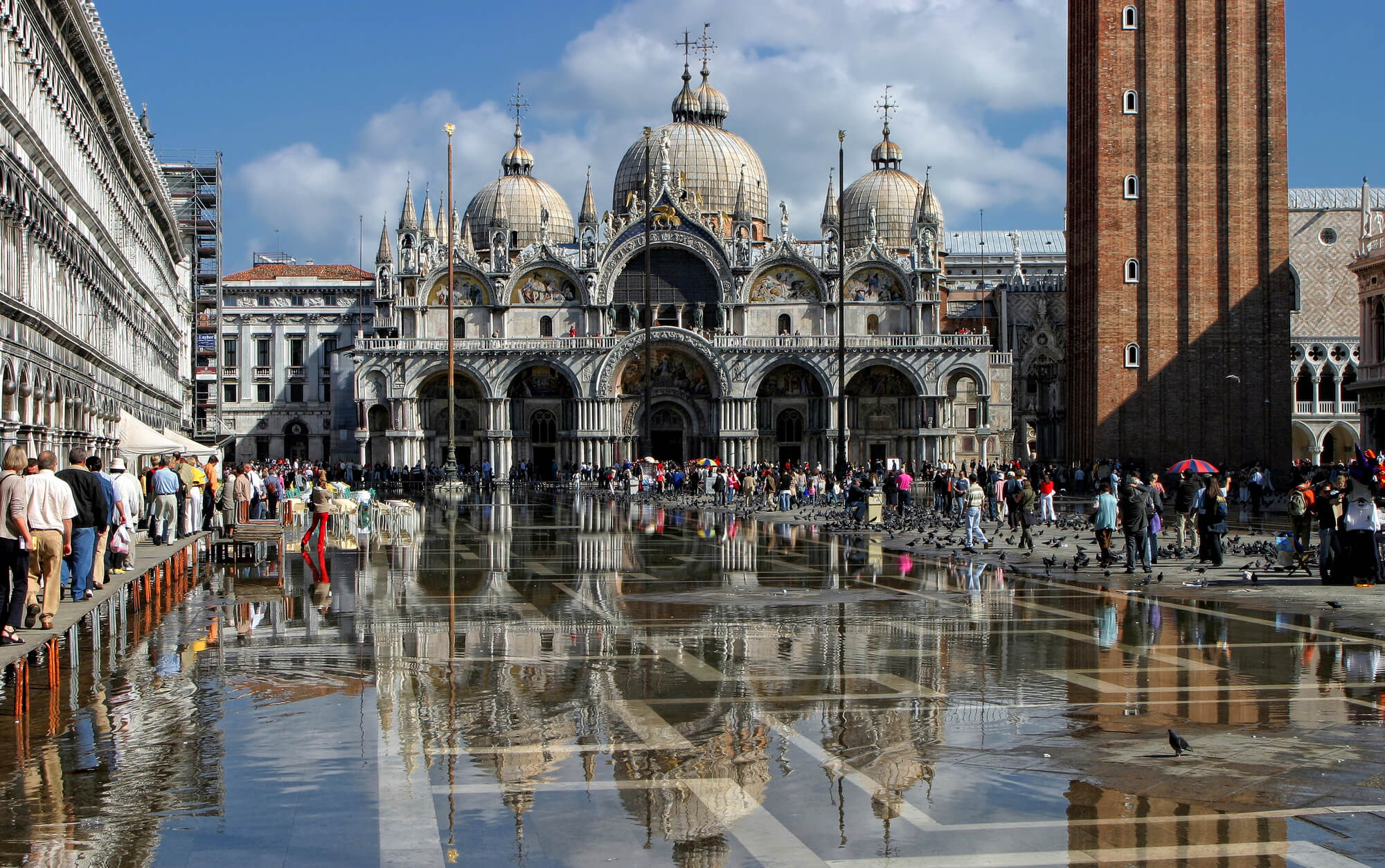
On July 14, 1902, the bell tower of St. Mark’s Basilica in Venice collapsed into the piazza. The city promised to rebuild it where it was and as it was.
The new campanile was inaugurated in 1912, a decade after the fall. A visitor looking at the skyline today sees a copy so faithful that it passes for the original.
Potsdamer Platz Went From Traffic Jam to Empty Strip
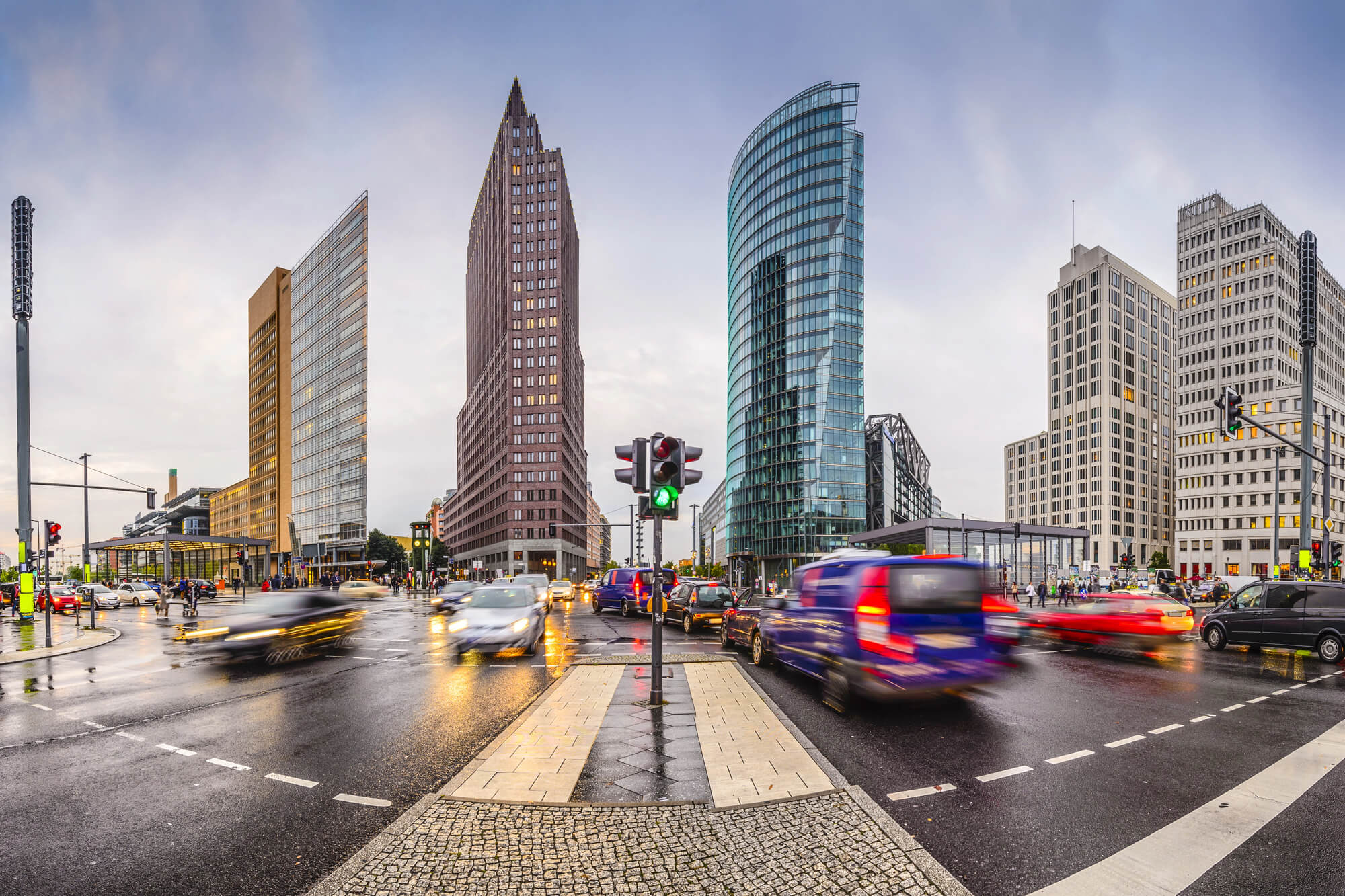
In the 1920s, Potsdamer Platz was among the busiest junctions in Berlin, and a traffic tower with signal lights was installed there in 1924. World War II bombing and the Berlin Wall then turned the area into a barren stretch of border land.
After 1990, the empty ground was rebuilt with office towers and the Sony Center. A replica of the signal tower now stands in the middle, a reminder of how much traffic once lived there.
Grand-Place Was Rebuilt After Louis XIV’s Cannons
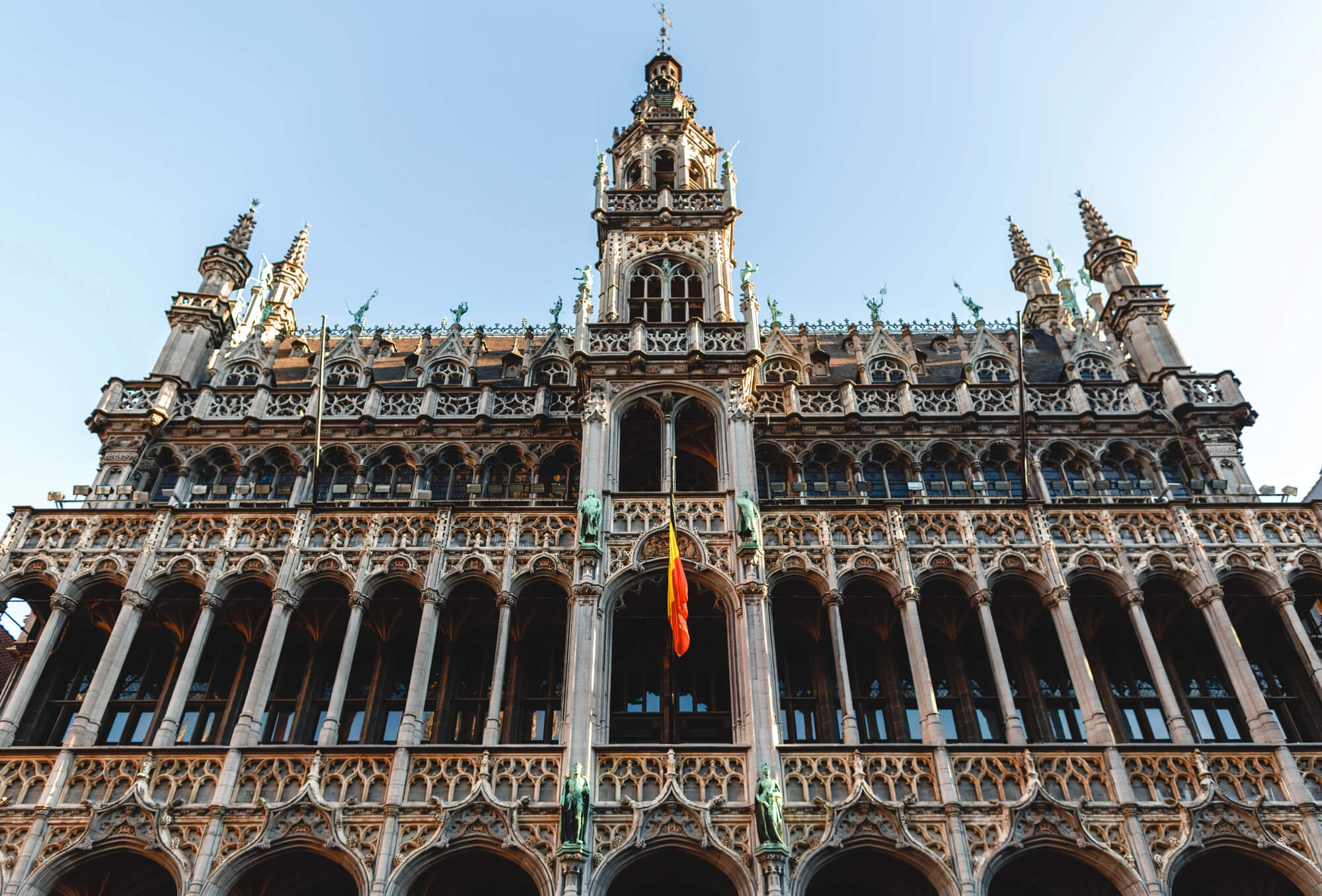
In August 1695, French forces under Marshal de Villeroy bombarded Brussels, and most of the buildings around the Grand-Place burned. The guilds, who owned many of the houses, rebuilt them quickly, within just a few years, and competed to outdo each other with gilded ornament.
The Baroque facades visible today largely come from that frantic reconstruction. UNESCO added the square to its World Heritage list in 1998.
Alexanderplatz Was Redesigned Around a Television Tower
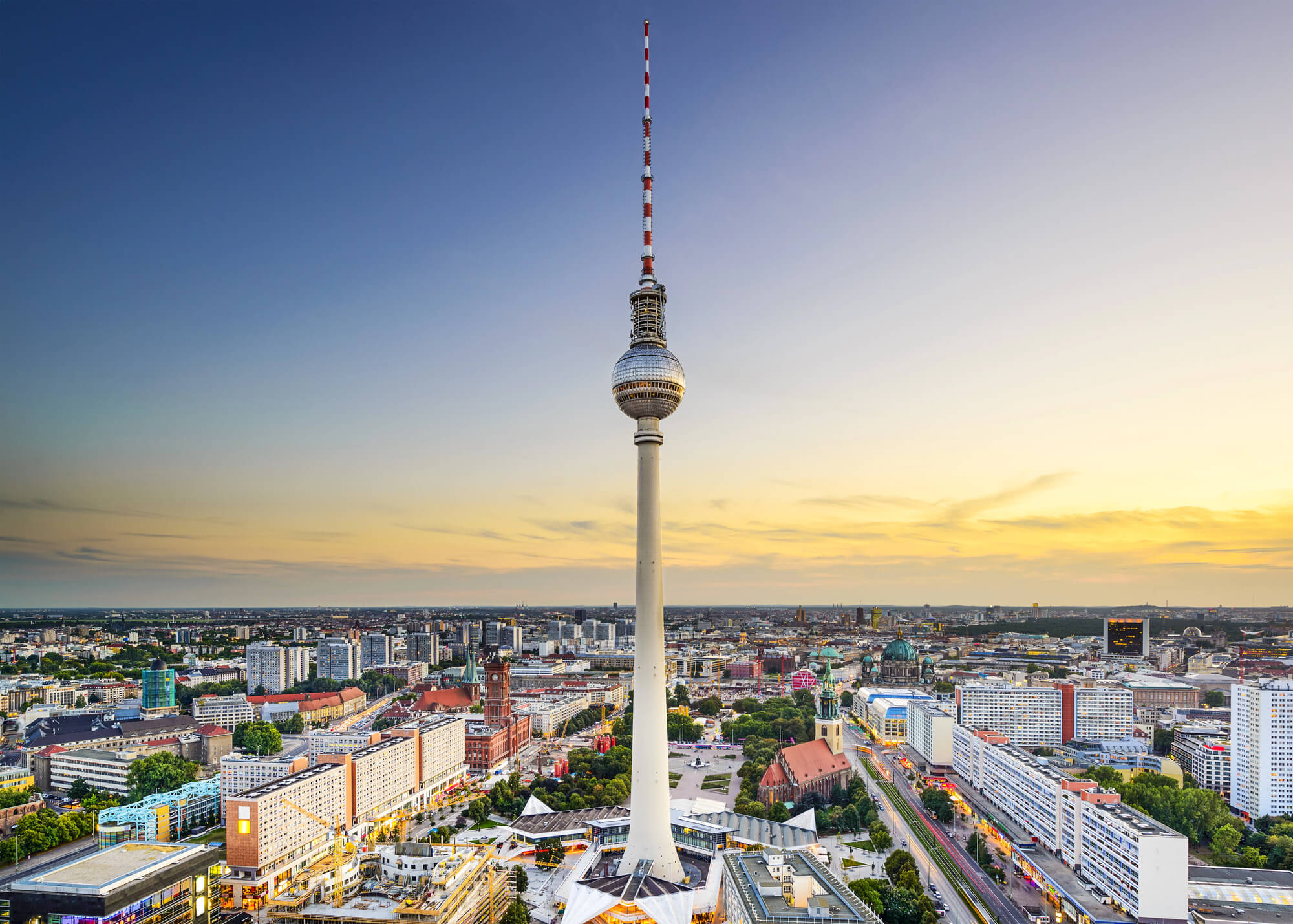
The square was named in 1805 for Tsar Alexander I of Russia, who visited Berlin that year, and it had earlier served as a market area outside the city. After wartime destruction, East Germany rebuilt it as a socialist showpiece, with a pedestrian zone and the Fernsehturm television tower, which opened in 1969.
The tower still dominates the skyline. Few Berlin photographs date a moment as clearly as one showing the tower beside the World Clock.
Warsaw’s Old Town Market Square Was Rebuilt From Paintings
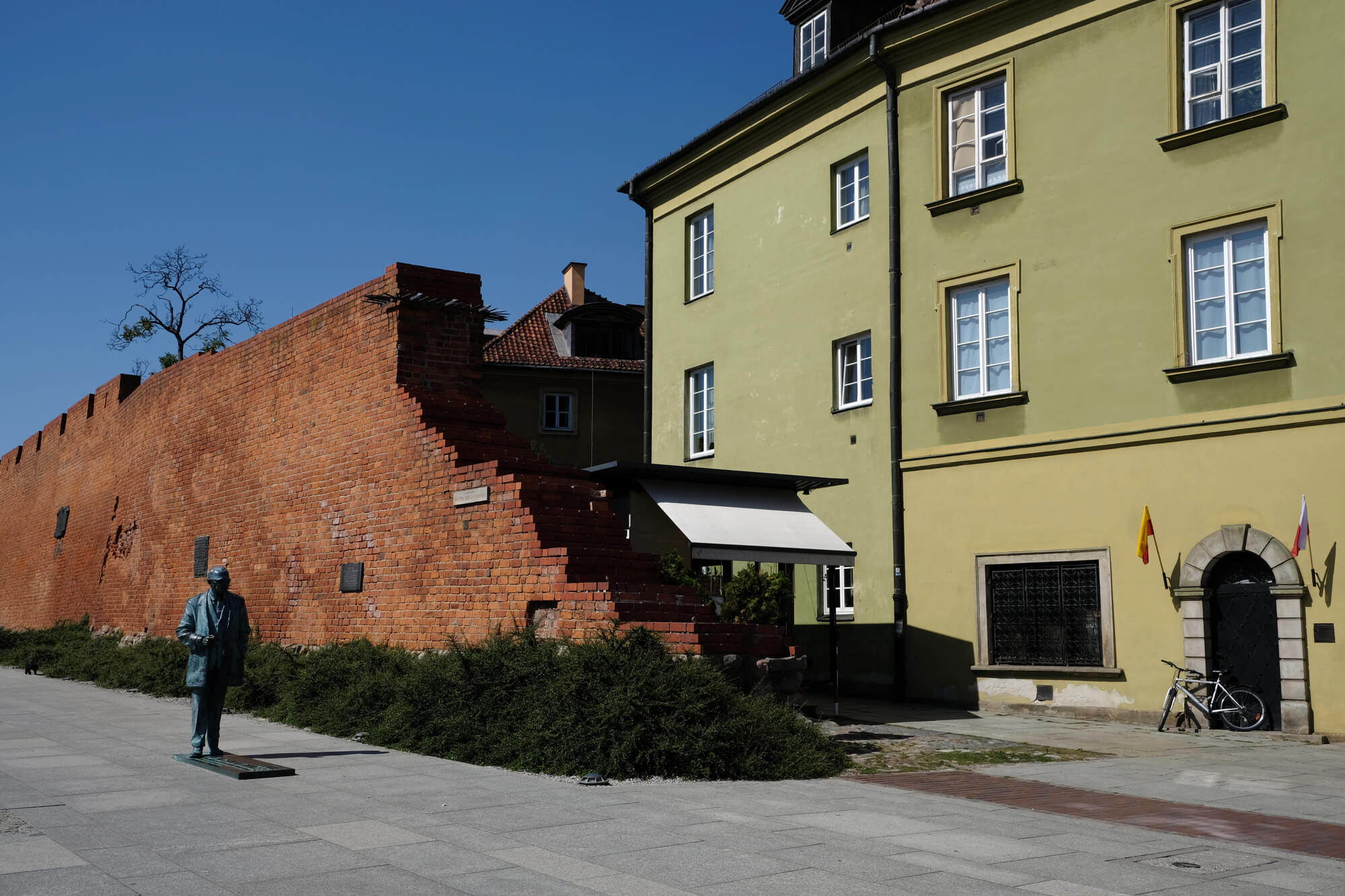
In 1944, German forces destroyed most of Warsaw’s Old Town, including the burgher houses around the Market Square. After the war, Polish architects and conservators rebuilt it, relying on surviving drawings, photographs, and 18th-century cityscapes by Bernardo Bellotto, known as Canaletto.
The reconstruction was so thorough that UNESCO inscribed the district in 1980. It is a rare case where a reproduction earned the same protection as an original.
Marienplatz Gained a Giant Gothic Revival Town Hall
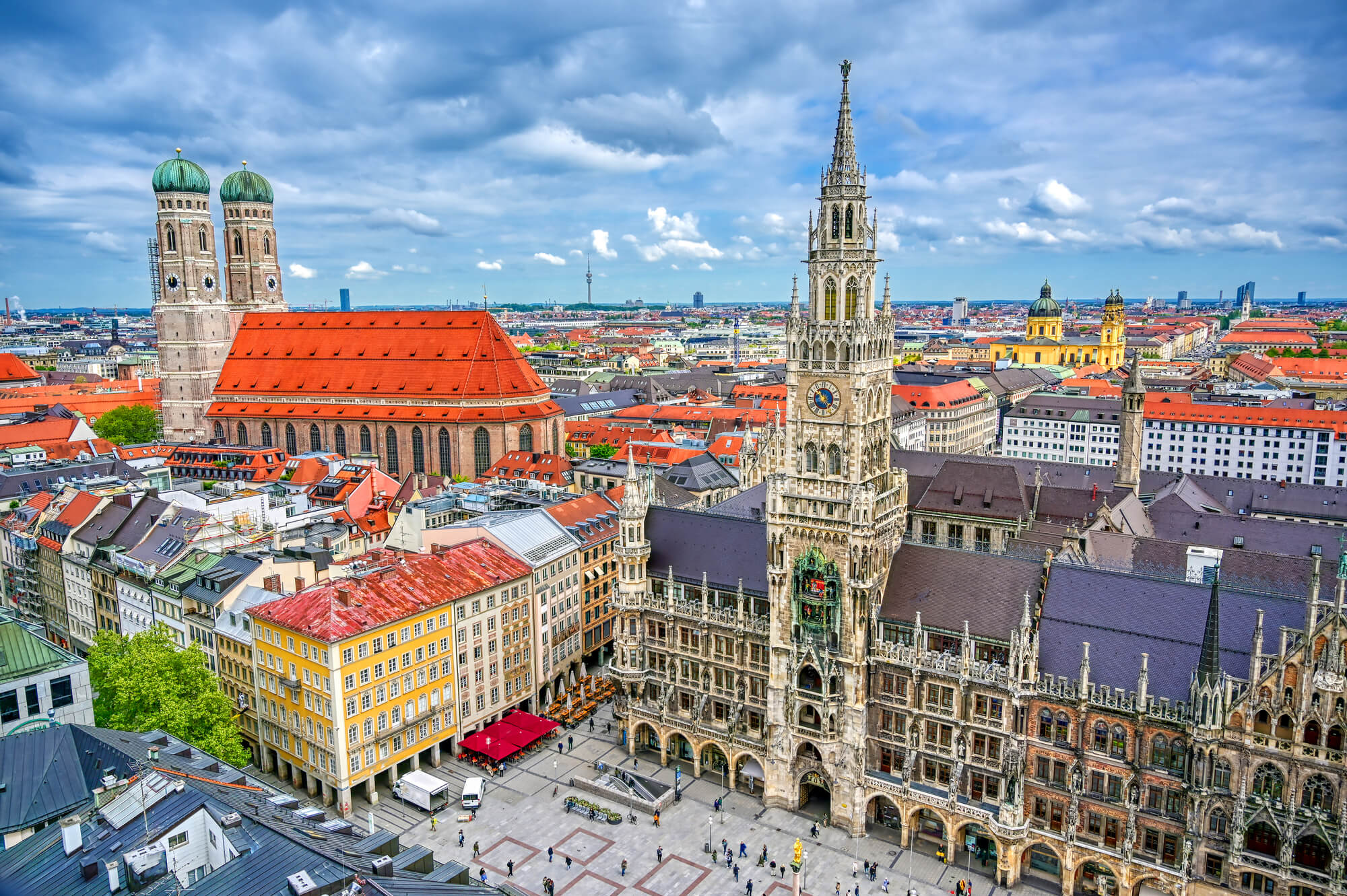
Marienplatz in Munich took its present name in 1854, replacing an older name tied to its role as a grain market. Between 1867 and 1908, the Neues Rathaus was built on its north side, complete with the Glockenspiel, whose mechanical figures perform each day.
The square was closed to traffic in 1972, ahead of the Olympic Games held in the city that year. A grain market became a stage for puppetry, which is a fair promotion.
Mexico City’s Zócalo Sits Over an Aztec Capital
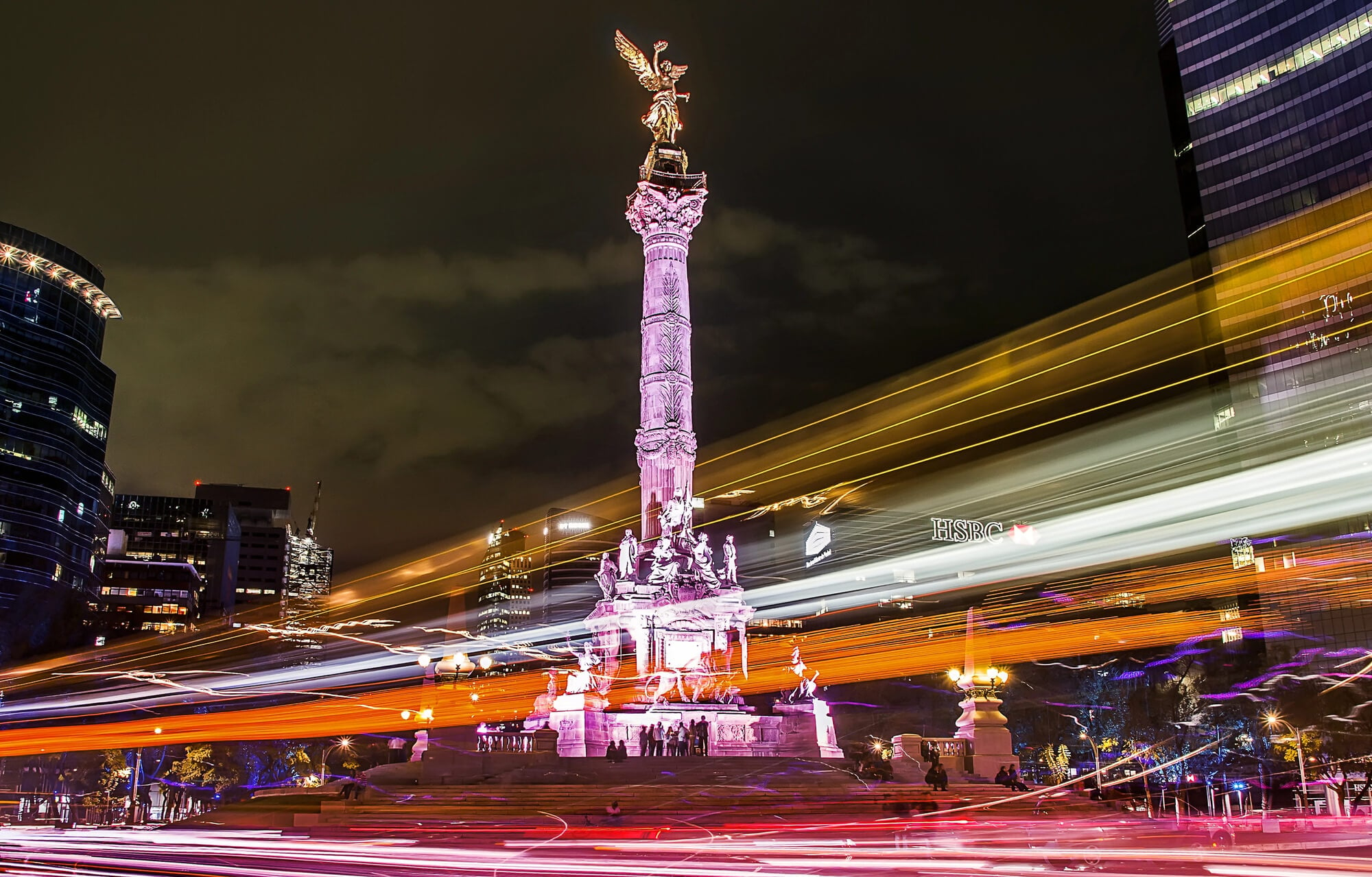
Before the Spanish arrived, the area was the ceremonial heart of Tenochtitlan, home to the Templo Mayor. After the conquest, the Spanish laid out a colonial plaza on the same ground, and the old temple was buried beneath it.
In 1978, electrical workers found a huge carved stone disk of the goddess Coyolxauhqui, which led to excavations of the temple ruins beside the cathedral. Today’s vast open square thus covers both a colonial layer and an older one.
Madrid’s Plaza Mayor Was Rebuilt After Repeated Fires
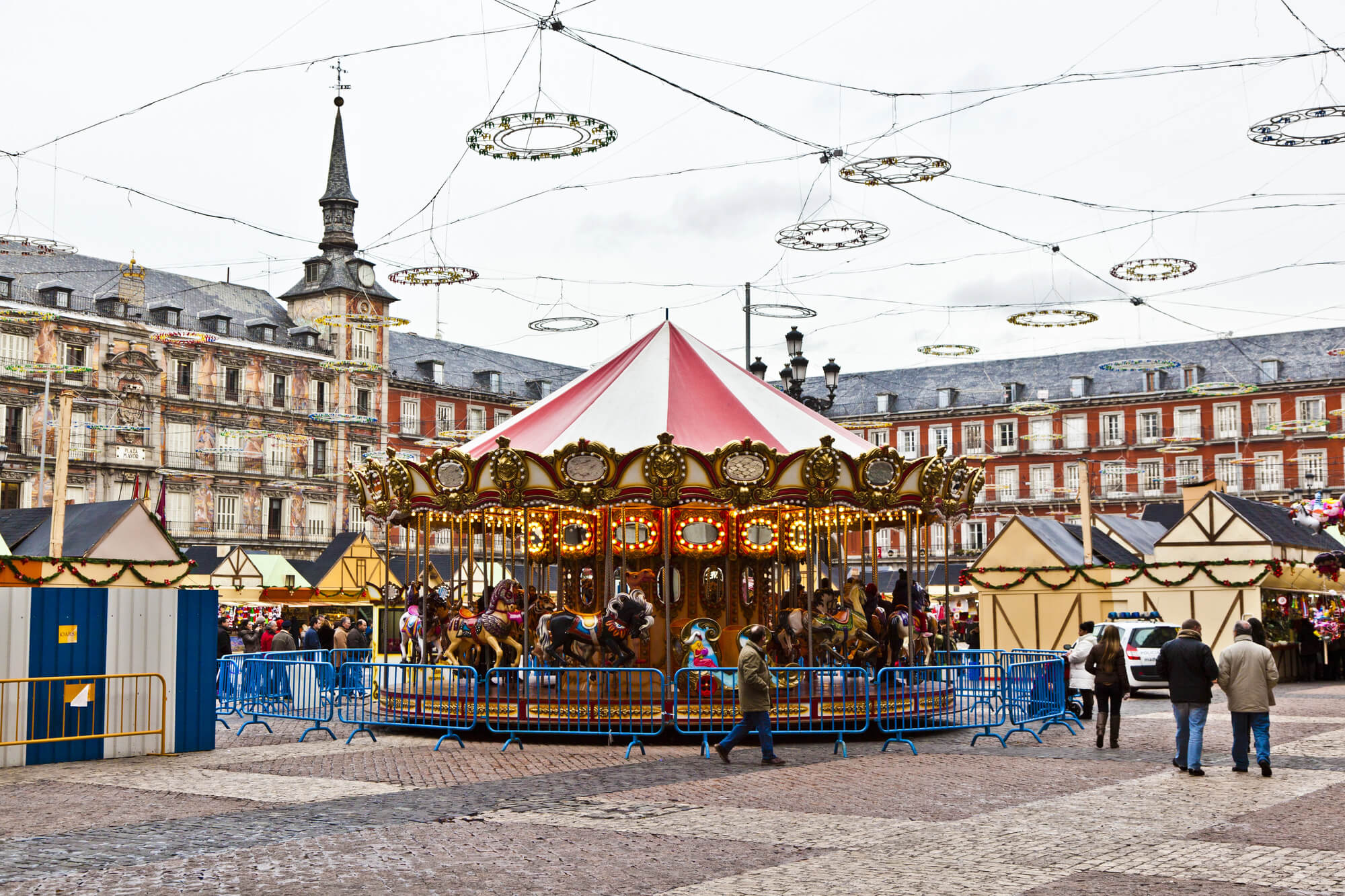
The plaza was completed in 1619 under King Philip III, and fires damaged it in 1631 and 1672, then devastated it again in 1790. Juan de Villanueva rebuilt the square afterward, closing the corners with arched passages and giving the square its present uniform look.
The earlier version also hosted bullfights and public executions. Modern visitors mostly come for the calamari sandwiches, a significant improvement in programming.
Wenceslas Square Began as a Horse Market
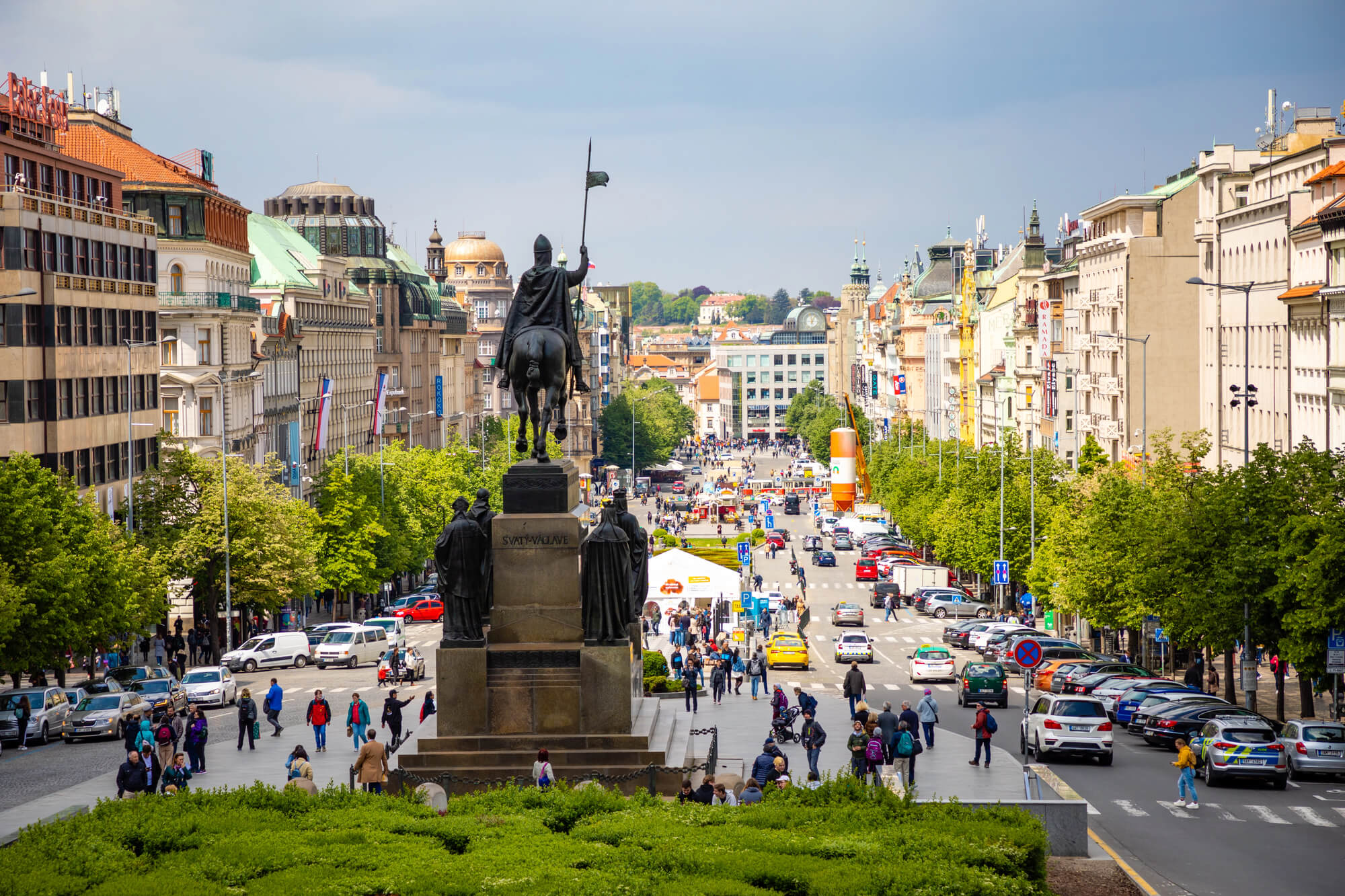
Prague’s Wenceslas Square was founded in the 14th century under Charles IV as a horse market, and for centuries that is what it was. It received its current name in 1848, after the patron saint of Bohemia.
The National Museum, finished in 1891, now closes off the top end, beneath the saint’s equestrian statue. Large crowds filled the square in November 1989 during the Velvet Revolution, turning a former livestock market into a symbol of political change.
Taksim Square Lost Its Barracks and Gained a Mosque
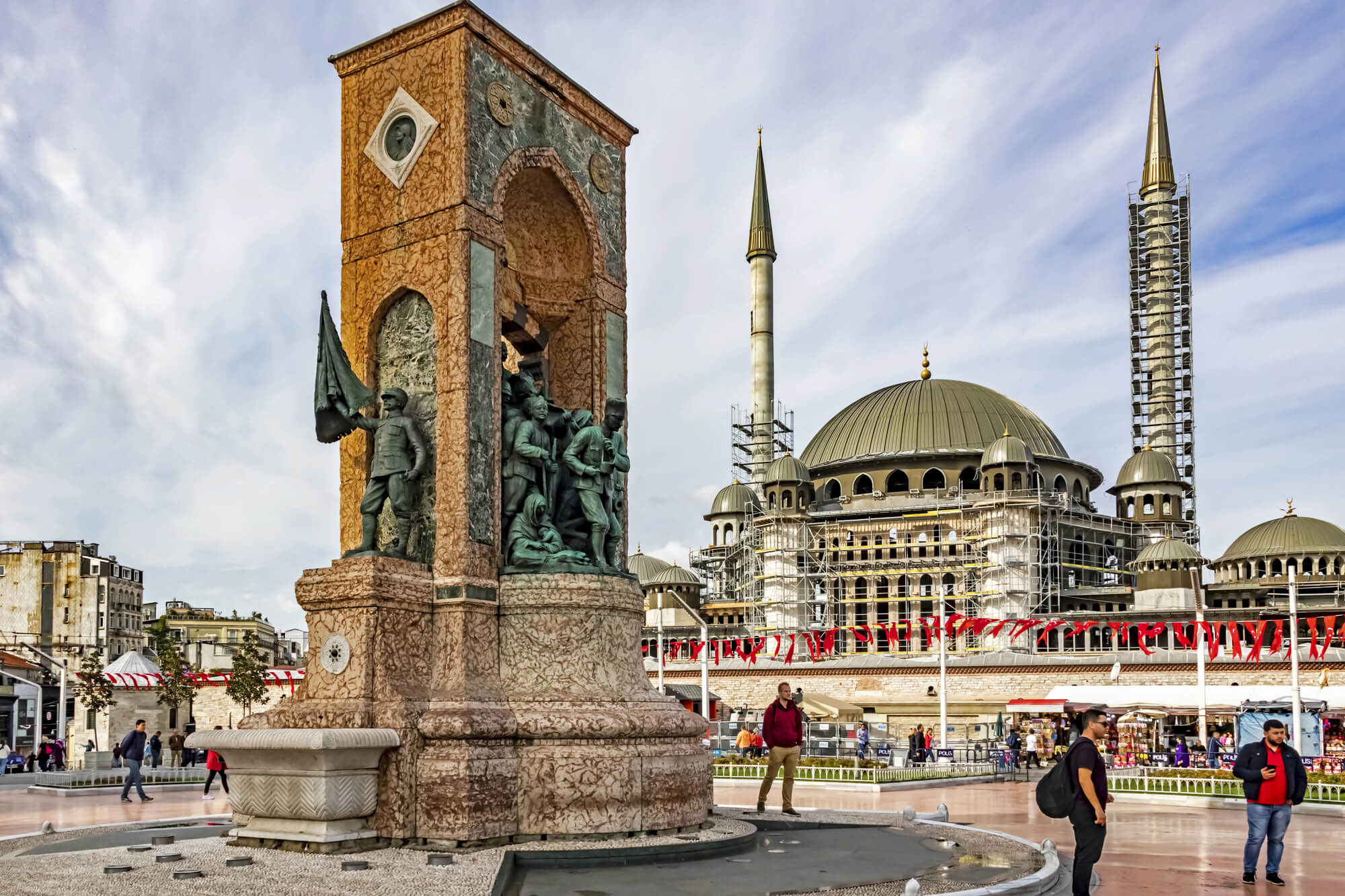
For much of the Ottoman period, the Taksim Military Barracks stood at the edge of the square, and the barracks were pulled down in 1940 as part of a modernization plan. The name itself comes from a water distribution point built in the 18th century.
In 2021, a large mosque opened on the square’s northeast side after years of debate. Proposals to rebuild the barracks have repeatedly sparked protest, including in 2013.
Tahrir Square Was Once Named for a Khedive
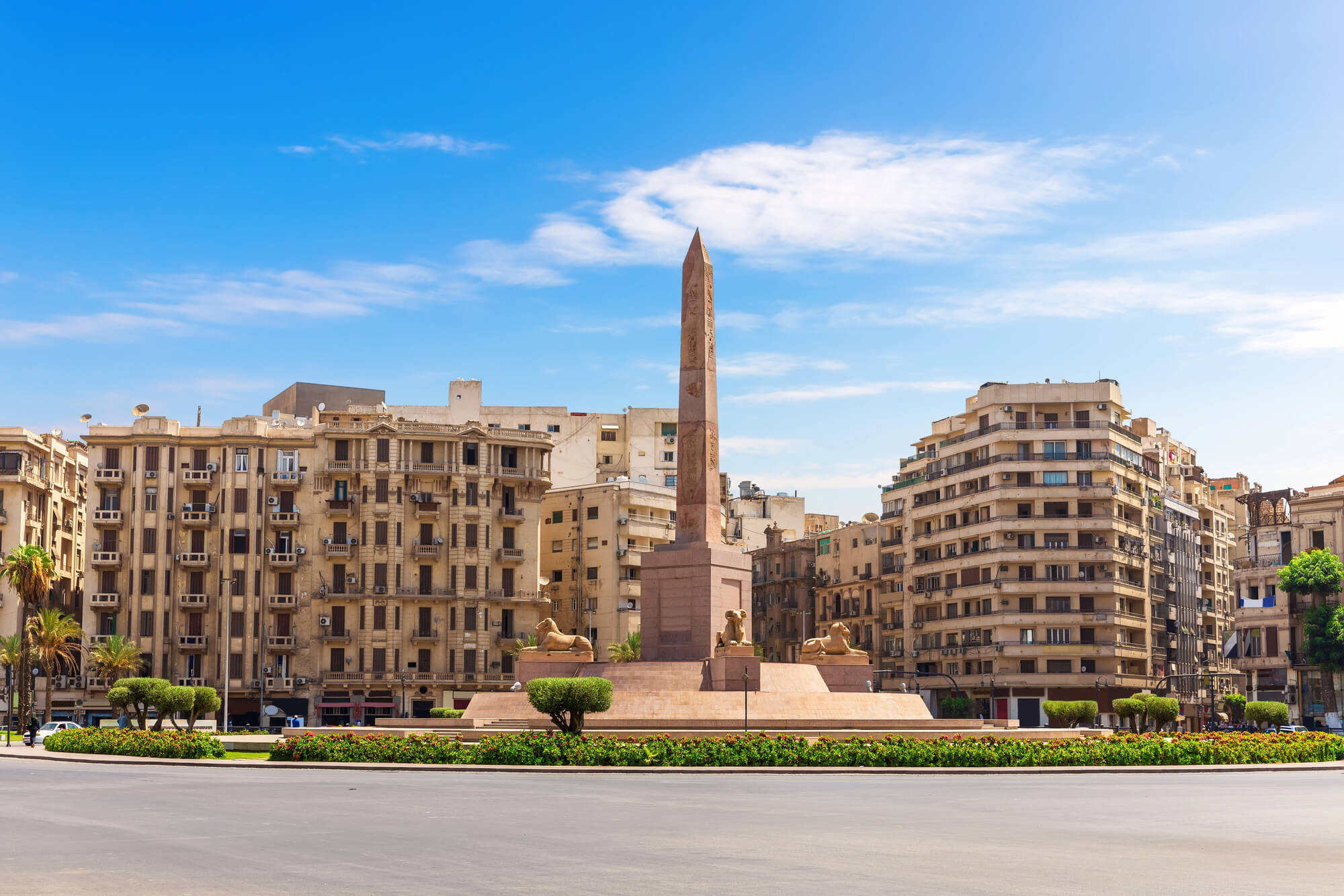
Cairo’s central square was laid out in the 19th century under Khedive Ismail, who modeled parts of downtown on Paris, and it was first called Ismailia Square. After the 1952 revolution, it was renamed Tahrir, meaning liberation.
In 2020, Egypt installed an obelisk of Ramses II and four ram-headed sphinxes in the center of the roundabout. The square is now best known worldwide for the mass protests of 2011.
Washington Square Park Was a Burial Ground
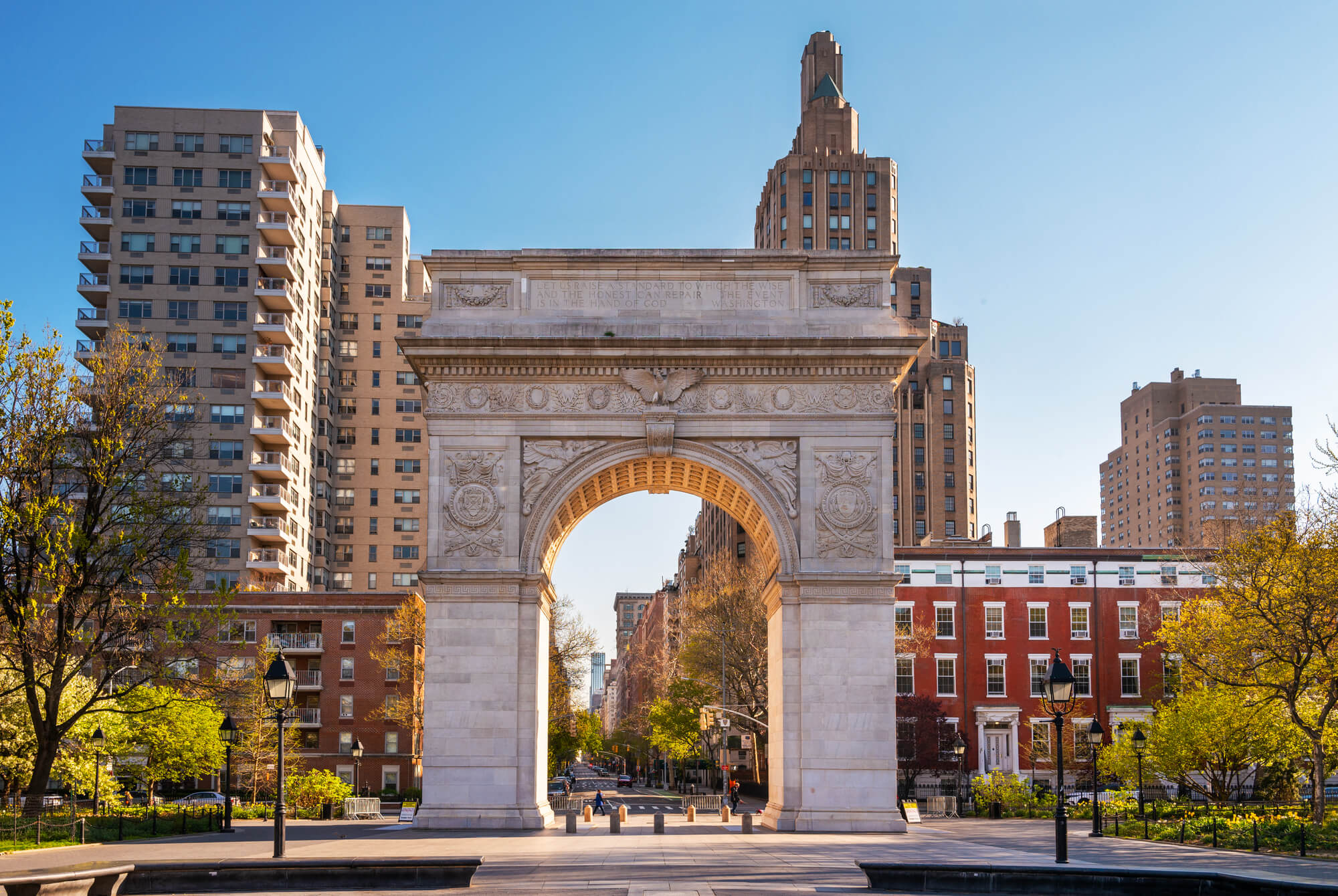
Before it became a landmark of Greenwich Village, the land served as a potter’s field from the 1790s to the 1820s, and thousands of New Yorkers were buried beneath it. It was also used for public hangings.
The marble arch at its north end was completed in 1892, and traffic ran through the park until a campaign in the late 1950s kept cars out. Musicians and chess players now work the same ground.
Pioneer Courthouse Square Replaced a Parking Lot
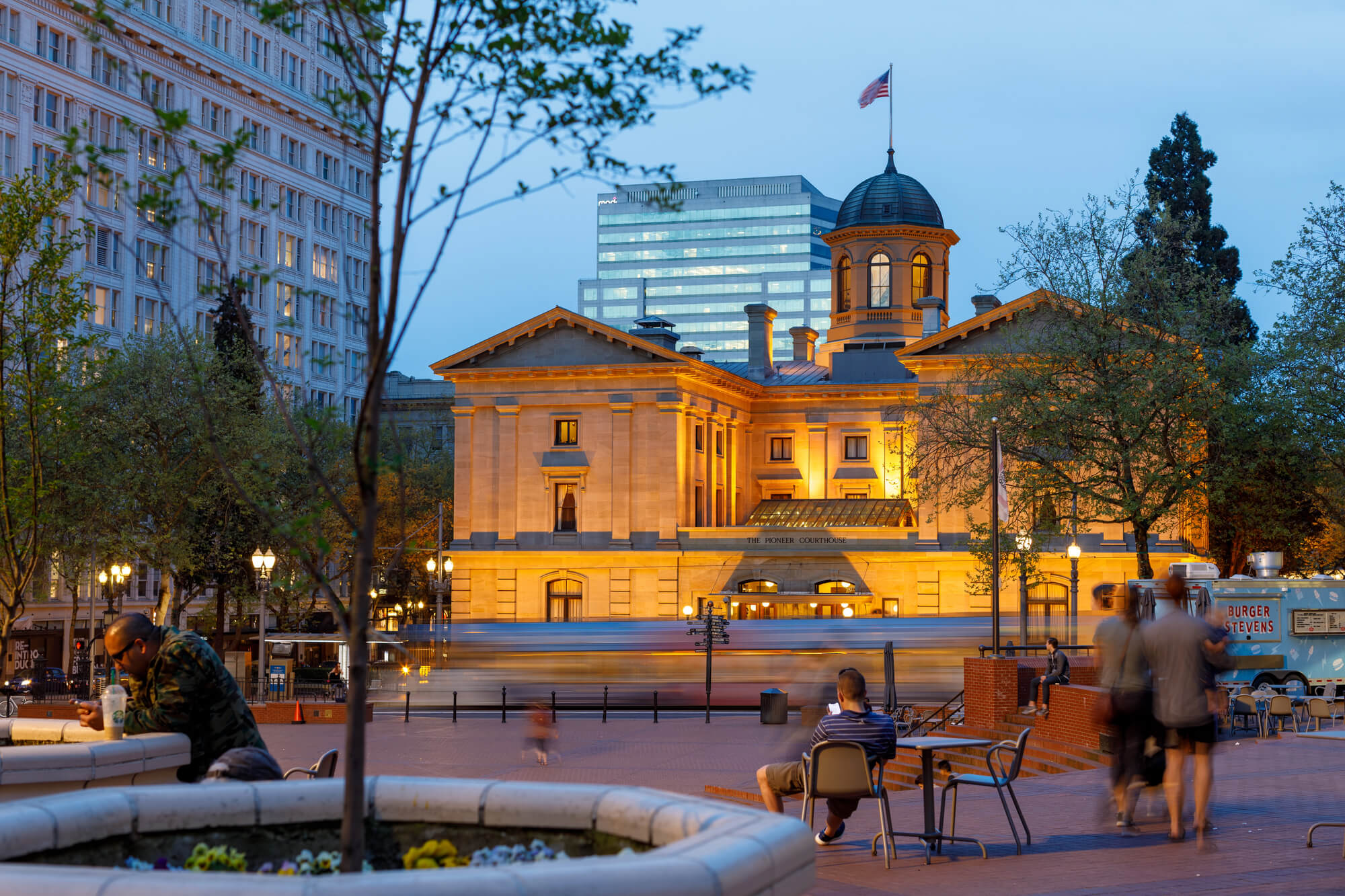
Portland’s civic living room sits where the grand Portland Hotel stood until its demolition in 1951. For about three decades afterward, the block was used as a parking lot, which many residents considered an embarrassment.
The city redeveloped it, and the new square opened in 1984. Thousands of engraved bricks sold to local donors helped pay for the paving, so the floor is partly a directory of the people who paid for it.
Federation Square Was Built Over a Rail Yard
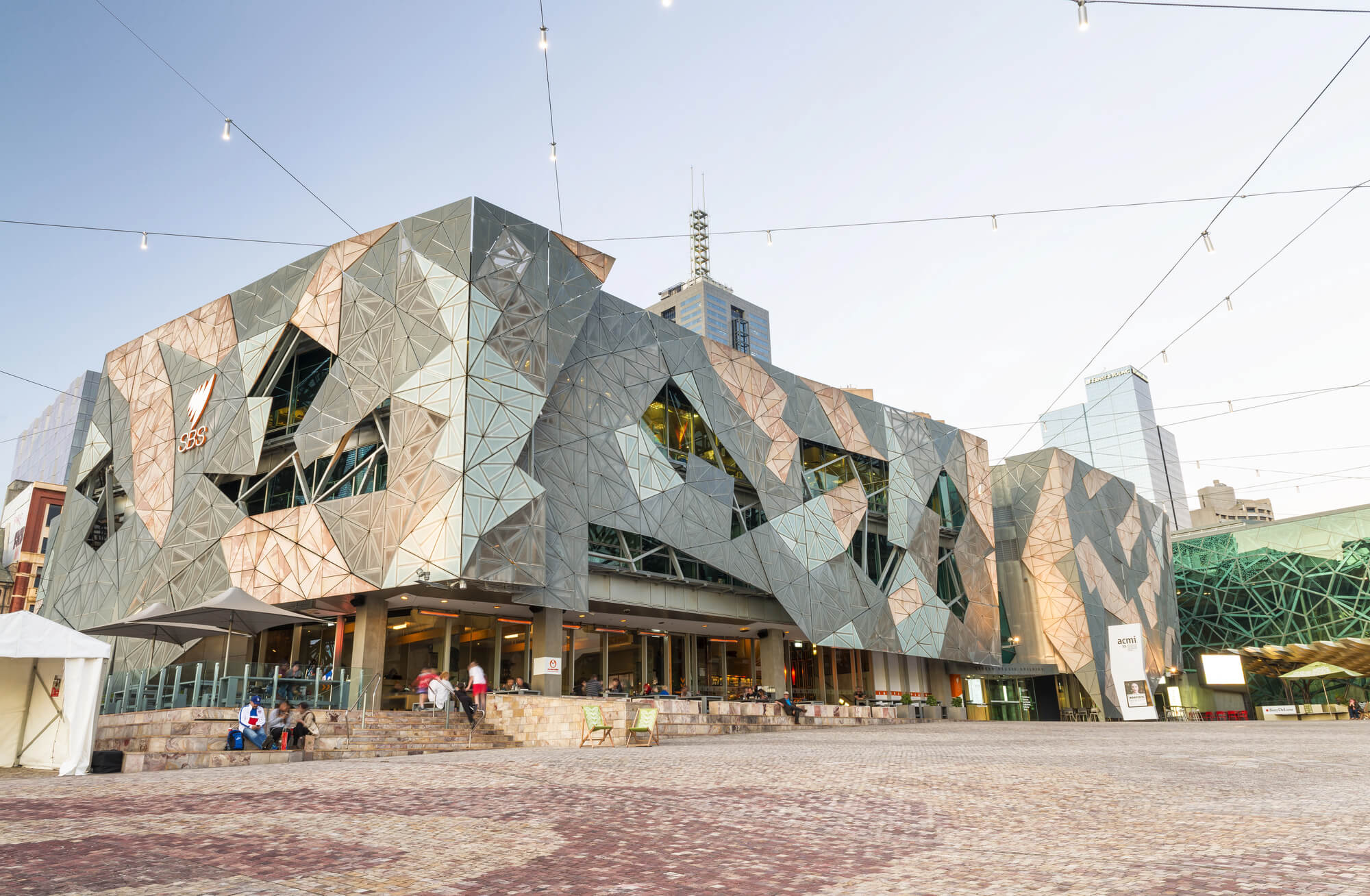
Before it opened in 2002, the site beside Flinders Street Station in Melbourne was occupied by railway yards and the Gas and Fuel Corporation towers. Planners put a large deck over the tracks and built a plaza with a cluster of angular, glass-and-zinc buildings on top.
It became a gathering place for large public screenings. The square is a rare modern example of a city creating a major plaza from scratch.
Piazza Navona Once Flooded on Purpose
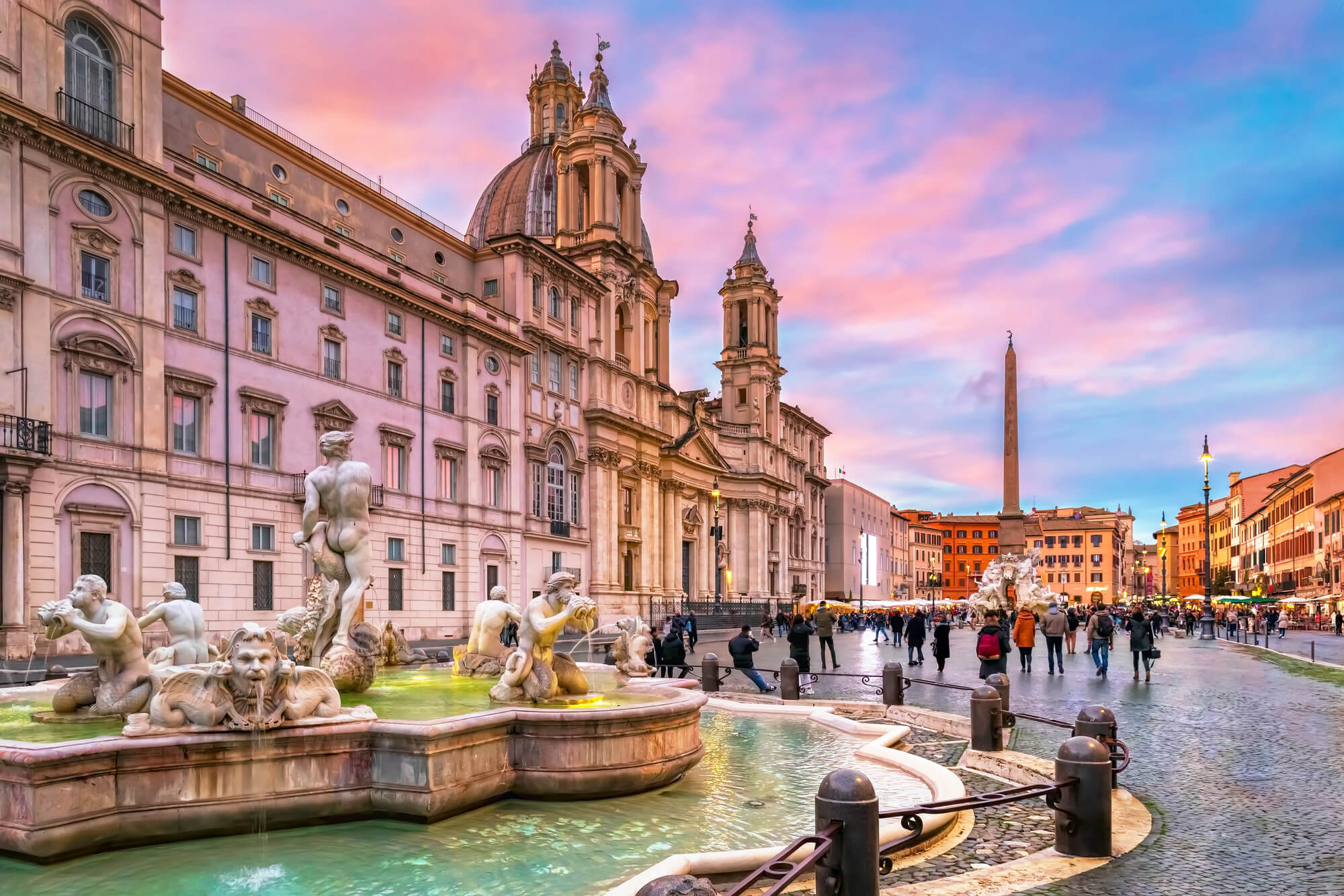
The shape of the piazza follows the Stadium of Domitian, a Roman athletics venue built in the first century, which is why it is long and oval. In the 17th century, the fountains were plugged on summer weekends so the square flooded, and nobles reportedly rode carriages through the water.
Bernini’s Fountain of the Four Rivers was installed in 1651. The temporary lake is long gone, though the stadium outline remains clearly visible from above.
Place Vendôme Lost Its Column and Got It Back
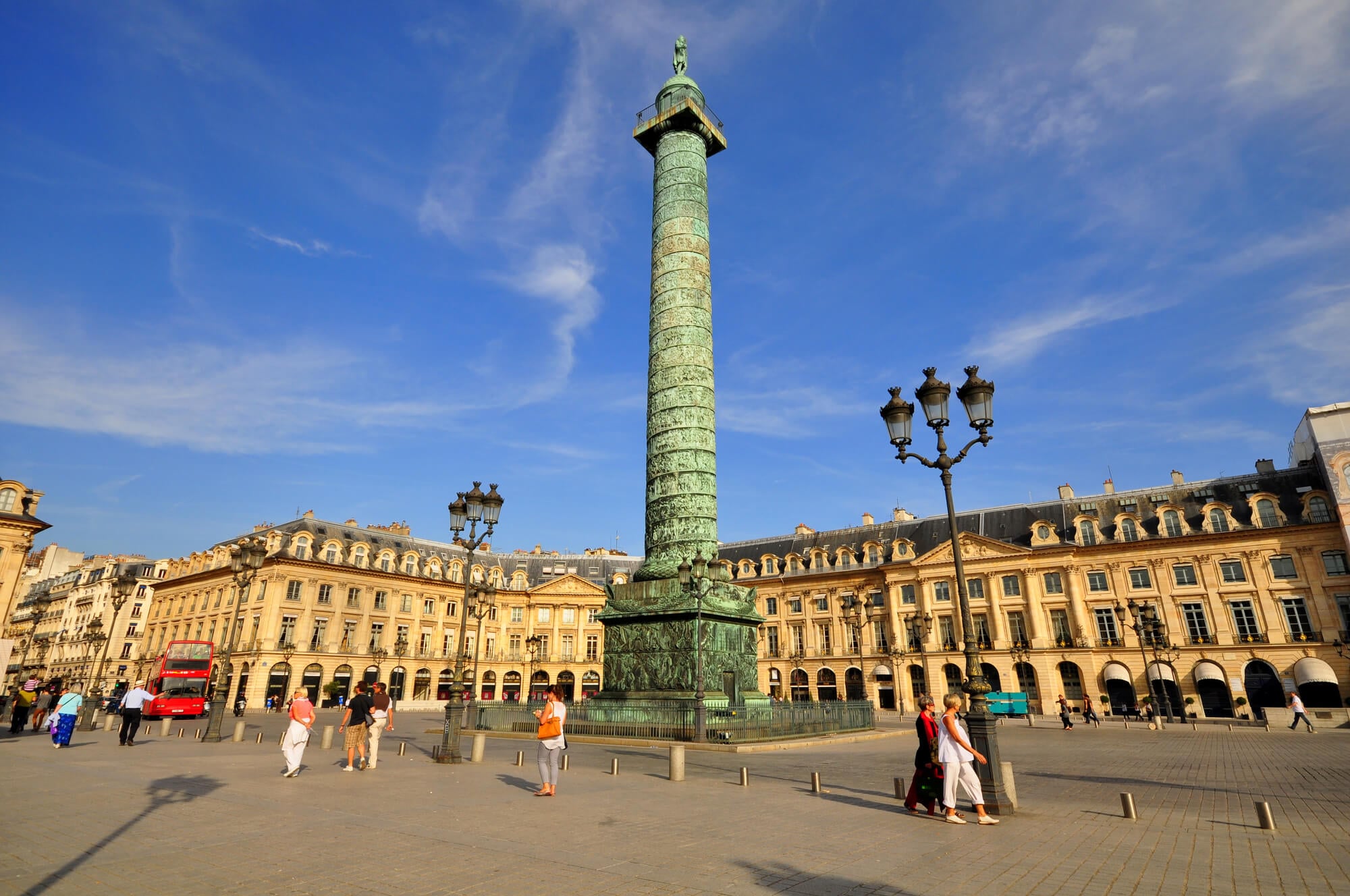
Place Vendôme was laid out in the late 17th century around an equestrian statue of Louis XIV, which was destroyed during the Revolution. A column topped with Napoleon was added in the early 19th century.
In May 1871, the Paris Commune toppled it, and the painter Gustave Courbet was blamed and later billed for the cost of rebuilding. The column went back up in 1875.
The square, now home to luxury jewelers, has had a more eventful history than its storefronts suggest.
Place de la Bastille Swapped a Fortress for an Opera House
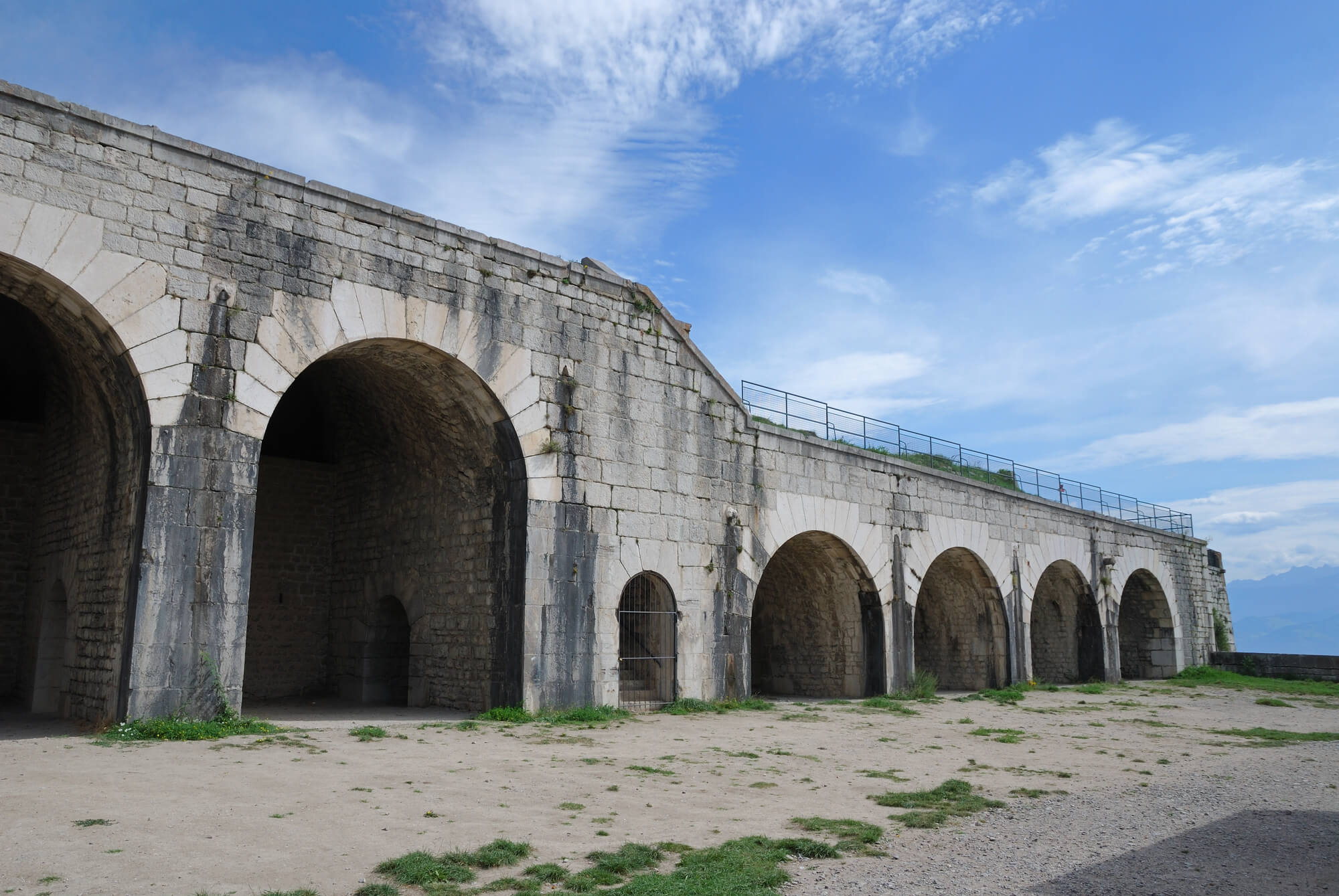
The medieval fortress that gave the square its name was stormed on July 14, 1789, and demolished within months. The site stayed open for decades, and the July Column, honoring the revolutionaries of 1830, was dedicated in 1840.
In 1989, the Opéra Bastille opened on the eastern side, in time for the bicentennial. The fortress is long gone, yet its name still anchors one of the busiest junctions in eastern Paris.
Kyiv’s Maidan Was Rebuilt After a Wartime Blast Campaign
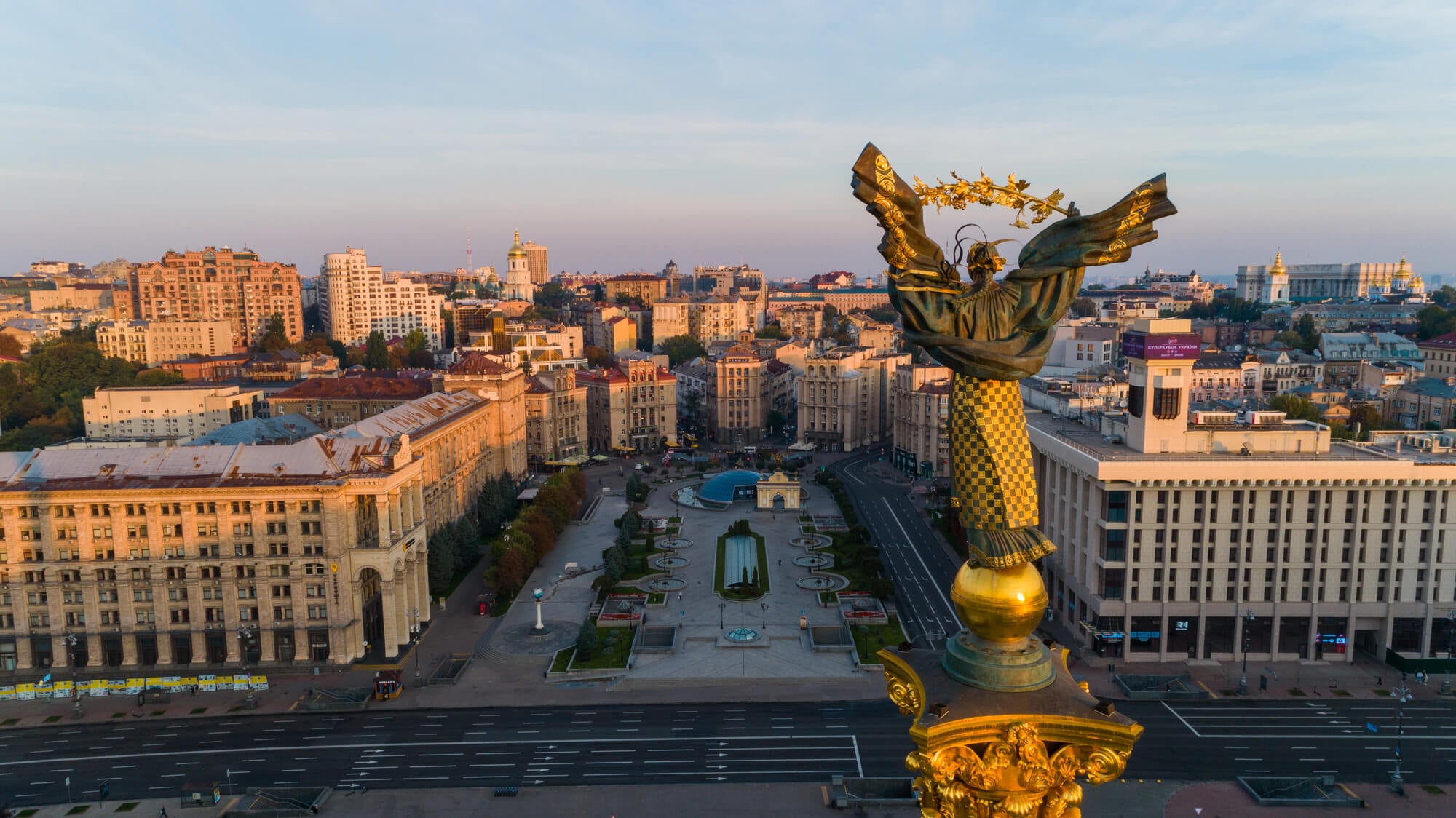
In September 1941, explosive charges planted by retreating Soviet forces destroyed much of Khreshchatyk Street and the area around what is now Independence Square. The center was rebuilt after the war in a grand Stalinist style.
It took its present name, Maidan Nezalezhnosti, after Ukraine’s independence in 1991, and the Independence Monument was unveiled in 2001. The square later became the stage for the 2004 Orange Revolution and the Euromaidan protests of 2013 and 2014.
Dam Square Began With an Actual Dam
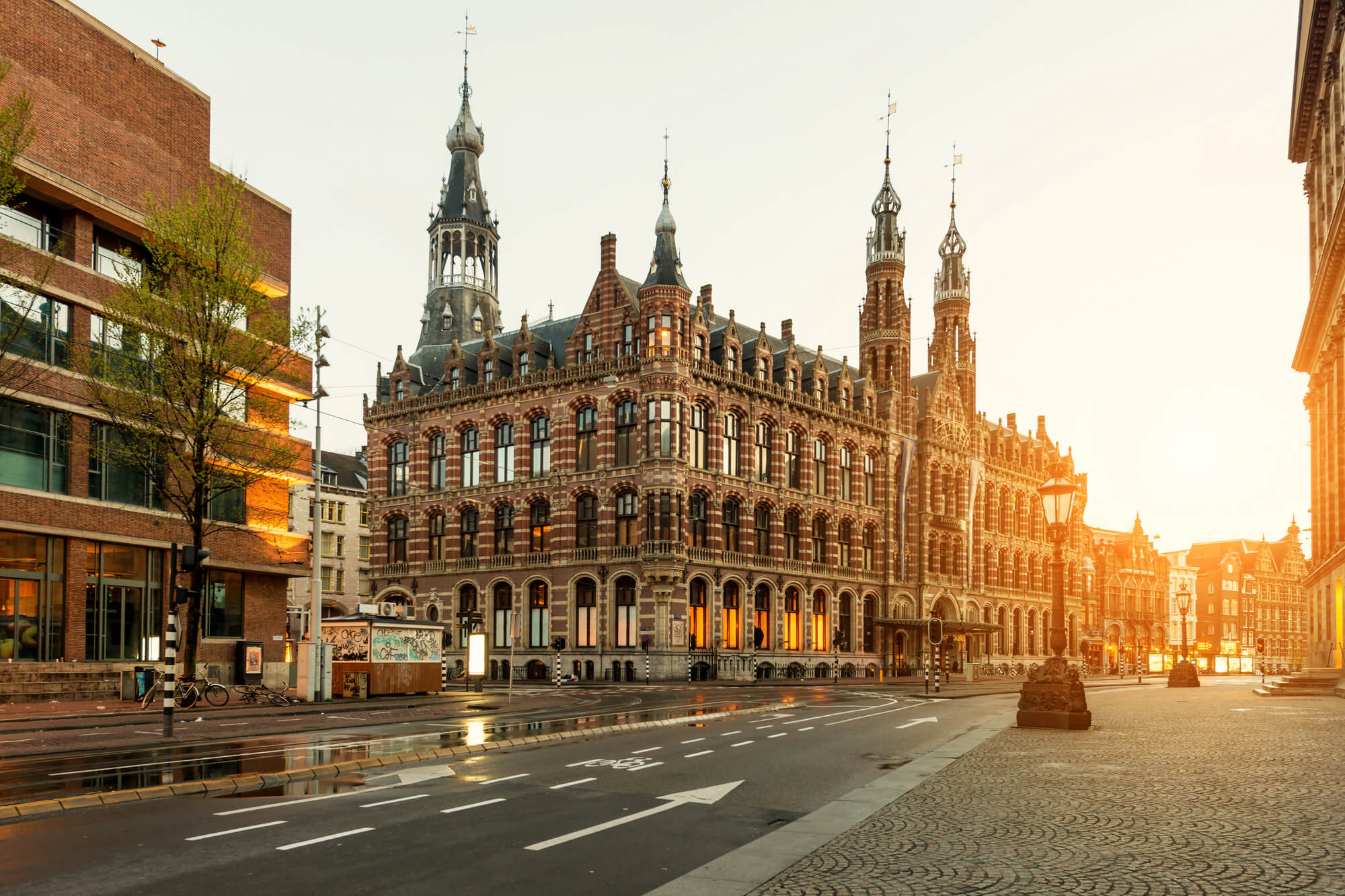
Amsterdam is named for a dam across the Amstel River, built in the 13th century, and the square occupies that very spot. The current Royal Palace was completed in the 1660s as the city hall, and became a royal residence in 1808 under Louis Bonaparte.
In 1956, the National Monument was unveiled opposite it to honor victims of World War II. The Dam is therefore an unusually literal piece of city naming.
Pariser Platz Rebuilt Beside the Brandenburg Gate
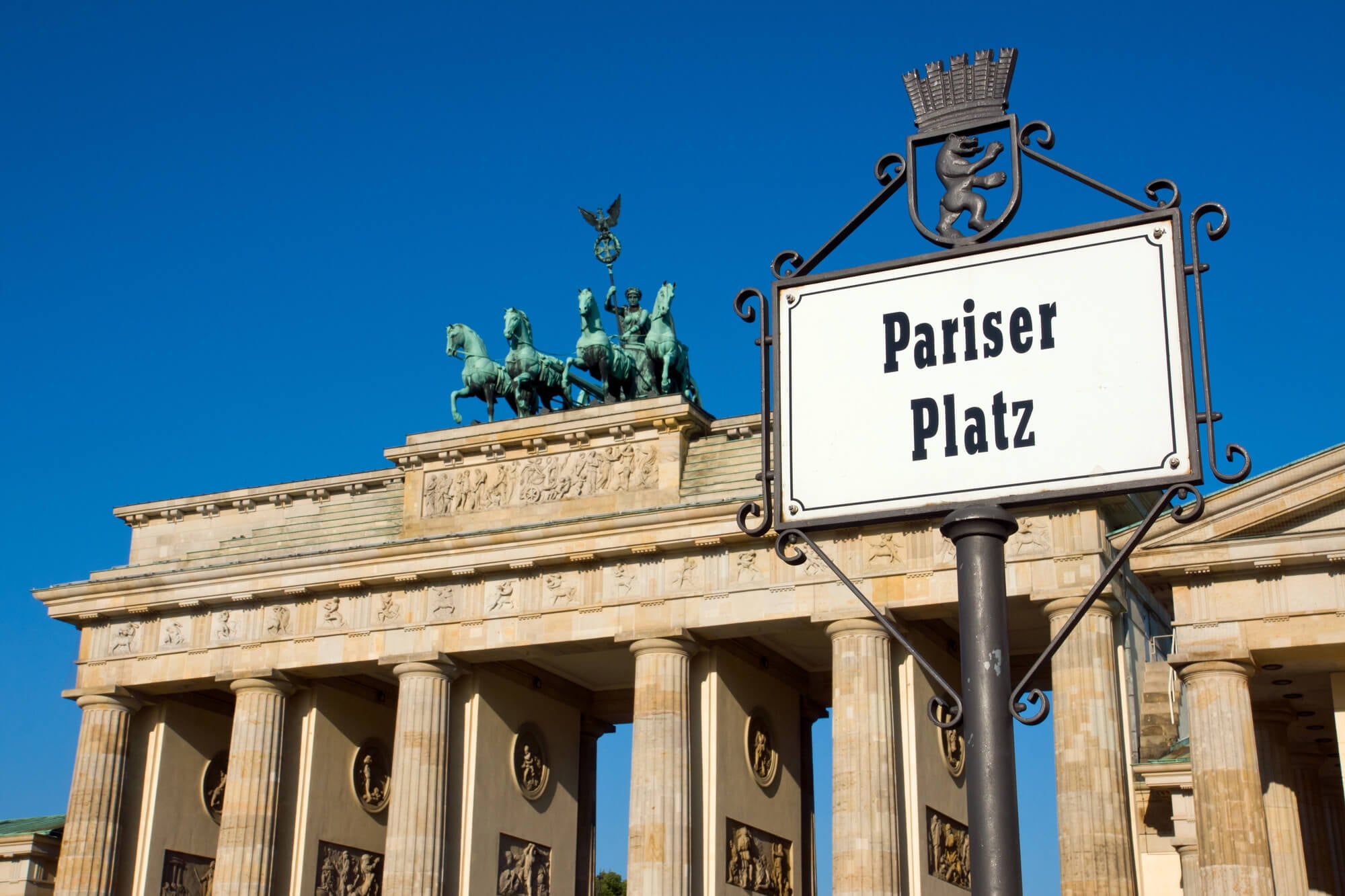
The square in front of Berlin’s Brandenburg Gate was lined with grand buildings, including the Hotel Adlon, which opened in 1907. War damage and the postwar border left the area empty for decades, with the gate stranded in a restricted zone.
After reunification, the square was rebuilt with embassies, banks, and a new Adlon that opened in 1997. The American embassy reopened on its historic corner site in 2008.
Plaza de Mayo Lost Its Colonial Arcade
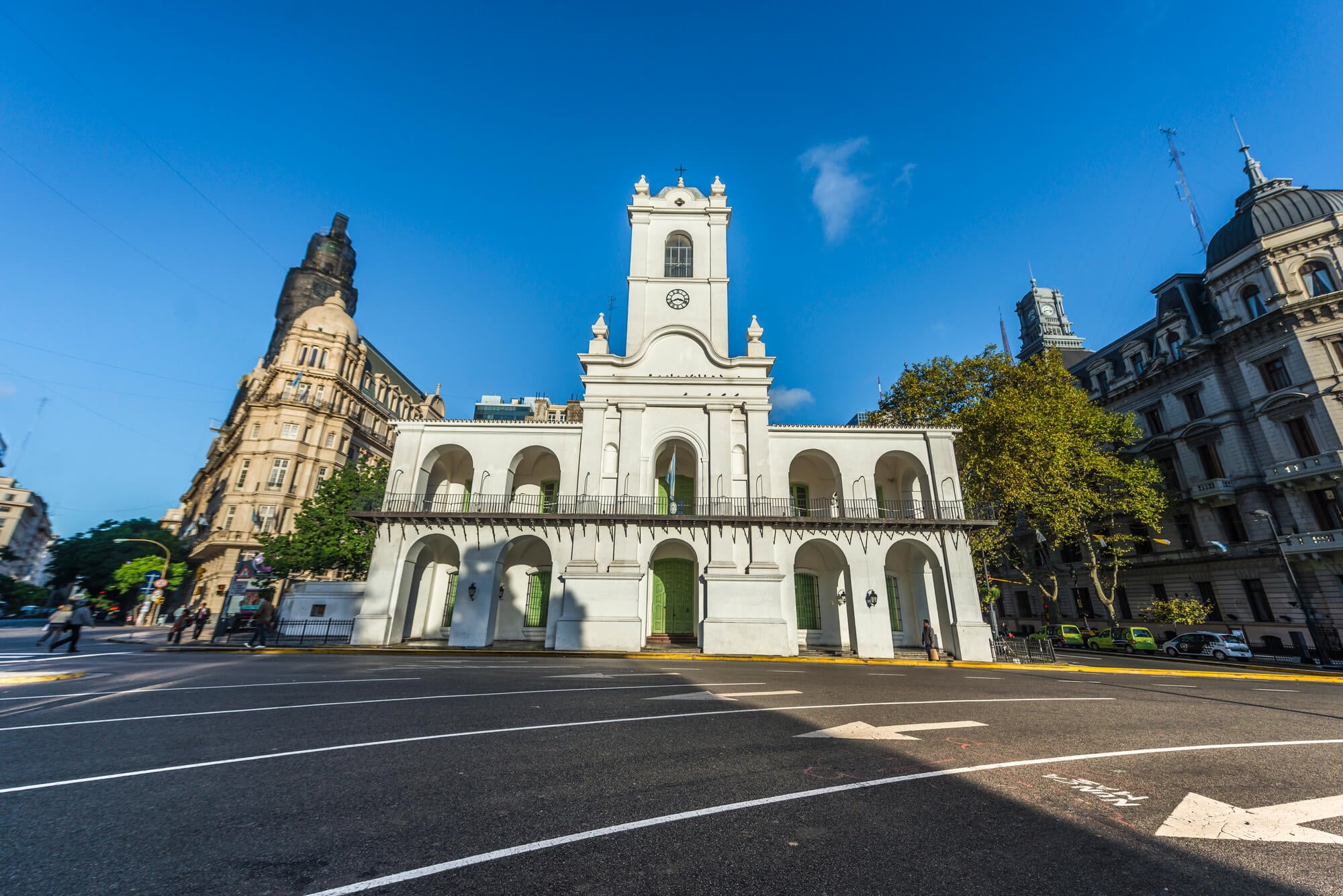
Buenos Aires’ main square was once split in two by the Recova, a long colonial arcade of shops, which was demolished in 1884. The removal created the single open plaza in front of the pink Casa Rosada.
The Pirámide de Mayo, a monument to the 1810 revolution, stands in the middle. Since April 1977, a group of mothers has gathered there weekly, turning a ceremonial space into a place of persistent protest.
Piazza del Popolo Was Remade as an Oval
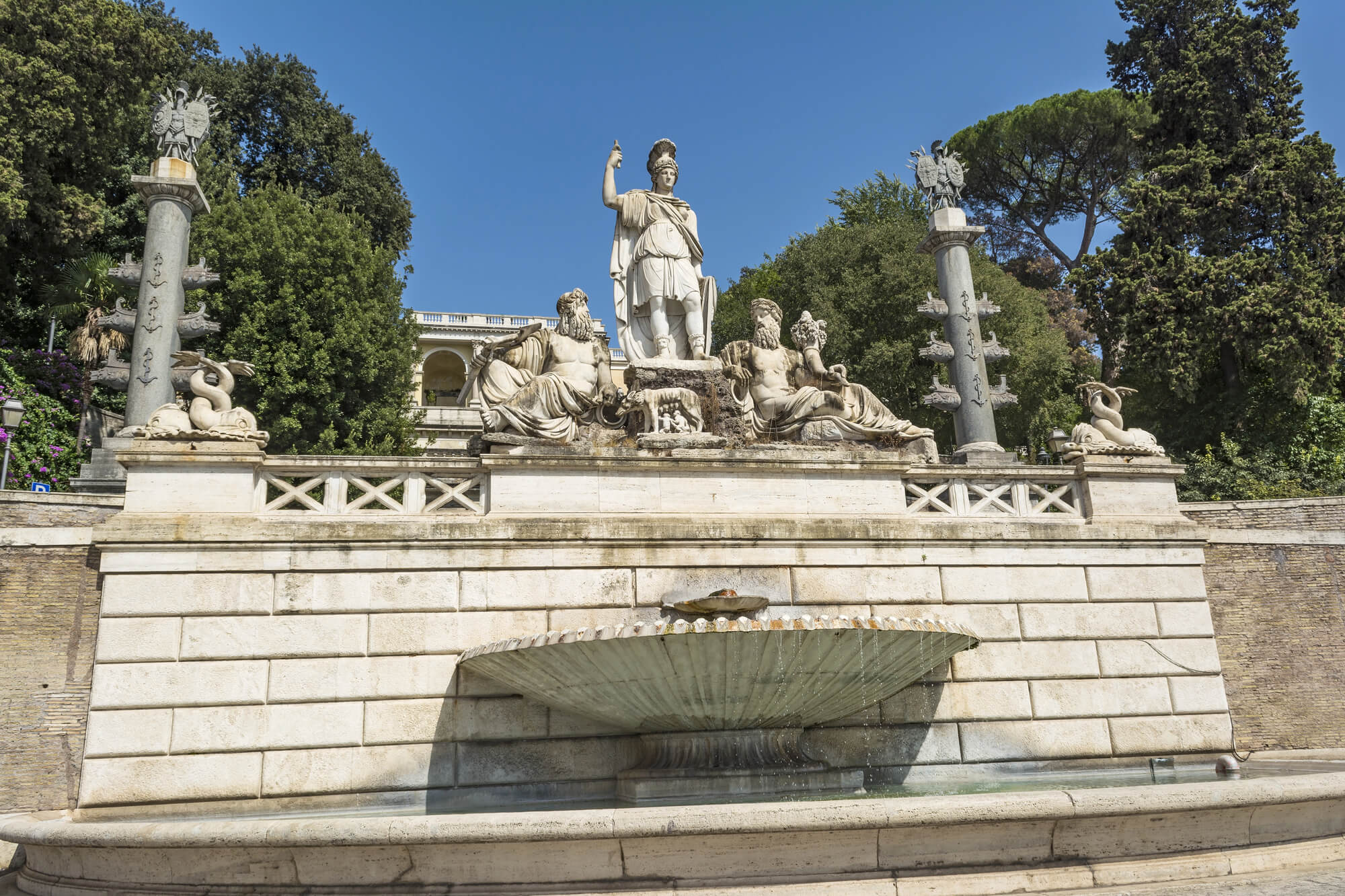
Rome’s Piazza del Popolo sits just inside the city’s old northern gate, where three major roads meet. In the early 19th century, architect Giuseppe Valadier reshaped it into the grand oval with ramps and gardens that visitors see today.
The Egyptian obelisk of Ramses II in the center was raised there by order of Pope Sixtus V in 1589. For travelers entering Rome from the north, the square still works as a deliberately theatrical welcome.
When a City Changes Its Mind About Open Space
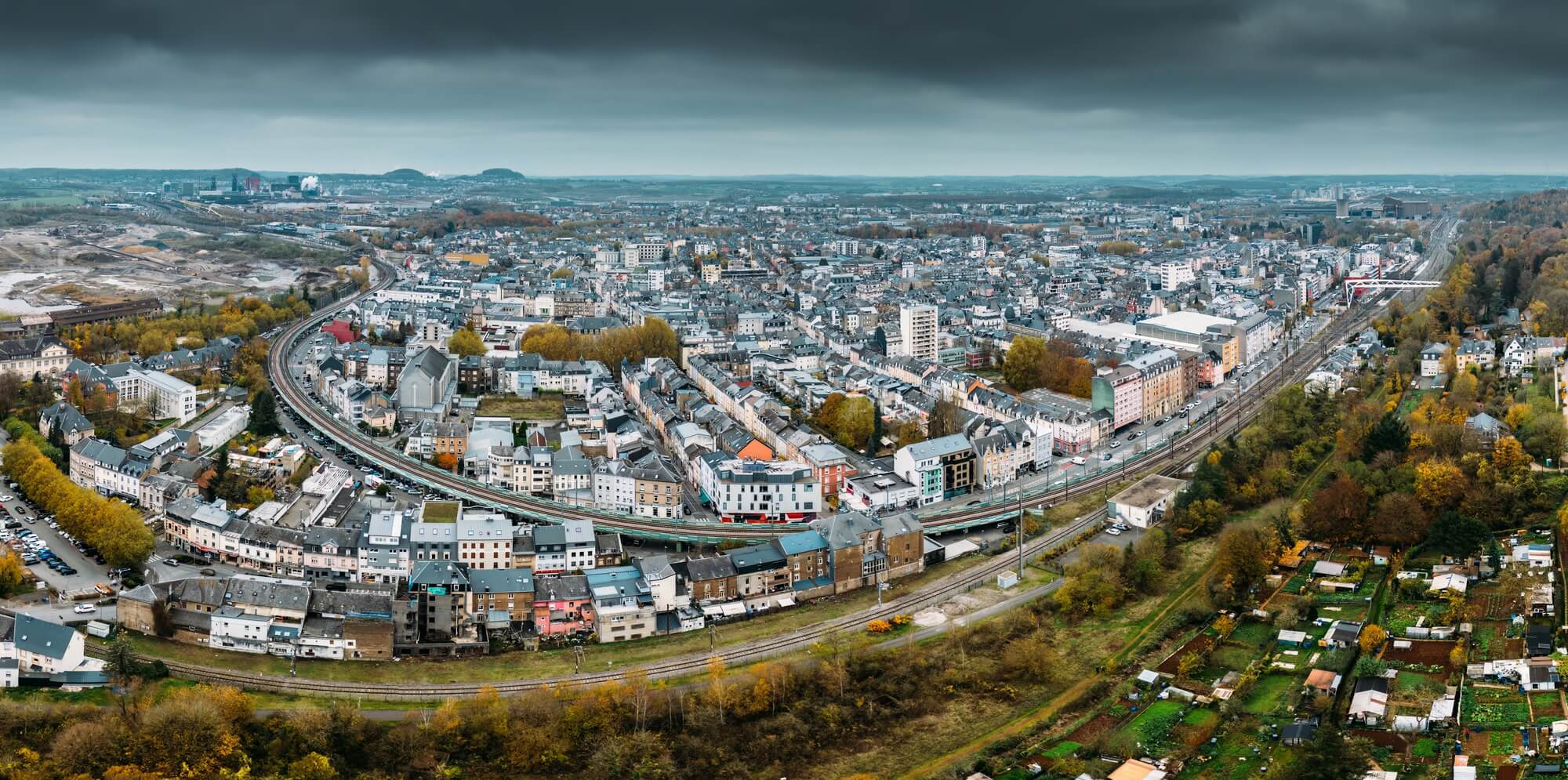
Taken together, these squares show that civic space is never finished. Some were enlarged for ceremonies, some were broken by war, and some were cleared of cars once people decided that a plaza should be for walking. In nearly every case, the earlier version was not a mistake but a reflection of what the city valued at the time.
The common thread is that public squares are a record of decisions, and decisions can be revisited. A parking lot, a barracks, or a bombed-out block can become a place where people gather, and an old photograph is evidence that nothing in a square is permanent. The next change is probably already being debated.
More from Go2Tutors!

- 27 Silver Dollars and Half Dollars Worth Keeping
- 28 Restaurant Menu Items Nobody Orders Anymore
- 17 Places Built in Seemingly Impossible Spots
- 27 Vintage Rings Worth More Than They Look
- 25 Restricted Sites Tourists Can’t Enter
Like Go2Tutors’s content? Follow us on MSN.