32 Back-to-School Purchases Before Online Shopping
Late summer once meant a trip to the store with a supply list in hand and a limited budget. The aisles overflowed with pencils, notebooks, and lunch boxes, and picking out supplies felt like a rite of the season.
Online shopping has taken over most of this, and the ritual has changed. These are the items families once bought in person.
The Trapper Keeper
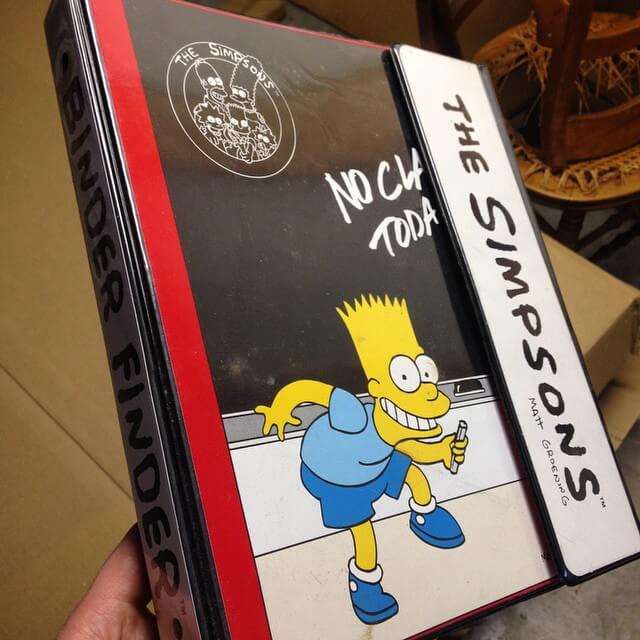
Mead introduced the Trapper Keeper in 1978, a binder with a flap that closed with a hook-and-loop strip. Its folders held loose paper and dividers, and the covers carried designs that kids chose carefully.
The ripping sound of the fastener could be heard across a classroom.
The Five Star Notebook
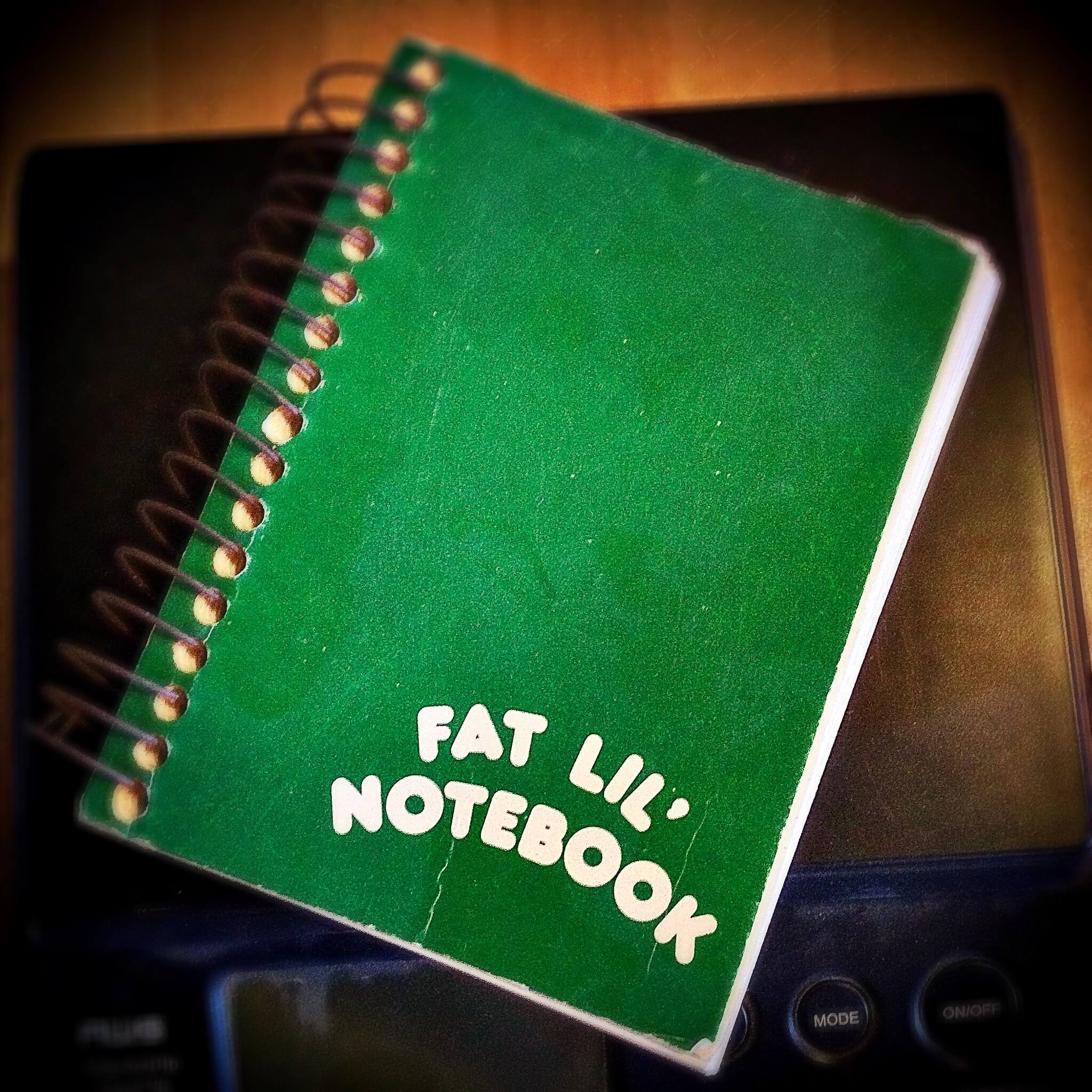
Spiral notebooks with a sturdy cover and color-coded dividers were a standard on supply lists. Students bought one for each subject.
The cover usually ended up covered in doodles.
The Marbled Composition Book
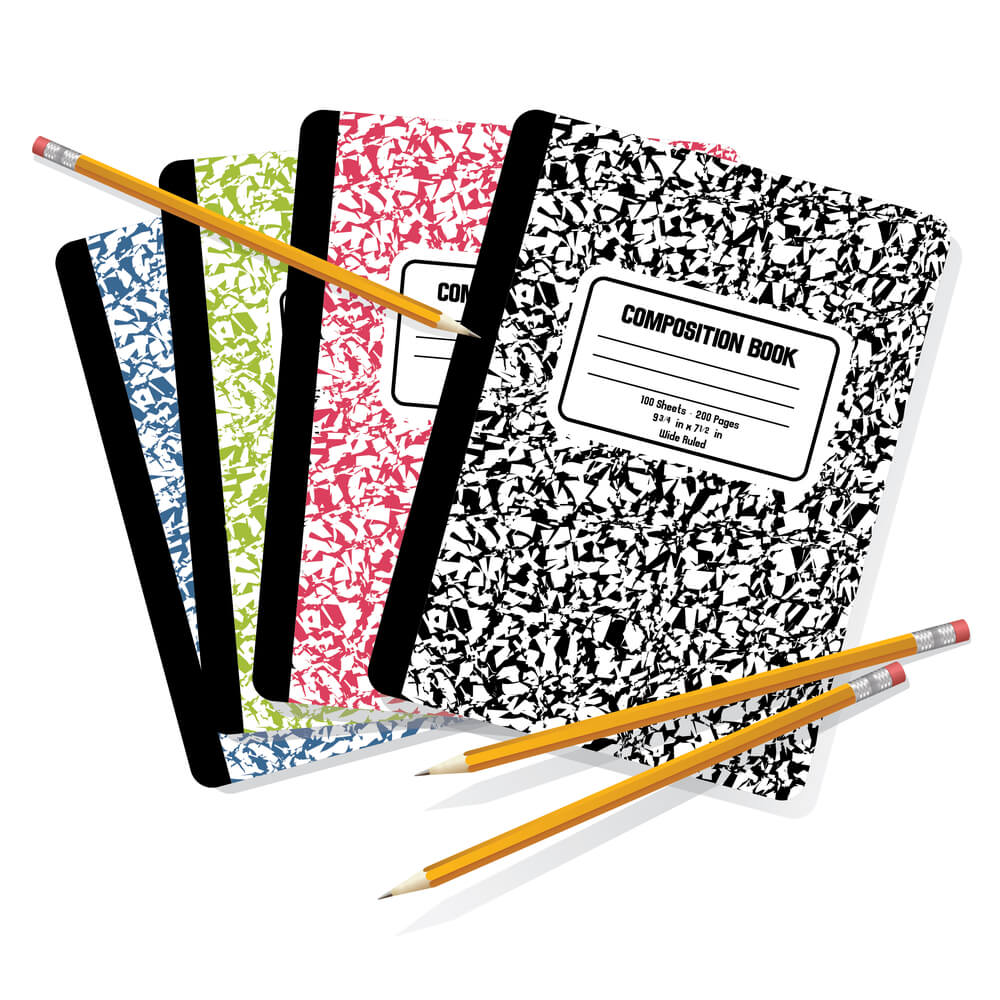
The black-and-white marbled composition book had a sewn spine and a label on the front for a name. Teachers requested it for journals and math.
The pages did not rip out easily, which was the point.
The Pee-Chee Folder

The Pee-Chee folder was a paper folder with pockets and a cover decorated with sports illustrations. Students carried homework in it from class to class.
The folders were sturdy enough to survive a full year in a backpack.
The Lisa Frank Folder

Lisa Frank founded her company in Tucson in 1979, and her bright neon animals, rainbows, and dolphins covered school supplies in the 1990s. Children cherished the folders, stickers, and pencil cases.
The designs were more colorful than anything else in the aisle.
The Crayola 64-Count Box

Crayola introduced the 64-count box with a built-in sharpener in 1958. Children coveted it because of its range of colors and its sharpener.
The tips of the crayons slowly wore down and the sharpener’s slots filled with wax.
The Yellow Number 2 Pencil
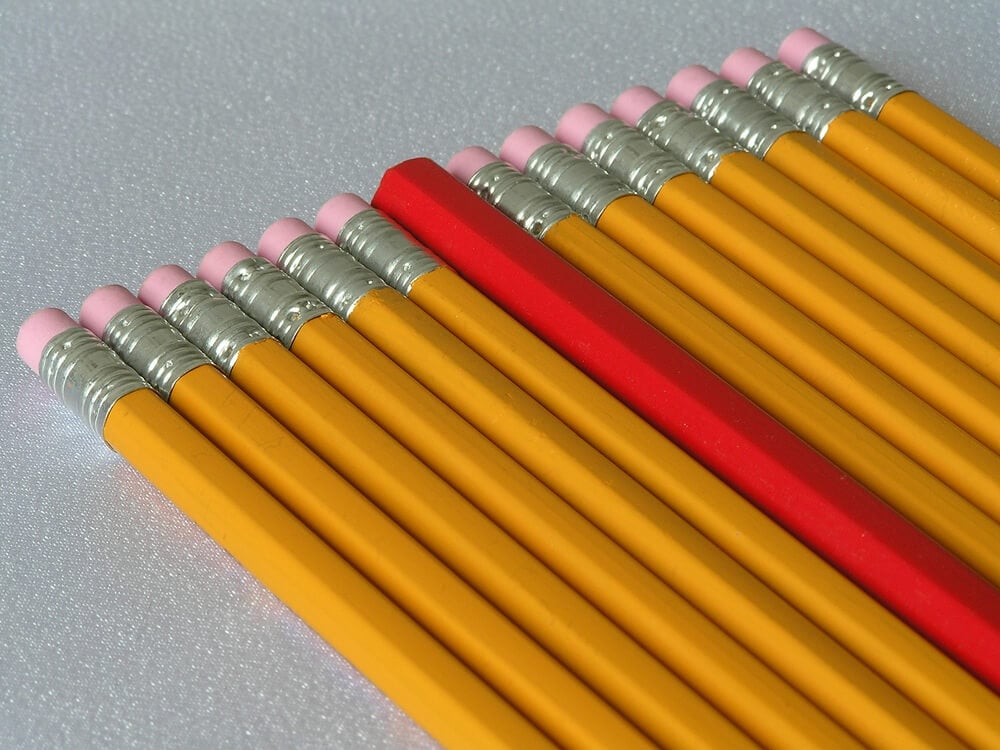
Dixon Ticonderoga’s yellow pencils appeared on nearly every supply list. Teachers asked for them by the dozen.
Chewed ends were nearly universal by midyear.
The Pink Pearl Eraser
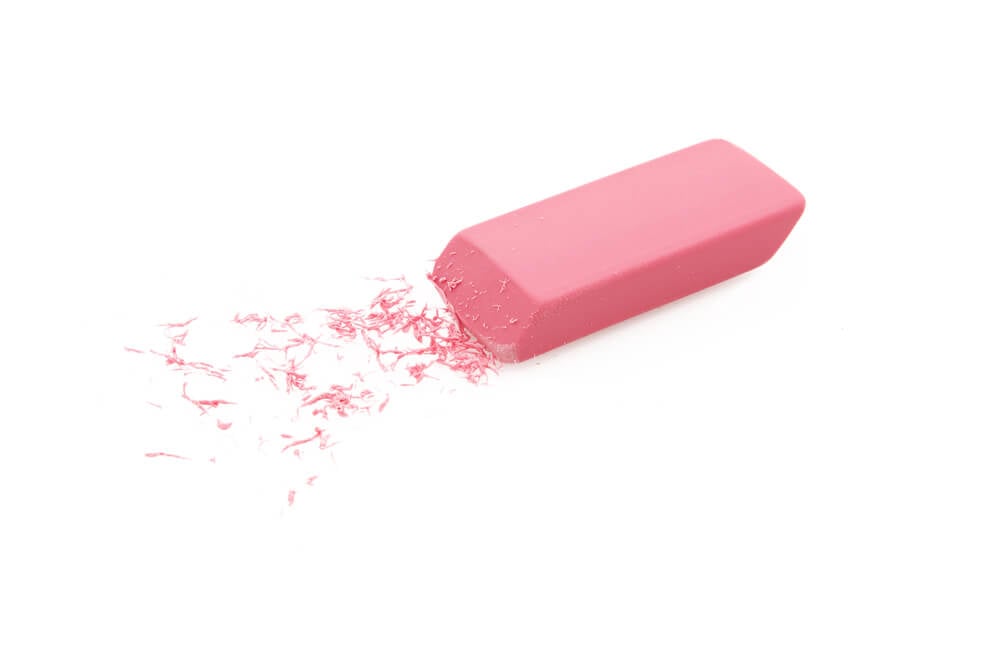
Pink Pearl erasers came in a wedge shape and cleaned up pencil marks without tearing the paper. Children kept one in the desk and another in the pencil pouch.
The edges turned gray with use.
The Bottle of Elmer’s Glue
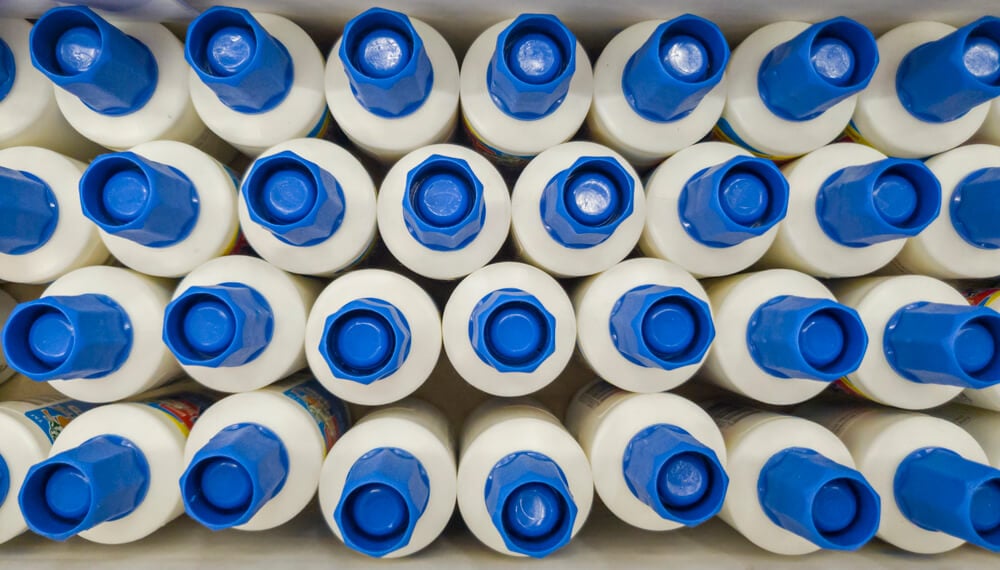
White school glue came in a squeeze bottle with an orange tip. Children learned that a small dab worked better than a puddle.
Some peeled the dried glue off their fingers like a second skin.
The Roll of Scotch Tape
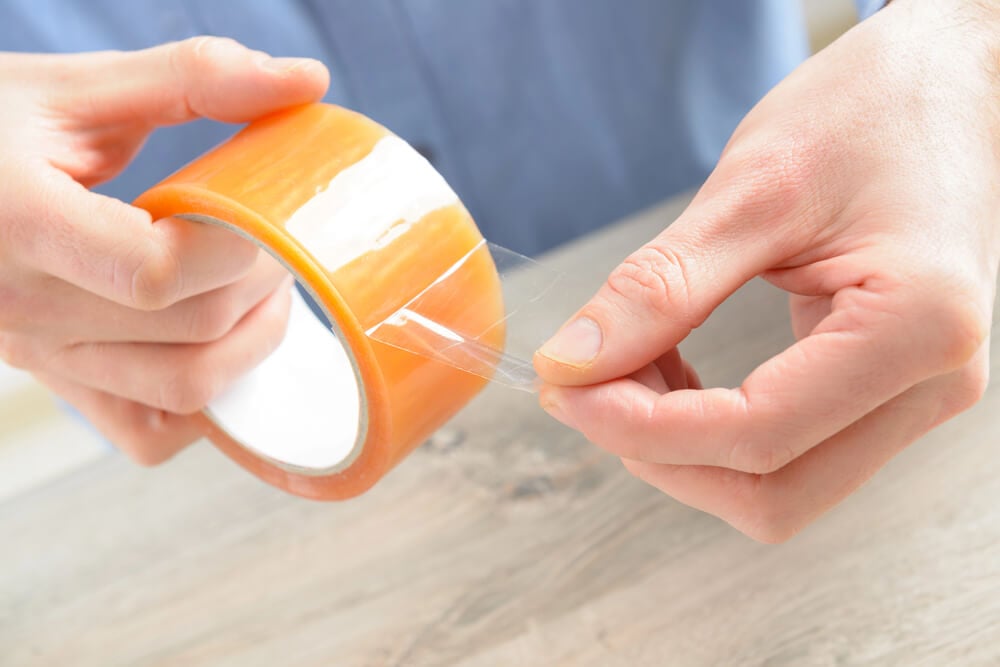
Scotch tape came in a plastic dispenser with a serrated edge. Richard Drew of 3M invented the original clear tape in 1930.
Every classroom seemed to run out of it by October.
The Geometry Set

The geometry set came in a small metal tin, with a protractor, a compass, a ruler, and a pair of triangles. Students used it in math class and rarely again.
The compass point was a hazard in any backpack.
The Metal Lunch Box
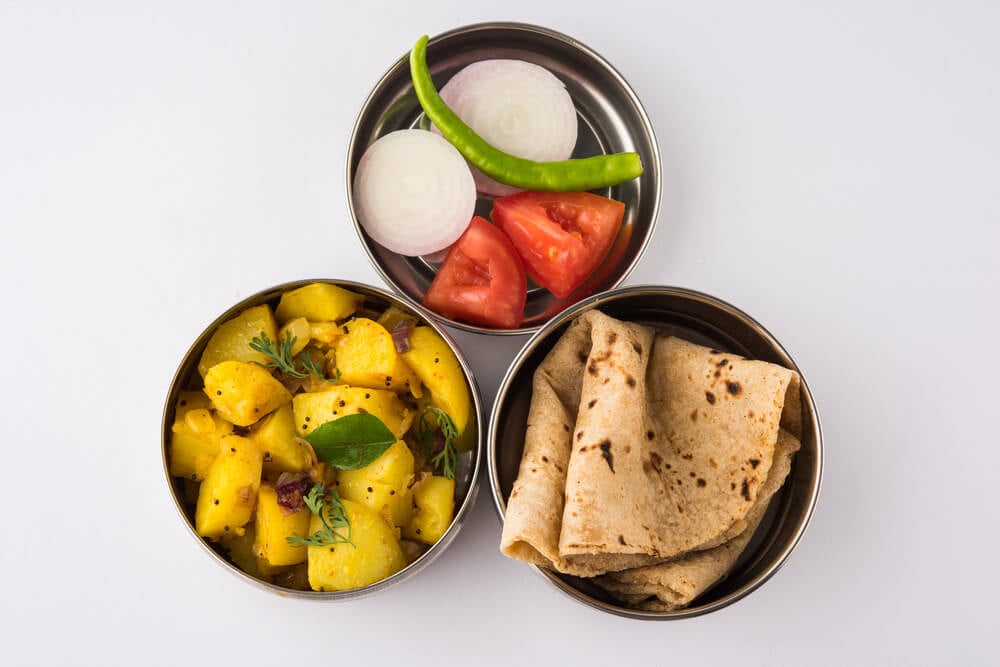
Aladdin released a Hopalong Cassidy lunch box in 1950, the first to feature a television character. Metal lunch boxes carried favorite shows and movies, and children chose them with care.
The latch and the dented corners told a history.
The Thermos
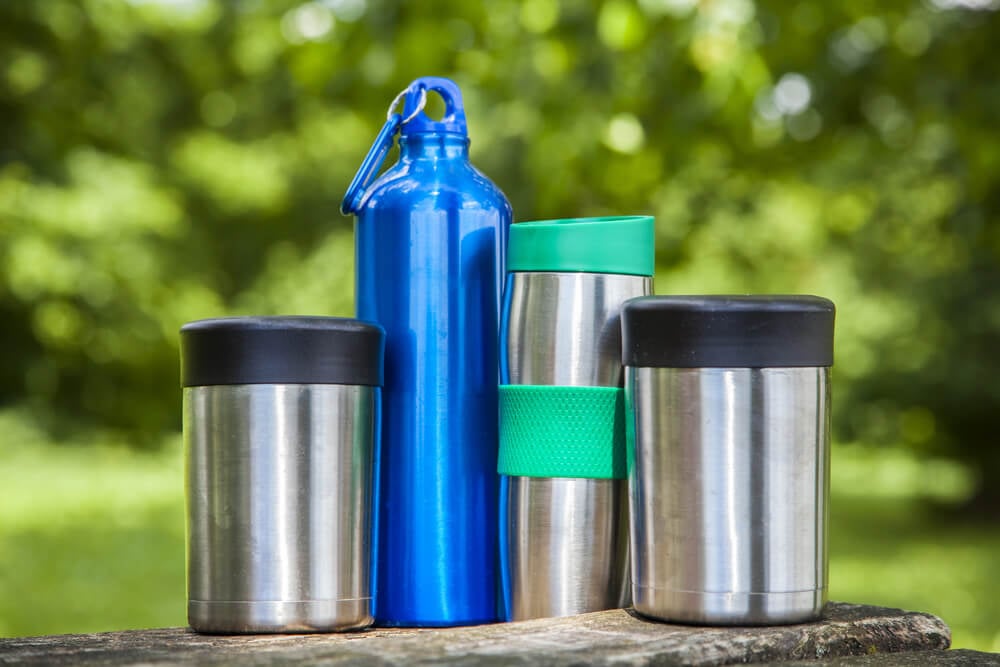
A matching Thermos came with the lunch box and held soup, milk, or juice. The glass lining could crack if the bottle was dropped.
The smell of old milk inside was unmistakable.
The JanSport Backpack
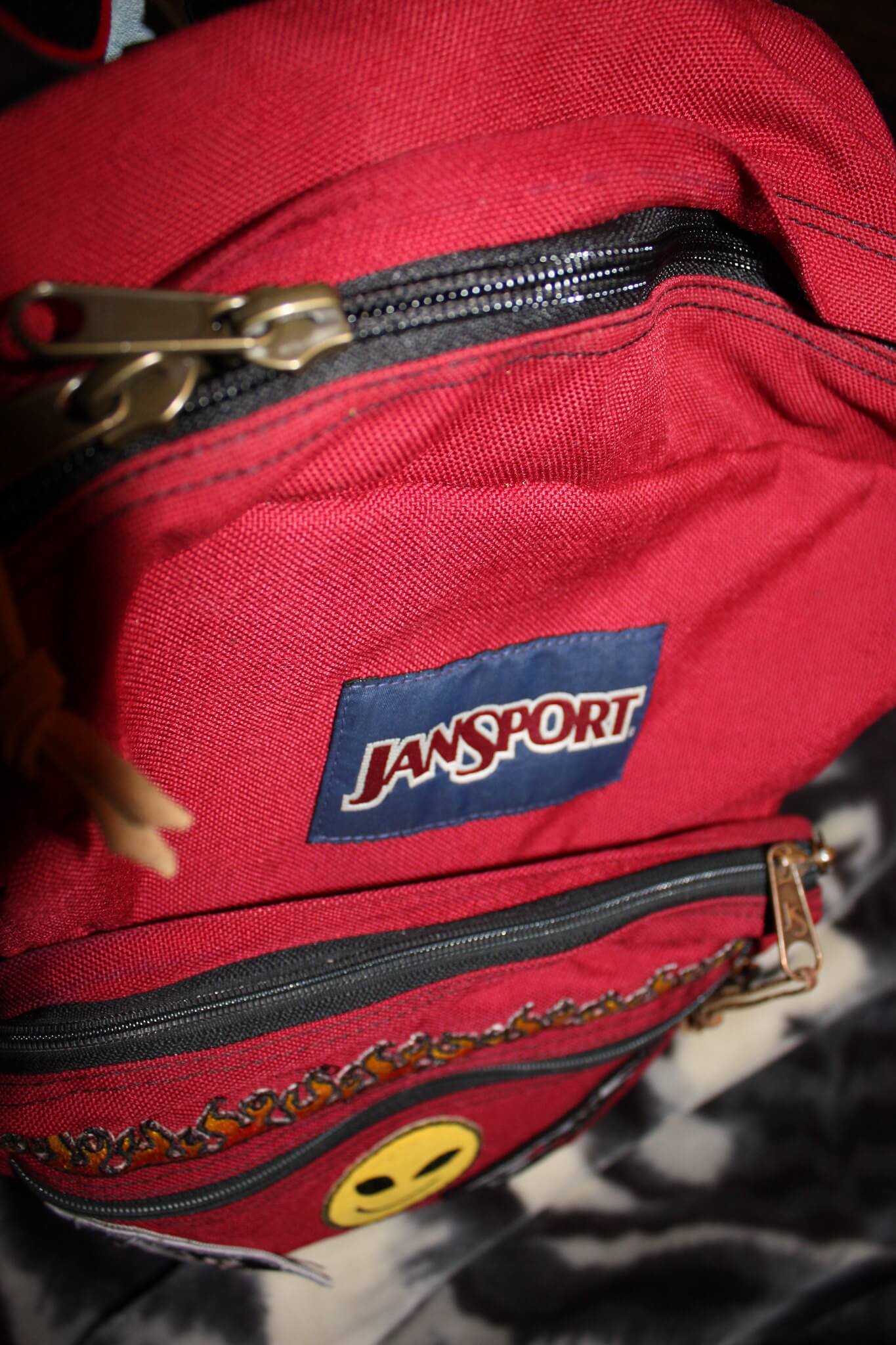
JanSport began in Seattle in 1967 and became a school standard with its sturdy straps and zippered pockets. Students scrawled names and band logos on the canvas.
A broken zipper meant a trip to the repair shop.
The Pair of Keds
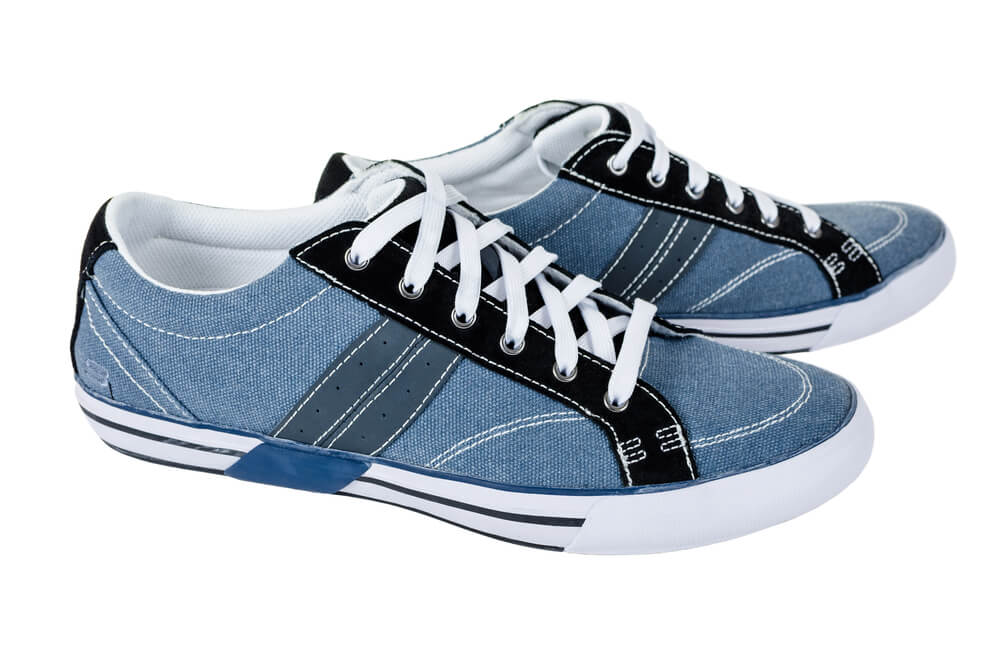
Keds sneakers were a back-to-school staple, white canvas with rubber soles. The brand dates to 1916.
Parents bought a size too big, hoping to make them last through the year.
The Velcro Sneakers
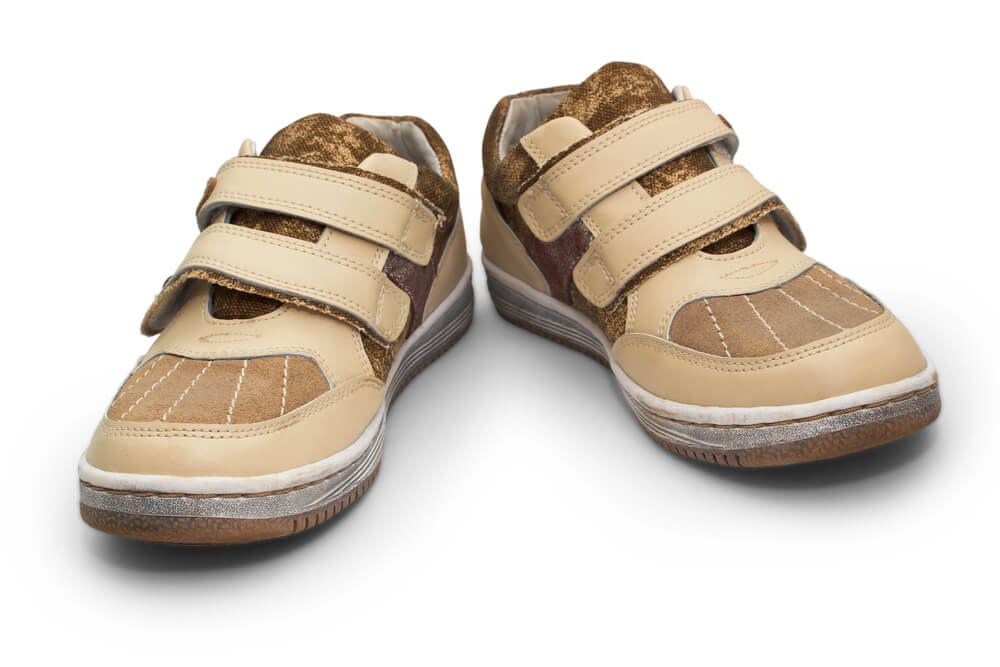
Shoes with hook-and-loop straps let younger children dress themselves. The strap made a loud rip when opened.
Lint collected in the fastener over time.
The Pair of Levi’s Jeans
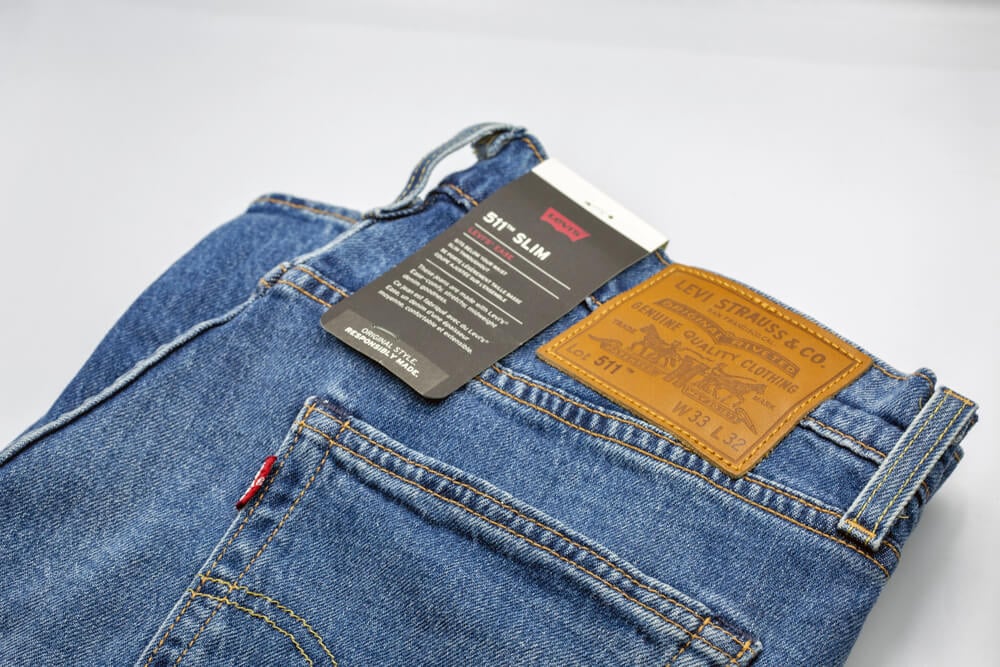
New jeans were purchased in the fall, stiff and dark. They were rolled up at the cuff, since children were expected to grow into them.
By spring, they were soft and faded.
The First Scientific Calculator
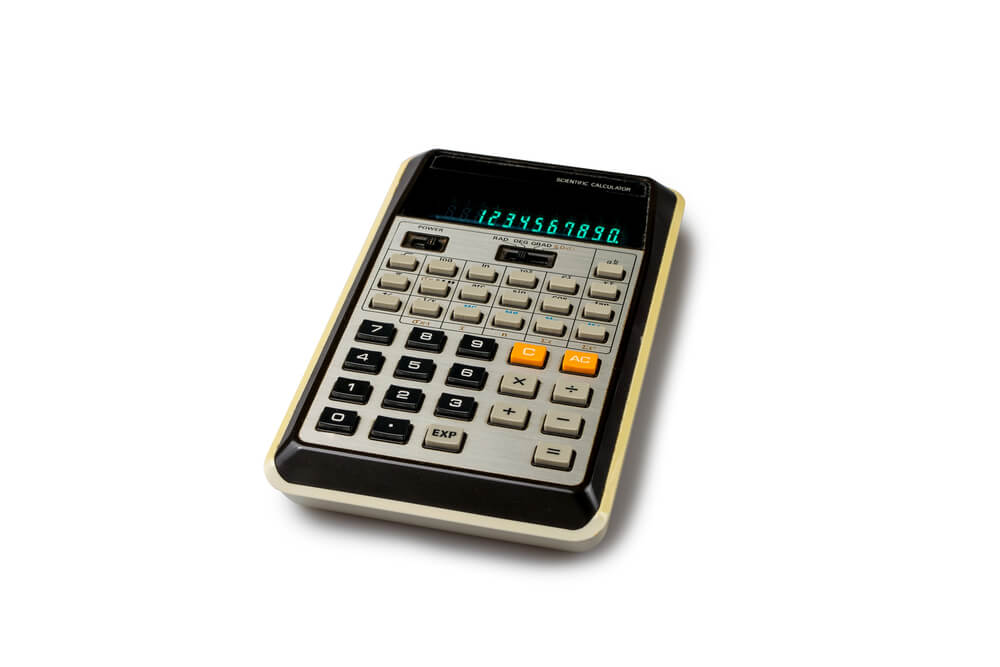
Texas Instruments introduced the TI-30 in 1976, an affordable scientific calculator that quickly spread through classrooms. Students used it for algebra and trigonometry.
The battery panel was missing on most of them by graduation.
The Graphing Calculator
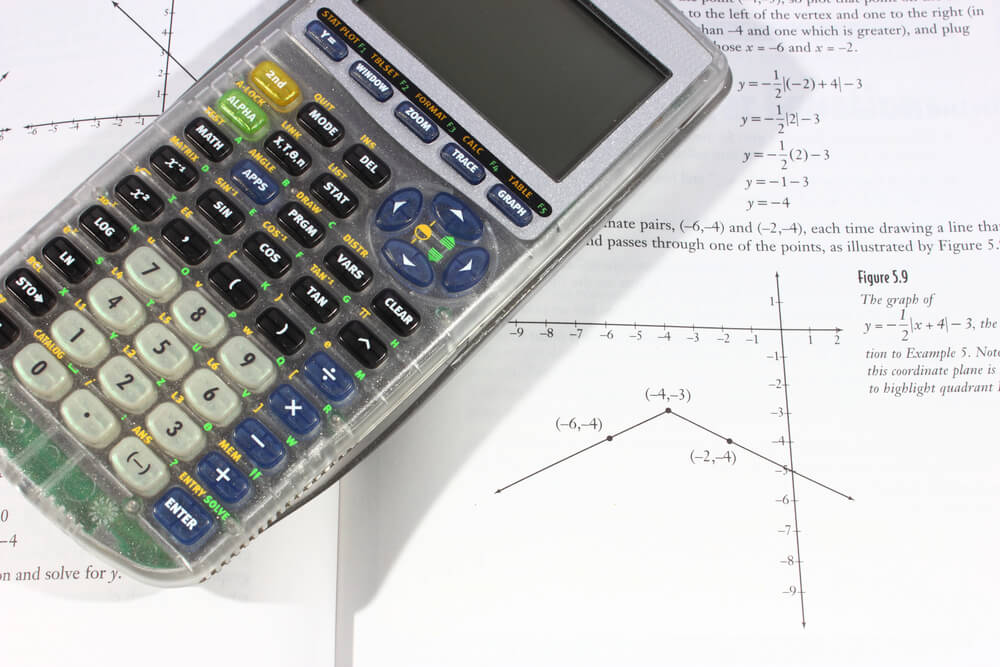
Texas Instruments released the TI-81 in 1990, which let students plot equations on a small screen. Teachers began requiring it for advanced math.
Students also discovered that games could be programmed into it.
The Package of Loose-Leaf Paper

Wide-ruled or college-ruled, the package of paper went into a binder. The sheets came pre-punched for rings, with a margin line down the side.
A fresh pack was a promise of tidy notes.
The Index Cards
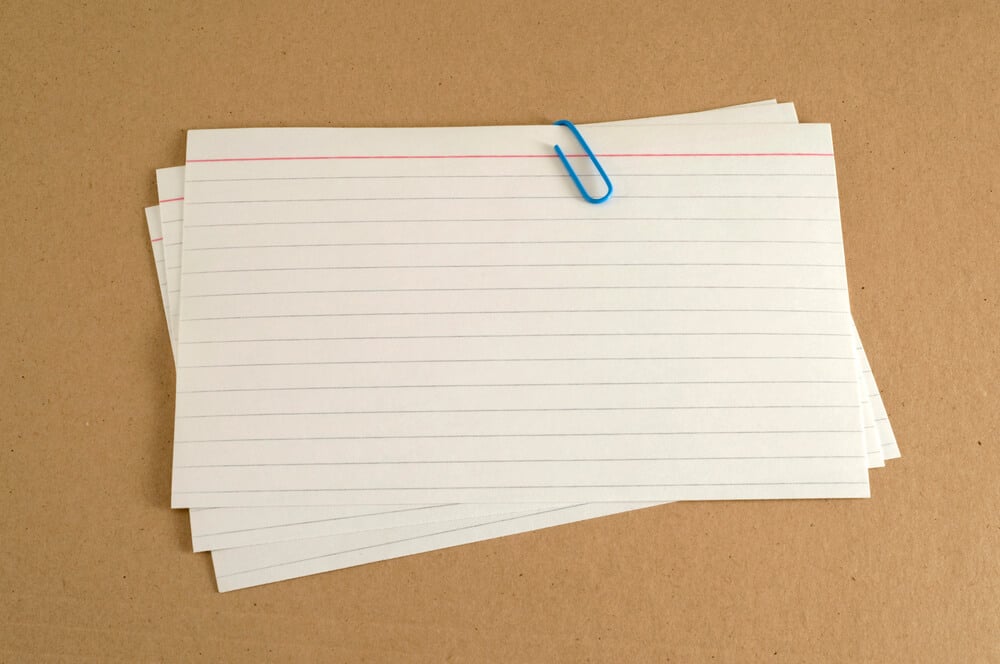
Index cards were used for flashcards, book reports, and speeches. Students wrote on them in neat handwriting.
A rubber band held the stack together.
The Binder Dividers
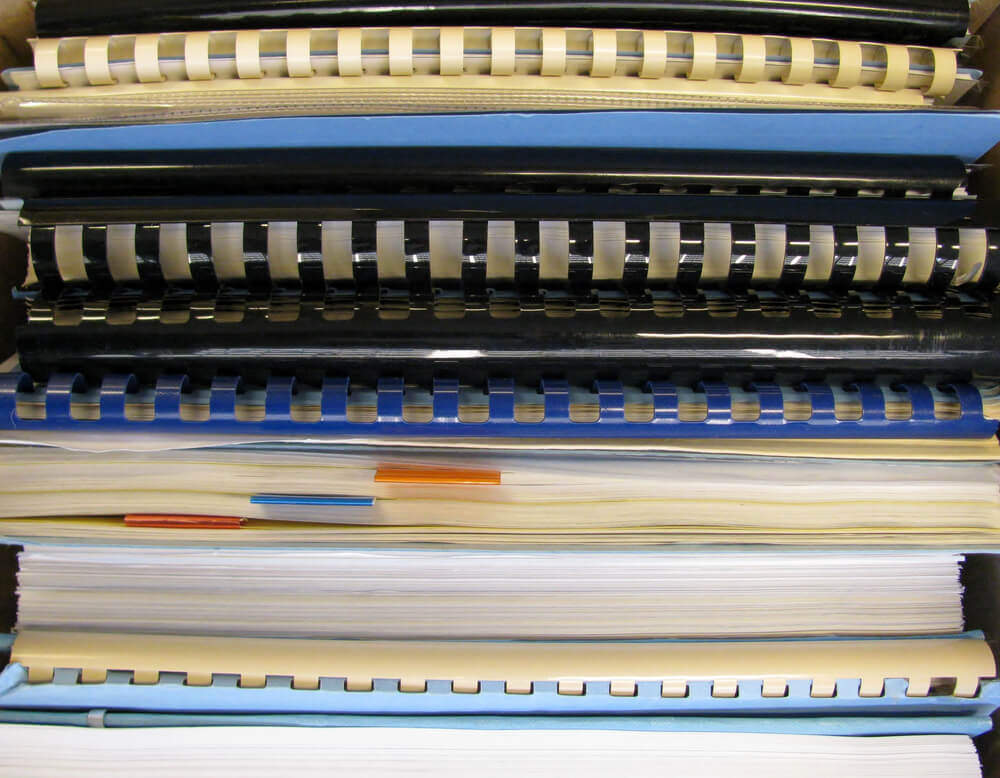
Tabbed dividers sorted the binder by subject. Students labeled them in marker.
They tore at the edges by October.
The Pencil Pouch
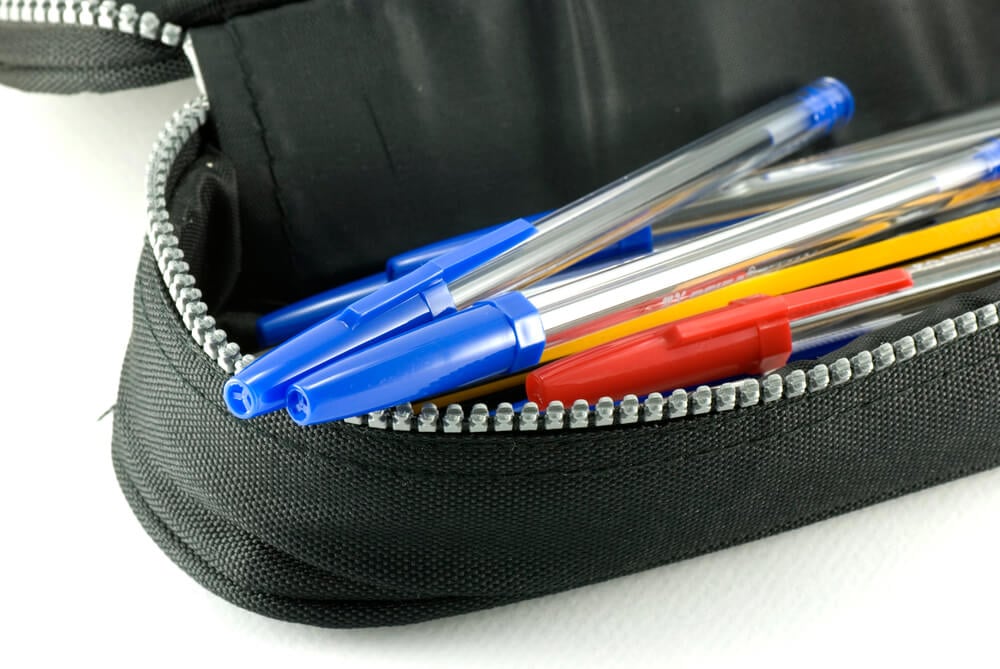
A zippered pouch held pens, pencils, and an eraser. Some were clear vinyl and some carried a character.
The zipper tended to jam at the worst moment.
The Mechanical Pencil
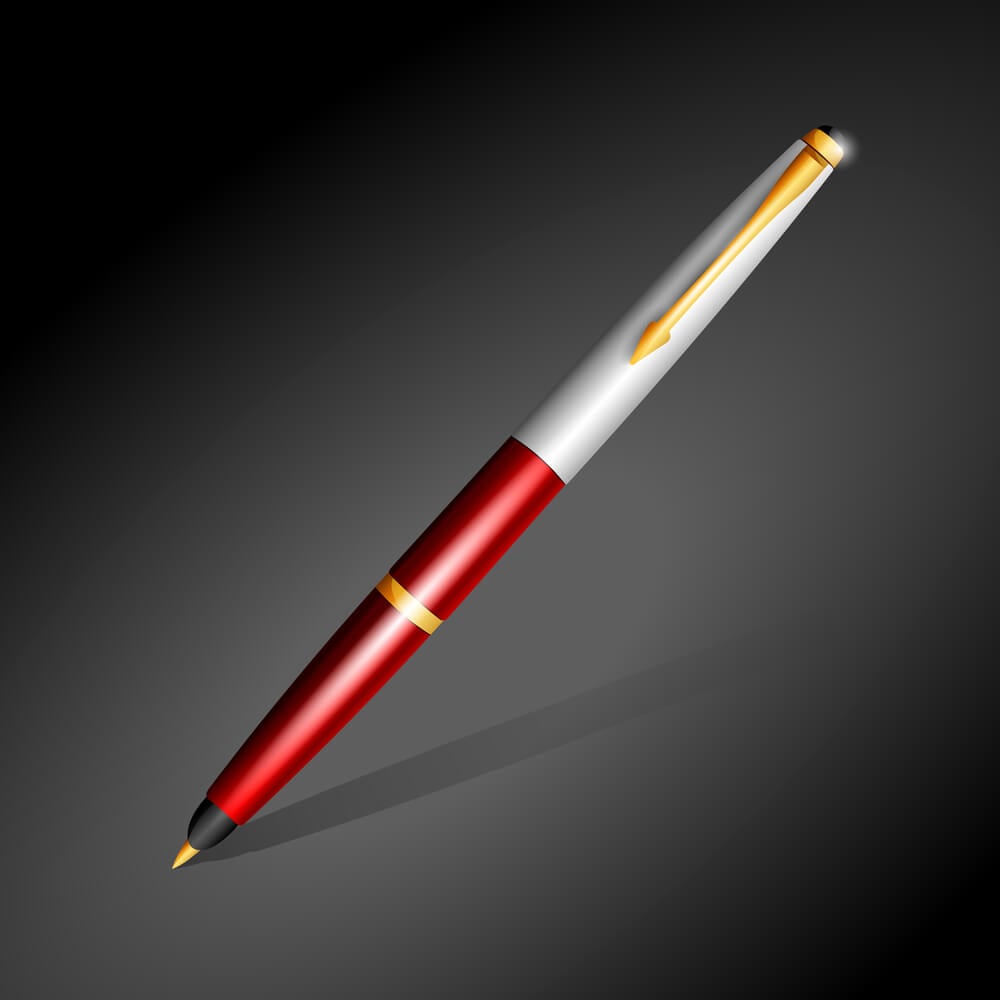
Mechanical pencils offered a fine point without a sharpener. Students bought refills of lead in tiny tubes.
The lead broke whenever pressure was applied.
The Bic Four-Color Pen
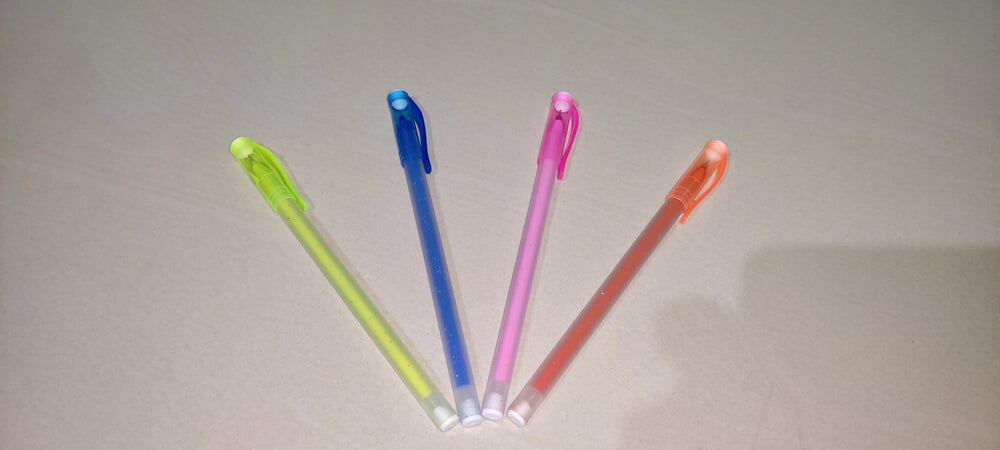
Bic introduced the four-color pen in 1970, with a sliding selector for blue, black, red, and green ink. Students clicked through the colors during class.
The pen was the envy of friends.
The Gel Pen
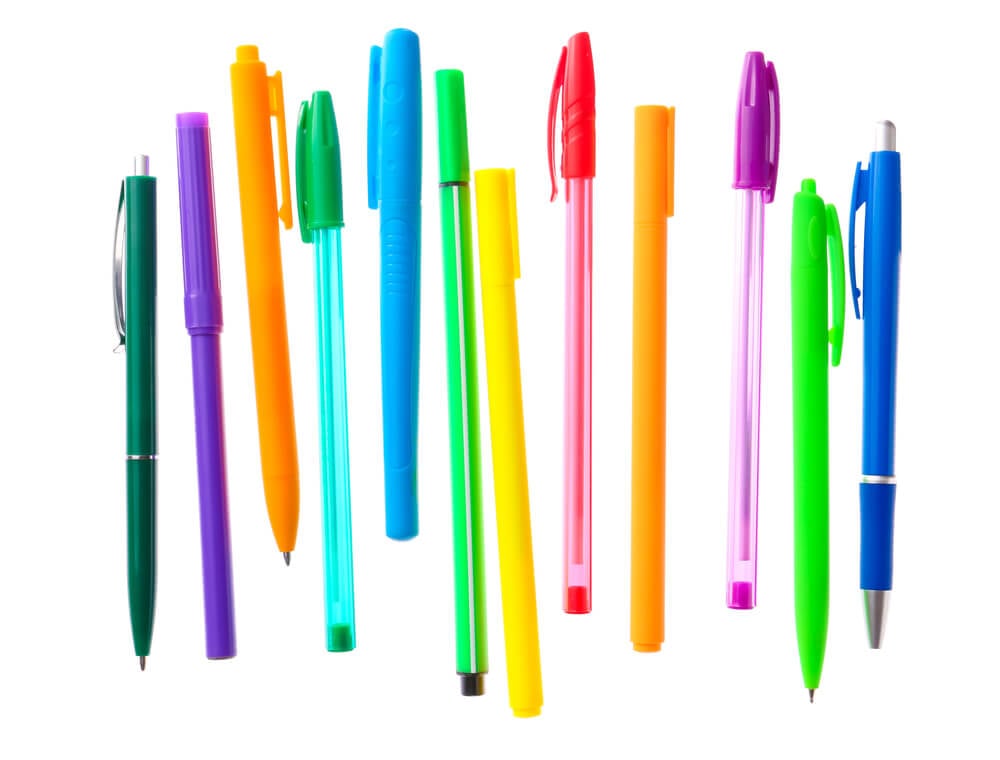
Sakura introduced the Gelly Roll in 1984, and gel pens became popular among American students in the 1990s. They came in glittering and neon colors.
Pens that skipped or leaked were a constant complaint.
The Paper Book Cover
Students covered their textbooks with brown paper bags or stretchy fabric covers. The covers protected the books and gave students a canvas for doodles.
Drawings on the covers lasted far longer than the lessons inside.
The Locker Shelf and Magnets
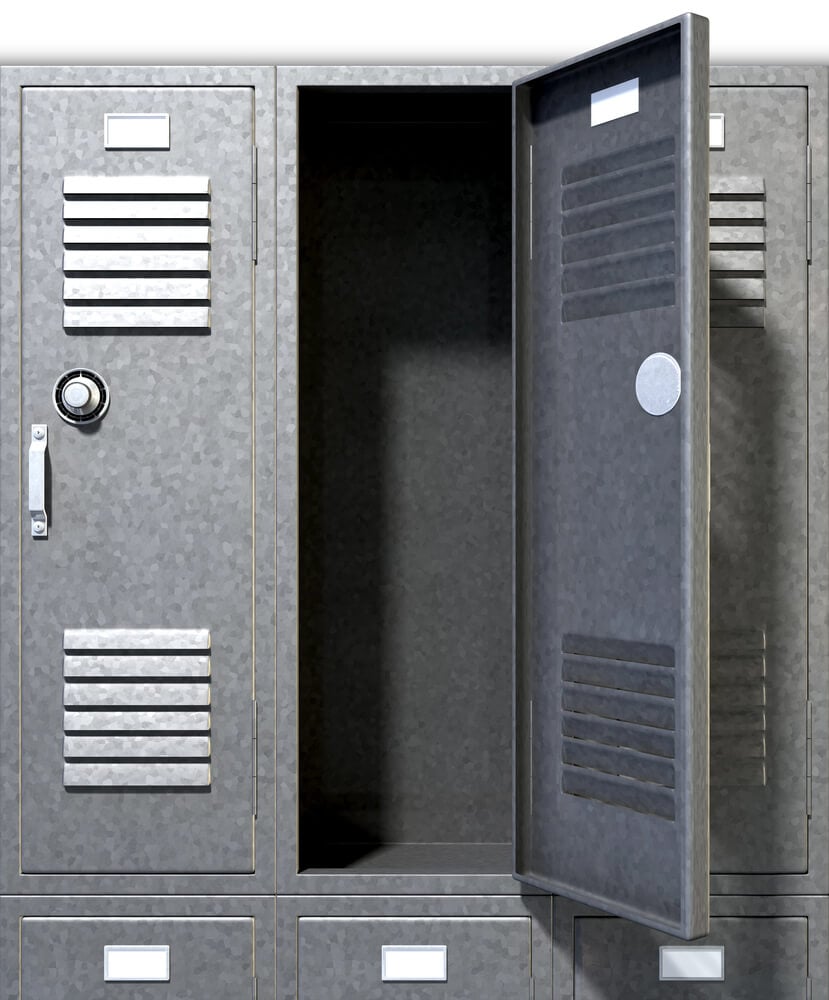
Lockers were furnished with plastic shelves, mirrors, and magnets. Students decorated them with photos and notes.
The collection grew by the week.
The Dictionary

Many supply lists included a pocket dictionary that went into the backpack. Students looked up words for spelling and vocabulary.
The book fell apart from use.
The Assignment Planner
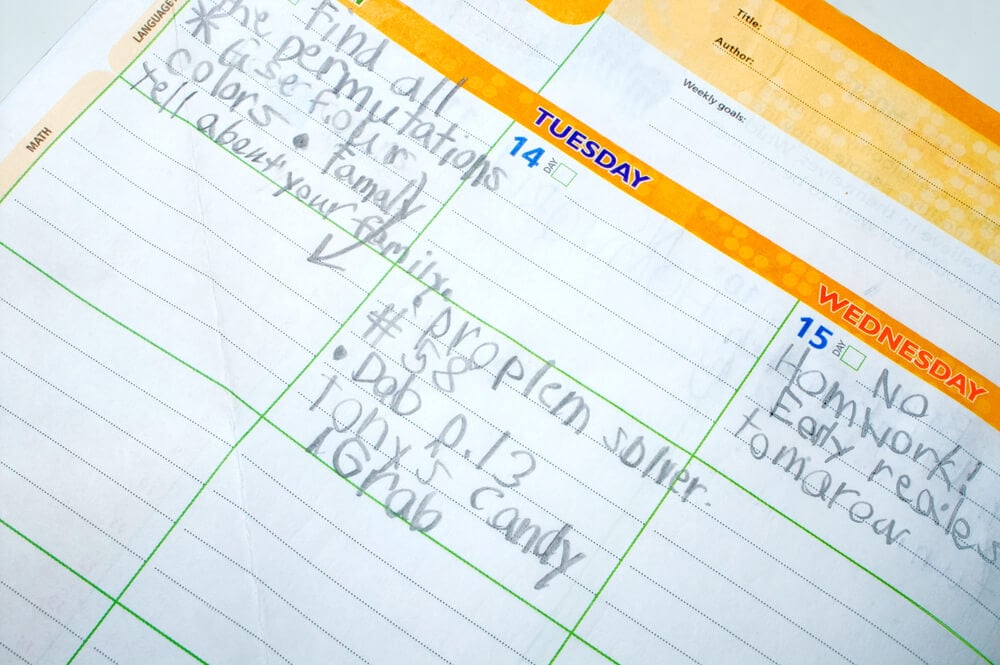
A paper planner recorded homework and deadlines. Students wrote down assignments day by day.
A planner left in the locker was a problem.
The Catalog and Layaway Haul
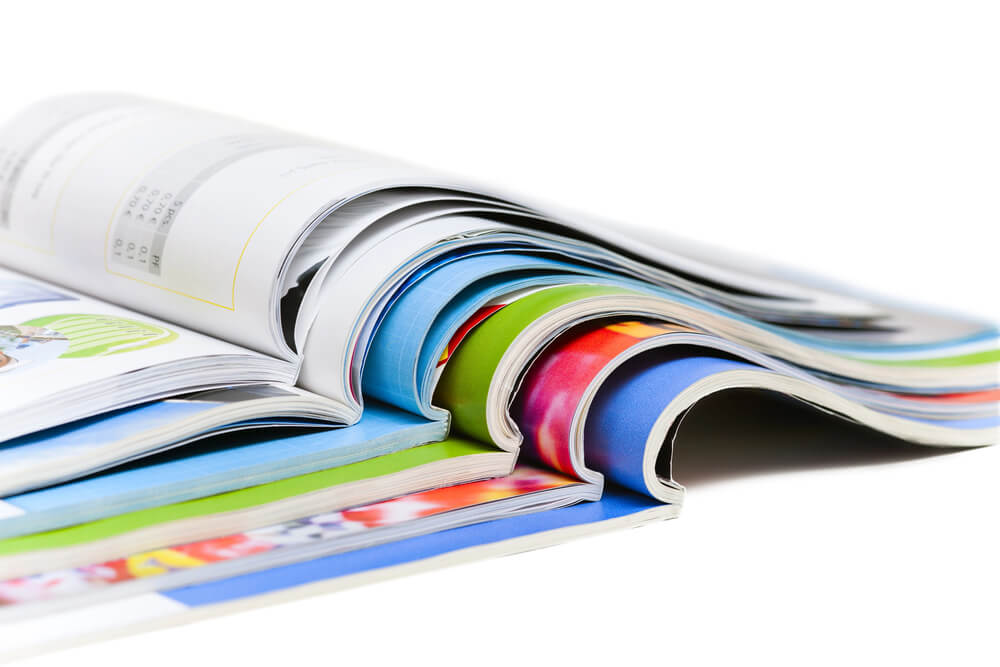
Families who shopped from catalogs, such as the ones mailed by Sears and JCPenney, ordered clothes weeks in advance. Layaway plans let them pay in installments.
The boxes that arrived in August felt like an event.
The Pocket Folder With Prongs
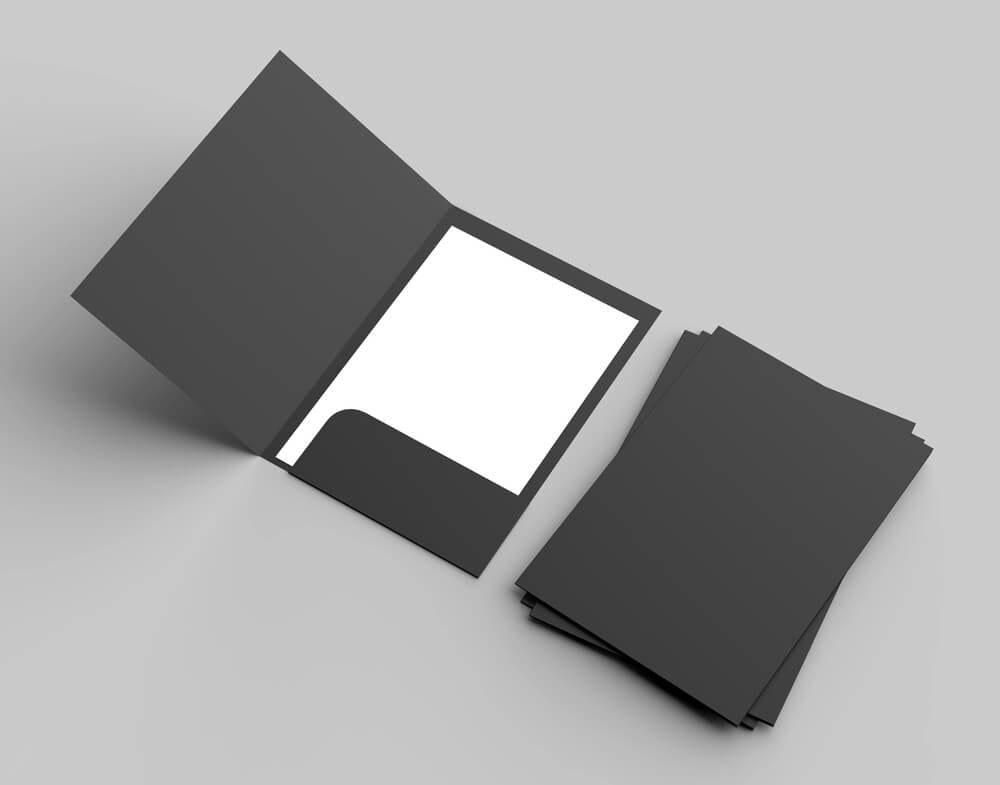
Plastic folders with metal prongs held reports and handouts in place without losing a page. They came in every color and were often color-coded by subject.
The prongs bent by spring, and the pockets split along the seams.
The Ritual of the Supply Aisle
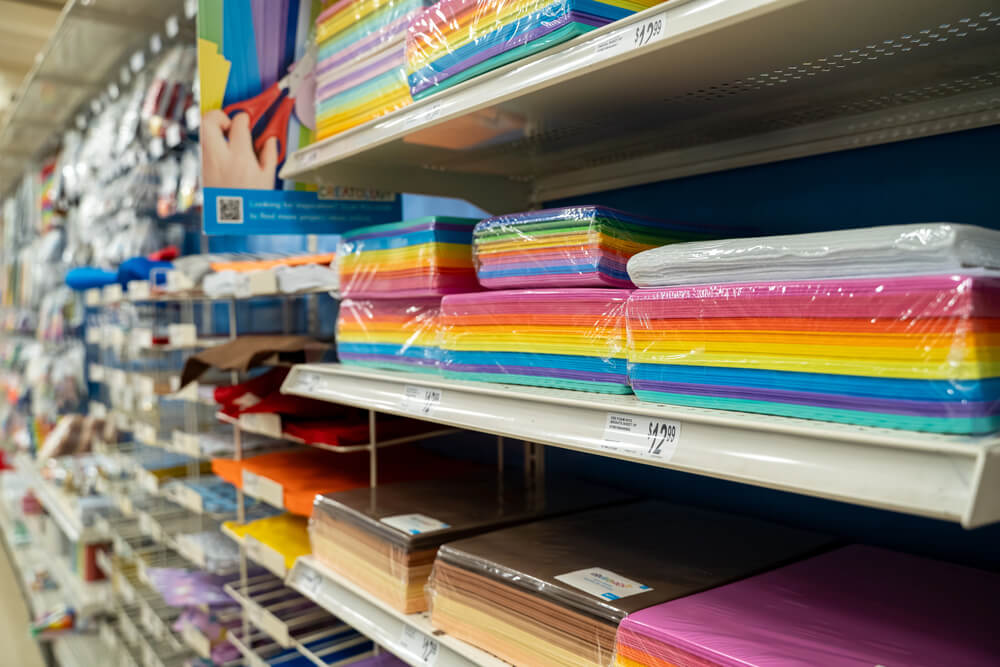
Back-to-school shopping was a shared project, with parents consulting lists and children lobbying for the better binder. The cart filled with small purchases that added up.
The trip marked the end of summer and the beginning of the year. Today a list can be filled in a few clicks, and a package arrives on the porch.
The convenience is real, but the walk down the aisle had its own value. A child who picked out a folder with care took ownership of the school year.
More from Go2Tutors!

- 27 Silver Dollars and Half Dollars Worth Keeping
- 28 Restaurant Menu Items Nobody Orders Anymore
- 17 Places Built in Seemingly Impossible Spots
- 27 Vintage Rings Worth More Than They Look
- 25 Restricted Sites Tourists Can’t Enter
Like Go2Tutors’s content? Follow us on MSN.