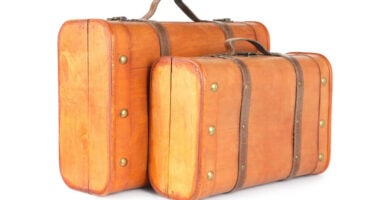
23 Vintage Travel Bags With Collector Appeal
Old luggage has a way of outliving the trips it was built for. Some pieces end up as coffee tables, others as props in shop windows, and a few travel again, battered corners and all.
The pieces below come from trunk makers, fashion houses, airlines, and outfitters, and they reward a closer look. Hardware, linings, labels, and even smell can swing a bag from a flea market curiosity to a serious find.
Louis Vuitton Trianon Canvas Flat-Top Trunk
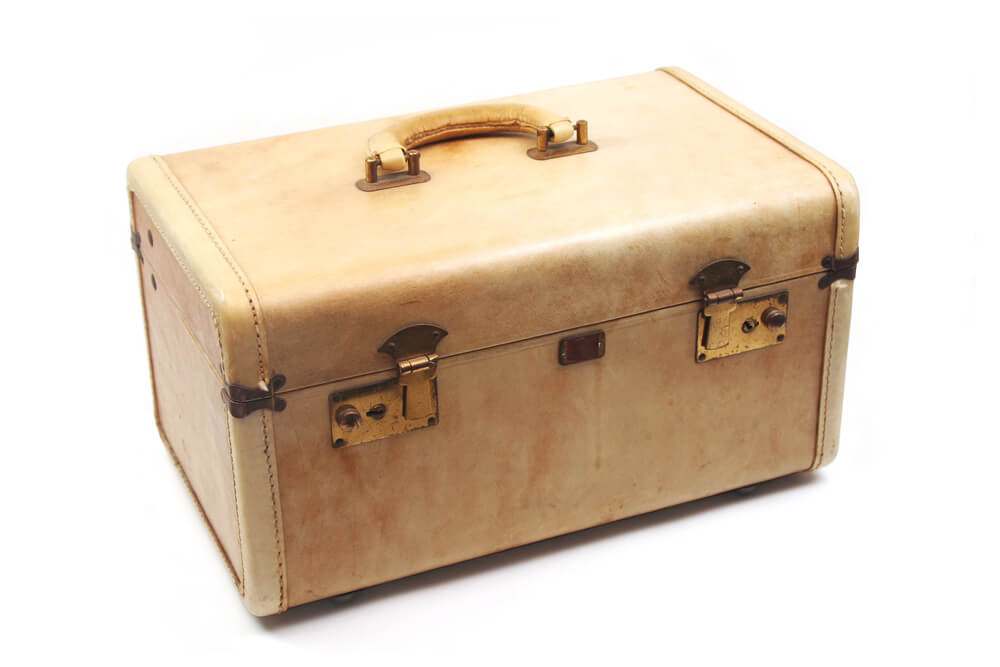
When Louis Vuitton opened his Paris workshop in 1854, he set out to build trunks that could be stacked, which meant swapping the traditional domed lid for a flat one. Early examples were covered in gray Trianon canvas, a plain coated fabric that predates the famous monogram by decades.
Collectors prize trunks with their original canvas, wooden slats, and period hardware, while a trunk that has been recovered or heavily relined loses much of its historical weight. Interior paper labels and maker stamps are worth checking, since missing ones make authentication harder.
Louis Vuitton Damier Canvas Trunk
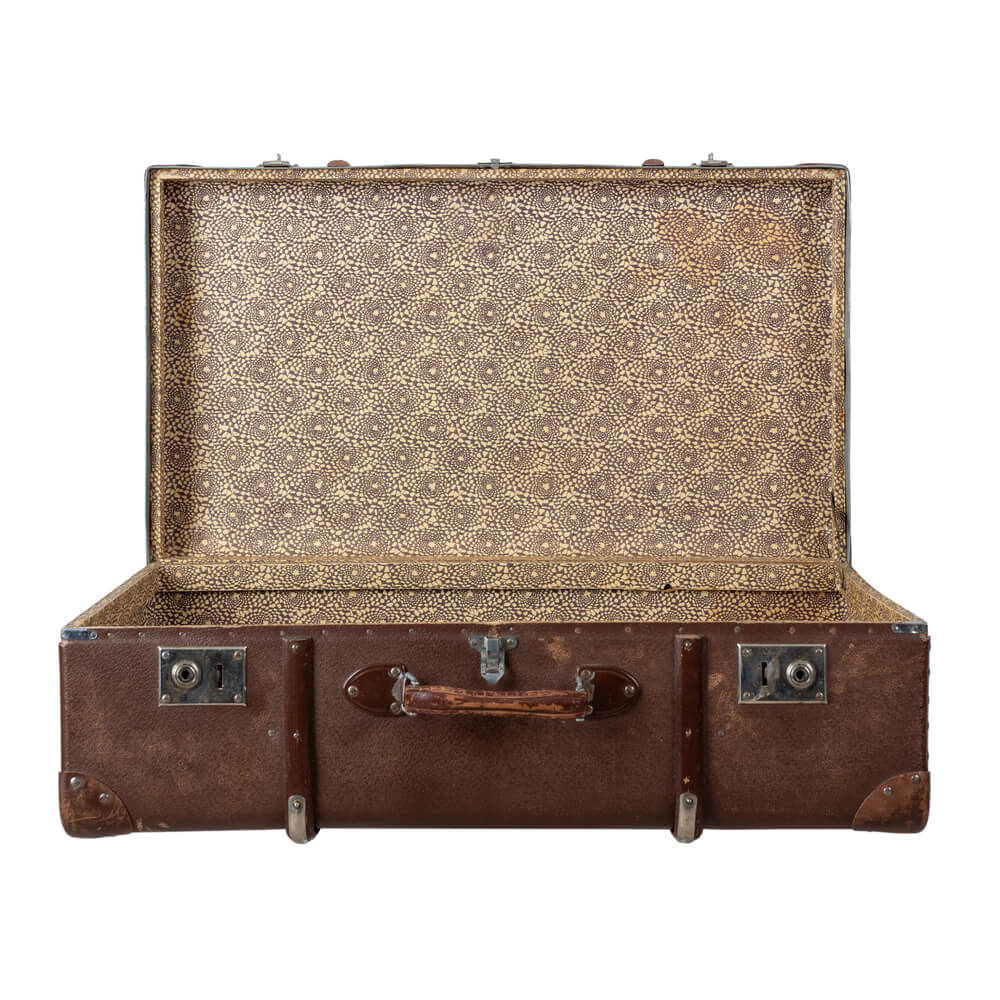
Georges Vuitton introduced the checkerboard Damier pattern in 1888, partly to make copying harder for imitators who were already borrowing the family’s look. The small squares in brown and beige were woven into a coated canvas that wrapped trunks, cases, and cabin pieces.
Condition matters in a very particular way here, because cracked or flaking coating breaks up the pattern and is difficult to repair convincingly. Original brass corners and a working lock keep a Damier trunk looking like a document of its era rather than a restoration project.
Louis Vuitton Monogram Courier Trunk
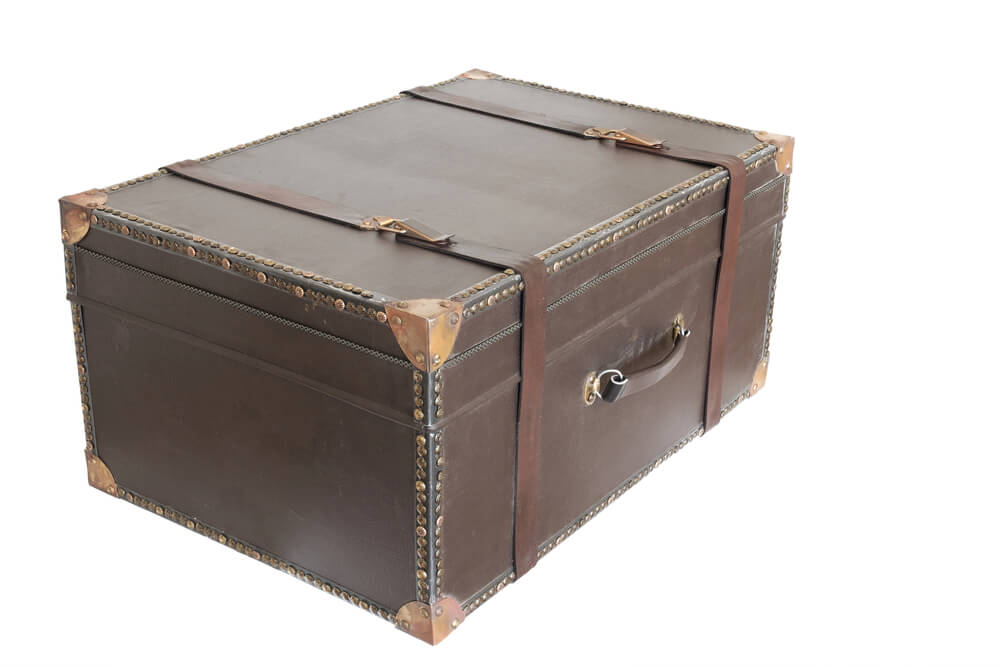
The interlocking LV initials, quatrefoils, and flowers arrived in 1896, designed by Georges Vuitton as a tribute to his father, who had died in 1892. Courier trunks were low and wide, built to ride in the baggage compartments of trains and ships.
A trunk with faded or rubbed canvas can still attract buyers if the structure is sound, but replaced leather trim, mismatched locks, and a musty interior all pull the appeal down. Original stenciled initials from a first owner often add interest rather than subtract it.
Louis Vuitton Keepall
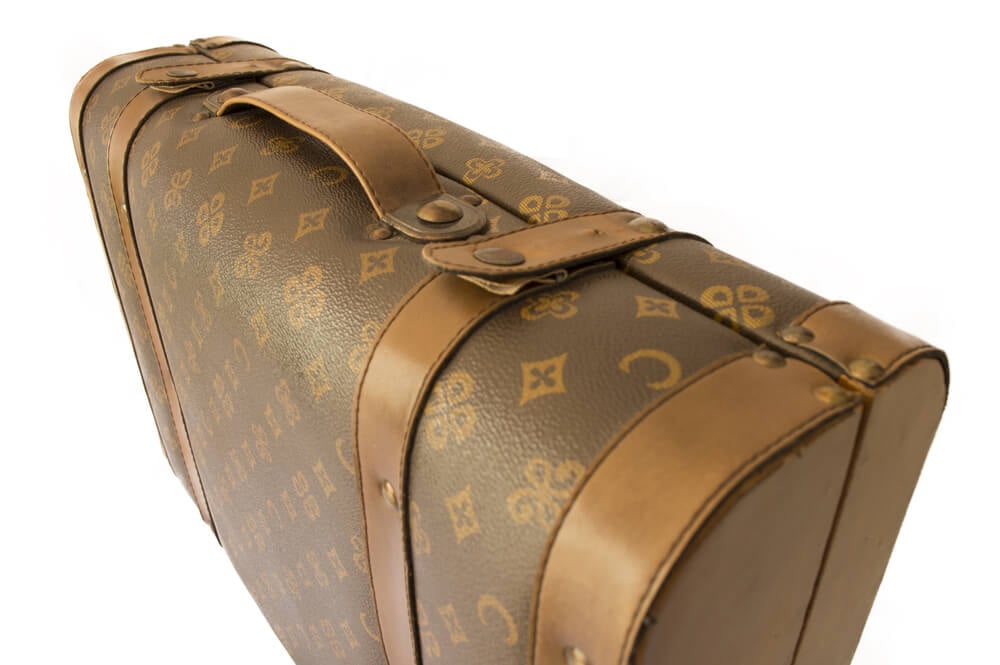
Vuitton introduced the Keepall in 1930 as a soft-sided bag that could be folded flat and tucked away when not needed. It was meant as a companion to rigid trunks, easy to throw in a car or carry onto a train.
Vintage examples are judged by the leather trim, which darkens over time to a honey tone that many buyers like, as long as the handles and straps are not cracked or dry. A canvas surface that has turned sticky or begun to peel is a serious problem, and an interior that smells of old perfume or mildew can be hard to fix.
Goyard Goyardine Trunk
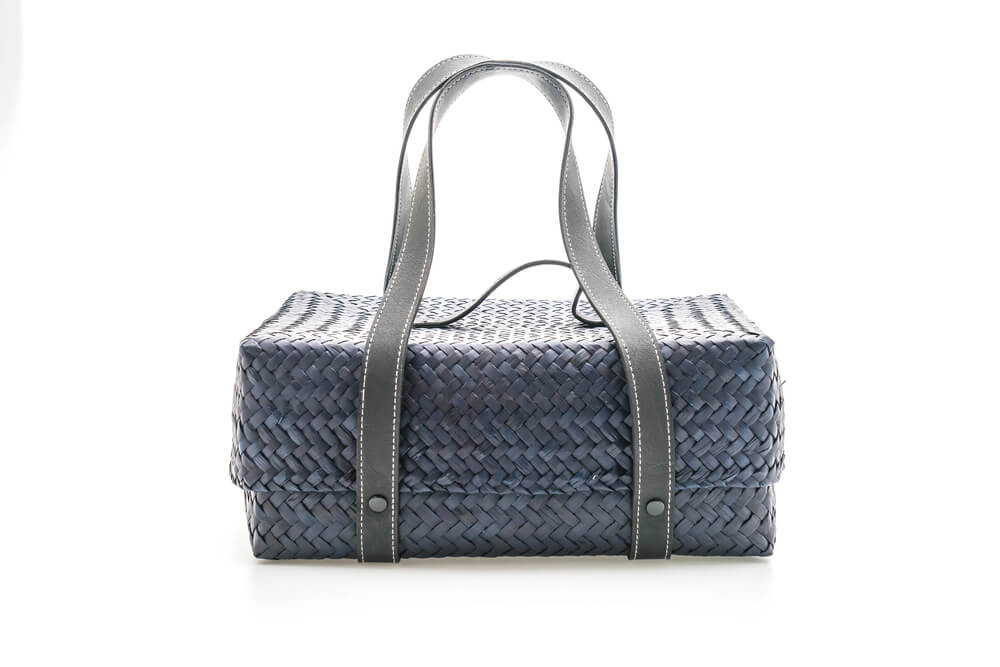
Maison Goyard in Paris is known for the Goyardine canvas, a chevron pattern created in the 1890s and applied by hand with layered paint rather than printed. Trunks from the house often carry painted stripes in a color chosen by the owner, plus hand-painted initials.
Because the pattern and stripes are painted, fading, touch-ups, and later repainting all show up under close inspection, and an honest worn surface is usually preferred to an aggressive redo. A trunk with its original lining and hardware intact is worth far more attention than one that has been heavily refurbished.
Hartmann Wardrobe Trunk
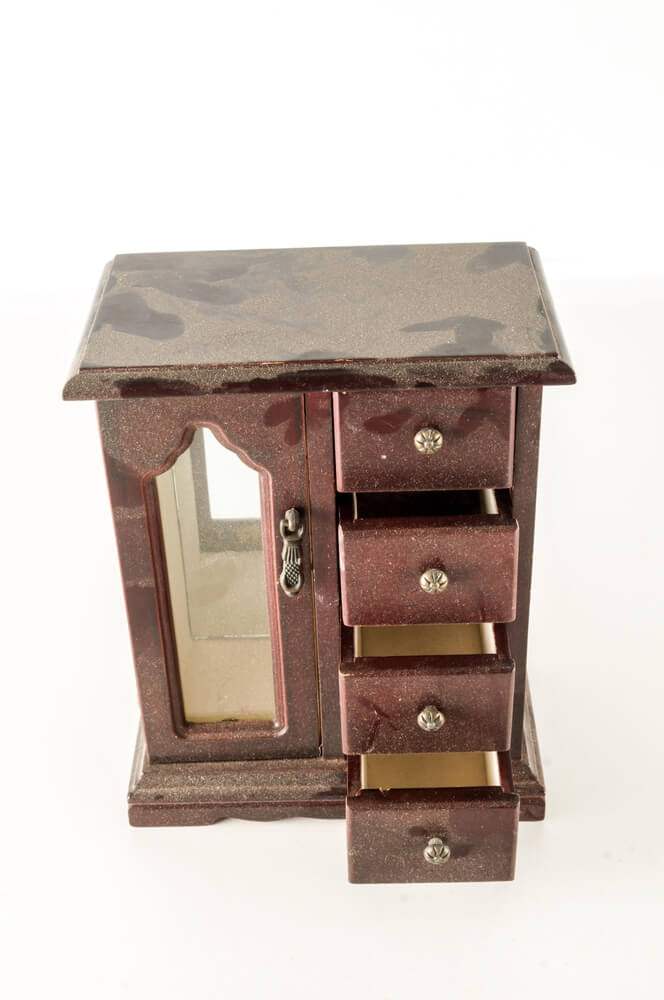
Hartmann grew out of Wisconsin trunk making and became one of the best-known American luggage names, with upright wardrobe trunks that opened like narrow closets. The best examples hold their original hangers, drawers, and a turntable-style mechanism for sorting clothes.
When those interior parts are missing, the trunk is far less useful and generally less desirable, even if the exterior looks fine. Original lining paper, keys that still fit the locks, and sound wood framing are what separate a display piece from a project.
Samsonite Shwayder Trunk
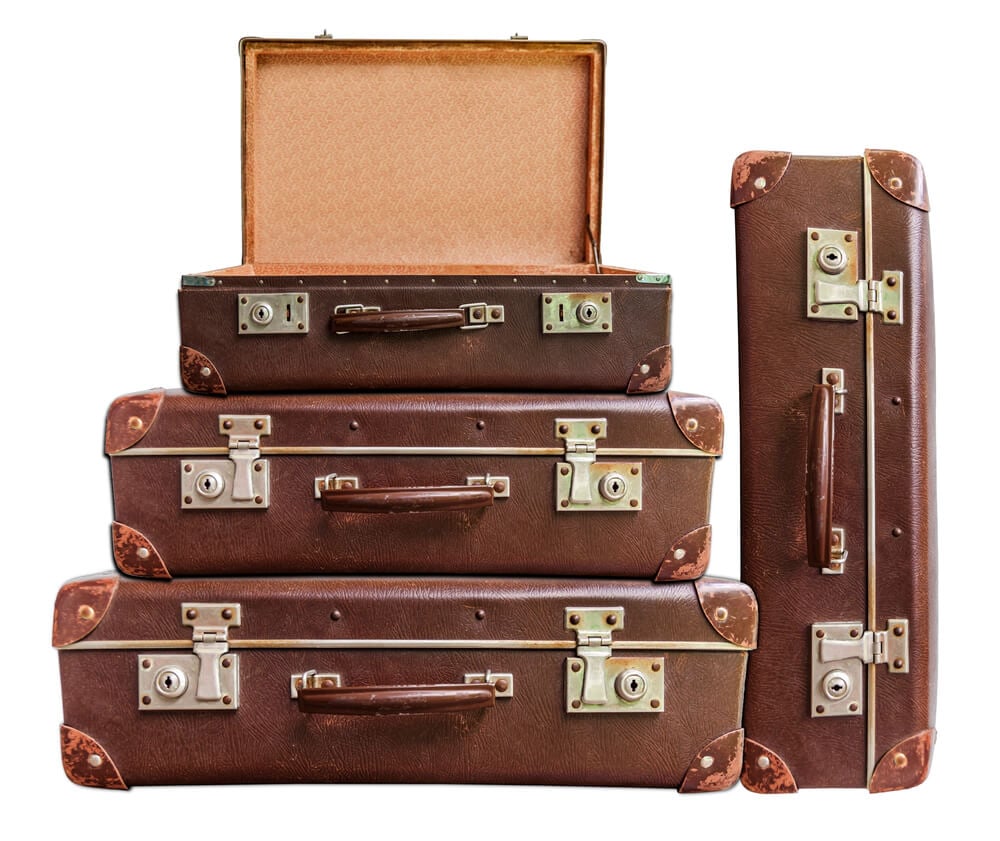
Jesse Shwayder founded the Shwayder Trunk Manufacturing Company in Denver in 1910, and the family later chose the name Samsonite after the biblical strongman Samson. Early trunks were marketed on durability, and surviving ones tend to show it in their structure even when the surface looks tired.
Condition drives interest here: intact latches, original labels, and an unstained interior make a piece appealing, while rusted hardware or missing straps reduce it. Later hard-sided suitcases from the same maker are easier to find, so only clean, complete examples of the early trunks tend to stand out.
American Tourister Hard-Shell Suitcase
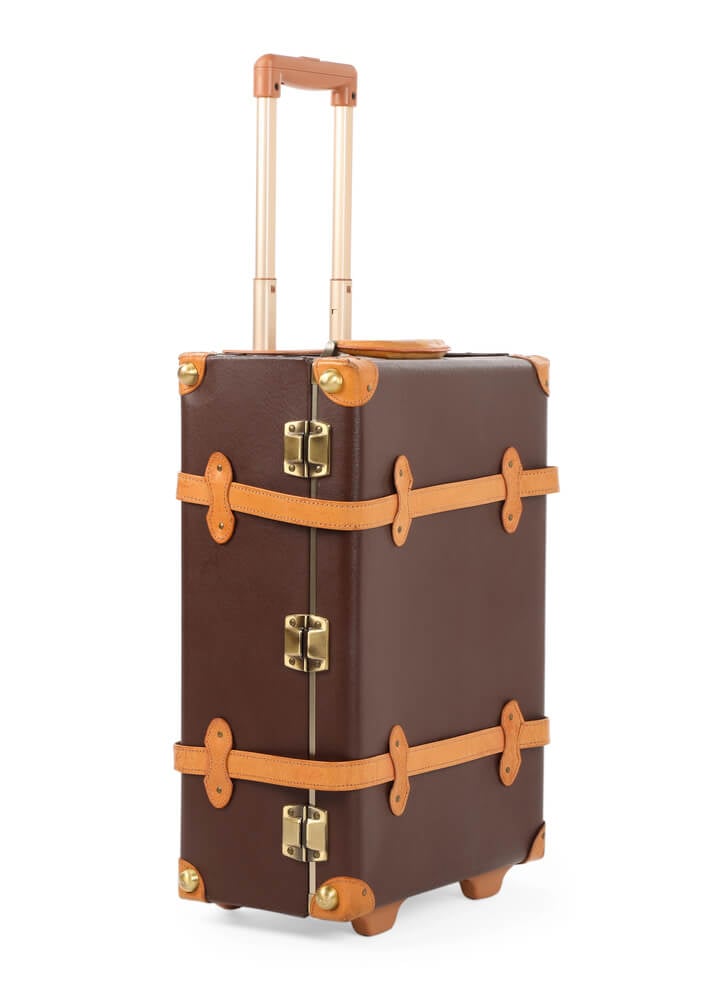
American Tourister was founded in 1933 in Rhode Island by Sol Koffler, and its hard-sided cases became fixtures of mid-century travel. The molded shells, often in bold colors, appeal to collectors who like the look of postwar optimism.
Cracked shells, bent frames, and broken latches are common and cut into appeal, so a clean case with a working latch is the one to hunt for. A set of matching pieces in the same color is more desirable than a single mismatched suitcase.
Pan Am Innovator Flight Bag
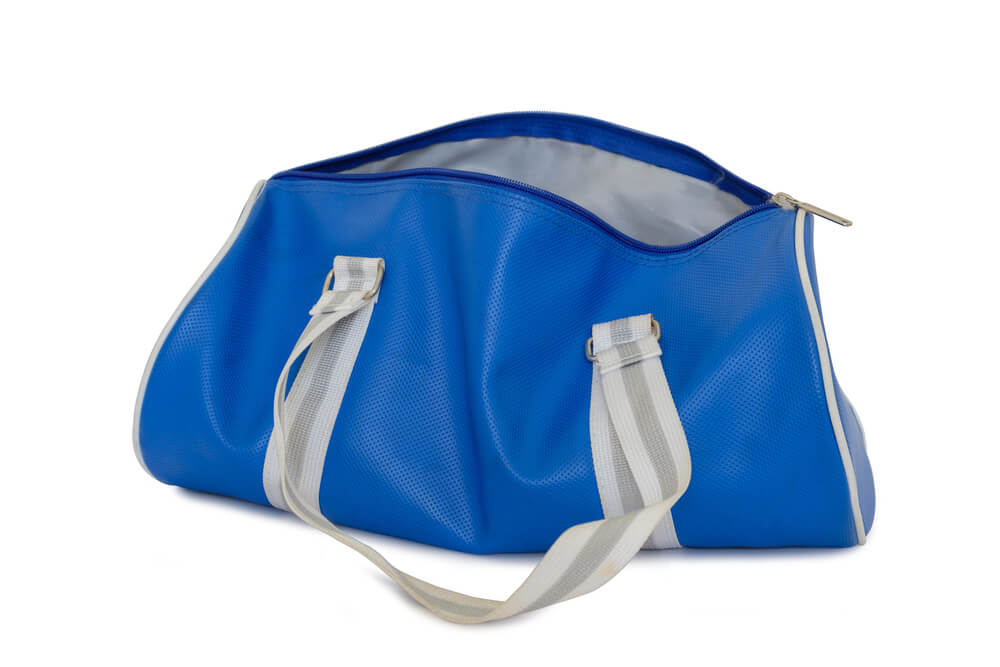
Pan American World Airways handed out and sold small zippered flight bags during the jet age, and the Innovator style from the 1960s is among the best known. The blue vinyl and white logo became shorthand for glamorous air travel, which is why museums such as SFO Museum have put airline bags on display.
Vinyl is the weak point, because it can crack, stiffen, or peel, and a sticky surface is a warning sign. A bag with a legible logo, a working zipper, and no stains inside will always sit above one with a faded or damaged emblem.
Gladstone Bag
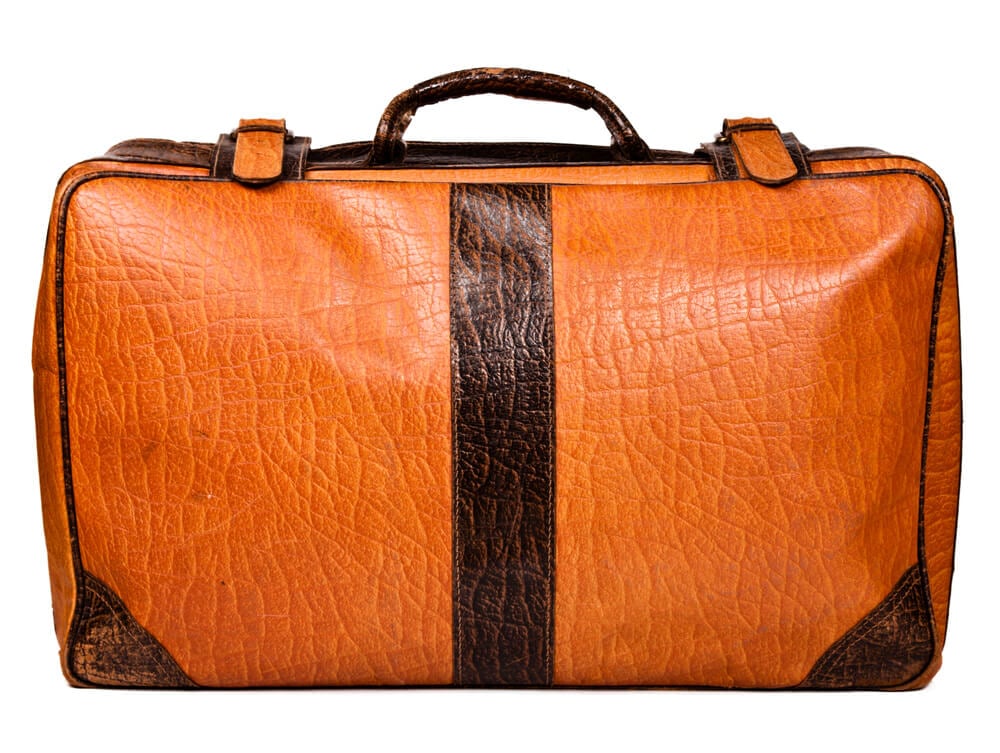
The Gladstone bag takes its name from William Ewart Gladstone, the British prime minister, and is built on a rigid frame that lets the bag open wide into two halves. Leather versions from the Victorian and Edwardian eras were popular with doctors and traveling professionals.
Collectors look for a frame that still opens and closes smoothly, because a bent or stuck frame ruins the bag’s best feature. Cracked leather, missing keys, and torn lining all reduce appeal, though a well-conditioned bag with a worn patina can look excellent.
Globe-Trotter Vulcanized Fibre Case
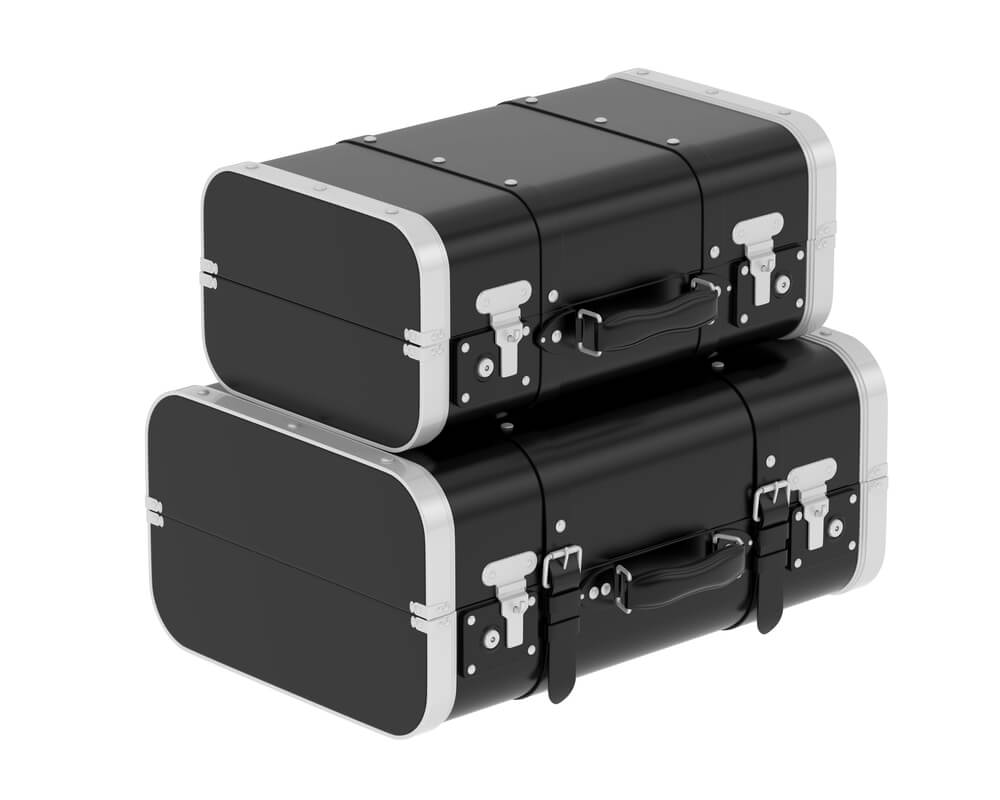
Globe-Trotter began in 1897 and built its cases from vulcanized fibre, layers of compressed paper treated and shaped into a tough but light material. The English-made cases are recognizable by their rounded corners, leather straps, and metal fittings.
Fibre can swell, dent, or split at the edges, so a case without crushed corners or water damage is far more attractive. Original interior lining and intact straps matter, and a musty smell is a real concern because the material can hold odors.
Mark Cross Overnight Case
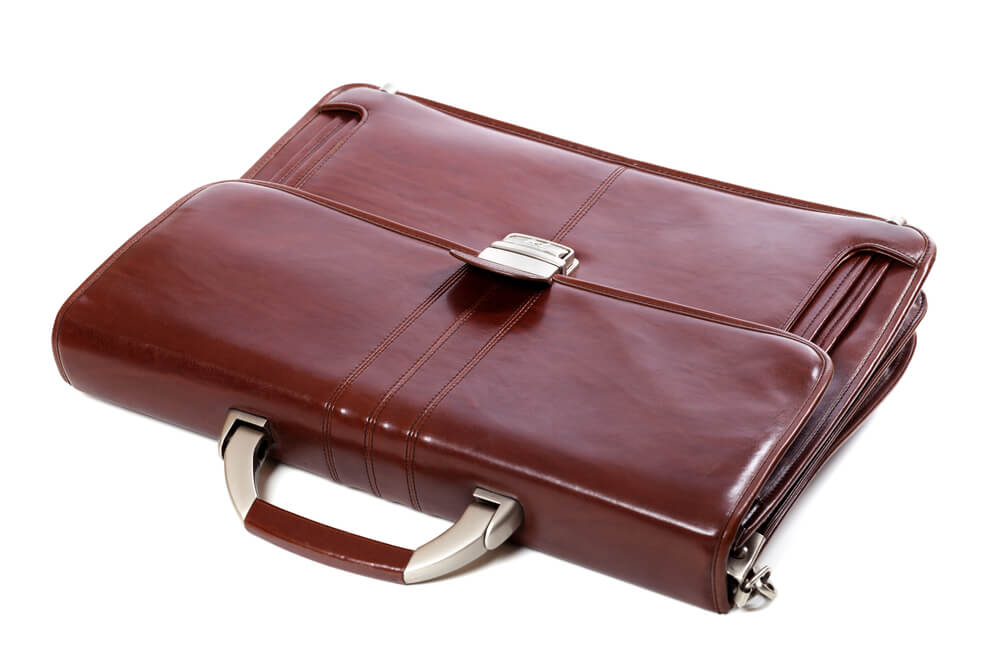
Mark Cross traces its origins to 1845 and became a favorite New York leather goods name, partly because of its association with the film Rear Window, in which Grace Kelly carries a Mark Cross case. Vintage cases are prized for their fine leather and their elegant interiors.
A case with the maker’s label still visible and a clean, intact lining stands apart from one that has been reworked or relined. Scuffed corners are expected, but dry, cracked leather around the handle and locks can sharply limit appeal.
Oshkosh Chief Trunk
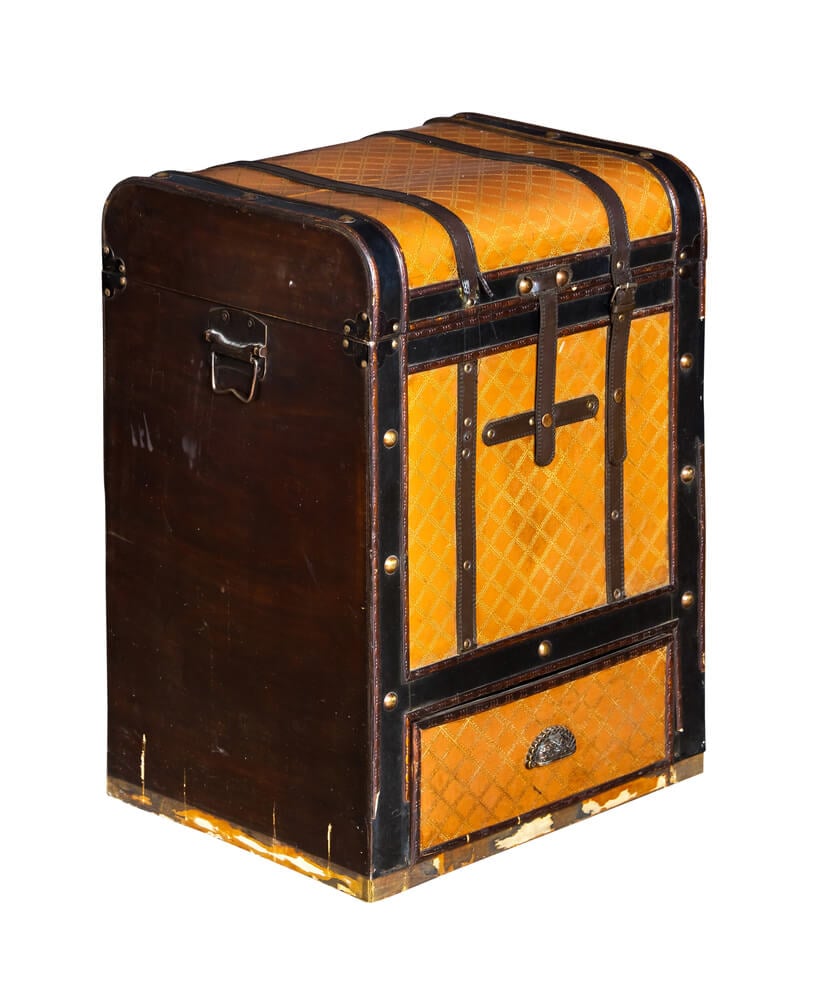
Oshkosh Trunk Company in Wisconsin built trunks under the Chief name, and the Henry Ford museum holds a Chief trunk once used by Elizabeth Parke Firestone, dated to the period from 1920 to 1955. The striped Chief line is especially recognizable among steamer trunk fans.
Surviving trunks are valued for original stripes, solid wood slats, and an unbroken interior tray. Rust on the hardware, torn lining, and missing trays are the usual signs of hard use and lower interest.
Tumi Early Nylon Travel Bag
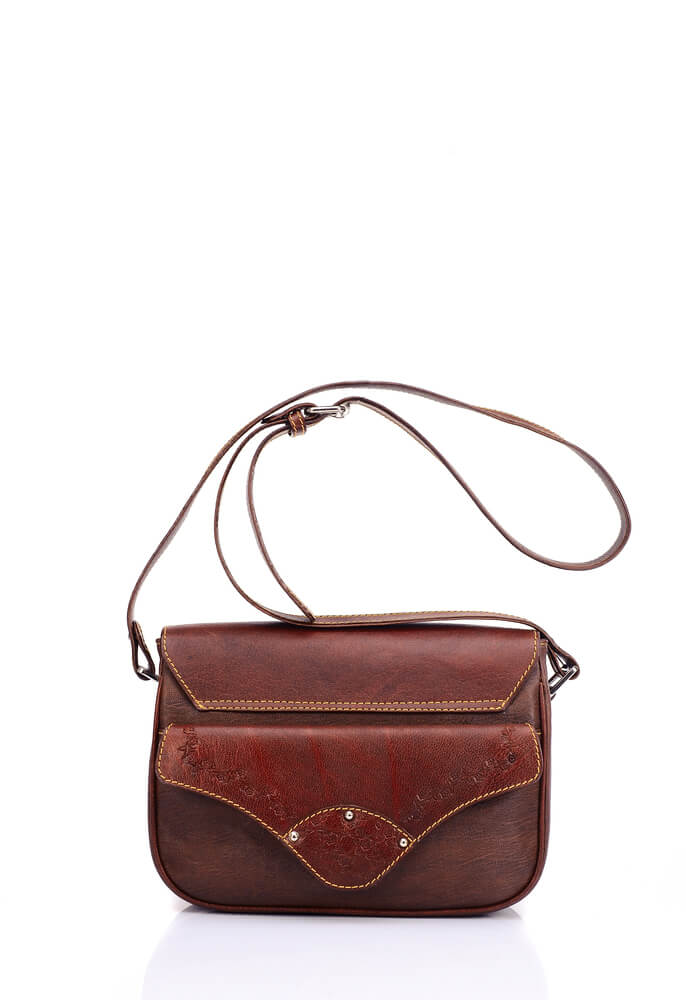
Tumi was founded in 1975 by Charles Clifford, who took the name from a Peruvian ceremonial knife after time spent in Peru. The brand later became known for tough black nylon cases and organized interiors that appealed to business travelers.
Vintage Tumi pieces from the early years attract collectors who prefer simple design and durable materials. Frayed fabric, broken zippers, and worn tags matter more than minor scuffs, and original pieces with complete zipper pulls and straps are the easiest to appreciate.
Hermès Haut à Courroies Bag
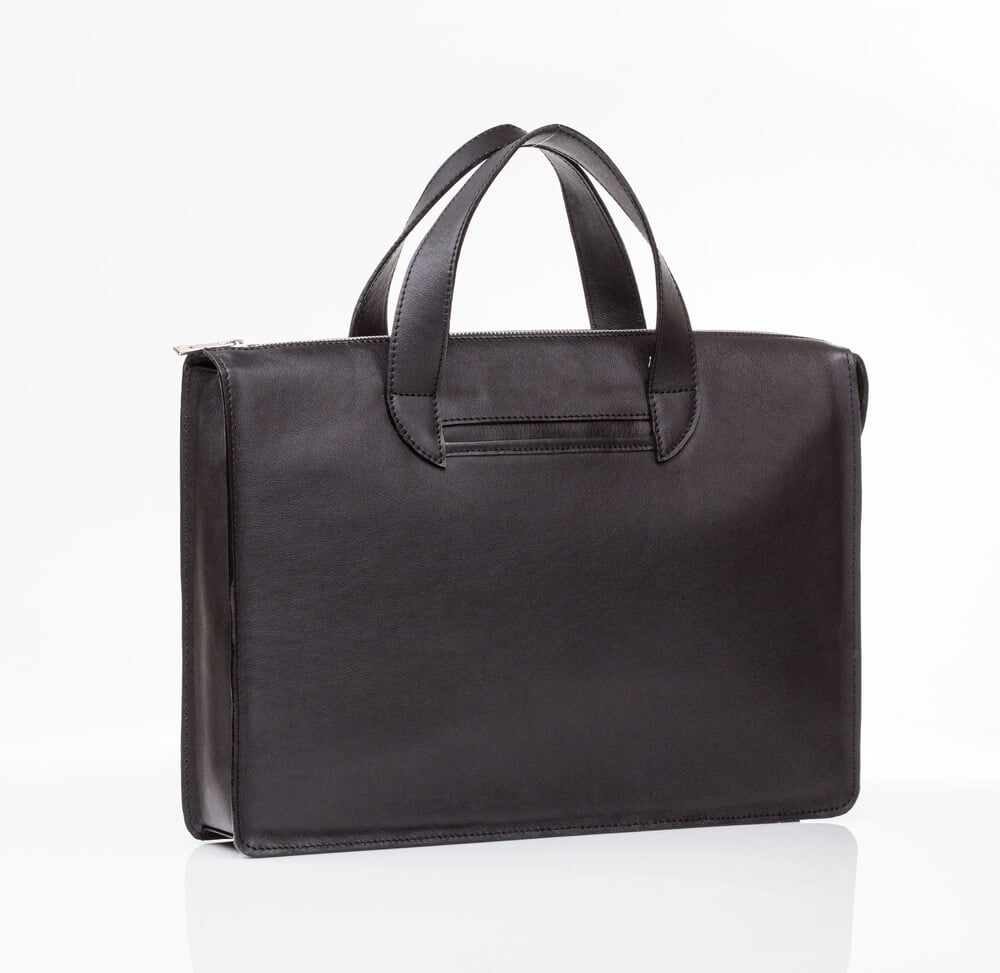
The Haut à Courroies is a tall, strapped leather bag that Hermès developed in its early days of leather work for travelers, and its structure later influenced the house’s famous handbag designs. Its tall shape and leather straps reflect the company’s roots in equestrian goods.
Vintage versions are judged by the leather, the stitching, the hardware, and the interior, and a bag with its original lock and keys is more desirable than one missing them. Heavy scratching, dried leather, or repaired straps will be noticed immediately by serious buyers.
Zero Halliburton Aluminum Case
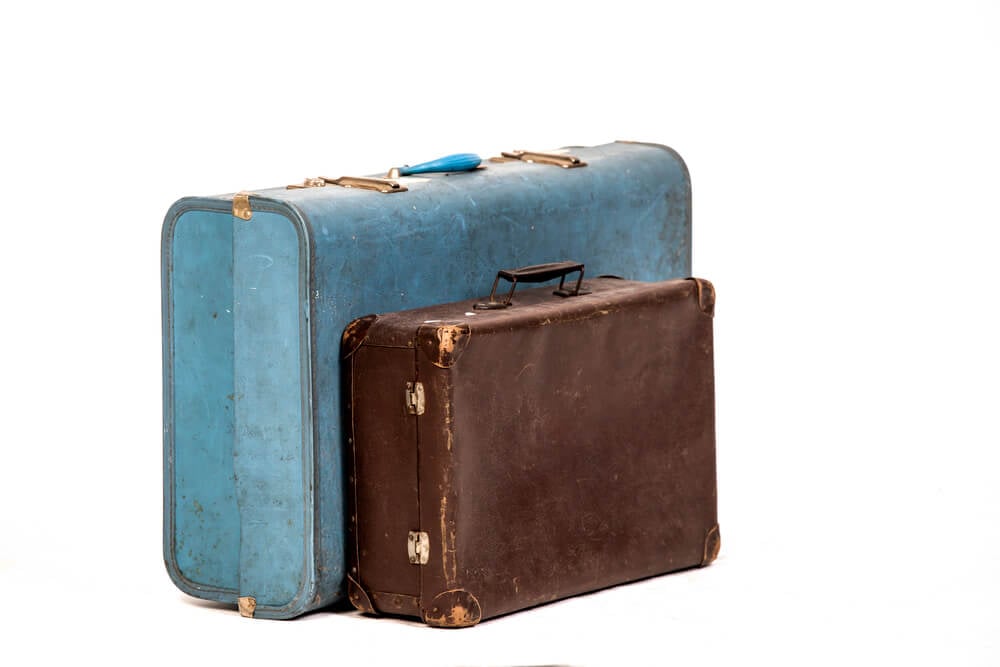
Zero Halliburton is famous for its ribbed aluminum cases, and the company later took part in the Apollo 11 mission, with cases carrying lunar samples back to Earth. The cases appeal because of their strong industrial look and heavy-duty latches.
Dents are expected on cases that traveled, but they affect appeal depending on severity, and bent edges that stop the case from closing are a problem. A complete case with its original lock mechanism, keys, and clean lining is the version that attracts the most interest.
Rimowa Topas Aluminum Suitcase
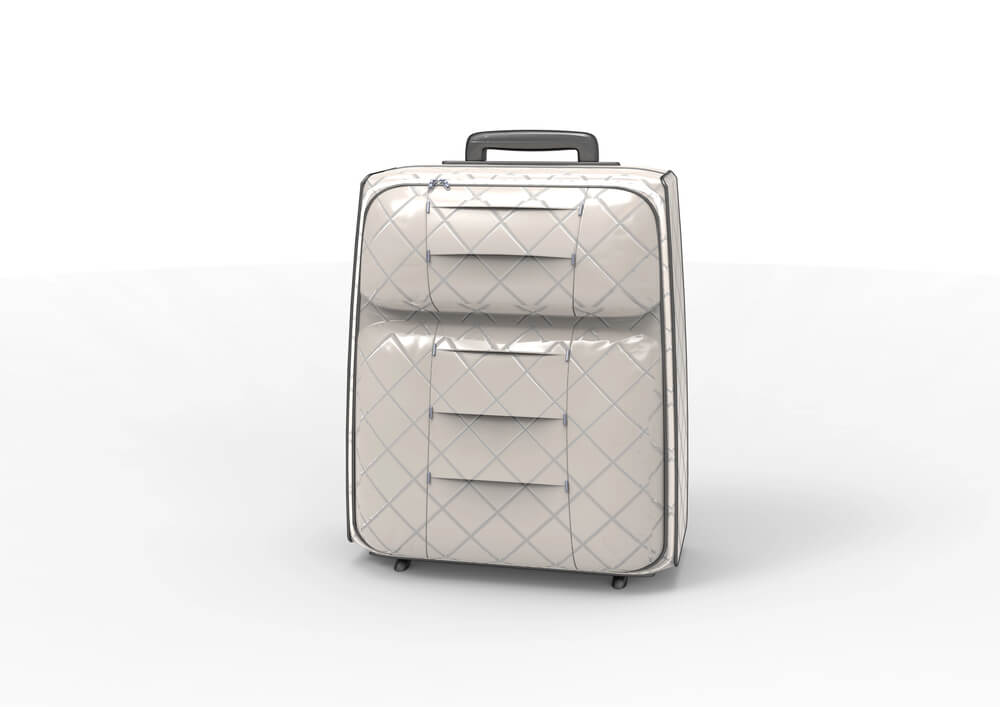
Rimowa released its Topas aluminum suitcase in 1950, and the parallel grooves on the shell became the brand’s best-known trait. Early aluminum cases are valued for their metal bodies, rubber trim, and old-style latches.
Scratches and dents are part of the story, but heavy corrosion, replaced locks, and broken hinges reduce interest. Collectors often prefer a case with its original interior and a visible maker mark over one that has been polished or refurbished.
Moynat Trunk
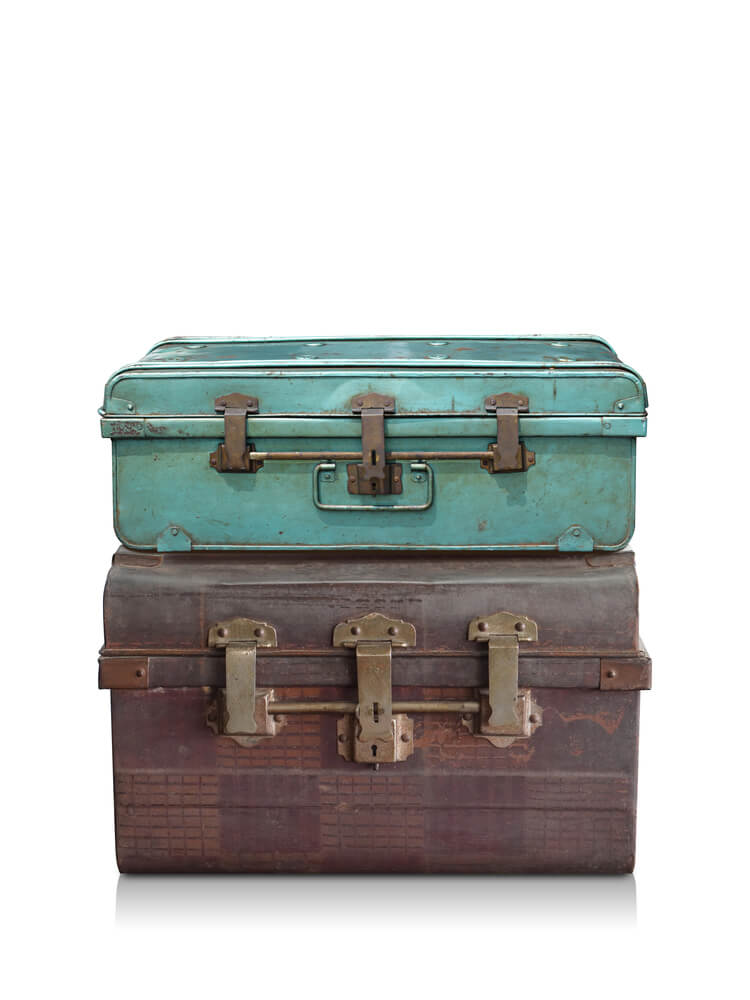
Moynat was founded in Paris in 1849 by Pauline Moynat, a woman running a trunk business in a field dominated by men. The house became known for fine trunks and for pieces designed around the needs of wealthy travelers.
Because surviving examples are scarce, buyers pay attention to stamps, labels, and original fittings that help confirm authorship. A trunk that has been restored too heavily can lose the details that make it convincing, while a complete interior and untouched lock are strong selling points.
Duluth Pack Canvas Portage Pack

The Duluth pack is a flat-bottomed canvas pack with leather straps, developed in Duluth, Minnesota, for canoe travel in northern lakes country. Camille Poirier is linked to the pack’s early history in the 1880s. Old packs appeal to outdoor collectors because the canvas and leather develop a worn, lived-in look. Rot in the canvas, brittle straps, and failing buckles are the major condition issues, and a pack that has been repaired with mismatched parts is less appealing.
Ghurka Numbered Leather Bag
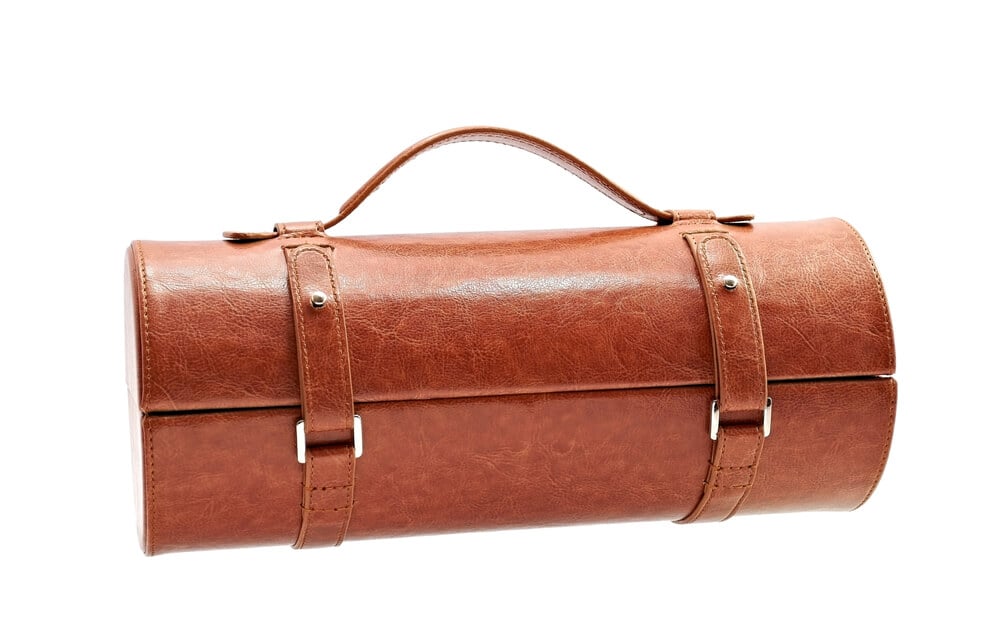
Ghurka was founded in 1975 by Marley Hodgson, and its bags are known by number, such as the Express No. 2. The designs draw on the plain, sturdy look of military kit bags, built in thick leather with brass fittings. Early bags are collected for their shape and for the way the leather ages. The original numbered tag, intact stitching, and solid straps are central to appeal, while dry leather and replaced hardware reduce it.
Gucci Canvas and Leather Travel Case
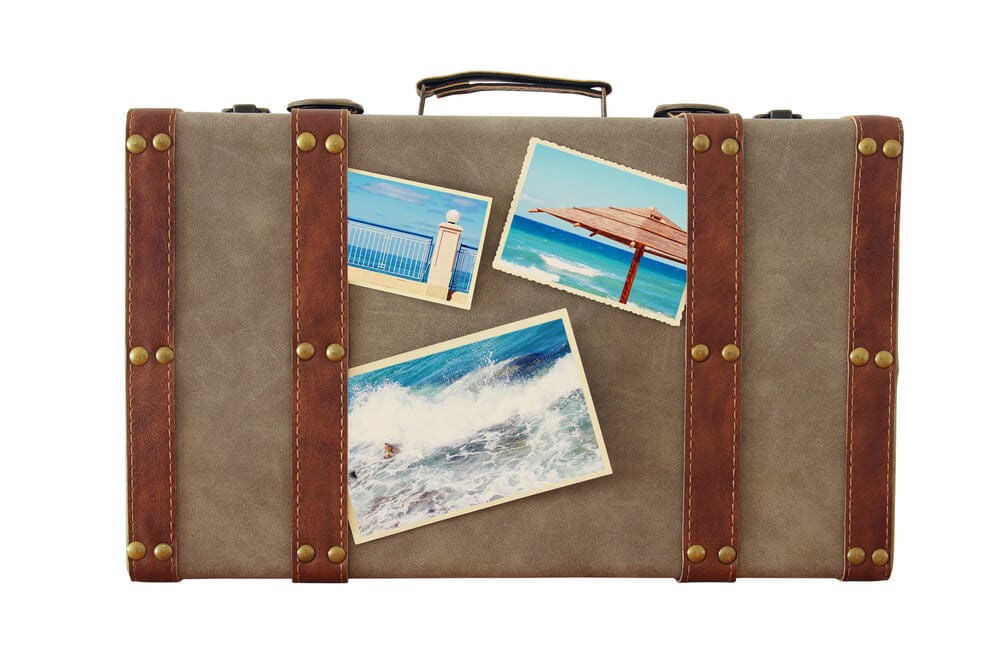
Guccio Gucci founded his firm in Florence in 1921, and the house built its early reputation on leather goods and luggage. By the middle of the twentieth century, the interlocking GG pattern and the red and green web stripe had become hallmarks of its travel pieces. Collectors look for crisp pattern, firm canvas coating, and trim that has not cracked. A peeling coating, sticky surface, or a musty interior can reduce desirability quickly, even if the exterior looks acceptable.
Victorian Carpet Bag
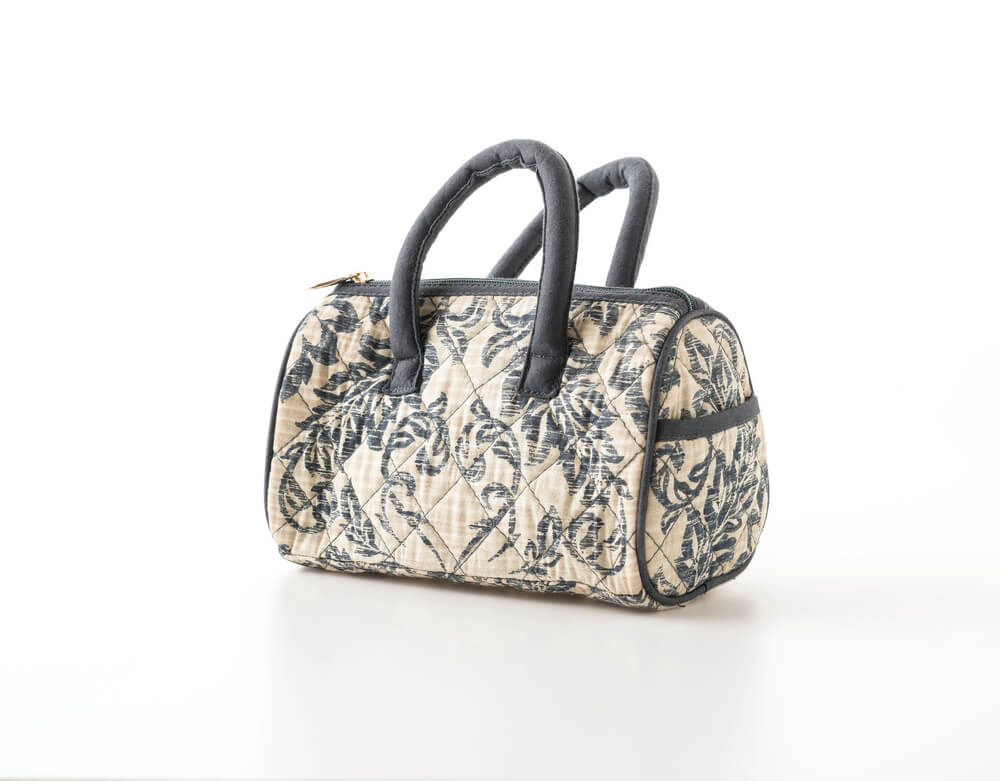
The carpet bag was made from heavy woven fabric stretched over a metal frame, and it became a common travel bag in the nineteenth century. The name later gave rise to the political term carpetbagger after the American Civil War. Vintage bags are valued for their pattern, the quality of the weave, and the frame’s tight closure. Moth damage, worn spots, and loose frames reduce collector interest, while bright, intact patterns attract the most attention.
Steamer Trunk With Period Labels
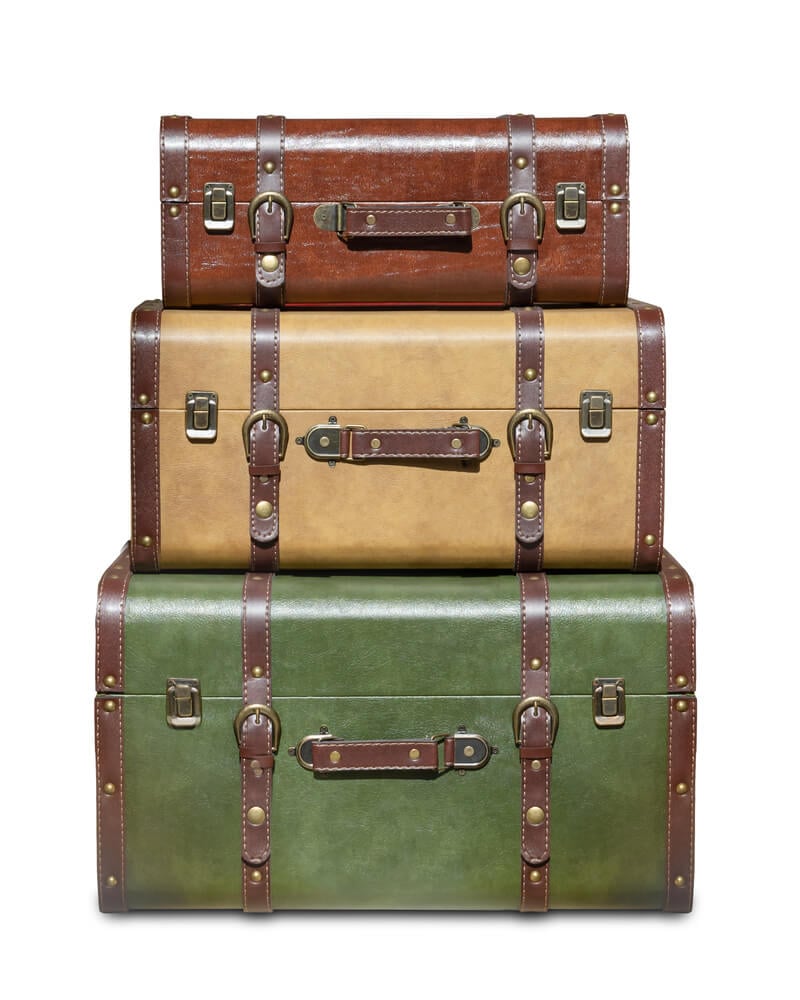
Steamer trunks were built low and flat so they could slide under bunks in ocean liner cabins, and many were covered in canvas or paper over wood. Their appeal often depends on the labels from hotels and steamship lines that still cling to the surface. Complete trays, sturdy wooden slats, and working locks are all sought after. A musty smell, flaking paper, or missing hardware will reduce value, though honest wear and original labels are often welcome.
What Old Luggage Remembers
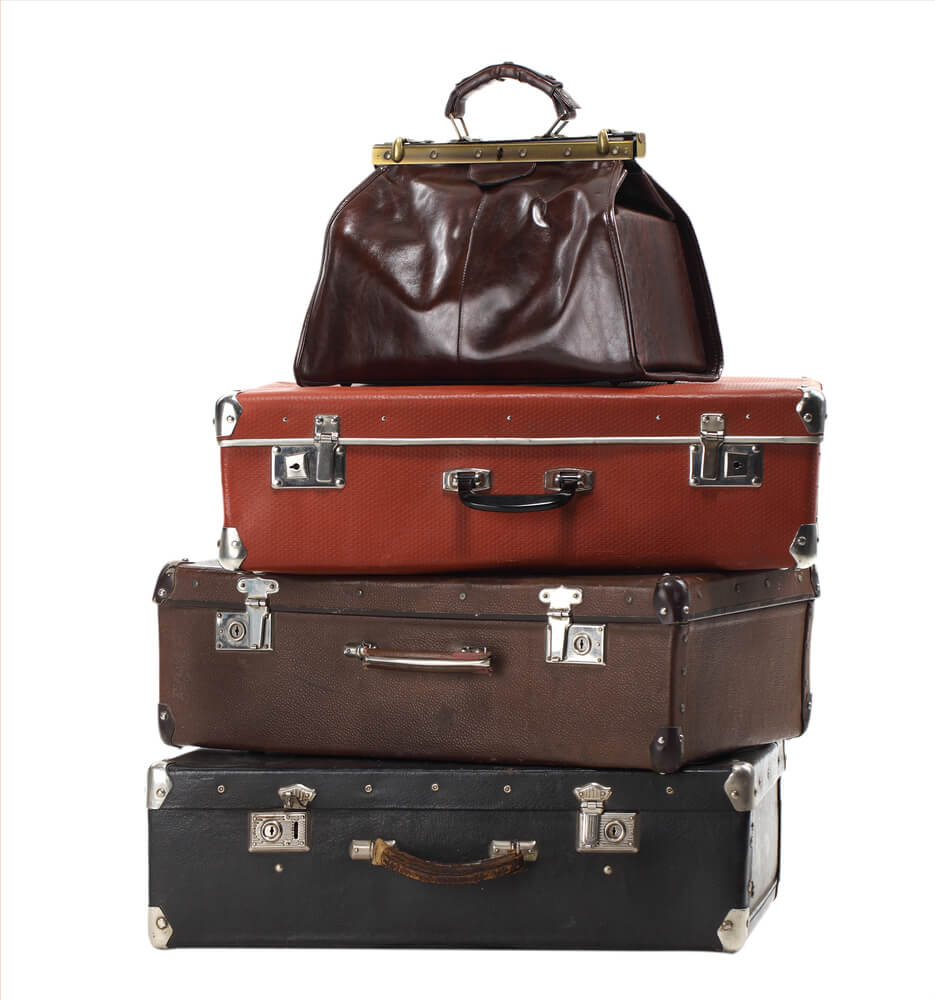
Every bag on this list carries evidence of how it was used. Labels, scuffs, and mended straps tell a different story from the maker’s catalog, and many buyers want to see both. A bag that has been scrubbed back to showroom shape can lose the history that made it interesting in the first place.
That is why condition is rarely a simple matter of new versus worn. Some damage is part of the charm, while other damage, such as cracked coatings, bent frames, lingering odors, and missing parts, quietly erases appeal. The best pieces are the ones where the maker’s skill and the traveler’s life are both still visible.
More from Go2Tutors!

- 27 Silver Dollars and Half Dollars Worth Keeping
- 28 Restaurant Menu Items Nobody Orders Anymore
- 17 Places Built in Seemingly Impossible Spots
- 27 Vintage Rings Worth More Than They Look
- 25 Restricted Sites Tourists Can’t Enter
Like Go2Tutors’s content? Follow us on MSN.