The Forgotten Rituals of Getting Family Photos
Taking a family photo once required planning, patience, and a bit of luck. There was no screen to check, no way to delete a bad shot, and no way to know whether anyone blinked until days later.
The results were precious partly because they were scarce. These are the rituals that went with them.
Counting the Exposures
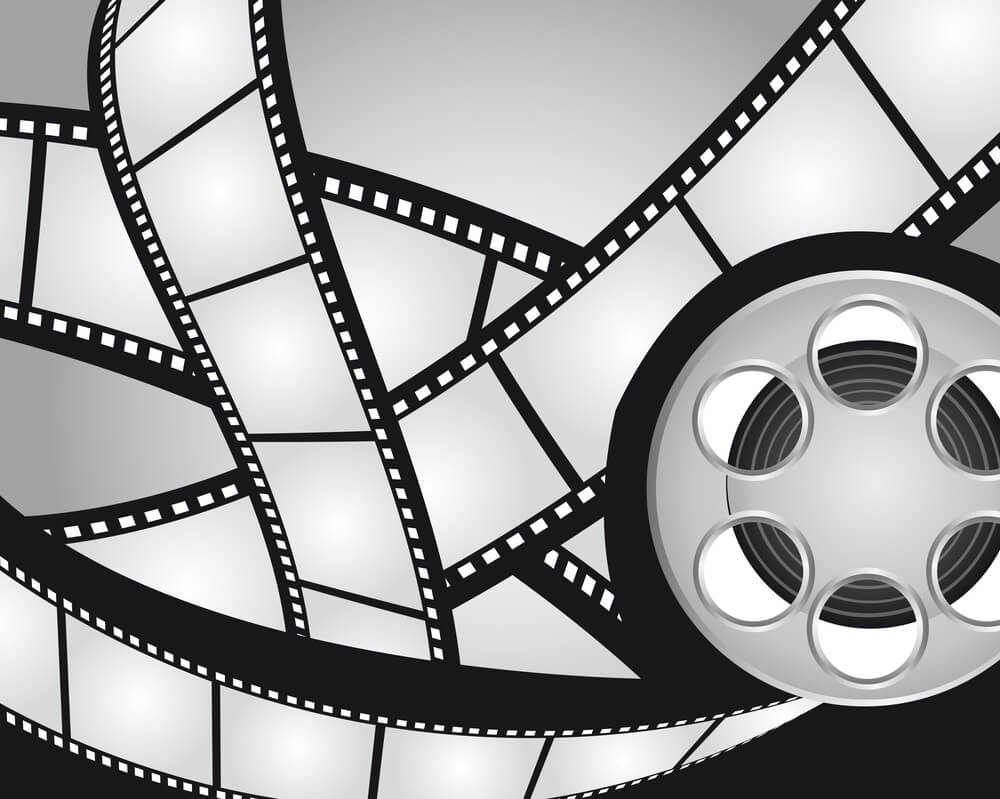
A roll of film held twelve, twenty-four, or thirty-six shots, and every frame counted. Families saved the last few exposures for a holiday or a vacation. A camera advancing to the end of the roll made a distinct whirring sound.
Loading the Film
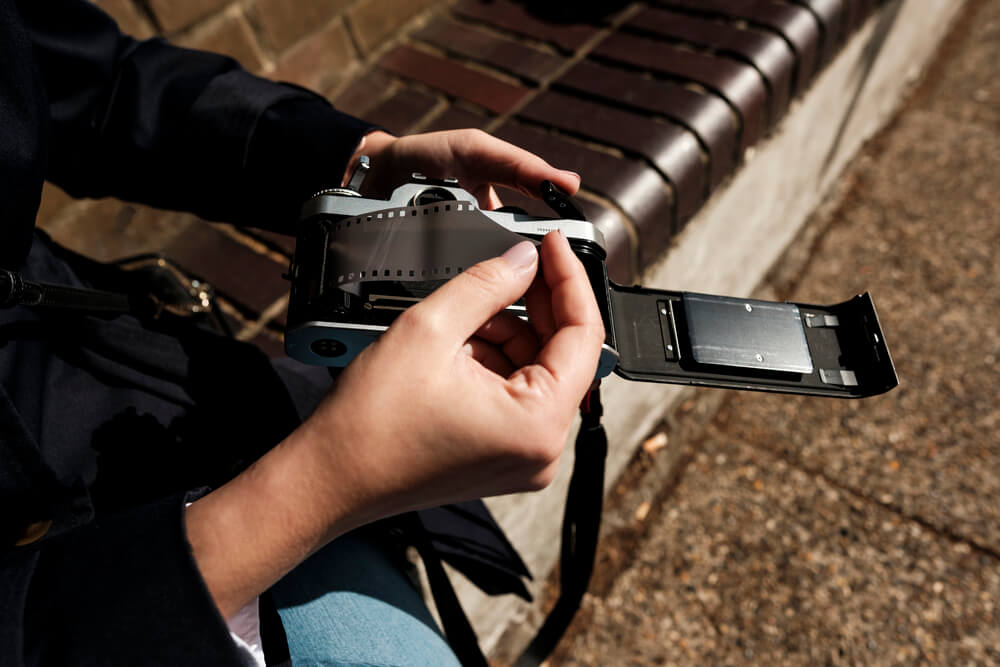
Loading a roll into the camera required a careful hand and a shaded spot. The leader had to catch the take-up spool, and the back had to close without exposing the film. A misloaded roll meant no pictures at all.
The Flashcube
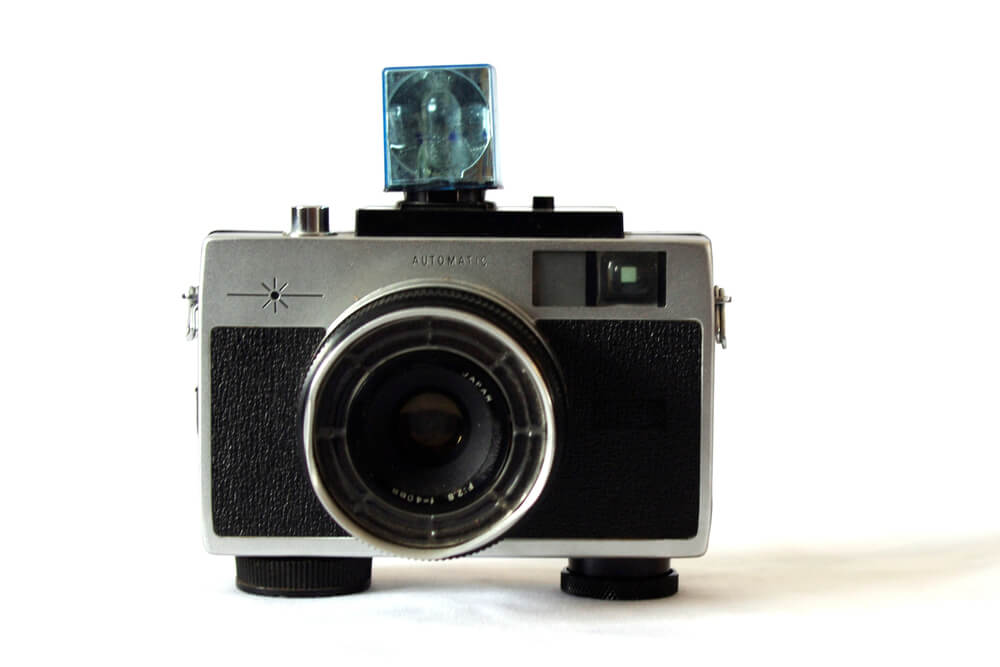
Kodak introduced the flashcube in 1965, a square of four bulbs that rotated with each shot. It clicked onto the top of the camera and fired in sequence. The cube was hot after the last flash, and it burned fingers.
The Red-Eye Problem

The flash bounced off the retina and left a red glow in people’s eyes. It showed up in nearly every snapshot taken at night. Some families dotted the eyes with a marker, and others learned to live with it.
Dropping Off the Film
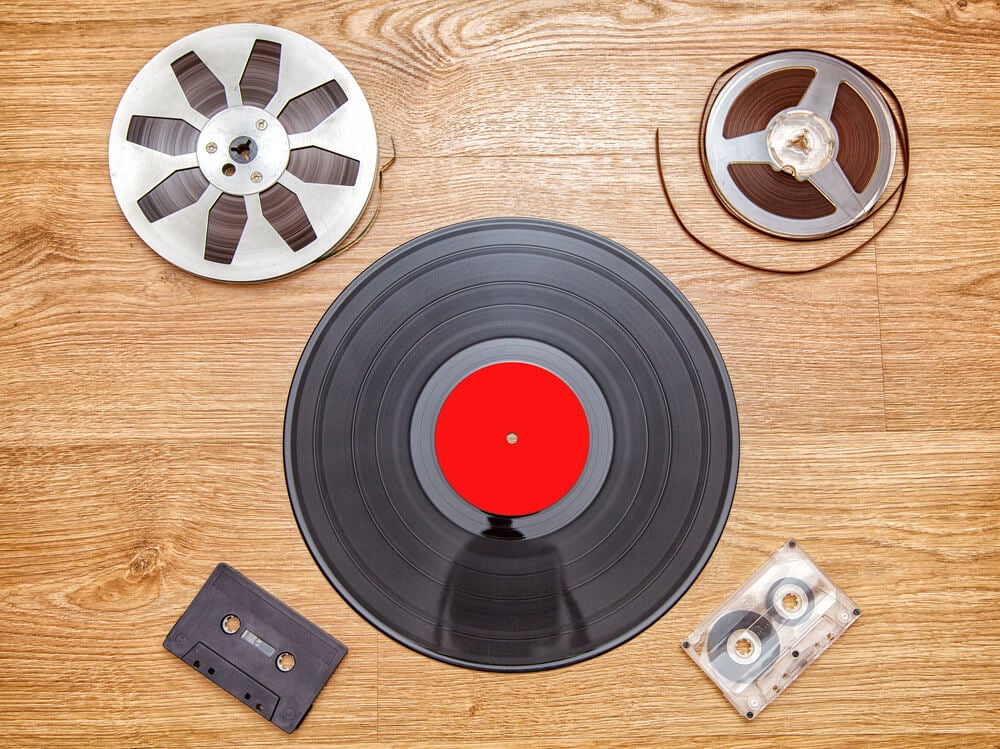
A roll of film was taken to the drugstore, the grocery, or a photo shop and left in a small envelope. A clerk wrote a claim number on the slip. The wait for the prints began.
Waiting for the Prints
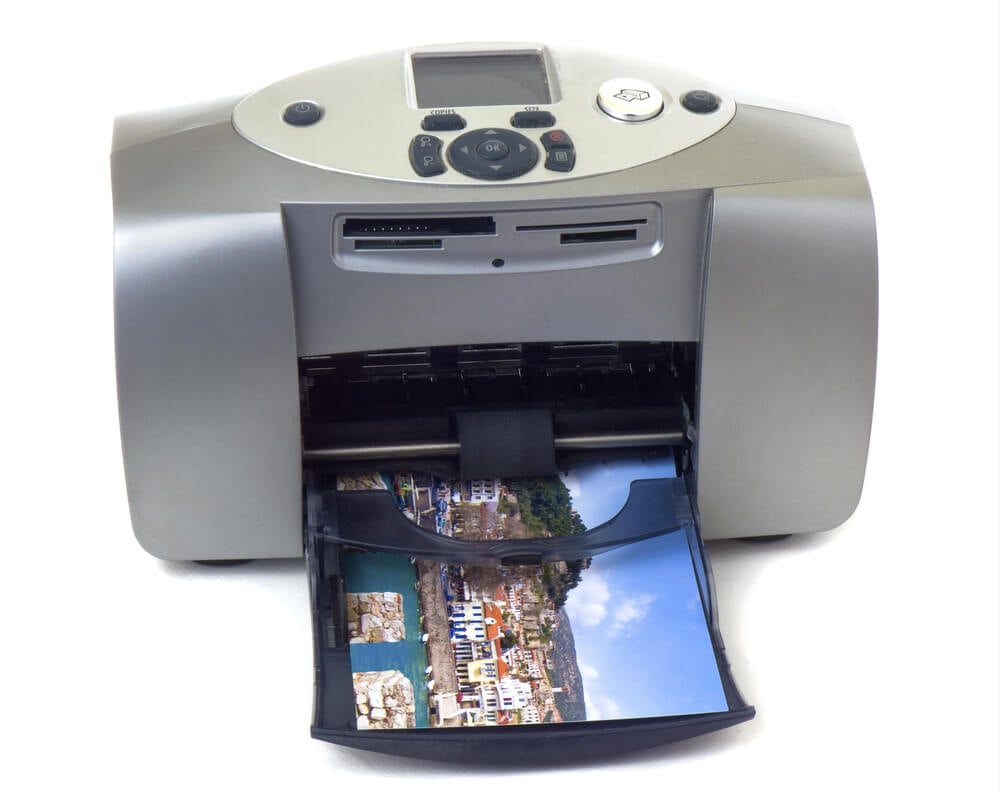
The prints took a few days or a week, and the wait built suspense. When the envelope was ready, families opened it in the car. A first look at a trip’s results could produce delight or disappointment.
Double Prints
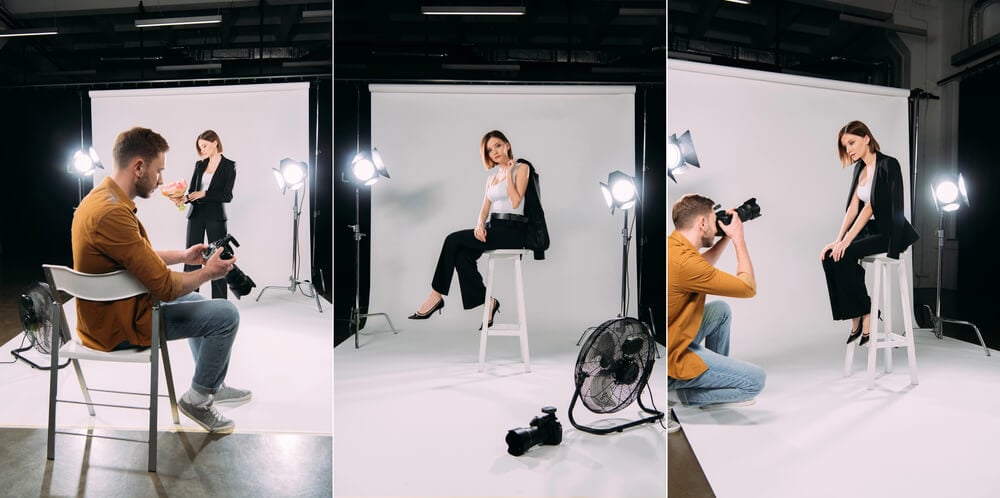
Many processing services offered a second set of prints at a low price. The extras went to relatives, friends, and photo albums. A good photo could end up in four households.
The Photo Booth Strip

Anatol Josepho introduced the Photomaton in New York in 1925, and the booth became a fixture of malls and boardwalks. A few coins bought a strip of four poses behind a curtain. The strips came out damp and were carried around the mall until they dried.
The Studio Portrait
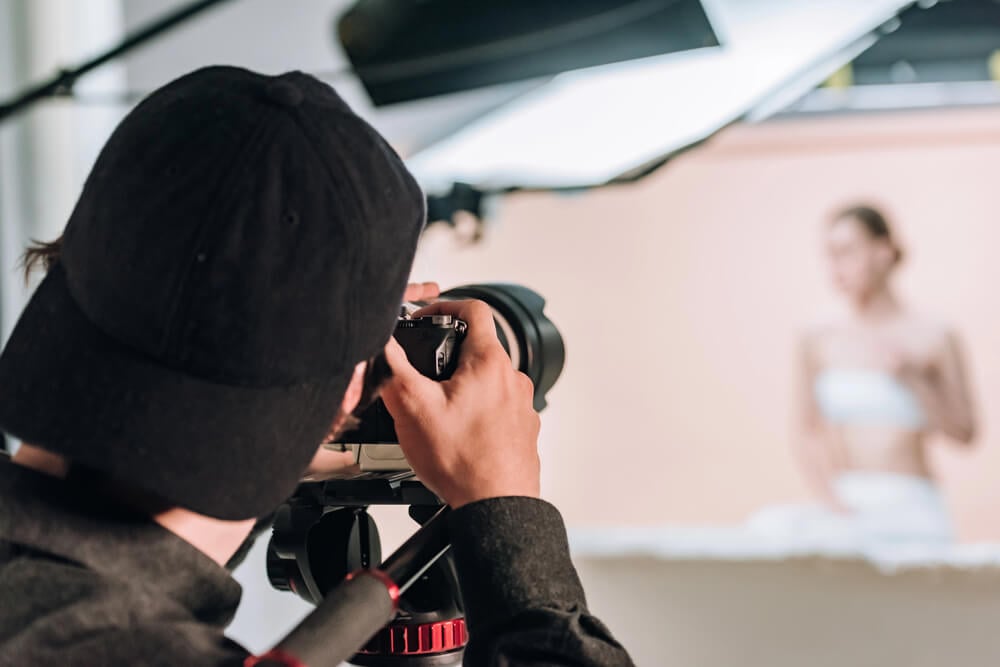
Families dressed up and visited a portrait studio at a department store or a photographer’s shop. The photographer arranged everyone on a stool, a bench, or a draped fabric. The finished portrait hung over the sofa for years.
The Mall Santa Photo

Children sat on a stranger’s lap, wide-eyed or crying, while a parent stood nearby with a wallet. The photo was framed in a cardboard folder with a holiday border. Even the screaming ones were treasured later.
Shaking the Polaroid
An instant print slid out of the camera, and everyone gathered around to watch it develop. People shook it back and forth, which did not actually help. The image slowly came into view, and the family laughed at what emerged.
The Self-Timer Scramble

The photographer set the timer, pressed the button, and ran to join the group. The camera sat on a tripod, a car roof, or a stack of books. There was always one person with half a face in the frame.
The Disposable Camera

Fujifilm introduced the first single-use camera in 1986, and it spread quickly to drugstores and tourist shops. It came loaded with film and a plastic wheel for winding. Guests at weddings were handed one and told to take pictures.
The Sticky Photo Album
Albums with adhesive pages and a clear plastic sheet held rows of snapshots. The glue yellowed over time and the pictures curled. The album, filled in order, told the story of a family.
The Slide Show in the Living Room

Slides were loaded into a carousel and projected onto a bedsheet or a wall. The family sat in the dark while someone narrated each picture. A slide that was upside down brought laughter.
The Handwritten Date on the Back
Parents wrote a date, a place, and the names of those pictured on the back of prints. The ink came from a pen or a marker. Decades later, the notes were the only way to identify faces.
The Photo Christmas Card

Families mailed a card with a photo of the kids in matching outfits. Preparing the card meant coordinating a time, an outfit, and a mood. The result was sent in an envelope with a stamp.
What a Printed Photo Holds

A photo that took days to arrive and was stored in a drawer became more than an image. It was proof that the day happened, held in a person’s hands. The rituals around it, the waiting, the trading, the labeling, made it matter.
Digital cameras have made photography easier, but they have also made it more disposable. The sense of occasion has thinned out, and many pictures never leave the phone. The old ways were slower and less certain, which gave each picture a weight that is harder to find now.
More from Go2Tutors!

- 27 Silver Dollars and Half Dollars Worth Keeping
- 28 Restaurant Menu Items Nobody Orders Anymore
- 17 Places Built in Seemingly Impossible Spots
- 27 Vintage Rings Worth More Than They Look
- 25 Restricted Sites Tourists Can’t Enter
Like Go2Tutors’s content? Follow us on MSN.