16 Amazing Underwater Volcanoes You Never Knew Existed
While everyone knows about Mount Vesuvius and Mount St. Helens, the ocean floor hides some of the most spectacular and powerful volcanoes on Earth. These underwater giants shape our planet’s geology, create new islands, and host some of the most extreme life forms imaginable.
Most people have no idea that roughly 75% of all volcanic activity happens beneath the waves, completely hidden from our view. Here are 16 amazing underwater volcanoes that showcase the incredible power and beauty lurking beneath the surface.
Kick ’em Jenny
Located off the coast of Grenada in the Caribbean, this aptly named volcano has been throwing underwater tantrums since 1939. Kick ’em Jenny sits about 600 feet below the surface and regularly sends up plumes of steam and ash that break the water’s surface.
Scientists keep a close eye on this feisty volcano because it’s slowly building toward the surface and could eventually form a new island.
Havre Seamount

This New Zealand volcano made headlines in 2012 when it created the largest underwater eruption in recorded history. The explosion was so massive that it produced a pumice raft the size of Belgium that floated across the Pacific Ocean for months.
Havre sits about 3,200 feet underwater and surprised scientists with just how powerful submarine eruptions can be.
Like Go2Tutors’s content? Follow us on MSN.
Loihi Seamount

Hawaii’s next island is already under construction, thanks to Loihi Seamount. This active underwater volcano sits about 22 miles southeast of the Big Island and rises over 10,000 feet from the ocean floor.
In about 10,000 to 100,000 years, Loihi will break the surface and become Hawaii’s newest addition to the island chain.
Brothers Volcano

Deep in the Kermadec Arc near New Zealand, Brothers Volcano creates its own underwater hot springs at depths of over 4,900 feet. This submarine volcano hosts some of the most extreme life on Earth, including bacteria that thrive in temperatures hot enough to melt lead.
The entire volcano system spans about 8 miles and resembles an underwater Yellowstone Park.
Axial Seamount

Sitting 300 miles off the Oregon coast, Axial Seamount holds the distinction of being the most studied underwater volcano in the world. This massive volcano rises 3,000 feet above the surrounding seafloor and erupts roughly every 10-15 years.
Scientists have placed so many monitoring instruments on Axial that they can predict its eruptions with remarkable accuracy.
Like Go2Tutors’s content? Follow us on MSN.
Marsili Seamount
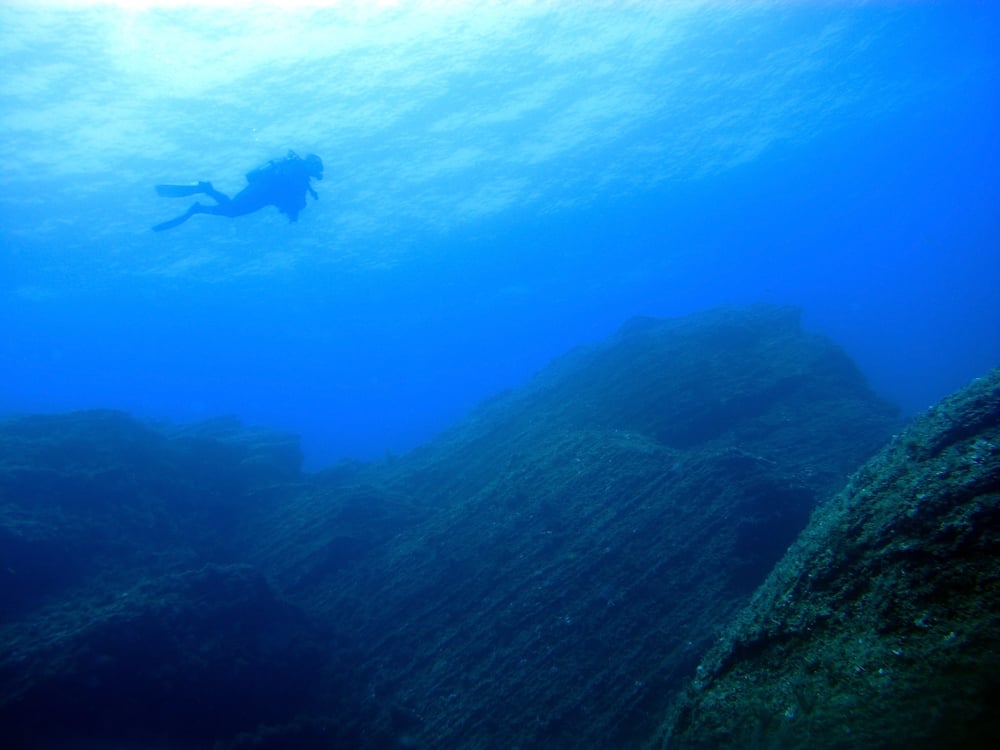
Europe’s largest active volcano isn’t on land – it’s hiding beneath the Tyrrhenian Sea between Italy and Sardinia. Marsili stretches about 43 miles long and rises over 9,800 feet from the ocean floor, yet its peak still sits 1,500 feet underwater.
Some scientists worry that this sleeping giant could trigger devastating tsunamis if it collapses.
NW Rota-1
This Mariana Arc volcano puts on one of the most spectacular underwater light shows on Earth. NW Rota-1 continuously erupts molten lava that creates brilliant orange glows visible to deep-sea cameras.
The volcano sits about 1,800 feet below the surface and has been in a constant state of eruption since scientists first discovered it in 2003.
Kolumbo

Just a few miles northeast of the famous Greek island of Santorini lies Kolumbo, an underwater volcano with a violent past. This submarine giant last erupted in 1650, killing 70 people on nearby islands with poisonous gases.
Kolumbo’s crater spans about 1 mile across and sits roughly 1,640 feet below the surface, quietly building up for its next big performance.
Like Go2Tutors’s content? Follow us on MSN.
West Mata

Located in the southwestern Pacific, West Mata became the first underwater volcano ever filmed in action during an eruption. The footage revealed incredible scenes of molten lava exploding into clouds of superheated water and gas.
This volcano sits about 4,000 feet below the surface and regularly produces some of the deepest volcanic eruptions ever recorded.
Kavachi
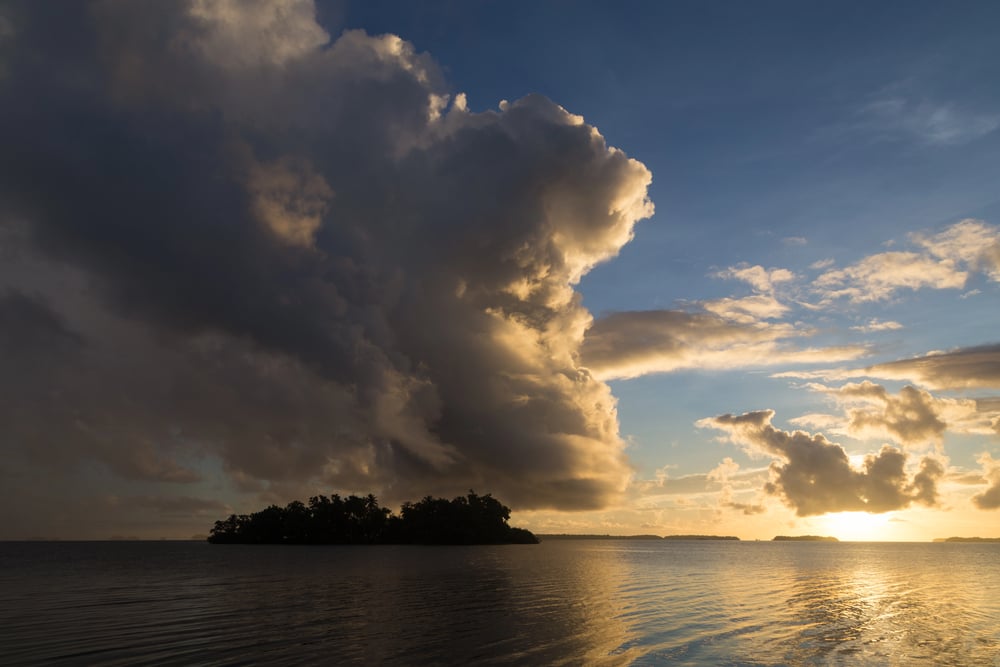
The Solomon Islands’ most active volcano spends most of its time underwater, occasionally breaching the surface to create temporary islands. Kavachi has built and destroyed islands multiple times over the past century, earning it the nickname ‘Sharkcano’ because reef sharks somehow manage to live in its crater lake.
The volcano typically sits about 65 feet below the surface when it’s not actively erupting.
Cobb Seamount
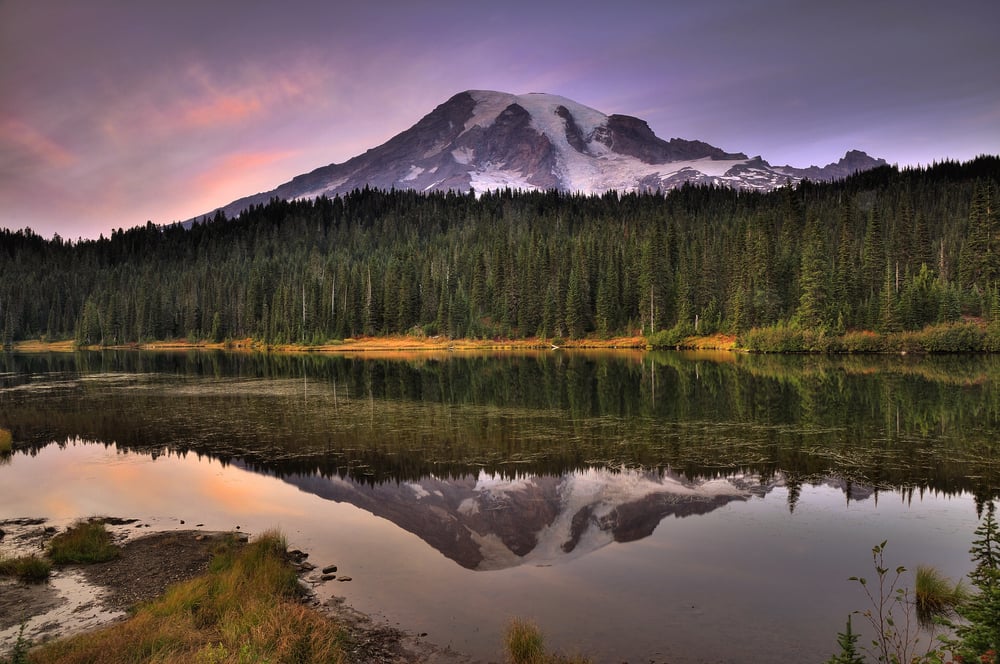
Off the coast of Washington state, Cobb Seamount rises like an underwater mountain over 7,200 feet from the ocean floor. This ancient volcano hasn’t erupted in thousands of years, but it continues to host unique ecosystems around its hydrothermal vents.
The seamount creates its own underwater weather patterns and serves as a highway for migrating marine life.
Like Go2Tutors’s content? Follow us on MSN.
Teahitia Seamount

Hidden in French Polynesian waters, Teahitia represents one of the youngest volcanoes in the Tahiti region. This underwater giant sits about 4,300 feet below the surface and spans roughly 25 miles across its base.
Scientists believe Teahitia could be gearing up to create the next major island in the Society Islands chain.
Submarine Volcano 1952 Myojin-sho

This Japanese underwater volcano gained international attention when it literally sank a research vessel in 1952. The Kaiyo-Maru was investigating the volcano when it suddenly erupted, killing all 31 crew members and completely destroying the ship.
The volcano continues to show signs of activity about 280 miles south of Tokyo, sitting roughly 180 feet below the surface.
Penguin Bank
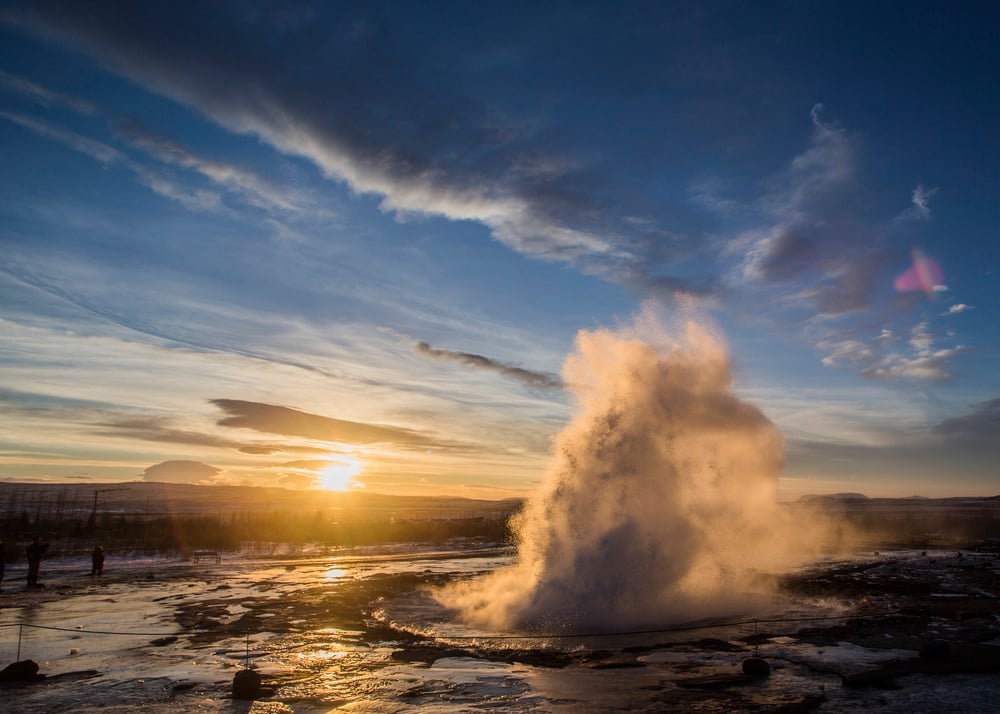
Despite its cute name, Penguin Bank off the coast of Oahu represents one of Hawaii’s most mysterious underwater volcanic features. This submerged volcano once stood above sea level but has since been worn down by waves and erosion.
The bank now provides critical habitat for Hawaiian monk seals and serves as a nursery for many fish species.
Like Go2Tutors’s content? Follow us on MSN.
Hunga Tonga-Hunga Ha’apai
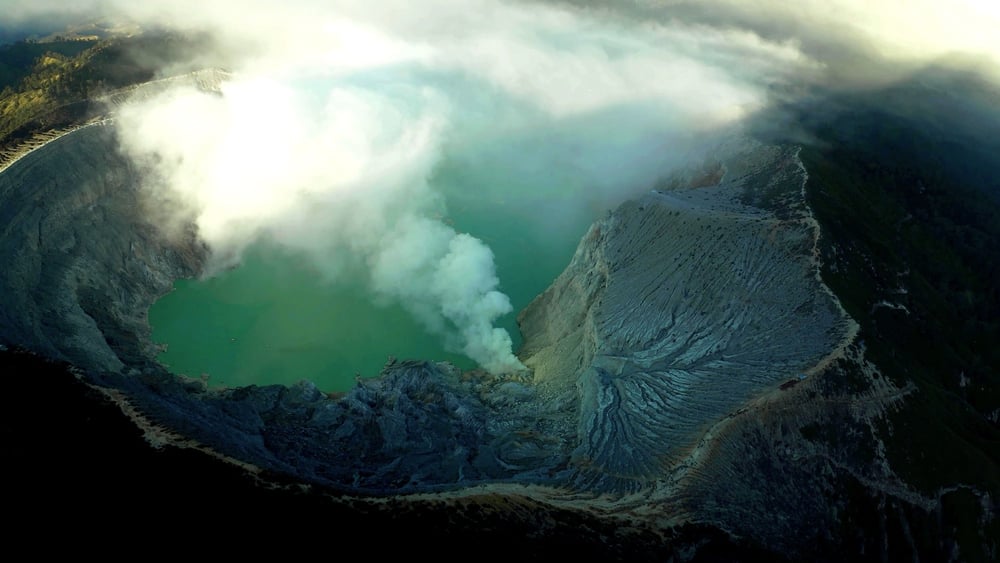
This Tongan volcano made global headlines in 2022 when it produced one of the most powerful eruptions in recorded history. The underwater explosion was so massive that it sent shockwaves around the entire planet and created tsunami waves that reached coastlines thousands of miles away.
The eruption essentially vaporized the small islands that sat above the volcano, reshaping the entire area.
MacDonald Seamount

Located in the Cook Islands region, MacDonald Seamount represents one of the most active underwater volcanoes in the South Pacific. This submarine volcano regularly produces hydrothermal plumes that can be detected from space and hosts unique mineral deposits formed by underwater hot springs.
The seamount rises over 13,000 feet from the ocean floor but still sits about 130 feet below the surface.
The Hidden Fire Beneath Our Feet
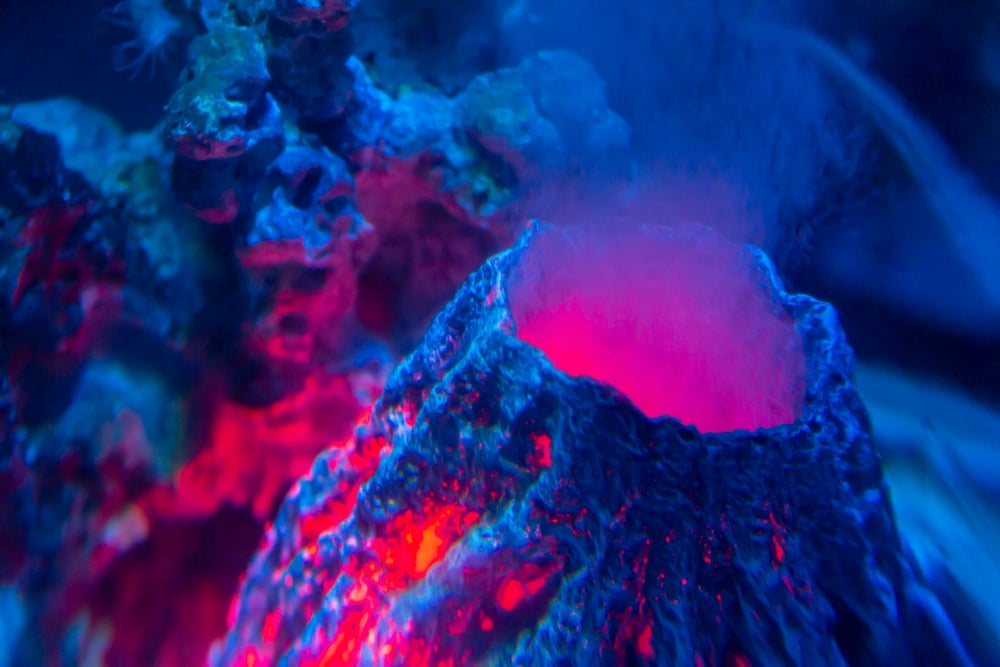
These underwater volcanoes remind us that our planet’s most powerful forces often work completely out of sight. While we go about our daily lives, these submarine giants continue shaping the ocean floor, creating new land, and hosting some of Earth’s most extraordinary life forms.
The next time you look out at a calm ocean surface, remember that beneath those peaceful waves lies a world of fire, creation, and geological drama that rivals anything found on land.
More from Go2Tutors!

- 16 Historical Figures Who Were Nothing Like You Think
- 12 Things Sold in the 80s That Are Now Illegal
- 15 VHS Tapes That Could Be Worth Thousands
- 17 Historical “What Ifs” That Would Have Changed Everything
- 18 TV Shows That Vanished Without a Finale
Like Go2Tutors’s content? Follow us on MSN.