29 Classroom Inventions That Changed School Days
Walk into any classroom from a century ago and the room would look strange. Rows of fixed desks, a slate or a blackboard, and a single textbook set the pace of every lesson.
Each invention below altered something small and daily, such as how a teacher showed a diagram or how a child practiced a sum. Together they explain how school went from copying to something closer to a conversation.
The Hornbook
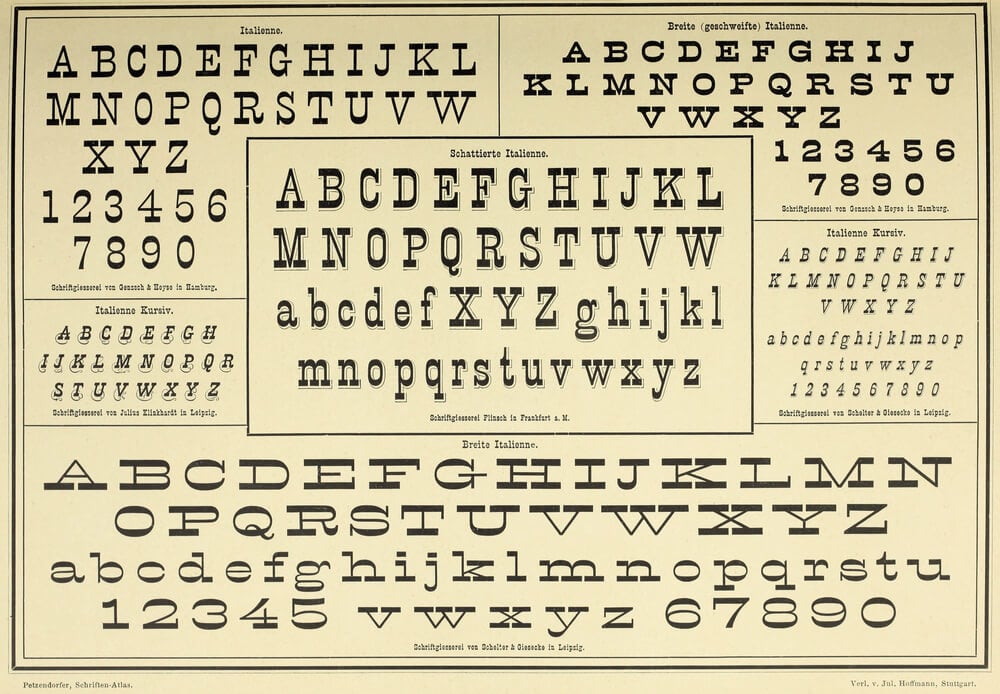
The hornbook was a wooden paddle holding a sheet of letters and a prayer, covered with a thin transparent layer of horn to protect the page. English children used it to learn the alphabet from at least the fifteenth century. It was an early example of a portable, durable lesson.
The Slate
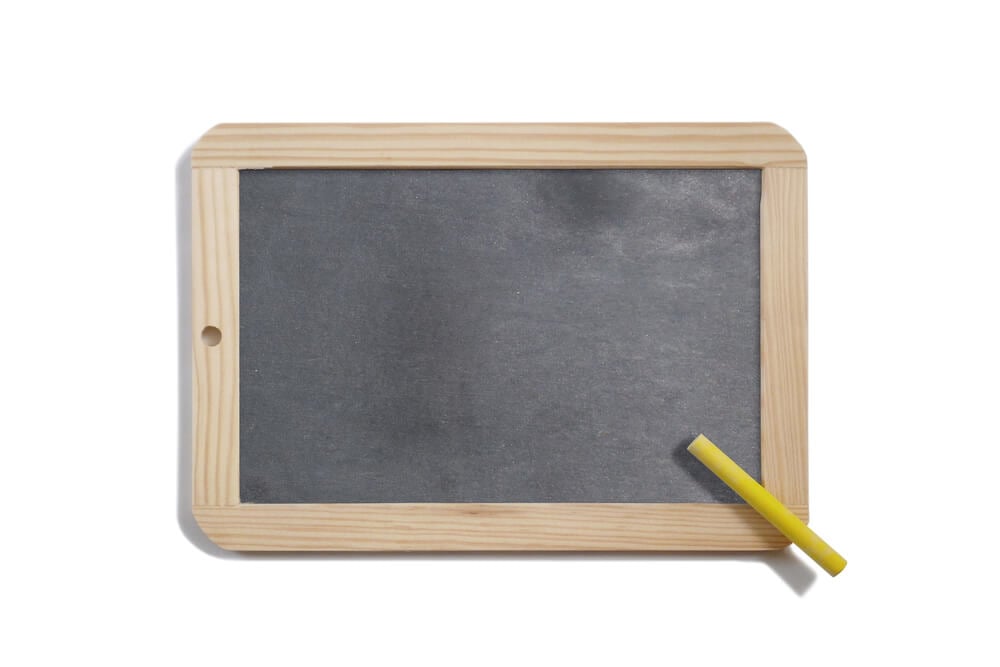
Schoolchildren once wrote on framed slates with slate pencils and wiped them clean for the next lesson. The slate was cheaper than paper and could be reused endlessly. It let schools teach writing without a heavy paper budget.
The Blackboard

Teachers in Scotland and the United States adopted large painted boards in the early 1800s, and military instructors at West Point used them for mathematics. The board let one teacher show a diagram to an entire room at once. It reshaped lessons from individual recitation to group instruction.
McGuffey Readers
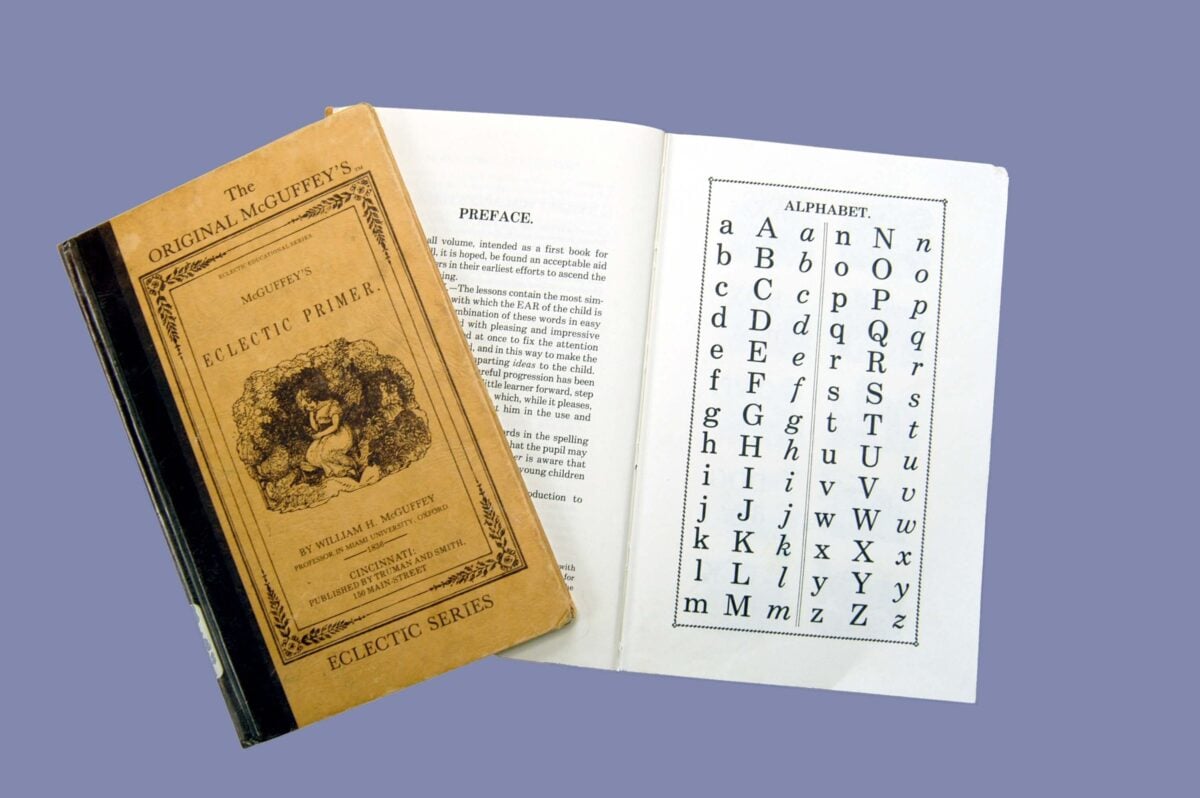
William Holmes McGuffey’s graded readers began appearing in 1836 and sold in huge numbers across the American frontier. They arranged lessons by difficulty, with stories and moral lessons. Many Americans learned to read from them.
The One-Piece School Desk
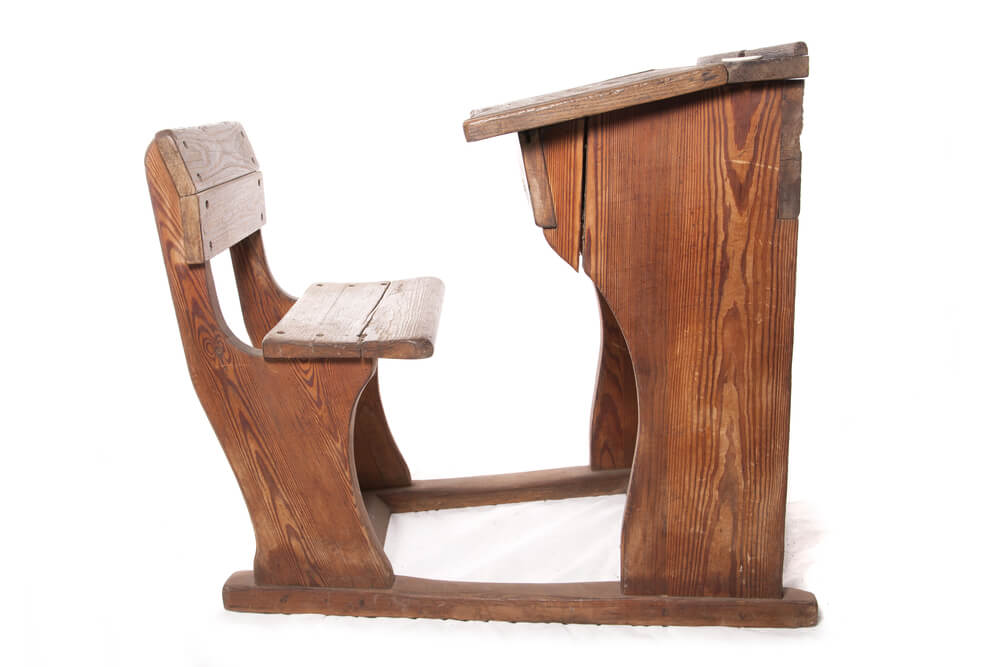
Late in the nineteenth century, schools began replacing long benches with individual desks that combined a seat and writing surface. Each child had a defined space, and teachers could arrange rows. The desk shaped the geometry of the classroom for generations.
Kindergarten
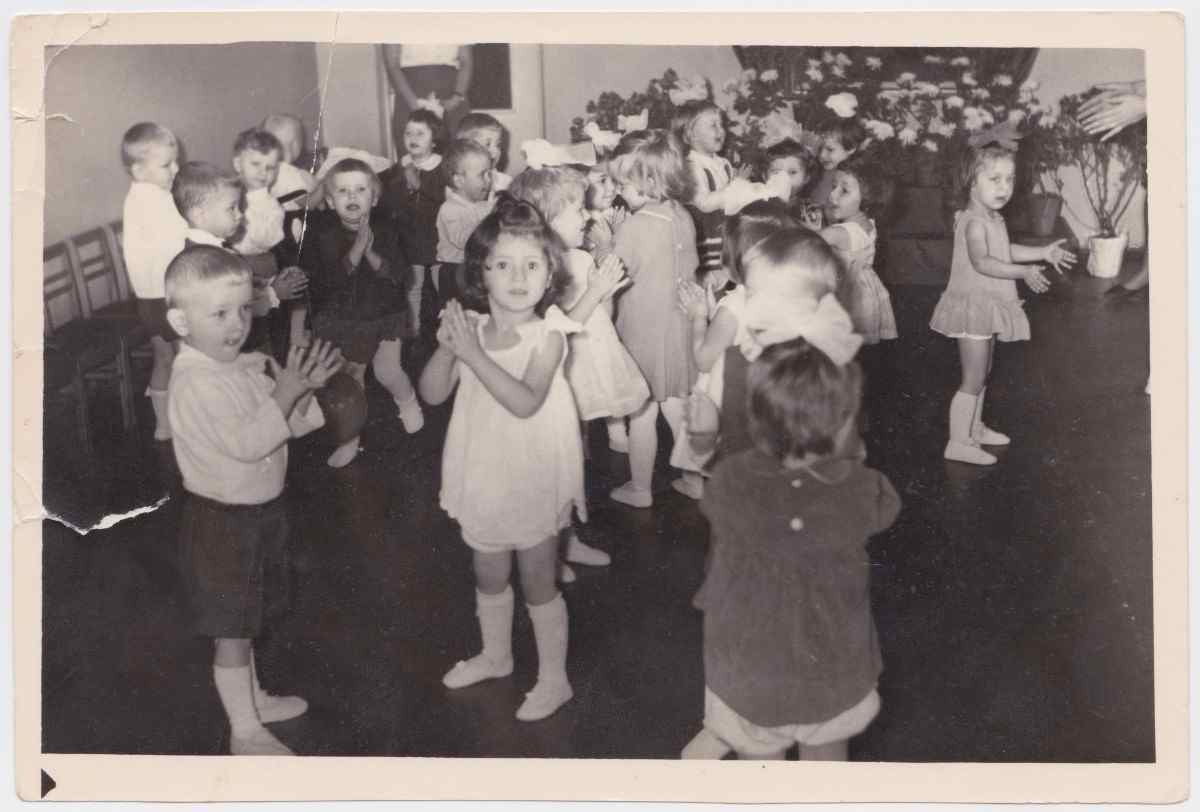
Friedrich Froebel opened the first kindergarten in Germany in 1837 and built it around play and hands-on materials. The idea spread to the United States in the nineteenth century. It changed the view of young children as learners.
The Pencil With an Attached Eraser

Hymen Lipman received a patent in 1858 for a pencil with an eraser attached to its end. The invention kept the correction tool in reach of the writer. It turned a mistake from a stain into something that could be fixed.
The Dewey Decimal System

Melvil Dewey published his library classification scheme in 1876, and it spread to school libraries across the country. Books gained numbers that told students where to find them. The system made it practical for students to locate books on their own.
The Mimeograph
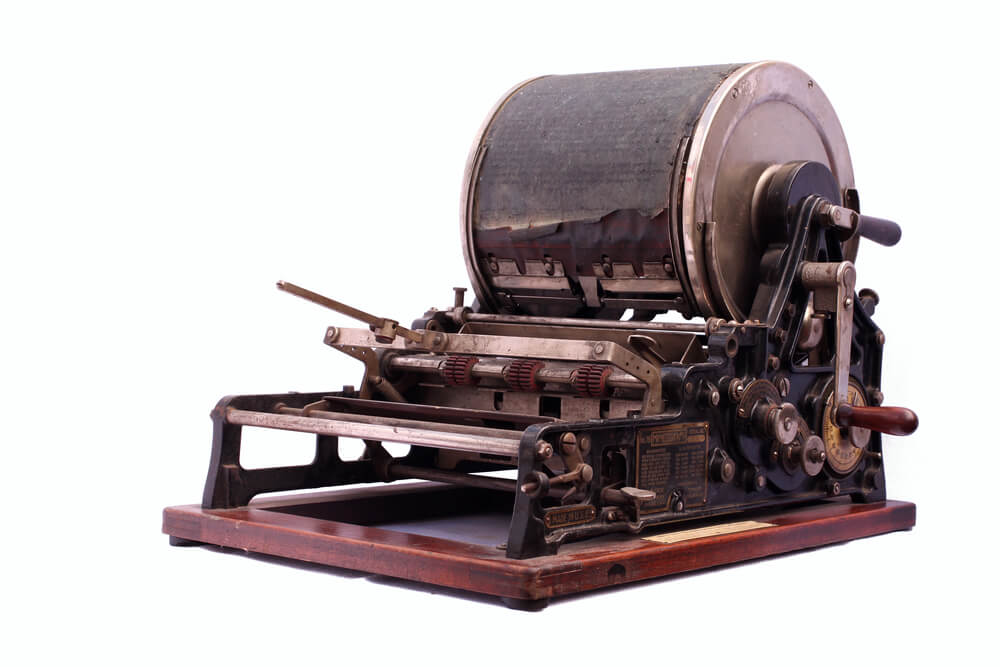
Mimeograph machines reached the market in the late 1880s and let teachers copy a handwritten stencil many times. The machines made handouts cheap for schools. They ran on ink and turned the teacher into a publisher.
Crayola Crayons
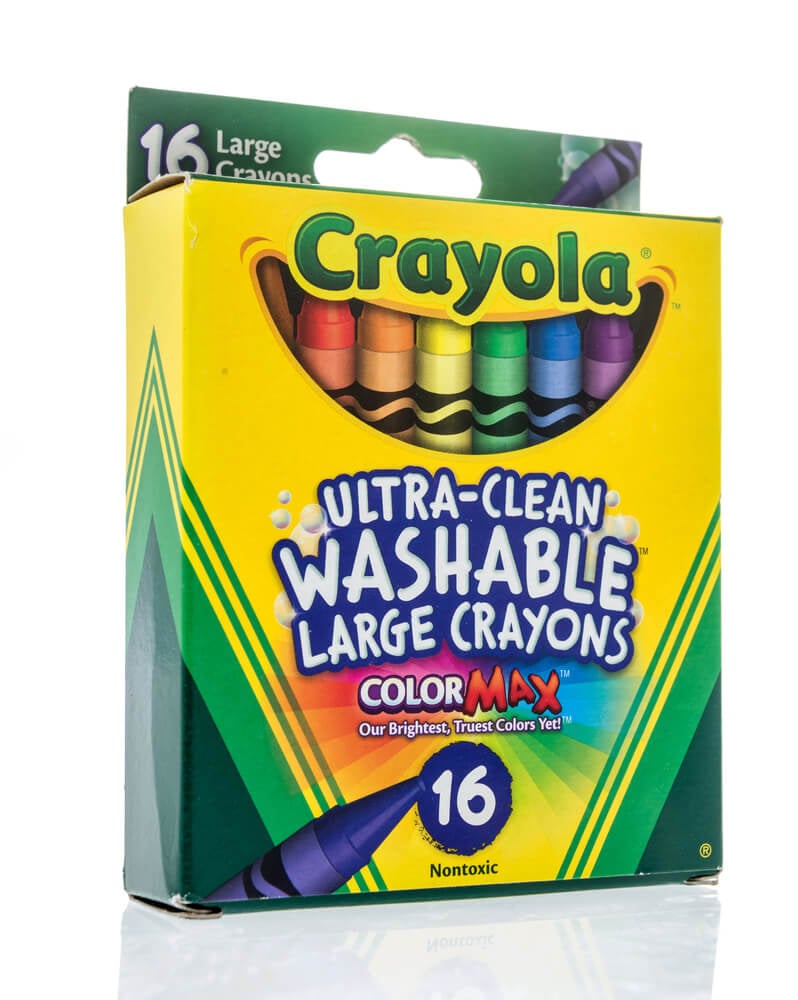
Binney & Smith introduced Crayola crayons in 1903, selling them as a safe, affordable classroom art supply. Eight-color boxes appeared in classrooms nationwide. The crayon made art a routine part of the school day.
The Montessori Method
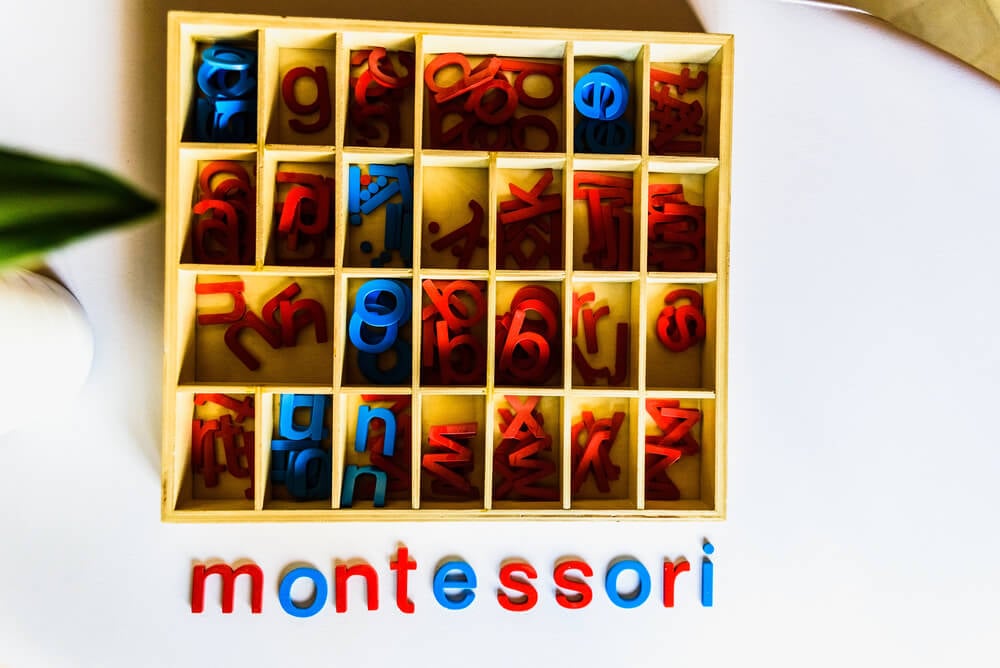
Maria Montessori opened her first Casa dei Bambini in Rome in 1907, using child-sized furniture and hands-on materials. Students chose activities and worked at their own pace. The approach influenced preschools and elementary classrooms worldwide.
The Spirit Duplicator
The spirit duplicator, sold as the ditto machine, appeared in the 1920s and printed purple copies from a master sheet. Generations of students remember the damp pages and their chemical smell. It was a cheap way to give each student a worksheet.
The Standardized Yellow School Bus

A 1939 conference led by educator Frank Cyr set national standards for school buses, including a shade of yellow chosen for visibility. The standard helped other drivers recognize them from a distance. It also made buses safer and more uniform.
Educational Radio

Schools began using radio broadcasts in the 1920s and 1930s to bring lessons on music, history, and science into the classroom. A teacher could play a program without hiring a specialist. Radio made distant experts a part of daily lessons.
The 16mm Film Projector
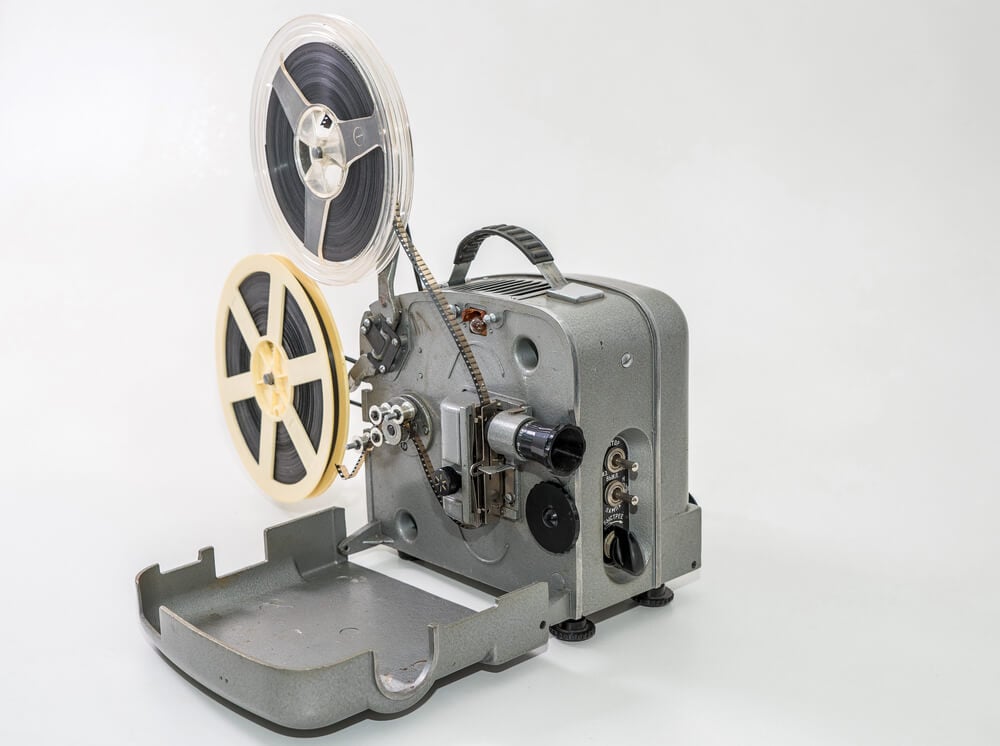
Sixteen-millimeter projectors brought educational films into classrooms, especially after the Second World War. Teachers dimmed the lights and played short films on science and geography. A film could show an event that a textbook could only describe.
The Filmstrip Projector
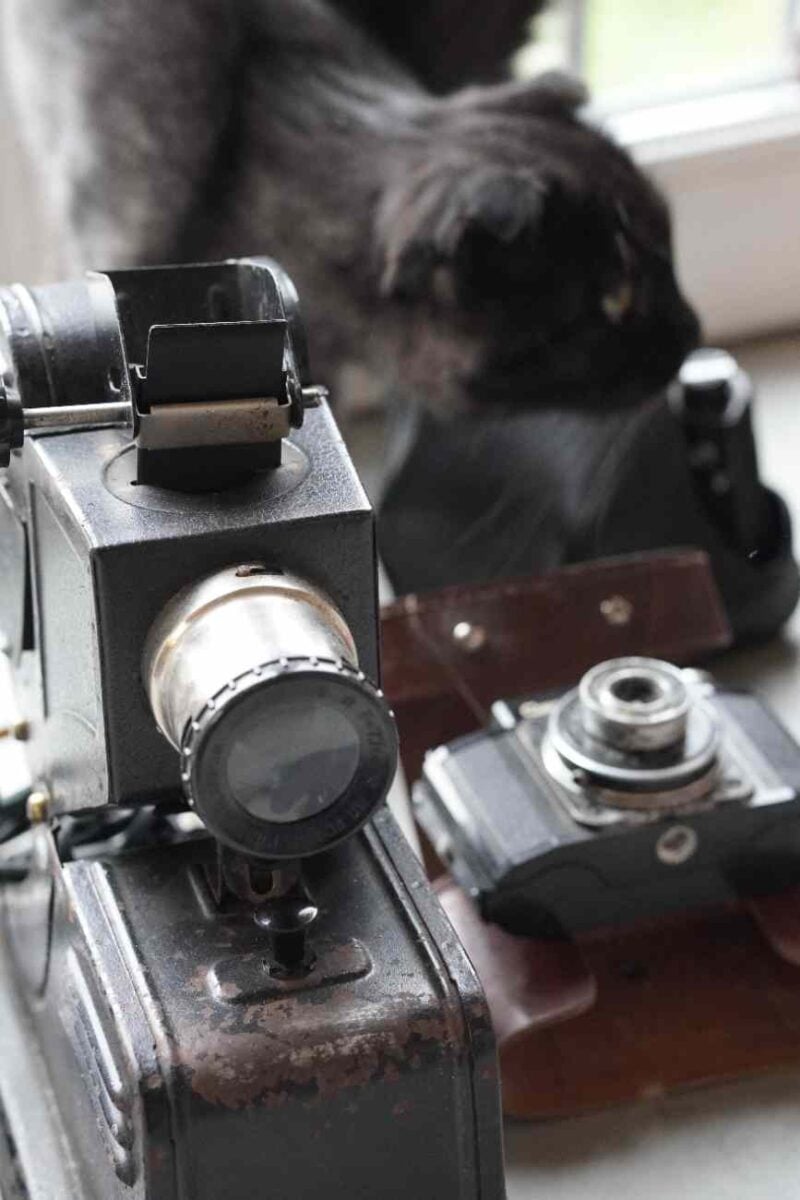
Filmstrips, rolls of still frames accompanied by a recording or a teacher’s narration, were a cheaper alternative to films. A beep on the soundtrack told the operator to advance the frame. Many students recall the sound as a signal to look up.
The Overhead Projector
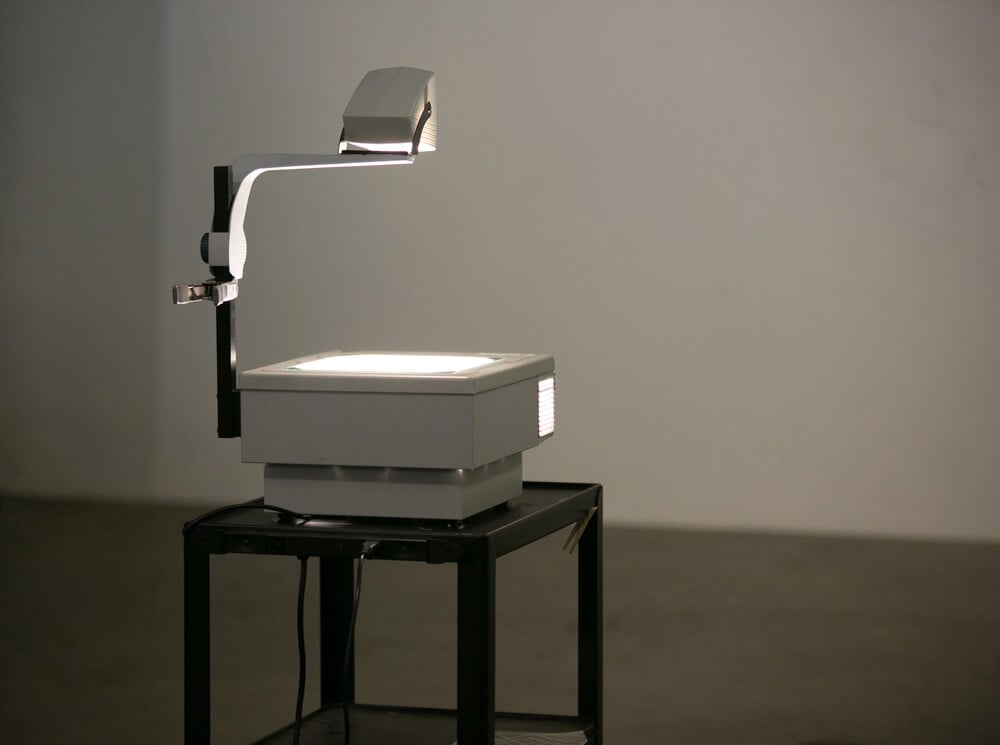
The overhead projector, used by the military for training, moved into schools by the mid-twentieth century. Teachers wrote on transparent sheets while facing the class and projected them onto a screen. It replaced the chalkboard as the center of attention in many rooms.
The Magic Marker
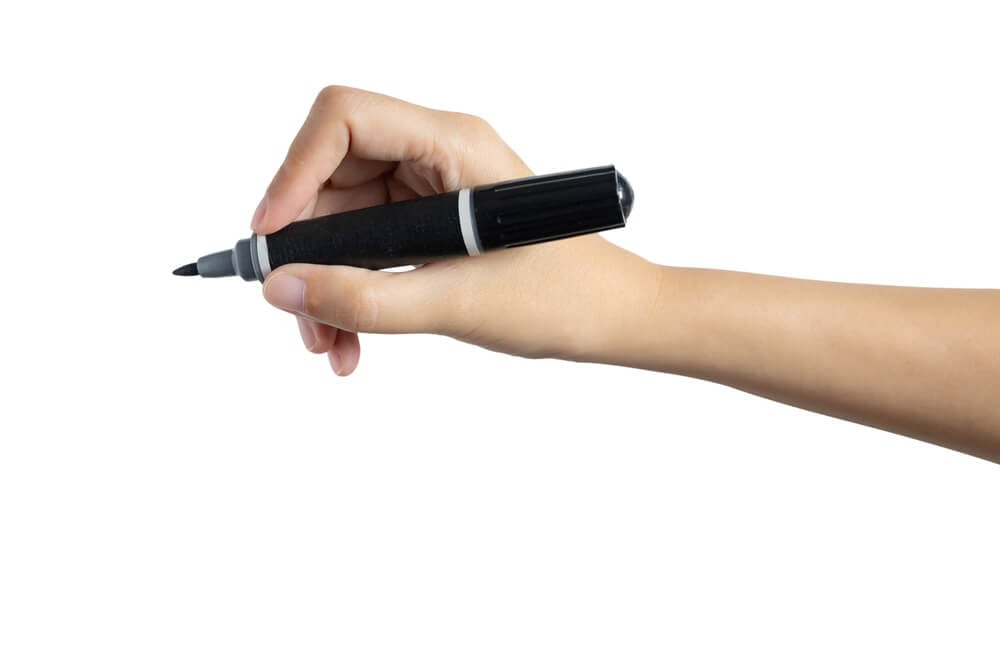
Sidney Rosenthal introduced the Magic Marker in 1952, and its ink flowed through a felt tip instead of a nib. Teachers and students could draw bold lines on posters and signs. It made poster projects a staple of school assignments.
The Dry-Erase Board
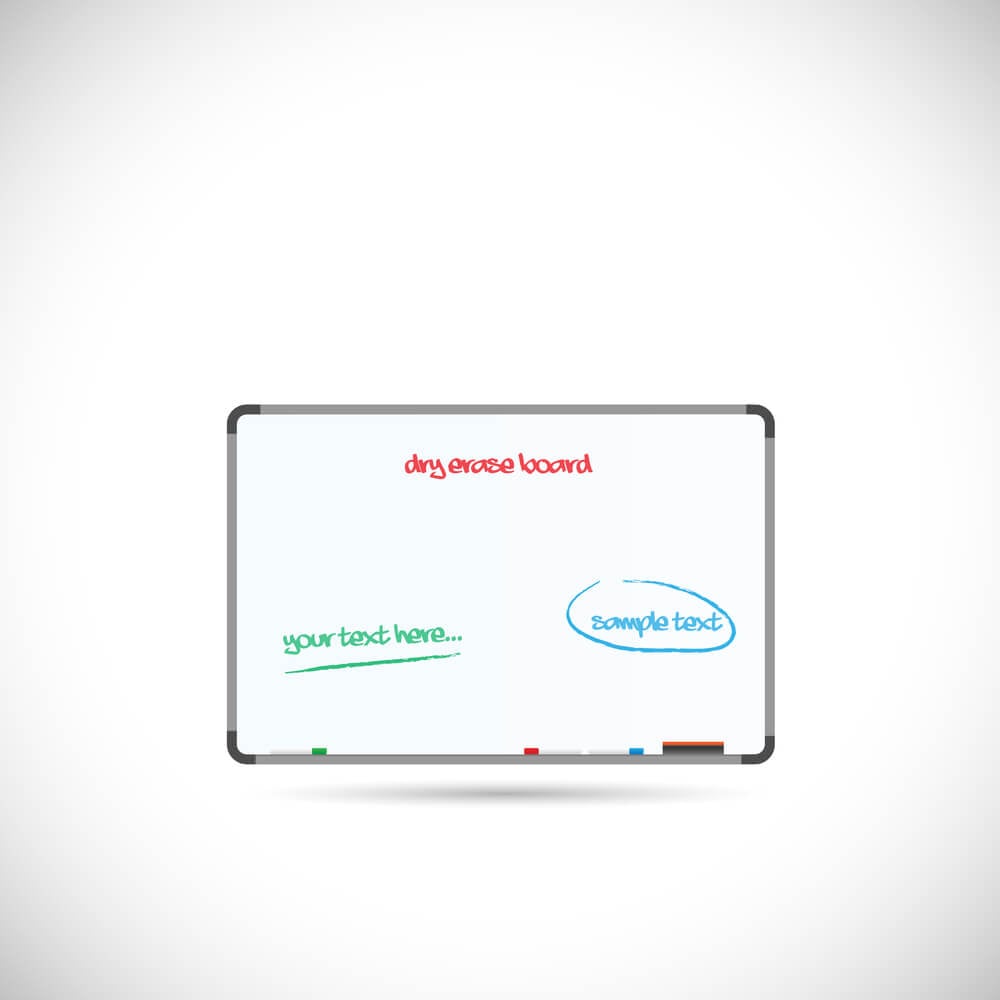
Dry-erase boards began to replace chalkboards in the late twentieth century, offering a surface that erased cleanly without dust. Teachers no longer had to clap erasers outside. The change brought a cleaner and brighter writing surface into classrooms.
Scantron Answer Sheets

Michael Sokolski founded Scantron in 1972, and its machine-read answer forms let teachers grade multiple-choice tests rapidly. Students filled in bubbles with a number two pencil. The system made standardized testing practical on a large scale.
The Pocket Calculator

Texas Instruments and other companies sold pocket calculators to schools and families in the early 1970s. They allowed students to check arithmetic and tackle larger problems. The debate over when to allow them in class has lasted ever since.
The Oregon Trail
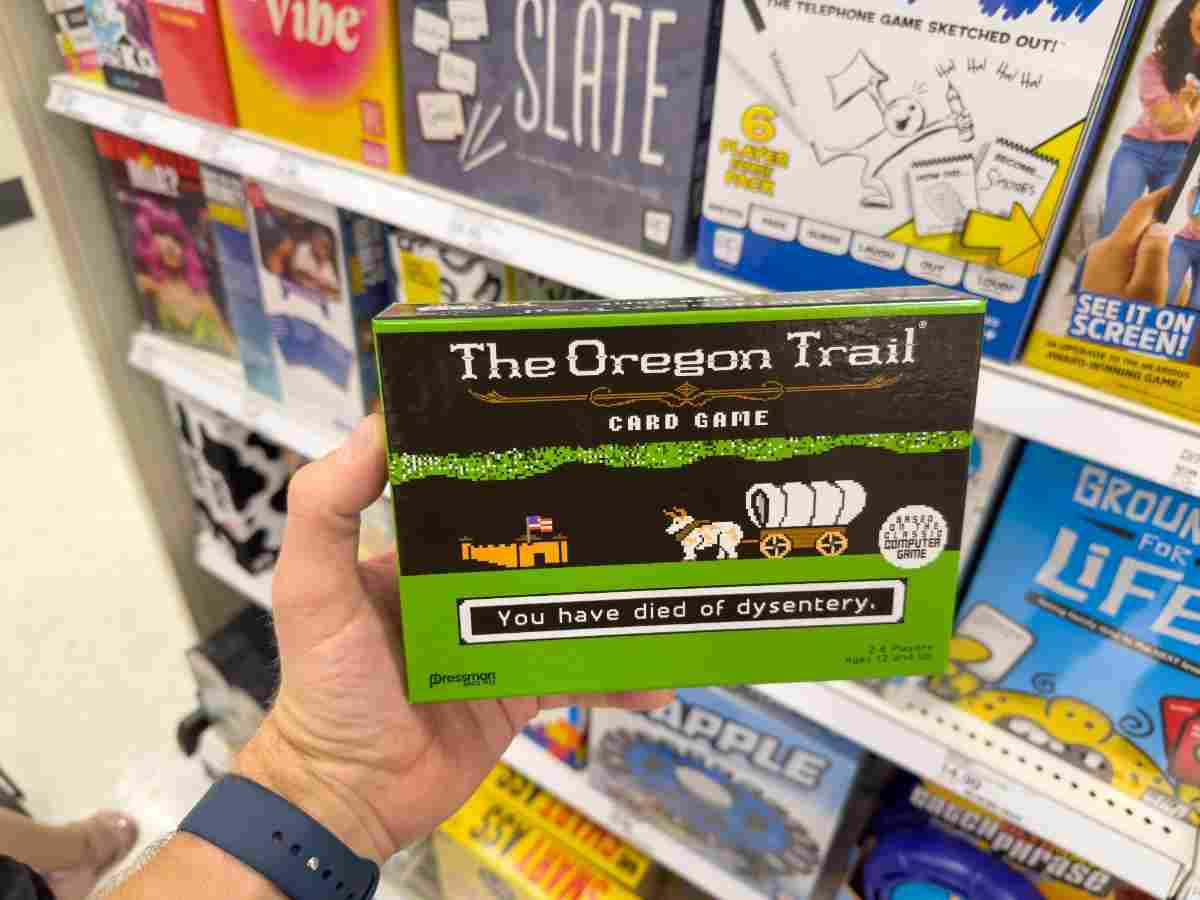
Don Rawitsch, Bill Heinemann, and Paul Dillenberger created The Oregon Trail in 1971 for a Minnesota classroom. Students made decisions about supplies and survival as they traveled west. It became one of the best-known educational computer games.
The Apple II in Schools
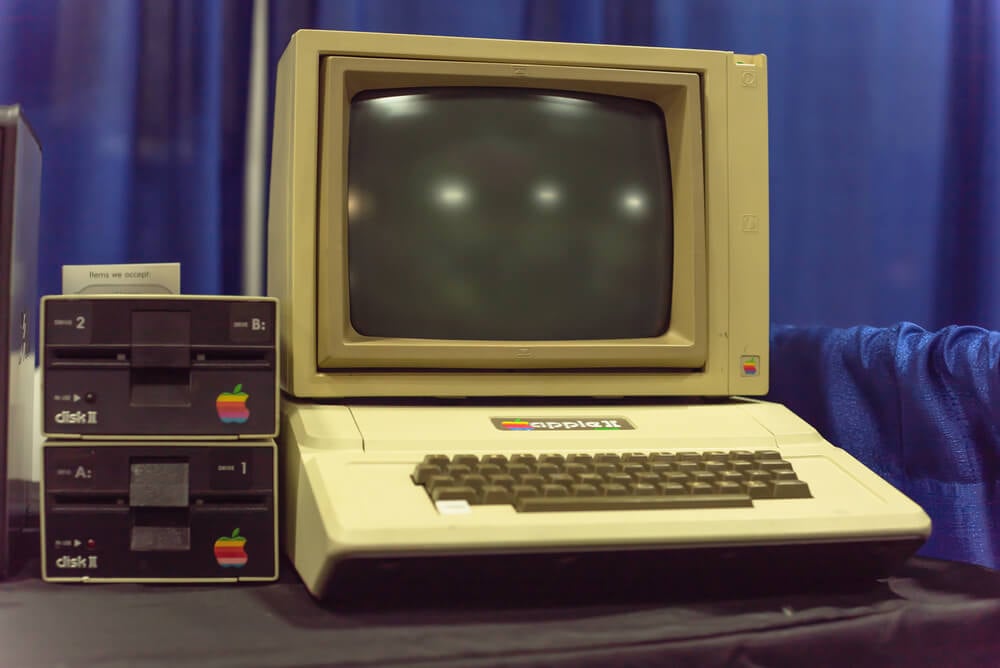
The Apple II, released in 1977, found a large audience in schools through discounts and educational software. Students typed commands and ran simple programs. For many, it was the first computer they ever touched.
The Classroom Television Cart
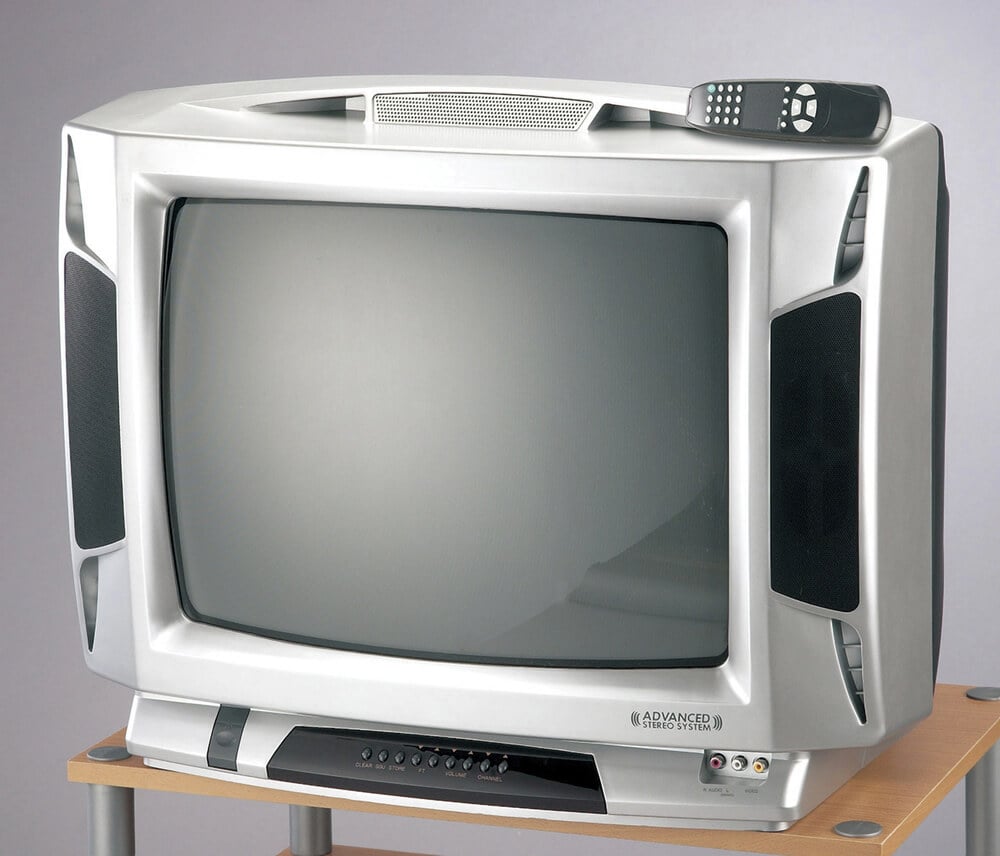
Schools rolled television sets and videocassette players on carts from room to room, letting teachers show recorded lessons and programs. The cart turned any classroom into a screening room. Its arrival meant that a visiting film became a normal part of the week.
The Photocopier
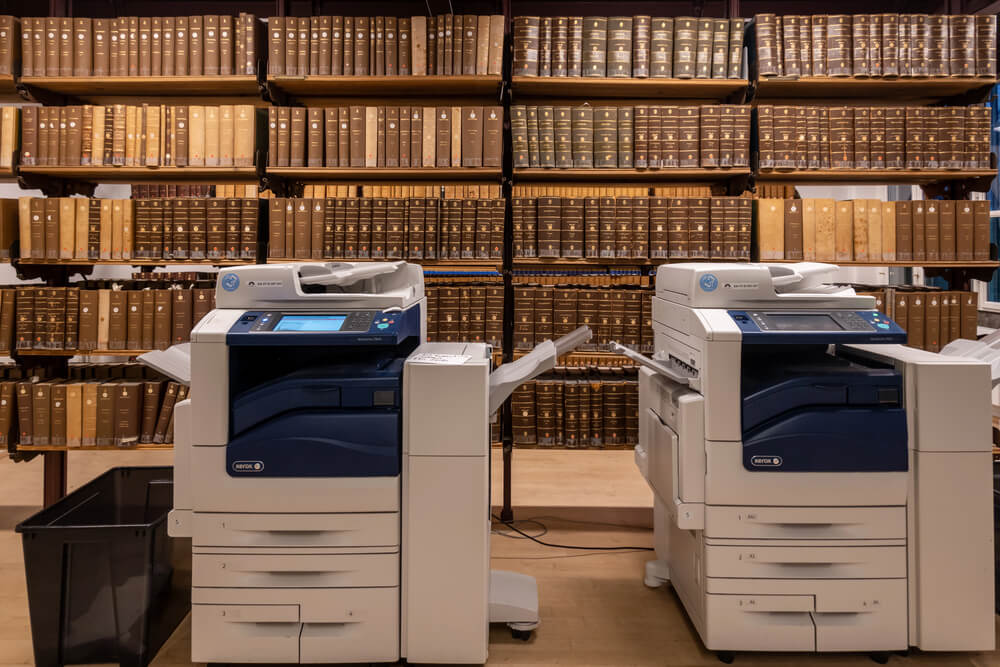
Xerox introduced its 914 copier in 1959, and schools adopted photocopiers over the following decades. A teacher could duplicate a page from a book or a student’s work in seconds. Handouts no longer needed a stencil or a master sheet.
The Graphing Calculator
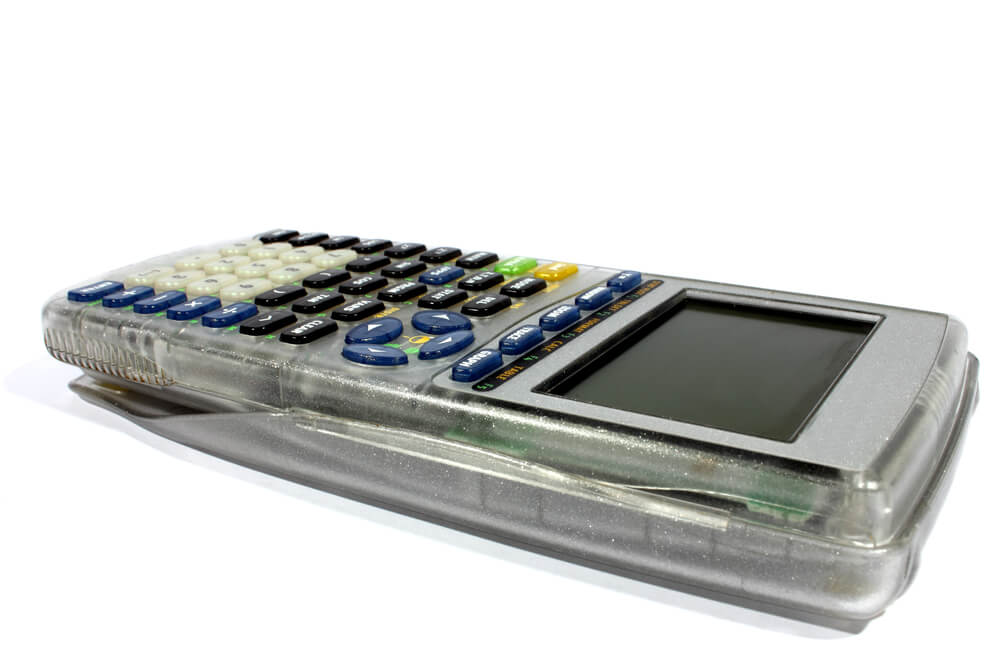
Texas Instruments released the TI-81 in 1990, a graphing calculator that quickly became standard for algebra and calculus classes. Students could see equations plotted instead of imagining them. It changed how advanced math was taught.
The SMART Board

SMART Technologies introduced the first SMART Board in 1991, a touch-sensitive display that works with a computer and projector. Teachers could write on the screen, save notes, and drag images. It became a fixture in many classrooms.
The Chromebook
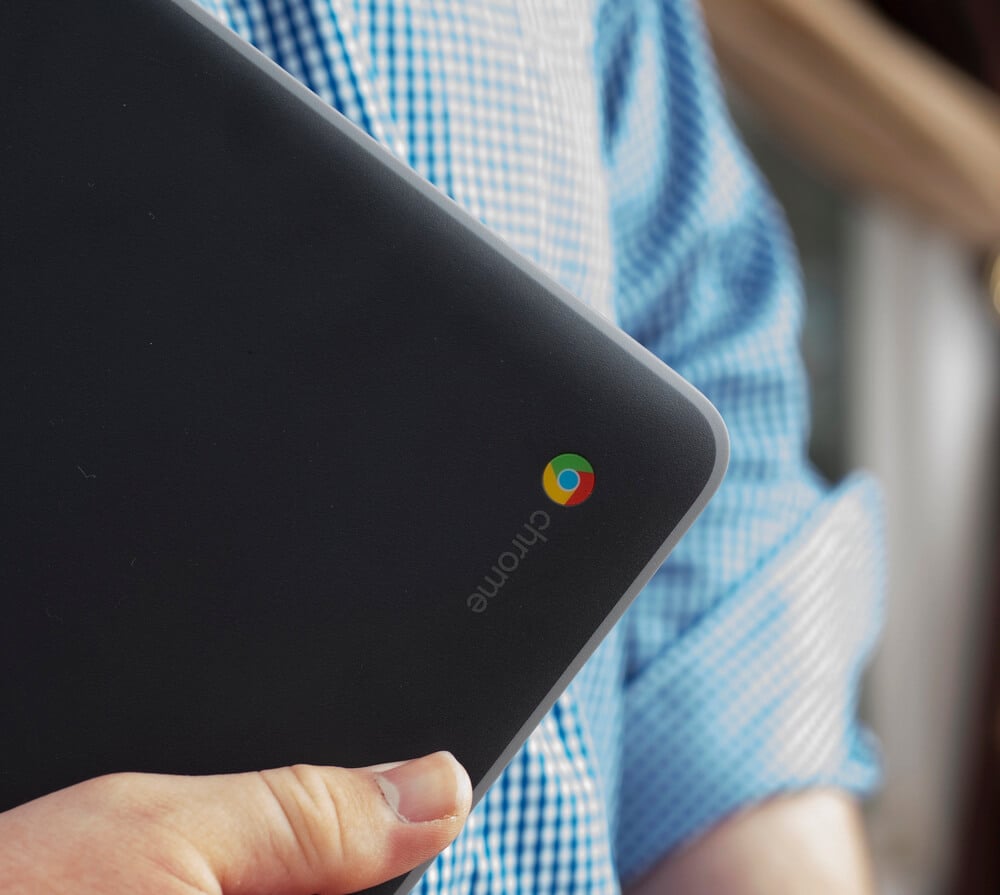
Google’s Chromebooks reached the market in 2011, and their low cost and simple management drew schools quickly. Students could log in, work online, and sync documents across devices. They became one of the most common classroom computers.
Google Classroom
Google launched Google Classroom in 2014 as a way for teachers to distribute assignments and collect work online. Students could submit homework from home, and teachers could give feedback without paper. It became widely used when remote learning expanded.
The Long Road From Chalk to Cloud
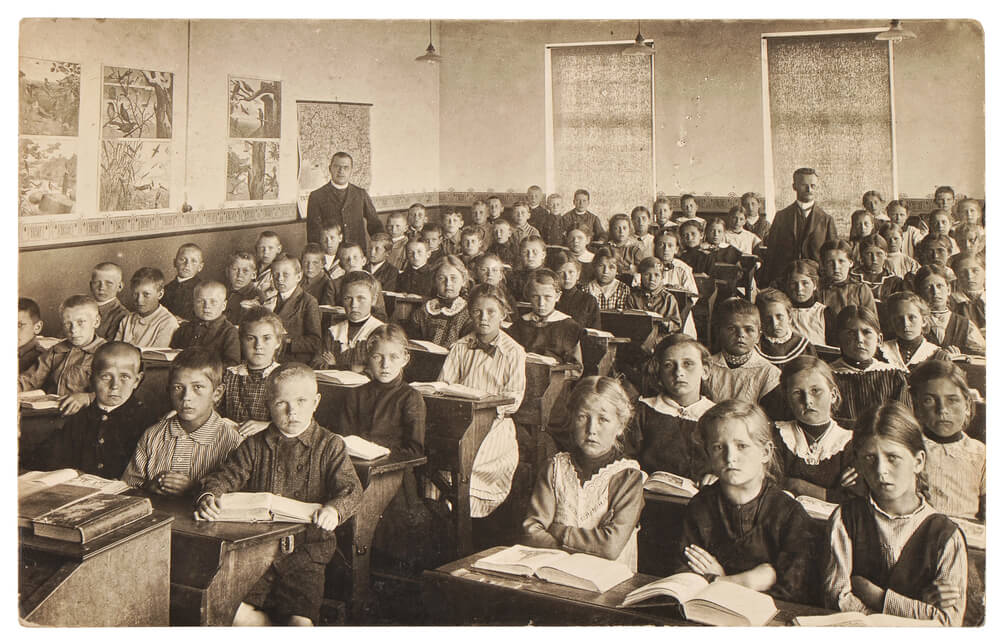
Looking at the full list, the pattern is a steady move from teachers controlling a single board to teachers and students working with shared tools. Each invention made some part of school faster, cheaper, or more flexible.
The goals have stayed surprisingly constant, though. A child learning to read or solve an equation needs attention, practice, and feedback, and the best tools are those that make those things easier to find.
More from Go2Tutors!

- 27 Silver Dollars and Half Dollars Worth Keeping
- 28 Restaurant Menu Items Nobody Orders Anymore
- 17 Places Built in Seemingly Impossible Spots
- 27 Vintage Rings Worth More Than They Look
- 25 Restricted Sites Tourists Can’t Enter
Like Go2Tutors’s content? Follow us on MSN.