16 Quirky Facts That Reveal Just How Odd Human Behavior Really Is
Human behavior is a fascinating subject filled with contradictions, peculiarities, and unexpected patterns. While we often think of ourselves as rational beings, science reveals that our actions and tendencies can be surprisingly irrational or downright bizarre.
Here is a list of 16 quirky facts that highlight the strange and sometimes inexplicable nature of human behavior.
The Bystander Effect

People are less likely to help someone in distress when others are present, creating a diffusion of responsibility. Studies show that a person experiencing an emergency in a crowded area might wait longer for assistance than someone in a less populated setting.
This counterintuitive behavior contradicts our self-image as helpful beings.
The IKEA Effect

Humans place disproportionately high value on products they partially created themselves. Research demonstrates that people significantly overvalue items they assembled compared to identical pre-assembled products.
This explains why that wobbly bookshelf you struggled with for hours seems so precious despite its obvious flaws.
Pareidolia

The human brain is wired to see faces in random objects and patterns where none exist. This tendency leads people to spot faces in electrical outlets, car headlights, and random arrangements of household items.
Our pattern-recognition abilities are so strong that we literally cannot help seeing meaning in meaningless stimuli.
The Dunning-Kruger Effect
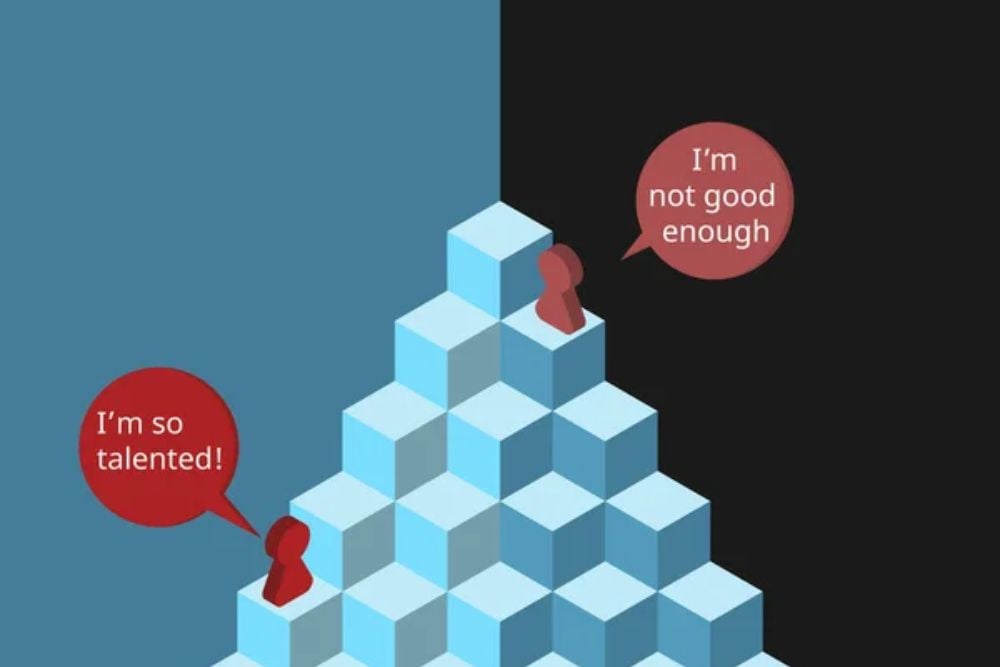
People with limited knowledge in a specific area tend to overestimate their expertise. Conversely, genuine experts often underestimate their relative competence because they’re aware of how much they don’t know.
This creates the paradoxical situation where the least qualified individuals often display the most confidence.
Name-Letter Preference

Humans show an unconscious preference for letters that appear in their own name. Research shows people are statistically more likely to choose careers, live in places, and even marry partners whose names share letters with their own.
This subtle influence operates entirely below our conscious awareness.
The Pratfall Effect
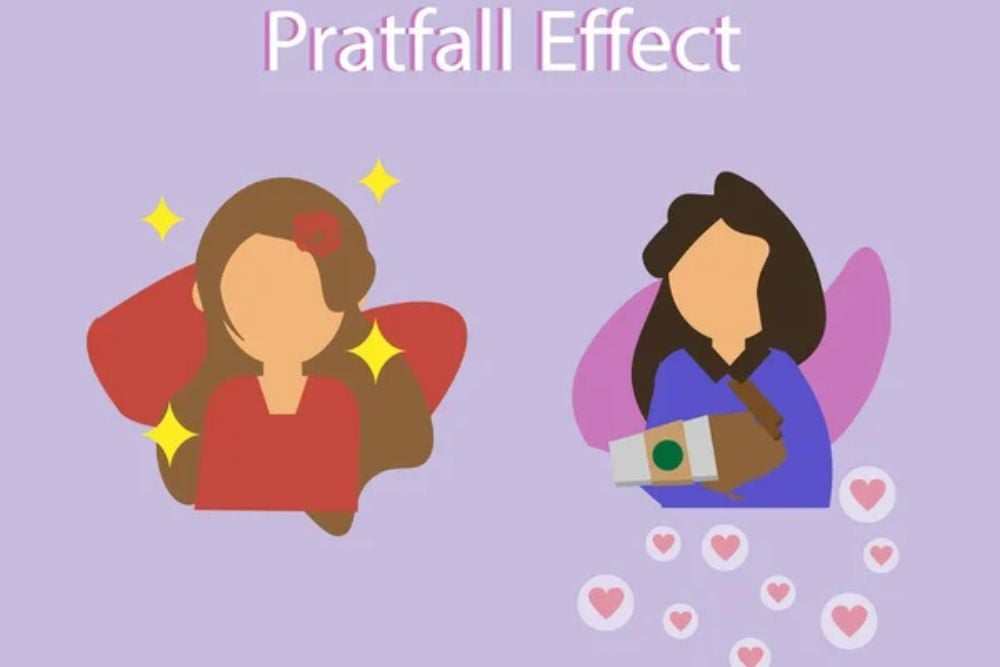
People find others more likable after they make a minor mistake. Counter to what many believe about perfection being attractive, seeing someone commit a small blunder increases their appeal by making them seem more human and approachable.
This explains why carefully orchestrated ‘authentic moments’ are now standard in public relations strategies.
Misattribution of Arousal
The human brain often confuses the source of physiological arousal. People crossing a scary suspension bridge are more likely to find a stranger attractive than those crossing a stable bridge.
The excitement and fear from heights gets misinterpreted as attraction to the nearby person.
The Boomerang Effect
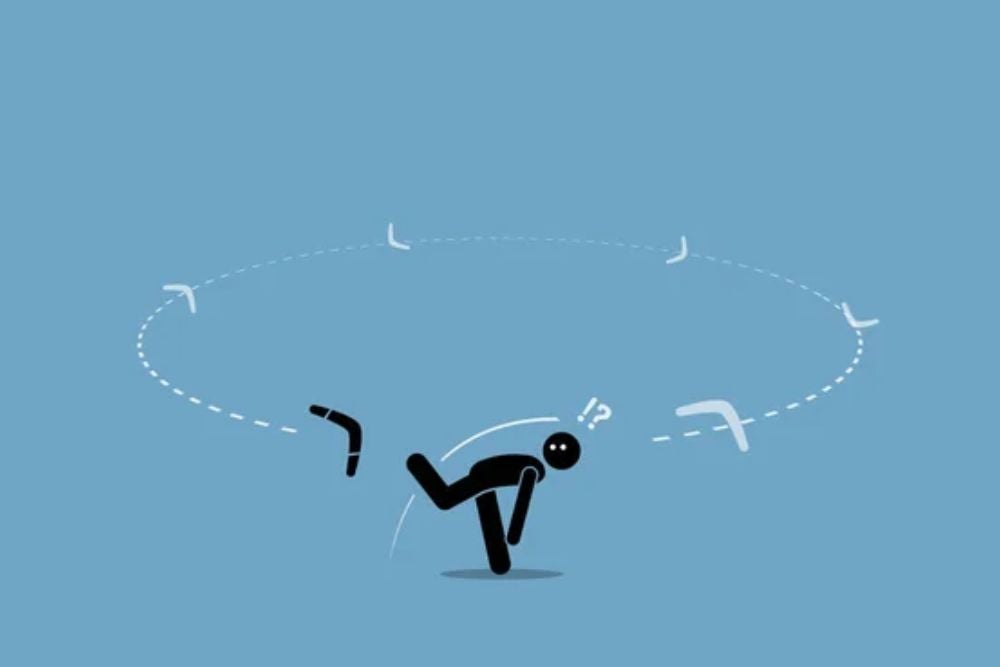
Attempting to persuade someone too forcefully often causes them to adopt the opposite position. Strong arguments against a position can inadvertently strengthen people’s commitment to their original viewpoint rather than changing their minds.
This resistance to persuasion becomes stronger when people feel their freedom is threatened.
The Cheerleader Effect

People appear more attractive in groups than individually. Our brains average out the features of faces seen together, creating a more appealing composite impression.
This phenomenon explains why friend groups in photos often seem collectively more attractive than the same individuals viewed separately.
The Backfire Effect
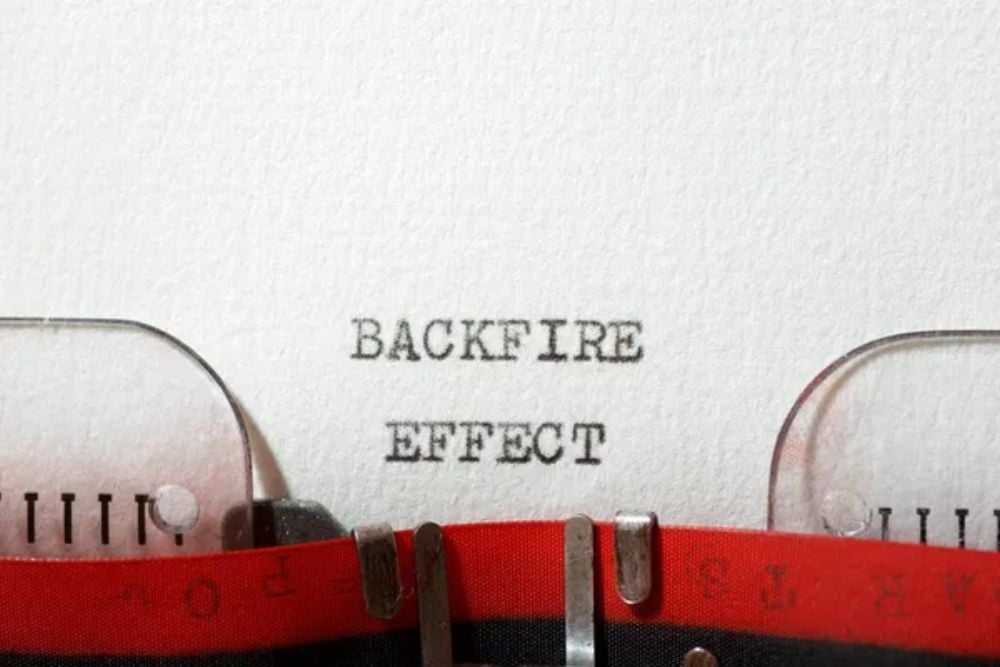
When presented with evidence contradicting their beliefs, people often strengthen their original position rather than revising their views. This tendency to dig in rather than reconsider makes correcting misinformation surprisingly difficult.
The more important the belief to someone’s identity, the stronger this effect becomes.
The Spotlight Effect

Humans dramatically overestimate how much others notice their appearance and behavior. That embarrassing moment you still cringe about years later was likely barely registered, if noticed at all, by those around you.
Our self-consciousness creates the illusion that we’re constantly under scrutiny when most people are equally absorbed in their own concerns.
The Cocktail Party Effect

The human brain can filter multiple conversations to focus on specific ones, especially when hearing one’s own name. Despite appearing to ignore surrounding discussions, people often unconsciously monitor them, suddenly tuning in when personally relevant information is mentioned.
This selective attention demonstrates the brain’s remarkable filtering capabilities.
The Barnum Effect
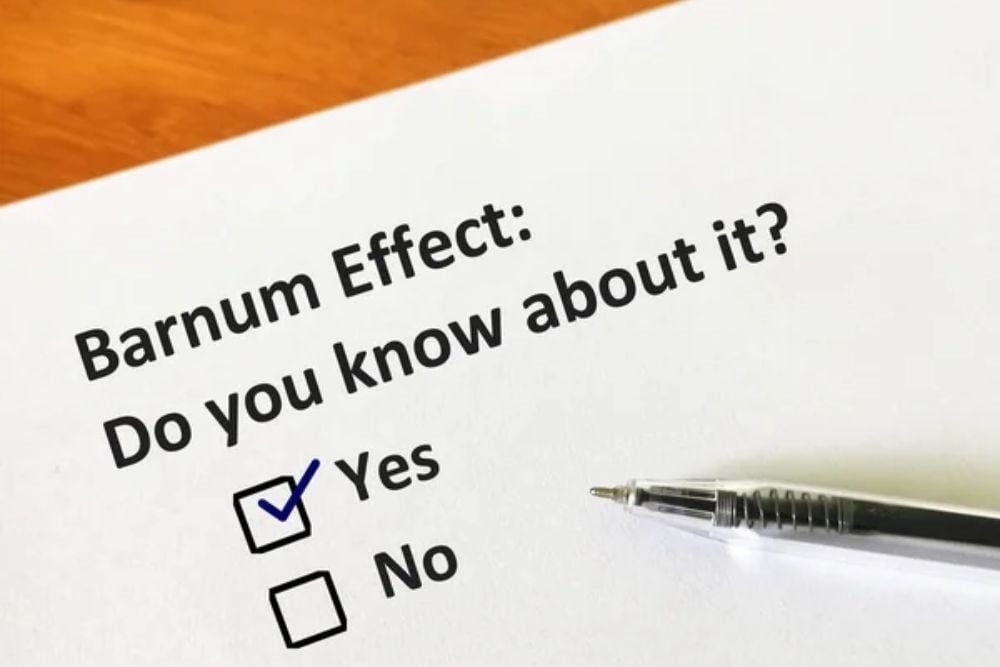
People readily accept vague, general personality descriptions as uniquely applicable to themselves. This explains the enduring popularity of horoscopes and certain personality tests that offer flattering yet ambiguous insights.
The statements seem personally tailored despite being applicable to nearly everyone.
The Sunk Cost Fallacy

Humans continue investing in something primarily because they’ve already invested resources in it. People sit through terrible movies simply because they’ve paid for tickets, finish unenjoyable books because they’ve already read half, and remain in unfulfilling situations because of time already invested.
This irrational commitment to past decisions shapes countless everyday choices.
Reactance Theory

Telling someone they cannot have something immediately makes that thing more desirable. This explains why forbidden fruit tastes sweeter and why teenagers often gravitate toward prohibited activities.
The mere suggestion of limitation creates an instant psychological resistance and increased attraction to whatever is being restricted.
The Endowment Effect
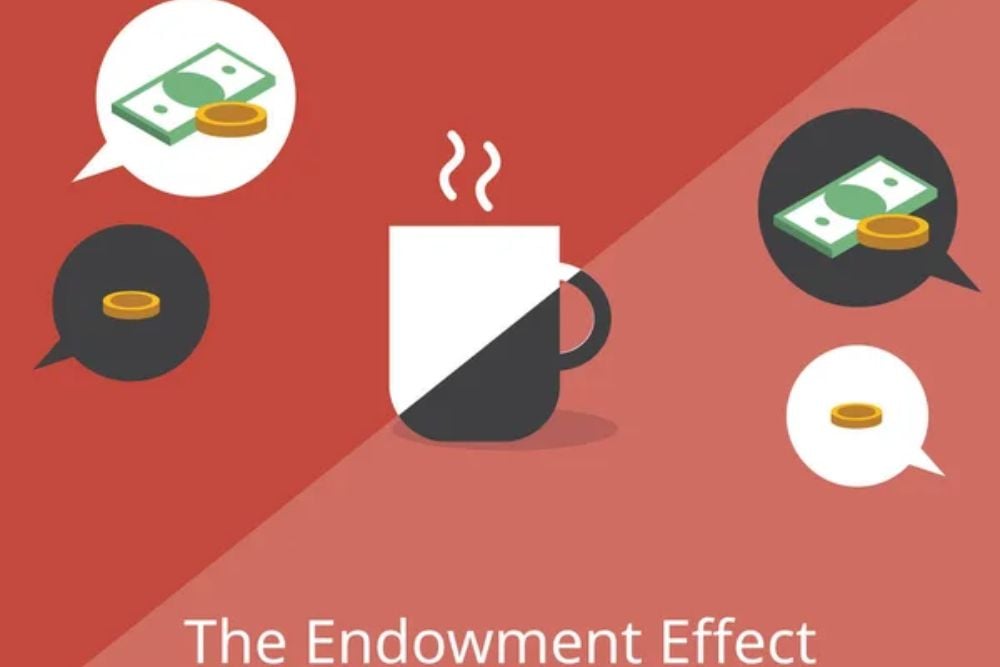
Once someone owns something, they value it more highly than before they owned it. Ask someone the minimum they would accept to sell a coffee mug they were just given, and it will typically exceed the maximum they would have paid to acquire it moments earlier.
This irrational attachment to possessions influences everything from garage sales to international negotiations.
The Fascinating Contradictions of Being Human
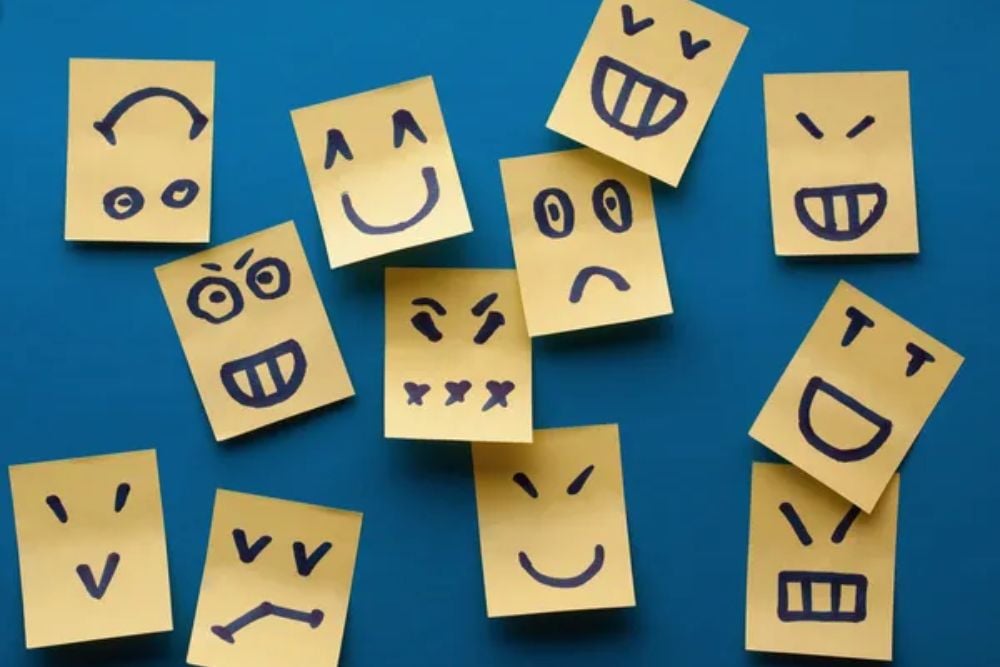
Our brains, despite their remarkable capabilities, operate with numerous built-in quirks that quietly shape our everyday decisions and perceptions. These behavioral oddities aren’t flaws but rather fascinating adaptations that evolved for various survival and social purposes throughout human history.
Understanding these quirks doesn’t just satisfy curiosity—it offers valuable insights into improving decision-making and recognizing when our instincts might lead us astray.
More from Go2Tutors!

- The Romanov Crown Jewels and Their Tragic Fate
- 13 Historical Mysteries That Science Still Can’t Solve
- Famous Hoaxes That Fooled the World for Years
- 15 Child Stars with Tragic Adult Lives
- 16 Famous Jewelry Pieces in History
Like Go2Tutors’s content? Follow us on



