14 Historic Photos of Households Getting Electricity
Electrification rarely arrived with a ribbon cutting. It showed up as a pole, a crew, a wire, and one day a bulb that did not need a match. The photographs below caught that stretch of the 1930s when farms and small towns across America were plugged in for the first time.
Most of them were taken by government photographers and archivists who knew they were documenting a change that would soon look ordinary. That is exactly what makes them worth a second look.
A Single Pole Starts a Michigan Project
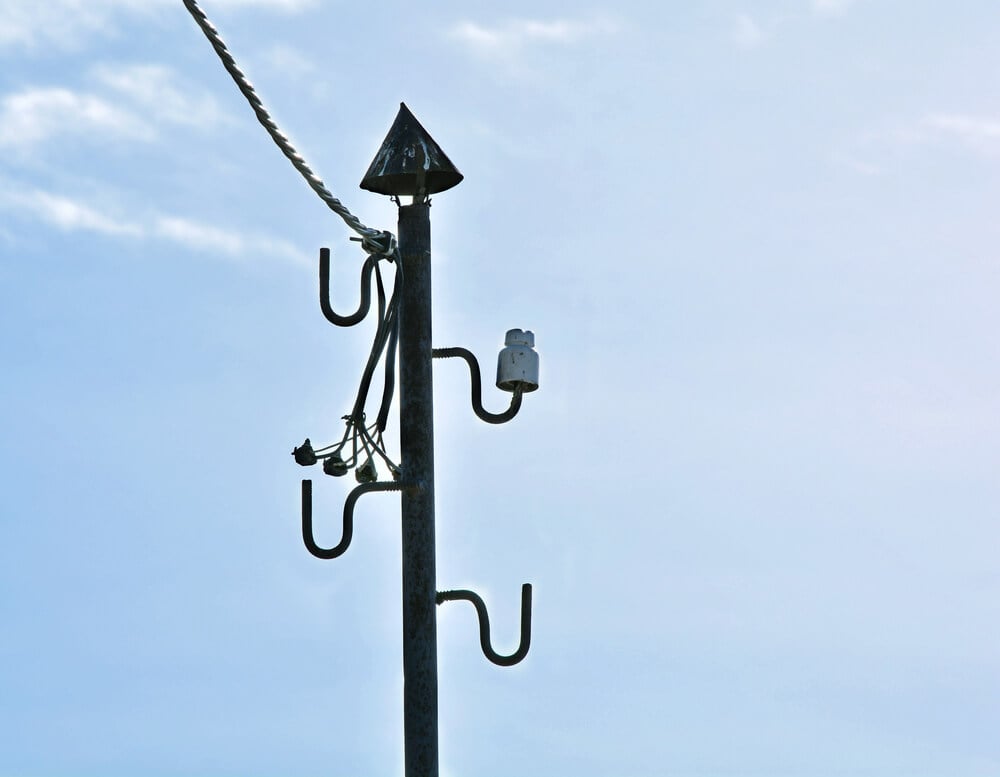
The Petoskey museum’s collection includes a group of photographs titled “Setting the first pole for the Rural Electrification Administration Project in Boyne City, 1938.” Several separate frames of the same moment survive, which suggests that someone present understood the day mattered. Everything that followed, from wires to farmhouse lights, hung on that one pole going into the ground. The images remain a record of how a rural project began.
A Cooperative Lineman at Work in Hayti, Missouri

One photograph shows a Rural Electrification Administration cooperative lineman at work in Hayti, Missouri. The word cooperative carries the weight here, since these lines were built and owned by the farmers they served. The lineman, not any politician, is the visible face of the program in this frame. His job was to connect a distant generating plant to a kitchen that had waited decades.
The Appliance Show in Copperhill, Tennessee

The National Archives holds a Tennessee Valley Authority photograph of an electric appliance show in Copperhill, Tennessee. Electric service meant little to a family until they saw what it could run, so shows like this put stoves, irons, and refrigerators on public display. The Tennessee Valley Authority had a practical reason to host them, since new lines needed customers who wanted to buy power. A town hall full of appliances was the sales floor for a whole region’s future.
A Home and Farm Electrical Exposition
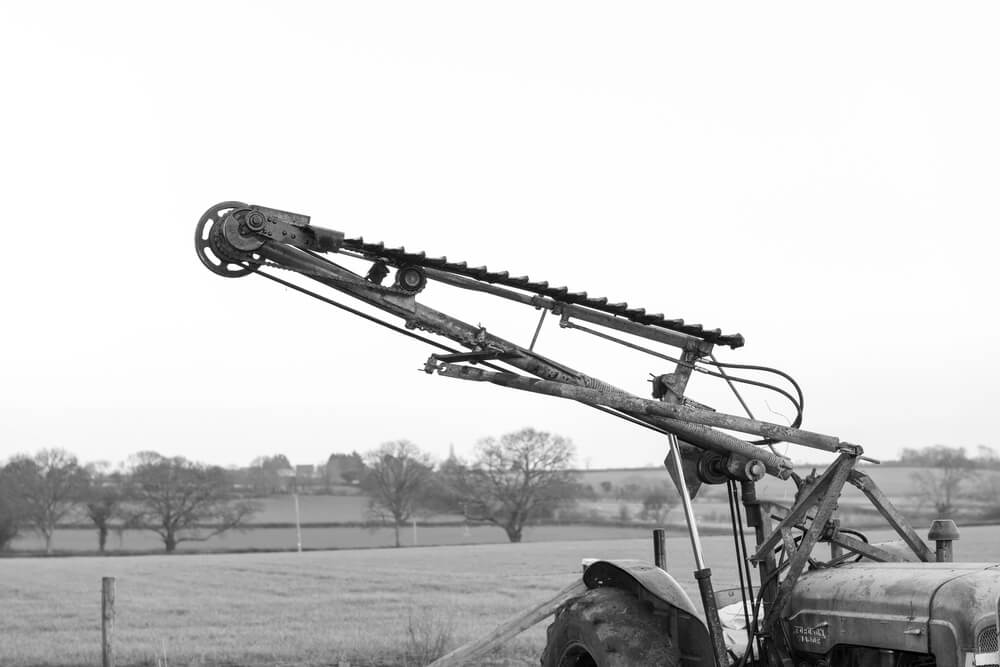
Another National Archives photograph records a Home and Farm Electrical Exposition tied to the Tennessee Valley Authority’s work. The title pairs home and farm on purpose, because electricity was pitched as a tool for the barn as much as for the parlor. Visitors could compare machines and imagine them in their own buildings. The exposition format turned a utility service into something close to a county fair.
Another Electric Show From the TVA Files
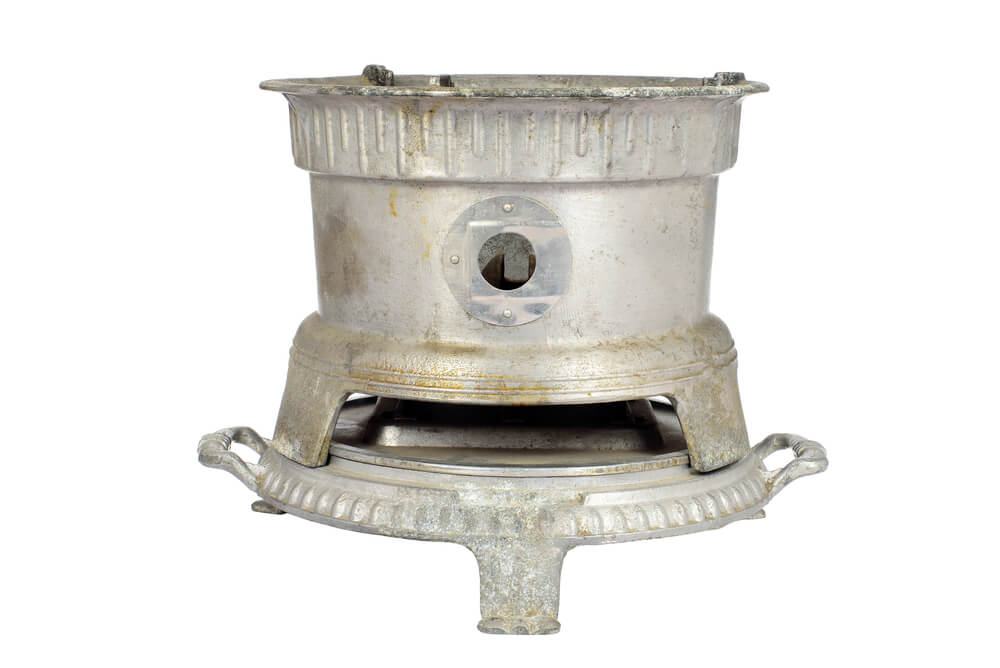
The National Archives also preserves a photograph simply titled “Electric Show,” part of the same Tennessee Valley Authority collection available through the National Archives DocsTeach site. Its plain label says a lot about the era. Electricity needed no explanation to the organizers, only an audience. That several such shows appear in one archive points to a deliberate campaign to teach households how to use the power now reaching them.
The Bacons Run 500 Kilowatt Hours a Month
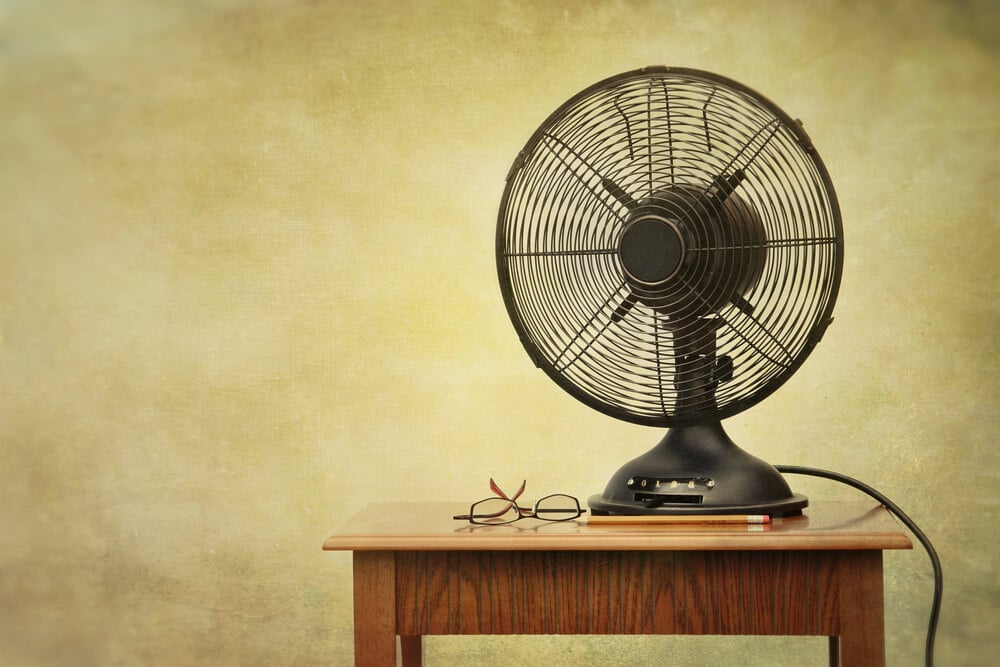
A Library of Congress photograph from Knox County, Tennessee, shows Mr. Bacon adjusting an electric fan for his wife while she uses an electric iron. The caption records that the Bacons used 500 kilowatt hours of Tennessee Valley Authority electricity a month. That specific number was the point of the picture, a proof that a farm couple could draw on power heavily and keep doing so. The fan and the iron together say what the first purchases often were.
Mrs. Wiegel and the Electric Vacuum Cleaner

Also taken in Knox County, Tennessee, a Library of Congress photograph shows Mrs. Wiegel using an electric vacuum cleaner. It is a modest household chore, yet the image belongs to the same Tennessee Valley Authority series that documented what farm families did with new service. Floors that had been swept by hand for generations were now cleaned by a motor. The photographer chose an ordinary room because the ordinary was the story.
Cows Milked by Electricity at Broadacre Dairy Farm
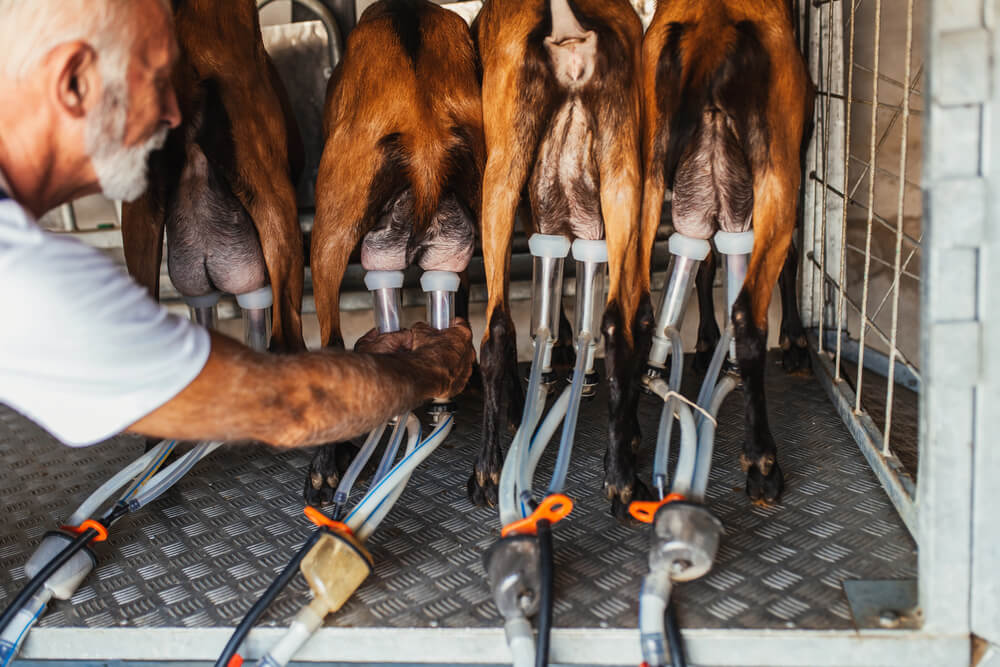
A Library of Congress photograph from Knox County records that cows are milked by electricity on the Broadacre Dairy Farm. Electricity changed the farm family’s day long before it changed dinner, and the milking barn was often the first place it paid off. A job that took hands and hours became a machine task. For the household, that meant earlier evenings and a different relationship to the clock.
Sheep Shearing With Electric Clippers

Another Knox County photograph, preserved by the Library of Congress, shows sheep being sheared with electric clippers. The caption ties the scene to the Tennessee Valley Authority, so the tool in the farmer’s hand is as much the subject as the animal. Hand shears gave way to a cord and a motor. Photographs like this show that rural electrification reached well past the light switch into every corner of farm work.
Dorothea Lange on the Pole Tops of the San Joaquin Valley
— Photo by contato@caciomurilo.com.br
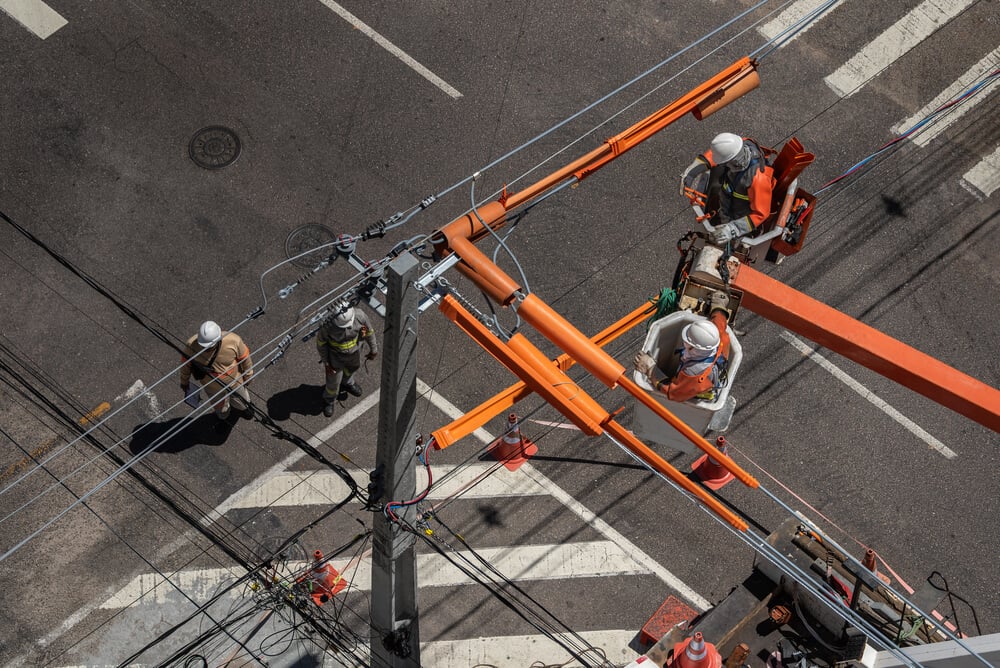
In November 1938, Dorothea Lange photographed rural electrification in California’s San Joaquin Valley, including workmen installing wire at the top of utility poles. The Library of Congress holds the negative, filed under the title “Rural electrification. San Joaquin Valley, California.” A photograph of linemen high above a field is an unusual subject for a photographer so often associated with the Depression’s human faces. The households below are implied, waiting for what the men overhead were connecting.
Rural Electrification in Pulaski County, Arkansas
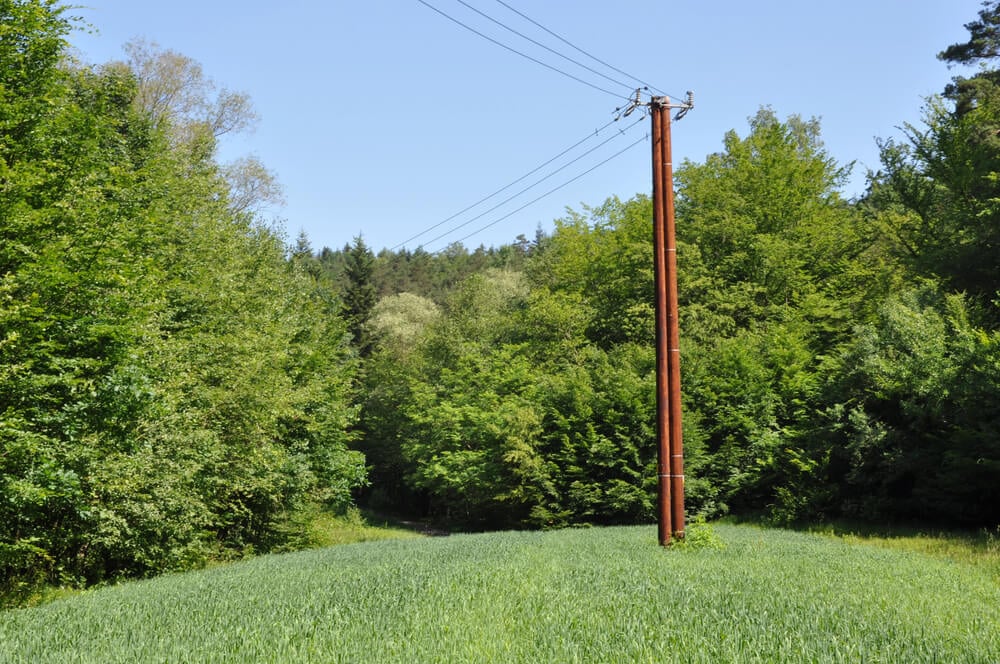
The Library of Congress also catalogs a Farm Security Administration photograph titled “Rural electrification in Pulaski County, Arkansas.” The label is plain, but the subject is not, since a county-level title suggests a project reaching many farms at once. Photographs like this show the program as a pattern across a landscape rather than a single house. The Arkansas frame sits alongside others from the same decade that follow poles and wire into the countryside.
Stringing Line Across Rural Tennessee
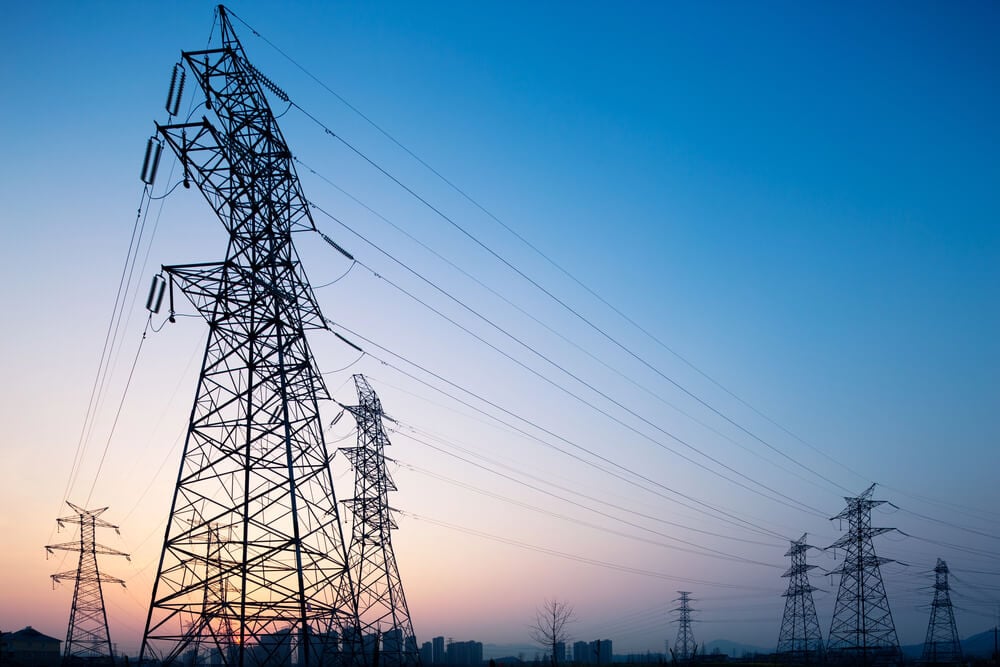
The National Archives holds a photograph titled “Stringing rural Tennessee Valley Authority transmission line,” and teachers have used it to show how power physically reached the countryside. The picture pairs workers and wire against open land, a reminder that electrification was construction before it was comfort. Every farmhouse served depended on miles of this unglamorous work. The image makes the cost of a single light bulb easy to picture.
A Community Refrigerator in Kensington, Georgia

A Tennessee Valley Authority photograph from Kensington, Georgia, shows a community refrigerator in use, with a variety of farm products stored by members of a cooperative. Not every family could afford its own electric refrigerator, so neighbors shared one. The arrangement turned electricity into a village resource, much like a well or a mill. The idea of cooperative cold storage tells you how carefully households counted the cost of new power.
A Kitchen at an All-Electric Farm, 1936
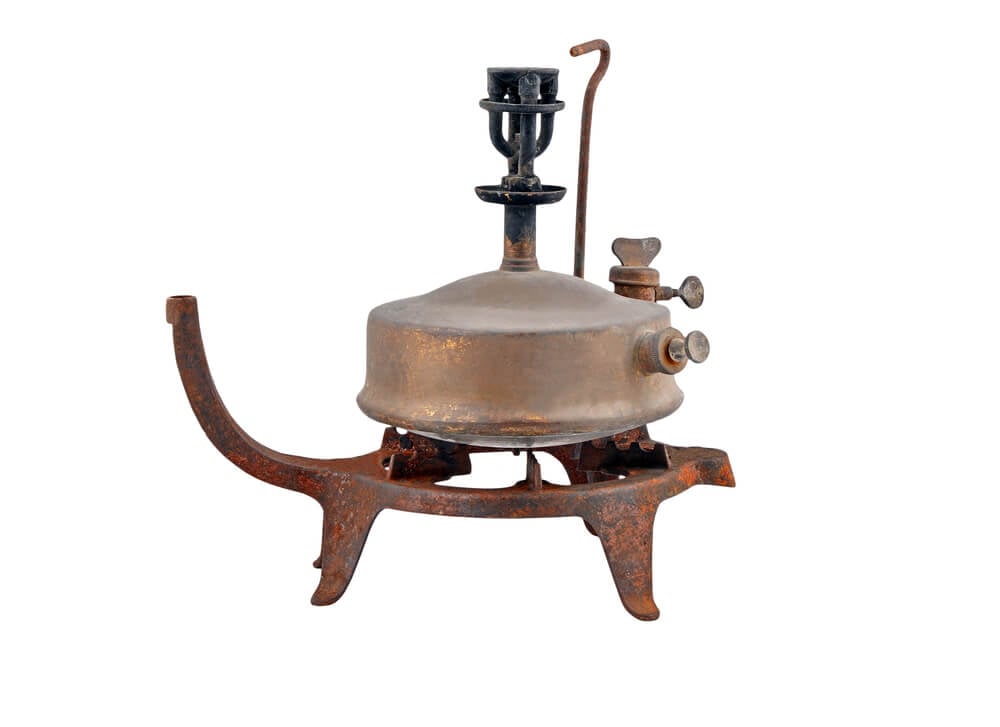
A photograph dated 1936 and titled “Kitchen at all-electric farm” survives in online archives of vintage appliance history. The phrase all-electric was a boast in that decade, a way of saying that the stove, the lights, and the machines all ran on the same wire. Few farm kitchens of the time could claim it. As a picture, it shows what promoters hoped every rural home would look like.
The Quiet Revolution of the Wire
The best photographs of electrification are rarely dramatic. They show poles, crews, a fan on a kitchen table, or a machine at a county show. Taken together, they trace a change that happened one connection at a time, in places most history books skipped.
What these images preserve is a moment when a household’s day was being rewritten. Evenings grew longer, chores shrank, and a farm family could suddenly buy what the city had taken for granted. The cameras were there because someone knew the old way of living would not return.
More from Go2Tutors!

- 27 Silver Dollars and Half Dollars Worth Keeping
- 28 Restaurant Menu Items Nobody Orders Anymore
- 17 Places Built in Seemingly Impossible Spots
- 27 Vintage Rings Worth More Than They Look
- 25 Restricted Sites Tourists Can’t Enter
Like Go2Tutors’s content? Follow us on MSN.