32 Vintage Sewing Attachments Worth Keeping Together
Old sewing machines often came with a small metal box of feet, guides, and gadgets that did jobs most people now do by hand or skip entirely. The box is easy to lose, and a machine without its attachments is worth noticeably less than one that still has them.
The pieces below are the ones most often found rattling around in a drawer. Each is worth keeping with its machine, its manual, and its original case.
The Ruffler
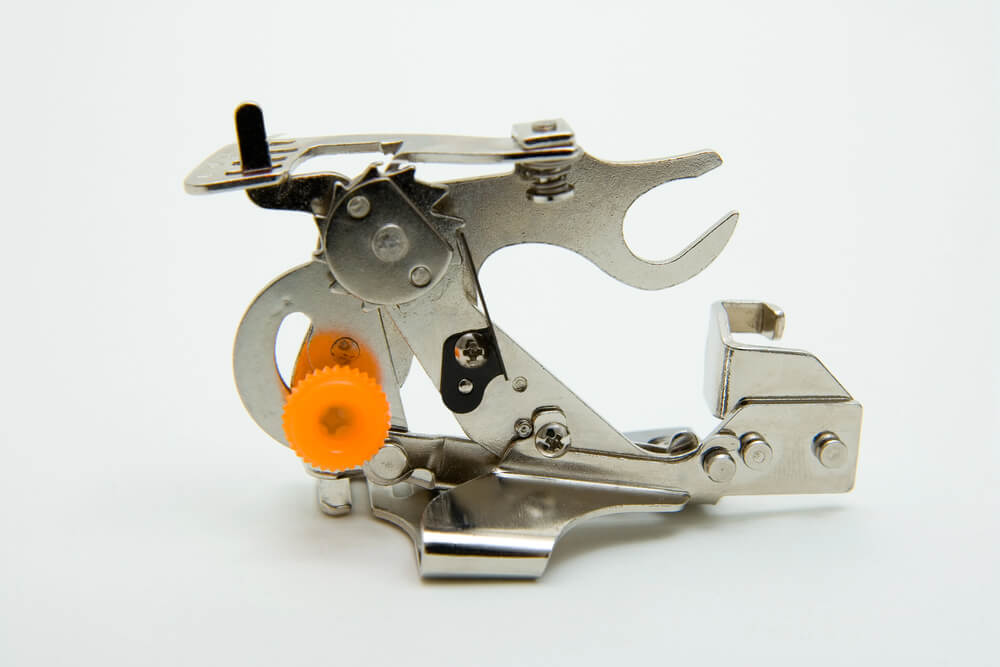
A ruffler gathers fabric into evenly spaced pleats as it feeds under the needle, and it can be set to make a pleat with every stitch or every few stitches. The mechanism uses a small arm that pushes the cloth forward in bunches.
It makes quick work of curtains, skirts, and trim that would otherwise be pinned by hand.
The Hemmer Foot
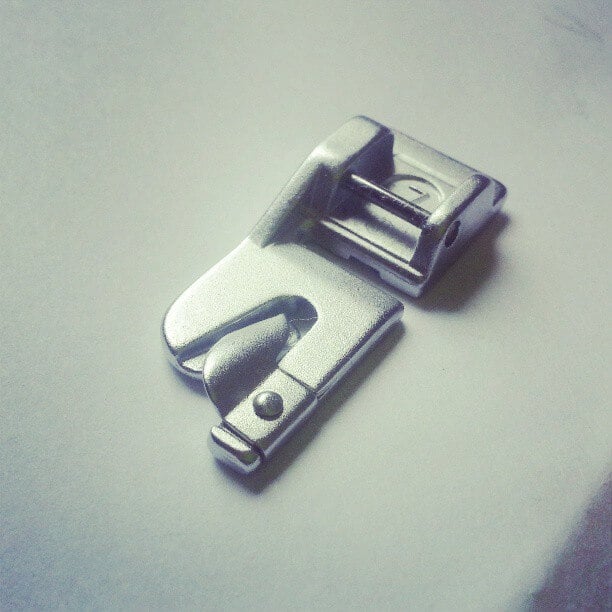
A hemmer foot curls the raw edge of the fabric into a narrow roll and stitches it in place as the cloth passes through. The curl is formed by a small scroll at the front.
It takes practice to feed the fabric into the scroll, but the result is a neat edge on scarves and handkerchiefs.
The Binder
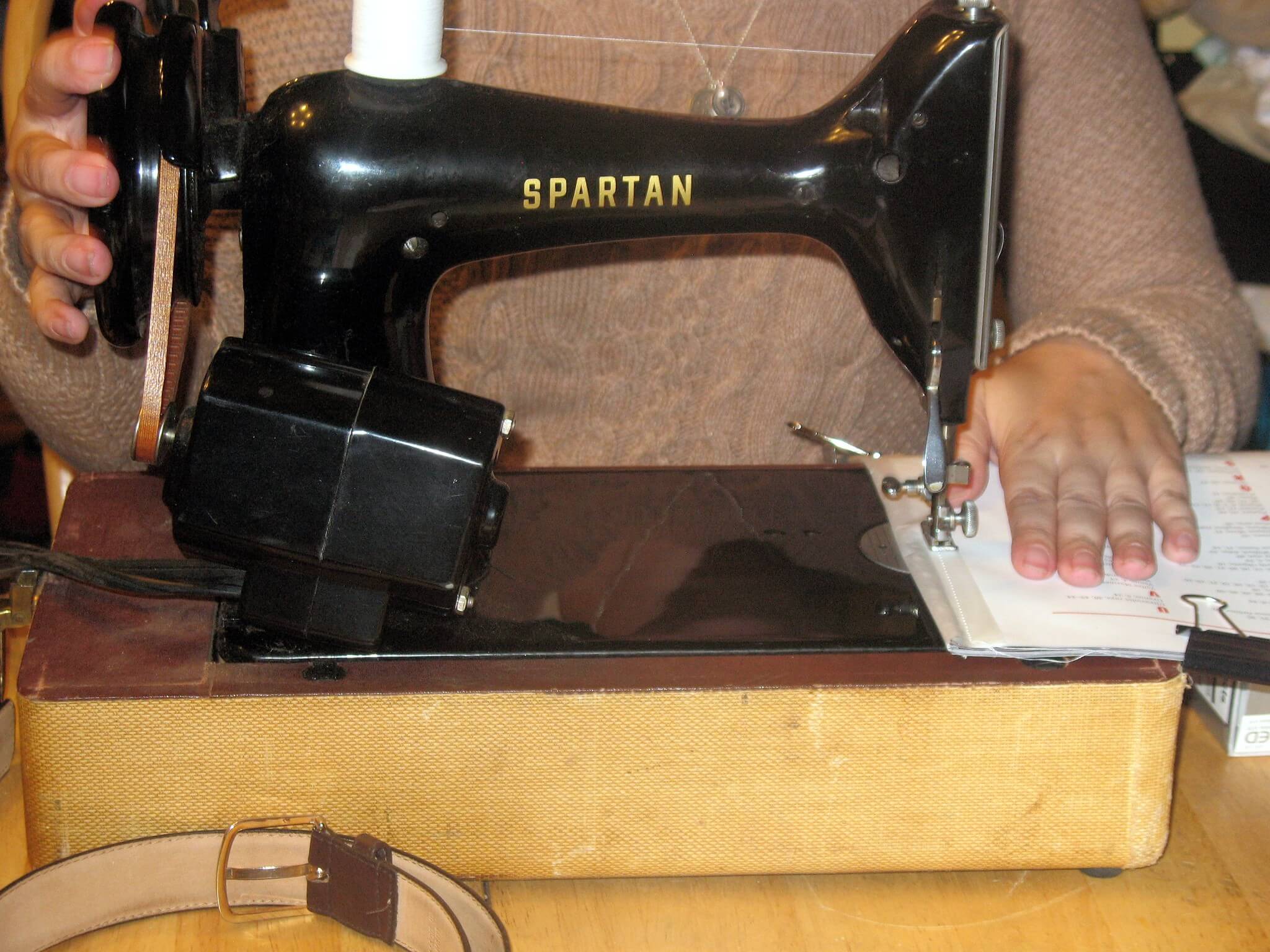
A binder wraps a strip of bias tape around the edge of a piece of fabric and sews it down in one pass. The strip feeds through a curved guide that folds both sides.
It saved a great deal of time on quilts, aprons, and children’s clothes.
The Tucker
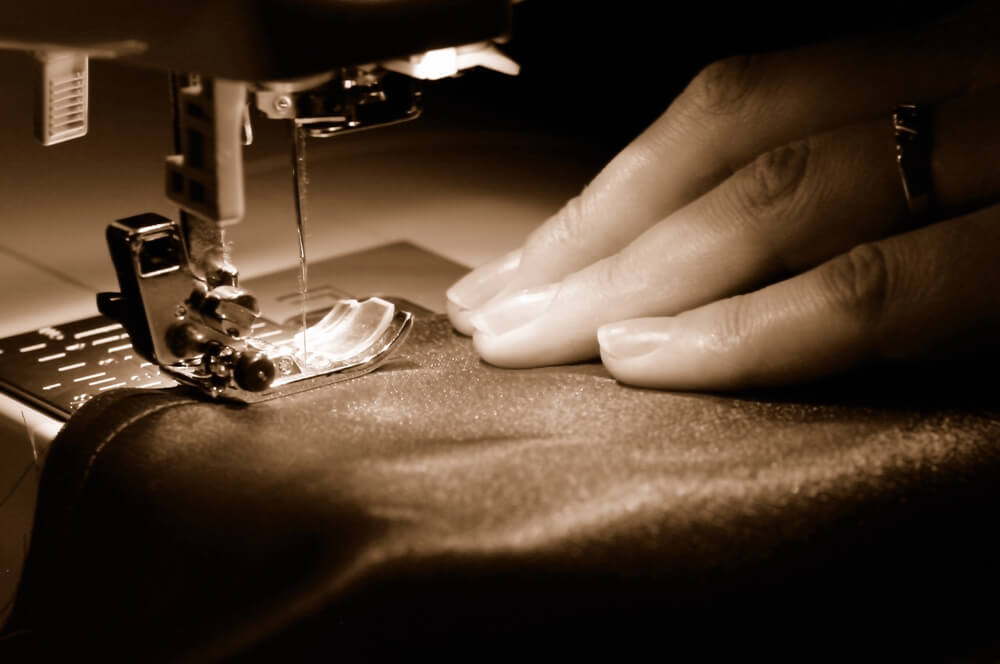
A tucker folds the fabric into narrow, even tucks while the machine sews. The width and spacing can be adjusted, and the fabric is folded by a small blade.
Pintucks like these were a favorite detail on children’s dresses and blouses.
The Gathering Foot
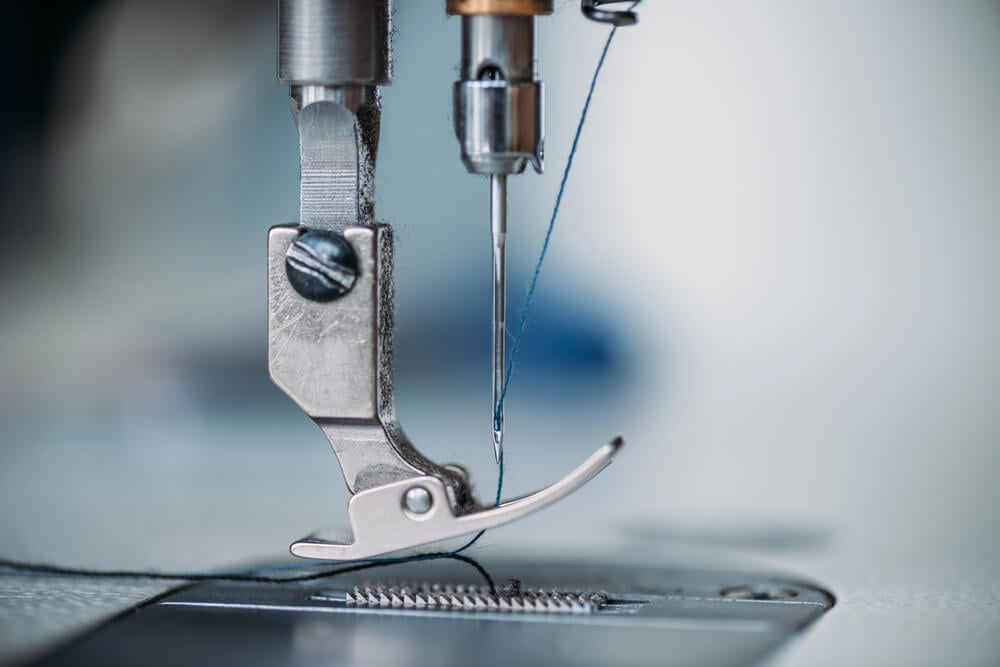
A gathering foot, sometimes called a shirring foot, pulls the fabric into soft gathers without the need for a separate thread. It works best on lightweight fabrics that fold easily.
The gathers it makes are tighter and more even than most people manage by hand.
The Edge Stitcher
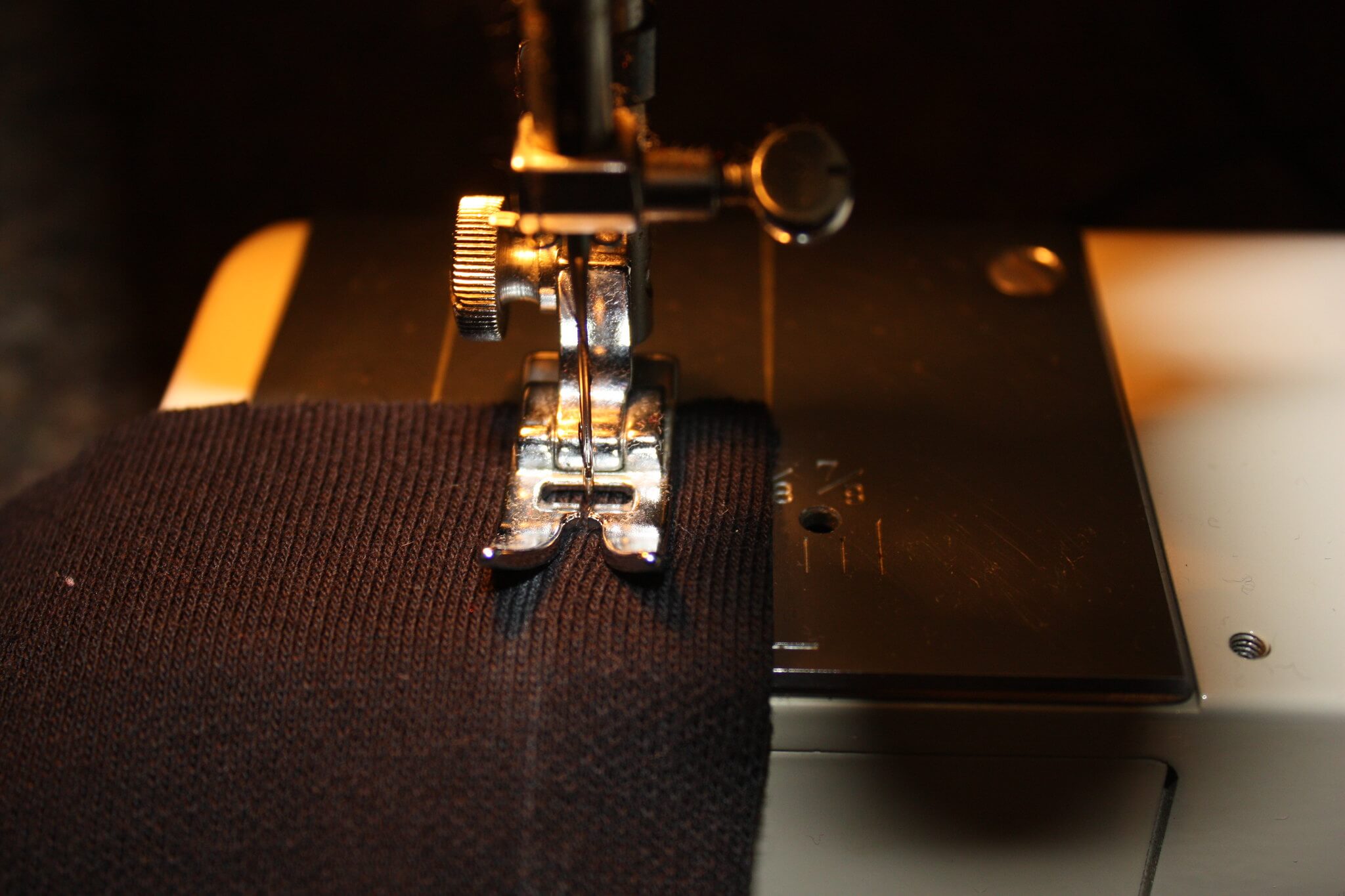
An edge stitcher has a small blade that guides lace, ribbon, or a folded edge as it is stitched. It keeps the line straight and close to the edge.
The attachment is a quiet favorite for finishing collars, cuffs, and intimate wear.
The Zipper Foot
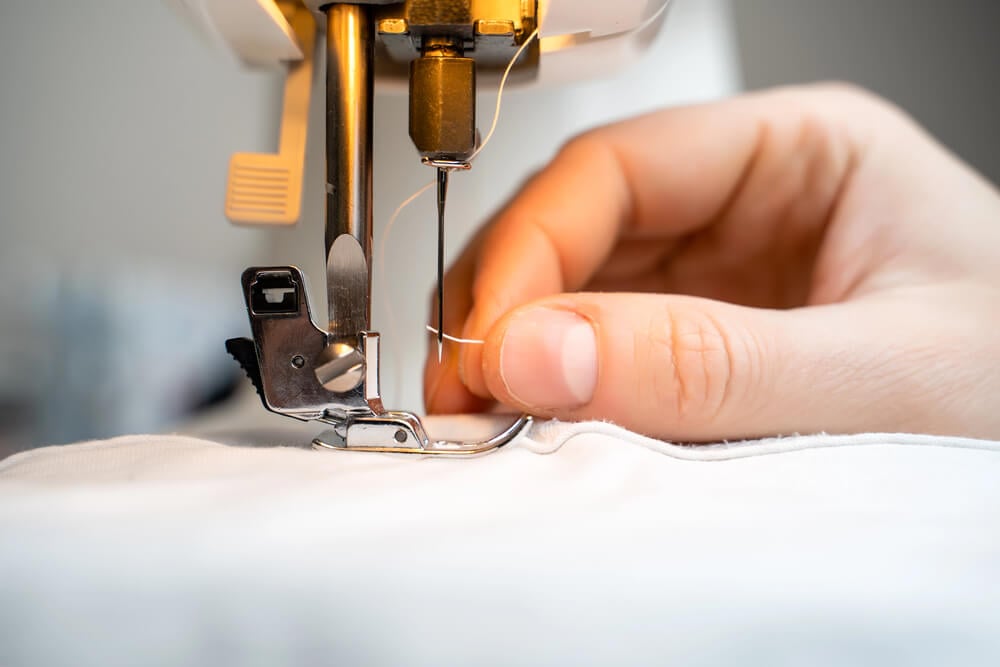
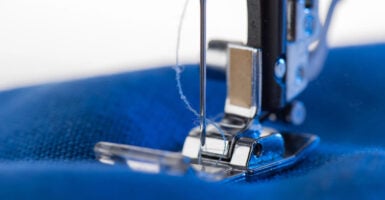
A zipper foot is narrow enough to sew close to the teeth of a zipper, and it can be shifted to either side of the needle. It is one of the most useful attachments and the one most likely to still be in use today.
A foot that has gone missing is a common reason a machine cannot do the job.
The Attachment for Making Button Openings
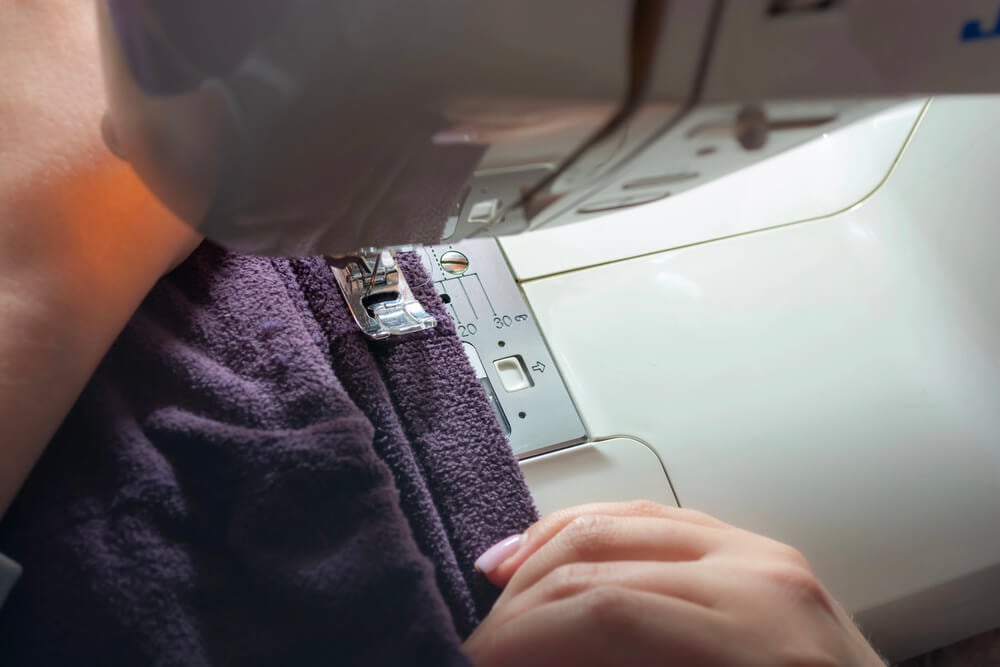
An old-style attachment for making openings for buttons moves the fabric in a rectangle under the needle and guides the stitching around it. Some used templates in various sizes to control the length.
They came in their own cases and are among the most collectible attachments, especially when the templates are complete.
The Seam Guide
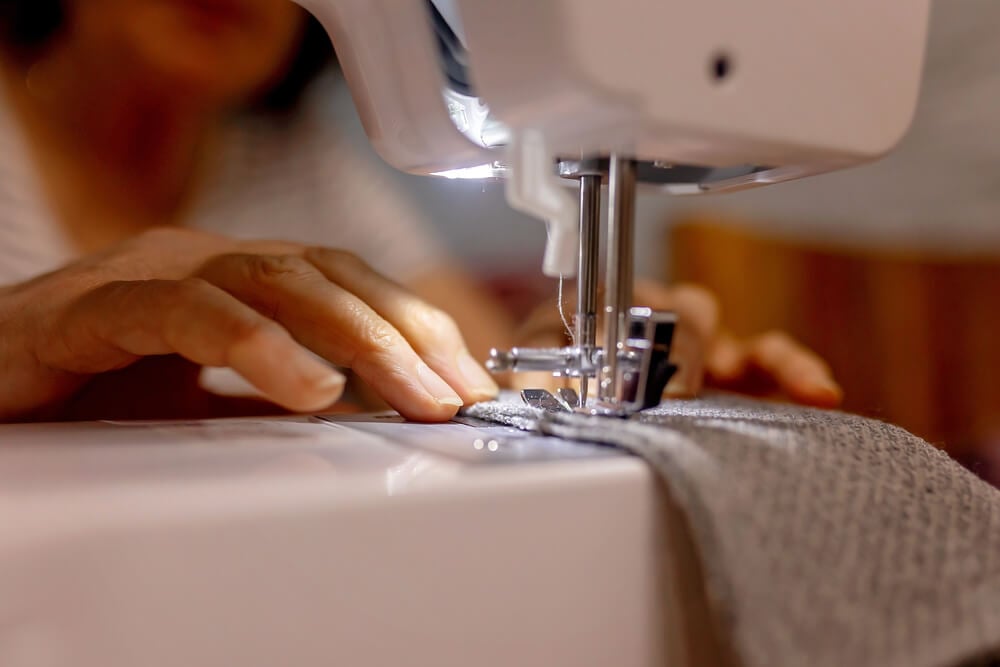
A seam guide is a small adjustable bar that attaches to the bed of the machine and keeps the edge of the fabric at a steady distance from the needle. It looks like a modest piece of metal but it does a great deal for the neatness of a seam.
It is easy to misplace, so it is worth keeping with the other attachments.
The Quilting Guide
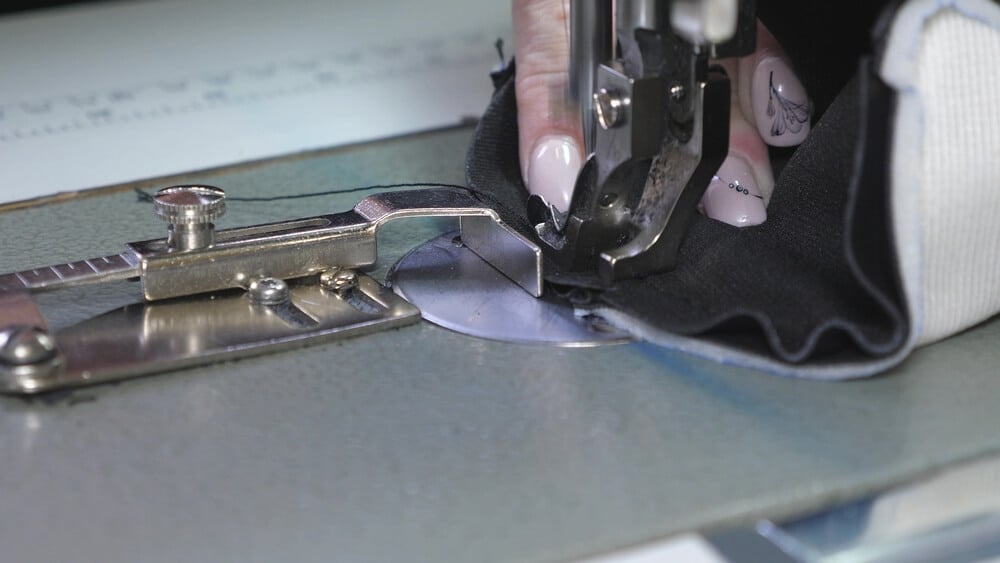
A quilting guide is a thin arm that slides into the presser foot bar and rests on the previous line of stitching to keep the next one parallel. It makes it simple to sew evenly spaced rows across a quilt.
Many people mistake it for a spare part, so it ends up in the wrong drawer.
The Darning Plate
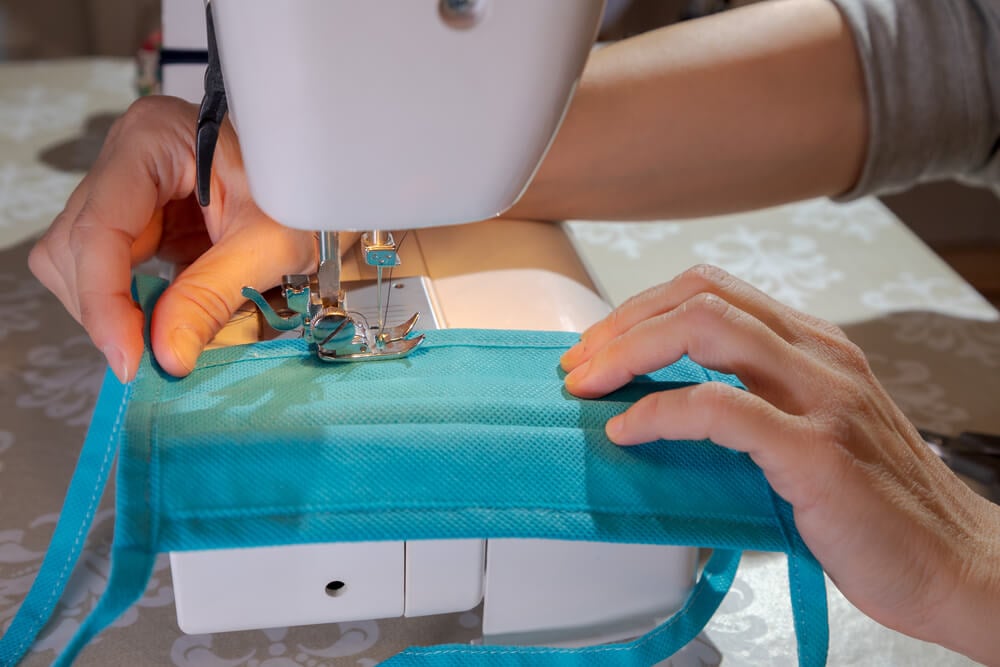
A darning plate fits over the feed dogs and lets the fabric be moved freely in any direction. It was used for mending socks, repairing worn patches in cloth, and later for free-motion embroidery.
Because it replaces part of the machine, it is often stored separately from the other attachments.
The Blind Hem Foot
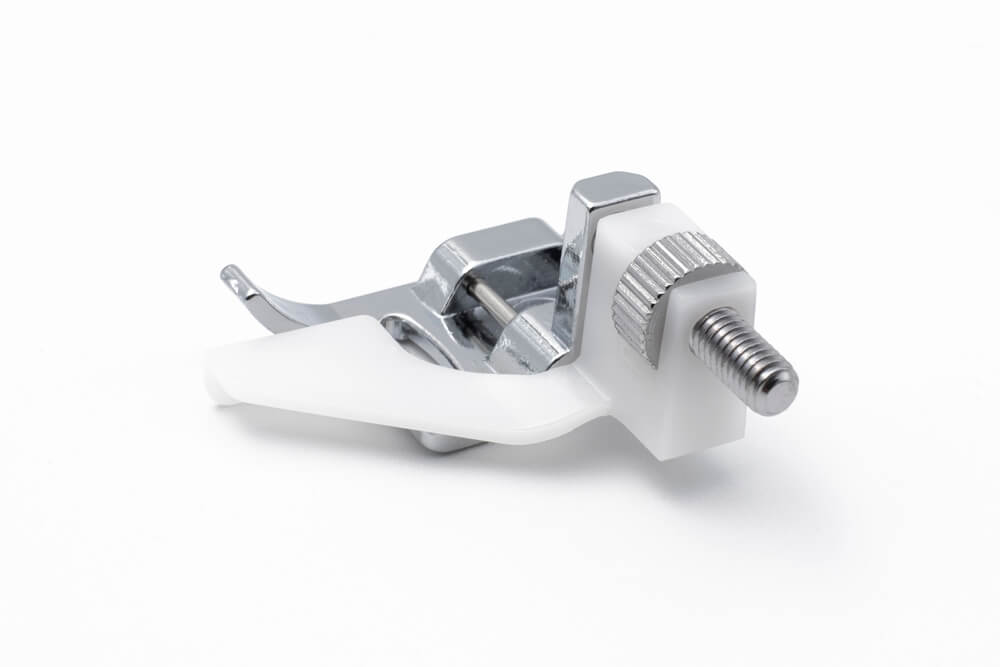
A blind hem foot holds the fabric in a fold so the needle catches only a thread or two of the garment. The stitches are nearly invisible from the right side.
It made quick work of trouser hems and curtains.
The Cording and Piping Foot
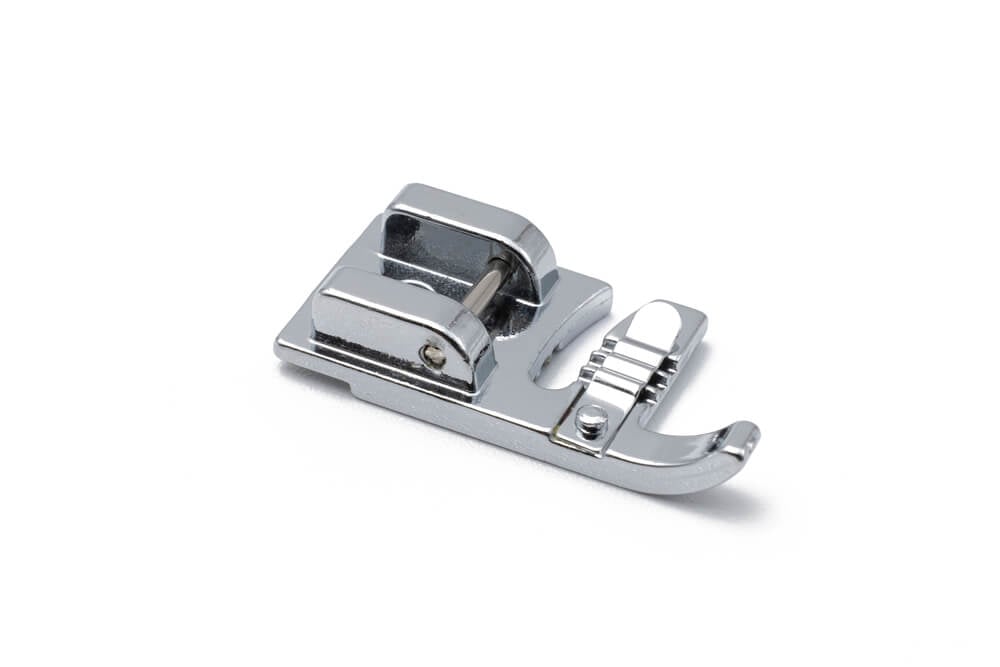
A cording foot has a groove underneath that guides a thin cord while the fabric is stitched around it. The same idea makes piping for cushions and upholstery.
It gives a crisp, rounded edge that is difficult to achieve by hand.
The Braider
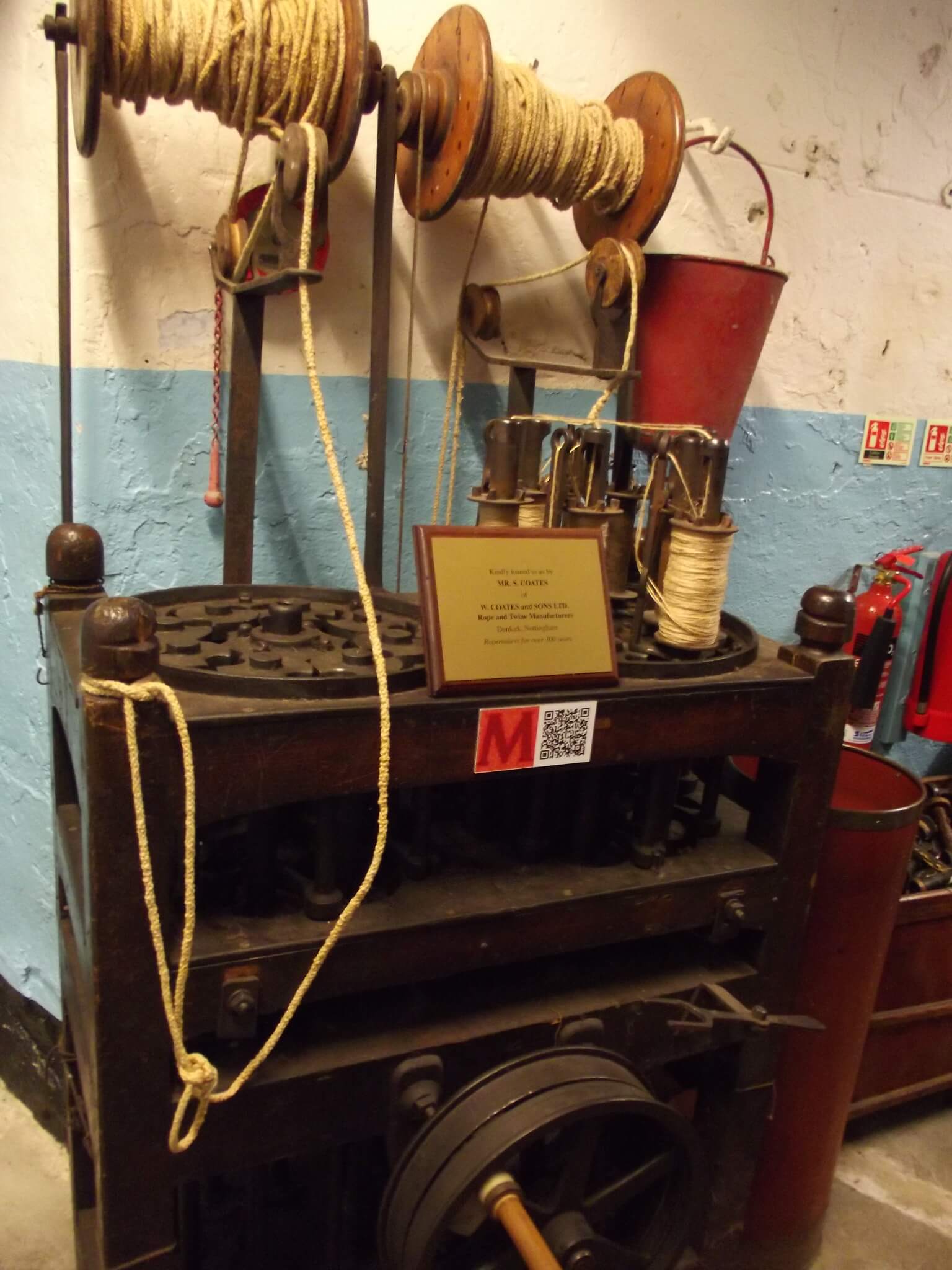
A braider guides a narrow braid or cord onto the surface of the fabric and stitches it down in a decorative pattern. It was popular for trimming children’s clothes and jackets.
The braid feeds through a small slot, so a bent guide can ruin the effect.
The Feller
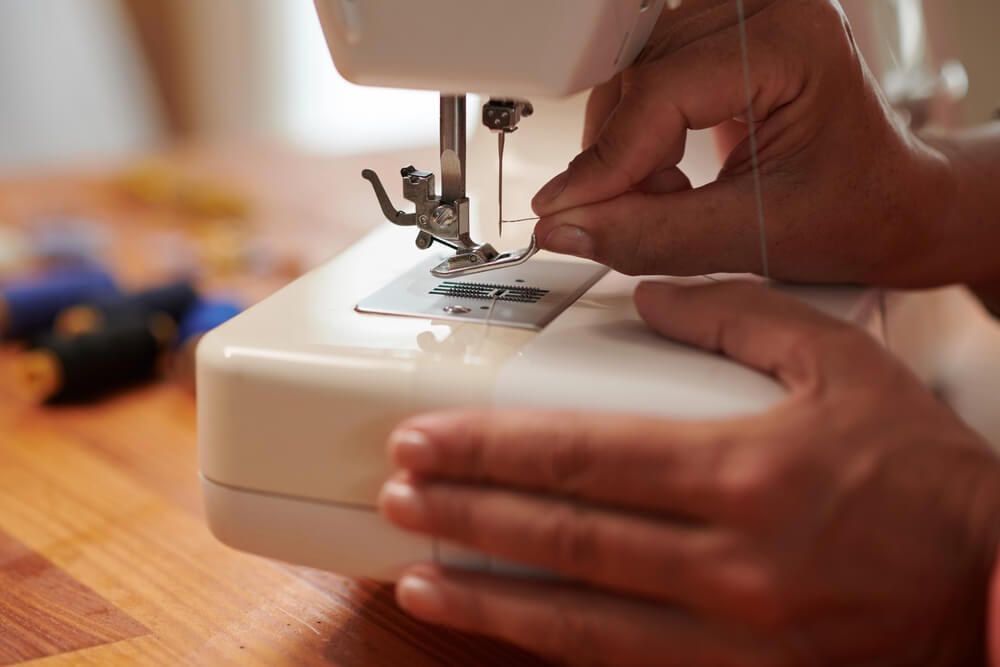
A feller folds and stitches two edges together to make a flat seam in a single pass. Seams like this are strong and lie flat against the skin, which made them a favorite for shirts and undergarments.
It takes patience to set up, but it gives a professional finish.
The Zigzagger
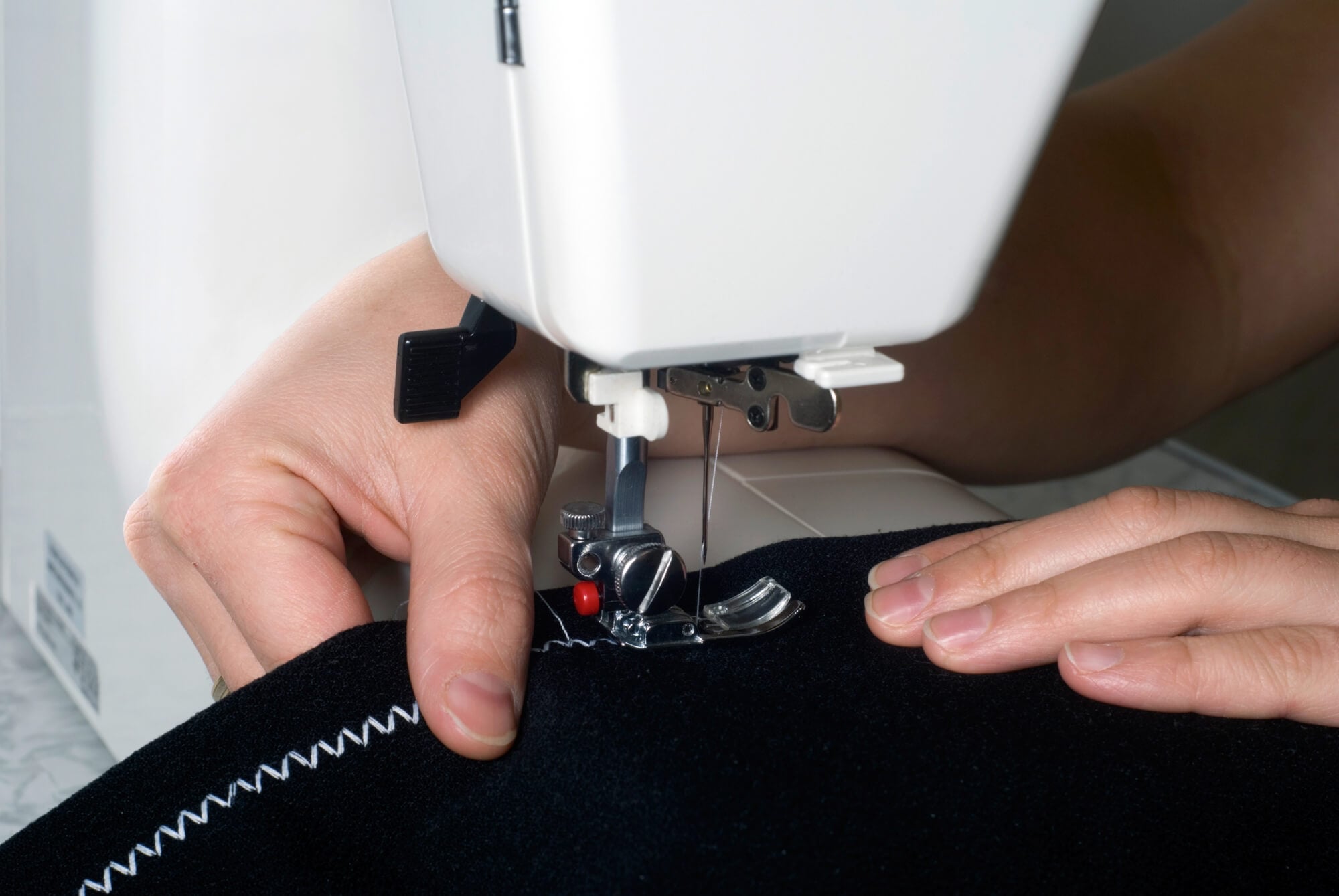
Before machines could sew a zigzag stitch on their own, a zigzagger attachment added a side-to-side motion to a straight stitch machine. It fit onto the needle bar and was driven by the machine’s movement.
Finding one in a box is a sign that a machine has been well used and well loved.
The Walking Foot
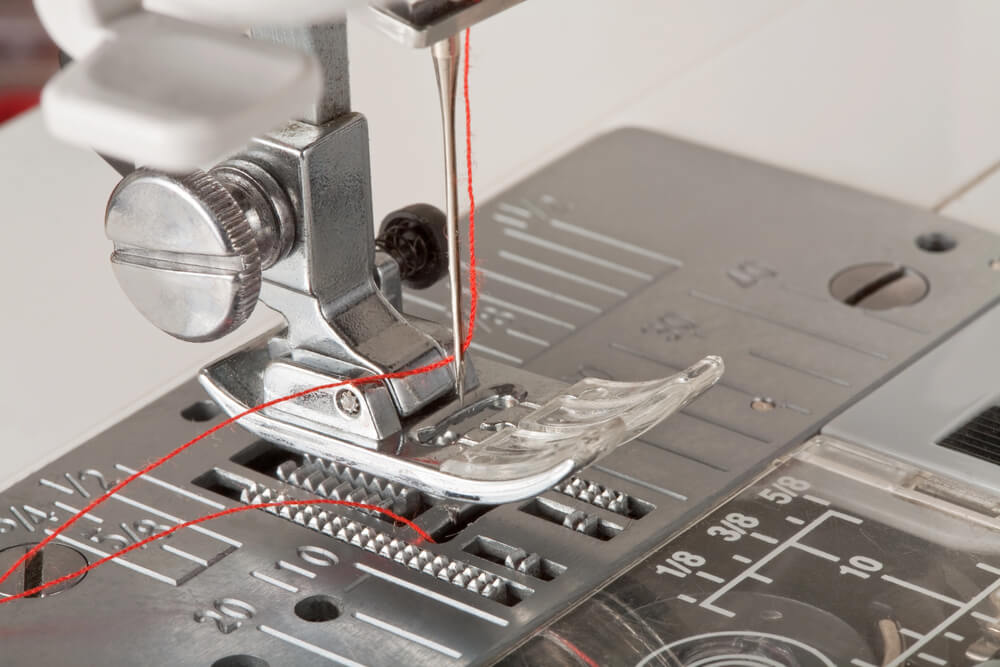
A walking foot has its own set of feed teeth that move the top layer of fabric in time with the feed dogs below. This stops the layers from shifting, which makes it popular for quilting and for sewing thick or slippery materials.
A vintage example is heavier and sturdier than many modern ones.
The Button Sewing Foot
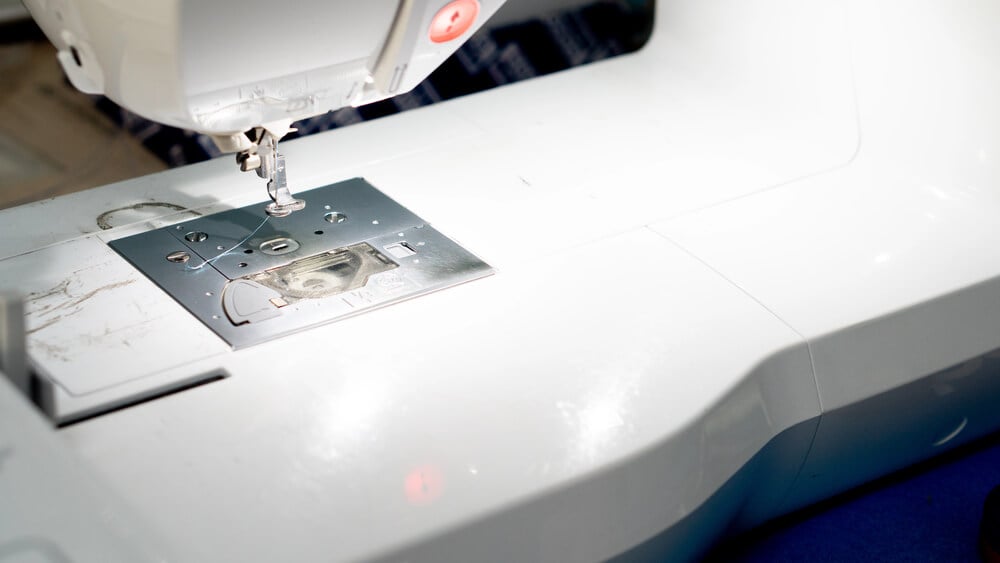
A button foot holds a button in place while the needle moves from one opening to the next. The foot has a small clamp that grips the button and keeps it steady.
It turns a tedious job into a quick one.
The Overcasting Foot
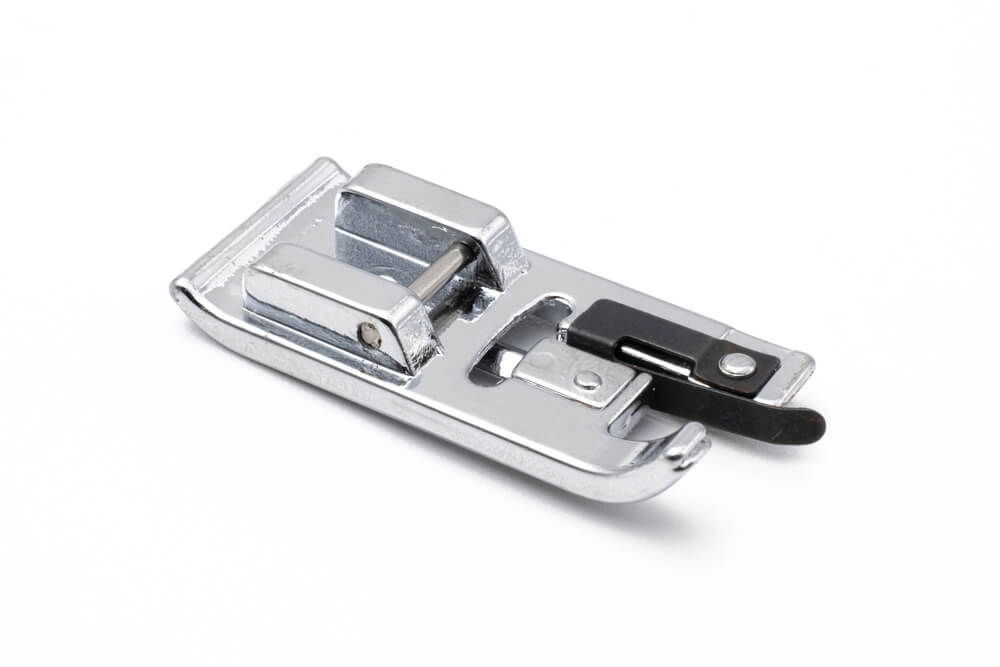
An overcasting foot has a small guide that keeps the edge of the fabric flat while the needle swings across it, and it prevents the edge from fraying. It was a way to finish seams before sergers were common in the home.
It is a handy accessory for anyone who sews with loosely woven fabric.
The Fashion Discs
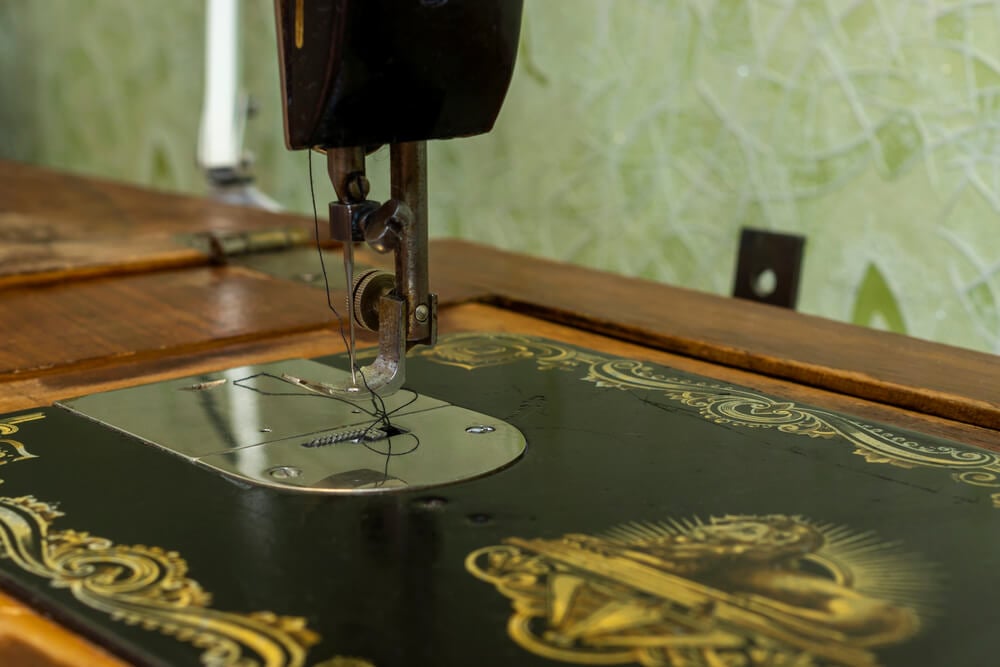
Some mid-century Singer machines, such as the 401, used removable cams known as fashion discs to produce decorative stitches. Each disc made a different pattern, and they were stored in a small case.
A complete set is considerably more valuable than a single disc.
The Oil Can and Screwdriver
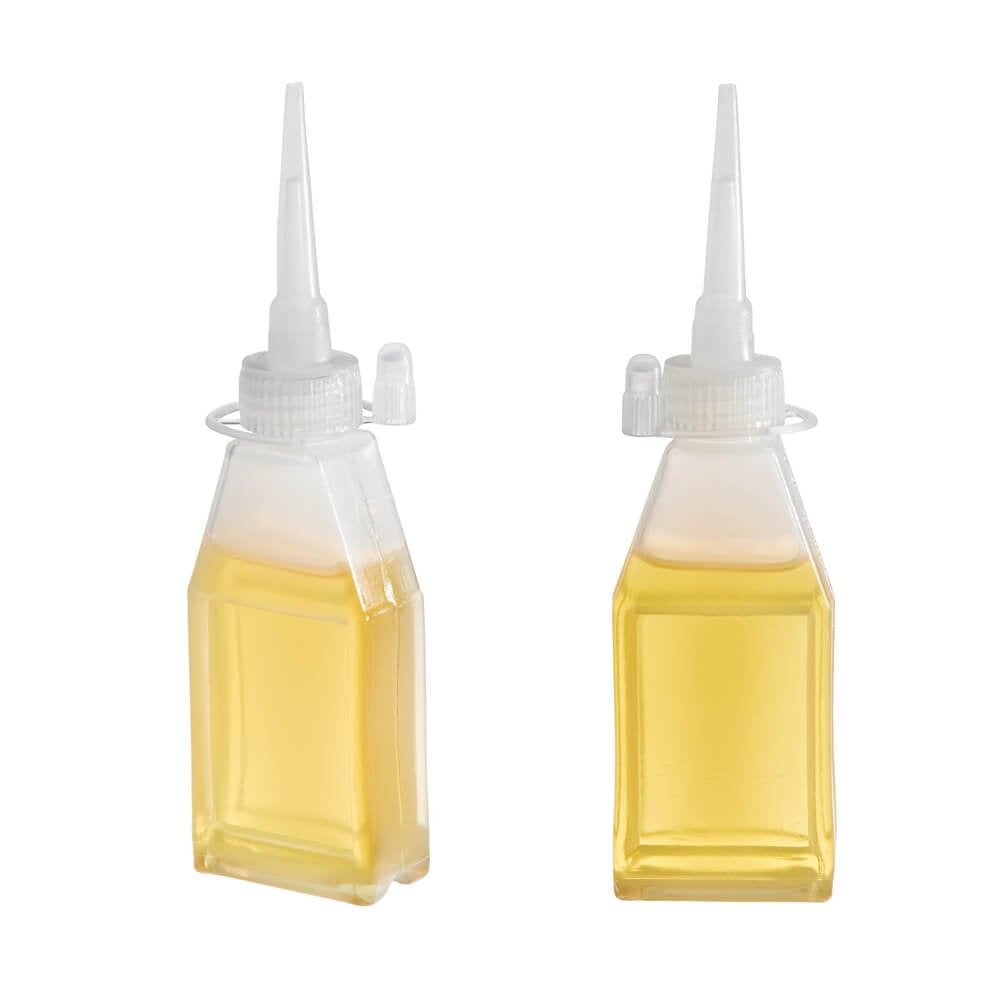
Old machines came with a small oil can and a screwdriver that fit the screws on the machine. The oil can has a thin spout for reaching small parts.
They are plain looking but are a sign of an original kit.
The Spare Bobbins
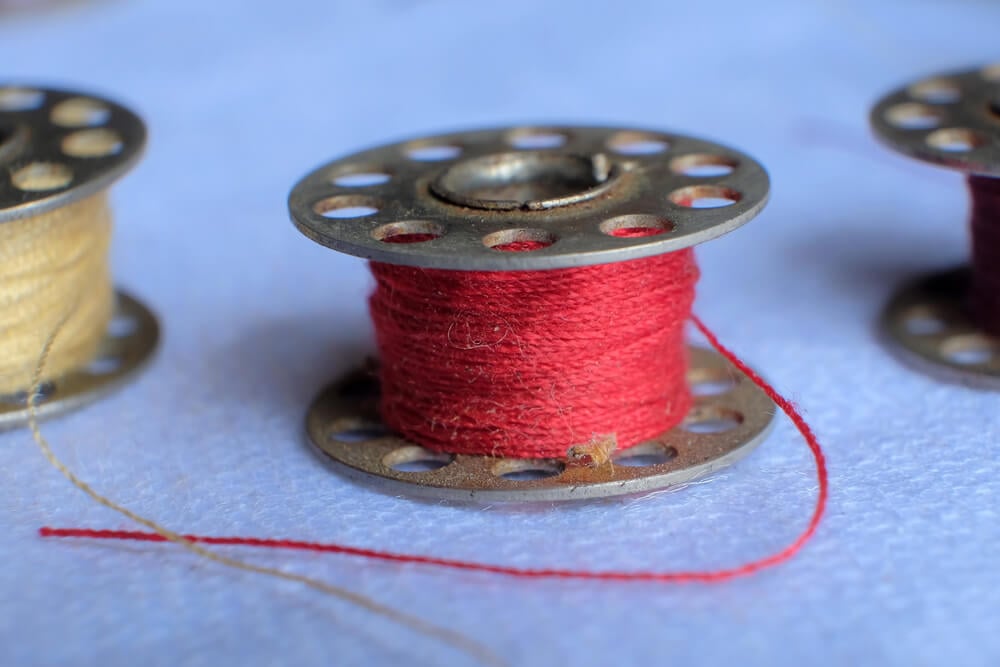
A vintage machine uses a particular style of bobbin, and the wrong one can jam it or break the thread. The right bobbins are metal, and many sets include extras in a small tin.
Matching them to the machine is more important than finding a large number.
The Bobbin Case
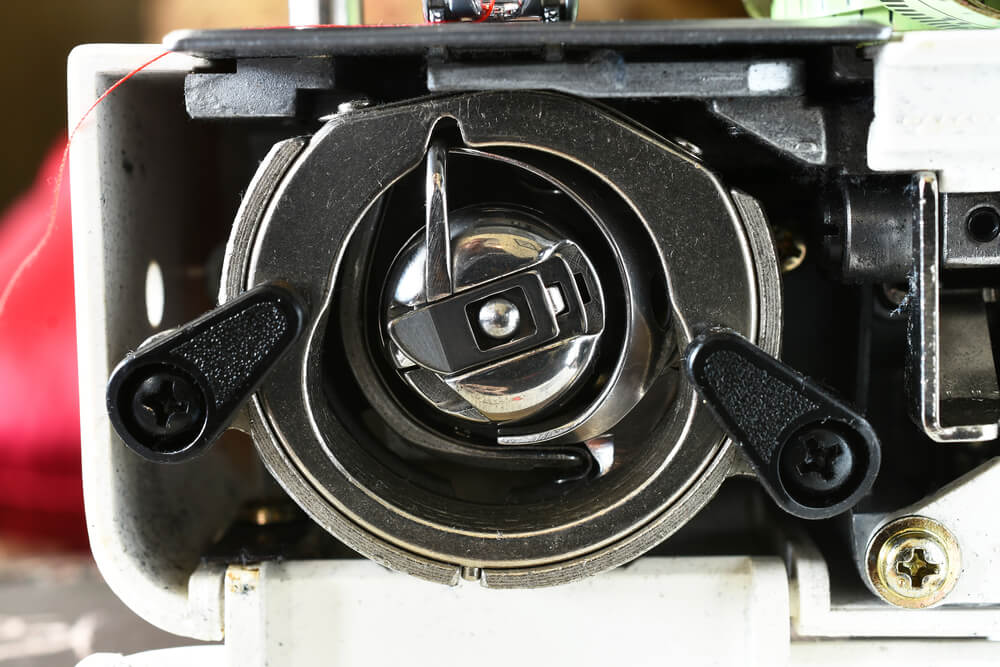
The bobbin case is the small holder that sits in the shuttle area and controls the tension of the lower thread. A damaged or missing one can stop a machine from stitching altogether.
Keep a spare in the attachment box if there is one.
The Needle Packets
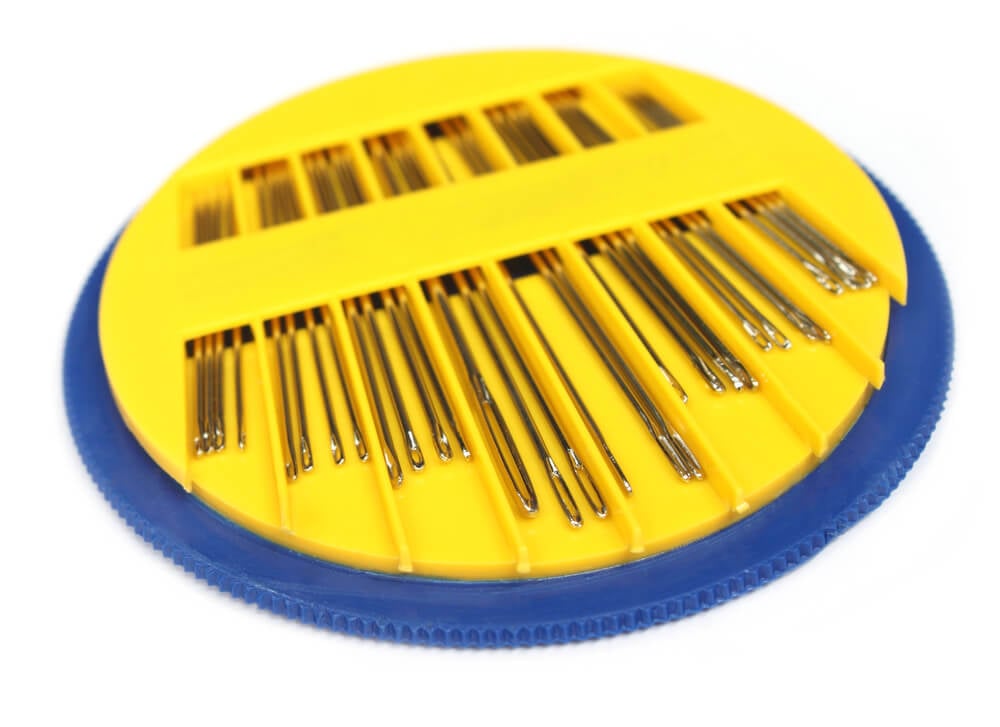
Old paper needle packets often carry a printed brand name and a size. Needles for old machines come in particular styles, so the label helps identify what the machine needs.
Unopened packets are collectible on their own, and the paper envelopes add to the charm.
The Attachment Box
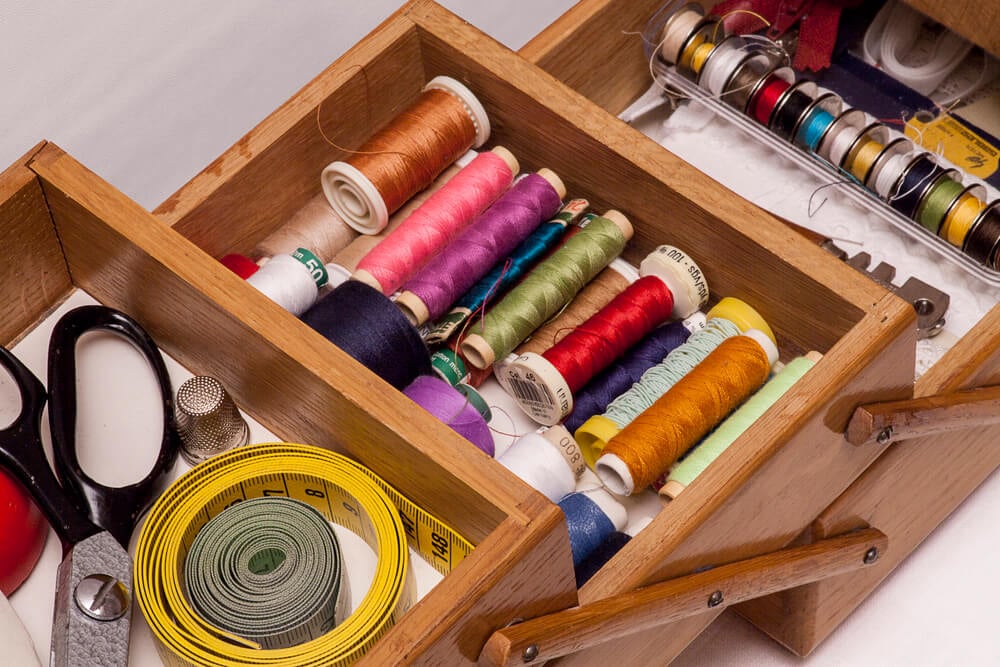
The box that holds the attachments is often as interesting as the contents. Many were fitted with a lift out tray and a lid with the maker’s name printed on it.
A box in good condition, with its original labels, adds value to the entire set.
The Instruction Manual
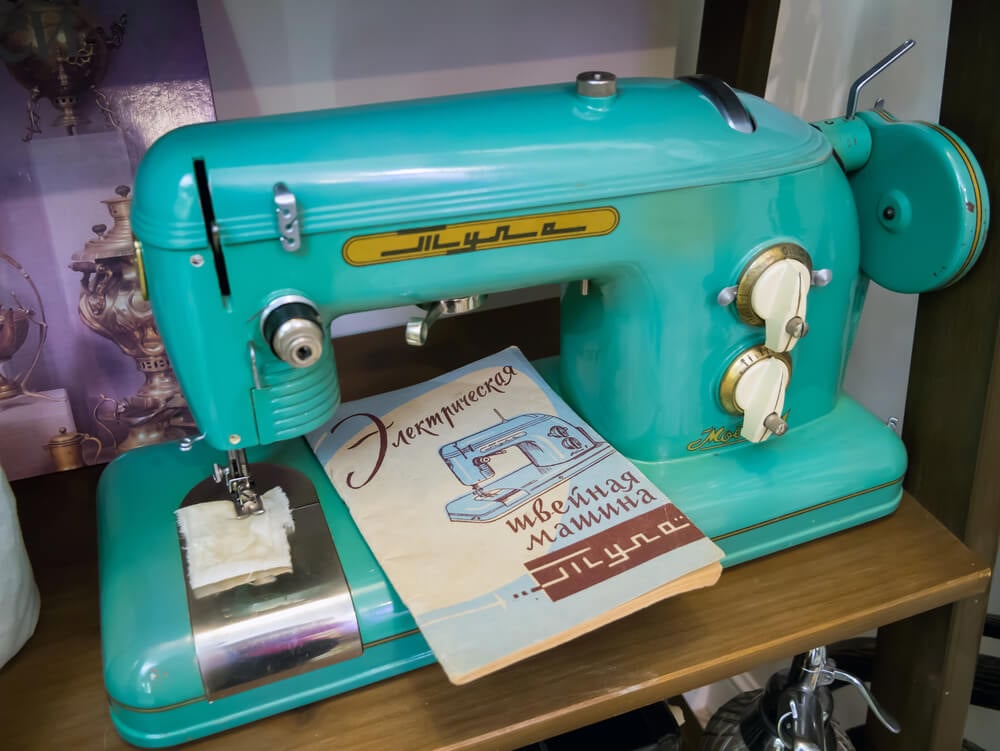
The original manual explains how each attachment is threaded and set, and it includes diagrams that are difficult to find elsewhere. A clean copy with a stiff cover and bright print is a bonus when selling.
Many manuals have been reprinted, but an original is the better find.
The Shank Adapter
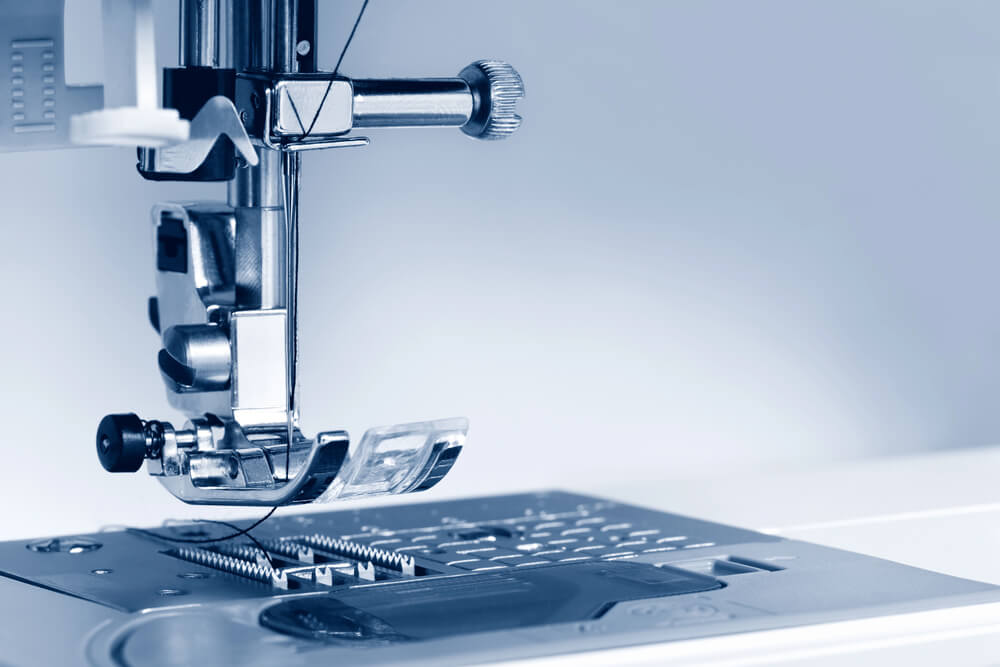
Vintage presser feet are made to fit a particular shank, which is the part that connects the foot to the machine. The three most common types are low shank, high shank, and slant shank.
An adapter lets feet from one type fit another, so it is worth keeping with the set.
The Knee Lifter
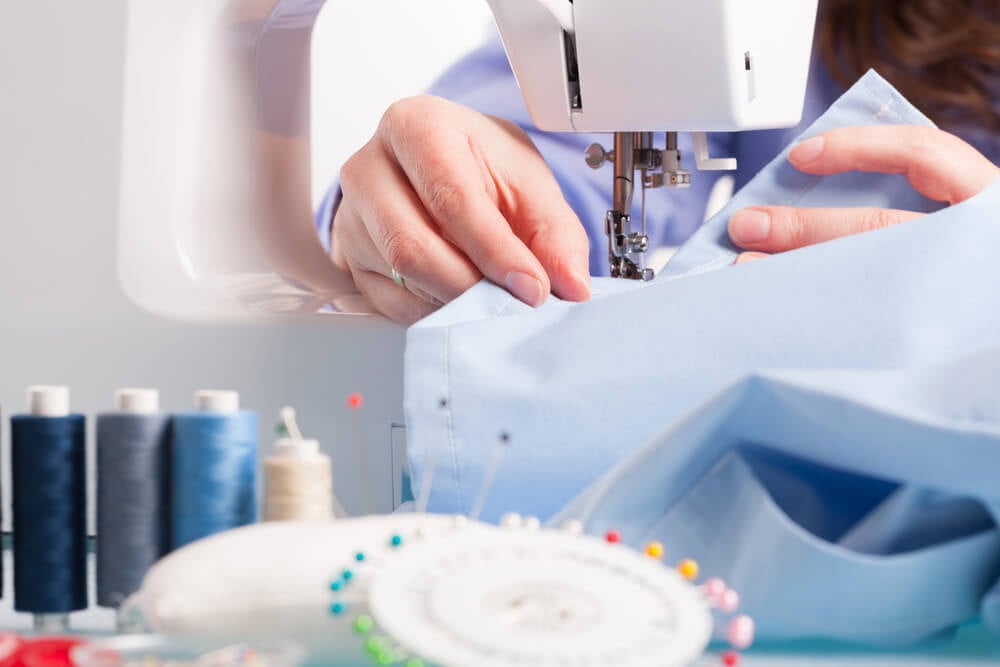
Some machines have a lever that the sewer presses with a knee to raise the presser foot. It keeps both hands free to guide the fabric.
A lifter that is intact and still springs back is a useful find.
The Extension Table
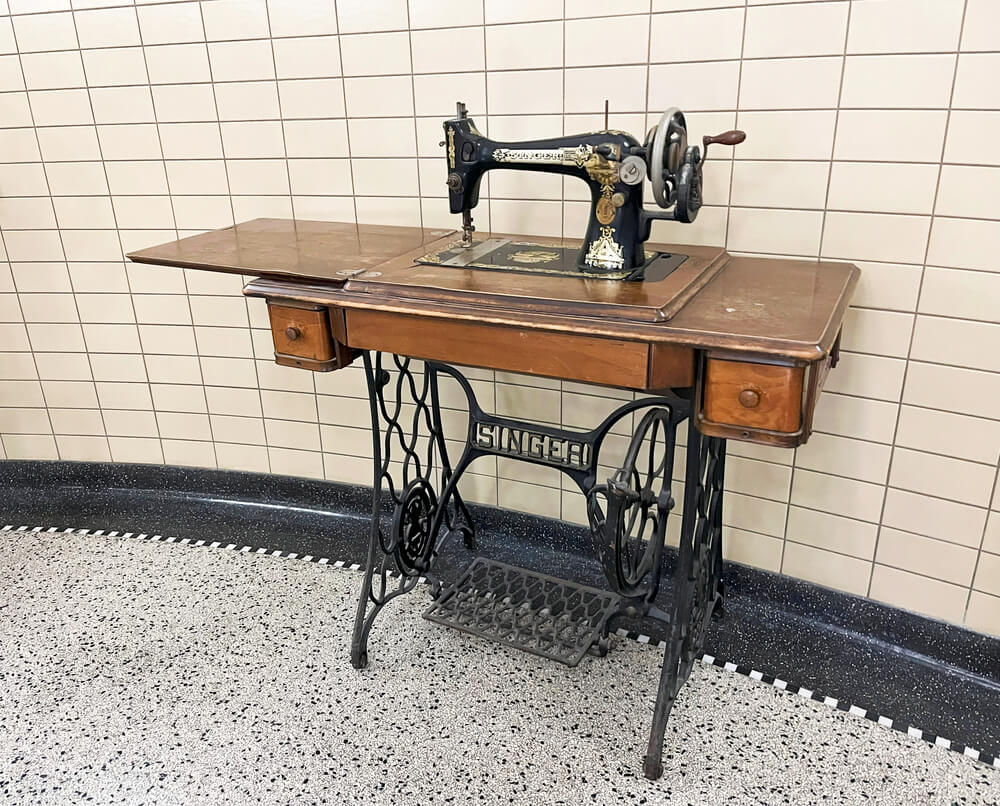
A small table that clips on to the bed of the machine gives extra room for large pieces of fabric. It is made of wood, plastic, or metal depending on the era.
A matching color and finish make the machine more attractive to a buyer.
The Spool Pin Felt Pads
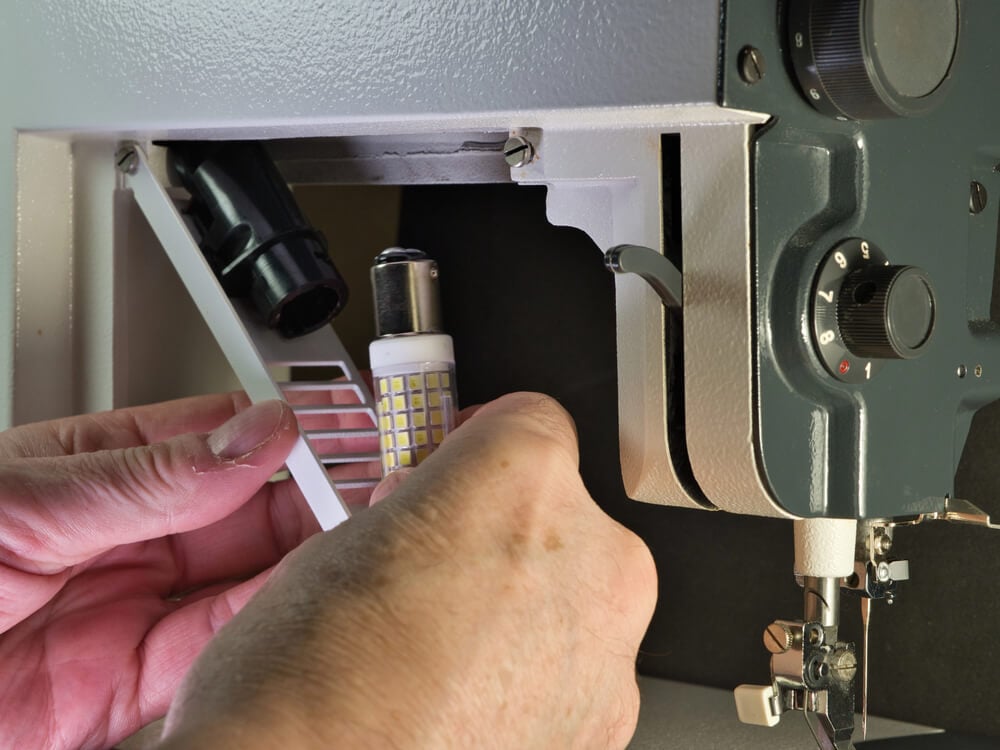
Small felt pads sit under the spool on the pin to keep it from catching and to reduce noise. They wear out over time, but original pads are a sign of a careful owner.
They are cheap to replace but easy to forget.
The Feed Dog Cover Plate
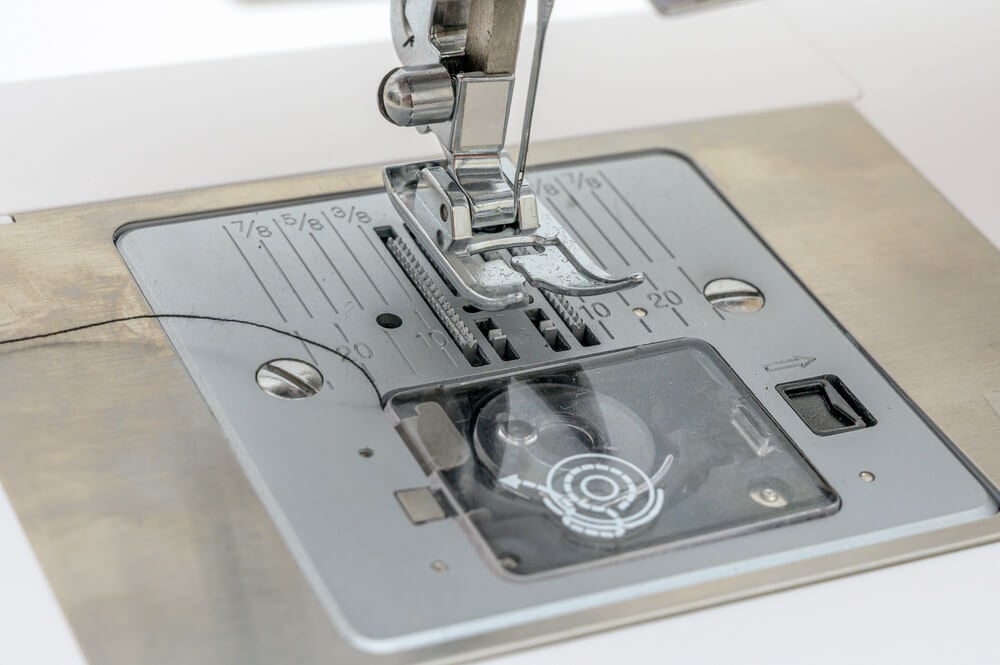
A cover plate lowers or covers the feed dogs so the fabric can be moved by hand. It is used for darning, free-motion embroidery, and sewing on buttons.
It is a small, thin piece of metal that is easily lost, and it is difficult to match to a particular machine.
The Greist Attachment Set
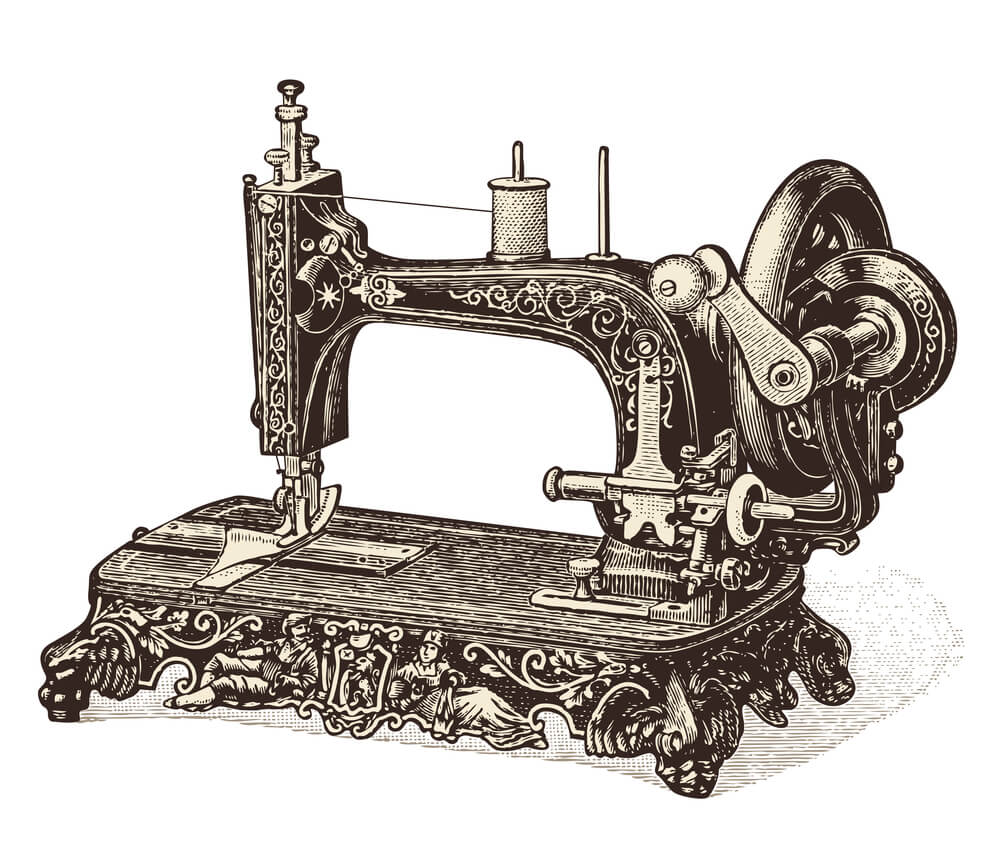
The Greist Manufacturing Company of New Haven, Connecticut, made attachments that fit many brands of machine, and its sets are common in thrift shops. The attachments came in a tidy box with a printed guide.
Sets that include every original piece sell for more than a loose collection.
What a Complete Kit Really Offers
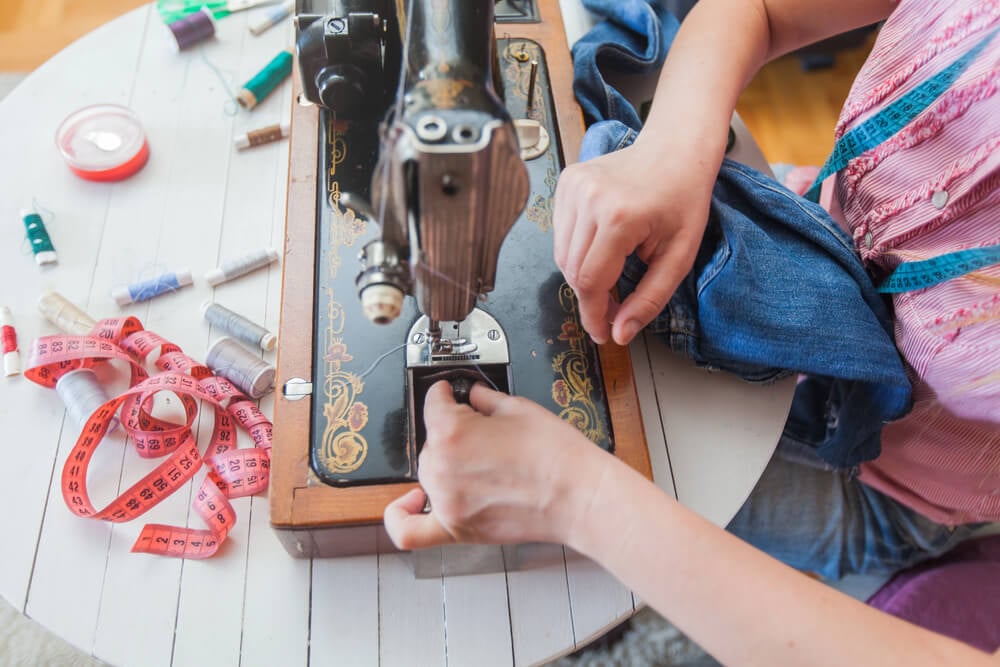
A sewing machine kit is more than the sum of its parts. Each attachment solved a specific problem, and together they let one machine handle nearly every task in the household.
Keeping them together preserves that capability and also the history of how people sewed. A complete box in good condition is worth far more than a pile of loose pieces, and it is still very useful.
Files, images, and data analysis are unavailable until usage resets at 9:50 PM. Continue chatting with text only.
More from Go2Tutors!

- 27 Silver Dollars and Half Dollars Worth Keeping
- 28 Restaurant Menu Items Nobody Orders Anymore
- 17 Places Built in Seemingly Impossible Spots
- 27 Vintage Rings Worth More Than They Look
- 25 Restricted Sites Tourists Can’t Enter
Like Go2Tutors’s content? Follow us on MSN.