Most Photographed Places on Earth
Every day, millions of people around the world point their cameras at the same handful of places. You’ve probably seen these spots a thousand times on your social media feeds, in travel magazines, and on postcards.
Some locations just have that pull—a combination of beauty, history, and cultural weight that makes people want to capture them and share them with others.
What makes a place so photogenic that it ends up in billions of images? Sometimes it’s pure architectural brilliance.
Other times it’s natural beauty that takes your breath away. And sometimes, it’s just become such a symbol of a place that visiting without taking a photo feels incomplete.
The Eiffel Tower Dominates Paris
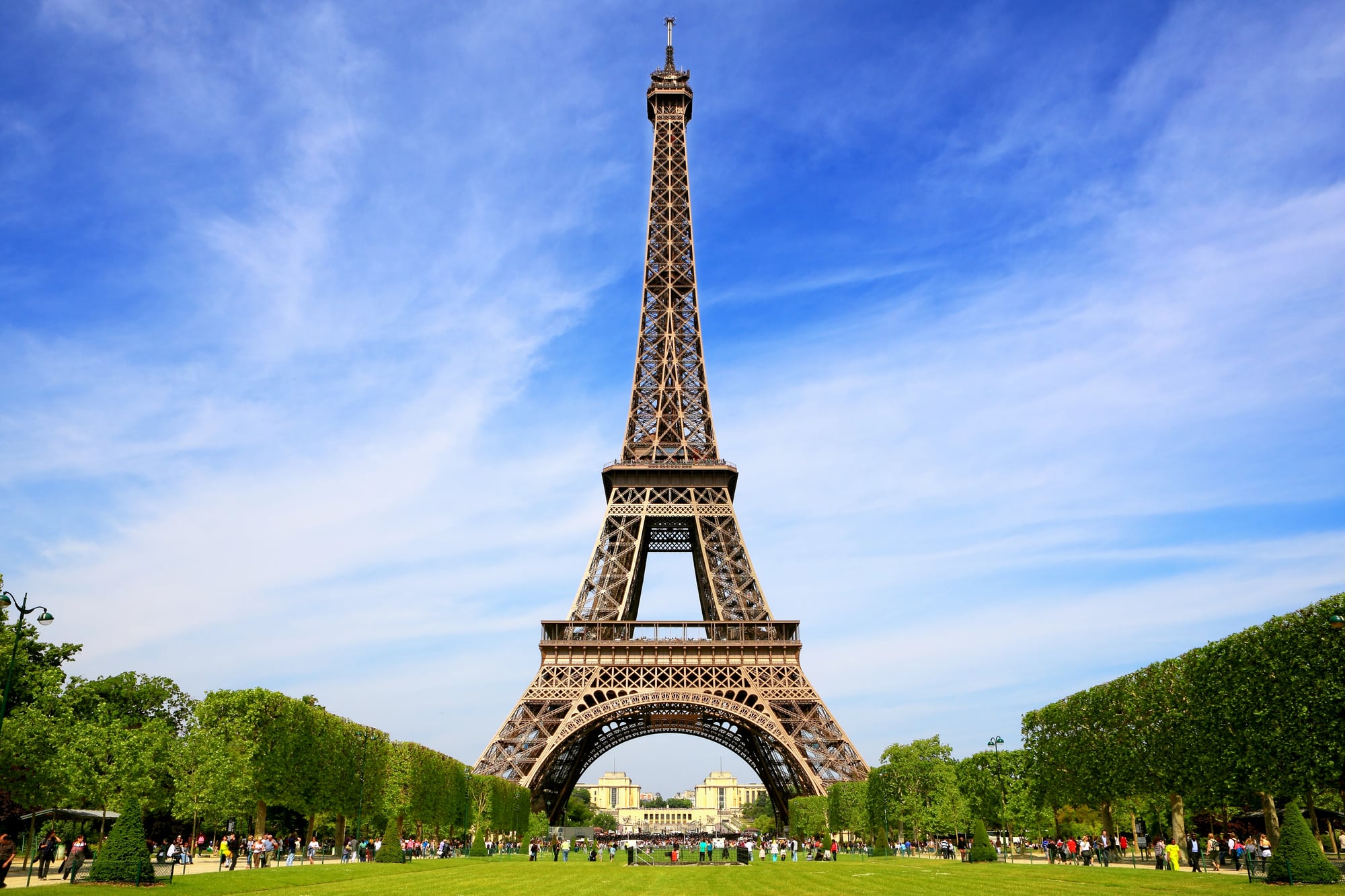
You can’t walk through Paris without seeing someone photographing the Eiffel Tower. This iron lattice structure appears in more photos than probably any other landmark on the planet.
Built in 1889 for the World’s Fair, people initially hated it. Now, it defines the Paris skyline.
The tower works from almost any angle. You can shoot it from the Trocadéro Gardens for the classic postcard view, or catch it from street level with café tables in the foreground.
At night, when the lights sparkle on the hour, thousands of cameras come out simultaneously. The sheer volume of Eiffel Tower photos has become its own phenomenon—search for it on any photo platform and you’ll find millions of results.
Times Square Never Sleeps or Stops Flashing
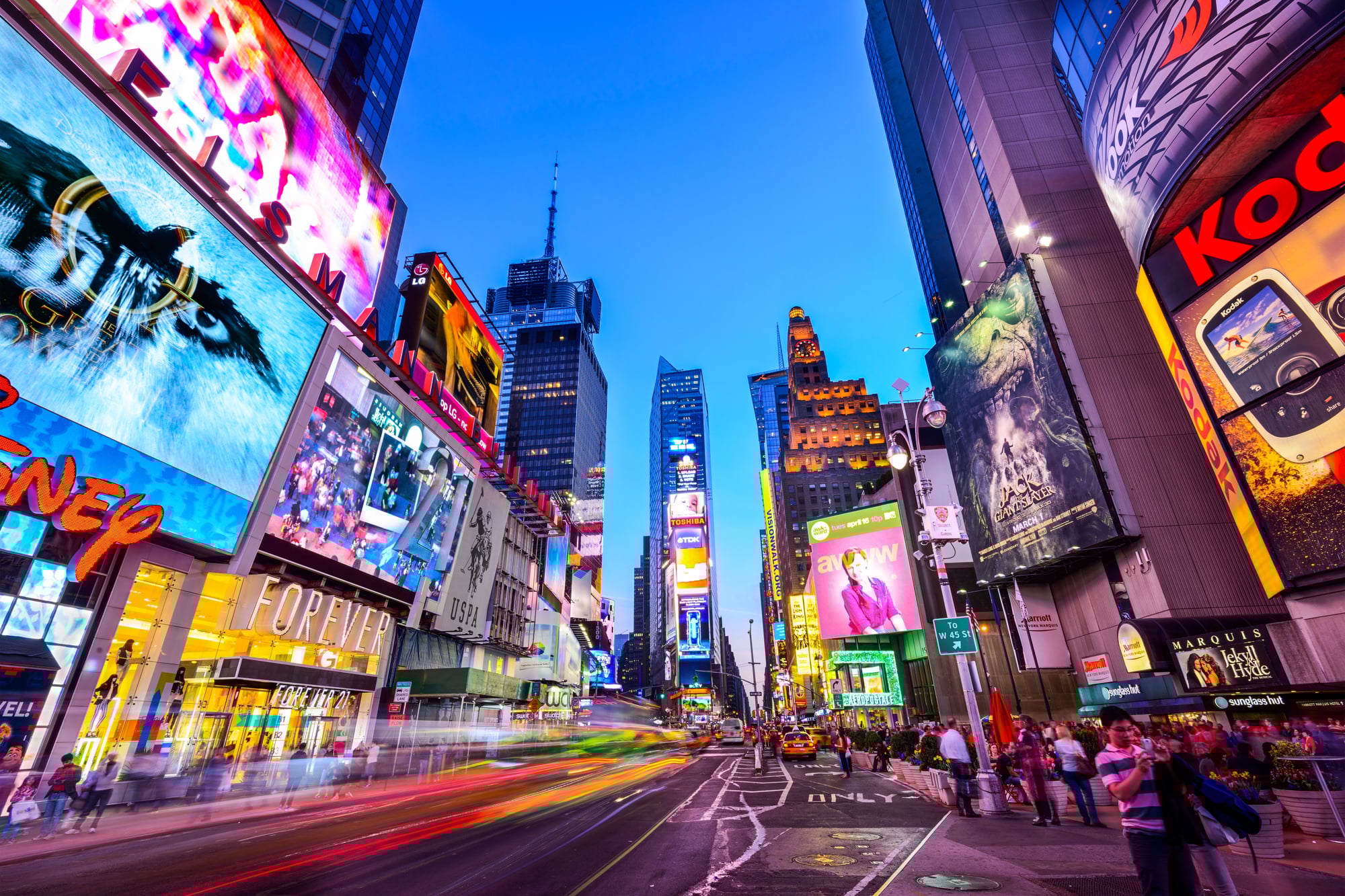
Times Square in New York City assaults your senses with light, sound, and movement. The intersection of Broadway and Seventh Avenue has become shorthand for New York itself.
Tourists stand in the middle of the pedestrian zones, spinning slowly with their phones out, trying to capture the scale of the digital billboards and crowds.
The numbers here are staggering. On New Year’s Eve alone, millions of photos get taken as people watch the orb drop.
But even on a random Tuesday afternoon, you’ll see hundreds of people with cameras out. The place photographs well because there’s so much to see—every direction offers something bright and busy.
Big Ben Tells London’s Time
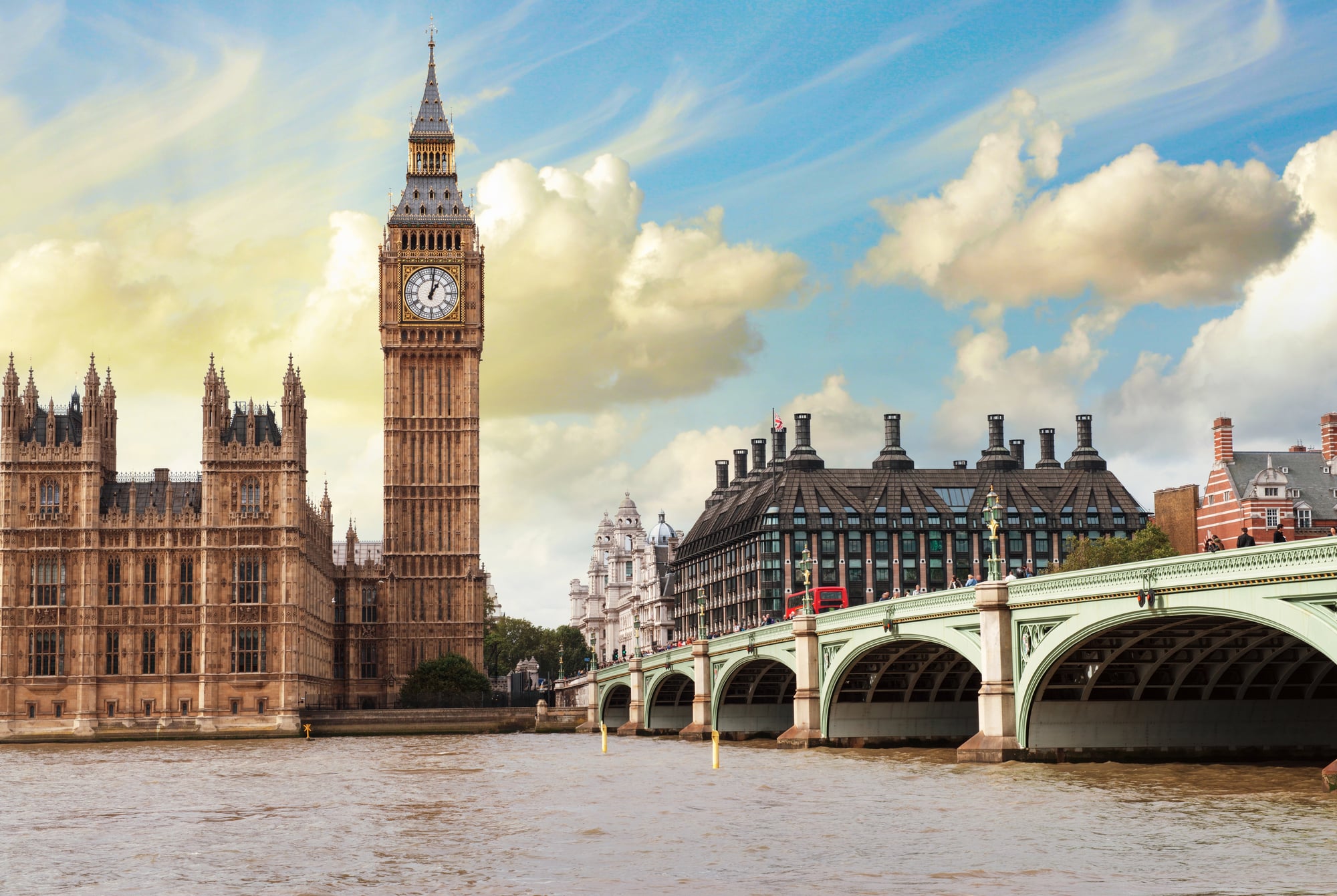
The Elizabeth Tower, which everyone calls Big Ben after its bell, anchors the London skyline. This Gothic Revival clock tower next to the Houses of Parliament has been photographed from every conceivable angle since cameras became portable.
People shoot it from Westminster Bridge, from across the Thames, through red phone booths, and with double-decker buses passing in front.
Recent restoration work meant scaffolding covered the tower for several years, but that didn’t stop photographers. If anything, it created a unique moment in time that people wanted to document.
Now that the scaffolding is gone, the tower looks pristine again, and the photos keep coming.
The Taj Mahal Captures Eternal Love

This white marble mausoleum in Agra, India draws visitors from every corner of the world. Built by Mughal emperor Shah Jahan for his deceased wife, the Taj Mahal represents one of the world’s most recognized buildings.
The symmetry, the intricate carvings, and the way the marble changes color throughout the day make it endlessly photogenic.Photography restrictions have tightened here over the years to protect the structure, but people still manage to fill their camera rolls.
The classic shot features the Taj Mahal reflected in the long pool leading up to it, but photographers also crowd the sides and back, looking for fresh perspectives on this centuries-old monument.Dawn and dusk bring the best light and the biggest crowds.
The Empire State Building Scrapes New York’s Sky
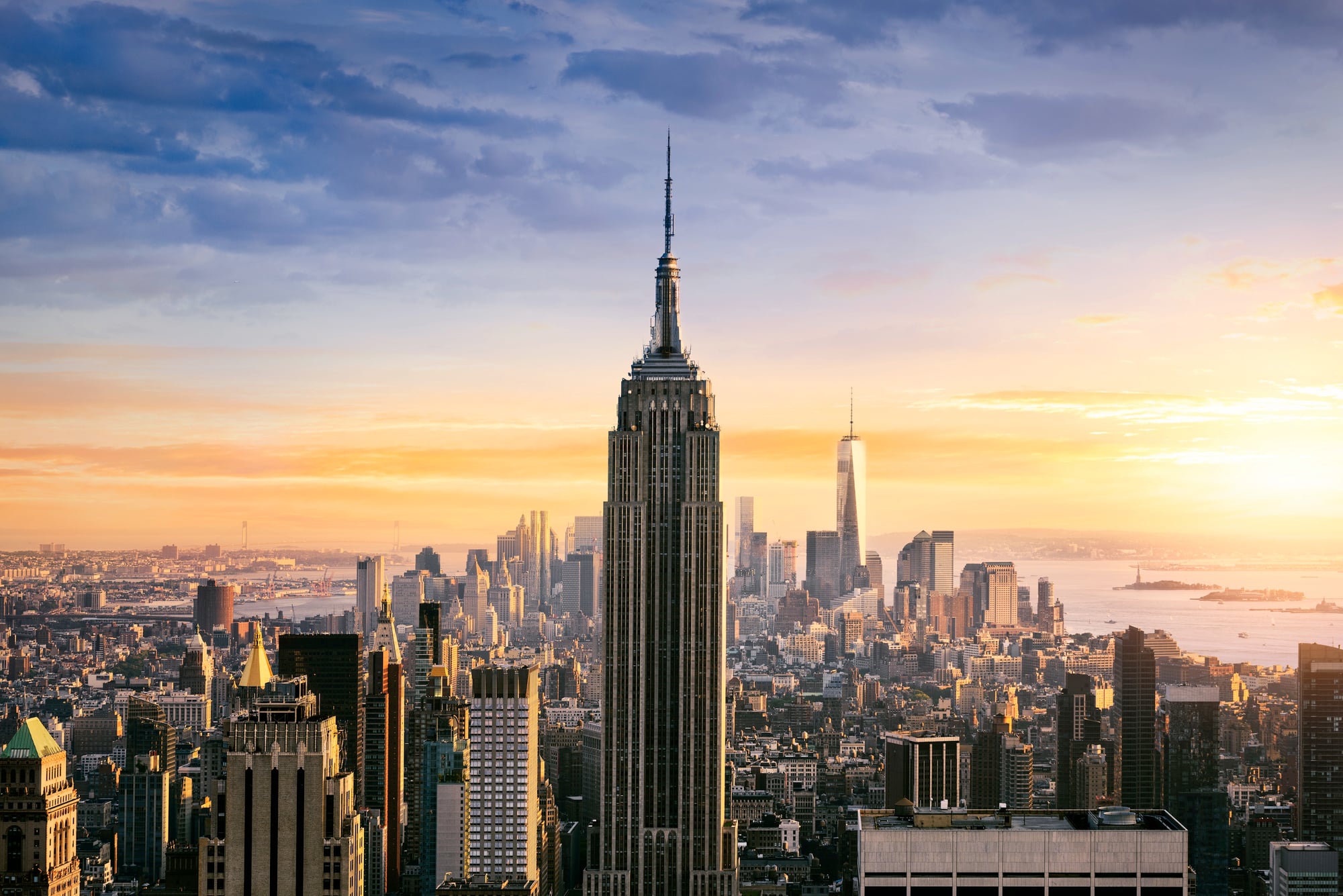
For decades, this Art Deco skyscraper represented the pinnacle of human achievement—literally. Standing 102 stories tall, the Empire State Building dominated the New York skyline until other towers eventually surpassed it.
But height isn’t everything. This building has character and history that newer, taller buildings can’t match.
You can photograph it from the street, looking up at its distinctive tapered top. You can shoot it from other tall buildings, where it stands out among the surrounding towers.
And you can go up to its observation decks and photograph the view—which then includes every other landmark in Manhattan. The building works as both subject and vantage point.
Notre-Dame Cathedral Rose from Ashes

The 2019 fire at Notre-Dame Cathedral in Paris shocked the world. For centuries, this Gothic masterpiece had stood on the Île de la Cité, welcoming millions of visitors who photographed its flying buttresses, rose windows, and iconic towers.The fire changed things, but it didn’t diminish the cathedral’s photographic appeal—if anything, it intensified it.Before the fire, people photographed Notre-Dame as they explored Paris.
After the fire, they photographed it to document history and hope.The reconstruction efforts have become their own subject, with photographers tracking the progress.
When the cathedral reopens fully, expect an explosion of new images as people document its rebirth.
The Louvre’s Pyramid Divides and Unites

I.M. Pei’s glass pyramid at the Louvre Museum in Paris created controversy when it was unveiled in 1989. A modern structure in front of a classical palace?
People called it sacrilege. Now, it’s one of the most photographed elements of the museum, often overshadowing the art inside.
The pyramid photographs well because it offers strong geometric shapes and interesting reflections. During the day, the glass catches the light.
At night, it glows from within. Photographers position themselves to shoot through the pyramid’s glass toward the palace, or they shoot from above to capture its full form.
The courtyard fills with tourists taking the same photos, each hoping their angle will be slightly different.
Brooklyn Bridge Connects More Than Boroughs

This suspension bridge linking Manhattan and Brooklyn has appeared in countless movies, TV shows, and photographs since it opened in 1883. The stone towers, the web of cables, and the wooden walkway create a photogenic combination that people can’t resist.
You can walk across the bridge and photograph the Manhattan skyline. You can stand in Brooklyn Bridge Park and shoot the bridge with Lower Manhattan behind it.
You can find spots underneath the bridge to create more dramatic compositions. The options multiply, which explains why new Brooklyn Bridge photos appear online constantly.
The bridge benefits from being both beautiful on its own and offering great views of other landmarks.
Golden Gate Bridge Spans the Bay

San Francisco’s Golden Gate Bridge might be the most photographed bridge in the world. The International Orange color stands out against the blue water and often-gray sky.
Fog rolls through the Golden Gate strait and partially obscures the bridge, creating atmospheric images that photographers crave.The bridge photographs well from dozens of locations.
Battery Spencer on the Marin side offers the classic elevated view.Baker Beach puts you at water level with the bridge towering above.
The bridge itself has walkways where you can shoot back toward the city or out toward the Pacific Ocean.Even after millions of photos, people keep finding new ways to capture it.
Locals sometimes roll their eyes at tourists stopping traffic to get their shots, but they understand the appeal. The bridge belongs to that rare category of structures that looks almost too perfect to be real.
Machu Picchu Sits Above the Clouds

Getting to Machu Picchu requires effort. You can take a train to Aguas Calientes and then a bus up the mountain, or you can hike the Inca Trail for several days.
Either way, when you finally reach this ancient citadel perched high in the Peruvian Andes, you understand why people make the journey.The ruins photograph spectacularly from the classic overlook—stone structures nestled between mountain peaks, often with clouds drifting below.
The light changes throughout the day, giving photographers different moods to work with.Some people arrive before dawn to catch the sunrise over the ruins.
Others prefer afternoon light that illuminates the stone buildings more dramatically.Peru has implemented strict visitor limits and timed entry to protect the site, but that hasn’t reduced the number of photos.
If anything, the exclusivity makes people more determined to document their visit.
The Grand Canyon Defies Comprehension

Photographs can’t capture the scale of the Grand Canyon. That’s not just photographer modesty—it’s a fact that everyone acknowledges when they stand at the rim and look out over this massive chasm carved by the Colorado River.
But people try anyway, and the canyon has become one of the most photographed natural wonders on Earth.The South Rim attracts most visitors and most cameras.
Overlooks like Mather Point and Yavapai Point offer sweeping views that people attempt to squeeze into their camera frames.Sunrise and sunset create the best conditions, when the changing light reveals the canyon’s layers of colored rock.
Some photographers venture down into the canyon itself, looking for different perspectives.
Disney Parks Create Photo Moments

Disney parks around the world were designed with photography in mind. Every corner offers a potential photo opportunity.
Cinderella Castle at Magic Kingdom, Sleeping Beauty Castle at Disneyland, and their counterparts at parks in Paris, Tokyo, Hong Kong, and Shanghai—all serve as backdrops for millions of family photos.Disney even employs photographers throughout the parks, and they’ve installed automated photo spots where cameras capture you with beloved characters or iconic locations.
The company knows that these photos extend the experience beyond the visit itself.People share them online, print them, frame them, and look back at them for years.
The castles get photographed most, but every major attraction, show, and parade generates its own wave of images. A single day at a Disney park can fill a phone’s memory.
Burj Khalifa Pierces Dubai’s Sky

The world’s tallest building stands 828 meters tall in Dubai. The Burj Khalifa redefined what buildings could be, and photographers have tried to capture its full height ever since it opened in 2010.
Getting the entire building in frame from ground level requires a very wide-angle lens and careful positioning.Dubai’s modern architecture and ambitious construction projects attract photographers who appreciate bold design.
The Burj Khalifa serves as the centerpiece.People photograph it during the day when it rises into the bright desert sky.
They photograph it at night when lights illuminate its exterior.They go up to its observation decks and photograph the sprawling city below.
The building has become synonymous with Dubai itself—a symbol of rapid development and architectural ambition.
Sagrada Familia Remains Unfinished

Antoni Gaudí’s masterpiece in Barcelona has been under construction since 1882. This massive basilica combines Gothic and Art Nouveau styles in ways that seem impossible.
The facades feature intricate sculptures and decorations. The interior columns branch like trees, supporting a ceiling that filters colored light through stained glass windows.
Photographers struggle to capture the complexity. Wide-angle shots show the scale but lose the details.
Close-ups reveal the incredible craftsmanship but miss the overall form. Most people end up taking dozens of photos from different angles, trying to document something that really needs to be experienced in person.
Construction continues, with an estimated completion date sometime in the 2020s or 2030s. When it’s finally finished—if it’s ever truly finished—expect another surge of photographs as people document the completed vision.
Central Park Offers Green Space
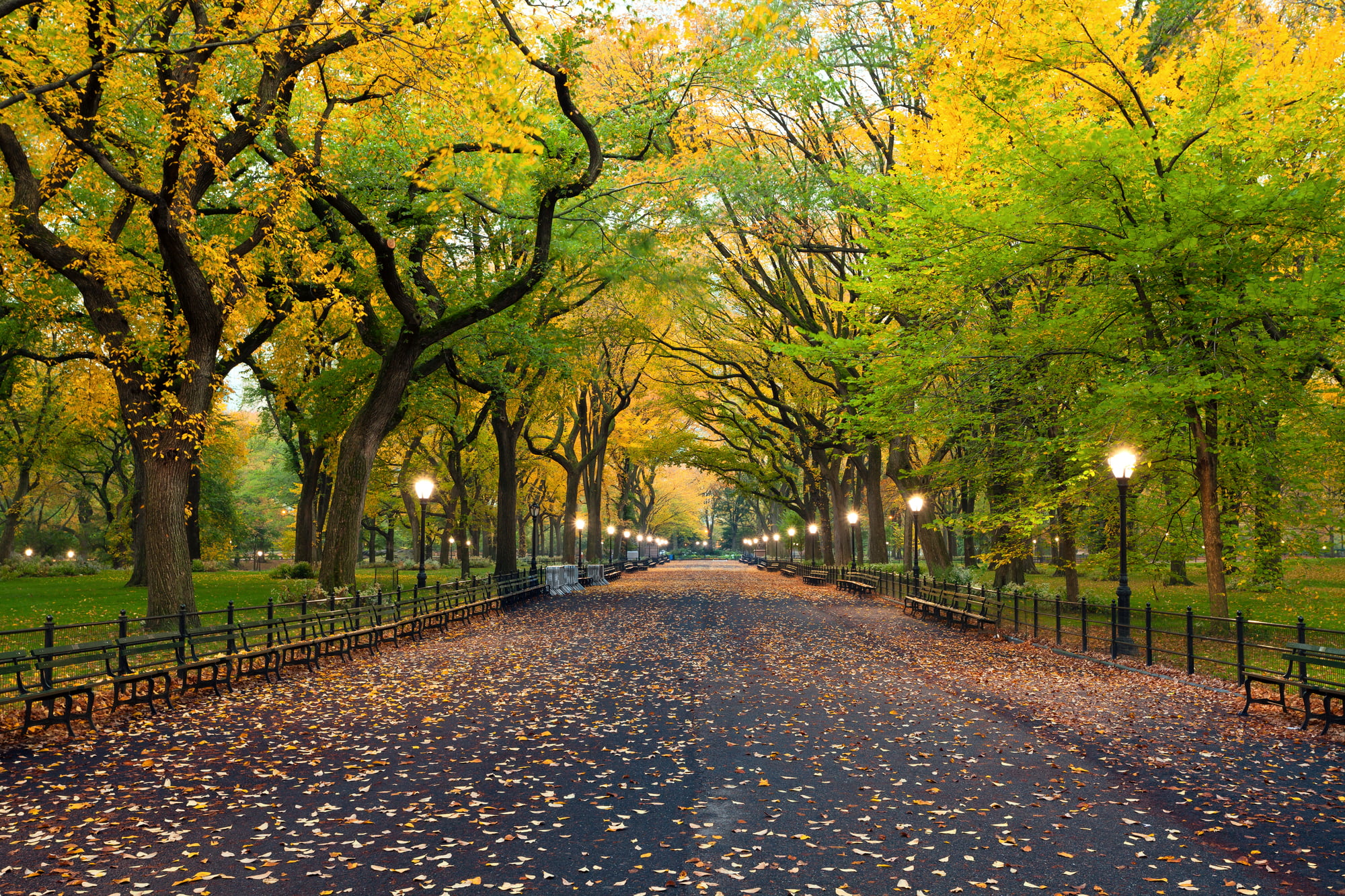
In the middle of Manhattan, Central Park provides 843 acres of green space. This urban park appears in countless photos, often as proof that New York City has nature too.
Bethesda Fountain, Bow Bridge, and the various meadows all serve as popular photography locations.The park photographs differently in each season.
Spring brings cherry blossoms and tulips.Summer offers lush green trees and people lounging on the lawns. Fall creates a canopy of orange and red leaves.
Winter sometimes blankets everything in snow, transforming the urban park into something almost serene.Photographers capture the park itself, but they also use it as a setting for other subjects. Engagement photos happen here.
Fashion shoots use the natural backdrops. Street photographers find endless subjects among the joggers, tourists, musicians, and New Yorkers escaping their apartments.
Where Memory and Moment Meet

These places hold their positions in our collective consciousness partly because they’ve been photographed so many times. Each new photo reinforces their status as icons.
Your photo of the Eiffel Tower might look similar to millions of others, but it’s yours—a record of when you stood in that spot, on that day, under that sky.The most photographed places on Earth remain popular because they deliver on their promise.
They look impressive in person, and they translate well through a camera lens.That combination keeps people coming back, cameras in hand, ready to add their own images to the billions that already exist.
And somehow, despite all those photos, these places never seem to get old.The question isn’t really why these places get photographed so much.
It’s why we keep wanting to photograph them again and again, knowing full well that millions of others have stood in the same spot and captured nearly the same image.Maybe it’s because the photo isn’t really about the place at all—it’s about proving you were there, about holding onto a moment before it slips away.
More from Go2Tutors!

- The Romanov Crown Jewels and Their Tragic Fate
- 13 Historical Mysteries That Science Still Can’t Solve
- Famous Hoaxes That Fooled the World for Years
- 15 Child Stars with Tragic Adult Lives
- 16 Famous Jewelry Pieces in History
Like Go2Tutors’s content? Follow us on MSN.