31 Things Inside a 1960s Family Car
Open the door of a family sedan or station wagon from the 1960s and the cabin tells a story of its own. Some of what sat inside seems absurdly risky today, and some of it was quietly clever.
A few items have vanished so completely that younger passengers would not recognize them. The decade ran from chrome-heavy comfort to the first serious federal safety rules, and the interior changed more than the sheet metal did.
Here is what a family would have found within arm’s reach.
The Bench Seat That Seated Three Across
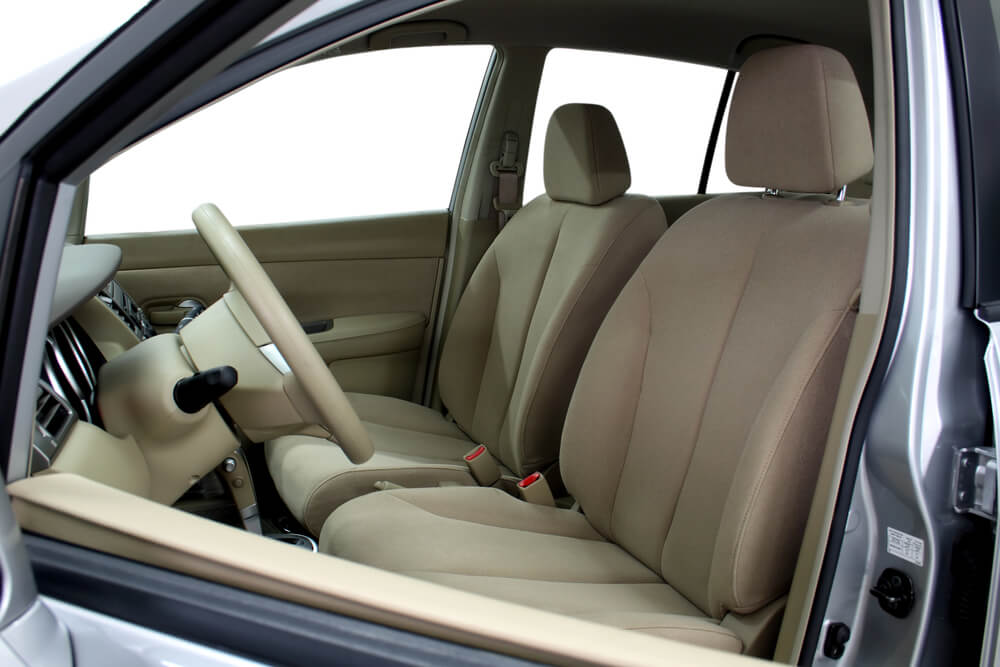
Front bench seats ran the full width of the cabin, so a driver, a front passenger, and a middle rider could share one cushion. The middle spot usually went to the smallest child or a sleeping parent, and nobody bothered to ask who got a seat belt.
Chevrolet’s Corvair Monza brought bucket seats to a mainstream compact in 1960, but the bench remained the default for sedans and wagons for years afterward. Families treated it as a feature, since it meant one more person fit without anybody renting a second car.
Three on the Tree
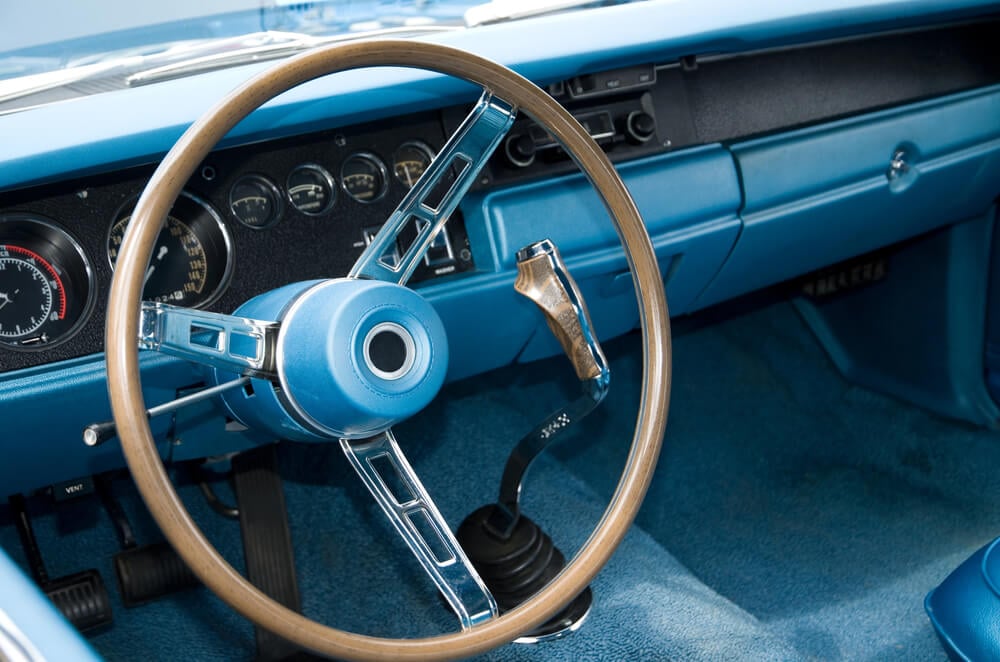
A three-speed manual gearshift on the steering column was so common that drivers nicknamed it three on the tree. The lever moved through an H-pattern, which left the floor in front clear for the middle passenger’s feet.
It was cheaper to build than a floor-mounted linkage, and it suited the bench seat perfectly. Anyone who learned to drive on one remembers reaching for the column instead of the floor.
Push-Button Transmission Controls
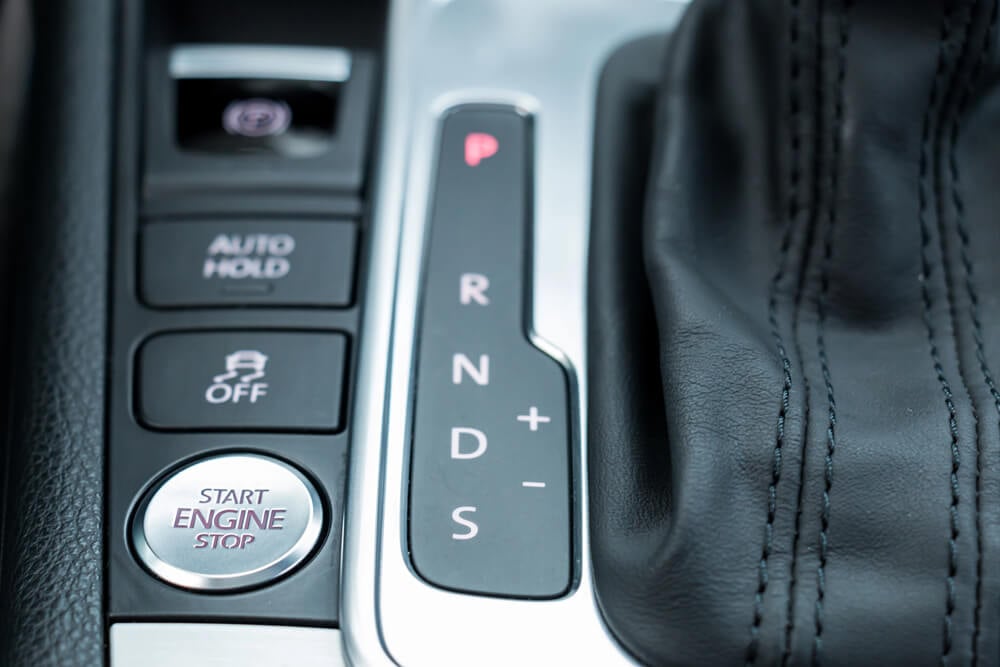
Chrysler Corporation spent the years from 1956 to 1964 putting automatic transmission controls into a row of buttons on the dashboard instead of a lever. Drivers pressed a button marked for drive, neutral, or reverse, and the car did the rest.
Plymouth, Dodge, Chrysler, and Imperial models all offered the layout, and the design had a futuristic look that sold showroom brochures. Critics worried about accidentally hitting the wrong button, and the company returned to a conventional lever after the 1964 model year.
Lap Belts Required by Federal Rule
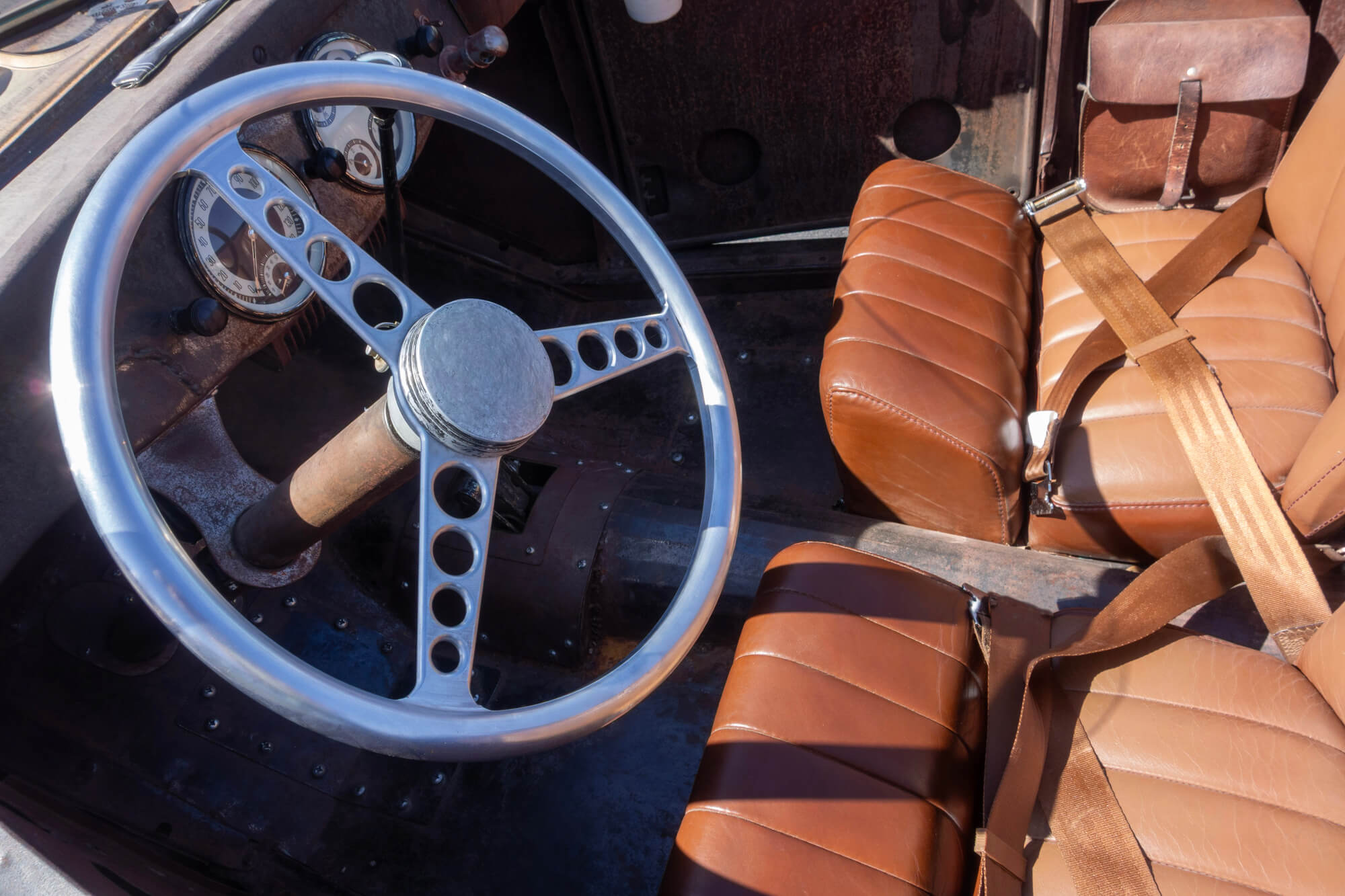
Seat belts were optional on many early 1960s cars, and plenty of buyers simply skipped the extra charge. That changed with the 1968 model year, when federal standards began requiring lap and shoulder belts in the front outboard seats of new cars sold in the United States.
Before then, belts that did exist were often shoved into the crack of the seat cushion and forgotten. Even after the rule took effect, wearing them was a personal choice, because laws requiring drivers to buckle up arrived much later.
Volvo’s Three-Point Belt
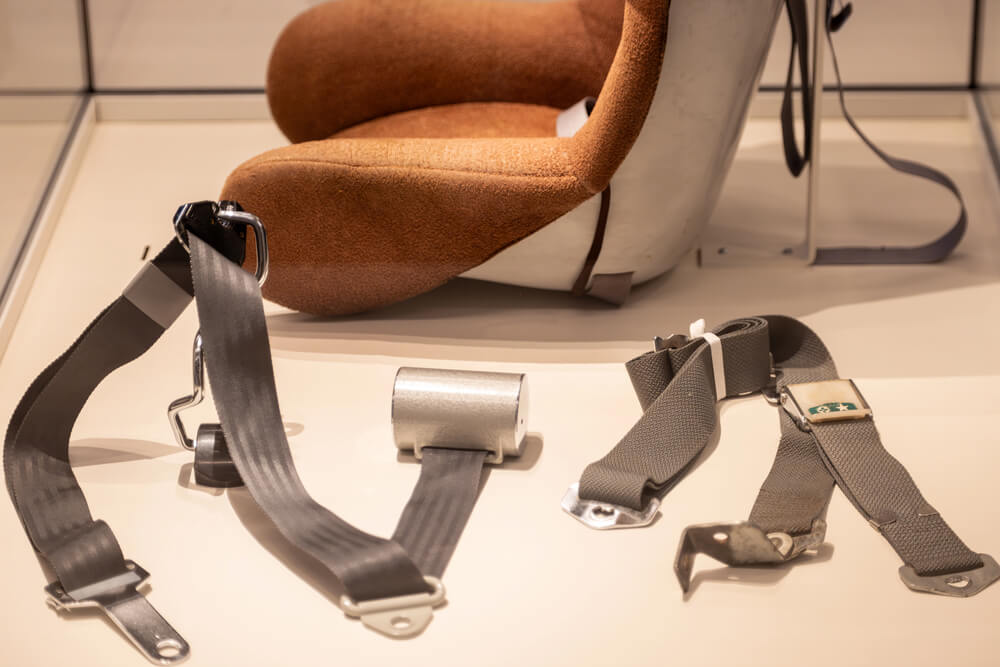
The seat belt most drivers use today was introduced in 1959 on Volvo cars, designed by engineer Nils Bohlin. His V-shaped design crossed the chest and hips in one continuous strap, and Volvo shared the patent with other manufacturers rather than keeping it exclusive.
A family driving a Volvo in the early 1960s enjoyed protection that most American-built sedans would not offer as standard for years. It remains one of the most consequential interior features in automotive history.
The Padded Dash
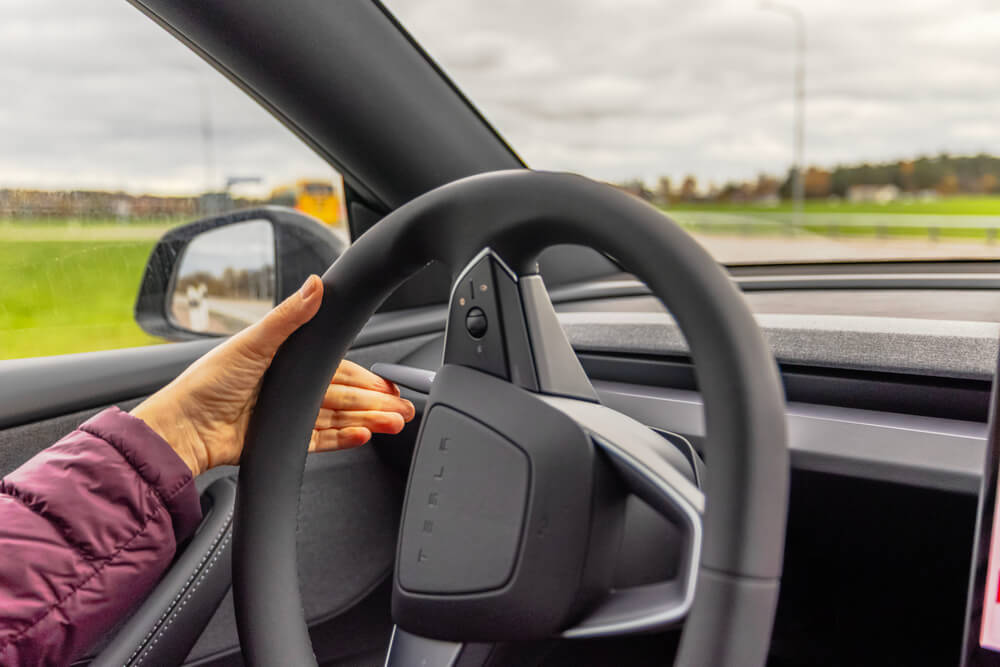
Ford marketed a safety package called Lifeguard Design in 1956 that included a padded dashboard, padded sun visors, and a deep-dish steering wheel. Executive Robert McNamara championed the campaign, and the pitch struggled to compete with horsepower in the showroom.
By the 1960s, padding had become a more regular feature and federal rules soon made it a requirement. Before that, a dashboard was often bare painted steel, and a sudden stop could turn it into the hardest thing in the car.
The Collapsible Steering Column
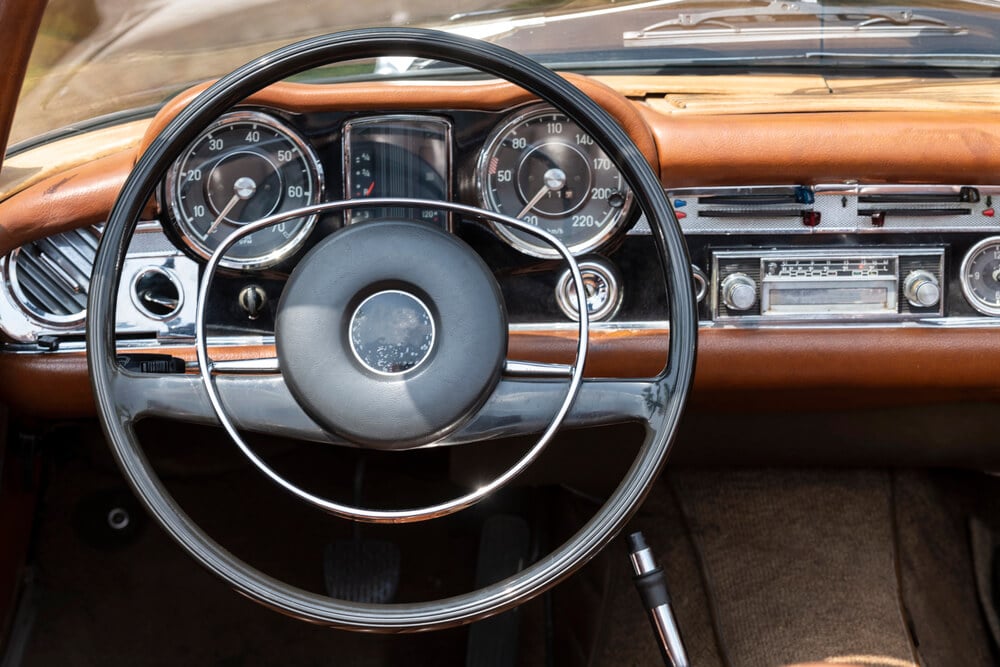
General Motors fitted energy-absorbing steering columns to its 1967 models, designed to collapse in a crash instead of driving the wheel toward the driver. Earlier columns were rigid steel shafts that ran straight from the steering box into the cabin.
Safety advocates had pressed the industry on the issue, and the redesign marked a visible shift in how Detroit thought about the interior. The wheel looked the same as before, which is partly why few drivers noticed the change.
Head Restraints Become Mandatory
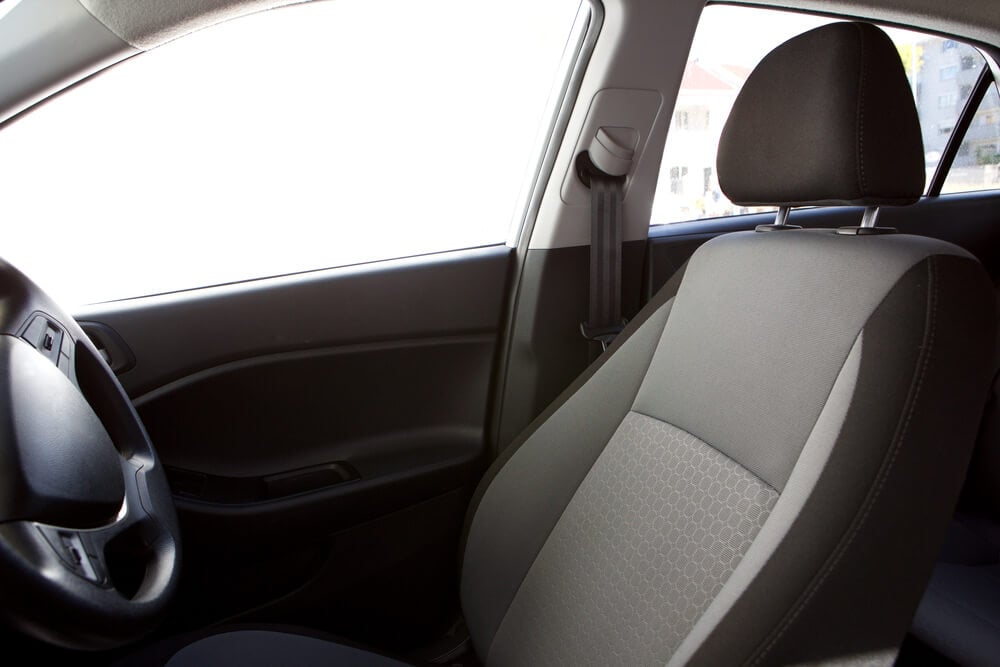
Beginning with the 1969 model year, new American cars were required to have head restraints in the front outboard seating positions. The goal was to reduce whiplash injuries in rear-end collisions, which were common in an era of packed highways and soft bumpers.
Many early restraints were simple padded blocks bolted to the seat tops, and drivers sometimes complained that they blocked the view of rear passengers. They were so new that some families never learned what the odd cushions behind their heads were for.
The Steering Column Ignition Lock
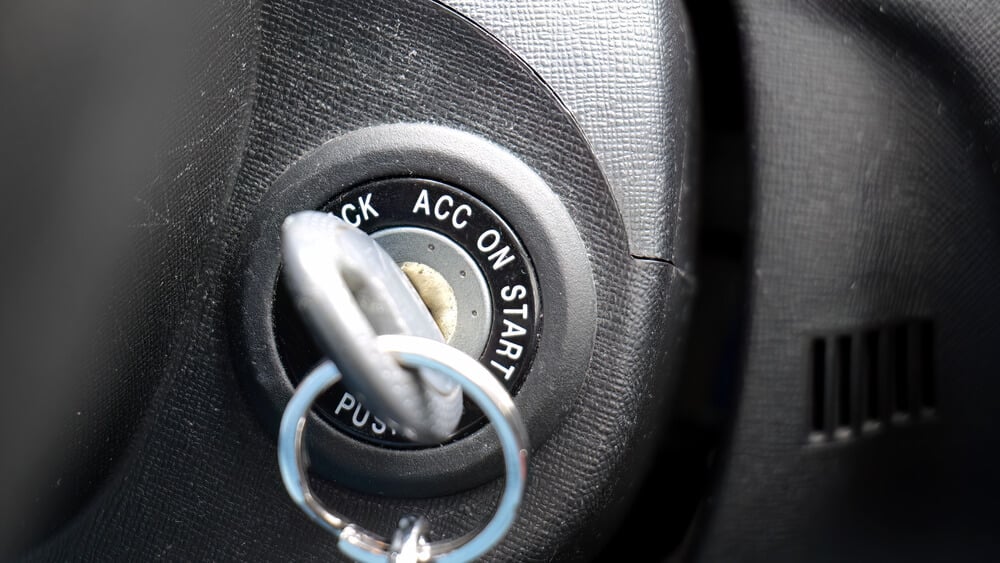
General Motors introduced a steering column lock on its 1969 models, and the feature became required across the industry for the 1970 model year. Earlier cars could be driven off with a screwdriver and a little nerve, since nothing stopped a thief from turning the wheel.
The lock jammed the steering when the key was removed, which made hot-wiring much more difficult. Drivers who forgot to pull the key learned the difference quickly.
Dual-Circuit Brakes
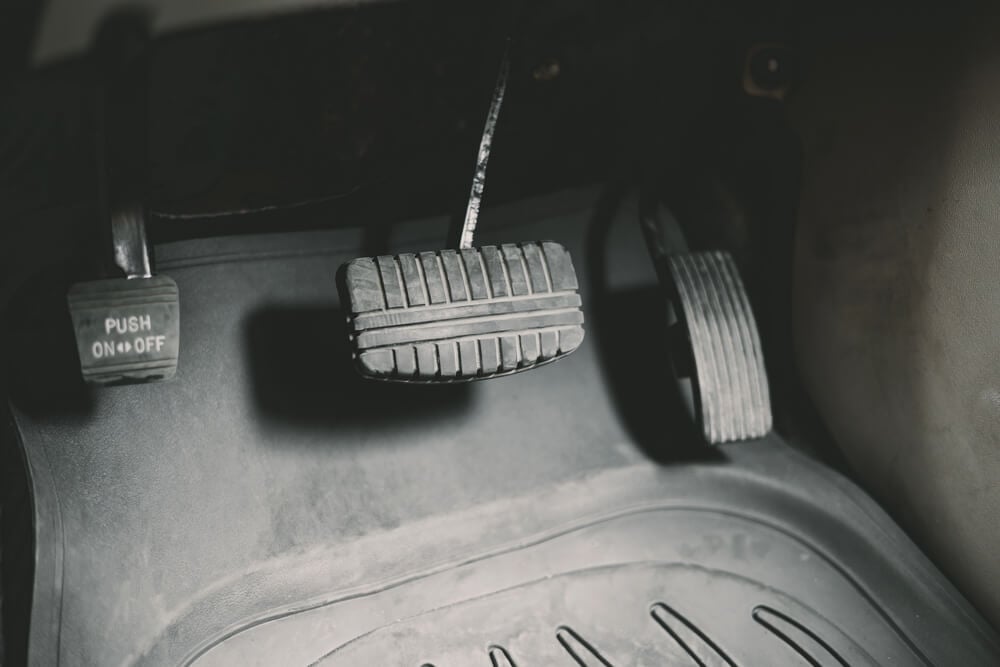
Rambler, built by American Motors, introduced dual-circuit braking systems for 1962, splitting the hydraulic system into two parts so that a single leak would not cost the driver all stopping power. Most other manufacturers followed over the next few years, and the industry had largely adopted the approach by 1967.
The brake pedal looked identical to the old one, so passengers never knew the difference. The first sign of the improvement was usually a partial failure that did not turn into a disaster.
An AM Radio With Civil Defense Triangles
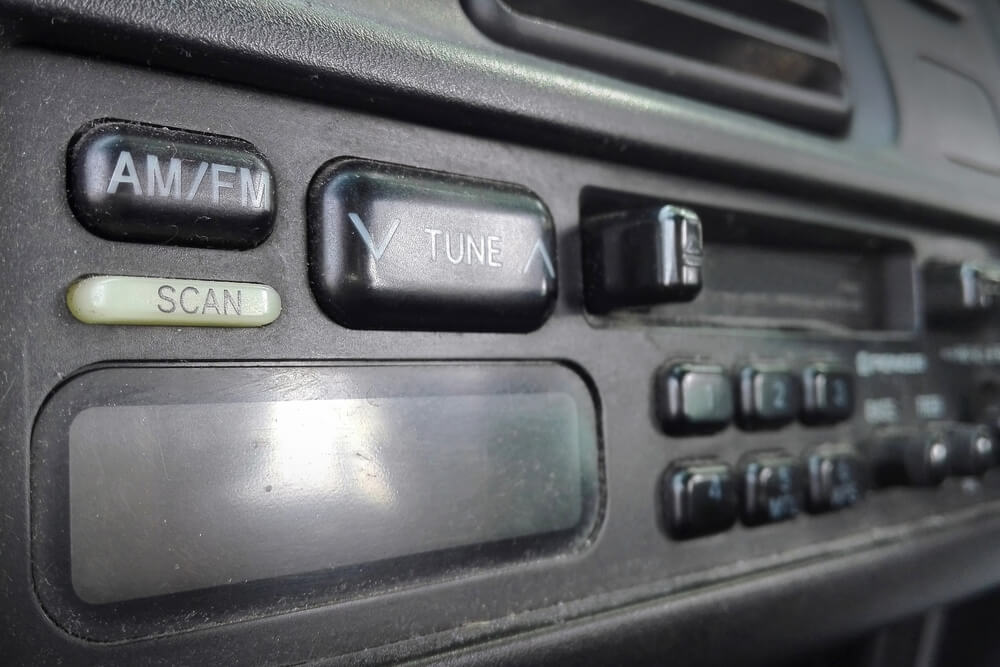
The dial of an early 1960s car radio often carried small triangles at 640 and 1240 on the AM band. Those marks pointed listeners to the Conelrad civil defense system, which would have broadcast emergency information during a nuclear attack.
In 1963 Conelrad was replaced by the Emergency Broadcast System, though the triangles lingered on dials for years afterward. Push buttons let drivers jump to favorite stations without looking, and for many families that was the entire audio system.
The Eight-Track Player
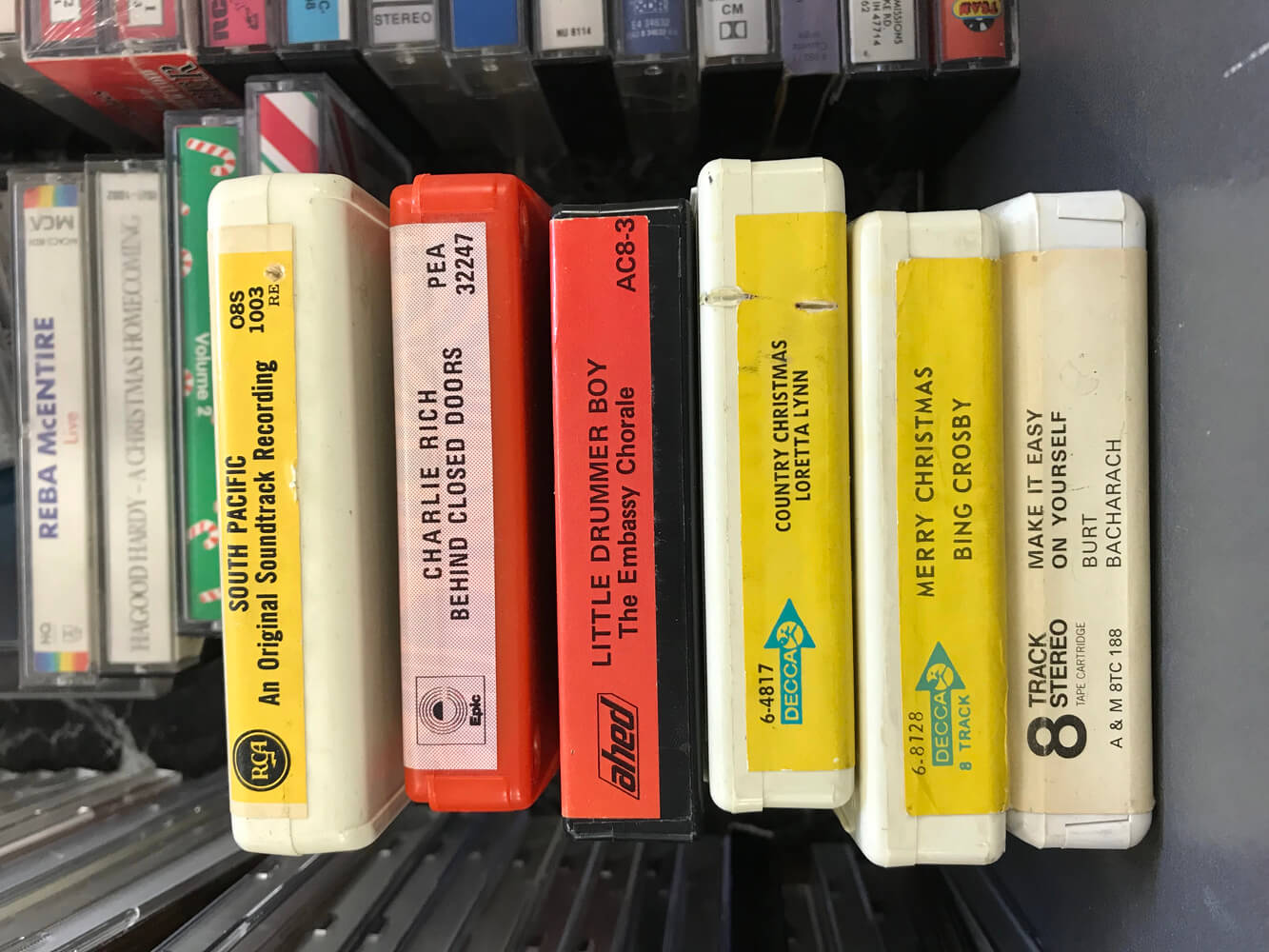
In September 1965, Ford announced that eight-track tape players would be available in its 1966 cars, giving drivers a way to play albums on the road without fiddling with a record. The format was developed by Bill Lear of Learjet fame, and the cartridges clunked loudly when the player switched between programs.
Tapes frequently cut a song in half at the track change. Collectors today hunt for original cartridges, and the price depends heavily on condition, since the tape inside is prone to breaking down.
Simulated Woodgrain Side Panels
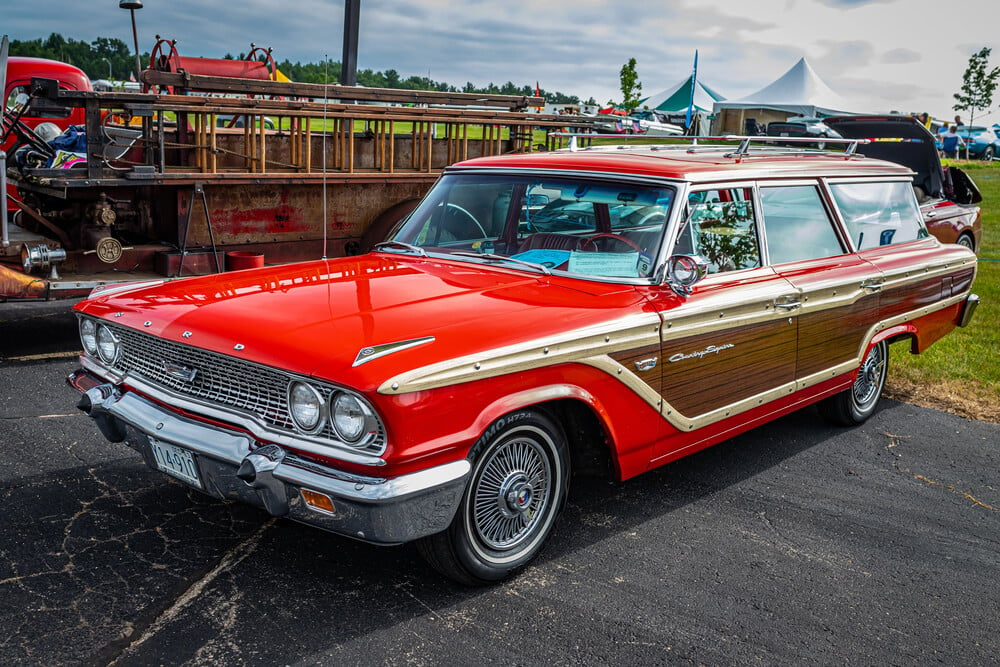
Ford’s Country Squire wagon wore a vinyl woodgrain appliqué on its sides, which carried a suburban prestige that real wood had once held in the 1940s. The material was a self-adhesive film known as Di-Noc, and the factory applied it in large sheets.
The result looked like an old-fashioned woody to anyone standing at a distance of a few feet. Inside, the matching trim on the doors and dash carried the idea throughout the cabin.
The Magic Doorgate
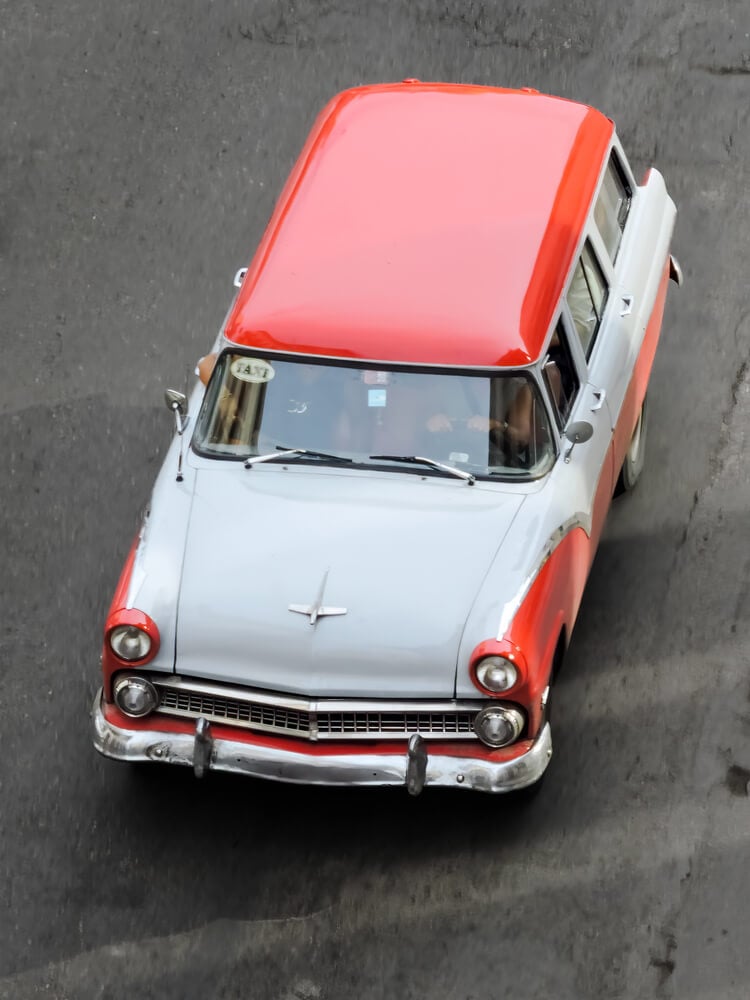
For 1966, Ford introduced the Magic Doorgate on its full-size wagons, a tailgate that swung open sideways like a door or folded down like a conventional tailgate. It let a parent reach the cargo area without climbing over the back or ducking beneath a lowered gate.
The design appeared in advertising as a leading selling point of Ford’s wagon lineup that year. Kids appreciated it for the simpler reason that it made the back of the car more fun to climb in and out of.
The Way-Back Seat
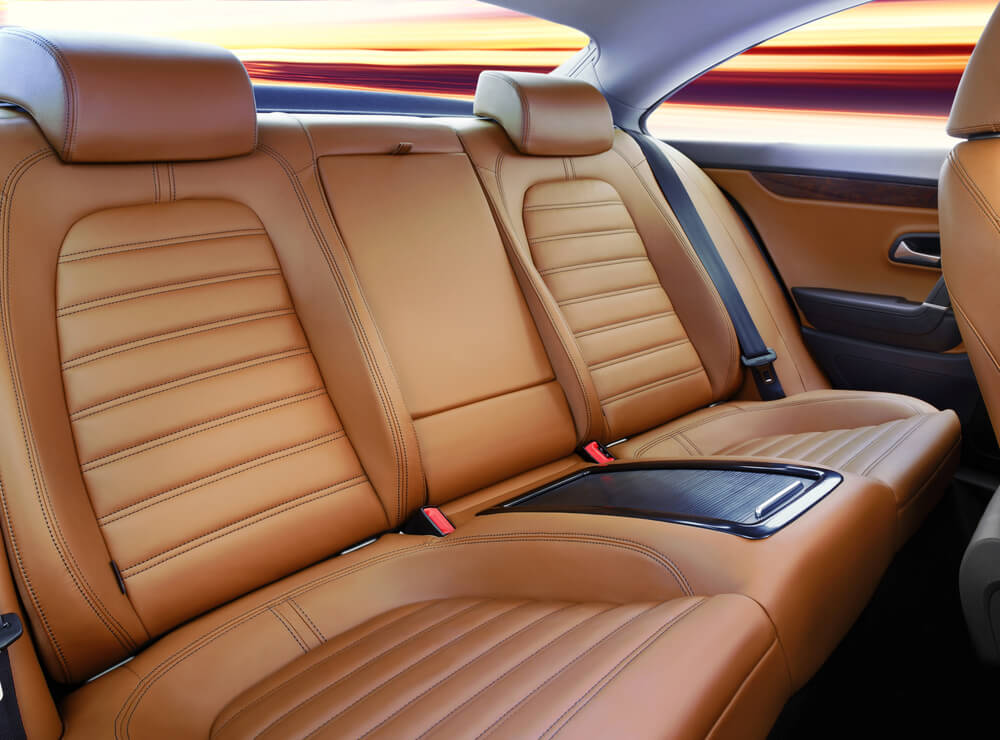
Many full-size wagons offered a rear-facing third row, and kids fought over it. Children in that seat faced the traffic behind them, waved at the drivers of following cars, and had a very short distance to the bumper.
Ford’s Country Squire was among the wagons that offered it as an option in the mid-1960s. The seat folded flat into the floor when not needed, which gave the wagon its full cargo space back.
Wing Windows and Fresh-Air Ventilation
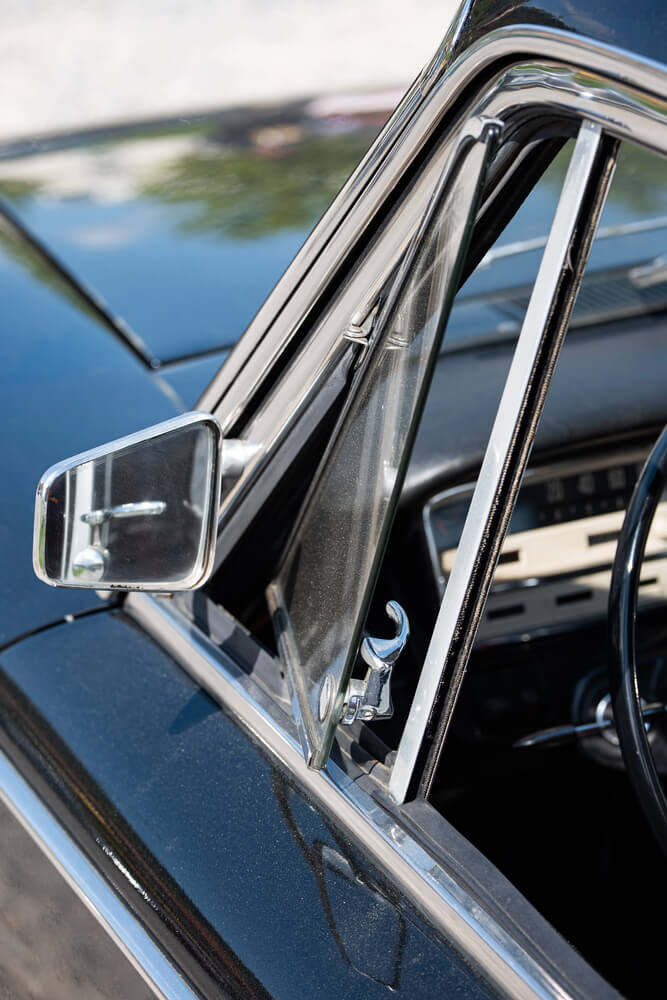
Small triangular vent windows at the front corners of the doors allowed a driver to angle fresh air straight into the cabin. General Motors introduced the idea in the 1930s under the name No-Draft Ventilation, and the pivoting panes were a fixture of family cars for decades.
Air-conditioning-free summers made them valuable, and a passenger could swivel one to blow cool air on a sweaty neck. With 1968 models, GM’s Astro Ventilation system moved air through the cabin using outlets on the dash, and many carmakers dropped the vent windows.
The Floor-Mounted Dimmer Switch
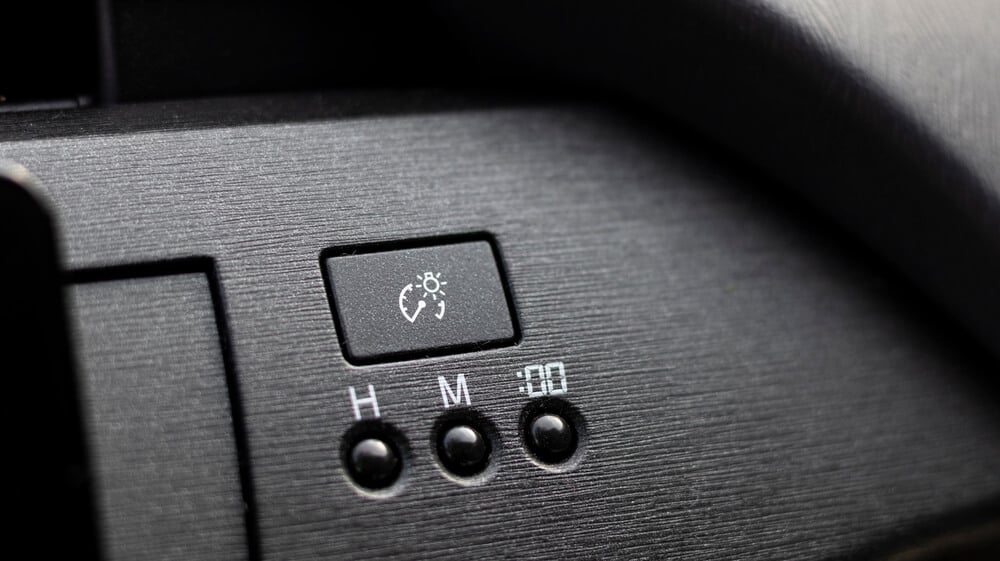
Switching from high beams to low beams on many 1960s cars meant pressing a button on the floor with the left foot. The control sat beside the clutch or left of the brake pedal, and drivers learned to tap it without looking.
It left both hands on the wheel, which was a safety advantage the designers pointed to proudly. A steering column stalk eventually took over the job, and the floor button became a curiosity.
Factory Air Conditioning, If You Could Afford It
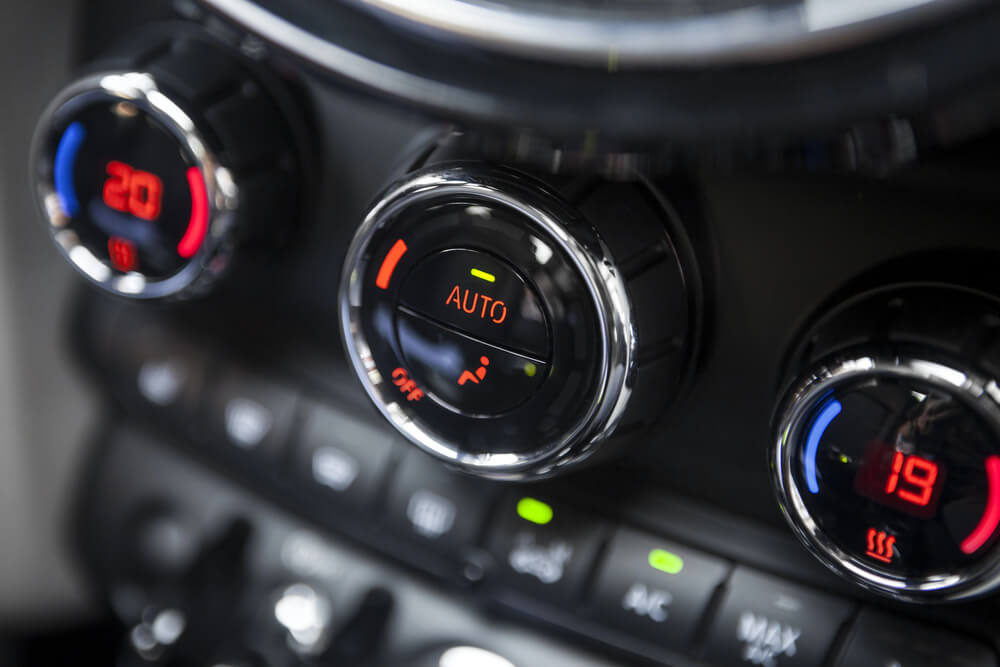
Packard offered the first factory-installed passenger car air conditioning in 1939, but the technology was still an expensive option in most 1960s family cars. Buyers paid extra for the system, and the compressor sapped power from smaller engines.
Families that did not have it relied on open windows, vent windows, and the occasional stop for lemonade. A car with cold air stood out in a parking lot in July, and neighbors noticed.
Free Gas Station Road Maps

Service stations once handed out folded road maps for free, and the glove compartment filled up with them. Many were printed by Rand McNally and carried the logo of the oil company that gave them away.
A driver tracing a route across several states needed several maps, and refolding them correctly was a skill passed from parent to child. The giveaways faded in the 1970s, when oil company priorities shifted after the 1973 oil crisis.
The AAA TripTik
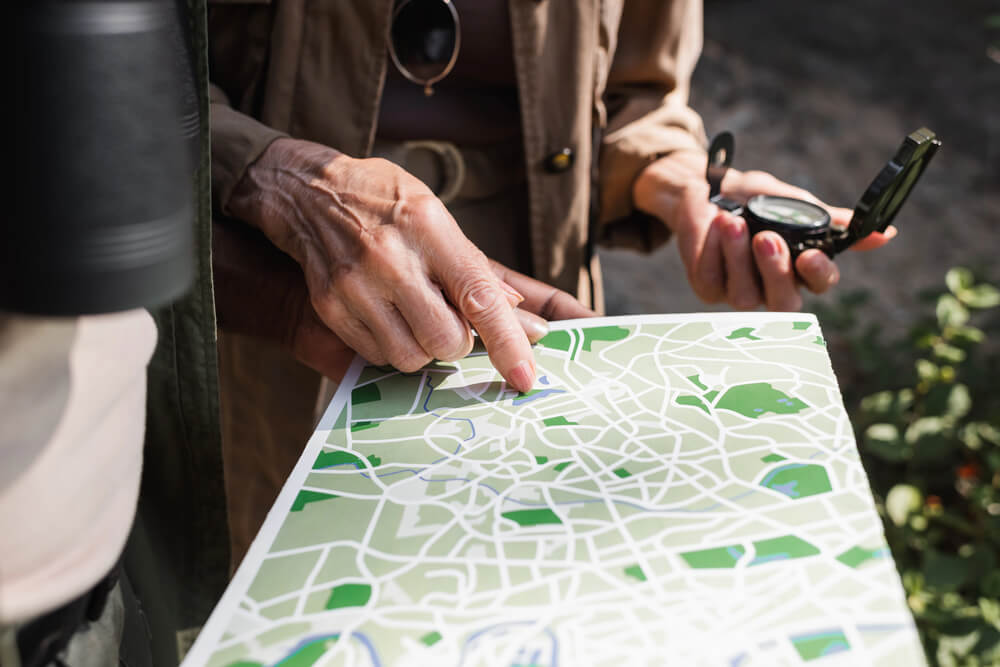
Members of the American Automobile Association could request a custom travel guide called a TripTik, a spiral-bound set of strip maps showing a driver’s route turn by turn. A counselor highlighted the path in marker, so the pages traveled with the family like a handwritten itinerary.
The booklet was mapped in sections, and the navigator flipped to the next page as the miles ticked by. It was the pre-digital version of a GPS voice telling the driver to turn left.
S&H Green Stamps

Sperry and Hutchinson began issuing trading stamps in 1896, and by the 1960s the company’s Green Stamps were pasted into booklets all over America. Gas stations and grocery stores handed them out in proportion to a purchase, and families saved them for toasters, lamps, or bicycles.
A trunk or glove compartment often held a fat booklet waiting for a licking session at the kitchen table. Unused booklets turn up at estate sales, and their collector value depends on condition and whether the stamps are complete.
The Saint Christopher Medal
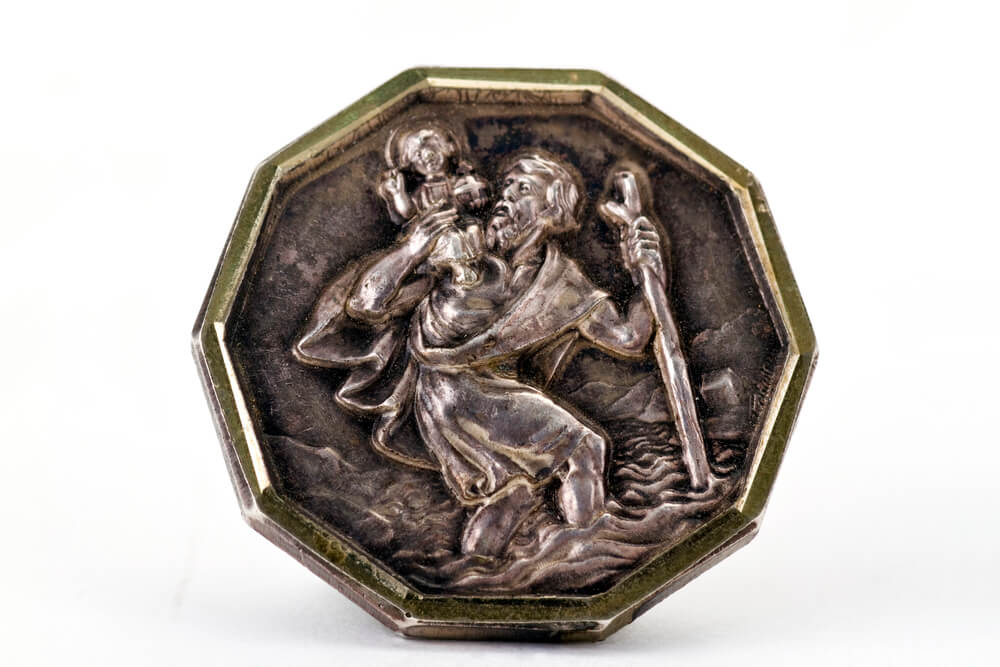
Many Catholic families kept a Saint Christopher medal on the dashboard or clipped to the visor, a charm invoking the patron saint of travelers. The medals came in magnetic versions that stuck to the metal dash.
In 1969, the Roman Catholic Church removed Saint Christopher from its General Roman Calendar during a revision, though the devotion among motorists continued. Plenty of drivers kept theirs anyway.
The Glove Compartment
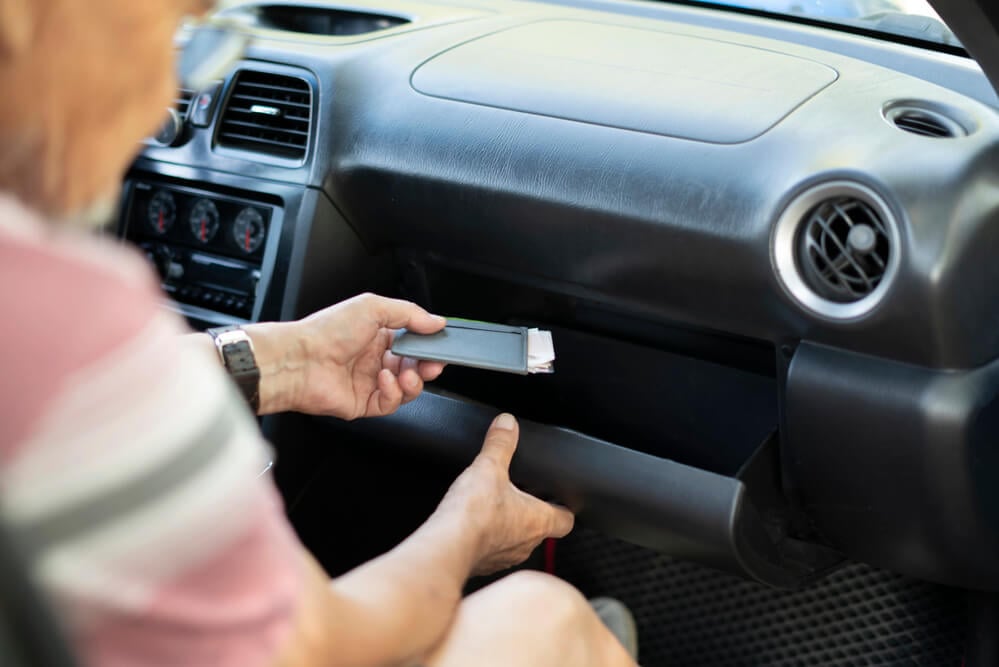
A hinged door in the dashboard held the owner’s manual, the registration, a tire pressure gauge, and a mound of napkins. The name dates to the early days of motoring, when drivers wore gloves and needed a place to stash them.
By the 1960s the box rarely held gloves at all, but the name stuck. It also served as a parent’s private archive of maps, receipts, and half-melted candy.
Bias-Ply Tires and a Full-Size Spare
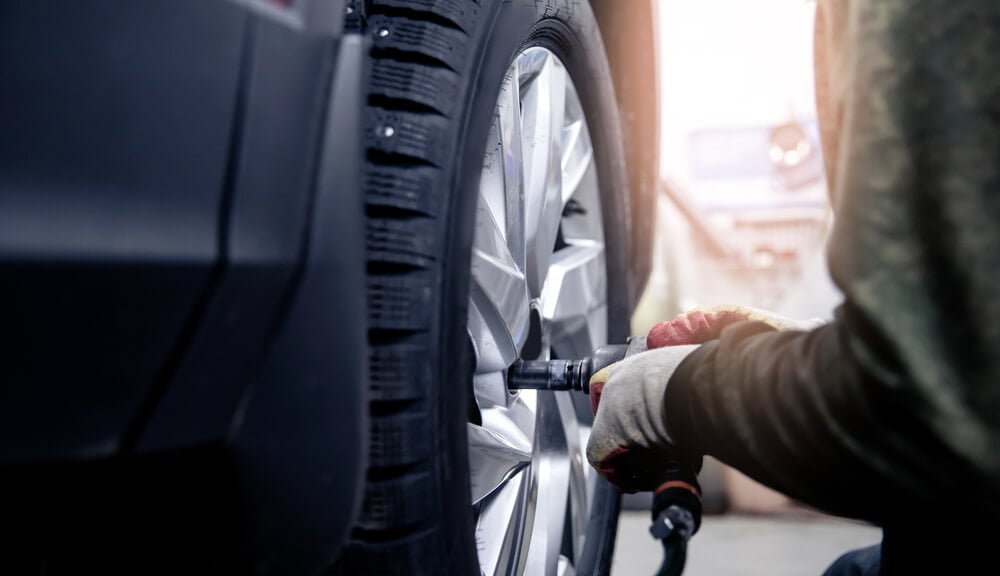
Detroit equipped nearly every American family car with bias-ply tires, even though Michelin had patented the radial design in 1946. Radials gave better mileage and longer life, but they were slow to catch on in the United States.
The trunk carried a full-size spare and a jack that could be a wobbly affair on soft shoulders. Changing a flat on the side of the highway was something nearly every driver expected to do at some point.
The Thermos Jug

Scottish scientist James Dewar invented the vacuum flask in 1892, and a German company trademarked the Thermos name in 1904. By the 1960s the flask was a staple of family road trips, filled with coffee for the front seat and lemonade for the back.
A cracked glass liner was the standard cause of failure, and a dropped Thermos made a distinct sound. The tin-and-glass models seen at flea markets today are priced according to their condition, with unbroken liners fetching the most.
Child Seats Before Child Seats

Children in a 1960s car rode on the seat, in an adult’s lap, or standing up on the floor hump. British designer Jean Ames developed a rear-facing child seat in 1962, but such products were rare and homemade solutions were more common.
A federal standard for child restraints arrived in 1971, and Tennessee became the first state to require child seats in 1978. The gap between the early designs and those requirements was large enough that an entire generation grew up without them.
The Drive-In Movie Speaker
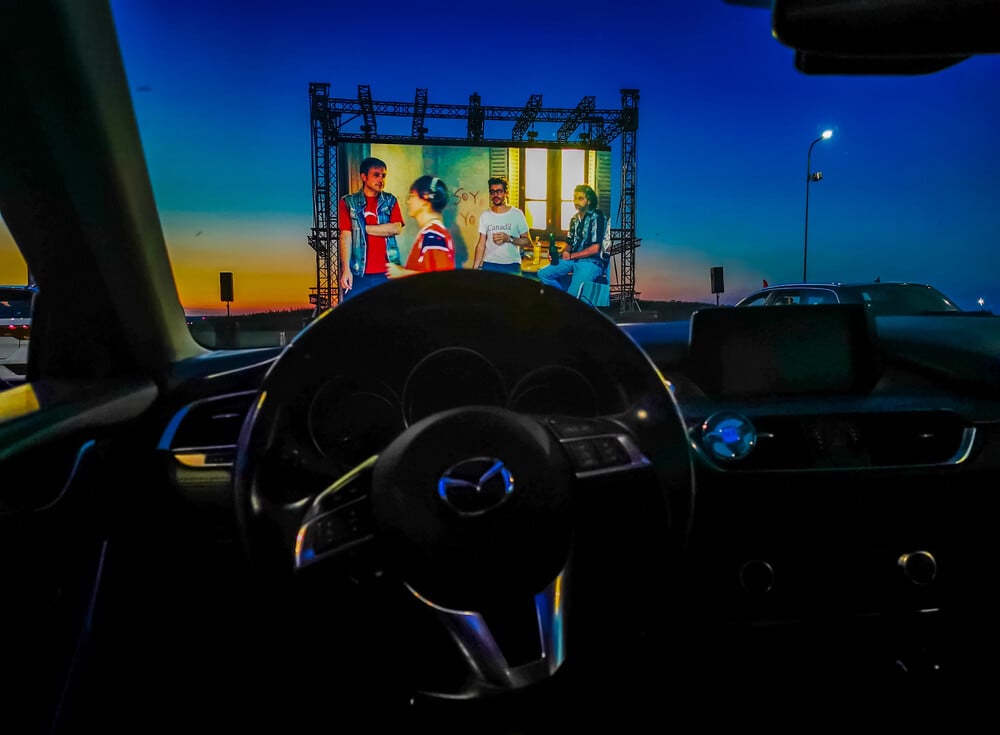
Richard Hollingshead opened the first drive-in theater in Camden, New Jersey, in 1933, and the format became a family favorite in the decades that followed. In the 1960s, a speaker on a post was clipped to the driver’s window, and it brought a tinny version of the film’s soundtrack into the car.
Families arrived in pajamas, kids fell asleep in the back, and the car became a private theater. The speaker’s cord sometimes stayed attached when drivers pulled away, with predictable results for the window.
The License Plate Game
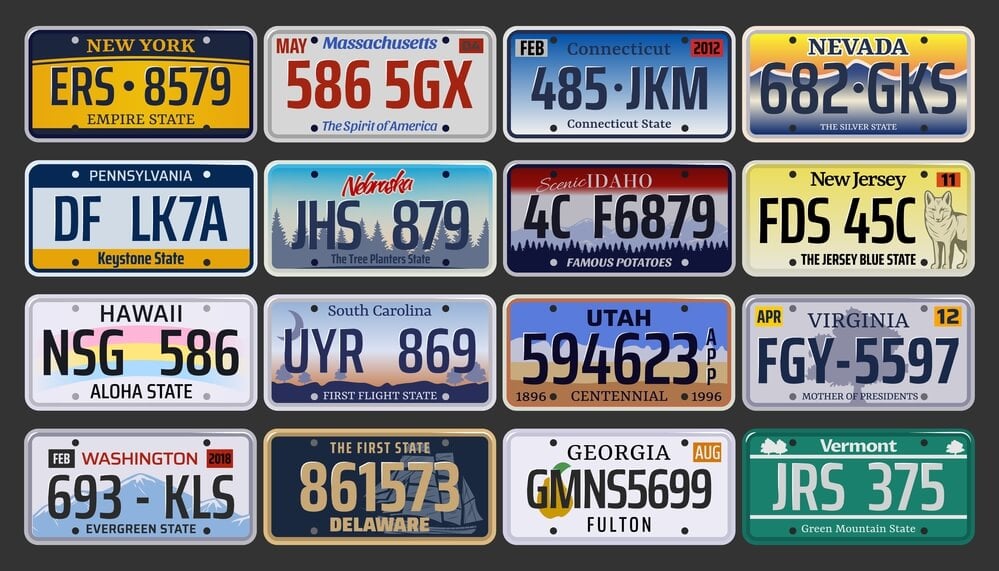
Alaska and Hawaii joined the Union in 1959, which meant that by the 1960s a bored child in the back seat could hunt for plates from all 50 states. The game had no equipment and no rules beyond keeping a tally of the states.
Alaska was the usual hardest find, followed by Hawaii, since neither state was connected to the highway network the family was traveling. A parent could end a long argument by declaring a winner.
The Kodak Instamatic
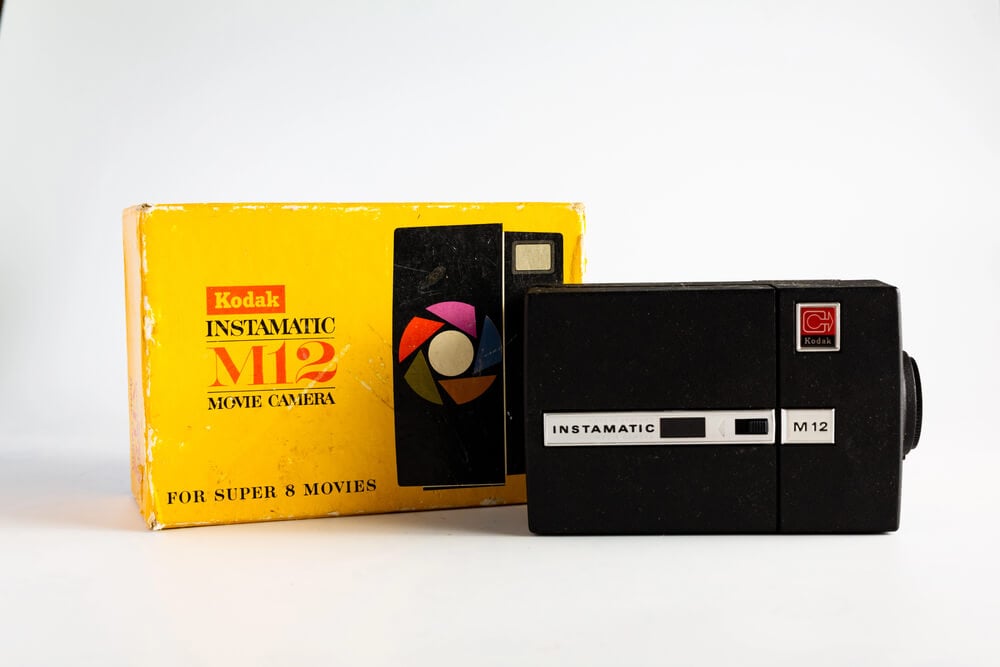
Kodak introduced the Instamatic camera in 1963, built around a drop-in film cartridge that removed the fiddly business of loading film. It was sold for family snapshots, and many ended up on the dashboard or in the lap of a passenger ready to capture a scenic overlook.
Millions of photos from 1960s vacations came from this simple camera. Vintage models turn up at flea markets, and the price depends on whether the camera is clean and the flash is intact.
The Beetle’s Fuel Reserve Lever
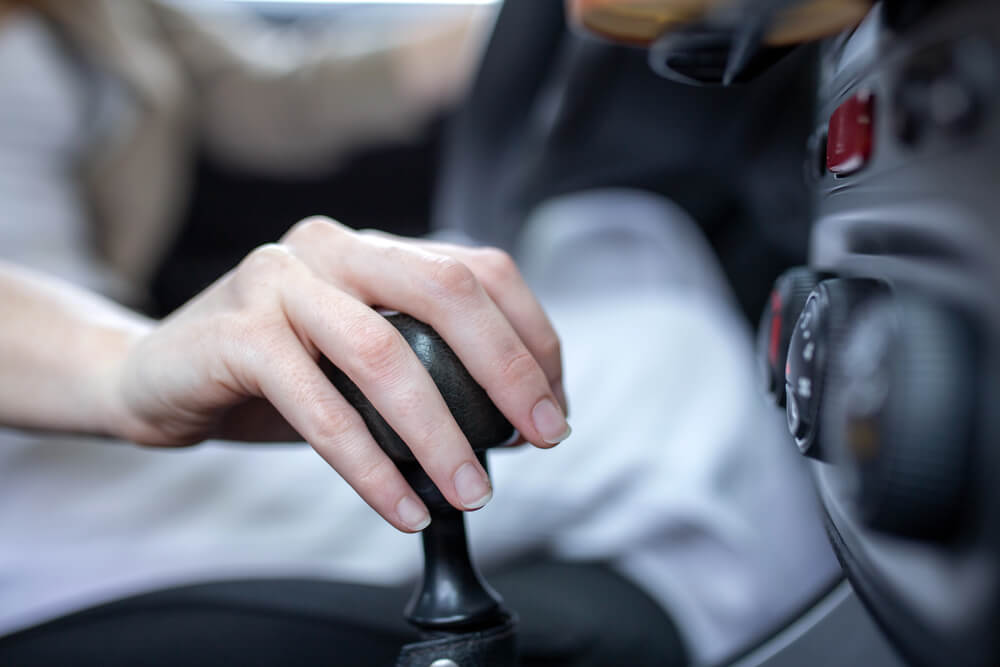
Volkswagen Beetles built before the 1962 model year had no fuel gauge. When the engine sputtered, the driver reached down and flipped a small lever near the floor to open a modest reserve in the tank.
It was a simple system and it worked, but it made every running-on-empty moment into a small adventure. Families who drove Beetles learned to track mileage between fill-ups instead of trusting a needle.
Burma-Shave Jingles From the Back Seat

Burma-Shave signs lined American roadsides from 1925, each set spaced out so that a car passing at speed could read a short rhyme one line at a time. Children read them aloud from the back seat, and the final sign always carried the product name.
The company was sold in 1963, and the signs gradually disappeared from the highways during the 1960s. Surviving sets are prized by collectors, and the price depends on whether the paint and wood are original and in good condition.
The Cabin as a Time Capsule
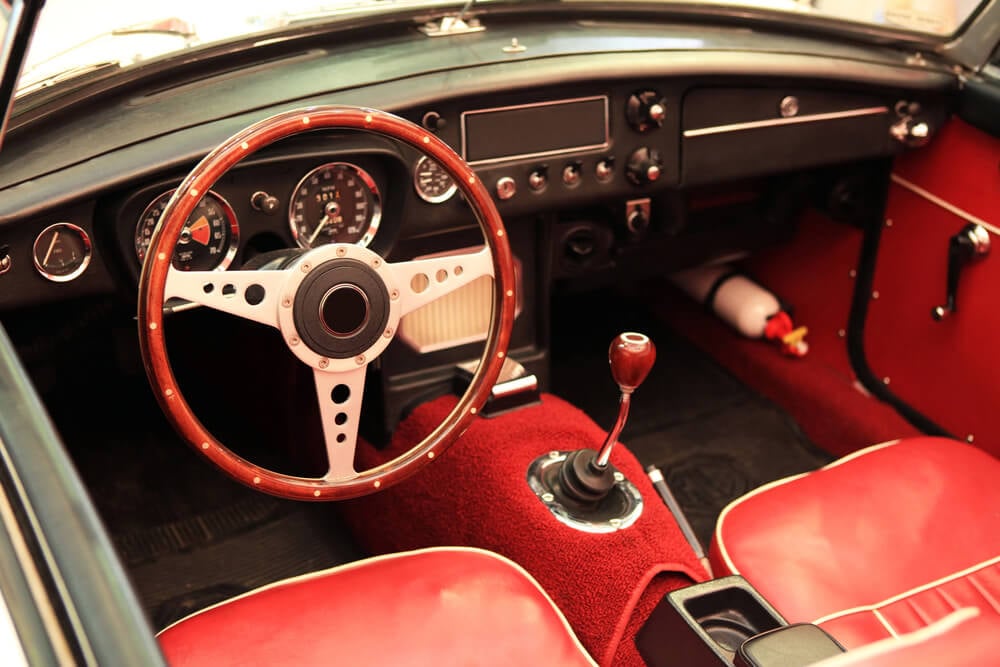
A 1960s family car sat at an odd crossroads between comfort and safety. It carried pushbuttons, plush vinyl, and cheerful gadgets, along with the first stirrings of federal regulation.
Some of what was inside protected families better than they realized, and some of it was a hazard no one had named yet. The same cabin could hold a Saint Christopher medal and a collapsible steering column without the two ever seeming out of place.
The details that made it feel familiar were small ones: a map unfolded across a lap, a tape cartridge clunking, a jug of lemonade passed forward. Those objects survive in photographs and flea markets, and they hint at a decade that was learning how to travel.
The cars changed quickly, and the habits of the people inside them changed more slowly.
More from Go2Tutors!

- 27 Silver Dollars and Half Dollars Worth Keeping
- 28 Restaurant Menu Items Nobody Orders Anymore
- 17 Places Built in Seemingly Impossible Spots
- 27 Vintage Rings Worth More Than They Look
- 25 Restricted Sites Tourists Can’t Enter
Like Go2Tutors’s content? Follow us on MSN.