12 Things You Can’t Eat in Certain Places
Food brings people together, but sometimes it drives governments apart. What’s perfectly normal on your dinner table might be completely illegal just a few countries away. These food bans range from legitimate safety concerns to cultural tensions, economic protections, and sometimes just plain bureaucratic confusion.
The reasons behind these restrictions tell fascinating stories about different societies and their priorities. Here is a list of 12 things you can’t eat in certain places around the world.
Kinder Surprise Eggs in the United States
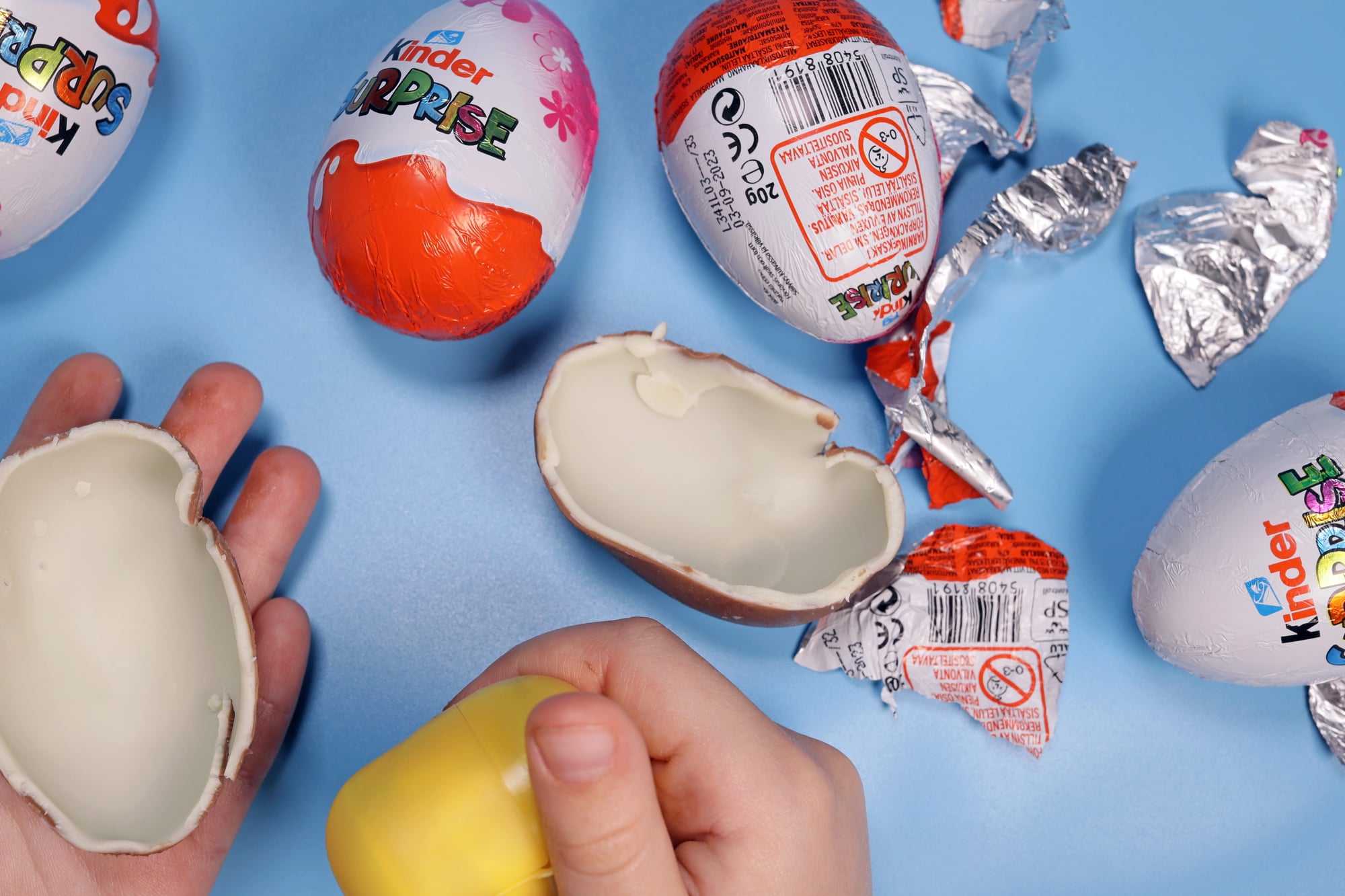
The beloved chocolate eggs with toys inside are illegal to import or sell in America because of a 1938 law that prohibits placing non-food items inside edible products. The FDA considers any food containing embedded objects as ‘adulterated,’ which makes them illegal to sell.
Americans can get Kinder Joy eggs instead, where the toy and chocolate are separated, but the classic surprise egg remains off-limits.
Haggis in the United States
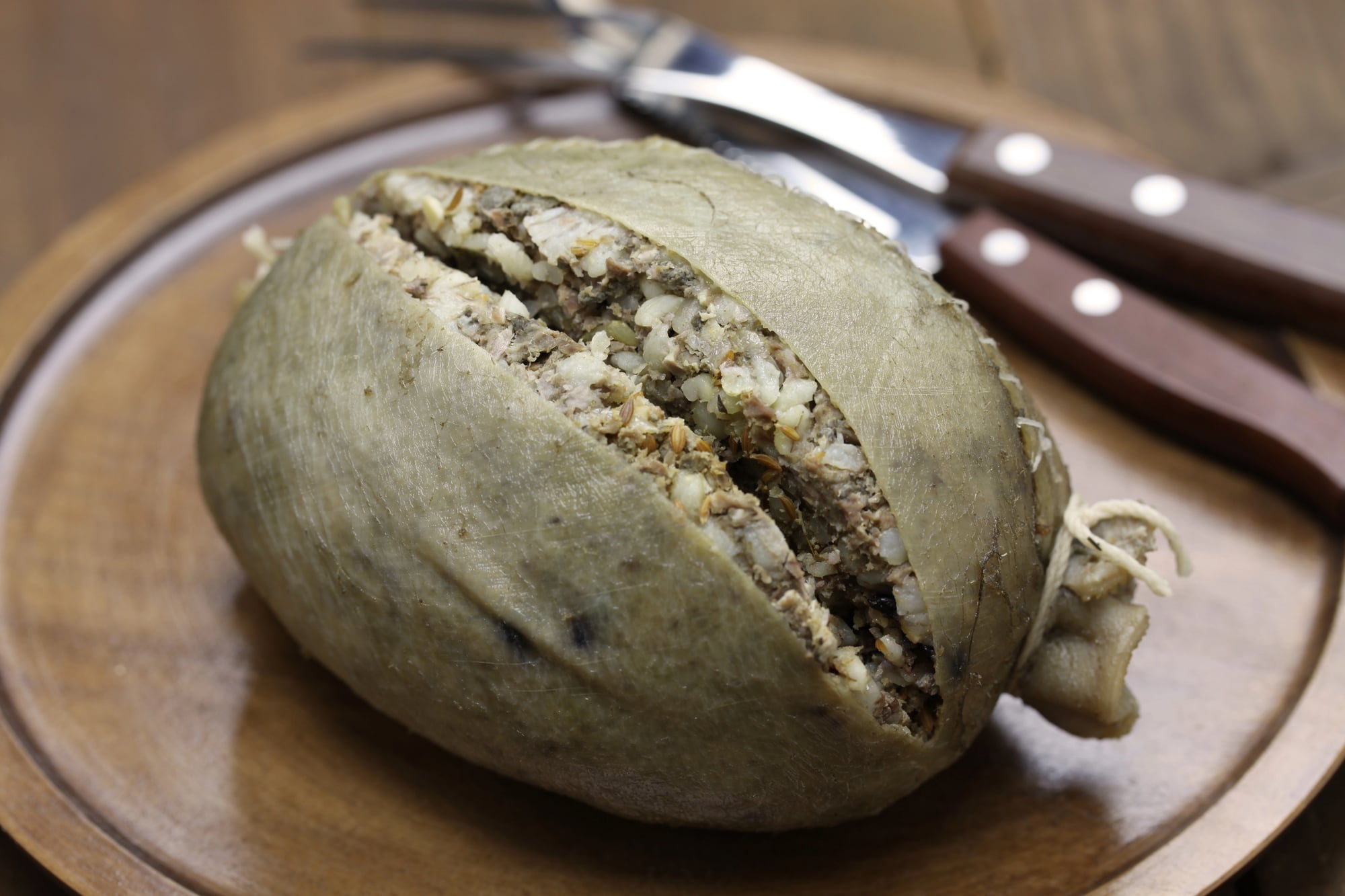
Scotland’s national dish has been banned from American imports since 1971 because it contains sheep lungs. According to the Federal Code of Regulations, “Livestock lungs shall not be saved for use in human food,” and this rule has effectively made Scotland’s national dish inaccessible to most Americans.
You can find American-made versions without the lungs, but purists argue it’s just not the same.
Foie Gras in California and New York City
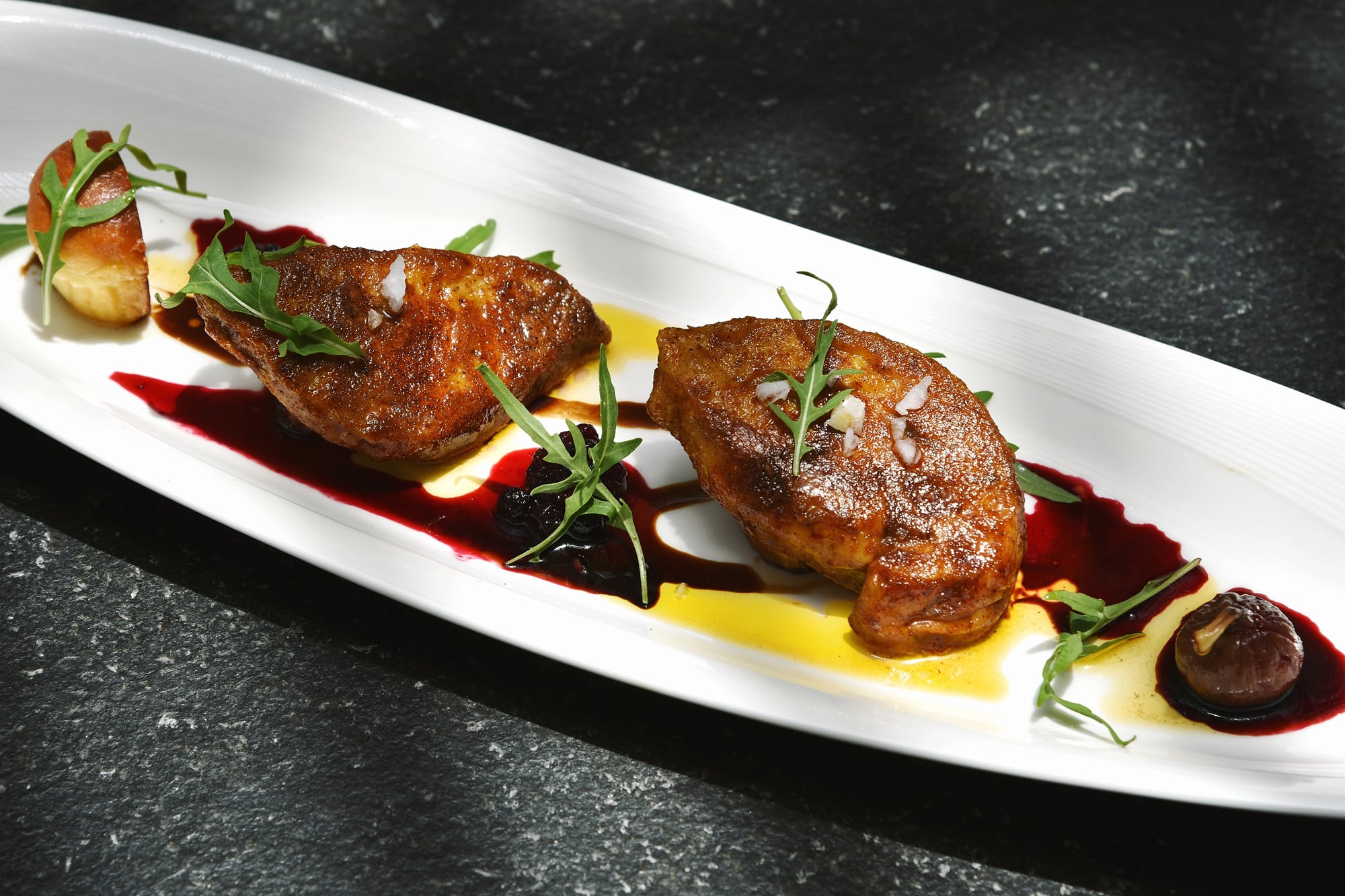
The controversial delicacy made from duck or goose liver is banned in California and was temporarily banned in New York City due to animal cruelty concerns. The production process involves force-feeding birds to enlarge their livers, which many consider inhumane.
Several other cities and states are considering similar restrictions.
Coffee-mate Creamer in Several European Countries
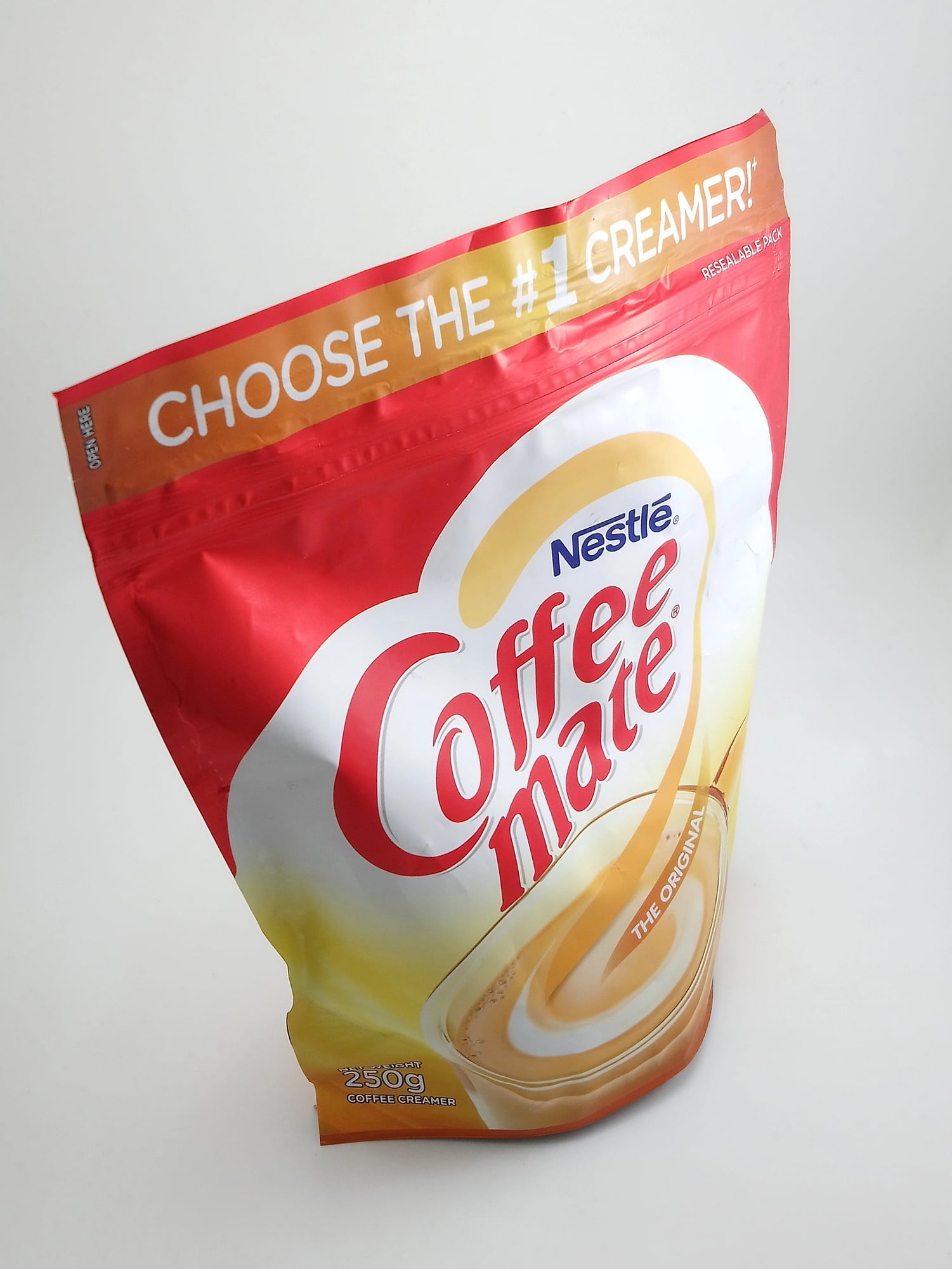
This popular American coffee additive is banned in countries like Denmark, Norway, Iceland, and Switzerland because it contains trans fats from partially hydrogenated oils. These artificial fats have been linked to heart disease and other health problems.
Europeans prefer natural cream or plant-based alternatives that don’t contain these problematic ingredients.
Skittles with Artificial Dyes in Some European Countries

The rainbow candies Americans love contain artificial food dyes like Yellow 5 and Red 40 that are restricted or require warning labels in many European countries. Some nations have banned products containing these dyes entirely due to studies linking them to hyperactivity in children.
European versions of Skittles use natural coloring instead.
Fugu Pufferfish in Most Countries
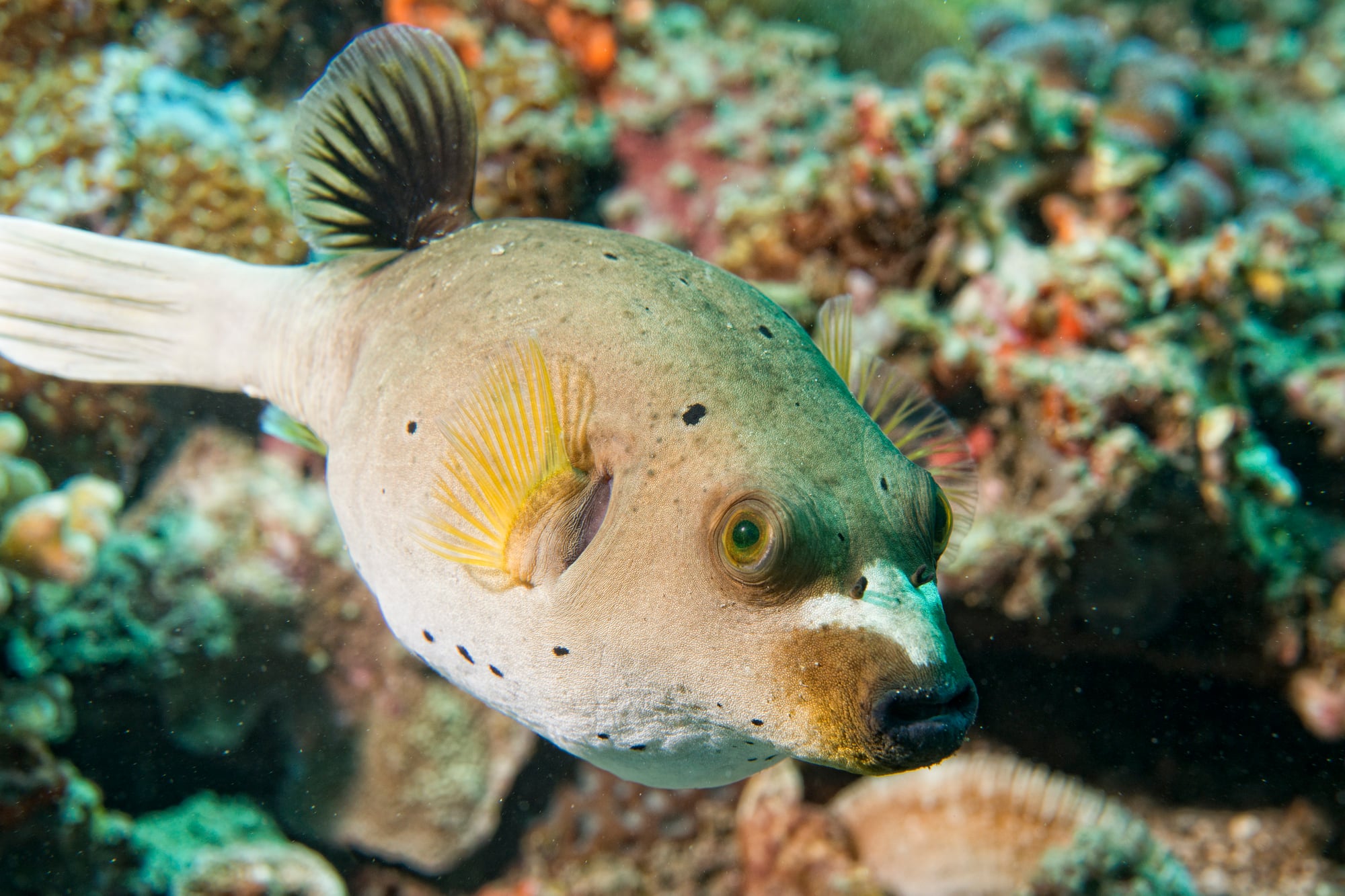
This Japanese delicacy is banned in most places worldwide because it contains tetrodotoxin, a poison that can paralyze your nervous system and stop your breathing. You need a license and intense training to cook this Japanese puffer fish, which contains potentially lethal amounts of tetrodotoxin, which can paralyze your body and stop your breathing.
Even in Japan, only specially trained and licensed chefs can prepare it.
American Corn in Several Countries
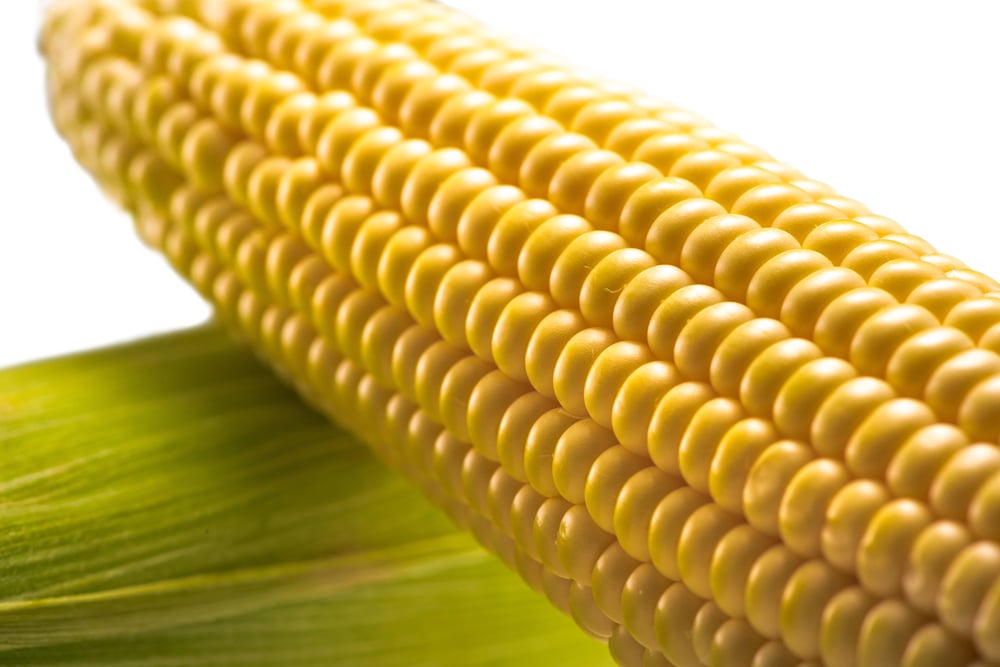
Many countries ban or heavily regulate American corn because much of it is genetically modified to resist pests and herbicides. Nations like France, Germany, and several others in the European Union have strict GMO labeling requirements or outright bans.
They worry about the long-term environmental and health effects of consuming genetically altered crops.
Shark Fin Soup in Many US States
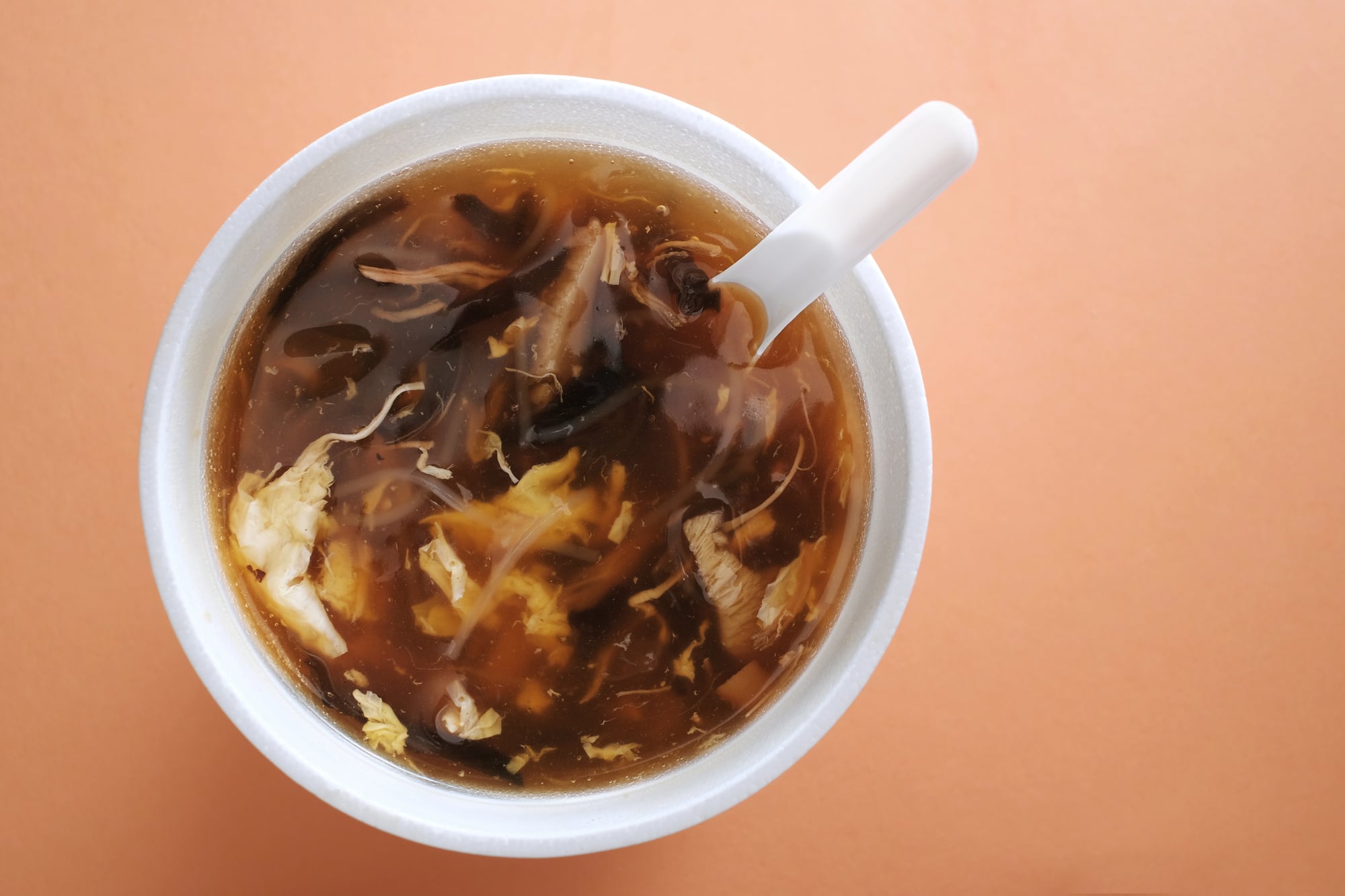
Over a dozen American states have banned the sale and possession of shark fins, effectively making shark fin soup illegal. The practice of shark finning involves cutting off fins and throwing the shark back into the ocean to die, which is considered both cruel and environmentally destructive.
California was the first state to implement this ban in 2011.
Raw Milk Cheese Under 60 Days in the United States

Unpasteurized cheeses aged less than 60 days are illegal to sell in America due to potential bacterial contamination risks. This means many traditional European cheeses like young Roquefort or fresh mozzarella made with raw milk can’t be imported.
The FDA requires either pasteurization or extended aging to kill harmful bacteria.
Chewing Gum in Singapore
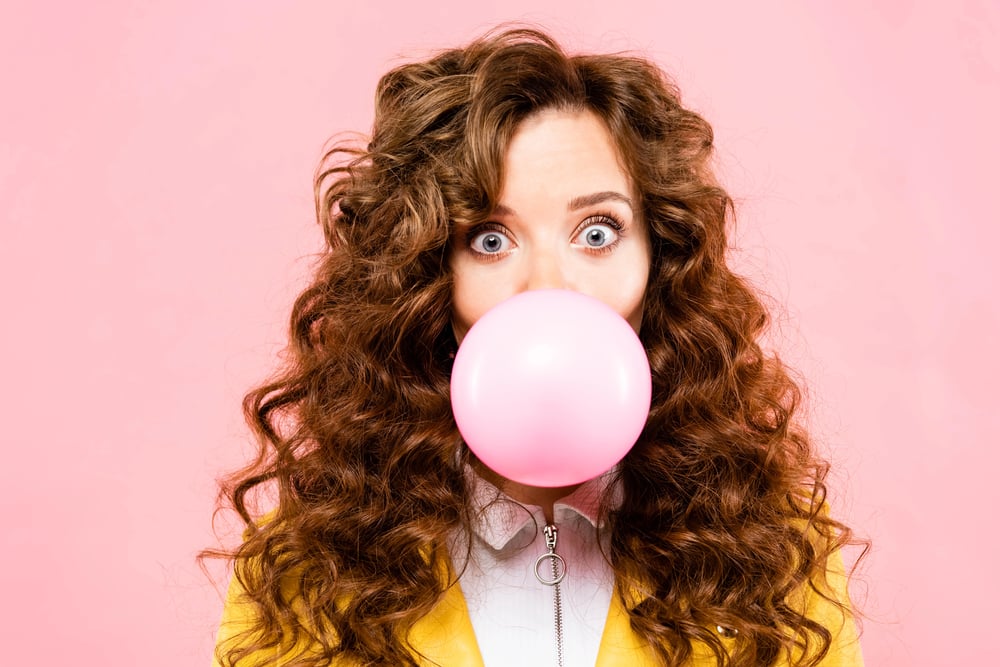
Singapore has banned the sale of chewing gum since 1992, except for therapeutic gum available from pharmacies with a prescription. The government implemented this ban because discarded gum was causing problems with public transportation and buildings.
You can chew gum there, but you can’t buy it or sell it.
Bushmeat in Most Western Countries
While bushmeat is eaten widely in western and Central Africa, this flesh is banned in many countries, and the World Health Organization (WHO) is encouraging other countries to follow suit, as this is linked with spreading disease. The meat from wild animals like bats, primates, and other wildlife carries significant disease transmission risks.
Certain Kebabs in Venice, Italy
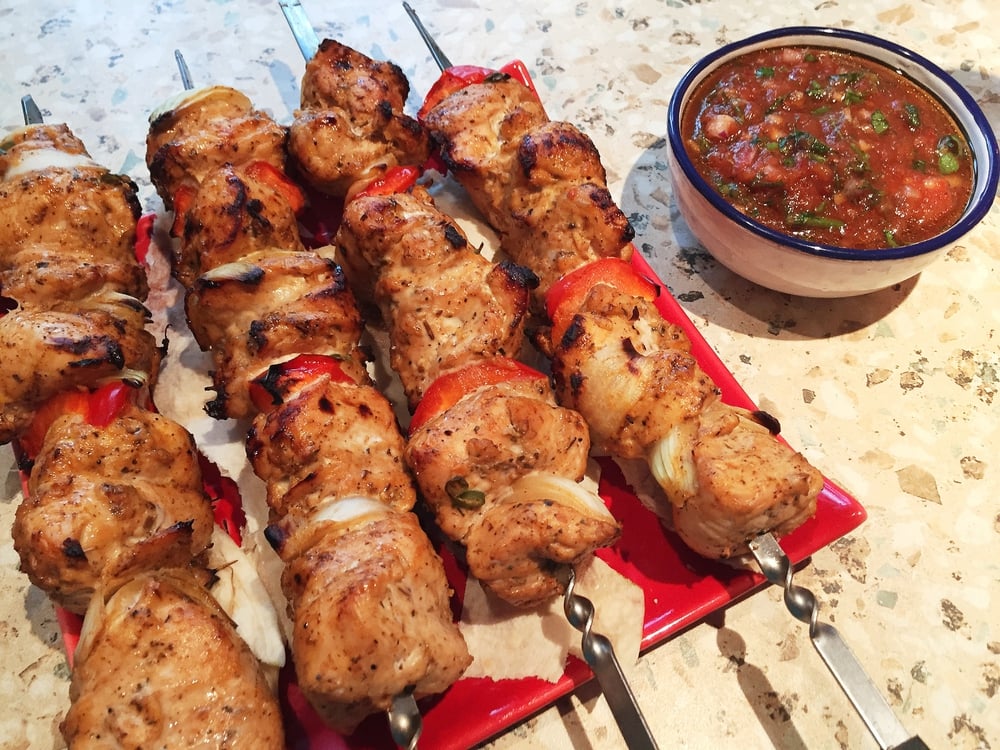
Venice has banned new kebab shops from opening in the historic city center, claiming they don’t fit with the cultural atmosphere they want to maintain. Existing kebab shops can stay, but no new ones can open in the tourist areas.
City officials argue that fast food doesn’t align with Venice’s culinary heritage and aesthetic standards.
When Food Becomes Politics
These food restrictions reveal how deeply our meals are connected to politics, culture, and national identity. What one country considers a harmless snack, another sees as a threat to public health or cultural values.
As global trade continues and food safety science evolves, we’ll likely see more foods crossing borders in both directions. The challenge for travelers and food lovers is staying informed about what’s welcome at their destination and what might land them in unexpected trouble with local authorities.
More from Go2Tutors!

- The Romanov Crown Jewels and Their Tragic Fate
- 13 Historical Mysteries That Science Still Can’t Solve
- Famous Hoaxes That Fooled the World for Years
- 15 Child Stars with Tragic Adult Lives
- 16 Famous Jewelry Pieces in History
Like Go2Tutors’s content? Follow us on MSN.