29 School Supplies Kids Carried and Nobody Sells Now
A back-to-school list from the 1970s or 1980s reads like an inventory from a different profession entirely. Metal boxes, carbon sheets, and slide rules shared backpack space with items that now only turn up at flea markets or in a parent’s old closet.
Most of these supplies vanished for practical reasons: technology replaced them, safety standards phased them out, or manufacturers simply stopped making them once demand dried up.
Trapper Keeper Binder
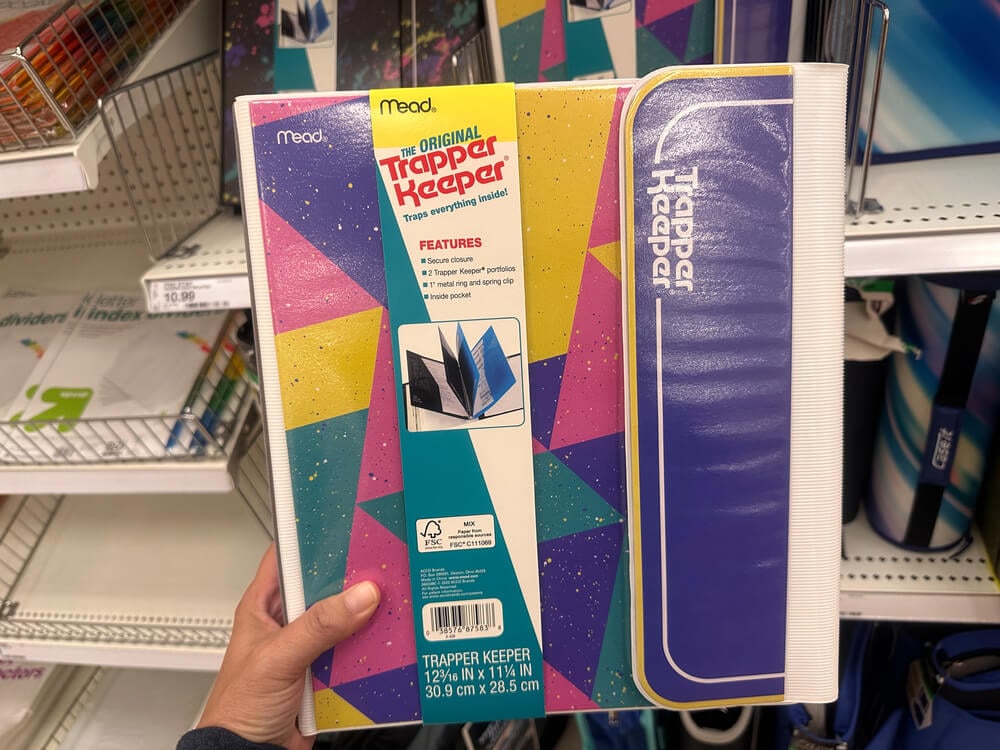
This ring binder with a Velcro-style flap closure and pocketed folders inside became a defining school accessory of the 1980s, prized as much for its decorated covers as its organizational function. Kids traded and compared cover designs the way earlier generations traded cards.
Modern binder designs have moved toward simpler, flatter styles without the folding flap system.
Metal Pencil Box With a Sliding Lid
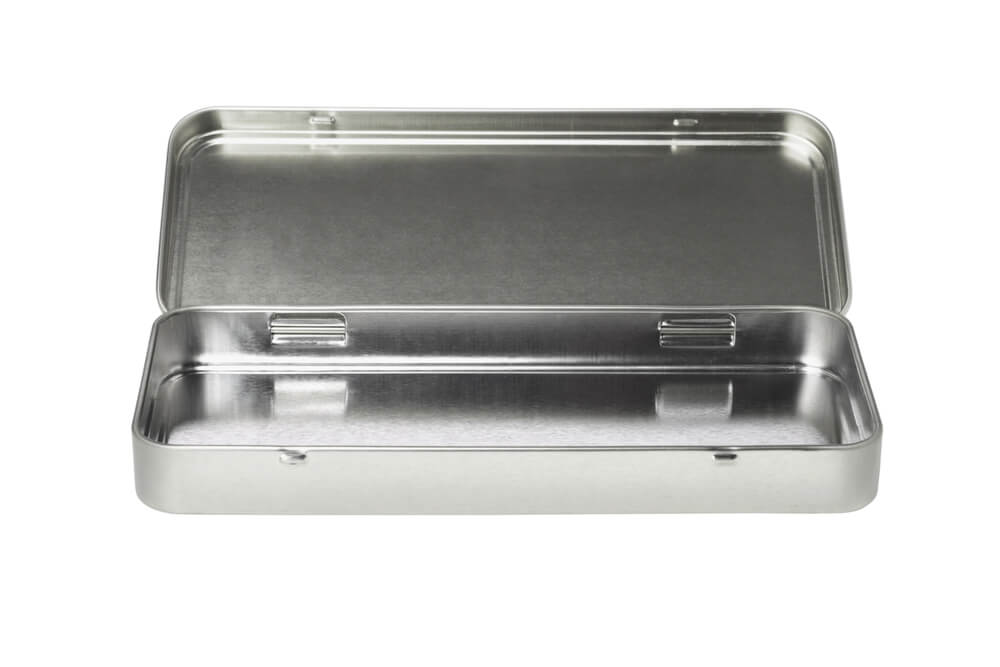
Long metal boxes with a lid that slid open on rails held pencils, erasers, and small tools, and doubled as a percussion instrument when dropped in a quiet classroom. The metal construction made them durable but also loud and occasionally sharp-edged along worn seams.
Plastic and fabric cases eventually replaced them almost entirely.
Peechee Folders With Illustrated Covers
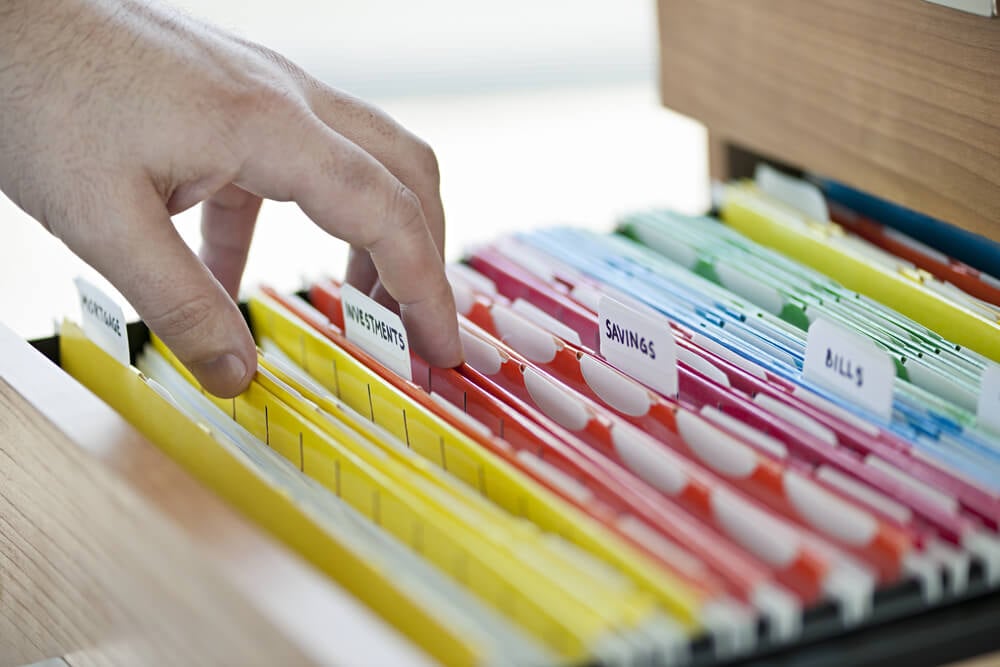
These glossy manila folders featured recognizable illustrated cover art of students engaged in outdoor activities, printed the same way across generations of students. The folders held loose papers without rings, relying on interior pockets instead.
Digital assignment tracking and different folder styles have largely pushed this specific format out of stores.
Slide Rule
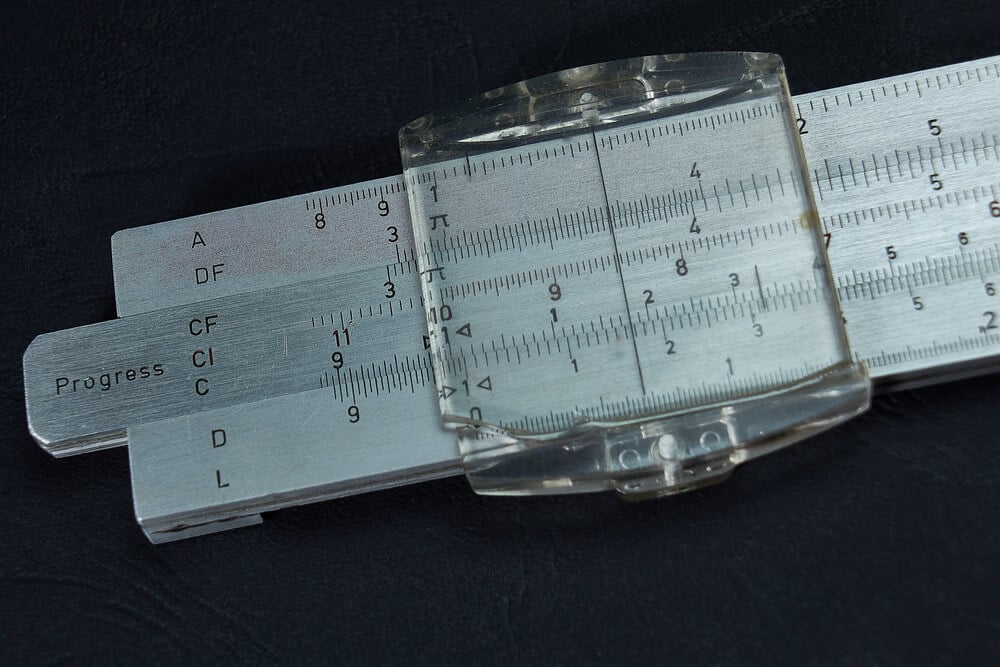
Before calculators became affordable and common, students used a sliding ruler-like device with logarithmic scales to perform multiplication, division, and other calculations by hand. Learning to read a slide rule accurately took real practice and was a standard part of math and science classes.
Pocket calculators made the tool obsolete within a single generation.
Carbon Paper
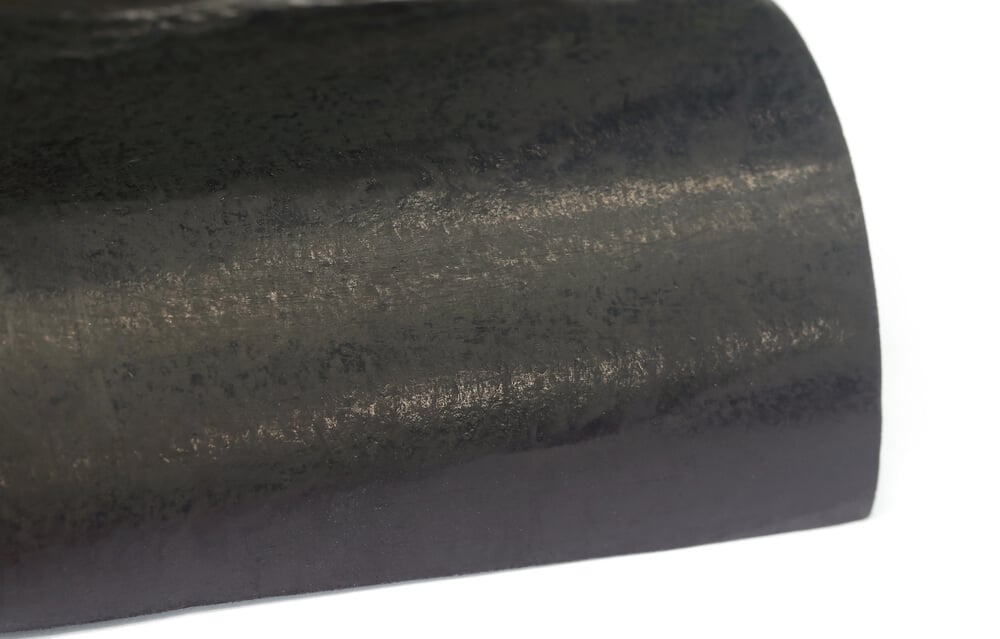
Thin sheets of carbon-coated paper let students and teachers create an instant duplicate of handwritten or typed pages by pressing through the original sheet onto a second one below. The ink transferred imperfectly and smudged easily on fingers and desks.
Photocopiers and digital printing eliminated the need for this method almost entirely.
Mimeographed Handouts
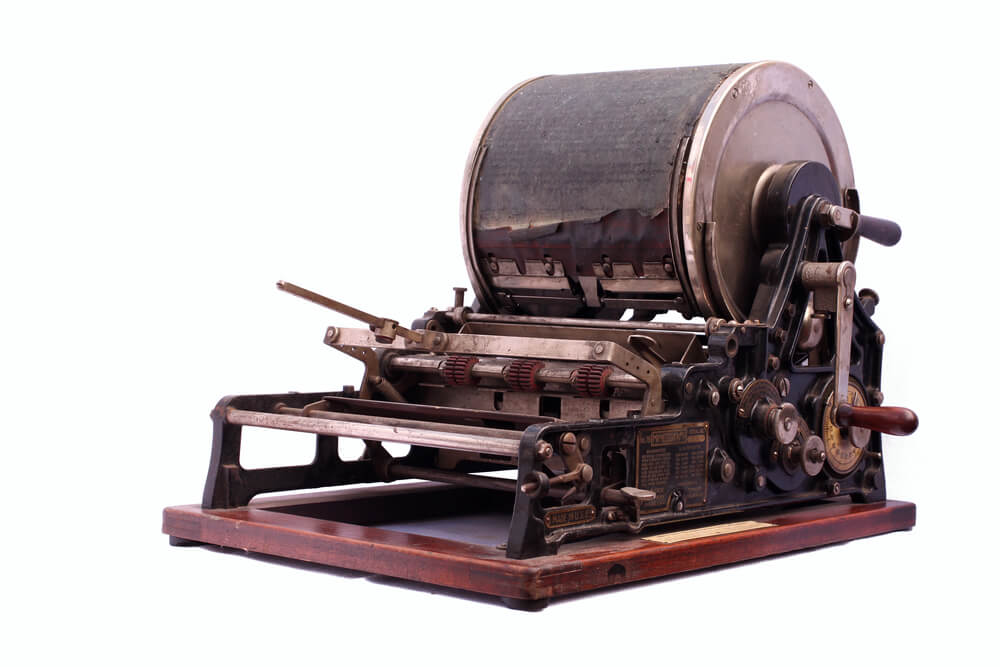
Teachers ran master sheets through a rotary duplicating machine to produce classroom sets of worksheets and tests, printed in black ink from a stencil rather than photocopied. The machines required regular maintenance and produced copies with a distinctive uneven printing pattern.
Photocopiers replaced mimeograph machines in most schools by the 1980s.
Erasable Ink Pens
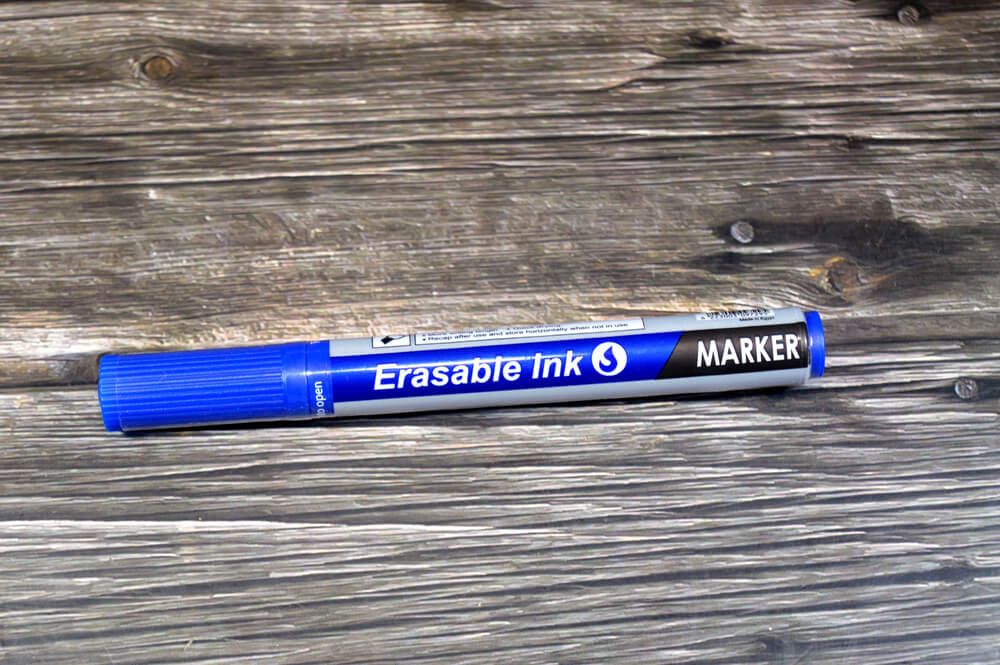
Pens marketed as erasable used a specially formulated ink that could be rubbed away with an attached eraser tip, a novelty that let students write in pen without committing to permanent mistakes. The ink tended to smear rather than fully erase and faded over time even when left alone.
The format never fully disappeared but became far less common as gel and standard retractable pens dominated the market.
Rub-On Transfer Lettering Sheets
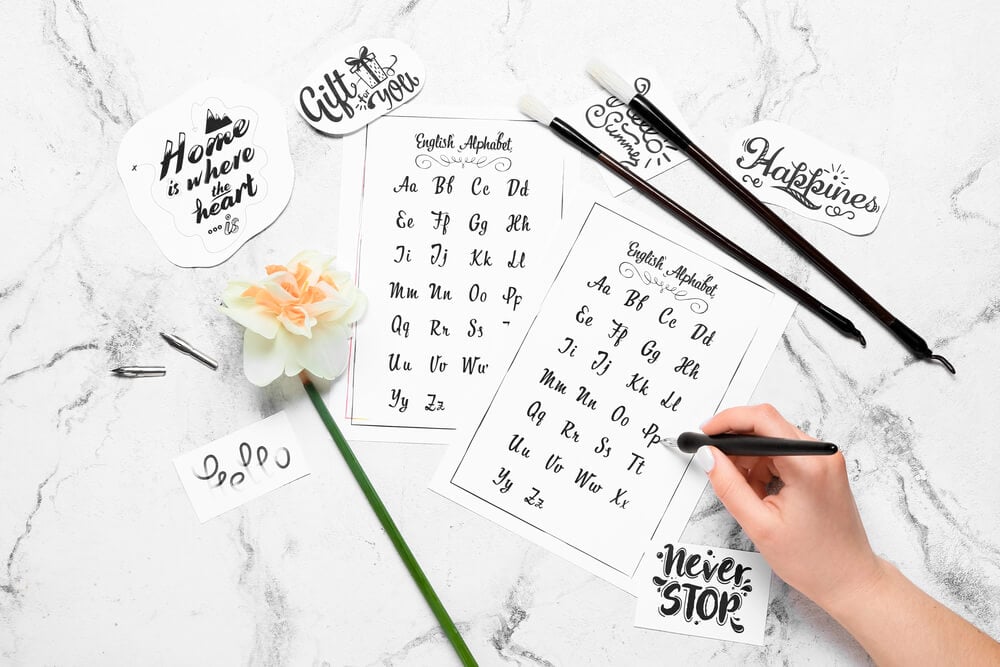
Sheets of pre-printed letters could be rubbed onto poster board or report covers using a pencil or stylus, transferring clean, professional-looking text without hand lettering. The process required patience and a steady hand to avoid smudged or incomplete letters.
Word processing and printable labels made the technique unnecessary for most school projects.
Metal Lunchbox With a Matching Thermos
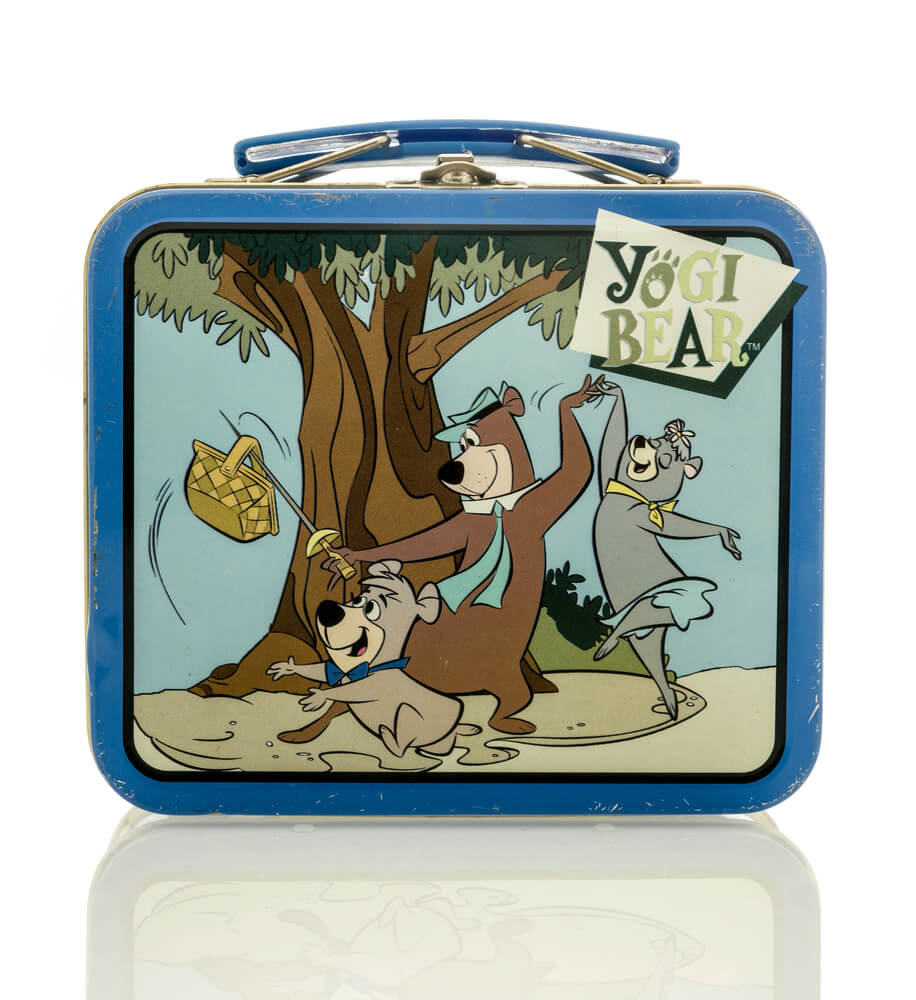
Decorated metal lunchboxes with a vacuum-sealed thermos held a full meal and became prized items tied to popular characters and shows of the era. Safety concerns over sharp edges and the boxes’ potential use as a weapon eventually pushed manufacturers toward softer, insulated fabric designs.
Metal lunchboxes are now sold mainly as collectibles rather than functional school gear.
Floppy Disks for Class Assignments
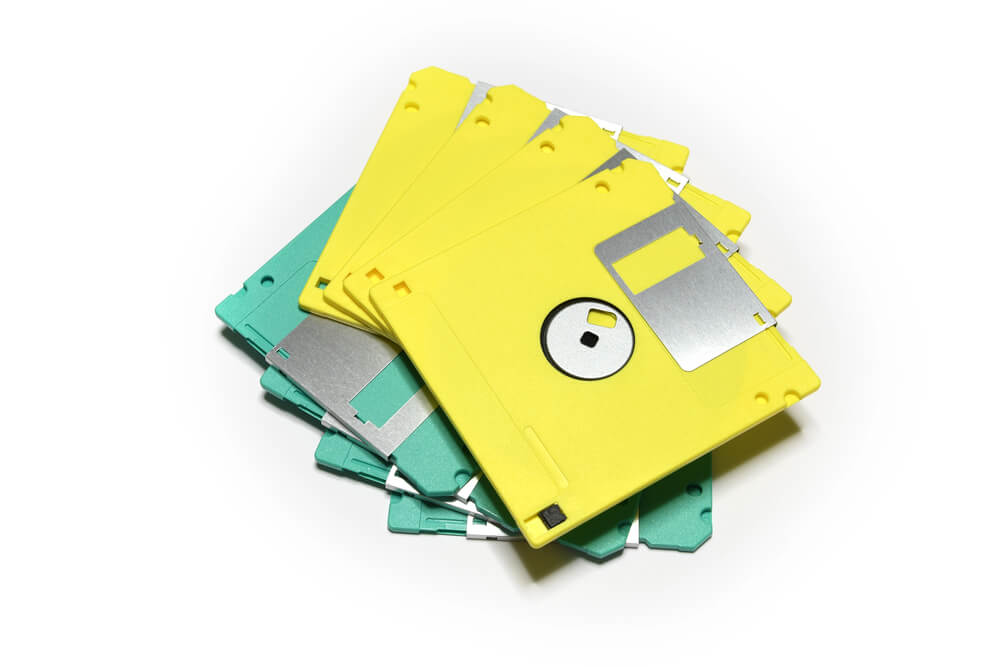
Students saved and turned in computer assignments on thin magnetic disks that held a fraction of what a modern flash drive holds, often requiring multiple disks for a single larger project. Disks were prone to damage from magnets, heat, and simple wear.
Cloud storage and USB drives made the format functionally extinct in classrooms.
Cassette Tapes for Language Lab Work
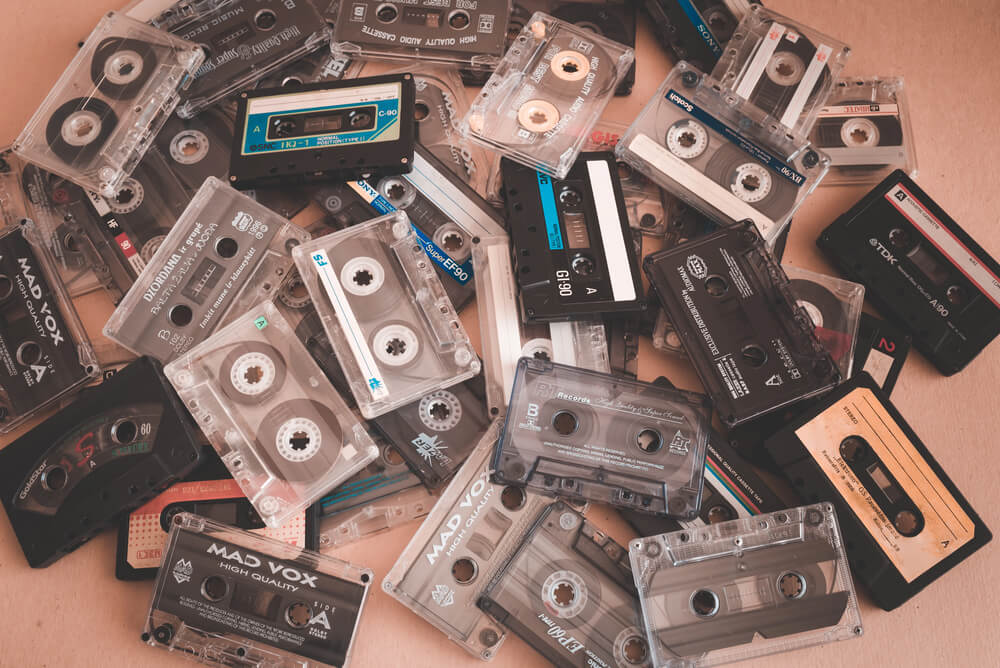
Language classes once required students to record and submit spoken assignments on cassette tapes, played back through booth-style listening stations in a dedicated lab room. Tapes wore down with repeated use and had to be rewound manually before each listen.
Digital audio recording software replaced this entire system.
Liquid Paper Correction Fluid Bottles

Small bottles of white, fast-drying fluid let students paint over handwritten or typed mistakes before writing or typing the correction on top once it dried. The fluid had a strong solvent smell and took a noticeable pause to dry before it could be written over.
Word processing software eliminated most of the need for physical correction fluid in school settings.
Overhead-Projector Transparency Pens
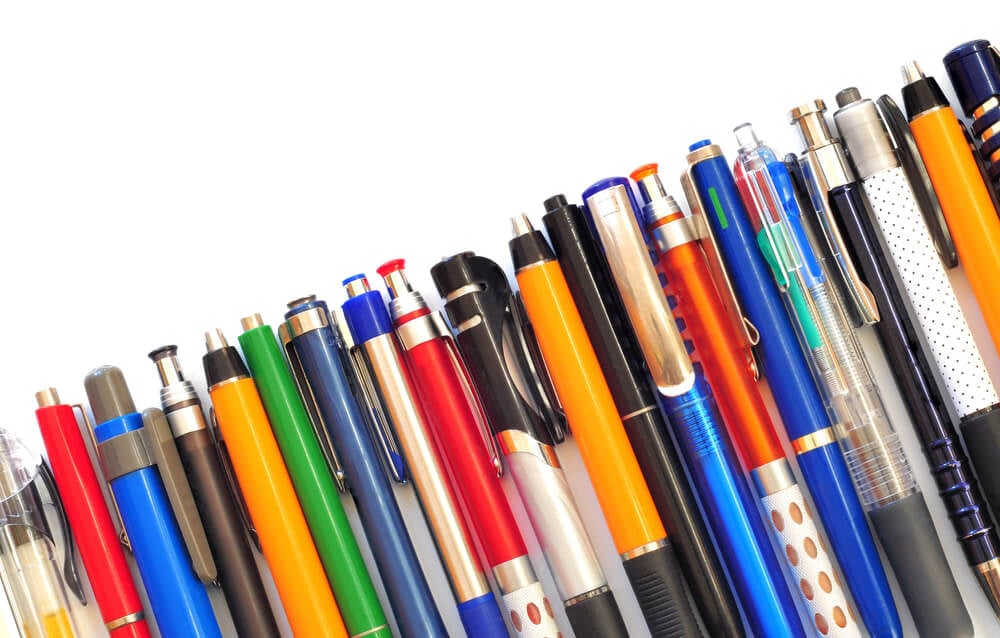
Special markers designed to write on clear plastic transparency sheets let teachers project handwritten notes and diagrams onto a screen at the front of the room. Different pen types were needed depending on whether the writing needed to be permanent or wipeable for reuse.
Digital projectors and interactive whiteboards replaced the transparency projector almost entirely.
Novelty Pencil-Top Erasers
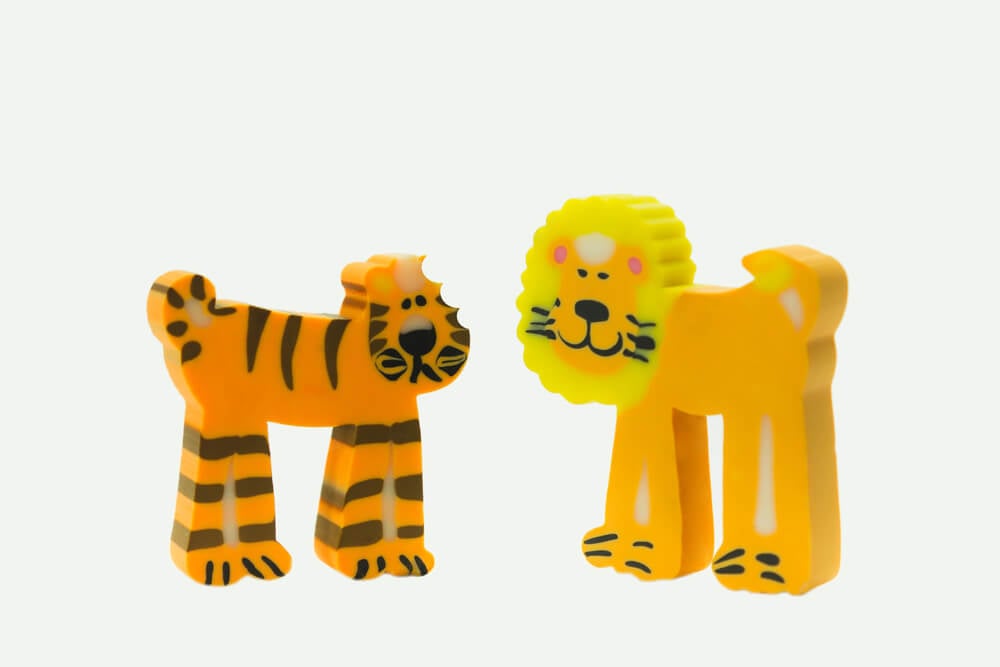
Small rubber erasers shaped like cartoon characters, animals, or seasonal designs slipped over the top of a pencil and were traded and collected as much as they were used. The soft rubber tended to smear rather than cleanly erase pencil marks.
Standard pink cap erasers and separate block erasers became the more practical classroom default.
Push-Pin Metal Compass and Protractor Sets
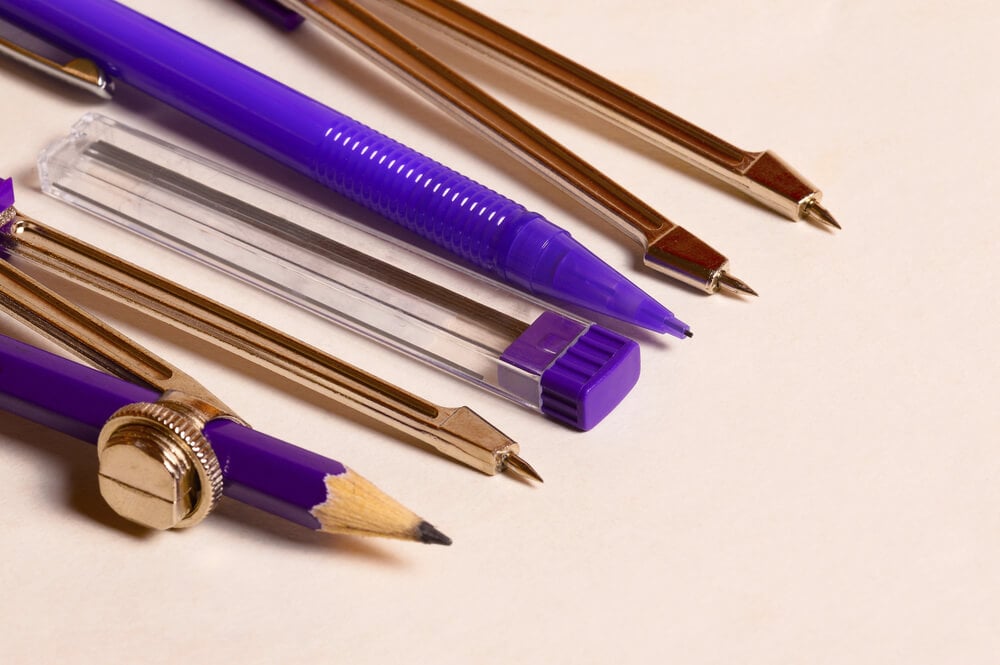
Geometry classes required a metal compass with a sharp point for drawing circles, packaged alongside a protractor in a small tin or plastic case. The sharp point made the tool a recurring safety concern in classrooms with younger students.
Digital geometry tools and simplified plastic compasses have largely replaced the metal version.
Scented Magic Markers, Original Formula
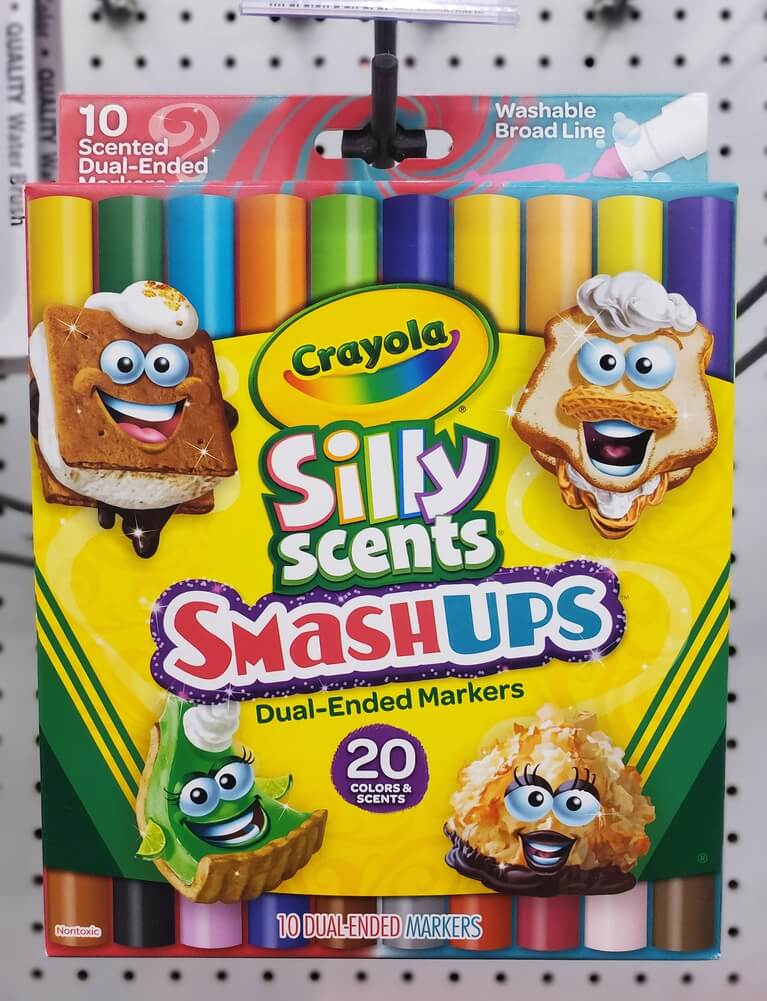
Early scented markers used a solvent-based ink formula that produced a strong, distinctive smell tied closely to their color, a quality kids often tested by smelling every marker in the set. Health concerns over the original chemical formula led manufacturers to reformulate the ink recipe.
The reformulated versions available now smell noticeably different from the originals.
Paper Book Covers Cut From Grocery Bags

Students commonly cut open a brown paper grocery bag and folded it around a textbook to protect the cover, sometimes decorating the resulting cover with drawings or stickers. Teachers frequently required this practice to keep school-issued textbooks in usable condition for future students.
Padded and laminated commercial book covers replaced the homemade version as paper grocery bags themselves became less common.
Scratch-and-Sniff Stickers
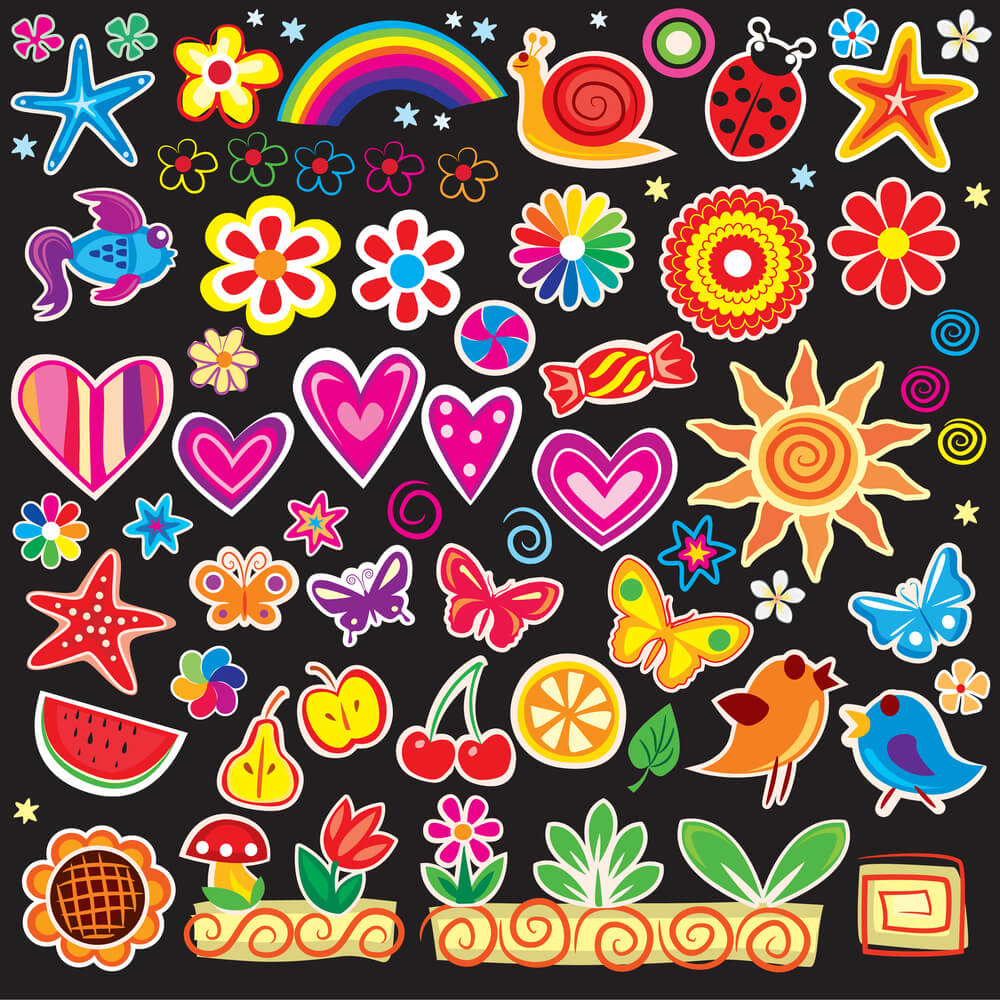
Reward stickers infused with a scent that released when scratched became a common incentive teachers handed out for good work, with scent categories ranging from fruit to more unusual options like pizza. The scent faded significantly after repeated scratching.
Digital reward systems and simpler sticker designs have mostly replaced them in modern classrooms.
Zippered Three-Ring Pencil Pouches
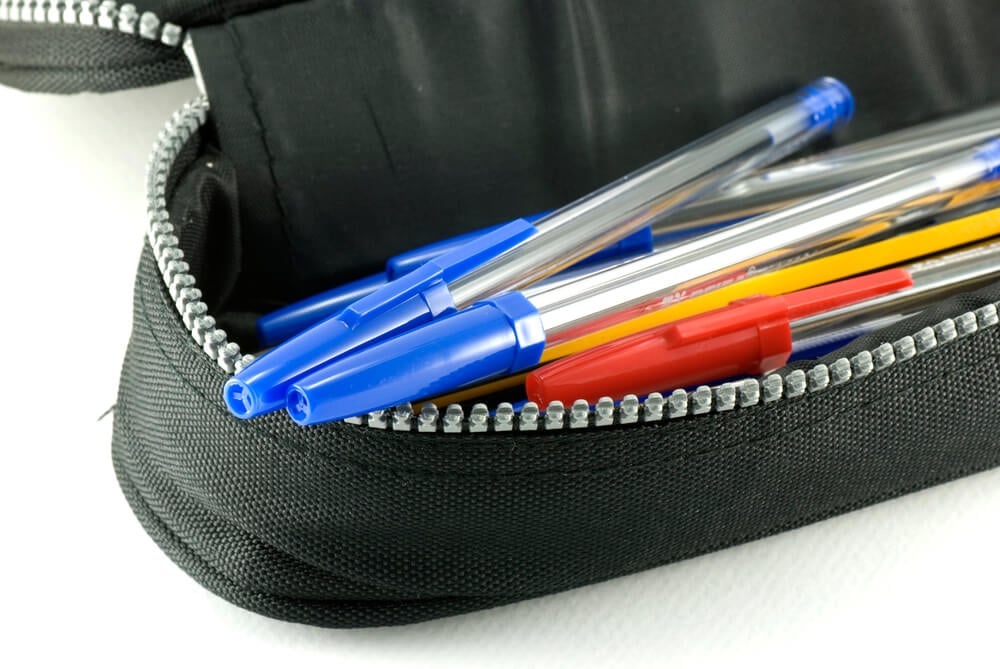
Fabric pouches with a zipper closure attached directly into the rings of a binder let students keep pens and pencils inside their notebook rather than carrying a separate case. The zippers wore out with heavy daily use, often failing well before the rest of the pouch.
Standalone pencil cases and simplified binder designs have largely taken their place.
Handheld Crank Pencil Sharpeners
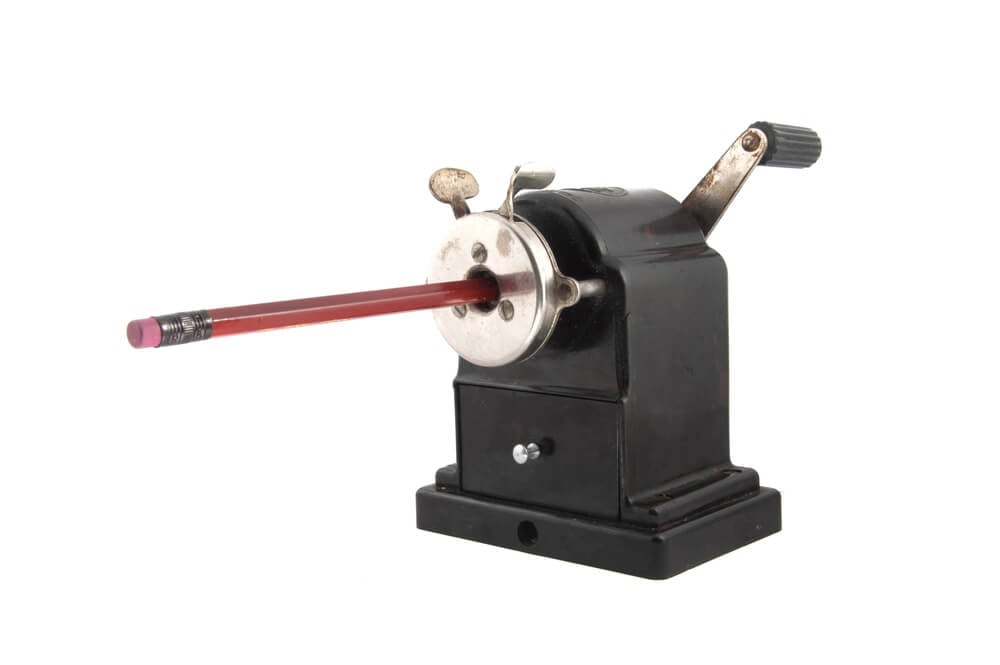
Small manual sharpeners with a hand crank sat on classroom desks or were kept individually by students, requiring a steady grip while turning the handle to avoid an uneven point. The shavings had to be emptied regularly from an internal compartment.
Electric and battery-powered sharpeners have replaced most manual versions in modern classrooms.
Glass or Ceramic Inkwells in Older Classroom Desks

Older wooden school desks were built with a small round opening designed to hold a glass or ceramic inkwell, used with dip pens before cartridge and click-style pens became standard. Students had to dip their pen repeatedly and manage ink spills carefully.
The desks themselves, along with the inkwells, were phased out as pen technology moved on.
Multiplication Flash Cards on Metal Rings

Sets of small cards with a math problem on one side and the answer on the other were bound together on a metal ring for easy flipping during practice or quizzing with a parent. The metal ring often bent or rusted with heavy use.
Digital flash card apps and online practice tools have largely replaced the physical version.
Cursive Practice Workbooks With Dotted Guide Lines

Workbooks printed with dotted lines above a solid baseline guided students through repeatedly tracing and then freehand writing cursive letters. Entire class periods were once dedicated specifically to this kind of handwriting drill.
Many school districts have reduced or eliminated formal cursive instruction, making the specific workbook format far less common.
Assignment Notebooks With a Week-Per-Page Paper Calendar

Schools distributed or required students to buy a small paper planner with a printed weekly grid for writing down homework assignments by hand. Students had to remember to bring the notebook home and update it consistently to be useful.
Digital assignment platforms and school apps have replaced the paper version in most districts.
Colored Chalk Sticks Kept in a Personal Tin
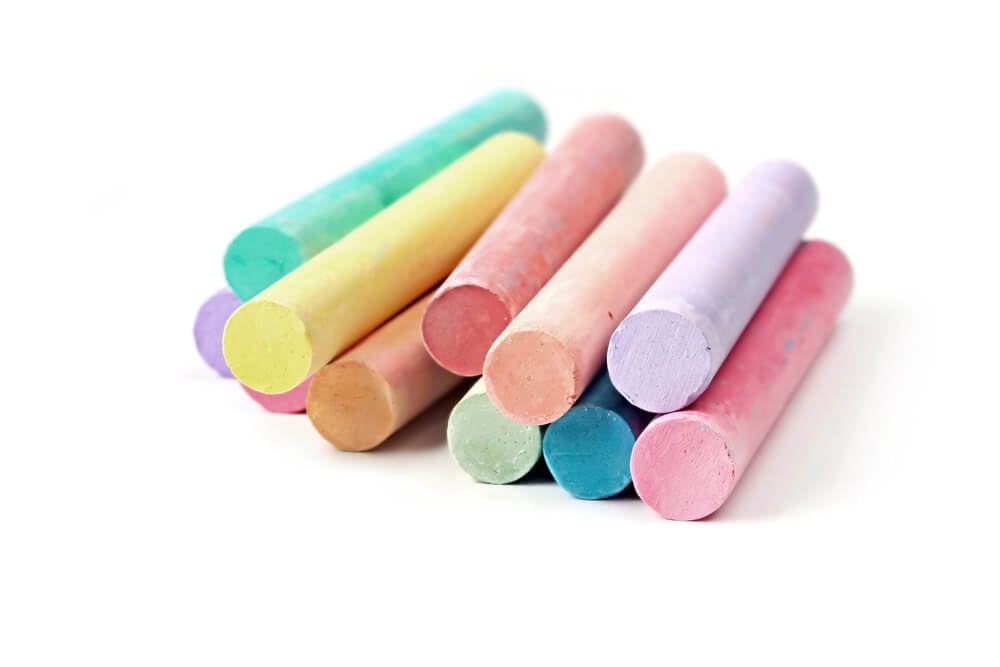
Some students kept their own small tin of colored chalk sticks for classroom presentations or personal art projects, distinct from the plain white chalk used at the chalkboard. The sticks broke easily and left colored dust on hands and clothing.
Whiteboards and digital presentation tools have made personal chalk largely unnecessary.
Wide, Flat Pencil Cases Made of Vinyl With Cartoon Prints
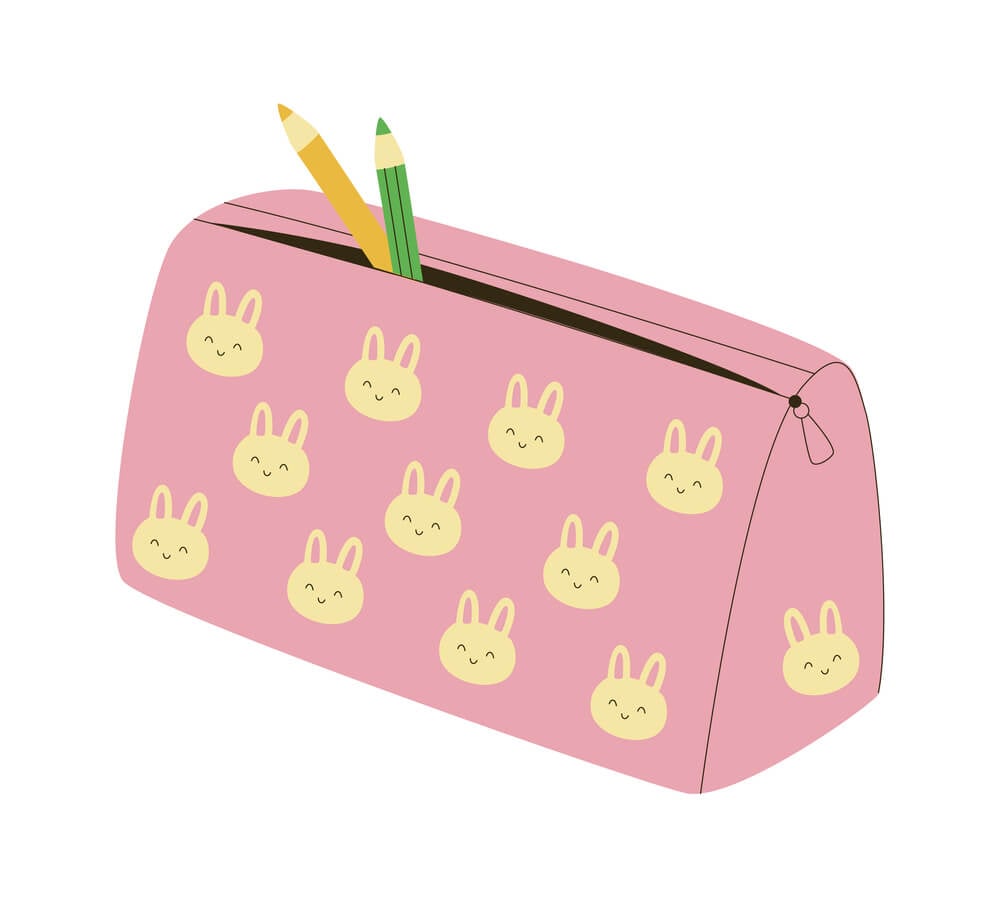
Flat vinyl cases with a zipper along one edge and printed cartoon designs held pencils and small supplies without the bulk of a boxed case. The vinyl cracked and peeled with age, especially along the fold line.
Fabric and silicone cases have largely taken over this category.
Paper Protractors Bundled Loose in Geometry Sets
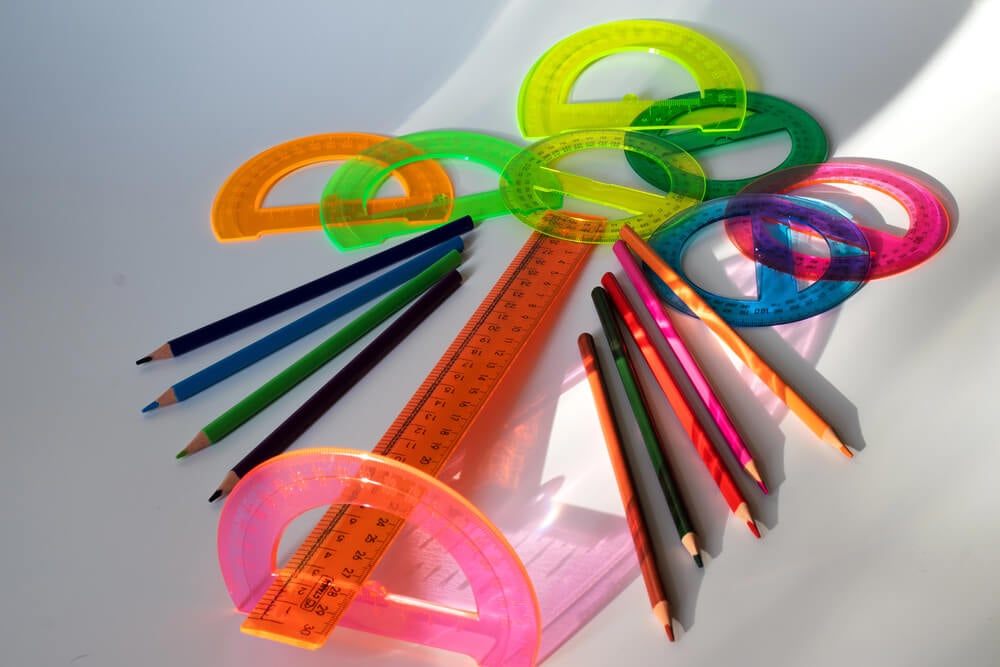
Early geometry sets sometimes included a thin paper protractor rather than a rigid plastic one, meant as a disposable or backup option. The paper version bent and tore easily with regular use.
Durable plastic protractors became the standard once manufacturing costs dropped.
Dittoed Worksheets With a Purple Tint
Spirit duplicator machines, commonly called ditto machines, produced worksheets with a distinctive purple or blue tint and a strong alcohol-based smell that many students specifically remember from freshly printed pages. The machines used a different chemical process than mimeographs, relying on a master sheet coated in aniline dye.
Photocopiers replaced ditto machines in most schools well before the 1990s.
Cloth-Covered Hardback Report Binders With Metal Fasteners

Older report binders used a rigid cloth-covered cover with metal fastener prongs to hold pre-punched pages in place, giving school reports a more permanent, book-like feel. The metal fasteners were sharp along the edges and occasionally bent out of shape.
Simple plastic folders and spiral binding largely replaced this style of report cover.
What Got Left in the Desk
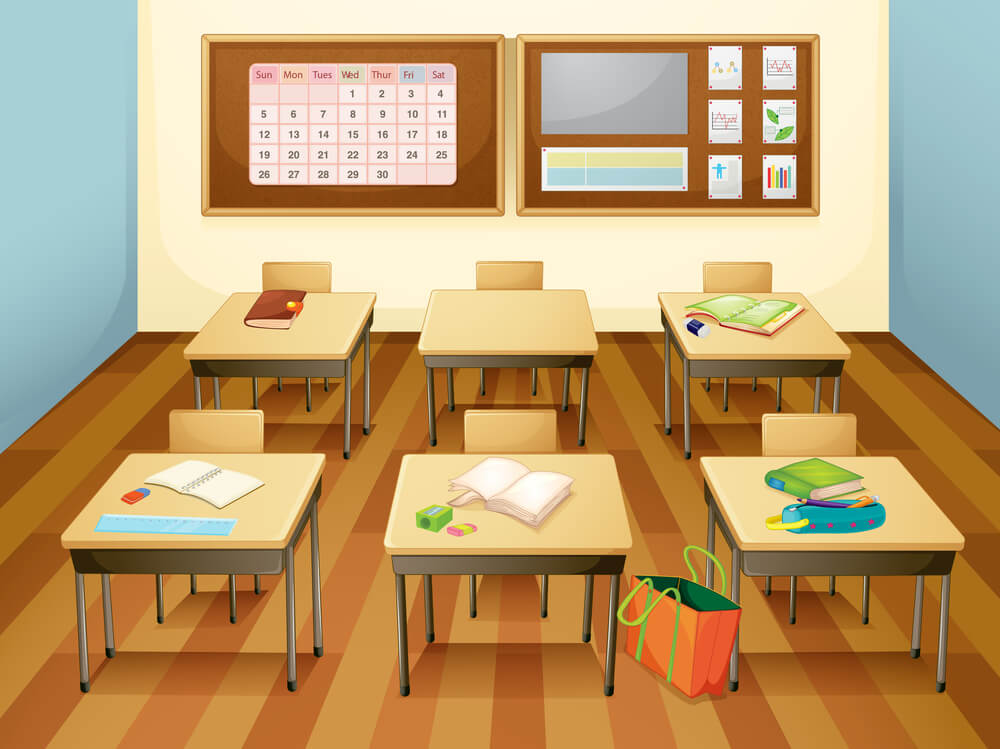
Most of these items did not disappear because they stopped working. They disappeared because something cheaper, safer, or faster came along and made the old version unnecessary, the same quiet process that has retired school supplies for as long as schools have existed.
The specific objects will keep changing. What stays constant is the shape of the list itself: a backpack full of tools built for a version of school that no longer quite exists, replaced by tools built for the version that does.
More from Go2Tutors!

- The Romanov Crown Jewels and Their Tragic Fate
- 13 Historical Mysteries That Science Still Can’t Solve
- Famous Hoaxes That Fooled the World for Years
- 15 Child Stars with Tragic Adult Lives
- 16 Famous Jewelry Pieces in History
Like Go2Tutors’s content? Follow us on MSN.