20 Vintage Toy Telephones From Before Mobile Phones
Long before a toddler could swipe a screen, a toddler could yank a plastic receiver off its cradle and hold an important conversation with nobody. Toy makers took the job seriously, and the results ranged from tin novelties to talking character phones.
These toys mirrored the real phones of their day, from candlestick designs to rotary dials to push buttons. Today they are collectibles, and the prices swing wildly depending on condition.
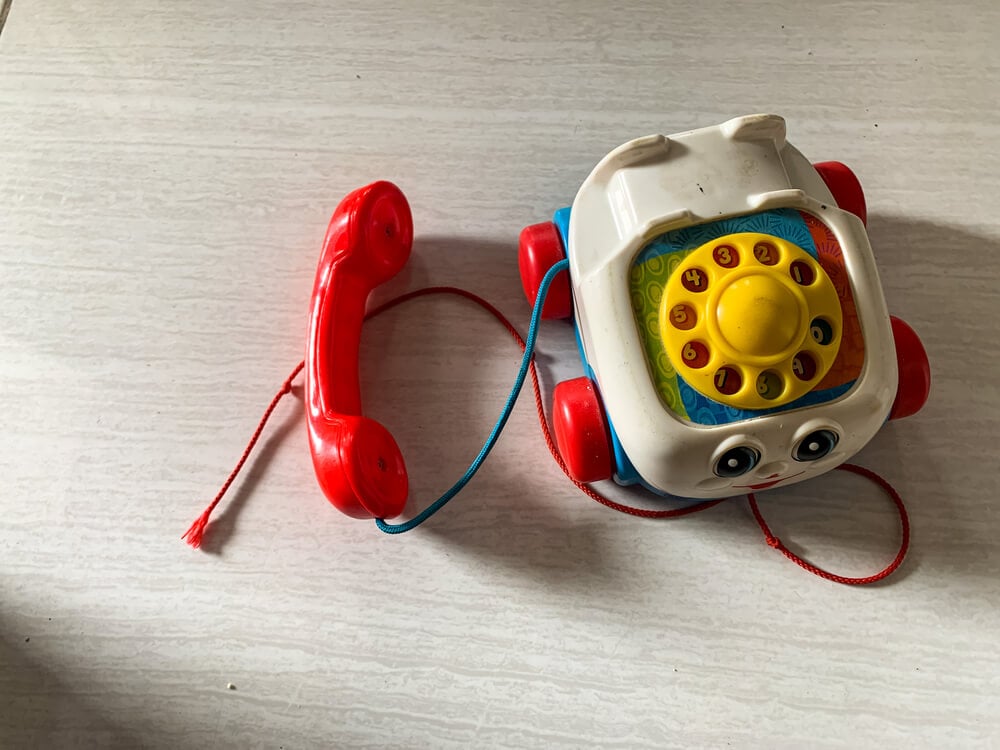
Fisher-Price Chatter Telephone, the Pull Toy That Made Calls Famous
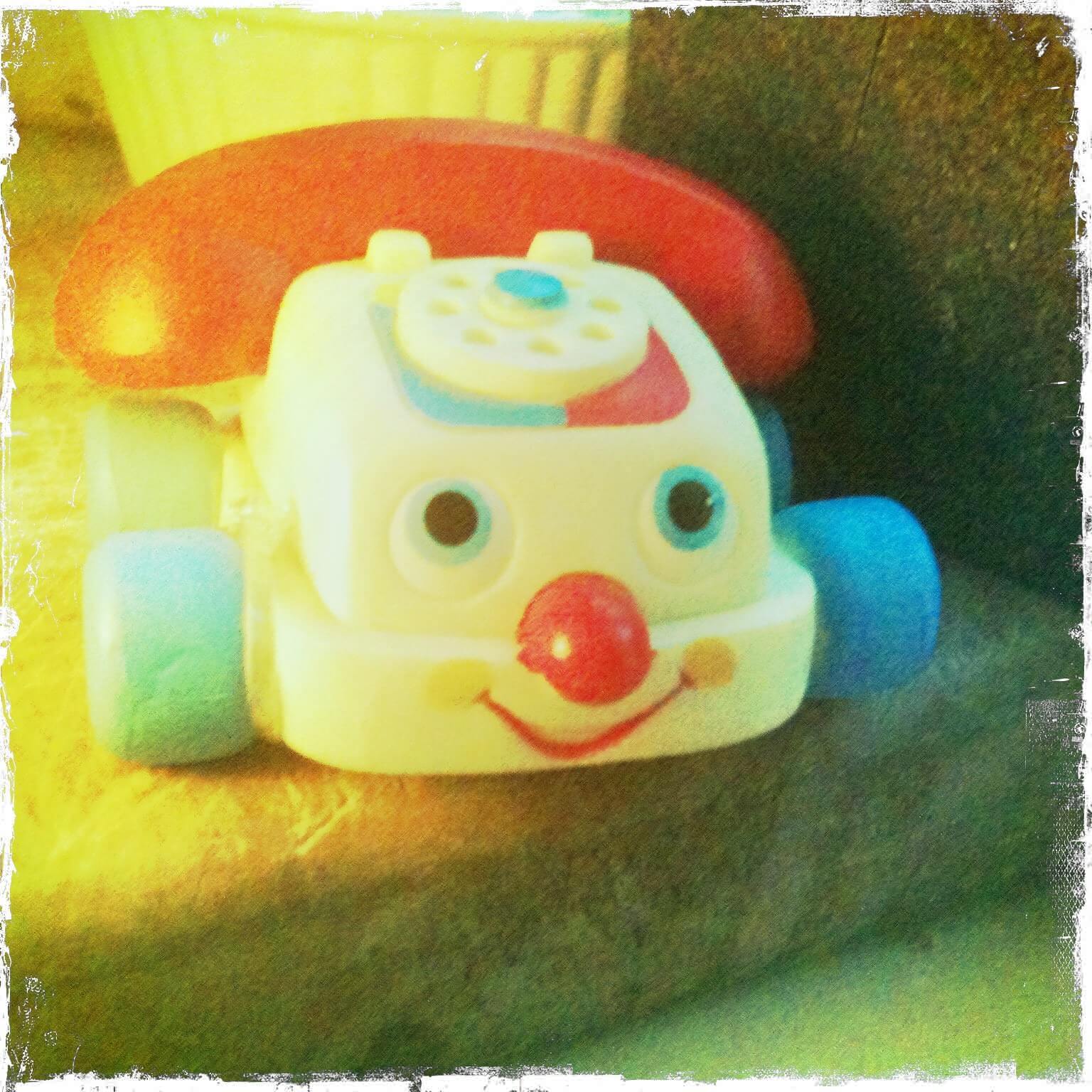
Fisher-Price built the Chatter Telephone as a pull toy in the early 1960s, and it came with moving eyes that gave the handset a face. The company marked 60 years of the toy in 2021 with a version that makes real phone calls, which is a fairly literal way to catch up with the times.
Vintage examples turn up constantly, yet the price depends on condition, because worn paint and missing parts separate a bargain from a prize.
Fisher-Price Talk and Learn Telephone, Item 7694
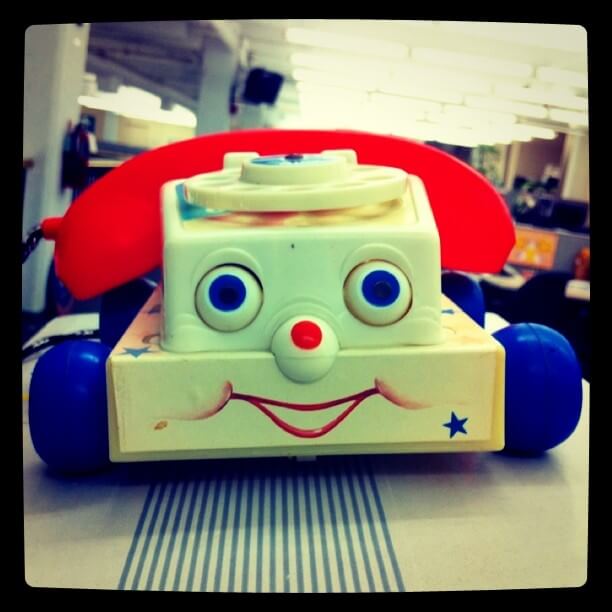
Fisher-Price cataloged this phone under item number 7694, part of a family of Talk and Teach toys that also included a toy store and a neighbor. The numbering shows how seriously the company treated a plastic receiver, filing it alongside its other learning products.
Collectors who want the full set need patience, and the price of any single piece depends on condition, especially the cords and the dial.
Fisher-Price Record Playback Phone, Item 2021
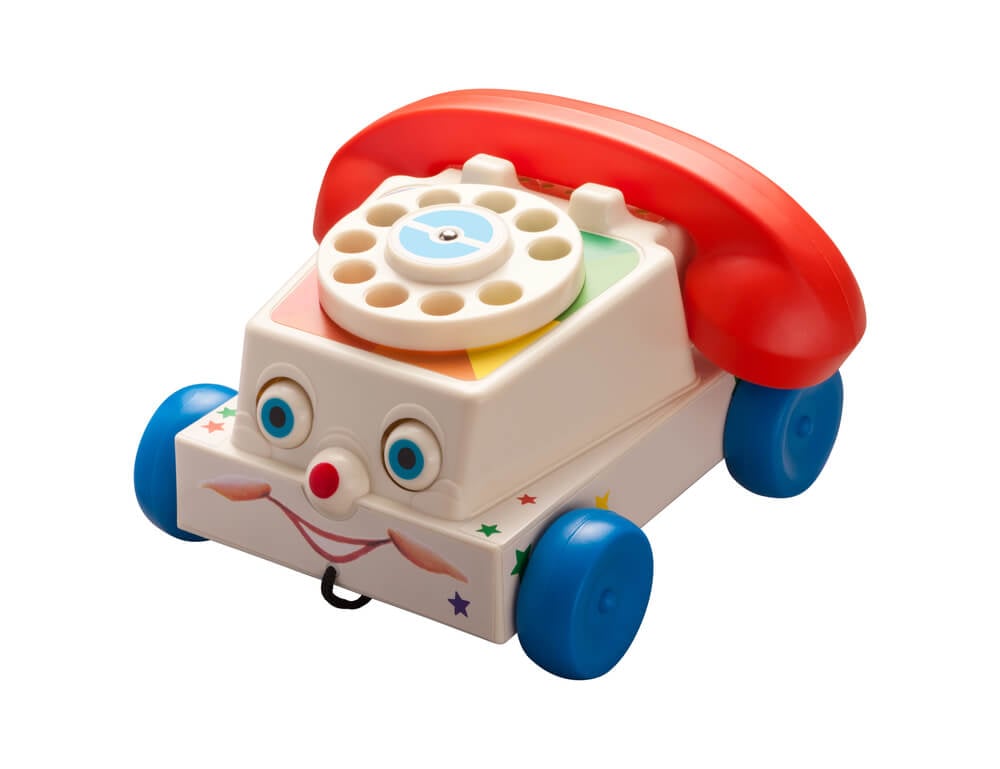
The Record Playback Phone sits in Fisher-Price’s 2000 series of catalog numbers, near the company’s many Chatter Telephone variations. The name promises a phone that records and plays back, which turned pretend conversations into something a child could actually hear again.
As with most electronic toys of its era, a working example costs more than one that merely looks good, and condition drives the price.
Hasbro Talking Telephones From 1969
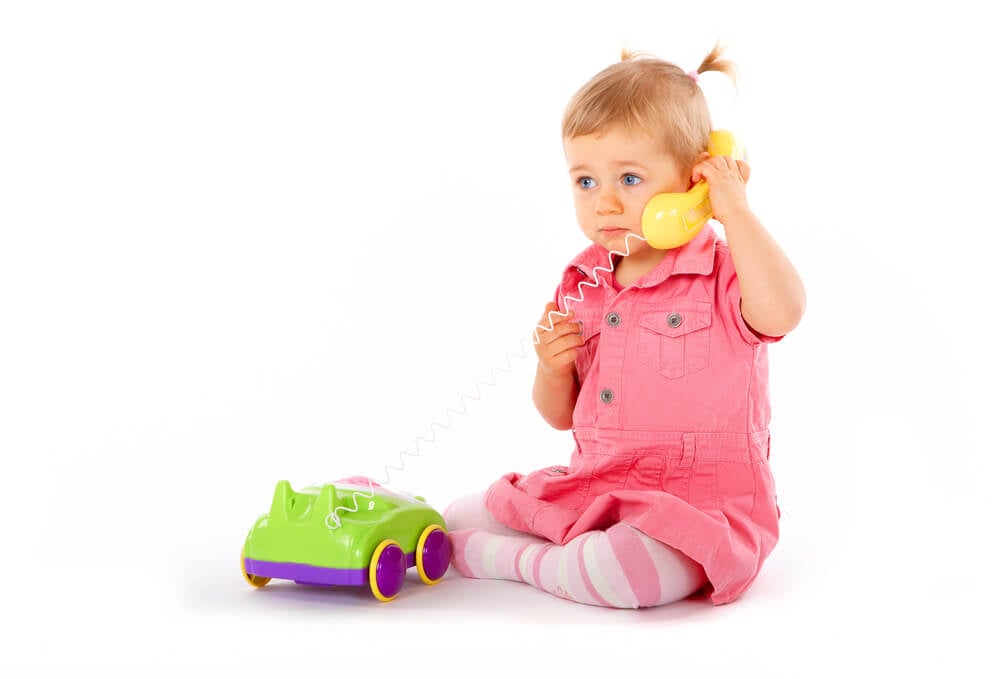
Hasbro released a line of talking telephones in 1969, giving children a phone that answered back instead of only listening. The company’s Preschool line later produced a talking Mickey Mouse telephone in the 1970s, so the idea clearly had legs.
Pull-string and voice mechanisms are fragile with age, which means condition can double or halve what a collector pays.
Mattel-O-Phone From 1965
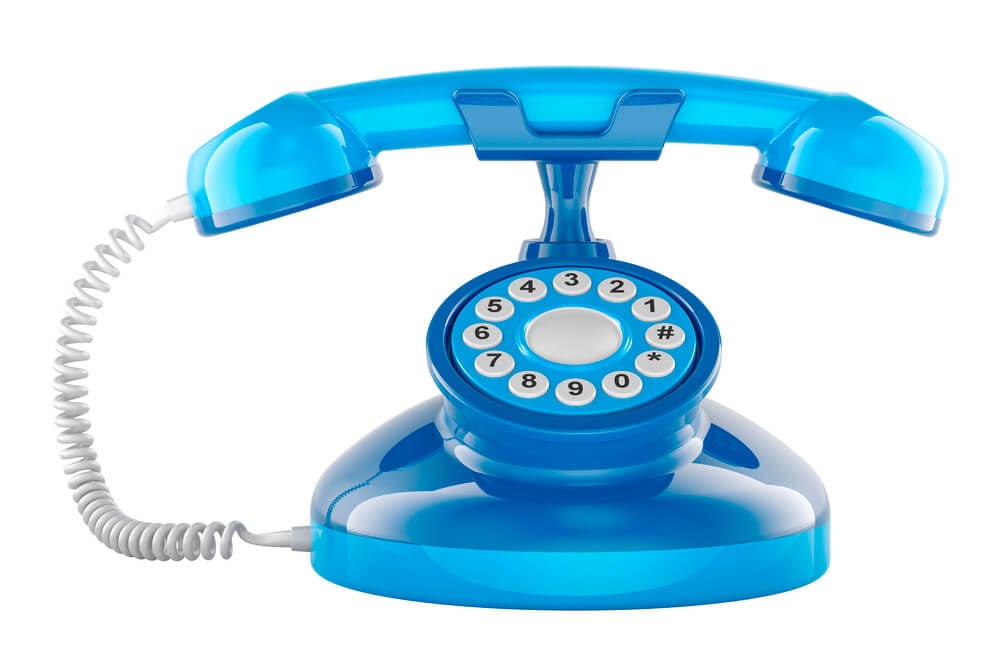
Mattel released the Mattel-O-Phone in 1965, when the company was better known for dolls and talking pull-string toys than for telephones. Collectors Weekly has featured the toy in its Show and Tell stories, a sign that owners still care about it.
Boxed, clean examples command a premium, while scuffed ones sell for much less.
Remco Dialmaster Toy Telephone Set From the 1960s
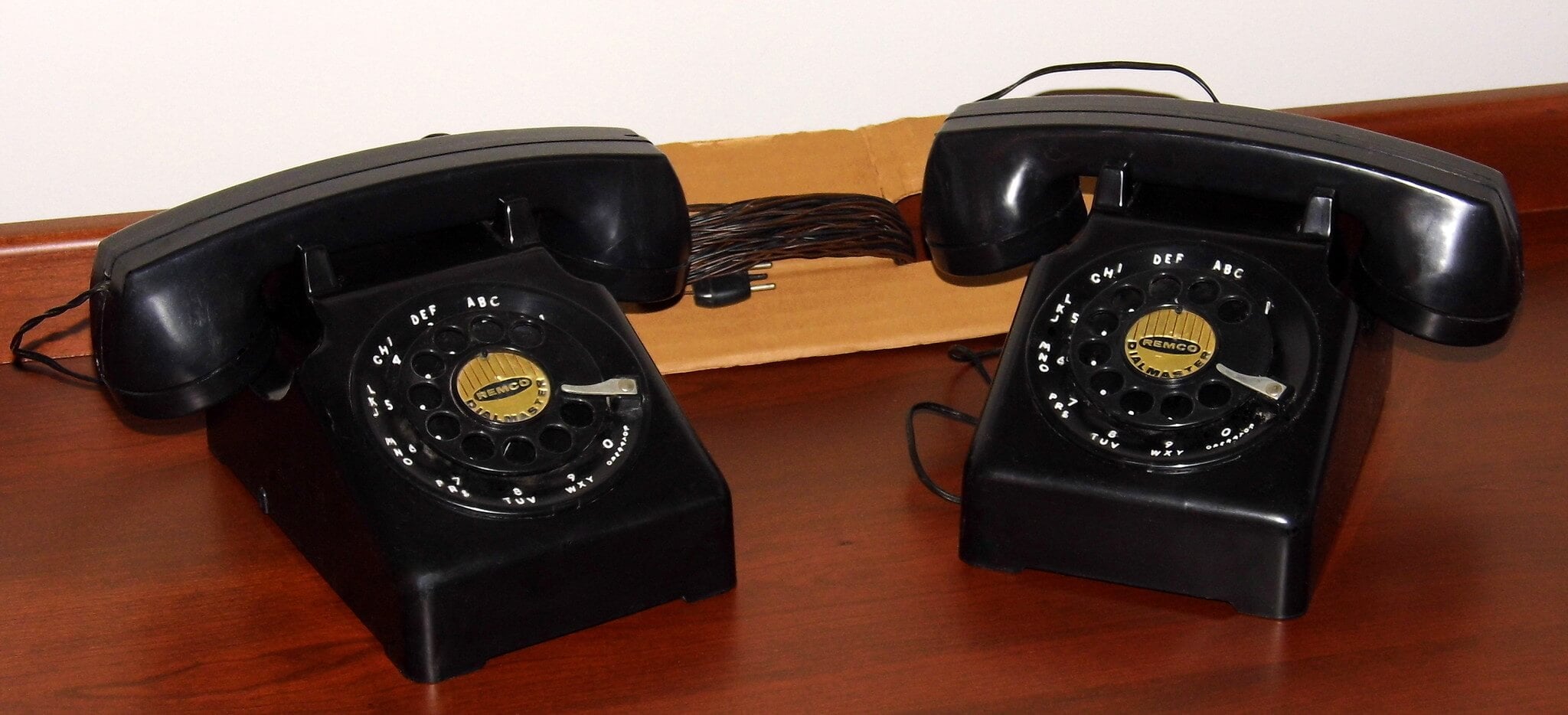
Remco sold the Dialmaster as a toy telephone set, and surviving examples are usually black, matching the standard desk phone of the 1960s. The word set in the name suggests more than one handset, which would make it a toy built for conversation between two kids.
Complete sets sell for more than lone phones, and condition remains the deciding factor on price.
Mickey Mouse Club Mousekaphone
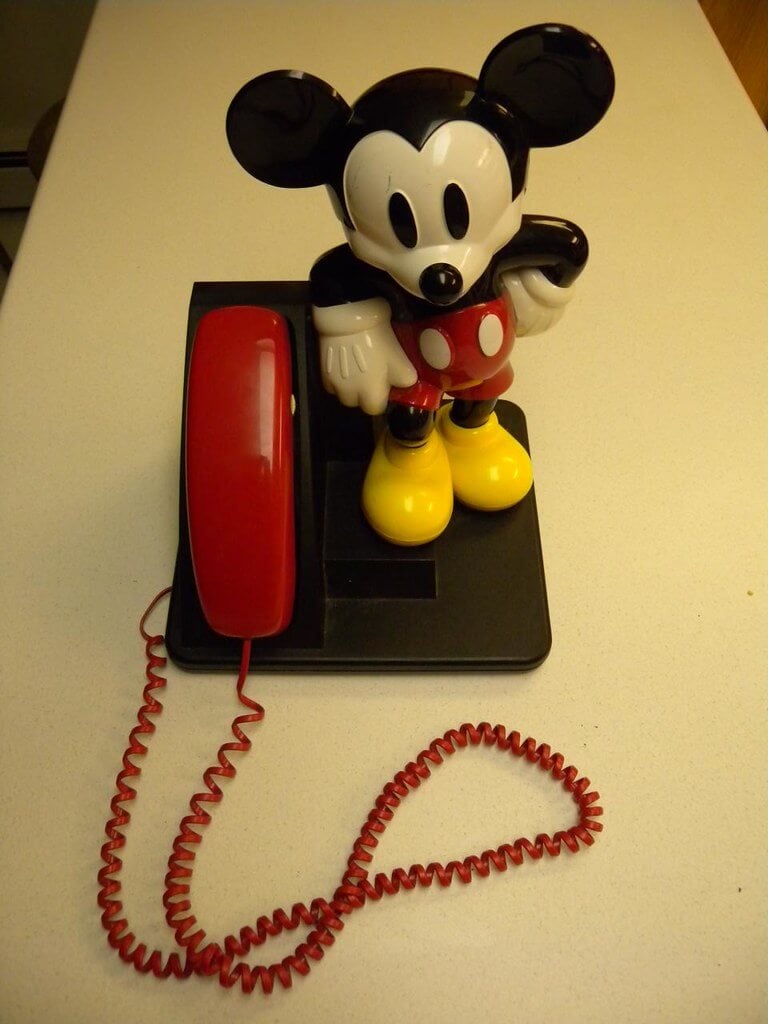
The Mousekaphone carries the Mickey Mouse Club name, putting a television phenomenon on a toy telephone. Its punny title is the sort of thing a licensing department loves and a collector tracks down.
Disneyana dealers have listed it as a collectible, and as with any licensed toy, the price depends on condition and the presence of its original packaging.
Tyco Mickey Mouse Backpack Telephone, Model 1245
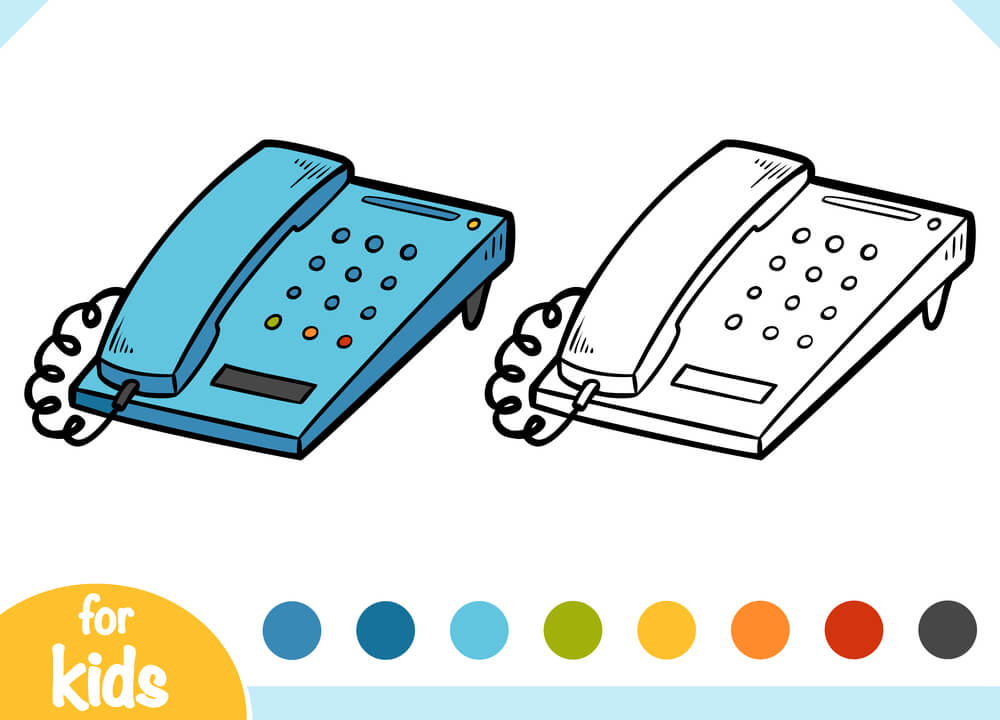
Brighton Toy and Model Museum lists this toy as the Mickey Mouse backpack telephone, made by Tyco under the model number 1245. A phone worn on the back is a strange idea now, yet it fits a time when a call meant staying near a wall.
Condition matters here because straps and plastic casings crack with age, and prices fall accordingly.
Block-Built Telephones From Tyco and Lego
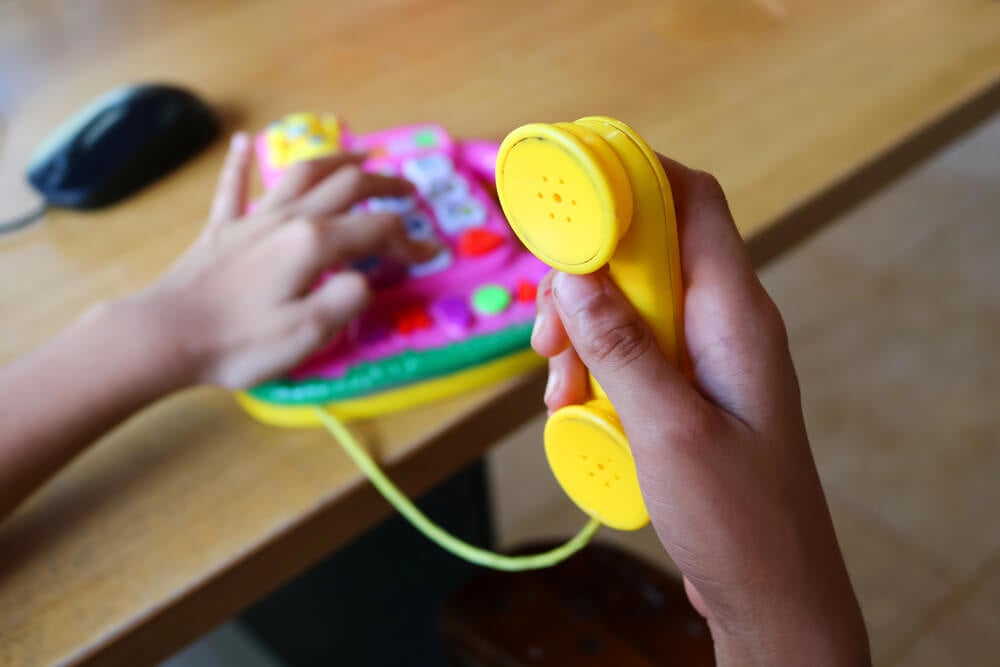
Tyco made a block telephone, and Lego produced a Super Blocks telephone in the 1980s, so the building brick met the household handset twice. A phone assembled from bricks let a child rebuild it into something else, which no rotary model allowed.
Complete, bright examples cost more than faded or missing-piece versions, so condition sets the price.
Tyco Garfield Wall Phone From 1986
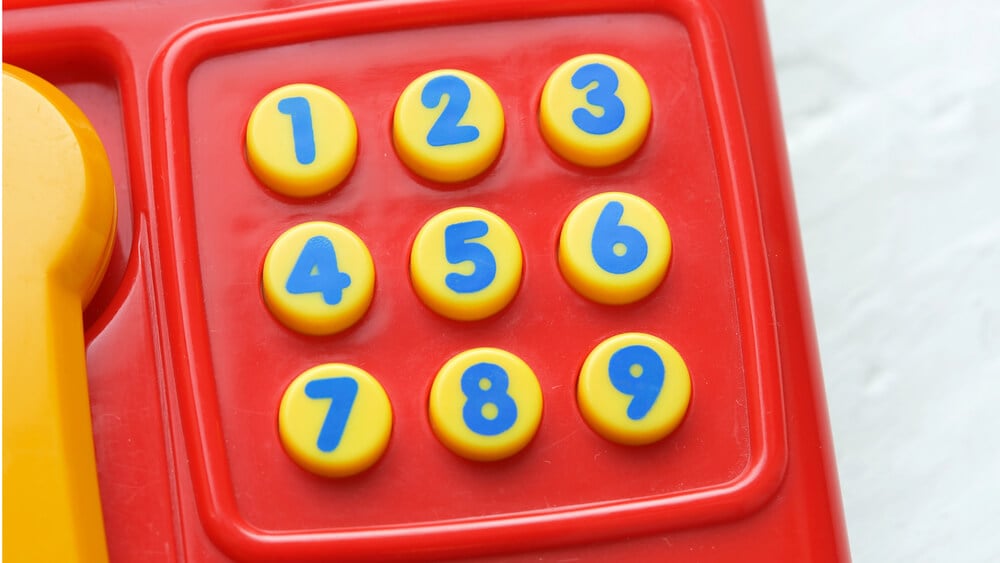
Tyco Collectors lists a 1986 Garfield wall phone, putting the lasagna-loving cat on the wall of a child’s room. At the time, a wall phone still meant a cord and a fixed location, and the toy followed that format faithfully.
Because wall-mounted pieces were often used hard, clean examples are scarcer, and condition has a large effect on price.
Barbie Fun Phone Center From 1990
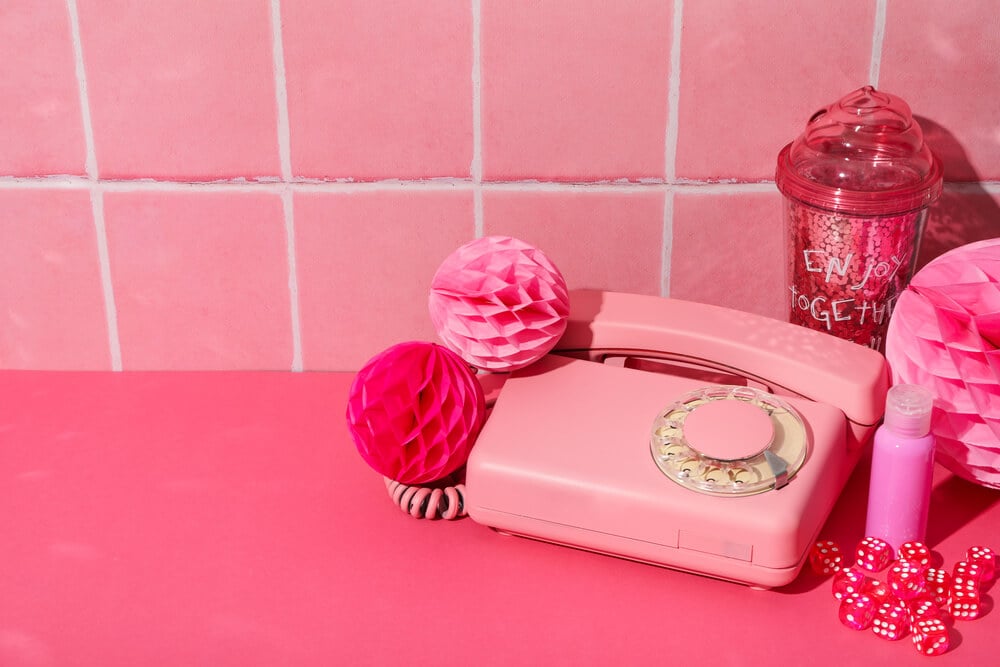
Mattel sold a Barbie Fun Phone Center in 1990, done in pink with sparkles, and sealed new-in-box examples still appear on resale sites. It was furniture and telephone together, a miniature home office for a doll.
The gap between a sealed box and a loose, faded piece is huge, so condition governs the price.
Snoopy and Woodstock Push-Button Phone From Tomy
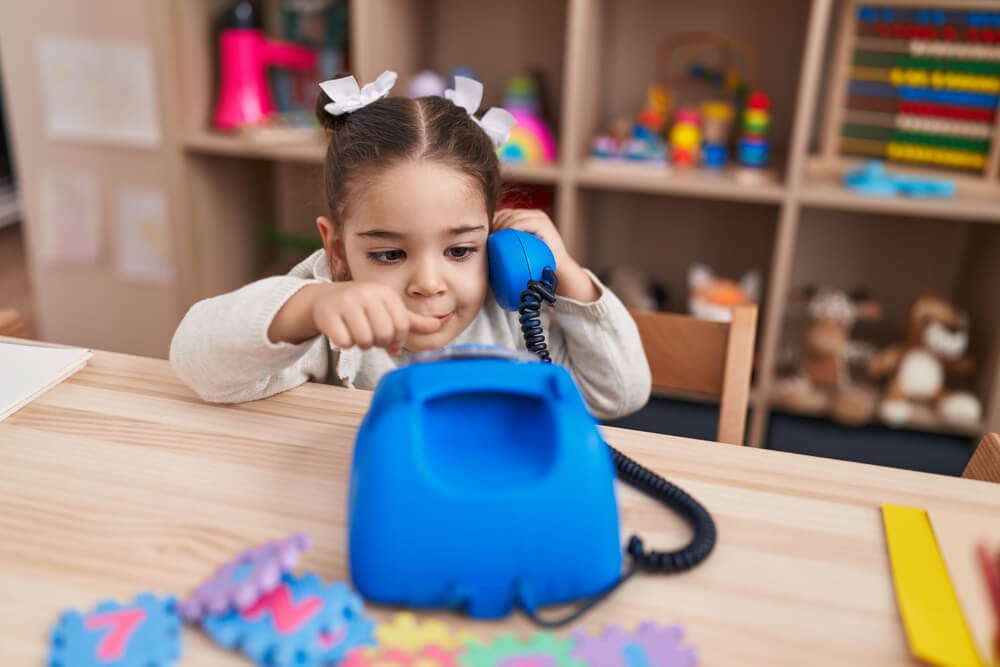
A pink push-button Snoopy phone with Woodstock, made by Tomy in Japan, is dated 1983 in resale listings. Peanuts characters turned up on telephones throughout the era, and this one traded the dial for buttons.
Cords, paint, and fading affect the price a great deal, so condition decides what a buyer should pay.
Sanrio Hello Kitty Dial Telephone From the 1980s
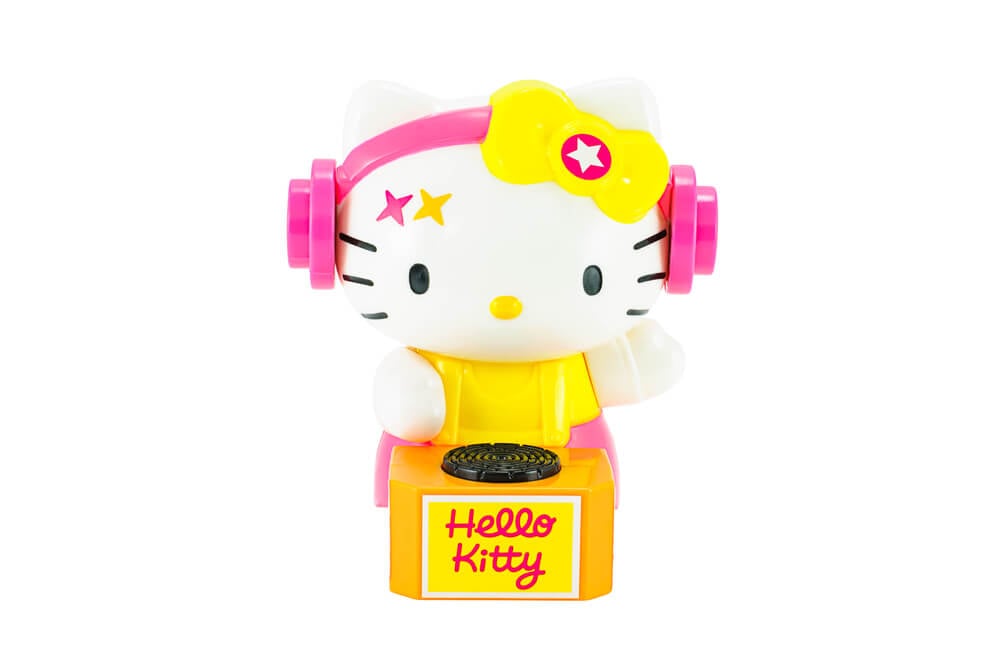
Sanrio put Hello Kitty on a red dial telephone in the 1980s, with the Tamura name appearing in collector listings. A rotary dial on a cartoon cat is a pairing that no modern touchscreen could replicate.
Prices swing on condition, particularly the state of the plastic and the dial.
Toy-Town Telephone Exchange, Made by Codeg
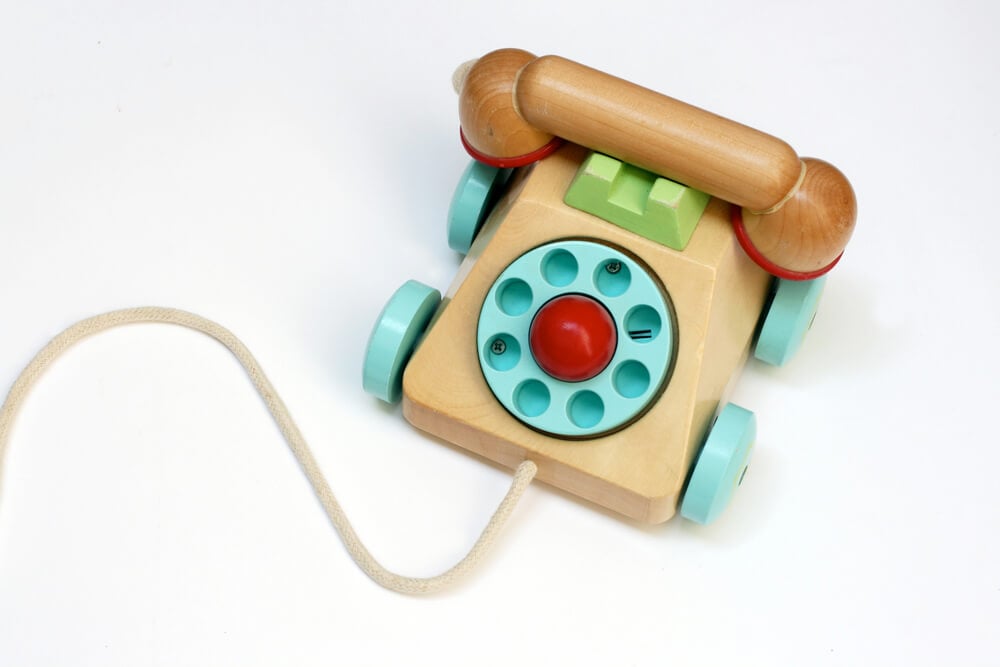
The Science Museum Group holds a Toy-Town Telephone Exchange dated around 1955, and Brighton Toy and Model Museum lists it under the maker Codeg. This was not just a handset but a miniature exchange, a toy that taught how a call was routed.
Complete exchanges are harder to find than loose phones, and condition determines value.
Märklin Elex 503 Telephone Set
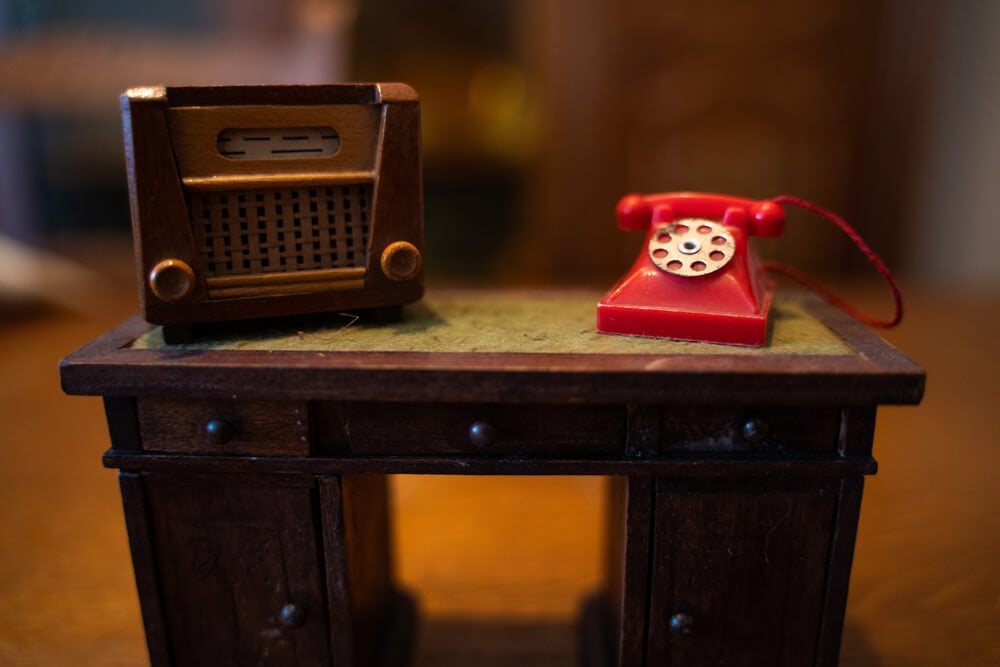
Gebr. Märklin and Company of Göppingen, Germany, made the educational Elex 503 telephone set between 1945 and 1965, according to the Science Museum Group. Märklin was best known for model trains, yet the company chose to teach electricity through a telephone.
A complete set in working order is the goal, and the price tracks condition closely.
Dandy Tin String Telephones From the Early 1900s

A pair of tin Dandy string telephones from the early 1900s is a toy that works with no electricity at all. Two tin pieces joined by string let children whisper across a room, and the system needed only tight string.
These are scarce enough that condition and completeness drive the asking price.
N.N. Hill Brass Candlestick Toy Telephone
The N.N. Hill Brass Company made a candlestick toy telephone in the early 1900s with a brass bell. A bell on a toy was a clever way to copy the ring of the real thing without any wiring.
Brass toys polish up well but lose value if over-cleaned, so condition and originality set the price.
Plaphone 600, the 1920s Candlestick With a Gong Bell
The Plaphone 600 is a toy candlestick telephone from the 1920s, sold with a gong bell. It copied the upright desk phone of its decade, scaled down for small hands.
Surviving examples show their age, and the price depends on condition and any original markings.
The Bodo Toy Telephone With Its Own Phone Book
The Victoria and Albert Museum holds a toy telephone with a telephone book, cataloged under the name Bodo. Including a directory with a toy was a nice touch, since it turned a plain handset into a full pretend office.
Complete sets with the book intact are uncommon, so condition is central to value.
Art Deco Sterling Silver and Bakelite Telephone Rattle
An Art Deco baby rattle shaped like a telephone, made of sterling silver and Bakelite, shows that the phone toy reached the nursery in luxury form. A child could chew on a communications device long before one could dial it.
Silver wear and Bakelite cracks matter a great deal, so condition defines the price.
The Dial Tone of Childhood
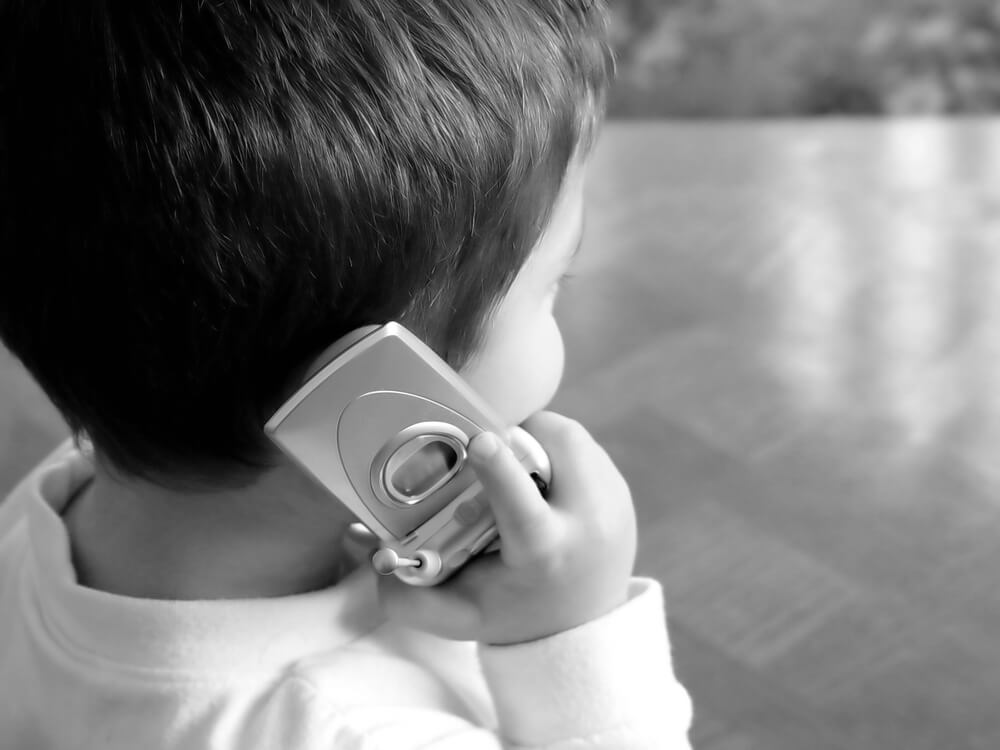
Every toy here did the same quiet job: it taught a child what adults looked like when they talked to somebody far away. The designs changed from brass bells to rotary dials to push buttons, and the toys changed with them.
Each one froze a moment in how people communicated. For collectors, the appeal is part nostalgia and part engineering history.
Prices depend on condition, completeness, and original packaging, so a careful look beats a quick bid. A toy phone that once did nothing at all now tells a surprisingly detailed story about its era.
More from Go2Tutors!

- 27 Silver Dollars and Half Dollars Worth Keeping
- 28 Restaurant Menu Items Nobody Orders Anymore
- 17 Places Built in Seemingly Impossible Spots
- 27 Vintage Rings Worth More Than They Look
- 25 Restricted Sites Tourists Can’t Enter
Like Go2Tutors’s content? Follow us on MSN.