Aztec Customs That Shocked Spanish Explorers
The men who followed Hernán Cortés inland in 1519 had survived Atlantic crossings, island garrisons, and mountain passes. Nothing in their experience prepared them for what waited in the Valley of Mexico.
Their accounts read less like military reports than like the diaries of tourists who cannot believe their own eyes.
Some of what they saw delighted them, some alarmed them, and some simply confused them. The Mexica, as the Aztecs called themselves, ran a society with rules, rituals, and luxuries that did not match any European template.
The Spaniards wrote it all down anyway, and those pages are still the first doorway into understanding the world they entered.
A Market That Veterans of Rome Could Not Match
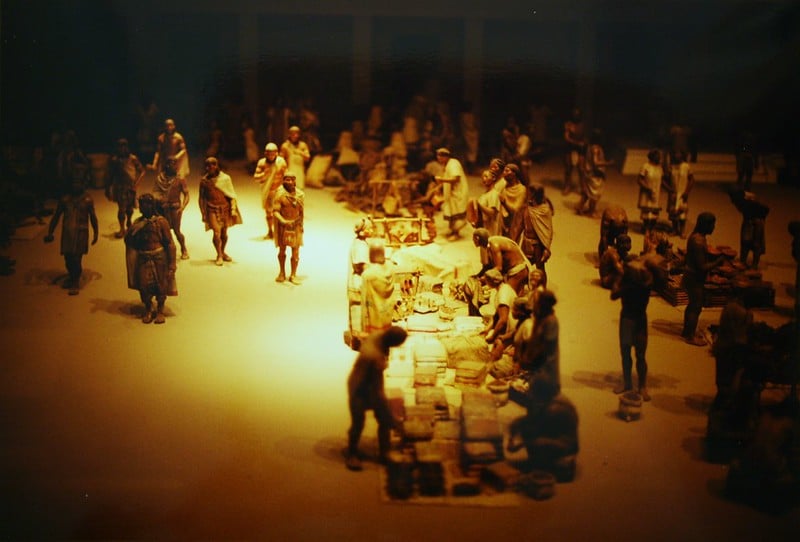
Bernal Díaz del Castillo recalled that when the Spaniards reached the great market of Tlatelolco, they stared at the crowds and the sheer volume of goods. Some of the soldiers had traveled to Constantinople and Rome, and Díaz wrote that they had never seen a marketplace so large or so orderly.
Each commodity had its own assigned section, from gold and feathers to cloth, pottery, and firewood. Cortés himself estimated that tens of thousands of buyers and sellers filled the plaza on a single day.
Money That Grew on Trees
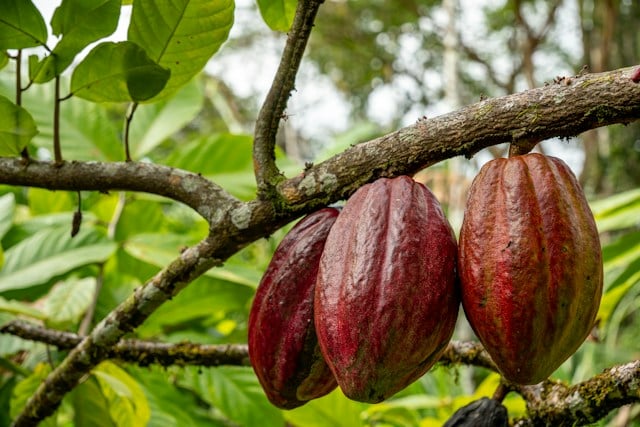
Cacao beans served as small change across the Aztec world, and the Spaniards noticed that the currency was literally agricultural. A bean could buy a modest item at market, and larger purchases were counted in bags of beans.
Counterfeiters even existed, according to Sahagún’s informants, who described fakes made by hollowing out beans and refilling them with mud. The same beans were ground into a bitter, frothy drink that the Spanish found strange, though they eventually carried the habit home.
The Emperor Who Dined Behind a Screen
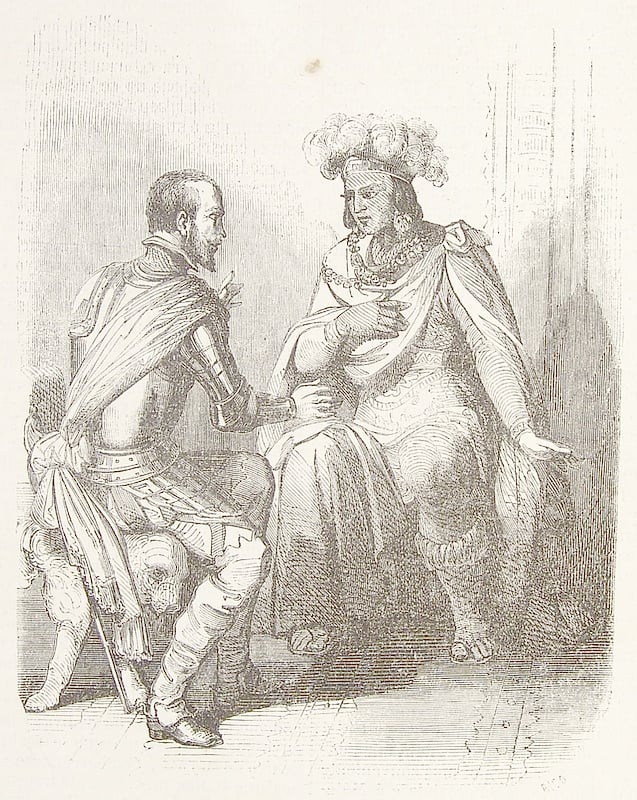
Díaz described Moctezuma’s meals as a production staged for one person. More than thirty dishes were prepared, set on clay braziers to keep them warm, and presented for the emperor to choose from.
A gilded screen was placed in front of him so that no one could watch him eat. Díaz noted that the ruler sampled only a few of the dishes and that attendants gave the leftovers to the household and guards.
Fresh Clothes Every Time
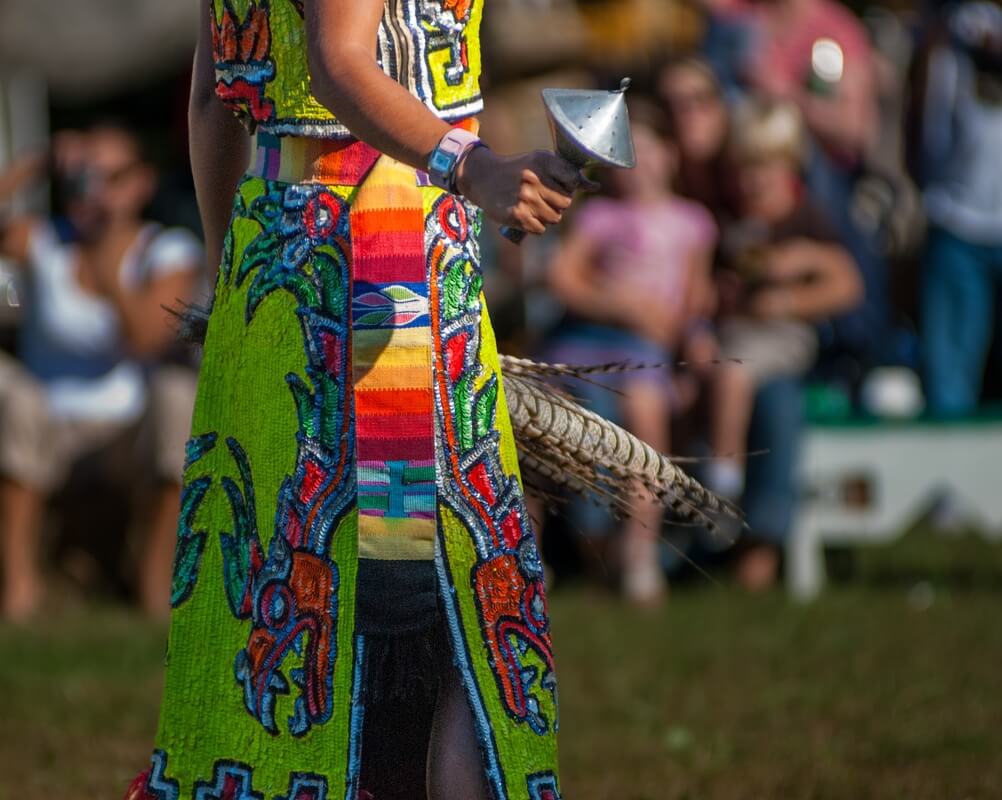
Díaz marveled at the personal routine of Moctezuma, who according to the chronicler wore a fresh set of garments and never put on the same clothing twice. The Spaniards, who arrived in dusty, sweat-soaked wool and armor, found the cleanliness remarkable.
Mexica rulers and commoners alike valued bathing, and steam baths known as temazcalli were a common feature of community life. For visitors from a Europe that treated frequent bathing with suspicion, the contrast was uncomfortable.
A City Reached by Roads Across the Water
Tenochtitlan stood on an island in Lake Texcoco and connected to the mainland by broad causeways. Cortés described them in his letters to the Spanish king, noting that the roads were wide enough for several horsemen to ride side by side.
Díaz wrote that the towers, temples, and buildings rising from the water reminded the soldiers of the enchanted scenes in the chivalric romance Amadís de Gaula. Some of the men even asked whether what they were seeing was a dream.
Gardens That Seemed to Float
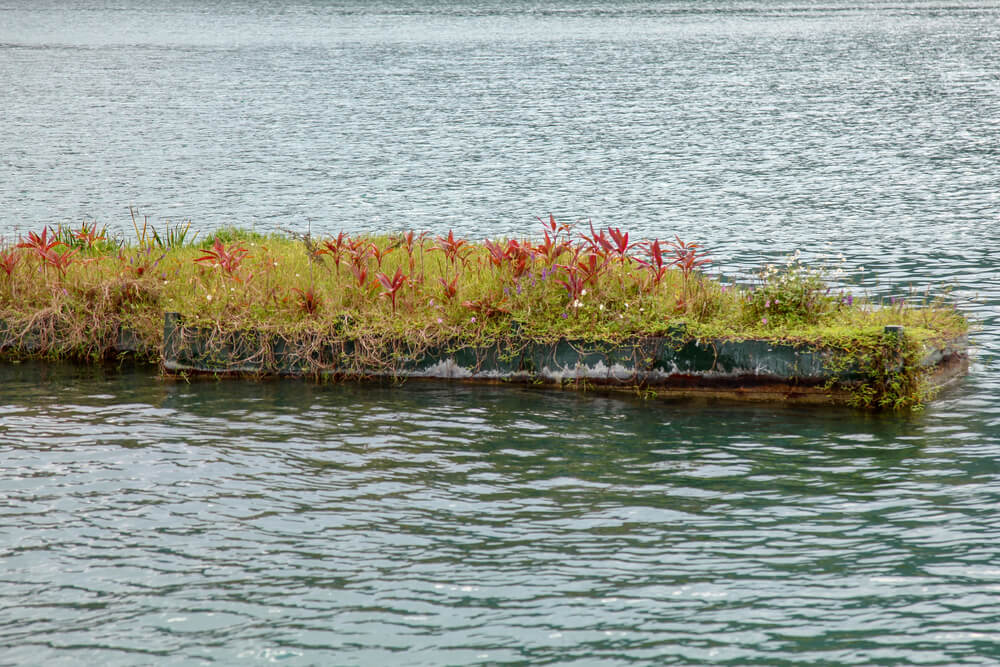
The Mexica fed their capital with chinampas, narrow artificial planting beds built up from mud and vegetation in the shallow lake. Canals ran between the plots, and farmers moved through them by canoe.
The system allowed repeated harvests of maize, beans, squash, and flowers from a patch of land that would otherwise have been marsh. Spanish observers described the surrounding landscape with admiration, and the technique is still used in the Xochimilco district of Mexico City today.
Fresh Water Piped Over a Lake

Salt in the lake made much of the surrounding water undrinkable, so the Mexica brought fresh water to the city by aqueduct from springs at Chapultepec. Cortés wrote of the system with evident surprise, observing that the water arrived through channels and was then sold in canoes to residents.
The aqueduct carried two parallel channels, which meant one could be cleaned while the other remained in service. Few European cities of the time managed such tidy maintenance planning.
The Zoo of the Emperor

Moctezuma kept a sprawling collection of animals, which Díaz and Cortés both described. Jaguars, birds of prey, snakes, and exotic birds were housed in dedicated buildings with their own keepers, who fed them and cared for them daily.
The Spaniards were struck both by the scale of the operation and by the staff devoted to it. Europeans had royal menageries too, but nothing the soldiers had seen matched the variety of species gathered under one roof.
Skull Racks Beside the Temples
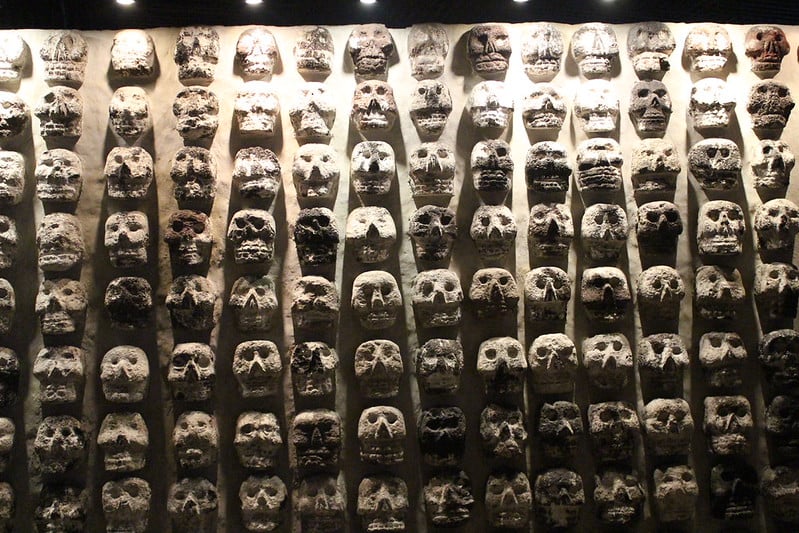
The tzompantli, a wooden rack used to display human skulls, unsettled and horrified the Spanish soldiers, who recorded seeing them in the ceremonial precinct. Archaeologists working in the center of Mexico City have since uncovered a tower of skulls near the Templo Mayor, confirming that the structures were real rather than exaggerated tales.
The finds gave scholars new evidence about how many people were involved in ritual practice and where they came from. For the Mexica, the rack was part of a religious order tied to the survival of the sun and the world.
Twin Temples Atop a Great Pyramid
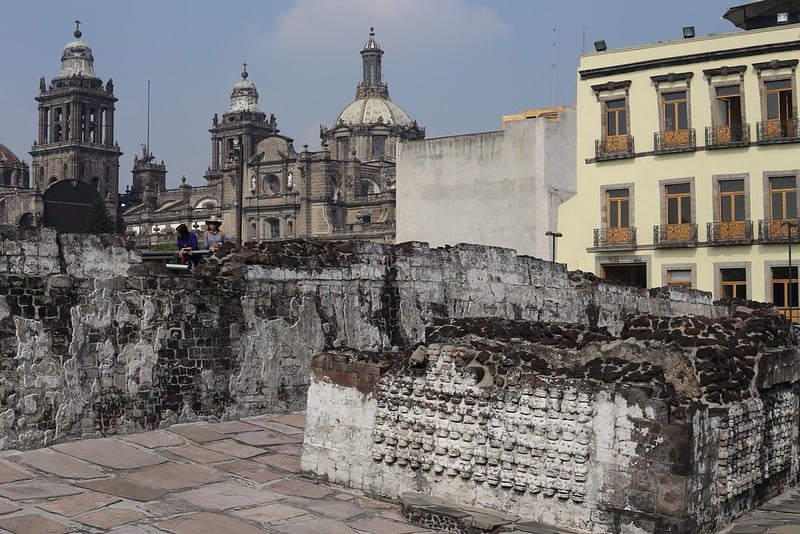
The Templo Mayor, the main temple of Tenochtitlan, carried two shrines at its summit, one for the war god Huitzilopochtli and one for the rain god Tlaloc. Díaz described climbing its many steps with Moctezuma and seeing the ceremonial spaces above the city.
The Spaniards were disturbed by the ritual offerings made there, which the Mexica considered a sacred duty to keep the cosmos in motion. Excavations beginning in the late twentieth century recovered thousands of offerings buried in and around the site.
Feathers Worth More Than Gold

The amanteca, a guild of specialist artisans, assembled shields, cloaks, and headdresses from the feathers of birds such as the quetzal. The Spaniards, hungry for gold, discovered that the Mexica ranked this delicate work among their most precious goods.
Moctezuma sent feathered pieces to Cortés as gifts, and some reached Europe, where the artist Albrecht Dürer saw Aztec objects in 1520 and wrote admiringly of their craftsmanship. A feathered headdress now held in Vienna remains one of the few surviving examples of the art.
Schools for Nearly Every Child

Sahagún’s informants described two kinds of schools that Mexica boys attended. The calmecac trained children of the nobility for priesthood, leadership, and scholarship, while the telpochcalli prepared commoner youth for military duty and public works.
Europeans of the sixteenth century had nothing comparable in the way of broad, state-supported schooling for ordinary families. The discipline in both institutions was strict, and students were expected to rise before dawn for sweeping and duties.
A Sport Played with Bouncing Rubber
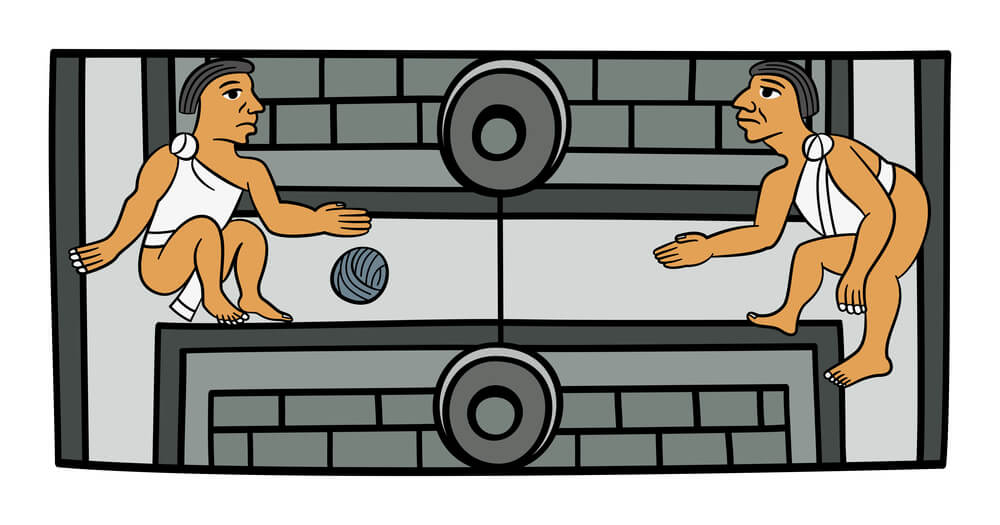
The Mesoamerican court game was played with a solid rubber sphere that the Spaniards found astonishing, since European playthings of the era were not elastic in the same way. Players struck the sphere with their hips and moved it across a stone court, and the sport carried religious meaning as well as entertainment.
Cortés brought Mexica players to Spain in the late 1520s to perform for Emperor Charles V. The performance, as the story goes, amazed the court with how high the rubber could bounce.
Painted Books Folded Like Screens
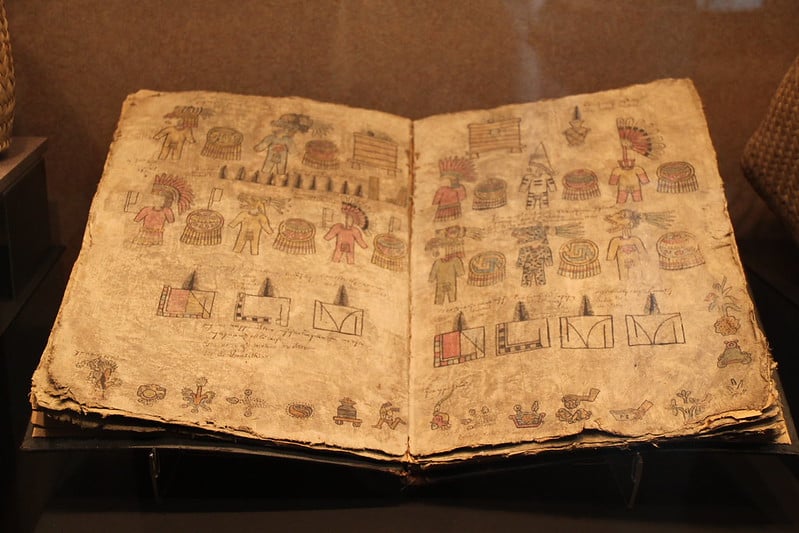
The Mexica recorded history, tribute, and ritual calendars in codices, long strips of bark paper or deerskin folded in accordion style and painted by trained scribes known as tlacuiloque. Spanish priests and officials later destroyed many of these manuscripts, and what survives is a fraction of what once existed.
Sahagún depended on Nahua elders and former students to reconstruct knowledge that the books had held. The surviving examples show a sophisticated writing system that combined pictures with phonetic signs.
Two Calendars Running at Once
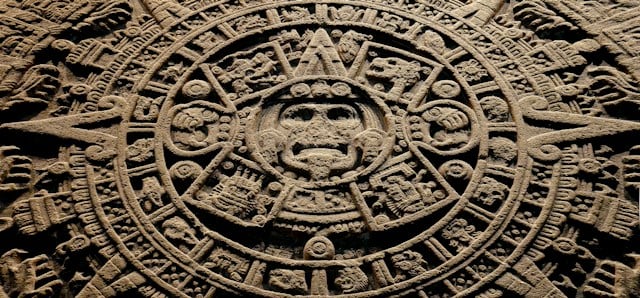
The Mexica tracked time with a 365-day solar calendar and a 260-day ritual calendar, and the two cycles meshed every 52 years. The end of each 52-year cycle brought a ceremony known as the New Fire, when fires across the region were put out and relit from a flame kindled on the hill of Huixachtlan.
Sahagún recorded how seriously people took the transition, since they believed the world might not continue without it. To the Spaniards, who trusted a single Christian calendar, the idea of a cosmos that needed renewal seemed alarming.
Fresh Fish Delivered by Relay Runners

Moctezuma was said to receive fresh seafood from the Gulf coast, hundreds of miles away, carried by relay runners who passed their loads along established roads. The Spaniards heard of the system and saw the speed at which news and goods moved through the empire.
Runners were stationed at intervals so that no single messenger had to cover the entire distance. The network gave the ruler a reach that European monarchs, with their slower mail, could only envy.
Armor Made of Quilted Cotton
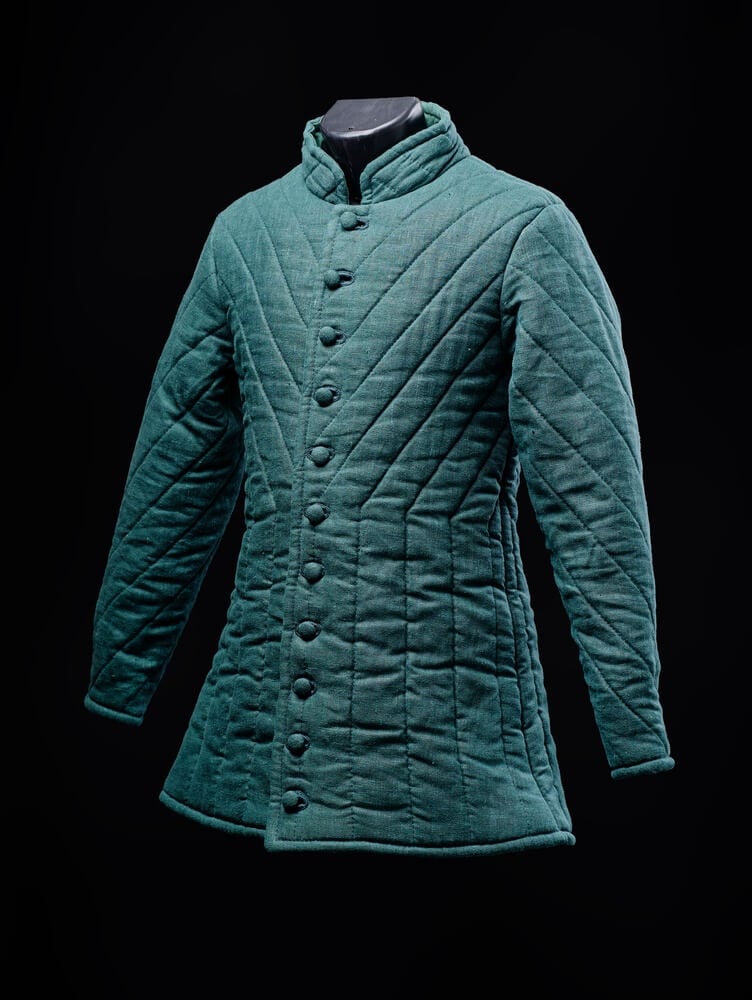
Mexica warriors wore ichcahuipilli, a thick padded cotton tunic soaked in salt water and hardened until it could turn aside arrows and stone-tipped weapons. The Spaniards, despite their steel, saw the benefit quickly and adopted the garment themselves as a lighter alternative to metal.
Many of Cortés’s men reportedly preferred it in the heat of the campaign. It is a rare case of conquerors borrowing military equipment from the people they fought.
Pulque and the Strict Rules for Drinking It
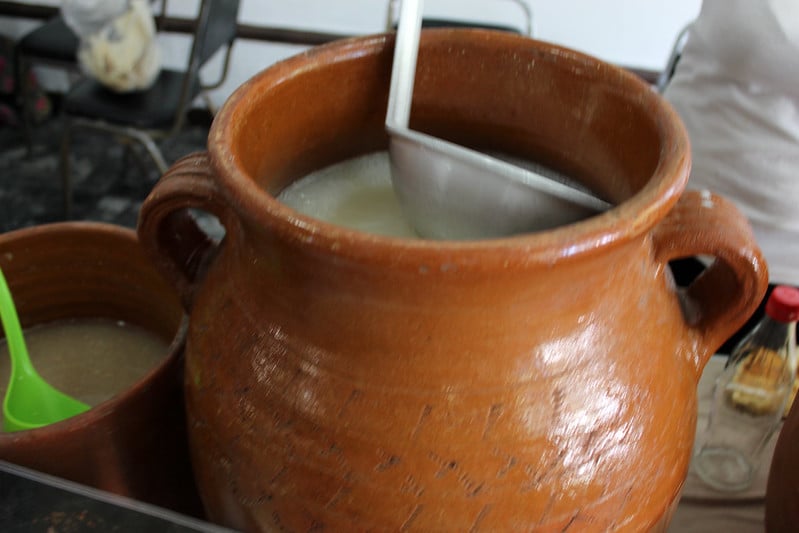
The fermented sap of the maguey plant, called octli or pulque, was central to Mexica ritual and daily life, and Sahagún documented the laws that surrounded it. Public drunkenness was punished severely for most young people, while elderly citizens were allowed to drink more freely at festivals.
The Spaniards, accustomed to taverns and wine, found the combination of sacred drink and strict social control puzzling. Maguey itself supplied fiber, food, and needles, making the plant one of the most useful in the valley.
When the Strange Turns Out to Be Familiar

The men who wrote about the Mexica reached for European comparisons because they had no other language for what they saw. A market became Rome, a canal city became Venice, and a ruler became an emperor or a king.
Those analogies helped readers back home, but they also flattened a culture whose logic ran on very different principles.
Reading the chronicles today means reading both the observers and the people they observed. The astonishment on the page is real, yet the details beneath it, from cacao beans to padded cotton armor, show a society that was organized, inventive, and deliberate.
That gap between shock and understanding is where the best history tends to live.
More from Go2Tutors!

- The Romanov Crown Jewels and Their Tragic Fate
- 13 Historical Mysteries That Science Still Can’t Solve
- Famous Hoaxes That Fooled the World for Years
- 15 Child Stars with Tragic Adult Lives
- 16 Famous Jewelry Pieces in History
Like Go2Tutors’s content? Follow us on MSN.