15 Bizarre Patents That Got Approved
The patent system exists to protect inventors and reward original thinking. Most of the time, that means safeguarding software algorithms, mechanical processes, or medical devices.
But every so often, something slips through that makes you wonder what exactly the examiner was thinking when they stamped “approved.” These aren’t urban legends or hoaxes.
Every patent on this list is real, filed in good faith, and officially recognized by the United States Patent and Trademark Office. Some were clearly jokes that went too far.
Others were probably sincere ideas that just didn’t age well. Either way, they’re worth knowing about.
The Motorized Ice Cream Cone

Eating ice cream the regular way involves your wrist doing a slow rotation to keep up with the melt. Apparently, that was too much effort for one inventor, who filed US Patent 5,971,829 for a battery-powered cone that spins on its own.
You hold the handle. The cone rotates. Your tongue stays still. Whether this is genius or a sign of something deeply wrong with modern convenience culture is a question worth sitting with for a moment.
A Method of Swinging on a Swing

In 2002, a five-year-old named Steven Olson became one of the youngest people ever granted a US patent. His father helped him file for Patent 6,368,227, which described a method of swinging on a swing set — specifically, moving the swing side to side rather than back and forth.
The patent office eventually re-examined it and declared the idea too obvious to protect. But for a brief period, a kindergartner technically held intellectual property rights over a playground activity that children had been doing for generations.
The Bird Diaper
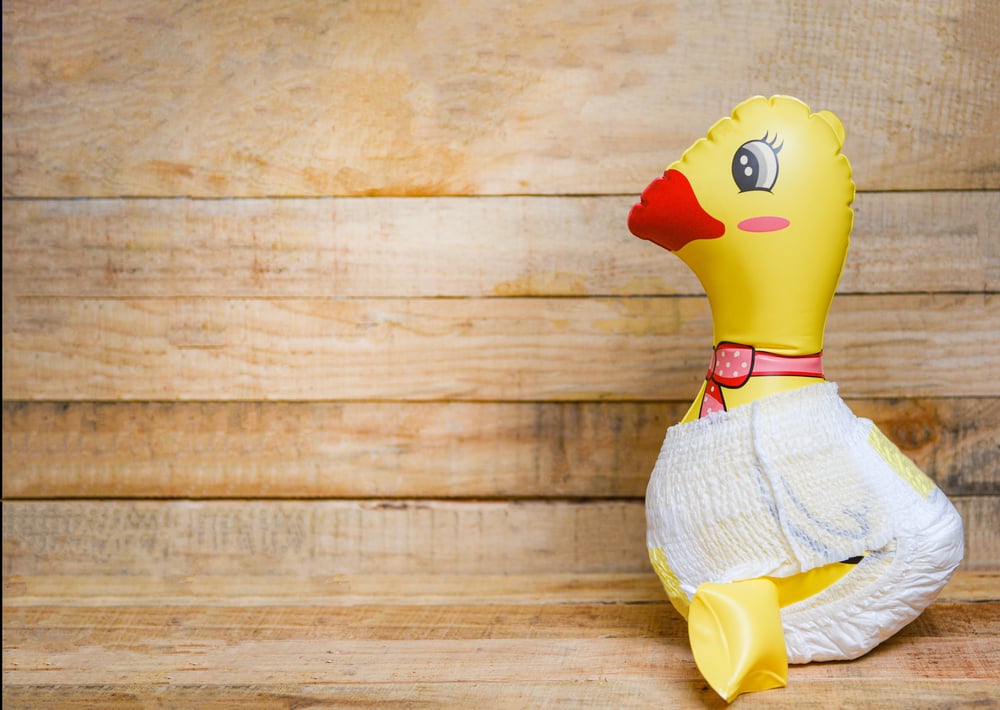
Pet birds are wonderful companions until they aren’t. Someone decided the solution to the mess problem was a wearable diaper designed specifically for birds, complete with a harness system to keep it in place during flight.
The patent was filed with full seriousness. Diagrams included. Multiple size variations described. It’s actually sold commercially now, which means this bizarre patent became a real product with a real market.
The Anti-Eating Face Mask
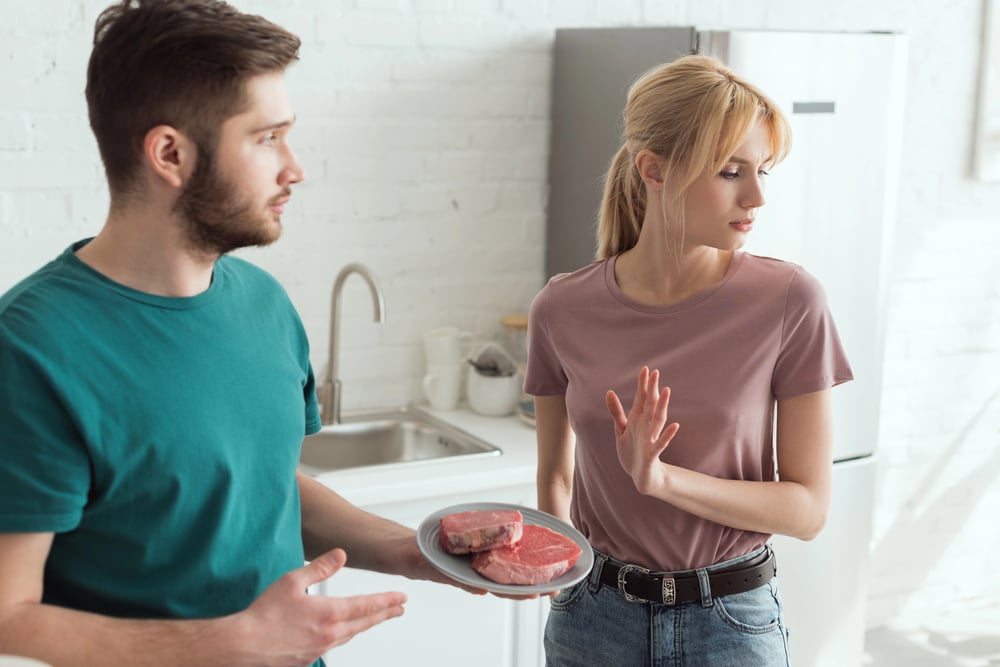
If you’ve ever wanted a physical barrier between yourself and food, Patent 4,344,424 was designed with you in mind. This device attaches to the head and covers the mouth with a cage-like structure, physically preventing the wearer from eating without removing it first.
The idea was marketed as a weight management tool. Whether anyone ever wore one in public is unknown, but hopefully the answer is no.
The Santa Claus Detector

Children around the world have wondered for years whether Santa Claus actually visits their home on Christmas Eve. Patent 5,523,741 provides a solution.
It’s essentially a tripwire system placed near the fireplace or front door that triggers a signal when broken, theoretically alerting the sleeping household that something has entered. The patent never specifies what the signal proves.
The Baby Mop

This one solves two problems at once, or so the inventor claimed. The Baby Mop is a onesie covered in mop-like fibers on the front and knees.
As a baby crawls across a floor, the fibers passively clean the surface beneath them. The patent was filed with genuine conviction. Somewhere between adorable and unsettling, the Baby Mop represents a worldview where infants serve a dual function: being loved and maintaining household cleanliness.
The Flatulence Odor Filter

Patent 5,593,398 is for underwear embedded with a charcoal filter designed to absorb and neutralize intestinal gas before it becomes a social problem. The filter sits in a specific location in the garment, and the charcoal works as an odor trap.
This is, objectively, not a bad idea. The engineering makes sense. The need is real. What makes it bizarre is mostly the mental image of someone sitting in a boardroom pitching activated charcoal undergarments and receiving a patent certificate in return.
The Banana Protector

Your banana is fragile. It bruises easily, gets squashed in bags, and arrives at your desk looking nothing like it did in the produce section.
Patent 6,935,491 addresses this with a hard-shell, banana-shaped container designed to transport a single banana safely. The container comes in standard banana dimensions and opens on one end.
The Comb-Over Patent
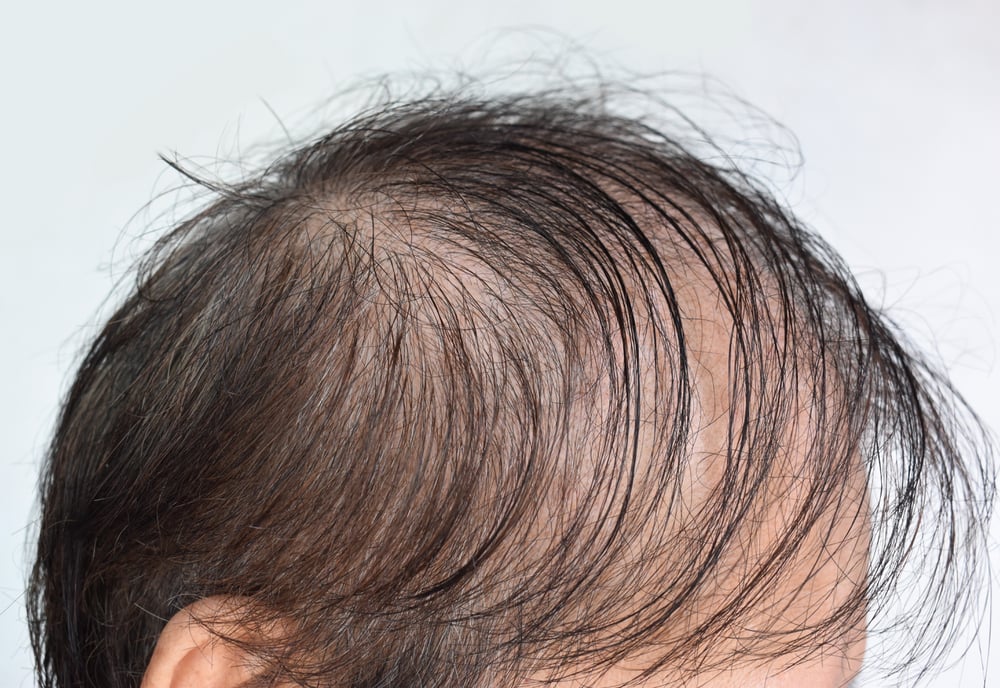
US Patent 4,022,227 is one of the more personal entries on this list. Filed in 1975, it describes a specific technique for styling thinning hair across the scalp using a three-part folding method.
In other words, the comb-over — the act of sweeping remaining strands from one side to cover a larger area — is a patented process. The inventors, a father and son duo, filed it with careful technical language and detailed illustrations.
The Ping Pong Door
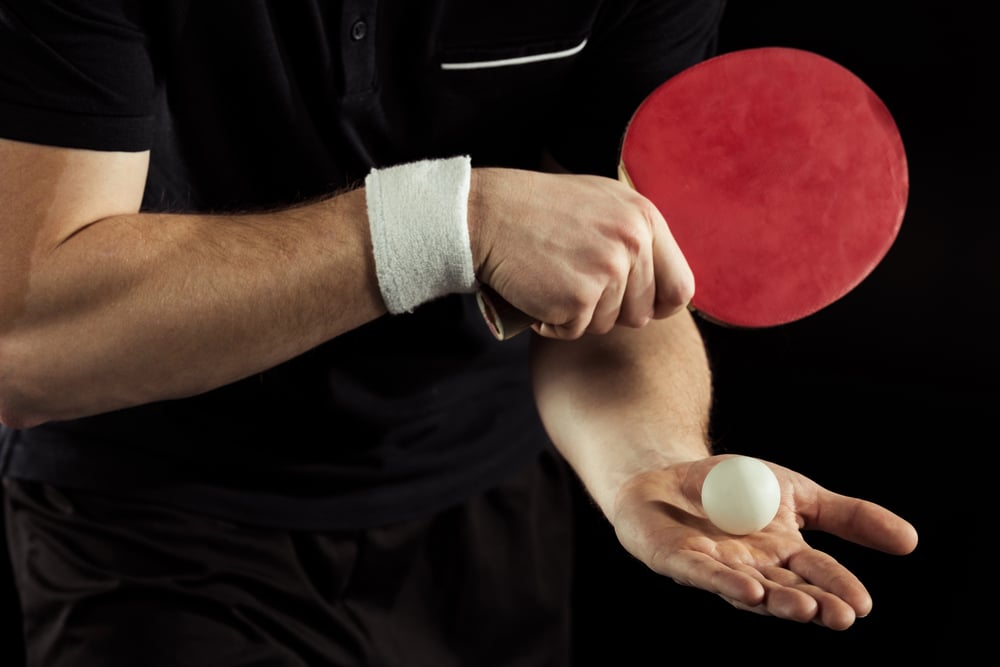
The ping pong door is exactly what it sounds like. Patent 7,997,996 covers a door that, when removed from its hinges and laid flat on a foldable leg system, becomes a full-sized table tennis surface.
The door frame contains storage for paddles and a net. This actually sold as a real product for a while. It’s clever, space-saving, and entirely unnecessary.
The Ejector Bed

Patent 7,784,400 is for a bed that, at a preset time, tilts dramatically enough to dump the sleeping occupant onto the floor. The idea being that you simply cannot sleep through an alarm you’re physically thrown out of.
There are questions here. Questions about injuries. Questions about what happens to the person sharing the bed. Questions about whether there isn’t a gentler solution. The patent offers no answers.
The High-Five Machine

Human connection is not always available on demand. Patent 6,,488,463 — filed by a Canadian inventor — describes a mechanical hand mounted on a spring-loaded arm.
When you slap it, it returns the motion, simulating the experience of a high-five from another person. The inventor reportedly created it to celebrate good golf shots when playing alone.
The Kissing Transmission Device

Distance makes things tough. Way back in 2005, someone filed a patent – number 20050275944 – for a gadget meant to close the gap.
Instead of words or photos, it captured how a kiss feels: the push, the motion. That data traveled through wires to another machine far away. On arrival, the second unit mimicked the original touch, almost like sharing skin across miles.
The Forehead Rest

A small rest for your forehead, fixed onto walls or poles – this idea shows up in US Patent 4,707,874. Comfort comes first when someone leans forward, head gently pressed here instead of bending too far.
Neck tension? Less likely now. Built to fit upright spots easily, it holds steady during use. Where exactly it should go isn’t fully clear from the start.
The Google Pet Translator

A dog’s bark or a cat’s meow might mean more than noise, according to a 2016 idea from Google. That year, they recorded plans for tech linking animal sounds to physical signals such as motion and heartbeat.
Instead of guessing mood, their method lines up noises with body clues. One moment it could track pacing, the next match a howl to rising pulse. Emotion becomes less guesswork when data backs each link.
What These 15 Patents Reveal
Not quite how people imagine it works, the patent system skips questions about value. Instead of asking if an idea helps anyone, or makes money, yet alone improves life – its focus lands elsewhere.
Freshness matters most. So does whether someone else could build it from the details given. Exactly here fits each one of these fifteen, by those measures.
More from Go2Tutors!

- The Romanov Crown Jewels and Their Tragic Fate
- 13 Historical Mysteries That Science Still Can’t Solve
- Famous Hoaxes That Fooled the World for Years
- 15 Child Stars with Tragic Adult Lives
- 16 Famous Jewelry Pieces in History
Like Go2Tutors’s content? Follow us on MSN.