24 American Beaches Before Modern Resort Development
Every famous shoreline had an earlier version: dune grass, a few fishing shacks, a lifesaving crew, and a rough trip to reach any of it. The sand was often the same sand, but the people on it were farmers, planters, surfers, and sailors rather than vacationers with rental cars.
These beaches changed in different ways. Some were built up by railroads, some by bridges, and some by a single determined developer with a dredge. What each looked like before that moment is easier to picture than it might seem.
Miami Beach as a Coconut and Avocado Farm
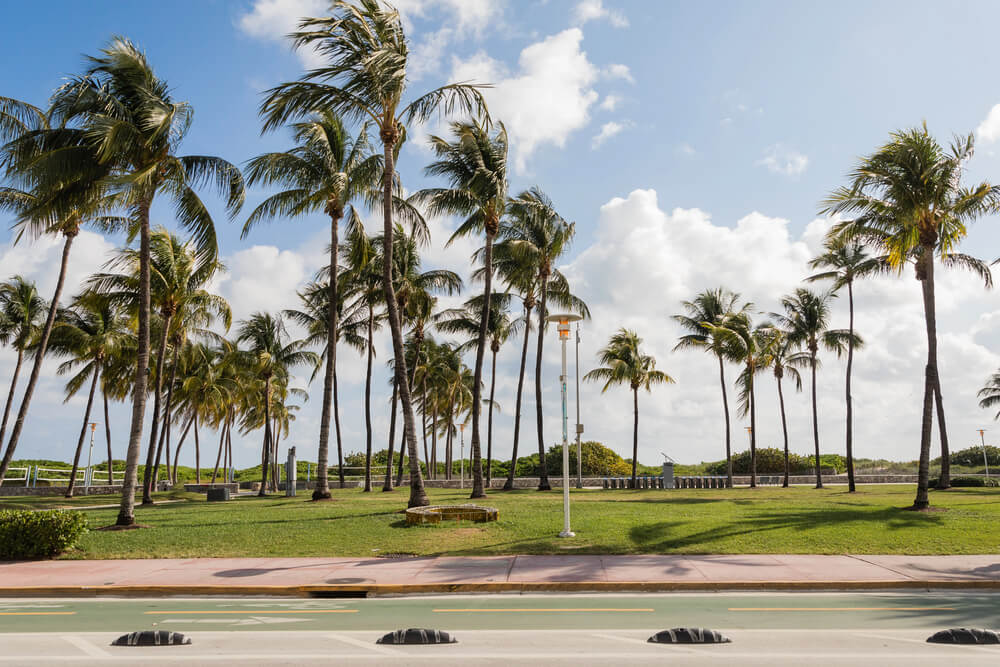
Before it had a single hotel, Miami Beach was a mangrove-covered barrier island where John Collins, a Quaker farmer from New Jersey, planted avocados and coconuts. Collins began a long wooden bridge across Biscayne Bay to carry his crops to the mainland, and the project ran short of money before it was done.
Carl Fisher stepped in with a loan and received land in exchange, and the bridge opened in 1913. Fisher then cleared the mangroves and began building the resort city that replaced the farm.
Cape May When Guests Arrived by Boat
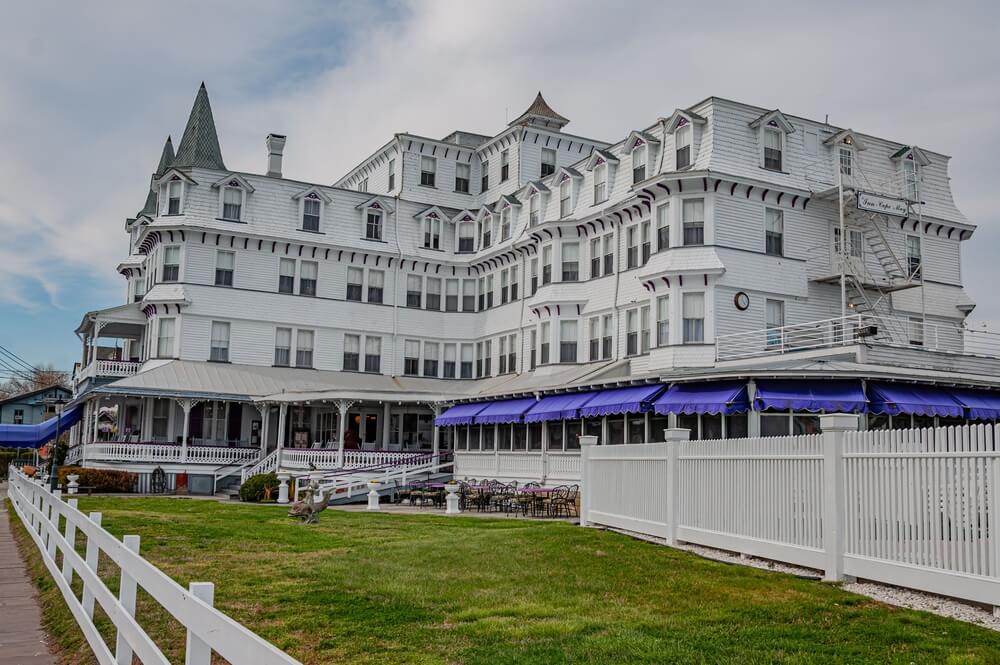
Cape May was drawing summer visitors from Philadelphia long before railroads and highways, and travelers reached the tip of New Jersey by boat and stagecoach. Congress Hall, which opened on the oceanfront in 1816, is still operating as a hotel and often described as the oldest seaside hotel in the country.
The shoreline it faced was a plain stretch of dunes with little else around it. The Victorian cottages that now define the town came decades later, mostly after the railroad arrived.
Absecon Island Before the Boardwalk
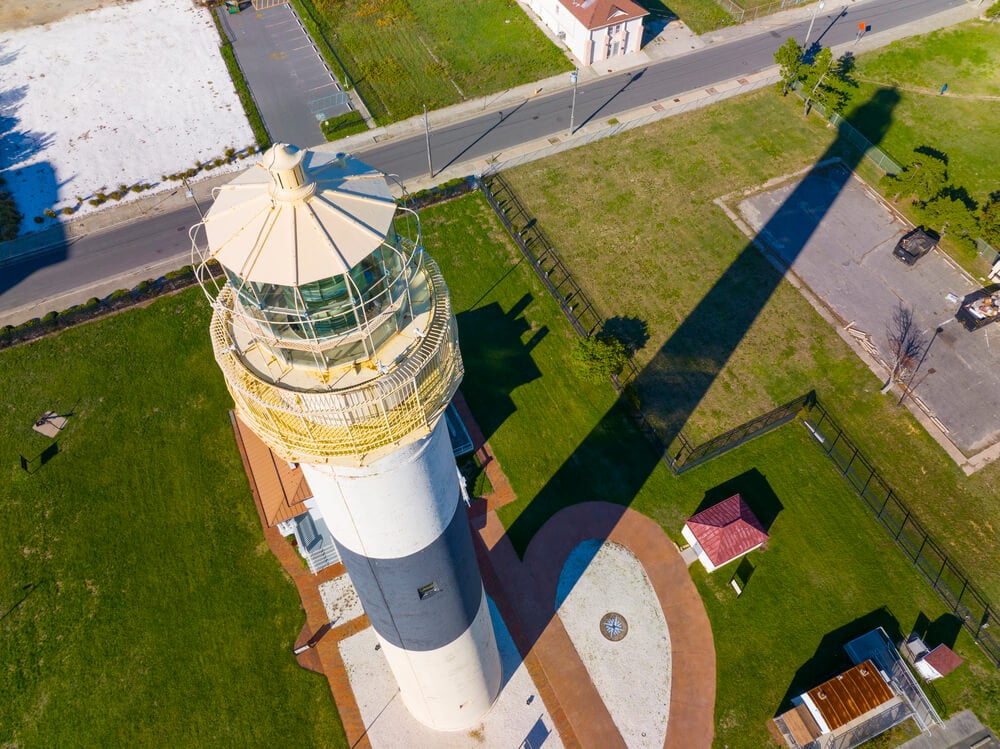
Atlantic City began as Absecon Island, a barrier island of dunes and salt marsh that a physician named Jonathan Pitney believed could become a health resort. The Camden and Atlantic Railroad reached the island in 1854 and made day trips from Philadelphia possible.
In 1870 the city opened the first boardwalk, a simple plank path meant largely to keep sand out of hotel lobbies and railroad cars. The casinos and steel piers came much later, built on a beach that had once been valued mainly for fishing and salt hay.
Ormond and Daytona Beach as a Racetrack of Sand

— Photo by actionsports
Long before condo towers lined the shore, the hard-packed sand near Ormond Beach and Daytona Beach served as a natural racecourse. Automobile pioneers including Alexander Winton and Ransom Olds brought their machines to the beach for speed trials in 1903.
The firm sand stayed open to racing for decades, and stock car racing there in the 1930s and 1940s led directly to the formation of NASCAR in Daytona Beach. The beach course was eventually replaced by Daytona International Speedway, which opened in 1959.
Hilton Head Before the Bridge
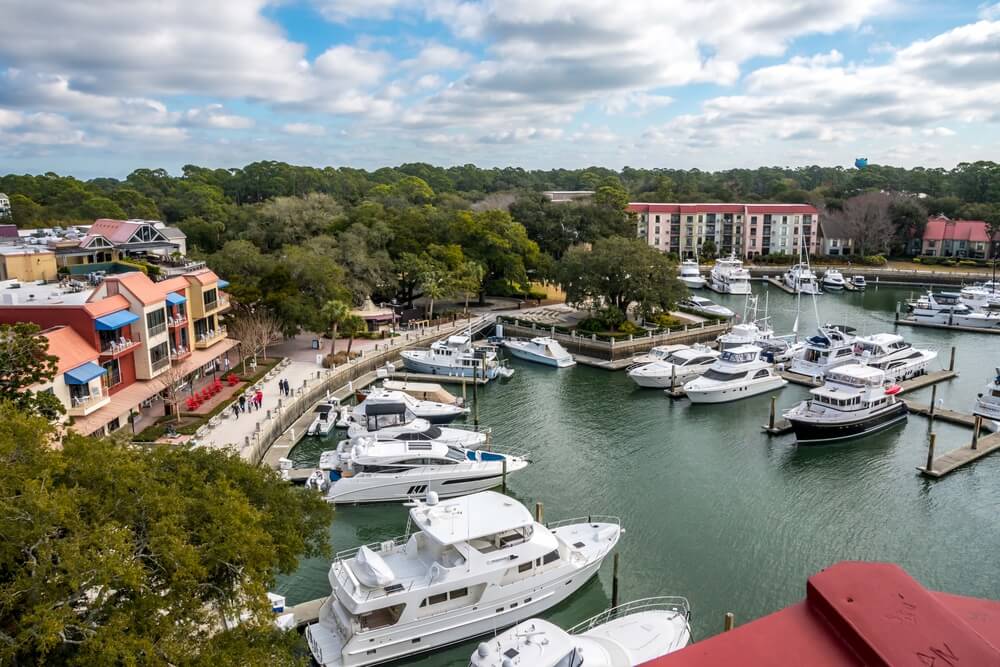
For most of its history Hilton Head Island was reached only by boat, and its beaches belonged to a small community of descendants of enslaved people who farmed and fished there. During the Civil War, Union forces held the island, and a settlement called Mitchelville for formerly enslaved people was established there in 1862.
A swing bridge connected the island to the mainland in 1956, and the developer Charles Fraser began shaping Sea Pines Plantation shortly after. The Gullah culture that grew up in the isolation of those earlier decades still survives in pockets of the island.
Rehoboth Beach as a Methodist Camp Meeting
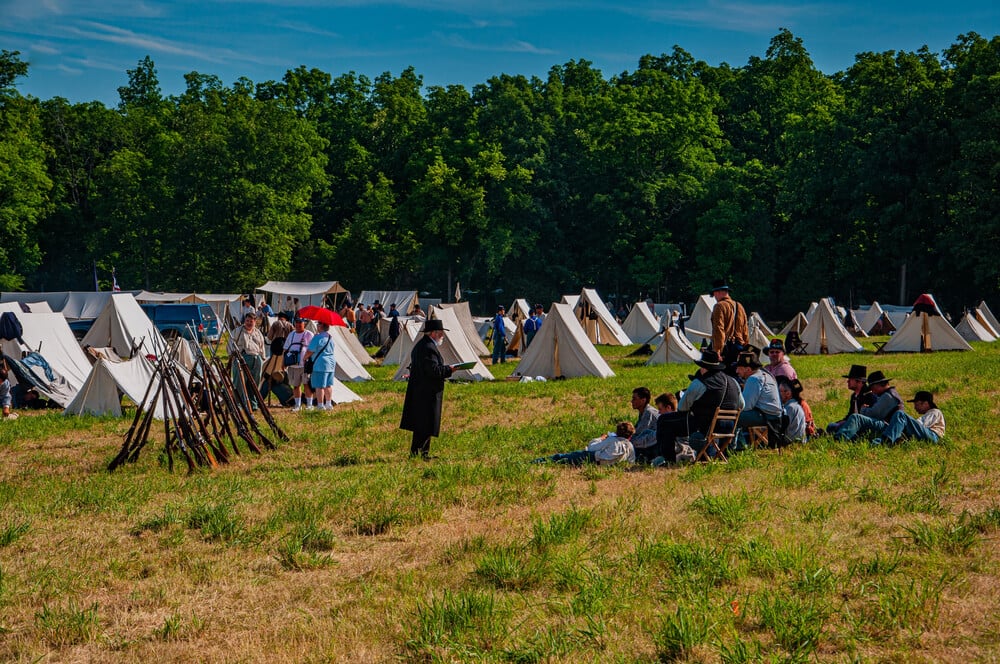
Rehoboth Beach in Delaware did not begin as a vacation town but as a religious retreat. A Methodist camp meeting association formed in 1873 to hold summer revival gatherings on the shore, and tents were pitched near the ocean for that purpose.
Visitors who came for the sermons also noticed the surf, and the camp meeting grounds became the core of a seaside town. The association’s roots are one reason the town developed with a modest, family-oriented character that lasted for generations.
Jones Beach as a Bare Sandbar
— Photo by SK-M
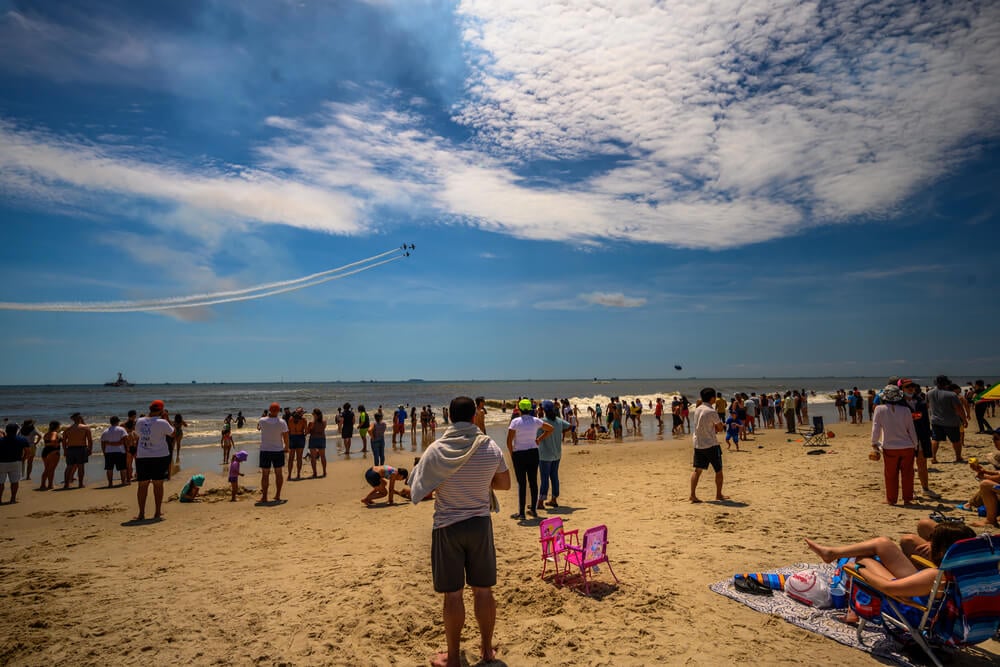
Jones Beach on Long Island was a thin barrier sandbar with little more than dunes and wind before Robert Moses transformed it into a public park that opened in 1929. The state dredged sand to build up the land, laid out roads, and constructed bathhouses and a central mall anchored by a tall brick water tower styled like a campanile.
The beach took its name from a seventeenth-century landholder, Major Thomas Jones, whose family had used the sandbar for grazing and whaling. The park was designed so that ordinary New Yorkers could reach the Atlantic without paying for a private resort.
Venice Beach When It Was Marsh and Canals
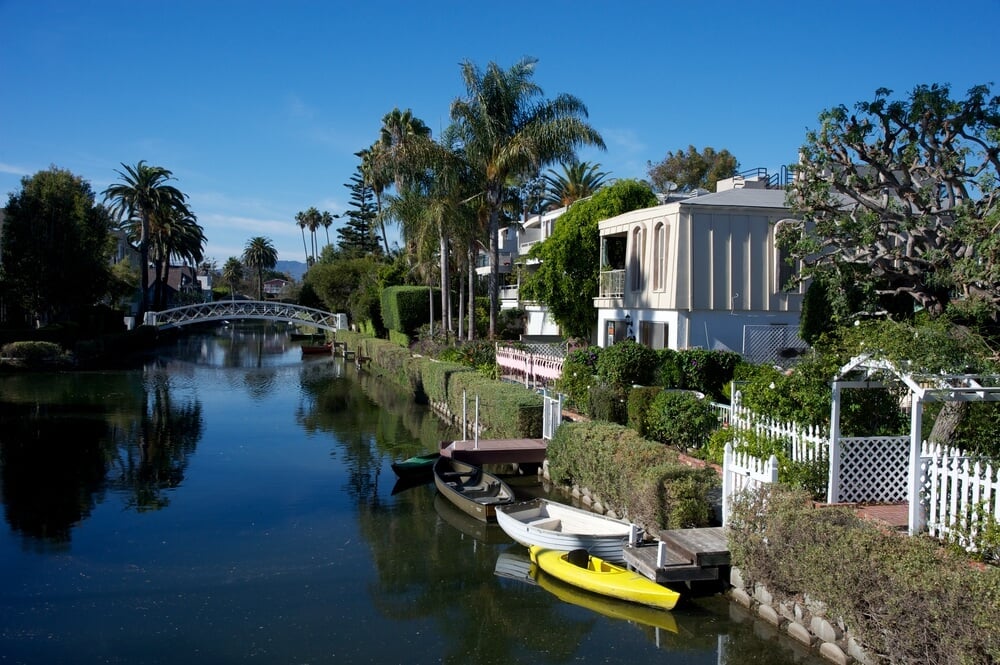
Venice, California, was marshland and tidal flats before the developer Abbot Kinney set out to build a version of Venice, Italy, on the Pacific coast. The community, called Venice of America, opened on July 4, 1905, with dug canals, a pier, and gondolas operated by gondoliers brought from Italy.
The shoreline was an entertainment district years before it became known for muscle gyms and boardwalk performers. Most of the canals were filled in during the 1920s to make room for automobiles, though a few survive in a residential neighborhood.
Seaside, Oregon, and the Salt Works of Lewis and Clark
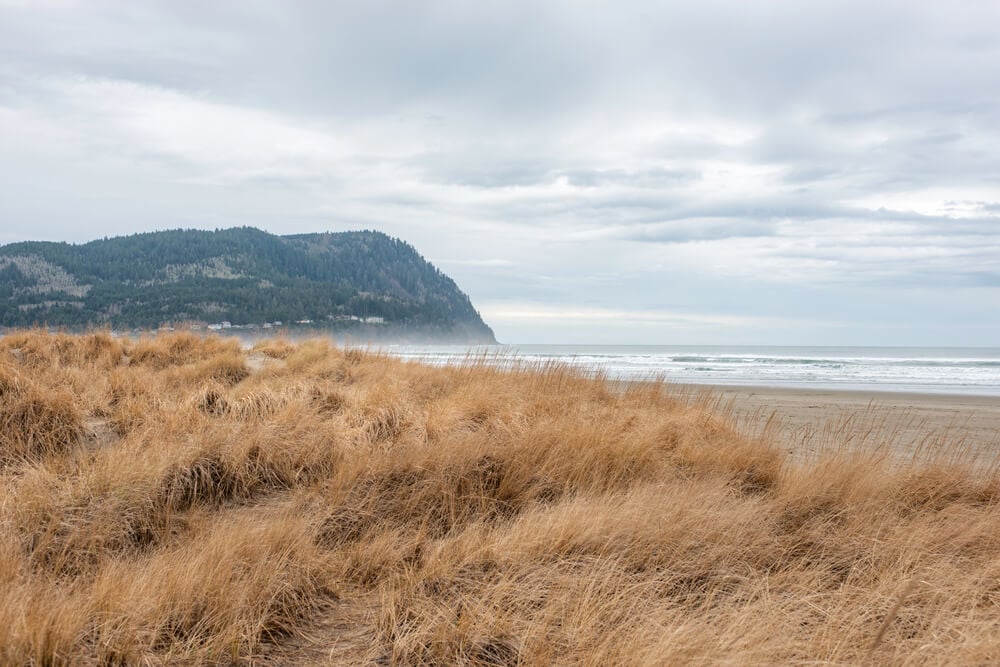
Before Seaside became an Oregon coast resort, members of the Lewis and Clark expedition set up a salt-making camp on this stretch of shore during the winter of 1805 and 1806. The reconstructed salt works still stands as a historic site in town.
In 1870 the stagecoach and steamship tycoon Ben Holladay opened the Seaside House, a large hotel that drew Portland families to the coast. The sand and surf that visitors enjoyed then were much the same as what the expedition saw, minus the crowds.
Cannon Beach and the Cannon That Washed Ashore
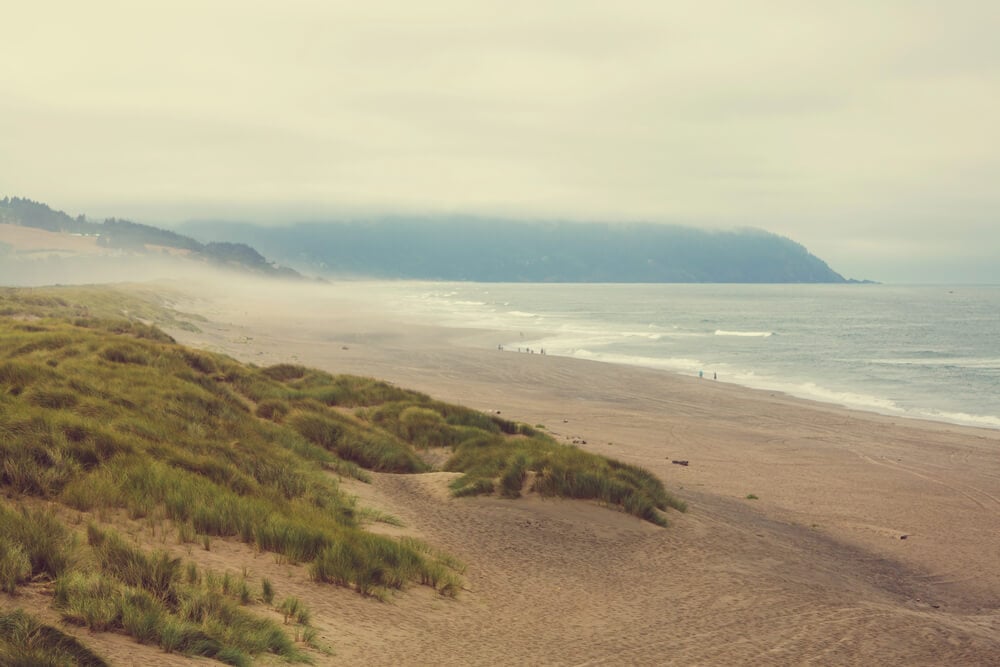
Cannon Beach in Oregon took its name from a cannon that washed ashore after the Navy schooner USS Shark wrecked at the mouth of the Columbia River in 1846. Decades earlier, William Clark had walked these sands in 1806 to find a beached whale that local people were stripping for blubber.
The beach was long known as a quiet stretch with a prominent sea stack, Haystack Rock, dominating the view. Small resort cottages and summer homes appeared only gradually, long after the cannon had become a local landmark.
Folly Beach and the Summer George Gershwin Worked on Porgy and Bess
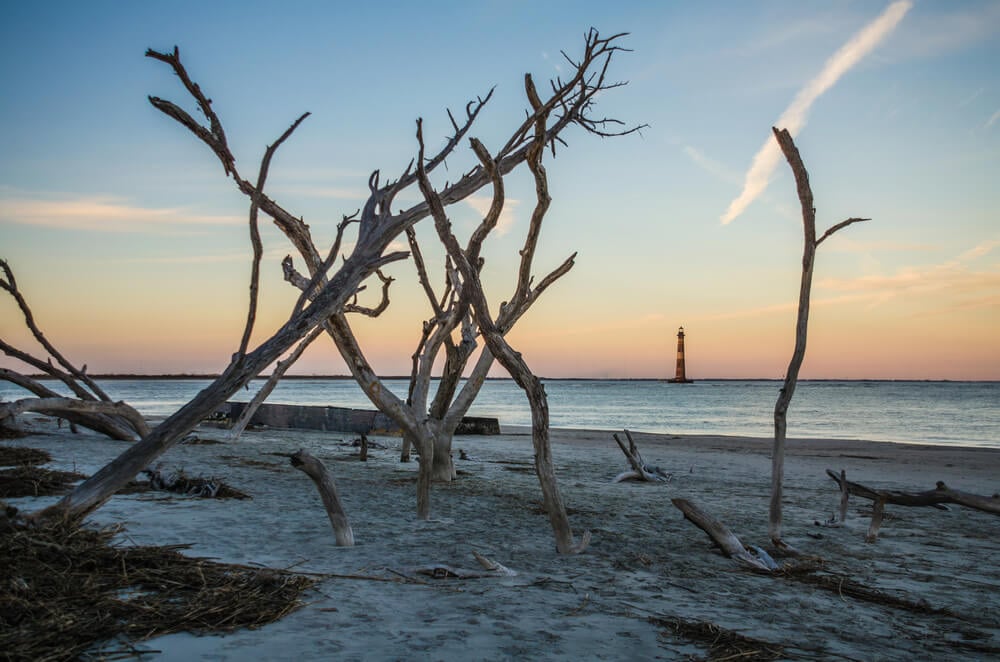
In the summer of 1934, the composer George Gershwin rented a modest cottage on Folly Beach, South Carolina, and worked on his opera Porgy and Bess. At the time the island near Charleston was a quiet strip of dunes and simple beach houses with few conveniences.
Gershwin was drawn to the area to absorb the sounds and speech of the Gullah community that inspired the work. The cottage on West Ashley Avenue is still standing and has become a point of local pride.
Destin When It Was a Fishing Village
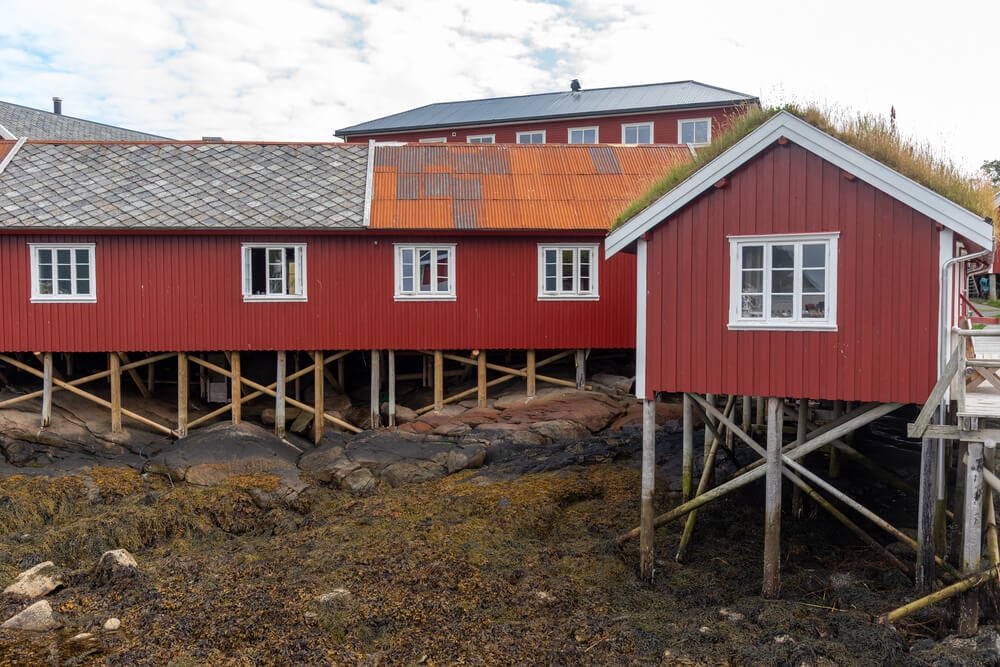
Destin, Florida, grew from a small fishing village founded by Captain Leonard Destin, a New London, Connecticut, native who settled on the Gulf coast and fished for red snapper. For generations the community lived off the water, with fishing boats working out of the pass rather than hotels serving tourists.
The sugar-white sand that now draws crowds was then mostly a place for dragging nets and mending gear. The Destin History and Fishing Museum preserves that working-waterfront past.
Ocean City, Maryland, Before the Inlet
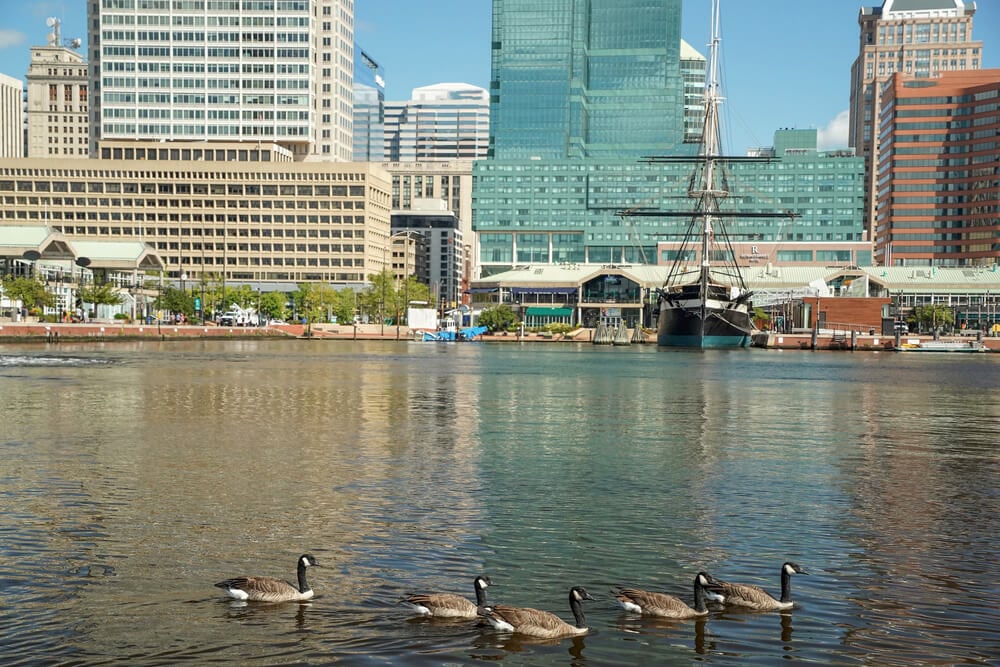
Ocean City, Maryland, began as a quiet seaside farm and fishing area on the Atlantic side of the Delmarva Peninsula until Isaac Coffin built the Sea Side House in 1869 to host summer visitors. For its first six decades, the town sat on an unbroken strip of land connected to Assateague Island.
A hurricane in 1933 cut the Ocean City Inlet through the barrier island, creating the harbor and the permanent division between the two islands. The boardwalk and high-rise hotels of later years grew up on a shoreline that nature itself had rearranged.
Pawleys Island and the Rice Planters’ Escape
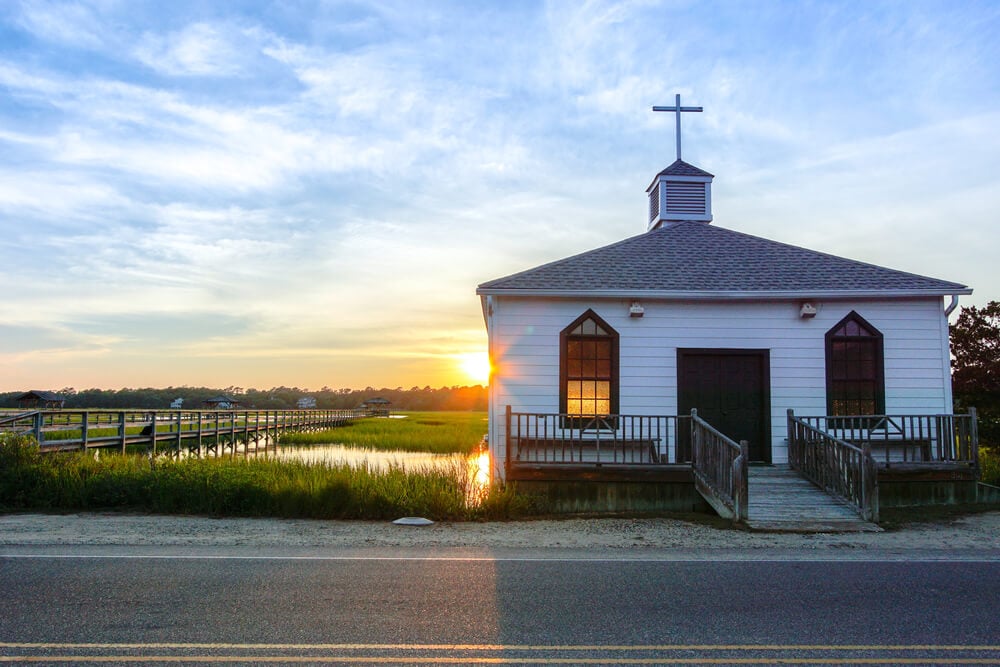
Pawleys Island, South Carolina, earned a reputation as an early summer retreat for rice planters who moved their families to the shore to avoid the mosquito-borne fevers common on the inland plantations. The island’s simple wood cottages, built with deep porches to catch the breeze, were designed for shade and ventilation rather than luxury.
The historic district was listed on the National Register of Historic Places in 1972. Even now the island has remained small and low-rise, carrying on much of its earlier character.
Wildwood Before the Boardwalk Crowds
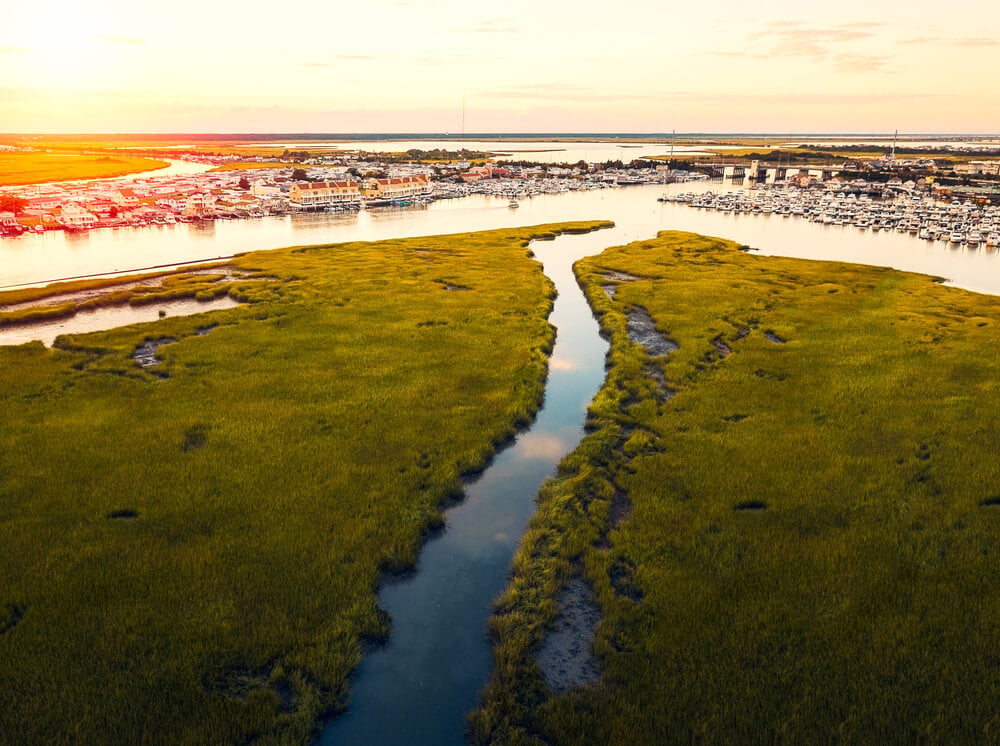
Wildwood, New Jersey, took shape in the 1880s when the Baker brothers promoted the narrow island south of Atlantic City as a seaside community. Philip Baker laid out the original town, and his brother J. Thompson Baker later developed Wildwood Crest.
The beach in this area is famously wide, thanks in part to the way sand accumulates along this section of the coast. Before the neon boardwalk and motel strip arrived, the island offered open dunes and a long expanse of sand that proved ideal for building a resort.
Nags Head and the Unpainted Aristocracy
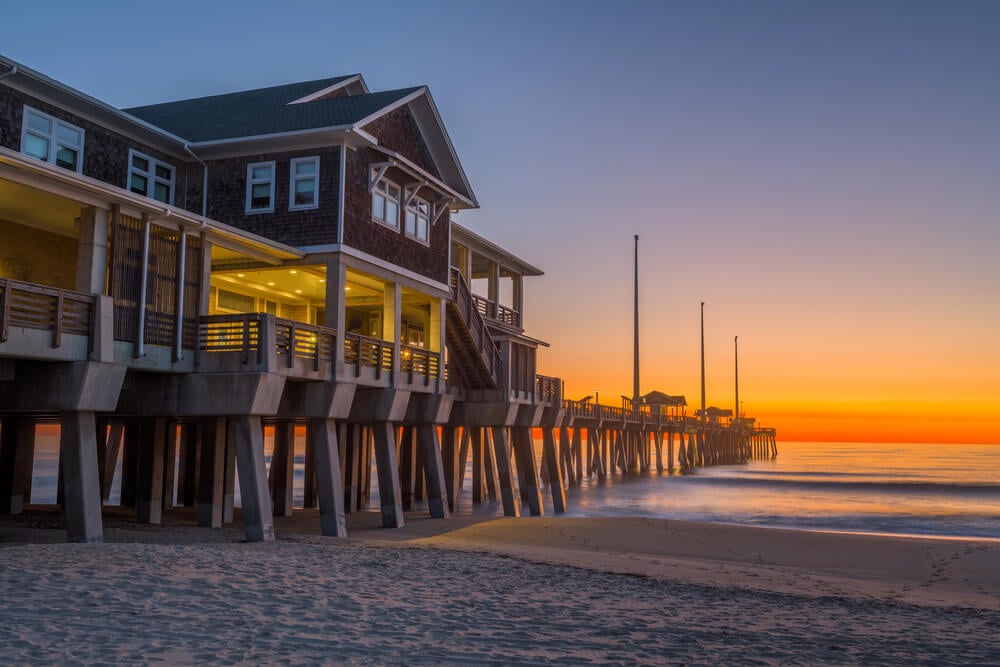
Nags Head on North Carolina’s Outer Banks became one of the first beach resorts in the South when planters from the Albemarle Sound region began building cottages there in the 1830s to escape summer fevers. The weathered, shingled houses were left unpainted, giving rise to a nickname for their owners, the Unpainted Aristocracy.
Visitors arrived by boat and traveled across sand to reach their rented rooms. A remarkable number of the old cottages survive in a historic district, a reminder of when the village was among the only beach resorts in the region.
Coney Island Before the Amusement Parks
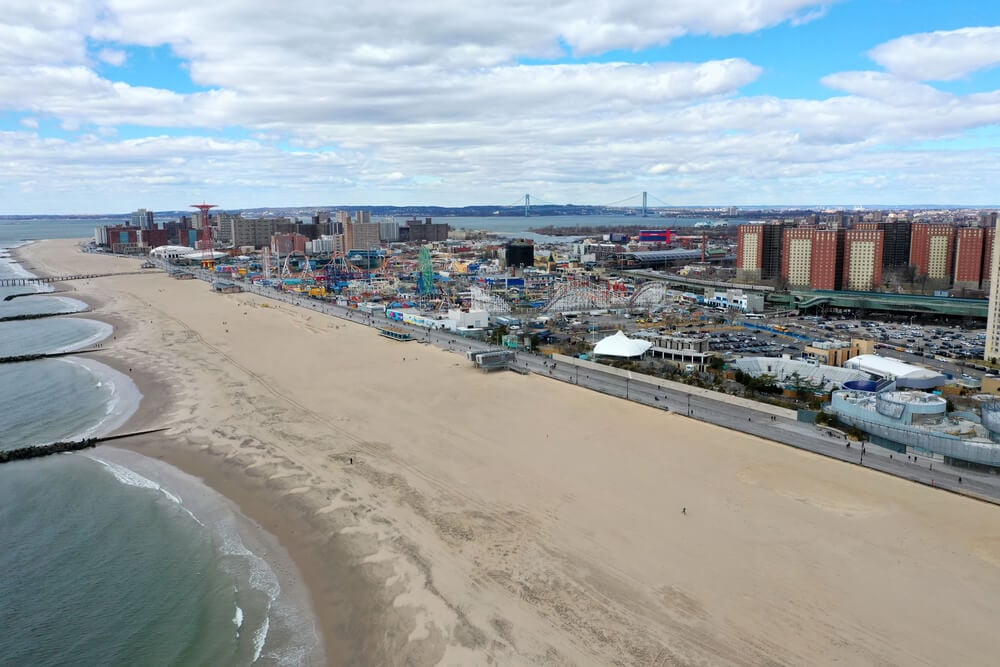
Coney Island was a remote sandy peninsula in Brooklyn, a short distance from the old Dutch town of Gravesend, before it was known for roller coasters. The Coney Island House, built in 1829, was one of its first hotels and drew New Yorkers who wanted to bathe and dine by the ocean.
Large oceanfront hotels and horse racing arrived in the 1870s and 1880s, followed by Steeplechase Park in 1897. The area at first appealed to visitors seeking quiet breezes rather than thrill rides.
Santa Monica Before the Pier
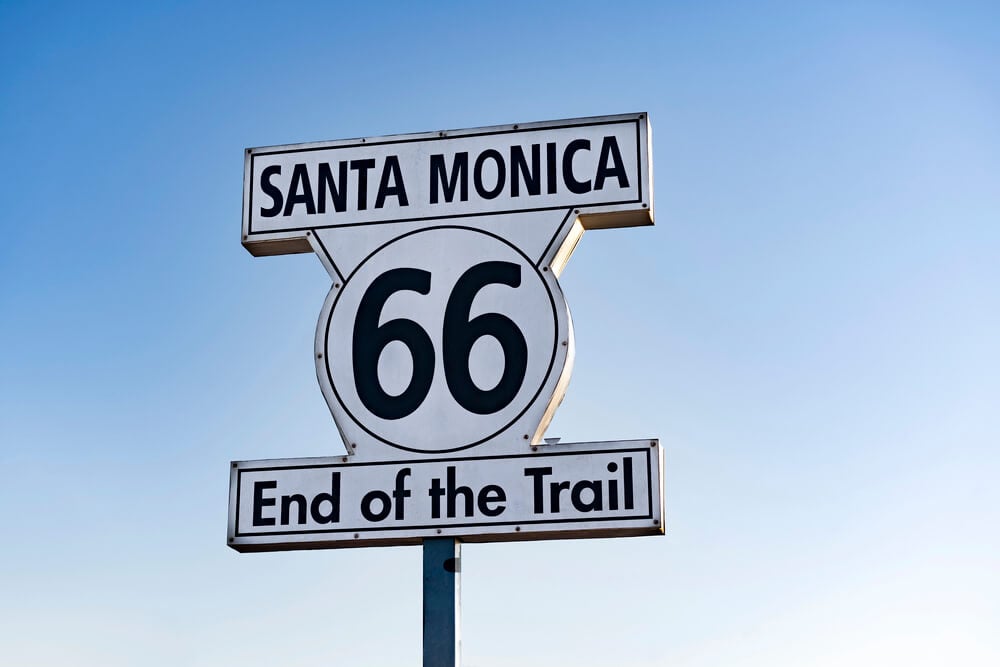
Santa Monica was founded in 1875 by Senator John P. Jones and Arcadia Bandini de Baker, who planned a seaside town linked to Los Angeles by rail. For years the bluffs above the shore offered open views and little else but tents and small hotels.
The Municipal Pier opened in 1909, and the Looff Hippodrome carousel followed in 1916. The beach at the foot of those bluffs was a plain stretch of sand long before it became one of the most photographed in America.
Waikiki Before the Hotels
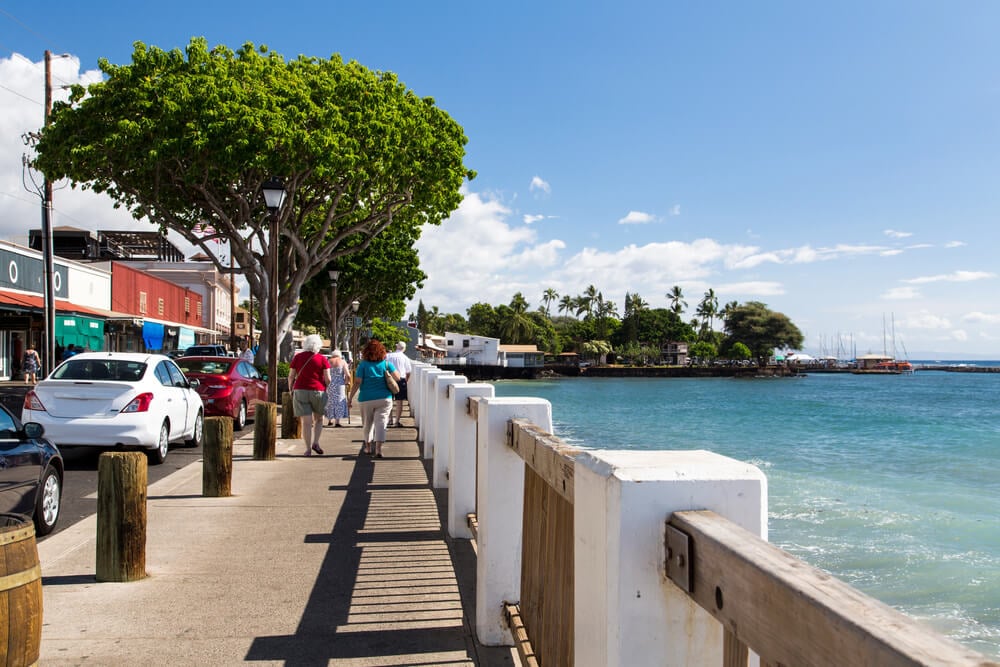
Waikiki was a coastal expanse of wetlands, fishponds, and taro patches fed by streams from the valleys behind it, and Hawaiian royalty visited its waters to surf. The Moana Hotel opened in 1901 as one of the first major hotels there, and the Royal Hawaiian followed in 1927.
The Ala Wai Canal, completed in 1928, drained the wetlands and made room for the buildings that crowd the shore today. Duke Kahanamoku grew up on these waves, which were nearly empty compared with the crowded water of later years.
Myrtle Beach Before It Had a Name
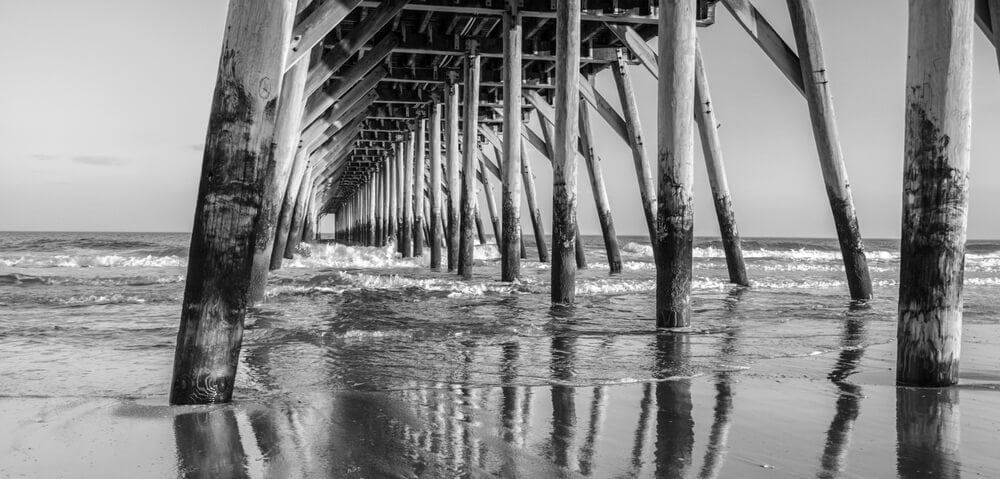
The South Carolina Grand Strand was long known as New Town, a sparsely settled stretch of oceanfront owned by the Burroughs and Collins Company, until a local naming effort chose Myrtle Beach for the wax myrtle shrubs that grew wild along the shore.
The Ocean Forest Hotel opened in 1930 as the most ambitious building of its era on the strand. Only a handful of buildings stood on the oceanfront in those years, with long gaps of dune and sea oats between them. The town was incorporated in 1938, though large-scale development came decades later.
Galveston Before the Seawall
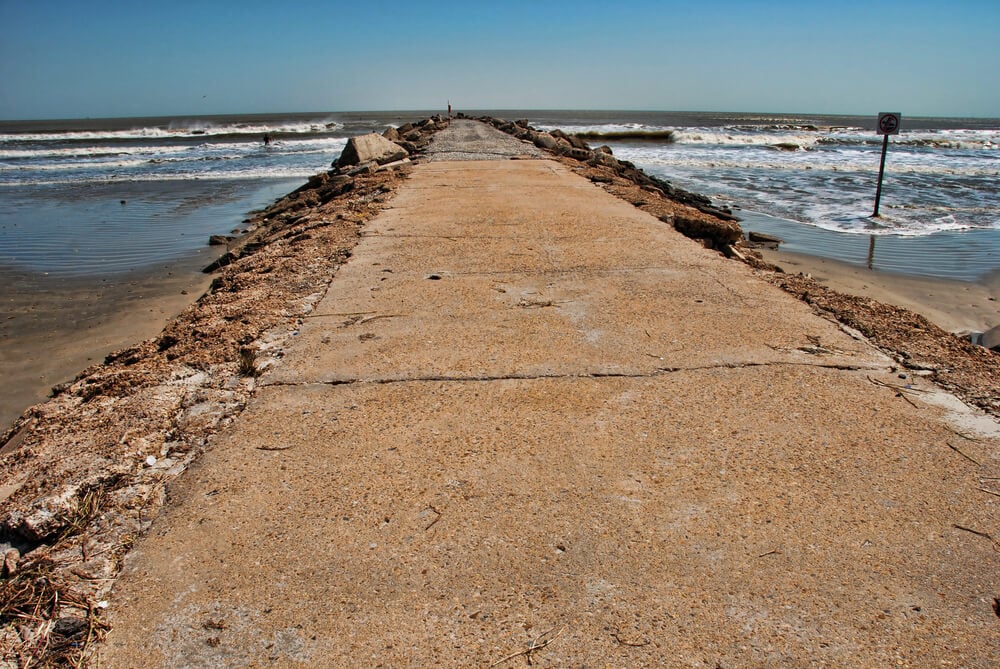
Galveston’s Gulf beaches were open shoreline on a low island with little protection from storms, and the hurricane of 1900 killed thousands of residents in the deadliest natural disaster in American history. The city responded by building a massive seawall beginning in 1902 and raising the grade of the island behind it.
The seawall changed the character of the waterfront, making the beach a narrower strip tucked against a concrete barrier. The earlier beach had been wide and exposed, with bathing houses scattered along the sand.
Palm Beach and the Coconuts
— Photo by sainaniritu
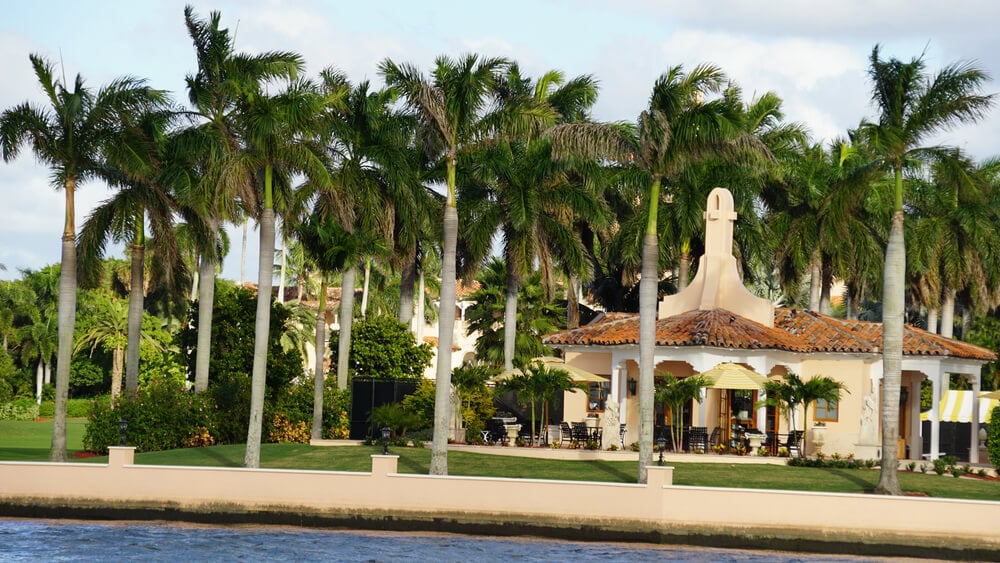
Palm Beach, Florida, owes its name to a shipwreck in 1878, when the Spanish vessel Providencia ran aground carrying a cargo of coconuts. Settlers planted the coconuts along the island’s shoreline, and the groves gave the place its name.
Before that, the barrier island was sparsely settled pioneer territory reachable only by boat across Lake Worth. Henry Flagler changed everything when he opened the Royal Poinciana Hotel in 1894, drawing wealthy winter visitors.
Kill Devil Hills Before the First Flight
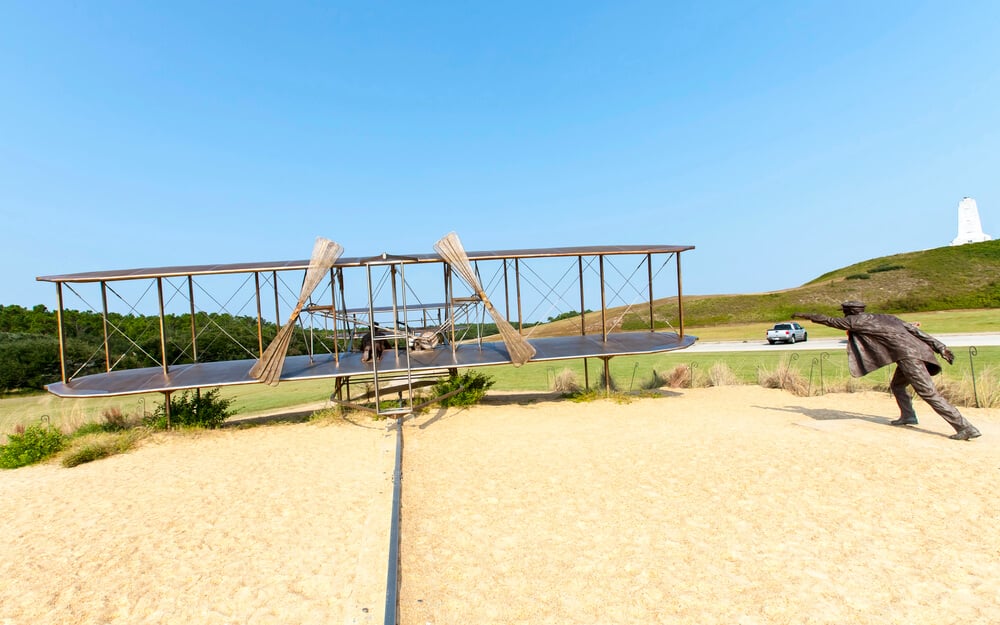
— Photo by actionsports
On December 17, 1903, Orville and Wilbur Wright made the first powered flight on the dunes of Kill Devil Hills, North Carolina, a remote stretch of the Outer Banks near the village of Kitty Hawk. The brothers chose the site for its strong, steady winds and soft sand that cushioned crashes.
Crewmen from the nearby lifesaving station helped them haul their aircraft. The beach there was almost empty then, with only a few wooden buildings on a barren strip between the ocean and the sound.
Virginia Beach and the Lifesaving Stations
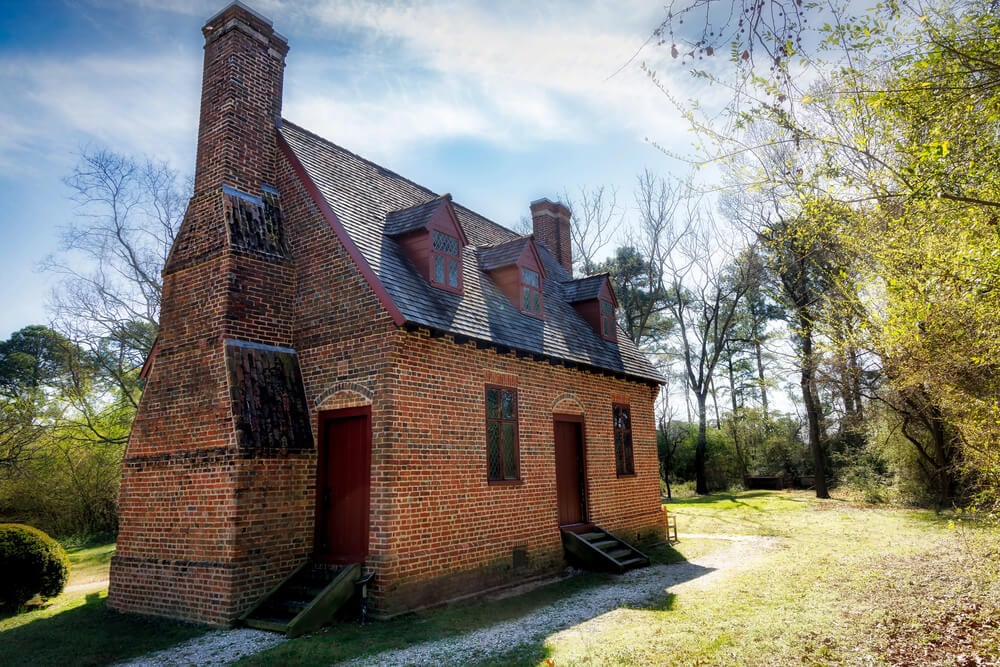
— Photo by BillChizekPhotography@gmail.com
Virginia Beach was a thin oceanfront settlement where federal lifesaving crews watched for wrecks along the Atlantic coast, and the Seatack Life-Saving Station served this section of shoreline by the late nineteenth century. Early visitors rode in on rail lines and found simple boardinghouses and bathing pavilions facing the surf.
The Cavalier Hotel opened on a rise above the beach in 1927 and set the tone for the resort era that followed. Decades of rebuilding later covered most of the earlier oceanfront, but the old station building remains as a museum.
When the Shoreline Remembers
The pattern repeats from Maine to Hawaii: a beach is noticed for its fish, its wind, or its health claims, and then a bridge, railroad, or pier changes the arithmetic. What looks inevitable in hindsight was often an accident of access.
Many of these places were small and rough until one person decided they were worth a road. The earlier versions have not entirely vanished. A cottage on Folly Beach, a hotel porch in Cape May, a salt works in Seaside, and the Gullah communities of Hilton Head each keep a piece of the quieter shore.
Knowing what was there first makes it easier to see how fragile every shoreline is, and how fast a stretch of sand can become something else.
More from Go2Tutors!

- 27 Silver Dollars and Half Dollars Worth Keeping
- 28 Restaurant Menu Items Nobody Orders Anymore
- 17 Places Built in Seemingly Impossible Spots
- 27 Vintage Rings Worth More Than They Look
- 25 Restricted Sites Tourists Can’t Enter
Like Go2Tutors’s content? Follow us on MSN.