Insane Things That Were Acceptable for Children in the 1960s
Looking back at childhood in the 1960s feels like peering into a different universe. Parents sent their kids outside with a pat on the head and expected them home when the streetlights came on — no tracking devices, no scheduled activities, no safety equipment beyond common sense.
What passed for normal parenting back then would probably get Child Protective Services called today. The decade that gave us moon landings and civil rights also featured some truly wild ideas about what children could handle on their own.
Playing with mercury
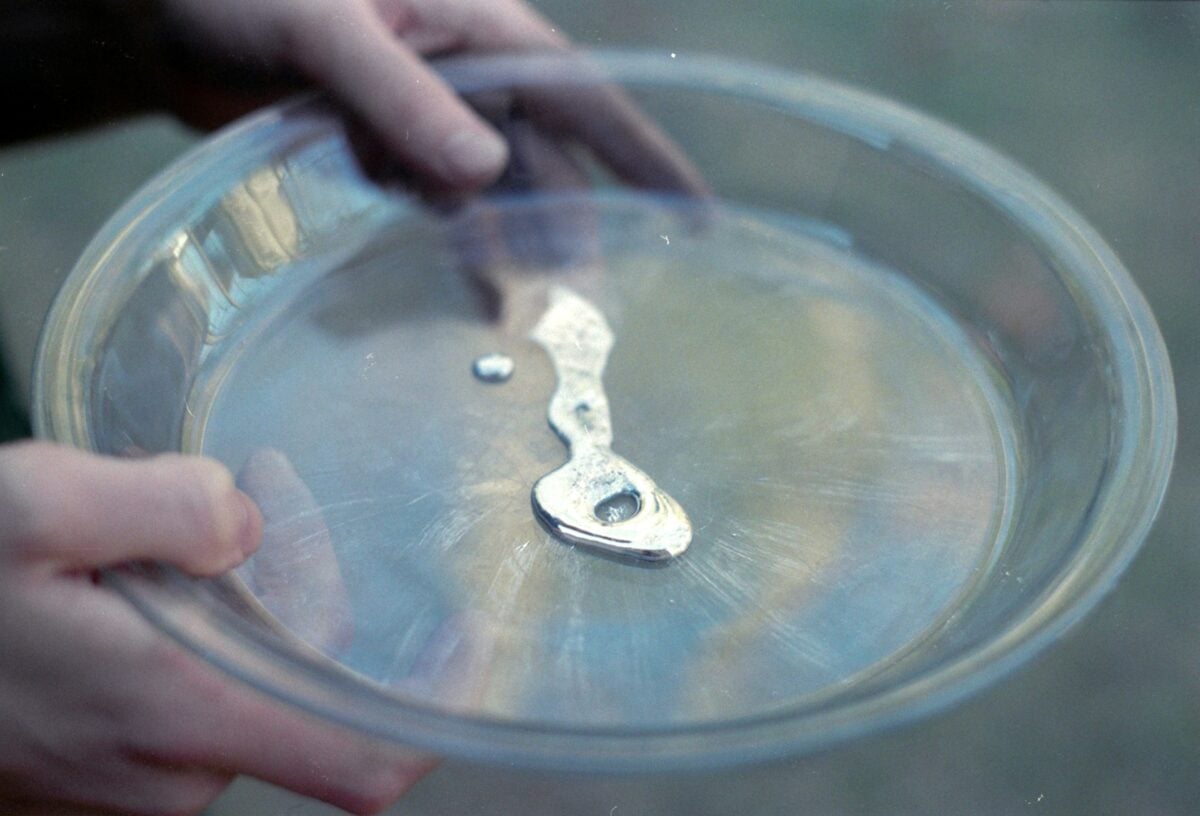
Mercury thermometers broke all the time. When they did, that silvery liquid metal rolled around on the floor like tiny dancing pearls.
Kids picked it up with their bare hands, rolled it around, watched it split and merge back together. Pure fascination.
Nobody mentioned that mercury vapor damages the nervous system. Nobody worried about absorption through the skin.
The stuff was practically a toy that happened to live inside medical equipment.
Riding in cars without seatbelts
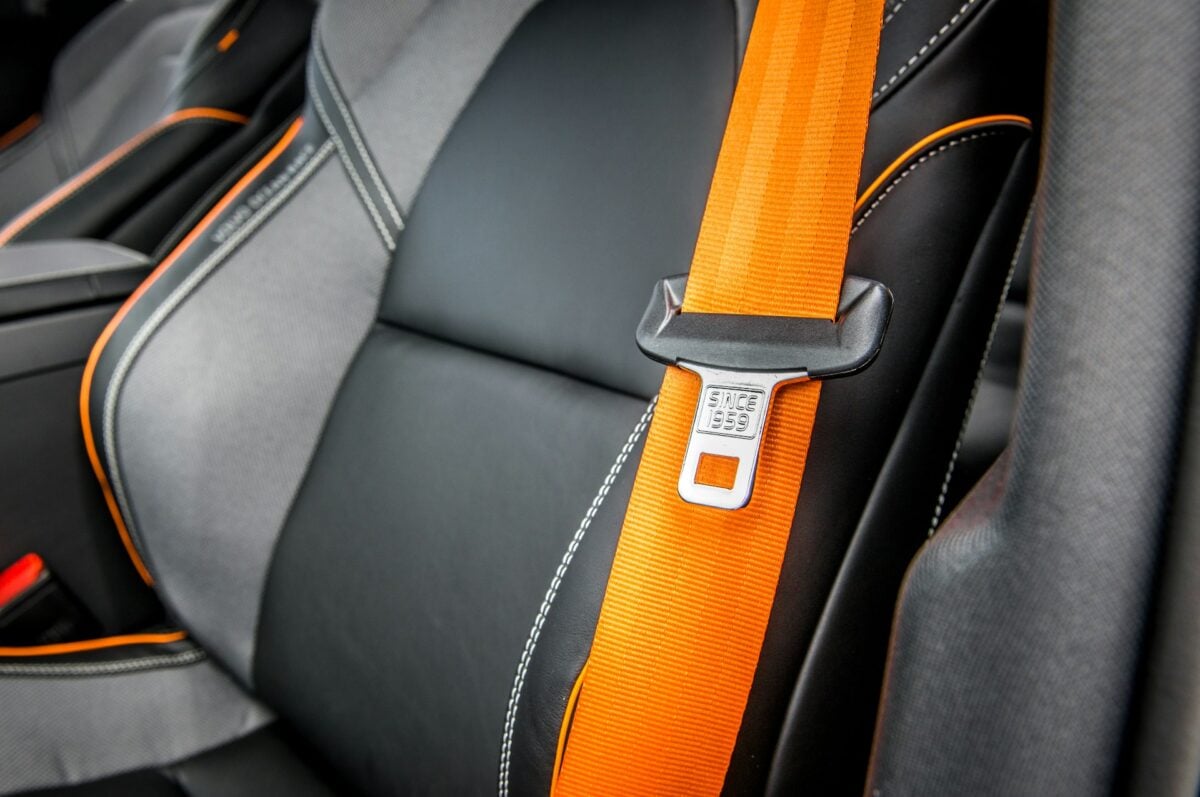
Cars in the 1960s came with seatbelts the way they came with ejection seats — which is to say, they didn’t (though by the late 60s, seatbelts started appearing as options that most people ignored completely). And yet families would pile into station wagons for cross-country trips, kids bouncing around the back like loose cargo, standing up to look out the rear window, napping stretched across the back seat with nothing between them and the road except optimism and maybe a prayer.
The real adventure wasn’t the destination — it was surviving the journey in what amounted to a rolling metal box with no safety features beyond the horn (which, admittedly, got plenty of use). Parents would smoke with the windows cracked while children tumbled around unrestrained behind them, because that’s just how families traveled before lawyers got involved.
And somehow, despite the complete absence of child safety locks, booster seats, or any acknowledgment that physics applies to small humans too, most kids made it to their destination with all their limbs attached — though looking back, that seems less like good parenting and more like dumb luck on a massive scale.
Lawn darts
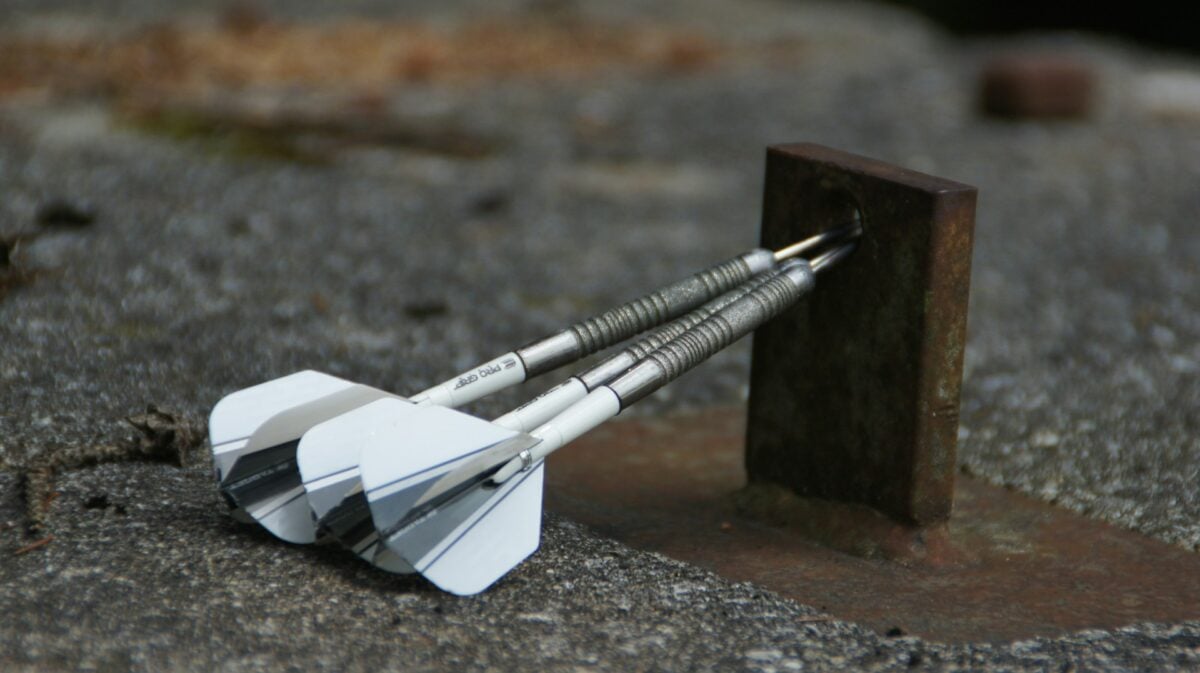
Picture this: someone looked at regular darts and thought, “These aren’t dangerous enough.” So they made them bigger, heavier, and sharp enough to stick into the ground from twenty feet away.
Then they marketed them to families as backyard entertainment. Lawn darts were essentially weighted spears with fins.
The goal was to land them inside a circle on the ground, but the reality was that anything within a fifty-foot radius became a potential target. Including other players. Including neighbors.
Including the family dog who happened to wander into the wrong yard at the wrong time.
DDT everywhere
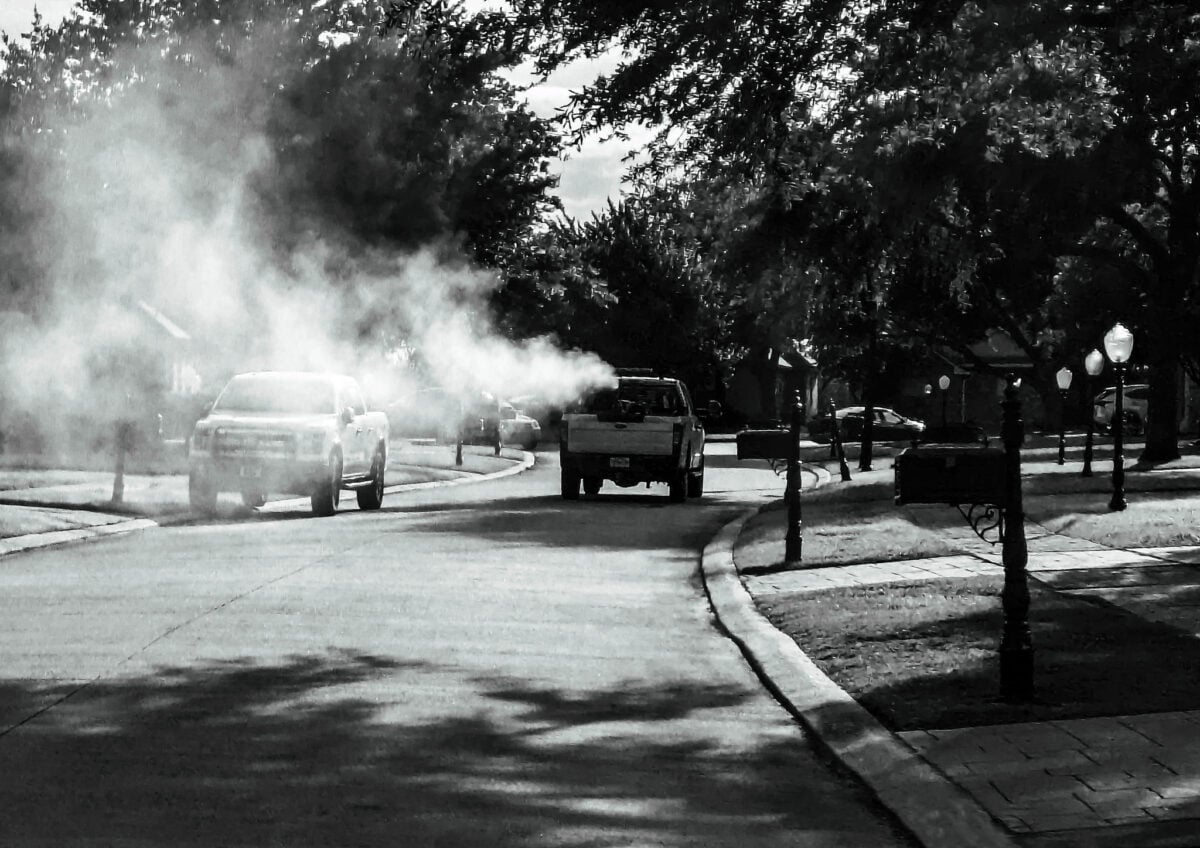
DDT trucks rolled through neighborhoods like ice cream vendors, except instead of selling treats, they were spraying clouds of pesticide into the air. Kids would run behind these trucks, playing in the chemical fog like it was a particularly exotic form of entertainment.
Parents watched from porches, probably thinking how nice it was that the mosquito problem was finally getting handled. The chemical settled on everything — playgrounds, gardens, the sandbox where children built castles.
Nobody questioned whether coating the entire environment in pesticide might have side effects. The bugs were dying, which seemed like proof that the system was working exactly as intended.
Walking to school alone at age five
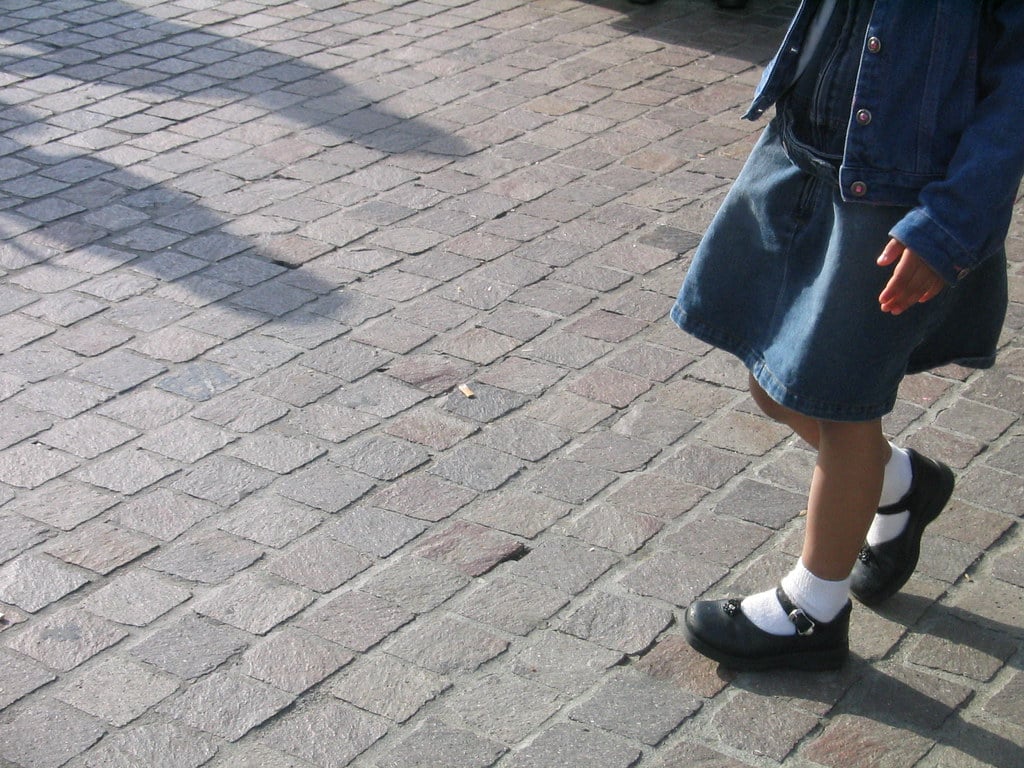
Kindergarteners navigated city streets like tiny commuters, crossing busy intersections and dodging traffic with nothing but their own developing sense of self-preservation. Five-year-olds walked miles to school, often taking routes that would make modern parents break out in cold sweats.
No crossing guards at every corner. No parents hovering nearby with walkie-talkies.
Just small children making their way through the world with the confidence that comes from complete ignorance of everything that could go wrong. Which, it turns out, was quite a lot.
Lead paint was just paint

Houses built before the late 1970s were basically colorful lead delivery systems. Children chewed on windowsills, played with paint chips that flaked off walls, and breathed lead dust every day.
The bright, cheerful colors in nurseries and playrooms came with a side of neurological damage that nobody knew to worry about. Lead paint tasted sweet, which made it particularly appealing to toddlers who were already inclined to put everything in their mouths.
So the most dangerous thing in the house was also the most attractive to the people least equipped to understand why they shouldn’t eat it. The irony was lost on everyone at the time, mainly because the connection between lead exposure and developmental problems hadn’t been established yet — or rather, it had been established, but the paint industry wasn’t particularly interested in sharing that information.
Bicycle helmets were for motorcycles
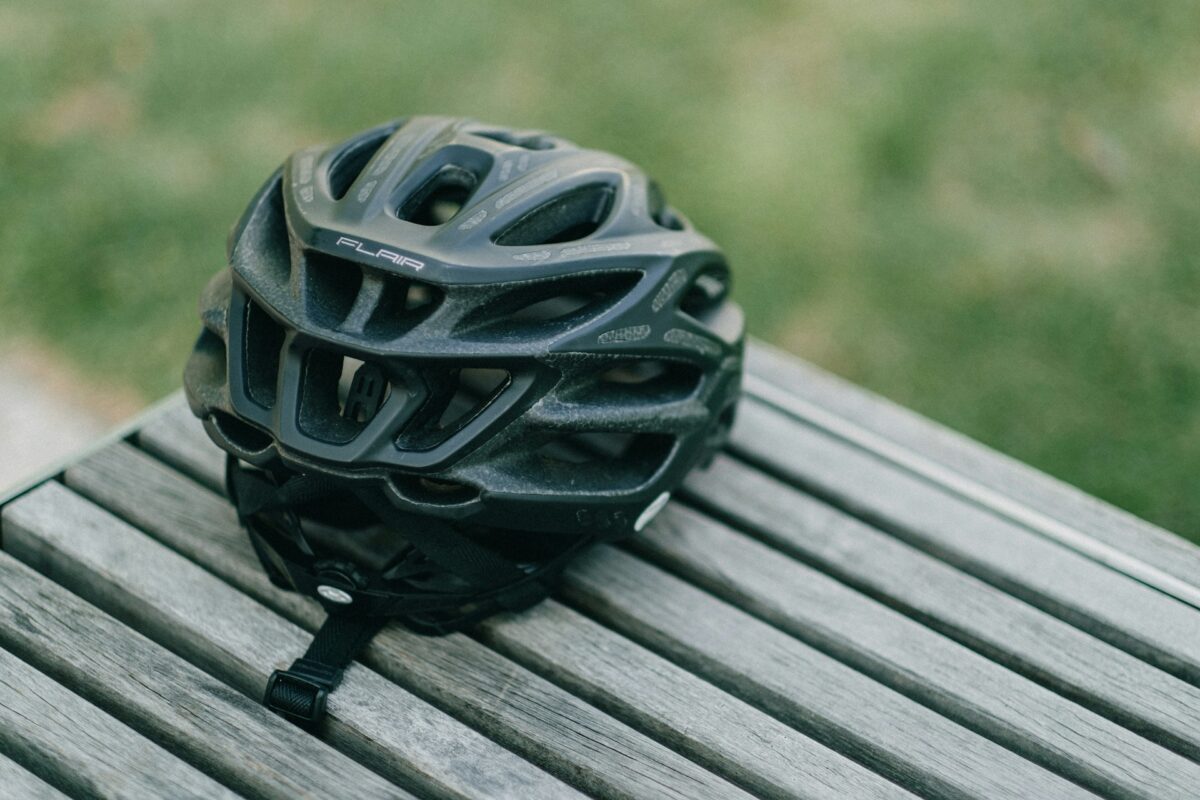
Bicycles were transportation, not extreme sports, so the idea of protective gear seemed absurd. Kids rode bikes the same way they walked — as a basic life skill that didn’t require special equipment.
Head injuries were just something that happened sometimes, like scraped knees or bruised elbows. Bikes themselves were built like small tanks, which helped.
But the roads were just as hard then as they are now, and gravity worked the same way. The difference was that cracked skulls were considered part of learning to ride, not a preventable tragedy.
Chemistry sets with actual chemicals

Christmas morning in 1965 might bring a chemistry set loaded with substances that would make a modern safety inspector faint dead away. These weren’t the sanitized, lawyer-approved kits of today — they contained real chemicals that could actually do something interesting, which usually meant they could also do something dangerous.
Kids mixed compounds in their bedrooms, creating reactions that produced genuine explosions, toxic gases, and occasionally small fires (which, in fairness, taught valuable lessons about cause and effect, even if those lessons sometimes came with emergency room visits). The instruction manuals read like recipes for controlled chaos: “Add three drops of this to that, step back, and see what happens.”
And parents bought these kits willingly, apparently operating under the theory that children learn best through direct experience — including the experience of accidentally creating mustard gas in the basement. But that hands-on education produced a generation of kids who actually understood how chemistry worked, mostly because they’d survived learning it the hard way.
Playing outside until dark

Summer evenings stretched endlessly, filled with games that had no adult supervision and no predetermined ending time. Children disappeared into neighborhoods for hours, building forts in vacant lots, climbing trees that definitely couldn’t support their weight, and generally conducting the kind of unsupervised experiments in physics and social dynamics that would give modern parents heart palpitations.
The streetlights coming on was the universal signal to head home. Until then, the world was yours to explore, investigate, and occasionally damage through enthusiastic play.
Asbestos in schools
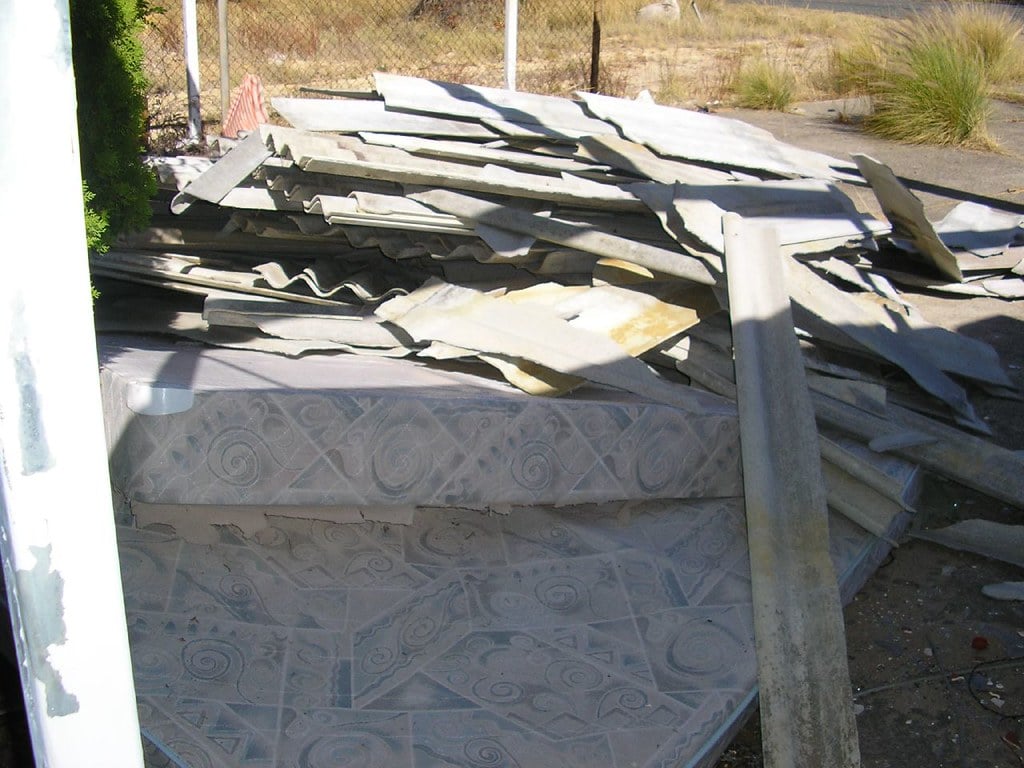
Schools were built with asbestos insulation, asbestos ceiling tiles, and asbestos floor tiles. Children spent eight hours a day in buildings that were essentially wrapped in carcinogens.
Renovation projects released fibers into the air that everyone breathed without a second thought. Asbestos was considered a miracle material — fireproof, durable, and cheap.
The fact that it also caused lung cancer wasn’t widely known, or at least wasn’t widely discussed. So an entire generation got their education in buildings that were slowly poisoning them, which explains a lot about why the 1960s were such a strange decade.
Swimming without lifeguards

Public pools opened early and closed late, often with minimal supervision. Kids dove off high boards into water that nobody had recently checked for depth or obstacles.
Swimming lessons meant getting thrown into the deep end and figuring it out, which produced either strong swimmers or cautionary tales. Beach trips involved even less oversight.
Families would claim a spot on the sand and let children disappear into the waves for hours. Rip currents, jellyfish, and undertows were just part of the swimming experience — natural hazards that made the ocean more interesting, not reasons to stay out of the water.
Fireworks as toys

Fourth of July meant explosives in the hands of children, and nobody saw a problem with this arrangement. Bottle rockets, firecrackers, and cherry bombs were sold to anyone with pocket money.
Kids set off explosives in backyards, empty lots, and sometimes indoors when they wanted to see what would happen. The missing fingers and burn scars were considered acceptable casualties in the war for fun.
Fireworks were dangerous, but they were also spectacular, and the trade-off seemed reasonable to parents who grew up with even fewer safety precautions.
Hitchhiking

Teenagers stuck out their thumbs and climbed into cars with complete strangers, treating hitchhiking like public transportation that happened to be free. Parents knew their kids were hitchhiking and considered it a normal way to get around when the family car wasn’t available.
The idea that some drivers might have bad intentions wasn’t entirely foreign, but it also wasn’t considered likely enough to worry about. Most people were decent, and the ones who weren’t were probably easy enough to spot.
This logic seems insanely optimistic now, but it worked often enough that hitchhiking remained a standard form of transportation for young people throughout the decade.
Playground equipment designed by sadists
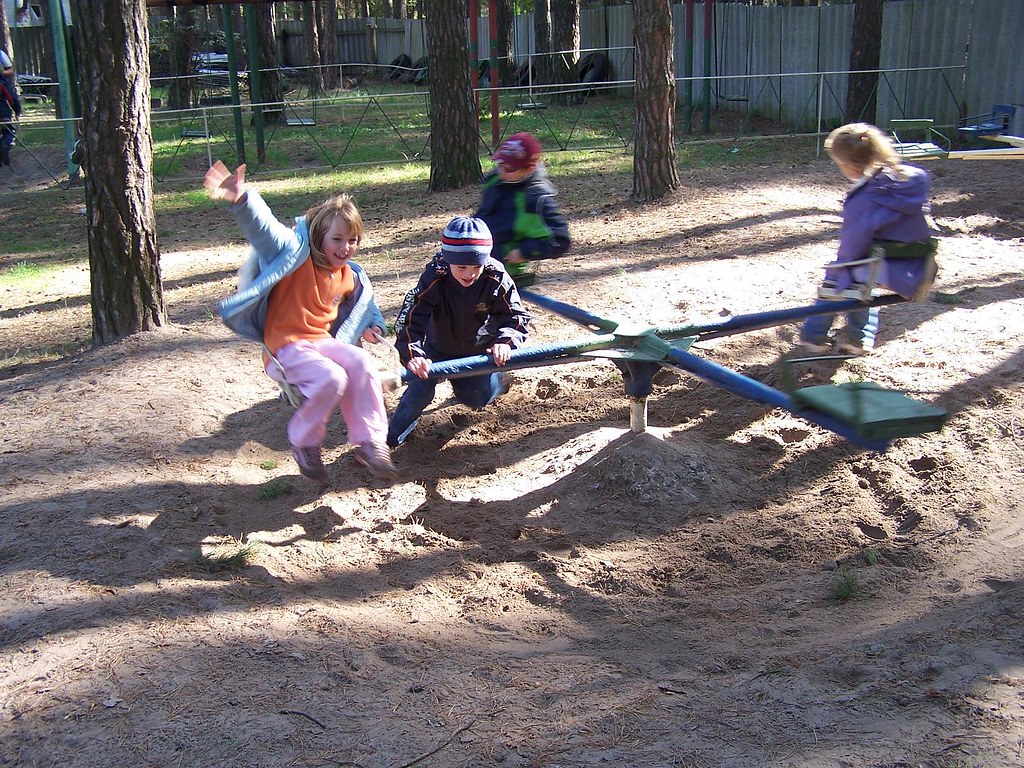
Playgrounds in the 1960s were constructed like obstacle courses designed to test children’s survival instincts. Seesaws launched kids into the air when the person on the other end jumped off unexpectedly.
Merry-go-rounds spun fast enough to create genuine centrifugal force that could fling children across the playground like tiny projectiles. And then there were the monkey bars — metal bars that became burning hot in summer and slippery with frost in winter, suspended over surfaces that ranged from packed dirt to concrete, depending on how much the city cared about cushioning the inevitable falls.
The playground equipment seemed designed by people who believed that childhood should involve a reasonable amount of physical danger, just to keep things interesting. Broken bones were considered part of the learning process, and parents who complained about unsafe equipment were told that a few bumps and bruises built character.
When safety was optional

The 1960s were a decade when common sense was supposed to be common, even among people too young to have developed much sense at all. Children were expected to navigate a world full of genuine hazards using nothing but their wits and whatever survival instincts they’d managed to pick up along the way.
Somehow, most of them made it through to adulthood, though whether that was due to resilience, luck, or the fact that natural selection was still allowed to operate remains an open question.
More from Go2Tutors!

- The Romanov Crown Jewels and Their Tragic Fate
- 13 Historical Mysteries That Science Still Can’t Solve
- Famous Hoaxes That Fooled the World for Years
- 15 Child Stars with Tragic Adult Lives
- 16 Famous Jewelry Pieces in History
Like Go2Tutors’s content? Follow us on MSN.



