28 Forgotten Public Services That Changed American Cities
Every American city once ran on services that residents rarely questioned and later forgot. A worker with a ladder lit the street each evening, a telegraph wire summoned the fire engines, and a pneumatic tube sent letters under Manhattan.
Few of these jobs were abolished in a single stroke. Technology, budgets, and changing habits made them unnecessary one neighborhood at a time, yet the streets and expectations they shaped are still around.
Lamplighters Who Lit the Gas Streets
— Photo by gelmold
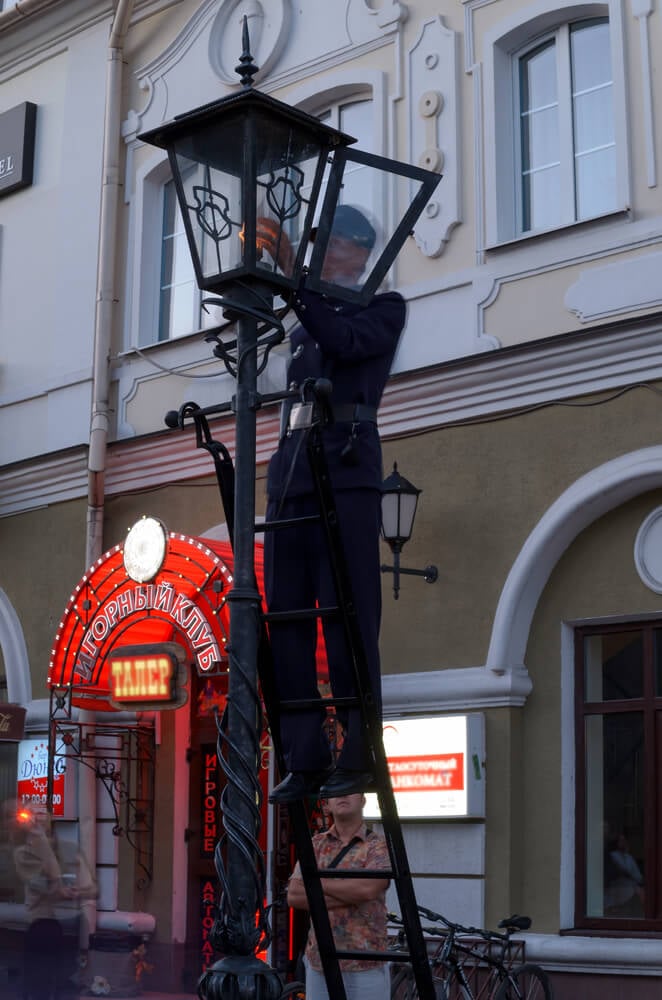
Baltimore lit the first public gas streetlamp in the United States in 1816, and other cities soon copied the idea. Each dusk a lamplighter carried a short ladder or a pole with a small flame at its tip from post to post, opened every valve, and returned at dawn to put the lights out.
The routine made evening commerce practical, because shops, theaters, and taverns could stay open with some confidence about safety. Electric lighting replaced the trade in stages, and the job faded as wiring reached each neighborhood.
Fire Alarm Boxes on Every Corner
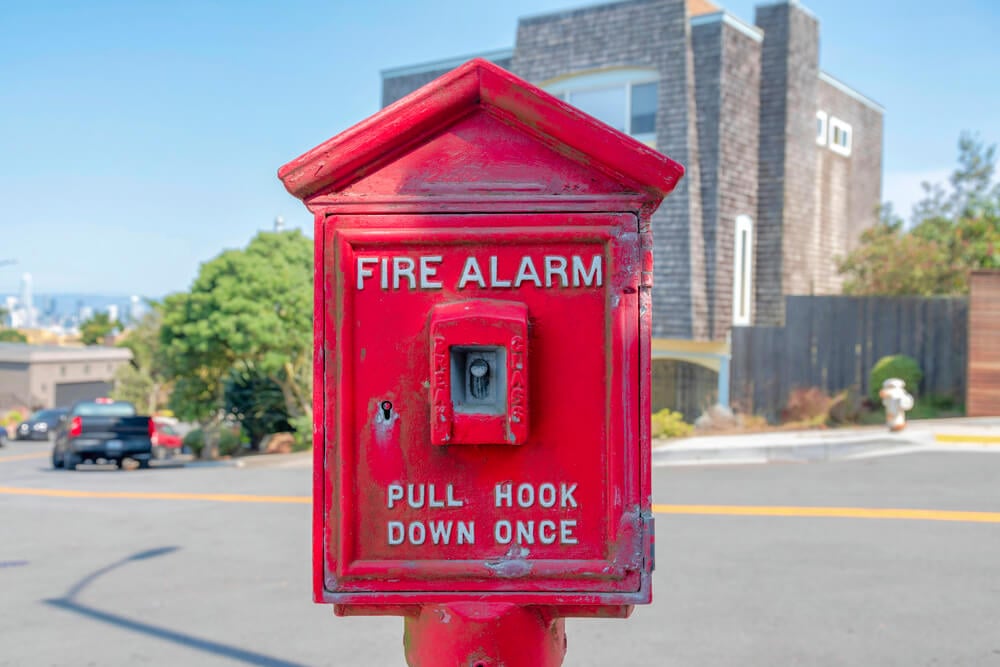
Before telephones were common, a cast iron box on a street corner was the fastest way to summon firefighters. Boston adopted an electric fire alarm telegraph in 1852, designed by William Channing and Moses Farmer, and other cities followed.
Pulling the hook sent a coded signal that identified the box number, which told dispatchers exactly where to send the engines. The system took over from watchmen who shouted and church bells that rang the alarm. Telephones and emergency numbers gradually made the boxes obsolete, and most were removed in the late twentieth century.
Police Call Boxes and Patrol Wagons
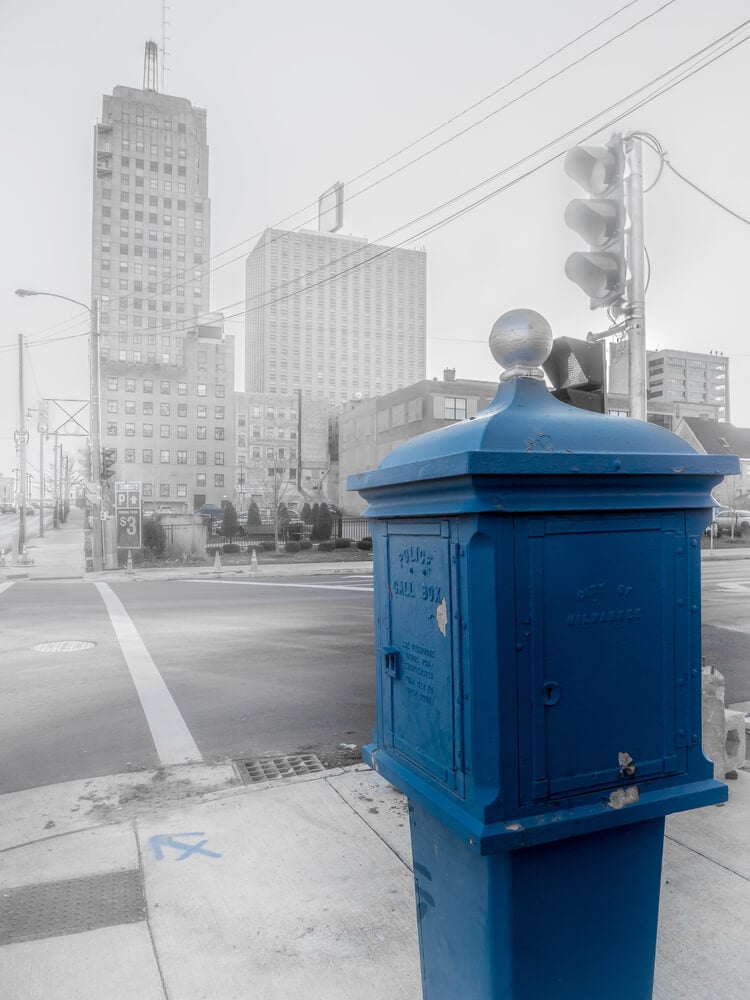
Chicago was among the cities that wired its police districts in the 1880s, linking street boxes to station houses so that officers could call for a horse-drawn patrol wagon. A patrolman who made an arrest no longer had to march a prisoner several blocks to the station.
He could open a box, ring headquarters, and wait for the wagon to arrive. The same wires let sergeants confirm that walking officers were on their beats by requiring regular reports. Radios and squad cars eventually made the system unnecessary, but call boxes remained a fixture of corners for decades.
Horse-Drawn Ambulances at Bellevue
— Photo by ciasralbael
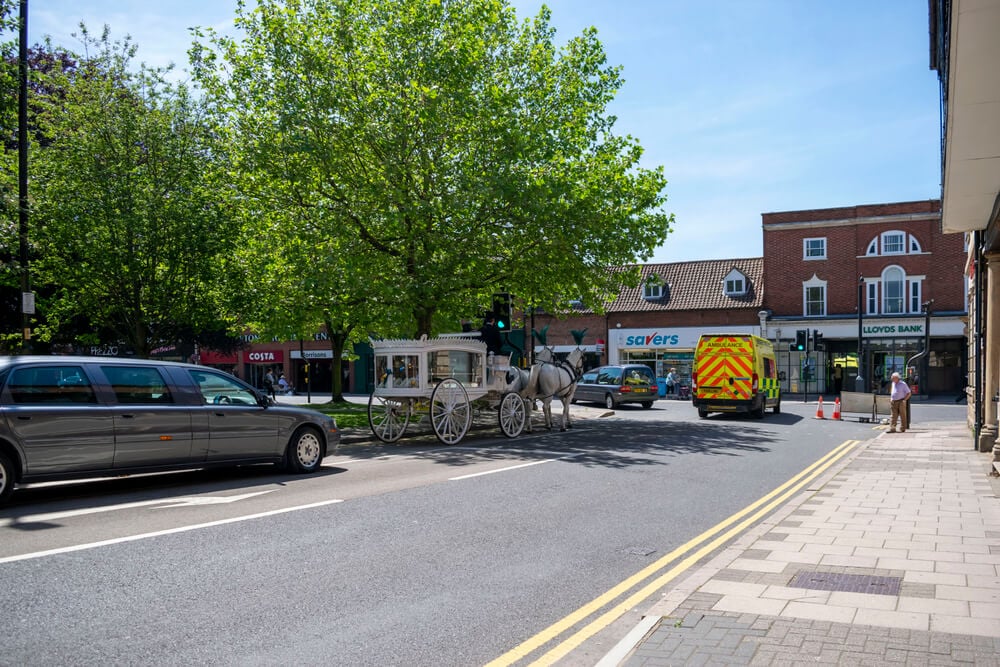
New York’s Bellevue Hospital ran one of the earliest ambulance services in the country, with horse-drawn wagons on the streets by the late 1860s. A young surgeon rode along, and a bell clanged ahead of the team to clear a path through crowded avenues.
Before that, injured people were often carried by hand or hauled in police wagons, which could make a bad injury worse. The service helped establish the idea that a hospital should travel to the patient rather than wait for the patient to arrive. Motor ambulances replaced the horses in the early twentieth century.
Fire Horses and Steam Engines
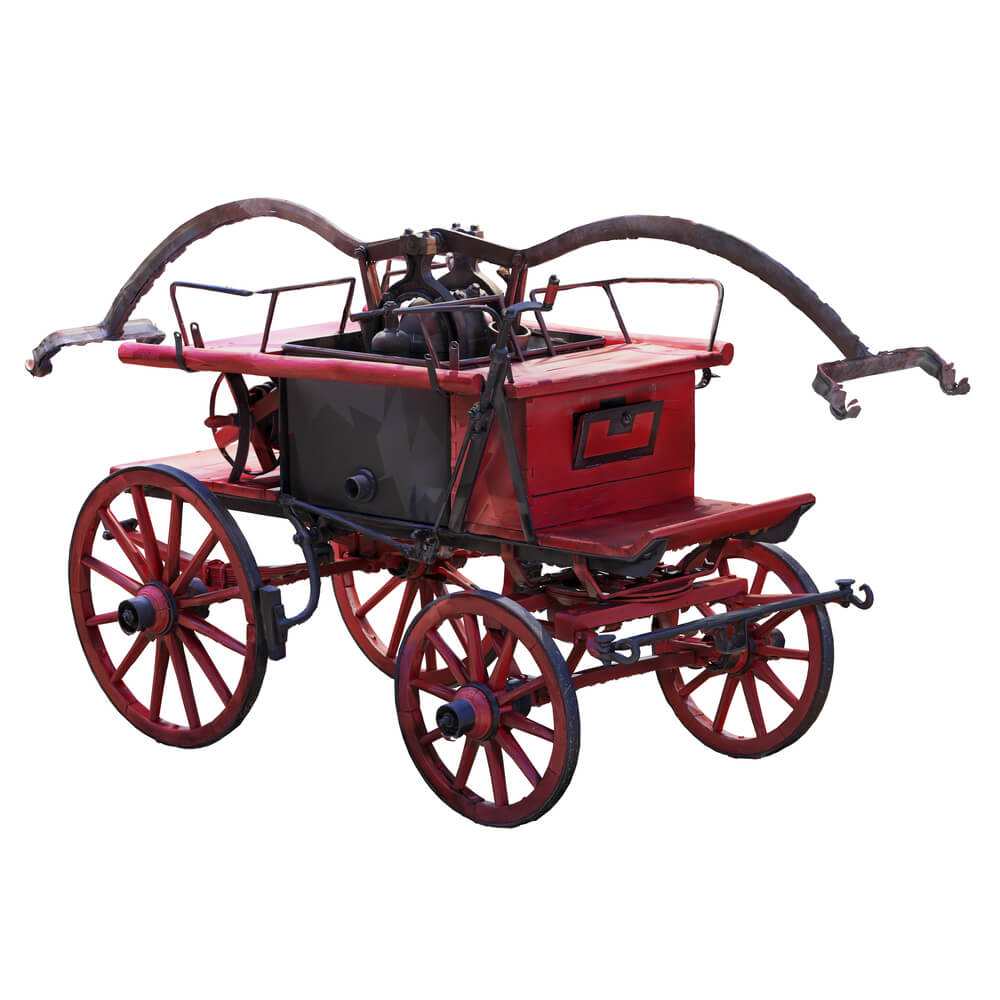
For generations, American fire departments relied on teams of horses stabled beside the engine and trained to respond to the alarm bell. When it rang, the stall doors swung open, the harness dropped from overhead, and the team stood under it, ready to be hitched in seconds.
Cities prized these animals, and firefighters often gave them names. Motor engines replaced the teams in the 1910s and 1920s, and retirement ceremonies drew crowds who came to watch the last runs. The change let stations be built without hay storage and placed farther from the neighborhoods they served.
Rivington Street and the Rain Baths
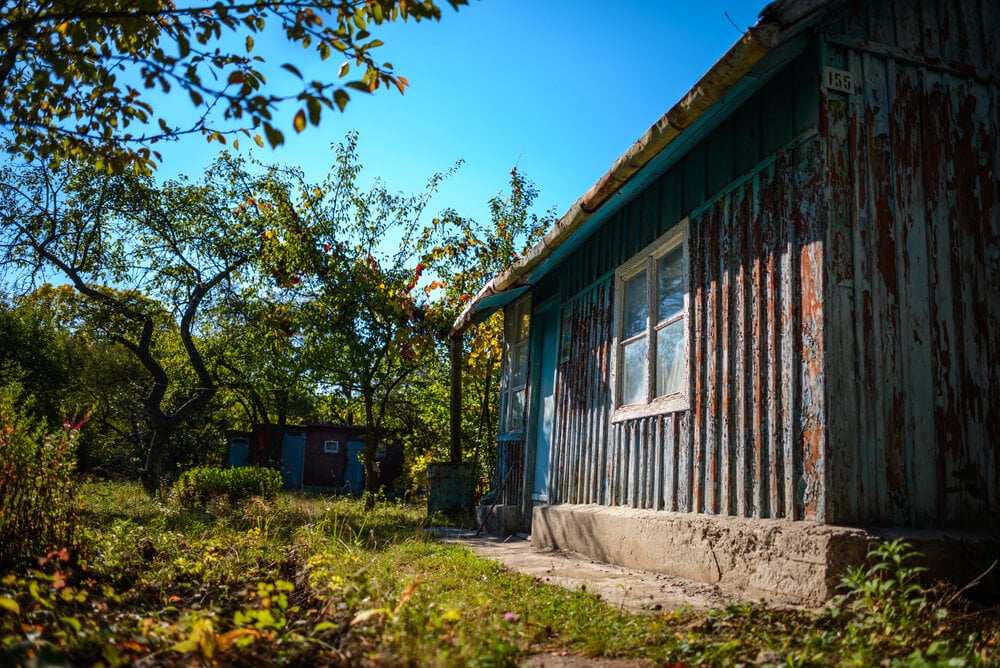
Most Lower East Side tenements had no private bathtubs, so New York opened a municipal bath on Rivington Street in 1901 where residents could wash cheaply. The building offered rain baths, meaning showers, which cleaned far more people per hour than tubs could.
Short time limits kept lines moving, and crowds arrived in summer when the apartments above were unbearably hot. Public health reformers argued that cleaner tenants meant fewer outbreaks of disease, and the city built a string of similar bathhouses. As apartments gained private plumbing, attendance fell and the network closed one building after another.
Floating Baths on the Rivers
— Photo by zima.raw
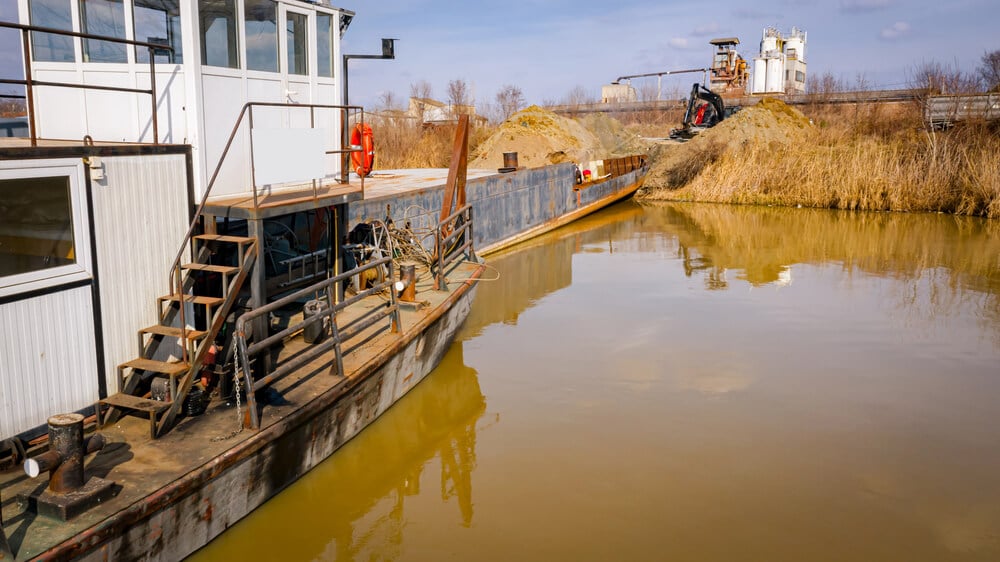
Floating bathing pools appeared in the Hudson and East Rivers around 1870, and thousands of residents used them to escape the summer heat. Each was a wooden barge enclosing a pool that let river water flow through, so swimmers could cool off without leaving the waterfront.
Certain days were set aside for women and girls, a detail that drew crowds of its own. As the rivers grew dirtier, the pools were closed one by one. Today the only floating pool left in the country sits in the Bronx.
Chicago and Its Neighborhood Bathhouses
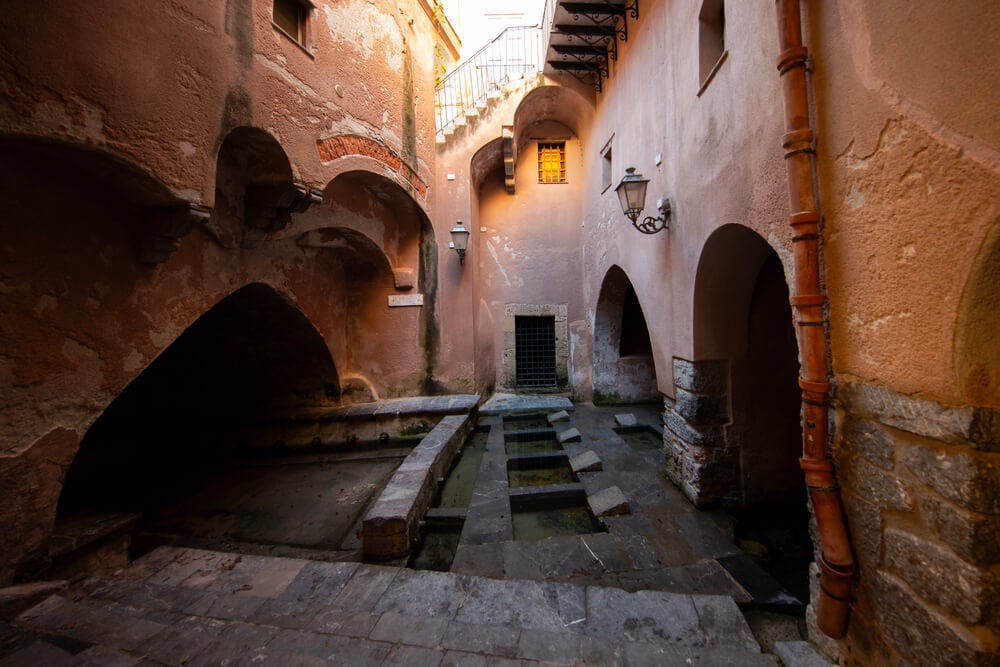
The Hull-House settlement offered baths to its Near West Side neighbors in the early 1890s, and the idea of cleansing crowded districts soon spread across Chicago. In the early twentieth century, the city and its park authorities built bathhouses in immigrant neighborhoods whose homes lacked running water.
Reformers believed that cleanliness would improve health and civic habits alike. The buildings often carried handsome masonry, and a few have found second lives, including the Bath House Cultural Center. Indoor plumbing made the baths redundant, but their brick walls still mark the districts that needed them.
Troughs for Thirsty Horses
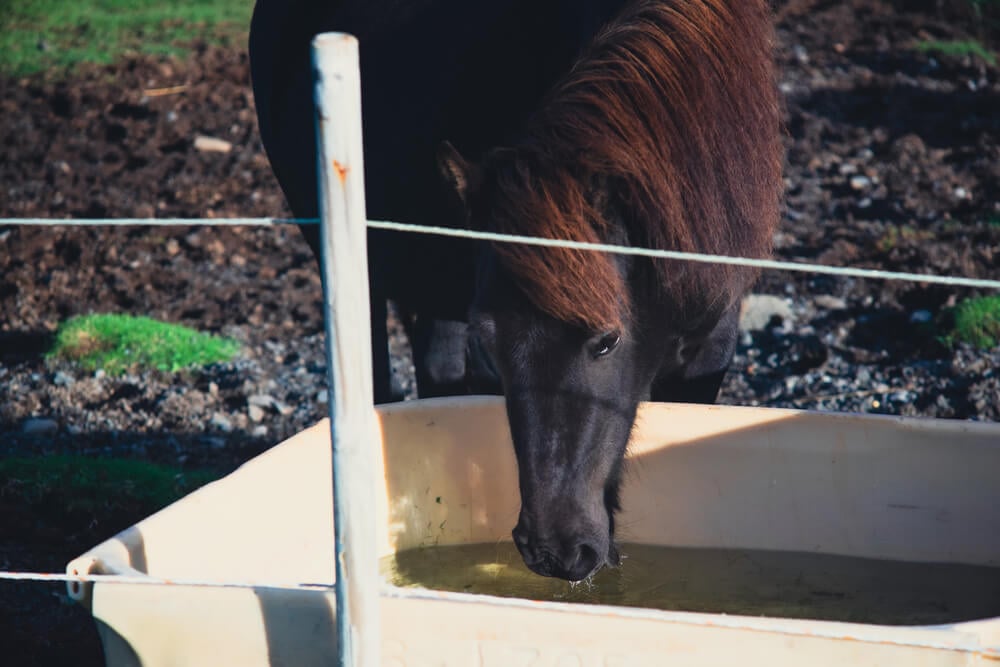
Henry Bergh founded the ASPCA in 1866, and public water for working animals became part of the cause. Reformers in London pursued the same goal through the Metropolitan Drinking Fountain and Cattle Trough Association, and American cities built troughs and fountains along busy streets.
A freight horse could haul loads all day in summer heat, and a trough at a corner could keep it from collapsing. A few ASPCA troughs survive in Central Park. Motor trucks ended the need, and many troughs were converted into planters or hauled away.
Pneumatic Mail Under the Streets
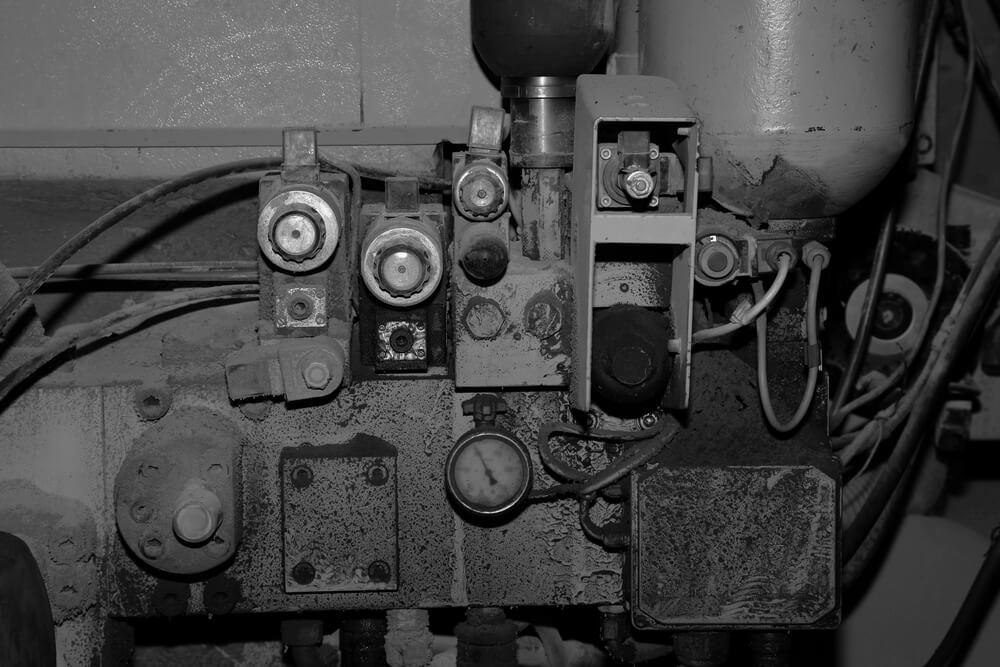
Philadelphia tested the first American pneumatic mail tube in 1893 under Postmaster General John Wanamaker, and Boston, New York, and other cities built systems afterward. Canisters of mail raced through buried pipes at about 35 miles per hour, beating wagons stuck in traffic.
New York’s network connected post offices beneath Manhattan, which let a letter skip the crowded avenues above and reach another station in minutes. Delivery trucks, rising maintenance costs, and shrinking mail volume through the tubes doomed the system, and the New York system shut down in 1953.
Railway Post Offices on the Rails
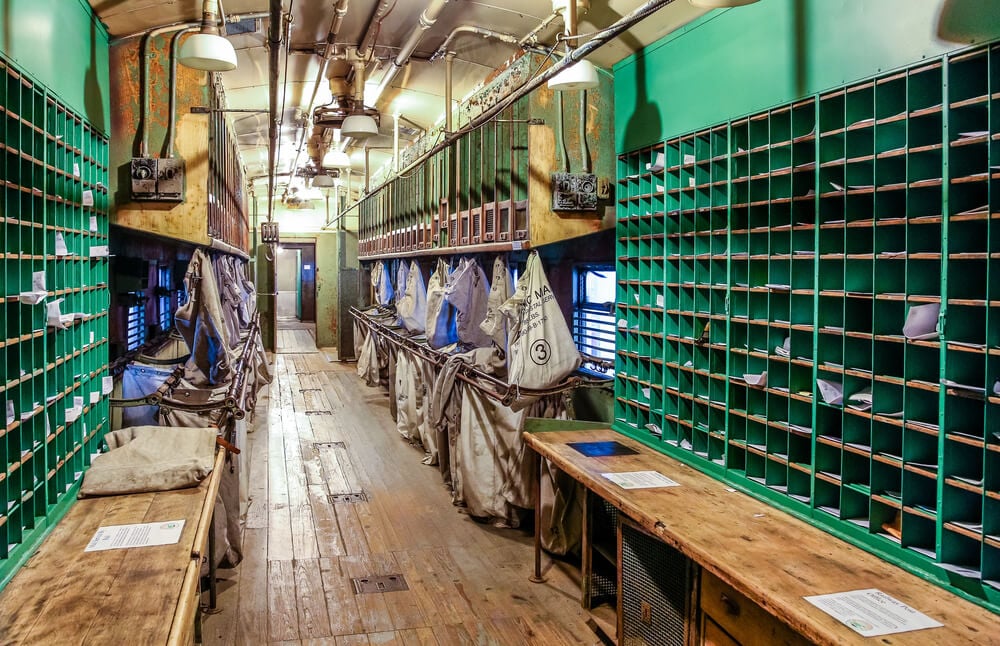
Clerks once sorted letters inside moving railroad cars, so mail was nearly ready for delivery when a train reached the city. Bundles were dropped at stops, and bags were sometimes snatched from a trackside crane without the train slowing down.
Cities with major stations became the hubs of this network, and the speed made it possible to mail a letter in the evening and have it answered by the next week. Highways and airmail drained the traffic, and the last railway post office run took place in 1977.
White Wings and the Clean Streets Campaign

George Waring took over New York’s Department of Street Cleaning in 1895 and reorganized it like an army. His crews wore white uniforms and pith helmets, and residents nicknamed them the White Wings.
Waring had earlier built sewer systems and applied the same engineering approach to refuse, assigning workers to sections and requiring them to sort what they collected. Manure and garbage that once rotted in the gutters were removed on a schedule. The work improved public health and persuaded New Yorkers that clean streets were a municipal duty.
Street Sprinkling Carts
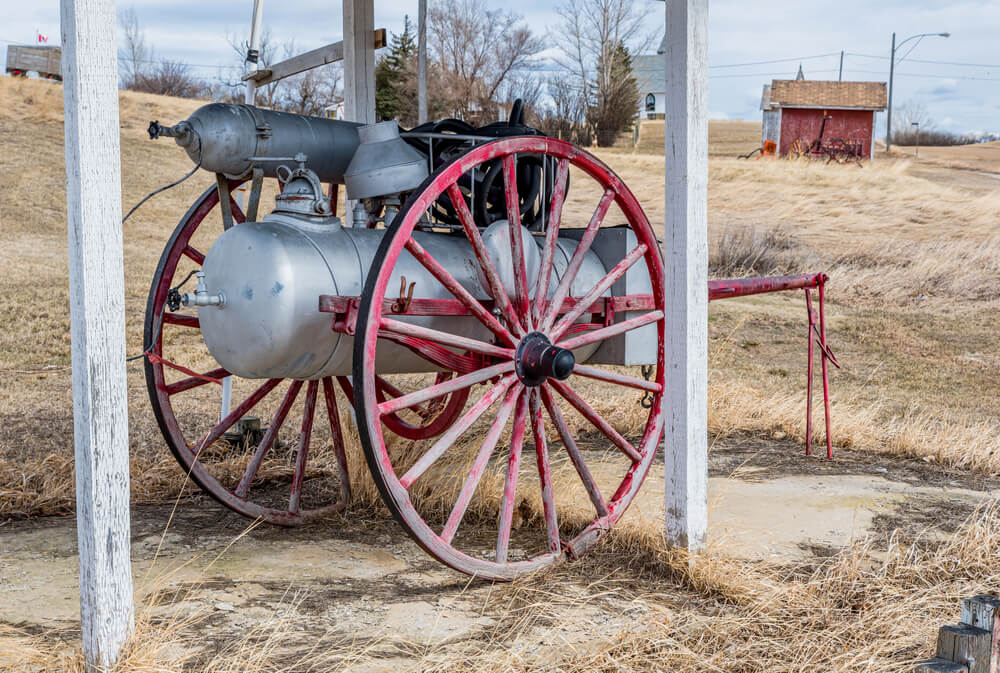
In summer, unpaved and macadam streets produced clouds of dust, so cities and neighborhoods sent horse-drawn tank wagons along their routes to wet the surface. Records from St. Louis show how organized the practice had become by 1887, with sprinkling services arranged block by block.
The spray settled the dust, cooled the air slightly, and kept grit out of open windows and off the clothes of pedestrians. Asphalt paving and motor traffic ended the practice, and the cleaner roads made the water wagons look like a quaint chore.
Comfort Stations Beneath the Sidewalk
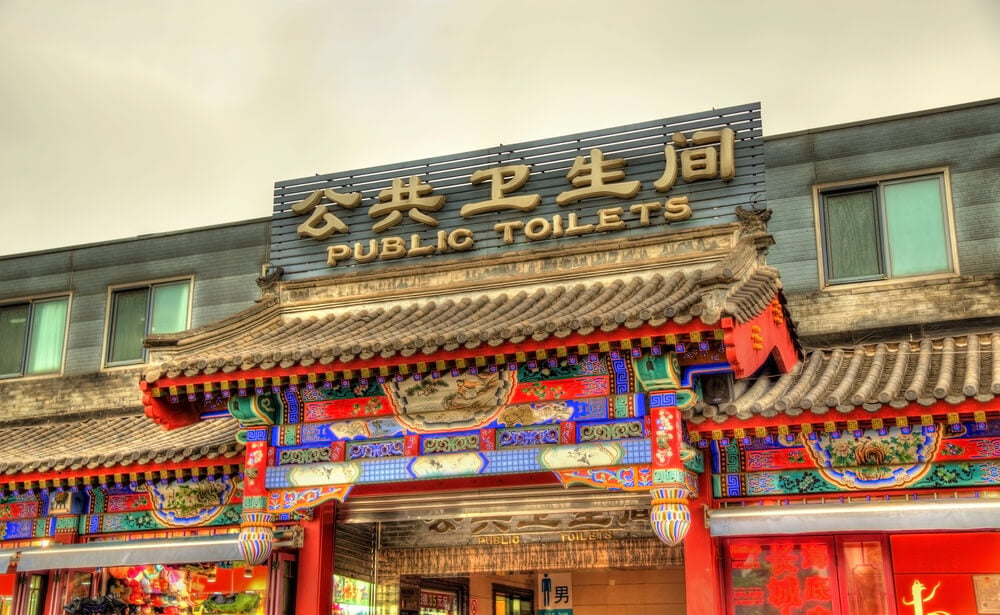
Cities built public comfort stations in the early twentieth century, some underground beneath busy intersections and reached by stairs from the sidewalk. Women in particular had few options downtown, and reformers argued that a lack of public restrooms limited where they could spend a day.
Attendants kept the rooms clean, and tiled walls and brass fixtures made the spaces look more like civic monuments than utilities. Maintenance costs and worries about safety led cities to close many of them. Department stores and restaurants took on the role, and the stairways were sealed.
Nathan Straus and the Milk Depots
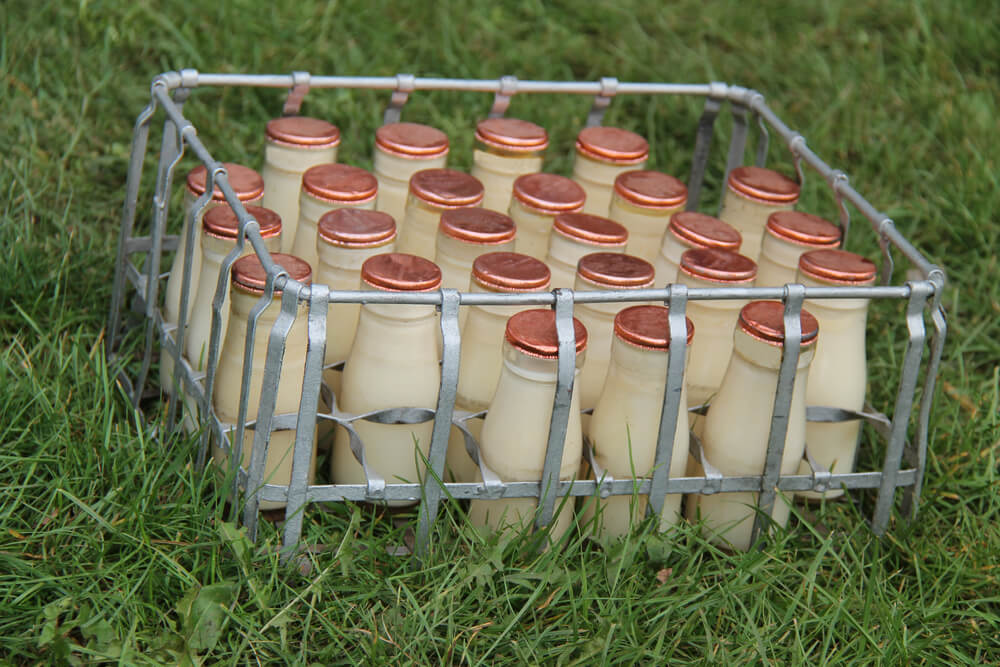
Nathan Straus, a Macy’s co-owner, opened the first of his New York milk depots in 1893 to sell pasteurized milk to poor families at low cost or free. He argued that raw milk spread disease among infants, and he backed the claim by funding stations in tenement districts.
Mothers lined up with bottles in summer, when spoiled milk was most dangerous. Skeptics doubted the process at first. The depots spread to other cities and helped turn pasteurization from a contested idea into routine practice. Later laws made the stations unnecessary.
Library Wagons and Traveling Books
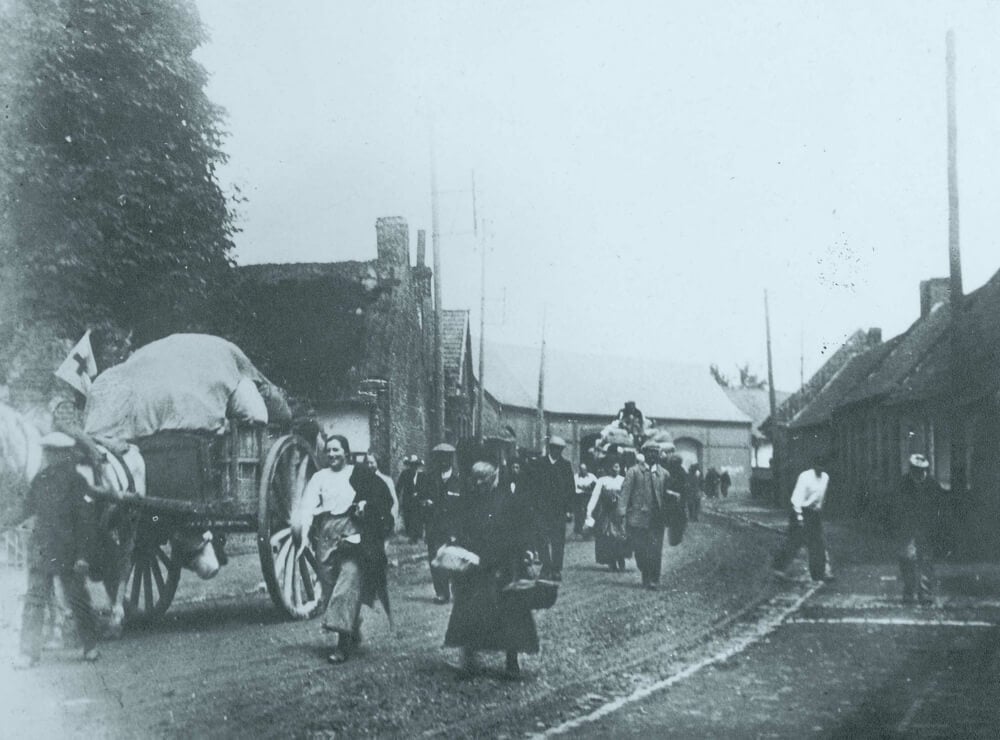
Mary Titcomb, the librarian of the Washington County Free Library in Hagerstown, Maryland, sent a horse-drawn book wagon into the countryside in 1905. It carried shelves of volumes to farms and villages that had no library, and its driver collected returns on the next visit.
The idea of bringing books to readers rather than the reverse spread across the country and eventually became the bookmobile. Motor vehicles replaced the wagon, and branch libraries, school libraries, and later digital lending reduced the need for rolling collections in most cities.
Paper Transfers and the Single Fare
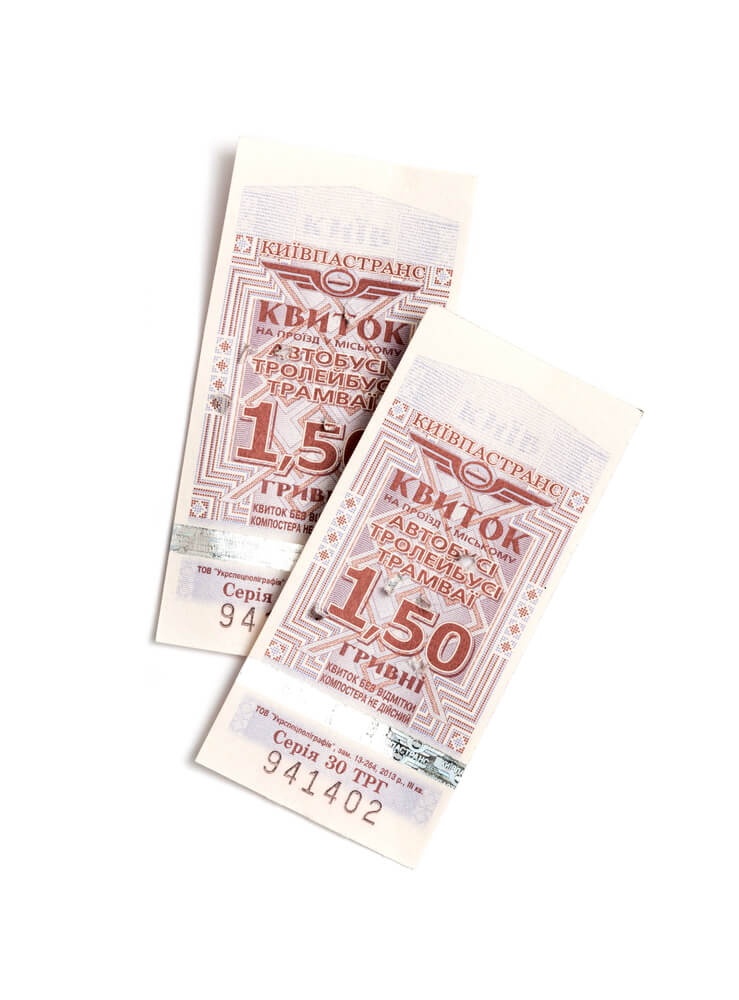
A paper transfer let a streetcar rider switch lines for one fare, which meant a worker could live far from a factory without paying twice. Conductors punched the slip to mark the time and direction, and riders held it carefully as a pass to the next car.
Transfers helped create the commercial strips that grew where lines crossed, and neighborhoods rose around those intersections. Buses, tokens, and eventually fare cards took over the system, and the slips became collectibles. Few riders realized the paper was shaping where their city expanded.
Providence and the Lunch Wagon
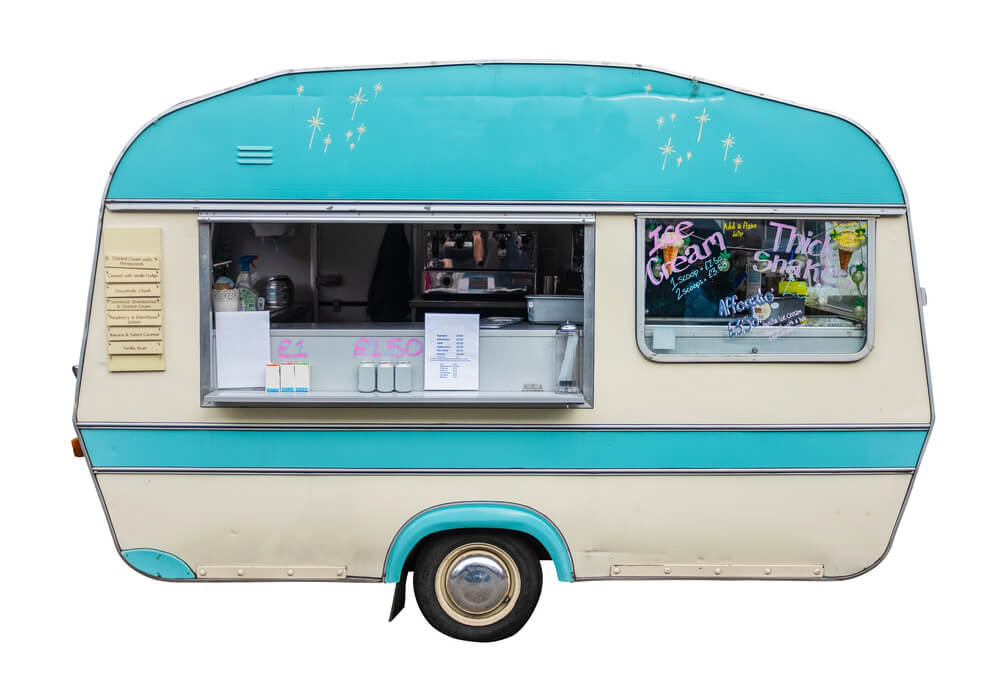
In 1872 Walter Scott cut windows into a covered wagon in Providence, Rhode Island, and began selling sandwiches, pies, and coffee at night to newspaper workers. Restaurants had closed by then, so his customers had nowhere else to eat after a late shift. Imitators rolled through other cities, and some wagons grew into permanent lunch counters. The model eventually led to the diner. Health rules, zoning, and the cost of keeping a horse limited the wagons, but the idea of food that went to workers returned in the form of modern trucks.
Steam Dummies to the Suburbs
— Photo by marek_usz
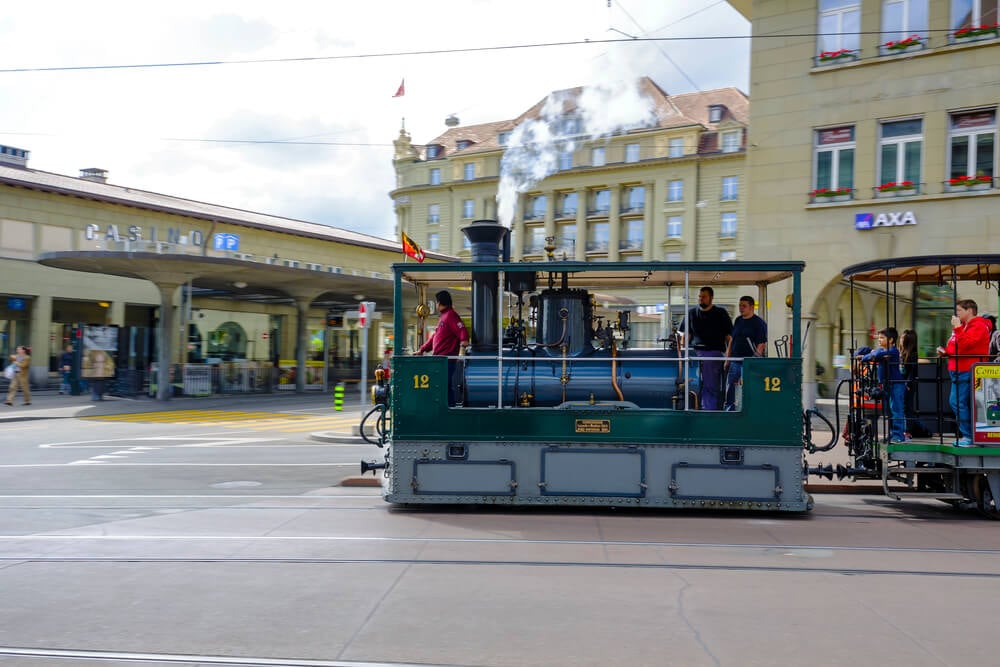
A steam dummy was a small locomotive built to look like a passenger coach, disguised so that it would not frighten horses on city streets. Cities such as Salt Lake City used these engines on lines running out to new suburbs in the 1880s, when electric power was not yet available.
Residents could live beyond the crowded center and still ride to work. The noise, smoke, and cinders annoyed neighbors, and electric streetcars replaced the engines within a few years. The routes they opened stayed on the map as streets and neighborhoods.
Iceman Routes Through Every Alley
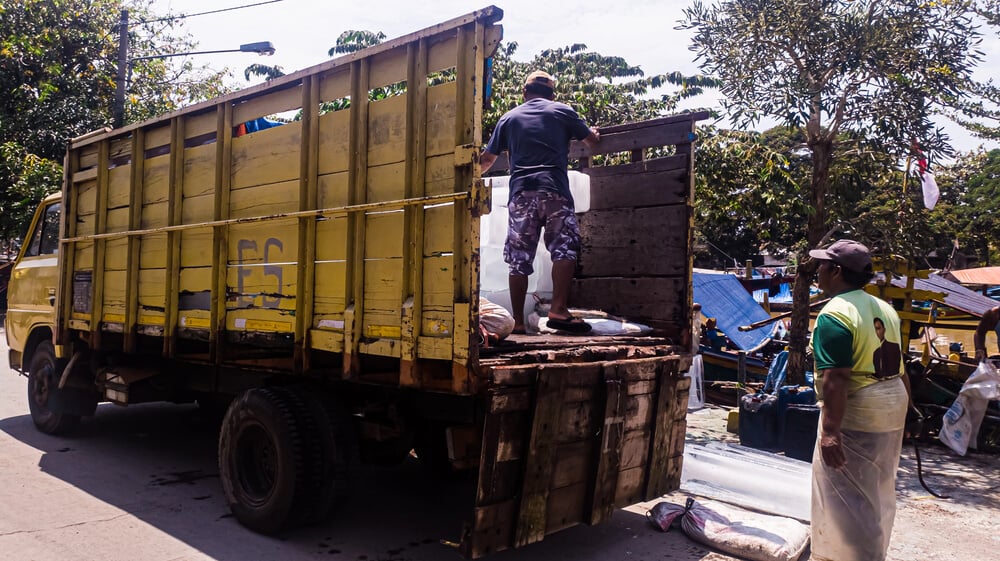
— Photo by Fajarmakhsan_23
Before electric refrigerators, a household bought ice from a wagon that made daily rounds through its neighborhood. A card placed in the front window showed the delivery crew how many pounds were needed, with the number facing up on the top edge of the card.
The iceman carried each block inside with tongs and a leather pad, and children chased the wagon for chips. Ice routes shaped the layout of many alleys and back porches. Electric refrigerators spread in the 1930s and after, and the trade vanished in the following decades.
Hello Girls and the Telephone Exchange
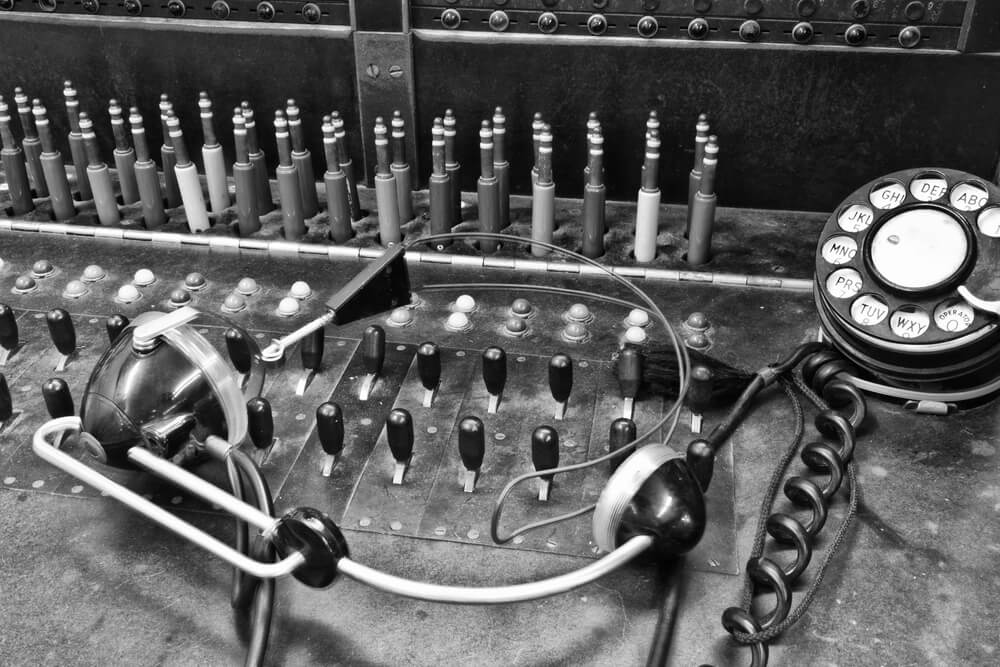
The world’s first commercial telephone exchange opened in New Haven, Connecticut, in January 1878. Operators connected each call by hand, plugging cords into a switchboard, and the early jobs went to boys who were soon replaced by women, known as the hello girls, who were judged more courteous.
Entire city blocks depended on a single room of operators, and an operator could tell a doctor where to find a patient. Automatic dialing and electronic switches ended the manual exchange, along with a major occupation for urban women.
Philadelphia’s Blockley Almshouse
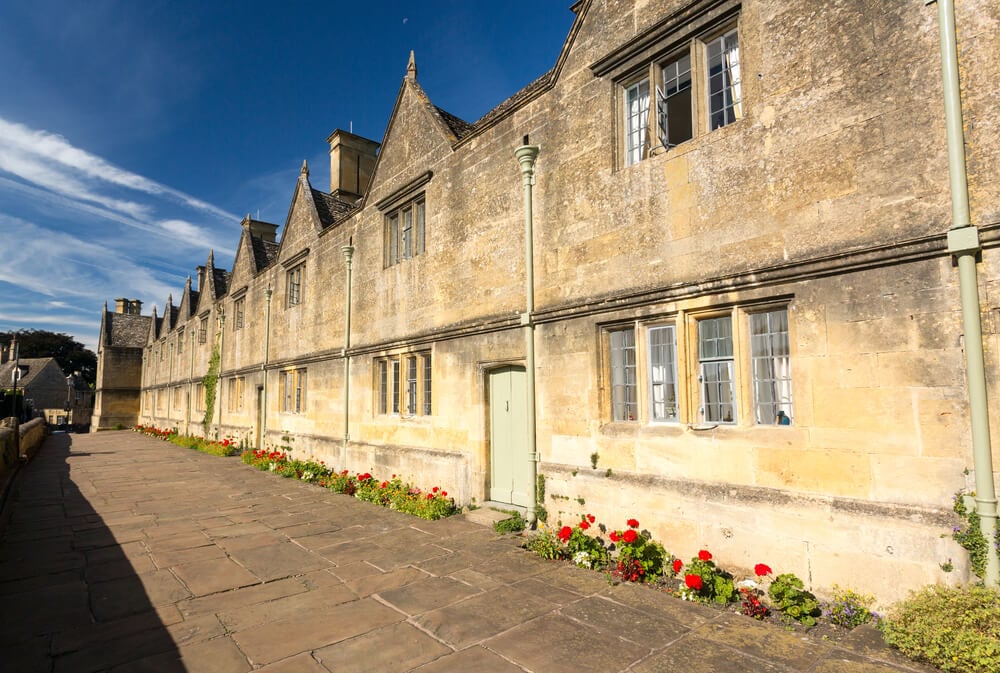
Philadelphia’s almshouse system dated to the eighteenth century and grew into the Blockley Almshouse, which housed the poor, the sick, and people with mental illness under one roof. It served as the city’s safety net long before social insurance existed.
Eventually its infirmary became Philadelphia General Hospital, one of the nation’s large public hospitals. Reformers criticized the crowding and mixed populations, and later programs moved the poor into specialized institutions or onto relief rolls. Almshouses declined as pensions and welfare programs arrived in the twentieth century.
Soup Kitchens in the Depression
When the Great Depression closed factories, city governments had no permanent relief system and relied on soup kitchens run by charities, churches, and even gangsters. In Chicago, Al Capone opened a soup kitchen on South State Street, where long lines of unemployed men waited for a meal.
These kitchens showed how many people needed help and strained local budgets to the limit. The crisis pushed Washington into direct relief, and federal programs eventually replaced most of the emergency kitchens. The scale of the lines changed how Americans thought about hunger.
Public Scales and the Weighmaster
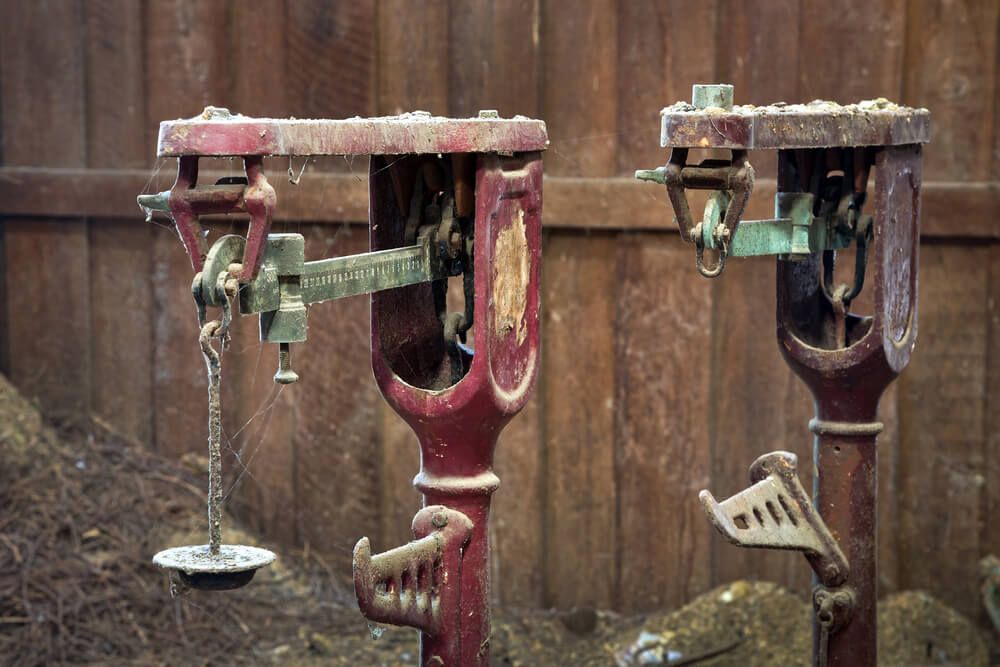
Cities and towns maintained public scales where farmers and drivers could have wagons weighed by an official called a weighmaster. Hay, coal, and grain were sold by weight, so buyers and sellers both needed a neutral measure. Drivers pulled onto the platform, and the weighmaster recorded the weight on a ticket that settled the sale.
Laws in several states set rules for fees and accuracy, and the scales sat at central crossroads. North Andover, Massachusetts, still preserves a hay scales building from 1833. Private scales and standardized weights ended the need for a public referee, and the buildings were repurposed or demolished.
Cleveland’s City-Owned Market
— Photo by PHOTOLOHI
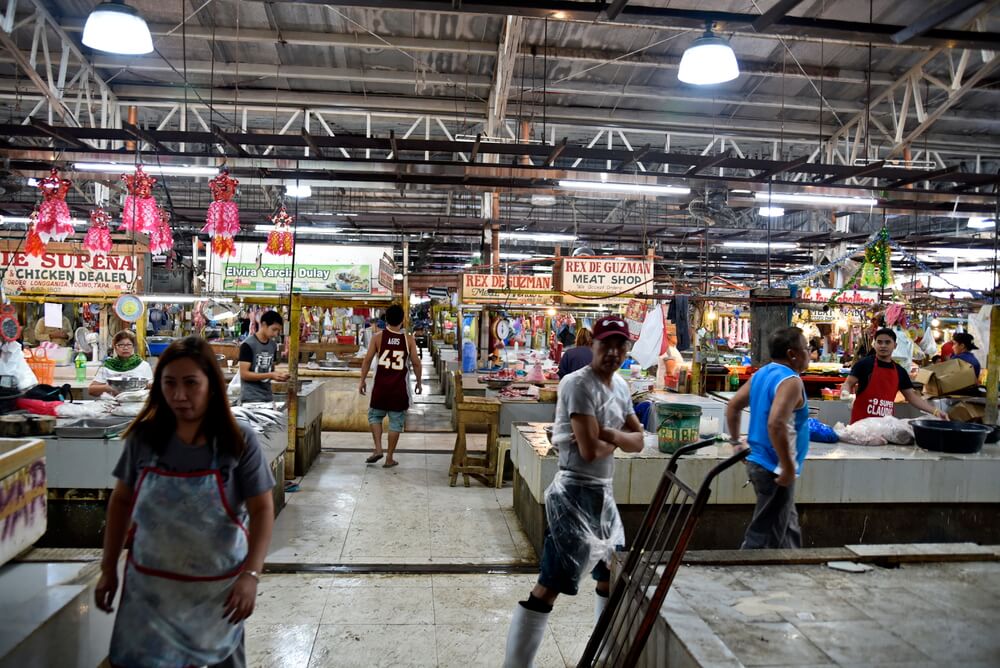
Cities once built and owned markets so that farmers could sell directly to residents. Cleveland opened its West Side Market in 1912, a city-owned hall that still operates under a soaring vaulted roof and a clock tower. Market masters rented stalls and enforced rules on weights and cleanliness.
Supermarkets and refrigerated transport reduced the role of such halls, and many cities sold or demolished theirs. Cleveland kept its market because neighbors cared about it, which makes it a rare surviving example of a municipal service.
A Bed From the City on East 25th Street
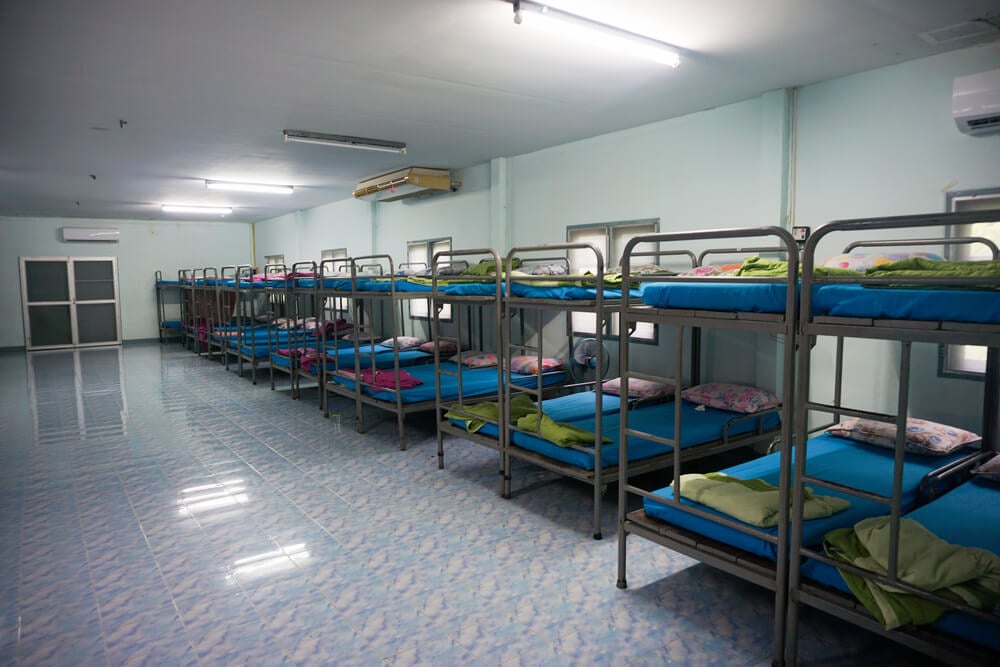
A municipal lodging house opened on East 25th Street in New York in 1909 to give homeless men a bed, a bath, and a meal. Arrivals were typically bathed, and their clothing was disinfected before they were assigned a bunk. The city counted the men who came, which produced some of the first numbers about homelessness.
Demand surged during the Depression, when the house was overwhelmed. Shelters run by the city continue to this day, but the old lodging house model shifted toward small private programs.
Horsecars on City Rails
— Photo by citellusphotography.gmail.com
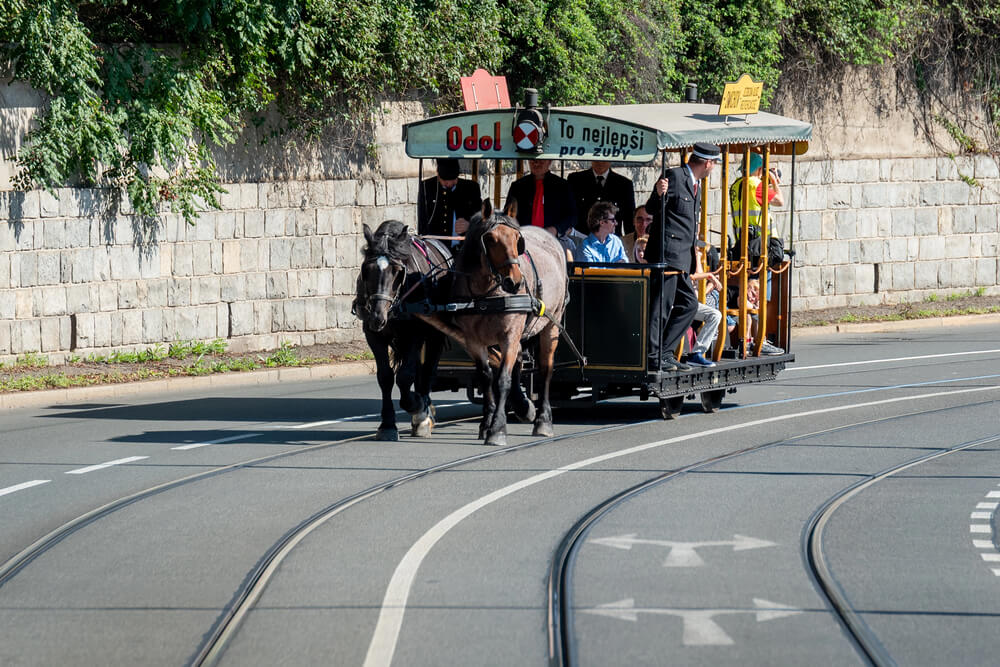
New York’s first horse-drawn streetcars began running on rails in the 1830s, and by the 1880s horsecars carried passengers in cities across the country. A single horse could pull far more weight on rails than on cobblestones, which made the ride cheap enough for working people.
Cities spread outward along the lines, and streets were reshaped to fit tracks. Frank Sprague’s electric system in Richmond, Virginia, in 1888 showed that horses were no longer necessary. Within a generation, electric cars replaced the horses and the stables.
Ash Collection and the Coal Furnace
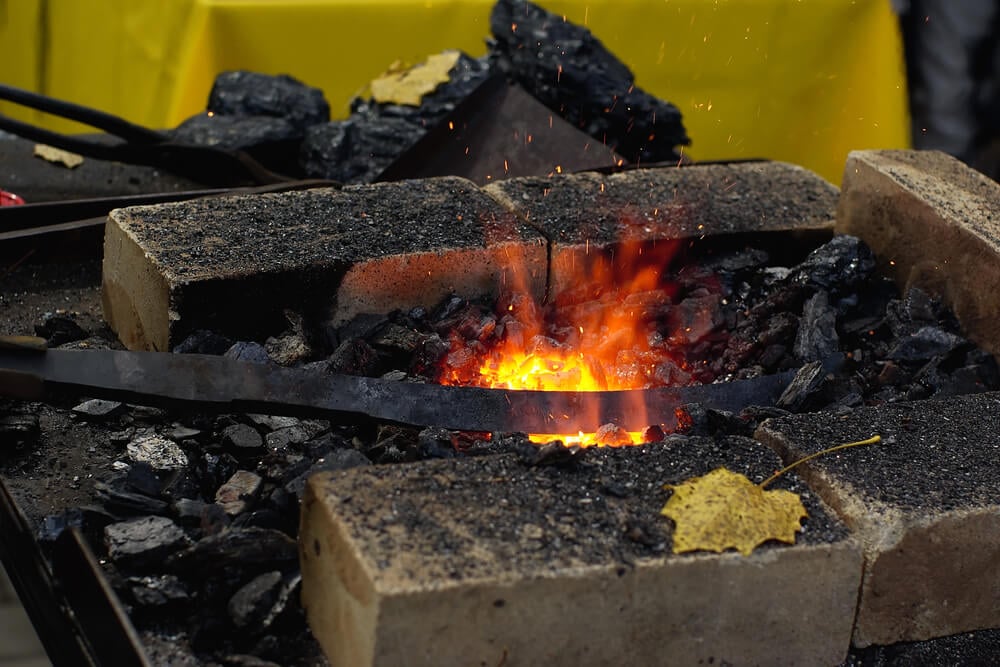
When most homes burned coal, ash was a major share of city refuse, and municipal crews hauled it from the curb in barrels. Collectors carried heavy loads on their backs and dumped them into carts, and cities used the ash to fill low ground.
Winter was the busiest season, and neighborhoods had set days for pickup. Gas and oil heating cut the volume of ash, and collection routes were folded into general garbage service. The change also cleaned the air, because coal smoke no longer settled on laundry and windowsills.
Public Work That Disappeared Into Daily Life
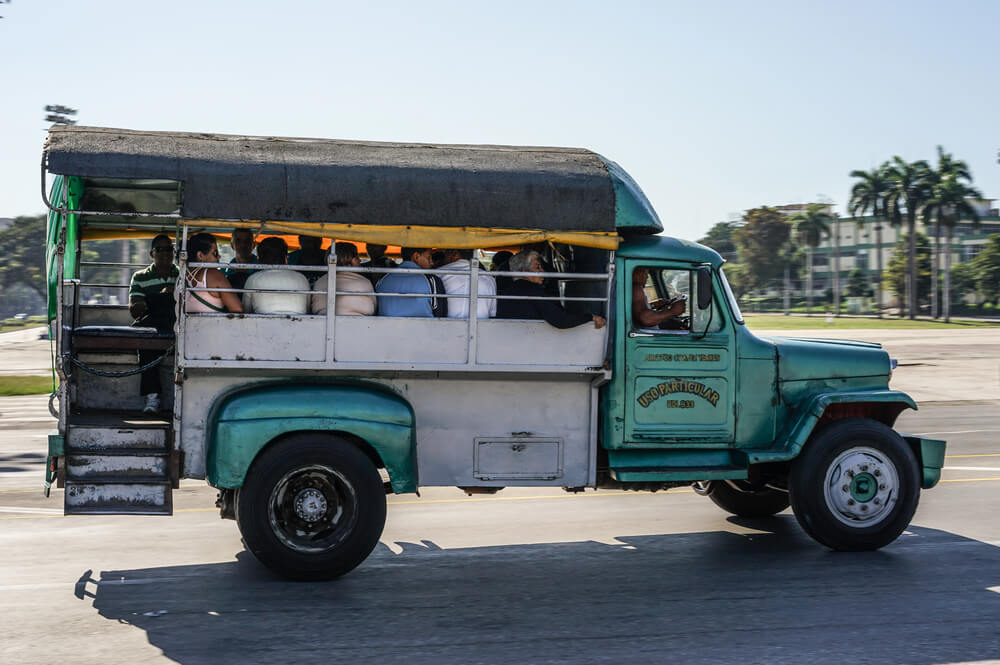
Looking across these services, the pattern is that cities repeatedly took on jobs that private markets would not fund. Baths, milk, mail, light, and water were all provided because residents could not buy them on their own at a reasonable price.
When the need passed, the service disappeared quietly, which is why so few people remember it. What remains is a set of buildings, street layouts, and habits that began as public solutions.
The same pattern points to a broader lesson about urban life. Cities become livable when someone is responsible for the unglamorous details that individuals cannot manage alone.
Each technology that replaced a service also raised new questions about who would handle the next set of problems. The forgotten crews and boxes are a reminder that public work is often most visible after it is gone.
More from Go2Tutors!

- 27 Silver Dollars and Half Dollars Worth Keeping
- 28 Restaurant Menu Items Nobody Orders Anymore
- 17 Places Built in Seemingly Impossible Spots
- 27 Vintage Rings Worth More Than They Look
- 25 Restricted Sites Tourists Can’t Enter
Like Go2Tutors’s content? Follow us on MSN.