29 American Buildings Constructed With Unusual Materials
Lumber, brick, and steel are the sensible choices. Plenty of Americans looked at those options and reached for newspaper, beer cans, hay, ice, or a pile of other people’s trash instead.
The results range from spectacular to stubborn, and a few have outlasted every sensible building around them. Each of these stands, or once stood, in the United States, and each owes its look to a material nobody ordered from a lumberyard.
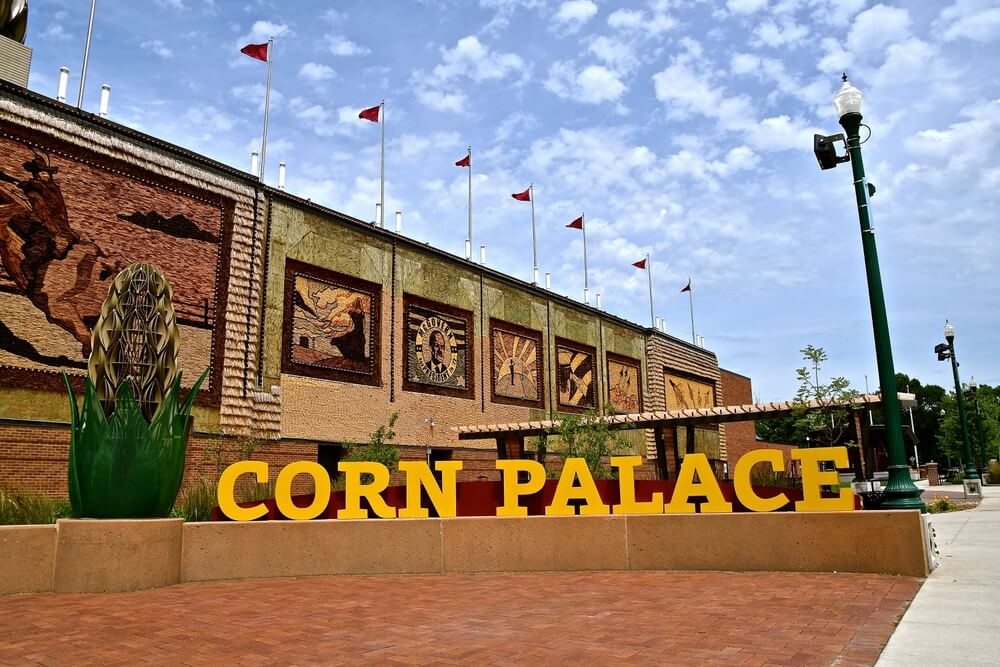
The Palace Redecorated in Corn Every Year
— Photo by fiskness
The Corn Palace in Mitchell, South Dakota, traces back to 1892, when local boosters built the first version to show off the region’s farmland. The current building dates to 1921 and was designed by the architecture firm Rapp and Rapp. Its exterior murals are made from corn and other grains in natural colors, and the panels are stripped and redone with a new theme on a regular cycle. Few buildings are asked to change their entire face on schedule.
A Village Cemented Together From Bottles
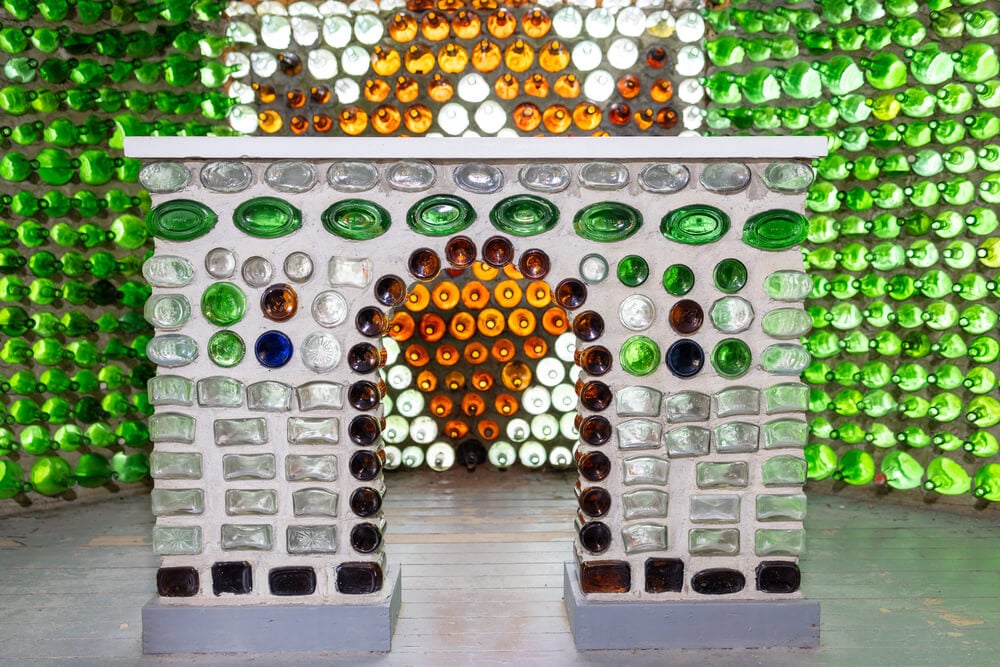
Tressa “Grandma” Prisbrey began building Bottle Village in Simi Valley, California, in 1956, when she was in her sixties. She gathered bottles and other discards, then set them in cement to form small buildings and walkways. One structure was built to hold her collection of pencils. The site was damaged in the 1994 Northridge earthquake and has been the subject of preservation efforts since.
Towers Made From Broken Tile and Salvaged Steel
Simon Rodia, an Italian immigrant and construction laborer, worked on the Watts Towers in Los Angeles from 1921 until 1955. He shaped steel rods and wire mesh, coated them in mortar, and pressed in broken tile, glass, and seashells. He had no scaffolding and no blueprints. After he gave the property away and left, the city tried to demolish the towers, and a 1959 load test left them standing.
Giant Blocks of Coral Rock Moved by One Man
— Photo by SharpShooter
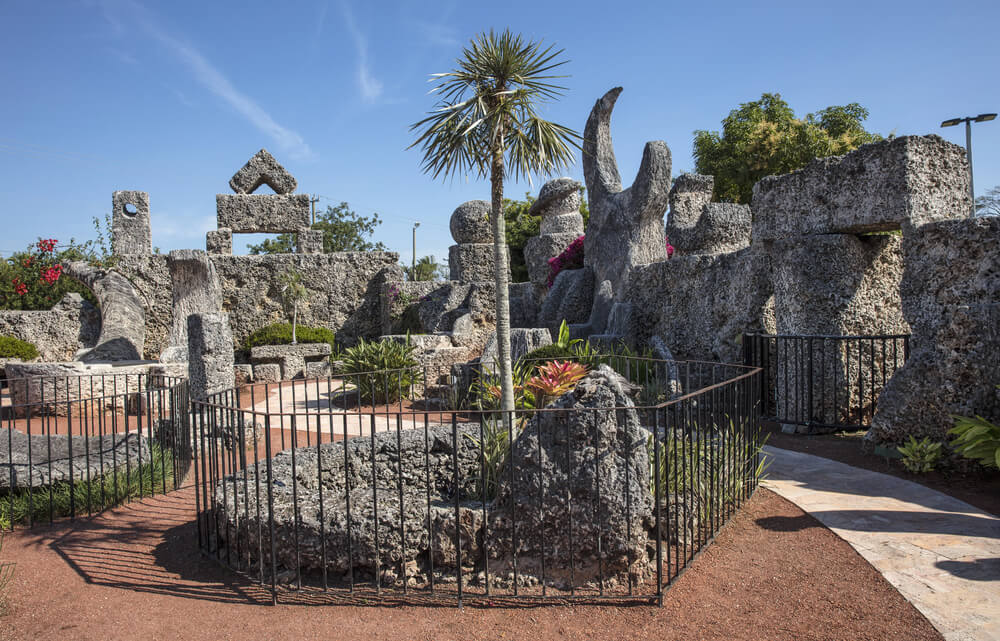
Edward Leedskalnin, a Latvian immigrant, carved Coral Castle from coral limestone in South Florida, beginning in the 1920s in Florida City and later moving the entire project to Homestead. The walls and furnishings use blocks weighing several tons. Leedskalnin worked alone and kept his methods private until his death in 1951. Visitors still push on a heavy rock gate that pivots with surprisingly little effort.
A Castle Built Rock by Rock in a National Forest
— Photo by JimLambert
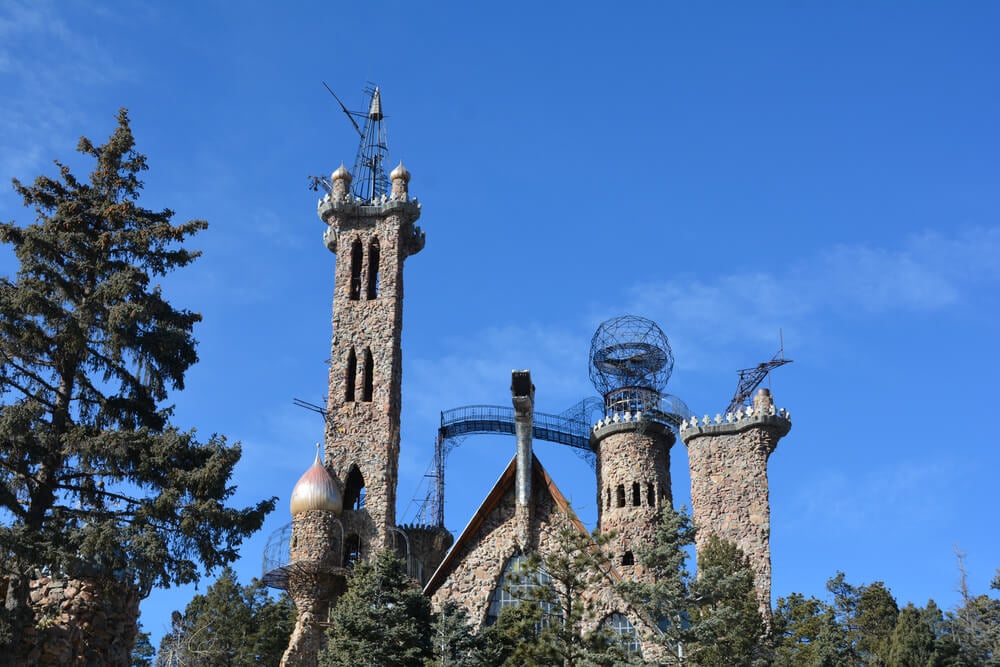
Jim Bishop began Bishop Castle in 1969 near Rye, Colorado, on land within the San Isabel National Forest. He built it from local stone and ironwork, adding towers, bridges, and a great hall over the years. The most famous feature is an iron dragon that exhales fire from its mouth. Few cathedrals, medieval or otherwise, have a pyrotechnic reptile on the roof.
A Garden Dug Underground by Hand
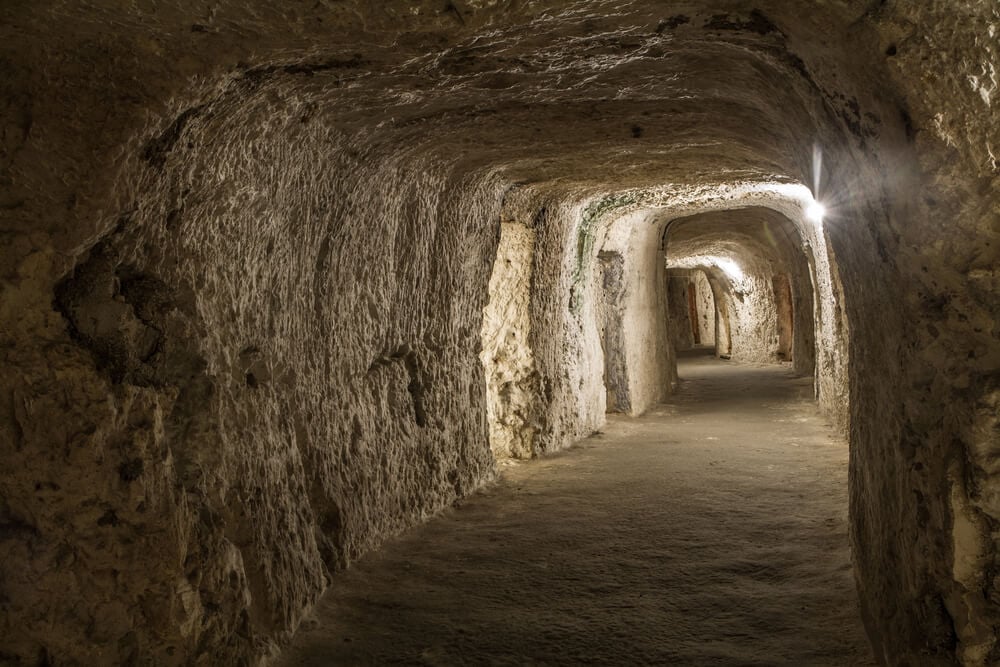
Baldassare Forestiere, a Sicilian immigrant, began digging beneath Fresno, California, in 1906. He carved rooms, passages, and planting areas out of the hard soil and cut openings so sunlight could reach trees growing below the surface. He grafted multiple kinds of citrus onto single trees. The Forestiere Underground Gardens remains one of the most unusual works of architecture ever excavated with hand tools.
The Houston House Sided in Flattened Beer Cans
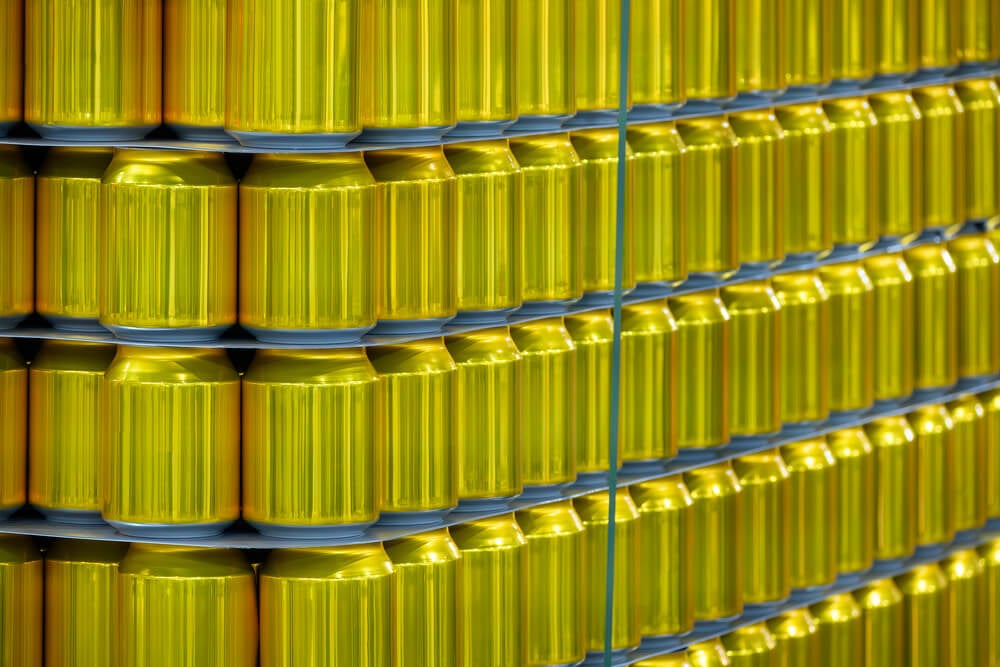
John Milkovisch, a retired upholsterer, began covering his Houston home in beer cans in 1968. He flattened the cans and nailed them up as aluminum siding, and an estimated 50,000 of them ended up on the property. Garlands made from can tops hang from the eaves and clink in the wind. The Beer Can House is now maintained as a museum by an organization devoted to visionary art.
The Ghost-Town House Built From Bottles and Mud
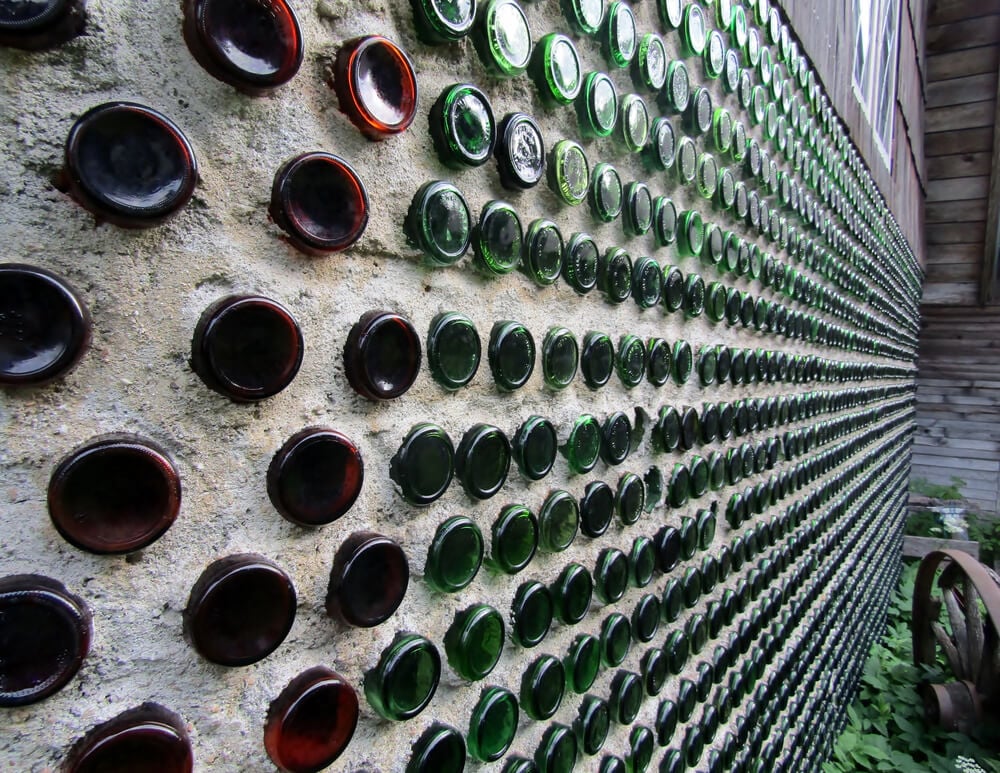
Tom Kelly, a miner, built the Bottle House in the Nevada boomtown of Rhyolite around 1906. Lumber was scarce and costly in the desert, so he laid roughly 50,000 bottles in adobe mud. The walls glitter in the sun, and many of the bottles are beer and liquor containers left over from the town’s saloons. Rhyolite emptied out within a few years of its boom, but the bottle walls are still there.
A Cottage Made of Newspaper

Elis Stenman, a mechanical engineer, began building the Paper House in Rockport, Massachusetts, in 1922. The walls consist of layers of newspaper pasted together and treated to resist the weather. Stenman also made furniture out of rolled paper. The project took about two decades, and the house, which began as a summer retreat, now operates as a tourist attraction.
A Backyard Cathedral Assembled From Discards
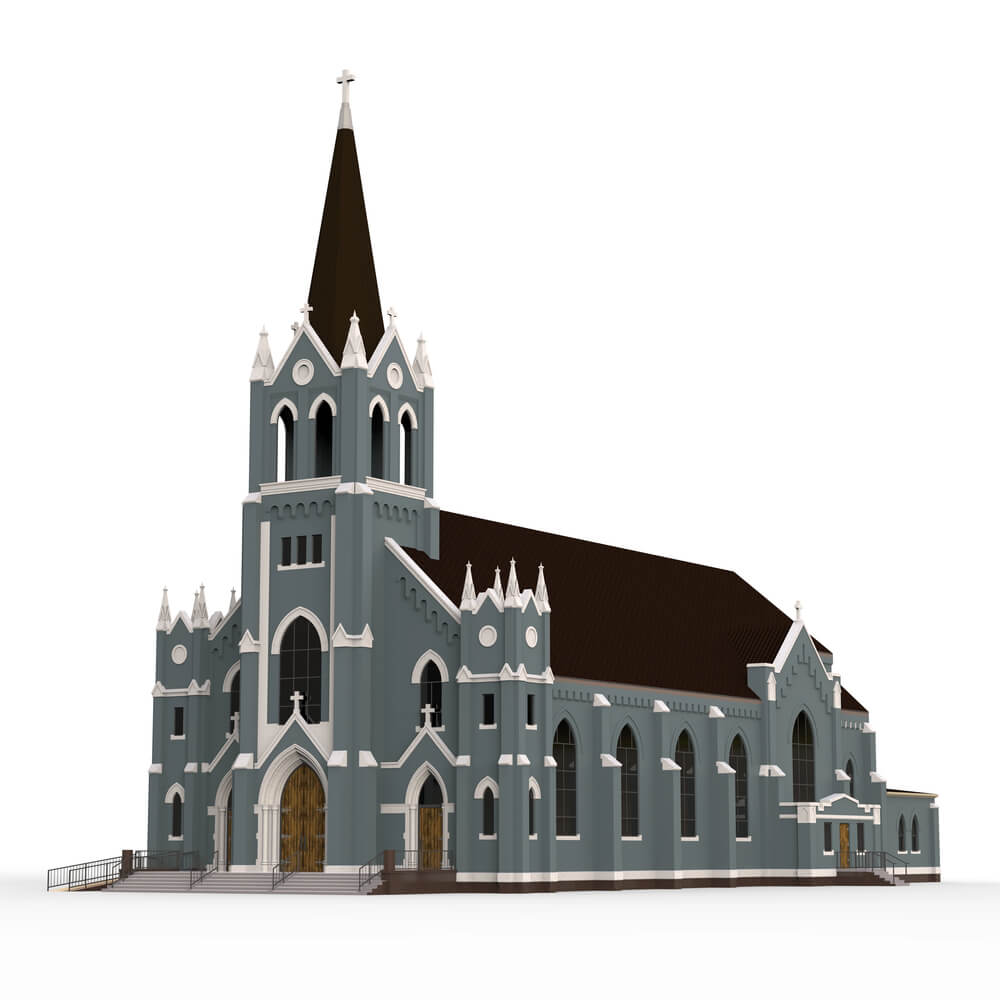
Vince Hannemann began building the Cathedral of Junk in his Austin, Texas, backyard in the late 1980s. He collected hubcaps, bicycles, toys, and countless other discarded objects and wove them into a tall, climbable structure. The city eventually pushed back over the unpermitted structure, and in 2010 officials granted a permit that allowed it to stay. Few city code disputes end in the legal blessing of a junk cathedral.
A Gas Station Built From Fossilized Trees

Lamar, Colorado, is home to a roadside building constructed in 1932 from petrified wood. The material consists of fossilized trees that have turned to stone over millions of years. Builders set the pieces in mortar to form the walls, and the structure originally served motorists as a gas station. It stands today as one of the more literal examples of turning old wood into a building.
The Church Raised Out of Baled Hay

The Pilgrim Holiness Church in Arthur, Nebraska, was built in 1928 with baled hay as the primary wall material. Lumber was costly on the Sandhills prairie, while hay was plentiful, so the congregation stacked bales and finished them with plaster. The building is listed on the National Register of Historic Places. It is a rare church whose walls could technically be fed to a horse.
Oyster Shell Concrete on Jekyll Island
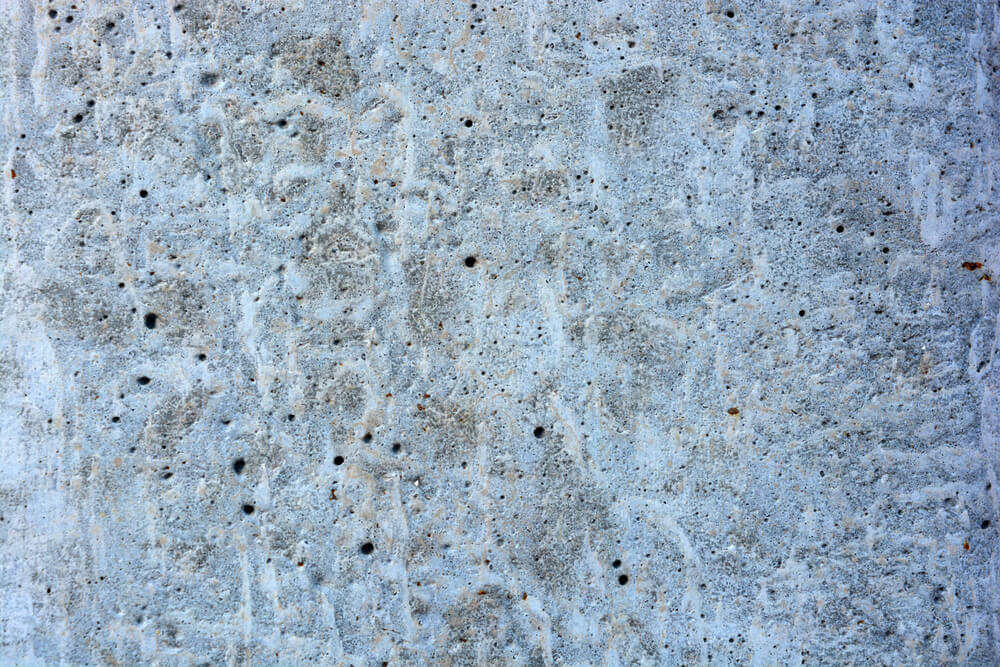
The ruins of the Horton House on Jekyll Island, Georgia, are made of tabby, a mixture of oyster shell, lime, sand, and water. William Horton, an officer who served under James Oglethorpe, had the house built during the early years of the Georgia colony. Tabby was an affordable local alternative to imported stone and brick. The surviving walls give visitors a close view of the shell fragments baked into the mixture.
A Shrine Studded With Minerals and Fossils
— Photo by lennystan
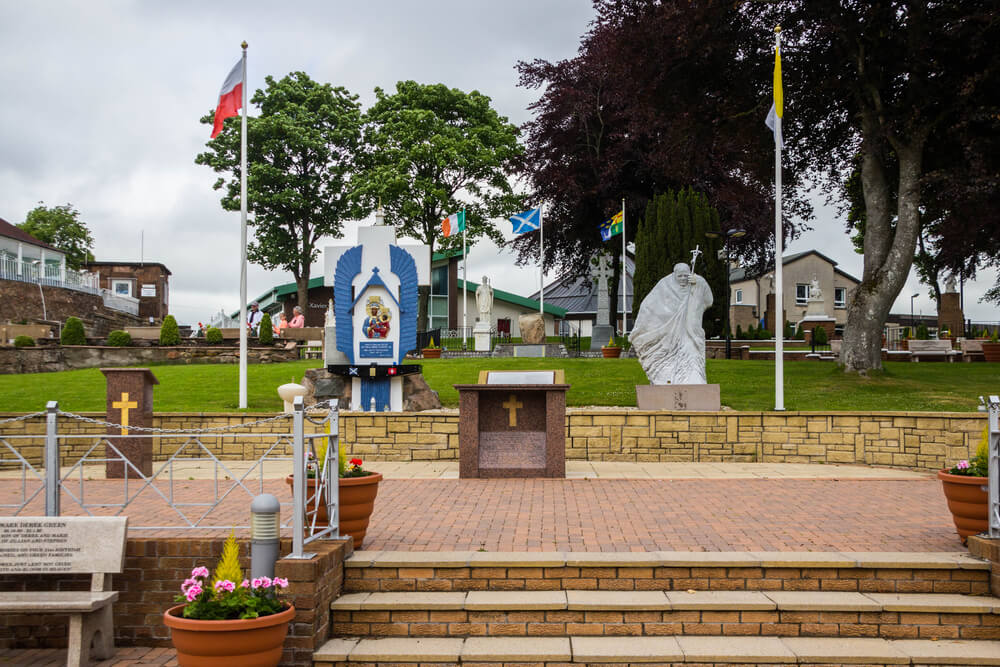
Father Paul Dobberstein, a German-born priest, began the Grotto of the Redemption in West Bend, Iowa, in 1912. He built it from stones, minerals, fossils, shells, and petrified wood donated or collected from many places. He kept working on it until his death in 1954. The result is a series of grottoes that looks like a geology museum had been turned into a church.
A Desert Castle Hidden Behind Stone and Adobe
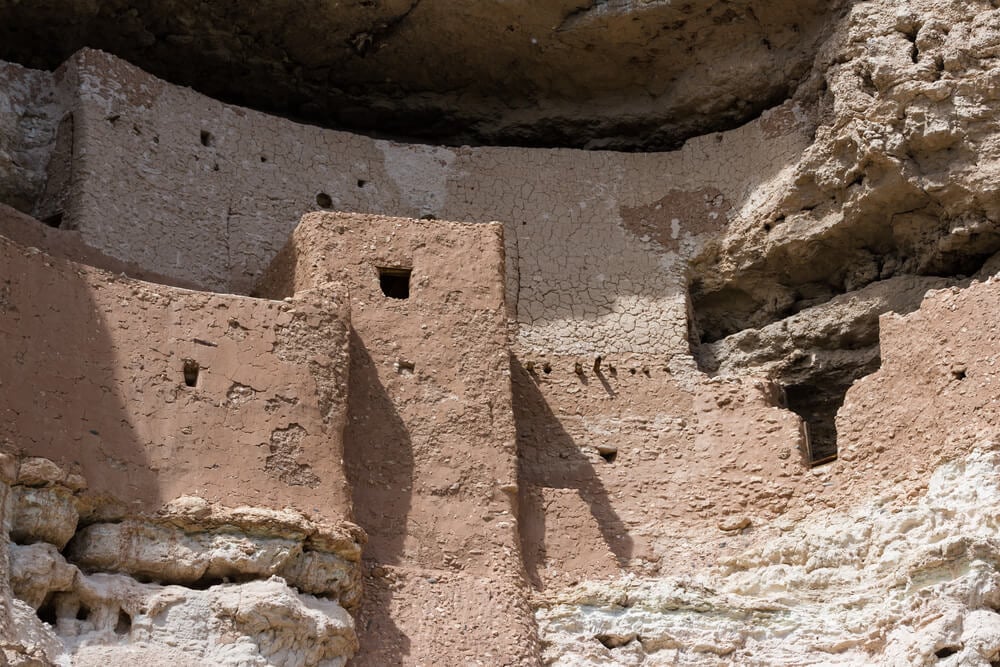
Boyce Luther Gulley built Mystery Castle in Phoenix, Arizona, using native stone, adobe, and salvaged materials. He began in the 1930s after leaving his family to move west, and he reportedly built it as a home for his daughter Mary Lou. The structure has 18 rooms and was largely unknown to the family until after his death in 1945. The name came from the secrecy that surrounded the project.
The Hillside Home Faced With Abalone Shells
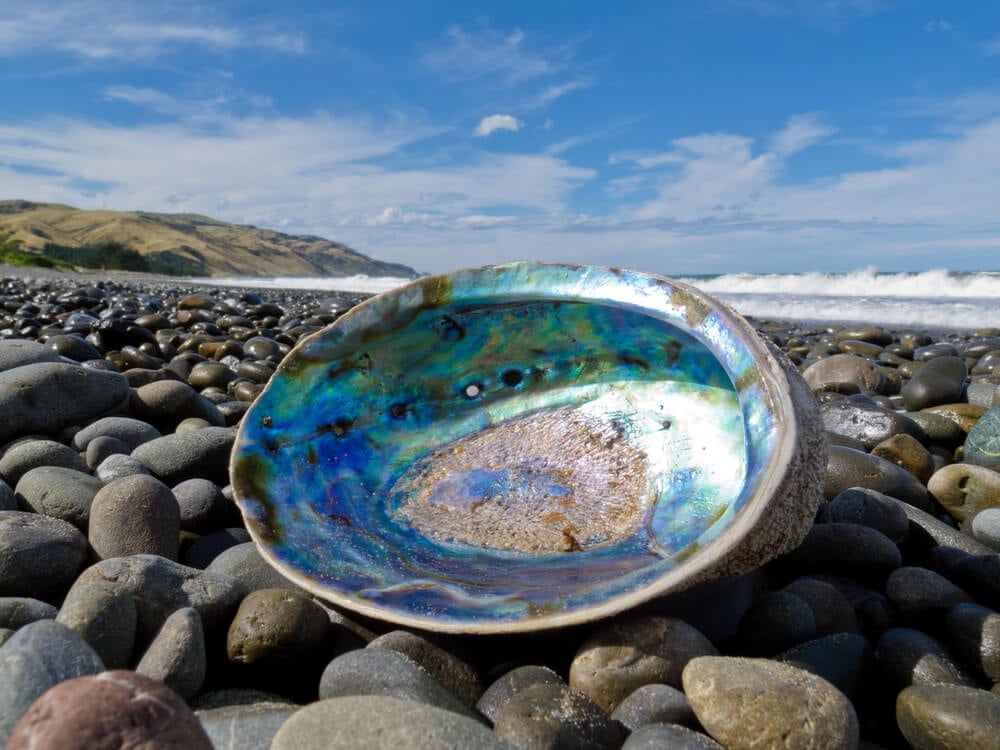
Art Beal, who called himself Captain Nitt Witt, began Nitt Witt Ridge in Cambria, California, in 1928. He built it from rock, concrete, abalone shells, and cast-off items hauled from the local dump. He kept adding to the hillside property for decades. The finished house looks like the product of a life spent refusing to throw anything away.
A Log Cabin Made of Limestone
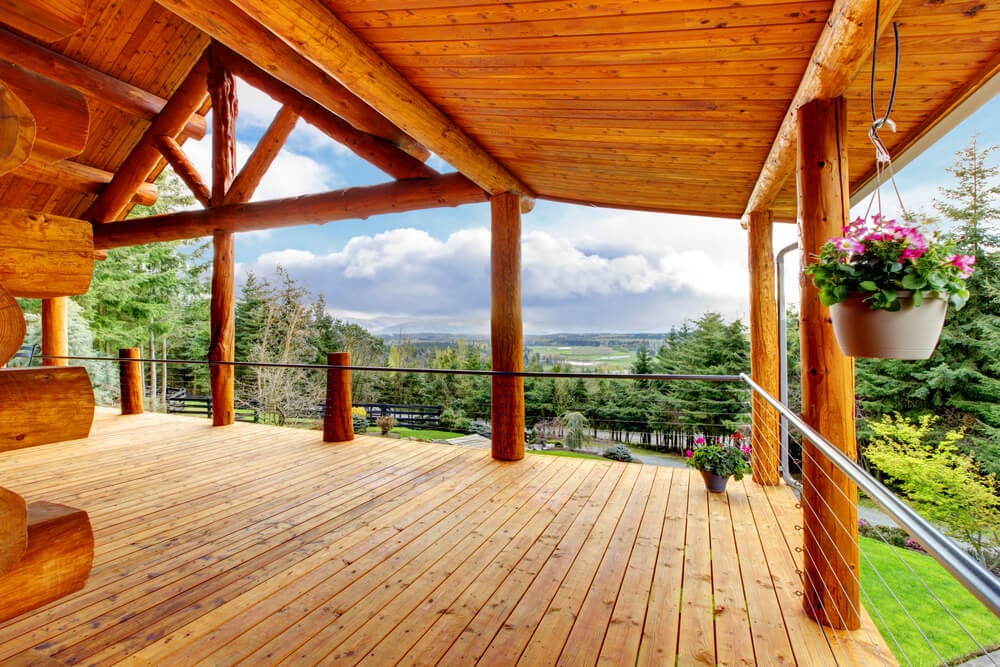
S. P. Dinsmoor, a Civil War veteran, began the Garden of Eden in Lucas, Kansas, in 1907. His house resembles a log cabin, but the logs are actually quarried limestone. Concrete sculptures fill the yard around it. When Dinsmoor died in 1932, he was placed in a mausoleum on the property that he had built himself.
A Spanish Fort Built From Compressed Seashells
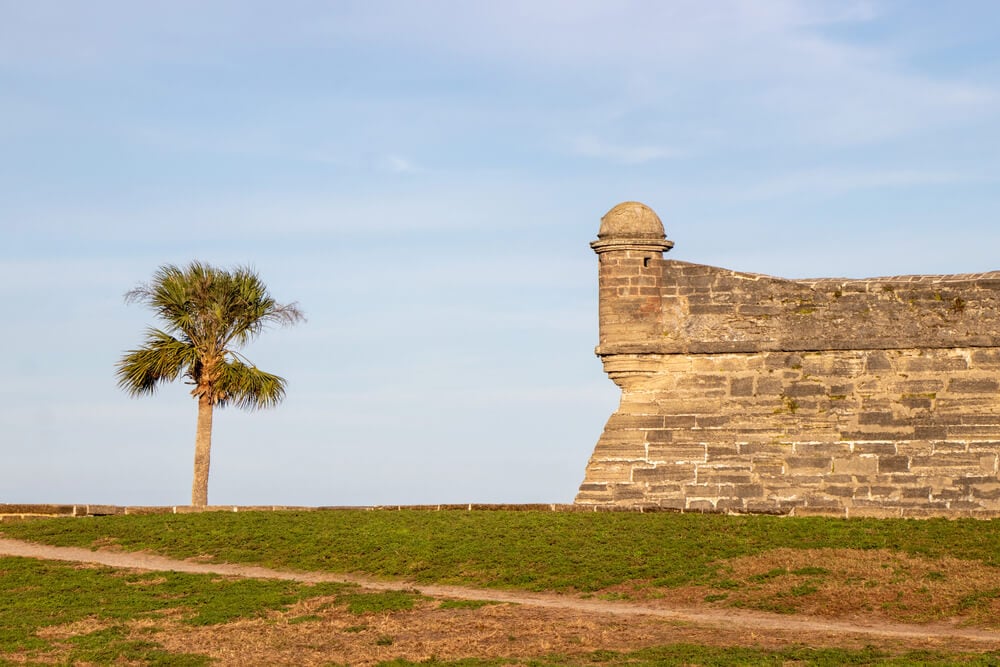
The Castillo de San Marcos in St. Augustine, Florida, was built by the Spanish between 1672 and 1695. Its walls are made of coquina, a soft stone formed from compressed seashells. The material absorbed cannon fire instead of shattering, which proved valuable during sieges. The National Park Service describes the fort as the oldest masonry fort in the continental United States.
Prefabricated Houses Made of Enameled Steel
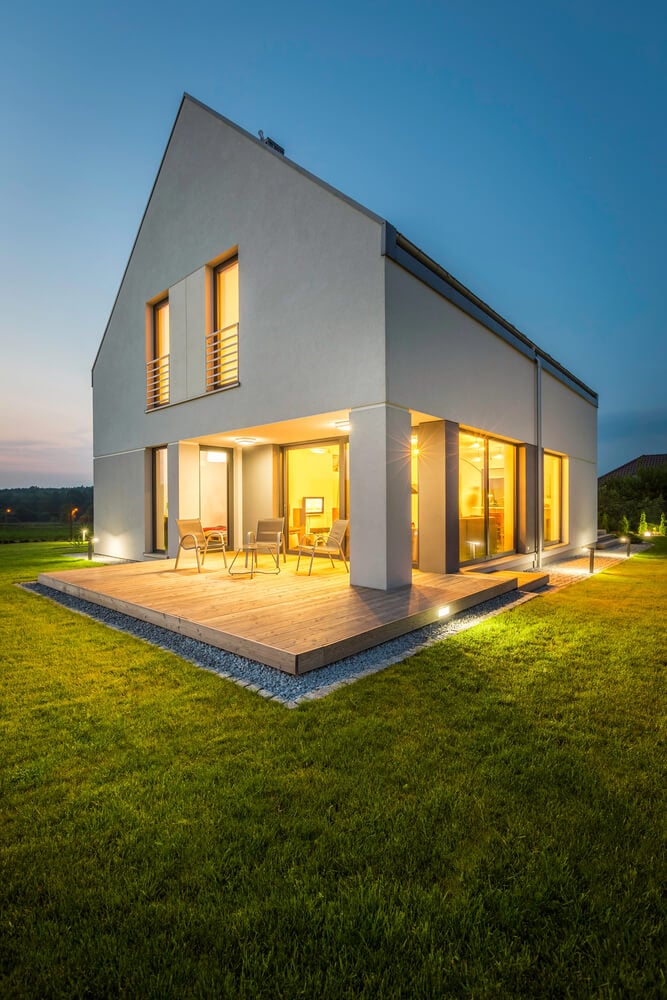
The Lustron Corporation manufactured steel homes in Columbus, Ohio, between 1947 and 1950. The houses had porcelain-enameled steel panels inside and out, in colors that included blue, tan, and green. Owners could hang pictures with magnets, since the walls attracted them. About 2,500 were built before the company went bankrupt, and many are still occupied.
A Fiberglass Flying Saucer for Living In
— Photo by saiko3p
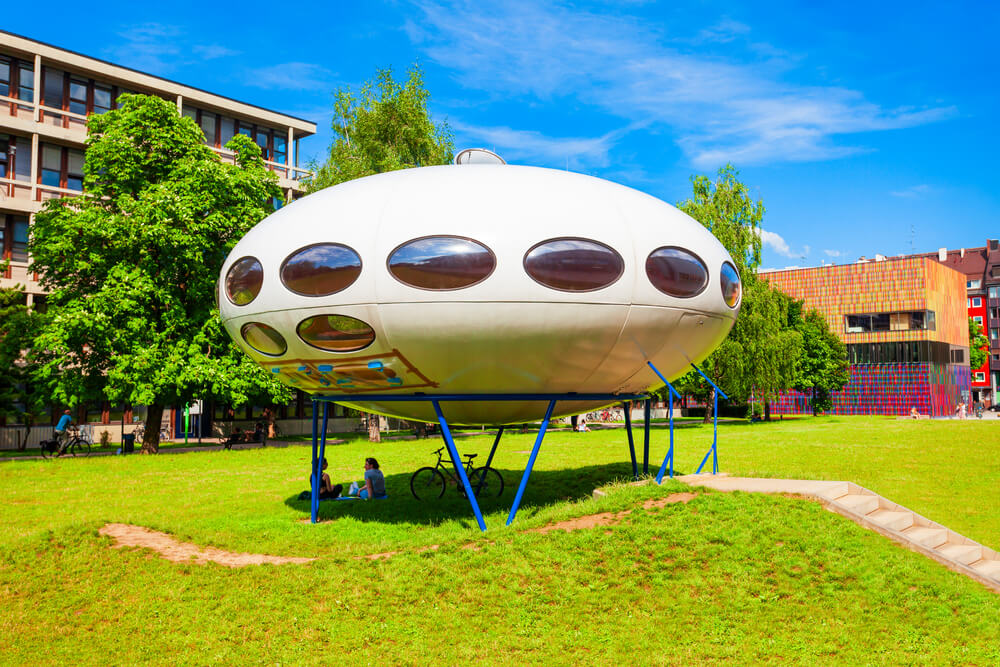
Finnish architect Matti Suuronen designed the Futuro house in the late 1960s. Its walls were made of fiberglass-reinforced plastic, which allowed it to be manufactured in sections. Roughly 100 were built worldwide, and some made their way to the United States. The Futuro looked less like a house than a spacecraft that had picked a lawn to land on.
A Museum Carved From Year-Round Ice

— Photo by ibrester
The Aurora Ice Museum at Chena Hot Springs Resort, near Fairbanks, Alaska, is billed as the world’s largest year-round ice environment. Sculptors carve the interior from ice, creating rooms, furniture, and statues. The museum stays frozen through the Alaskan summer. Visitors can warm up in the resort’s hot springs afterward.
An Elephant Covered in Tin Sheets
— Photo by MSPhotographic
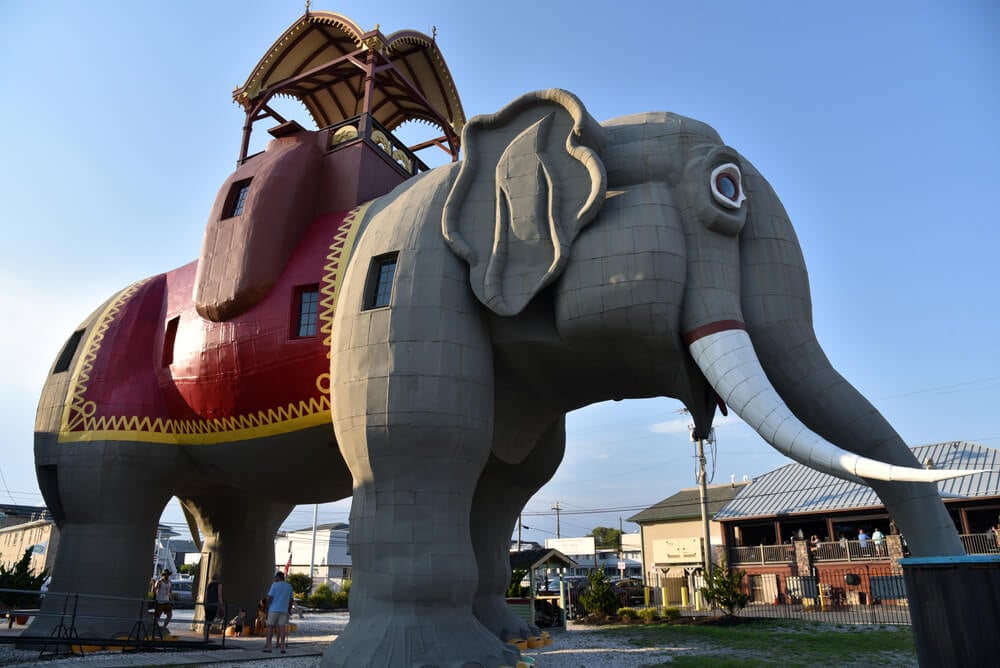
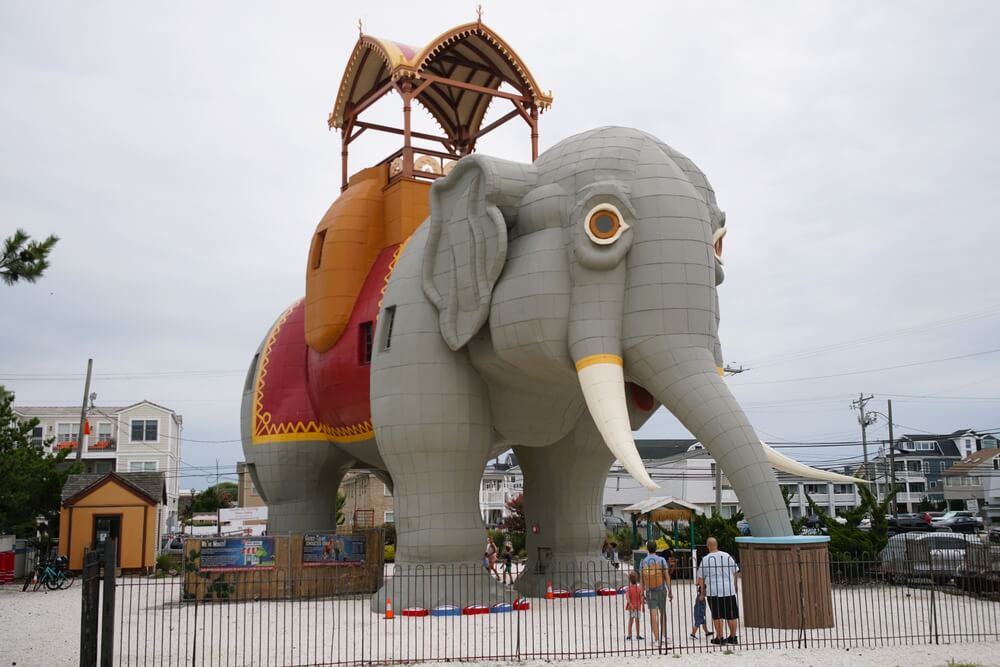
James Lafferty built Lucy the Elephant in Margate City, New Jersey, in 1881 to attract buyers for real estate lots. The structure stands about 65 feet tall and is made of a wood frame covered in tin. Over the decades it has been used as a tavern, a home, and a tourist attraction. Lucy was later designated a National Historic Landmark.
A Castle of Salvaged Odds and Ends
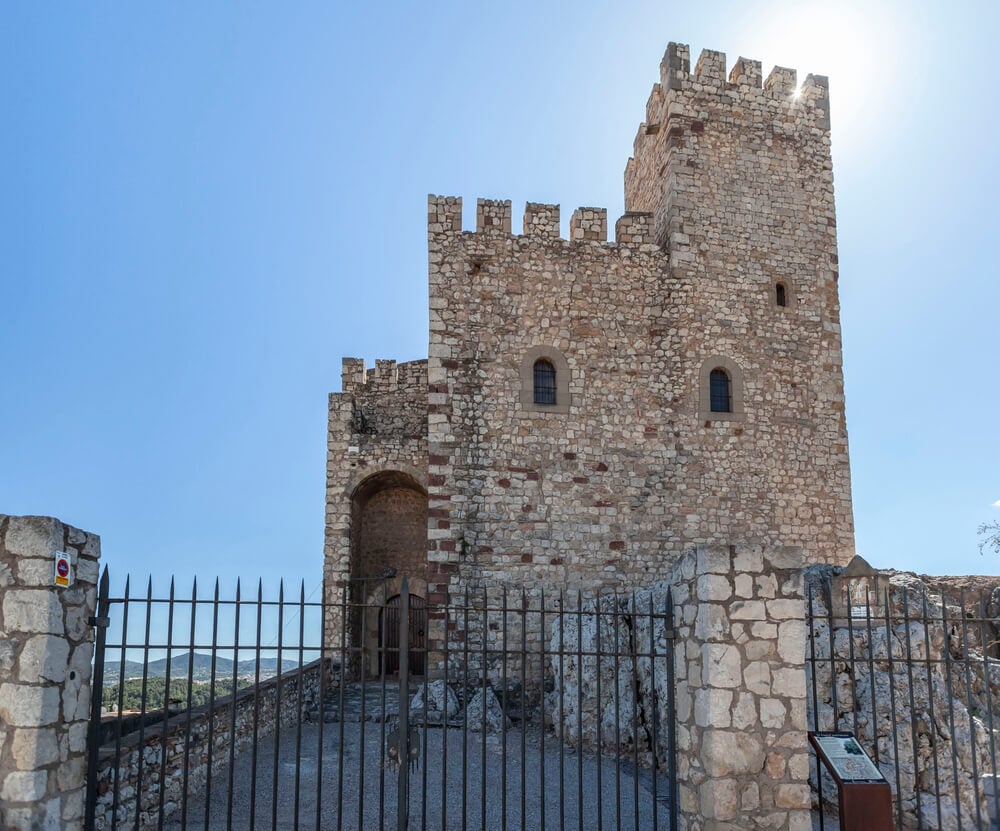
Michael Clarke Rubel began building Rubel Castle in Glendora, California, in 1968 and kept working on it until his death in 2007. The complex includes towers, a moat, and walls made largely from found and salvaged materials. Friends and volunteers helped carry out the construction over the decades. Few castles can claim to be assembled primarily from things other people had thrown out.
The Palace Built to Defy a Newspaper Insult
— Photo by VladimirNenezic
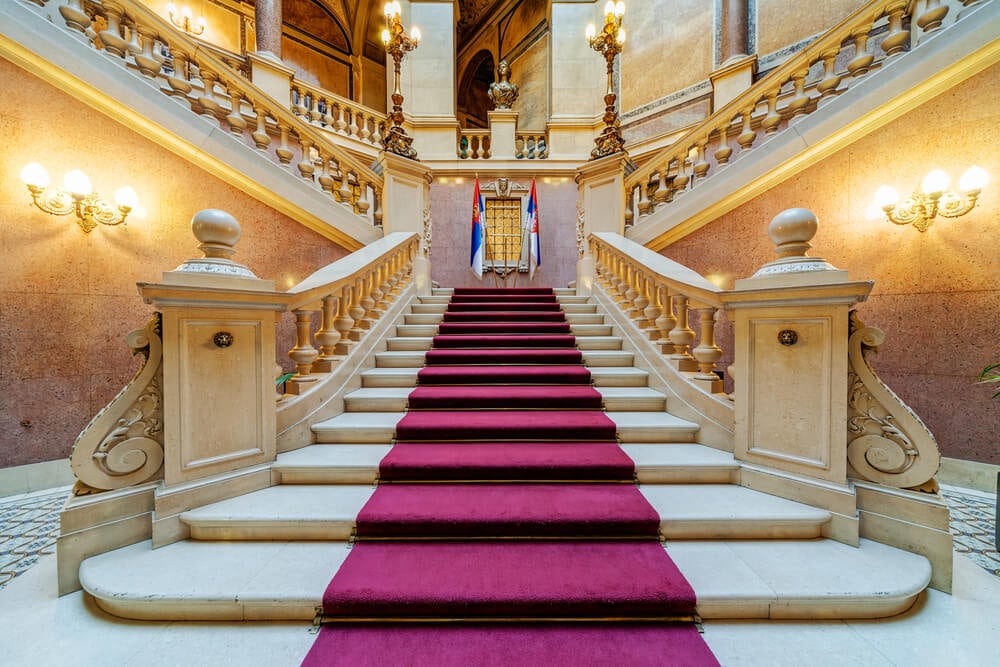
A New York reporter described Saint Paul, Minnesota, as “another Siberia, unfit for human habitation,” and the city responded with its first Winter Carnival in 1886. The centerpiece was an ice palace built from blocks of ice cut from nearby lakes. Later carnivals produced even bigger ice palaces. Few insults have been answered with so much frozen architecture.
Homes Built of Tires and Bottles Near Taos
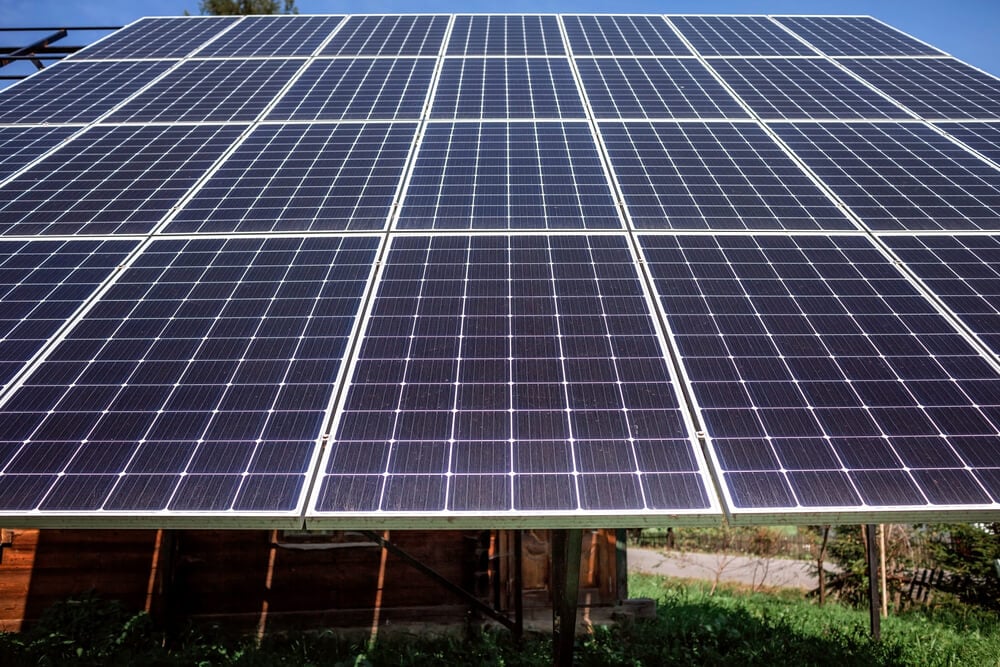
Architect Michael Reynolds developed the Earthship in New Mexico, and the Greater World Community near Taos is its best-known cluster. The walls are built from used tires packed with earth, along with bottles and cans set in mud or cement. The homes are designed to heat and cool themselves with sunlight and thermal mass. Taos has become the place where recycled tires get architectural respect.
Concrete Teepees on Route 66
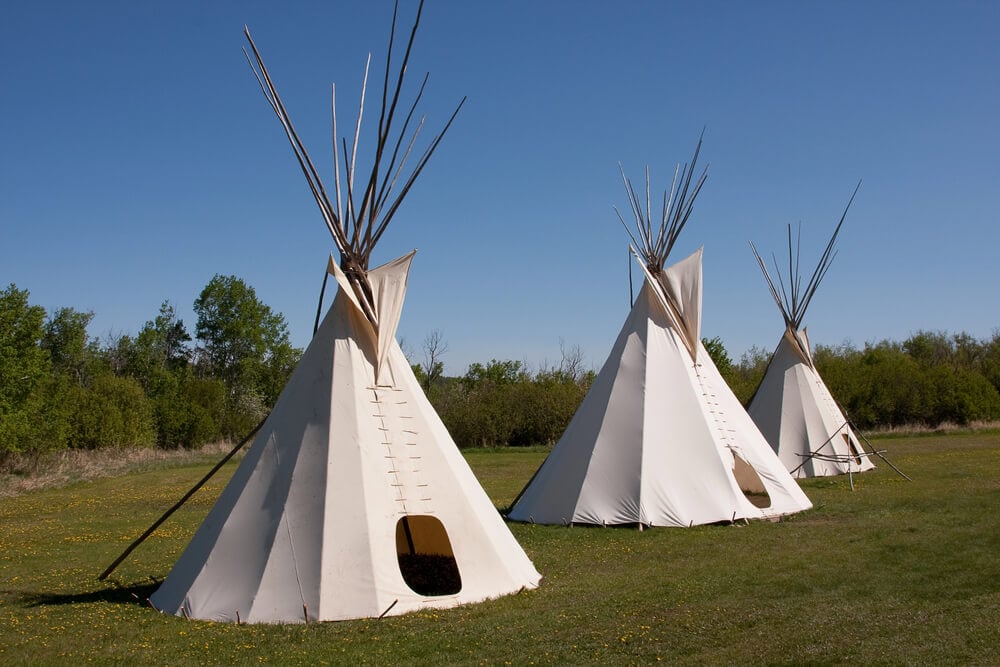
Wigwam Motel in Holbrook, Arizona, was built in 1950 by Chester Lewis, along Route 66. Its guest rooms are shaped like teepees, though the name says wigwam, and they are built from concrete. The motel was listed on the National Register of Historic Places in 2002. Vintage cars parked out front complete the roadside time capsule.
An Adobe Town Plastered by Hand
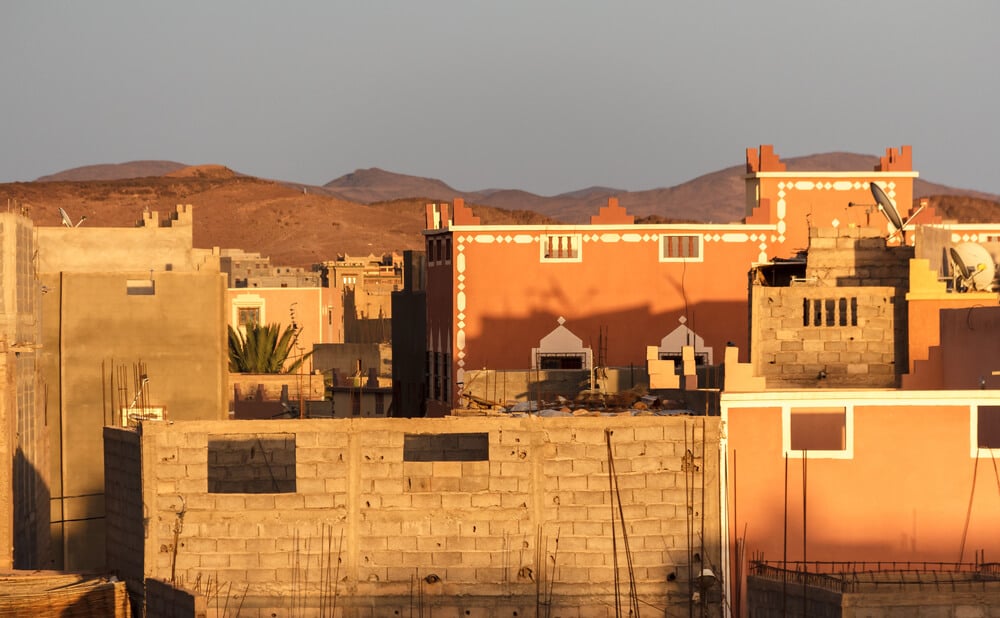
Taos Pueblo in New Mexico has been inhabited for roughly a thousand years, and its multistory buildings are made of adobe. The structures require regular re-plastering with mud to withstand the weather. UNESCO designated the pueblo a World Heritage Site in 1992. Few places show the staying power of dirt as clearly.
A Concrete Castle With Handmade Tiles
— Photo by neymanjr
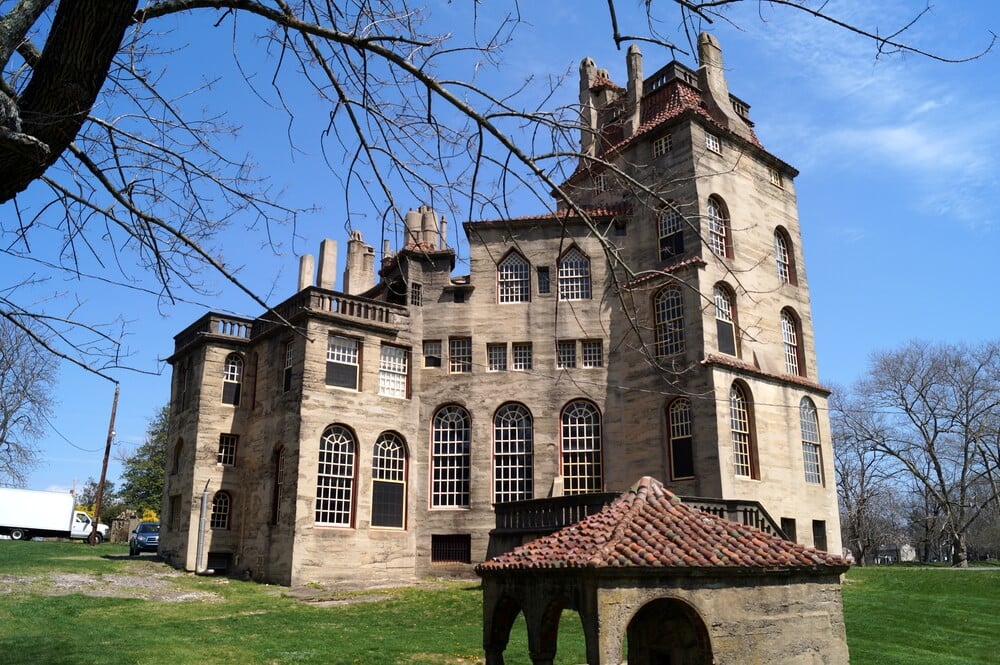
Henry Chapman Mercer, an archaeologist and tile maker, built Fonthill in Doylestown, Pennsylvania, between 1908 and 1912. The house is made of reinforced concrete poured by workers using simple tools. Mercer decorated the interior with tiles from his own pottery. The result looks like a medieval castle that happened to be built with twentieth-century material.
Edison’s Concrete Houses
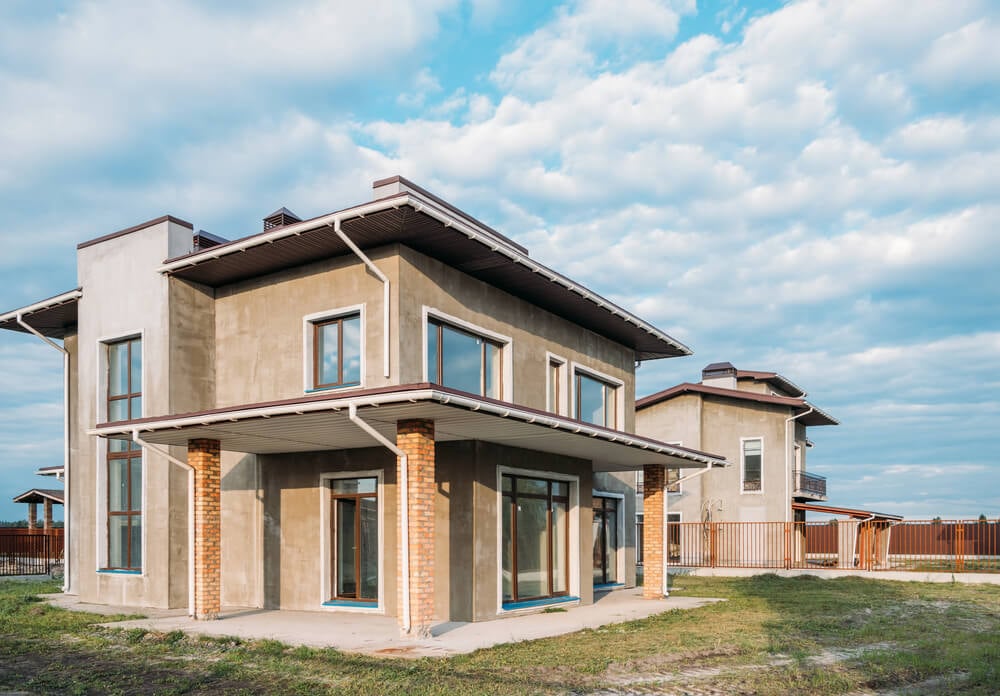
Thomas Edison believed an entire house could be cast in concrete in a single pour. His company built a number of experimental concrete houses in Union, New Jersey, and some still stand. The project failed because the molds were expensive and complicated. The inventor of the light bulb was undone by formwork.
What the Odd Materials Reveal
— Photo by khairil77
Some of these buildings began as practical solutions. Hay in Nebraska, bottles in Nevada, and tabby in Georgia were what builders could get without paying a premium. Others began as obsession, and the material became the point. That distinction rarely mattered once the walls went up.
Taken together, the list shows how much of American architecture has come from improvisation. A building does not need a standard material to stand for a century, and some of the strangest ones have outlasted their conventional neighbors. The oddest wall may be the one that keeps telling the story of the person who built it.
More from Go2Tutors!

- 27 Silver Dollars and Half Dollars Worth Keeping
- 28 Restaurant Menu Items Nobody Orders Anymore
- 17 Places Built in Seemingly Impossible Spots
- 27 Vintage Rings Worth More Than They Look
- 25 Restricted Sites Tourists Can’t Enter
Like Go2Tutors’s content? Follow us on MSN.