The Household Gadgets That Worked Without Electricity
Long before outlets appeared in every wall, homes were full of tools that ran on muscle, springs, gravity, and ice. Most of them did their jobs with a few moving parts and no cord.
Some became so reliable that people kept using them for generations. Others vanished once power arrived, but their designs were clever enough to deserve a second look.
The Rotary Egg Beater
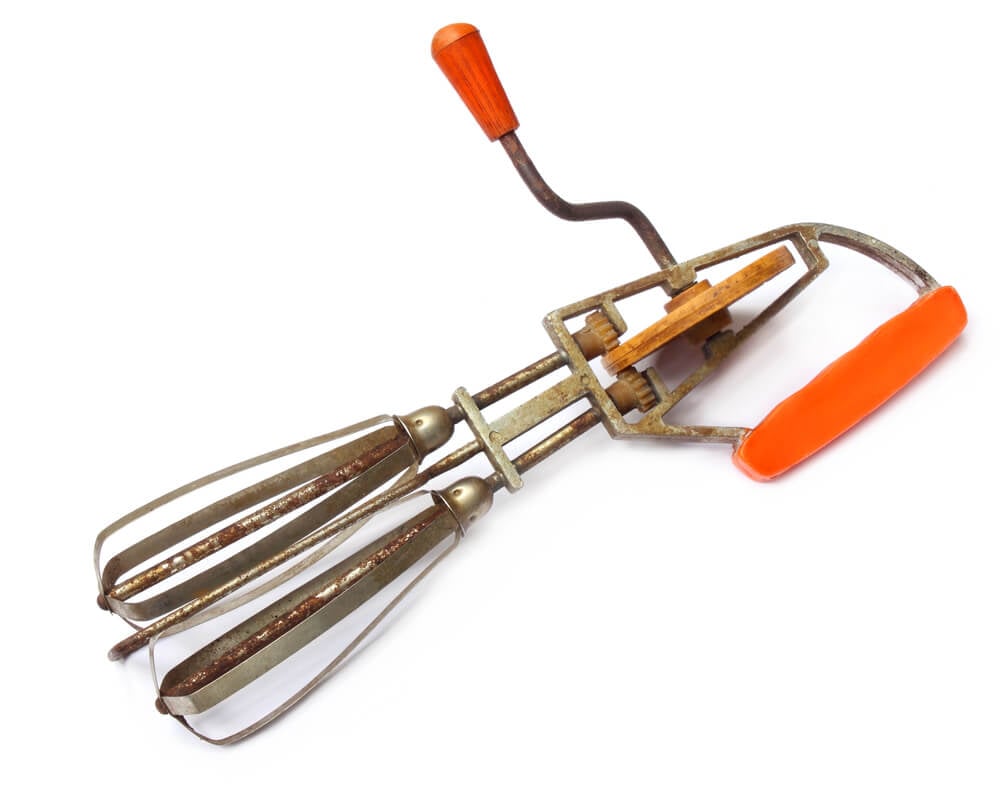
A hand-cranked egg beater used gears to spin two whisk blades faster than any arm could manage with a fork. The Dover egg beater, made in Boston by the Dover Stamping Company, was among the best-known versions.
A turn of the handle drove a large gear wheel, which turned smaller pinions attached to the blades. The design is so effective that similar beaters are still sold today.
The Bissell Carpet Sweeper
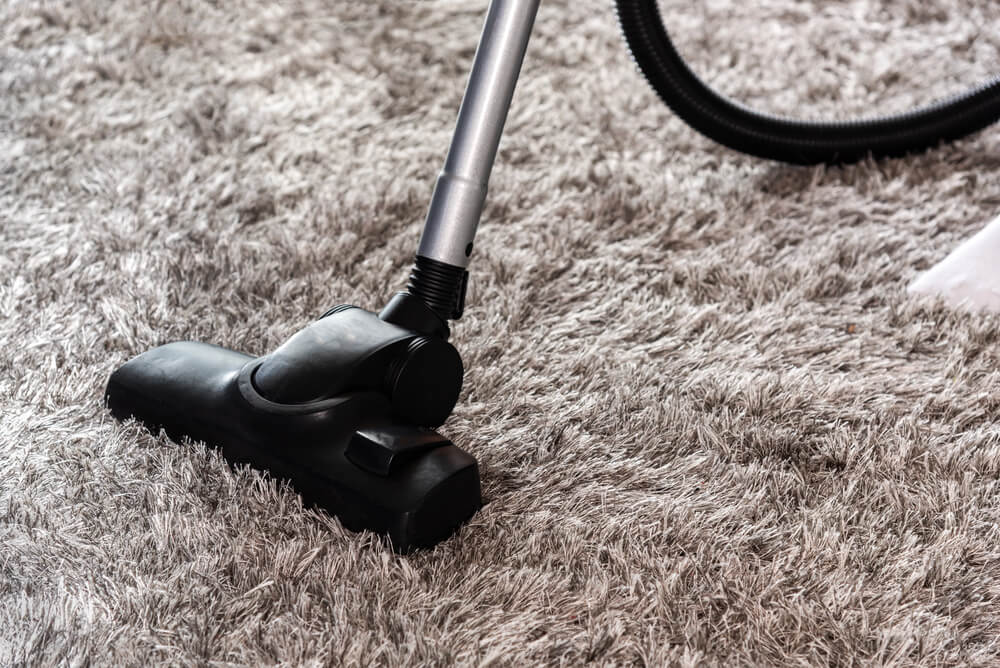
Melville Bissell patented his carpet sweeper in 1876 in Grand Rapids, Michigan, where he ran a crockery shop. Rotating brushes inside the case swept dust into a pan as the wheels turned, and no motor was involved.
After Melville died in 1889, his wife Anna took over the company and ran it for years. Many households still own a manual sweeper for quick cleanups on rugs.
The Washboard
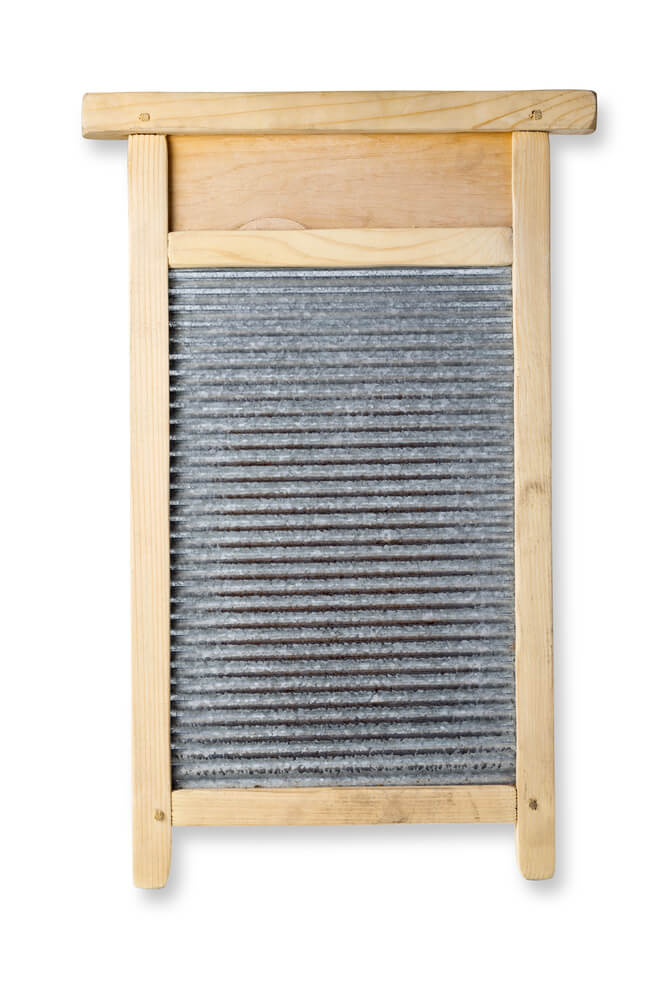
A rippled panel of wood, zinc, or glass let a person rub soap and cloth together to loosen dirt in a tub of water. Washboards were standard laundry equipment before washing machines, and they remained common in rural homes for decades.
The Columbus Washboard Company, now in Logan, Ohio, still manufactures them. Musicians also adopted the board as a percussion instrument in folk and jug bands.
The Hand-Cranked Wringer
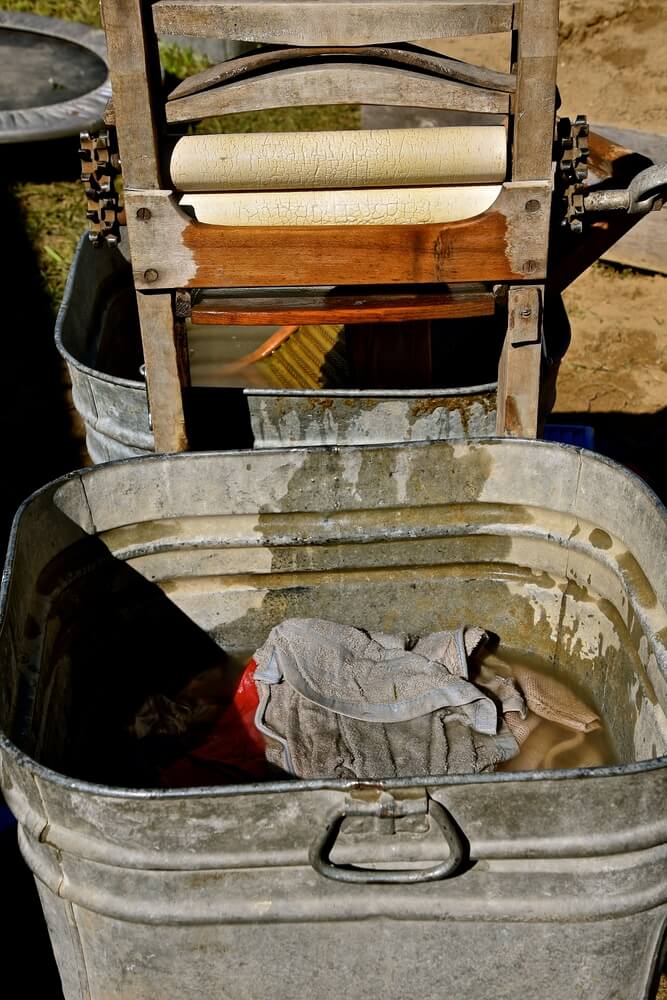
Two rubber rollers pressed together with a spring, and a crank pulled wet laundry through them to squeeze out the water. A wringer could be clamped to the edge of a tub, so one person could rinse and wring in a single spot.
The rollers made clothes dry much faster on the line. Careless fingers could get caught, so mothers warned children to stay clear.
The Sad Iron
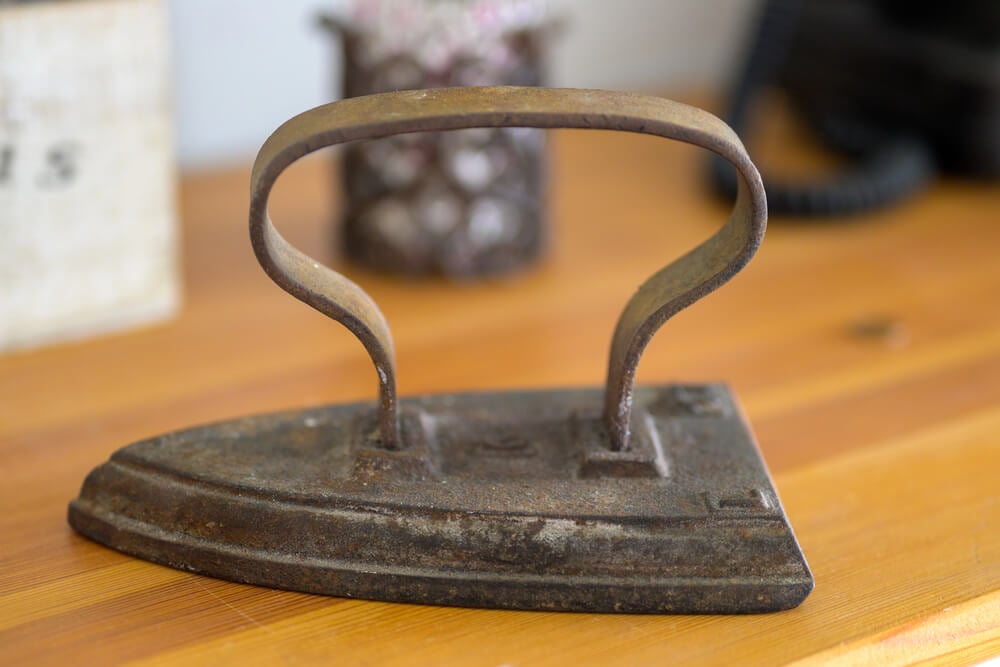
Flatirons, called sad irons from an old word meaning solid, were heated on the stove and pressed on cloth while hot. Mary Potts of Ottumwa, Iowa, patented a design in the early 1870s with a detachable wooden handle that stayed cool.
A typical set had three irons and one handle, so one iron could heat on the stove while another was used. The user swapped them as they cooled, and dry cloths protected both fabric and hands.
The Hand-Cranked Ice Cream Freezer
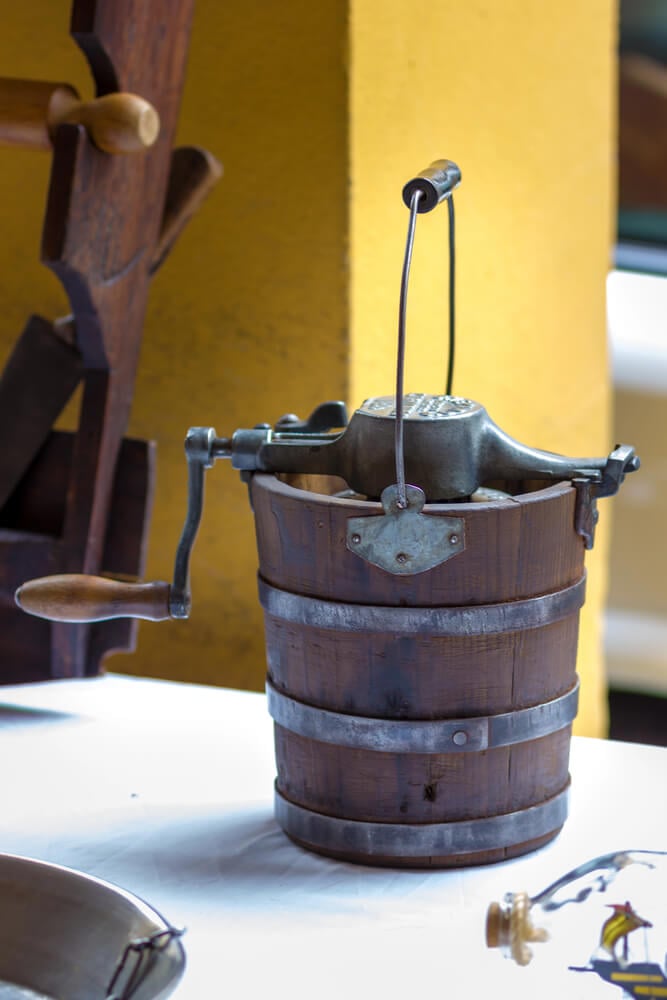
Nancy Johnson received a patent for her hand-cranked ice cream freezer in 1843. A tub of ice and salt surrounded a metal canister, while a crank turned a dasher through the cream.
The salt lowered the temperature of the ice, which let the mixture freeze while it was stirred. Churning a batch took patience, and children often earned a first lick by taking a turn.
The Wall-Mounted Coffee Mill
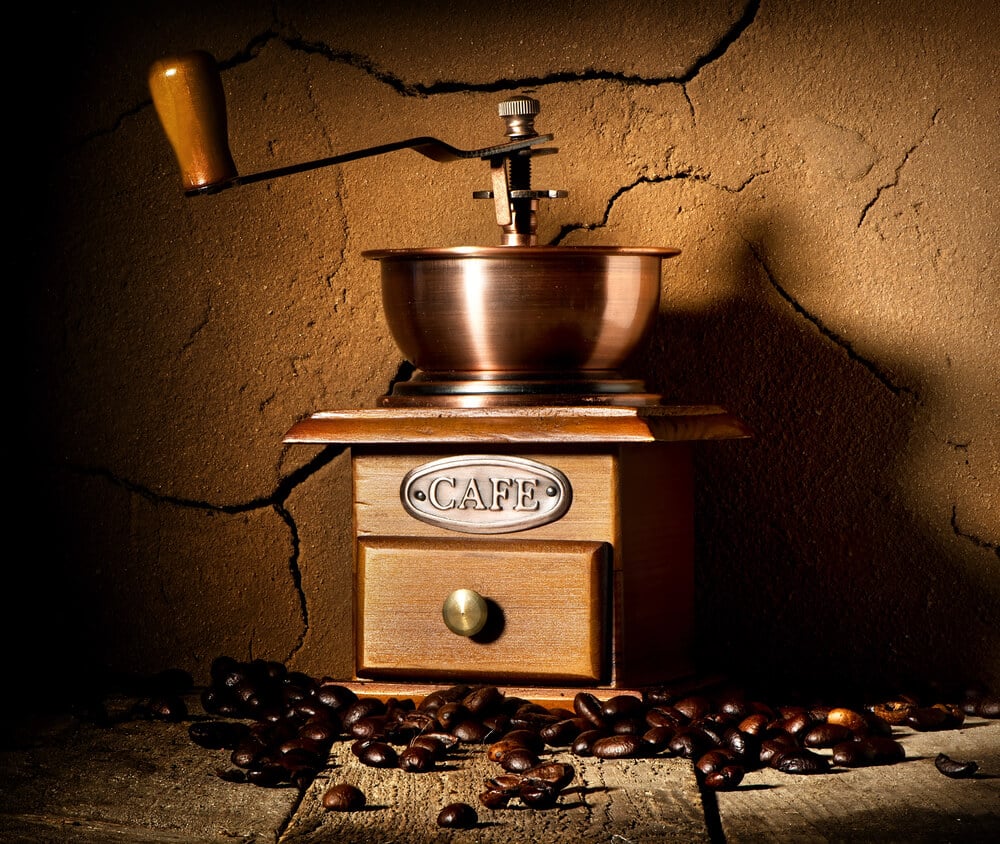
A cast-iron hand mill fixed to the wall kept beans in a hopper and ground them as the crank turned. The Arcade Crystal Coffee Mill, made by Arcade Manufacturing Company of Freeport, Illinois, used a glass jar to catch the grounds.
Adjusting a screw changed the fineness. Fresh grounds filled the room with the smell of coffee, and the mill needed no replacement parts for decades.
The Kitchen Balance Scale
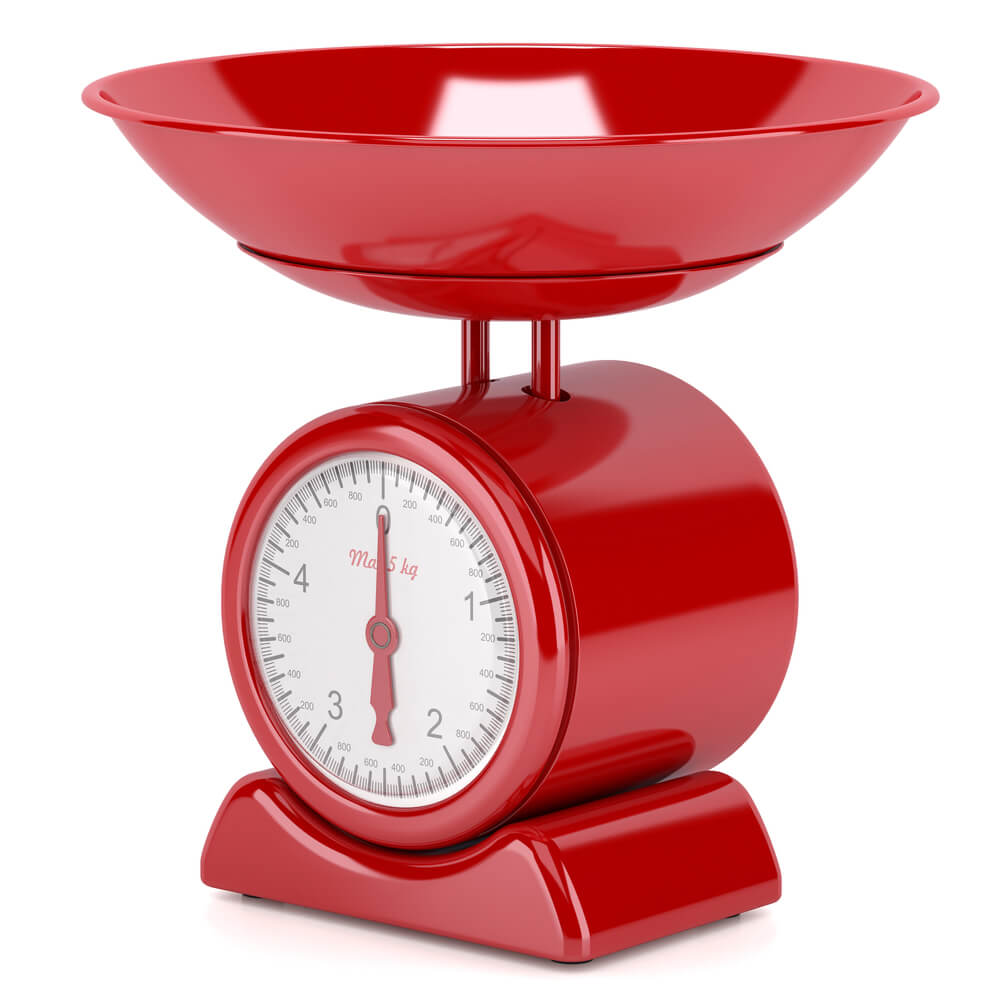
A balance scale held a flat pan on one side and a set of metal weights on the other. Cooks placed flour or sugar in the pan and added weights until the beam sat level.
Weights often nested inside one another like a stack of little cups. Because the scale compared mass against mass, it stayed accurate for as long as the beam stayed true.
The Treadle Sewing Machine
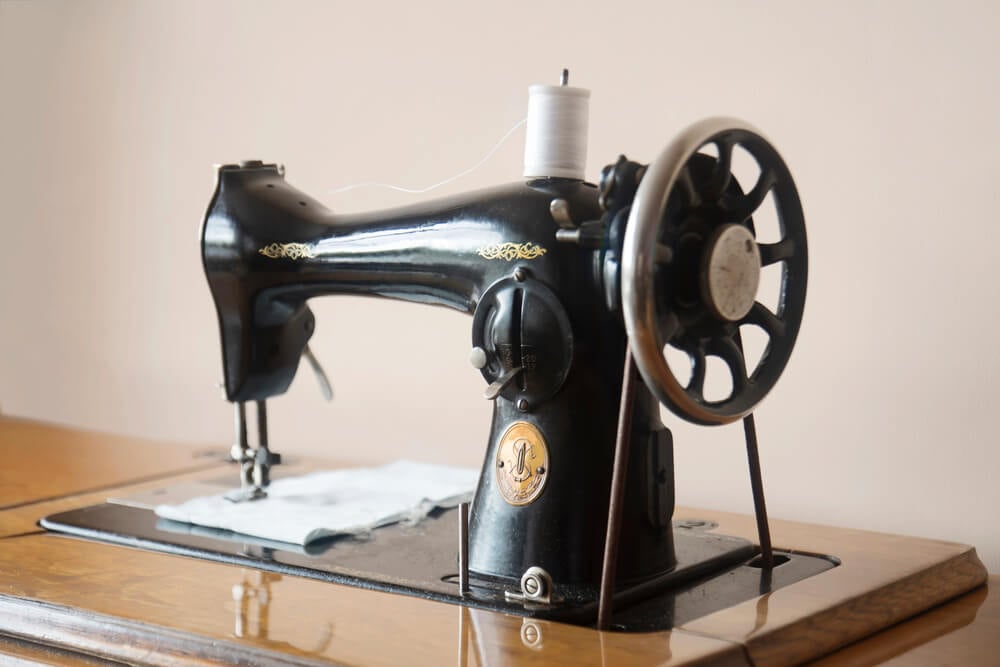
Isaac Singer patented his sewing machine on August 12, 1851, and foot-powered models became fixtures in homes across the United States. The sewer rocked a treadle plate under the cabinet, which turned a belt and drove the needle.
Both hands stayed free to guide the fabric. Many treadle machines still stitch well after more than a century, and they remain in demand for sewing thick fabric.
The Crank Apple Peeler
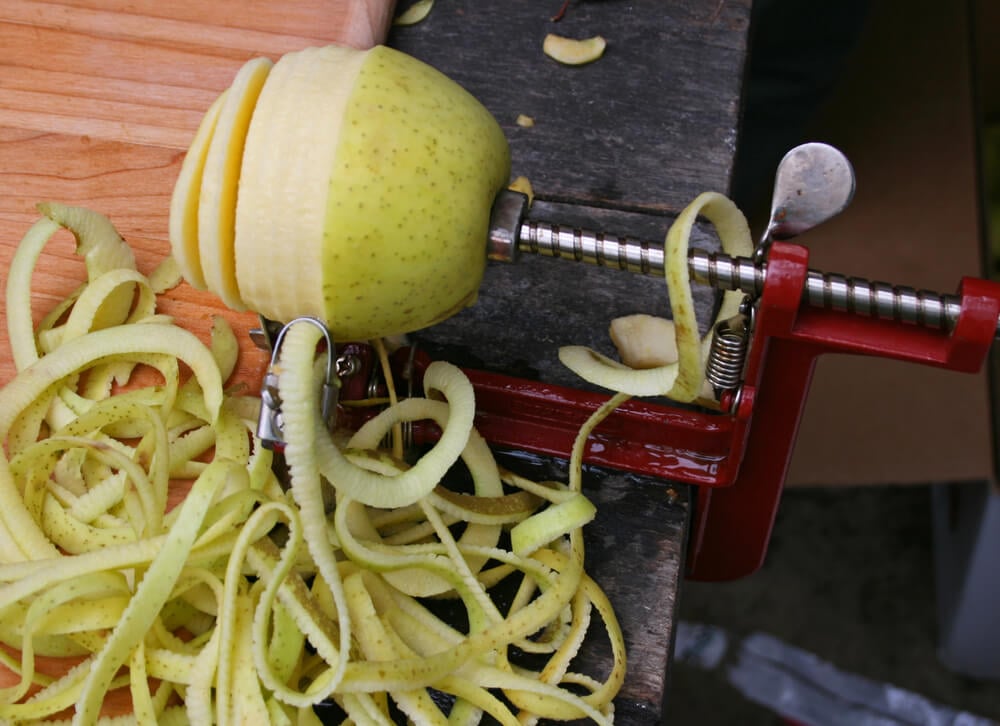
An apple clamped onto a fork, and a few turns of a crank peeled, cored, and sliced it in one continuous spiral. A spring-loaded blade followed the curve of the fruit as it spun.
The device turned a baking day’s worth of apples into a task for one child. Cast-iron peelers are still prized by cooks who dry apples or make pies in bulk.
The Dash and Jar Butter Churn
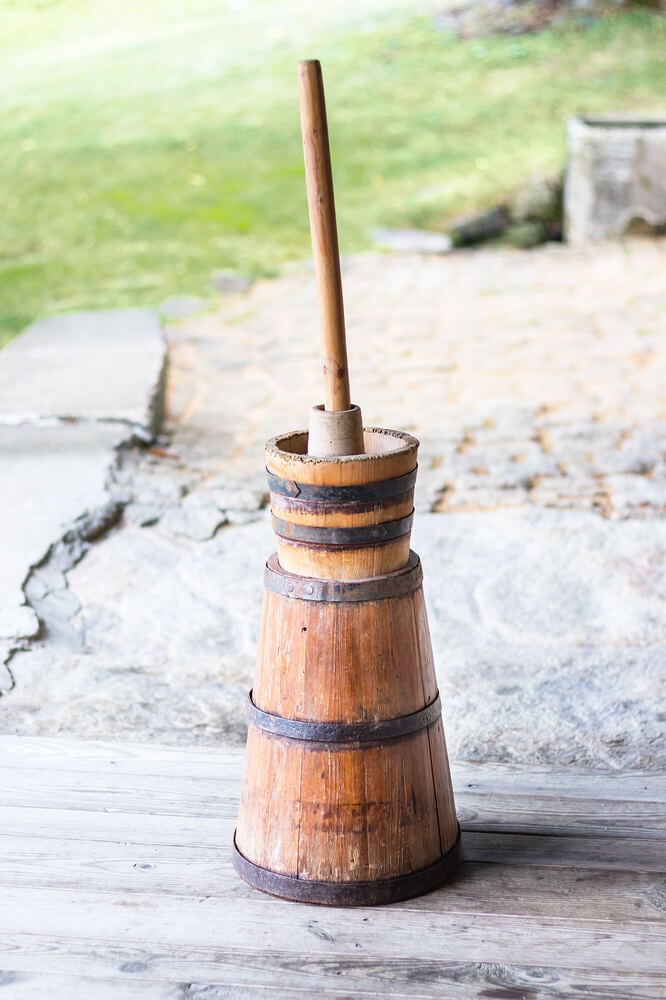
Cream poured into a glass jar or wooden barrel was agitated by a paddle or dasher until fat clumped into butter. Some jar churns used a hand crank and gears to spin paddles inside, and the Dazey brand of St. Louis became widely known.
The liquid left behind was buttermilk, which went into biscuits and pancakes. Churning took patience, because the cream sometimes seemed to sit unchanged until it suddenly broke.
The Manual Can Opener
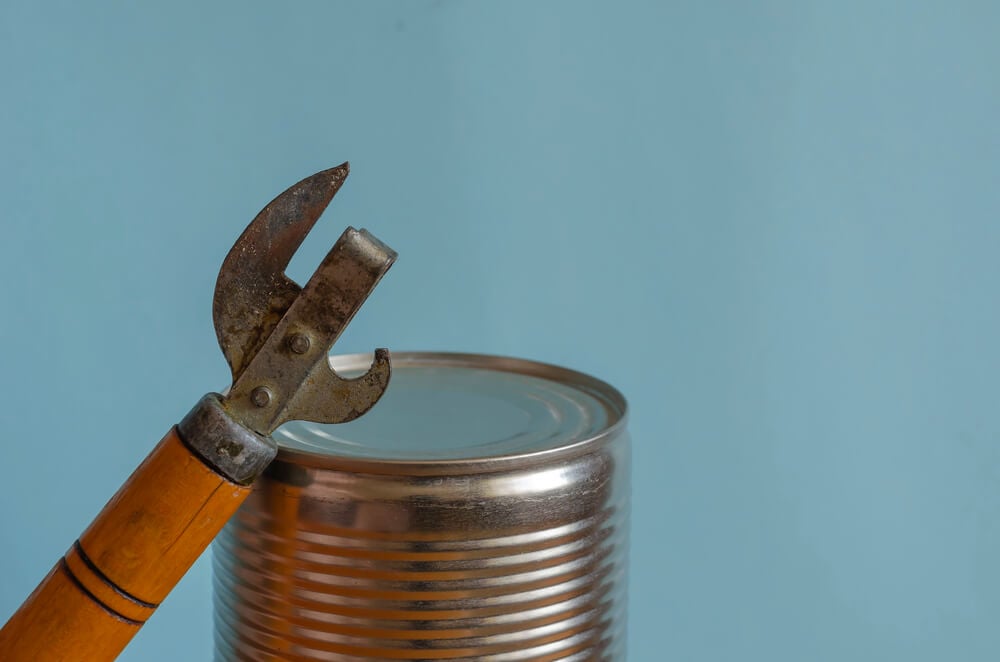
Ezra Warner of Waterbury, Connecticut, patented a can opener in 1858, nearly fifty years after the first tin cans appeared. His design used a bayonet-like blade to puncture the lid and a curved edge to cut around it.
Later hand-crank openers with a rotating cutting wheel were much safer and easier to use. Many kitchens still keep a manual opener for emergencies.
The Icebox and Ice Tongs
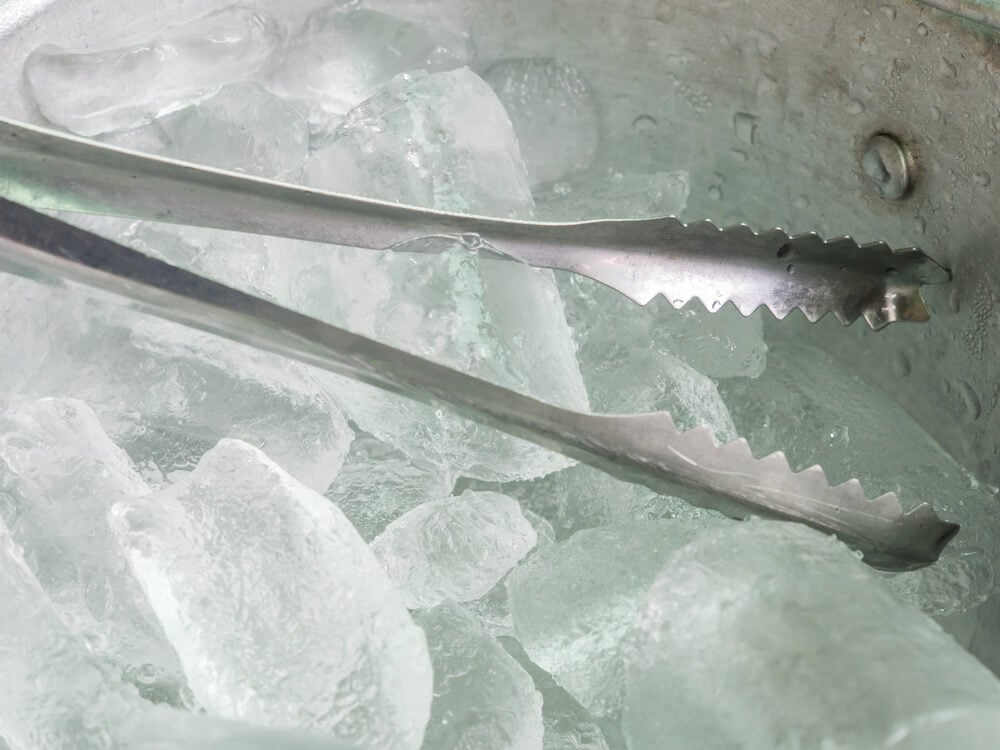
An icebox kept food cold with a block of ice held in an insulated compartment, usually lined with zinc. A delivery man lifted the block with iron tongs and carried it inside.
Many households placed a card in the window to signal how much ice the iceman should bring. A drip pan underneath collected meltwater, and forgetting to empty it flooded the floor.
The Cast-Iron Meat Grinder
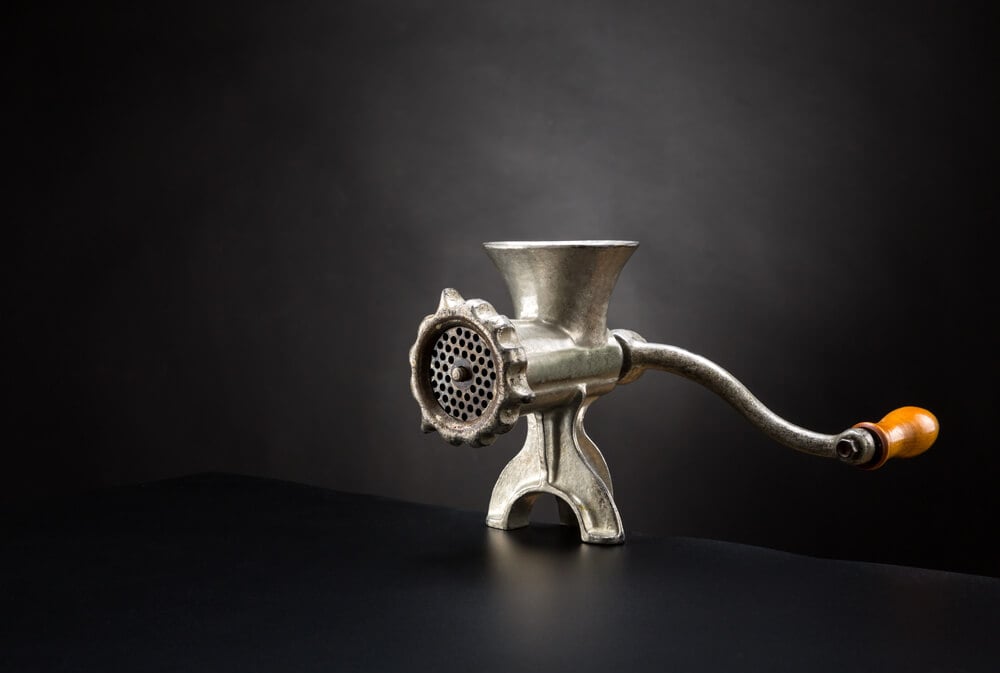
A hopper fed meat into a screw, which pushed it against a rotating knife and a perforated plate. Landers, Frary & Clark of New Britain, Connecticut, sold a popular line under the Universal name.
Cooks clamped the grinder to the table edge and turned the crank to make sausage, hash, or ground beef. Swapping plates changed the texture from coarse to fine.
The Wind-Up Alarm Clock
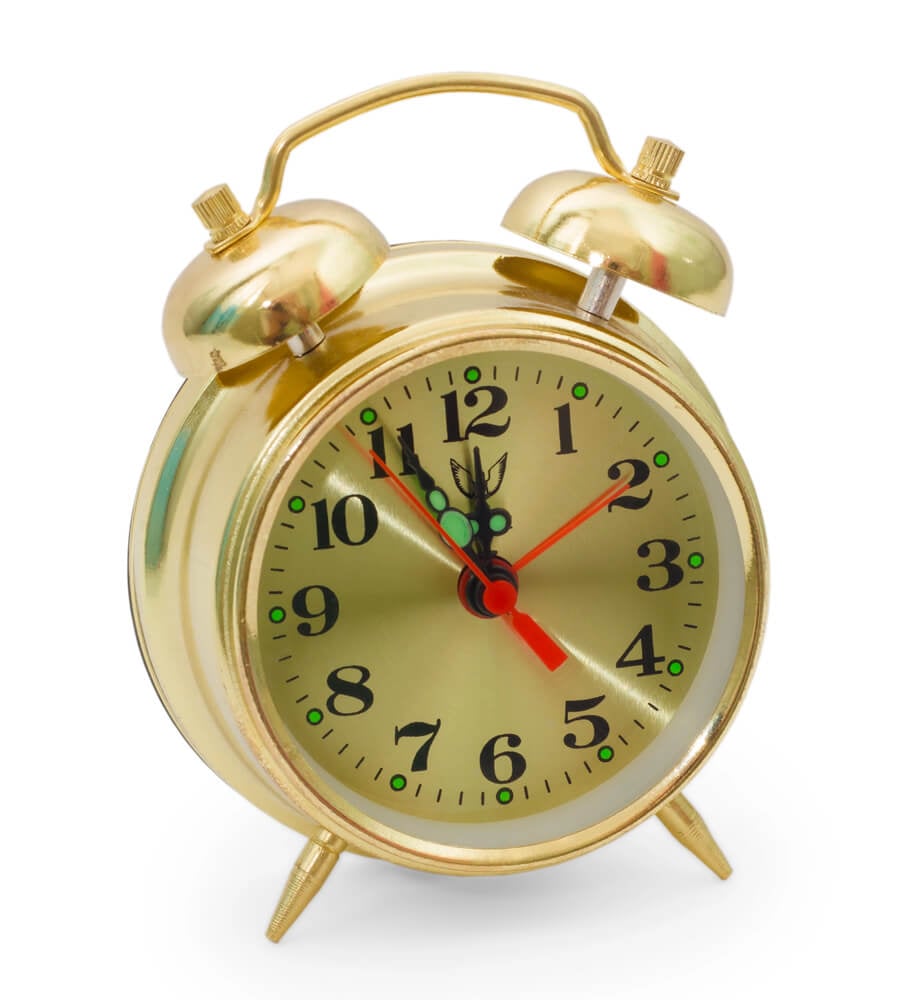
A coiled mainspring stored energy that the clock released slowly through gears, and a second spring powered the bell. Westclox introduced the Big Ben alarm clock in 1910, and it became one of the best-known models in American bedrooms.
Owners wound it each night and set the alarm hand to the wake-up time. A loud double bell on top left no doubt that morning had arrived.
The Hand-Cranked Washing Machine
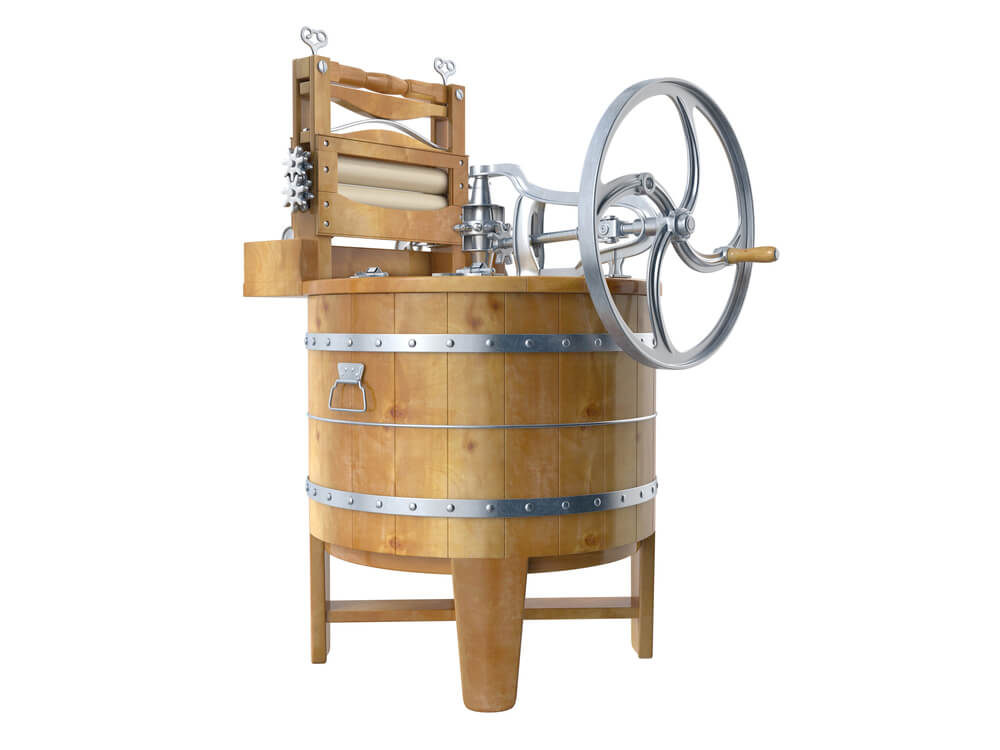
James King of the United States patented a drum washing machine in 1851 that was operated by a hand crank. A crank tumbled clothes in a tub of soapy water, which loosened dirt without scrubbing every garment.
It cut hours from laundry day, though a family still had to carry the water. Wringing and hanging out the clothes came afterward.
The Cast-Iron Hand Pump
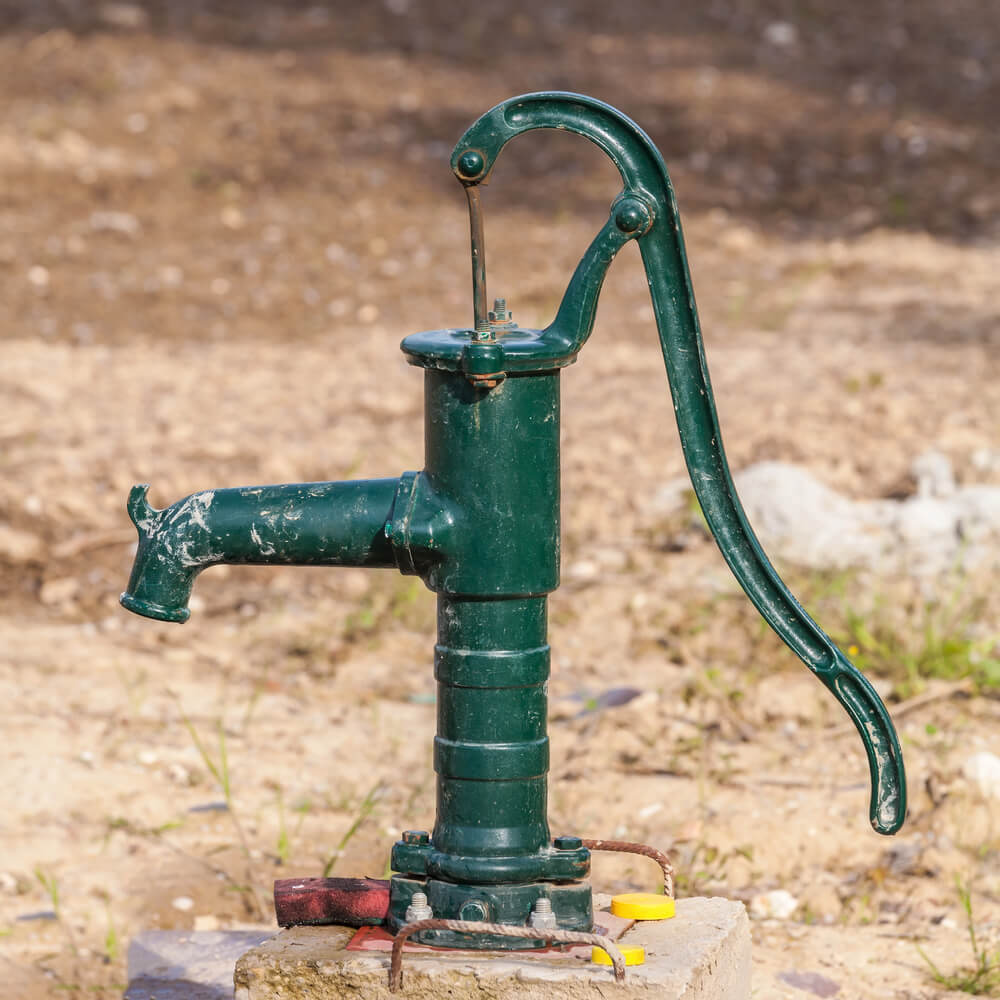
A lever handle at the kitchen sink raised groundwater from a well through a pipe in the ground. Pouring a little water in the top, called priming, helped the pump create suction.
Each stroke lifted a measured amount, so filling a bucket became a steady rhythm. Many farmhouses relied on one until the arrival of indoor plumbing.
The Hand-Cranked Flour Sifter
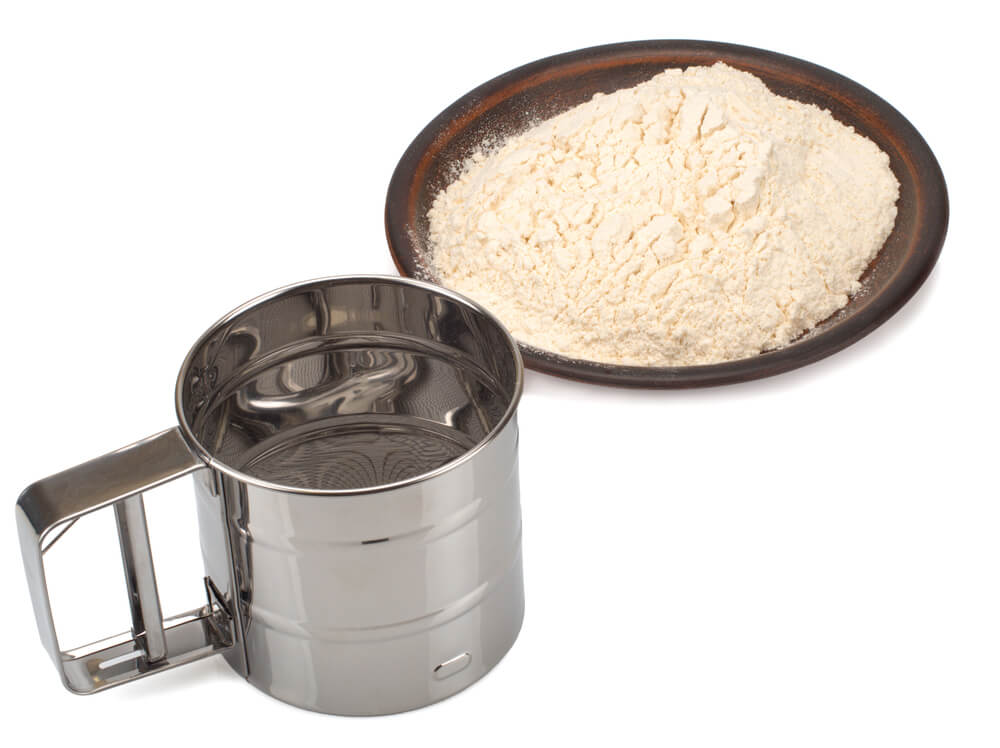
A tin cup with a fine mesh bottom held the flour, and a squeezed handle or small crank swept wire blades across the screen. Lumps stayed behind while flour fell through as a soft cloud, which gave cakes a lighter crumb.
Cooks sifted flour two or three times for delicate recipes such as angel food cake. A sifter needed only a quick shake and a wipe with a dry cloth.
What the Crank Left Behind
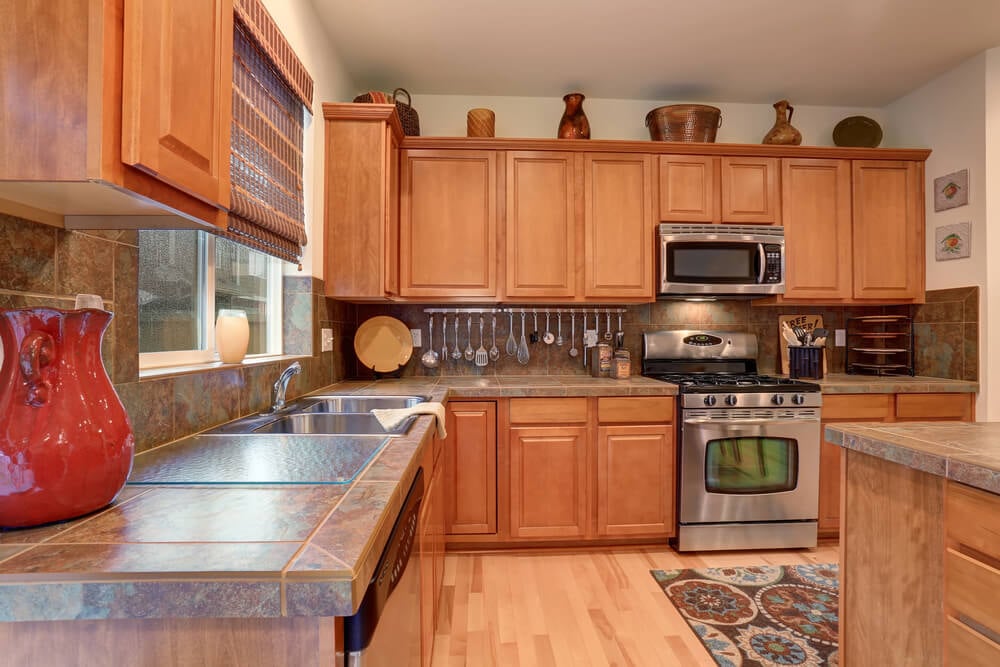
These tools asked for effort, and the effort was part of the design. A person could see how a gear, a spring, or a block of ice did its work, and repairing one rarely required more than a screwdriver and some oil.
Many of them outlasted several generations of owners.
Electric replacements gave back hours of the day and deserve credit for it. Still, it is hard to ignore how many of the old designs keep showing up, from the egg beater in a drawer to the carpet sweeper by the door.
They survived because the idea behind each one was simple and sound.
More from Go2Tutors!

- 27 Silver Dollars and Half Dollars Worth Keeping
- 28 Restaurant Menu Items Nobody Orders Anymore
- 17 Places Built in Seemingly Impossible Spots
- 27 Vintage Rings Worth More Than They Look
- 25 Restricted Sites Tourists Can’t Enter
Like Go2Tutors’s content? Follow us on MSN.