16 Vintage Jewelry Materials Beyond Precious Metals
Gold and platinum collect the auction headlines, yet some of the most inventive jewelry ever made used materials that cost next to nothing. Cast iron, milk protein, fossilized wood, and tree sap all earned a place on bodices and lapels, often because a war, a funeral, or a patent made them fashionable overnight.
Collectors now chase these pieces for exactly that reason. Each one carries a clear fingerprint of the era that produced it, which makes them some of the most readable objects in a jewelry box.
Pinchbeck, the Georgian Imitation Gold
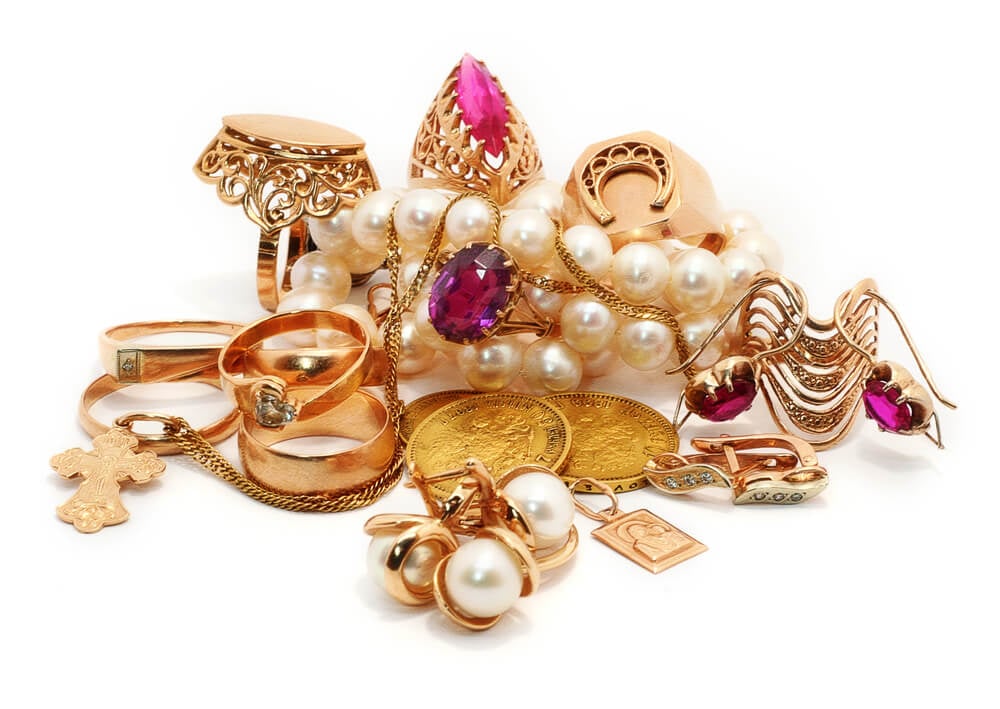
Christopher Pinchbeck, a London clockmaker, developed this copper-and-zinc alloy around 1720, and it matched the color of gold closely enough to fool the eye at arm’s length. It contains no gold at all, which suited travelers on stagecoach routes where theft was a real risk.
The formula was guarded as a trade secret for years. Pinchbeck fell out of favor after England legalized lower-carat gold in 1854, and the name eventually became shorthand for anything cheap and counterfeit.
Paste Glass From the Workshop of Strass
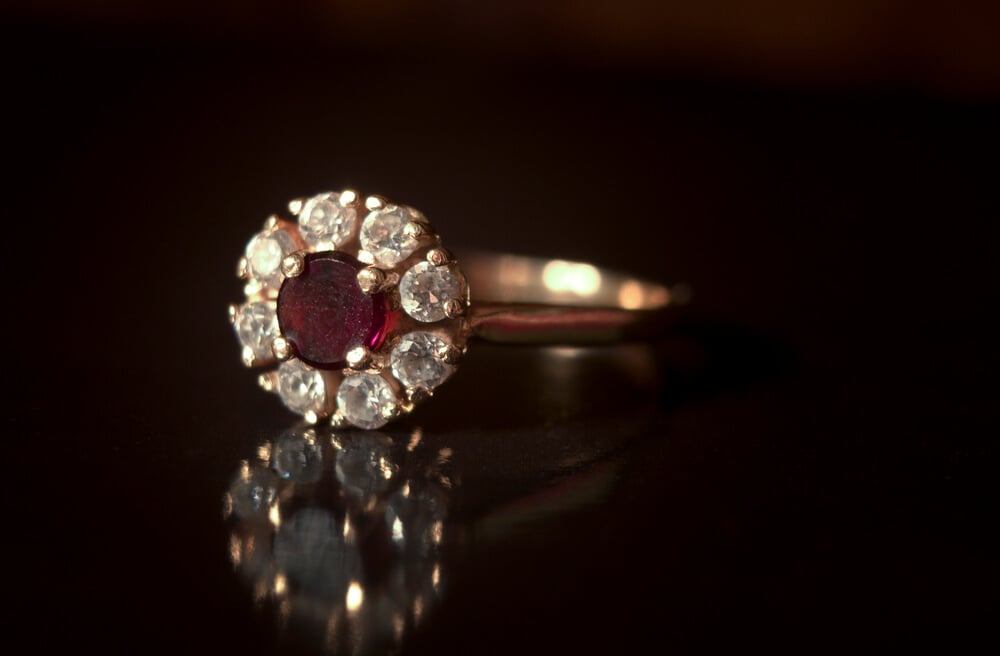
Georges Frédéric Strass, an Alsatian jeweler working in Paris, became so closely tied to brilliant leaded glass that “strass” remains a word for it in many European languages. He was appointed jeweler to the French Crown, which gave imitation gems a respectability they had never had.
The term rhinestone traces back to the rock crystal once gathered from the Rhine, the material Strass first imitated. Georgian paste was typically set in closed, foil-backed mounts, and that construction helps separate period pieces from later glass.
Cut Steel From Boulton’s Soho Works
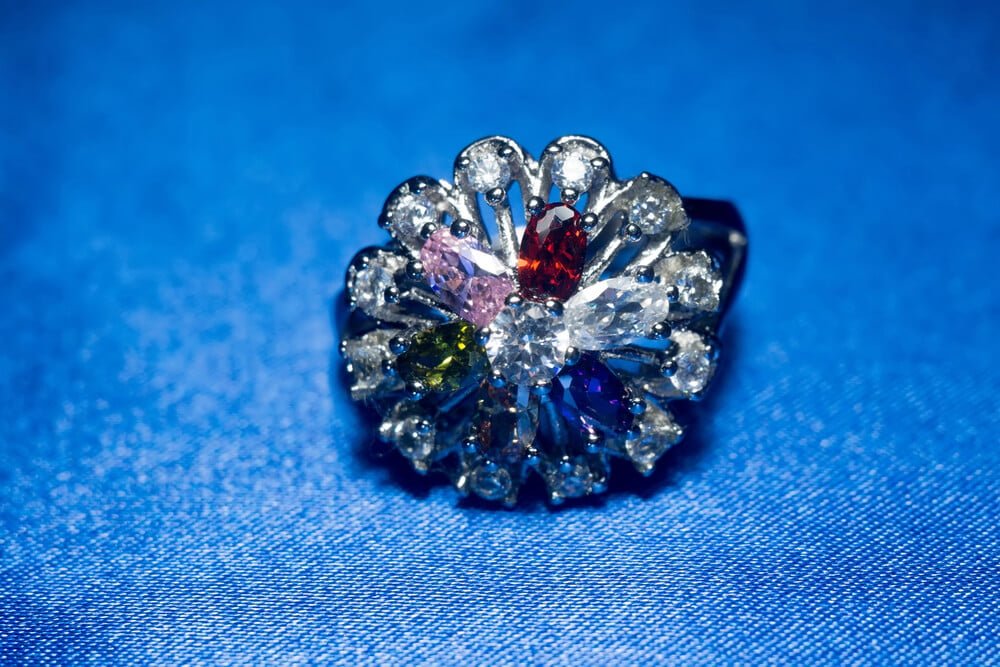
Cut steel jewelry is built from tiny faceted steel studs riveted one by one onto a base plate, producing a dark, glittering surface that reads as diamonds by candlelight. Matthew Boulton made it at his Soho Manufactory near Birmingham, the same works where he partnered with James Watt on steam engines.
A chatelaine in the Victoria and Albert Museum, made at Soho around 1785, pairs cut steel with Wedgwood jasper plaques. Boulton and Josiah Wedgwood were friends, and their collaboration put industrial metalwork on the dressing tables of fashionable women.
Roman Micromosaics
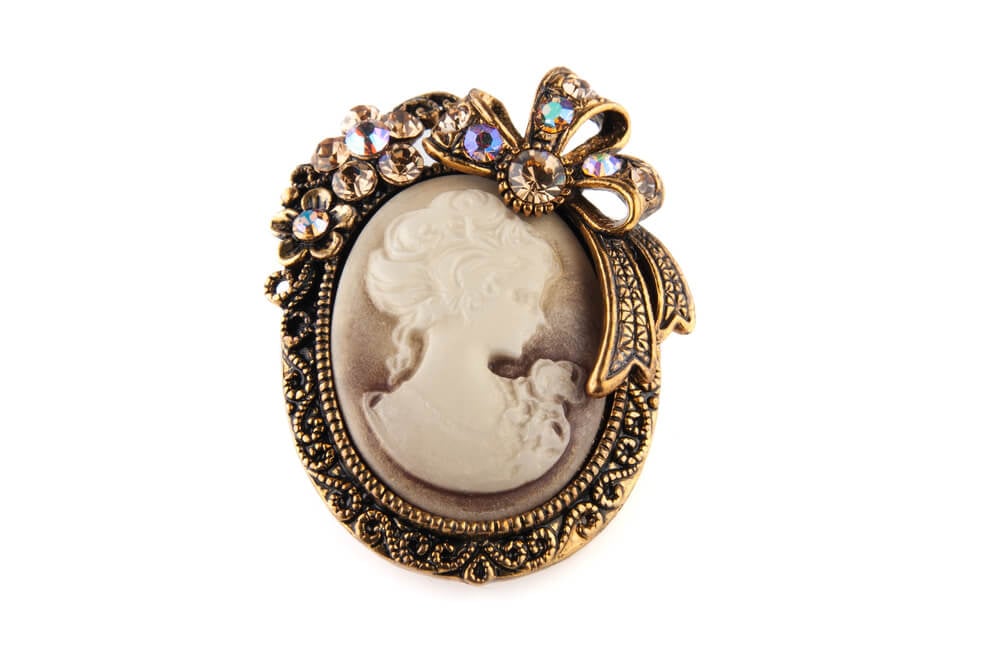
Artisans trained in the Vatican’s mosaic workshops began making miniature pictures from slivers of colored glass, called tesserae, and selling them to travelers on the Grand Tour. A craftsman arranged the fragments with tweezers, and the finest work packed as many as 5,000 tesserae into a single square inch.
Ruins, landscapes, and classical scenes dominated, because buyers wanted a wearable souvenir of Rome. The glass is the star of these pieces, and the gold mount is often just the frame.
Berlin Iron, Worn for Patriotism
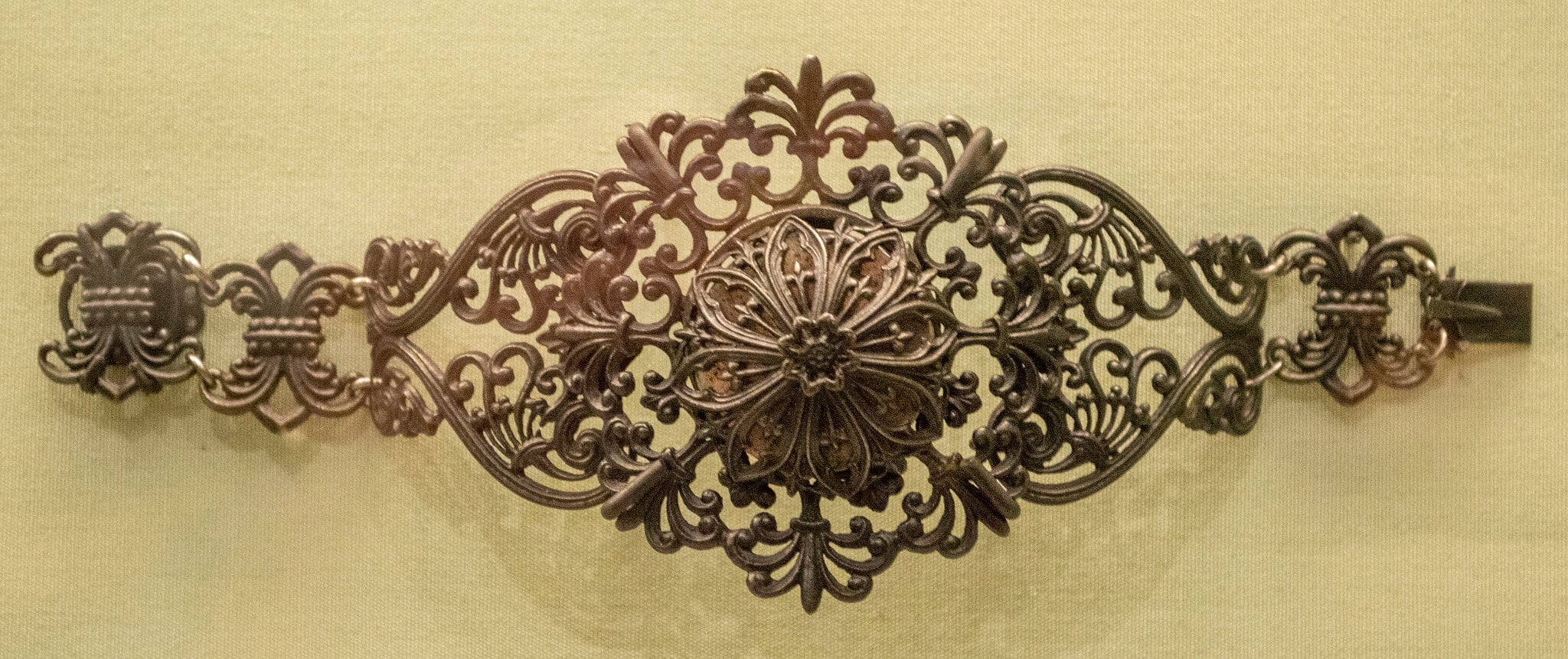
In 1813, with Prussia fighting Napoleon, citizens were urged to hand over gold and silver jewelry to fund the war and received cast-iron pieces in return, many inscribed with a slogan meaning “I gave gold for iron.” The pieces were cast in sand and lacquered black, and some designs came from the Prussian state architect Karl Friedrich Schinkel.
Black iron also suited mourning dress, which kept demand alive after the war ended. Surviving examples are scarce today, partly because so many rusted away, and Neo-Gothic designs are among the most sought after.
Bog Oak From Irish Peat
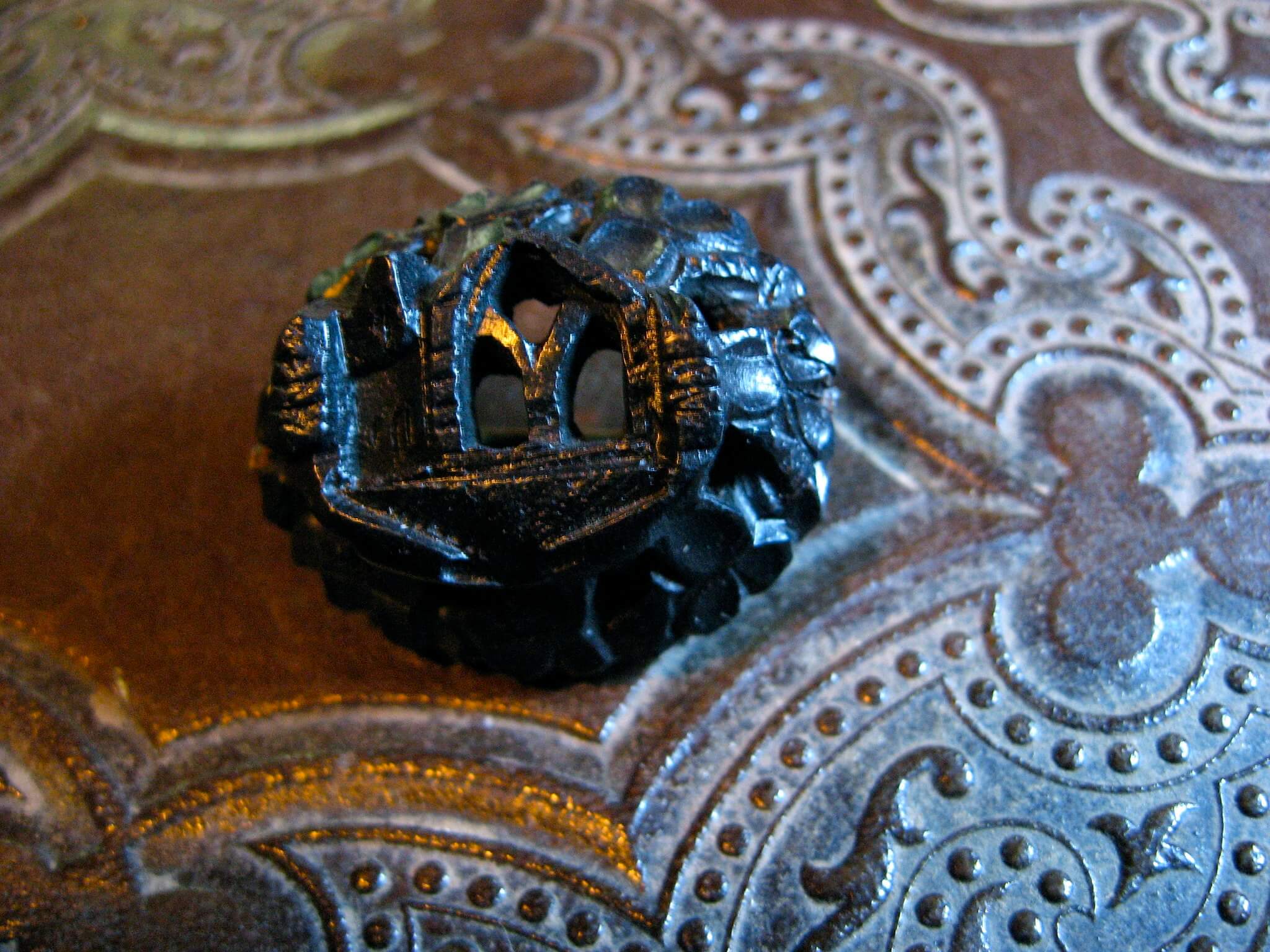
Oak trunks buried in Irish peat bogs can survive for hundreds or even thousands of years, turning dark and dense enough to carve like ebony. Nineteenth-century craftsmen turned them into brooches, earrings, and bracelets decorated with harps, shamrocks, and abbey ruins, and the black color made them natural choices for mourning.
The material is extremely light, so large earrings put almost no pressure on the earlobe. It counts among the more unusual jewelry materials of the Victorian era.
Victorian Hairwork
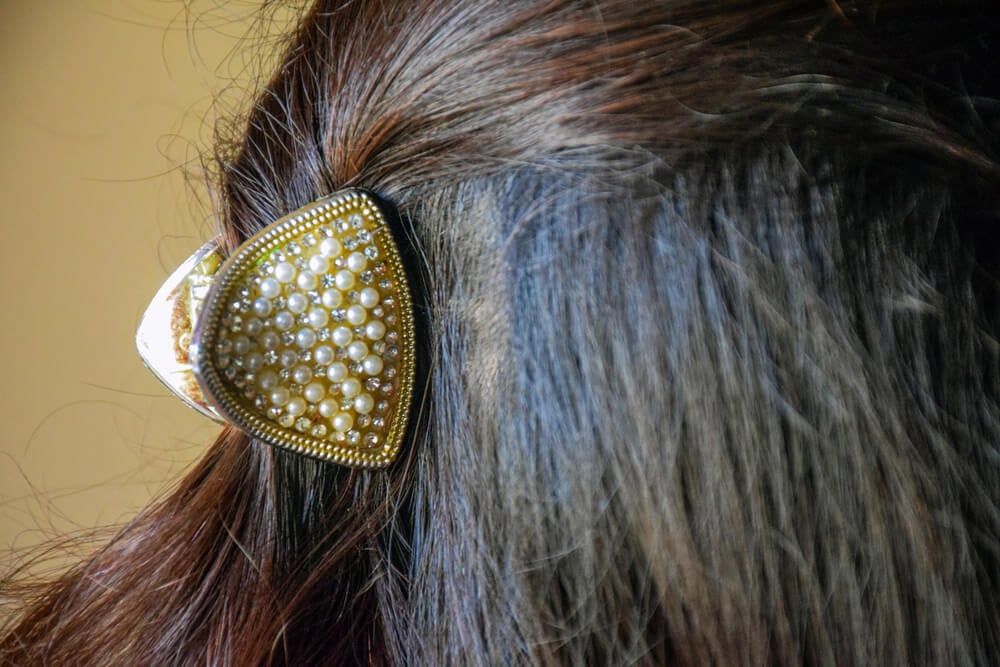
Before the nineteenth century, a lock of hair was usually tucked out of sight inside a locket or ring. Under the Victorians, the hair itself became the jewelry, woven into chains, plaited into bracelets, and arranged into brooches.
A technique called table work, developed around the 1830s, involved weaving hair like lace, and by the late 1850s the craft was as popular a pastime as crocheting. Professional hairworkers faced a persistent suspicion that customers were getting someone else’s hair back.
Whitby Jet
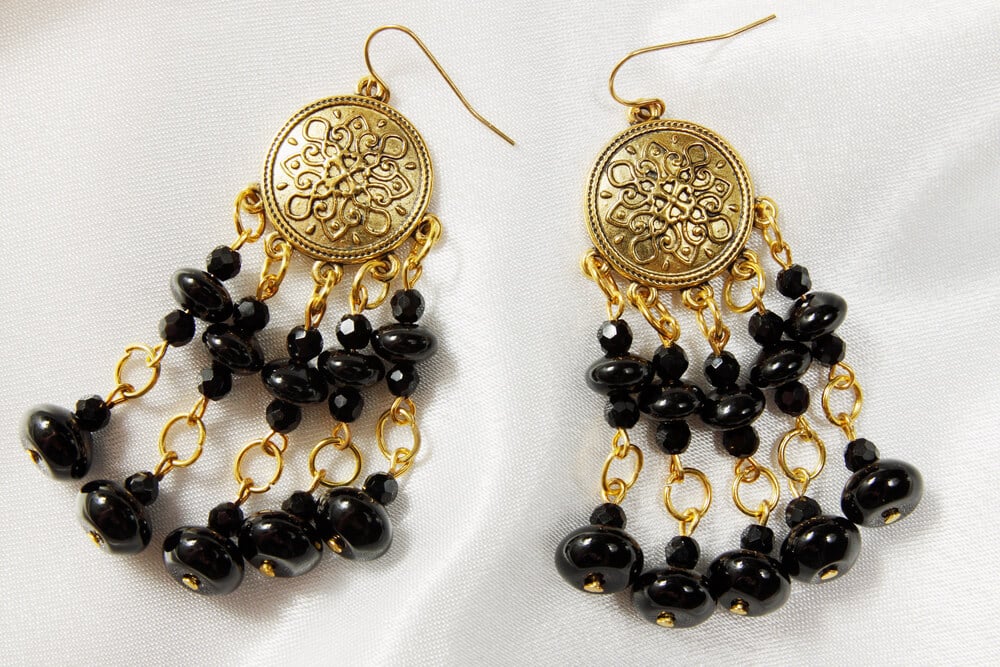
Jet is fossilized wood, and the finest of it came from the cliffs around Whitby on the Yorkshire coast. After Prince Albert died in 1861, Queen Victoria adopted it for her long mourning, and it became the only adornment allowed at court.
By 1872, Whitby had about 200 shops selling jet, and the trade employed 1,500 men, women, and children. Cheaper Spanish jet arrived in the 1870s and hurt local production, and the fashion faded after the queen’s death in 1901.
Scottish Pebble Jewelry
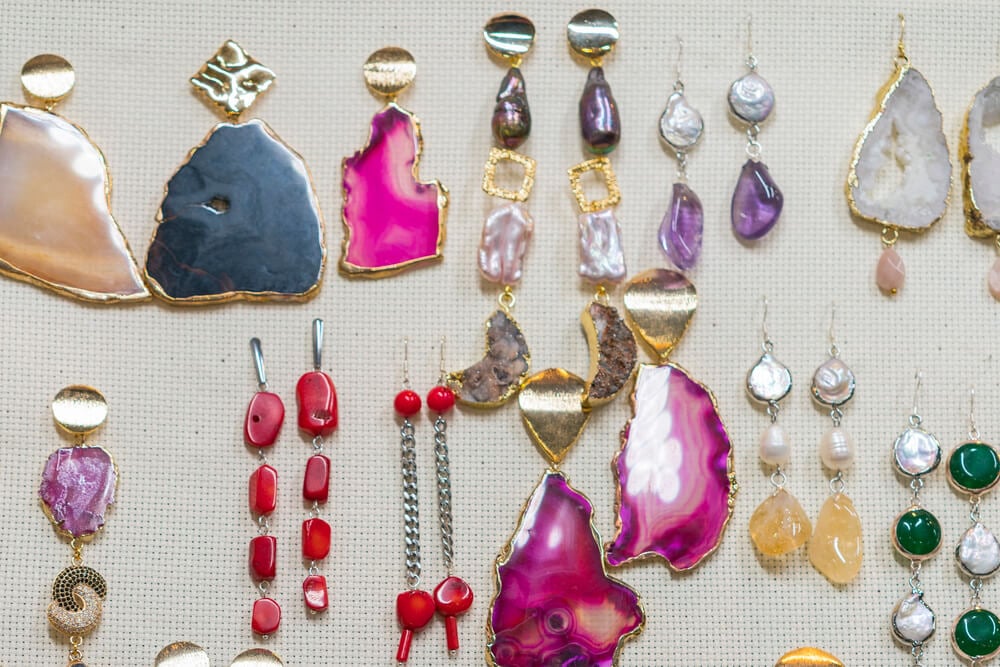
Queen Victoria’s love of Balmoral and the Highlands sparked a craze for polished agate, jasper, and granite set in silver, usually in buckles, garters, and shield-shaped brooches. Jewelry sold as Scottish was often made in England, and by the 1870s imported stones such as Siberian malachite were being worked into the designs.
By the 1880s, part of the construction was even outsourced to Germany. The patchwork of colors in a single brooch is the quickest sign of the style.
Gutta-Percha, the First Moldable Mourning Material
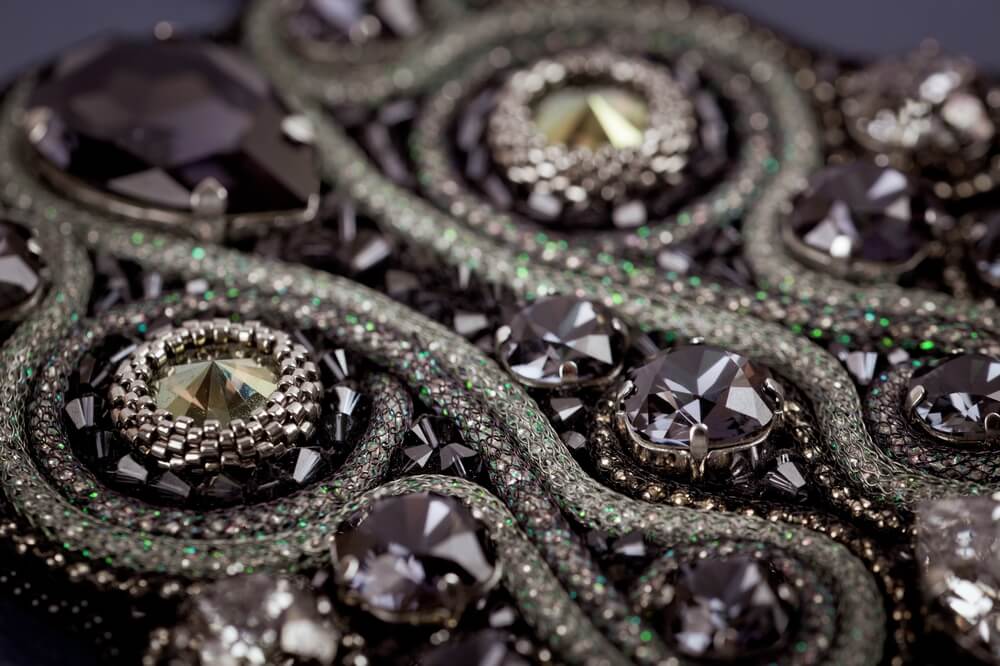
Gutta-percha comes from the latex of Palaquium gutta trees in Southeast Asia, and it was among the first semi-synthetic plastics. It was naturally dark, easy to mold or carve, and far cheaper than jet, so Victorian jewelers pressed it into lockets, cameo brooches, and chain links for mourning wear.
A simple test exists for identifying it: warm water or gentle friction releases an odor of burning rubber. Cameo faces and floral lockets are among the most commonly surviving forms.
Vulcanite, Rubber Made Respectable
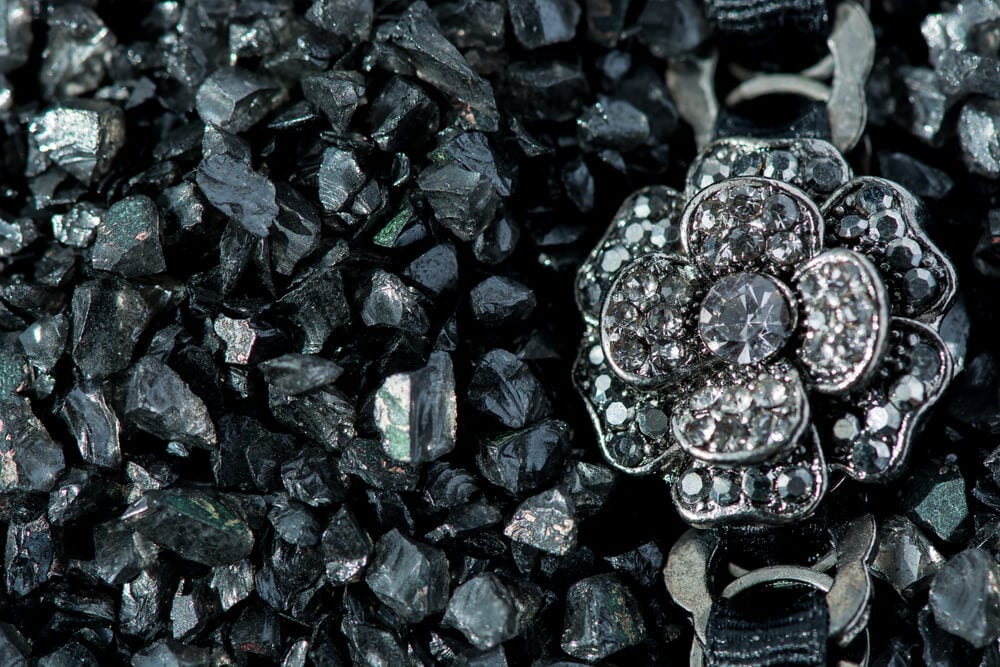
Charles Goodyear patented his rubber-hardening process in the United States in 1844, and Thomas Hancock patented a similar one in Britain, applying about eight weeks earlier. Heated with sulfur, rubber became hard enough to wear, and middle- and lower-class Victorians bought black rubber chains and lockets as a mourning substitute for jet.
Because vulcanite is always molded, a locket made from it shows a clean, smooth interior, unlike carved materials. It is easy to confuse with jet and gutta-percha, so dealers rely on touch and smell as much as appearance.
Celluloid, the Eternal Substitute
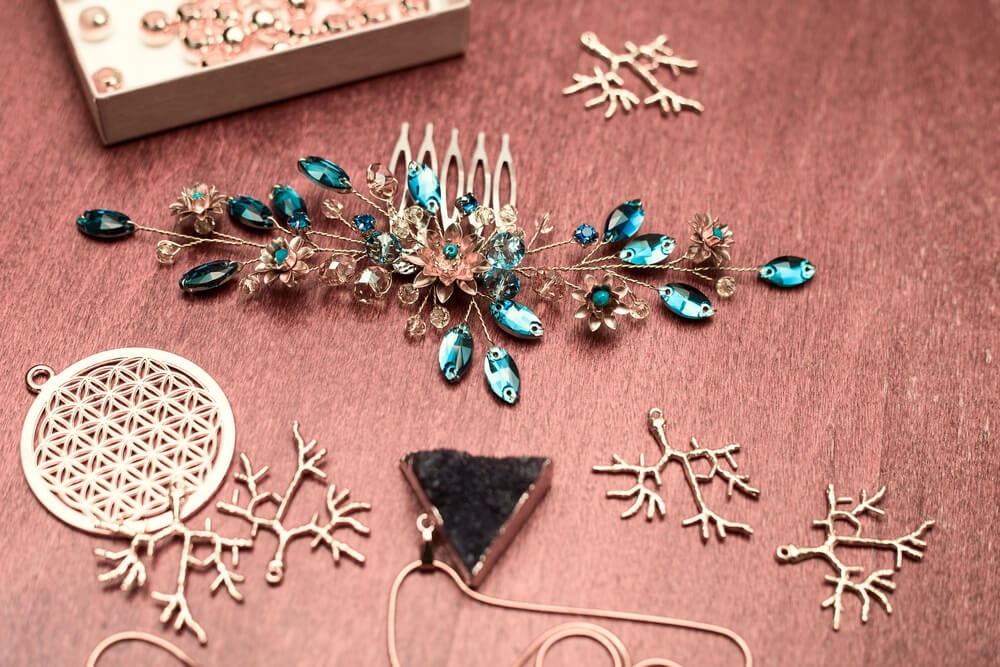
In the 1860s, a New York firm offered $10,000 for a replacement for ivory in billiards, and John Wesley Hyatt, a printer from Albany, took up the challenge. His experiments with cellulose nitrate produced celluloid, which was marketed under names such as French Ivory and Parisian Ivory and could also imitate tortoiseshell.
Women wore celluloid combs, brooches, and bracelets, often set with rhinestones. The material’s flammability was its great flaw, and pieces in good, uncracked condition command more than damaged ones.
Bohemian Glass From Jablonec
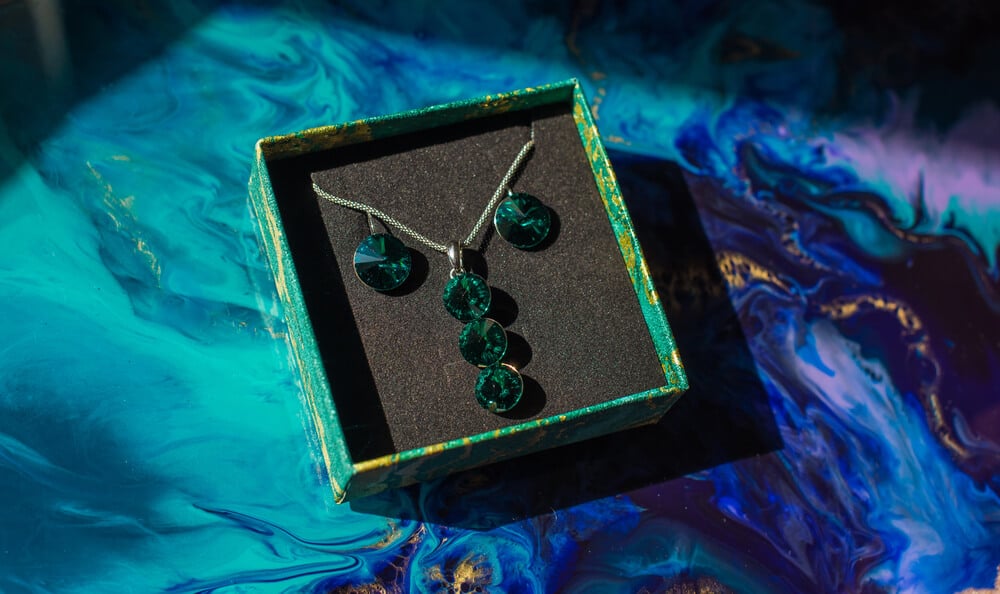
The first paste glassworks in the Jizera Mountains town of Jablonec nad Nisou opened in 1785, and by around 1900 the town, known in German as Gablonz an der Neiße, was a world center of costume jewelry. Iridescent decoration began in the region in 1874, adding a shimmer that shows up on beads and stones from the period.
Export houses shipped the town’s glass beads, buttons, and jewelry to buyers around the globe. A museum in Jablonec is devoted entirely to glass and costume jewelry.
Galalith, the Milk Stone
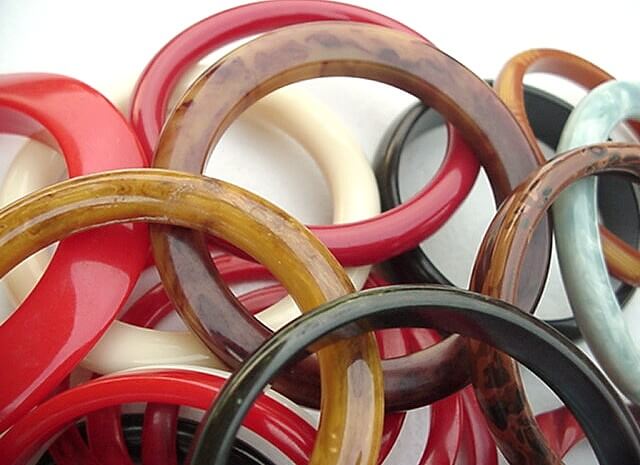
A Hanover printer named Wilhelm Krische was asked to develop a material for dustless blackboards, and around 1897 he and the chemist Adolph Spitteler found that milk protein hardens when treated with formaldehyde. The result was named galalith, from Greek words meaning “milk stone.”
By 1913, Germany alone was using 30 million liters of milk a year to make it. Coco Chanel’s costume jewelry brought it fame, and Jakob Bengel of Idar-Oberstein produced striking Art Deco designs in it.
Galalith reacts badly to excess humidity, so swelling and warping are common condition problems.
Bakelite, the Dime Store Plastic
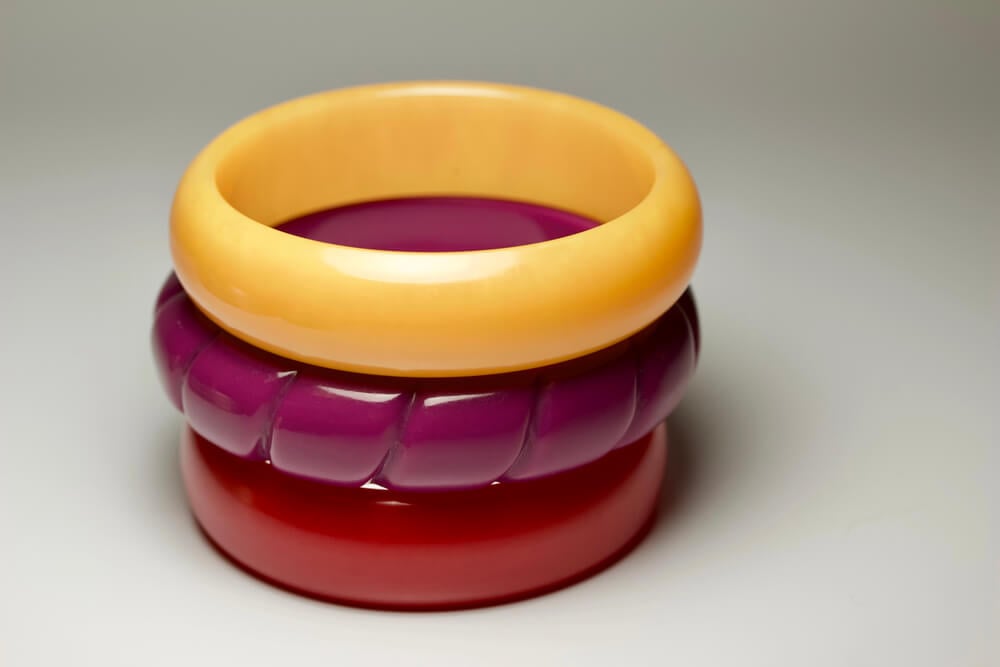
Leo Baekeland, a Belgian-born chemist working in Yonkers, New York, created Bakelite in 1907 and was granted his patent in December 1909. When the patents expired in the 1920s, competing phenolic resins arrived in a wider range of colors, and by the 1930s Bakelite bracelets, pins, and earrings were sold from department stores to dime stores.
Carved novelty pieces, including fruit-shaped brooches, became some of the most playful designs of the decade. Prices today depend heavily on condition, color, and carving, and later reproductions complicate buying.
Lucite, Clear as Glass
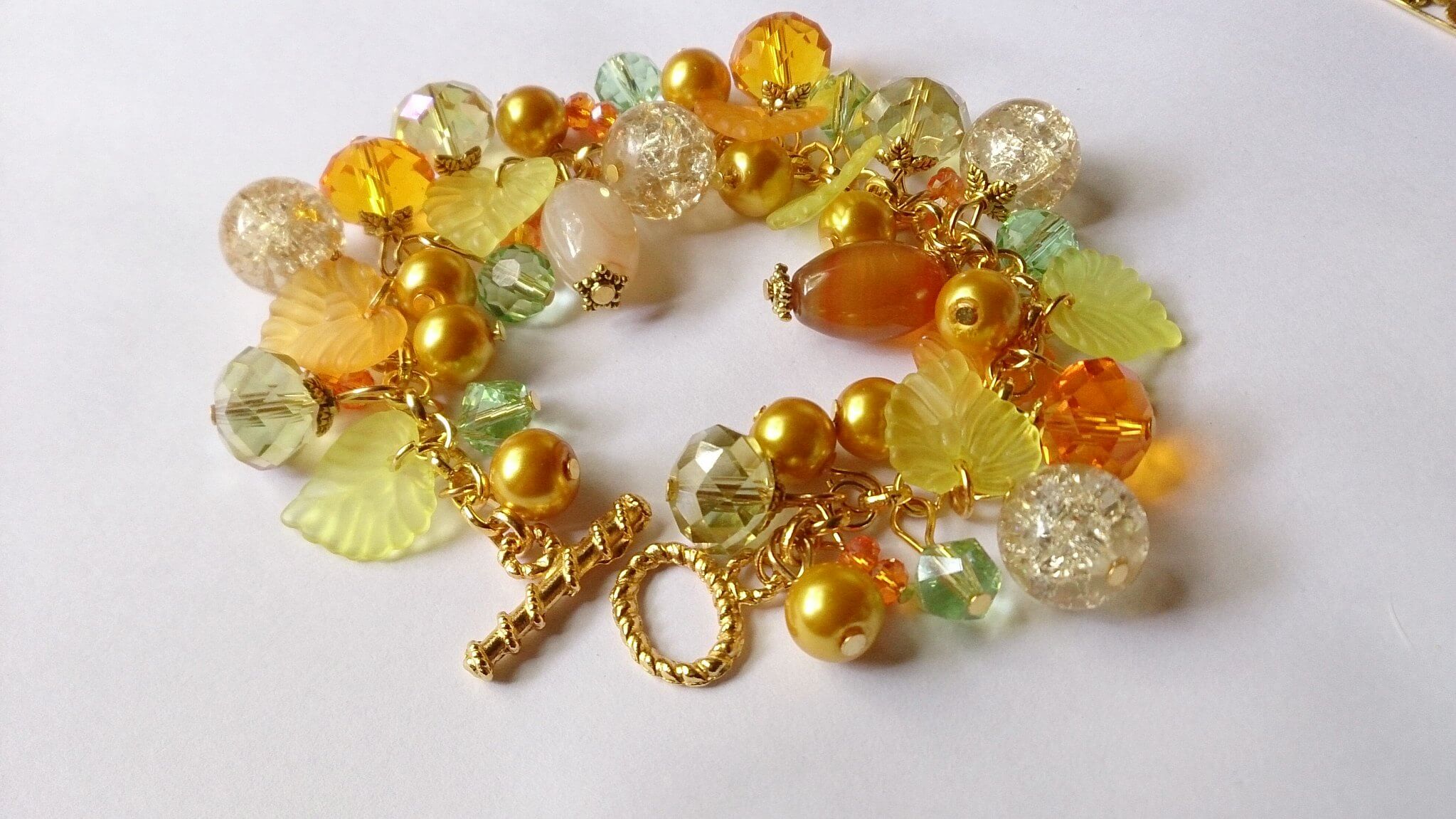
DuPont introduced Lucite, an acrylic resin, in 1937, intending it as a glass substitute, and then licensed the trademark for jewelry making. By the 1950s, jewelers were using it in bright colors and in a translucent amber-yellow tone collectors call “apple juice.”
Early space-age fashion in the 1960s pushed designers toward bold architectural and optical shapes in the material. It is lighter than glass and takes color easily, which made oversized pieces comfortable to wear.
Worth More Than the Metal
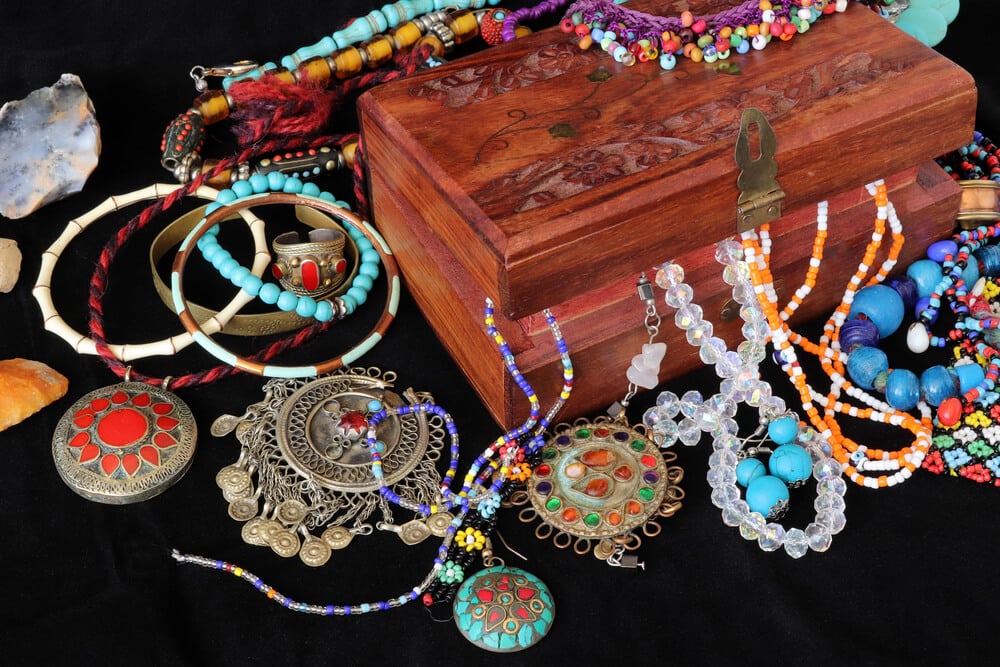
Nearly every material here began as a stand-in. Pinchbeck imitated gold, paste imitated diamonds, vulcanite and gutta-percha imitated jet, and celluloid imitated ivory and tortoiseshell.
Yet the substitutes built identities of their own, and many are now collectible in their own right. That history explains why condition carries so much weight when these pieces change hands.
Iron rusts, casein reacts to humidity, and celluloid burns readily, so a sound survivor is evidence of both good luck and good care. The pieces that last tend to be the ones that were never meant to.
More from Go2Tutors!

- 27 Silver Dollars and Half Dollars Worth Keeping
- 28 Restaurant Menu Items Nobody Orders Anymore
- 17 Places Built in Seemingly Impossible Spots
- 27 Vintage Rings Worth More Than They Look
- 25 Restricted Sites Tourists Can’t Enter
Like Go2Tutors’s content? Follow us on MSN.