16 Strange Customs of the Vikings
The fierce warriors who terrorized medieval Europe weren’t just skilled raiders and explorers—they lived by a code of bizarre traditions that would shock modern sensibilities. From ritual sacrifices to peculiar hygiene habits, Viking society operated under customs that reveal a complex culture far stranger than popular media suggests. Here’s a comprehensive look at sixteen of the most unusual practices that defined daily life in the Viking world.
Blood Eagle
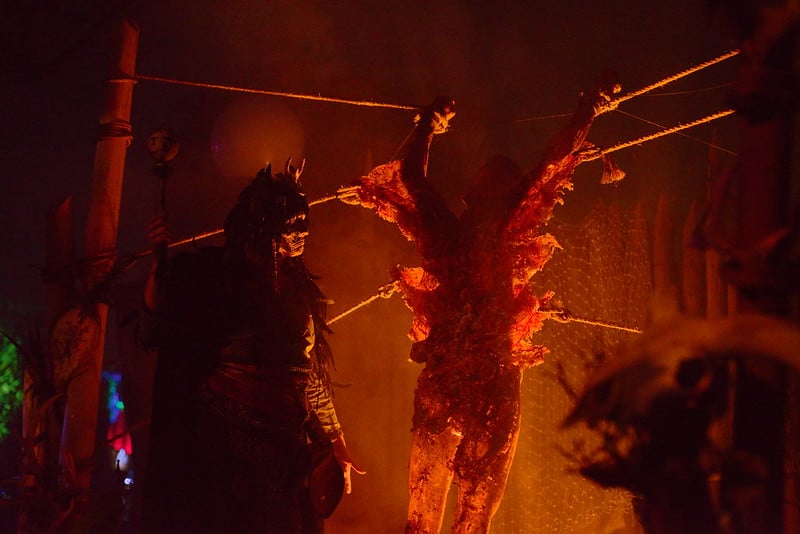
In Viking history, the most cruel way to execute a victim was to carve an eagle shape into their back. Broken ribs were yanked apart like wings. In order to honor Odin, the lungs were then removed and spread out over the ribs in a hideous display.
This was more than myth, according to archeological evidence. In fact, captured enemies experienced it.
Berserkers

These warriors consumed hallucinogenic mushrooms before battle, entering trance-like states of uncontrollable rage that could last for hours without any apparent fatigue or awareness of pain. They fought unclothed or wearing only bear skins, howling like wild animals and showing no fear of death.
Still, berserkers weren’t just weekend warriors—they held respected positions in society and served as elite bodyguards for kings.
Holmgang Dueling
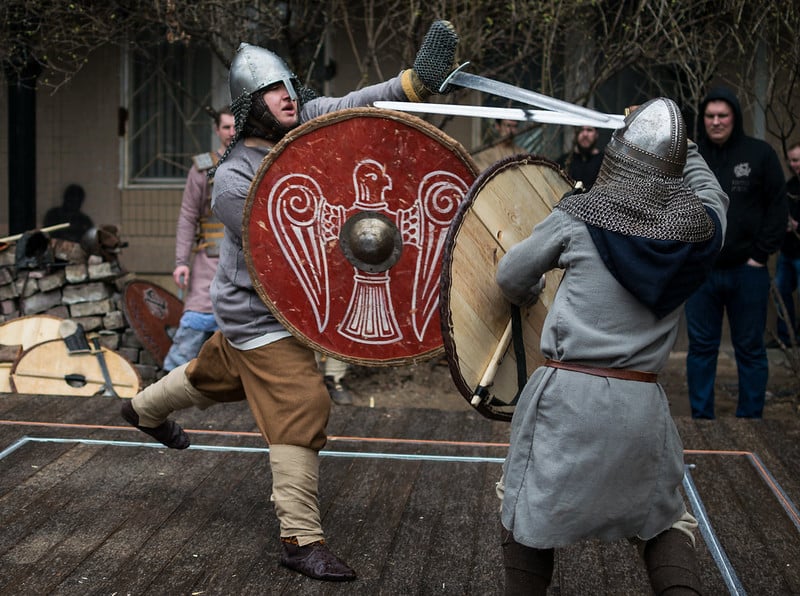
On a small island or designated area, ritualized combat was used to settle legal disputes. Swords and shields were used by the combatants, who fought until the first blood or death.
The victor was regarded as legally correct. A cruel kind of combat trial. These duels could be started by mere charges of cowardice, and refusal resulted in social exile from the community.
Weekly Bathing Ritual

Vikings bathed every Saturday in a communal bathhouse called a baðstofa, and the scent of woodsmoke and lye soap would drift across entire settlements on washing days. They used strong lye soap that bleached their beards blonde—a highly prized look. The day became known as “washing day” throughout Scandinavia.
This weekly routine actually made them cleaner than most Europeans of the time. Not exactly the unwashed barbarians history remembers.
Weapon Burial
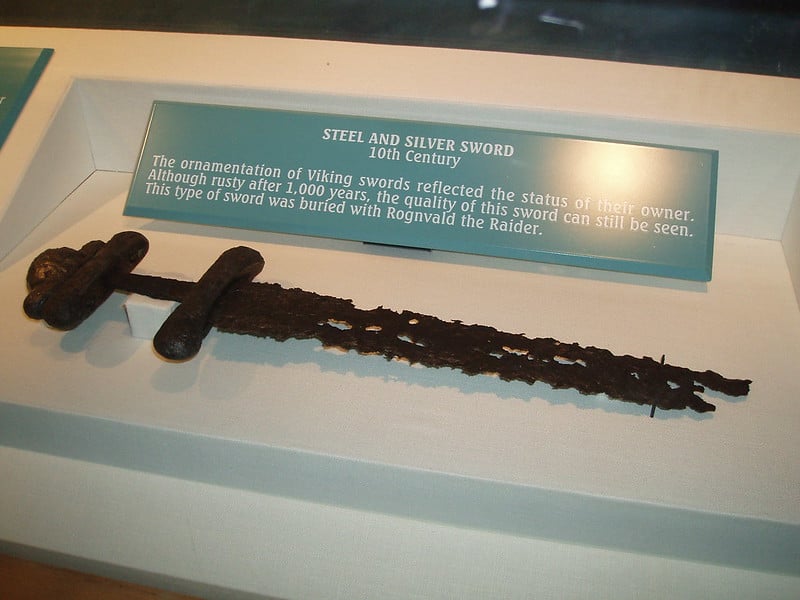
Dead warriors were interred with their complete arsenal—swords, axes, spears, and shields. But the weapons were “killed” first by bending or breaking them, ensuring the spirits couldn’t use them against the living.
Ship burials took this further:
- Entire vessels became floating tombs
- Horses and dogs were sacrificed as companions
- Personal belongings filled every available space
- The whole arrangement was set ablaze or buried under massive mounds
Seidr Magic Practice

— Photo by T.DenTeam
Both men and women practiced this form of shamanic magic involving spirit communication and prophecy. Male practitioners faced social stigma for engaging in “women’s work,” yet many powerful chiefs secretly consulted seidr masters for military advice.
The rituals involved singing, dancing, and entering altered states of consciousness. Dangerous work.
Hair Bleaching Obsession

Vikings used potent lye solutions to lighten their hair and beards to pale yellow or white, often spending entire afternoons applying and reapplying the caustic mixture until achieving the perfect shade. The chemical process was so harsh it often caused hair loss and scalp burns.
Even so, the fashion remained popular for centuries. Blonde hair symbolized divine favor from the gods.
Infanticide by Exposure
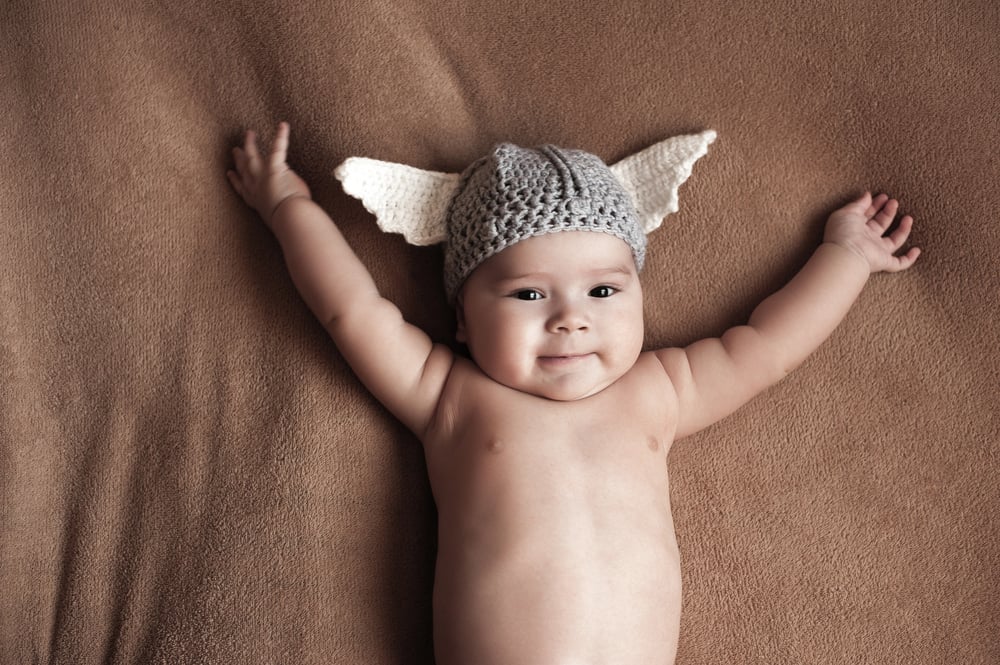
Unwanted newborns were carried to remote locations and left to die from exposure. This wasn’t considered murder but rather allowing the gods to decide the child’s fate. Families made these decisions based on resources, health, or unfavorable omens.
And yet they treasured children who survived to walking age. Complex moral codes ruled Viking life.
Nithing Poles

These carved wooden posts were erected to curse enemies with supernatural vengeance. Topped with horse skulls facing the target’s home, they supposedly turned the land’s spirits against the victim.
The mere presence of a nithing pole could force families to abandon their farms. Powerful psychological warfare.
Drinking from Skulls

Enemy skulls were converted into ceremonial drinking vessels called “skull cups.” Warriors believed consuming mead from these grisly goblets transferred the defeated foe’s courage and strength to themselves.
The practice likely inspired countless horror stories among Viking enemies.
Teeth Filing

Viking warriors filed grooves and patterns into their teeth, creating distinctive marks of status and ferocity that must have been excruciating to endure without any form of pain relief available in medieval times. Horizontal lines were carved deep enough to catch the light, creating an intimidating smile that terrified opponents in close combat.
The custom was painful and often led to infections.
Slave Sacrifice Rituals
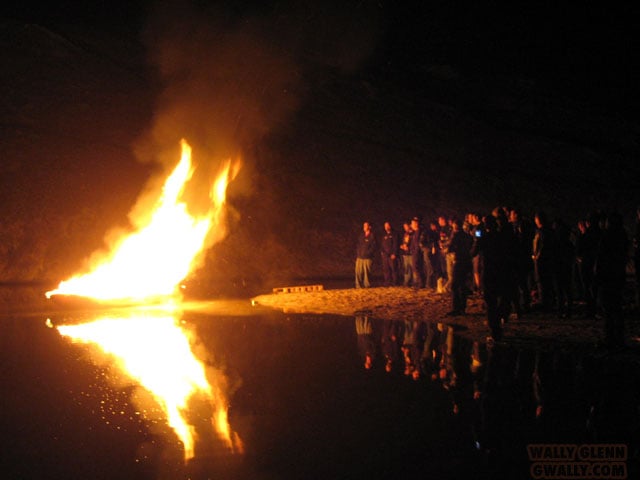
During major funerals, wealthy Vikings sacrificed slaves to serve their masters in the afterlife. These “thralls” were drugged, strangled, and burned alongside their owners.
The practice was considered an honor—supposedly guaranteeing the slave a place in Valhalla. Modern sensibilities struggle with this “honor.”
Combat Scars as Decoration

Battle wounds were displayed proudly rather than hidden. Warriors refused medical treatment that might minimize scarring, preferring visible reminders of their courage. Facial scars held particular value as proof of surviving face-to-face combat.
Some fighters even reopened healing wounds to make scars more prominent. Extreme vanity.
Name-Giving Ceremonies

Newborns remained unnamed for weeks while families observed for signs of divine approval or supernatural omens. Names were chosen based on dreams, unusual events, or animal behaviors witnessed during this waiting period.
Children could be renamed multiple times if circumstances changed—identity was fluid in Viking culture.
Thing Assembly Democracy

These outdoor parliaments allowed free men to vote on laws and settle disputes through collective decision-making. Speakers stood on designated “law rocks” to address the assembly, and decisions required consensus from the majority.
Women couldn’t vote directly but influenced outcomes through male relatives. Still more democratic than most medieval societies.
Funeral Ship Burning

The dead were sent to the afterlife aboard blazing longships pushed out to sea, creating spectacular floating pyres that could be seen for miles across the water. Wealthy Vikings received entire vessels loaded with treasures, weapons, and sacrificed animals for their final journey.
So important was this ritual that landlocked communities built ship-shaped stone arrangements to mimic the ceremony. The flames were believed to carry souls directly to Valhalla.
The Weird Gets Weirder
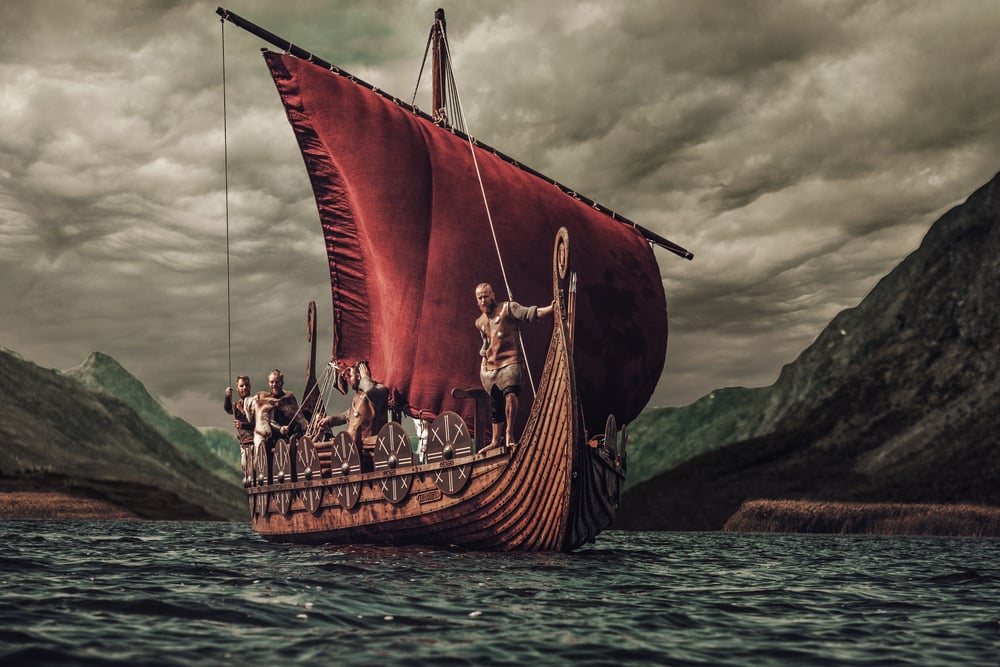
These customs paint Vikings as far more complex than simple raiders obsessed with violence. Their strange traditions reveal a society balancing brutality with surprising sophistication, creating a culture unlike anything else in medieval Europe.
More from Go2Tutors!

- 16 Historical Figures Who Were Nothing Like You Think
- 12 Things Sold in the 80s That Are Now Illegal
- 15 VHS Tapes That Could Be Worth Thousands
- 17 Historical “What Ifs” That Would Have Changed Everything
- 18 TV Shows That Vanished Without a Finale
Like Go2Tutors’s content? Follow us on MSN.



