16 Cleaning Products That Started as Food Ingredients
Walk into any modern kitchen and you’ll find a treasure trove of cleaning supplies hiding in plain sight. Long before commercial cleaning companies flooded supermarket shelves with chemical concoctions, people relied on everyday food ingredients to keep their homes sparkling clean. These natural alternatives weren’t just backup plans—they were the original cleaning powerhouses that built civilizations and kept households running smoothly for centuries.
Here’s a list of 16 cleaning products that prove the best solutions often come straight from your pantry.
White Vinegar

White vinegar stands as one of the most versatile cleaning agents in history, containing 5% acetic acid that can tackle household bacteria such as salmonella and E. coli. This humble kitchen staple excels at cutting through grease, removing soap scum, and disinfecting surfaces throughout your home.
You can create an all-purpose cleaner by mixing equal parts water and white vinegar in a spray bottle, optionally adding essential oils for a pleasant scent.
Baking Soda

Baking soda has been used for centuries as a cleaning agent for its ability to scrub surfaces, remove stains, and neutralize odors. This mild abrasive works wonders on everything from burnt pans to clogged drains.
Its odor-absorbing properties make it useful throughout the home, and unlike vinegar, it doesn’t have a strong smell. You can sprinkle it in trash cans, refrigerators, or even shoes to eliminate unwanted odors naturally.
Like Go2Tutors’s content? Follow us on MSN.
Lemon Juice

Lemon juice was used for its fresh scent and ability to remove stains and brighten surfaces, with its acidic properties containing antiseptic and anti-bacterial qualities. Citric acid makes lemon an effective antibacterial cleaner, plus the scent is fresh and energizing.
This natural bleaching agent can tackle everything from rust stains to cutting board maintenance, and when combined with salt, it creates a powerful scrub for metal surfaces.
Salt

In ancient Rome people used other abrasives besides sand and water such as cuttlefish bone and horsetail, while salt has long been a cleaning staple. This crystalline mineral works as a gentle abrasive that can lift stains without scratching delicate surfaces.
You can make an all-purpose scrub with two parts salt and one part lemon juice that can be used to remove rust, lift clothing stains and clean cutting boards. Salt also helps absorb spills and can prevent stains from setting in fabrics.
Olive Oil

Besides food, olive oil has been used for religious rituals, medicines, as a fuel in oil lamps, soap-making, and skincare application since ancient times. This healthy cooking oil leaves behind a shiny finish that moisturizes and nourishes some surfaces, and can restore and condition leather surfaces by rubbing olive oil into the fabric with a clean cloth.
It excels at removing water rings from wooden furniture and can even repair small scratches when buffed with a clean cloth.
Like Go2Tutors’s content? Follow us on MSN.
Cornstarch
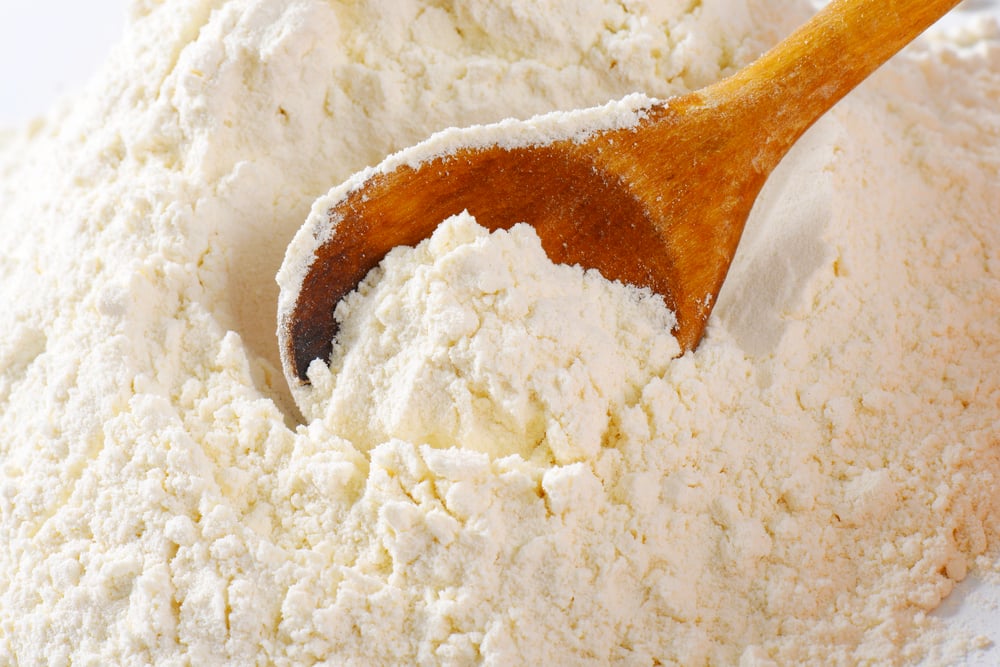
Cornstarch is known for its high absorbent capabilities, and when dealing with cooking oil spills or splatters, cornstarch can absorb the oil, making it easy to wipe away without leaving a greasy residue behind. The chemical composition of cornstarch can absorb moisture, dirt, and stain more efficiently than other commercialized cleaning agents.
This versatile powder can tackle everything from carpet stains to cleaning used cooking oil, making it an essential natural cleaning tool.
Honey

Manuka Honey is used in hospitals for wound care, is naturally healing for the skin and reduces inflammation, redness and irritation. While primarily known as a sweetener, honey’s antimicrobial properties have made it valuable for cleaning applications throughout history.
Its sticky consistency helps it adhere to surfaces, allowing it to draw out impurities and provide gentle cleansing action. Ancient civilizations recognized honey’s preservative qualities, using it not just for food storage but also for maintaining cleanliness in various applications.
Coconut Oil
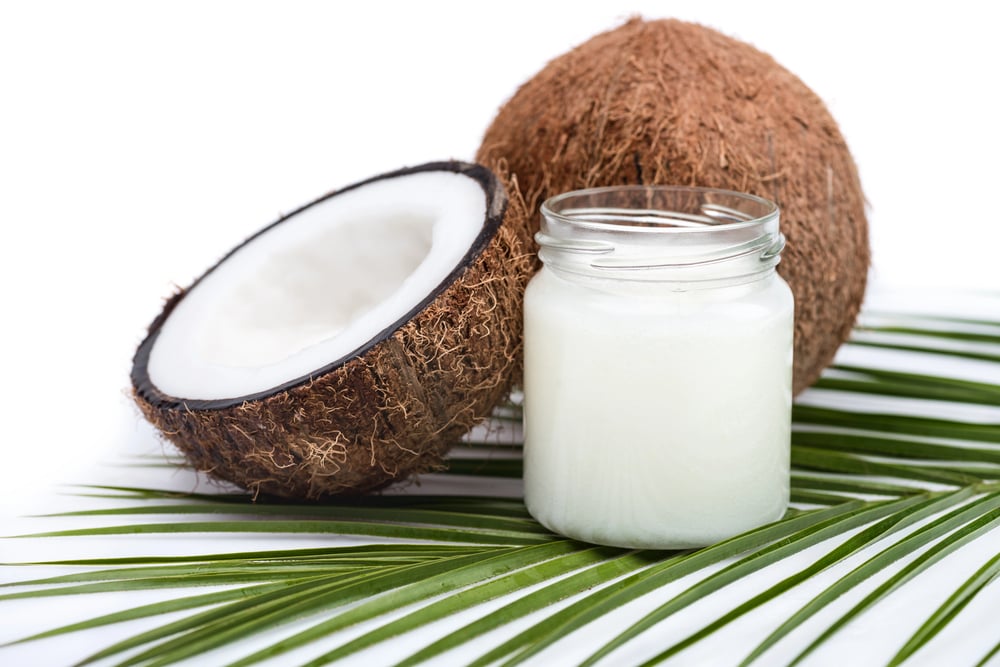
Coconut oil has proven antibacterial properties and serves as a beauty aid, household cleaner, lubricant and healthful alternative in cooking. You can remove labels and sticky residue from plastic, glass, wood and other hard surfaces by applying coconut oil to the sticky area and letting it sit for a few minutes.
This tropical oil can also make stainless steel appliances gleam and condition wood cutting boards thanks to its natural antimicrobial compounds.
Like Go2Tutors’s content? Follow us on MSN.
Milk

The milk that arrived in London was almost all treated with boric acid, also known as borax, as it was believed that the addition of this compound to milk could ‘purify’ it. Beyond these historical preservation attempts, milk has served cleaning purposes for centuries.
For fruit and wine stains, people would immediately pour salt or cold soda water on the stain and soak it in milk before washing. The proteins and fats in milk can help break down certain stains and provide gentle cleaning action.
Bread

To get rid of ink stains like ink and grease it was common to scrub the carpet with lemon juice and a hot loaf of crusty white bread. Stale bread has long served as an effective cleaning tool, particularly for delicate surfaces that might be damaged by harsh scrubbing.
Its texture allows it to absorb oils and lift dirt without scratching, while its porous nature makes it excellent for picking up dust and debris from wallpaper and artwork.
Tea

Combine in a pail or bucket: an 1/8 cup liquid soap or detergent, a 1/4 to 1/2 a cup of white distilled vinegar or lemon juice, a 1/2 cup fragrant herbal tea (peppermint is great as it adds antibacterial qualities). Tea, particularly varieties rich in tannins, has natural astringent properties that make it useful for cleaning.
Coffee and tea stains can be cleaned using an equal mixture of salt and white vinegar on china cups. Black tea works especially well for cleaning glass and mirrors, leaving them streak-free and shiny.
Like Go2Tutors’s content? Follow us on MSN.
Borax
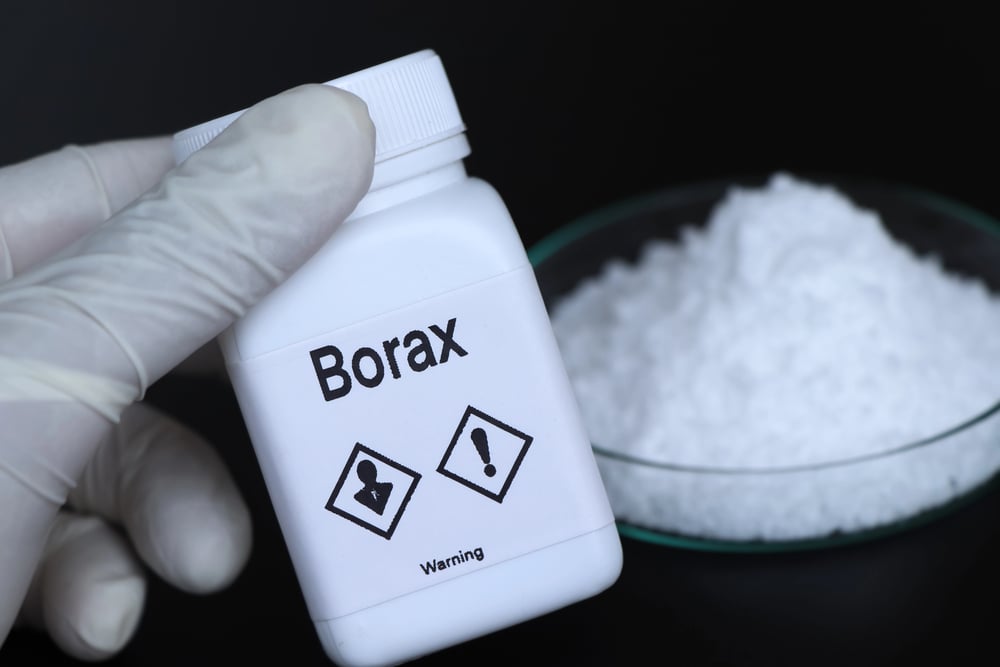
Before 2000, borax was a common household item, a popular, effective cleaning product that disinfects, whitens and fights mould and mildew, first coming into common use in the late 19th century. Borax was used for its cleaning and sanitizing properties and was a common ingredient in laundry detergents.
This naturally occurring mineral became a household staple for its ability to boost cleaning power and tackle tough stains, though its use has become more regulated in recent years.
Vegetable Oil
You can combine ½ cup of white vinegar with ¼ cup of olive oil, 1 tablespoon of lemon juice and 20 drops of essential oil to create a wood cleaner. Various vegetable oils have served cleaning purposes throughout history, particularly for conditioning and protecting surfaces.
You can use equal amounts of coconut oil in place of butter and cooking oil for cooking, and it works as a cleaning agent for various household applications. These oils can restore luster to wood and metal while providing protective coatings.
Eggs

Coffee and chocolate stains can be removed by mixing an egg yolk with lukewarm water and rubbing on the stain. Throughout history, eggs have served unexpected cleaning roles beyond nutrition.
The proteins in egg whites can help lift certain stains, while egg yolks contain natural emulsifiers that break down oils and grease. Some traditional cleaning methods involved using beaten egg whites to clean leather goods and restore their natural luster.
Like Go2Tutors’s content? Follow us on MSN.
Sugar
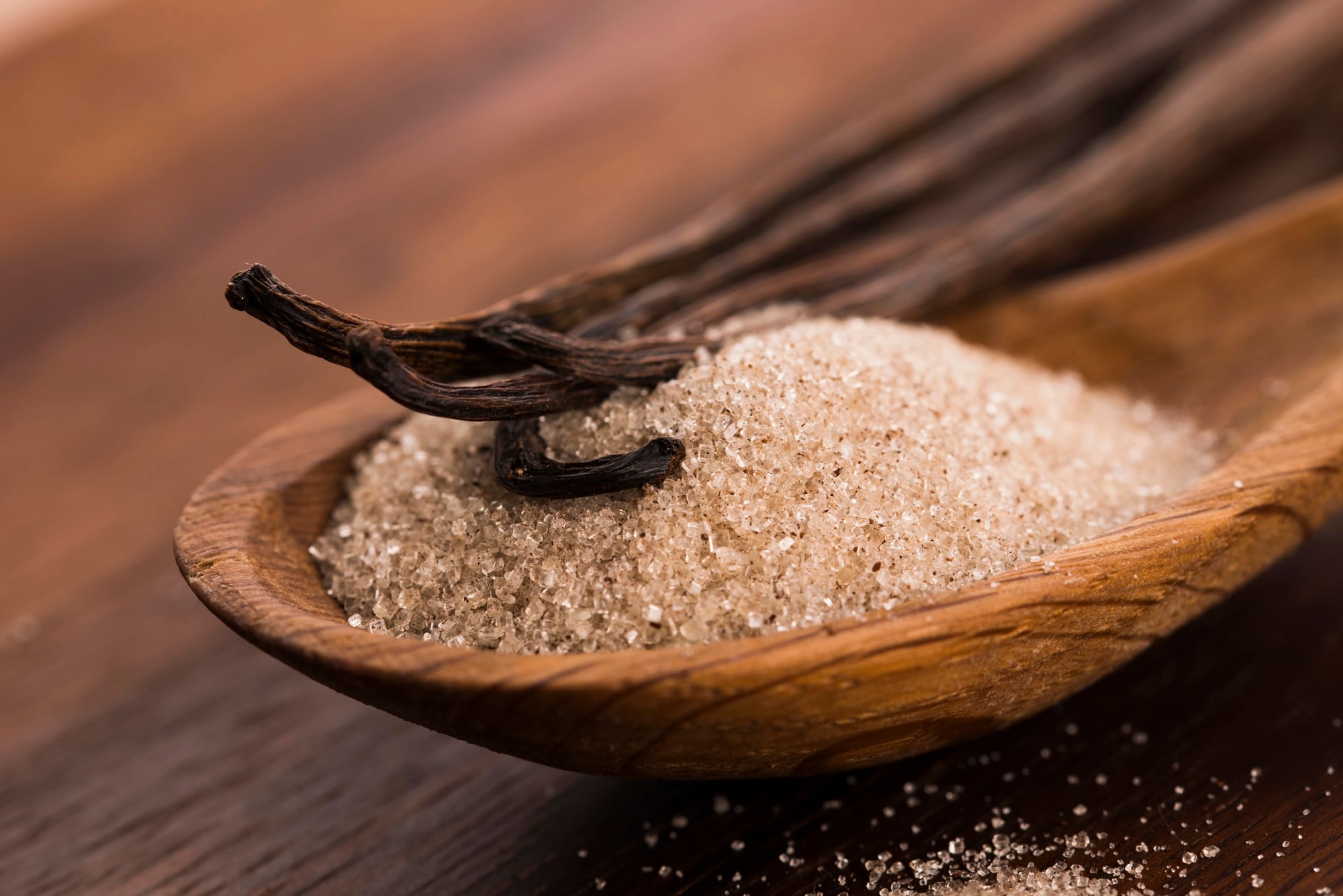
Sugar’s abrasive crystals make it an excellent natural scrub for removing stubborn stains and buildup. When dissolved in water, it creates a sticky solution that can help lift dirt and debris from surfaces.
Historical cleaning practices often incorporated sugar into polishing compounds for silverware and other metal objects, where its mild abrasive action could remove tarnish without causing scratches.
Flour

Flour has served as a cleaning agent for centuries, particularly for absorbing grease and oil spills. Fine particles like flour have a tendency to absorb oils effectively, similar to how cornstarch works for oil spills.
Its absorbent properties make it useful for cleaning up fresh spills before they can set into fabric or other porous surfaces. Traditional cleaning methods also used flour-based pastes for cleaning delicate items like books and papers.
From Pantry to Progress
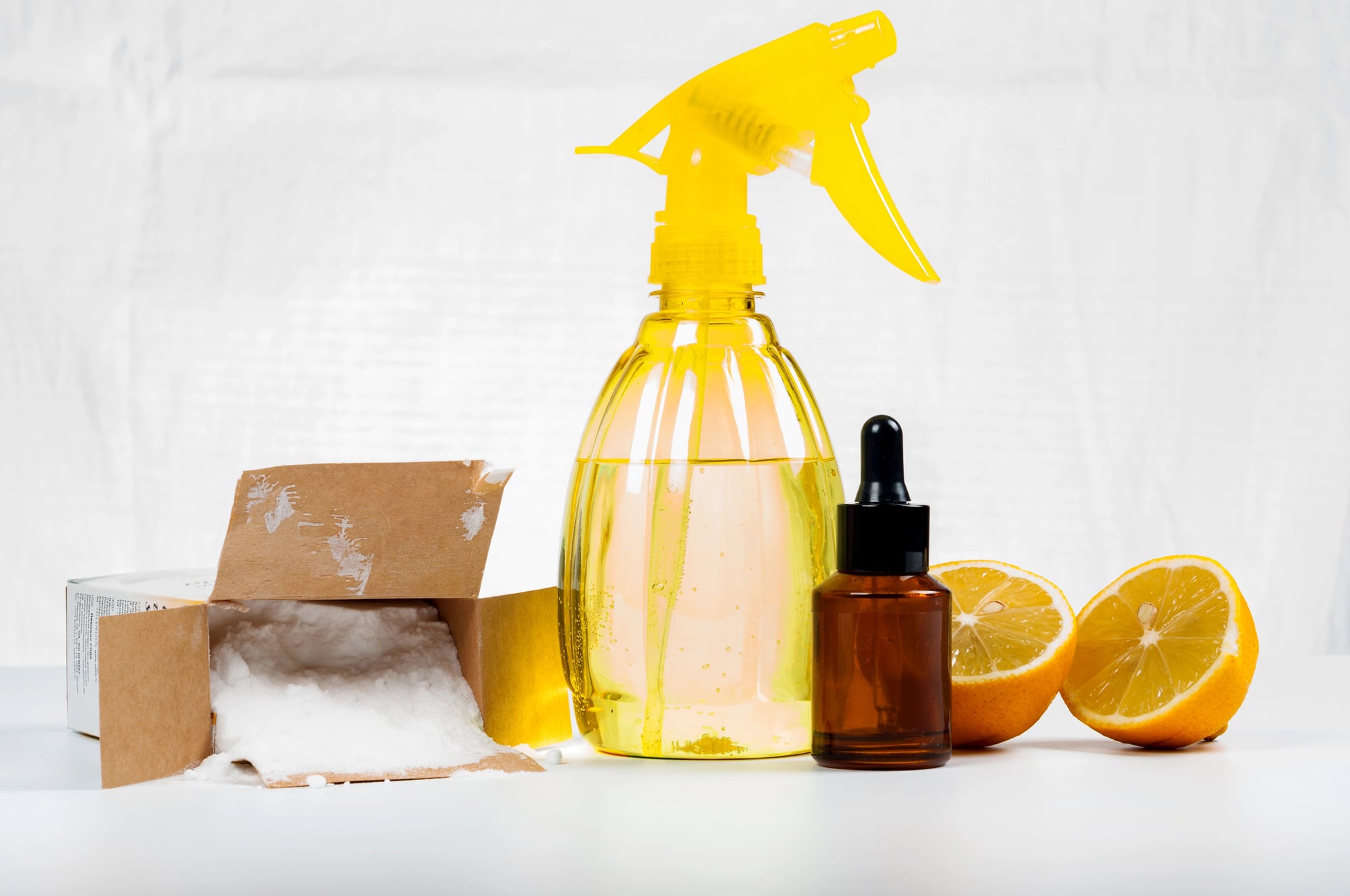
Ancient civilizations such as the Egyptians and Romans developed sophisticated techniques using natural ingredients to keep their surroundings clean and hygienic, and there has been a resurgence of interest in plant-based cleaning solutions.
These food-based cleaning methods weren’t just born from necessity—they represent centuries of human innovation and environmental awareness. The shift towards plant-based cleaning products is not just a passing trend; it’s a reflection of a broader movement towards sustainability and wellness.
Today’s return to these time-tested ingredients proves that sometimes the oldest solutions remain the most effective, offering us a path forward that’s both environmentally conscious and surprisingly powerful.
Like Go2Tutors’s content? Follow us on MSN.
More from Go2Tutors!

- 16 Historical Figures Who Were Nothing Like You Think
- 12 Things Sold in the 80s That Are Now Illegal
- 15 VHS Tapes That Could Be Worth Thousands
- 17 Historical “What Ifs” That Would Have Changed Everything
- 18 TV Shows That Vanished Without a Finale
Like Go2Tutors’s content? Follow us on MSN.