The Shops That Lined Early American Chinatowns
A Chinatown storefront rarely did only one job. The same counter might sell dried mushrooms, cash a money order, hold mail for men a long way from home, and settle an argument about a debt. Walk the blocks of an early Chinatown and the shops explain the people who built it better than most official records.
Chinese immigrants arrived in a country that shut them out of many trades, so they built commercial districts of their own, one counter at a time. Some of those shops lasted more than a century, some vanished within a season, and a few ended up before the Supreme Court.
Herbal Drugstores in Old Los Angeles
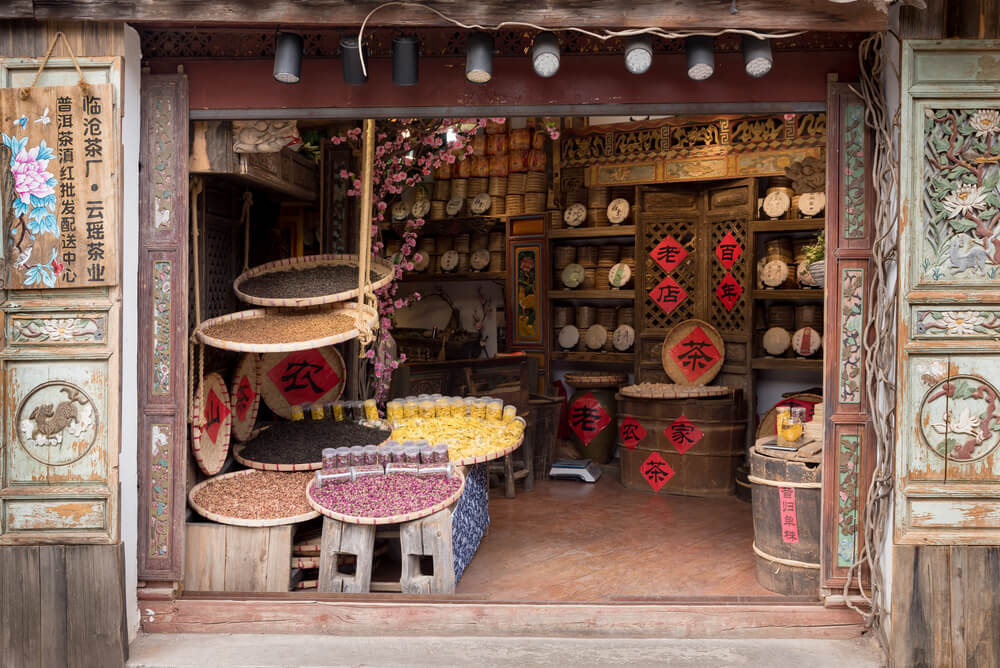
A surviving photograph shows Dr. Y.H. Chung posed with his sons in front of the Chinese Herb Company storefront in Los Angeles. It is a reminder that the family doctor and the shopkeeper were often the same person.
Customers described their symptoms across the counter, and the herbalist weighed out dried roots, barks, and flowers from rows of labeled drawers. The community that supported such shops had already survived the 1871 massacre in Old Chinatown, which makes the steady continuity of the herbal trade look even more stubborn.
The Oregon Trading Post That Doubled as a Clinic
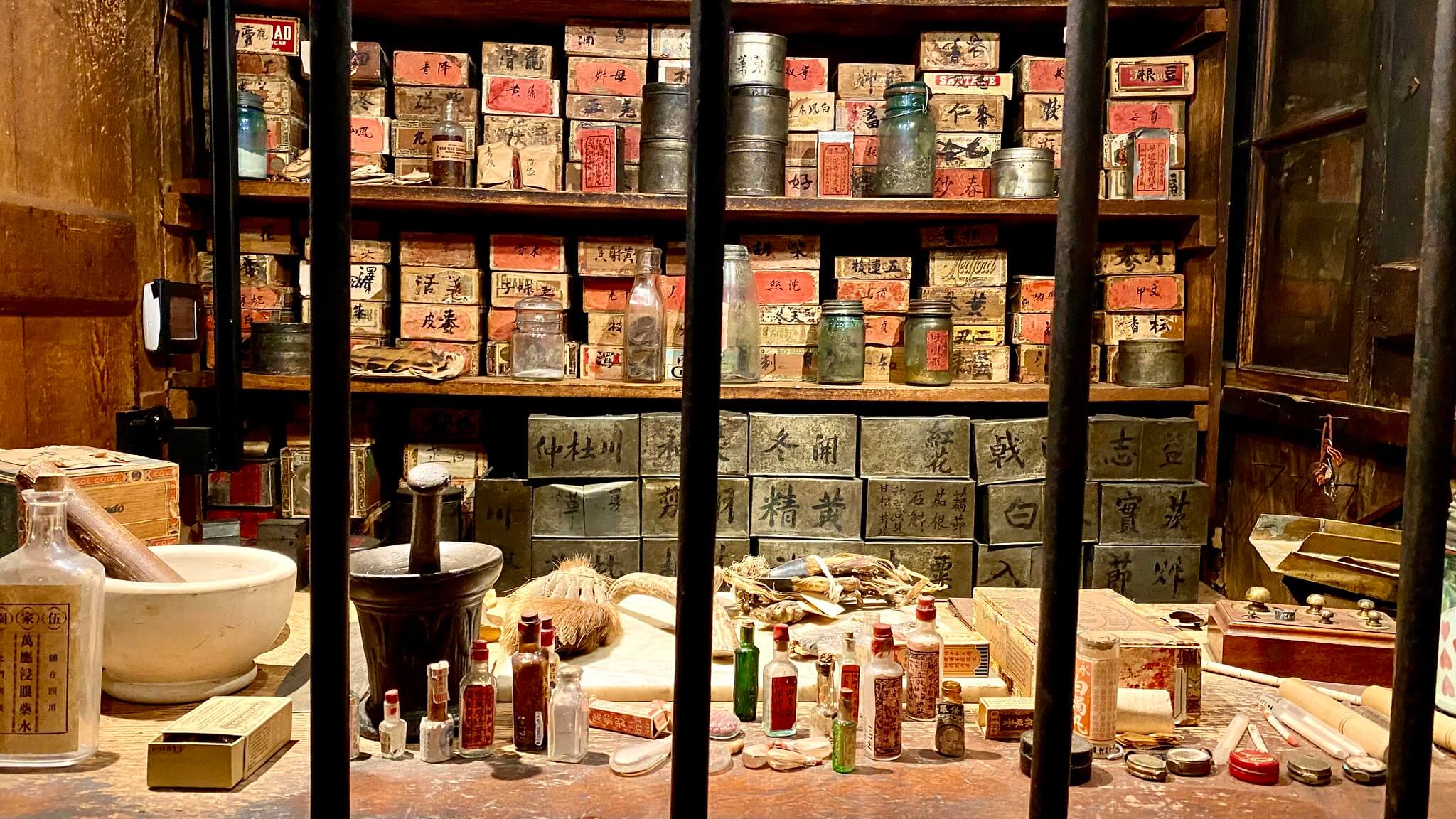
In John Day, Oregon, Ing Hay, known as Doc Hay (1862 to 1952), and his business partner Lung On ran Kam Wah Chung & Co., a building that served as general store, trading post, and herbal clinic all at once. Miners, ranchers, and townspeople came through the same doors for groceries, mail, and treatment.
The building and its contents were so well preserved that it now operates as the Kam Wah Chung & Co. State Heritage Site. Few Chinatown shops can claim that their own shelves became museum exhibits without being rearranged first.
The Presses That Printed in Chinese
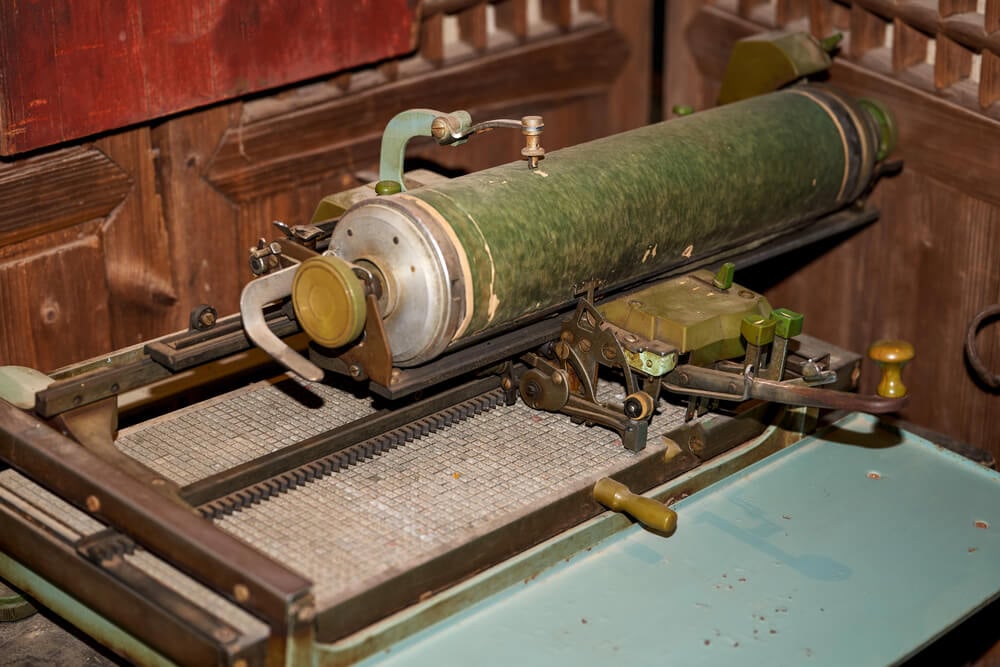
San Francisco’s Chinatown produced the first Chinese-language newspaper published in the United States, which appeared in 1854. Chung Sai Yat Po followed in 1900 and became one of the community’s major daily papers, with an archive that survives for the early years of the 1900s.
Setting type for these papers was a feat of patience, since a Chinese print shop needed thousands of separate characters instead of a few dozen letters. A newspaper office doubled as a news stand, a meeting place, and a source of gossip about home villages.
The Laundry That Reached the Supreme Court
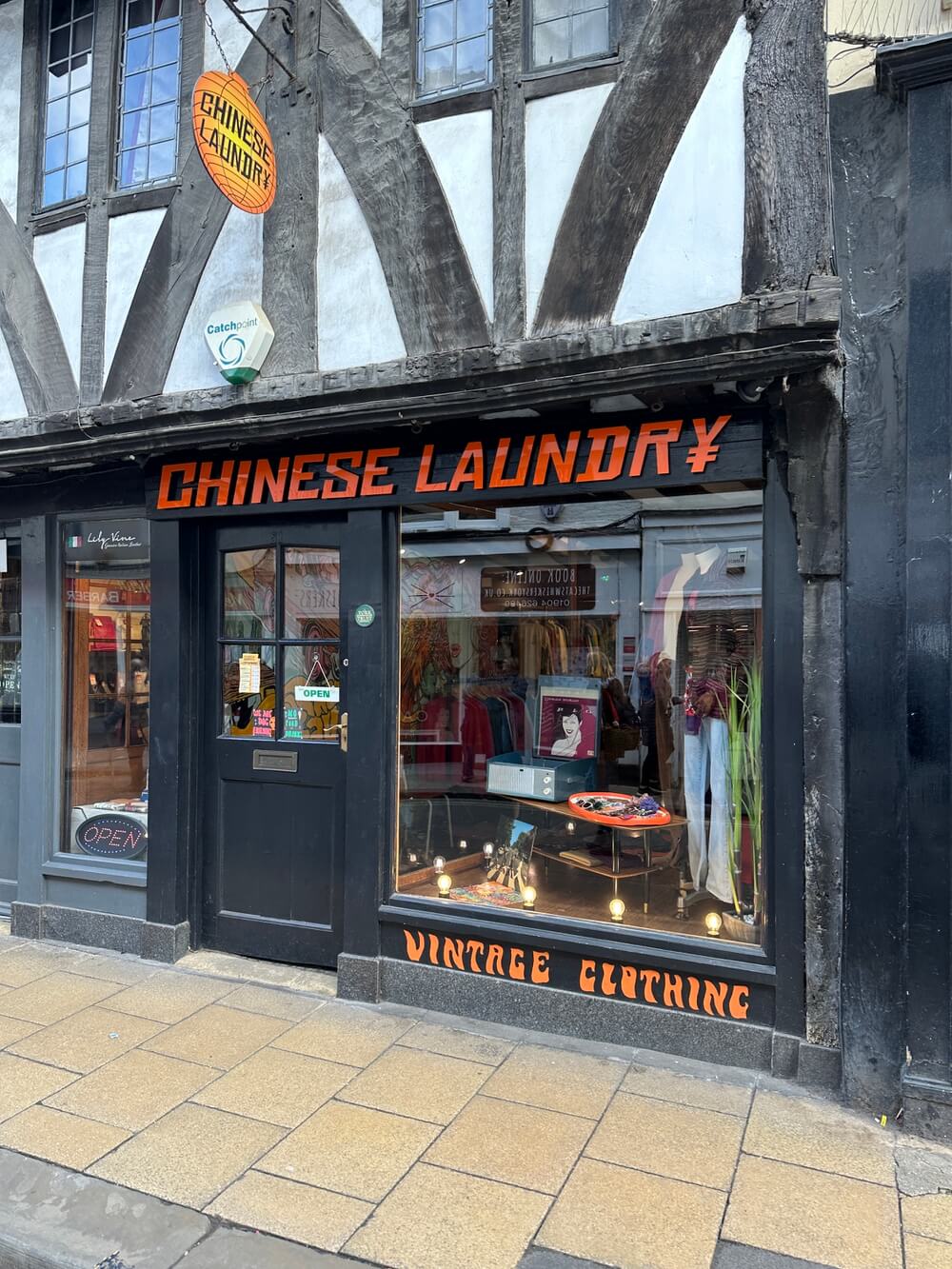
The hand laundry was the most common Chinese business in the early West, and it produced one of the most important civil rights decisions of the nineteenth century. In 1886, the Supreme Court ruled in Yick Wo v. Hopkins that a San Francisco ordinance enforced almost entirely against Chinese laundry owners violated the Equal Protection Clause.
A second laundry owner, Lee Yick, had a case heard alongside Yick Wo’s. The decision still gets cited when a neutral-sounding law is applied unequally.
The Tea Parlor on Doyers Street
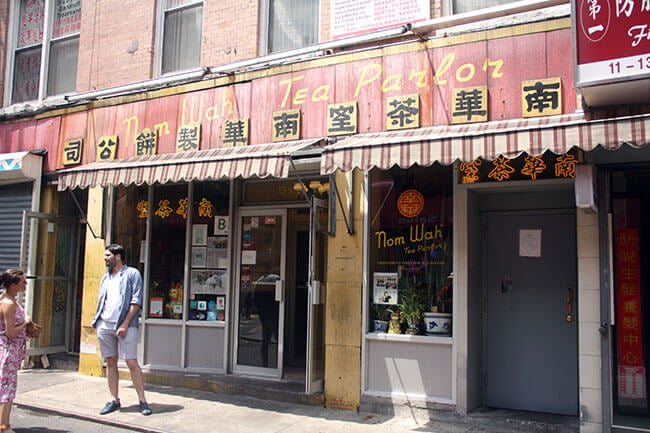
Nom Wah Tea Parlor opened on Doyers Street in New York in 1920, and it has a reputation as the oldest continuously operating restaurant in Chinatown. Doyers Street is a famously crooked block, and for decades the parlor sat on its bend.
Its original role was as a tea and pastry shop where customers bought sweets and sat for a pot of tea, long before dim sum became fashionable. The restaurant’s longevity says something about the neighborhood, since most Chinatown businesses of that era lasted only a few years.
The Chop Suey House
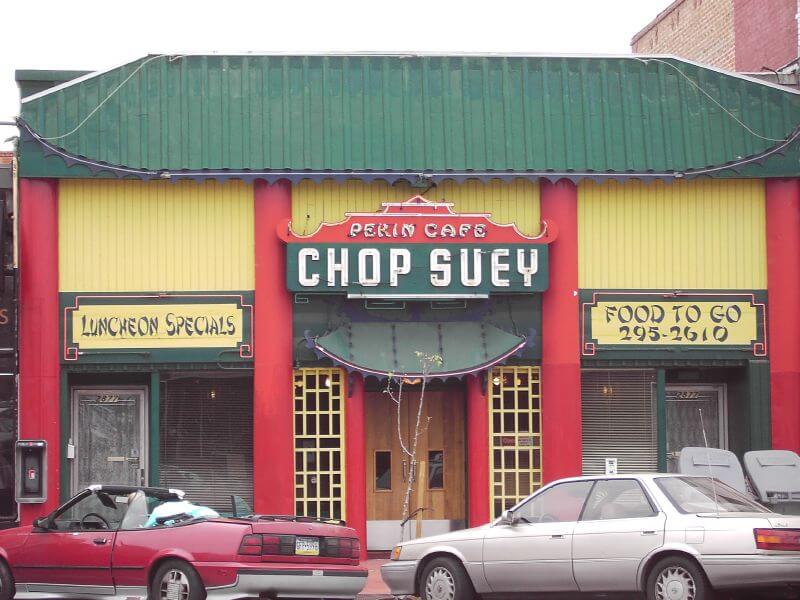
Chop suey houses spread across American Chinatowns in the late nineteenth and early twentieth centuries and drew crowds of non-Chinese diners who wanted a cheap meal in an exotic setting. A popular legend credits the visit of the Chinese statesman Li Hongzhang to New York in 1896 with making the dish famous, though food historians tend to treat that story with suspicion.
The menu leaned on stir-fried vegetables, bean sprouts, and a thick sauce that had little in common with the cooking in Guangdong. Customers loved it anyway, and the dish gave many Chinese cooks their first reliable income outside the laundry trade.
The Bazaars That Rebuilt After the Earthquake
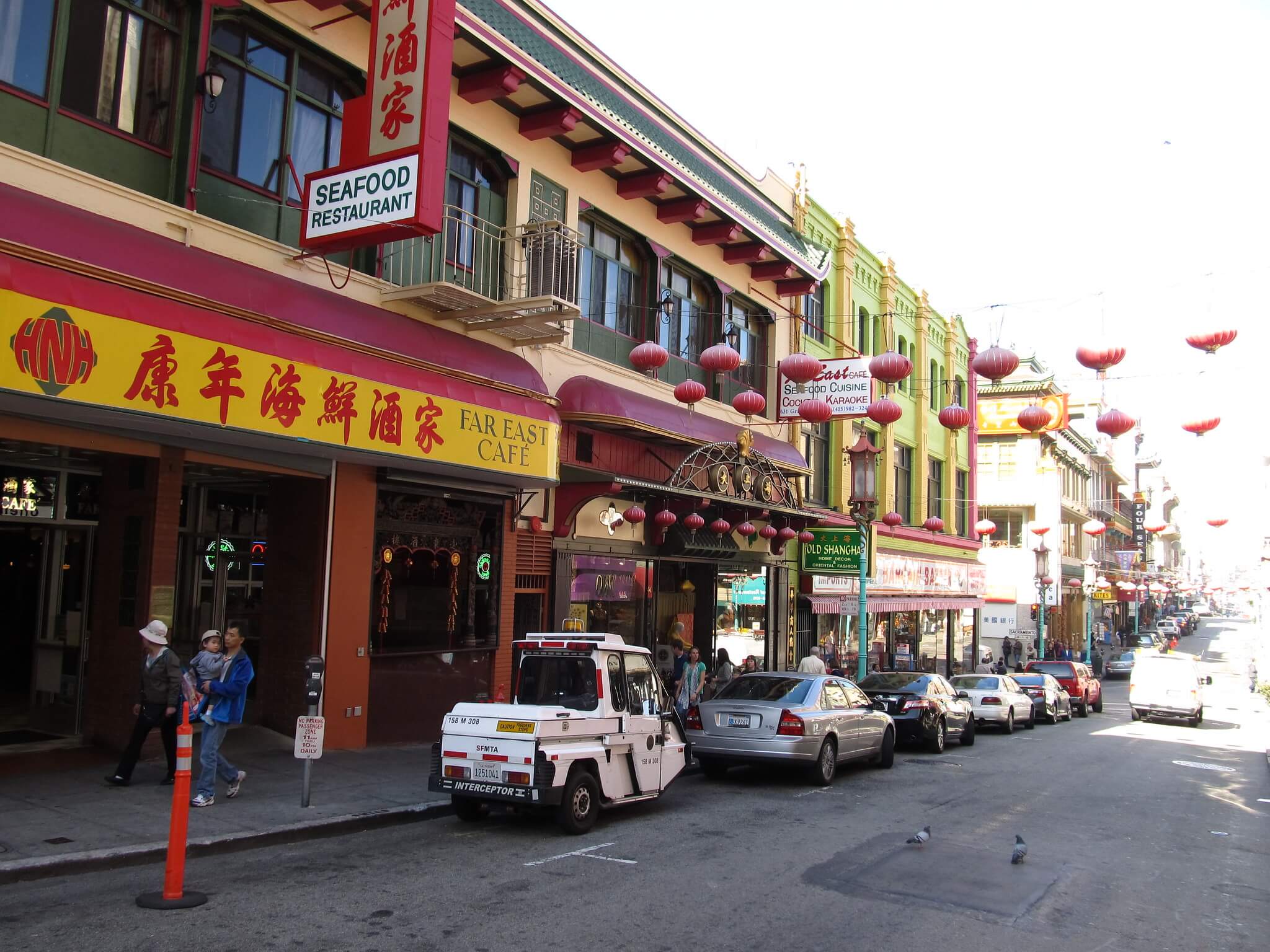
After the 1906 earthquake and fire, San Francisco’s Chinatown merchants rebuilt with pagoda-style towers and ornate facades meant to draw visitors. Businesses such as Sing Fat Co., a self-described leading Oriental bazaar near the corner of California Street and Grant Avenue, and the Sing Chong Company sold porcelain, silk, and carved curios to tourists.
The architecture was a business plan as much as a style, since an elaborate storefront told passersby that something exotic waited inside. Grant Avenue became the main shopping street for visitors, and its look has stayed with the neighborhood ever since.
The Temple Above the Storefronts
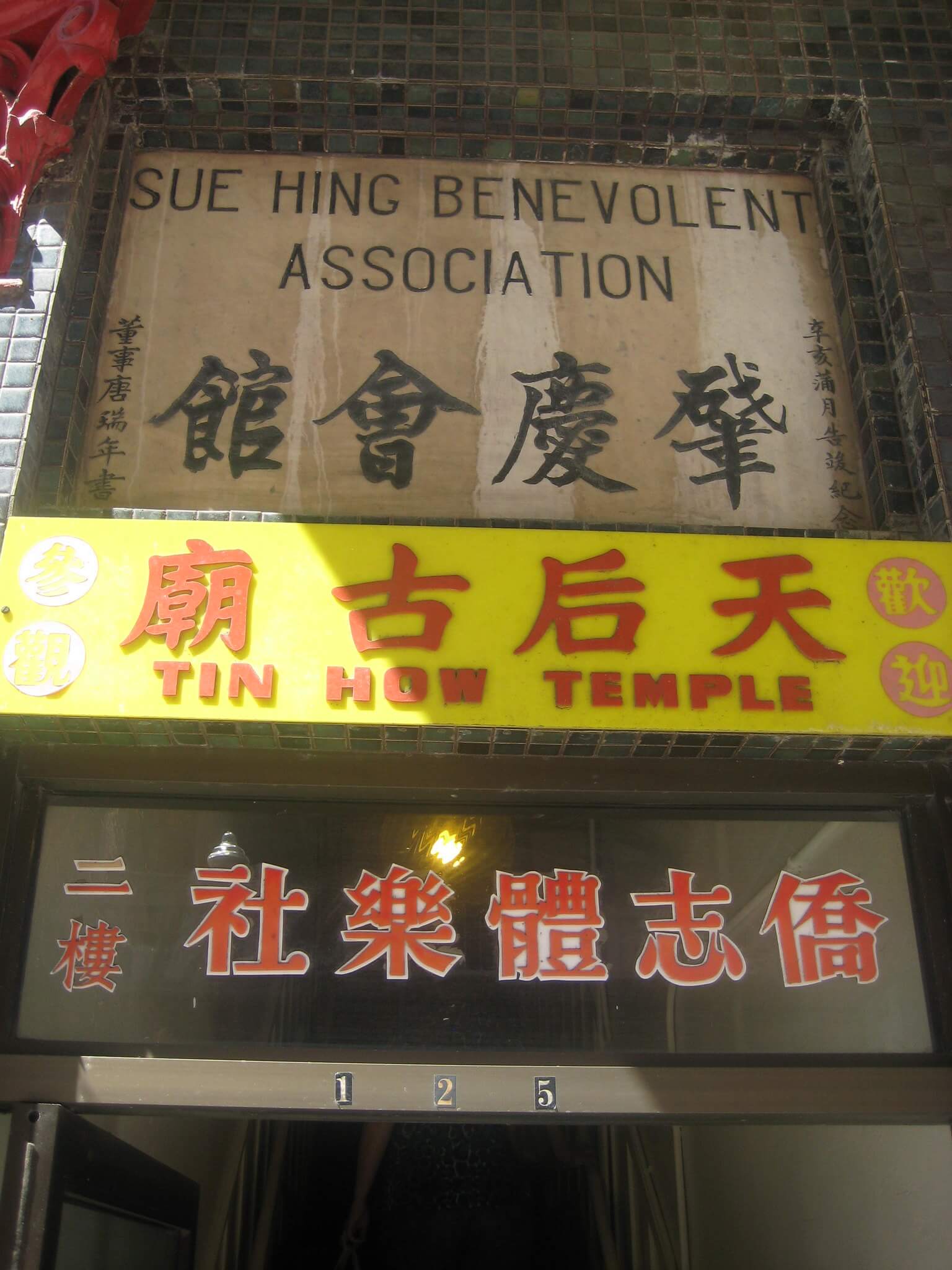
Tin How Temple on Waverly Place in San Francisco traces its founding to 1852, and it is reached by climbing stairs above ground-floor businesses. That arrangement was common in Chinatown, where rent was high and space was precious, so worship, trade, and housing were stacked on top of one another.
Visitors who climb to the top find a dim room hung with red lanterns and the lingering smell of incense. The ground-floor shops below depended on the same foot traffic that the temple drew.
The Investor-Owned Storefronts of Seattle
The East Kong Yick Building in Seattle was completed in 1910 and now houses the Wing Luke Museum. It was funded by a pool of Chinese investors who combined their money to build commercial space that the community could control.
Storefronts ran along the street level while rooms above provided housing and meeting space for working men. The arrangement let Chinese merchants hold property in a city where outside landlords were often unwelcoming.
The Moon Cake Bakery on Grant Avenue
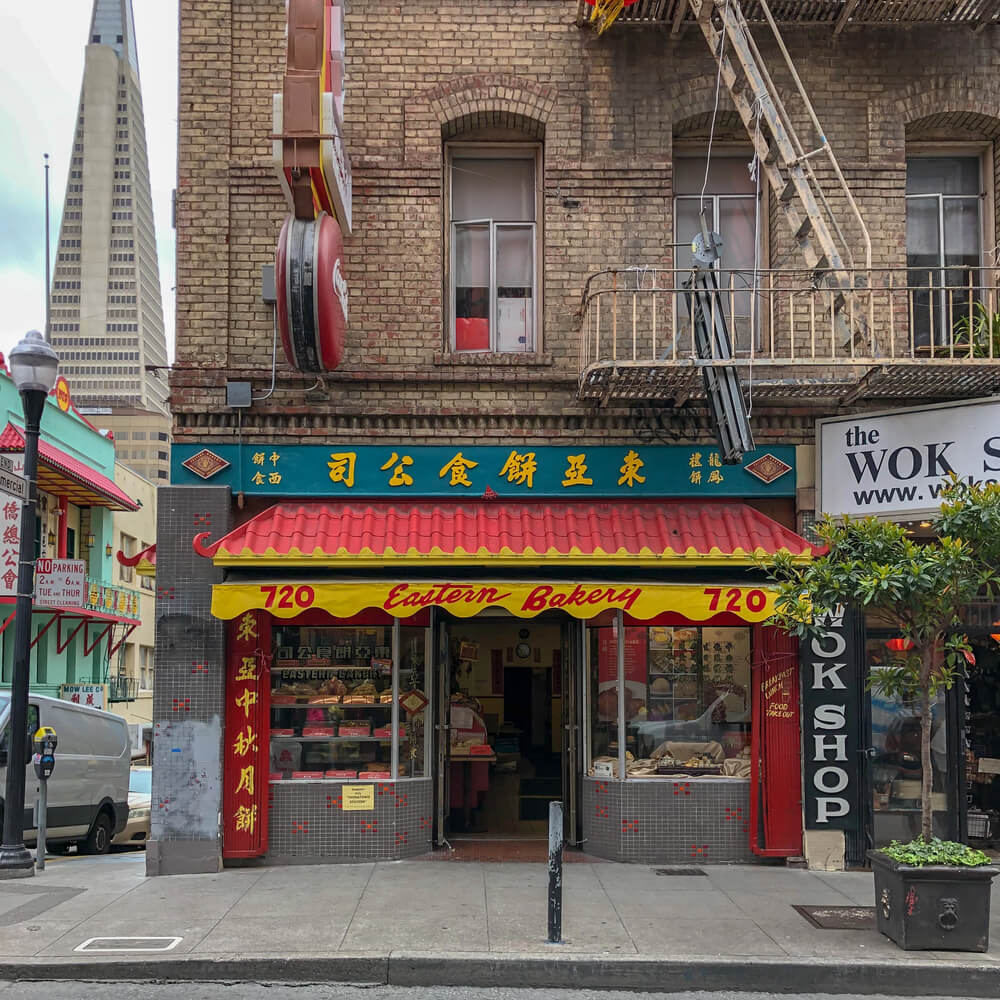
Eastern Bakery in San Francisco’s Chinatown opened in 1924, and it continues to sell traditional pastries, including moon cakes that are available throughout the year. Moon cakes are tied to the Mid-Autumn Festival, yet the bakery’s regulars treat them as an everyday purchase.
Cases of sweet buns and baked goods served generations of local families. The bakery’s age puts it among the longest-running food businesses in the neighborhood, and few can say the same.
The Fortune Cookie Factory in Ross Alley
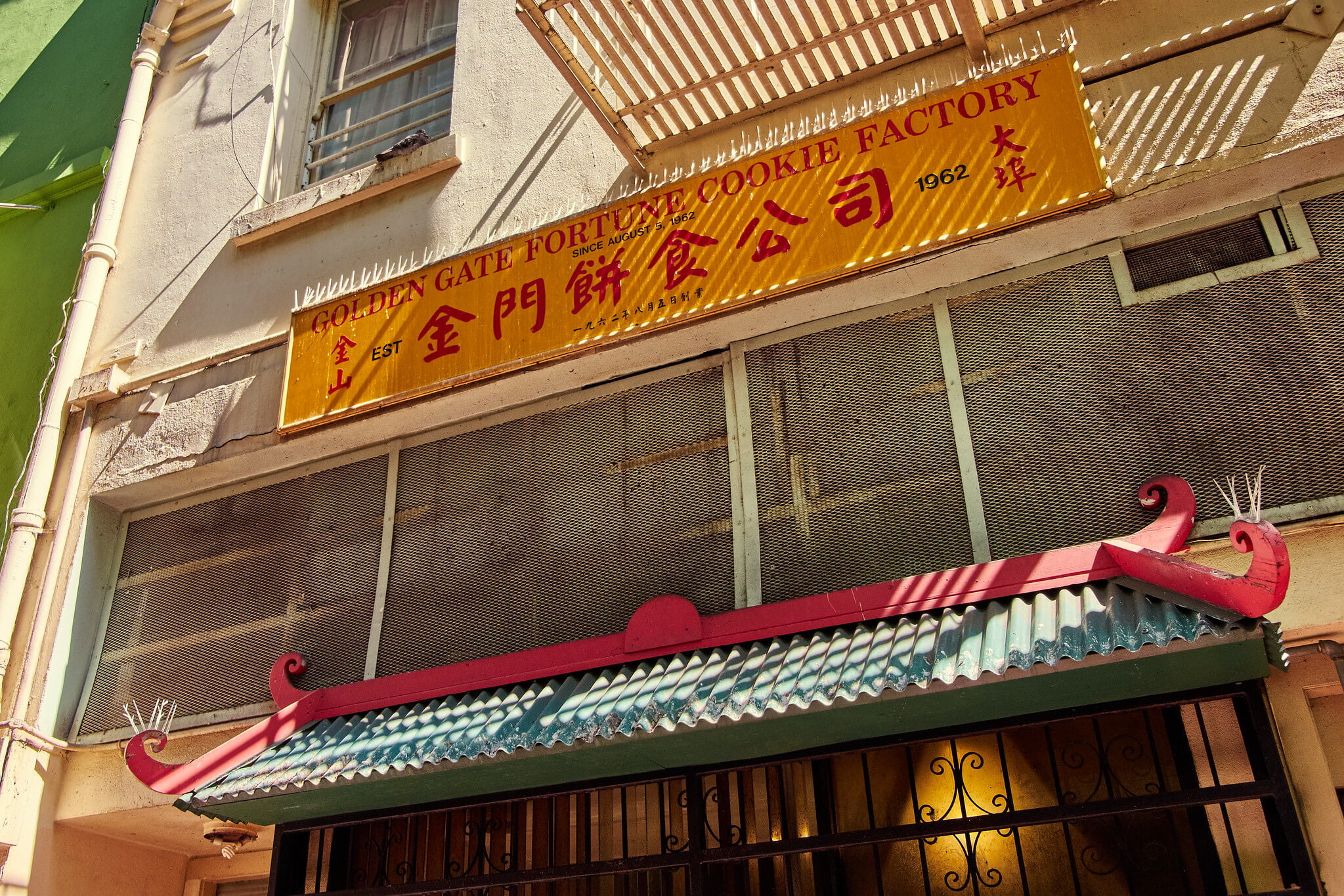
The Golden Gate Fortune Cookie Factory has been baking in Ross Alley in San Francisco since 1962, and it remains a working shop as well as a tourist stop. Workers fold each warm cookie by hand around a paper fortune, which is a race against the batter, since the cookie hardens within seconds.
Fortune cookies are a Chinese American creation rather than a custom brought from China. The factory sells them by the bag to visitors who stand in the narrow alley and watch the folding.
The Merchants’ Hall in Chicago
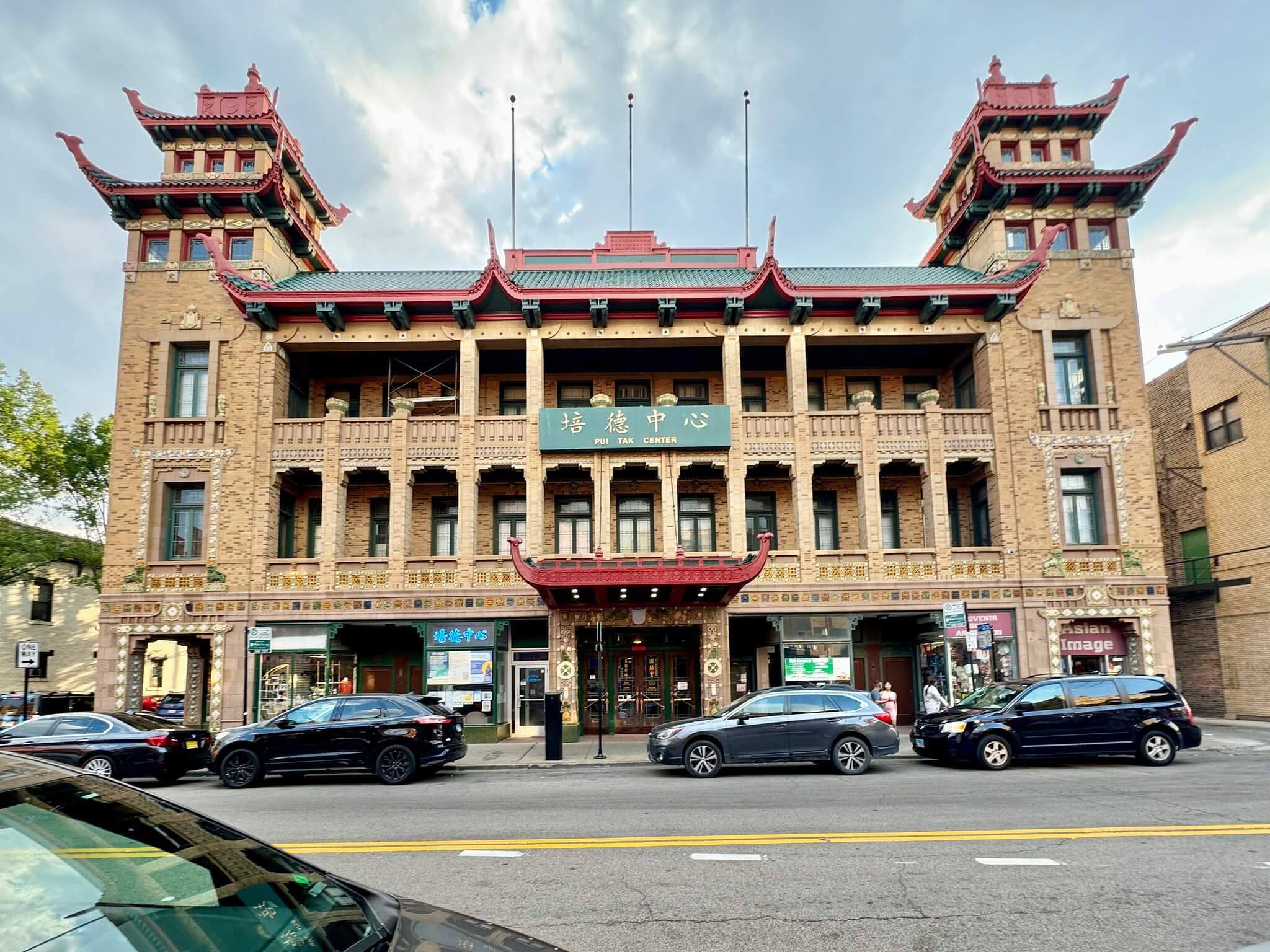
The On Leong Merchants Association Building opened in Chicago’s Chinatown in 1926 and is now a Chicago Landmark known as the Pui Tak Center. It was built to hold storefronts, offices, and meeting rooms for the merchants’ association that anchored the neighborhood’s business community.
Its terra cotta facade, towers, and Chinese-style roofline make it one of the most recognizable structures in the district. For decades, the building acted as a combined chamber of commerce, social club, and landmark.
The Grocery at 32 Mott Street
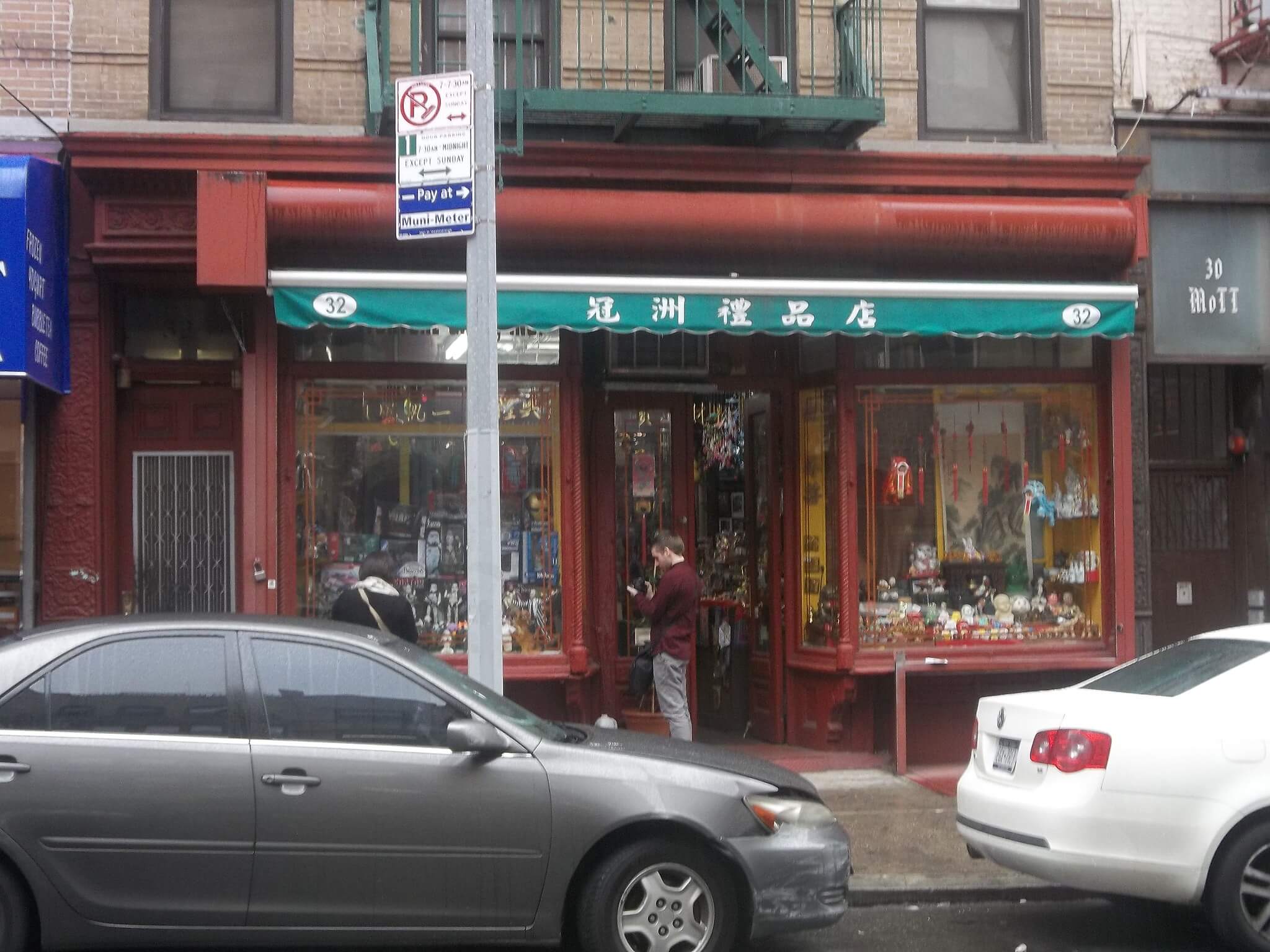
Quong Yuen Shing & Co. at 32 Mott Street in New York stood for more than a century as a family business and one of Chinatown’s best-known grocery stores. It sold dried goods, tea, and household staples to a community that could not easily find them elsewhere in the city.
The store changed hands in later years and reopened under new management, which drew coverage in the local press. Its long run showed how neighborhood grocers served as lifelines for immigrants who needed familiar food.
The Porcelain Shop at 26 Mott Street
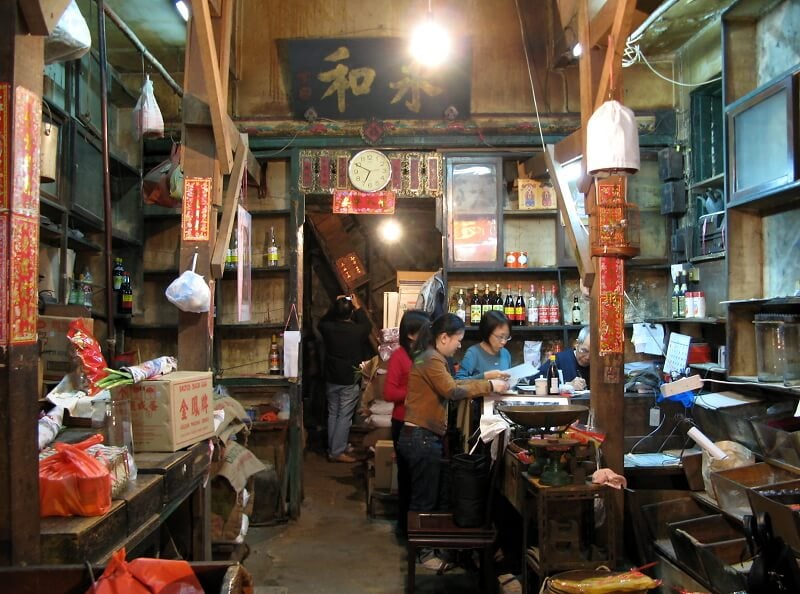
Wing On Wo & Co. opened at 26 Mott Street in 1890 and has been described by NPR as Manhattan Chinatown’s oldest store. The business sold porcelain, tea sets, and other household goods, and it stayed in the same family across generations.
Each generation adapted the stock to new customers while keeping the same street address. A shop that has survived more than a century of neighborhood change is rare in New York real estate.
The Dollar Store Chain Built by Joe Shoong
Joe Shoong (1879 to 1961) built the National Dollar Stores into a West Coast retail chain and was widely described as one of the richest Chinese people in America. The company also ran a garment operation in San Francisco’s Chinatown, and in February 1938 its Chinese women garment workers walked out in a strike.
The Chinese Ladies’ Garment Workers’ Union led the walkout, with leaders such as Sue Ko Lee. The dispute showed that Chinatown commerce included factories and labor fights as well as small counters.
The Seattle Merchant House of Chin Gee Hee
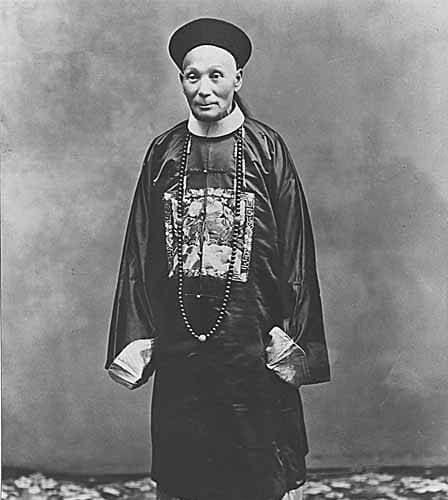
Chin Gee Hee (1844 to 1929) was a leading Seattle Chinese businessman who operated the Wa Chong Company, a merchant house that served the city’s Chinese workers. He is also remembered for his effort to build a railway in his native region of Guangdong, which is an unusual ambition for a Seattle shopkeeper.
His career shows how a single storefront could bankroll projects on both sides of the Pacific. Merchants like him moved money, goods, and people between Washington and southern China.
Counters That Carried a Community
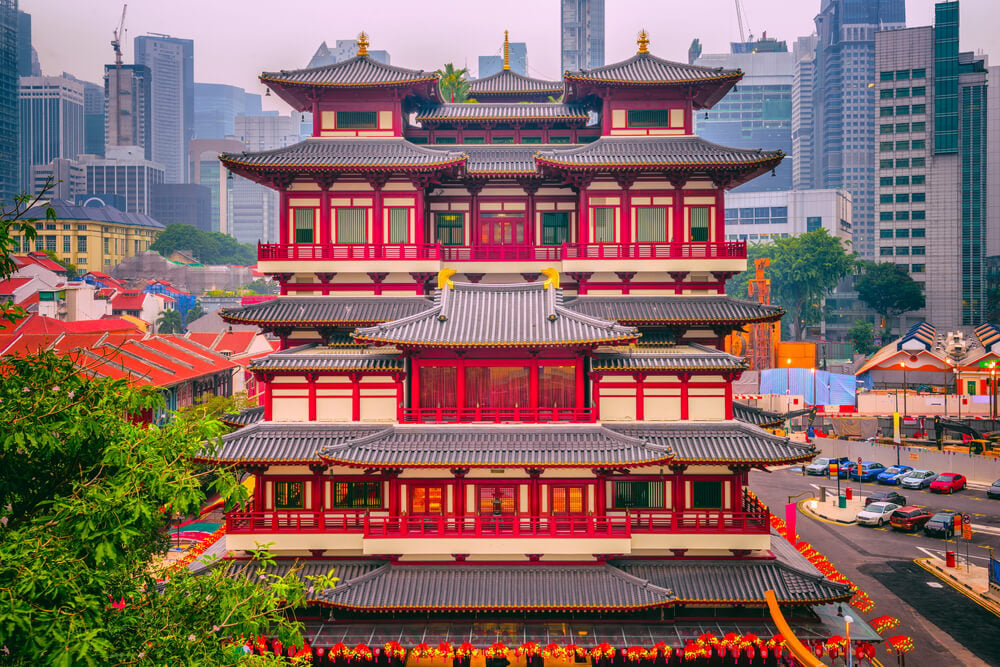
Taken together, these shops show that a Chinatown storefront was a community institution first and a business second. They sold groceries, medicine, and pastries, and they also supplied news, credit, language help, and a place to belong.
When the larger society closed other doors, the counter stayed open. The survivors are a reminder of how much was built under pressure.
A herbalist’s drawers, a laundry’s irons, and a bakery’s ovens carried families through discrimination and rebuilding alike. The sign over the door often named a business, but the real product was continuity.
More from Go2Tutors!

- 27 Silver Dollars and Half Dollars Worth Keeping
- 28 Restaurant Menu Items Nobody Orders Anymore
- 17 Places Built in Seemingly Impossible Spots
- 27 Vintage Rings Worth More Than They Look
- 25 Restricted Sites Tourists Can’t Enter
Like Go2Tutors’s content? Follow us on MSN.