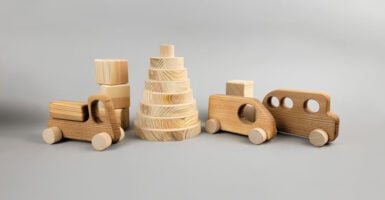
25 Vintage Educational Toys Beyond Alphabet Blocks
Long before apps promised to make children smarter, a cardboard box of wooden sticks or a tin of plastic rods was doing the job quietly. Many of the toys that taught geometry, engineering and logic to earlier generations were designed by teachers, tinkerers and architects who had strong opinions about how minds grow.
These are not the usual nostalgia picks. Some are famous, some are nearly forgotten, and a few were so effective that they changed the way classrooms operate. Anyone hunting for originals should remember that vintage sets are worth far more complete and in good condition than with missing parts or worn boxes.
Tinkertoy
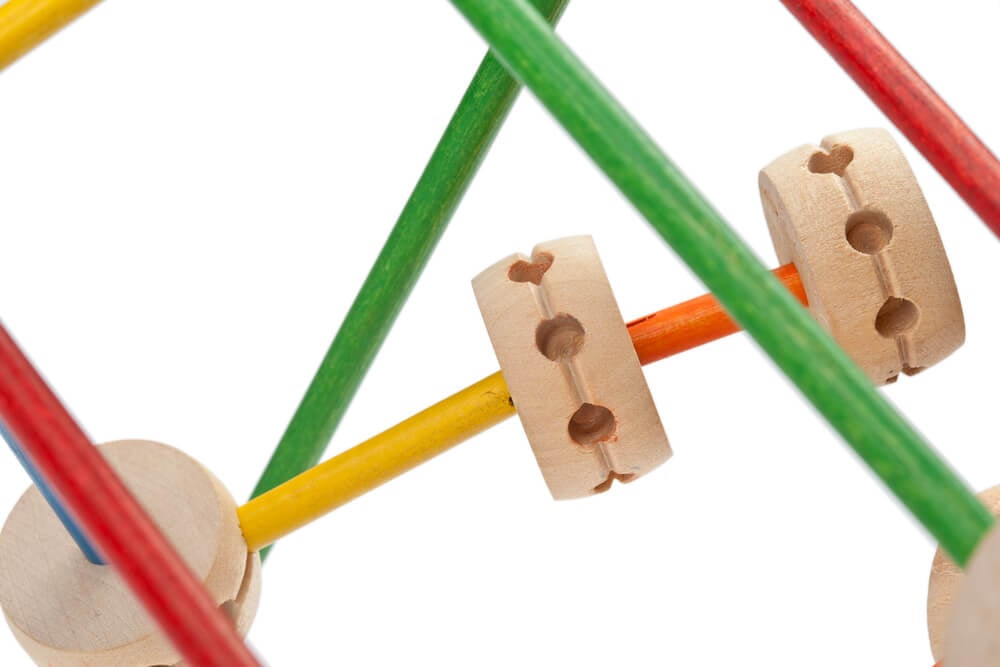
Charles Pajeau, a stonemason from Evanston, Illinois, introduced Tinkertoy in 1914, building the system around wooden spools with drilled openings and sticks that press-fit into them. The simplicity was the point, since a single spool could join several sticks at once and nothing came with instructions that limited the result. Decades later, Danny Hillis and fellow MIT students used thousands of Tinkertoy parts to build a mechanical computer that played tic-tac-toe. Complete vintage canisters sell for widely varying amounts, and condition of the original container affects value heavily.
Lincoln Logs

John Lloyd Wright, son of the architect Frank Lloyd Wright, introduced Lincoln Logs in 1916 after watching the interlocking timber construction used in his father’s Imperial Hotel in Tokyo. That hotel famously came through the 1923 Great Kanto earthquake, which gave the toy a surprisingly serious engineering pedigree. The name nods to Abraham Lincoln’s log cabin childhood, and Playskool bought the line in 1943. Original notched wooden sets in their cylindrical cardboard canisters are collectible, with prices depending heavily on condition and completeness.
Erector Set
A.C. Gilbert shared the gold medal in the pole vault at the 1908 London Olympics, earned a medical degree at Yale, and then introduced the Erector Set in 1913. The kit used perforated metal girders joined with tiny nuts and bolts, so builders had to tighten every connection themselves rather than simply press pieces together. Later sets added electric motors, which turned bridges and cranes into working machines. Mint boxed sets from the early decades command premium prices, while incomplete or rusted examples sell for far less.
Gilbert U-238 Atomic Energy Lab
In 1950 the A.C. Gilbert Company marketed a science kit that included a working Geiger counter, a cloud chamber, a spinthariscope and small samples of uranium ore. It was pitched at young would-be scientists during the optimism of the early atomic age. The kit stayed on shelves only briefly, and it is now remembered as one of the most extraordinary science toys ever sold to children. Surviving sets are treasured by collectors, and their value depends enormously on whether the contents and box are intact.
Spirograph
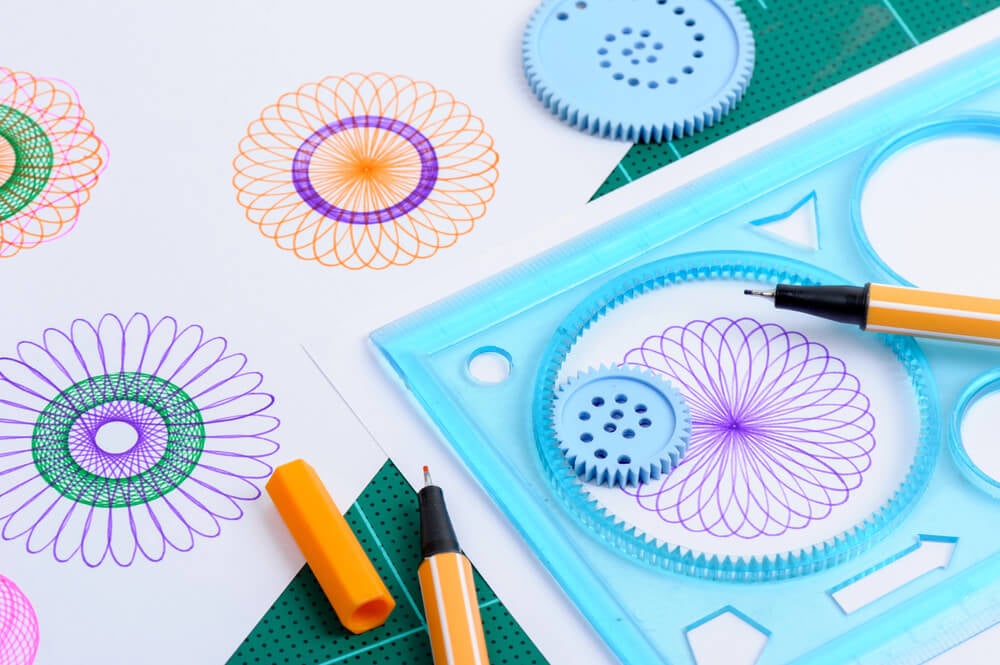
Denys Fisher, a British engineer, developed Spirograph and showed it at the Nuremberg International Toy Fair in 1965. Kenner brought it to American shelves in 1966. Plastic gears with pen openings roll around rings or tracks, producing the curves that mathematicians call hypotrochoids and epitrochoids, which makes the toy a quiet lesson in geometry. The Smithsonian holds an example in its collection, and vintage boxed sets vary in value according to the condition of the gears and the completeness of the pens.
Speak & Spell
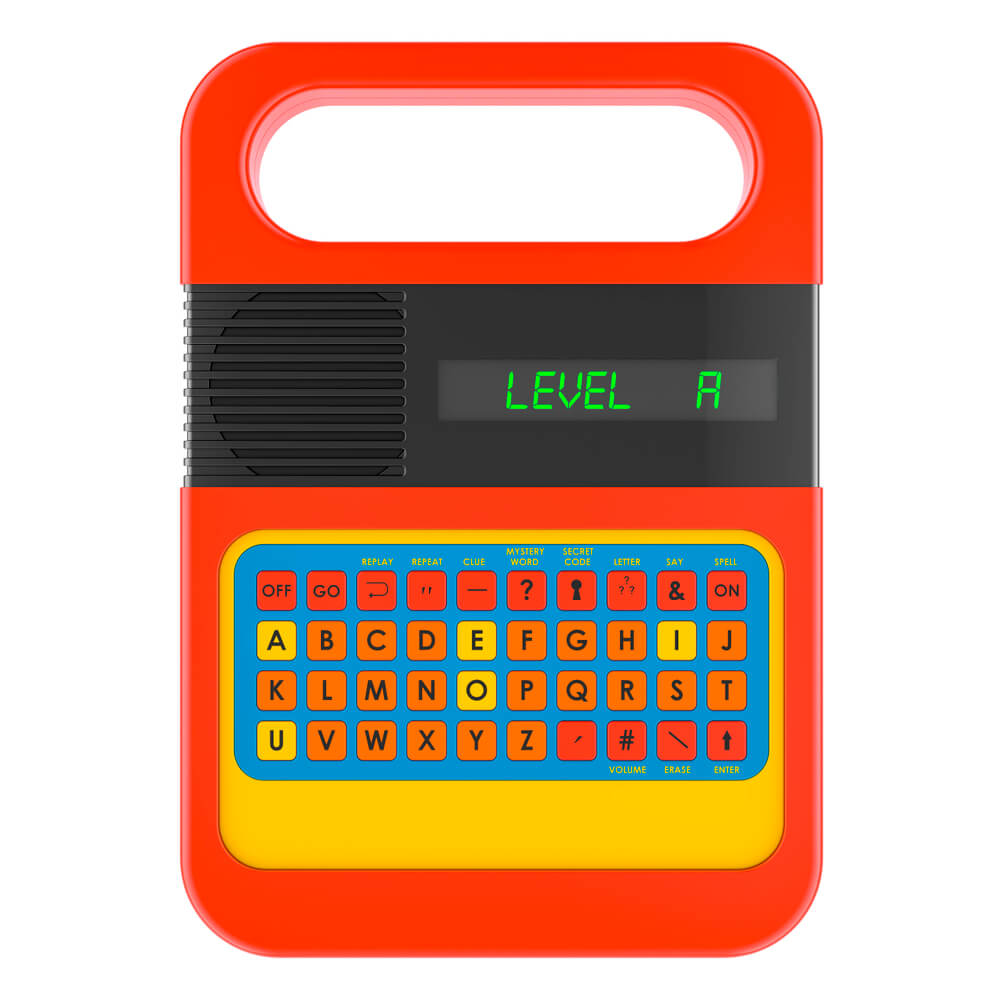
Texas Instruments unveiled Speak & Spell in 1978 as a handheld learning aid that pronounced words aloud and asked children to type the spelling. It was the first consumer product to use a single-chip speech synthesizer, an achievement recognized with an IEEE Milestone. Its robotic voice later became part of pop culture when the toy inspired the communicator in the 1982 film E.T. the Extra-Terrestrial. Working units in good cosmetic shape remain popular with collectors and electronic musicians alike.
View-Master
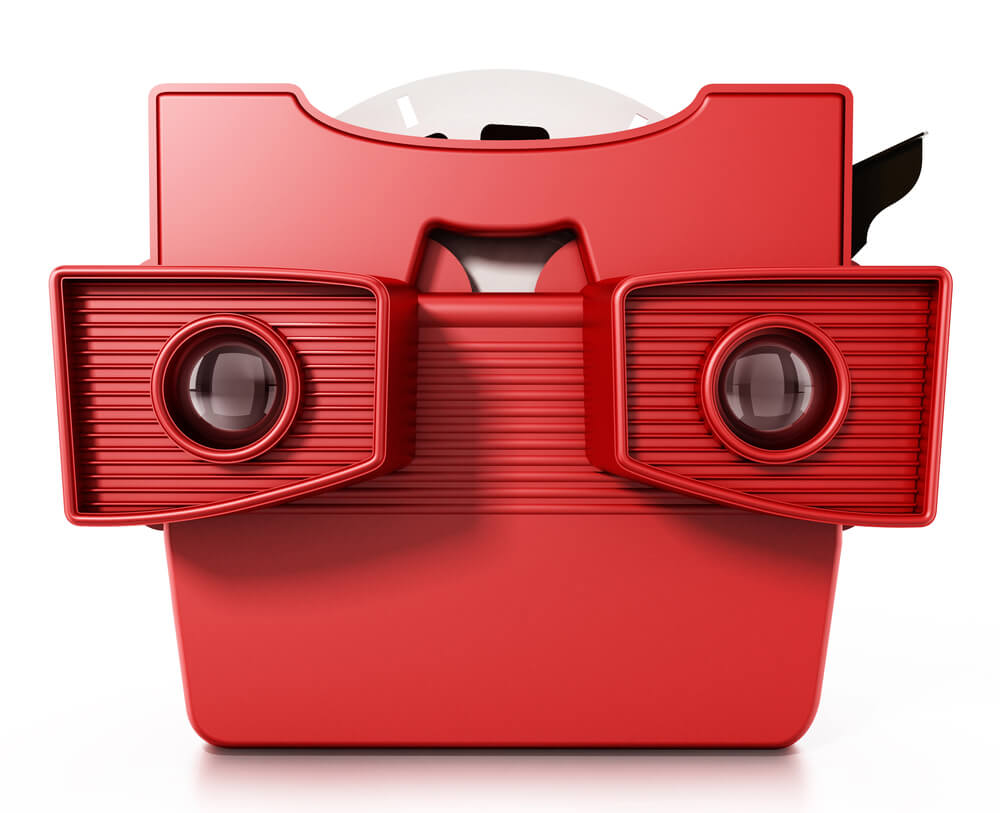
William Gruber, an Oregon maker of pianos and organs, teamed with Sawyer’s of Portland to present View-Master at the 1939 New York World’s Fair. Each cardboard disc held seven pairs of tiny color transparencies, which the viewer fused into three-dimensional scenes. During World War II, the American military ordered reels for training purposes. Vintage reel packets and early viewers are widely collected, and their prices depend on the condition of the envelopes and booklets.
Cuisenaire Rods

Georges Cuisenaire, a primary school teacher in Thuin, Belgium, cut wooden rods in ten colors and lengths running from one to ten centimeters so his pupils could see arithmetic rather than memorize it. The educator Caleb Gattegno championed the rods internationally, and they spread through classrooms across the world. Because the orange rod is exactly ten times the length of the white cube, a child can discover fractions and multiplication with their hands before meeting a single symbol. Original wooden sets are collectible, with value depending on how well the colors have survived.
Froebel Gifts
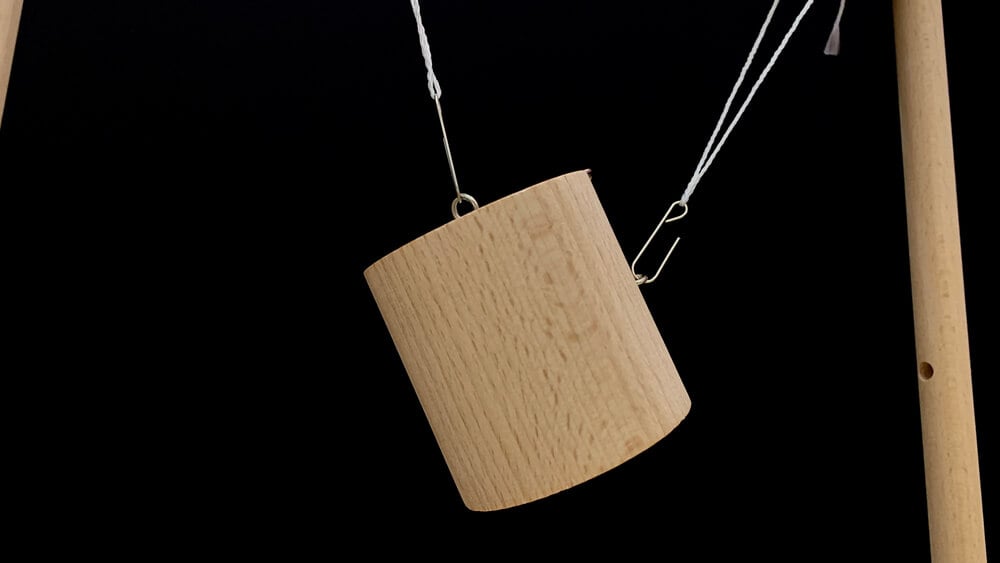
Friedrich Froebel, the German educator who opened the first kindergarten in 1837, designed a sequence of wooden shapes he called gifts for children to handle and arrange. The sets were intended to teach form, symmetry and relationship long before a child could read. Frank Lloyd Wright credited his boyhood experience with the maple blocks and paper-folding exercises as a foundation for his architecture. Complete antique sets in their original boxes are rare, and their prices depend on condition and which gifts survive.
Montessori Pink Tower
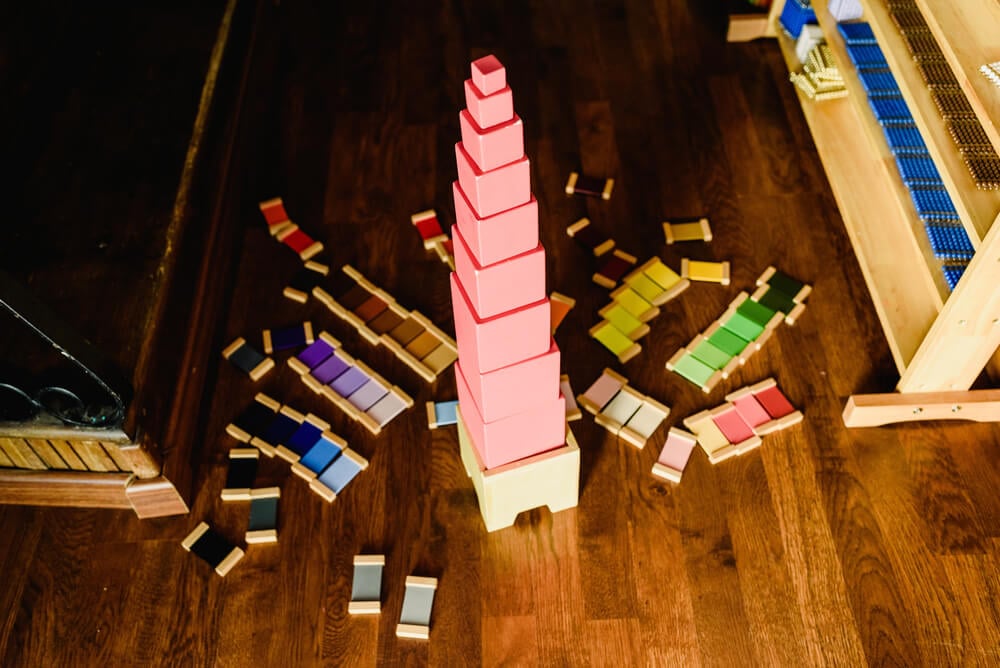
Maria Montessori developed her teaching materials for the Casa dei Bambini, which she opened in Rome in 1907, and the Pink Tower became one of the best known. It consists of ten pink wooden cubes whose edges grow from one to ten centimeters, so the largest cube has a thousand times the volume of the smallest. Painting every cube the same color removes distractions, forcing a child to focus on size alone. Vintage wooden examples are collectible, and their value depends heavily on the condition of the paint.
Meccano
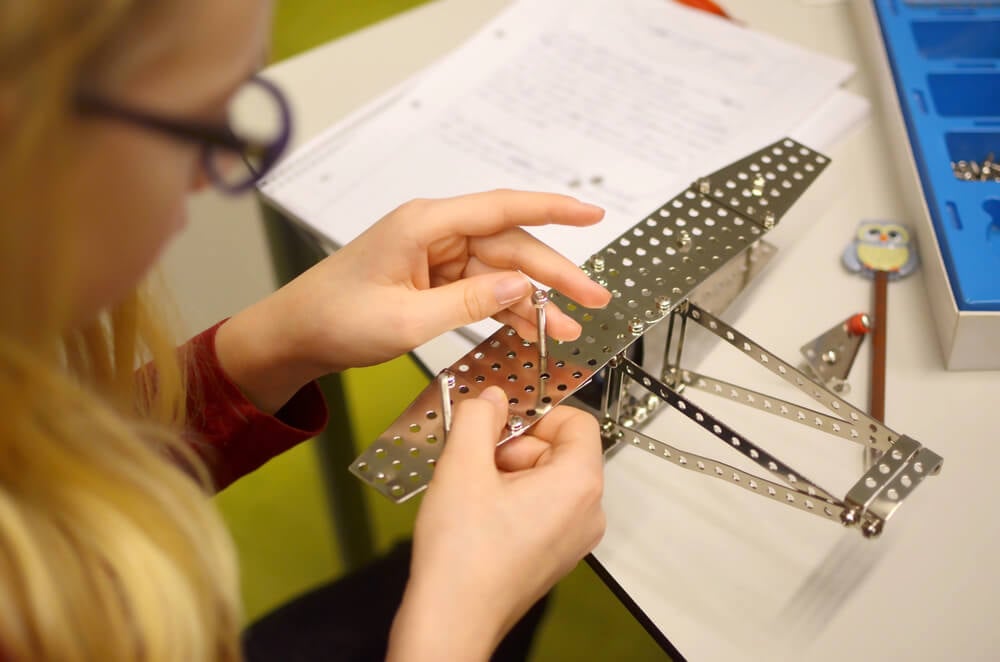
Frank Hornby, a Liverpool clerk, patented his construction set in 1901 under the name Mechanics Made Easy, which he replaced with Meccano in 1907. Strips and plates with evenly spaced perforations accepted tiny nuts and bolts, letting builders create cranes, clocks and working vehicles. Hornby later served as a Member of Parliament, proof that a toy can launch a public career. Early boxed sets with intact manuals are valued highly, but prices depend heavily on completeness and condition.
Anchor Stone Blocks
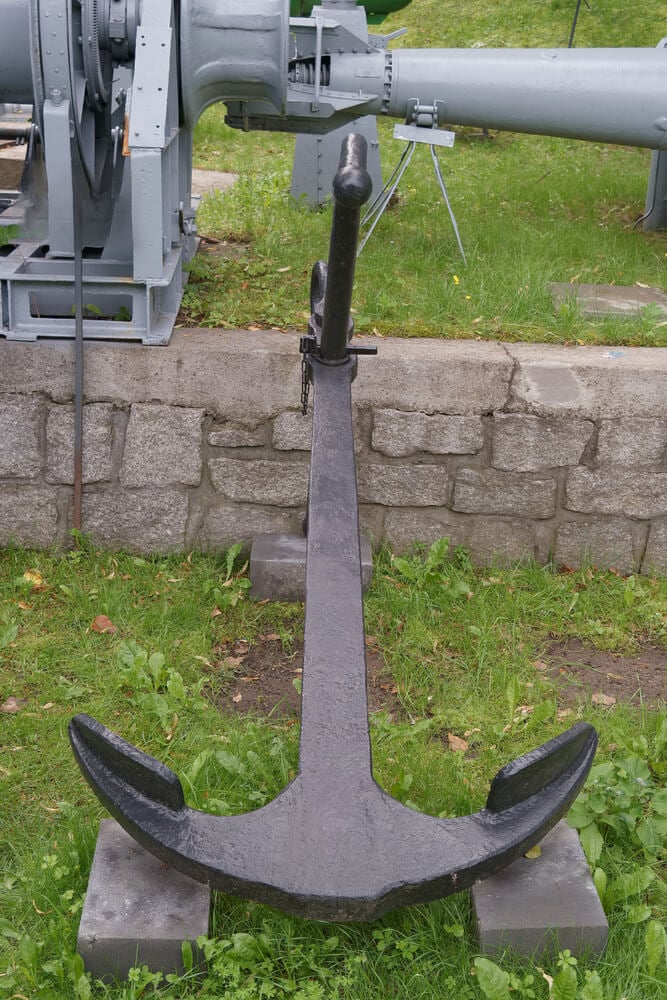
Friedrich Adolf Richter of Rudolstadt, Germany, produced Anchor Stone Blocks from a mixture of quartz sand, chalk and linseed oil, and the sets were sold in the late nineteenth century. The tiny sandstone-colored bricks in red, yellow and blue allowed for detailed castles, bridges and arches. Albert Einstein is among the famous figures said to have played with them as a boy. Old sets in their original wooden or cardboard cases are collectible, and value depends strongly on condition and the number of pieces.
Bayko
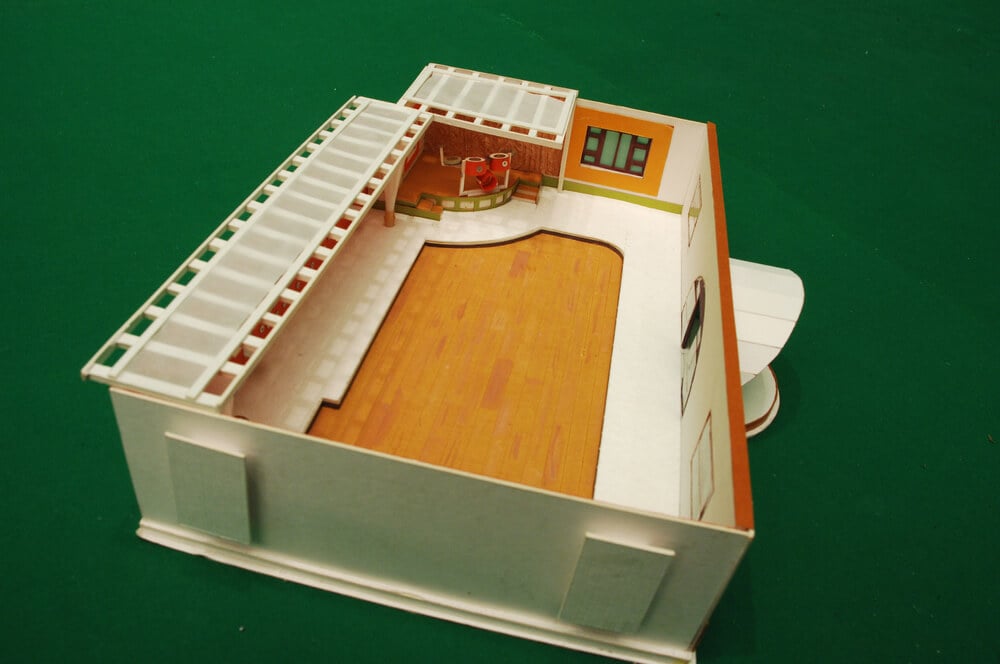
Charles Plimpton of Liverpool patented Bayko in 1934, building the system around Bakelite bricks threaded onto steel rods. Builders slid walls, windows and roof pieces into place to assemble miniature houses with a surprisingly realistic look. It was an architect’s toy in miniature, rewarding those who could plan a structure before building it. Vintage Bayko sets are sought by British toy collectors, with prices depending heavily on condition and which accessory packs remain.
Fischertechnik

Artur Fischer, a German inventor famous for his expanding wall plug and for holding more than a thousand patents, created Fischertechnik in the 1960s. The system began as a gift for the customers of his fastener company before becoming a retail product in 1965. Its gray and red blocks slide together with a tongue-and-groove connection, and later kits added motors, sensors and early robotics. Early sets in good condition can be valuable, though prices depend on completeness and wear.
Digi-Comp I
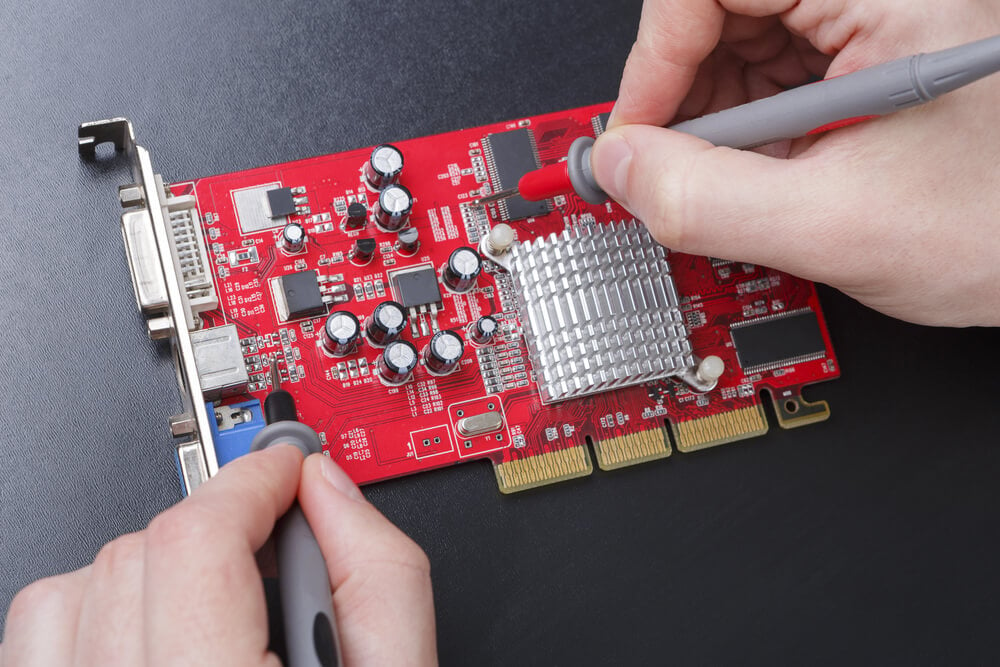
E.S.R. Inc. sold Digi-Comp I in 1963 as a plastic mechanical computer that teaches binary logic without a drop of electricity. Three flip-flops did the work, driven by sliding parts that a child moved by hand to carry out simple programs. The kit demonstrated, in a way no textbook could, that computing was a matter of logic and not magic. The Smithsonian has one in its collection, and surviving boxed sets are prized, with values depending on condition and missing pieces.
Dr. Nim
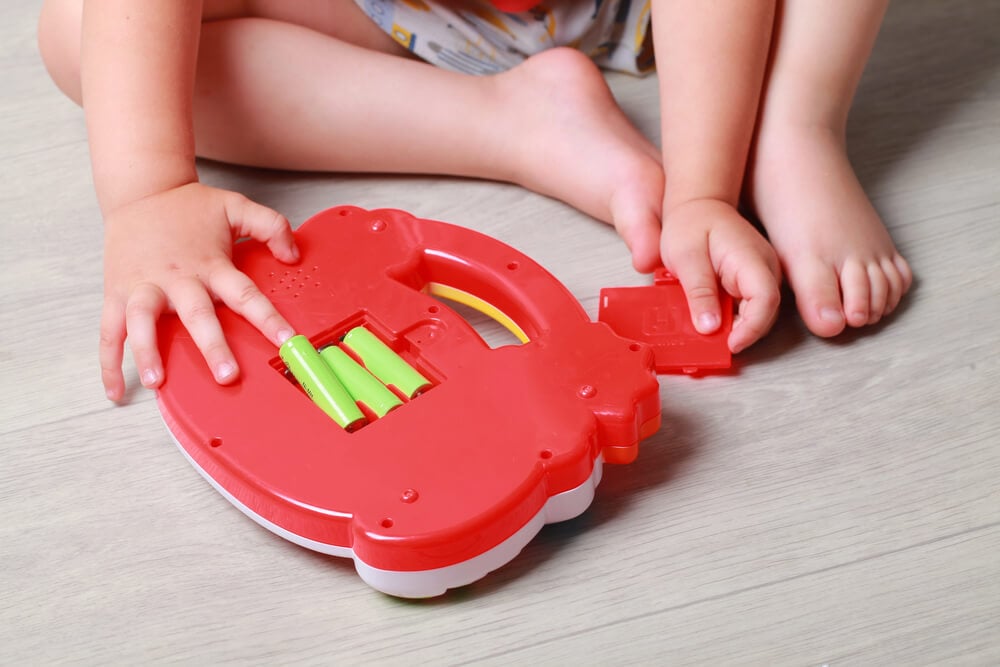
E.S.R. Inc. also produced Dr. Nim in the 1960s, a plastic computer that played the classic game of Nim using marbles and gravity. Players dropped marbles into the machine, and its internal mechanism responded with moves based on simple logic. Its inner workings could be understood by anyone patient enough to trace the paths of the marbles. Because the marbles and plastic parts are easily lost, complete sets are scarce, and value depends heavily on condition.
Little Professor
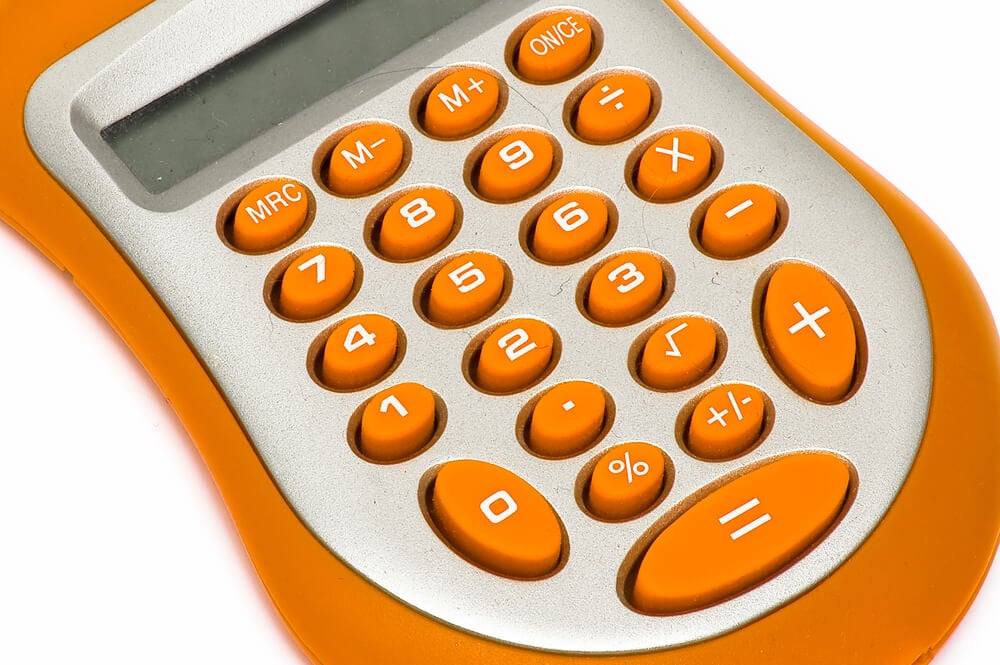
Texas Instruments introduced the Little Professor in 1976, a handheld arithmetic drill with an LED display that posed problems for a child to answer. It was an early example of a calculator-style chip being used to teach rather than to compute. The toy is a forerunner of the Speak & Spell and the company’s broader learning line. Vintage units with working displays and clean cases are in demand, and prices depend heavily on condition.
Mattel See ‘n Say

Mattel released the See ‘n Say in the mid-1960s, with a dial of pictures that a child pointed at before pulling a string. A tiny mechanical record player inside the toy played back the matching sound or phrase, and the best-known version announced what the farmer’s animals say. It taught animal names and sounds with no battery at all. Original examples are collectible, and value depends on whether the string pull still works and how worn the graphics are.
Colorforms

Harry and Patricia Kislevitz introduced Colorforms in 1951, offering vinyl shapes that cling to a laminated board without any adhesive. Children arranged the pieces to build faces, rooms and entire scenes, and could rearrange them endlessly. Patricia Kislevitz has been nominated for the National Toy Hall of Fame, a nod to the toy’s creative reach. Vintage sets with licensed characters can be valuable, but price depends heavily on condition, including the vinyl pieces and the original board.
Uncle Milton Ant Farm

Milton Levine launched the Ant Farm in 1956, sealing a layer of sand between two sheets of clear plastic so children could watch tunnels appear in real time. The ants were sent separately to the buyer by mail after a coupon was returned. Levine, who lived to age 97, became known as Uncle Milton, and the product introduced generations to animal behavior. Vintage unused farms are rare, and their value depends heavily on the condition of the package.
WFF ‘N PROOF

Layman Allen, a legal scholar who taught at Yale before moving to the University of Michigan, introduced WFF ‘N PROOF in 1962. The game uses dice marked with logical symbols to teach reasoning, and its name stands for well-formed formula. Players combine letters and connectives to construct statements, then try to prove them under tournament-style rules. Complete early sets are collectible, and value depends on the condition of the dice and original box.
Soma Cube

Danish poet and mathematician Piet Hein dreamed up the Soma cube in 1933 while listening to a lecture by physicist Werner Heisenberg. It consists of seven irregular pieces, six built from four small cubes and one from three, that can form a three-by-three cube in 240 distinct ways. Hein’s puzzle trained spatial reasoning at a time when the term was barely used. Original wooden sets are collectible, and their value depends heavily on the condition of the pieces.
Snap Circuits
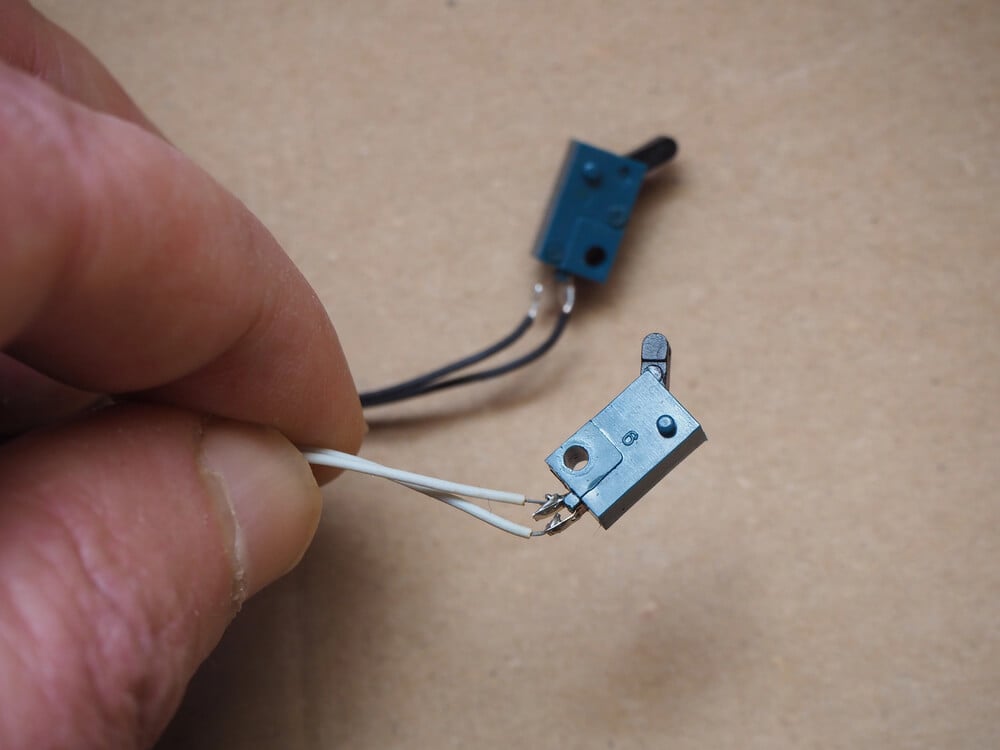
Elenco Electronics introduced Snap Circuits in 1977, replacing soldering and wire with numbered components that press together on a plastic grid. A child could build a working radio, alarm or light display by following a diagram, and the parts could be reused indefinitely. The system lowered the barrier to electronics so far that many classrooms and homes still use it. Vintage sets with all components and manuals intact are prized, but value depends heavily on condition.
Rubik’s Cube

Erno Rubik, a Hungarian professor of architecture in Budapest, built his first cube in 1974 as a teaching aid to help students understand three-dimensional movement. He called it the Magic Cube, and the Ideal Toy Corporation renamed it Rubik’s Cube for the international market in 1980. It can be arranged in more than 43 quintillion ways, yet only one of them is solved. Early boxed originals can be valuable, but price depends on condition and authenticity.
Geoboard

The geoboard is a square board studded with pegs, around which a child stretches rubber bands to form triangles, rectangles and more elaborate shapes. Caleb Gattegno, the educator who helped spread Cuisenaire rods, is credited with popularizing it as a classroom tool in the 1950s. Children can explore area, perimeter and symmetry by simply moving a band from one peg to another. Vintage wooden geoboards turn up at school sales, and their value depends on condition.
What Stayed in the Toy Box

Looking across these toys, a pattern emerges: the ones that lasted rarely told children what to think. They offered rods, gears, bricks, marbles and pegs, then stepped aside so a child could discover the rules of arithmetic, logic and structure by handling them. Even the electronic arrivals, from the Little Professor to Speak & Spell, were built to get a child answering and trying again.
That approach explains why so many of the people behind these toys were teachers, architects, engineers and mathematicians rather than marketers. The best of them understood that a rewarding toy asks a question and leaves the answer open. Those lessons still hold, which is why a dusty box of rods or spools can teach as much now as it did decades ago.
More from Go2Tutors!

- 27 Silver Dollars and Half Dollars Worth Keeping
- 28 Restaurant Menu Items Nobody Orders Anymore
- 17 Places Built in Seemingly Impossible Spots
- 27 Vintage Rings Worth More Than They Look
- 25 Restricted Sites Tourists Can’t Enter
Like Go2Tutors’s content? Follow us on MSN.