29 Vintage Jewelry Designs Inspired by Flowers
A cut flower lasts about a week. A brooch shaped like one can last a century, which has been the point ever since the Victorians began attaching meanings to blossoms. Jewelers have tried to improve on petals with enamel, glass, plastic, and gold, with results that range from sweet to astonishing.
Victorian Forget-Me-Not Brooches
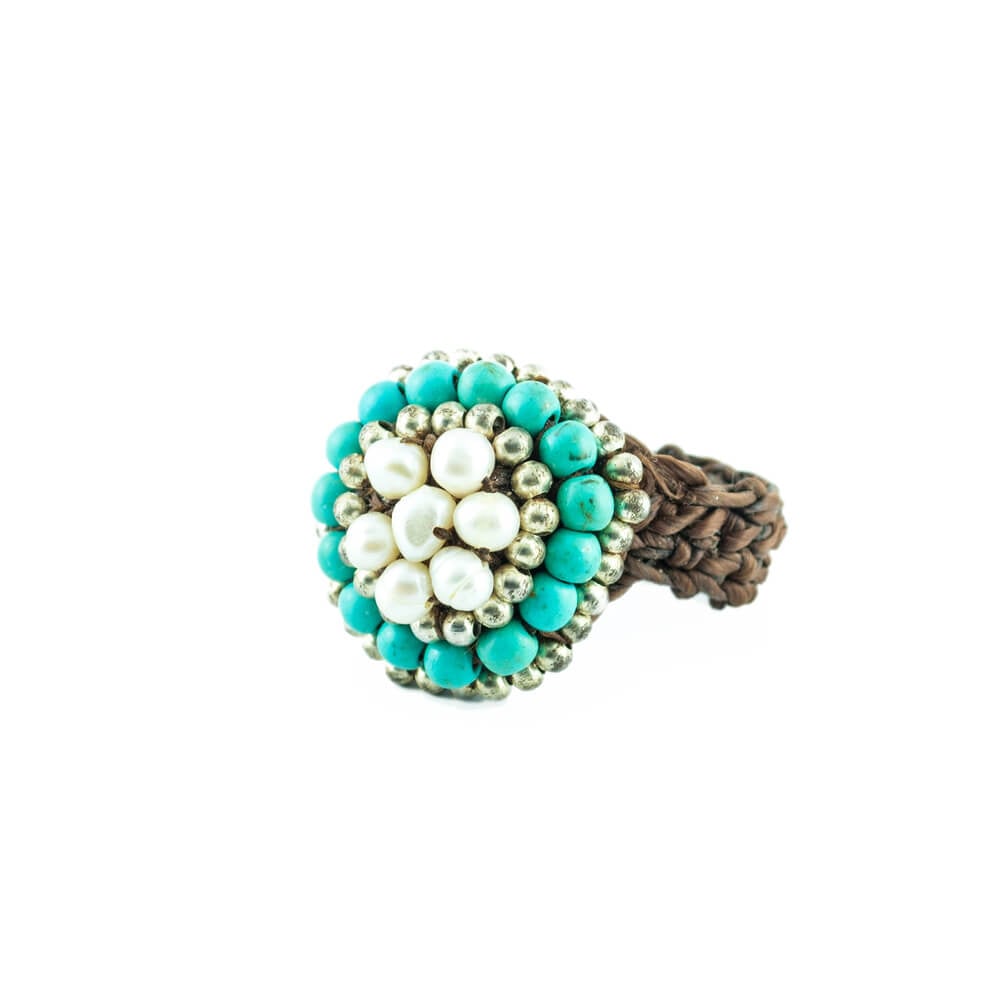
Small turquoise or enamel petals around a tiny center made the forget-me-not a favorite sentimental motif in the nineteenth century, when floral symbolism worked as a social language. A brooch could carry a message of remembrance without a word being spoken. Intact stones and original pin work keep prices up, while missing petals and replaced catches pull them down.
Pansy Brooches
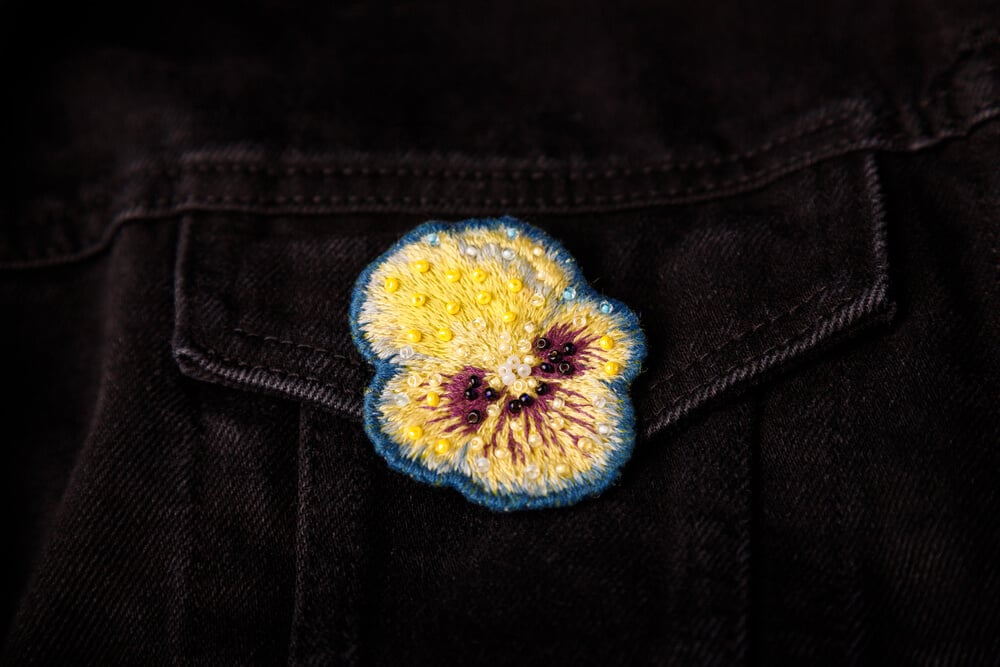
The pansy takes its name from the French pensée, meaning thought, which made it an obvious gift for someone far away. Jewelers produced pansies in enamel, gemstones, and paste, often in purple and yellow. Value depends heavily on condition, since chipped enamel is difficult and costly to repair.
Lily of the Valley Sprigs
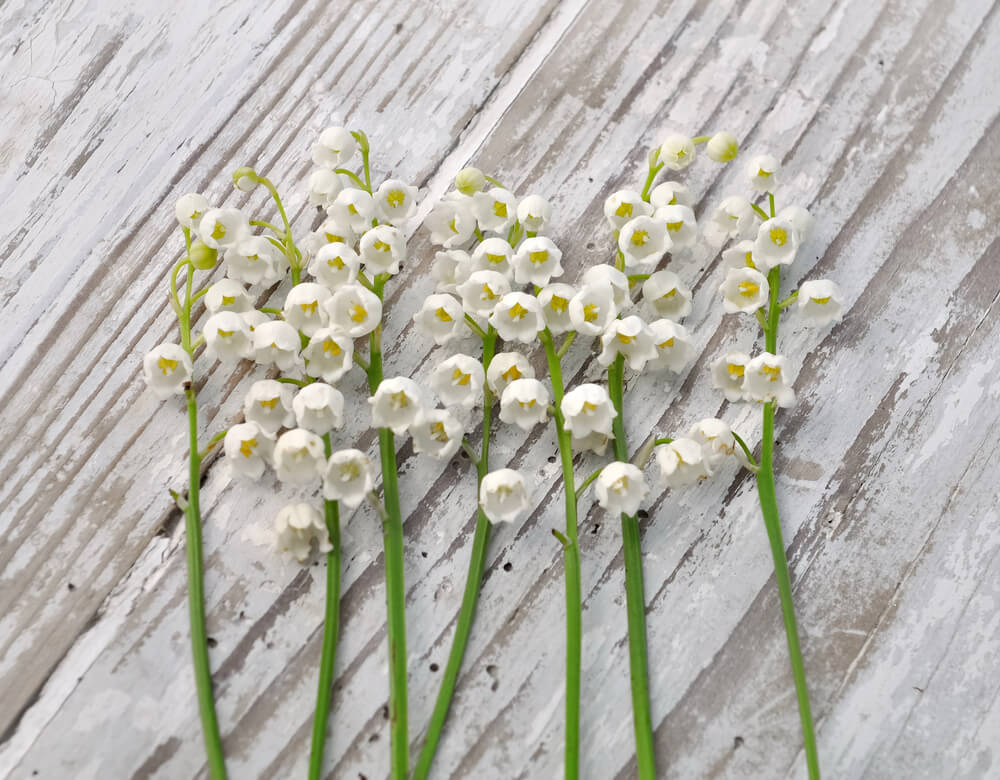
These brooches copy a plant with a row of tiny bell-shaped blossoms, usually rendered in pearls or white paste along a curved stem. The sprig shape suits a lapel or collar and was widely made in costume jewelry. Pearl coating that has flaked or yellowed lowers the price, so unworn examples sell better.
Violet Bouquet Pins
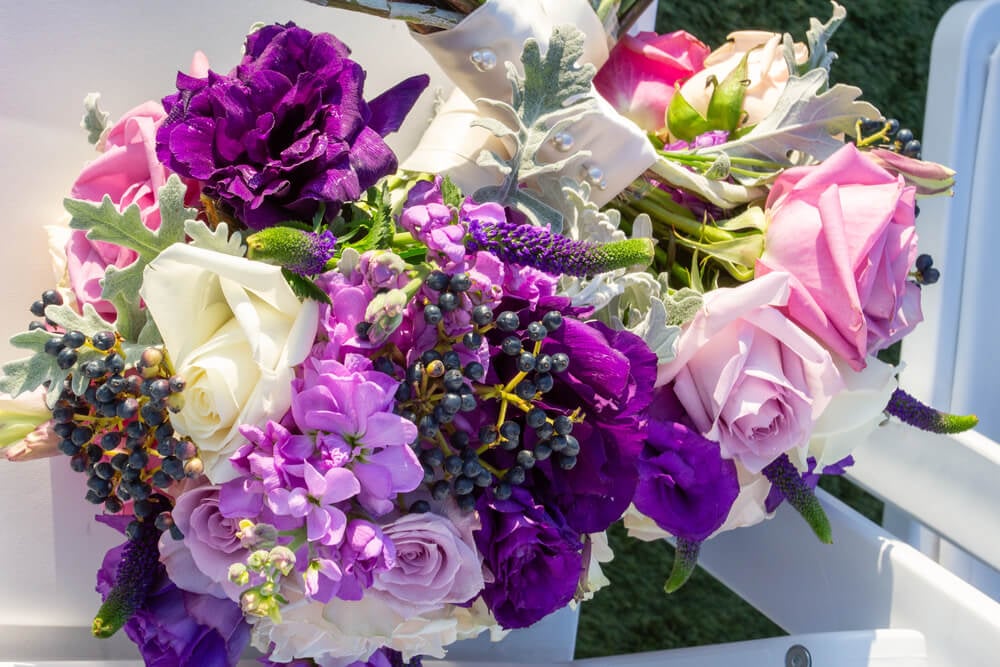
Small bunches of violets in enamel or purple stones echoed the real posies people pinned to coats. They were typically worn at a neckline or on a hat. Collectors look for intact enamel and a secure clasp, since a loose pin back is the most common flaw.
Art Nouveau Orchid Pendants
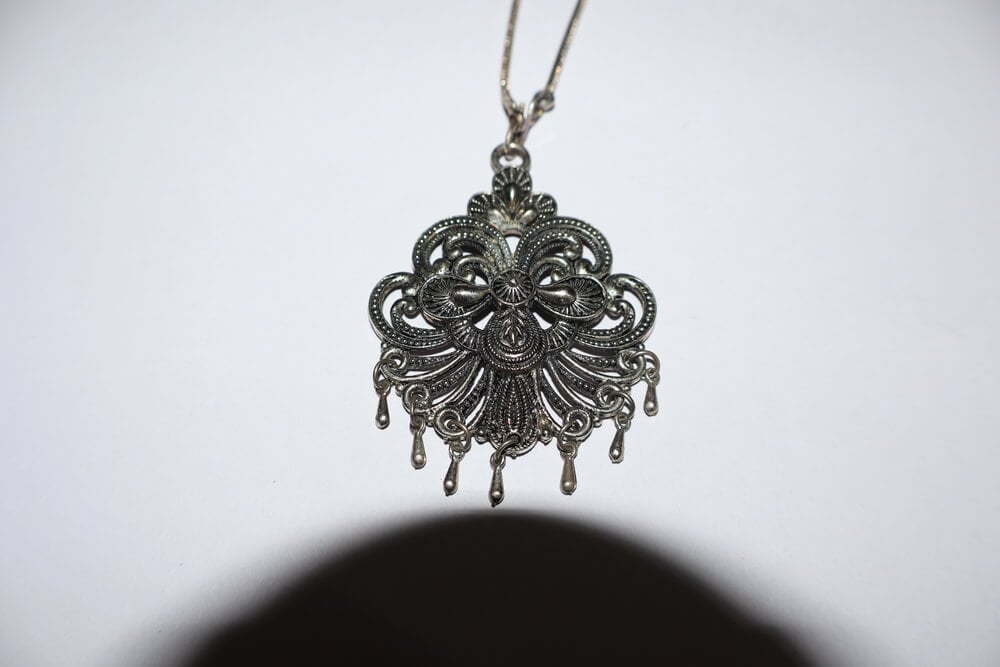
Jewelers of the Art Nouveau period around 1900 favored the curving, slightly strange look of orchids, and designers such as René Lalique worked flowers into glass, enamel, and gold. The movement treated plants as structure, not just decoration. Enamel cracks, replaced stones, and later repairs matter greatly to price.
Plique-à-Jour Blossoms
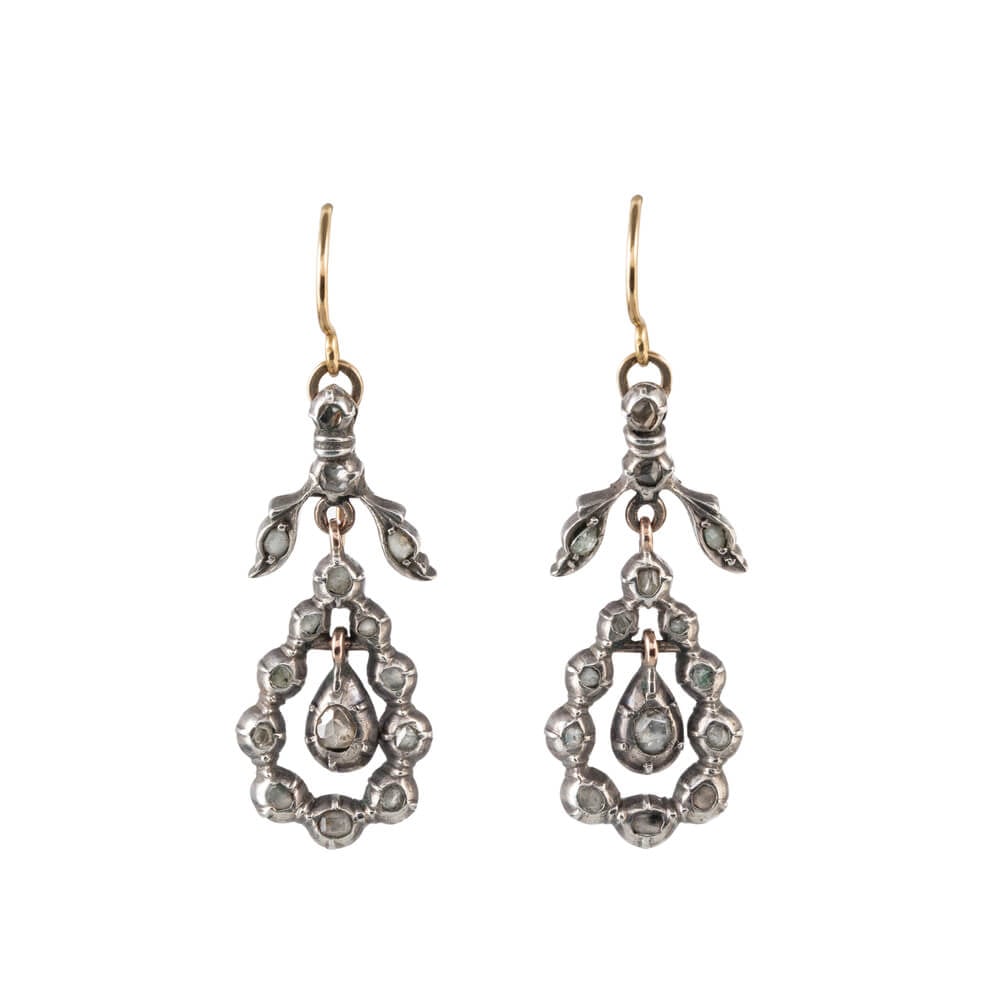
Plique-à-jour enamel is applied without a solid backing so light passes through it like stained glass, and jewelers used it for petals and wings around the turn of the twentieth century. The technique is delicate, which makes surviving flower pieces uncommon. Even a small crack in a petal can change the price dramatically.
Egyptian Revival Lotus Jewelry
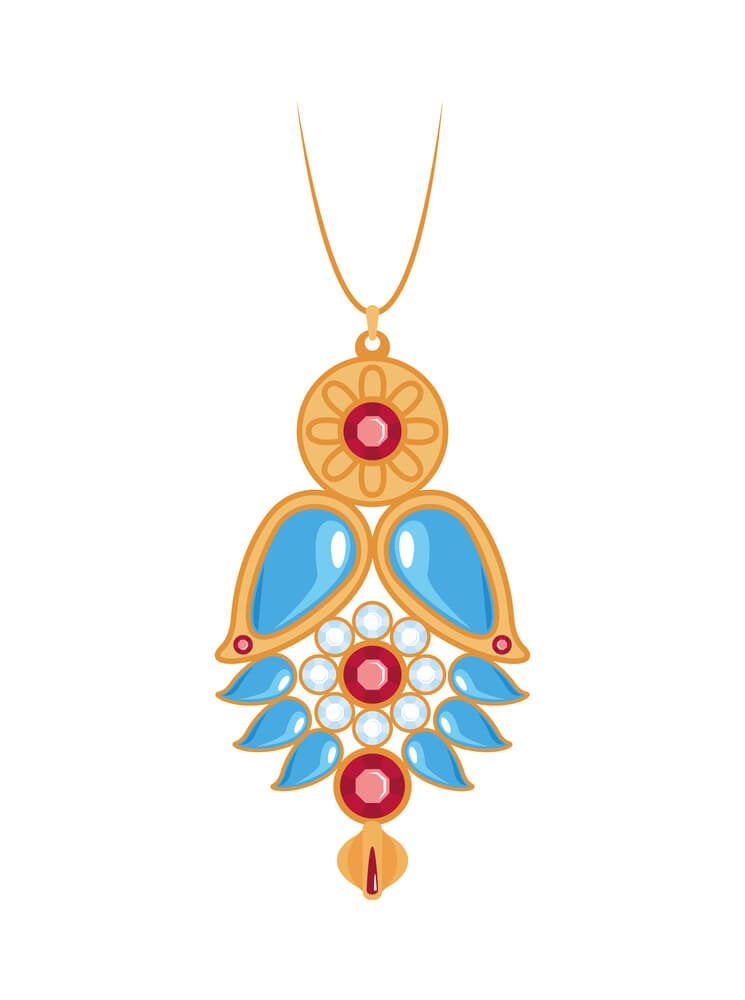
After the discovery of Tutankhamun’s tomb in 1922, lotus motifs from ancient Egypt flowed into jewelry of the 1920s in gold, enamel, and colored glass. The lotus symbolized rebirth, which gave the style a ready-made story. Pieces with original enamel and glass inlays tend to be valued above those with chips and replaced parts.
Carved Bakelite Flower Bangles
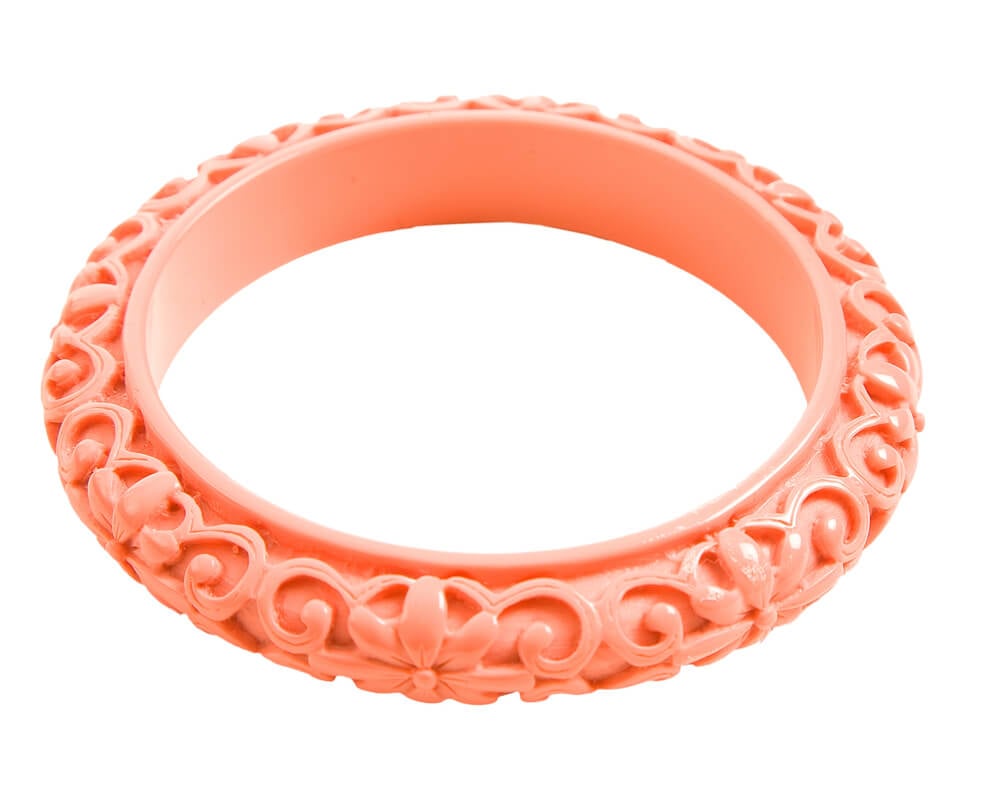
Bakelite, an early plastic, was carved into deep floral patterns on bangles and clips during the 1930s, and the best pieces have sharp, undercut petals. Collectors often test for it by warming the surface and sniffing for a chemical odor. Cracks and heavy surface wear lower the price, while deep carving and strong color raise it.
Celluloid Flower Hair Combs
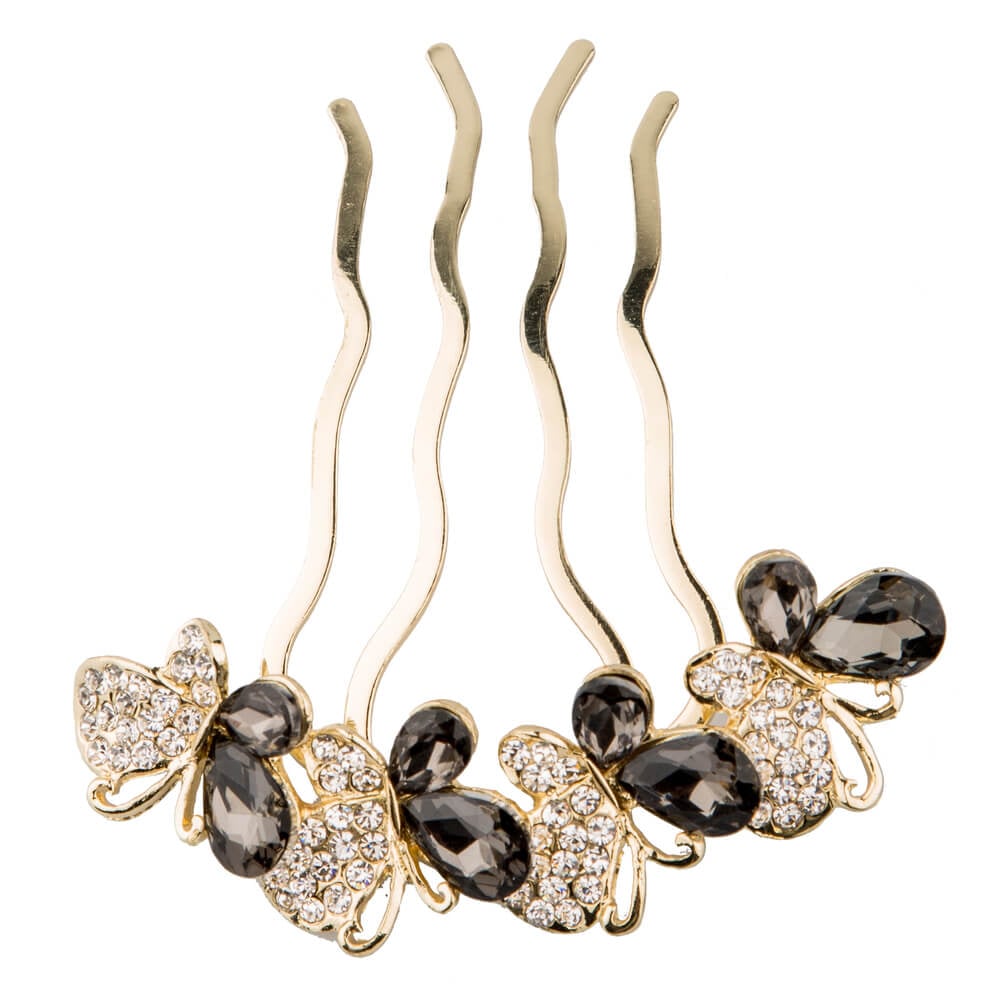
Celluloid combs decorated with rhinestone flowers imitated tortoiseshell and horn at a fraction of the cost. The material is highly flammable, which is one reason surviving examples are stored with care. Missing teeth and cracked backs weigh heavily on value.
Trifari Flower Brooches
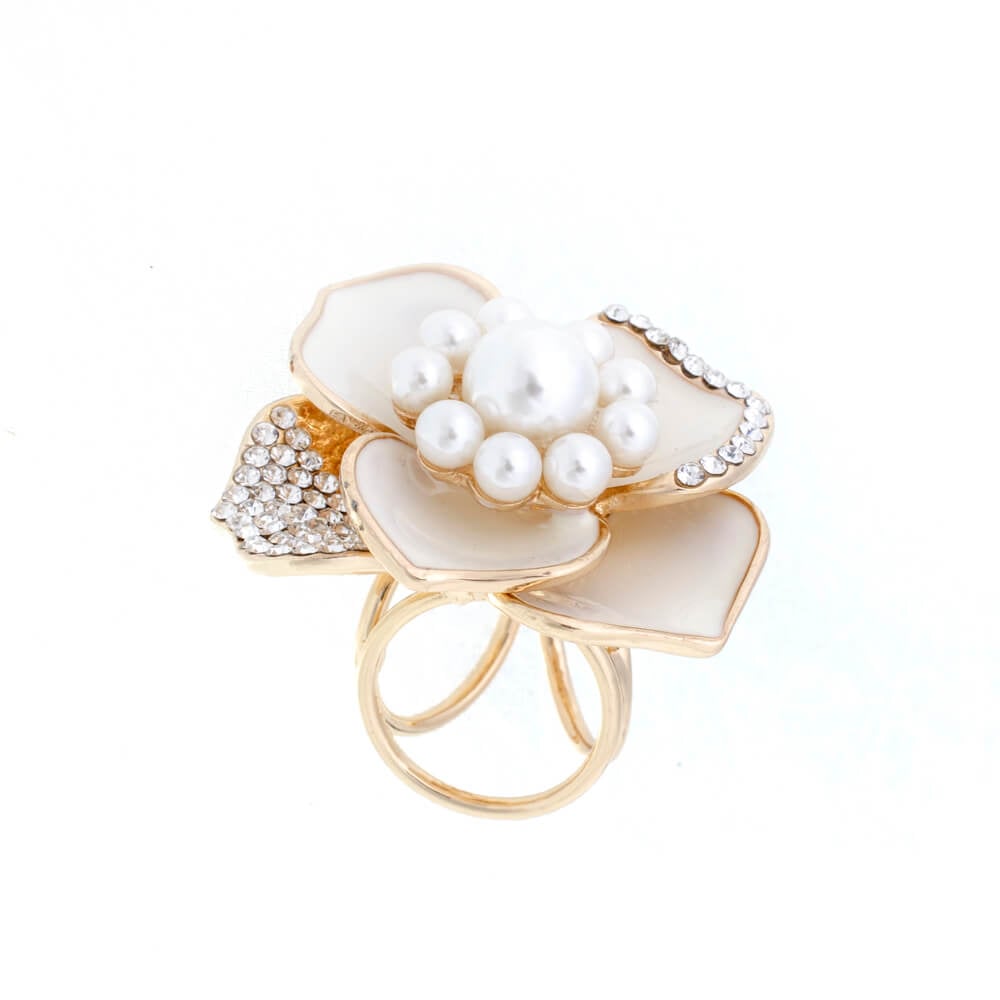
Trifari, a New York costume-jewelry house, put a crown-shaped mark on rhinestone and enamel flowers that rival fine jewelry in design. The crown helps collectors identify genuine pieces and separate them from imitators. Missing stones and worn-off plating reduce value.
Eisenberg Rhinestone Flowers
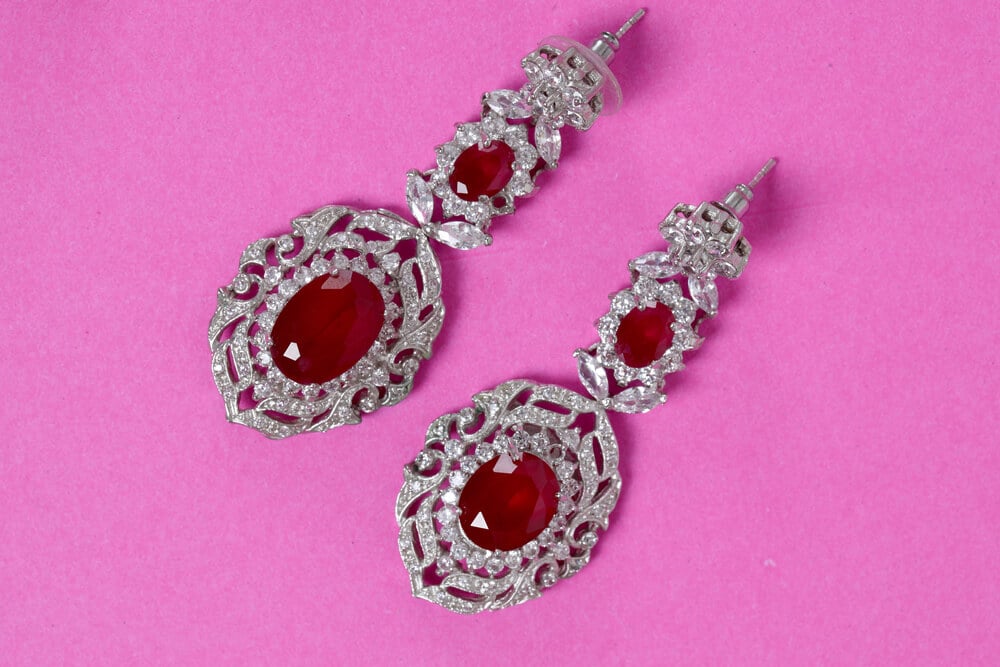
Eisenberg, a Chicago maker, is known for large, glittering clear-stone brooches, many shaped like flowers and some marked with a script signature. The sheer size of the pieces makes them hard to overlook on a coat. Replaced stones that do not match the original cut are a common reason for lower prices.
Coro Duette Floral Clips
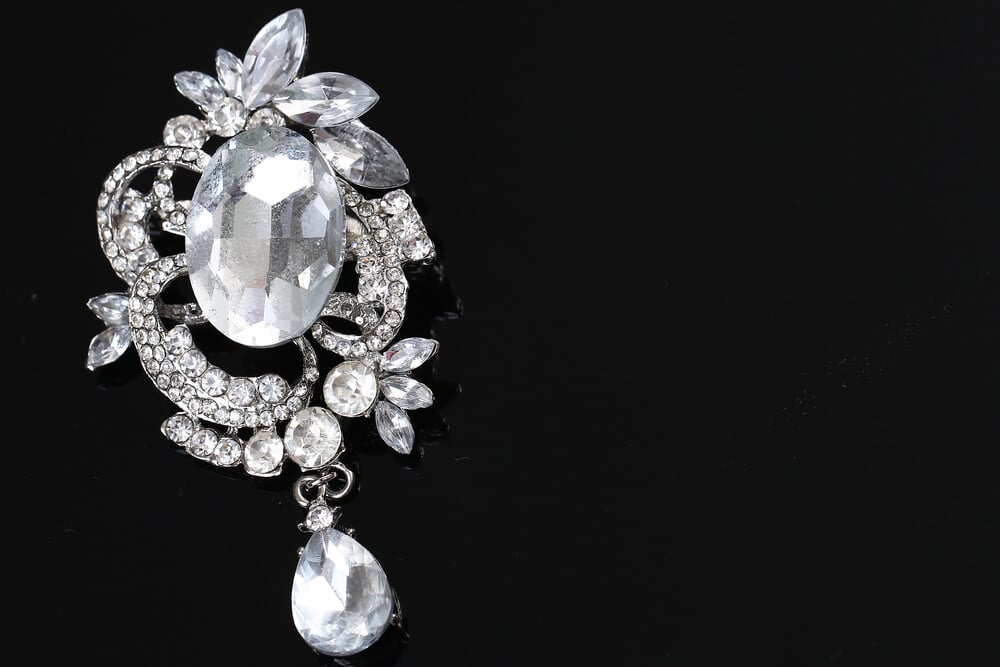
The Coro Duette was a two-clip design that could be worn as a pair or joined into a single brooch, and many were shaped like flowers. The clever hinge made one purchase feel like two pieces of jewelry. A complete matching pair with working clips is the key to value.
Retro-Era Gold Flower Brooches
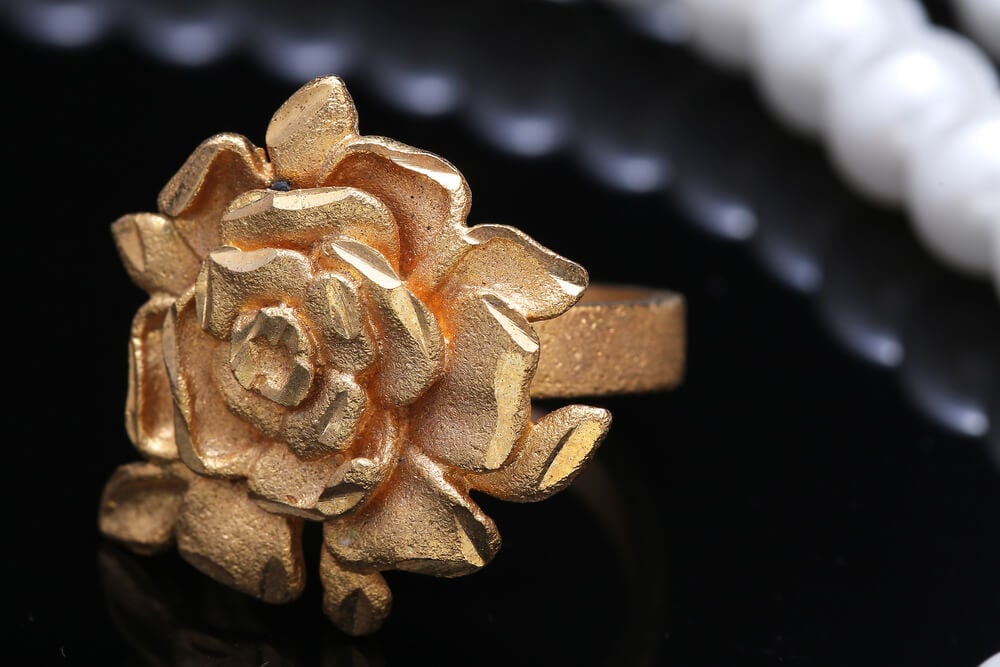
Wartime restrictions pushed American jewelers away from platinum in the early 1940s, and chunky rose-gold and yellow-gold flowers set with small stones became the look of the Retro era. Their bold, rounded shapes were a direct response to the materials available. Intact stones and original solder work are important to price.
Lucite Flower Rings
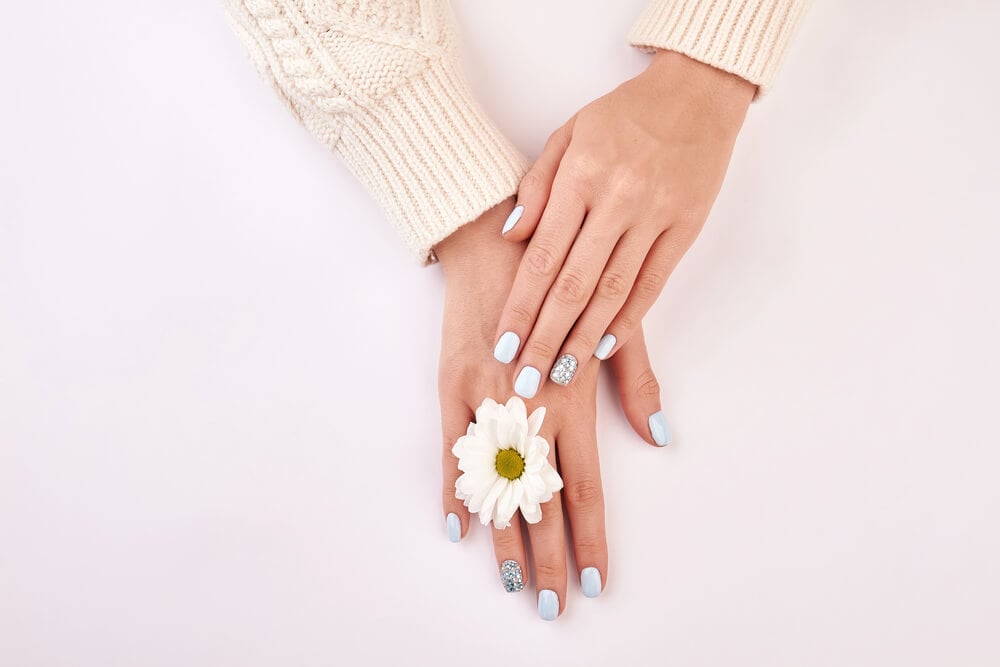
Lucite, a clear acrylic plastic, was molded into glassy blossoms in the mid-twentieth century, sometimes with glitter or real petals sealed inside. The rings were light enough to wear as large statement pieces. Cracks and cloudy surfaces cut value, so clear, unscratched examples are the ones that sell.
Aurora Borealis Crystal Flower Pins
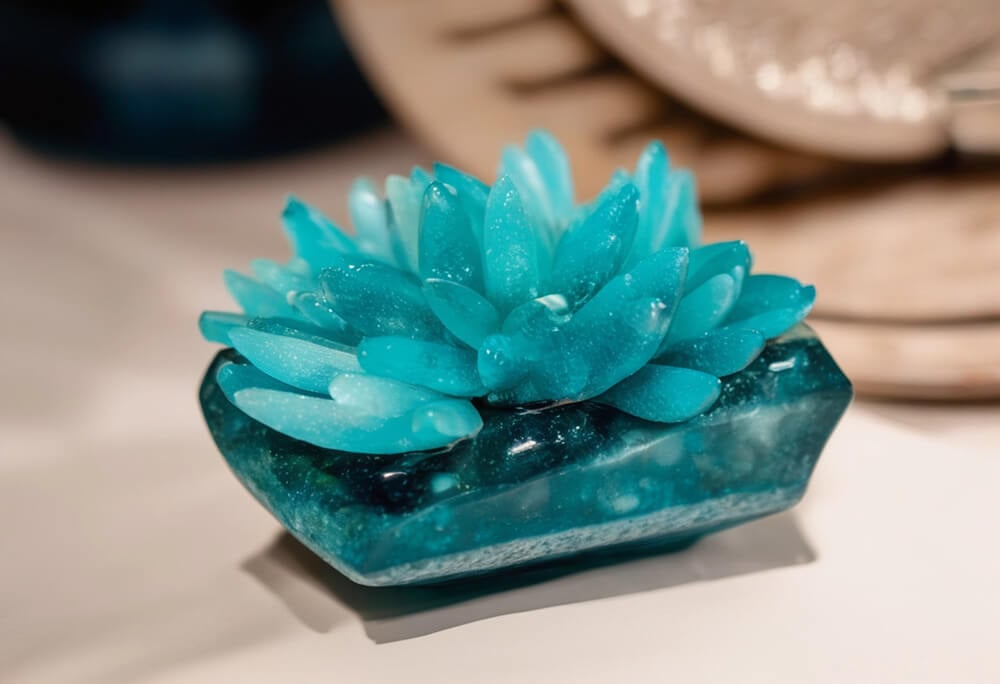
Aurora Borealis crystal carries a rainbow sheen from a surface coating, and flower pins using it throw back shifting colors under light. The effect looks different from every angle. Coating wear on even a single stone is visible and lowers the price.
Czech Glass Flower Necklaces
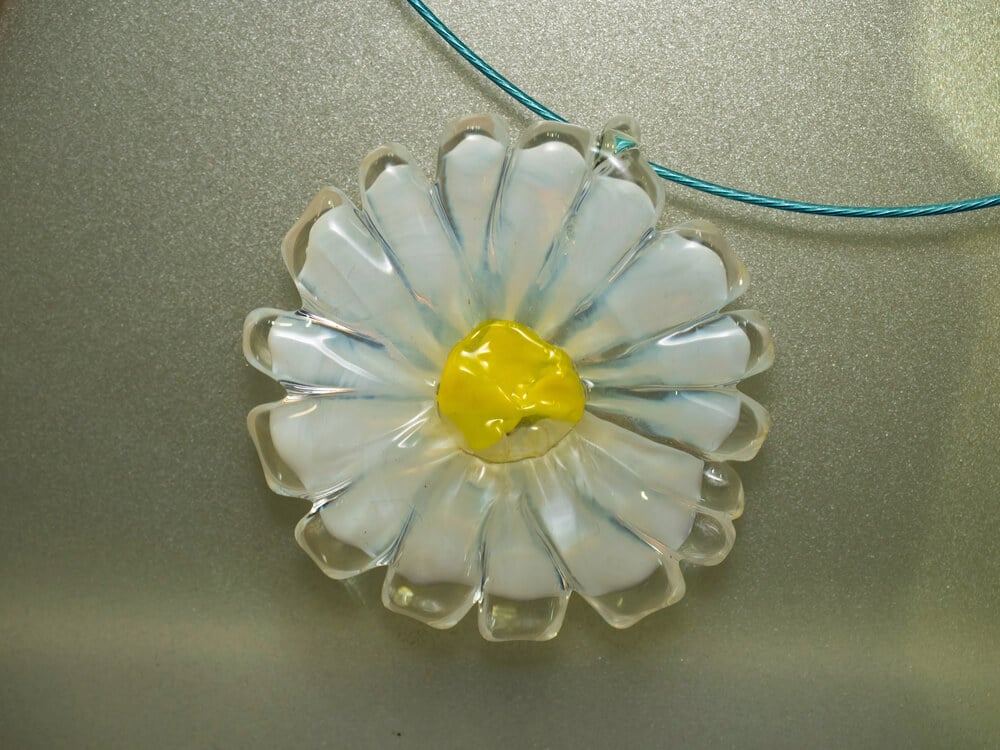
Czechoslovakia exported molded glass flowers and beads, and an item marked with that name can be dated to between the country’s founding in 1918 and its dissolution at the end of 1992. The flowers were often strung on wire in garland patterns. Intact wire links and unchipped petals are what buyers check first.
Murano Glass Flower Beads
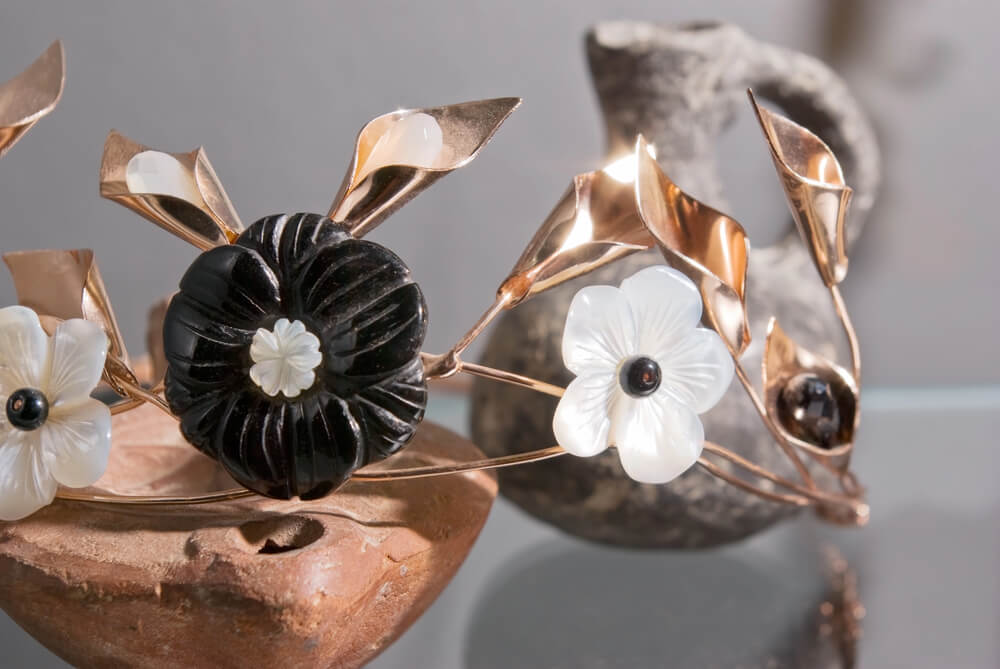
Murano, an island in the Venetian lagoon, has been a center of glassmaking for centuries, and its glass flower beads and pendants show that tradition scaled down to jewelry. The petals can include swirls of color trapped inside the glass. Chips along the edges and replaced clasps affect price.
Remembrance Poppy Pins
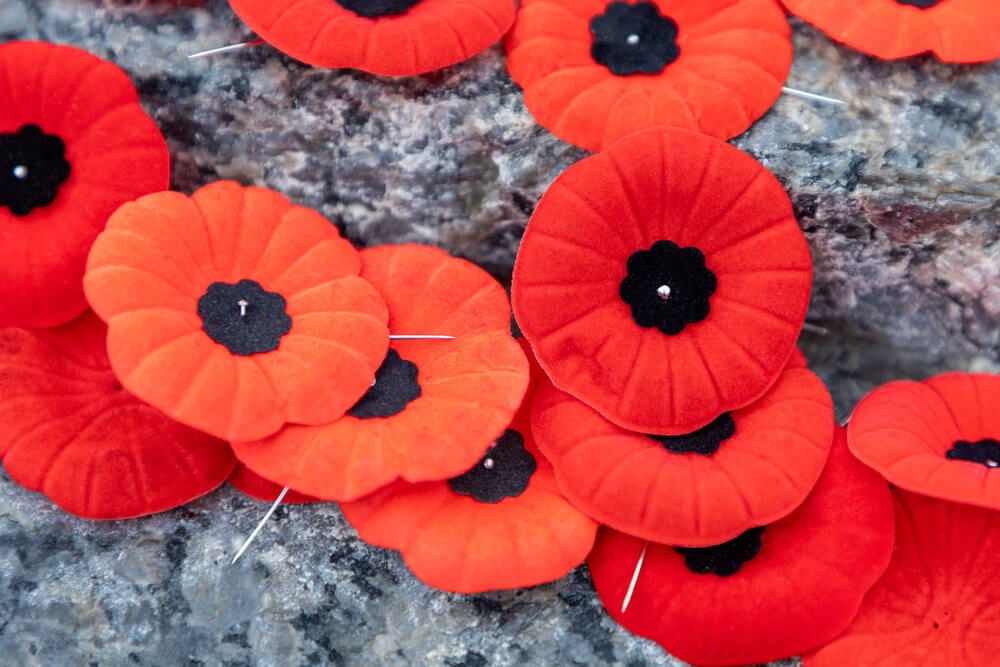
Enamel and fabric poppies came into use after the First World War as symbols of remembrance, and jewelry versions carried the tradition forward in metal and glass. Red petals with a dark center made the design instantly recognizable. Original paint and a firm clasp matter most when determining value.
Edelweiss Brooches
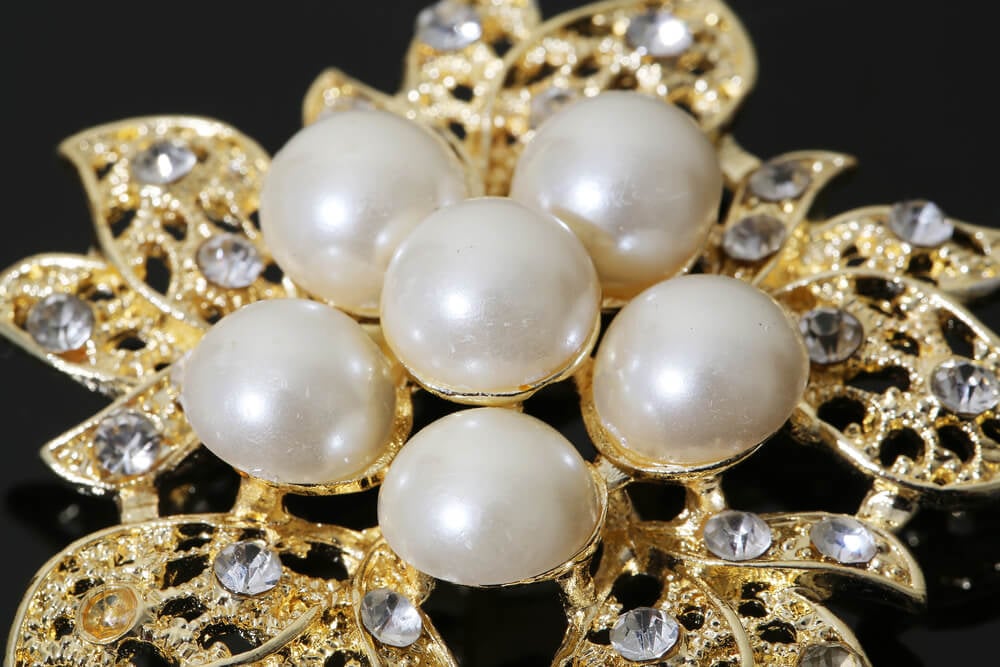
Edelweiss, a white alpine flower, became a popular souvenir motif for travelers to the Alps, worked in silver and enamel. The fuzzy star-shaped petals translate well into metalwork. Hallmarks and sharp detailing separate quality pieces from souvenir-shop pieces, and condition counts in both cases.
Navajo Squash Blossom Necklaces
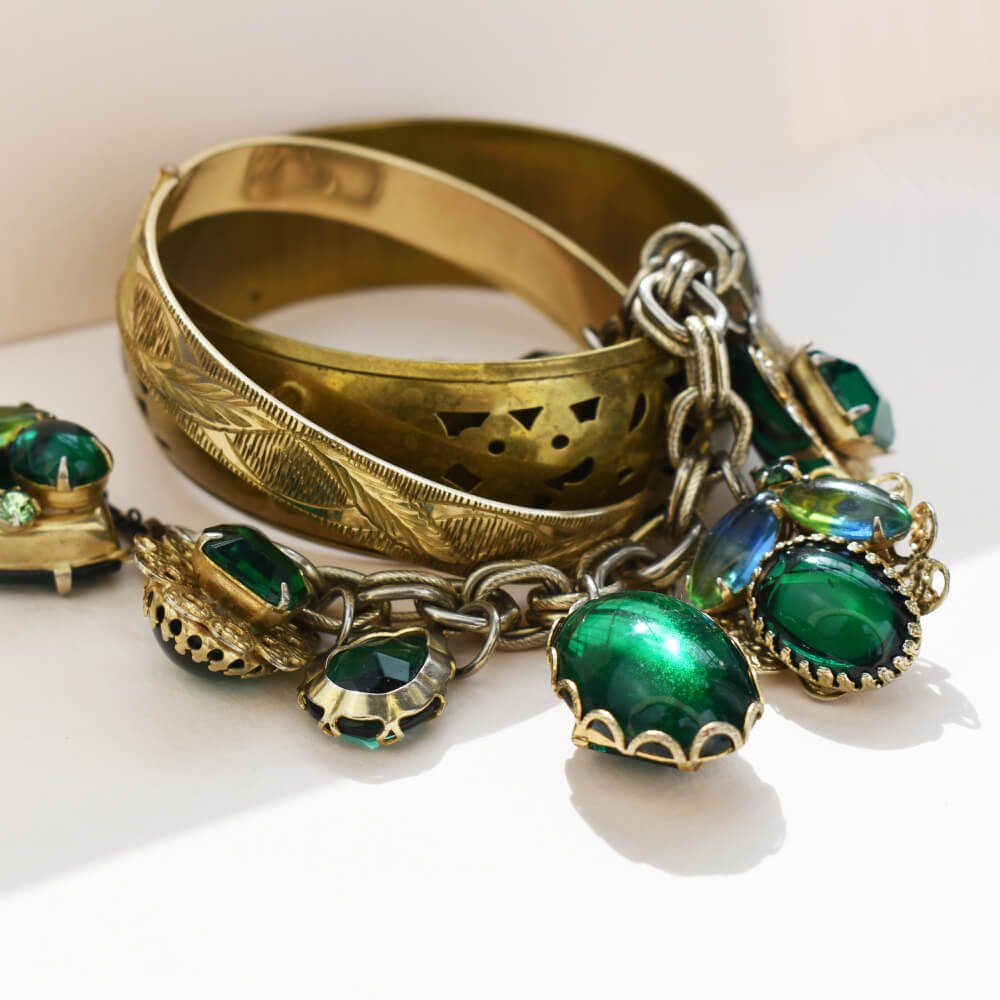
Squash blossom necklaces pair silver beads with crescent-shaped pendants, and the name refers to the blossom-shaped beads spaced along the strands. They are among the most recognizable pieces of Southwestern silverwork. Value depends on stone quality, maker, and whether repairs are visible.
Mod Daisy Enamel Pins
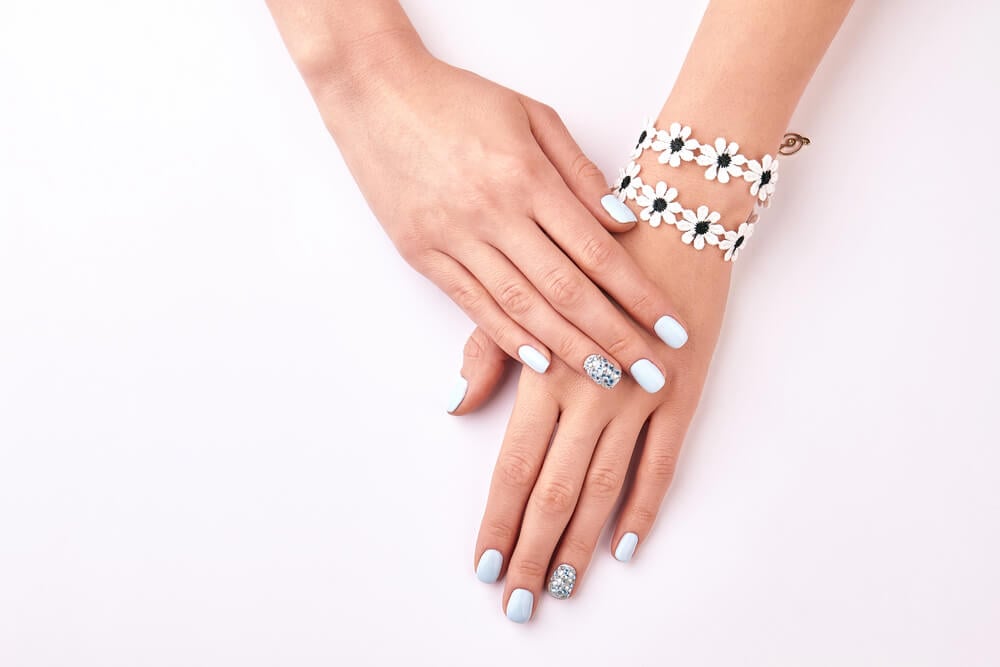
Flat enamel daisies in bright white, yellow, and orange defined 1960s costume jewelry, a visual shorthand for flower power. They were made in quantity, so condition becomes the main factor in value. Chips and fading separate ordinary pins from nice ones.
Rhinestone Sunflower Brooches
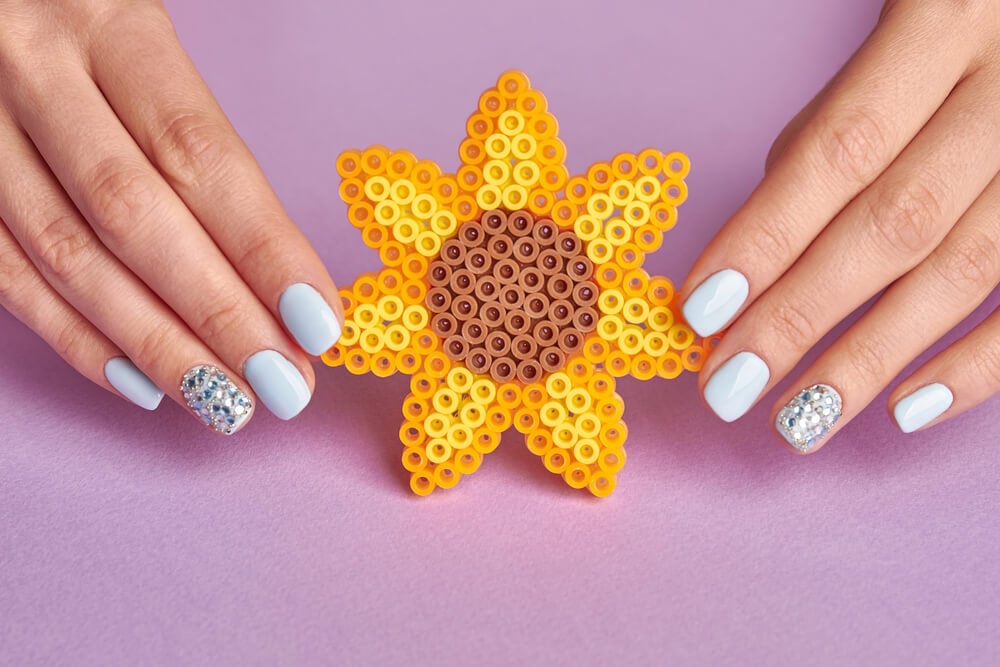
Sunflowers lend themselves to concentric rings of stones, and costume jewelers built them around a center of dark rhinestones or a domed cabochon. The pieces were large enough to function as a focal point on a jacket. A missing center stone is the flaw most likely to drag the price down.
Poinsettia Holiday Brooches
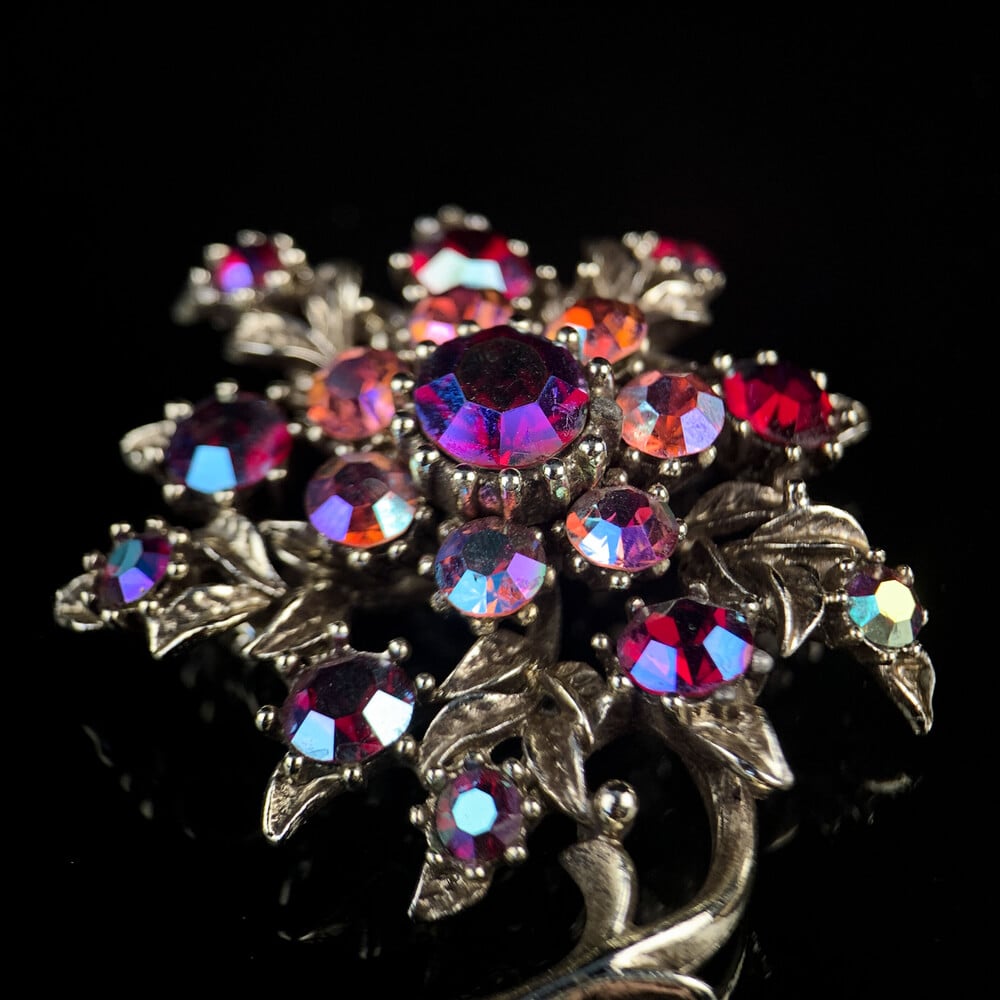
Red enamel poinsettia pins are a long-running Christmas tradition in costume jewelry. The flower’s red parts are technically leaf-like bracts, and they translate easily into enamel petals. Chips in the red enamel are the main condition issue, since they are highly visible.
Tulip Brooches
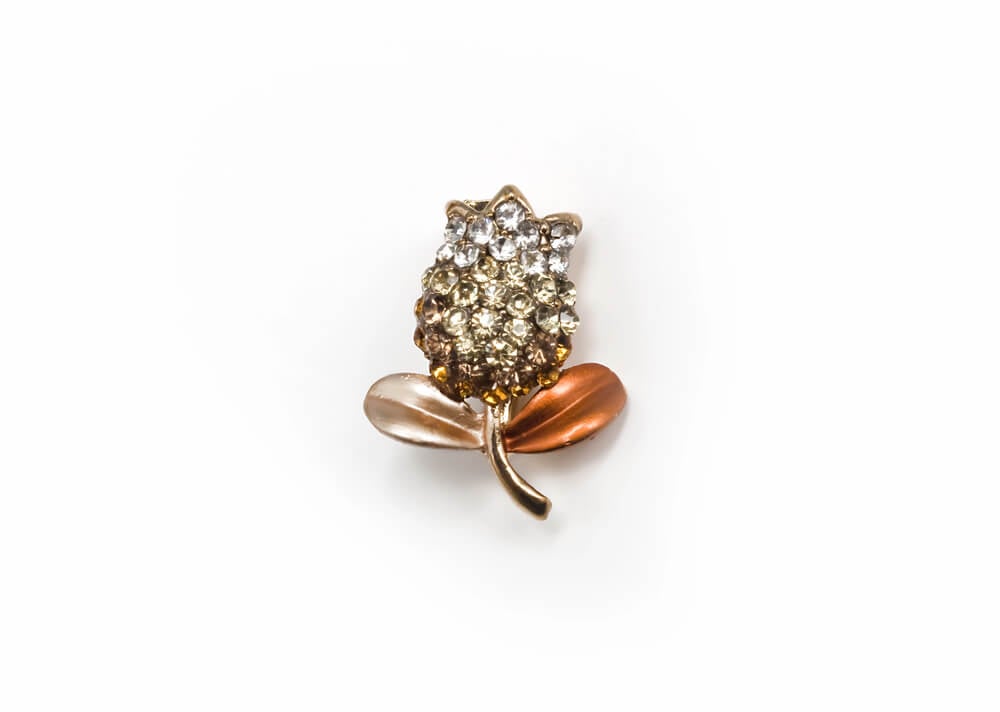
Tulip pins show the cupped bloom in enamel or in baguette-cut stones, and the simple outline rewards geometry. The shape works especially well in the clean lines of Art Deco design. Intact stones and undamaged enamel keep prices strong.
Seed Pearl Floral Brooches
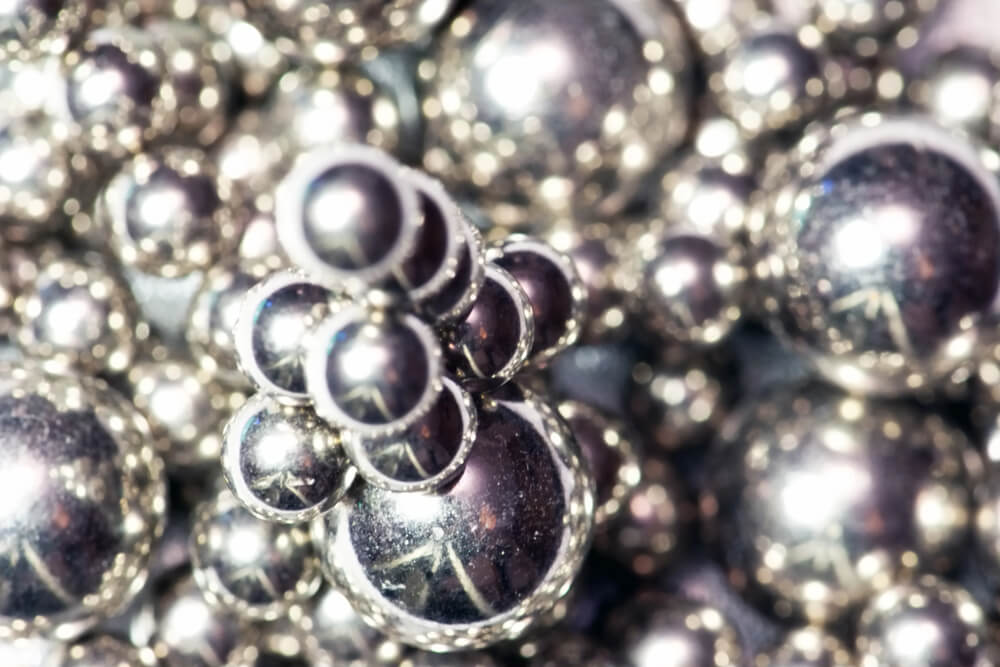
Seed pearls are tiny natural or cultured pearls, and Victorian jewelers strung them into daisies, forget-me-nots, and wreaths. The pearls were often sewn or set onto a backing, which makes loose or missing pearls the common weakness. Complete, evenly colored examples carry a premium.
Hand-Painted Porcelain Rose Brooches
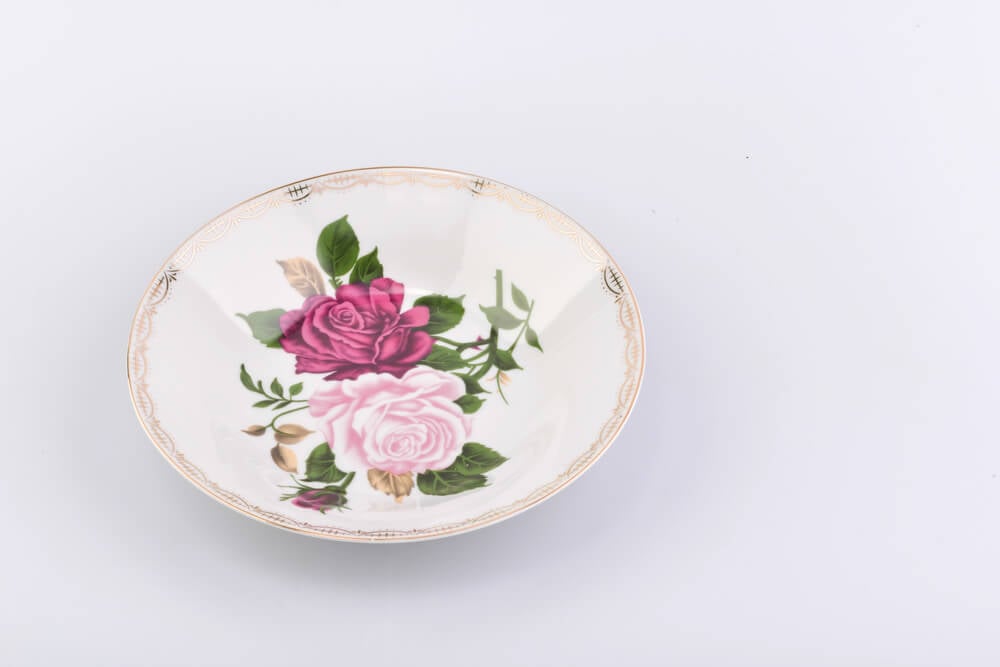
Porcelain plaques painted with roses and set in gold or silver frames were fashionable in Victorian jewelry. The painting could be fine enough to resemble a miniature. Hairline cracks and paint loss weigh heavily on price.
Carved Coral Rosebuds
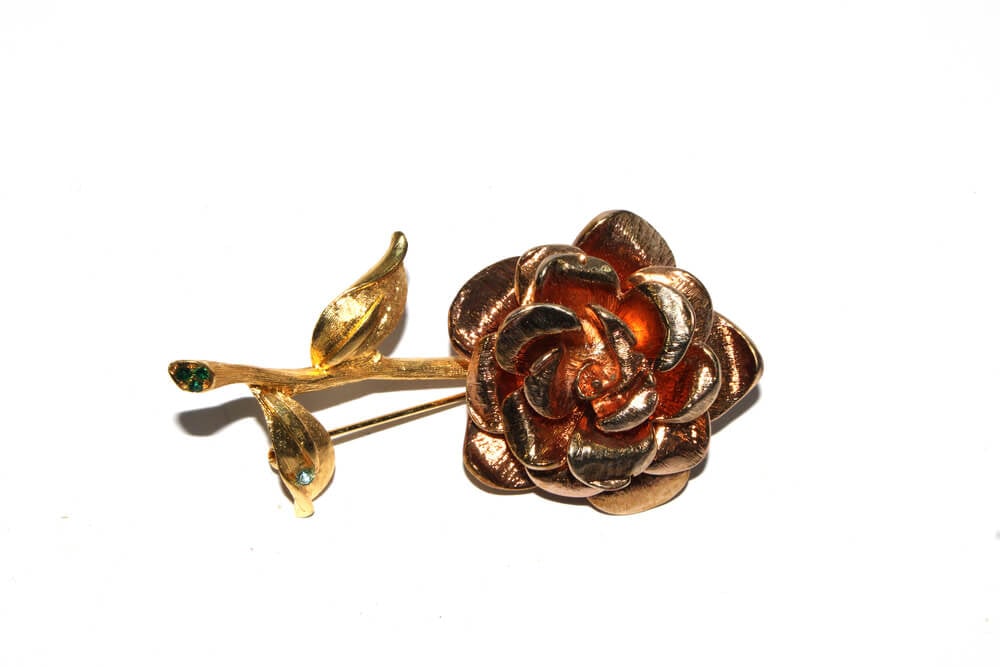
Italian craftsmen, particularly around Torre del Greco near Naples, carved coral into roses for centuries. The carved petals can be remarkably fine for a material that chips easily. Coral is soft, and fading, chips, and dye are the main condition concerns.
Jade Peony Pins
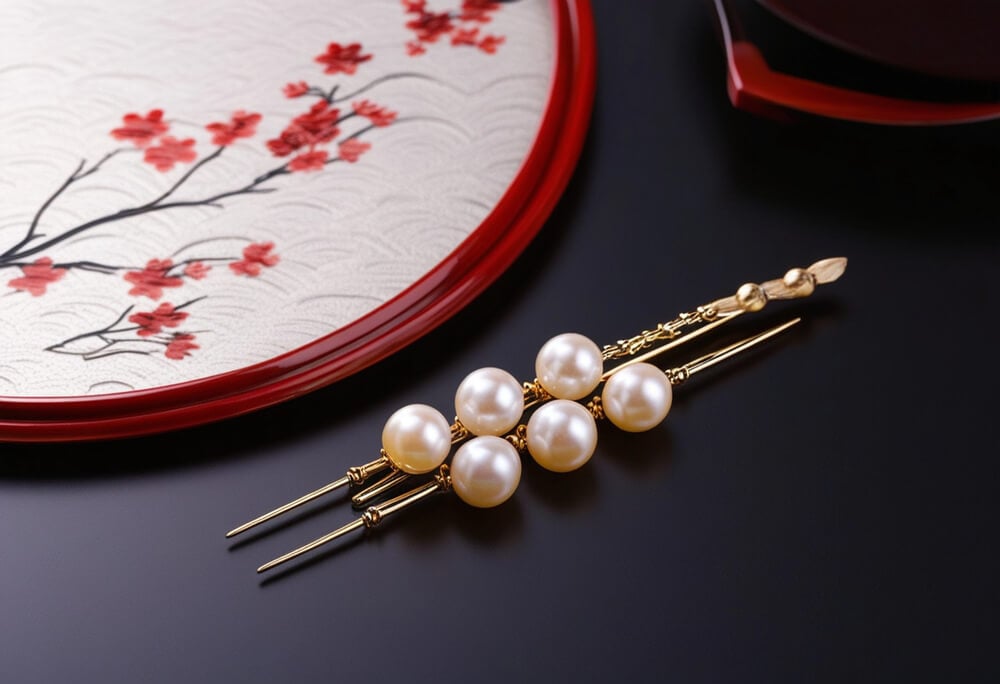
In Chinese art the peony is associated with prosperity, and carved jade peonies appear on pins and pendants. The layered petals demand skilled carving, and the depth of the cutting is a clue to quality. Jade quality and carving depth drive value, and treated or dyed stone sells at a discount.
Japanese Cloisonné Chrysanthemum Jewelry
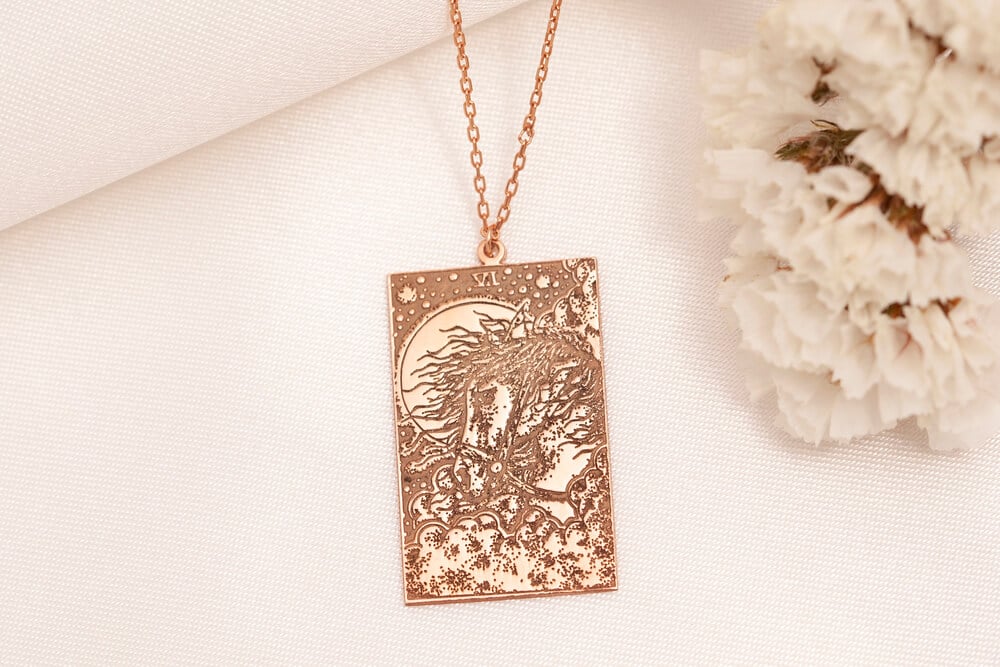
Cloisonné flourished in Japan during the Meiji era, which ran from 1868 to 1912, and the chrysanthemum is an imperial emblem. Wire outlines hold colored enamel in place to create the petals. Cracked enamel and fading color reduce value.
The Garden That Never Wilts
Across these pieces, the flower is rarely a straightforward copy. It becomes a vehicle for the materials of each age: pearls and enamel for the Victorians, plastics for the machine age, bright metal for flower power. The petals change shape depending on what a maker could cast, carve, or paint.
That is why floral jewelry rewards close looking. A tiny hallmark, a replaced stone, or a missing petal can say as much as the design itself. A garden that never wilts still needs a careful owner.
More from Go2Tutors!

- 27 Silver Dollars and Half Dollars Worth Keeping
- 28 Restaurant Menu Items Nobody Orders Anymore
- 17 Places Built in Seemingly Impossible Spots
- 27 Vintage Rings Worth More Than They Look
- 25 Restricted Sites Tourists Can’t Enter
Like Go2Tutors’s content? Follow us on MS