28 Documents Hidden in Walls and Floors That Surfaced Centuries After Being Concealed
There’s something almost unbearably intimate about finding a stranger’s handwriting where it was never meant to be found. A letter tucked behind a mantel, a diary slid under a floorboard, a ledger sealed into plaster by hands that assumed no one would ever look again.
Houses keep secrets the way people do — quietly, for a long time, until a hammer or a crowbar forces the issue. What follows are some of the most remarkable cases where old buildings gave up the paper trails their builders and occupants left behind, sometimes decades later, sometimes long enough that the world outside had changed beyond recognition.
The Time Capsule

Samuel Adams and Paul Revere buried a time capsule under the cornerstone of the Massachusetts State House in 1795. It held coins, newspapers, and a silver plate.
Workers rediscovered it in 1855, then again during a 2014 water leak repair, and each time it came out looking almost untouched. Three centuries of Boston weather, and the thing barely aged.
Newspapers Stuffed Into the Walls
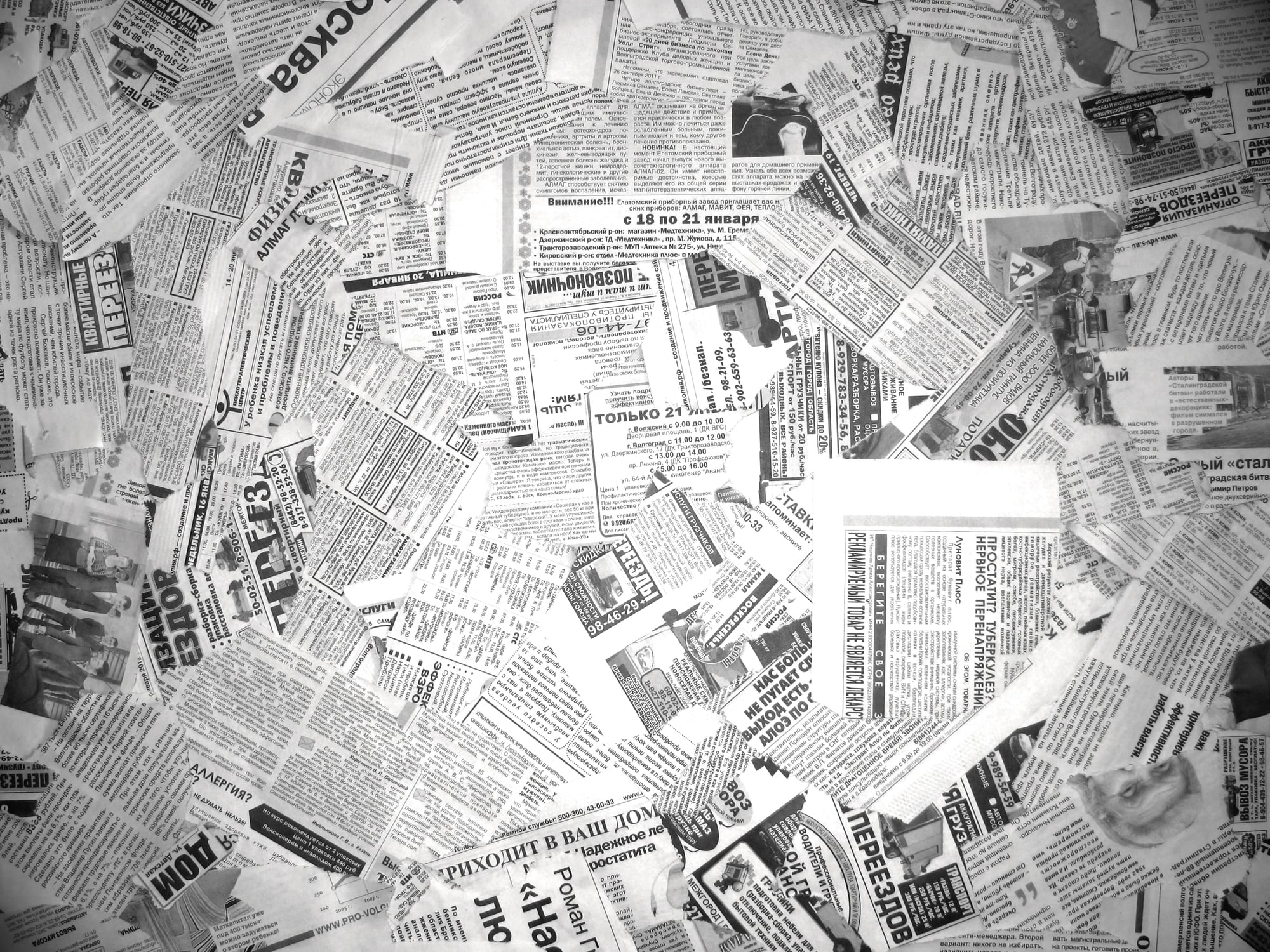
Builders in the 1800s and early 1900s used whatever they had on hand for insulation, and that often meant yesterday’s newspaper — which, as it turns out, is a fairly poor insulator but an excellent time capsule. Renovators across the American Midwest and New England have spent generations pulling brittle, yellowed pages out of wall cavities and finding out, mid-sentence, what a particular Tuesday looked like in 1897 (grain prices, a church social, an ad for tonic that promised far more than any tonic could deliver).
And once you’ve held one of those pages — thin as onion skin, smelling faintly of dust and something older — you start to understand why people keep tearing into old plaster just to see what’s behind it. It’s not really about the insulation anymore.
A Soldier’s Letters Under the Floor

War correspondence has a way of ending up in strange places. Letters written by soldiers to sweethearts back home have surfaced under floorboards in farmhouses and terraced cottages alike, tucked there for safekeeping and then simply forgotten when life moved on.
The paper survives longer than the intention behind hiding it ever does.
Notes Bricklayers Left Behind
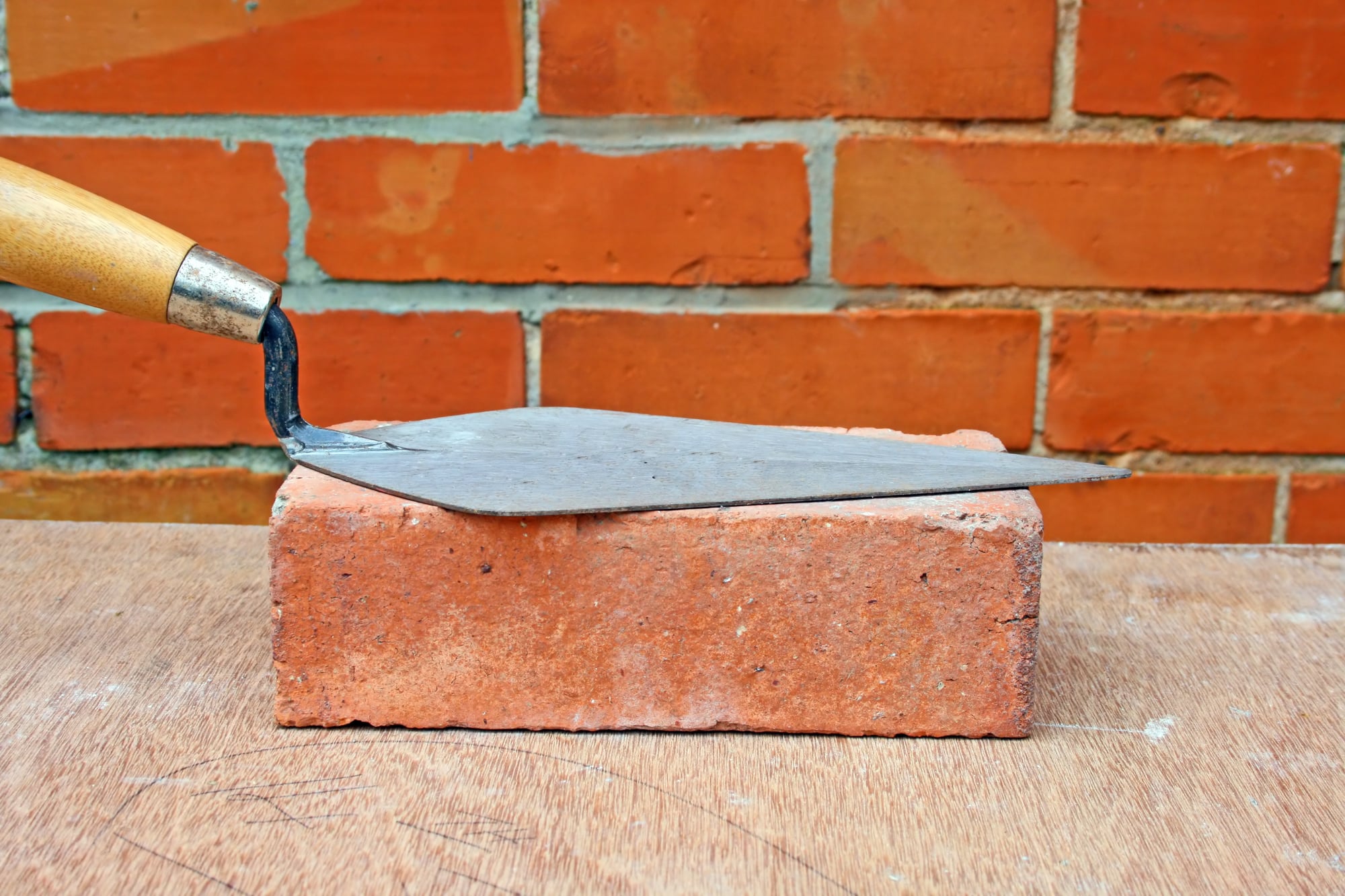
Bricklayers and stonemasons have left signed notes in the buildings they worked on for as long as buildings have existed. It’s a quiet form of vandalism nobody minds.
A name, a date, sometimes a complaint about the foreman or the weather that year — small, human, and utterly uninterested in being profound. Nobody builds a wall thinking about the person who’ll tear it down two hundred years later, and that’s exactly the point.
Love Letters in an Old Chimney
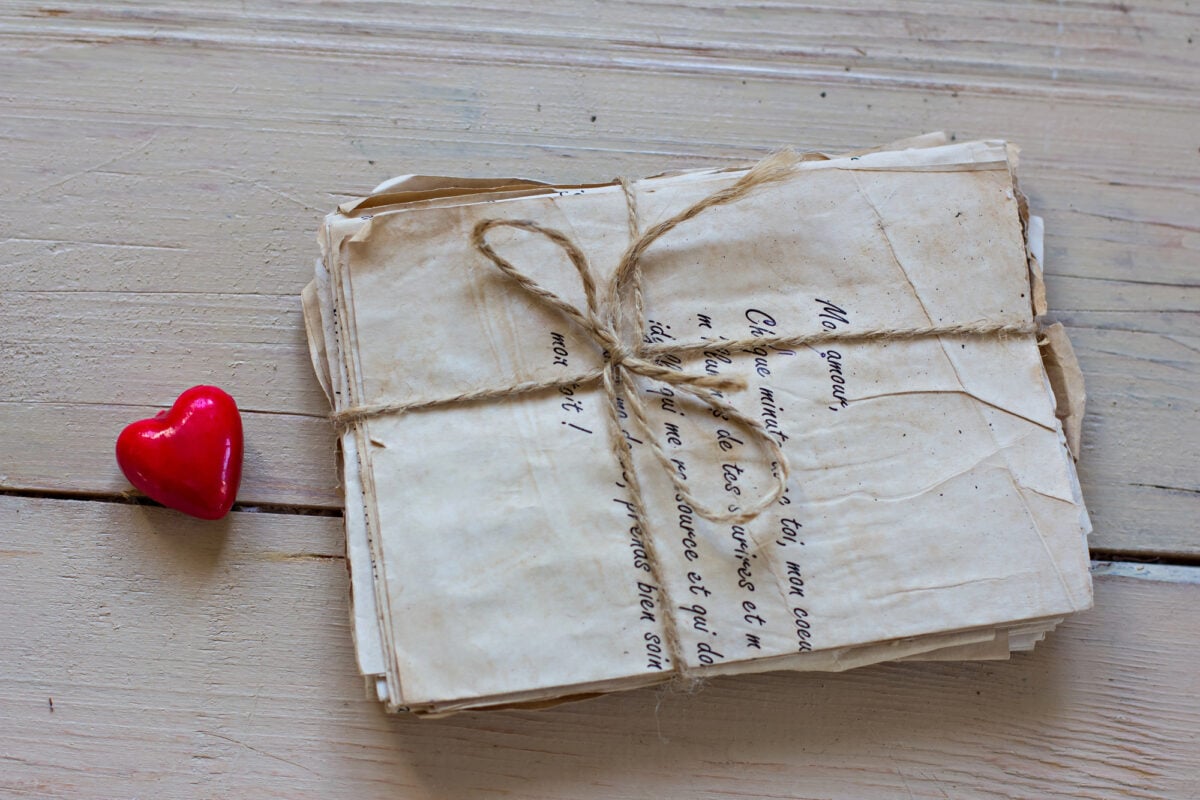
A chimney holds heat the way a person holds a grudge: quietly, persistently, long after the fire that started it has gone cold. It makes sense, then, that people have hidden love letters near hearths for centuries, tucking folded paper into the flue’s stonework where damp couldn’t easily reach.
Some of those letters have turned up during chimney repairs decades after the courtship they described had already run its course — sometimes outliving the marriage, sometimes outliving both people entirely. The stone remembers what the couple didn’t bother to.
A Diary Sealed Behind Plaster

Diaries hidden in walls tend to follow a pattern: written in private, sealed away in a moment of caution or fear, then simply lost to time as the household changed hands. Homeowners doing renovation work have opened up plaster to find journals from residents whose names don’t appear in any local record otherwise.
The handwriting is often the only proof these people existed at all.
Letters From the Civil War Years
Correspondence from the Civil War era has been found concealed in Southern homes more than once, tucked into attic floors or behind mantels during periods when mail and movement were dangerous. Families hid letters the way they hid silver — assuming the danger was temporary and the hiding place was just a precaution.
Some of that correspondence sat undisturbed for well over a century before renovation crews brought it back into daylight.
Ledgers From a Forgotten Storefront

Old business ledgers turning up in wall cavities isn’t glamorous, but it’s oddly moving in its own way. A shopkeeper’s handwriting, columns of debts owed and paid, names of customers who bought thread or nails on credit — it’s the most ordinary kind of document imaginable, and that’s exactly why it matters.
History gets written by the people who kept records nobody thought to save.
Deeds and Land Records in Hiding
Property documents have been sealed into walls and floors for one blunt reason: they were valuable and fire was a constant threat. A deed hidden behind plaster survives a house fire that would have destroyed it on a shelf.
Practical people did practical things, and sometimes those things outlasted the practical reason for doing them by two hundred years.
A Family’s Wartime Letters

There’s a particular kind of ache in wartime letters found generations later, because the reader always knows something the writer didn’t: how the story ends. A mother’s letters to a son overseas, folded small and pushed into a gap behind a bedroom wall, read entirely differently once you know whether he came home.
The paper doesn’t know the ending either — it just sits there, patient, holding the sentence exactly where it was left.
Victorian Papers in an English Cottage

English cottages from the Victorian era are a reliable source of hidden paper, mostly because Victorian builders were relentless recyclers of scrap material. Newspaper, ledger pages, and personal letters have all turned up stuffed into wall gaps and under floor joists during restoration work on centuries-old properties.
Conservation groups in the UK have documented enough of these finds that historians now treat old cottages almost like sealed archives waiting to be opened.
Documents Tucked Inside a Church
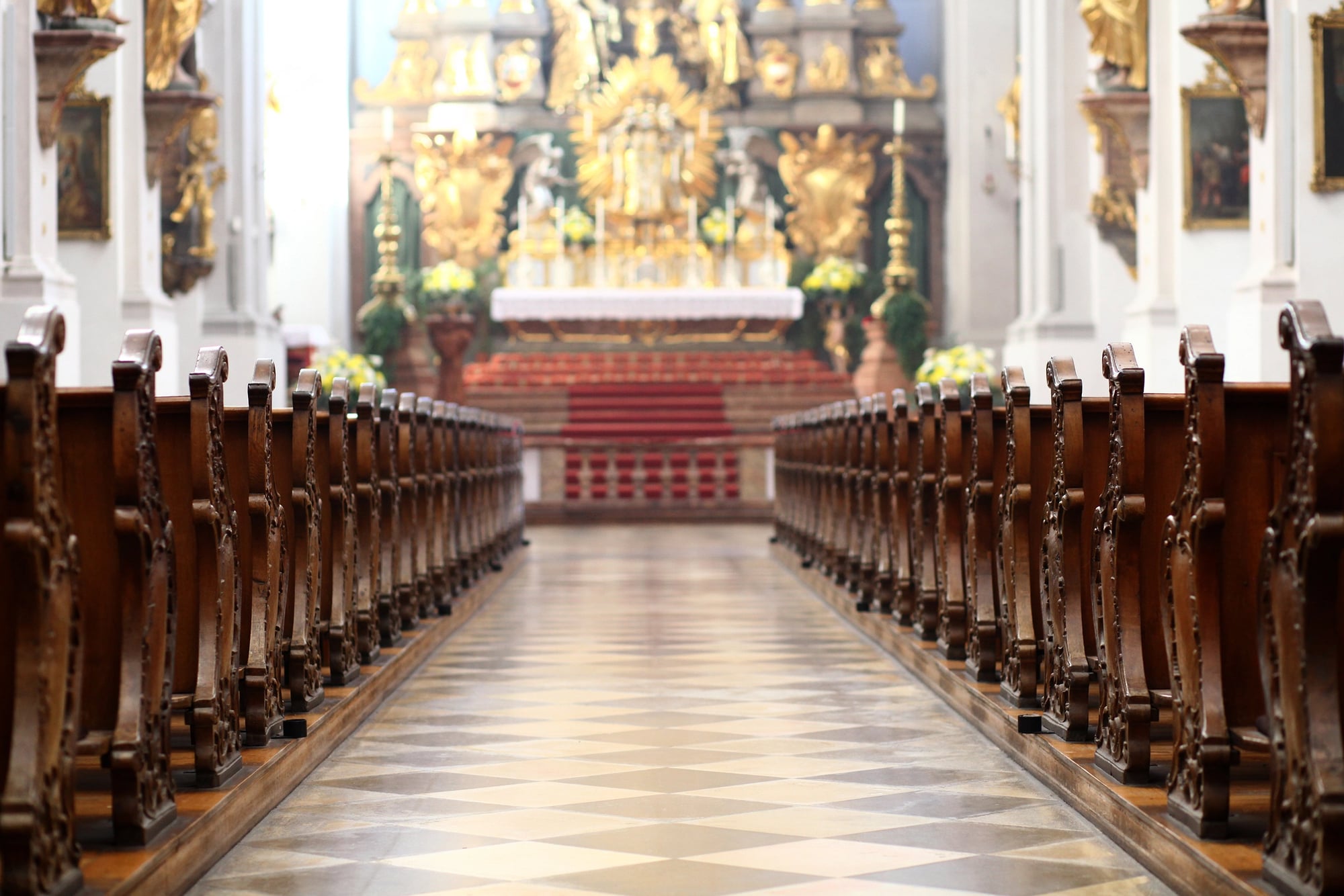
Churches keep records the way they keep faith: stubbornly, and often in places nobody thinks to check. Congregational minutes, baptismal notes, and sermon drafts have been found hidden inside pulpits, behind altar walls, and beneath chancel floors during restoration projects.
A building meant to outlast its congregation tends to end up doing exactly that, paperwork included.
Records Hidden During Occupation

During periods of occupation and upheaval, ordinary people have hidden documents to protect themselves or their communities from discovery. Property records, personal identification papers, and correspondence have been sealed into walls and floors specifically because the alternative was destruction or worse.
Some of these caches weren’t found until buildings were demolished or renovated generations after the danger had passed, which is its own quiet tragedy — the people who hid them rarely lived to see the papers found.
A Farmhand’s Journal in the Attic

An attic floor doesn’t look like much of a hiding place until you consider how rarely anyone actually goes up there. Farmhands and laborers have left personal journals tucked between joists in barns and farmhouse attics, documents nobody was meant to read and few people ever did until renovation crews pulled up the boards.
The writing is often plain, unpolished, and more honest for it.
Recipes Passed Down Through Plaster

A recipe hidden in a wall sounds almost too small a thing to matter, and maybe it is — except that food is memory with a shelf life, and someone clearly wanted this particular memory to outlast them. Handwritten recipe cards and pages have turned up during renovations of older American homes, wedged behind trim or slipped into wall cavities alongside other family papers.
They read like a voice caught mid-sentence: a pinch of this, don’t overwork the dough, mother’s way of doing it. It’s the kind of document that was never meant for a museum and ends up in one anyway.
Letters From Immigrants in Tenement Walls

Correspondence between immigrant families and relatives back home has surfaced in the walls of old tenement buildings in American cities, left behind by residents who moved on and never came back for their belongings. These letters often traveled across oceans before they ever got hidden in a wall, which makes their second disappearance feel almost unfair.
They sat there through decades of renovation and neglect until a demolition crew finally cracked them open.
A Teacher’s Notes Beneath the Boards

Teaching notes and lesson plans from one-room schoolhouses have been found under floorboards during restoration of historic school buildings. It’s not a dramatic category of document, but it says something plain and true: someone stood in that room, planned a lesson, and cared enough about doing it right to write it down.
Two hundred years later, that’s still legible.
Wills Sealed Away for Safekeeping

Hiding a will inside a wall is either extremely clever or extremely reckless, depending entirely on whether anyone ever finds it. Families did it anyway, banking on the house outlasting any safe or strongbox they could afford.
Some of those wills were found decades after the estate had already been settled some other way, which raises more questions than it answers.
A Sailor’s Correspondence by the Coast

Coastal towns hold onto letters the way tide pools hold onto whatever the ocean leaves behind: without much say in the matter, and for far longer than anyone expects. Sailors’ correspondence — letters sent home from long voyages, or never sent at all — has been found sealed into the walls of homes along both American and British coastlines.
Salt air is brutal on paper, and yet enough of it survived to be legible, faded into something closer to a whisper than a sentence. What’s left reads less like history and more like weather that happened to leave a record.
Clippings From a Historic Fire

Newspaper clippings documenting local disasters, including fires that reshaped entire towns, have been found preserved inside the walls of buildings constructed in the aftermath. It makes a strange kind of sense — people rebuilding after catastrophe sometimes wanted a physical record close by, even if hidden.
The clipping outlived the disaster it described and the building that came before it.
Sermon Notes in a Pulpit Floor
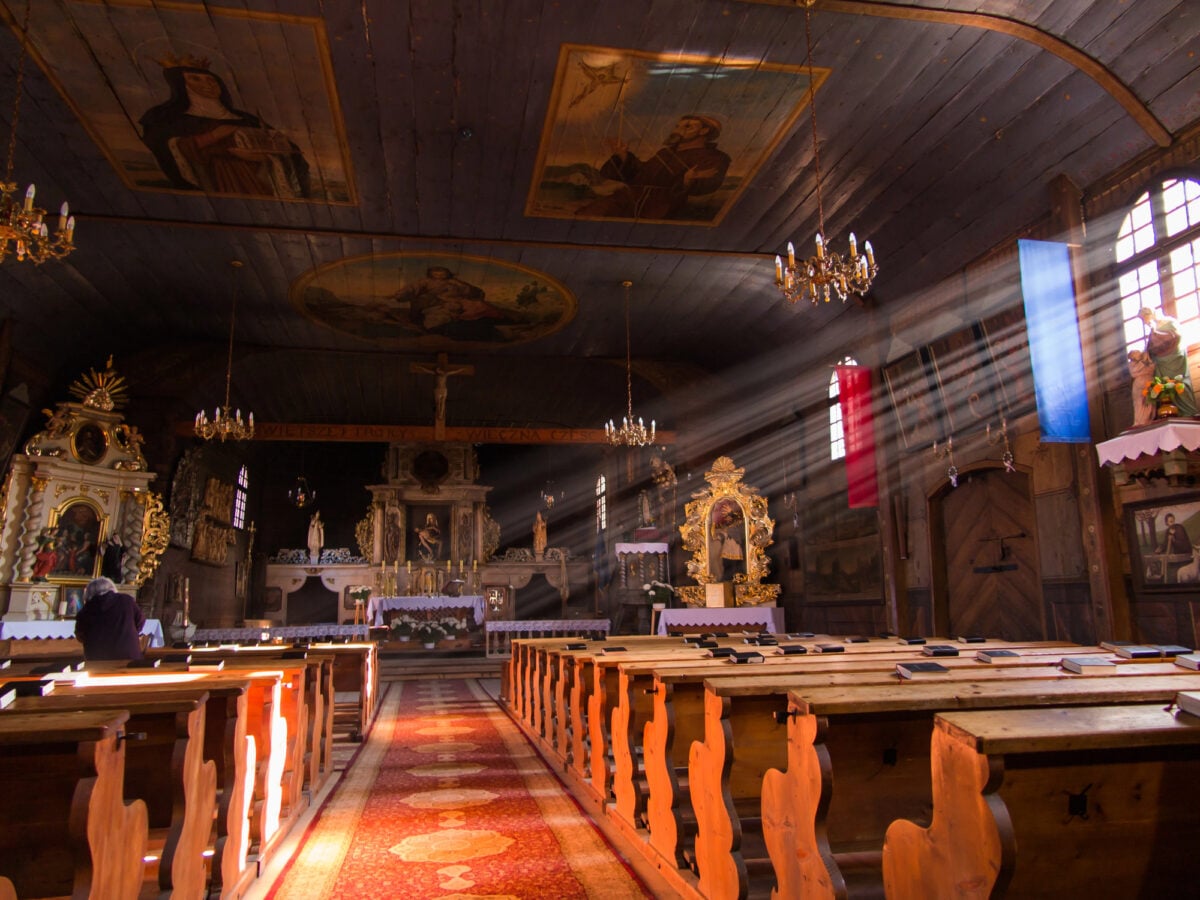
A preacher’s handwritten sermon notes, found tucked beneath a pulpit floorboard, aren’t the kind of document that changes history, and nobody’s claiming they should. What they offer instead is texture: the exact words a congregation heard on a particular Sunday, decades or centuries before anyone alive today was born.
That’s not nothing.
Correspondence From a Plantation House
Correspondence hidden within the walls of former plantation homes has surfaced during restoration projects across the American South, offering firsthand material historians didn’t previously have access to. Some of these documents were written by enslaved people themselves, which makes their survival especially significant given how rarely such voices were preserved through official record-keeping.
The walls of these homes have, in more than one case, told a fuller story than the deeds and ledgers ever did.
A Builder’s Signature and Date
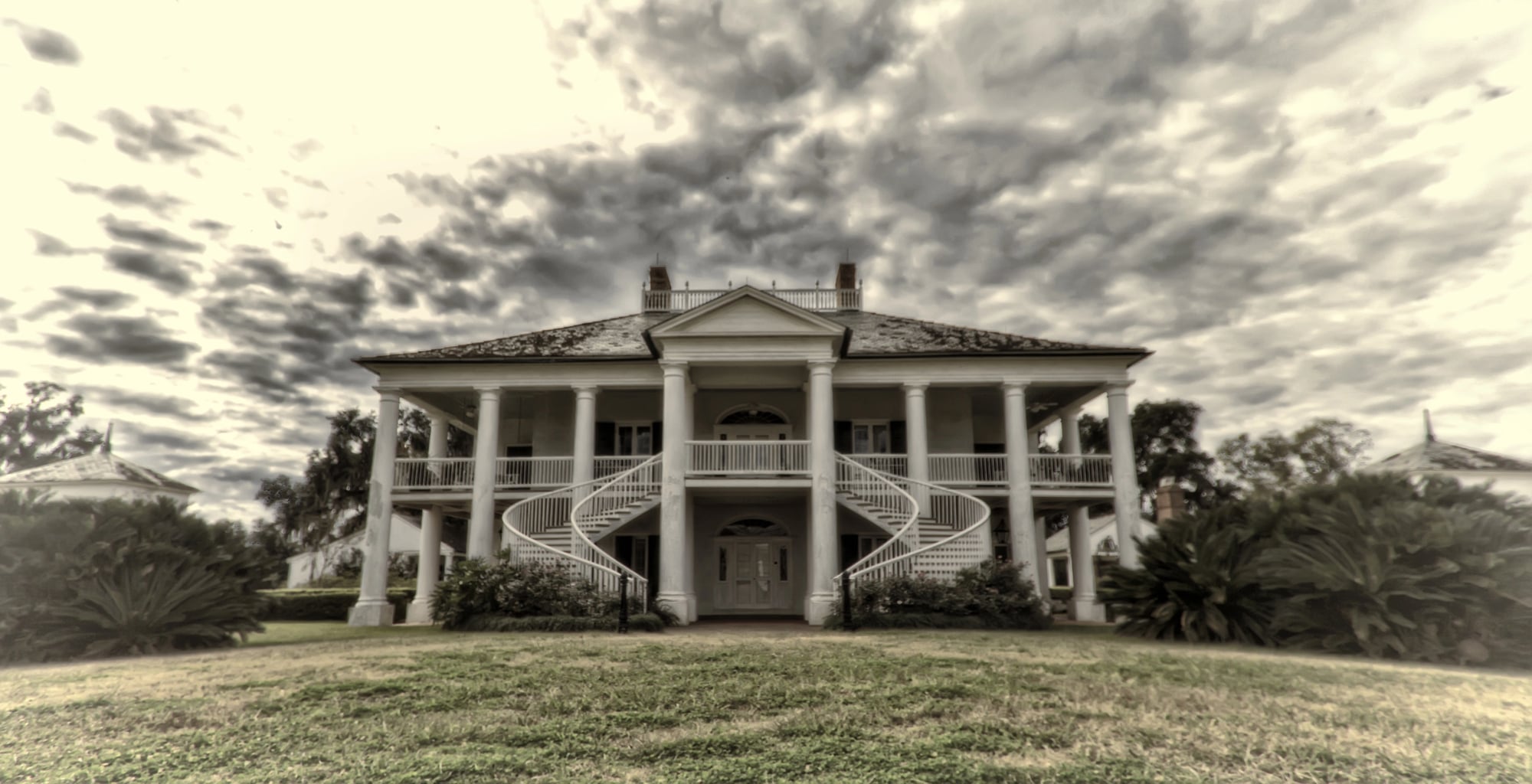
Builders sign their work more often than people realize. A name and a date, scratched into a beam or written on a scrap tucked into a wall gap, shows up during renovations with striking regularity.
It’s not much. It’s also somehow enough — proof that a specific person stood in that exact spot on a specific day, doing the work.
Letters From a British Terrace House

There’s a peculiar democracy to old British terrace housing: rows of nearly identical homes, built fast and cheap for working families, and yet each one seems to hide its own small archive. Letters from soldiers, rent receipts, love notes between neighbors who probably shouldn’t have been writing to each other — restoration crews across England have pulled all of it from beneath floorboards over the decades, and no two houses ever produce quite the same story.
The uniformity of the buildings makes the variety inside them almost startling. You’d expect sameness. You get the opposite.
Family Bible Records Behind the Wall

Family Bibles were once the closest thing many households had to an official archive, with births, deaths, and marriages recorded on their inside pages by hand. When those Bibles or loose record pages ended up sealed into walls, it was usually deliberate protection rather than accident.
Finding one intact, generations later, is about as close as paper gets to a family reunion.
Photographs Tucked Alongside Letters

Photographs found alongside hidden letters do something documents alone can’t: they put a face to the handwriting. A soldier’s portrait tucked in with his correspondence, a wedding photo folded into a bundle of love letters — the combination turns a historical curiosity into something closer to a person.
It’s the difference between reading about someone and actually meeting them, even secondhand, even a century late.
A Note Left for Whoever Found It

Some documents hidden in walls weren’t personal at all — they were written specifically for the stranger who’d eventually find them. “To whoever finds this” is a recurring opening line across decades and continents, and it’s oddly touching every time.
Someone stood in an unfinished room, considered the passage of time seriously enough to write to it directly, and then sealed the message away without any guarantee it would ever be read.
Renovators Stumbling Onto History
Most of these discoveries share the same starting point: someone doing ordinary renovation work, expecting nothing more than dust and old nails. Instead they get a letter, a diary, a ledger, a name they’ve never heard attached to a life they know nothing about.
It happens often enough that contractors have started to expect it, which says something about how much paper this country and others have quietly buried in their own walls.
What the Walls Were Waiting For
None of these documents were written for you. That’s what makes finding them feel like trespassing and gift-giving at the same time — a letter meant for one person, decades gone, ends up read by someone who was never supposed to exist in that story at all.
Houses outlive the people who fill them, and every so often, they hand back a piece of what those people tried to keep. It’s worth remembering, the next time a wall comes down somewhere, that it might be holding onto more than lath and plaster.
More from Go2Tutors!

- The Romanov Crown Jewels and Their Tragic Fate
- 13 Historical Mysteries That Science Still Can’t Solve
- Famous Hoaxes That Fooled the World for Years
- 15 Child Stars with Tragic Adult Lives
- 16 Famous Jewelry Pieces in History
Like Go2Tutors’s content? Follow us on MSN.



