Facts About Soda You Really Need to Know
Most people have grown up with soda as a regular part of life — at parties, with fast food, from vending machines, or just cold from the fridge on a hot day. It’s everywhere.
But there’s a lot going on inside that most people never think about. Some of it is surprising.
Some of it is a little alarming. All of it is worth knowing.
The Sugar Content Is Hard to Wrap Your Head Around
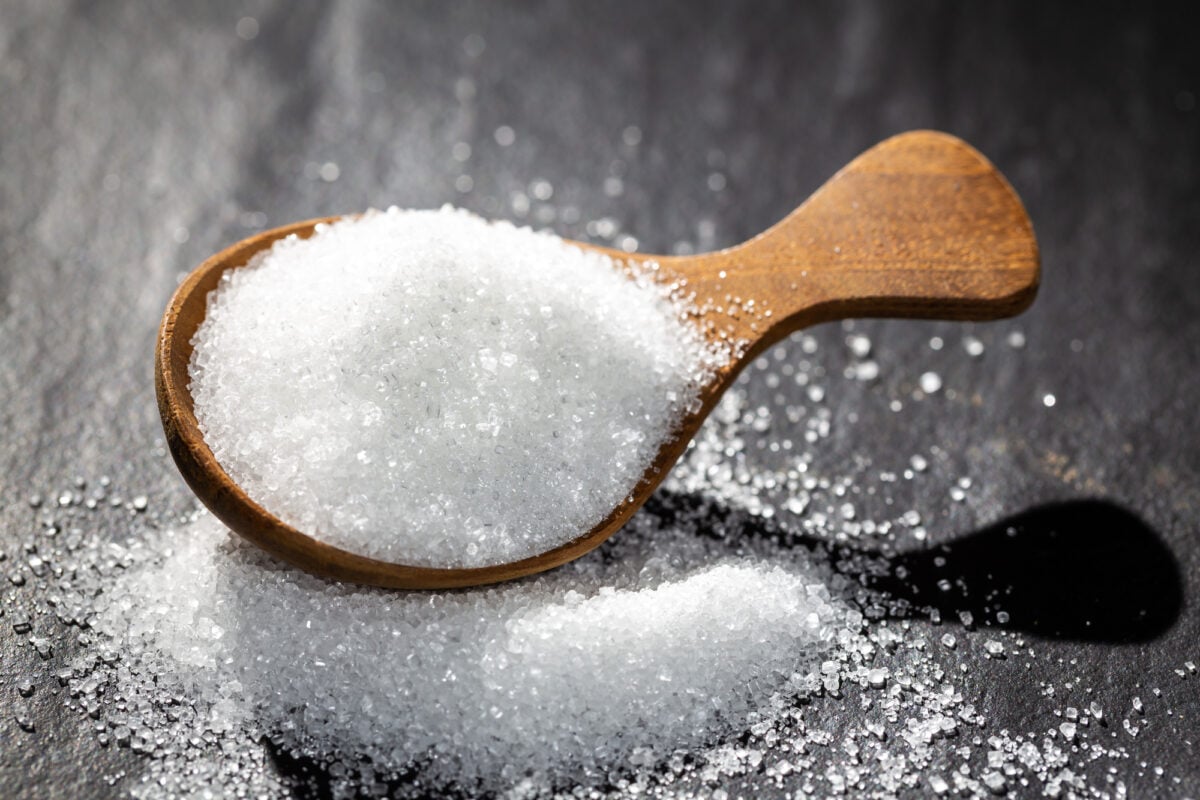
A standard 12-ounce can of regular soda contains roughly 39 grams of sugar. That’s close to 10 teaspoons.
The American Heart Association recommends that men consume no more than 36 grams of added sugar per day, and women no more than 25 grams. One can of soda pushes most people past that limit before they’ve even had a meal.
A 20-ounce bottle, which is the size most people grab from a gas station or vending machine, can have upwards of 65 grams. The problem is that liquid sugar doesn’t register the same way solid food does.
Your body doesn’t compensate by making you feel full. You drink the calories, and then you eat on top of them anyway.
The Fizz Has a Real Chemical Name
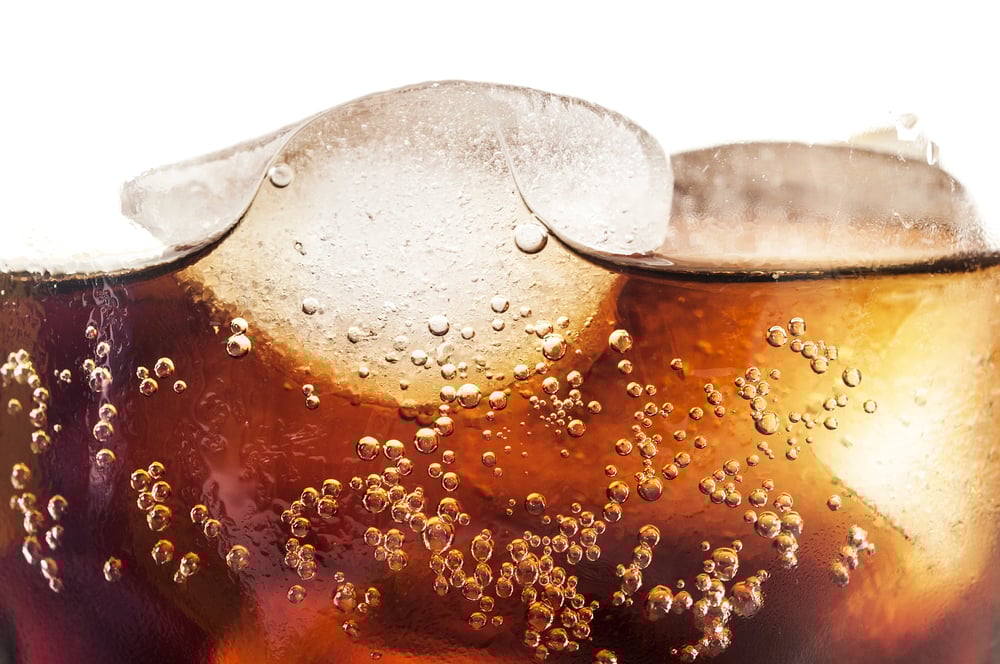
Carbonation comes from dissolved carbon dioxide gas. When the gas is forced into liquid under pressure and then sealed, it stays dissolved.
The moment you open a can or bottle, the pressure drops and the gas starts escaping — that’s the hiss you hear. When carbon dioxide dissolves in water, it forms a weak acid called carbonic acid, which gives soda its slightly sharp, tingly taste.
Some people love that sensation, and it’s a big part of why flat soda tastes so disappointing.
Phosphoric Acid Is in Most Colas
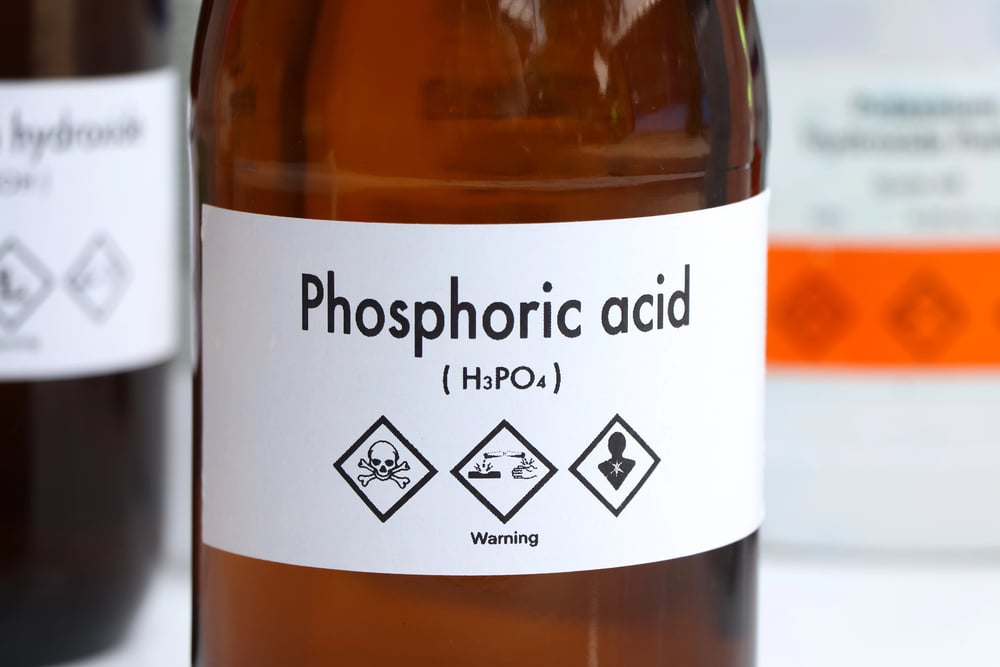
Beyond carbonic acid, cola-style drinks contain phosphoric acid, which is added intentionally. It sharpens the flavor and prevents the drink from tasting overwhelmingly sweet despite all that sugar.
Phosphoric acid also acts as a preservative. The downside is that high phosphoric acid intake has been linked to lower bone density over time, particularly in women.
It’s not that one can of cola will weaken your bones — it’s that consistent, heavy consumption over years adds up.
What Happens to Your Teeth

Soda is rough on tooth enamel. The acidity in both regular and diet varieties erodes the outer layer of your teeth over time.
Once enamel is gone, it doesn’t come back. Regular soda layers acid damage on top of sugar damage, since sugar feeds the bacteria in your mouth that produce even more acid.
Diet soda removes the sugar but keeps the acid, so your teeth aren’t much better off. Dentists generally recommend drinking soda through a straw to reduce contact with teeth, and not brushing immediately after drinking it — the enamel is temporarily softened and brushing at that point makes things worse.
Diet Soda Isn’t a Free Pass
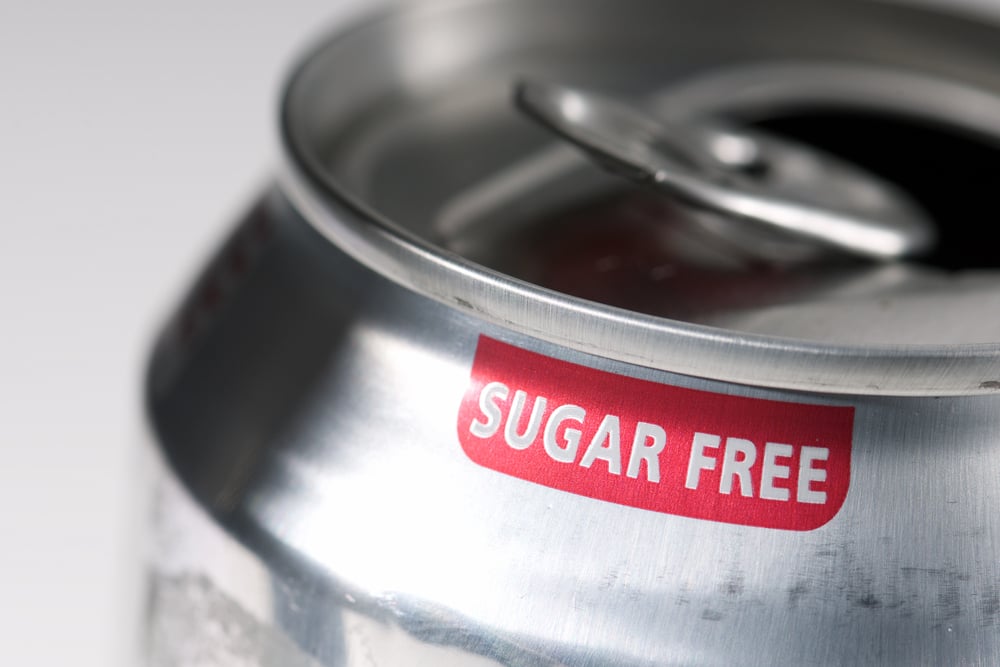
People switch to diet soda expecting a healthier outcome. The calorie count drops to near zero, which seems like a win.
But research has consistently found that artificial sweeteners affect appetite and cravings in ways that can work against you. Some studies suggest that the extreme sweetness of artificial sweeteners recalibrates your palate, making naturally sweet foods like fruit seem less appealing and increasing cravings for sweeter, more processed foods overall.
There’s also evidence linking diet soda consumption to metabolic changes, though researchers are still working out the mechanisms.
Caffeine Varies Wildly Between Brands
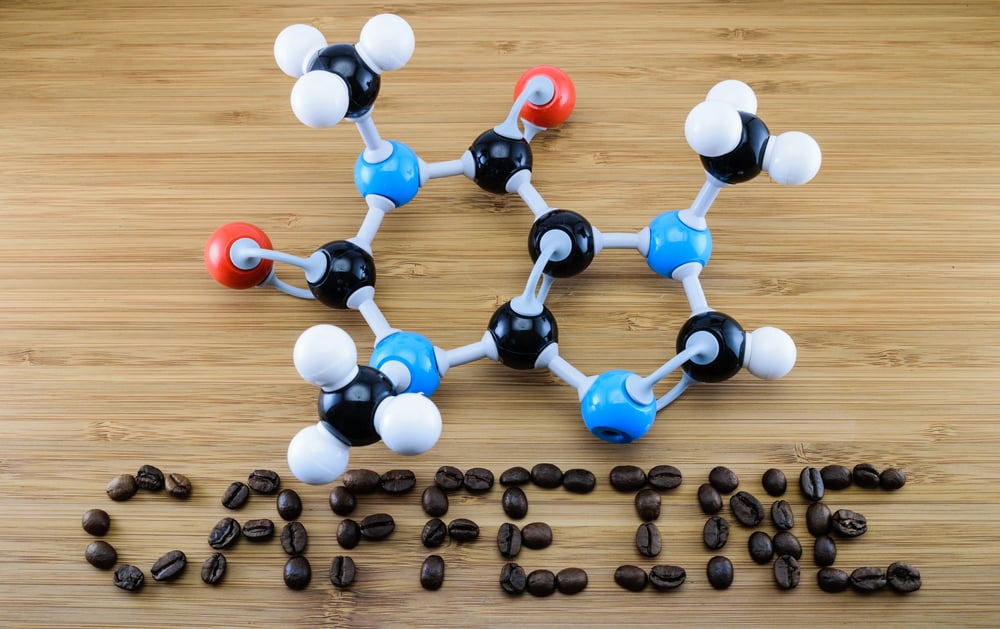
Not all sodas contain caffeine, and among those that do, the amounts vary a lot. A typical cola has about 34 milligrams per 12 ounces.
Some energy-style sodas push past 70 milligrams in the same serving. Root beer and most orange sodas contain no caffeine at all.
If you’re trying to manage your caffeine intake, it’s worth actually checking the label — “soda” doesn’t mean a predictable amount.
The History Goes Back to Pharmacies
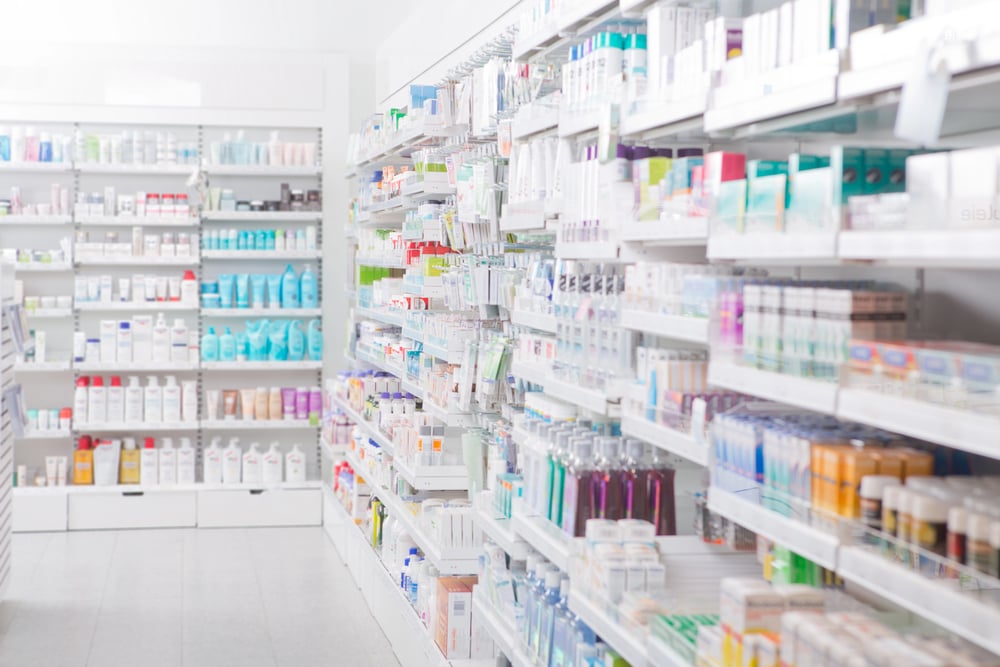
Soda as we know it grew out of 19th-century pharmacies. Carbonated water was thought to have medicinal properties, and pharmacists began mixing it with flavored syrups to make it more palatable.
Coca-Cola was originally marketed as a tonic. Many early sodas included actual pharmaceutical compounds that would raise serious concerns today.
Over time, the medicinal angle faded, but the drinks stuck around and grew into a global industry.
Americans Drink More of It Than Almost Anywhere Else

The United States has historically ranked among the highest in per-capita soda consumption globally. Consumption peaked in the 1990s and has been declining since, largely due to increased awareness of sugar content and the growing popularity of alternatives like sparkling water and energy drinks.
But even with the decline, the average American still drinks dozens of gallons of soda per year.
High-Fructose Corn Syrup vs. Cane Sugar

In the United States, most sodas are sweetened with high-fructose corn syrup rather than cane sugar. This switch happened in the 1970s and 1980s when corn subsidies made HFCS much cheaper to produce.
In other countries, particularly Mexico, sodas are still made with cane sugar — which is why “Mexican Coke” has developed a devoted following among people who prefer the taste. Whether HFCS and cane sugar are meaningfully different in terms of health effects is still debated among nutrition researchers.
Both are primarily fructose and glucose. The real difference for most people is taste, and that comes down to personal preference.
The Color in Cola Isn’t Natural
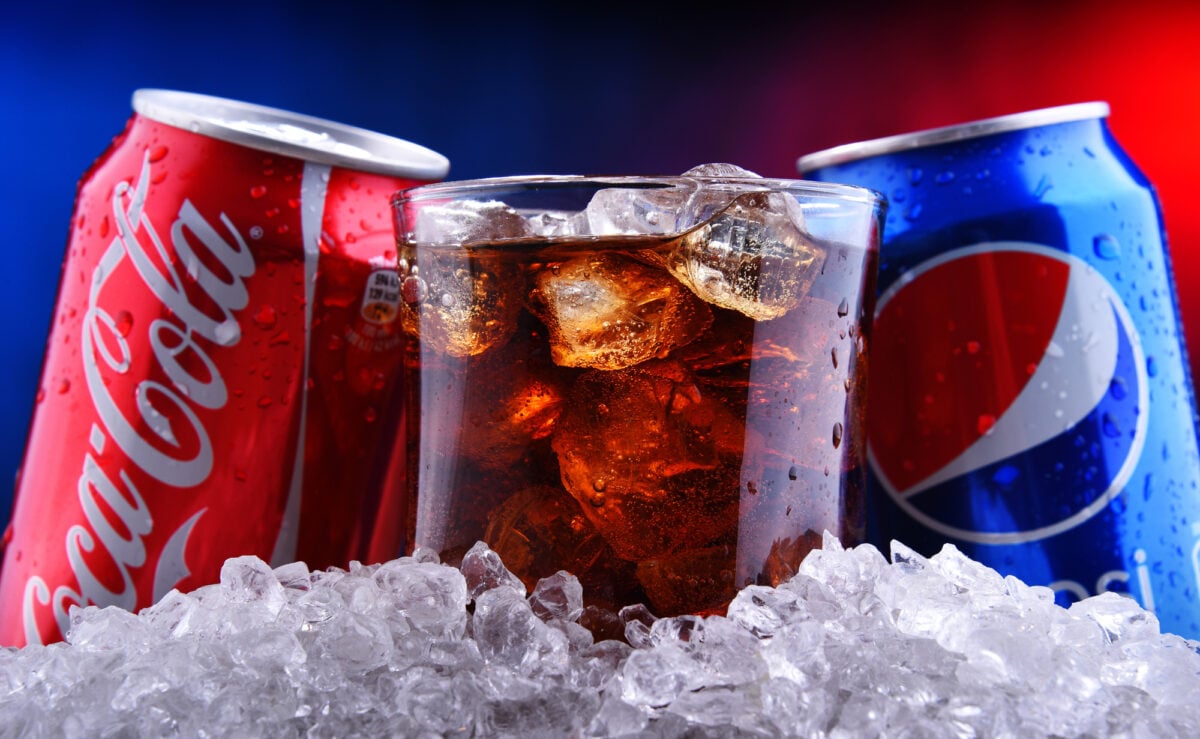
Caramel coloring is what gives cola its dark brown hue. It’s made by heating sugar, and it comes in several types.
The type used in many colas — Class IV caramel coloring — produces a byproduct called 4-methylimidazole, or 4-MEI, which some regulatory agencies have flagged as a potential concern at high doses. The amounts present in a single serving are small, but it’s part of why California requires some colas to carry warning labels if 4-MEI levels are above a certain threshold.
Soda Can Interfere With Sleep

The caffeine in soda has a half-life of about five to six hours, which means half the caffeine from an afternoon soda is still in your system at bedtime. Even people who don’t feel “wired” after caffeine can experience reduced sleep quality without realizing it.
And the sugar spike and subsequent crash can also affect energy patterns throughout the day in ways that make restful sleep harder to achieve.
Sparkling Water Is Not the Same Thing

Plain sparkling water — carbonated water with nothing added — is a very different product from soda. It has no sugar, no artificial sweeteners, and minimal acidity compared to flavored sodas.
Flavored sparkling waters vary more, and some contain natural acids that can still affect enamel if consumed constantly throughout the day. But as a direct comparison to soda, plain sparkling water is in a different category.
The Can Itself Has a Story
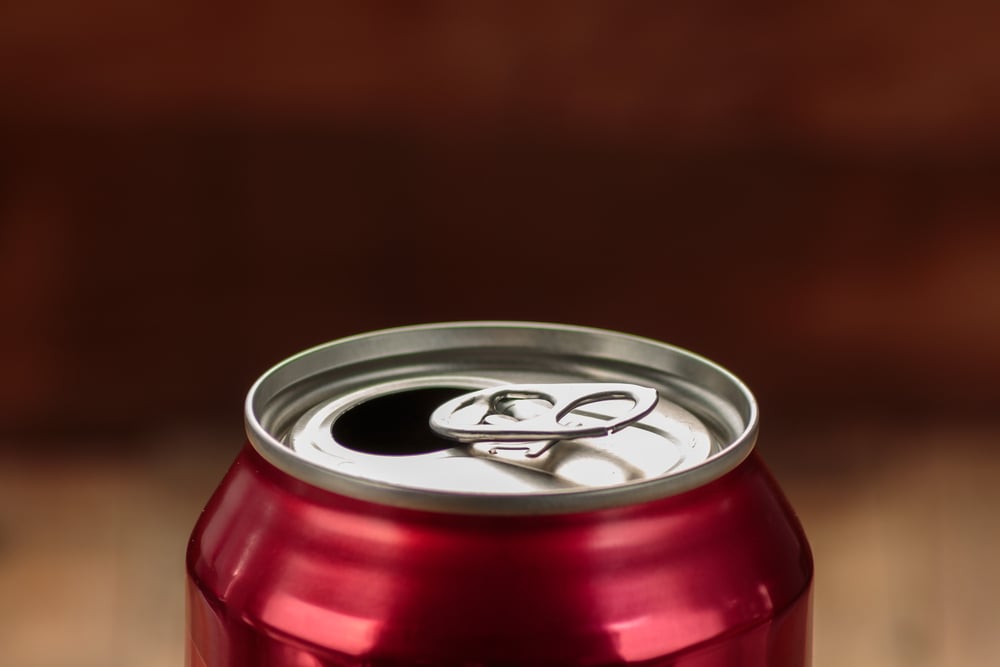
Inside aluminum soda cans, a slight layer keeps the liquid from touching the metal directly. Because drinks can be sharp on metals, this barrier helps avoid reactions.
In past years, makers often used a substance called BPA in that inner coat. This particular compound acts like estrogen in bodies, which sparked worry among experts.
Due to push from rules and buyers, many big brands now skip BPA altogether. Still, what fills its place isn’t fully understood yet – research continues slowly. What wraps around what you consume matters just as much as what’s inside it.
Soda And Kidney Health
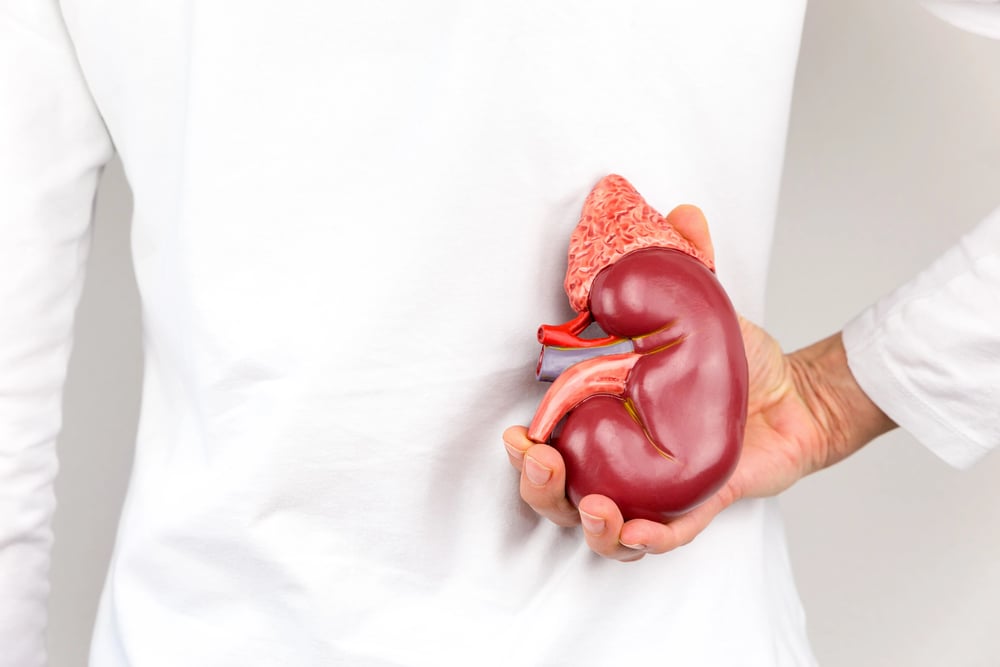
One reason colas might harm kidneys lies in their phosphoric acid. Heavy drinking of these sodas links to higher chances of stone formation.
Sugar plays a role too, especially when consumed in large amounts daily. Over years, that sweetness load can strain kidney performance.
Those managing existing kidney issues often reduce or stop drinking such beverages entirely.
What Changes After Stopping
Some folks say skipping soda brings familiar shifts. After around two weeks, the urge to drink it fades for many.
Suddenly, foods once considered mildly sweet taste intensely sugary. Bloating tends to go down – without fizzy drinks, there is less trapped air in the gut.
When someone swaps sugary sodas for something else, their weight might shift – but only based on what fills the gap.
The Can You Might Remember When You Open It
A cold fizz in your palm isn’t automatically dangerous. Many sip it now and then with no real issues.
Yet saying “in moderation” holds weight only when you see past the bubbles. That chill against your skin comes with layers – citric bite, syrupy load, color from a lab, carbonation hissing under pressure, plus more than a hundred years shaping its place on shelves.
More from Go2Tutors!

- The Romanov Crown Jewels and Their Tragic Fate
- 13 Historical Mysteries That Science Still Can’t Solve
- Famous Hoaxes That Fooled the World for Years
- 15 Child Stars with Tragic Adult Lives
- 16 Famous Jewelry Pieces in History
Like Go2Tutors’s content? Follow us on MSN.



