How Americans Decorated Their First Apartments
A first apartment rarely comes with a design plan. It comes with a lease, a borrowed truck, and a budget that ends somewhere around the price of a lamp. What ended up in those rooms says a great deal about the decade, the paycheck, and whichever relative had a spare couch.
Milk Crates Stacked Into Bookshelves
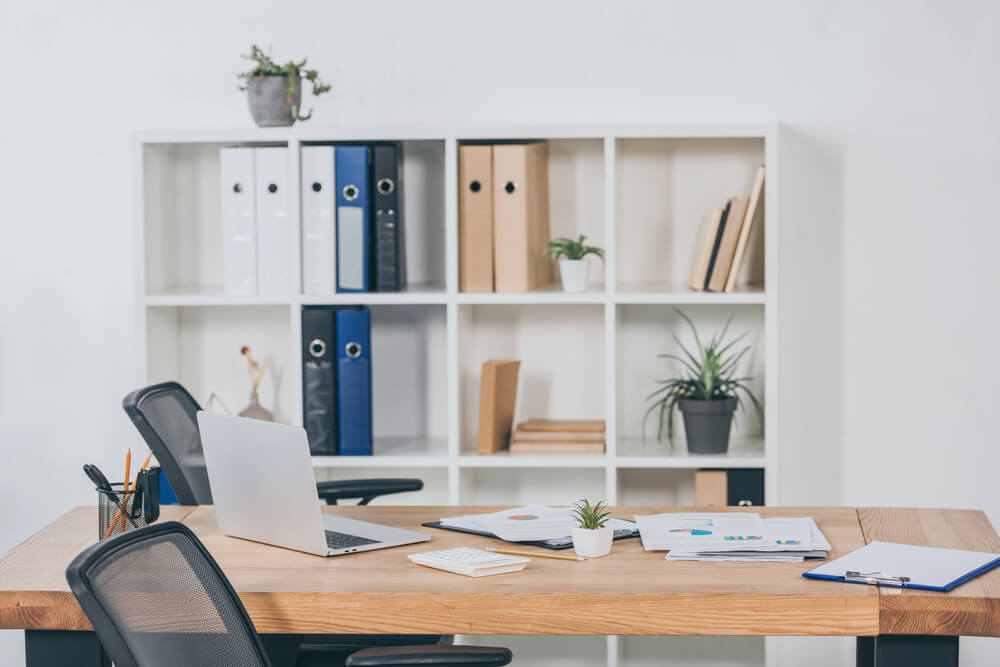
Plastic storage crates were among the cheapest shelving available, and turned on their sides and stacked two or three high they became a bookcase that could be rearranged in minutes. The setup moved easily from one rental to the next, which mattered to anyone expecting a short lease. No tools were required, only patience for the occasional collapse.
Cinder Blocks and Pine Boards
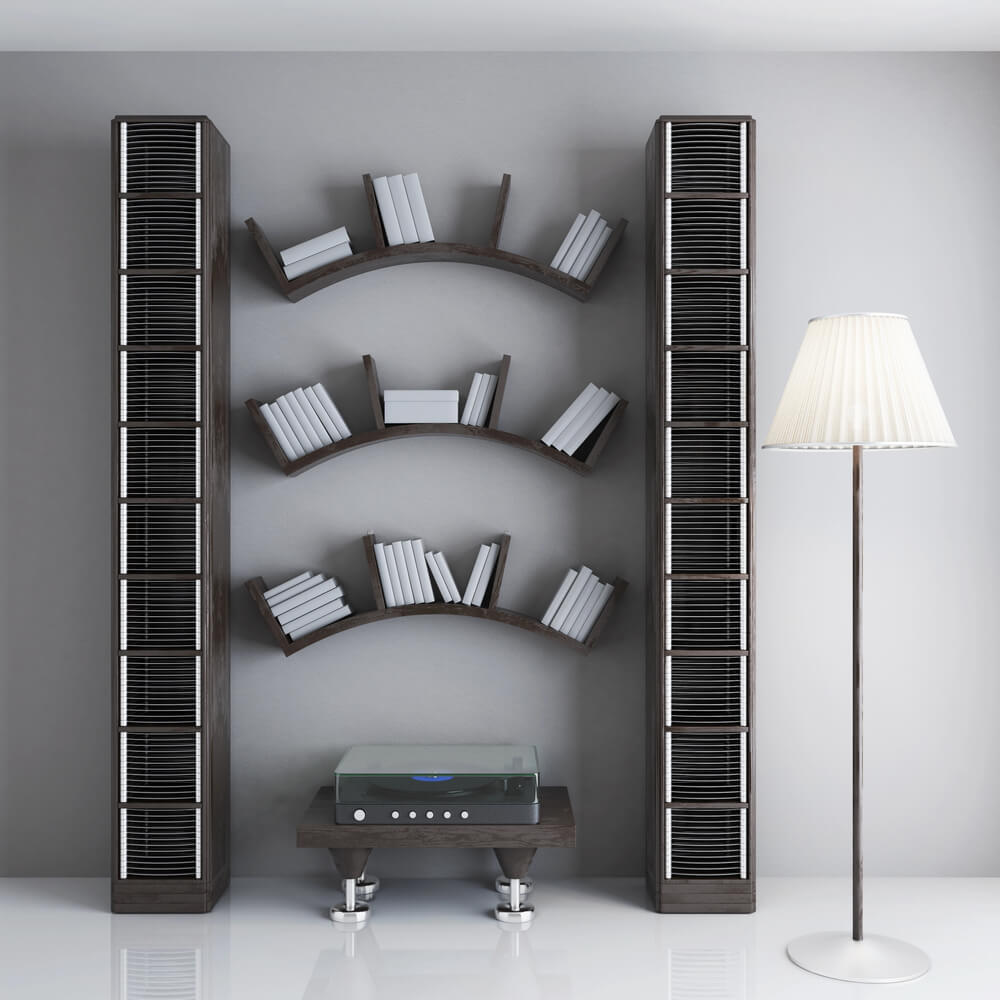
Concrete blocks with planks laid across them formed the classic first bookshelf, sturdy enough for textbooks and cheap enough to abandon at move-out. Each block weighs far more than it looks, which is why the arrangement rarely tipped. The gray stack often doubled as a low stand for a record player.
The Billy Bookcase
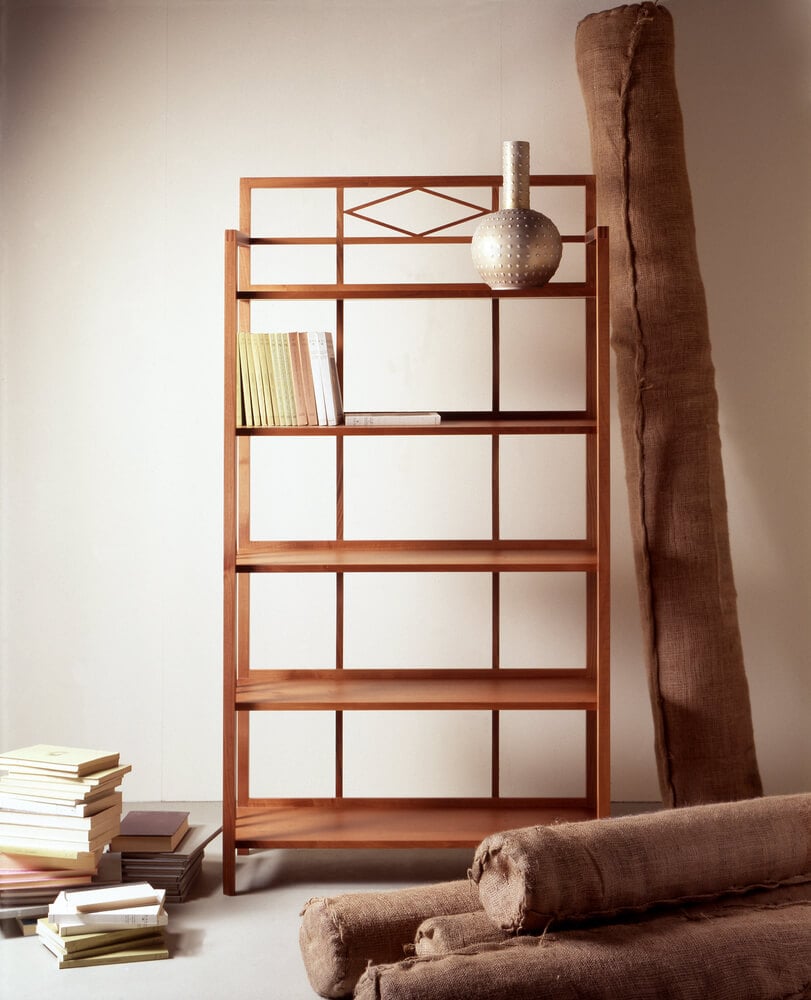
IKEA’s Billy bookcase appeared in the company’s 1979 catalog, named for an IKEA advertising manager, Billy Liljedahl, who wanted a proper bookcase just for books. The first sketch was reportedly drawn on the back of a napkin. IKEA says it has sold more than 140 million of them, which means an enormous number of first apartments have held at least one.
Lava Lamps
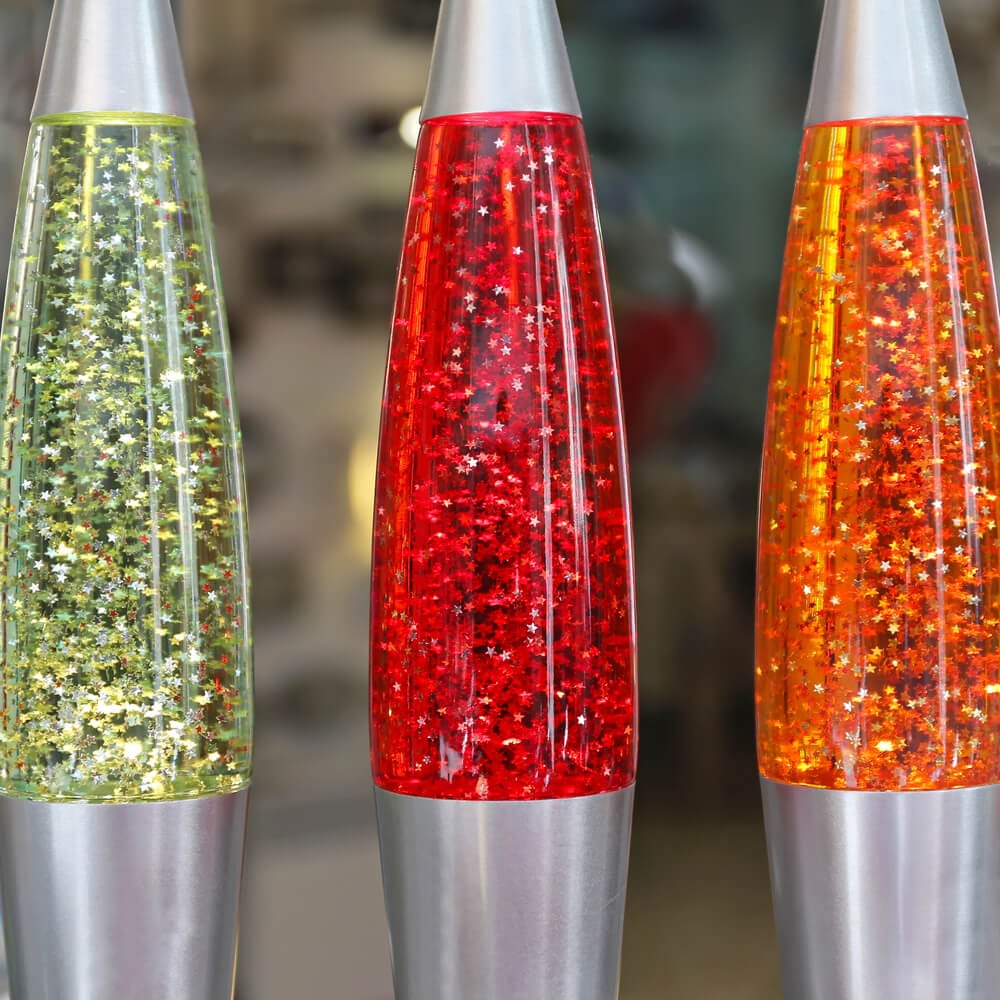
British entrepreneur Edward Craven Walker launched the Astro lamp in 1963 after watching a homemade egg timer bubble on a pub stove. The wax-and-liquid design became a fixture of rented bedrooms, and the company he founded, Mathmos, still makes lamps in Poole, England. A lava lamp cannot light a room, but it was never supposed to.
Beanbag Chairs

The Sacco, designed in 1968 by Piero Gatti, Cesare Paolini, and Franco Teodoro for the Italian company Zanotta, launched the beanbag category. It was a shapeless bag filled with polystyrene beads, and its name is simply the Italian word for sack. Copies spread to dorm rooms and first apartments, where a chair that needed no assembly made perfect sense.
Waterbeds
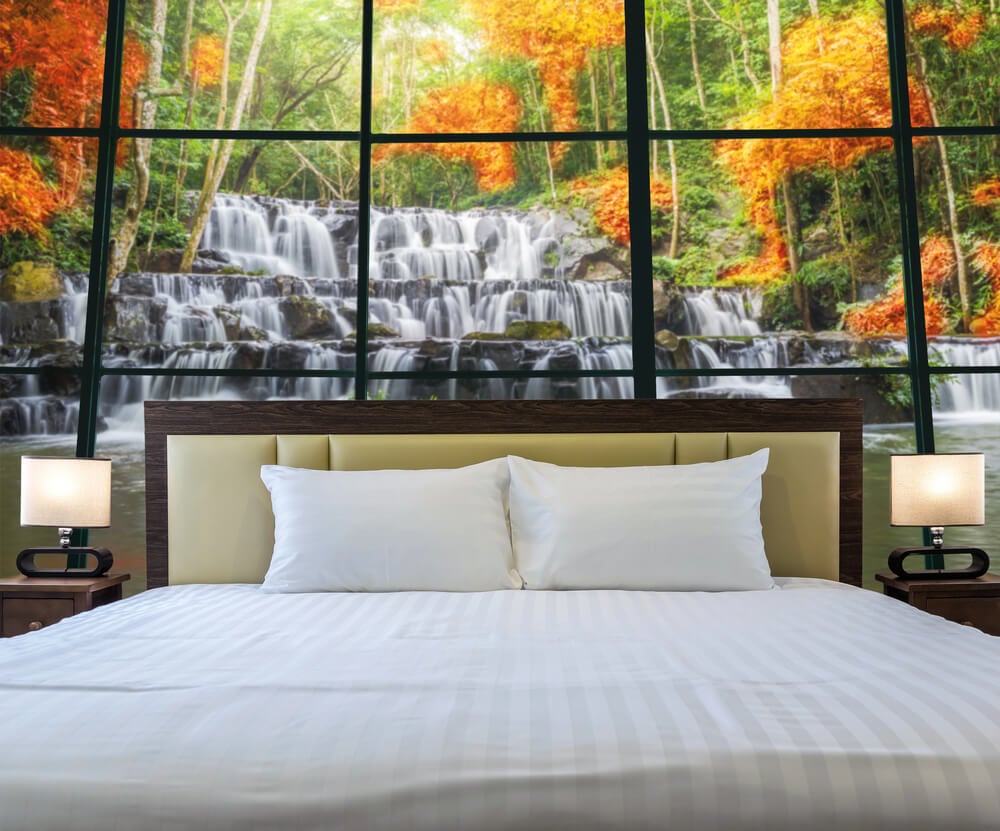
Charles Hall, a design student at San Francisco State University, built the modern waterbed as a 1968 thesis project, and his patent followed in 1971. The bed sold best to renters who had not yet thought about how much a full mattress of water weighs. It also tended to feel cold without a heater, which helped explain why so few survived a second move.
Futon Couches
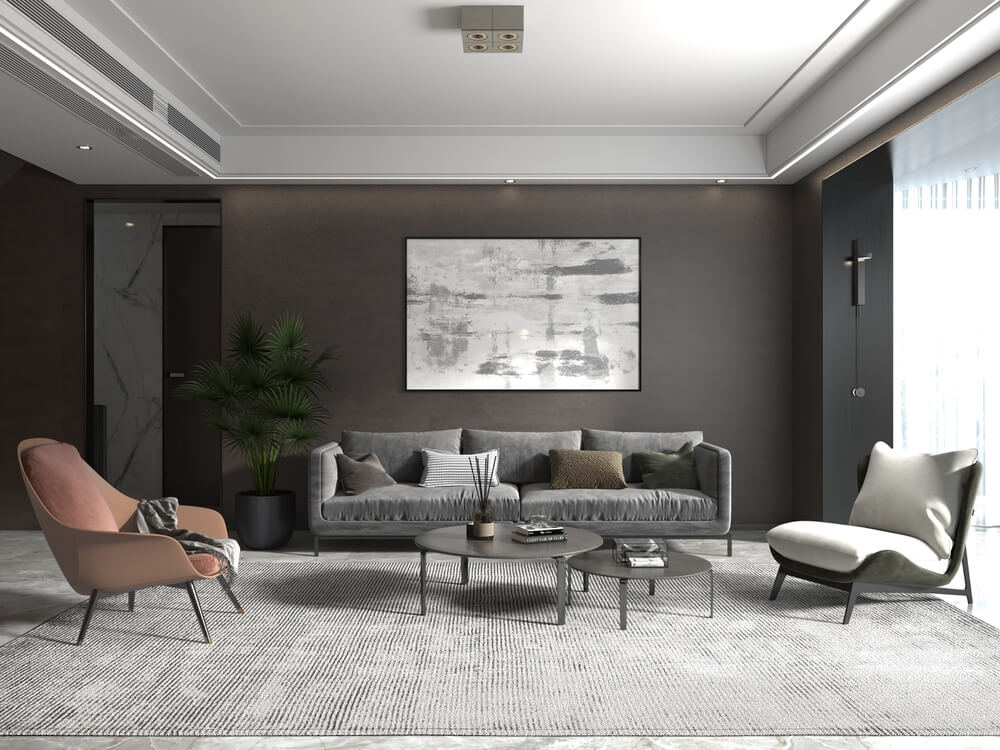
A futon frame turned one piece of furniture into both couch and bed, which was the entire argument for owning one in a studio apartment. The thick cotton mattress comes from a Japanese bedding tradition of folding and storing bedding rather than leaving it on a raised frame. The tradeoff was a daily negotiation between sitting and sleeping.
Papasan Chairs
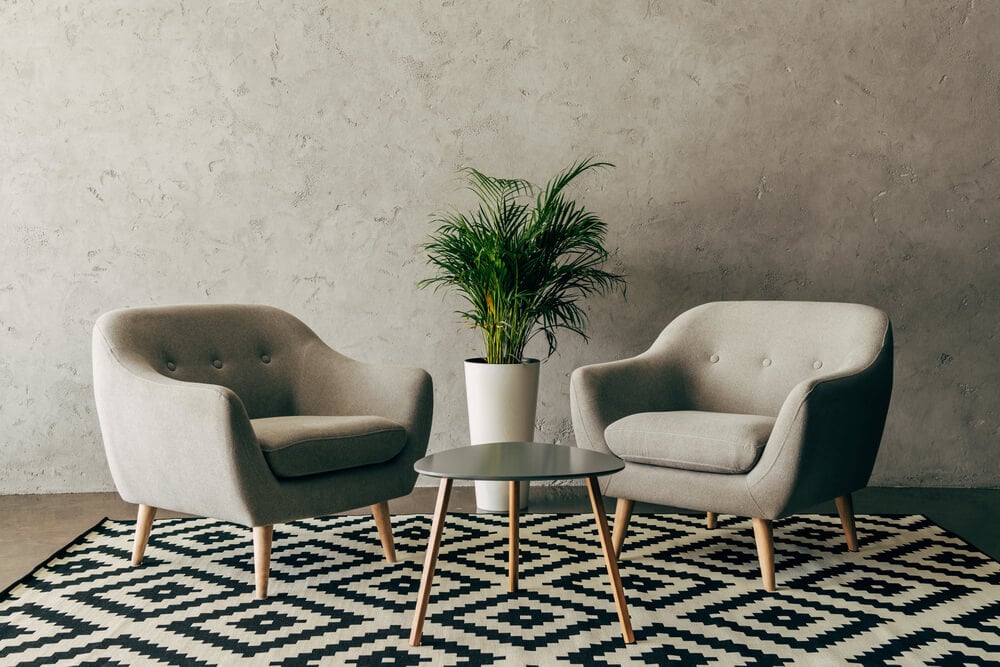
The papasan chair is a wide rattan bowl set on a wooden base, topped with a round cushion large enough to swallow a sitter. It filled corners that had no room for a full armchair. The bowl is surprisingly hard to climb out of, which became part of its reputation.
Posters Held Up With Putty
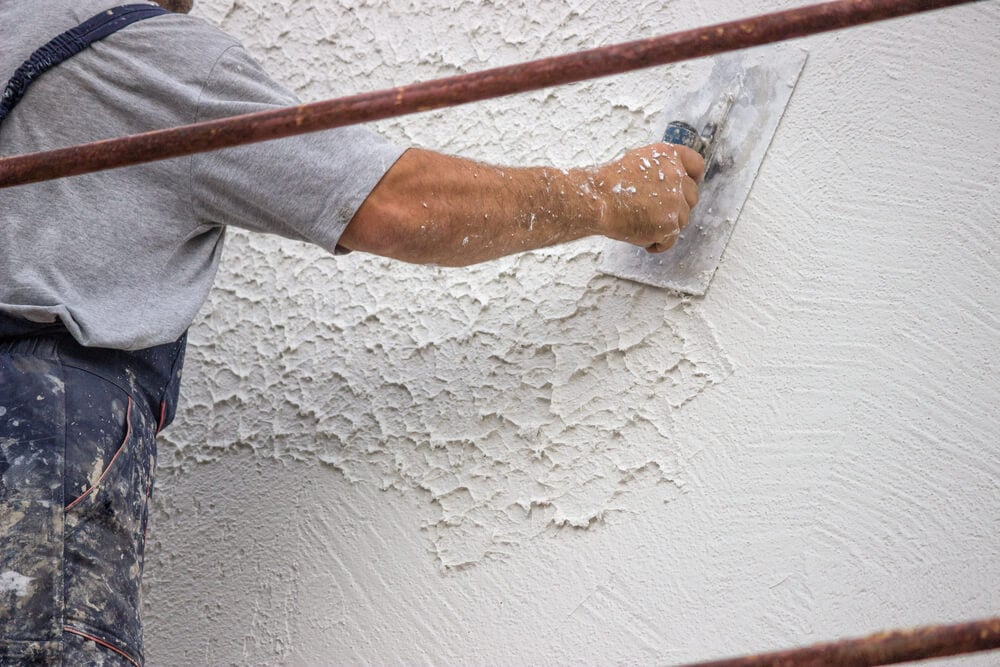
Posters were the fastest way to cover a rental wall because they asked nothing of the landlord’s paint. Putty, tape, and thumbtacks held them in place, and the more adhesive used, the more likely a patch of paint would leave with it at move-out. A framed print, by contrast, was a sign of real adulthood.
Indian-Print Tapestries
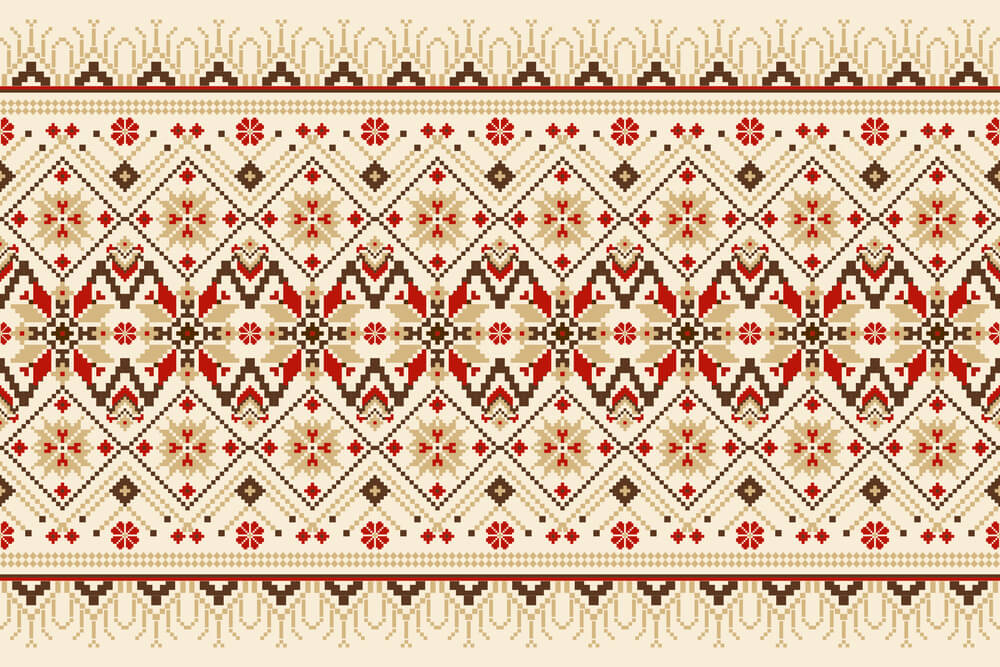
Cotton bedspreads with block-printed patterns served as curtains, couch covers, and wall hangings, sometimes all in the same room. They cost little, folded flat for moving, and hid stained walls and mystery carpet. One piece of fabric often did three jobs before it was finally retired.
Year-Round String Lights

Holiday lights left up all year turned a bare bedroom into something lit from the edges. A single string of small bulbs could be tacked along any ceiling line and drew little power. It also distracted from the fact that the overhead fixture had been chosen by the landlord, and badly.
Hand-Me-Down Couches
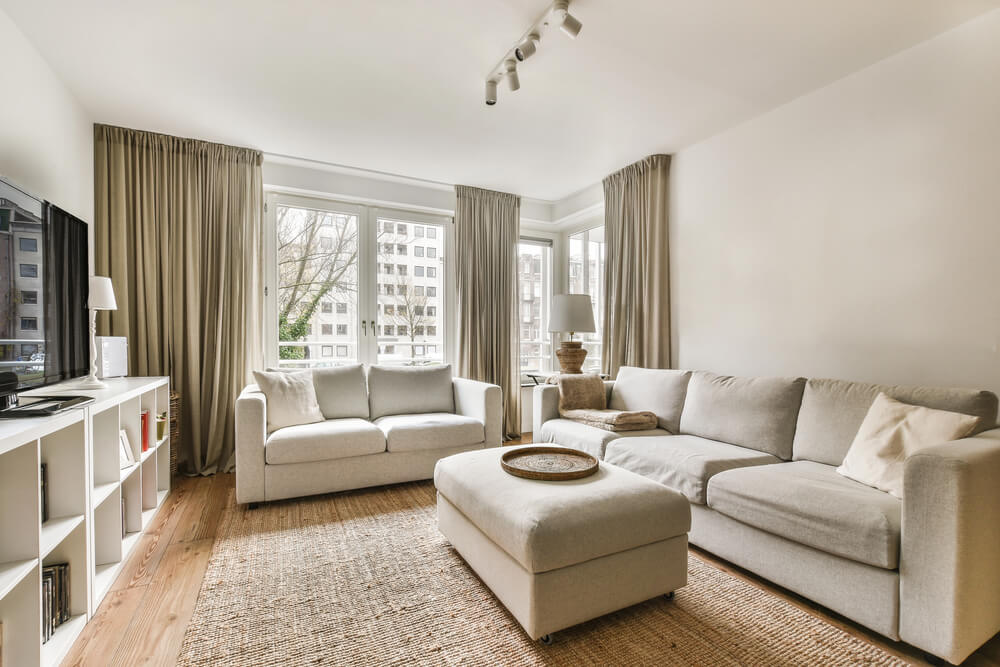
The family sofa, usually in a pattern chosen decades earlier, arrived in the back of a relative’s pickup truck and stayed for years. Floral, plaid, or brown corduroy, it was free and extremely heavy, which explains why so many never left a first apartment. Its main design contribution was making everything else look newer.
Mismatched Folding Chairs
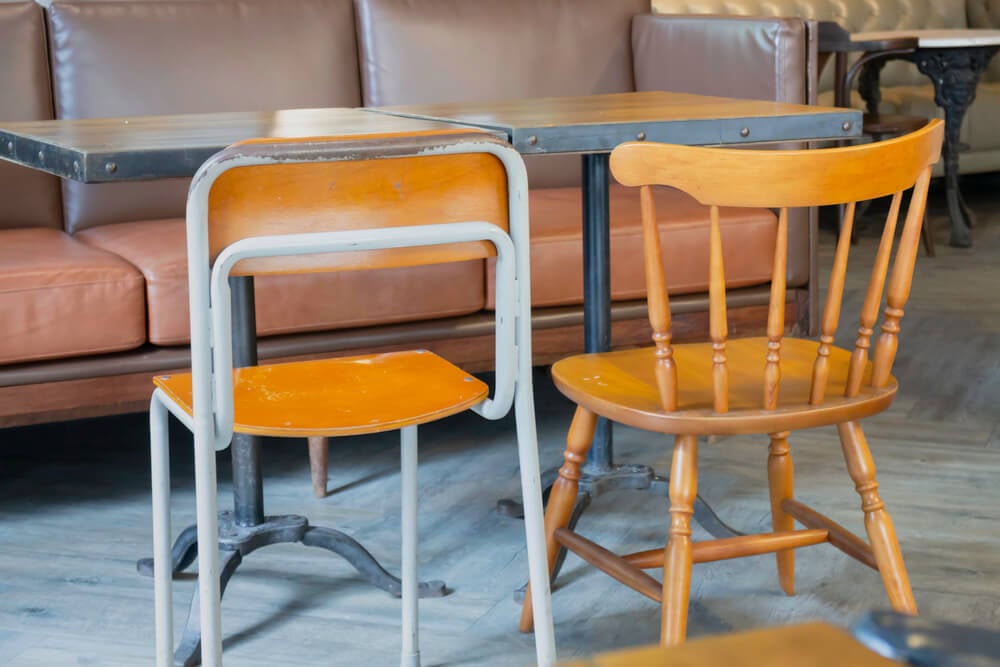
Metal folding chairs sat around the kitchen table because they stored behind a door when nobody was visiting. Sets rarely matched, since each chair came from a different relative or a different church sale. A dinner for six usually involved at least one chair of a noticeably different height.
Plastic Patio Furniture Brought Indoors
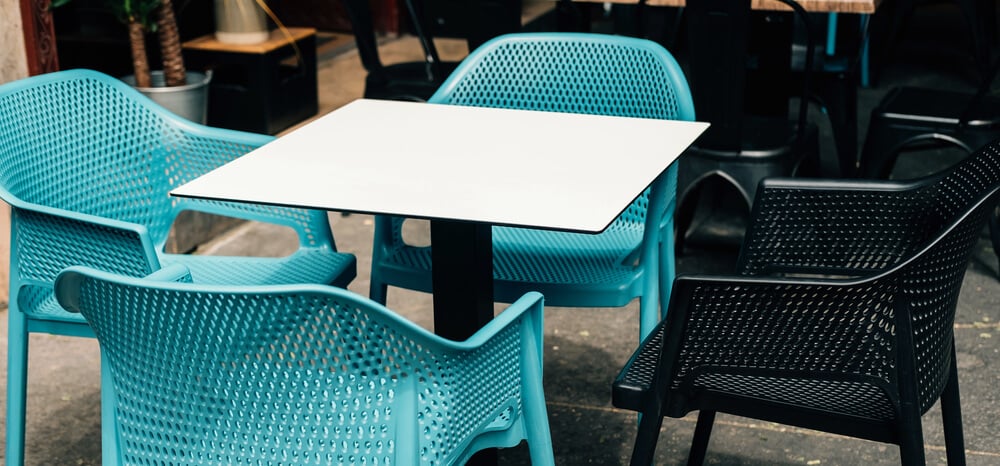
Resin chairs meant for porches moved into living rooms because they cost less than anything sold for indoor use. They wiped clean and stacked neatly, which suited renters who expected to leave soon. Their habit of squeaking on hardwood floors became part of the soundtrack of those years.
Macramé Plant Hangers
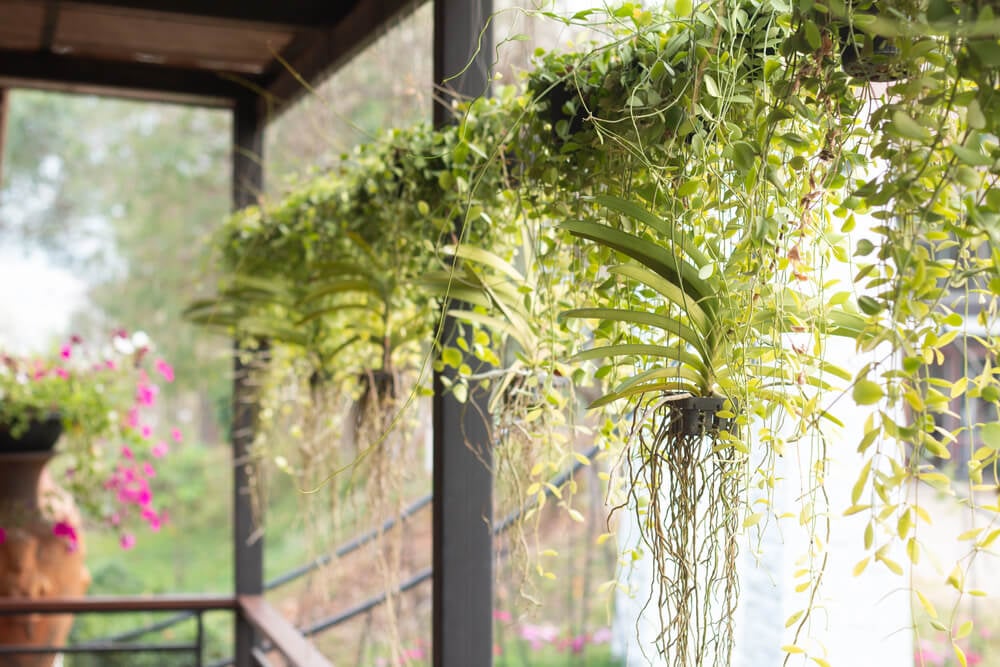
Knotted cord hangers let a spider plant swing from a ceiling hook, which kept it off a crowded floor. The craft needed nothing but rope and patience, so friends often made them as housewarming gifts. A plant that survived a first apartment frequently moved on to a second.
Spider Plants and Pothos

Both plants forgive missed waterings, which made them the default for people still learning to take care of anything. A spider plant produces small offshoots that can be snipped and handed to the next friend moving into a place of their own. Some of them trace back through several apartments’ worth of cuttings.
A Mattress on the Floor
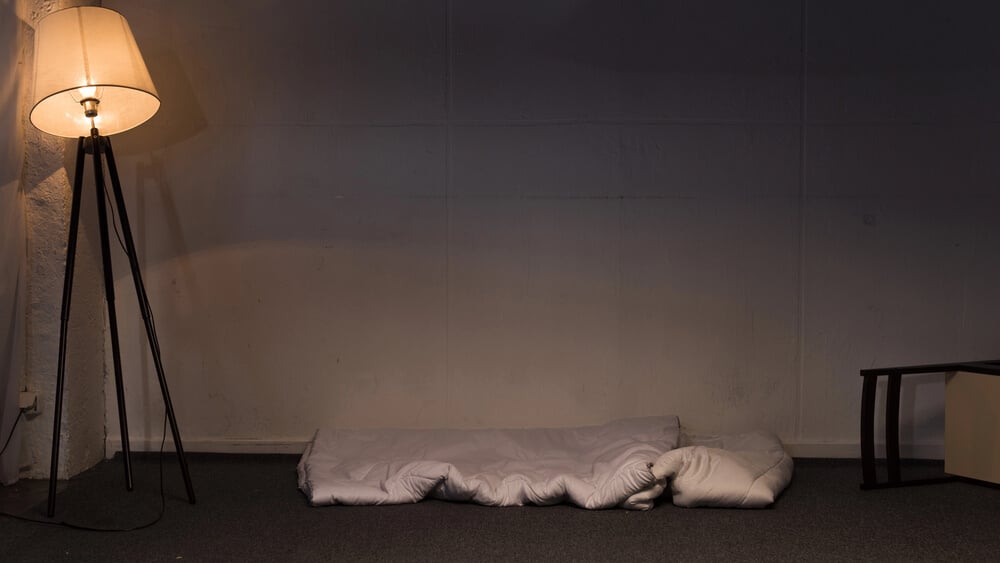
Before a bed frame came a mattress directly on the floor, sometimes with a box spring underneath for a little height. The arrangement saved money and made moving trivially easy, though reaching the alarm clock became a floor-level exercise. For many renters it lasted far longer than planned.
A Hollow-Core Door on Sawhorses
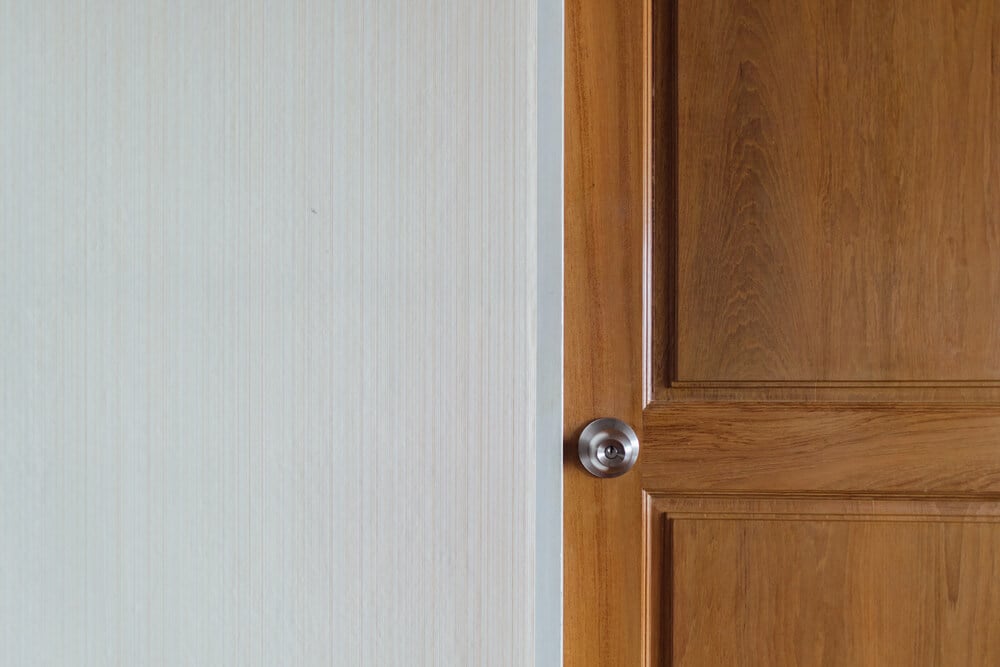
A flat interior door laid across two sawhorses made a desk large enough for a typewriter, and later a computer. Hardware stores sold the door cheaply, and the legs folded away when the space was needed. It was also wide enough to hold a stack of unpaid bills with room to spare.
Carpet Remnants as Area Rugs
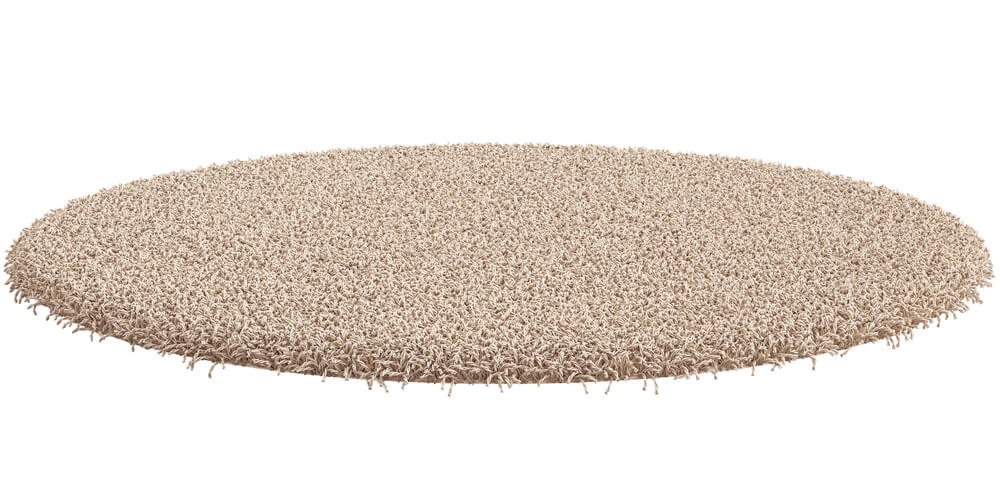
Carpet stores sold offcuts at a discount, and a bound edge turned a remnant into a room-sized rug. Thick shag was especially popular in the 1970s because it hid stains so well. The color usually reflected whatever had been left over, not anything anyone had planned.
Moving Boxes as End Tables
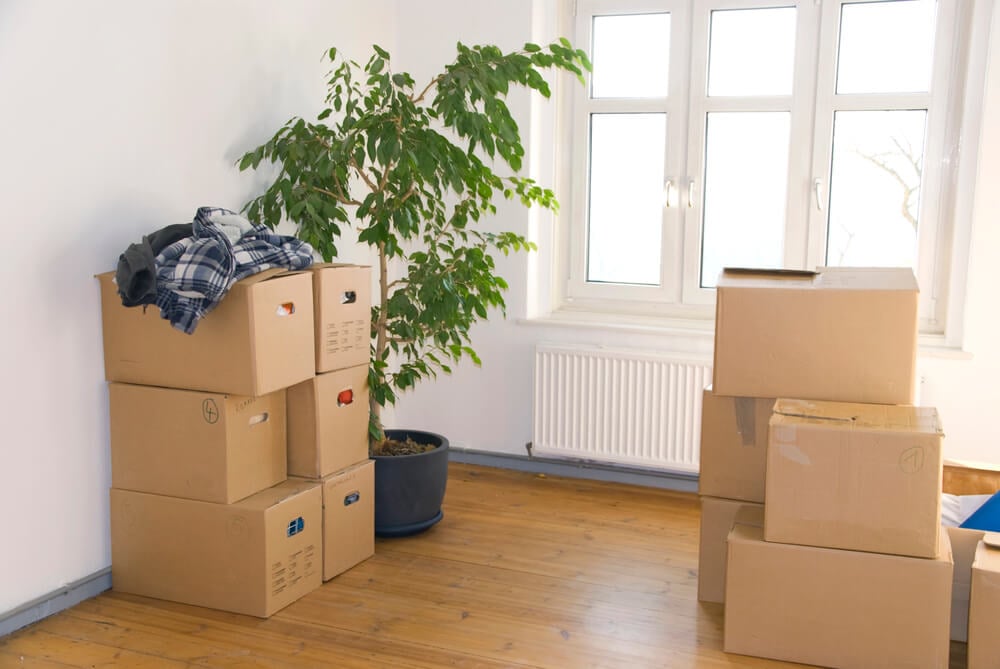
Sturdy cardboard boxes topped with a bedsheet or a scarf served as end tables for months after the move was supposedly finished. They held books inside and a lamp on top. The arrangement lasted long enough that people learned which box held the good records.
Furniture With an Expiration Date
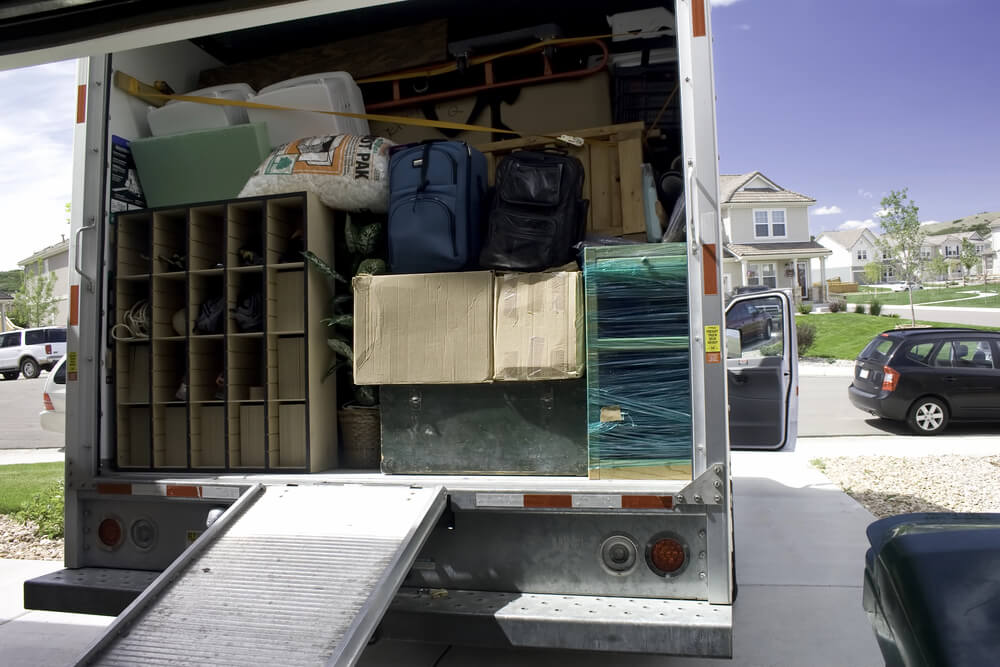
None of these items were chosen to last, and that was the point. A first apartment is a rehearsal, furnished with things that can be moved, abandoned, or handed to the next tenant. Even the ambitious purchases, like a waterbed or a bookcase meant to hold a semester of textbooks, were bought with the next address in mind.
Yet some of the humblest choices stuck around. A spider plant, a mismatched chair, or a pine board across two cinder blocks has a way of surviving the upgrade. Years later it can be the one object in a finished home that still remembers the first lease.
More from Go2Tutors!

- 27 Silver Dollars and Half Dollars Worth Keeping
- 28 Restaurant Menu Items Nobody Orders Anymore
- 17 Places Built in Seemingly Impossible Spots
- 27 Vintage Rings Worth More Than They Look
- 25 Restricted Sites Tourists Can’t Enter
Like Go2Tutors’s content? Follow us on MSN.