25 Classroom Staples That Disappeared From Schools
A classroom from forty years ago would feel strangely loud and physical to a student today. Machines hummed, clicked and smelled of solvent, and nearly everything a teacher used had to be threaded, cranked, stamped or wiped clean.
Each of these objects once seemed permanent. Most were replaced so gradually that nobody noticed the last one leaving the building.
Ditto Machines and Purple Copies
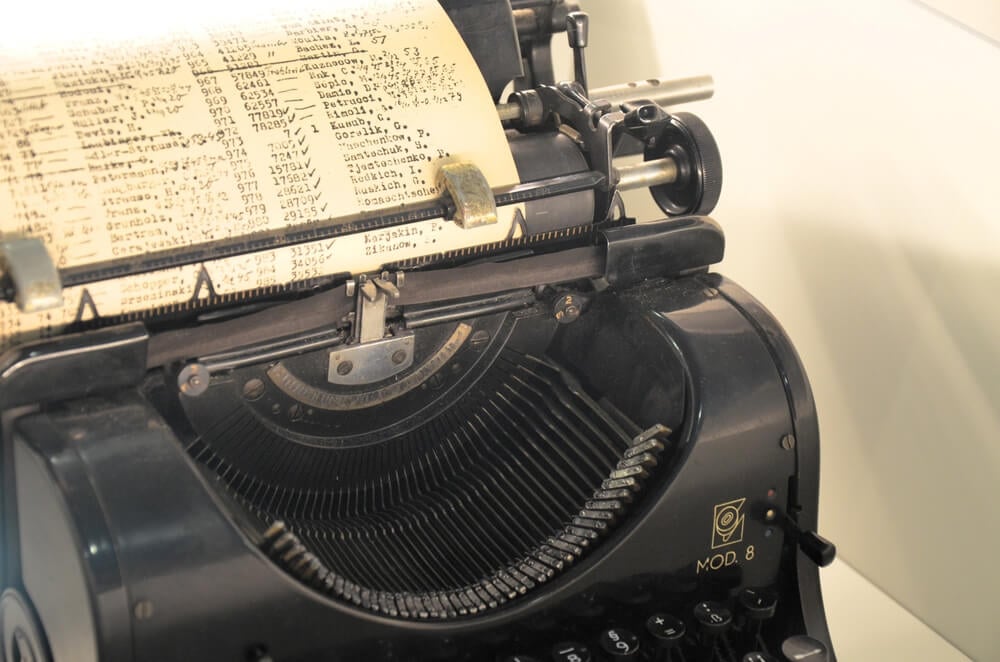
Before photocopiers took over, teachers made worksheets on spirit duplicators, better known as ditto machines after one popular brand. A teacher wrote or typed on a special master sheet backed with a waxy purple dye layer, then clipped it to a drum and cranked out copies moistened with an alcohol-based solvent.
The fresh pages came out slightly damp, with blurry violet lines and a sharp chemical smell that students often sniffed on purpose. Each master could produce only a limited run before the copies faded.
By the 1990s, cheaper photocopiers had pushed the machines out of most schools.
Overhead Projectors and Transparencies
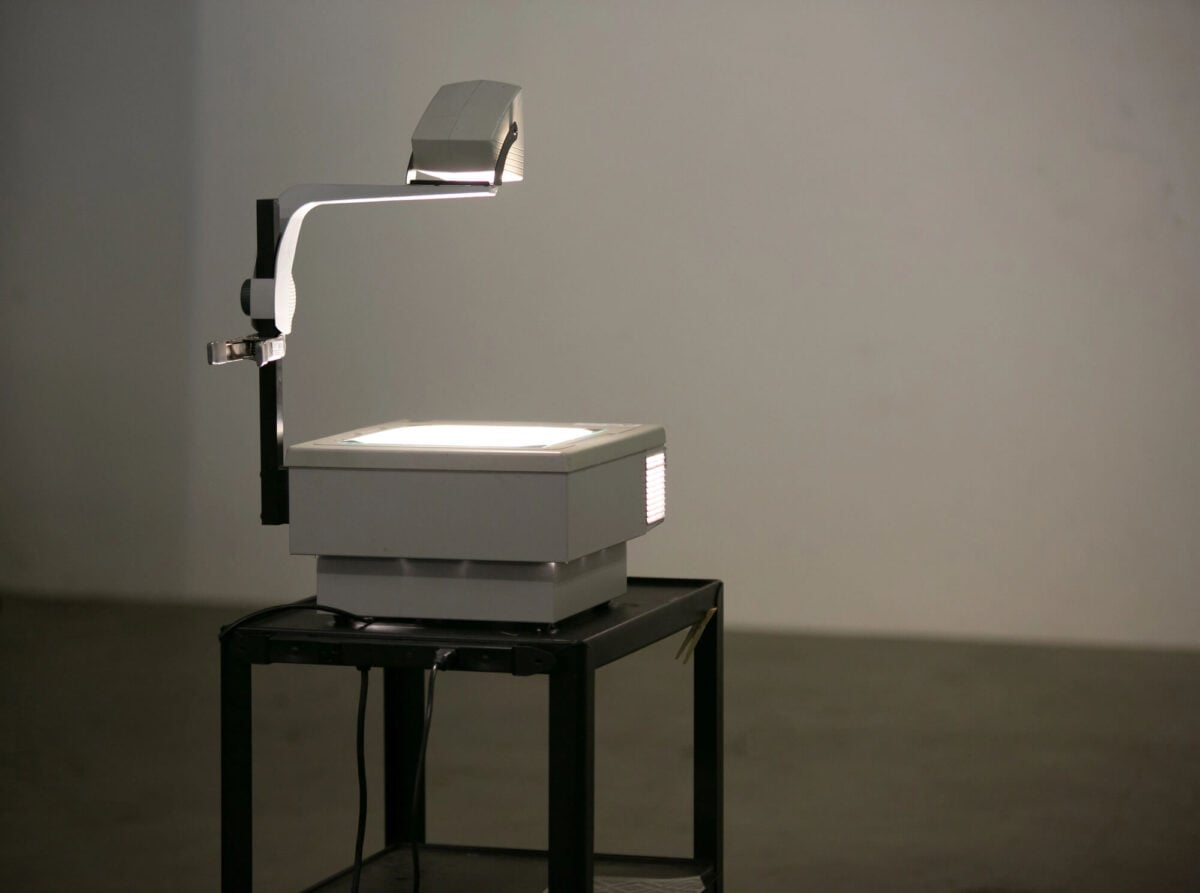
From the 1960s into the 2000s, the overhead projector was the classroom workhorse, a boxy lamp and mirror assembly that threw an image from a clear plastic sheet onto the wall. Teachers wrote on transparencies with wet-erase markers, cleaned them with a damp paper towel and layered sheets to build diagrams step by step.
A roll of acetate attached to the side allowed continuous writing during a lesson. The bulbs burned out at the worst moments, usually in the middle of a test review.
Document cameras and interactive whiteboards replaced them, and the familiar fan hum faded from classrooms.
Filmstrips That Beeped
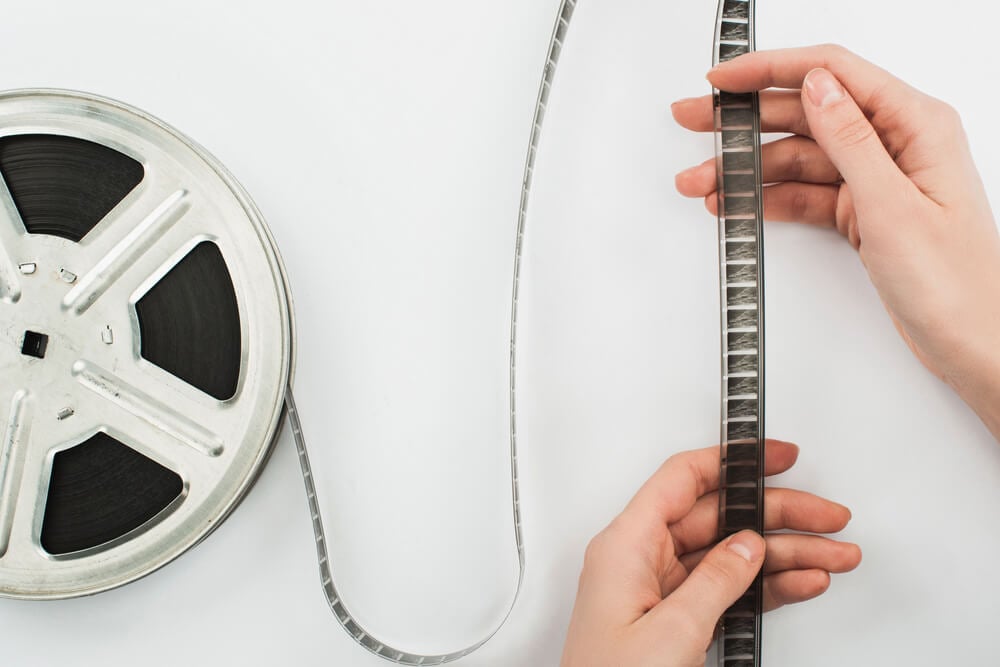
Filmstrips were short rolls of 35mm film showing a sequence of still images, played on a small projector alongside a record or cassette with narration. An audible beep told the operator, often a student volunteer, to turn the knob to the next frame.
Later machines advanced automatically with an inaudible tone. Filmstrips covered everything from hygiene to history, and the slightly faded colors gave every subject the same vintage look.
Their decline came with the spread of VCRs in the 1980s, which let teachers show moving pictures without threading anything at all.
Slate Chalkboards and the Music Liner
Traditional chalkboards were often cut from slate quarried in eastern Pennsylvania, and they could last a century with care. Teachers used long wooden pointers, chalk holders to keep their fingers clean and a five-pronged gadget that drew the lines of a music staff in one stroke.
Students competed for the privilege of cleaning the erasers, clapping them together outside in a cloud of dust. Concerns about chalk dust, allergies and electronics pushed schools toward whiteboards and interactive screens.
Some districts removed the slate entirely during renovations, and salvagers now sell pieces as reclaimed material.
The Card Catalog
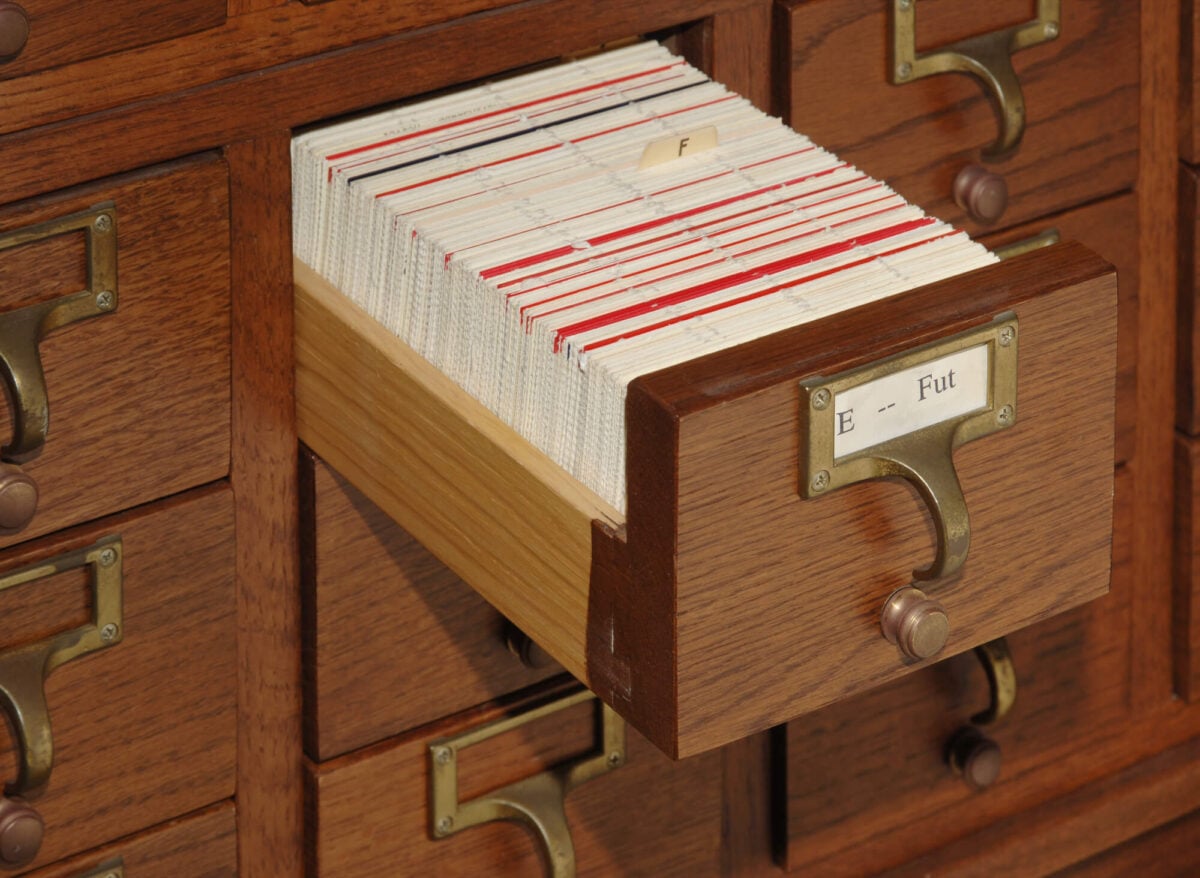
Every school library once had a card catalog, a wooden cabinet of narrow drawers holding cards organized by author, title and subject, each marked with a Dewey Decimal number. Students learned to flip through the cards to find books on the shelves.
OCLC, the library cooperative, printed its peak run of 131 million catalog cards in 1985, and it printed its last cards on October 1, 2015. Online catalogs had long since taken over most libraries.
Many old cabinets have been sold off and now hold spices, hardware or craft supplies in private homes.
Date-Due Stamps and Book Pockets
Library books once carried a paper pocket glued inside the back cover, holding a card on which each borrower wrote a name. The librarian stamped the due date on a slip with an adjustable rubber stamp, and the thud of that stamp was part of every checkout.
Students could see the names of everyone who had borrowed the book before them, which was a small thrill and a privacy problem. Barcode scanners and computer systems replaced the cards and stamps.
The inked date slips now show up mostly in used books sold at library sales.
Pull-Down Maps Showing the USSR

Pull-down maps mounted above the chalkboard were standard classroom equipment, rolled up on spring-loaded rollers and pulled down with a small ring or tab. Companies such as Denoyer-Geppert of Chicago made maps of the world, the United States and historic eras.
Many schools kept the same maps for decades, so students in the 1990s often learned from maps still showing the Soviet Union, East Germany and Zaire. A map snapping back up without warning was a reliable source of classroom laughter.
Digital projectors and online maps made the rolled sets obsolete in most schools.
Encyclopedia Sets on the Shelf
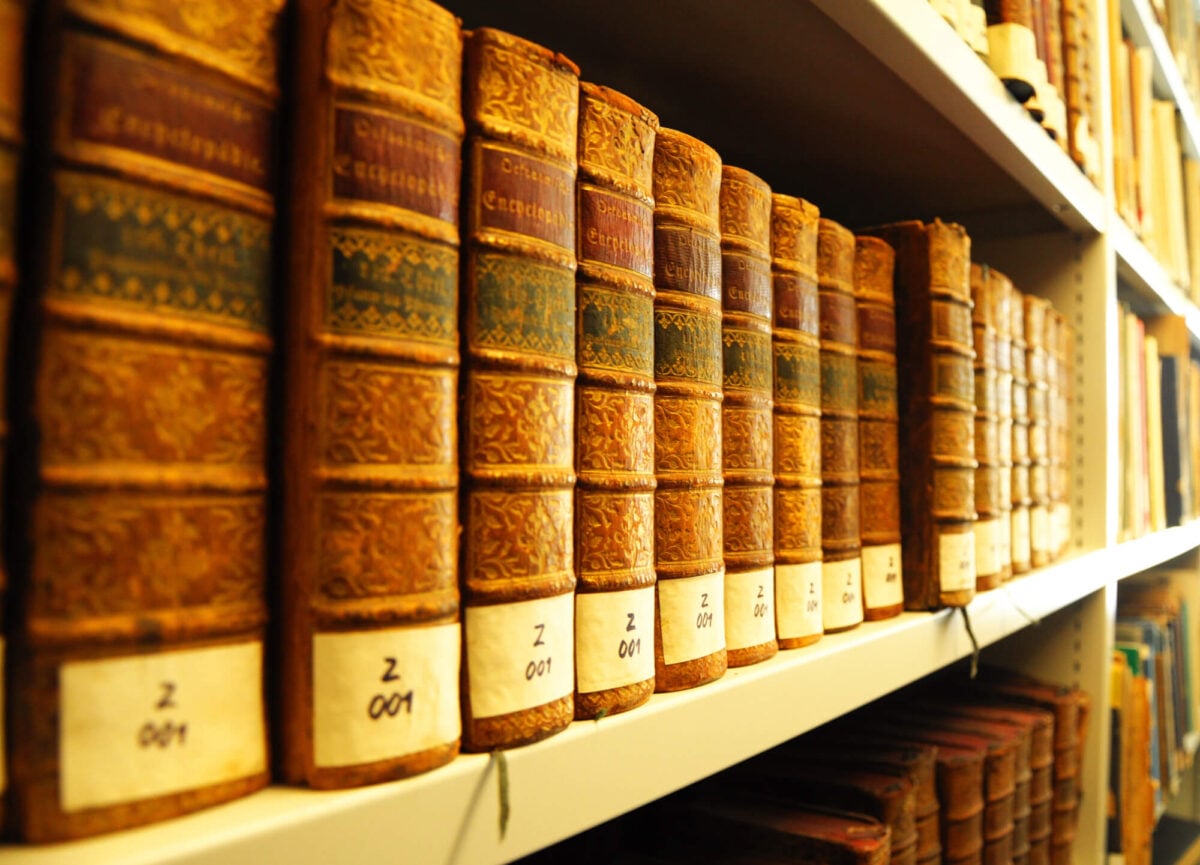
Research papers once began at a shelf of heavy encyclopedias, usually World Book or Britannica, lined up in matching bindings in the classroom or library. Students copied facts onto index cards, paraphrasing to avoid plagiarism and looking up cross-references in other volumes.
Families sometimes bought sets on installment plans from door-to-door salesmen. Britannica announced in 2012 that it would stop printing after 244 years, with the 2010 edition as its last print set.
Online search replaced the bound volumes in most schools, and many old sets now sell cheaply at thrift stores.
The Rolling TV Cart
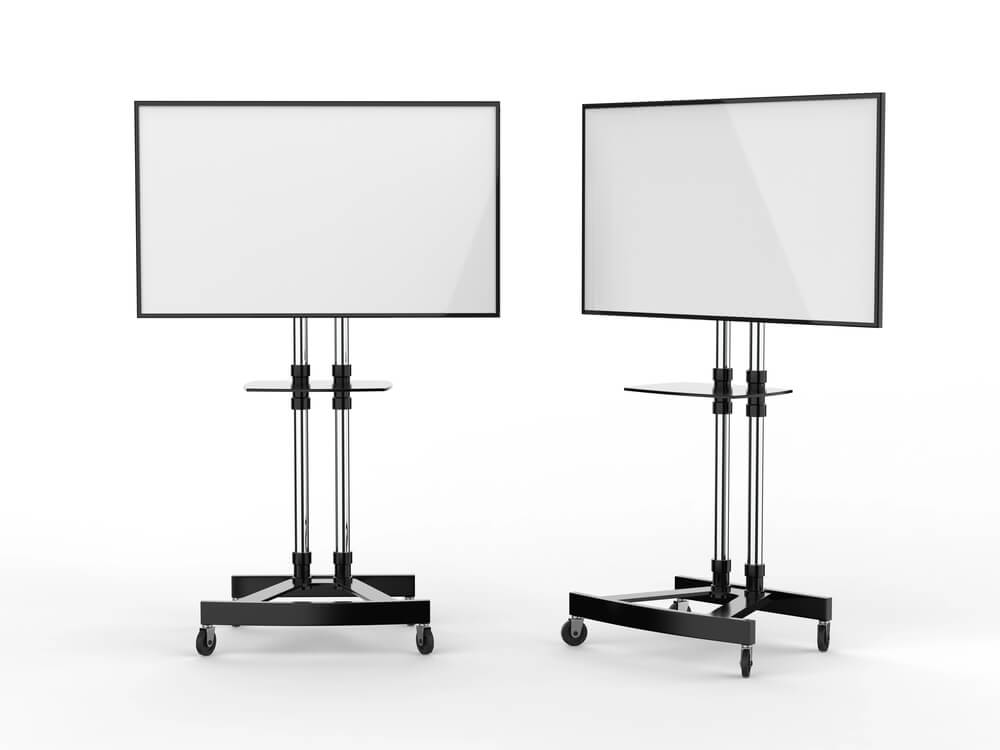
A tall metal cart holding a television strapped down with a belt, with a VCR on the shelf below, was the most exciting sight in a 1980s or 1990s classroom. It meant a movie, a documentary or a news broadcast instead of a regular lesson.
The cart was usually shared among classrooms, so teachers signed up for it in advance. Tall carts with heavy televisions could tip over, and reports of injuries led to safety warnings.
Flat-screen displays mounted on walls, projectors and streaming video removed the need for the cart and the ritual of rolling it in.
Lift-Top Wooden Desks
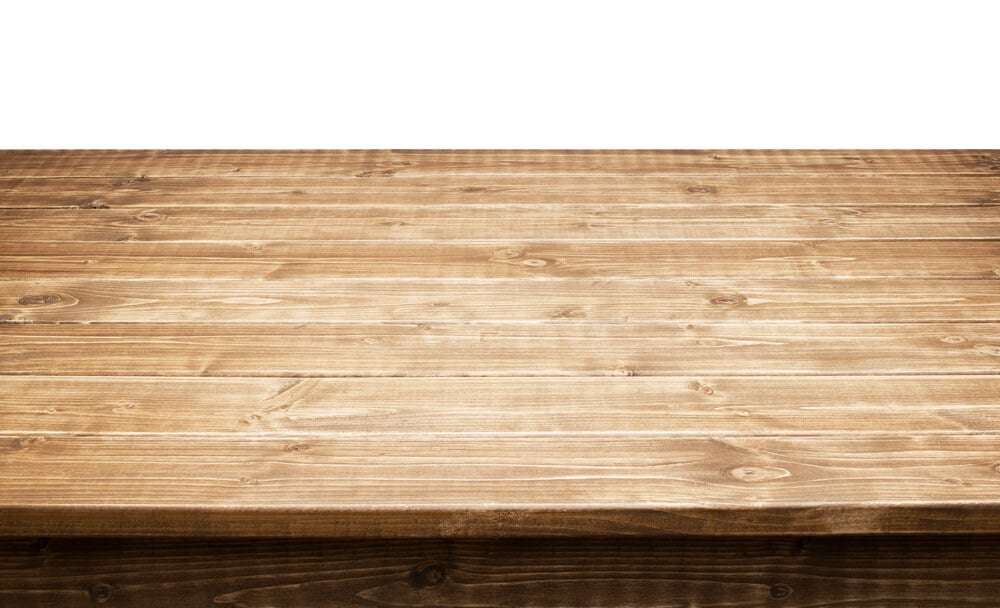
Many older classrooms used wooden desks with a hinged lid that lifted to reveal a storage compartment for books, pencils and lunch leftovers. Some were attached to the seat in front or bolted to the floor in rows.
The lids were perfect for carving initials, hiding notes and slamming when frustrated. Schools replaced them with open-front desks, tables and flexible seating that could be rearranged for group work.
Salvaged desks now appear in antique shops and restaurants, where carved names and old graffiti are considered part of the charm.
Jars of White School Paste
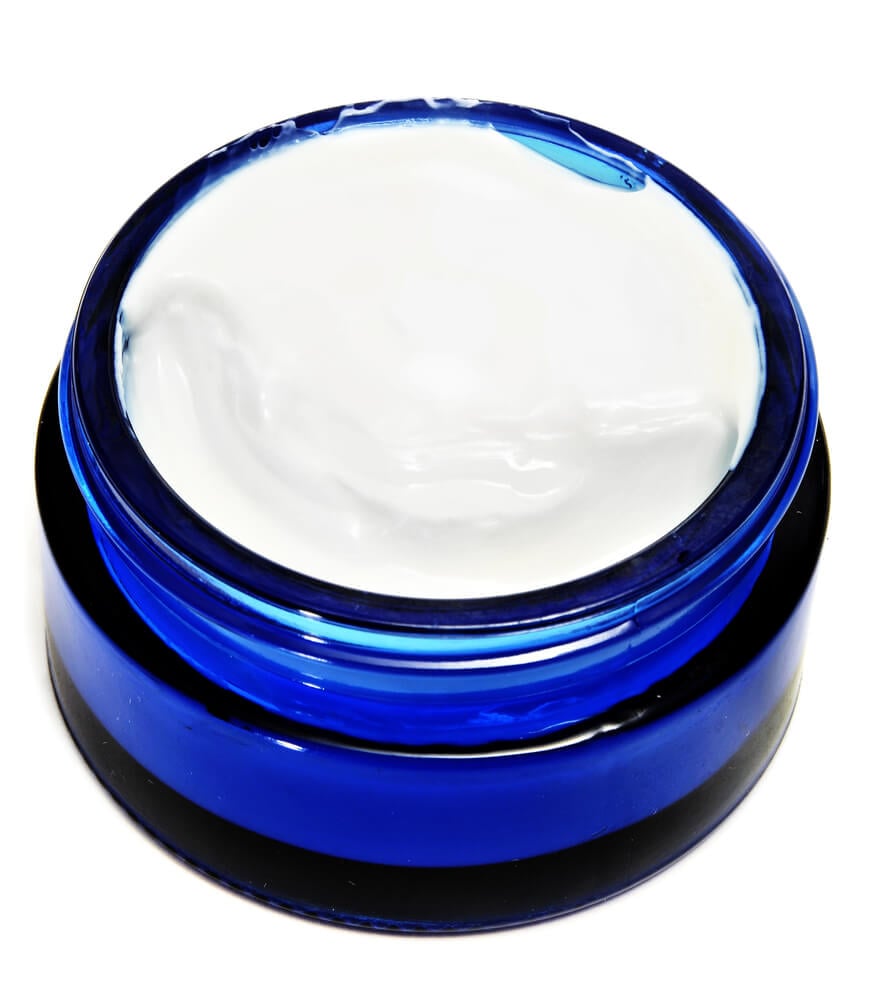
Before glue sticks, schools supplied white paste in small jars with a spreader or brush attached to the lid. The paste was thick, starchy and slow to dry, and a surprising number of children tasted it, sometimes on a dare.
It worked for paper crafts and bulletin board projects but made a mess of fingers and desks. Glue sticks, introduced in the late 1960s and common in schools by the 1980s, were cleaner and faster.
White liquid glue also became standard. The paste jar and its little spreader have largely disappeared from school supply lists.
SRA Reading Laboratory Boxes
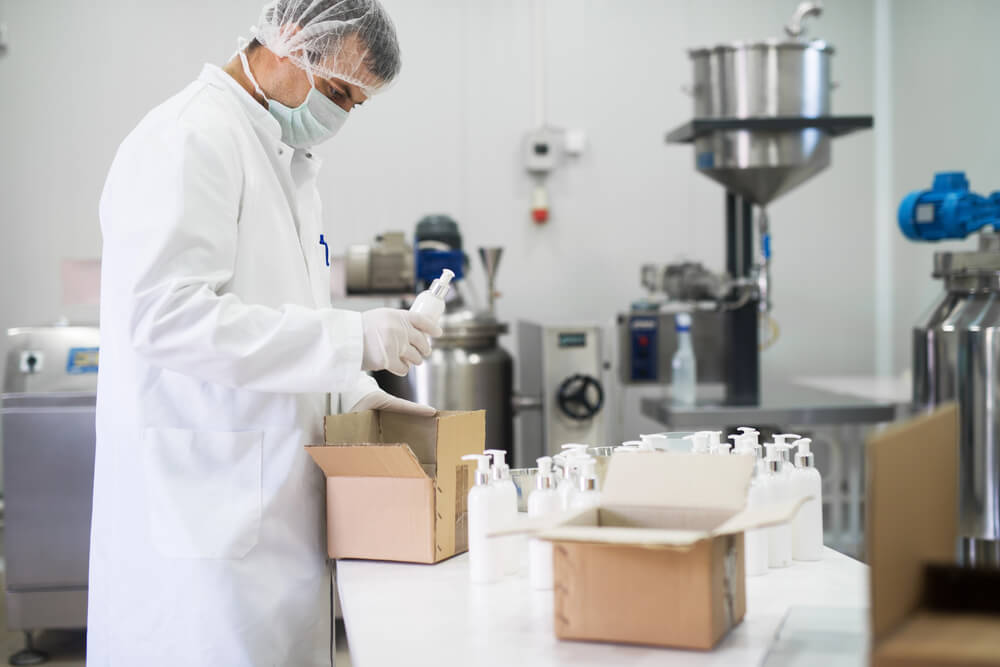
Don H. Parker developed the SRA Reading Laboratory, published by Science Research Associates beginning in 1957, as a box of color-coded reading cards, each followed by comprehension questions. Students worked through levels at their own pace, moving from colors such as aqua and brown to gold and purple.
The system introduced many students to individualized learning and gave a sense of progress as they advanced. Teachers kept answer keys and scoring sheets.
Computer-based reading programs replaced the boxes, but many adults still remember their color level with pride.
Portable Record Players
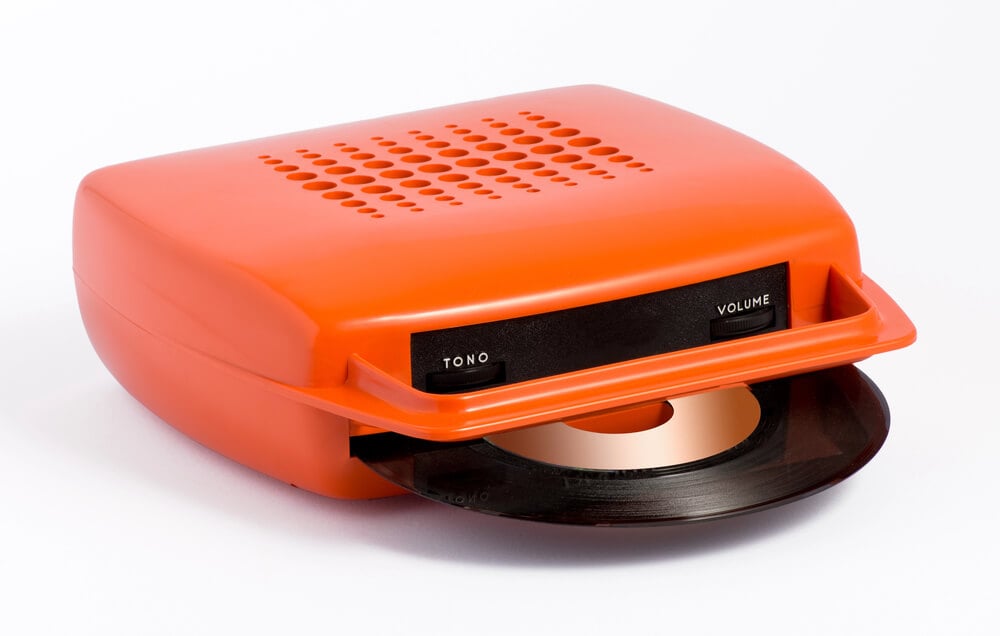
Classrooms once kept a sturdy portable record player, often a Califone model with a built-in speaker and a latching lid, for music lessons and sing-alongs. Teachers played folk songs, patriotic tunes and educational records, and the needle sometimes skipped when a student bumped the table.
Records also accompanied filmstrips and read-along books. Cassette players and CD players replaced them in the 1980s and 1990s, and later streaming services took over.
The machines were built to survive rough handling, and many still work when they turn up at estate sales.
Listening Centers With Headphones
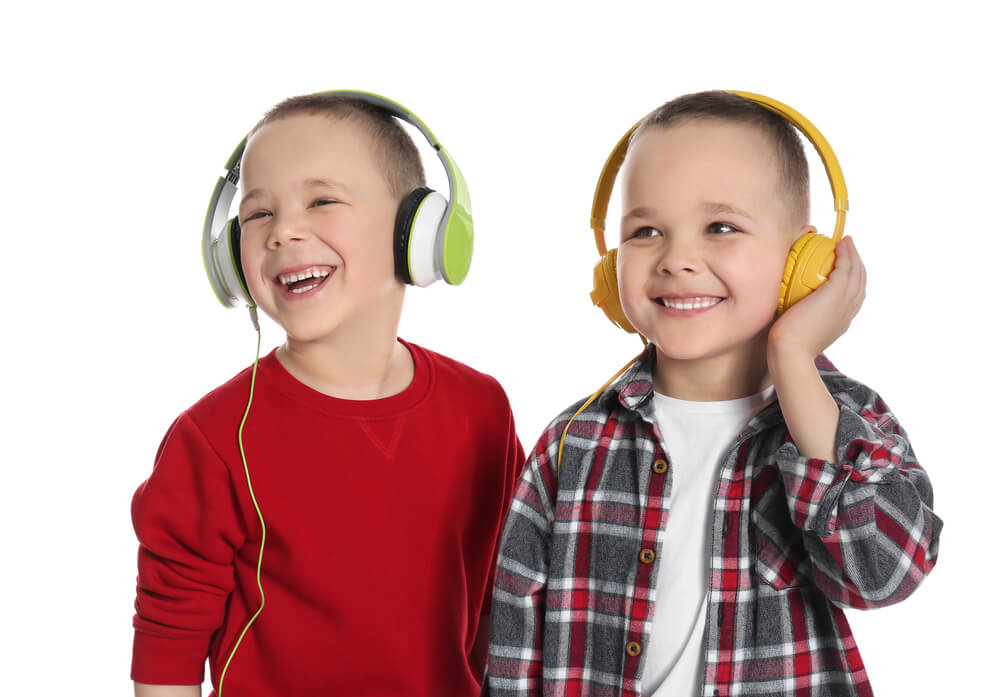
A listening center was a small station with a record player or cassette deck connected to a junction box and several sets of bulky headphones. Groups of students listened to stories or lessons while following along in books, which allowed teachers to work with other groups at the same time.
The headphones often tangled and smelled faintly of plastic and other kids’ hair. Tablets and individual devices replaced the shared stations.
The listening center was an early form of differentiated instruction, and its tangle of cords is a vivid memory for many former students.
Opaque Projectors for Tracing
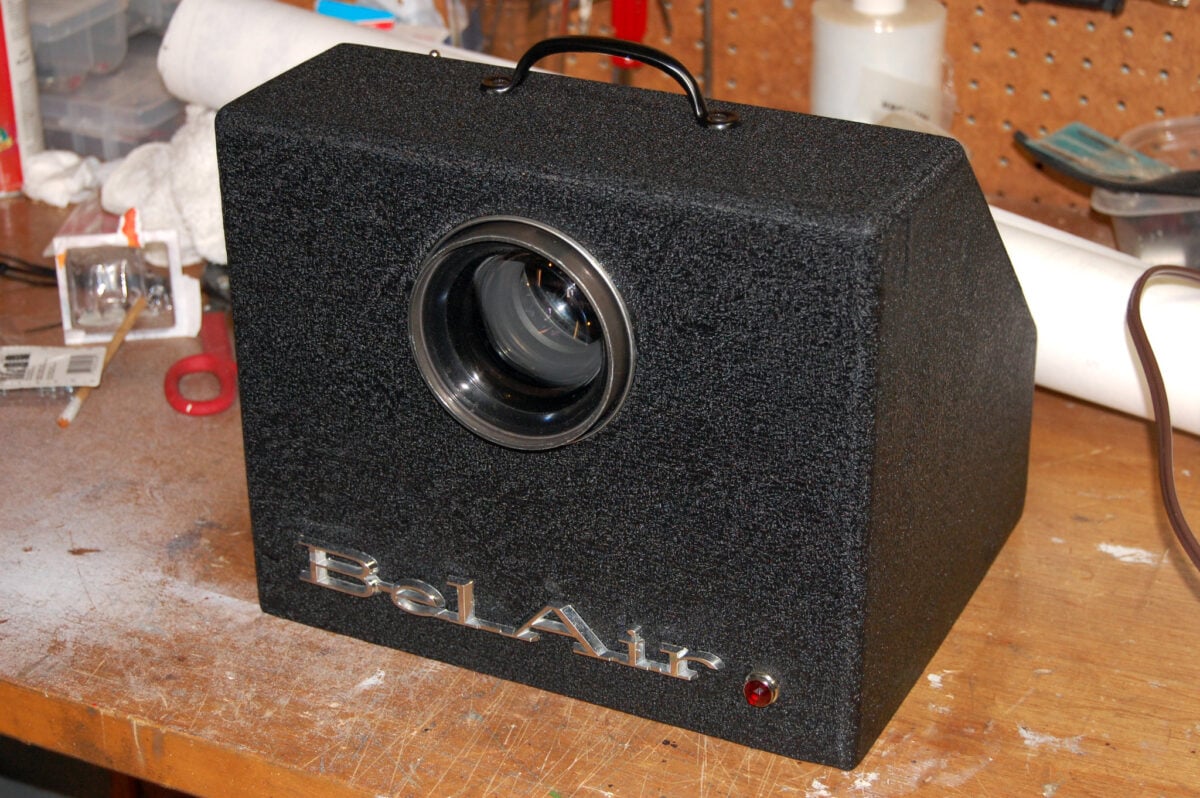
Heavy, hot and bulky, the opaque projector could project an image of a book page, photograph or drawing directly onto a wall, using a bright lamp and mirrors. Teachers used it to show illustrations to the class, and art teachers used it to trace large murals and posters.
The machine was bulky and noisy, and the lamp made it hot enough to warm the room. Document cameras and digital projectors replaced it, doing the same job with far less effort.
Few students today have seen one, although some artists still keep them for tracing.
Kodak Carousel Slide Projectors
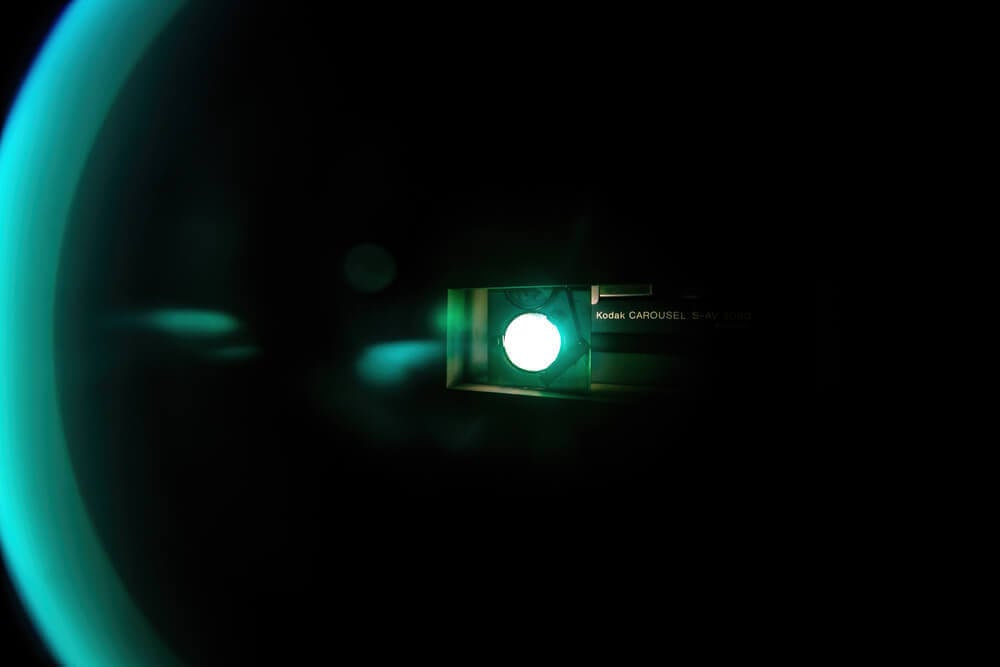
Kodak introduced the Carousel slide projector in 1961, and its round tray of 35mm slides became a staple of classrooms, art history lectures and science presentations. Teachers clicked through slides with a remote, sometimes discovering one loaded upside down.
The fan hum and click of each slide change marked the rhythm of many lessons. Kodak stopped making the projectors in 2004 as digital presentations took over.
Old carousels and slide collections still appear in school storage rooms, a reminder of lessons delivered one image at a time.
Language Master Card Readers
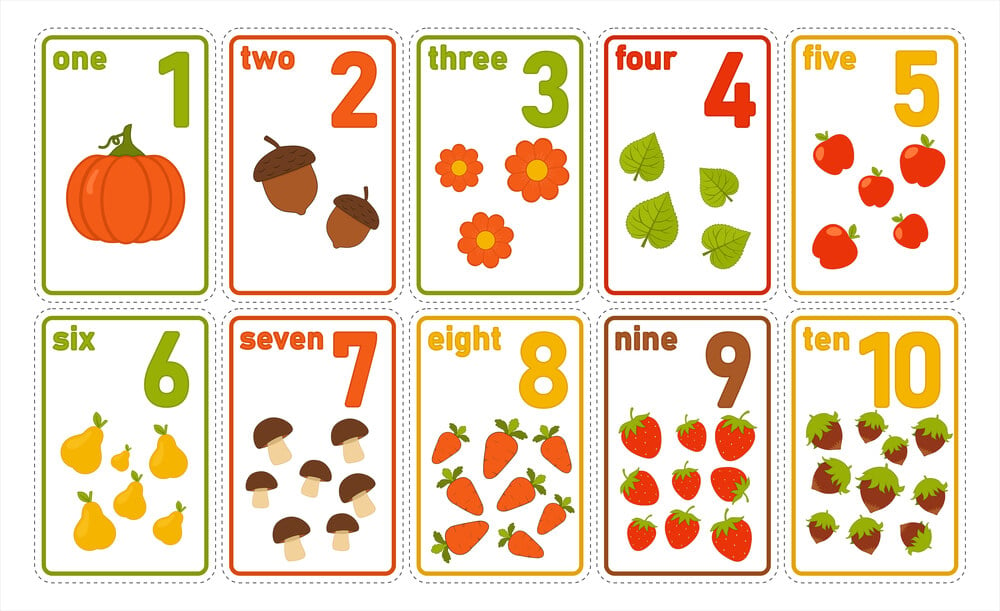
Bell and Howell’s Language Master was a classroom machine that played short audio recordings stored on cards with a strip of magnetic tape along the bottom. Students fed a card through the slot and heard a word or phrase, often while looking at a printed picture on the card.
Teachers could record their own lessons on blank cards, which made the machine useful for reading, vocabulary and language instruction. It was especially common in special education and speech programs.
Computers and tablets with audio replaced the card readers, which are now largely forgotten.
Microfiche and Microfilm Readers
Libraries once stored newspapers, magazines and records on microfilm reels and microfiche cards, which students viewed on large readers with glowing screens. Finding an old article meant scrolling through tiny images and adjusting the focus by hand.
Printing a page often required coins and patience. The technology saved space and preserved fragile documents, but it was slow and awkward for research.
Digital databases replaced most microform collections, though some libraries still keep readers for archives. Students who used them remember the dizzying scroll through years of pages.
Big Chief Tablets
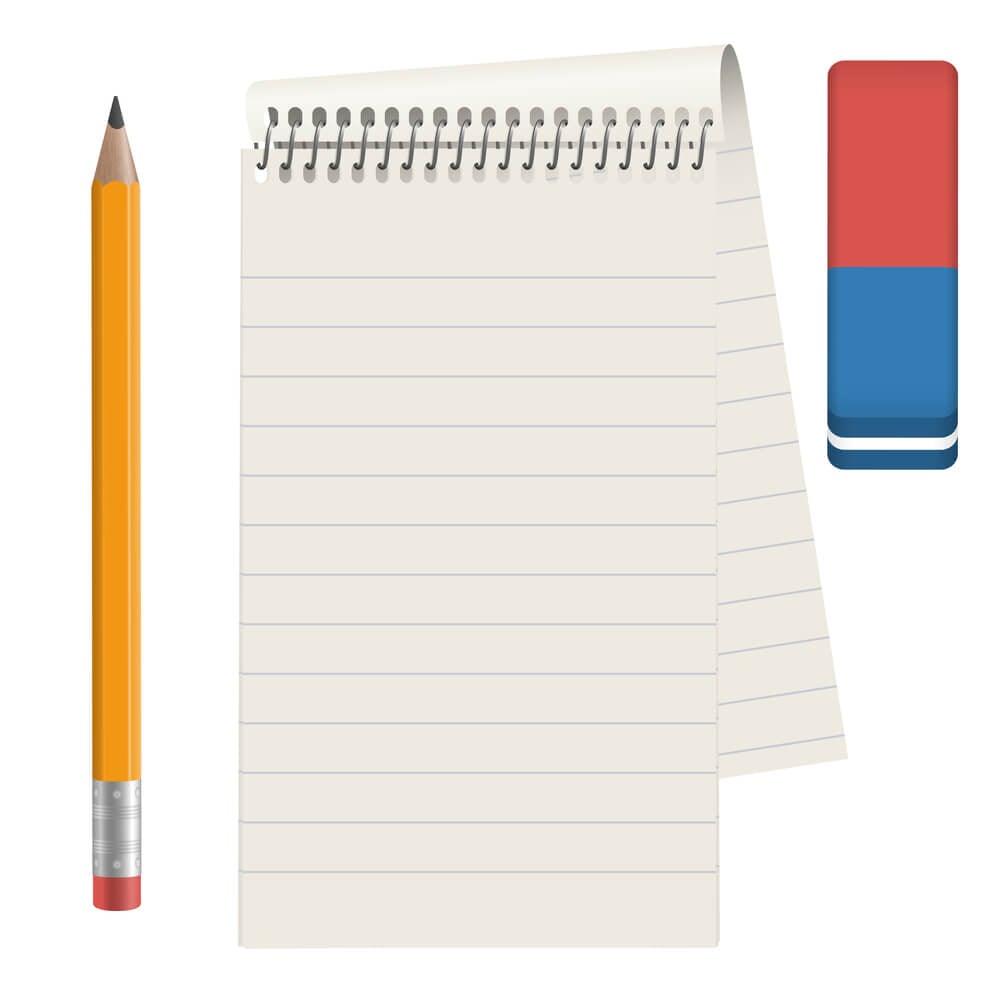
The Big Chief tablet was a pad of cheap newsprint paper with widely spaced lines, designed for young children learning to write. It was created by William Albrecht, whose Western Tablet Company opened in St. Joseph, Missouri, in 1906, and the company trademarked the Big Chief name in 1947.
The red cover featured a Native American chief in a feathered headdress. Usage peaked in the 1960s as spiral notebooks gained ground, and the tablet later passed through several owners before fading from classrooms.
Tablets are still sold by the Albrecht-Kemper Museum of Art shop in St. Joseph.
Pee-Chee Folders
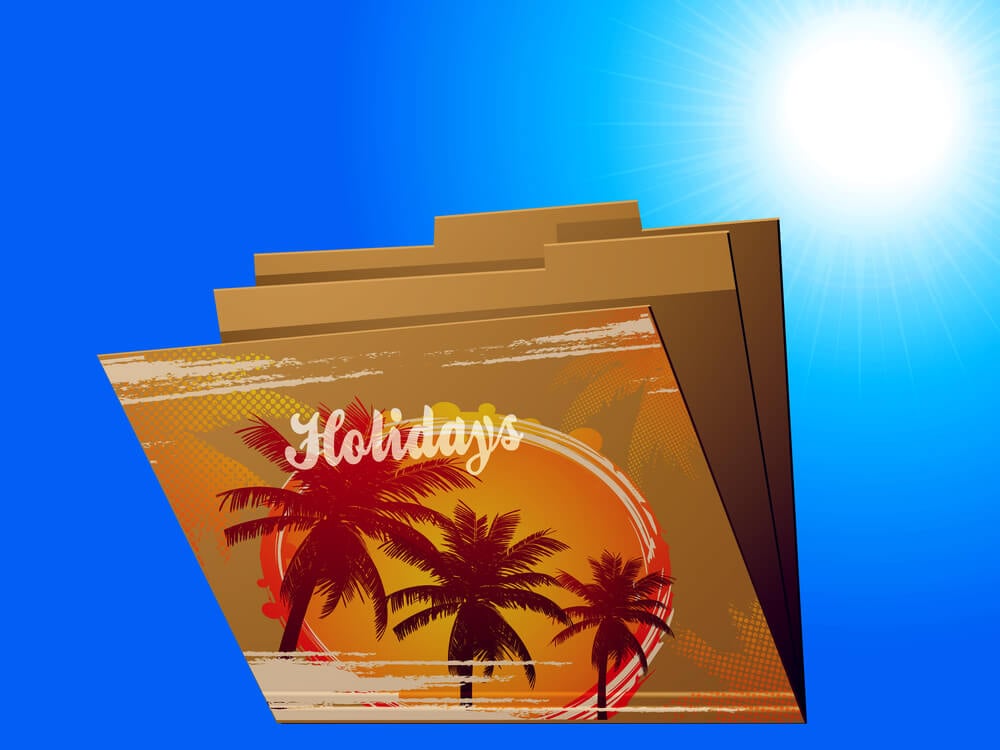
The Pee-Chee folder was a peach-colored card stock folder with inside pockets printed with multiplication tables and conversion charts. It was first made in 1943 by the Western Tablet and Stationery Company, and its covers featured illustrations of teenagers playing sports, drawn by artist Francis Golden beginning in 1964.
Students covered the illustrations with doodles, phone numbers and jokes. The folder was especially popular on the West Coast and fell out of general use by the 2000s.
It remains a nostalgic symbol for people who grew up with its familiar peach color.
Grocery-Bag Book Covers

At the beginning of every school year, students covered their textbooks with brown paper grocery bags, cutting and folding them to fit and then decorating them with drawings and names. Schools required covers to protect expensive books that had to last for years.
Many kids learned the folding technique from parents. Stretchable fabric covers, plastic bags at supermarkets and digital textbooks changed the ritual.
Some schools still require covers, but the brown paper version has become far less common, and the art of the fold is not always passed down.
Paper Grade Books
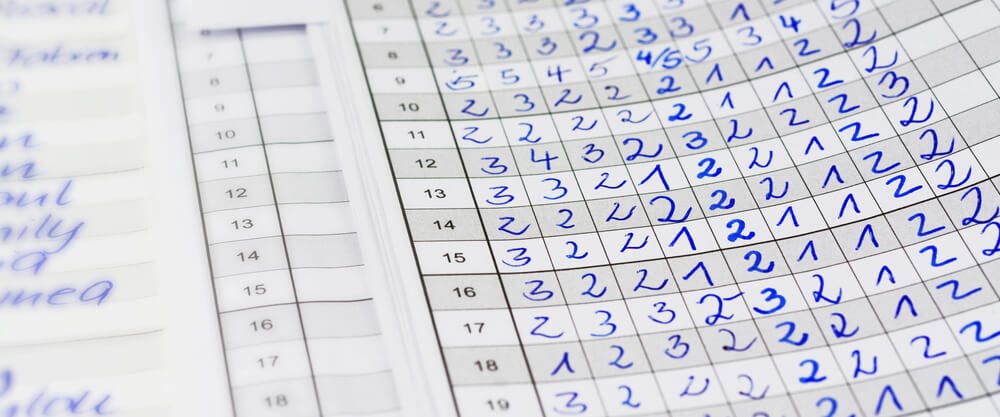
Teachers once recorded grades in a paper grade book, often green or blue, with pages of small boxes for attendance, scores and notes. The book was guarded closely, and losing it could be a disaster.
Teachers calculated averages by hand or with calculators, and students sometimes tried to peek at the pages. Online gradebooks replaced the paper versions, allowing parents and students to check scores at any time.
The shift made grading faster but also removed the mystery of the teacher’s closely guarded book, which once held the power of the report card.
Mercury Thermometers in Science Labs
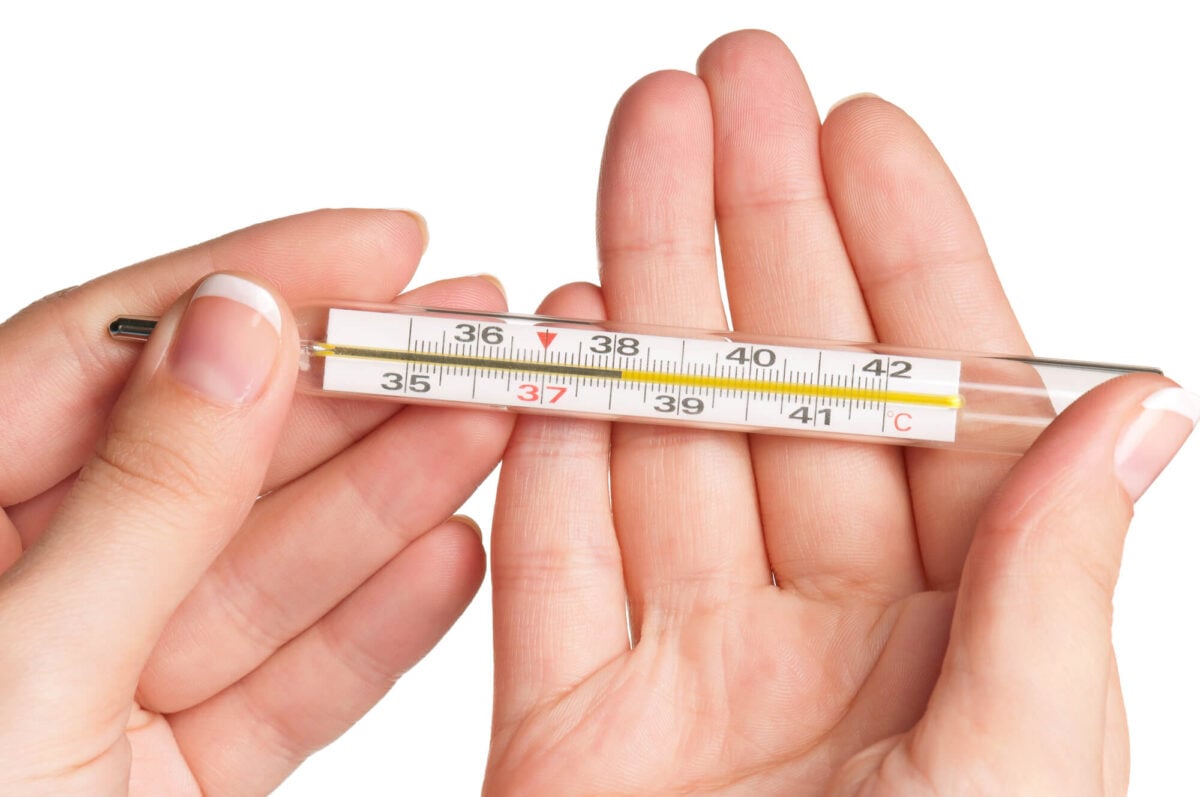
Science classrooms once used glass thermometers filled with silver mercury, and a broken one could scatter tiny beads across the lab table. Students were sometimes fascinated by the liquid metal and tried to play with it, which was dangerous.
Concerns about mercury exposure led many states and schools to remove the thermometers, and the National Institute of Standards and Technology ended calibration services for mercury thermometers in 2011. Alcohol-filled and digital thermometers replaced them.
Cleanups of old school labs have uncovered forgotten mercury supplies in storage closets.
Floppy Disks in the Computer Lab
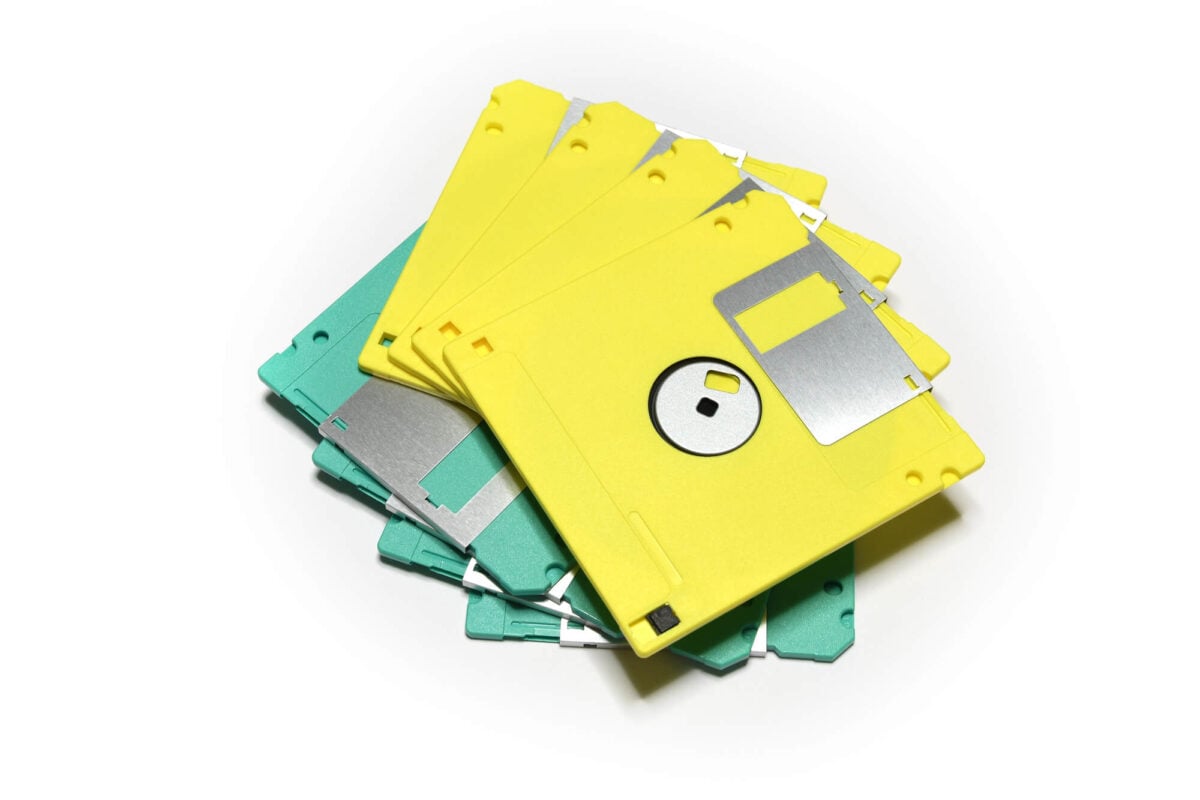
Computer labs of the 1980s and 1990s ran on floppy disks, first the flexible 5.25-inch versions and later the harder 3.5-inch disks. Students saved assignments on them, labeled them with markers and carried them in plastic cases.
A corrupted disk could erase an entire project, a lesson in backing up files that many learned the hard way. USB drives, network storage and cloud accounts replaced floppy disks.
The disk survives mainly as the save icon in software, which many younger students recognize without knowing what it represents.
Windows on Science Videodiscs
In 1990 Texas approved a videodisc science program called Windows on Science as an alternative to traditional textbooks, and a 1991 report found it had been adopted by 65 percent of the state’s 3,400 elementary schools. The program, made by Optical Data Corporation, used large laserdiscs holding thousands of images, diagrams and video clips that teachers could call up with a bar code wand or remote.
It was a glimpse of multimedia learning years before the internet reached classrooms. DVDs and online video eventually made the discs obsolete, and few students today have seen a laserdisc.
Chalk Dust and the Speed of Obsolescence
Every item on this list was once considered modern, and many were celebrated as the future of education. The overhead projector, the ditto machine and the laserdisc all promised better learning.
Each was replaced by something faster, cleaner or cheaper.
The objects disappeared, but the goals behind them did not. Teachers still search for ways to show images, share information and keep track of student progress.
The tools will keep changing, and today’s interactive whiteboards will probably look just as quaint to future students.
More from Go2Tutors!

- The Romanov Crown Jewels and Their Tragic Fate
- 13 Historical Mysteries That Science Still Can’t Solve
- Famous Hoaxes That Fooled the World for Years
- 15 Child Stars with Tragic Adult Lives
- 16 Famous Jewelry Pieces in History
Like Go2Tutors’s content? Follow us on MSN.