14 Titanic Myths That Hollywood Got Completely Wrong
The sinking of the RMS Titanic on April 15, 1912, remains one of history’s most fascinating maritime disasters. While James Cameron’s 1997 blockbuster film captured the world’s imagination, it also cemented several misconceptions about the actual events.
The Hollywood dramatization, though visually stunning, took significant creative liberties with historical facts. Here is a list of 14 Titanic myths that popular films got completely wrong, revealing the surprising truth behind this legendary disaster.
The Ship Was Considered “Unsinkable”
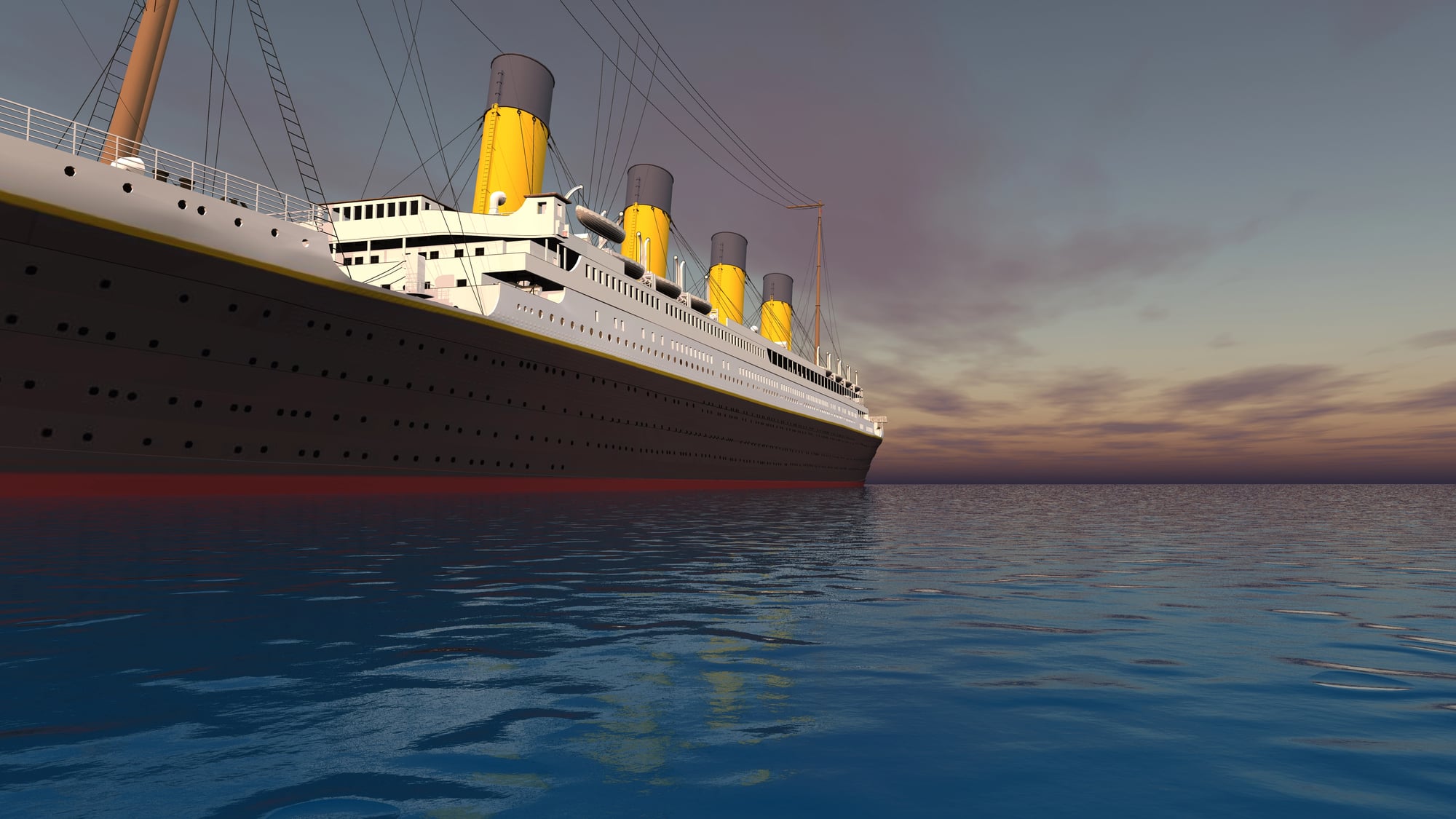
White Star Line never actually advertised Titanic as unsinkable. This myth emerged primarily after the disaster, not before it. Contemporary advertisements focused on the ship’s luxury and comfort rather than its supposedly indestructible nature.
The “unsinkable” reputation grew from a 1910s technical journal that described the vessel as “practically unsinkable” due to its watertight compartment design.
Captain Smith Was Reckless
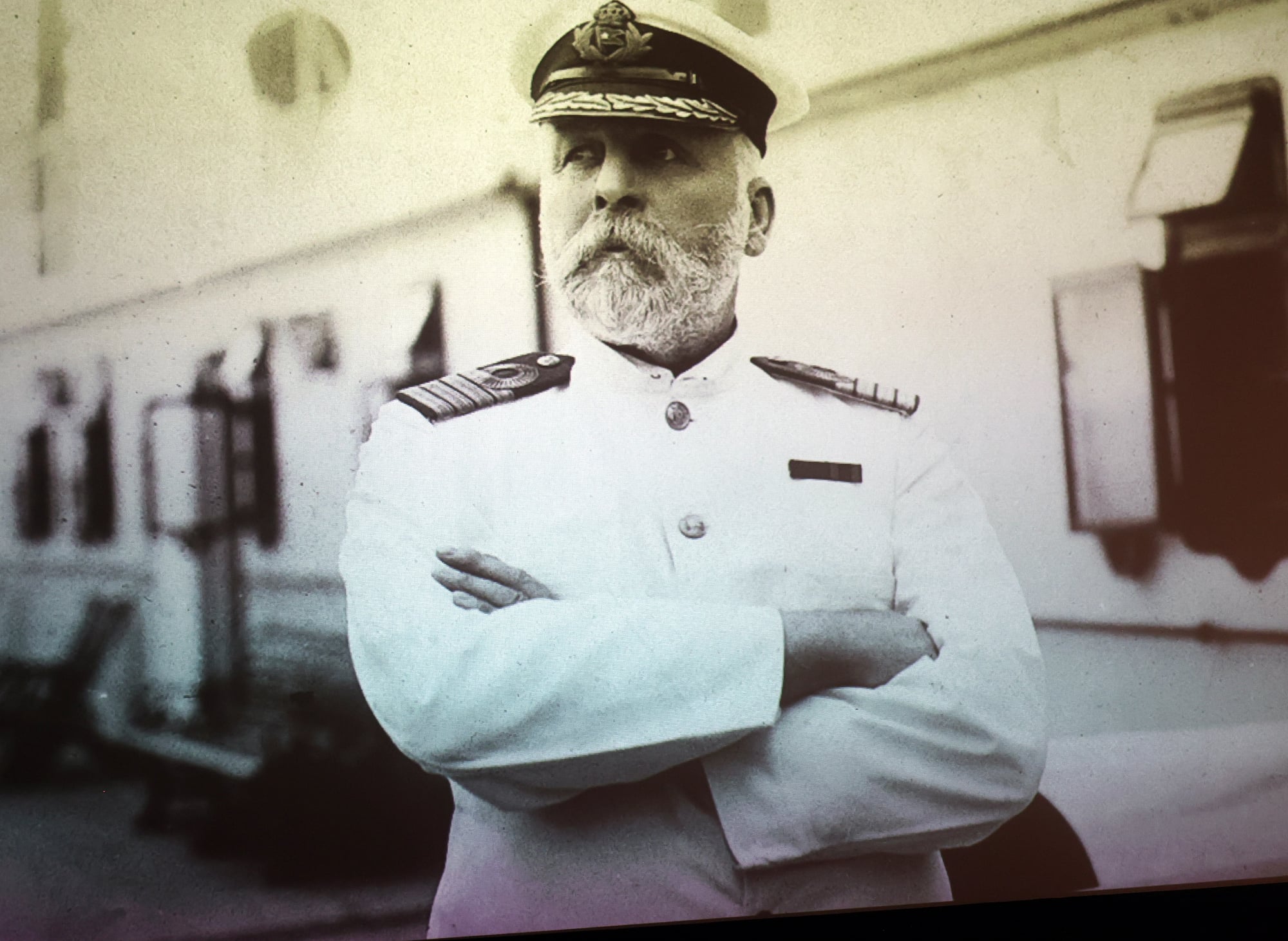
Captain Edward J. Smith wasn’t racing to set a transatlantic speed record as often portrayed. The Titanic was actually traveling at a reasonable speed for vessels of that era.
The Blue Riband award for fastest Atlantic crossing was held by Cunard’s Mauretania since 1909, and White Star Line focused their business model on luxury and comfort rather than speed.
The Lookouts Had No Binoculars
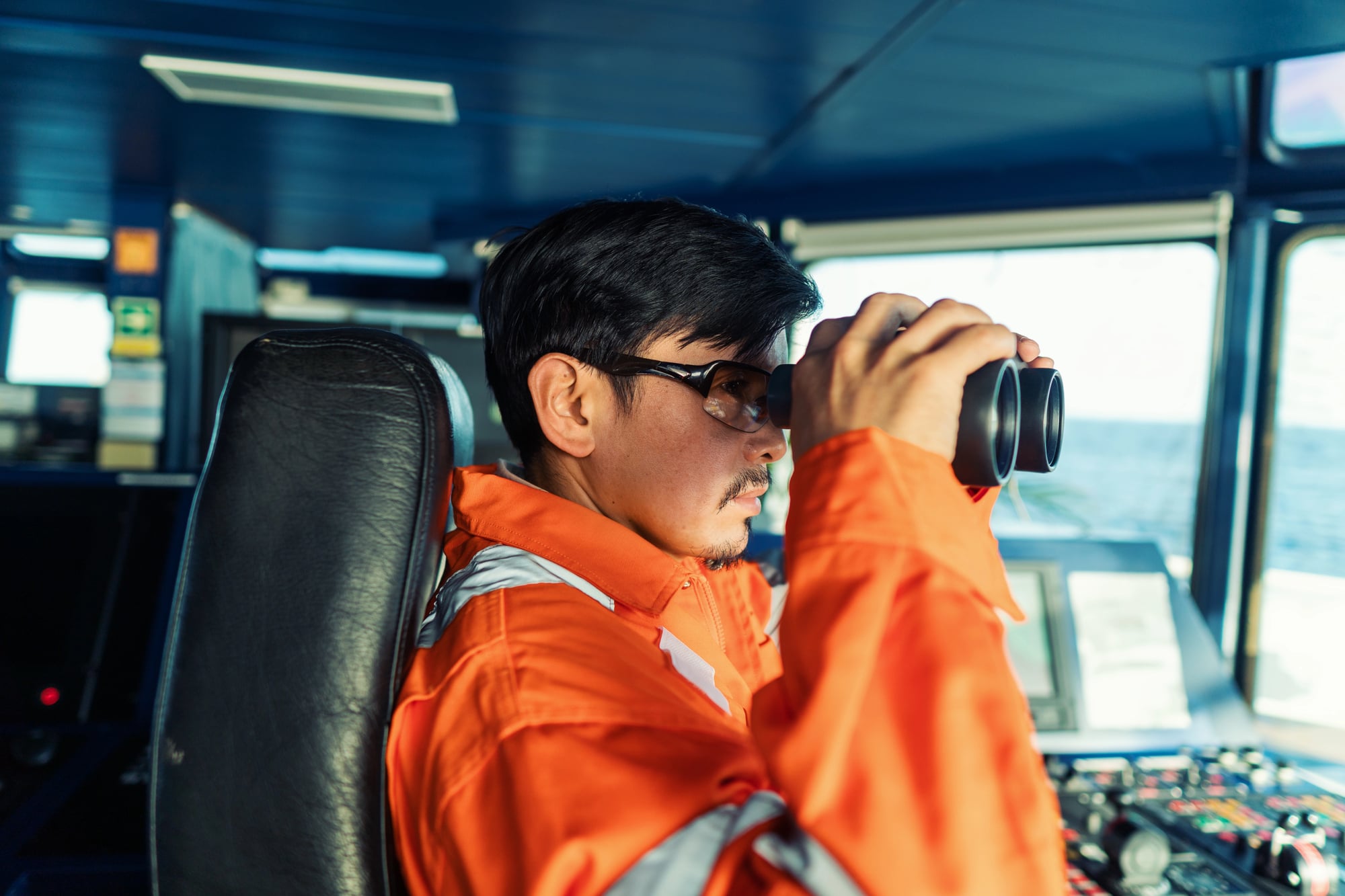
While it’s true the lookouts didn’t have binoculars that night, this wasn’t as critical as films suggest. Maritime experts note that binoculars would have been of limited use in the dark conditions that night.
Lookouts were trained to spot hazards with the naked eye, as binoculars actually narrow the field of vision and would have made scanning the horizon more difficult.
Third-Class Passengers Were Locked Below Decks

There was no deliberate policy to trap third-class passengers. The higher third-class mortality rate resulted from several factors: their cabins were furthest from the lifeboats, many didn’t speak English and misunderstood instructions, and the complex layout of third-class areas made navigation difficult.
Some gates were closed to manage passenger flow, but no evidence suggests a systematic effort to prevent their escape.
The Ship Split in Half at the Surface
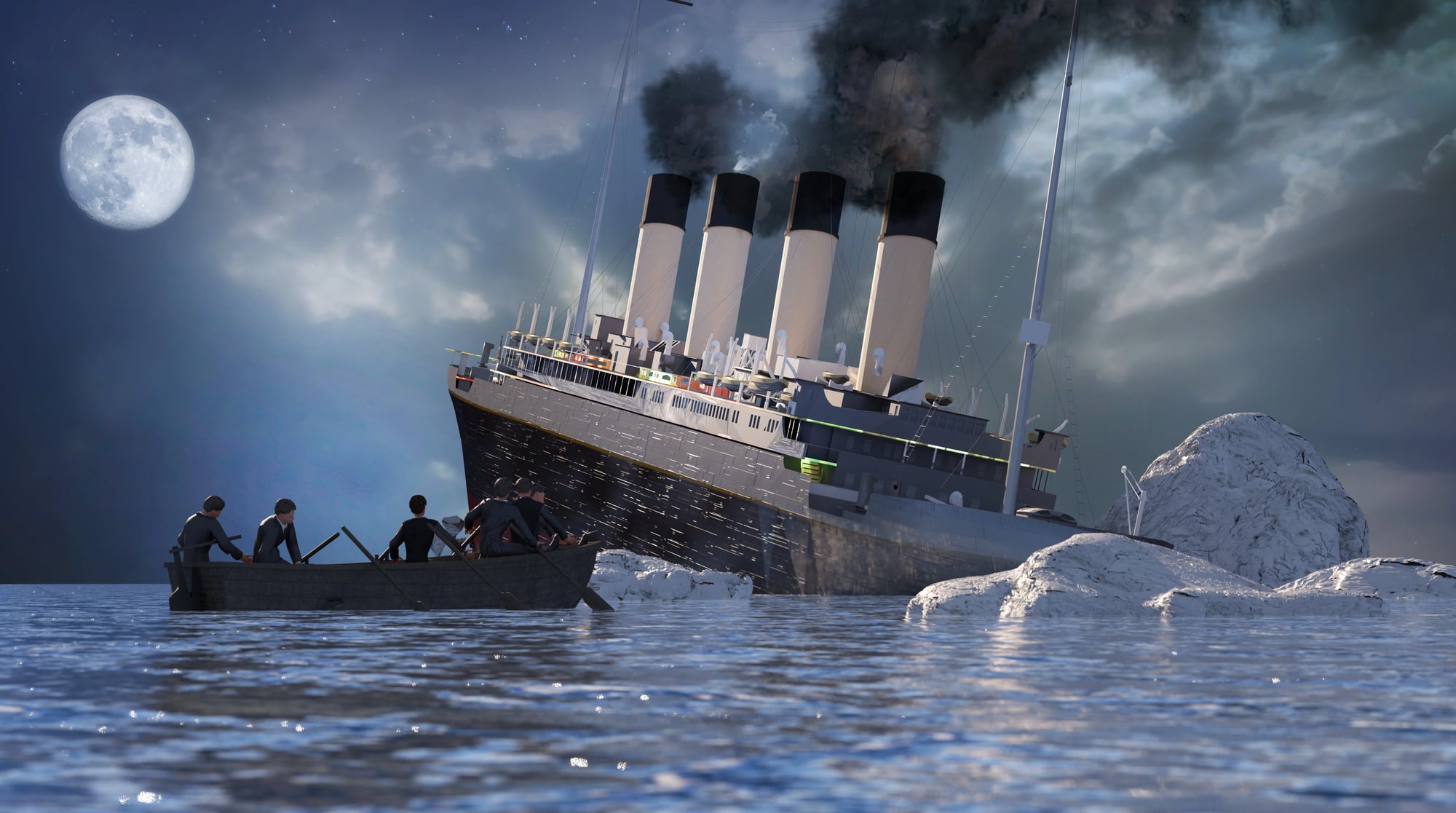
The Titanic didn’t break apart at the water’s surface as dramatically shown in Cameron’s film. According to survivor accounts and modern analysis, the ship broke between decks while at a much steeper angle, after much of the stern had already risen out of the water.
The breakup likely occurred underwater, with only some passengers witnessing it.
The Band Played “Nearer, My God, to Thee” at the End

While the band did heroically play to calm passengers, no surviving witnesses could confirm the final song was “Nearer, My God, to Thee.” Different survivors reported different final melodies.
The most reliable accounts suggest they played ragtime and popular tunes. Wireless operator Harold Bride recalled the final song was “Autumn,” a waltz popular at the time.
The Californian Could Have Saved Everyone
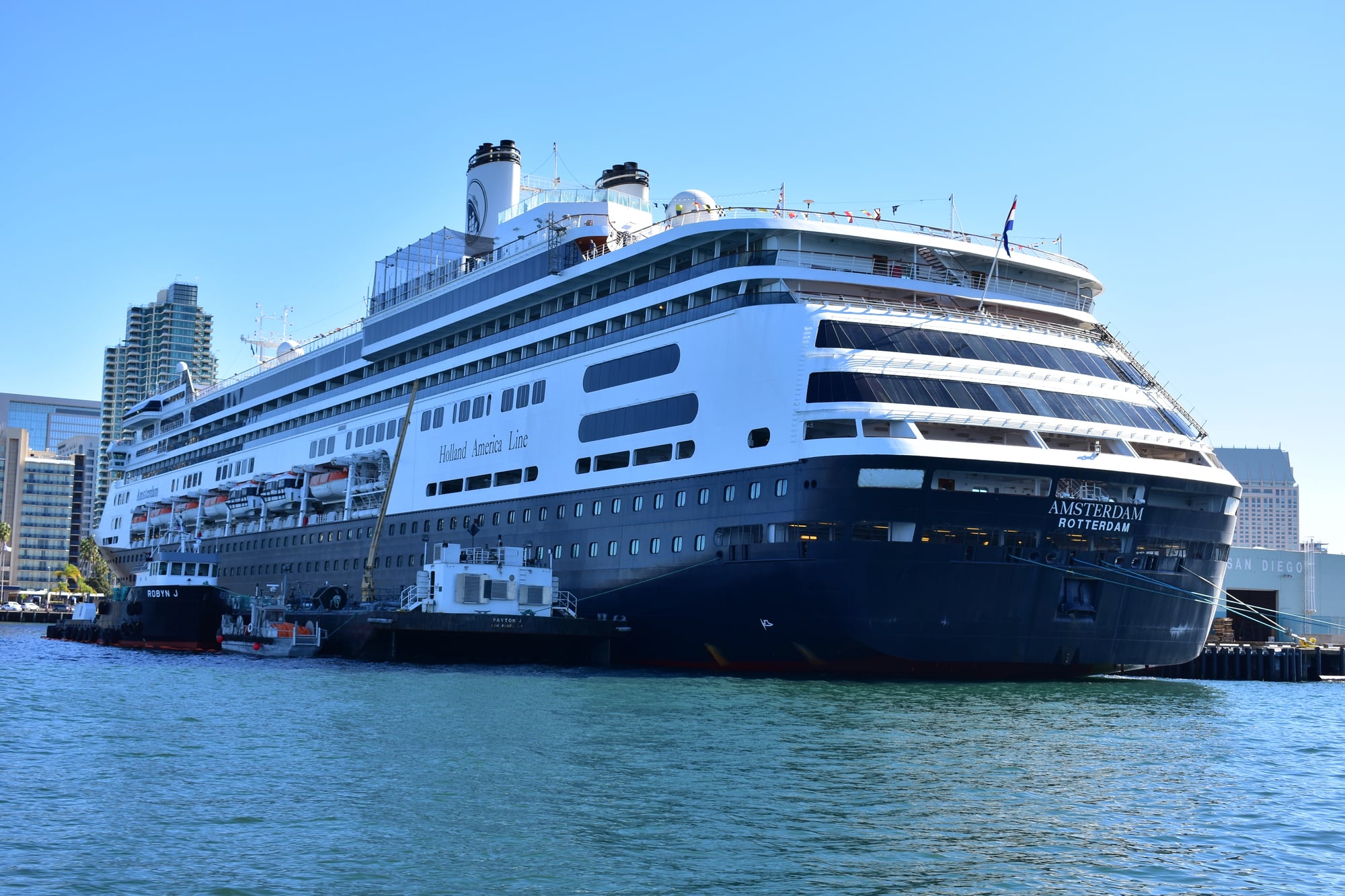
While the Californian was indeed nearby and controversially didn’t respond to distress signals, it likely couldn’t have rescued all passengers even if it had arrived promptly.
The Californian was much smaller than Titanic, and even with perfect conditions and immediate response, the logistics of transferring over 2,200 people in the middle of the night would have been extremely challenging.
There Was a Shooting During the Evacuation
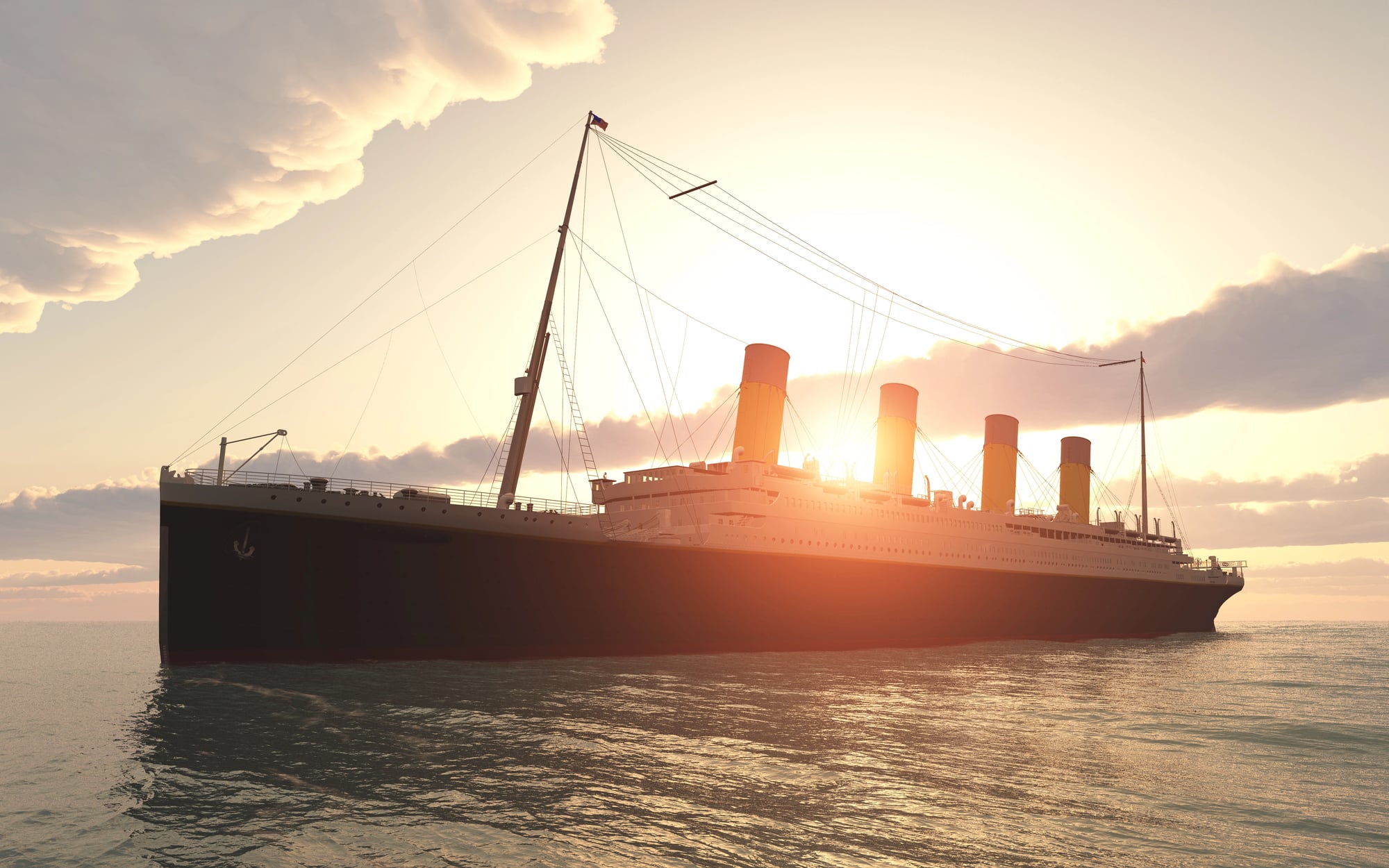
There are no confirmed stories of police mistreating passengers during the evacuation. Although Officer Lowe said he fired warning shots to stop a lifeboat rush, historical records contradict the dramatic scenes of people being shot while trying to board lifeboats.
This component seems more of fictional dramatization than historical fact.
The Heart of the Ocean Diamond
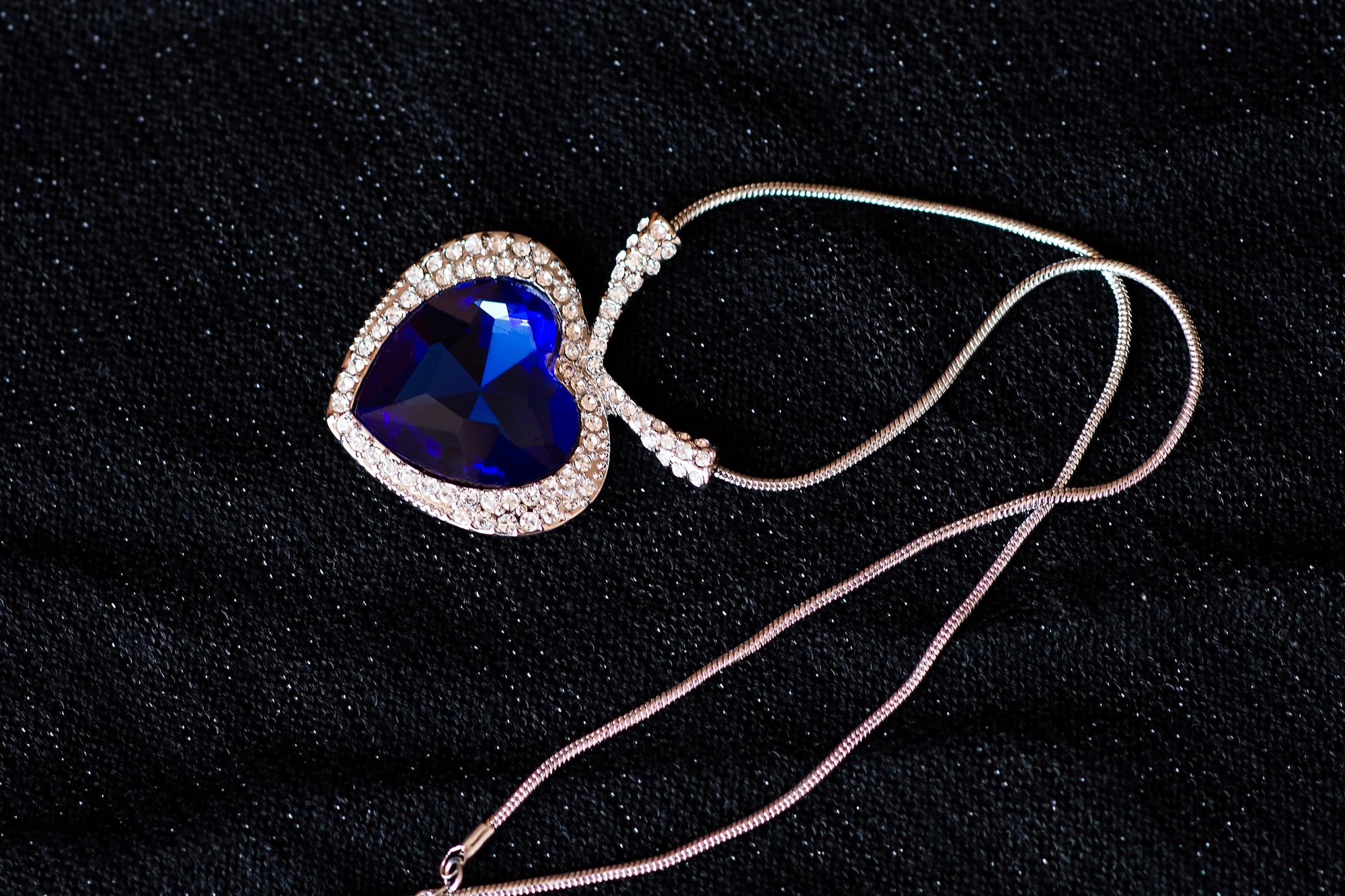
The well-known blue diamond jewelry from Cameron’s movie is entirely fantasy. On board was nowhere a “Heart of the Ocean.” Inspired probably stemmed from a real sapphire necklace given to passenger Kate Florence Phillips as a gift from her married lover.
Though it lacked the dramatic themes and social distinctions shown in the movie, its love story somewhat inspired the fictional Jack and Rose narrative.
First-Class Men Dressed in Women’s Clothing
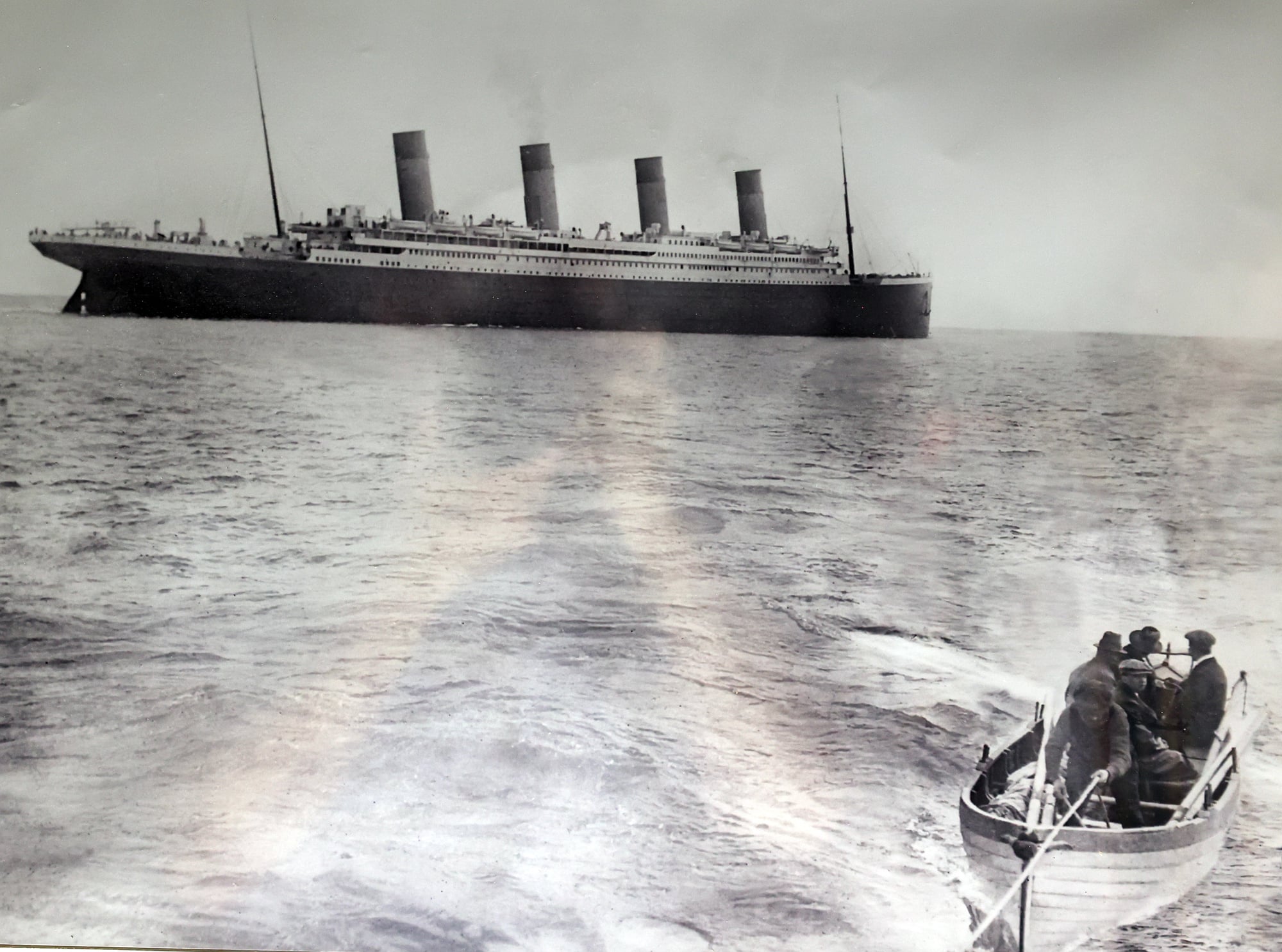
Contrary to film depictions of cowardly wealthy men disguising themselves as women, there’s no credible evidence this occurred. The inquiry testimonies never mentioned such incidents.
The myth likely stems from sensationalist newspaper stories after the disaster that sought to contrast supposed cowardice with the ‘women and children first’ policy.
Thomas Andrews Was Last Seen in the First-Class Smoking Room

Although this moving scenario is unforgettable in movies, some survivor stories situate shipbuilder Thomas Andrews in different places during the last hours. While some claimed he was actively helping passengers till very last, others claimed he was throwing deck chairs into the ocean for floating assistance.
His exact last place is still unknown.
The Crew Had No Iceberg Warning

The ship received at least six iceberg warnings that day, not just one ignored telegram as often portrayed. Captain Smith altered the course slightly southward in response but maintained speed.
The real failure wasn’t ignoring warnings but rather the standard maritime practice of the era that didn’t require reducing speed in dangerous waters at night.
Molly Brown Was Known as “Unsinkable” Before the Disaster
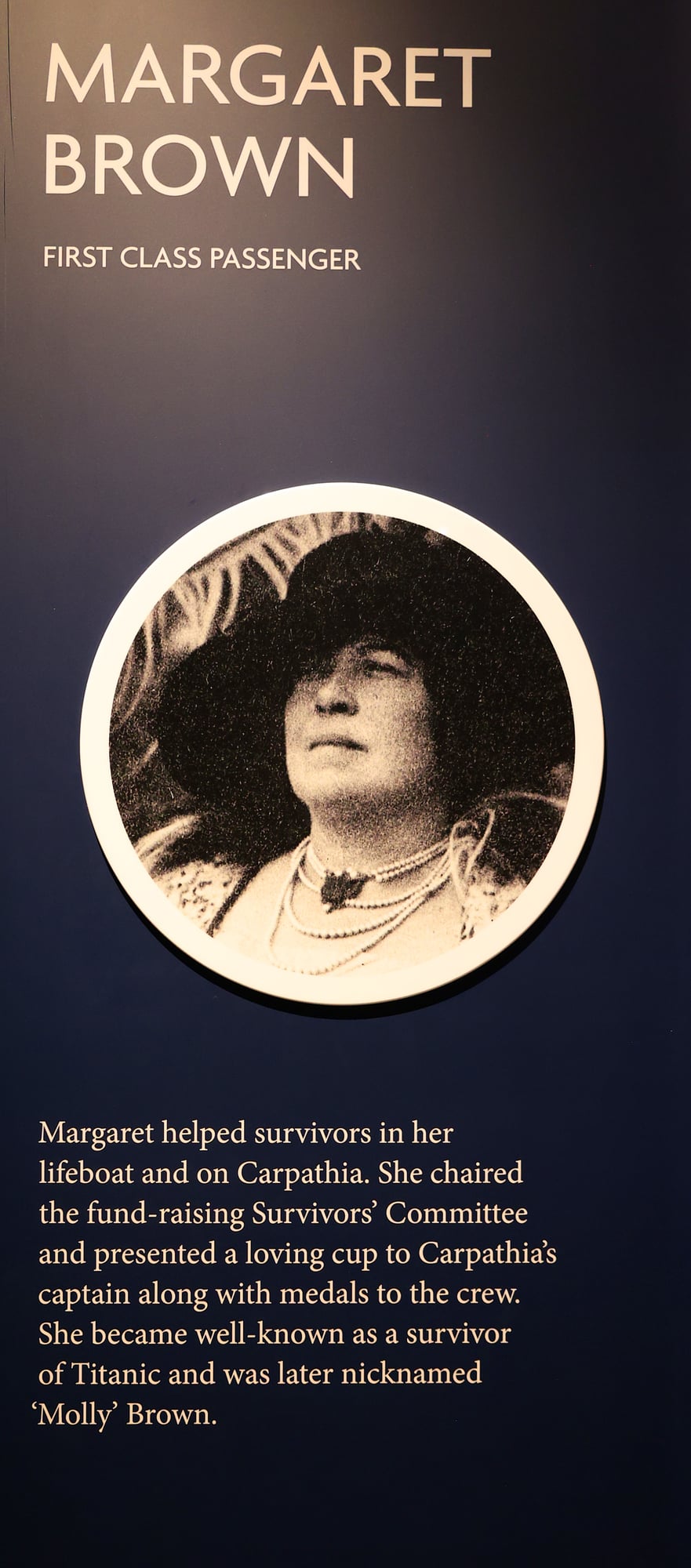
Margaret “Molly” Brown wasn’t called “Unsinkable” until after the Titanic disaster. This nickname emerged from her survival story and subsequent media coverage.
Before boarding Titanic, she was known in Denver society circles for her philanthropic work and social activism, not for any association with maritime events or survival stories.
The Ship’s Watertight Compartments Were a Major Design Flaw

The partial height of the watertight compartments wasn’t a critical design flaw but actually standard practice for ships of that era. Titanic could survive having its first four compartments flooded, which was considered exceptionally safe by 1912 standards.
The iceberg damaged six compartments, exceeding what any passenger liner of the time was designed to withstand.
The Truth Behind the Legend
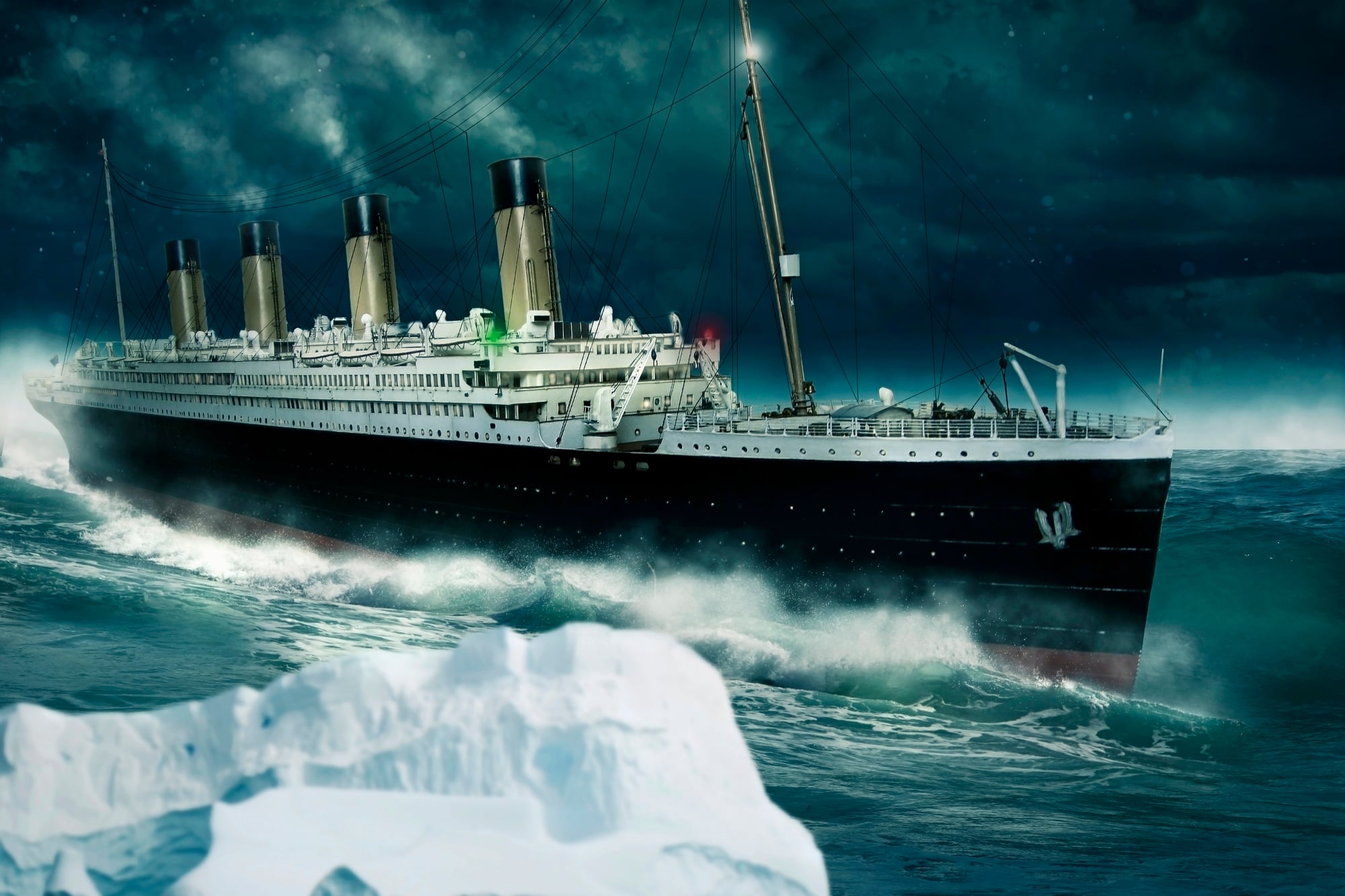
The actual Titanic story remains compelling without Hollywood embellishments. The disaster led to crucial maritime safety reforms including 24-hour radio operations, sufficient lifeboats for all passengers, and the formation of the International Ice Patrol.
These changes have saved countless lives in the century since that fateful night, transforming a tragedy into a watershed moment for ocean travel safety.
More from Go2Tutors!

- The Romanov Crown Jewels and Their Tragic Fate
- 13 Historical Mysteries That Science Still Can’t Solve
- Famous Hoaxes That Fooled the World for Years
- 15 Child Stars with Tragic Adult Lives
- 16 Famous Jewelry Pieces in History
Like Go2Tutors’s content? Follow us on MSN.



