14 Famous Buildings Before Their Surroundings Changed
Landmarks rarely change as much as the streets around them. A spire that once dominated a skyline can end up wedged between towers, and a hilltop sign can find itself above a sea of houses.
The buildings and structures below have all stood through a dramatic change in their settings, whether from new skyscrapers, cleared neighborhoods, or reclaimed land.
Trinity Church, Manhattan
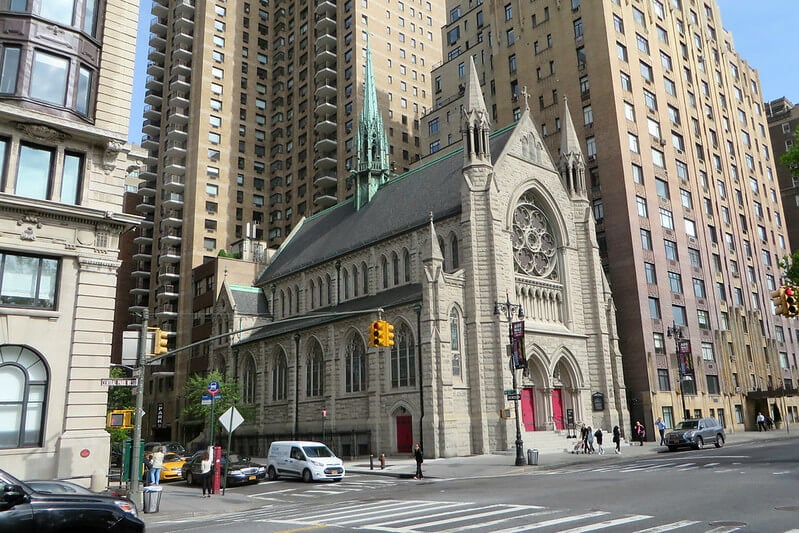
When completed in 1846, Trinity Church’s 281-foot spire made it the tallest building in New York City, and it held the title until the New York World Building rose in 1890. It was also the tallest building in the United States until 1869, when St. Michael’s Church in Chicago passed it.
Visitors could climb the tower for views of the harbor and city. Today the church is dwarfed by the office towers of the Financial District.
The Flatiron Building
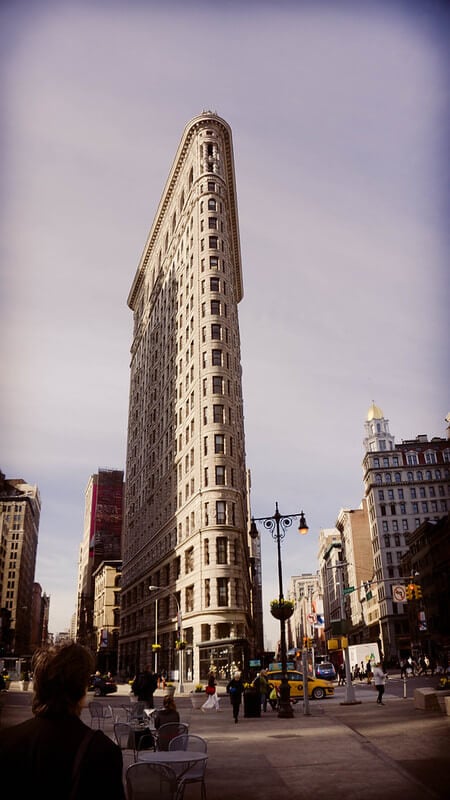
Daniel Burnham’s Flatiron Building, built between 1901 and 1903, rose 22 stories on a triangular lot and quickly earned its nickname from its shape. It was nicknamed Hurricane Corner, and it was built by the Fuller Construction Company using a steel cage to carry the load.
Photographer Alfred Stieglitz fell in love with its silhouette, and painters including Childe Hassam and John Sloan also depicted it.
The Woolworth Building
At 792 feet, the Woolworth Building opened in 1913 and held the title of world’s tallest building until the Chrysler Building was completed in 1930. It followed a rapid chain of record-setters, including the 612-foot Singer Building in 1908 and the 700-foot Metropolitan Life Tower in 1909.
Around it, narrow Lower Manhattan streets turned into dark canyons as taller buildings filled in.
The Gateway Arch Site
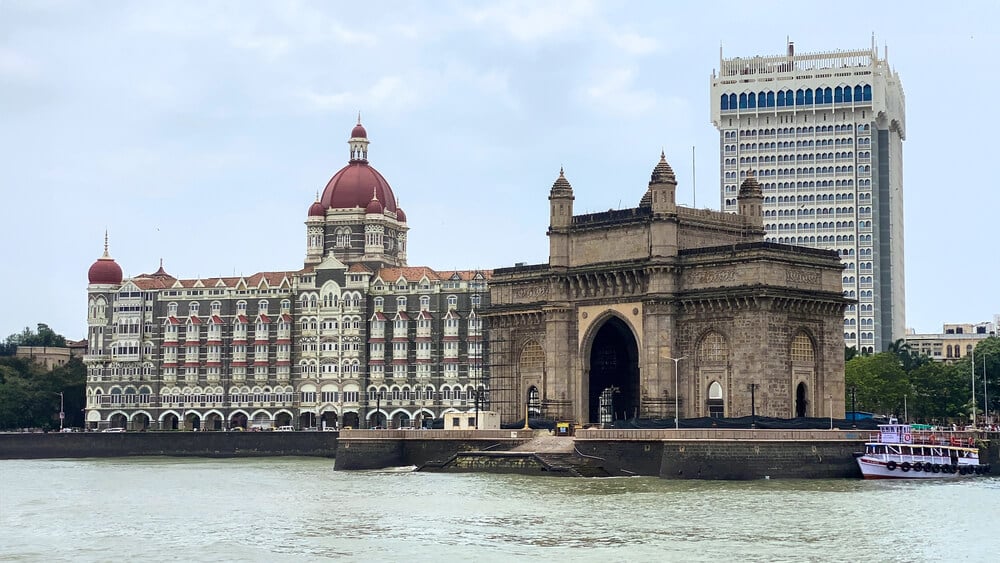
The Gateway Arch stands on ground cleared by razing roughly 40 blocks of St. Louis riverfront, with demolition beginning October 10, 1939. The cleared land served for decades as a surface parking lot, a design competition was not held until 1947, and the Arch’s legs began rising in February 1963.
It was completed October 28, 1965, at 630 feet.
The Chicago Water Tower
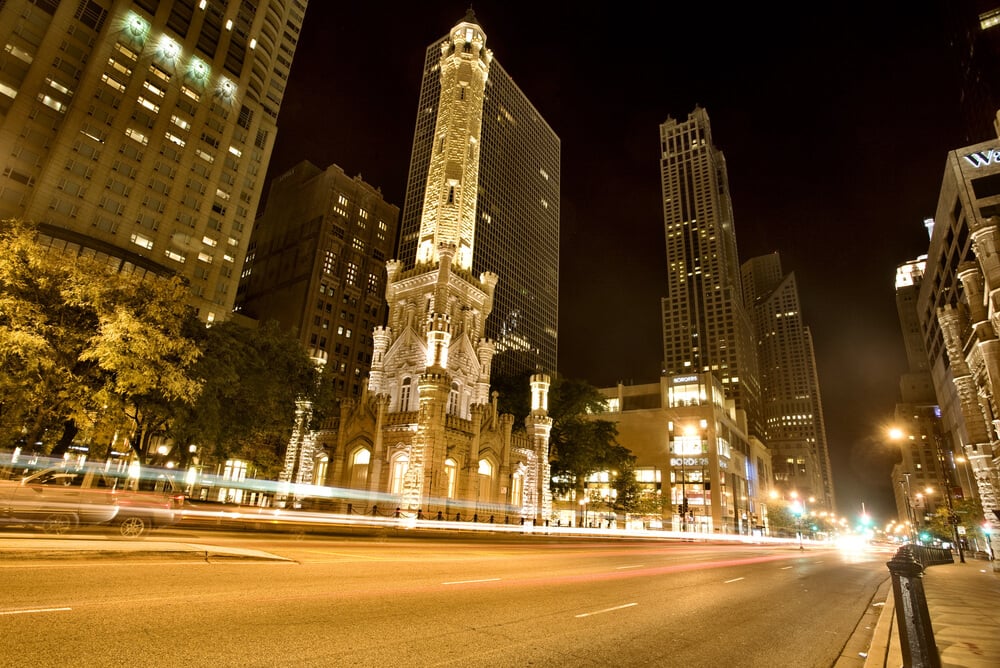
The limestone Water Tower, built in 1869, survived the Great Chicago Fire of 1871 that destroyed much of the city around it. For generations it stood among low buildings along Michigan Avenue.
Today tall towers line the avenue, and the small castle-like tower sits among them as a rare survivor of the older city.
Notre-Dame de Paris
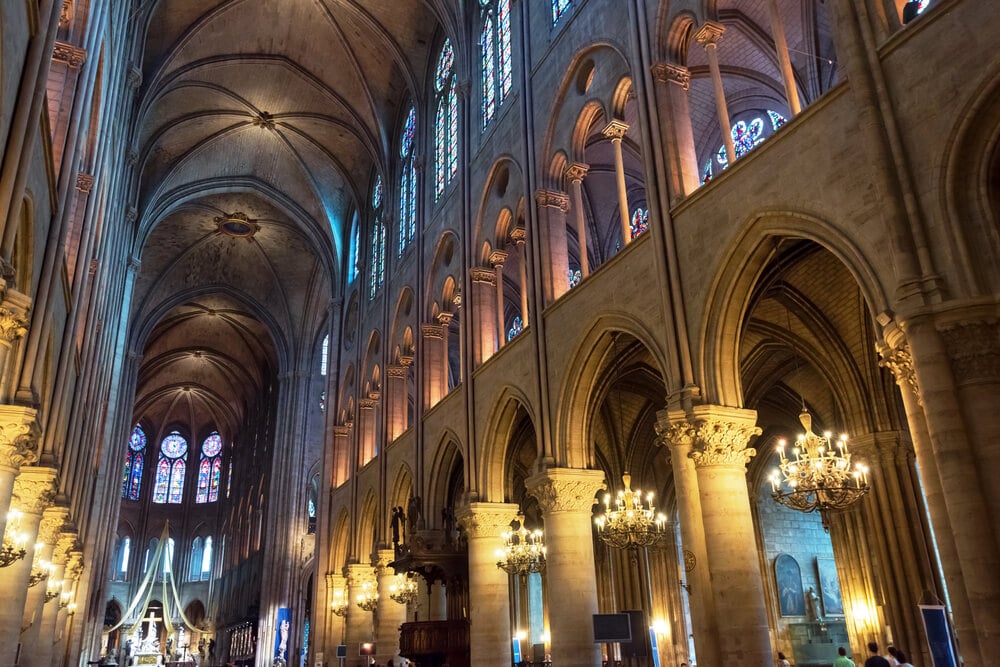
In the mid-nineteenth century, Baron Haussmann’s rebuilding of Paris reshaped the Île de la Cité, clearing dense medieval lanes and enlarging the open square in front of the cathedral. Before that, the cathedral stood hemmed in by cramped streets and houses.
The change gave the building the clear approach and open vantage that visitors know today.
The Parthenon
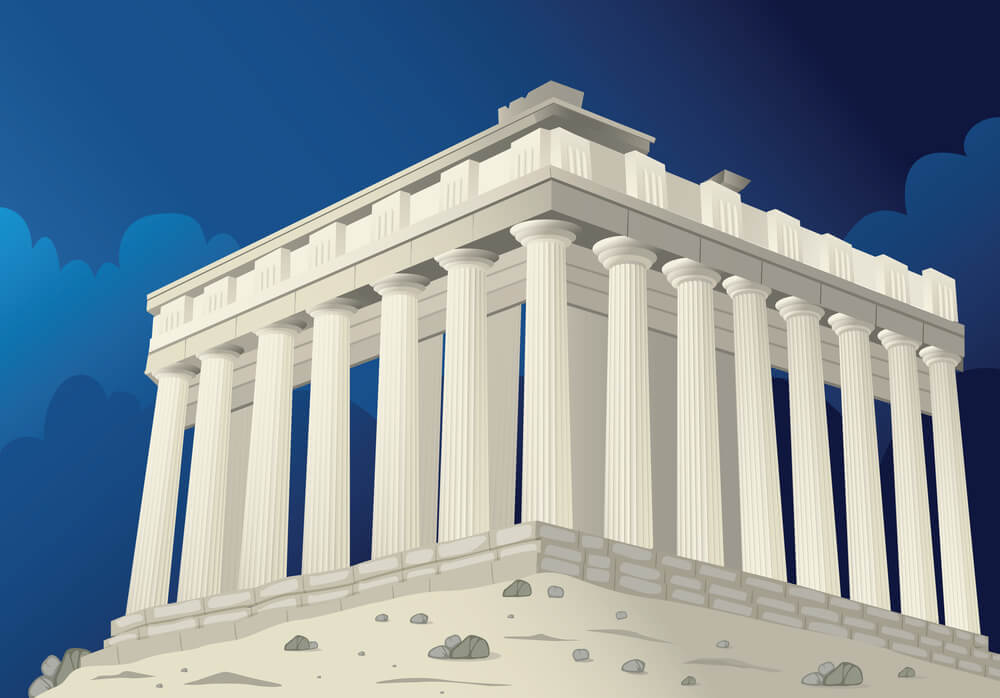
The Parthenon stood at the center of an Acropolis crowded with later buildings, including a mosque built within the temple itself during the Ottoman period. In 1687 a Venetian shell ignited gunpowder stored inside, causing the explosion that wrecked the roof and much of the structure.
After Greek independence, later structures were gradually cleared from the Acropolis to reveal the ancient monuments.
The Colosseum
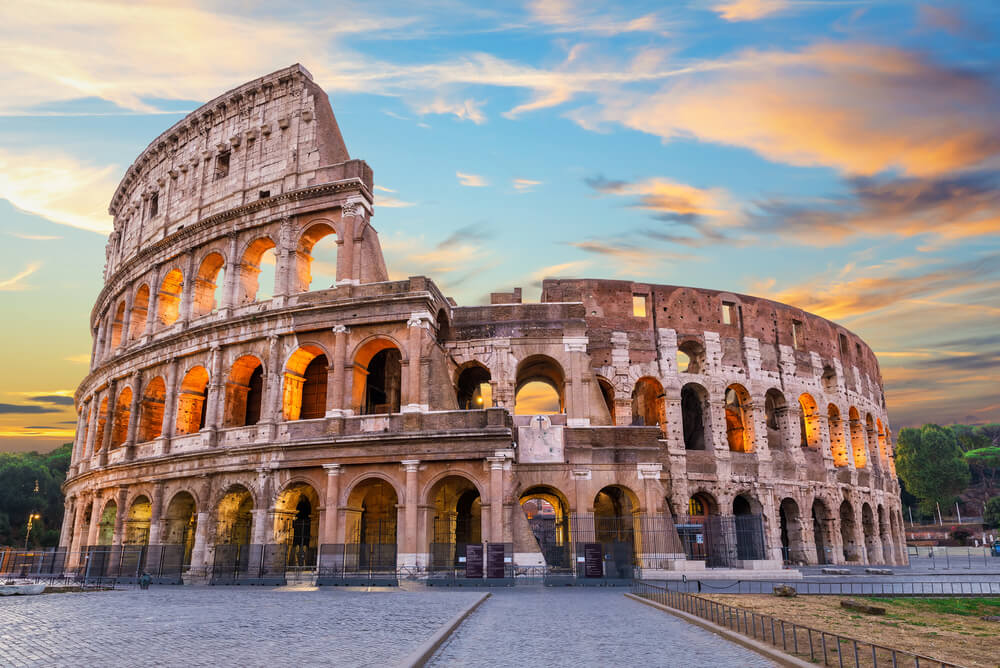
For centuries the Colosseum sat among the ruins and neighborhoods of central Rome. In 1932 the Via dei Fori Imperiali, opened as the Via dell’Impero, was cut through the Imperial Forums, remaking the approach to the amphitheater.
The broad avenue changed the Colosseum’s setting from an enclosed hillside neighborhood to a monumental vista.
Cologne Cathedral
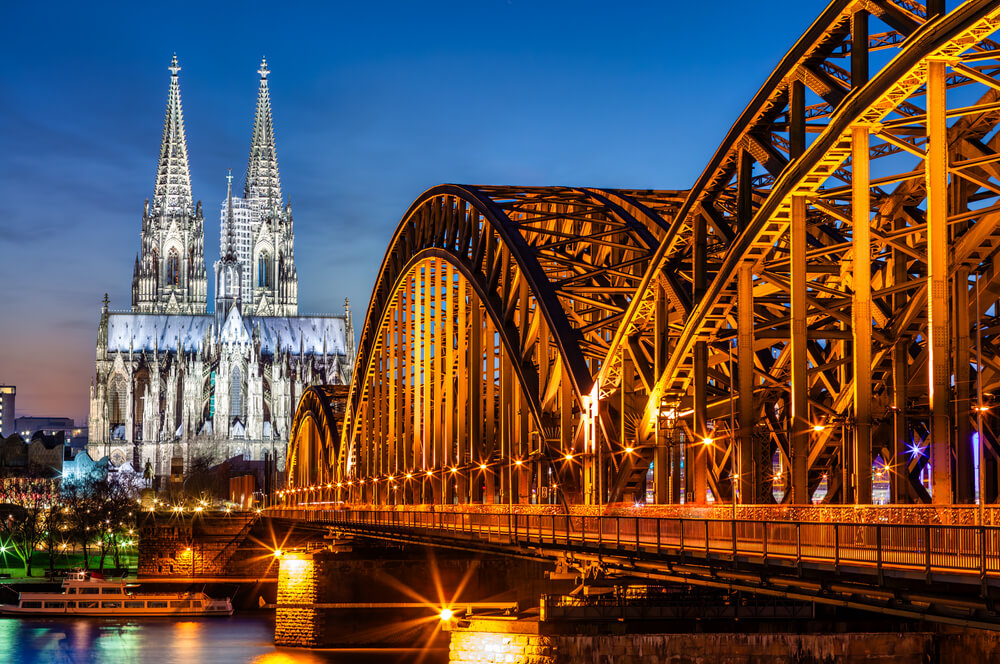
Construction of Cologne Cathedral began in 1248 and was not completed until 1880, when it became the tallest building in the world, a title it kept until the Washington Monument was completed in 1884. The surrounding medieval city was devastated by bombing in World War II, yet the cathedral remained standing amid the ruins.
Its twin spires still define the city skyline.
The Hollywood Sign
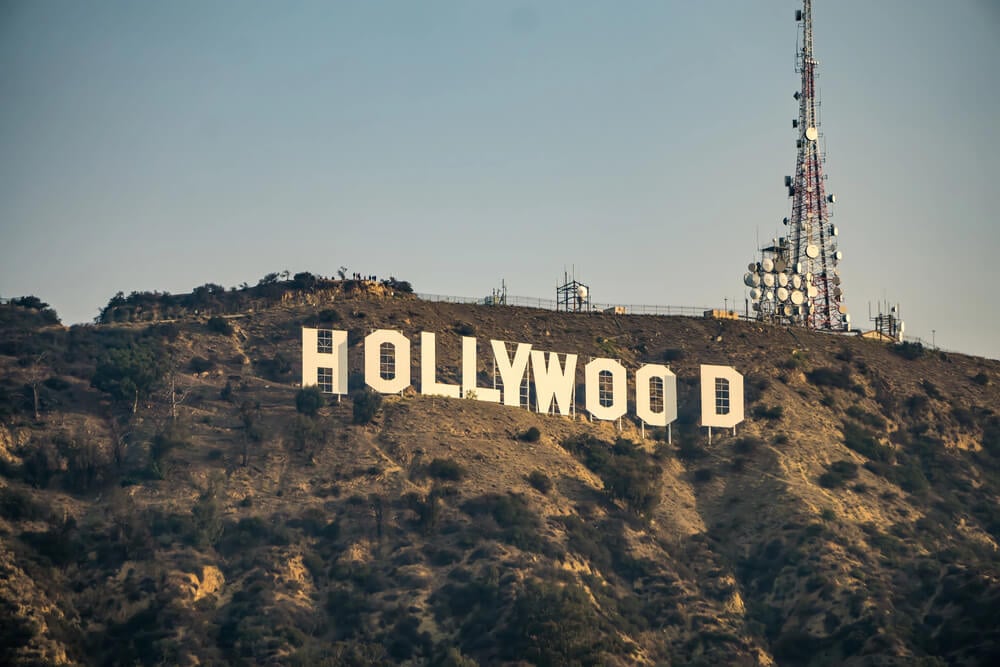
The Hollywood sign was erected in 1923 as an advertisement reading Hollywoodland for a hillside real estate development. Its letters were studded with thousands of light bulbs, about 4,000, so that it could be seen across the valley.
The surrounding hills, once largely bare, are now filled with houses.
The Lincoln Memorial
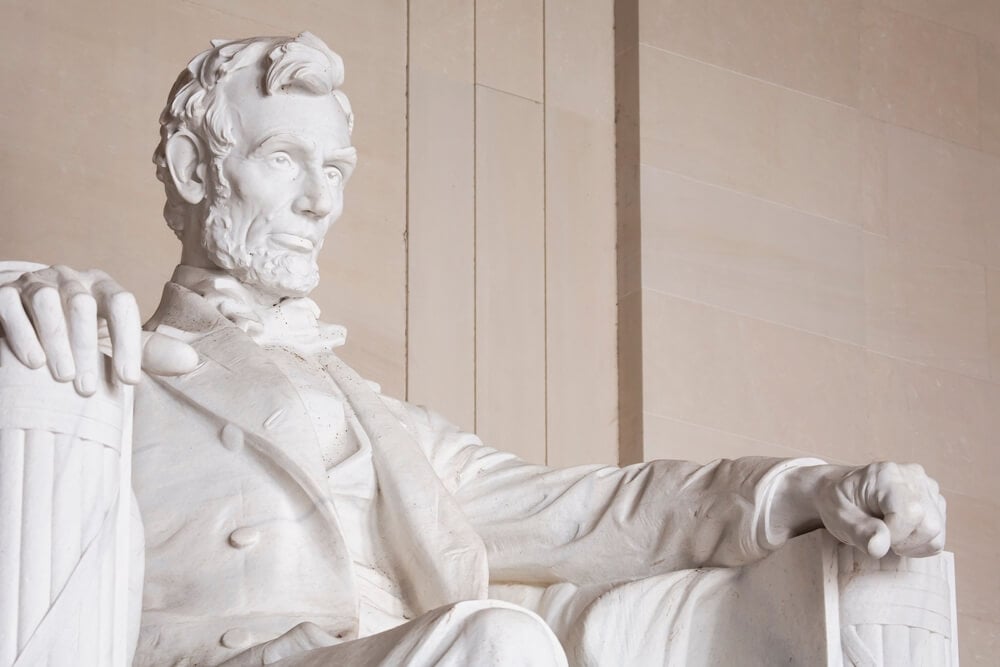
The Lincoln Memorial was dedicated on May 30, 1922, on land that had been reclaimed from the Potomac River flats. Before the marble temple rose, the area was an undeveloped riverbank.
The reflecting pool, the park, and the grid of memorials that now surround it all came later.
Grand Central Terminal
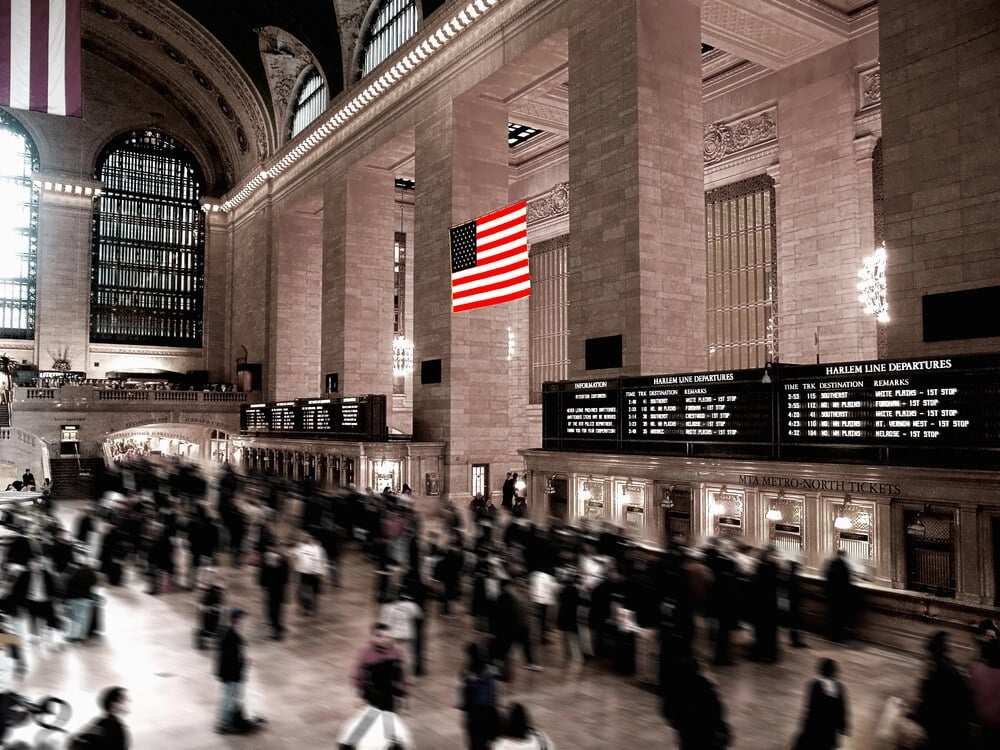
Grand Central Terminal opened in 1913, and for decades its facade faced an open view up Park Avenue. In 1963 the Pan Am Building opened directly behind it, closing off that vista.
The change altered how people experience the terminal from the avenue.
Tower Bridge
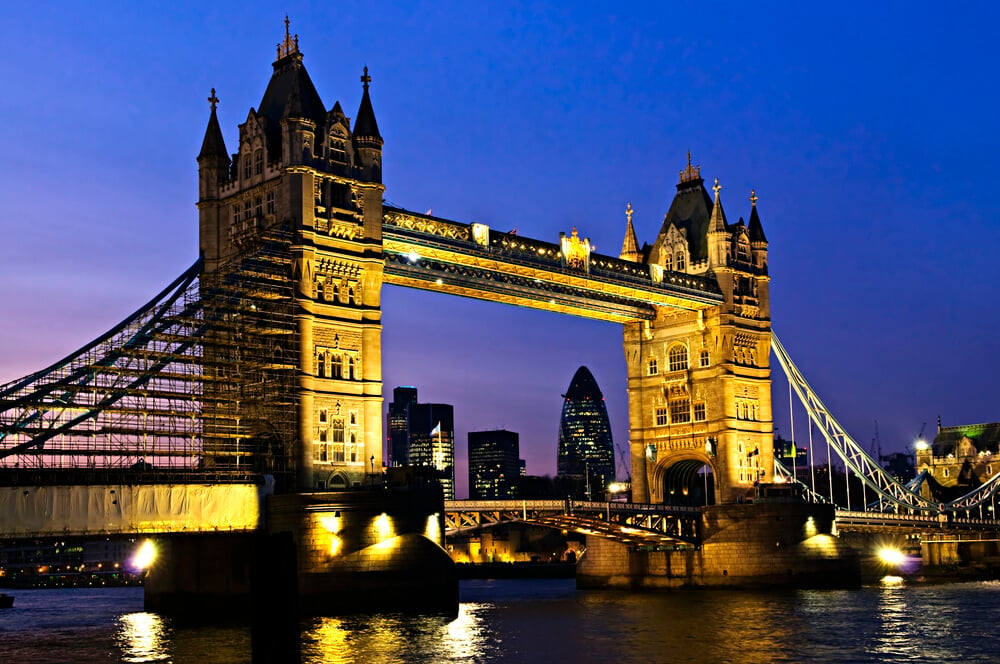
Tower Bridge opened in 1894 over the Thames, designed to allow ships to pass into the Pool of London, then a crowded working port. The surrounding docks gradually closed in the twentieth century and were converted into housing and offices.
Ships no longer pass in large numbers, but the bridge still opens for river traffic.
The Washington Monument
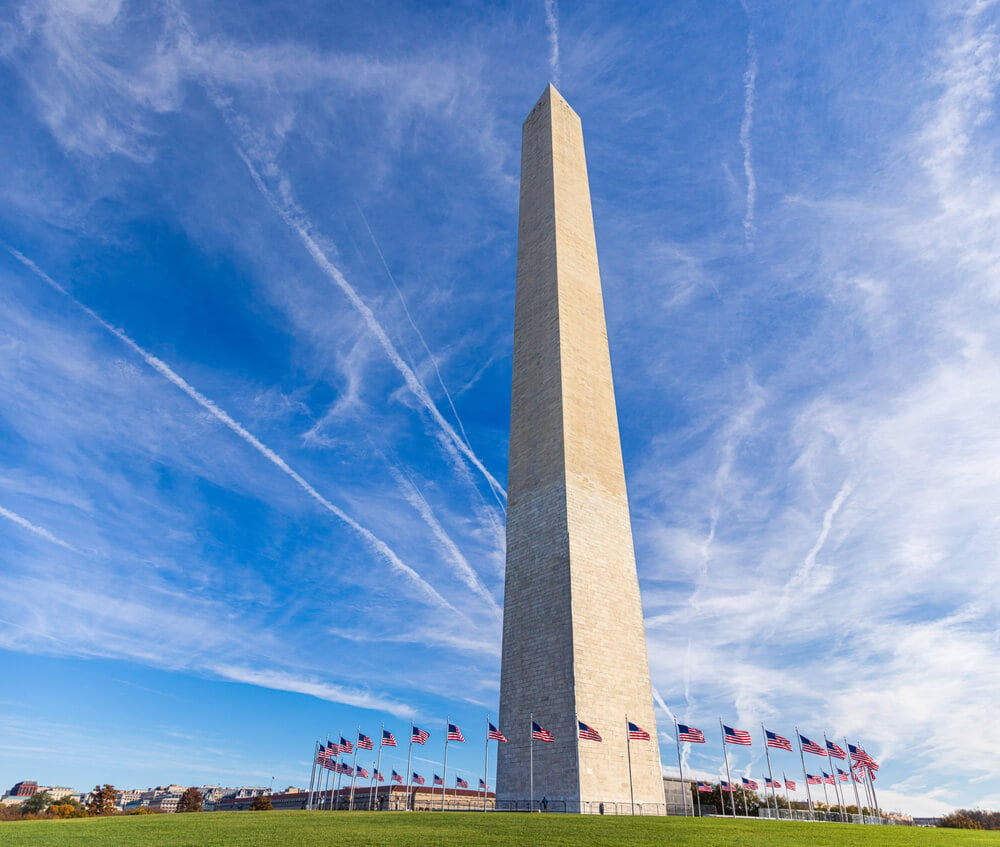
The Washington Monument, completed in 1884 and opened in 1888, rises 555 feet and was the tallest structure in the world until the Eiffel Tower in 1889. For years it stood above the low skyline of the capital, and a law still limits building heights in Washington.
The surrounding National Mall has been reshaped many times, from the memorials that now line it to the repairs needed after the 2011 earthquake.
Skylines That Rewrote Their Landmarks
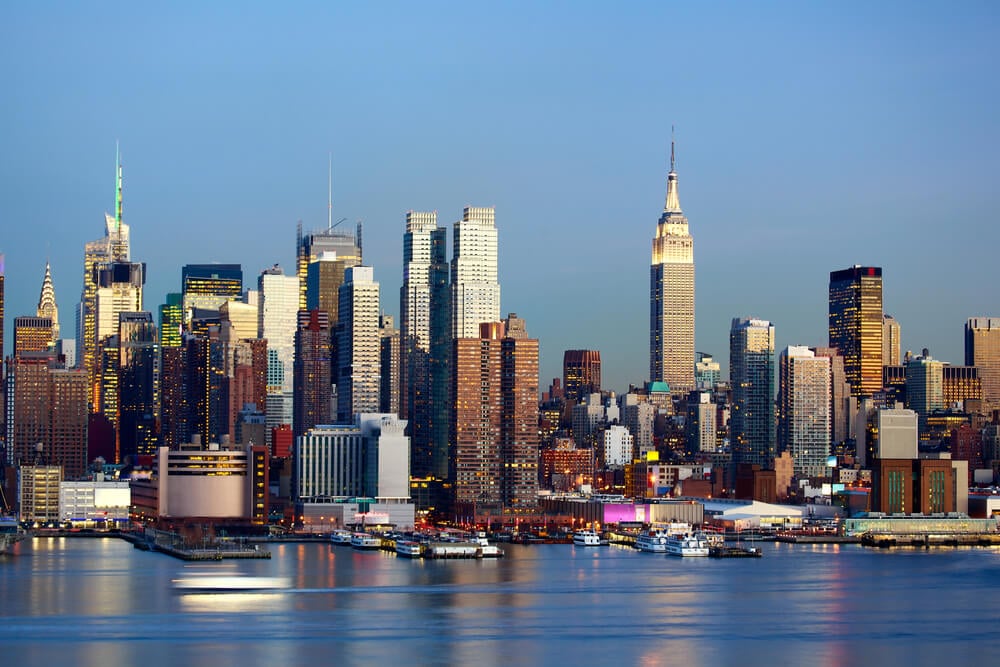
Some of these buildings lost height advantage, others lost their neighbors, and some gained entirely new settings. In each case the building stayed put while the city moved around it.
That is why old photographs can feel jarring. They show landmarks in a context that no longer exists, and the contrast reveals how much a single structure depends on its surroundings for its meaning.
More from Go2Tutors!

- 27 Silver Dollars and Half Dollars Worth Keeping
- 28 Restaurant Menu Items Nobody Orders Anymore
- 17 Places Built in Seemingly Impossible Spots
- 27 Vintage Rings Worth More Than They Look
- 25 Restricted Sites Tourists Can’t Enter
Like Go2Tutors’s content? Follow us on MSN.