20 Public Health Campaign Posters From Earlier Generations
Before television and social media, a poster tacked to a train station wall or a streetcar was one of the few ways to reach a city all at once. Health officials learned to write short, blunt messages, and artists learned to make them impossible to ignore.
The posters below span from a fly-swatting crusade in Kansas to silkscreened warnings from the Depression, and many of them come from collections at the Library of Congress. Their language can feel jarring today, but their goals remain familiar: cleaner habits, earlier treatment, and fewer preventable deaths.
Swat the Fly
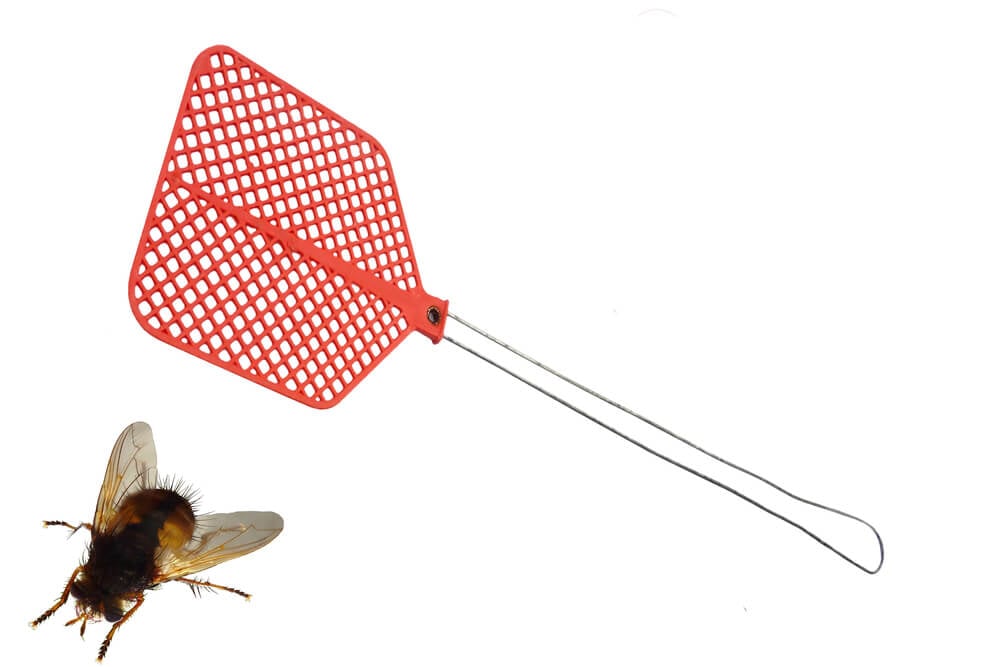
Kansas health official Samuel J. Crumbine borrowed a chant from a crowd at a Topeka sports event and in 1905 titled one of his fly bulletins “Swat the Fly.” Posters carrying the slogan were placed in post offices and railroad stations, and a schoolteacher named Frank Rose of Weir, Kansas, made a fly bat from window screen attached to a yardstick. The April 1910 cover of the Kansas health bulletin showed a housewife smashing a giant fly, and Kansas had outlawed the common drinking cup the year before.
Wear a Mask and Save Your Life

When San Francisco’s mask ordinance neared in October 1918, the Red Cross ran an advertisement urging residents to wear a mask and save their lives. Headquarters made 5,000 masks available at 11 a.m. on October 22, and by noon they were gone. The Red Cross also called those who refused a dangerous slacker, and the ordinance expired after four weeks on November 21.
Spit Spreads Death
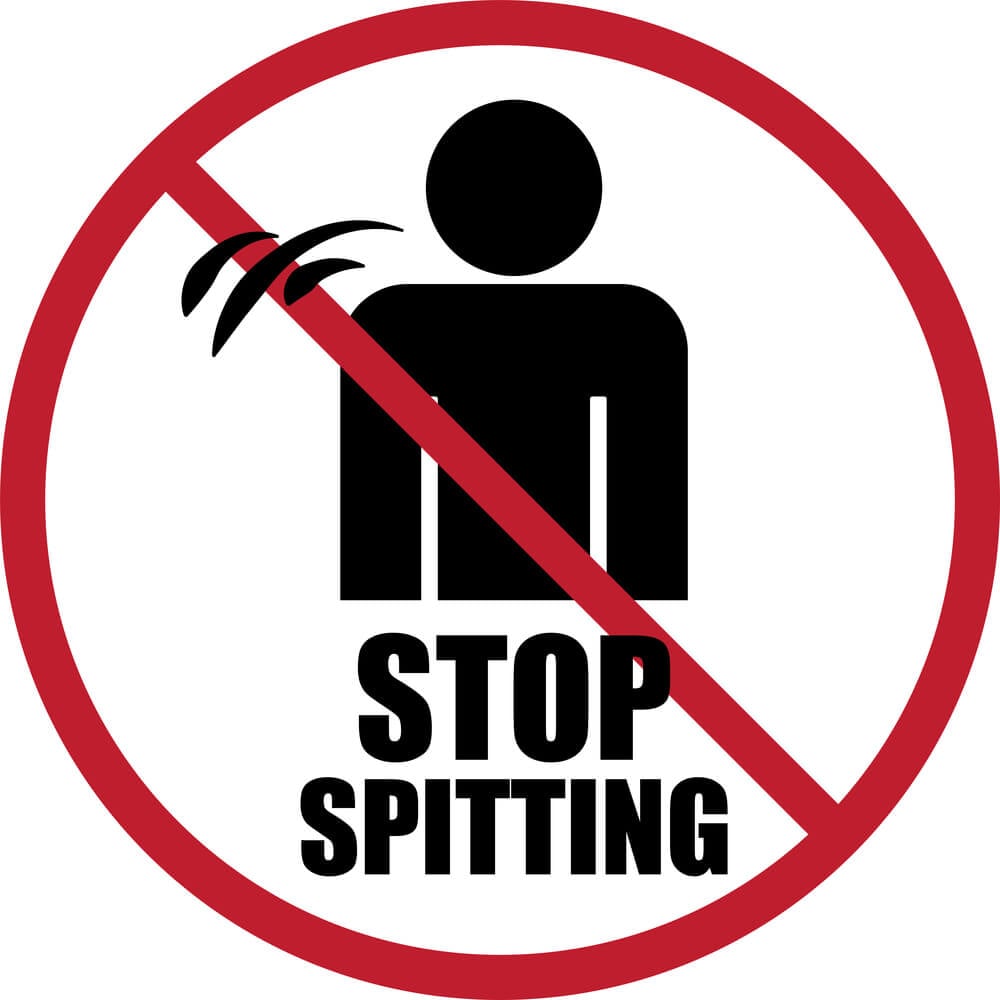
A Philadelphia streetcar was photographed during the 1918 and 1919 influenza pandemic carrying a poster that warned that spit spreads death. The blunt wording was typical of the period, when officials believed shocking language would change habits. Public transit made a natural billboard because crowds of riders could read it every day.
Coughs and Sneezes Spread Diseases

In 1918, the U.S. Public Health Service issued a poster titled “Coughs and Sneezes Spread Diseases,” adding that they were as dangerous as poison gas shells. The comparison to a weapon of World War I made the threat feel immediate. The Government Printing Office issued a similar message about spreading disease in 1944, showing that the lesson was used again in a later war.
Chicago’s Theater Poster

Chicago’s Commissioner of Health, John Dill Robertson, released a poster in 1918 meant to be displayed in theaters. It warned that influenza, often complicated by pneumonia, was prevalent across America at that time. Theaters were an obvious target because they gathered crowds in close quarters.
Don’t Gamble With Syphilis

A WPA poster from the Illinois Art Project, produced between 1936 and 1940, shows a man rolling dice beneath the message “Don’t Gamble with Syphilis” and urges viewers to consult health authorities. The gambling image turned a medical danger into a game of chance that no one should play. The poster is held in the Library of Congress’s Work Projects Administration Poster Collection.
Diphtheria Strikes Unprotected Children
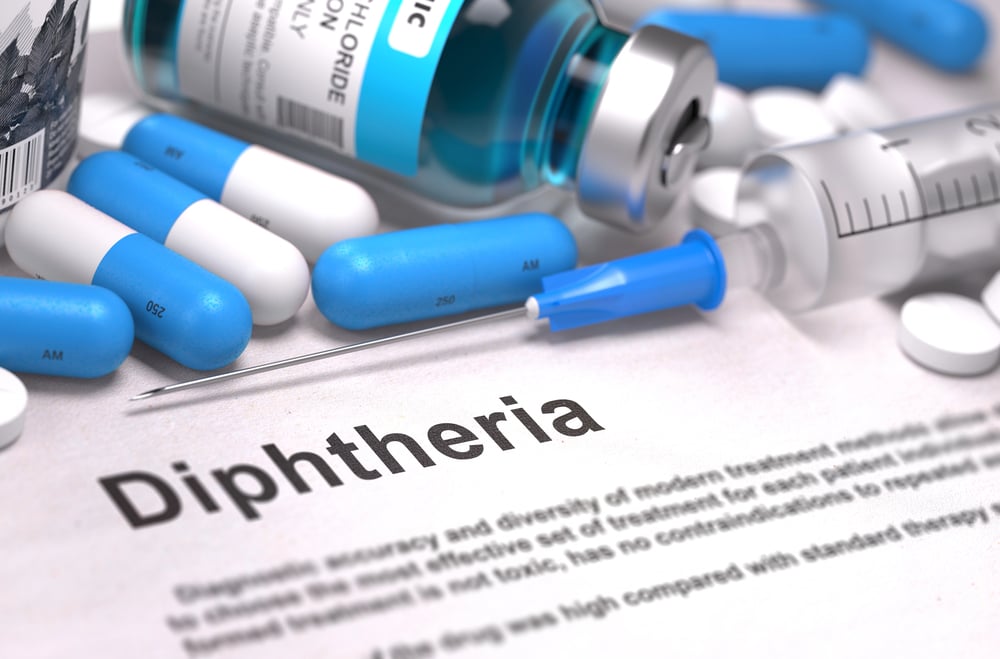
A Chicago Department of Health poster made by the Illinois WPA Art Project warns that diphtheria strikes unprotected children and urges parents to protect their child with toxoid. It was produced as a silkscreen sometime between 1936 and 1941, and the back bears a date stamp of March 20, 1941. The message is direct and parent-focused, and the poster is now in the Library of Congress.
Protect Her From Tuberculosis

Erik Hans Krause designed a New York WPA Federal Art Project poster, made between 1936 and 1938, with the line “Protect her from tuberculosis.” The smaller text explains that consulting a doctor or clinic means prevention. The poster speaks to families by appealing to protective instincts.
Fight Cancer, Delay Is Dangerous

A WPA poster from New York, made between 1936 and 1938, urges viewers to fight cancer and warns that delay is dangerous. The message encouraged people to see a doctor at the first sign of trouble. Cancer posters of this period tended to stress early action because few treatments were available.
X-Ray, Radium, Surgery

Another New York WPA poster, made between 1936 and 1939, lists X-ray, radium, and surgery as the three recognized treatments for cancer. It reflects the limited options of the time and the confidence of the medical profession in them. The poster is among those shown in a graphic art retrospective of public health at Northwestern University.
Eat Fruit, Be Healthy

A simple poster from the New York Federal Art Project, made between 1936 and 1938, promotes healthy eating with stylized fruit. Unlike the grim warnings about disease, it offered a cheerful, positive message. The poster shows that health campaigns also encouraged good habits rather than only warning about danger.
Keep Clean

Erik Krause also made a poster titled “Keep clean” for the Federal Art Project in Rochester, New York, between 1936 and 1939. The message promotes personal hygiene as a basic defense against illness. It belongs to a family of posters that treated cleanliness as a civic duty.
Is Your Child Vaccinated?

The Chicago Department of Health issued a poster asking parents whether their child was vaccinated. It was made by the Illinois WPA Art Project between 1936 and 1941. The question format was designed to nudge parents who had not yet acted.
America’s Crusade Against Tuberculosis

The Cook County Public Health Unit published a poster inviting viewers to take part in America’s crusade against tuberculosis. It was made by the Illinois WPA Art Project in 1940. The language of a crusade turned a medical campaign into a call for community participation.
Report Disease on the Road

A poster made by the Ohio WPA Art Program between 1936 and 1940 encouraged truck drivers to report cases of communicable diseases they encountered along their routes. It is an unusual target audience, reflecting how drivers saw conditions across many towns. The poster is held in the Library of Congress.
Treat Injuries Immediately

A poster from the Illinois WPA Safety Division promoted immediate treatment of on-the-job injuries, produced between 1936 and 1941. It reminded workers that a small wound could become a larger problem. It also shows that public health messaging extended into factories and workplaces.
Whiskey, Gasoline, and a Skull

A WPA poster from about 1936 and 1937 shows a whiskey bottle, a gas pump, and a skull together. The image appears to warn against mixing alcohol and driving, using a stark visual shorthand. It is an early example of safety messaging that still feels familiar.
Healthy Teeth

A WPA poster from between 1936 and 1938 promotes good oral hygiene with a stylized face, toothbrush, and toothpaste. It shows that public health posters covered everyday habits as well as dramatic threats. The image uses the same bold shapes as other posters of the series.
A Girl and a Fawn

A WPA poster from between 1936 and 1938 promotes proper health care for children and shows a girl with a fawn. Its gentle imagery contrasts with the harsher warnings of the same period. The poster was part of an effort to soften health messages for parents.
The Silkscreen Revolution

The Library of Congress holds 907 posters produced between 1936 and 1943 by branches of the Work Projects Administration, the largest collection of the roughly 2,000 known examples. When the project began, posters were being painted individually by hand, with no organized system of mass production. Silkscreen artists such as Tony Velonis changed that, making it practical to print many copies quickly.
Ink as Medicine

These posters show how public health once relied on repetition, simplicity, and the willingness to speak directly to the public. Their messages reached readers on streetcars, in theaters, and in post offices, where they competed with ordinary life for attention. The best of them used a single clear image and a single clear instruction.
They also show how health knowledge changed, since some of the treatments and wording would never appear on a poster today. Yet the idea behind them has endured: people act when they understand the risk and know what to do. A sheet of paper pinned to a wall once carried that lesson to millions of readers.
More from Go2Tutors!

- 27 Silver Dollars and Half Dollars Worth Keeping
- 28 Restaurant Menu Items Nobody Orders Anymore
- 17 Places Built in Seemingly Impossible Spots
- 27 Vintage Rings Worth More Than They Look
- 25 Restricted Sites Tourists Can’t Enter
Like Go2Tutors’s content? Follow us on MSN.