15 Micro-Organisms That Run the World Secretly
You might think humans are in charge of this planet, but the truth is far more fascinating. Microscopic life forms have been calling the shots for billions of years, and they continue to shape every aspect of our world today. From the oxygen we breathe to the food we eat, these tiny powerhouses work behind the scenes in ways most people never realize.
These invisible influencers don’t need boardrooms or politics to wield their power. Here is a list of 15 microorganisms that secretly run the world.
Cyanobacteria
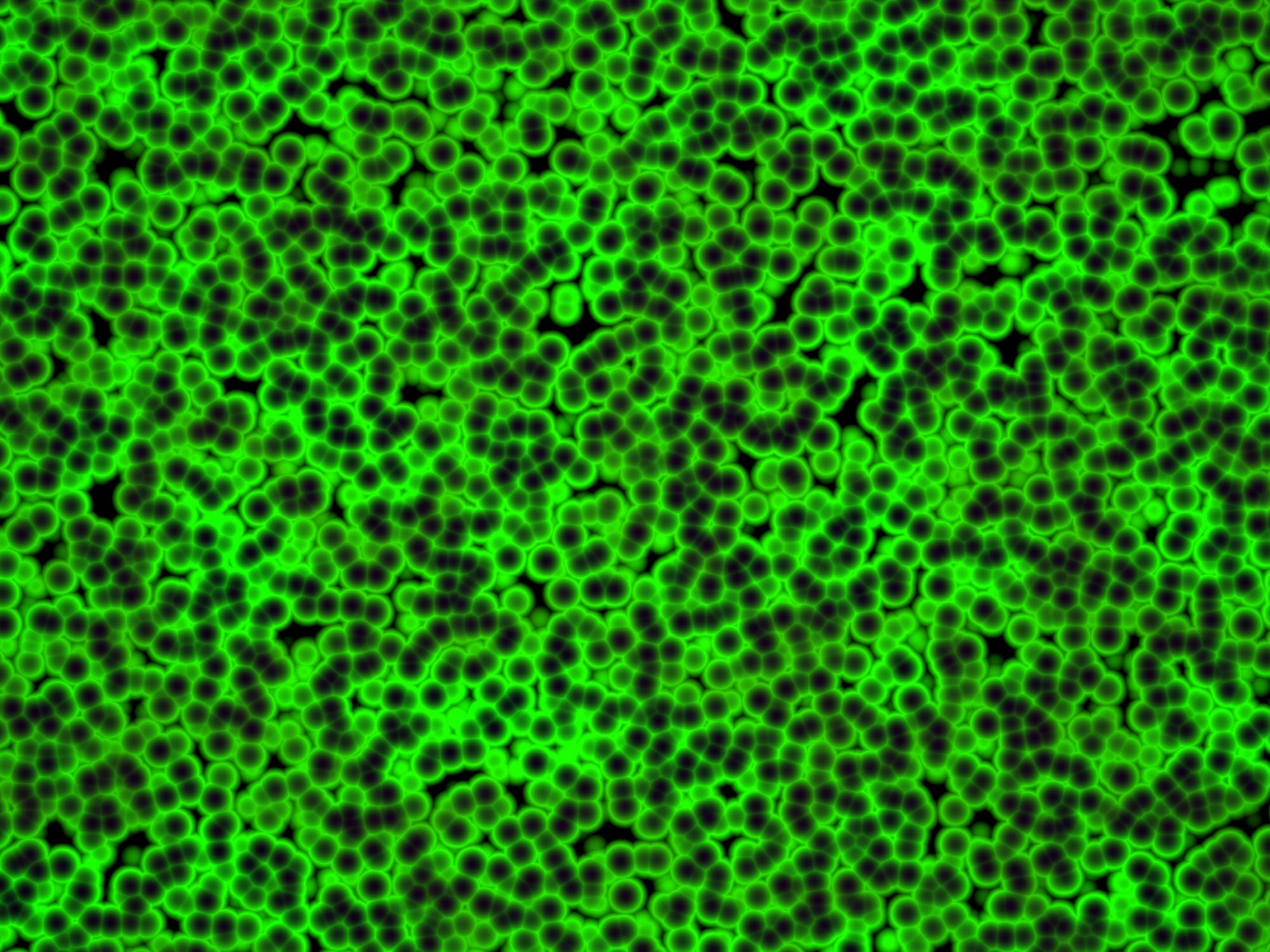
These blue-green microscopic factories literally created the breathable atmosphere we depend on today. Around 2.4 billion years ago, cyanobacteria started pumping out oxygen as a waste product, completely transforming Earth’s atmosphere and making complex life possible. Without their ancient work, you wouldn’t be here reading this article right now.
E. coli

This common gut bacterium does much more than occasionally cause food poisoning headlines. E. coli lives in your intestines and helps break down food, produces vitamin K for blood clotting, and keeps harmful bacteria from taking over your digestive system.
Scientists also use lab-grown E. coli to produce insulin, human growth hormone, and countless other medical treatments that save lives every day.
Like Go2Tutors’s content? Follow us on MSN.
Rhizobium

Farmers unknowingly depend on these soil-dwelling bacteria to keep crops growing without expensive fertilizers. Rhizobium forms partnerships with legume plants like soybeans, peas, and clover, converting nitrogen from the air into a form that plants can actually use.
This natural process feeds billions of people worldwide and keeps agricultural costs from skyrocketing even higher than they already are.
Lactobacillus

Your morning yogurt, sourdough bread, and that tangy sauerkraut all exist thanks to these fermentation specialists. Lactobacillus bacteria convert sugars into lactic acid, preserving food naturally and creating the distinctive flavors we love.
They also live in your gut and help maintain a healthy digestive system by crowding out harmful microbes.
Penicillium
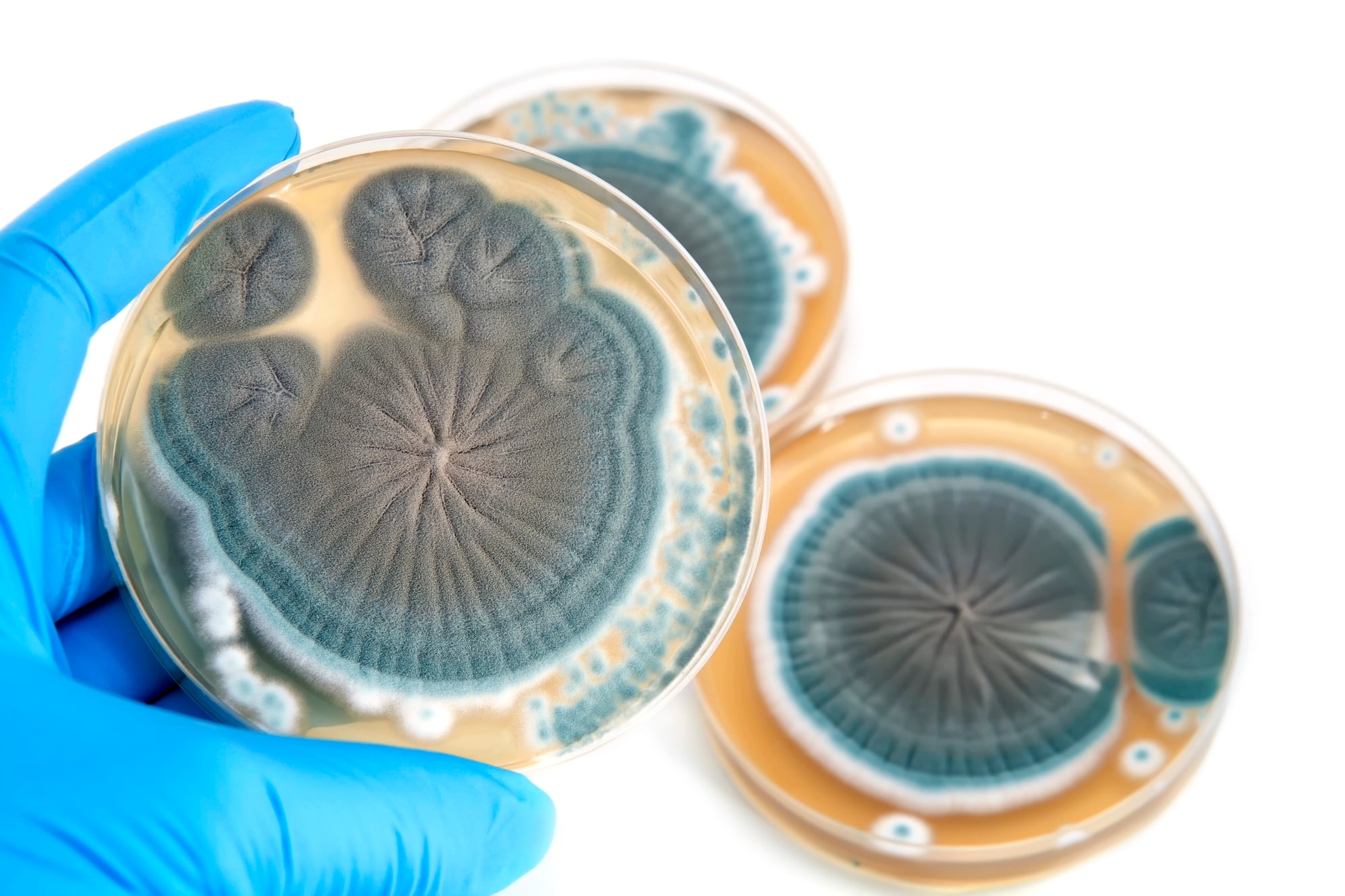
This fuzzy mold accidentally launched the antibiotic revolution when Alexander Fleming noticed it killing bacteria in his messy lab. Penicillium produces penicillin, which has saved more human lives than any other single discovery in medical history.
The same genus also gives us blue cheese, proving that sometimes the most powerful things come from the most unexpected places.
Like Go2Tutors’s content? Follow us on MSN.
Saccharomyces cerevisiae
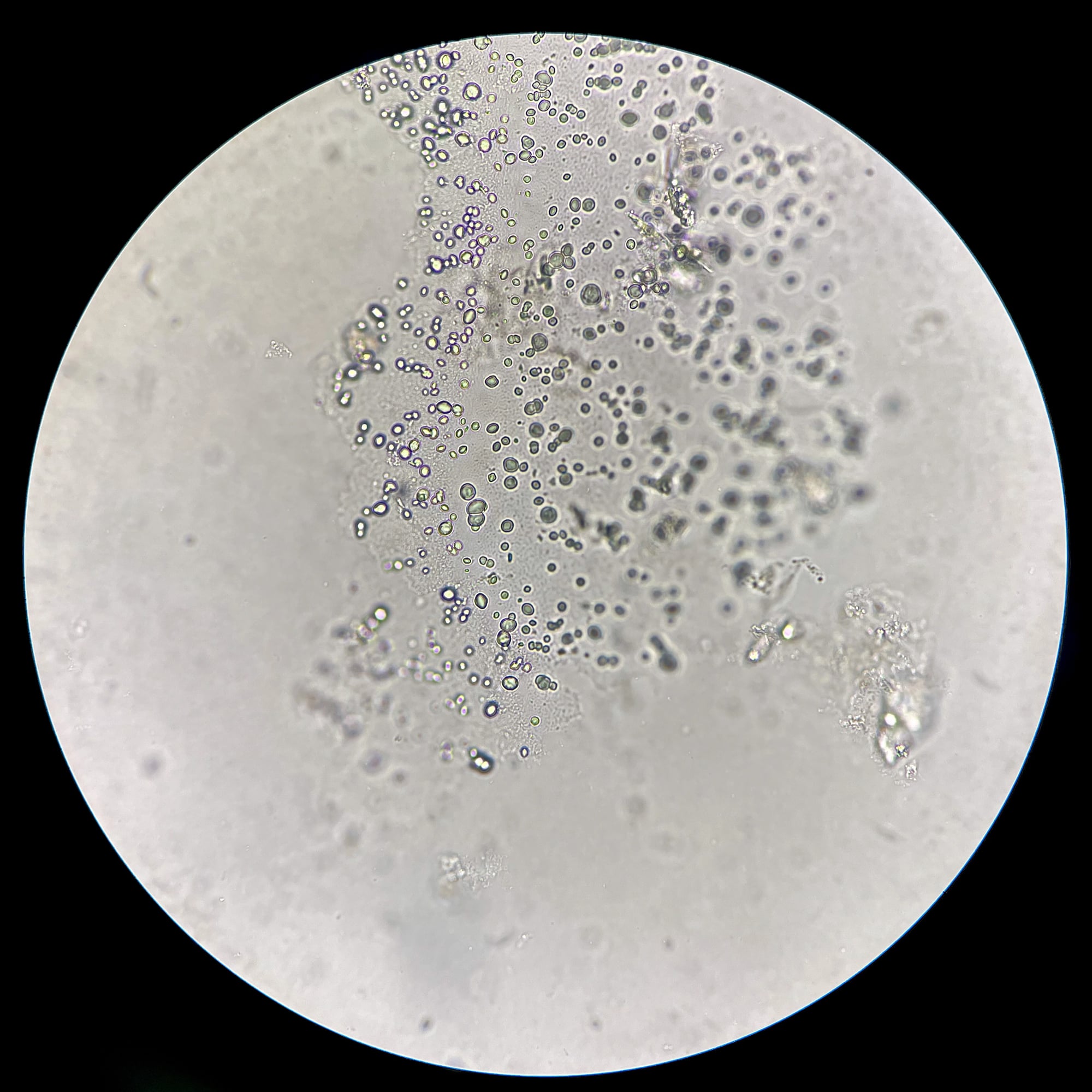
Beer, wine, and bread wouldn’t exist without this hardworking yeast that converts sugars into alcohol and carbon dioxide. Saccharomyces cerevisiae has been humanity’s invisible partner for thousands of years, turning grain into beer and making bread rise long before anyone understood what was actually happening.
Modern biotechnology also uses these yeasts to produce biofuels and pharmaceuticals.
Chlorella

This single-celled green alga packs more nutritional punch per gram than almost any other organism on Earth. Chlorella produces massive amounts of oxygen through photosynthesis and serves as a crucial food source at the bottom of aquatic food chains.
Some researchers believe algae like Chlorella could help solve world hunger and provide sustainable protein for growing populations.
Mycorrhizal Fungi
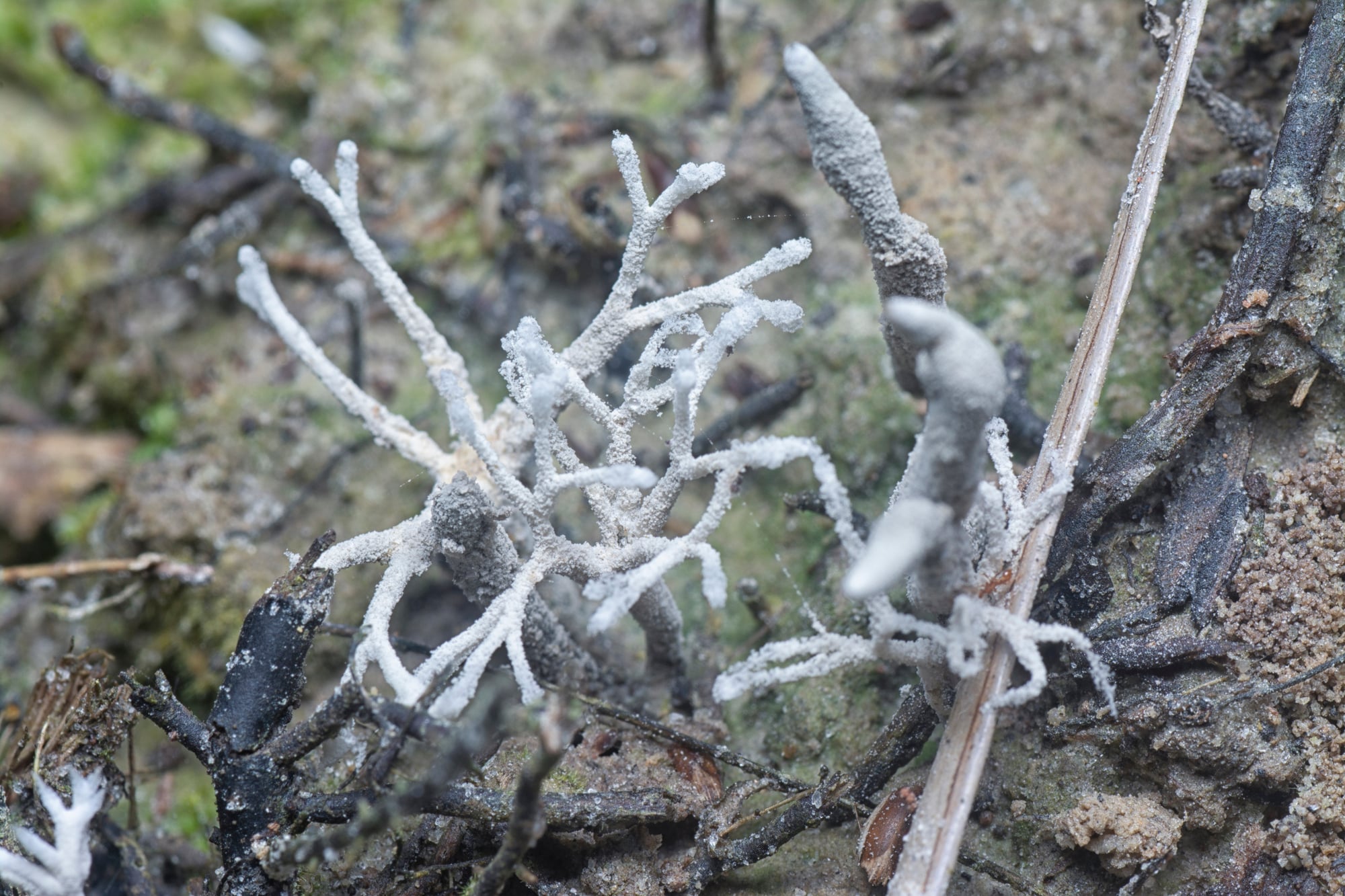
These thread-like fungi form underground networks that connect forest trees like a natural internet. Mycorrhizal fungi attach to plant roots and trade nutrients, water, and even warning signals between different species of trees.
Without these fungal partnerships, most forests would collapse because trees simply can’t absorb enough nutrients from the soil on their own.
Like Go2Tutors’s content? Follow us on MSN.
Methanobrevibacter
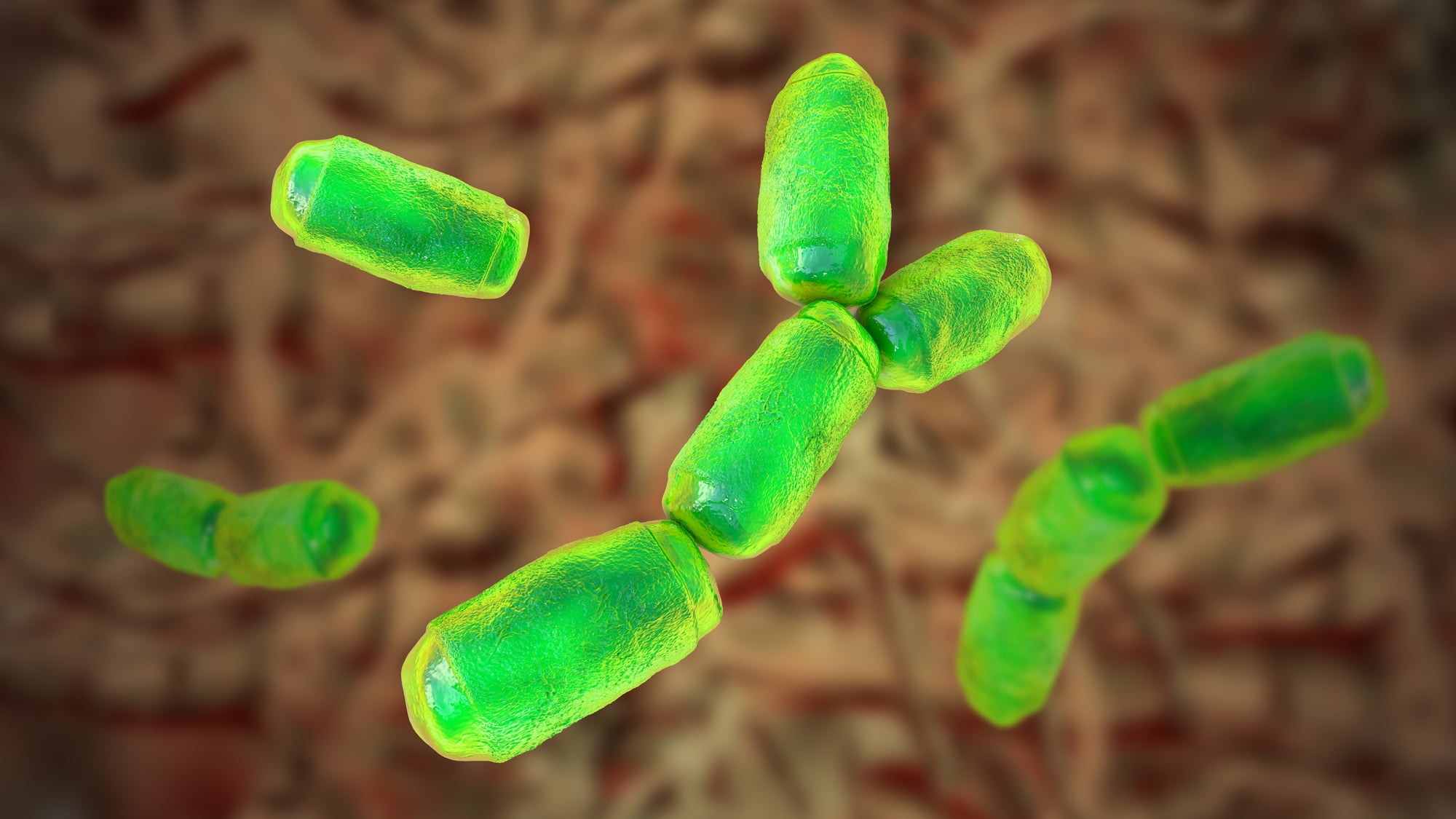
Living inside the stomachs of cows, sheep, and other ruminants, these methane-producing bacteria help break down tough plant fibers that would otherwise be indigestible.
Unfortunately, they also produce methane gas that contributes significantly to greenhouse gas emissions. These tiny organisms inside farm animals actually have a measurable impact on global climate patterns.
Nitrosomonas

These soil bacteria perform the first step in converting ammonia into nitrates that plants can absorb, essentially running nature’s recycling program for nitrogen.
Without Nitrosomonas and related species, dead organic matter would pile up everywhere and plants wouldn’t have access to one of their most essential nutrients. They keep the entire nitrogen cycle moving smoothly across the planet.
Spirulina
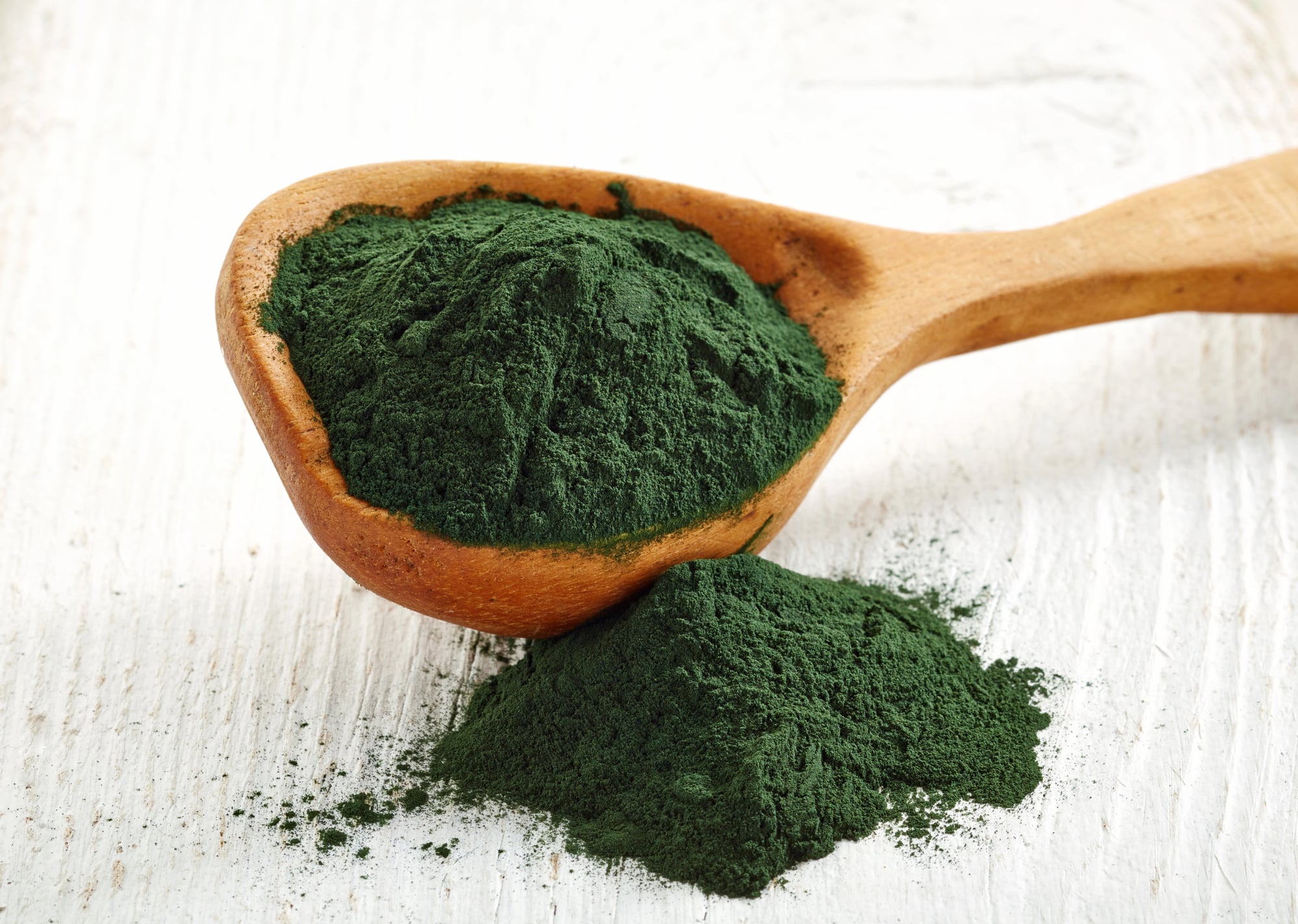
This blue-green algae contains more protein per gram than beef and grows incredibly fast in alkaline water. Spirulina produces oxygen, serves as a complete protein source, and can grow in conditions where traditional crops would fail miserably.
NASA has studied Spirulina as a potential food source for long-term space missions because it’s so nutritionally dense and efficient to produce.
Like Go2Tutors’s content? Follow us on MSN.
Acetobacter

These bacteria turn alcohol into vinegar through a process that humans have used for food preservation for millennia. Acetobacter species work slowly but steadily, converting wine into balsamic vinegar and apple cider into the tangy condiment that health enthusiasts swear by.
They also play important roles in composting by helping break down organic matter.
Bifidobacterium
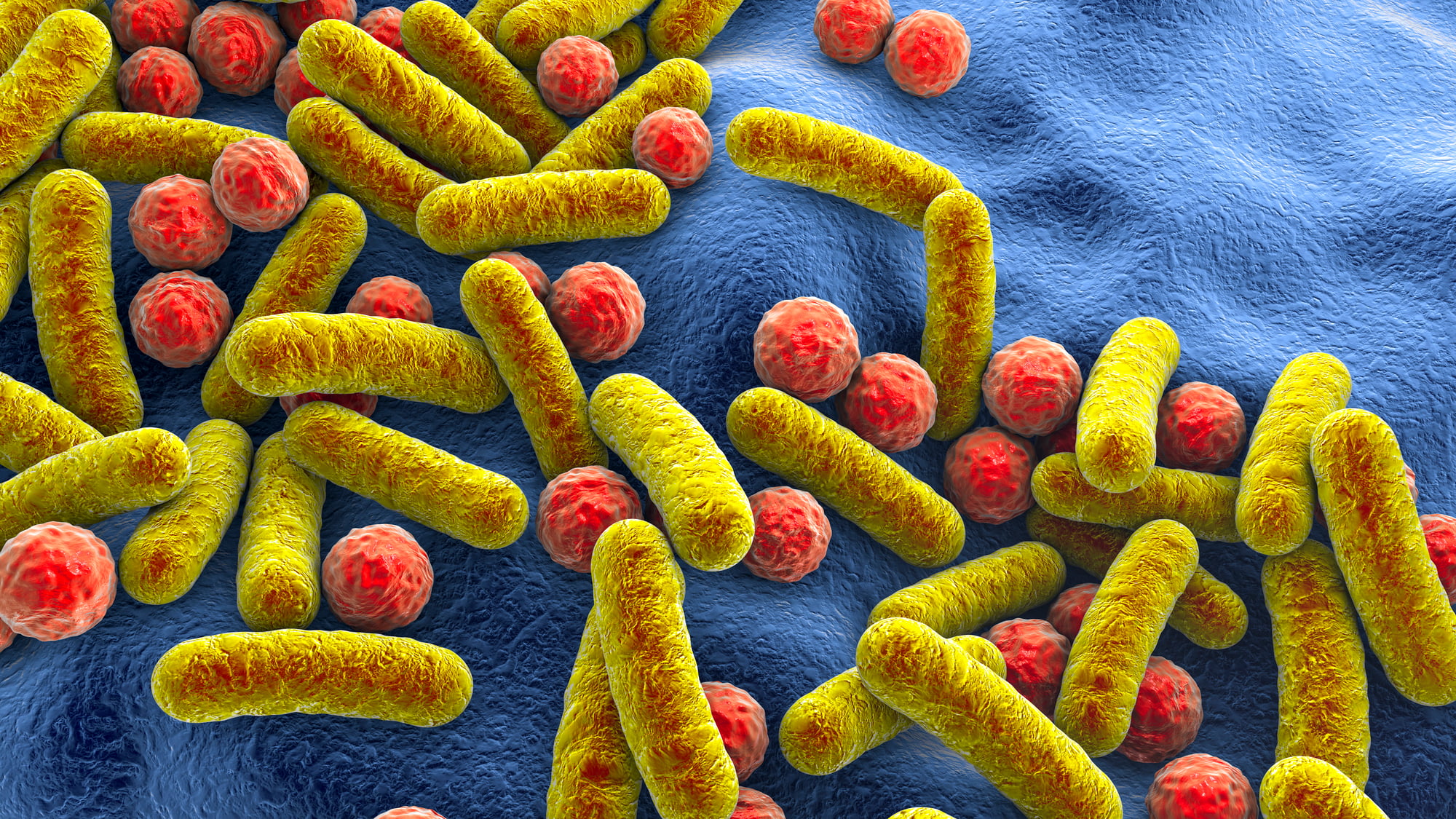
These beneficial bacteria make up a significant portion of the microbes living in healthy human intestines, especially in babies. Bifidobacterium help digest breast milk, support immune system development, and prevent harmful bacteria from establishing themselves in the gut.
Research suggests that having healthy levels of these bacteria early in life influences everything from allergies to mental health later on.
Thiobacillus
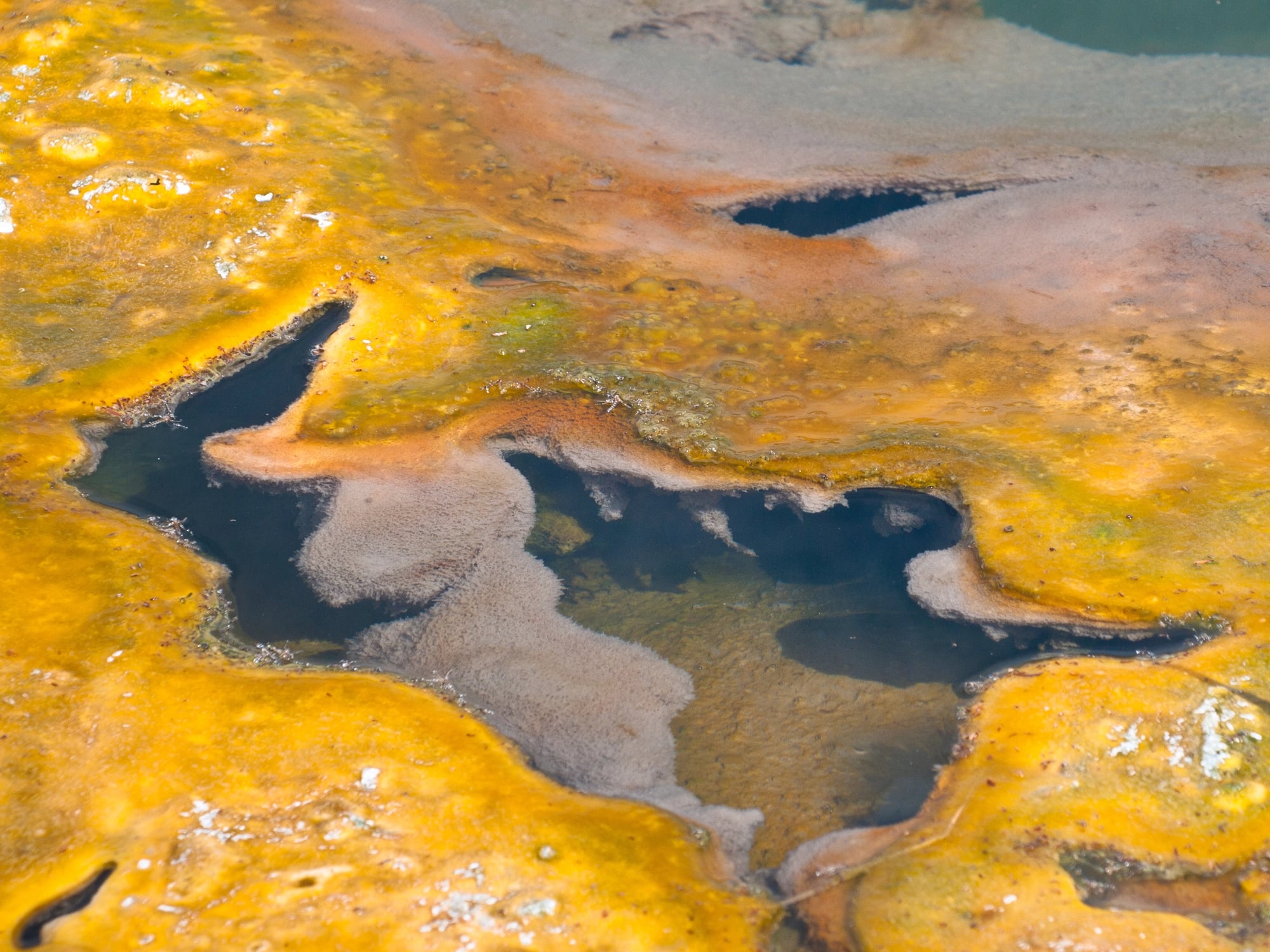
These sulfur-eating bacteria can literally dissolve rocks and metals, making them both incredibly useful and potentially destructive. Mining companies use Thiobacillus to extract metals from low-grade ores in a process called bioleaching, which is more environmentally friendly than traditional smelting.
However, these same bacteria can cause acid mine drainage that pollutes waterways for decades.
Like Go2Tutors’s content? Follow us on MSN.
Prochlorococcus
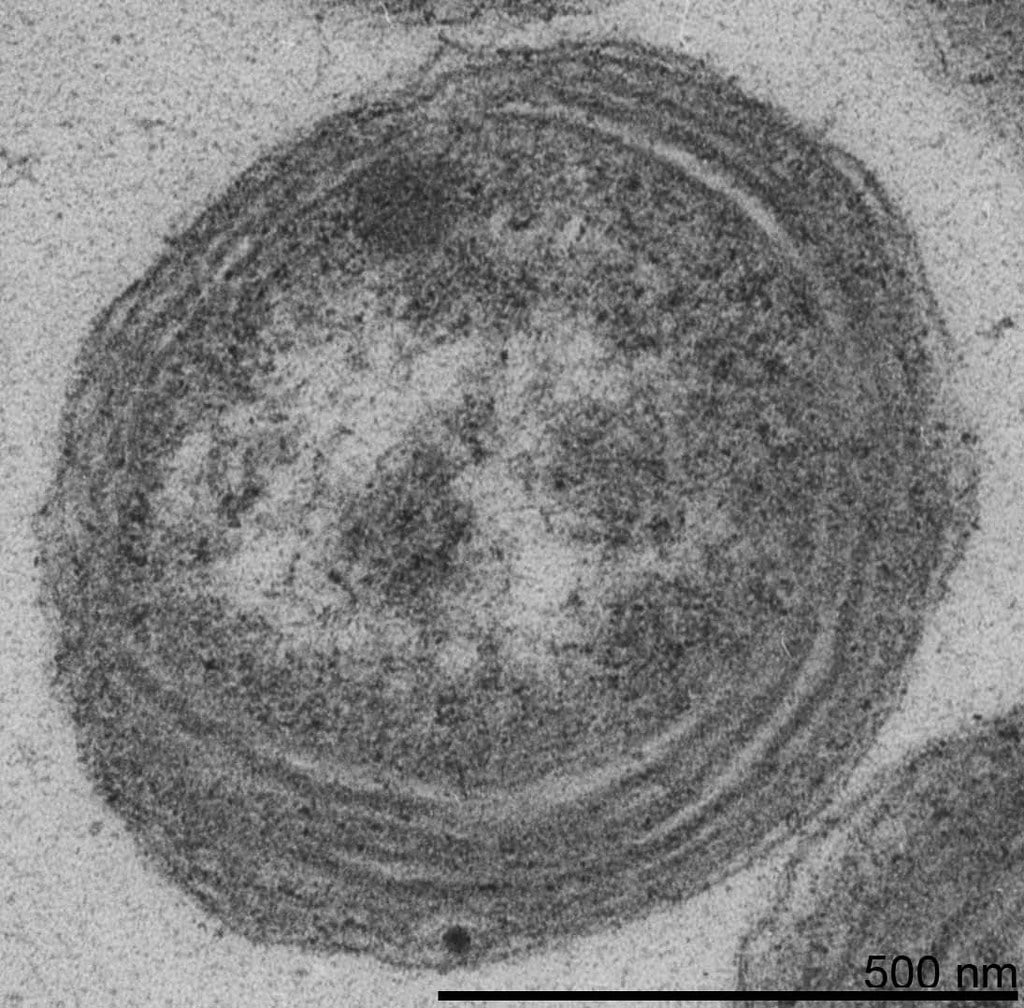
Despite being smaller than most other bacteria, Prochlorococcus might be the most abundant photosynthetic organism on Earth. These marine bacteria produce about 20% of the oxygen in our atmosphere and form the foundation of ocean food webs.
A single drop of seawater can contain thousands of these microscopic powerhouses working around the clock to keep ocean ecosystems functioning.
The Invisible Architects of Tomorrow

These microscopic life forms have been shaping our planet for billions of years, and their influence continues to grow stronger as we learn to harness their incredible abilities.
From cleaning up pollution to producing life-saving medicines, these tiny organisms offer solutions to some of humanity’s biggest challenges.
The next time you take a breath, eat a meal, or marvel at the complexity of nature, remember that microscopic life forms are still running the show behind the scenes. Understanding and protecting these invisible architects isn’t just about scientific curiosity—it’s about recognizing the foundation that makes all other life on Earth possible.
More from Go2Tutors!

- 16 Restaurant Chains That Went Too Fast
- 12 Things Sold in the 80s That Are Now Illegal
- 15 Strange Things People Have Tried to Ban (And Failed)
- 16 Collectibles People Tossed Out Too Soon
- 17 Myths from Your Childhood That Were Actually Based on Real Things
Like Go2Tutors’s content? Follow us on MSN.