Unexpected Records Tied to Global Food
Food brings out strange competitive instincts in people. Someone always wants to make the biggest, heaviest, longest, or most expensive version of everything edible.
The results end up in record books, often requiring teams of people, custom equipment, and planning that borders on obsessive.
These aren’t cooking competitions or eating contests. They’re attempts to push food into territory where it stops being food and becomes a spectacle.
Some records make sense. Others make you wonder who thought of trying it in the first place.
The Most Expensive Pizza Ever Sold

A pizza sold for $12,000 in 2007. Chef Domenico Crolla made it in Scotland.
The toppings included edible gold, venison medallions, Scottish smoked salmon, lobster marinated in cognac, and champagne-soaked caviar. The cheese was from three different countries.
The tomato sauce used rare Italian tomatoes that cost more per ounce than the gold.
Creating the pizza took 48 hours. Most of that time went into sourcing ingredients.
The actual cooking took minutes. The person who bought it split it with friends.
You have to hope they appreciated it. Twelve thousand dollars is a lot to spend on dinner, even if it includes gold leaf.
The Largest Sushi Roll Ever Made
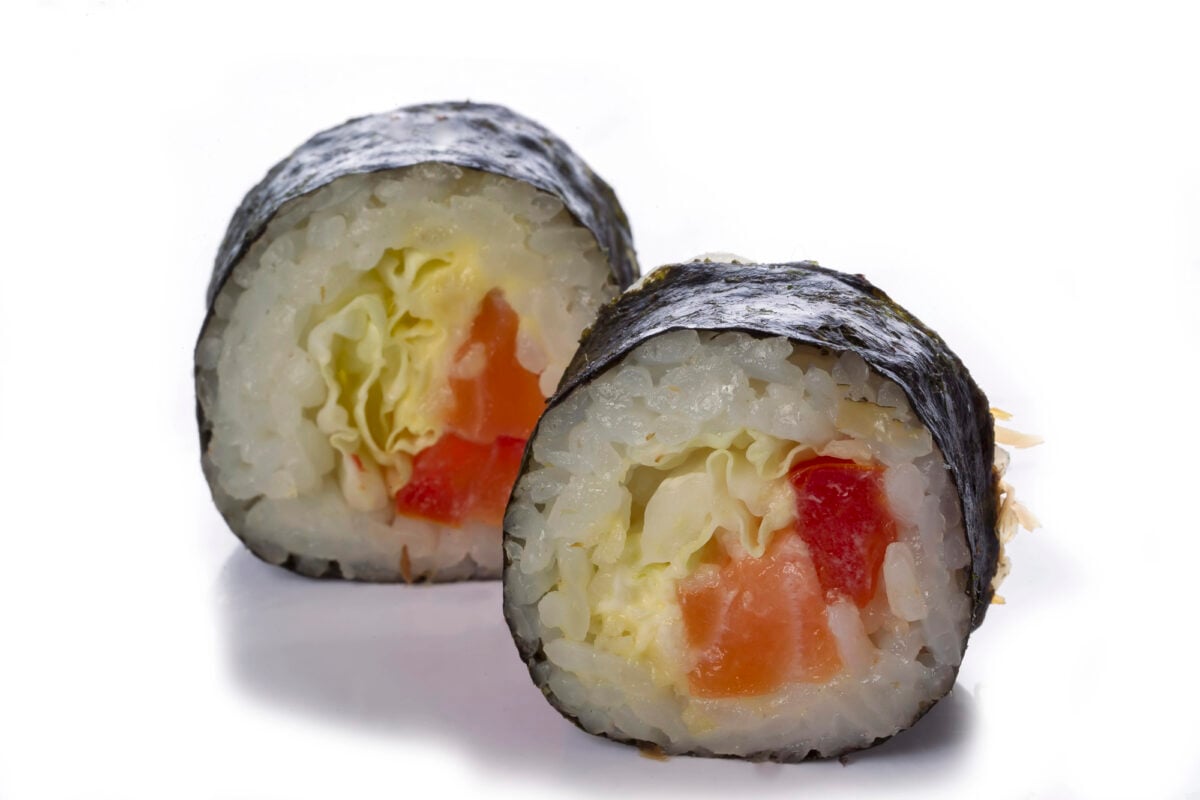
The record sushi roll measured 2.8 miles long. A team in Russia assembled it in 2017.
They used 550 pounds of rice, 440 pounds of fish, and countless sheets of nori. The roll stretched through city streets.
Hundreds of volunteers helped construct it. They worked in sections, then connected everything into one continuous roll.
Cutting it into servings took hours. They fed thousands of people.
The logistics of keeping that much raw fish fresh during construction must have been a nightmare. Food safety inspectors probably had heart attacks watching it happen.
But the roll held together and nobody got sick, so the record stands.
The World’s Most Expensive Chocolate Bar

A chocolate bar sold for $685 in 2015. To’ak Chocolate in Ecuador made it.
The cacao came from trees that survived from before Spanish colonization. The chocolate is aged for three years in French oak barrels.
The bar came in a wooden box with tasting notes like a fine wine. Each bar was numbered and signed.
The company limited production to 574 bars. Collectors bought most of them as investments rather than food.
Opening one to actually eat it destroyed its value. The chocolate probably tasted good but not six hundred dollars.
You were paying for rarity and exclusivity, not flavor.
The Longest Line of Pizzas Ever Created

Italy created a line of pizzas stretching 1.8 kilometers in 2017. That’s about 1.1 miles.
More than 100 pizza makers worked simultaneously. They used five tons of flour, three tons of tomato sauce, and two tons of mozzarella.
The pizzas cooked in mobile wood-fired ovens that moved along the line.
The attempt happened on a closed highway. They had to finish before the dough overproofed and became unusable.
Time limits added pressure. One section burning would break the chain and invalidate the record.
Everyone ate well afterward though. Free pizza for thousands of people.
The Most Expensive Burger Ever Made

A restaurant in Oregon sold a burger for $5,000 in 2008. The Broughers restaurant created it as a promotional stunt.
The meat came from Wagyu beef raised in Japan. Foie gras topped the patty.
Black truffle shavings covered everything. The bun contained edible gold.
The condiments included rare mustards and aiolis made with truffle oil.
You had to order it three days in advance. The restaurant needed time to source ingredients and prepare everything correctly.
Only a few people actually bought it. Most customers stuck with the regular menu.
The burger stayed on the menu for years as a conversation piece more than an actual menu item.
The Heaviest Carrot Ever Grown

The record carrot weighed 22.44 pounds. Christopher Qualley grew it in Minnesota in 2017.
Normal carrots weigh maybe half a pound at most. This one weighed as much as a small dog.
Growing vegetables to record size requires specific soil conditions, careful watering, and luck. The carrot had to stay in the ground far longer than usual.
Qualley entered it in competitions designed for giant vegetables. People who grow record vegetables treat it like a sport.
They swap techniques and compete at county fairs. The carrot probably didn’t taste great.
Vegetables that size tend to be woody and bitter. But that wasn’t the point.
The Most Expensive Taco Ever Served

A resort in Mexico sold a taco for $25,000 in 2017. Grand Velas Los Cabos created it.
The tortilla was made from corn infused with gold flakes. The filling included Kobe beef, black truffle brie cheese, and Almas Beluga caviar.
The garnish used a salsa made with dried Morita chili peppers and expensive tequila.
The taco came with a side of tequila that cost several thousand dollars per bottle. Eating it took about ten minutes.
That works out to roughly $2,500 per minute of eating. The resort made it as a marketing tool.
Photos of the taco went viral. Mission accomplished.
The Largest Serving of Fish and Chips

The record serving weighed 63.5 kilograms. That’s about 140 pounds.
A restaurant in England made it in 2018. The cod piece alone weighed over 40 pounds.
The chips filled multiple large containers. They used a custom fryer built specifically for the attempt.
Normal restaurant equipment couldn’t handle food that size.
Cooking took hours. The fish had to cook evenly throughout.
Undercooking would disqualify the attempt for safety reasons. Overcooking would ruin it.
They nailed the timing. Multiple families shared the meal afterward.
It fed about 40 people.
The Most Expensive Cup of Coffee

A cup of coffee sold for $600 in Australia. The beans came from elephants.
Black Ivory Coffee feeds elephants coffee cherries. The beans pass through their digestive system.
Enzymes break down proteins that cause bitterness. What comes out the other end gets collected, cleaned, processed, and roasted.
The production process is labor-intensive and yields small amounts. Only a few places in the world serve it.
The coffee supposedly tastes smooth and earthy. But let’s be honest.
You’re paying for the story more than the flavor. People want to say they drank coffee that came from an elephant.
The Largest Paella Ever Cooked

Spain made a paella that served 110,000 people in 2001. The pan measured 21 meters in diameter.
The ingredients included 13,000 pounds of rice, 6,600 pounds of chicken, 3,300 pounds of rabbit, and 1,100 pounds of beans.
Stirring it required long-handled tools and multiple people working in coordination. The heat source was a massive custom burner.
Cooking time exceeded several hours. They had to keep the rice from burning while ensuring everything cooked through.
Serving 110,000 portions required an army of volunteers. People lined up for blocks.
The paella probably varied in quality from the center to the edges. Physics makes it nearly impossible to cook evenly at that scale.
The World’s Hottest Chili Pepper
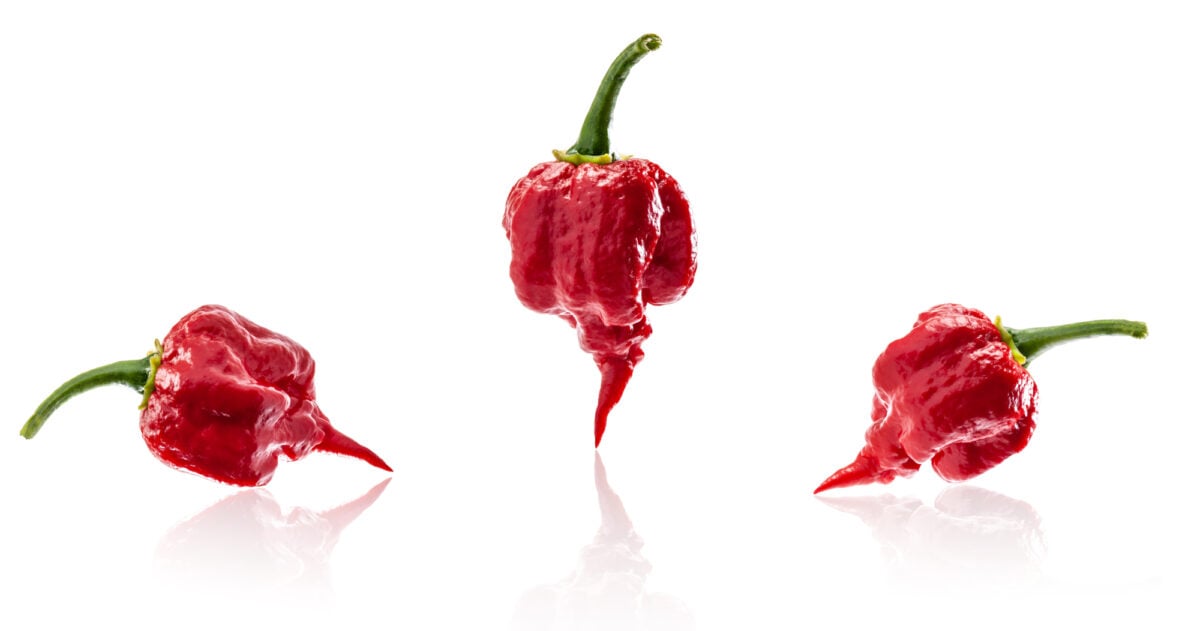
The Carolina Reaper measures over 2.2 million Scoville heat units. Ed Currie bred it in South Carolina.
For comparison, a jalapeno rates around 5,000 Scoville units. The Reaper is more than 400 times hotter.
Eating one causes intense pain. Your mouth burns.
Your eyes water. Your body thinks it’s dying even though it’s not.
People compete to eat them anyway. Videos of people trying the Reaper have millions of views.
The entertainment comes from watching others suffer. Currie keeps breeding hotter peppers.
The Reaper held the record for years but newer varieties now push even higher on the Scoville scale.
The Most Expensive Strawberry
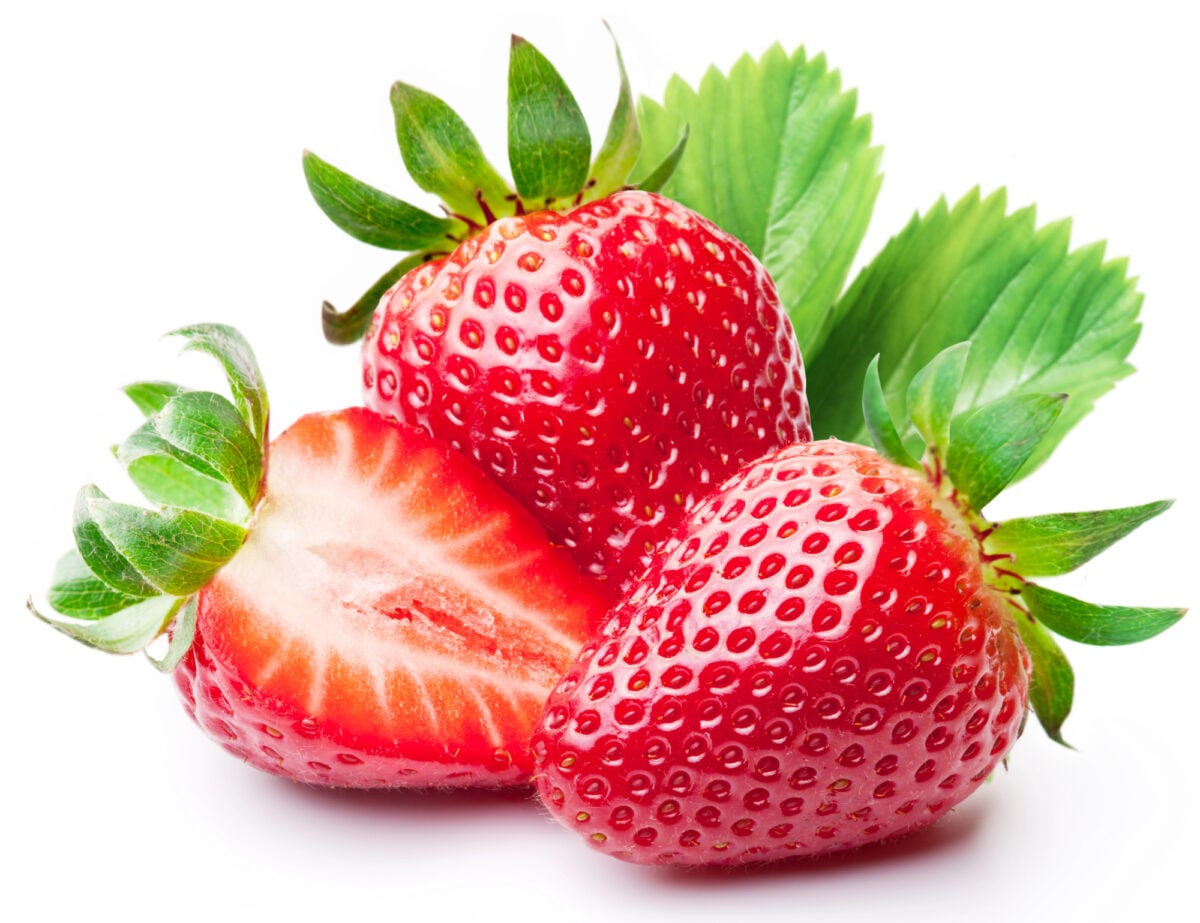
A single strawberry sold for nearly $500 in Japan. The variety was Bijin-hime.
Japanese fruit markets prize perfect specimens. This strawberry was flawless.
The right size, the right color, the right shape. It came from a grower known for exceptional fruit.
The buyer displayed it before eating it.
In Japan, gift-giving culture drives premium fruit prices. Perfect fruit serves as status symbols and business gifts.
A $500 strawberry seems insane until you understand the cultural context. It’s not just fruit.
It’s an expression of respect and wealth.
The Largest Gingerbread House Ever Built

The record gingerbread house covered 2,520 square feet. A tradition in Texas built it in 2013.
The structure used 1,800 pounds of butter, 7,200 eggs, and 7,200 pounds of flour. The walls stood strong enough for people to walk inside.
Icing held everything together. Candy decorated every surface.
Building it took several weeks. Structural engineers consulted on the design.
Gingerbread is brittle and doesn’t scale well. They had to reinforce sections without violating the rules about what materials could be used.
The house stayed up for a month before they dismantled it.
The Longest Noodle Ever Made

China made a noodle stretching 10,119 feet in 2017. That’s nearly two miles of continuous noodle.
One chef made the entire thing by hand through traditional pulling techniques. He couldn’t splice sections together.
The noodle had to be one unbroken strand. He pulled and folded the dough repeatedly until it stretched to record length.
The process took hours. His arms must have been exhausted.
One break would end the attempt. They laid the noodle out in a straight line to measure it.
After verification, they cooked and served it. It probably tasted like regular noodles but the achievement was memorable.
When Food Becomes More Than Food

These records transform ingredients into spectacles. Nobody needs a two-mile sushi roll or a $25,000 taco.
The practical purpose of food disappears. What remains is human ambition and the desire to claim something nobody else has done.
Some records celebrate culinary traditions on a massive scale. Others exist purely for bragging rights.
All of them required coordination, resources, and people willing to commit time to something that ultimately gets eaten or thrown away.
The fleeting nature of food makes these records even stranger. You work for months to create something that exists for hours, get your photo taken, then watch it disappear.
But your name stays in the book, attached to something nobody else can claim. That permanence in exchange for temporary creation drives people to keep pushing boundaries, one ridiculous food record at a time.
More from Go2Tutors!

- The Romanov Crown Jewels and Their Tragic Fate
- 13 Historical Mysteries That Science Still Can’t Solve
- Famous Hoaxes That Fooled the World for Years
- 15 Child Stars with Tragic Adult Lives
- 16 Famous Jewelry Pieces in History
Like Go2Tutors’s content? Follow us on MSN.