13 Scenes From America’s Early National Road Trips
In the early 1900s, crossing America by car meant guessing at routes, carrying spare tires, and sleeping wherever a town would take you. The first drivers had no gas station network, no road numbers, and often no road at all.
The trips below, from 1903 to 1926, mark the years when the road trip went from stunt to national habit.
Horatio Nelson Jackson and Bud

In May 1903, Vermont physician Horatio Nelson Jackson accepted a $50 bet in San Francisco that he could drive across the country. He hired mechanic Sewall Crocker, bought a used Winton, adopted a bulldog named Bud along the way, and bought him goggles. They reached New York on July 26, 63 days, 12 hours, and 30 minutes after leaving, having spent about $8,000. Jackson reportedly never collected the bet, and the car now sits in the Smithsonian.
Alice Ramsey’s Maxwell
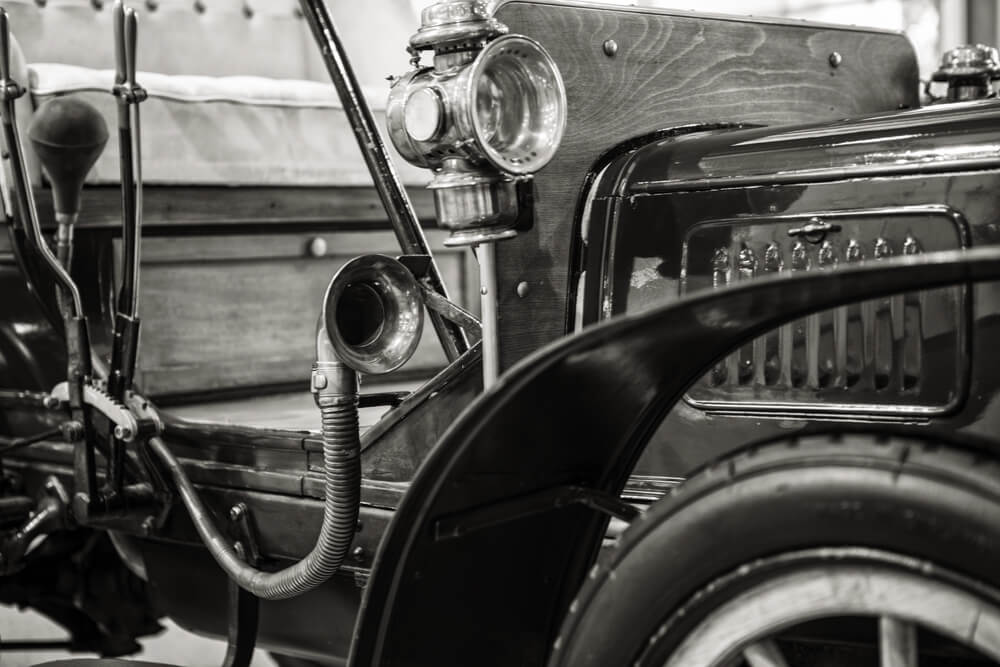
Alice Huyler Ramsey, 22, left New York on June 9, 1909, in a Maxwell touring car, with three women passengers, none of whom could drive. They reached San Francisco on August 7, after about 3,800 miles and 59 days, including 12 or 13 days stuck in Iowa mud. They went through 11 sets of tires. Ramsey drove cross-country more than 30 times and became the first woman inducted into the Automotive Hall of Fame in 2000.
The New York to Paris Race
— Photo by Rangizzz
In 1908 a New York-to-Paris race sent cars across the United States and beyond. The American entry, a Thomas Flyer driven by George Schuster, won. Schuster was reportedly stopped in Paris for lacking a light, until a bicyclist tossed him a lamp so he could finish.
A Family of Four in 32 Days
In 1908, five years after Jackson, a family of four drove across the country in 32 days. The trip showed how rapidly cross-country travel was becoming faster. It still took far longer than a week-long train ride.
The Transcontinental Race of 1909
— Photo by pemaphoto
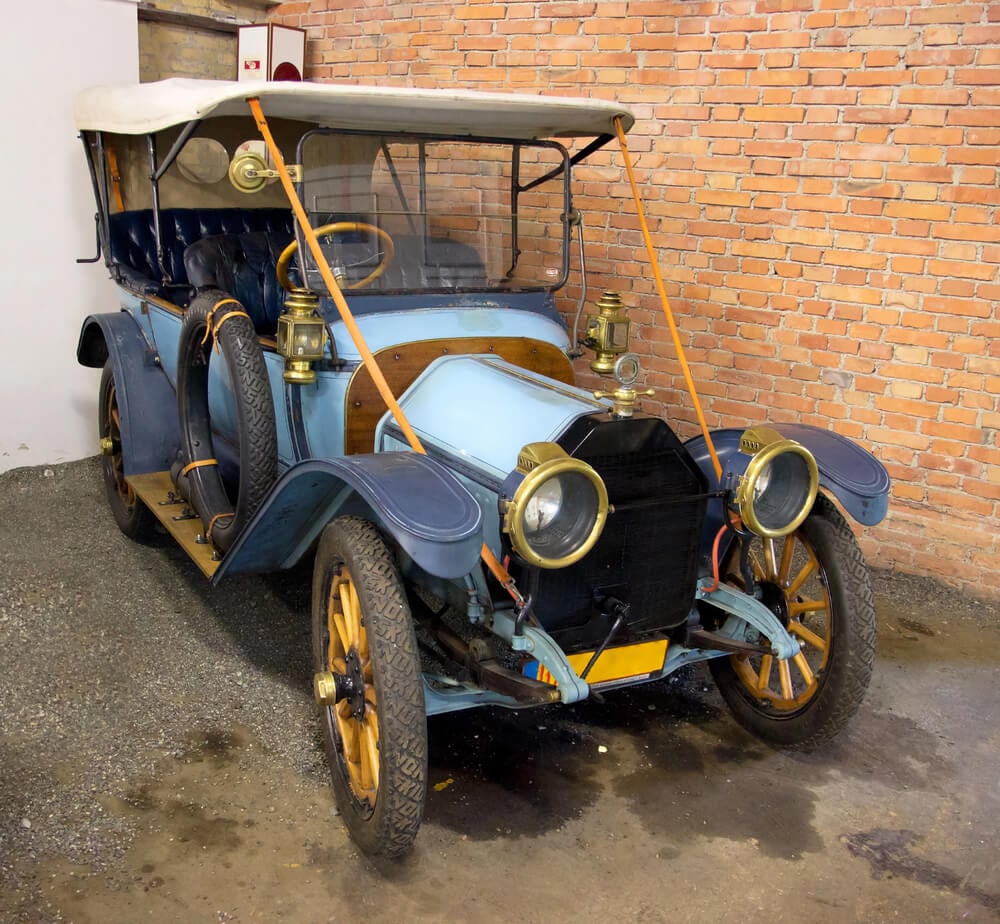
On June 1, 1909, six vehicles set off at the moment President Taft opened the Alaska-Yukon-Pacific Exposition in Seattle, in the first transcontinental auto race. The contestants headed from New York toward Seattle across unimproved roads, and the race came six years after Jackson’s pioneering drive.
The Hoosier Tour

In 1913, as the Lincoln Highway Association was forming, Carl Fisher departed Indianapolis with the Indiana Automobile Manufacturers Association on a trip to the West Coast known as the Hoosier Tour. Fisher was already on the road when Henry Joy was elected president of the association, with Fisher as vice president.
The Lincoln Highway
— Photo by EJ Rodriquez Photography
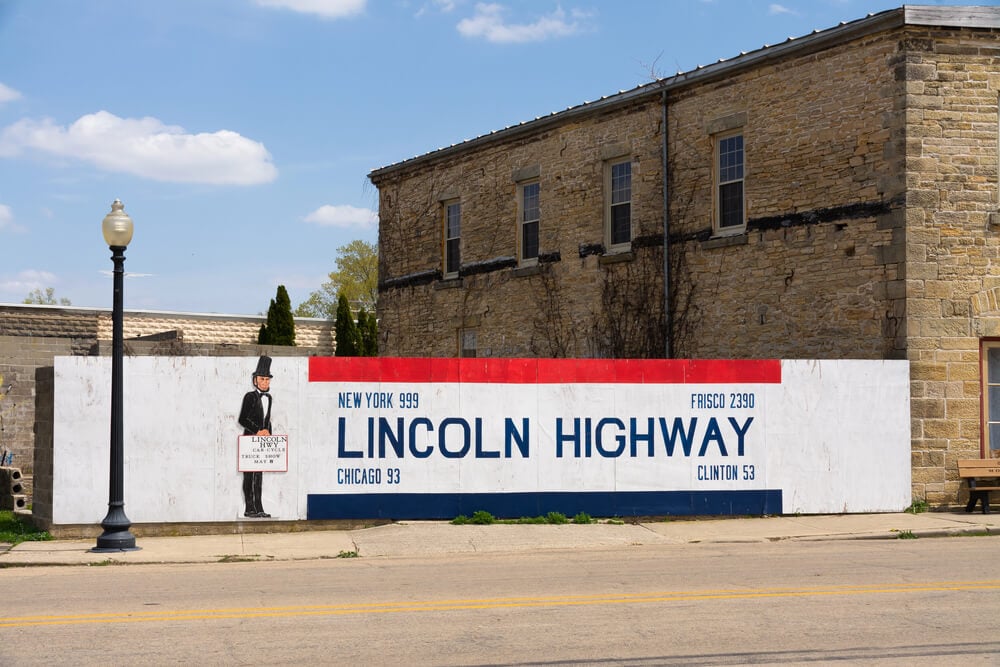
Carl Fisher conceived the Lincoln Highway in 1912 as a graveled coast-to-coast road of about 3,389 miles from Times Square to San Francisco’s Lincoln Park. The Lincoln Highway Association was incorporated July 1, 1913, with Henry Joy as president, and the route was dedicated October 31, 1913. Much of it was initially little more than existing, unimproved roads under a new name.
Emily Post’s Journey

In 1915 etiquette authority Emily Post drove from New York to San Francisco and wrote about it in By Motor to the Golden Gate. Her trip showed that even a proper woman could manage a cross-country drive. Her account helped popularize the idea of the road trip among less adventurous travelers.
Eisenhower’s 1919 Convoy
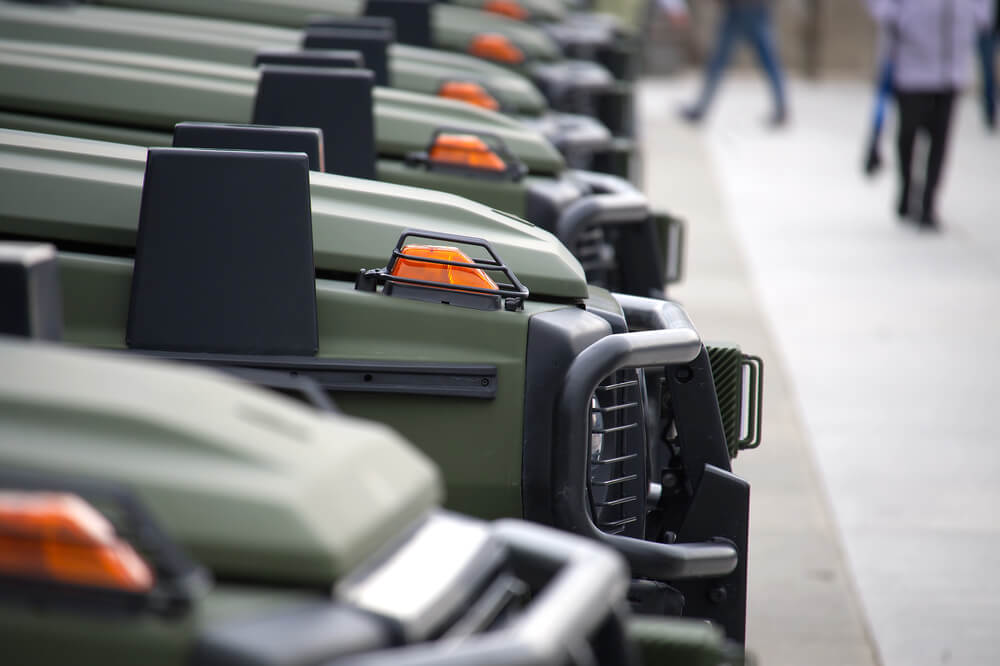
In 1919 a young Dwight Eisenhower took part in an Army convoy across the country on the Lincoln Highway, which took about two months. The ordeal, and the failure of the Army’s convoy to travel smoothly, helped persuade Congress to pass the 1921 Federal Highway Act. Decades later Eisenhower championed the Interstate Highway System.
The Yellowstone Trail
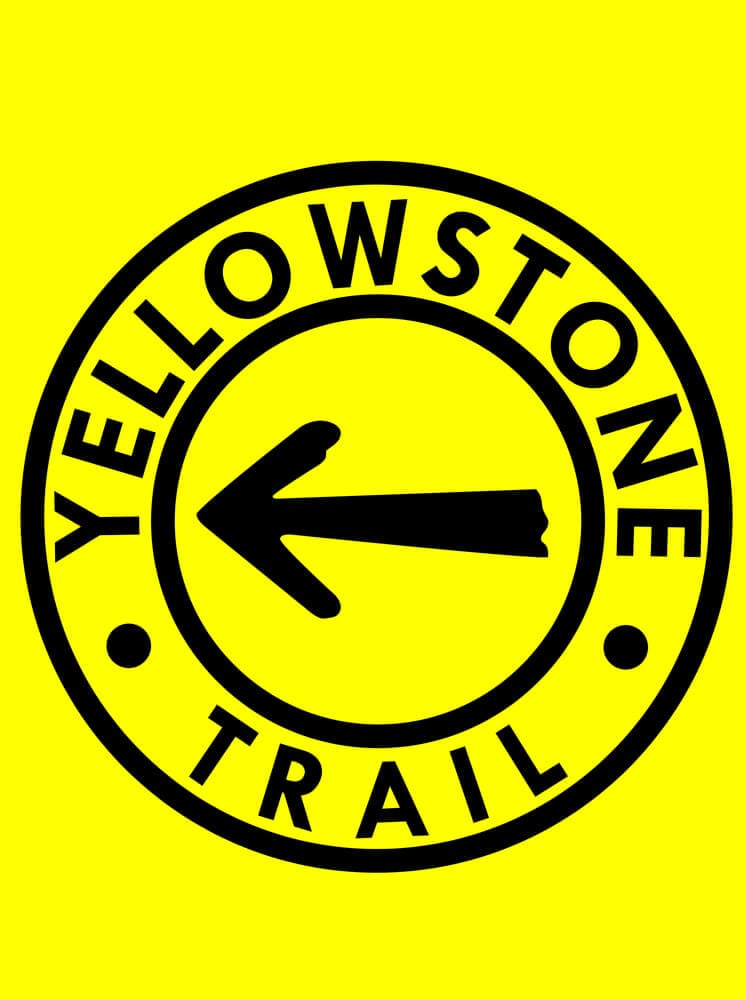
The Yellowstone Trail Association was formed in 1912 to promote a road across the northern states. It encouraged towns to improve roads and mark the route. The trail was one of many named highways of the era.
The National Old Trails Road
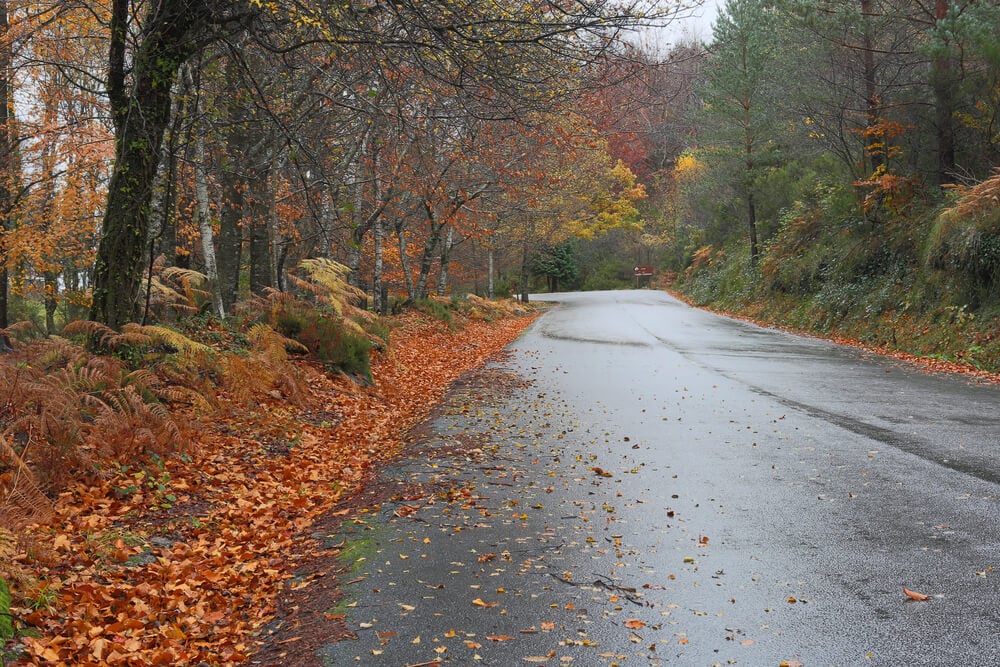
The National Old Trails Road was dedicated in 1912 as another of the named highway routes that organizers promoted across the country. It followed older paths used by pioneers. Named roads like this one preceded the numbering system that came later.
Yellowstone Opens to Cars
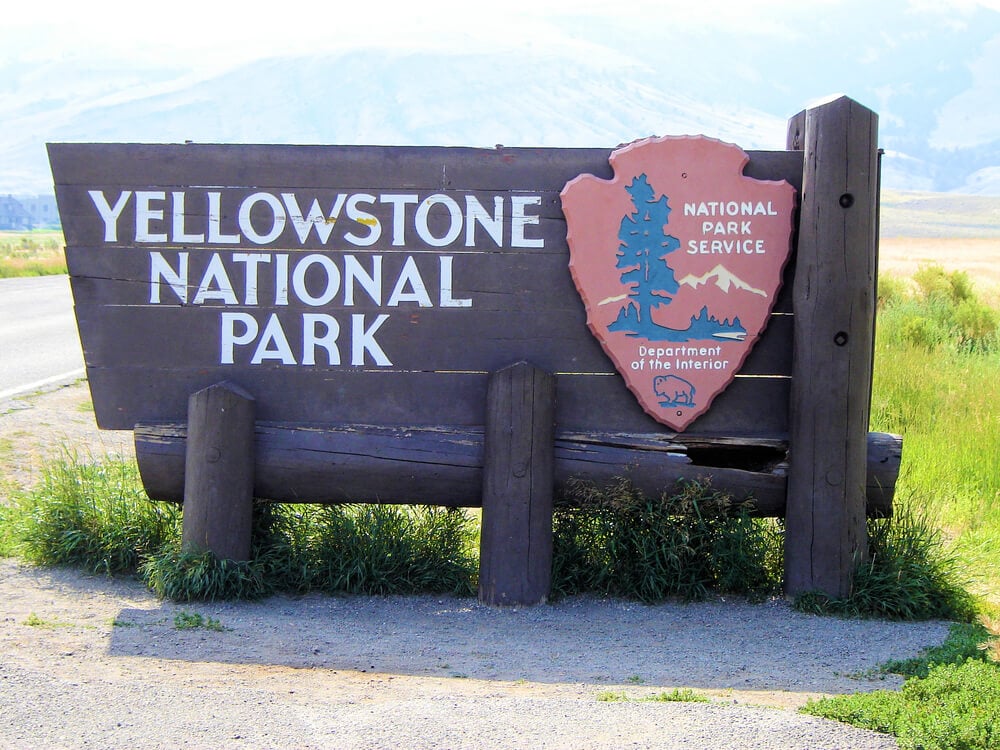
In 1915, Yellowstone National Park opened to automobiles, allowing visitors to drive through the world’s first national park. The change brought tourists in cars rather than stagecoaches. It was an early sign of how automobiles would reshape national park visits.
Route 66 Gets Its Number
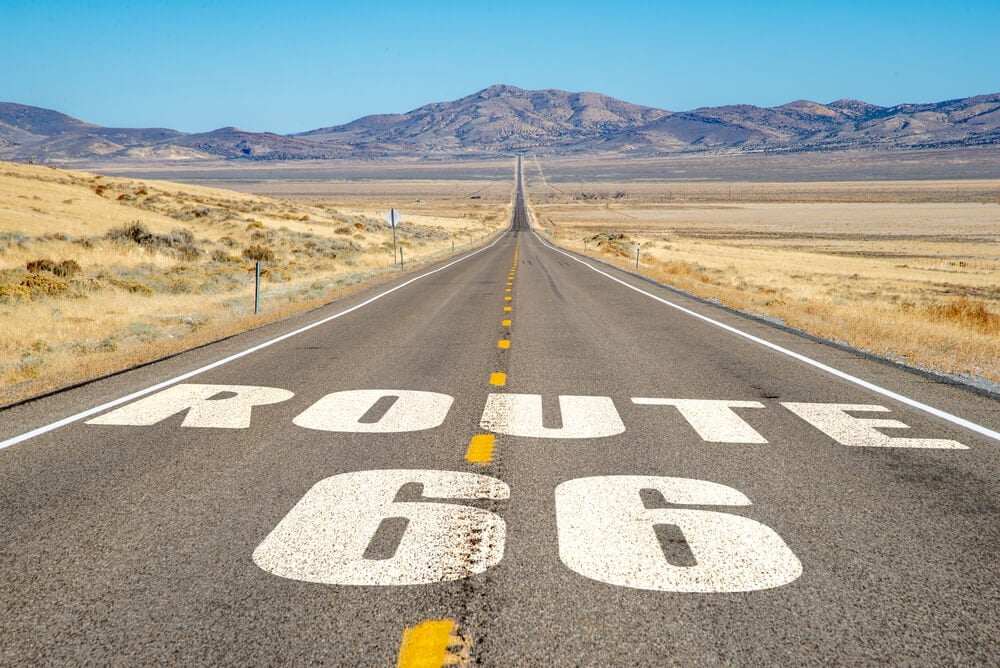
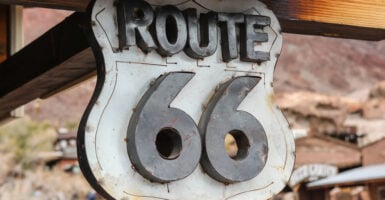
In November 1926, U.S. Route 66 was officially designated, running from Chicago to Los Angeles. The numbered highway system replaced the confusing patchwork of named trails. Route 66 became the best known of the new numbered highways.
The Road Before the Map
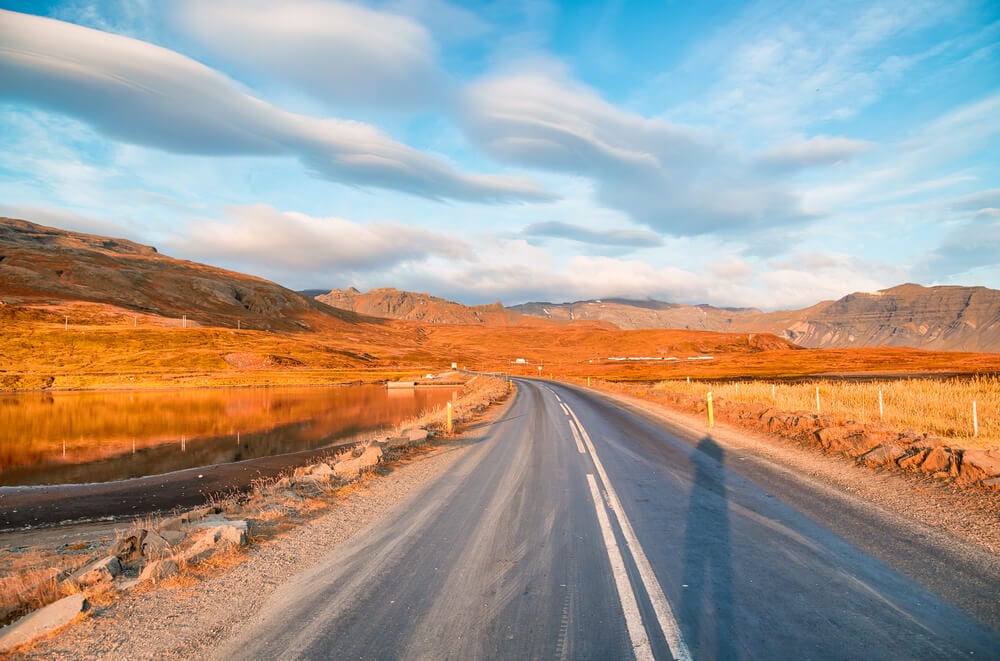
These early trips were driven by bets, publicity, and curiosity. The people behind them had little more than determination and a spare tire.
The roads they pioneered gave way to numbered highways, and eventually to interstates. Yet the spirit of those first trips, the idea that an ordinary person could cross the continent by car, remains central to how Americans think about the road.
More from Go2Tutors!

- 27 Silver Dollars and Half Dollars Worth Keeping
- 28 Restaurant Menu Items Nobody Orders Anymore
- 17 Places Built in Seemingly Impossible Spots
- 27 Vintage Rings Worth More Than They Look
- 25 Restricted Sites Tourists Can’t Enter
Like Go2Tutors’s content? Follow us on MSN.