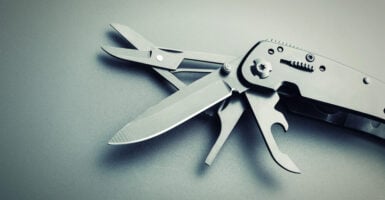
Old Pocketknife Details That Help Identify Makers
A pocketknife that spent fifty years in a coat pocket or a tackle box rarely comes with a receipt. What it does carry is a collection of small clues, from the stamp on the blade to the shape of the nail nick, that can point to a manufacturer and an era.
Collectors learn to read these clues the way a mechanic reads an engine. The details below are the ones that tend to settle arguments at flea markets and estate sales.
The Tang Stamp Near the Pivot
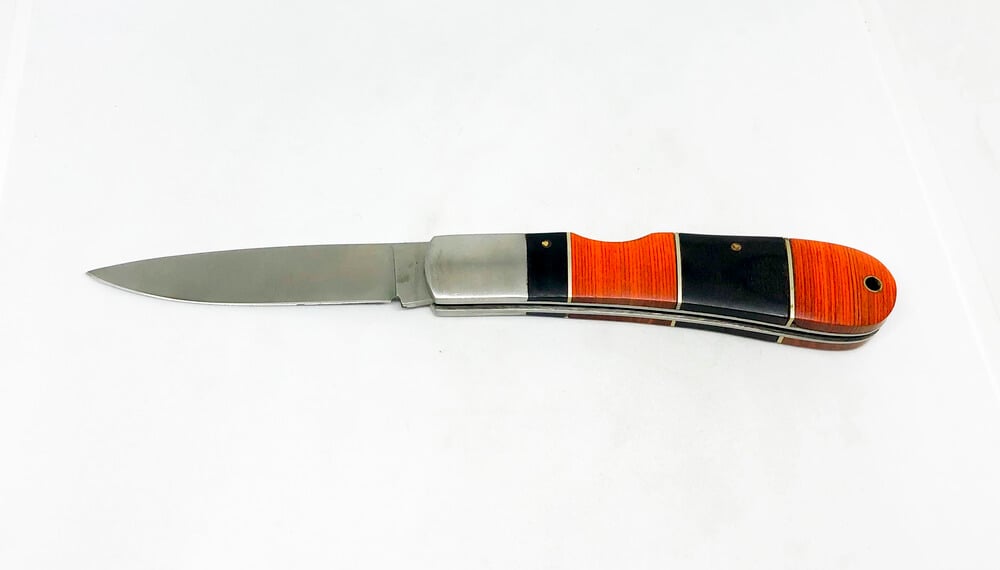
The base of the main blade, called the tang, is where most makers stamped a name, a city, or a brand. Even a faint stamp is worth tilting under a lamp, because a few legible letters can narrow a search to a single factory. A blade with a stamp worn smooth by decades of sharpening and handling is common, which is why the other clues matter.
Country of Origin Marks

Imported goods sold in the United States have been required to carry a country of origin mark since the tariff rules of the early 1890s, so a knife stamped “Germany” or “England” generally dates from that period or later. A knife with a foreign maker’s name and no origin mark may predate those rules or may have been marked somewhere less obvious. The wording and placement of the mark often shift with the decade, which helps with dating.
The Sheffield and Solingen Connection
Sheffield, England, and Solingen, Germany, were the two great knife-making centers, and many American brands were made in one or the other. A famous Sheffield example is the brand mark of George Wostenholm, which appears on pocketknives that were sold around the world. Identifying the city on a stamp is often the first step toward finding the maker.
Bolster Material and Shape
The bolsters are the metal caps at the ends of the handle, and they can be brass, nickel silver, or steel. Better knives often used nickel silver, while budget models tended toward plain brass or steel. The shape of the bolster, whether rounded, squared, or pressed with a decorative pattern, is a signature feature of some factories.
The Shield on the Handle
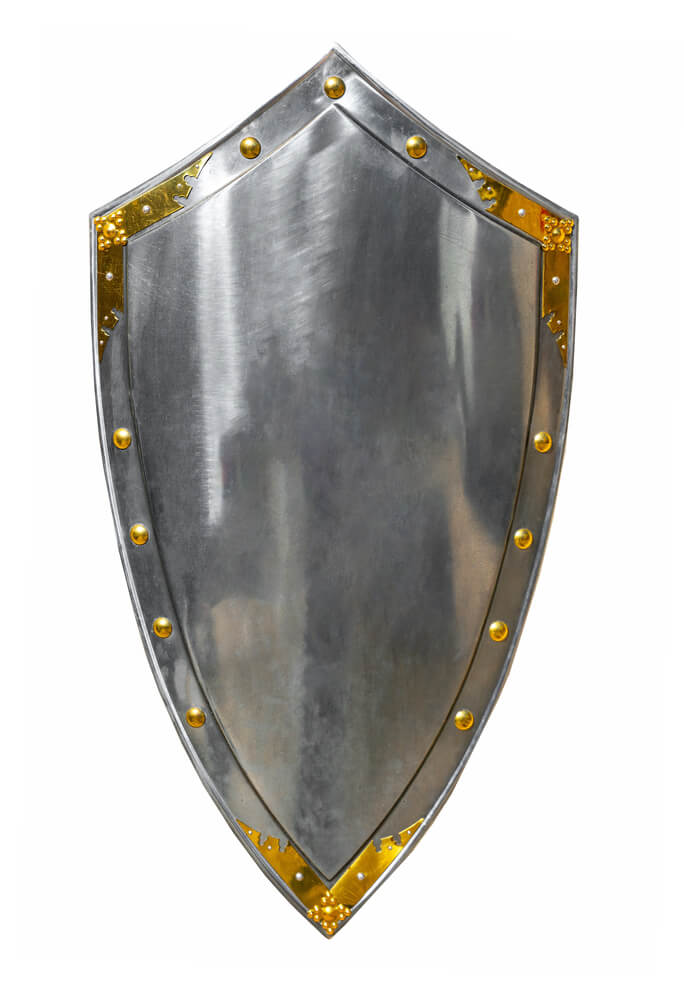
Many knives carry a small metal shield inlaid in the handle, sometimes blank and sometimes etched with a brand or initials. Remington’s bullet-shaped shield, used on its knives in the early twentieth century, is one of the most recognized in American cutlery. A blank shield was made for owners who wanted to engrave their own initials, so an empty one does not mean a cheap knife.
Handle Materials
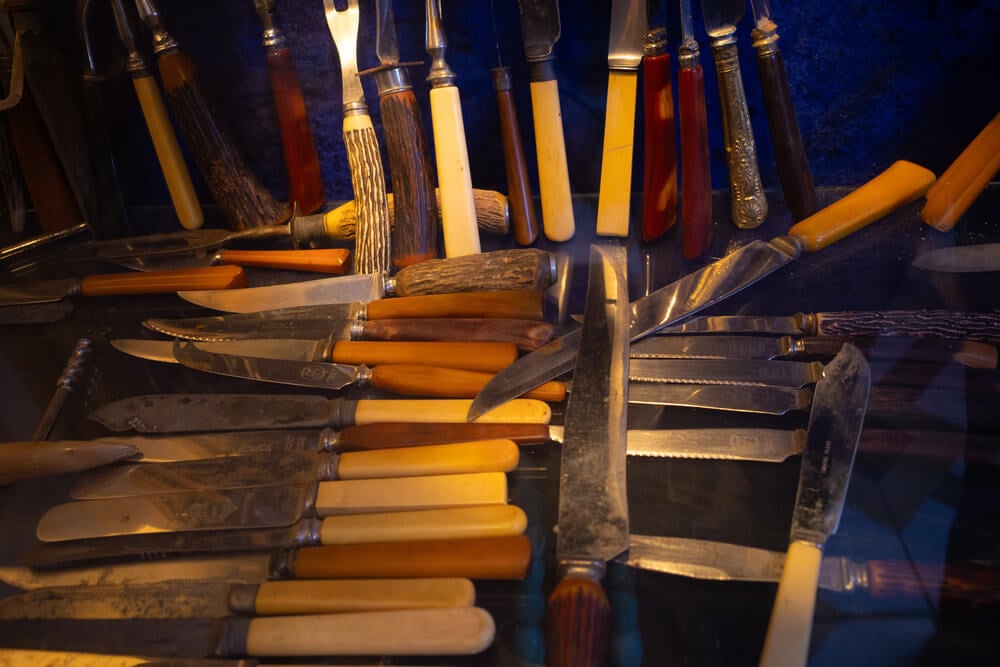
Stag, jigged bone, mother of pearl, celluloid, and wood each tell a story about the price and era of a knife. Jigged bone, which has been cut with a pattern of grooves and then dyed, was a favorite for working knives, while mother of pearl signaled something dressier. Celluloid imitations of pearl and tortoiseshell are common on older pieces and tend to yellow or shrink at the edges.
Nail Nicks and Their Styles
The groove cut into a blade to let a thumbnail pry it open comes in many shapes, including a single straight nick, a double nick, and a long pull. Some makers used the same nick style for decades, which turns the groove into a fingerprint of sorts. A mismatch between a nick style and a claimed maker is a reason for suspicion.
Pins, Rivets, and Liners
The pins that hold the handle together are visible on the surface, and their material and spacing can identify a maker or a model line. Brass liners that run along the inside of the handle, often called the frame, suggest higher quality construction than a simple stamped handle. Replacement pins, which sit slightly differently than the originals, are a warning that a knife has been rebuilt.
The Shape of the Backspring
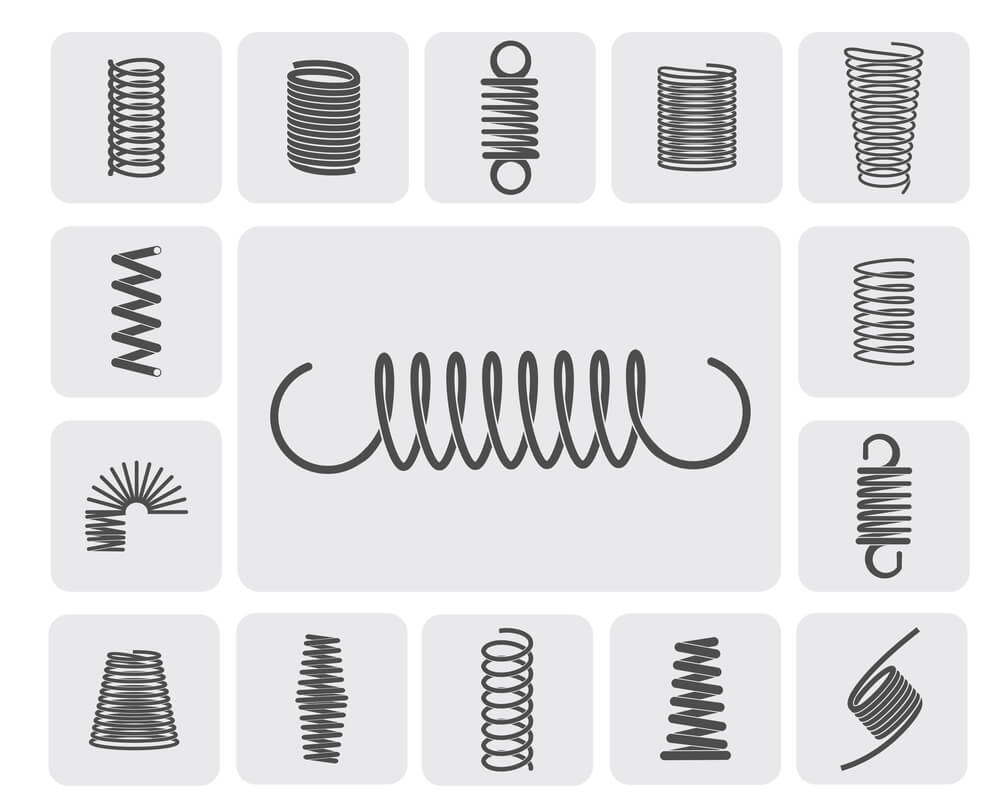
The spring that holds the blades open and closed varies in thickness, notching, and shape among factories. Collectors who open a knife wide often can see a signature curve at the end of the spring, and some makers filed distinctive patterns into it. A spring that has been replaced usually stands out because it is cleaner than the rest of the interior.
Blade Etchings and Grind Marks
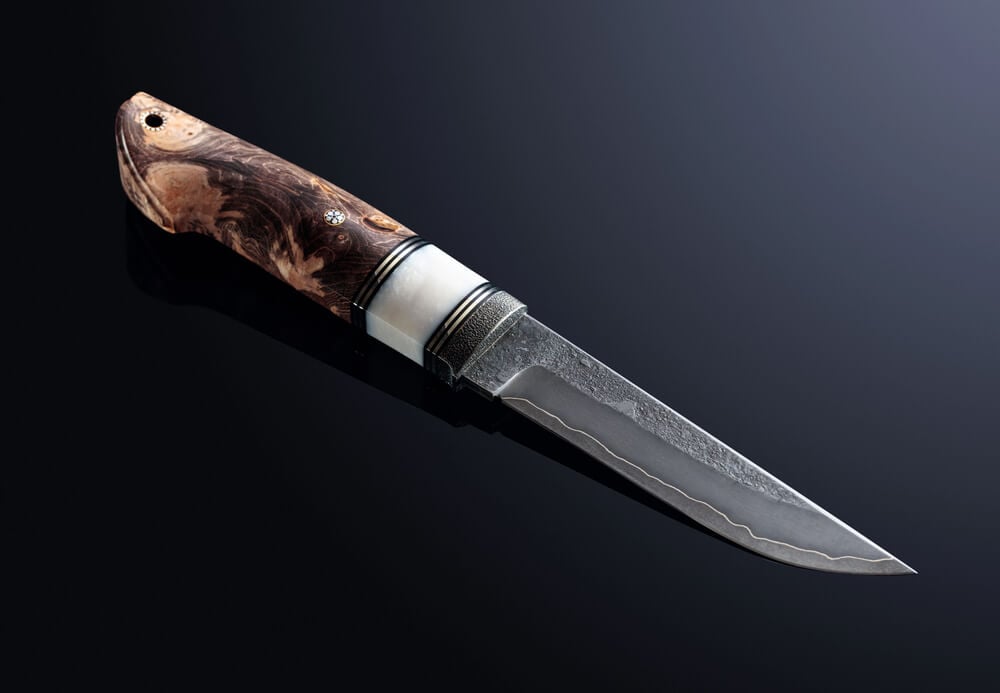
Some blades carry an etched design near the tang, which was applied with acid and a stencil, and the style of the etch can help place a knife in a decade. The way a blade was ground, flat or hollow or sabre, is also a clue because some factories favored one grind. Heavy sharpening can remove an etching entirely, leaving only faint ghost lines.
The Swiss Army Cross and Shield
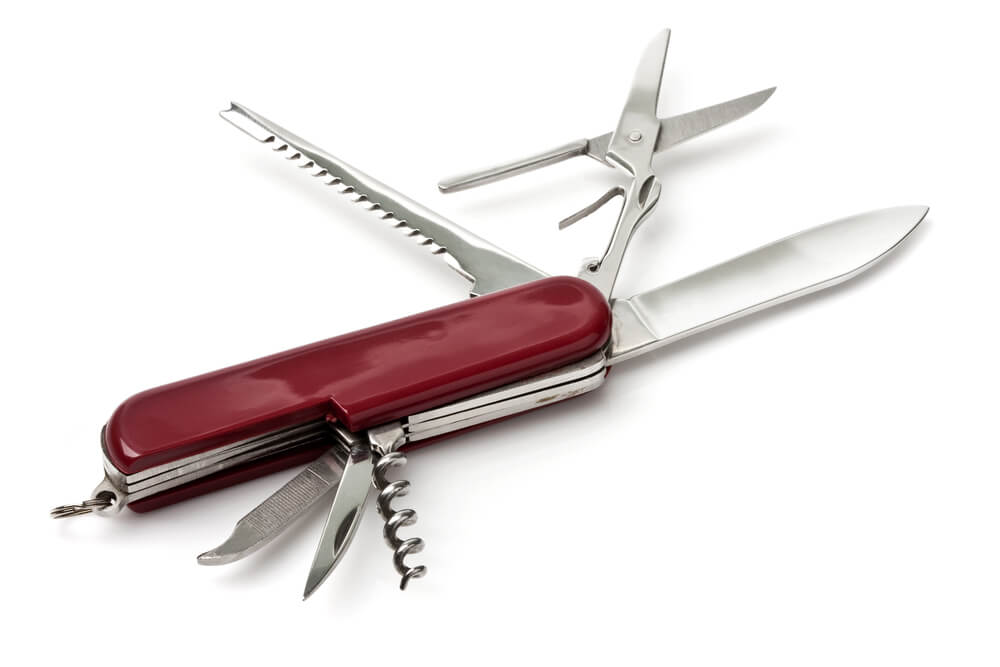
The cross-and-shield emblem on Swiss Army knives is the clearest example of a mark that reveals the maker at a glance. Victorinox traces its origins to Karl Elsener, who began making cutlery in Switzerland in the 1880s and later supplied knives to the Swiss Army. Variations in the design of the emblem and the lettering can help date a particular knife.
Camillus and Military Contracts
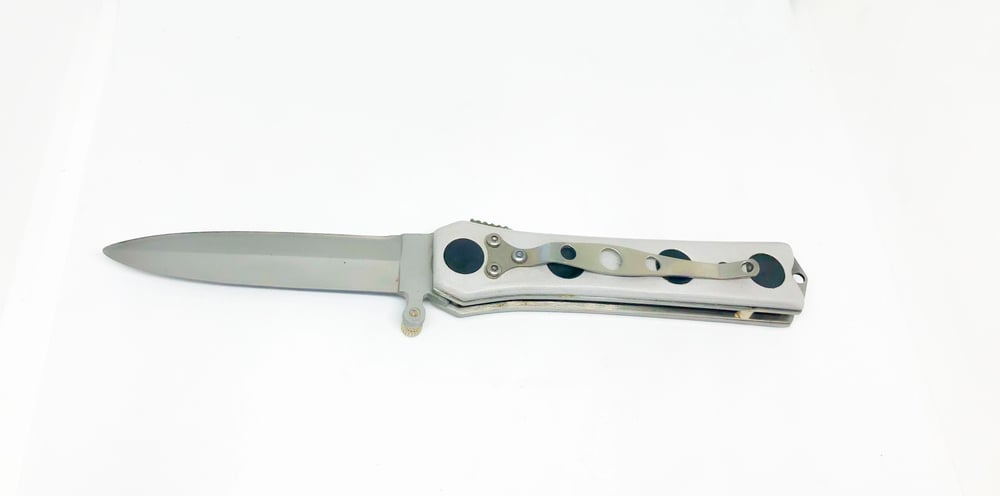
Camillus Cutlery Company in New York produced knives for the United States military during the twentieth century, including pocketknives issued to servicemen. Military knives often carry a contract number or a government stamp on the blade or the handle. Because many were issued in large numbers and carried hard, condition is a major factor in what collectors will pay.
The Case XX Marking

Case knives, made in Bradford, Pennsylvania, carry a stamp that has changed over the years, and the “XX” in the logo is a signature that helps date them. Collectors use the shifts in the tang stamp to place a knife in a particular period. Because values depend heavily on condition and originality, a polished or reground blade can drop the price sharply.
Wear Patterns and Sharpening History

A blade that has been sharpened for a lifetime changes shape, and a once-straight edge can end up with a pronounced curve that tells of years of use. Uneven wear, a blade that has been ground short, or a pivot that wobbles all affect value. Collectors prefer knives that show honest use over knives that have been aggressively cleaned, since over-polishing can erase the stamp that proves the maker.
What the Clues Say Together
No single detail identifies a maker, but a handful of them together usually can. A stamp, a bolster, a shield, and a nick style that all point to the same factory make a far stronger case than any one of them alone.
A clean, careful look at an old knife, with a lamp, a loupe, and a bit of patience, often says more than any label could. The best finds are the ones where every small detail agrees with the others.
More from Go2Tutors!

- 27 Silver Dollars and Half Dollars Worth Keeping
- 28 Restaurant Menu Items Nobody Orders Anymore
- 17 Places Built in Seemingly Impossible Spots
- 27 Vintage Rings Worth More Than They Look
- 25 Restricted Sites Tourists Can’t Enter
Like Go2Tutors’s content? Follow us on MSN.